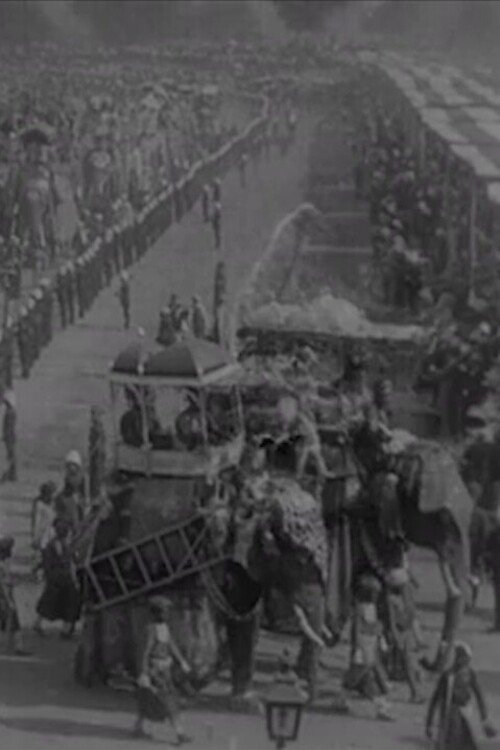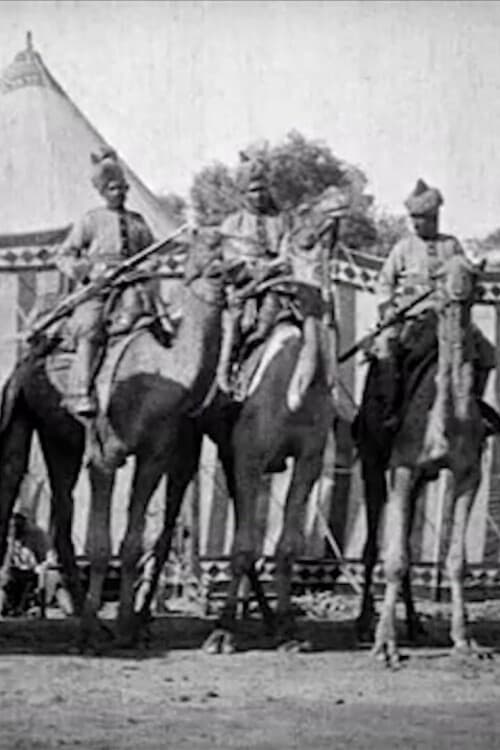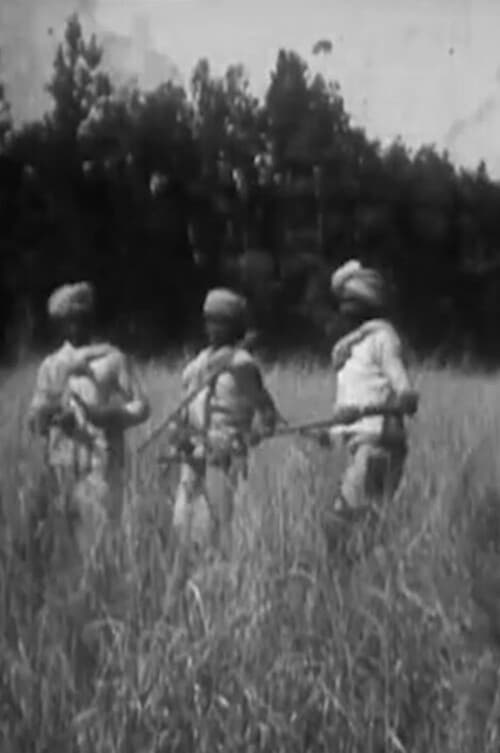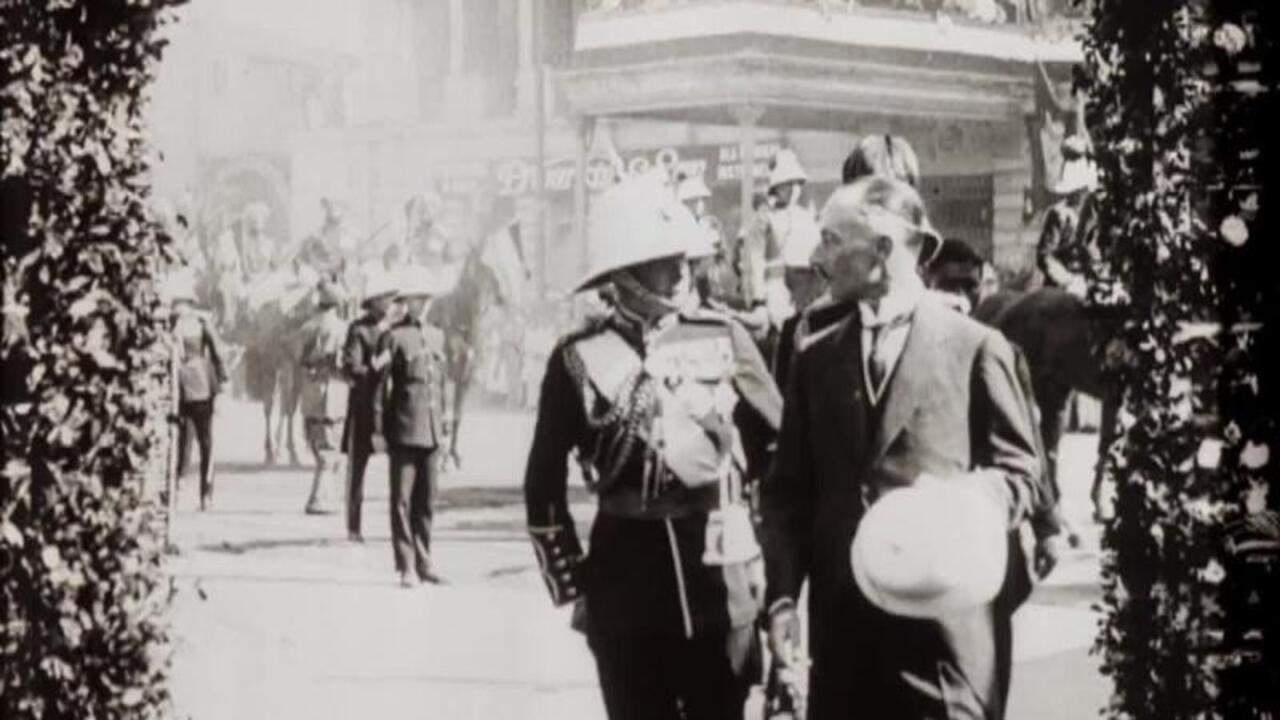

The future Edward VIII opens a durbar and enjoys a day at the races before inspecting the fire brigade in Calcutta.

Social & External
Unknown Role
The film is a cinematic interpretation of the travel book “Armenia” by Russian poet Andrei Bely.
The anti-Slumdog Millionaire in documentary form, "Buzz" charts the tumultuous rise of India's most famous tattoo artist as he struggles to overcome the demons of his poverty-stricken childhood through art.
Documentary depicting the lives of child prostitutes in the red light district of Songachi, Calcutta. Director Zana Briski went to photograph the prostitutes when she met and became friends with their children. Briski began giving photography lessons to the children and became aware that their photography might be a way for them to lead better lives.
Drawing on original footage from National Geographic, Etched in Bone explores the impact of one notorious bone theft by a member of the 1948 American-Australian Scientific Expedition to Arnhem Land. Hundred of bones were stolen and deposited in the Smithsonian Institution in Washington DC, until it became known to Arnhem elders in the late 1990s. The return of the sacred artefacts was called for, resulting in a tense standoff between indigenous tribespeople and the Department of Anthropology at the Smithsonian.
A woman narrates the thoughts of a world traveler, meditations on time and memory expressed in words and images from places as far-flung as Japan, Guinea-Bissau, Iceland, and San Francisco.
With the Olympics returning to Greece, the opening ceremony of Athens 2004 sought to show the entire development of the Olympics over the centuries, until arriving at the modern Olympics.
Three centuries of Venezuela's history as a Spanish colony are considered from economic, political and social standpoints; evocations of the past are compared to the present. Based on the ideas and research of Federico Brito Figueroa, Alfredo A. Alfonso, Miguel A. Saignes, Josefina Jordan, and Thaelman Urgelles among others.
A journey that follows the Ganges from its source deep within the Himalayas through to the fertile Bengal delta, exploring the natural and spiritual worlds of this sacred river.
A Maasai human rights lawyer fights to stop the evictions of his people from their homelands in Tanzania. On the outskirts of Serengeti National Park in East Africa, Maasai face eviction from their land to make way for international tourism and hunting grounds. Human rights lawyer Joseph Oleshangay campaigns for his community to remain on its homeland as it has done for generations. While he represents Maasai communities in court, Joseph also remains close to his traditions among the cattle at his rural home near the Ngorongoro Crater. Risking his life to gather evidence from recently depopulated villages, Joseph battles in court where he leads the fight to resist the evictions.


When Tomoko finds some messages for a 'Mr Smith' on a lost mobile phone, she finds herself on an 'Alice in Wonderland' journey through Tokyo's boulevards and back alleys. From the tyranny of symmetry in soaring office blocks - to buildings that look like space-ships, this creative documentary shows us the city's soul.
In Inukjuak, an Inuit community in the Eastern Arctic, a baby boy has come into the world and they call him Timuti, a name that recurs across generations of his people, evoking other Timutis, alive and dead, who will nourish his spirit and shape his destiny.
Travel films have an established format with their own conventions, history and baggage. It is a medium that has all too often sought to control, define and dictate perceptions of ”other” places. Comprised of footage shot while travelling on group excursions across Russia in 2019, An Uncountable Number of Threads is an attempt to draw out the ethical restrictions of a travelogue, while questioning how (and why) to make one. At times there is an awkward tourist-gaze, aware of its outsider position. But as a self-reflexive work that considers its own creation, it ultimately unravels, as the artist rationalises themselves out of a particular way of working, inviting the viewer into their uncertainty.
Bruce Brown's The Endless Summer is one of the first and most influential surf movies of all time. The film documents American surfers Mike Hynson and Robert August as they travel the world during California’s winter (which, back in 1965 was off-season for surfing) in search of the perfect wave and ultimately, an endless summer.
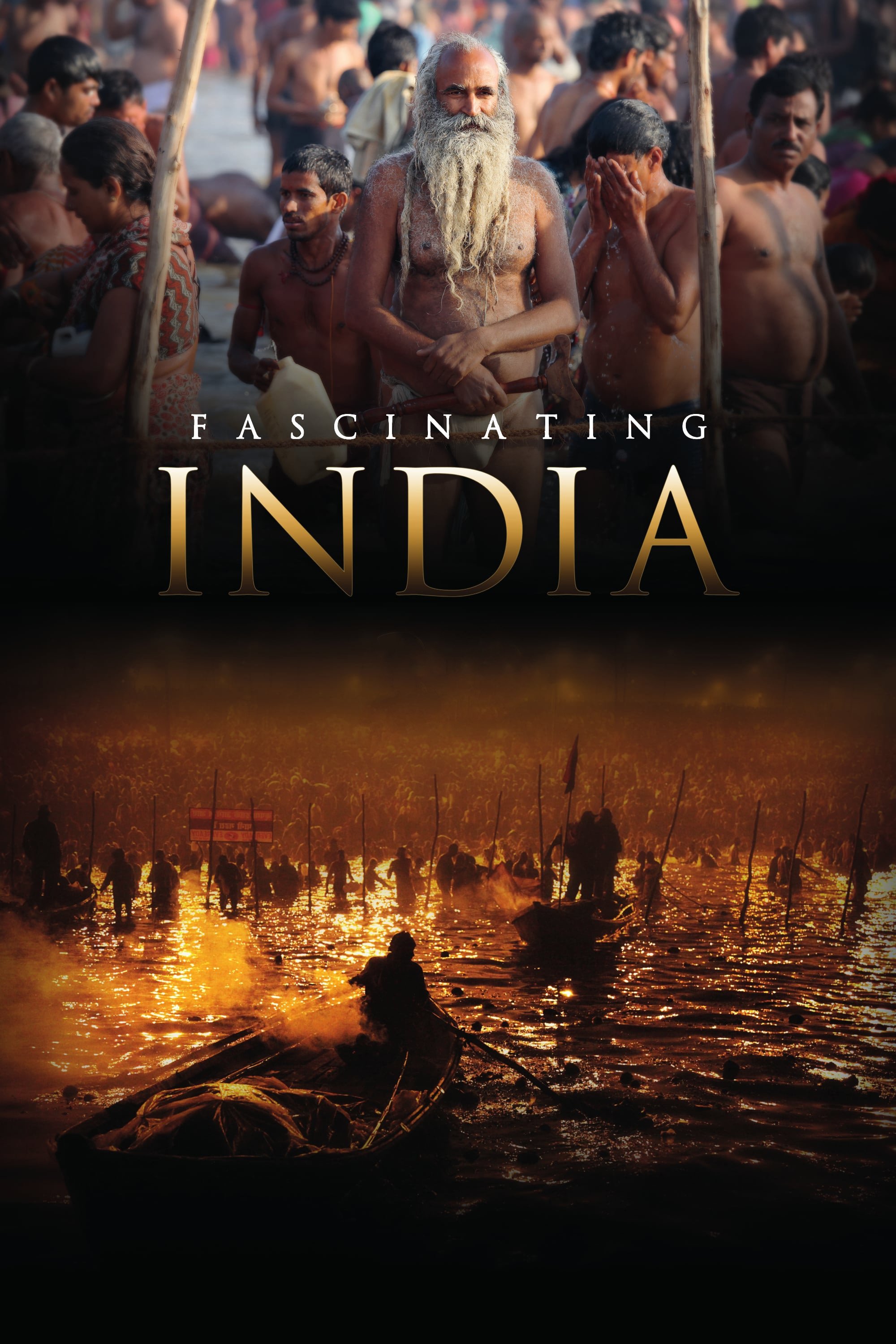
"Fascinating India" spreads an impressive panorama of India’s historical and contemporary world. The film presents the most important cities, royal residences and temple precincts. It follows the trail of different religious denominations, which have influenced India up to the present day. Simon Busch and Alexander Sass travelled for months through the north of the Indian subcontinent to discover what is hidden under India’s exotic and enigmatic surface, and to show what is rarely revealed to foreigners. The film deals with daily life in India. In Varanasi, people burn their dead to ashes. At the Kumbh Mela, the biggest religious gathering of the world, 35 million pilgrims bathe in holy River Ganges. This is the first time India is presented in such an alluring and engaging fashion on screen.
By drawing a parallel between the Indian Durga Puja festival and other forms of celebrating the divine feminine, Santa Shakti reveals the Sacred Power beyond languages and religions.
An exploration of the 'respectable' and 'immoral' stereotypes of women in Indian society told from the point of view of two striptease dancers in a Bombay cabaret.
This excellent feature-length documentary - the story of the imperialist colonization of Africa - is a film about death. Its most shocking sequences derive from the captured French film archives in Algeria containing - unbelievably - masses of French-shot documentary footage of their tortures, massacres and executions of Algerians. The real death of children, passers-by, resistance fighters, one after the other, becomes unbearable. Rather than be blatant propaganda, the film convinces entirely by its visual evidence, constituting an object lesson for revolutionary cinema.
Journey alongside a young tigress raising her cubs in the fabled forests of India.
In Abby Martin's second feature documentary, Earth’s Greatest Enemy reveals a hidden truth behind the climate crisis: the role of the U.S. military as the world’s largest institutional polluter. Drawing on powerful testimonies from veterans, scientists, and frontline communities, it uncovers how military operations poison ecosystems, accelerate global warming, and sacrifice the future for endless expansion. From Alaska’s melting glaciers to contaminated bases across the U.S. and toxic battlefields abroad, Earth’s Greatest Enemy delivers a provocative and unflinching examination of the untouchable institution playing an outsized role in the climate crisis.
Sue Perkins immerses herself in the complex life of Kolkata and sees how it is reinventing itself as a megacity with a reputation for eccentricity, culture and tolerance.