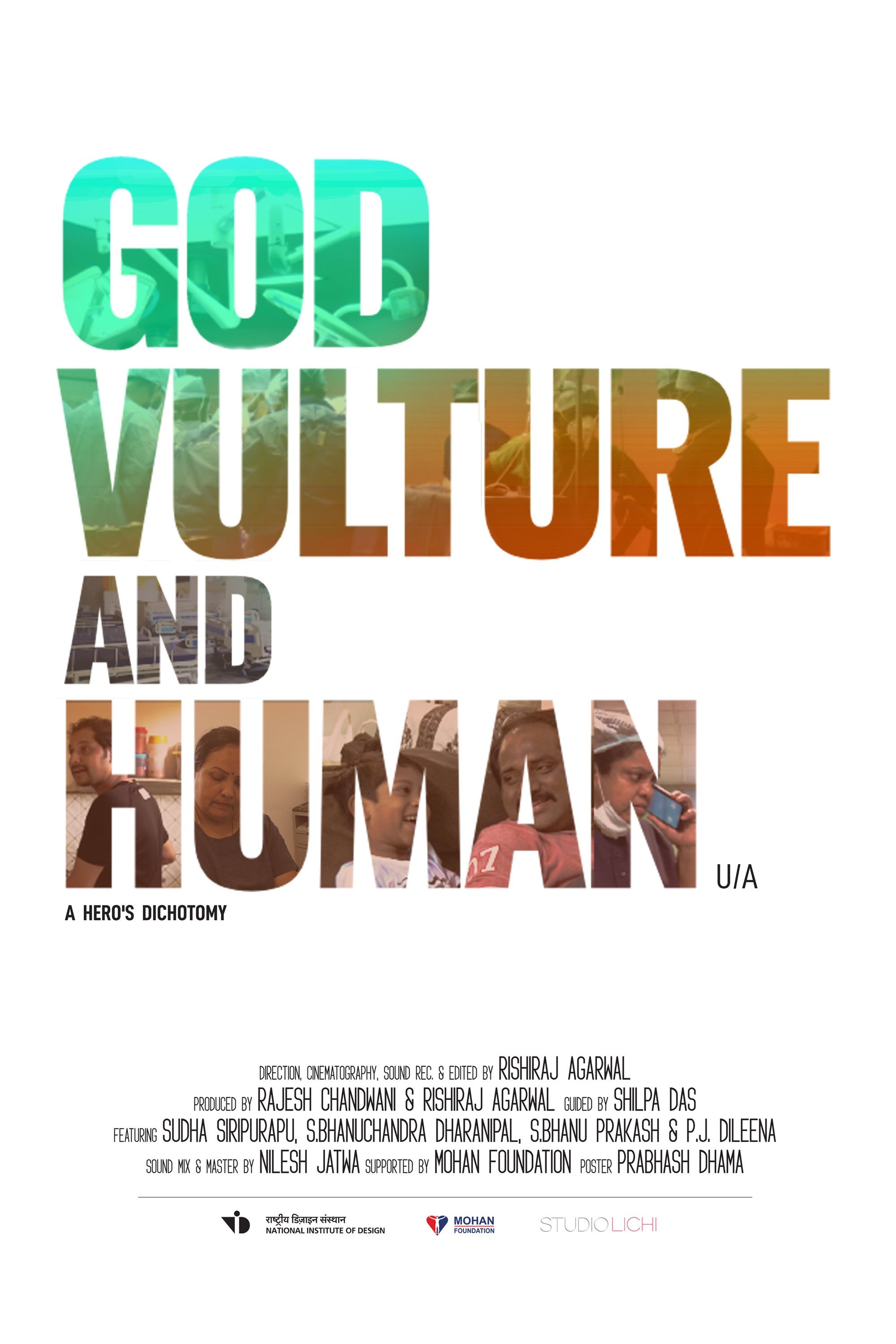
"A hero's dichotomy"
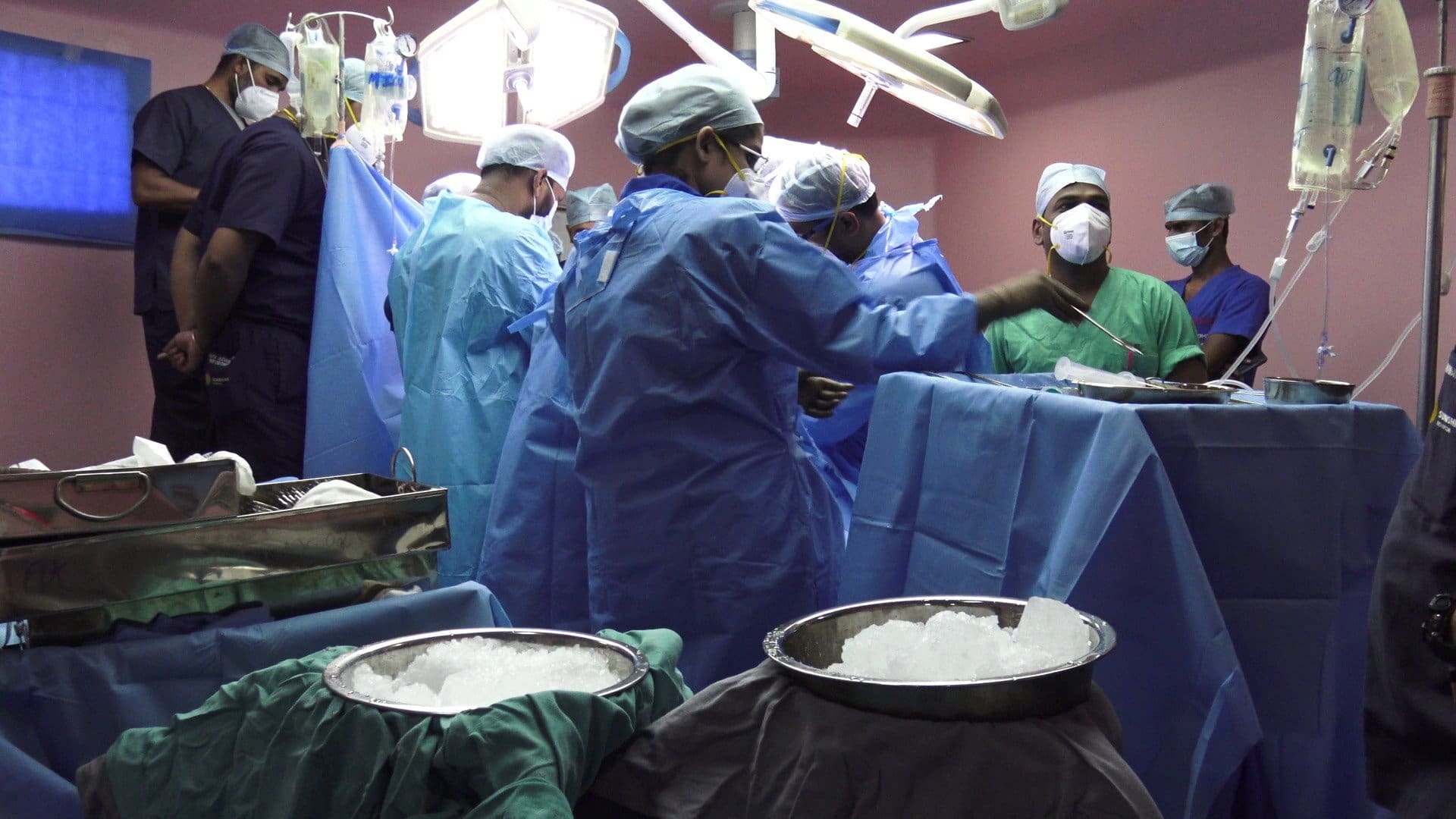
The film explores the subject of organ donation through the lens of transplant coordinators, highlighting their role in the process of organ donation, retrieval and transplantation.

Social & External
Self
Self (Voice)
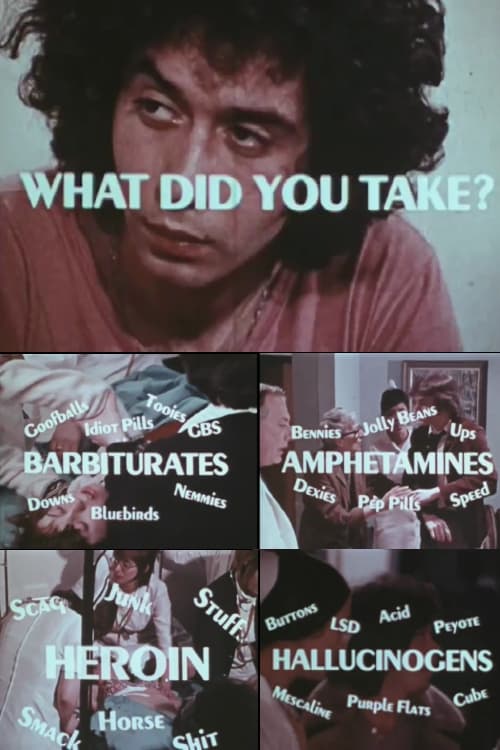
Stresses recognition and treatment of drug abuse emergencies, accurate identification of symptoms, and immediate clinical procedures. Presents scenes of actual cases in the emergency room and adjoining physician's offices of Beth Israel Medical Center in New York City. Viewers observe emergency treatment of patients in the major classes of drugs commonly abused, opiates, depressants, stimulants, and hallucinogens. The film demonstrates to health professionals that successful management of drug overdoses can save most lives and avert additional organic and psychiatric complications.
After a tragic series of events in his life, Rob discovers the over-the-counter drug known as codeine. The effects of the pill are so strong and addictive, that soon, Rob becomes dependant and consumes them daily. But the less he feels the more he misses, as his life degrades into a deep, dangerous, oblivion of bliss.
Phases of Matter follows living and inanimate residents of a teaching hospital in Istanbul, moving from the operating room to the morgue, between life and other states, the real and the virtual.
A movie about the education for nurse told from Bente's perspective. She starts at the preschool at Rødkilde Højskole at Møn and comes from there to a hospital, where student time begins. After three years, Bente is trained and can get the nursing needle attached to the robe.
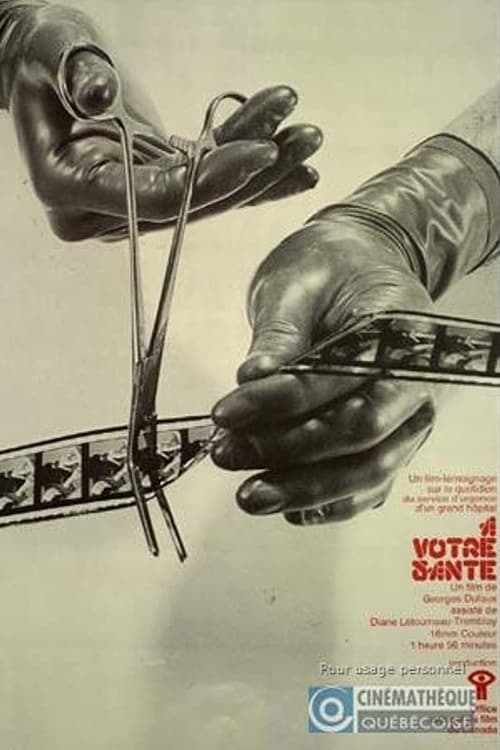
Focuses on the state of the Quebec health system in the early 1970s. This film reveals the harsh reality of emergency rooms. There, medical teams, facing a serious shortage of staff, are facing a real invasion of patients. The technical means, often insufficient, make the task even more difficult.
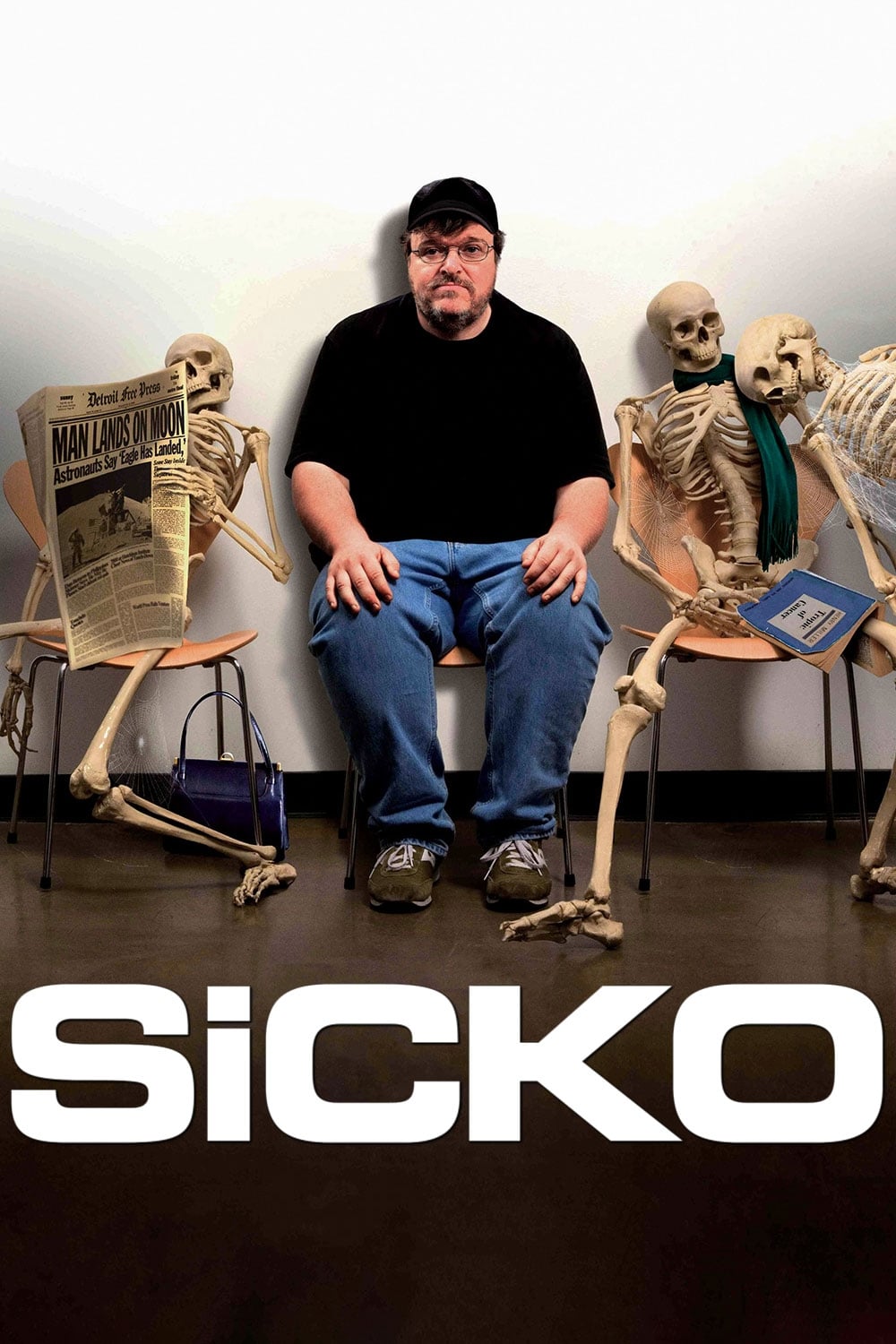
A documentary about the corrupt health care system in The United States who's main goal is to make profit even if it means losing people’s lives. "The more people you deny health insurance the more money we make" is the business model for health care providers in America.
This 1959 documentary short is a frank portrait of the daily operations inside the Montreal General Hospital’s emergency ward.
We aren't dying the way we used to. We have ventilators, dialysis machines, ICUs-technologies that can "fix" us and keep our bodies alive-which have radically changed how we make medical decisions. In our death-denying culture, no matter how sick we get, there is always "hope." Defining Hope tells the story of patients dealing with life-threatening illness as they move between ICUs, operating rooms, hospice care and home. Diane is a nurse caring for end-stage cancer patients when she is diagnosed with ovarian cancer herself. 23-year-old Alena undergoes a risky brain surgery that destroys her short-term memory. 95-year-old Berthold lives with his elderly wife who struggles to honor his wish of dying peacefully at home. Defining Hope follows these patients and others- and the nurses that guide them along the way- as they face death, embrace hope, and ultimately redefine what makes life worth living.
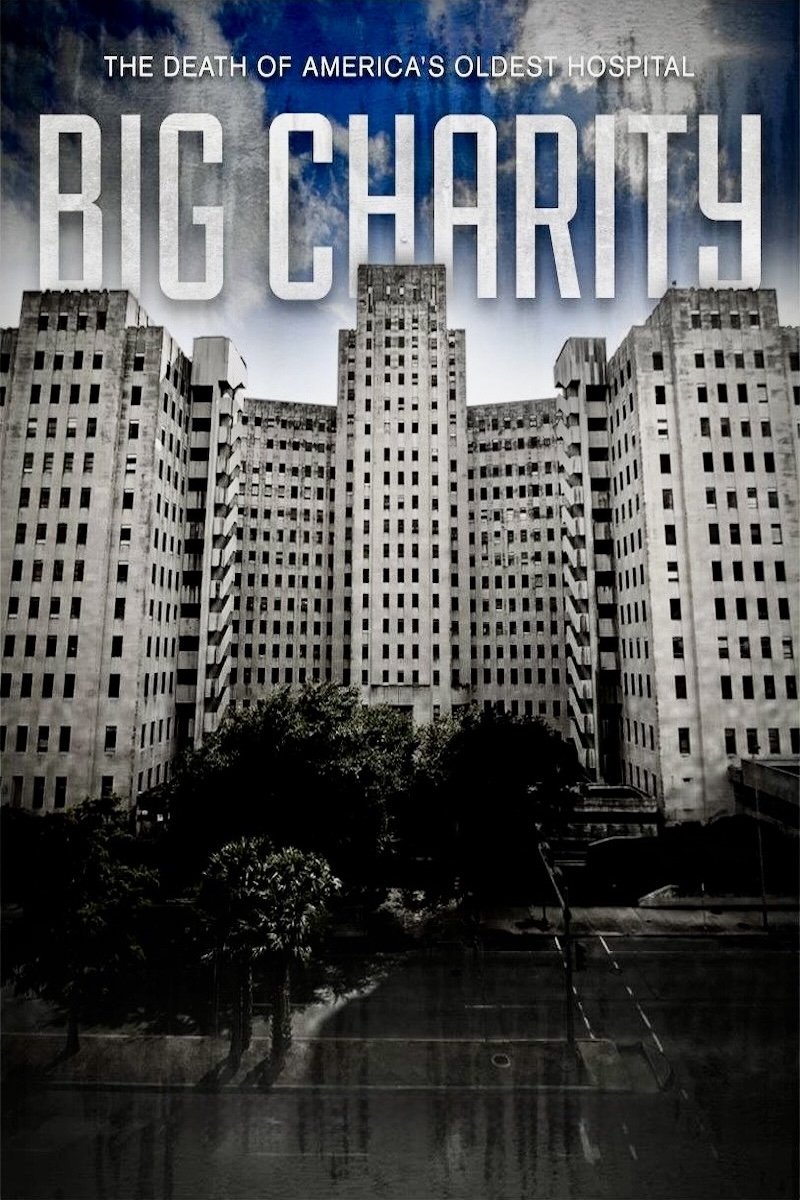
A historical documentary documenting the rise, function, and abandonment of a 17 story building that once housed The Rochester Psychiatric Center. This film tells the story of the building through historical footage, interviews of former staff and patients who recount their memories of the behemoth facility while also exploring the abandoned building as it is today.
Hospital staff are reporting more violence and anti-social behaviour than ever before. In 2015, 8 staff were assaulted every hour – a new record high. At The Queen Elizabeth Hospital in Birmingham – one of the UK’s biggest hospitals – they think they have the answer. Here a private security force of 46 uniformed guards, and a sophisticated CCTV system, keep staff and patients safe. A colourful mixture of characters ranging from ex-soldiers, to bouncers, to former elite sportsmen, it’s the security team’s job to keep the hospital running smoothly. With more than 2 million visitors they have to deal with all aspects of crime and anti-social behaviour. All against a back drop of life changing and life saving procedures.
Alana and Lori were just two LGBT 20-somethings looking for love on Tinder when a casual right swipe made a match that would bind them together forever. Within a few weeks of meeting, Lori learned that Alana suffers from Lupus and has been waiting on the kidney transplant list for years. The state of New York, where Alana lives, has the lowest number of organ donors in the country, and because of her complex medical background, her chances of finding a donor match were incredibly slim. Against all odds, Lori found that she was a candidate for donation and decided to give Alana the ultimate gift. If the transplant is a success, Alana will triple her life expectancy and be freed from nightly dialysis. But if it fails, Lori will go through risky surgery and lose a healthy organ in vain. BEAN is an emotional medical journey for two families that tests the true limits of love and sacrifice.
A small rural hospital in Japan battles an international cybercriminal gang that is holding them ransom with their stolen patient data.
We follow neurosurgeons Clemens Dirven and Arnoud Vincent of the Erasmus MC in Rotterdam in this documentary during the treatment of three patients with a brain tumor.
Things are busy at the Paris hospital where young psychiatrist Jamal and his colleagues work. The place is run down, the staff are exhausted, budgets are constantly being slashed. You know the story, but you’ve rarely seen it conveyed as engagingly as in ‘On the Edge’, which employs a handheld camera and meaningful, artistic interventions to observe the daily routine at the psychiatric ward. The deeply sympathetic Jamal is an everyday hero with an exemplary, humanistic disposition, for whom the most important prerequisites for mental health – and for a healthy society in general – are good relationships with other people. He puts his philosophy into practice by listening patiently, giving good advice and organising theatre exercises based on Molière. Realism and idealism, however, are in balance for the young doctor, at least as long as the institutional framework holds up.
The life stories of four families who were confronted with organ donation or transplantation issues. With humility and great generosity, the characters reveal to us the suffering, feelings, happiness that have surrounded these exceptional moments.
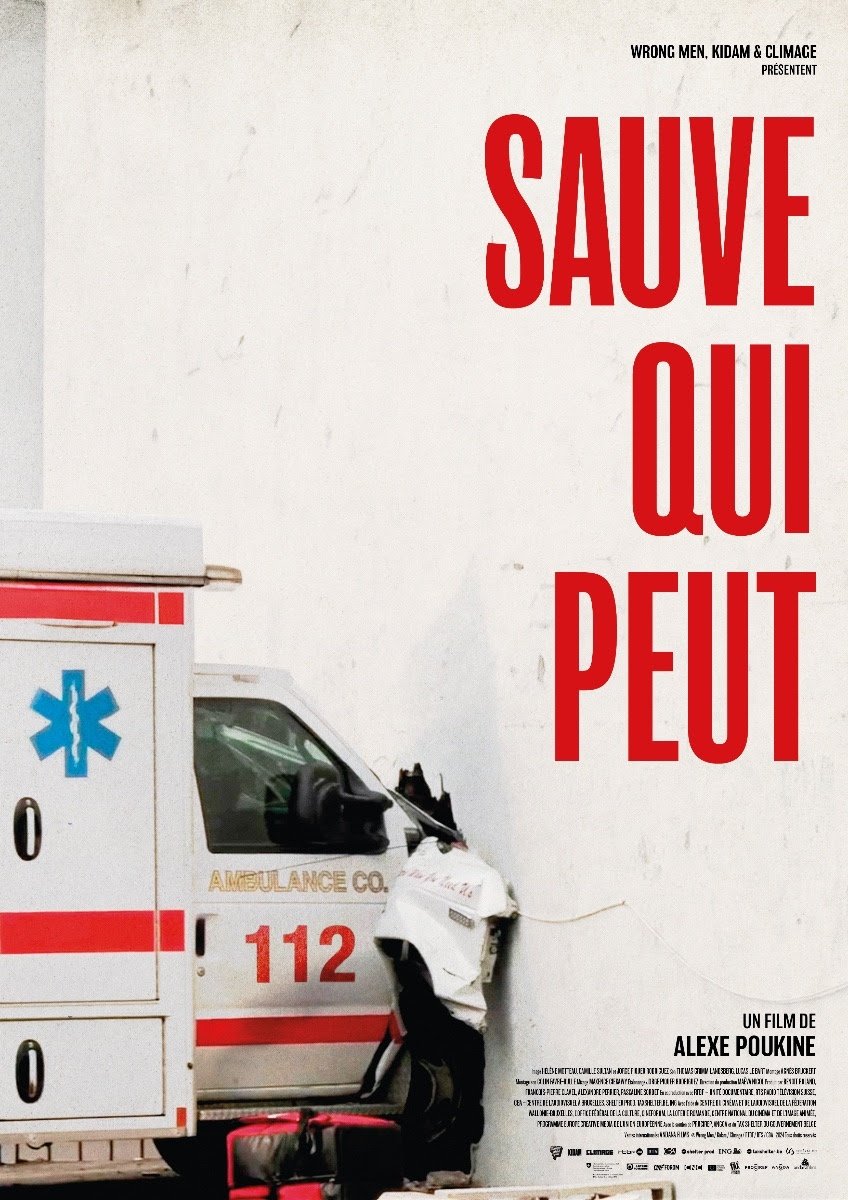
A variety of patients are brought in by ambulance 24 hours everyday. In Japan, ambulance as a part of municipal fire departments, do not charge for transportation to hospitals. Under the motto of "emergency care that never refuses," the Ekisaikai Hospital in Nagoya accepts everyone from the elderly with no relatives to those in need. However, the number of ambulances carrying critically ill patients reached a record high due to the pandemic. Patients rejected by other hospitals are pouring into the Ekisaikai Hospital, and the beds are filling up fast... Documentary filmmaker Takuro Adachi observes doctors and patients in various generations and background, and listens to their real voices.
A documentary that examines the issue of forced live organ harvesting from Chinese prisoners of conscience, and the response - or lack of it - around the world. It's happened before: governments killing their own citizens for their political or spiritual beliefs. But it’s never happened like this. It’s happened so often that the world doesn’t always pay attention.

"Welcome to my life", Sylvie Hofmann repeats this sentence almost all day long. Sylvie has been a nurse for 40 years at the North Hospital of Marseille. Her life is running. Between patients, her sick mother, her husband and her daughter, she has always devoted her life to helping others. What if she decided to think a little about herself? To retire? Does she have the right, but above all, does she really want to?

What lies beyond the art of giving and receiving? Ellie, a liberal Democrat and kind-hearted masseuse, decides she wants to share the gift of life with a stranger. Five hundred miles away, Kathy loses hope of receiving a transplant until she hears from Ellie. Over the course of four years, both women face unexpected challenges.
As debate in Canada and the world rages over health care, Hospital City offers a moving, human portrait of the people whom the issues touch most closely.