Social & External
The people behind it
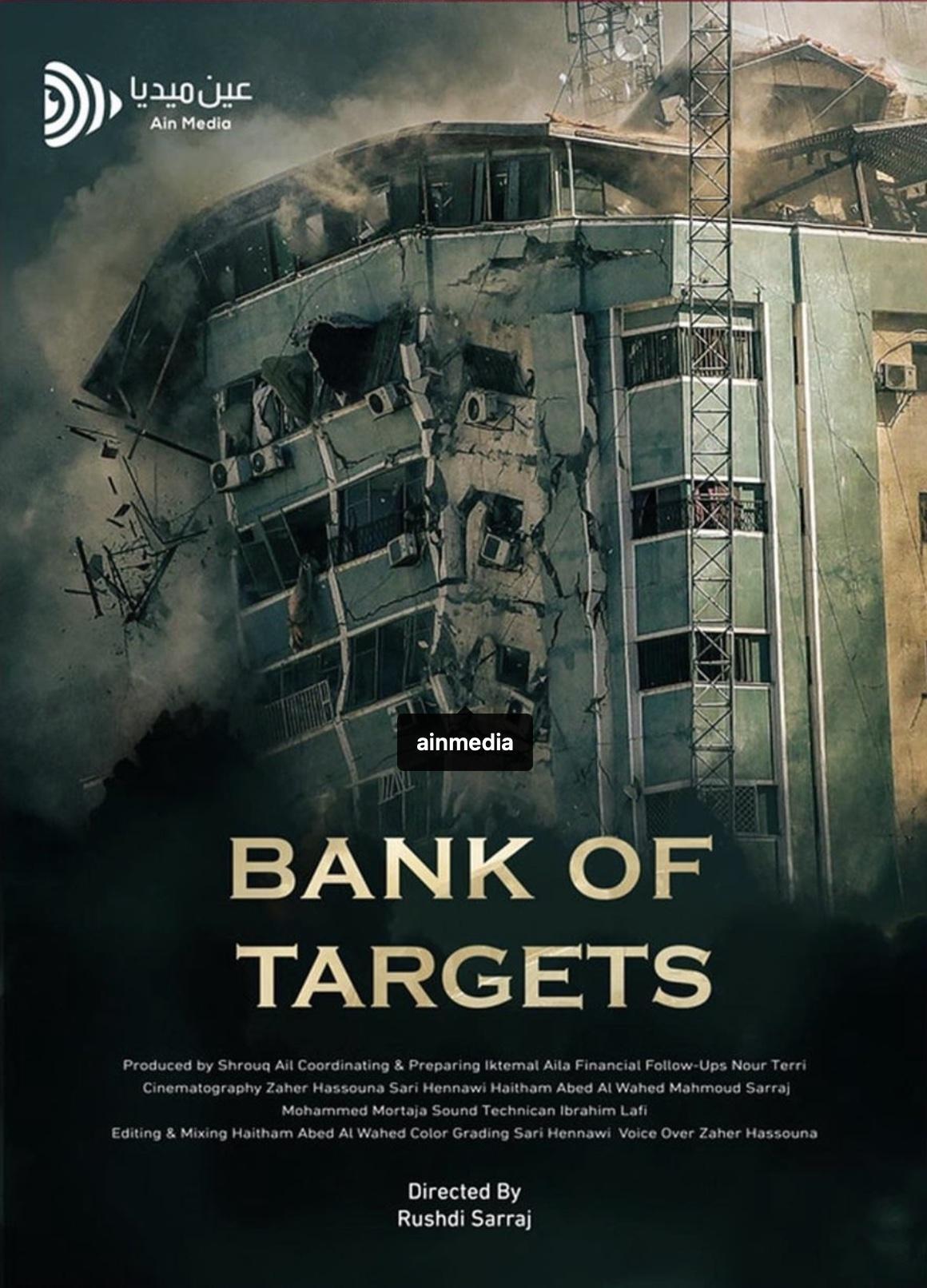
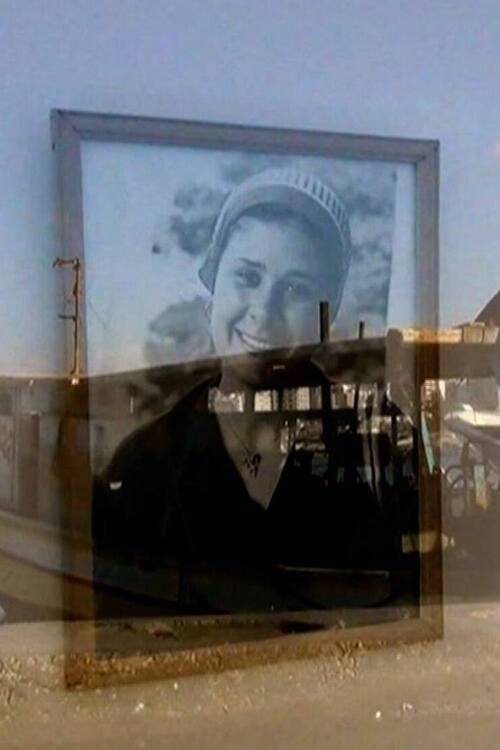
Winner of the Jury’s Special Mention at the 18th Al Ard Film Festival in Sardinia, Bank of Targets documents Israel’s targeting of civilian infrastructure in Gaza in 2021. Through a first-hand account of the bombing of a residential building, Sarraj highlights the efforts of journalists to create a record of war crimes as they unfold. Sarraj was killed in his home by an Israeli air strike on 22 October, 2023.
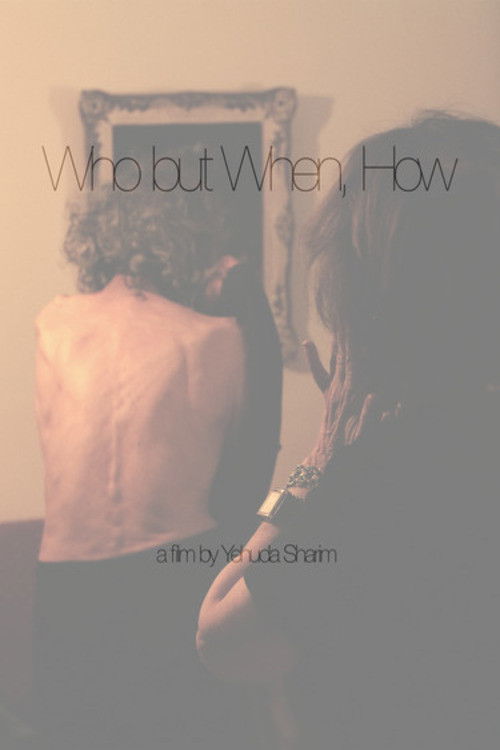
An autobiographical work that traces the director’s return to Israel in the midst of its traumatic moment and horrific acts in Gaza. As his aging father suffers the onset of dementia, Sharim’s poetic meditations on loss are juxtaposed against the conflicted, agonizing histories of Palestine and Israel, and a destabilized future.
The Israeli-Palestinian conflict is drawn at the border towns of Sderot and Gaza, neighboring towns separated by a wall and a few hundred yards. People on both sides hate each other; their governments interact only through bombs and wars.
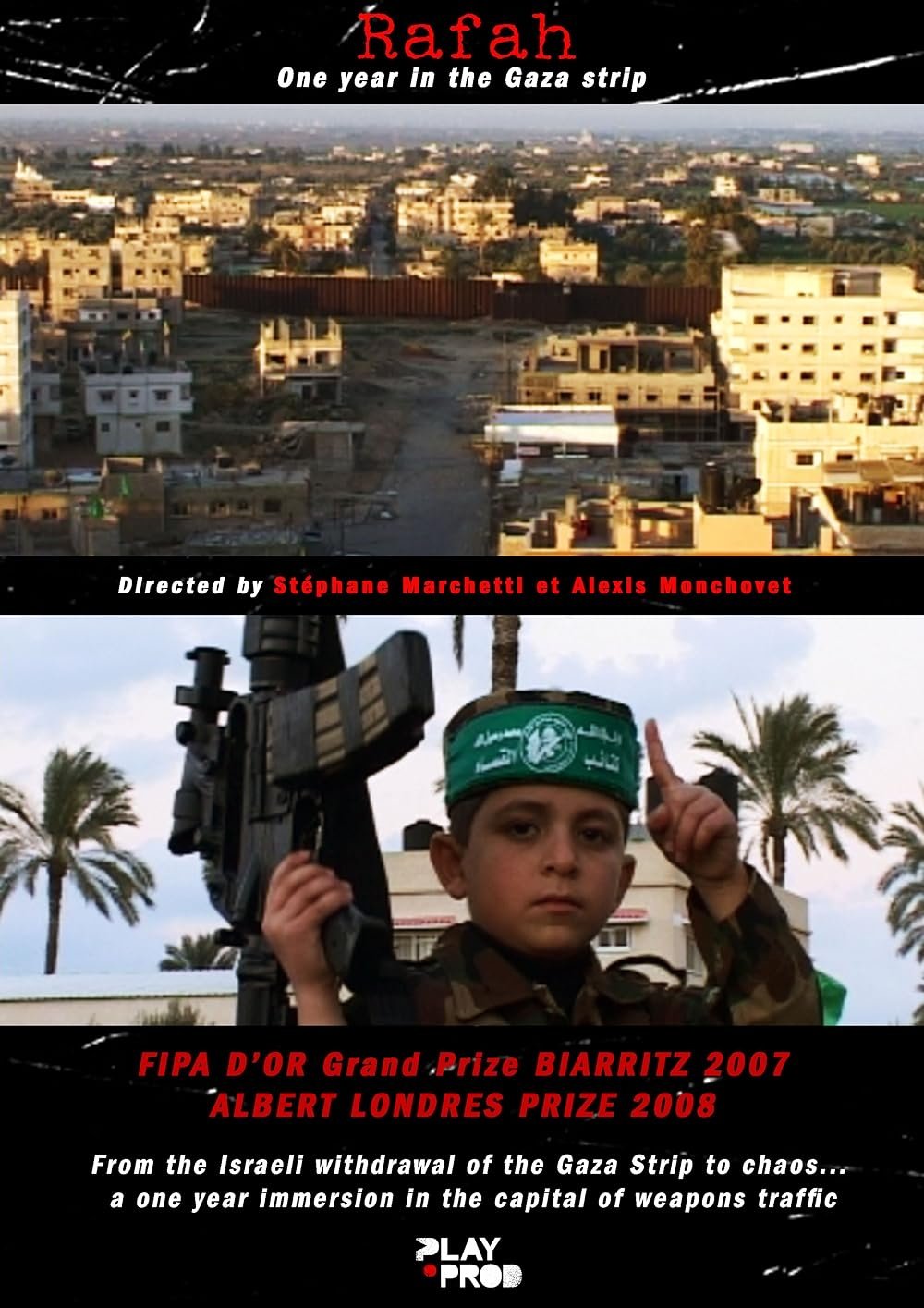
Rafah is located in the southern Gaza Strip. It’s a city cut in two by the Philadelphia Road, a security corridor between Sinai and Gaza. It’s destiny changed during the night of 12 September 2005, when the Israeli army withdrew from the Gaza Strip. The Israelis evacuated the Philadelphia Road and the colonies surrounding the city disappeared. But Rafah would never emerge from its chaos. Rafah is the hub of arms trafficking between Egypt and the Gaza Strip. Since the Israeli withdrawal, these arms have contributed to the bloody wars between families. After the Hamas victory at the legislative elections, the city sank into a major economic crisis. On 25 June, 2006, Israeli corporal Gilad Shalit was abducted by Palestinian militants using a tunnel dug from Rafah. In reprisal, Tsahal shelled the houses of arms dealers located along the Philadelphia Road. By 12 September, 2006, a year after the withdrawal, all hopes of rebirth had died.
The Tank and The Olive Tree recalls a certain number of forgotten fundamentals and sheds new light on the history of Palestine. By combining geopolitical analysis, interviews with international personalities who are experts on the subject and testimonies from Palestinian and French citizens, this documentary offers the keys to understanding what the media call the Israeli-Palestinian conflict. Enough to rid people's minds of clichés and prejudices! If The Chariot and the Olivier is intended to be educational, it speaks above all of a magnificent territory, and of a people who constantly affirm that “to live is already to resist”...
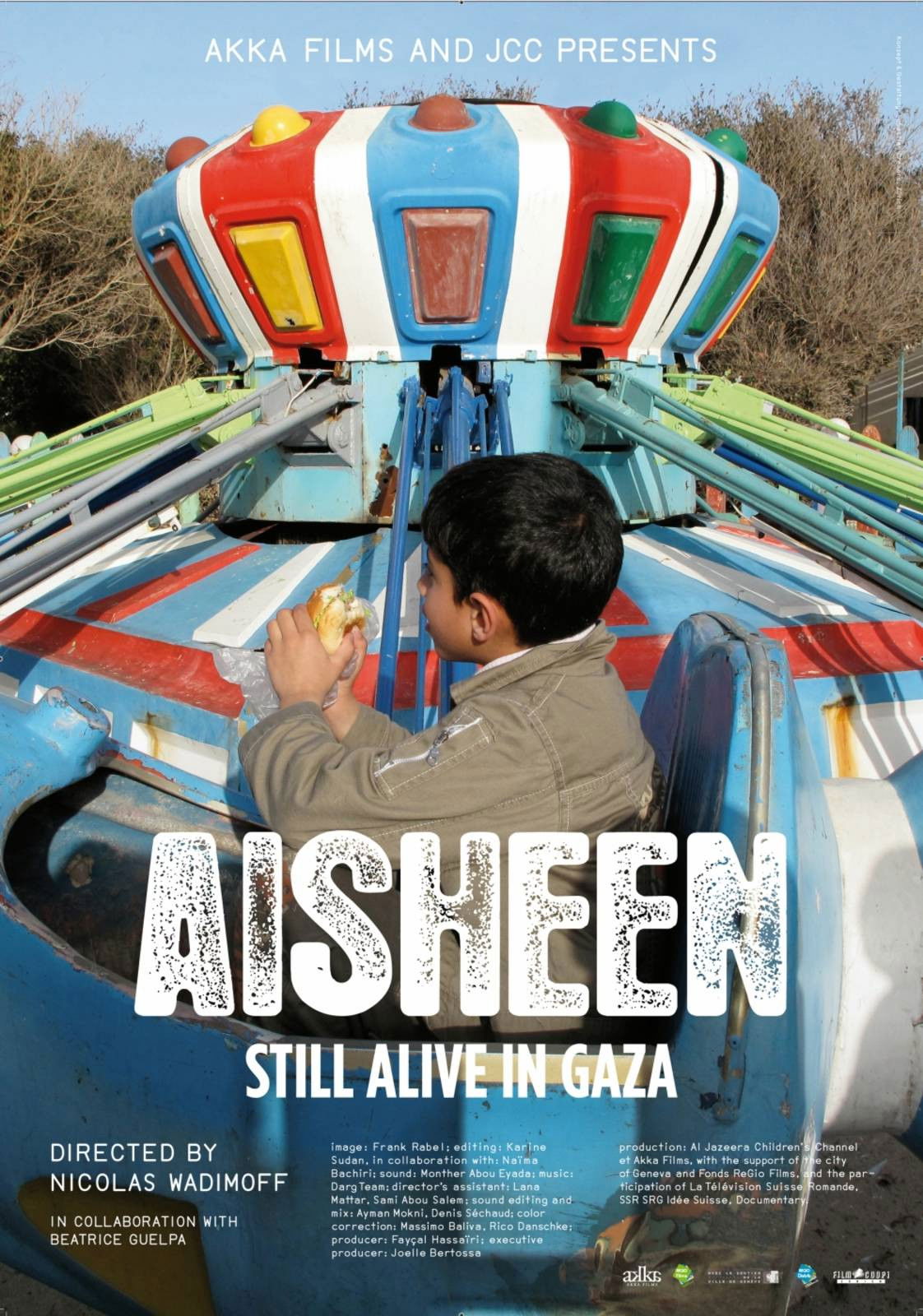
Going behind the usual images of war-torn Gaza, Swiss documentarian Nicolas Wadimoff offers this look at how people survive despite constant threat of danger. Children still play, rappers still create music and families still love one another. In addition to visiting the United Nations Food Distribution Center, Wadimoff films at a derelict amusement park and profiles the DARG TeaM rappers, whose politically charged music proclaims their defiance.
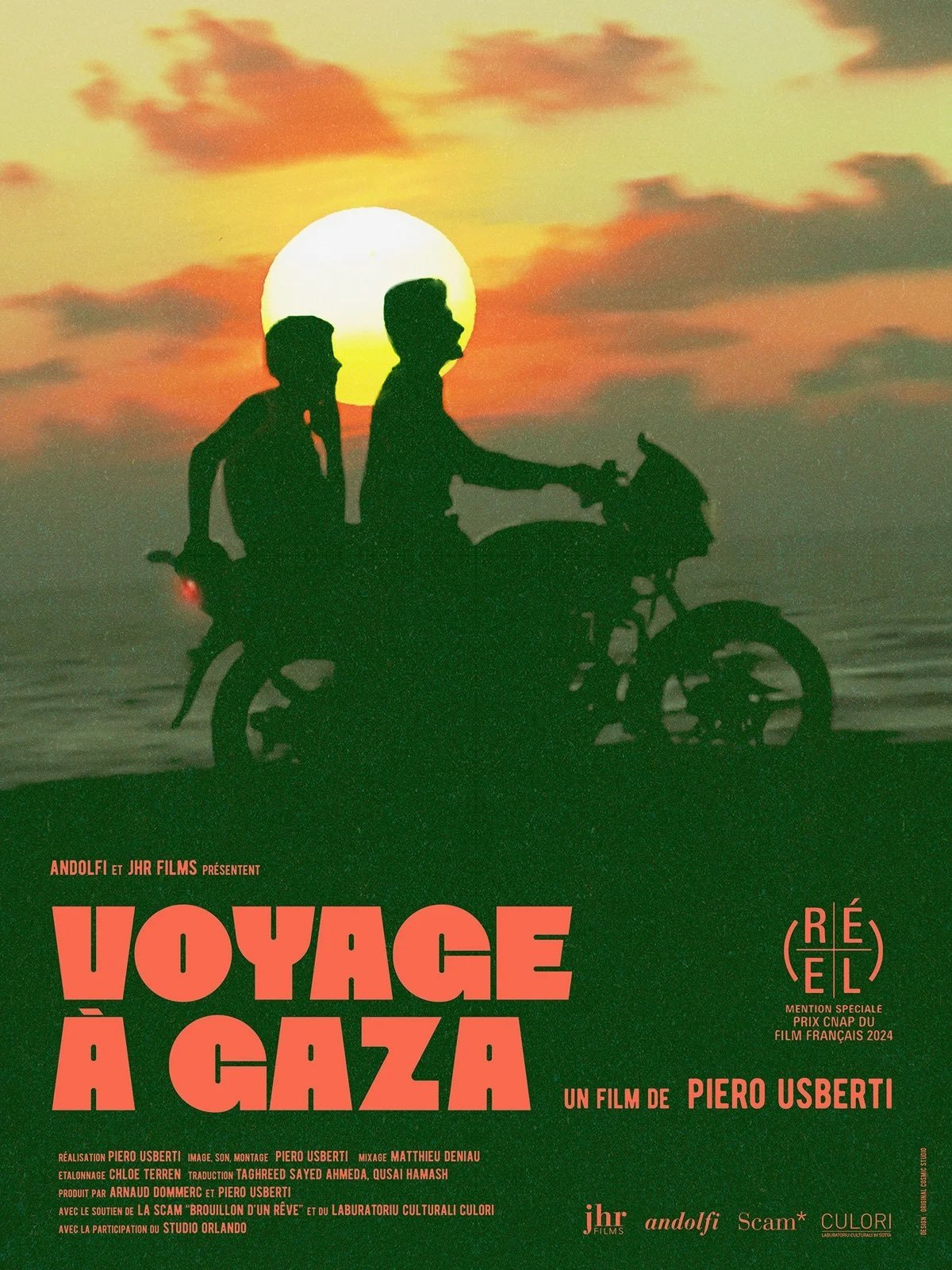
“In Gaza you have to get there in the evening, in spring, lock yourself in your room and from there listen to the sounds coming in through the open window.... It's 2018. I am 25 years old and a foreign traveler. I meet young Palestinians my age..”
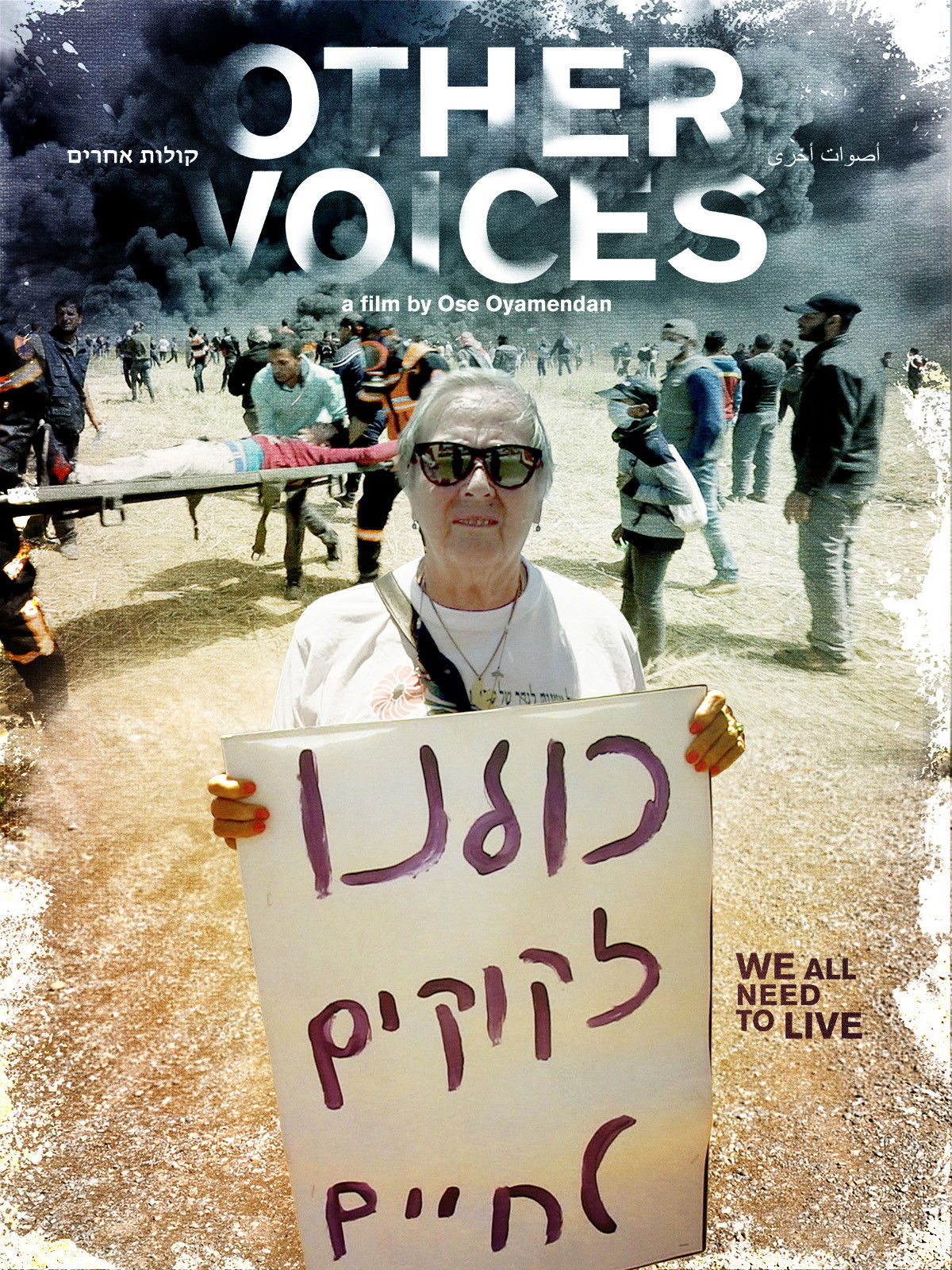
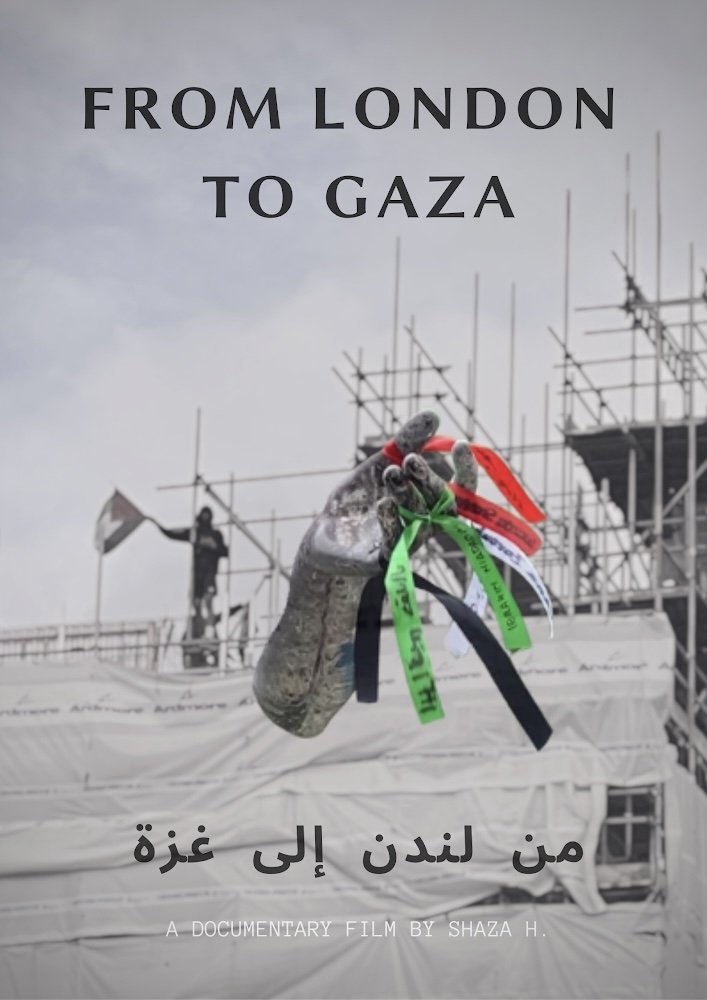
London students and academics protest the genocide in Gaza.
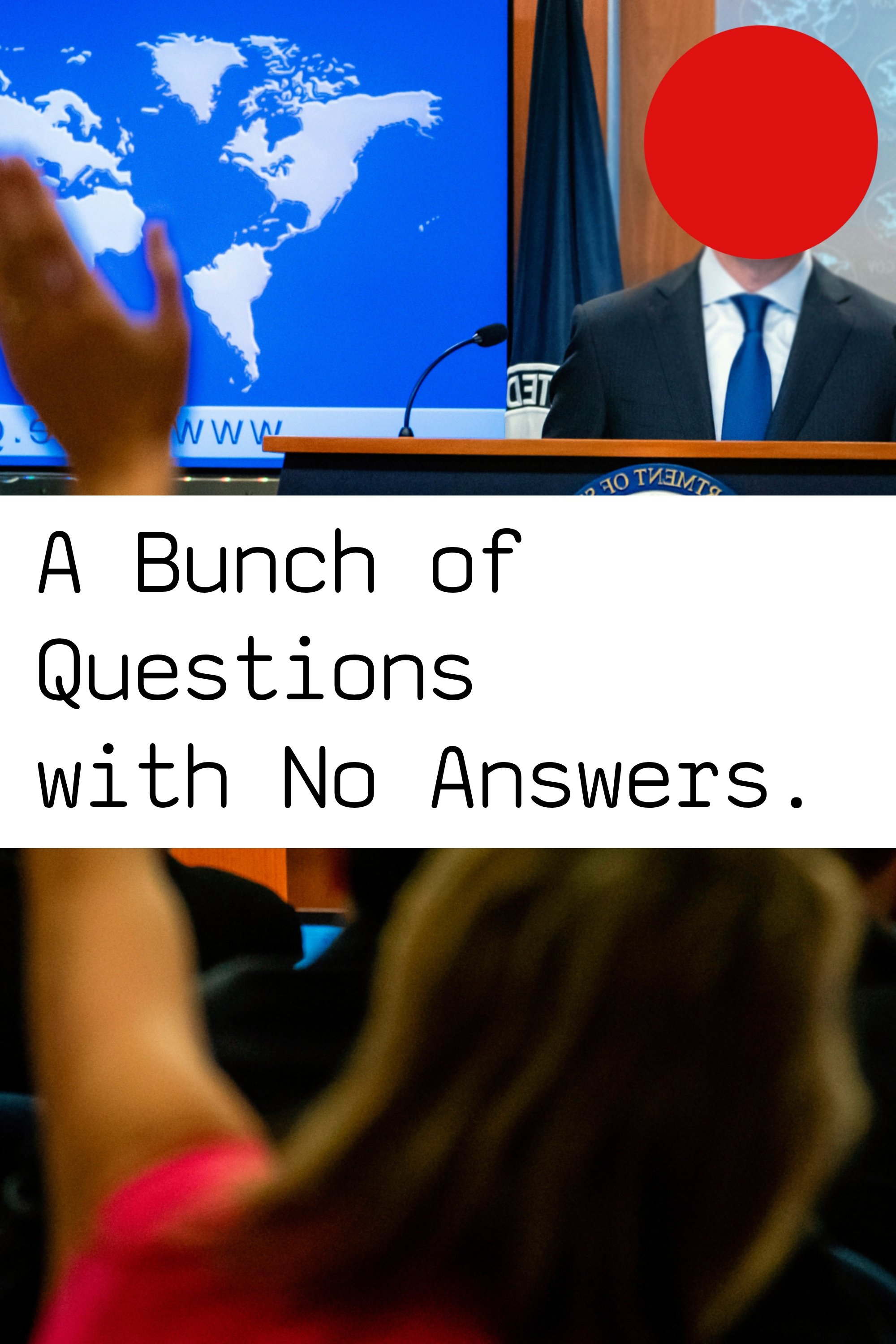
A Bunch of Questions with No Answers (2025) is a 23-hour film by artists Alex Reynolds and Robert M. Ochshorn. Compiled entirely from questions posed by journalists at U.S. State Department press briefings between October 3, 2023, and the end of the Biden administration, the work removes the officials’ answers, leaving only the unresolved demands for clarity and accountability.
Follow the lives of four young people trying to survive the Israel-Hamas war as they hope for a ceasefire - a vivid and unflinching view of life in a warzone.
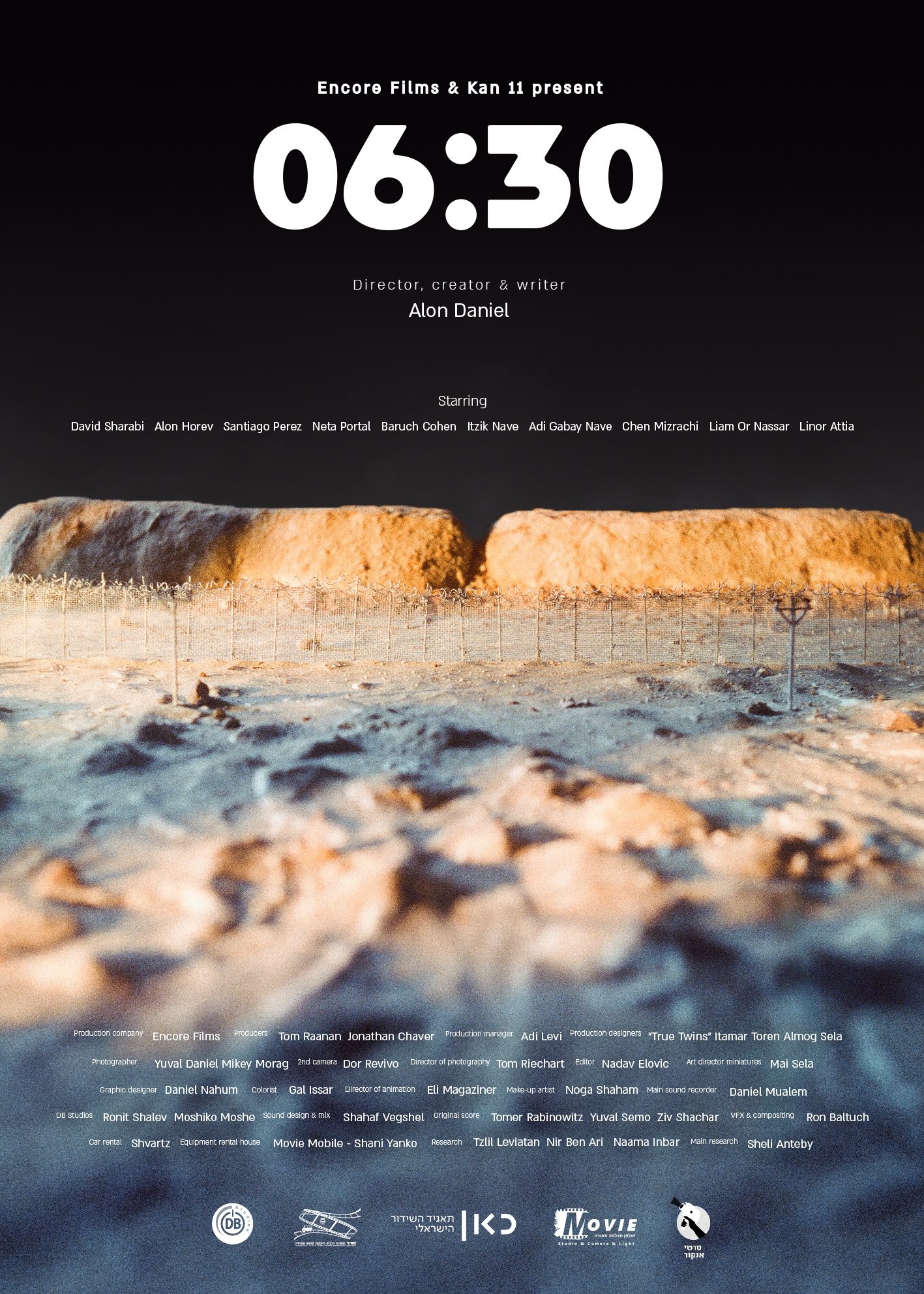
A documentary film that brings testimonies taken just one week after the attack, from 7 different areas that were attacked in the events of Saturday, 10/7/23. The film is told from the point of view of the survivors. The evidence is unusually presented in the movie with the help of miniature models and animations that reinforce the hard evidence. The survivors share the survival experience they experienced during the long hours of the murderous terrorist attack. Those who ran away from the party, the houses they hid in, those who fought against the terrorists, and those who saved lives in the field. All with the choices they had to make in real-time, and saved their lives.
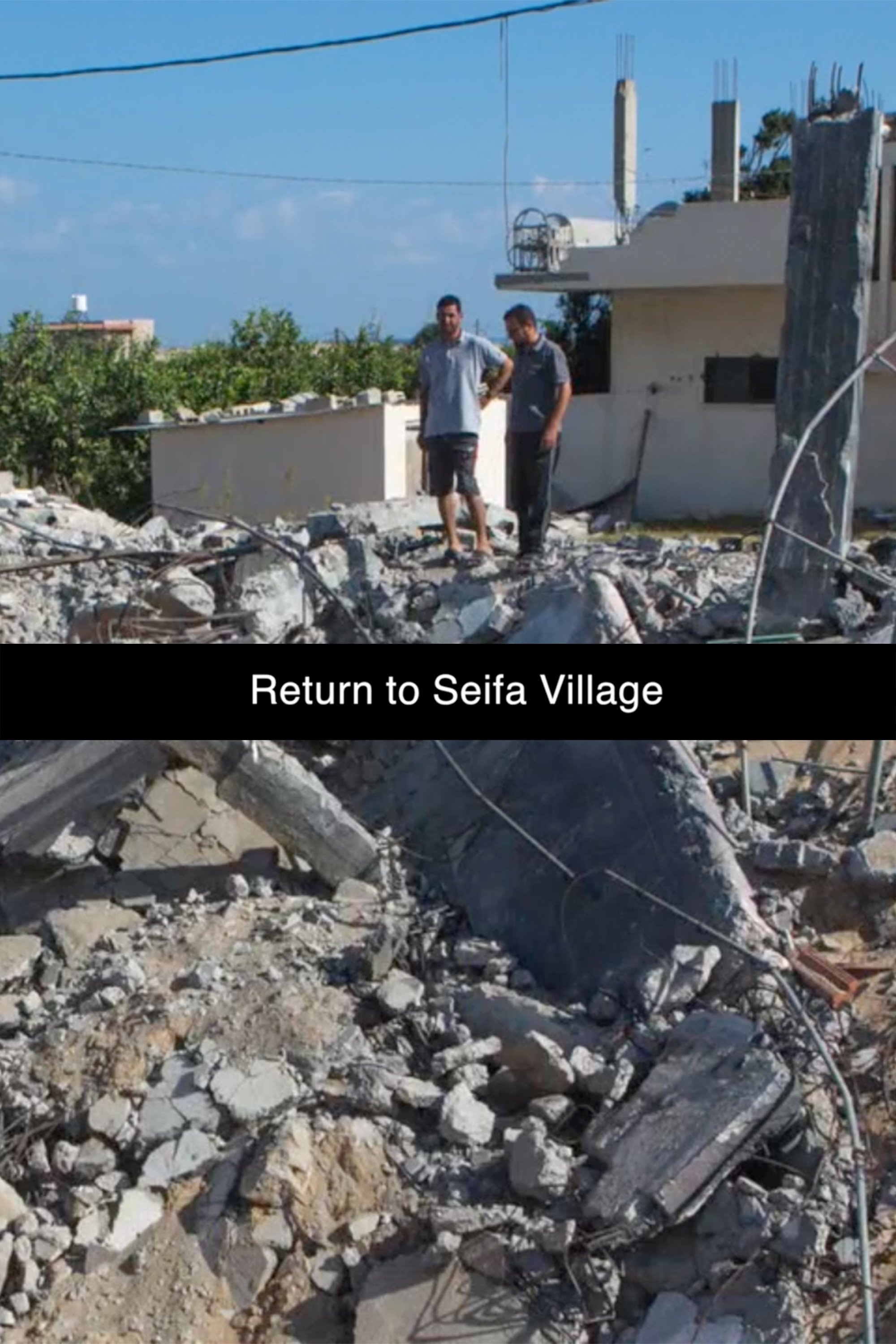
An attempt to describe the everyday of a place that struggles for the most basic human rights: the Gaza Strip as a microcosm for the failure of civilization.
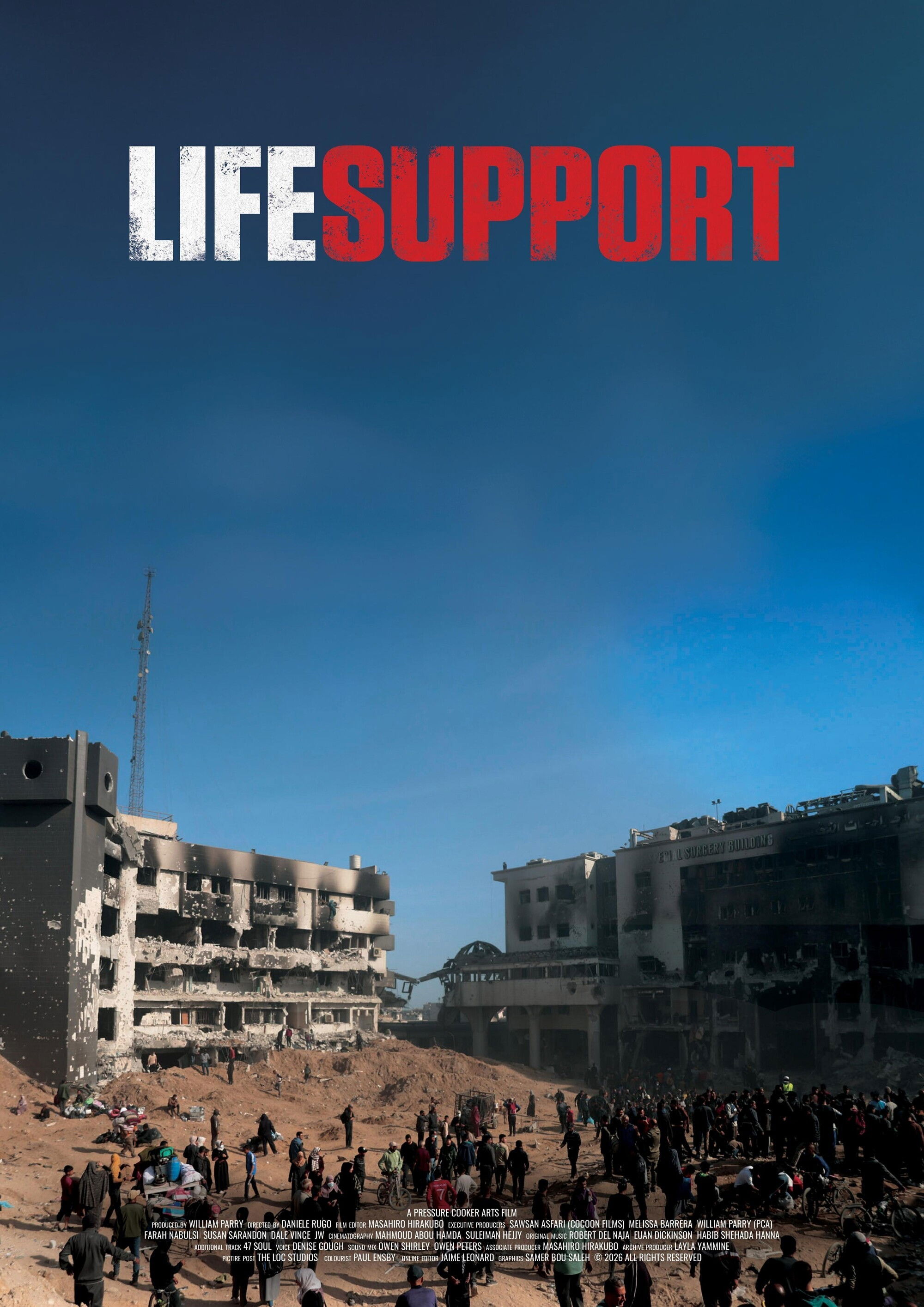
Since October 2023, Gaza has been sealed from the world-except for one group. International doctors breach the blockade, what they find is not just a humanitarian crisis, but a calculated dismantling of life itself.
A meeting between two strangers sparks the desire to understand each other through the medium of cinema. They both simultaneously start recording their surroundings on camera and crafting the resulting footage. They, Elettra from Italy and Hazem from Gaza, become the subjects of this film that documents their first moments together. It depicts a multi-faceted reality in which North and South confront each other in a discussion on rights and inequalities, a reality in which we witness a migration towards one another, while capturing an intimate way of making a film together.
Samer lives in Ramallah in the West Bank. His family lives in Gaza, one hour away. They have not seen each other for six years. When Mustafa went for a visit to Gaza in 2006, he was 18 years old. He was never allowed to return – his mother Hekmat has been fighting to see him again for seven years now. Two families torn apart. They share the same “crime”: being registered with a Gaza address in their Identity Cards. Under Israeli rule, they are considered “infiltrators” in their own country. Their lives have turned into a permanent struggle. Parents can only talk to their sons on the phone; sisters can only see their brothers on the internet – mothers and their children fighting to be together at last…
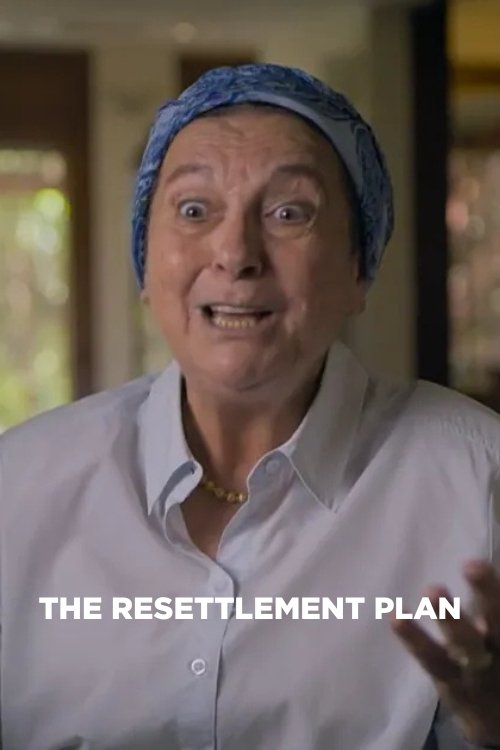
Avi Amit’s “Real Time” documentary outlines the Israeli far right’s plan to resettle the Gaza Strip.
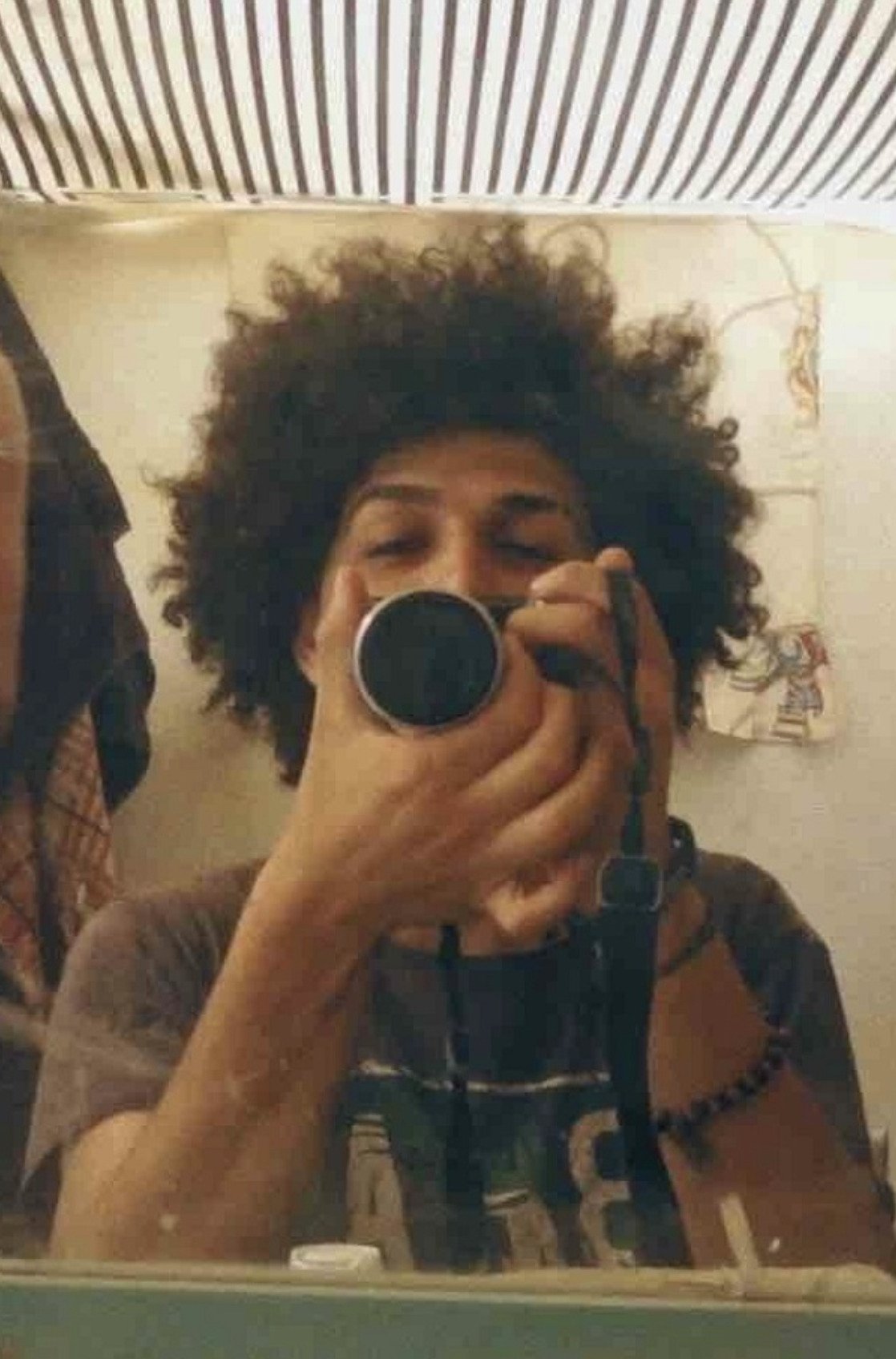
"Gaza Is Our Home" is a profoundly personal documentary that peels back the layers of devastation within the Gaza Strip, as witnessed through the lens of filmmaker Monear Shaer. His debut documentary was created out of agony as a timely, impactful, and tragic response to the collective anguish of all who call Gaza home... What began as an auto-generated slideshow on Monear’s iPhone of his own trip to see his family in 2021, has since transformed into a feature-length documentary. Through a tapestry of intimate interviews, unfiltered personal footage, and raw storytelling, "Gaza Is Our Home" transcends the political rhetoric and confronts audiences with the agonizing reality and ongoing cruelty thrust upon the film-makers own family. It is more than just a documentary... Rather, "Gaza Is Our Home" stands as a testament to the humanity behind the over 33,362 innocent lives massacred since Oct 2023...
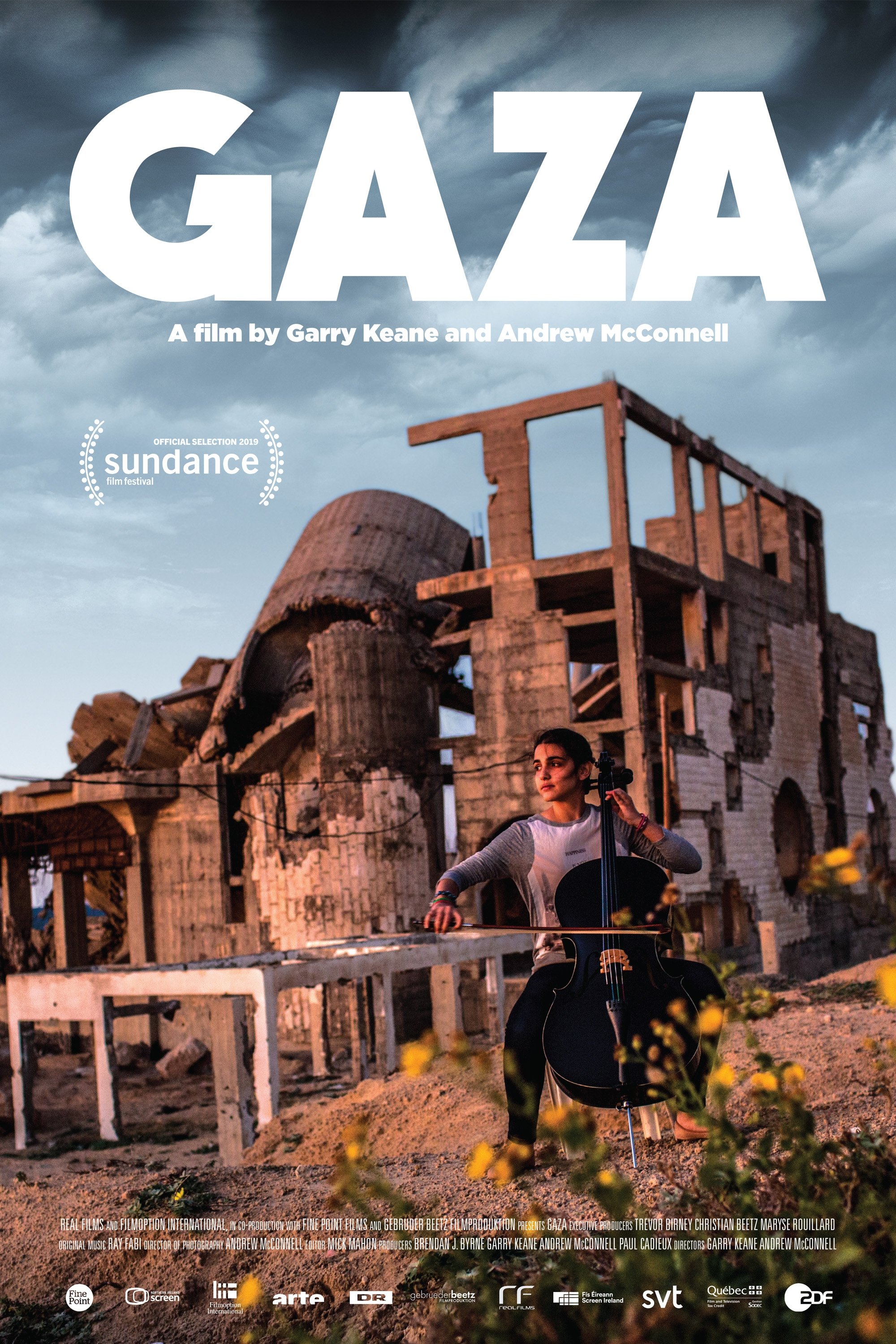
GAZA brings us into a unique place beyond the reach of television news reports to reveal a world rich with eloquent and resilient characters, offering us a cinematic and enriching portrait of a people attempting to lead meaningful lives against the rubble of perennial conflict. Throughout its entire history the Gaza Strip has been witness to conflict and upheaval. From ancient times this tiny coastal territory, located at a crossroads between continents, has been a pawn whose fate rested in the hands of powerful neighbours.
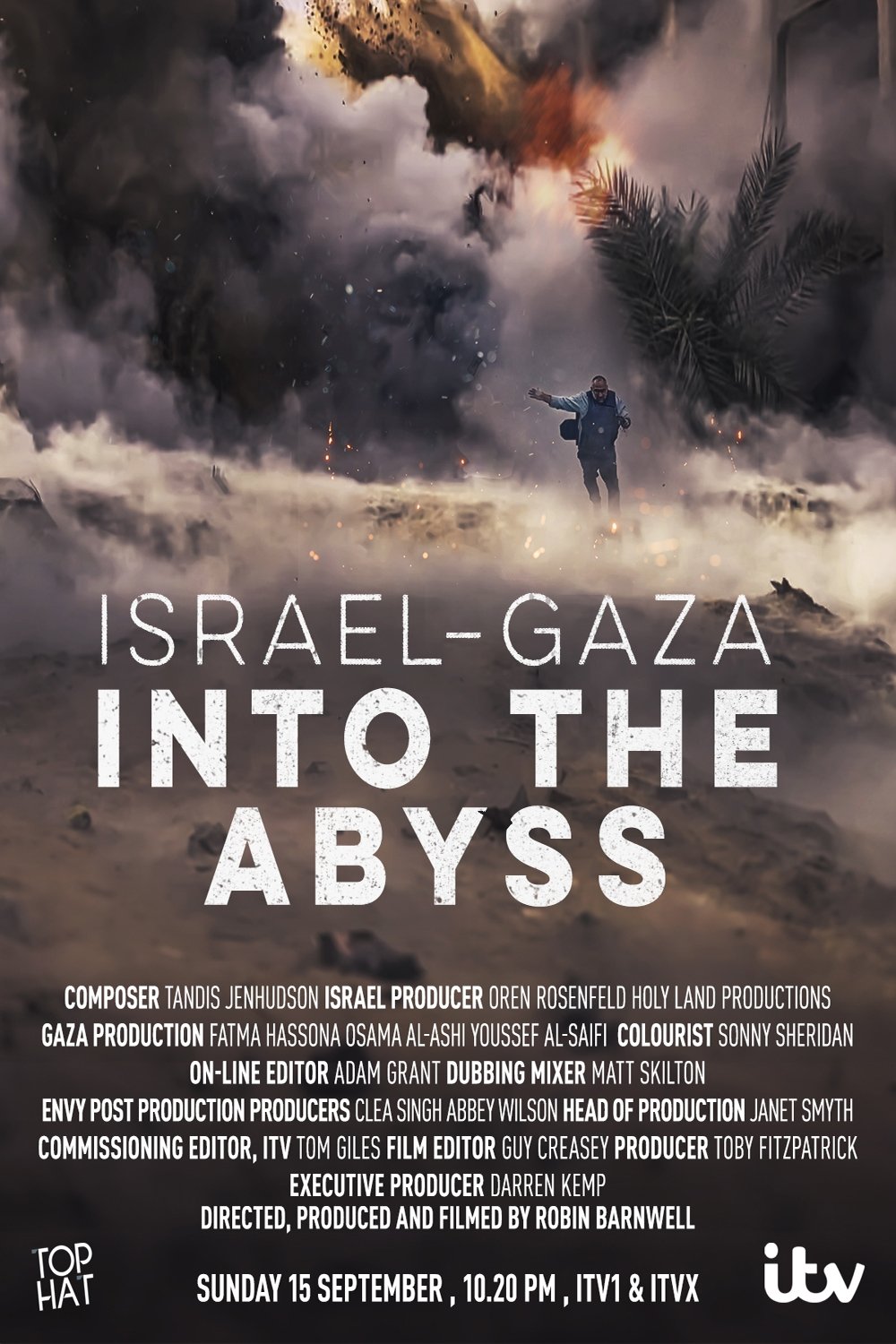
This deeply affecting documentary follows a small number of Israelis and Gazans through the most dramatic and tragic year of their lives. Using personal and previously unseen footage, it tells the story of the war in Gaza and the October 7 attacks through deeply emotional stories from both sides of the conflict. In Gaza, the film follows three individuals from reaction to the October 7th attacks to the start of the bombing by the Israeli military and to the loss of family members that all three suffer. In Israel, we witness footage of the Israeli characters, as they and their family members are attacked by Hamas on October 7th and then follow their stories through the year.
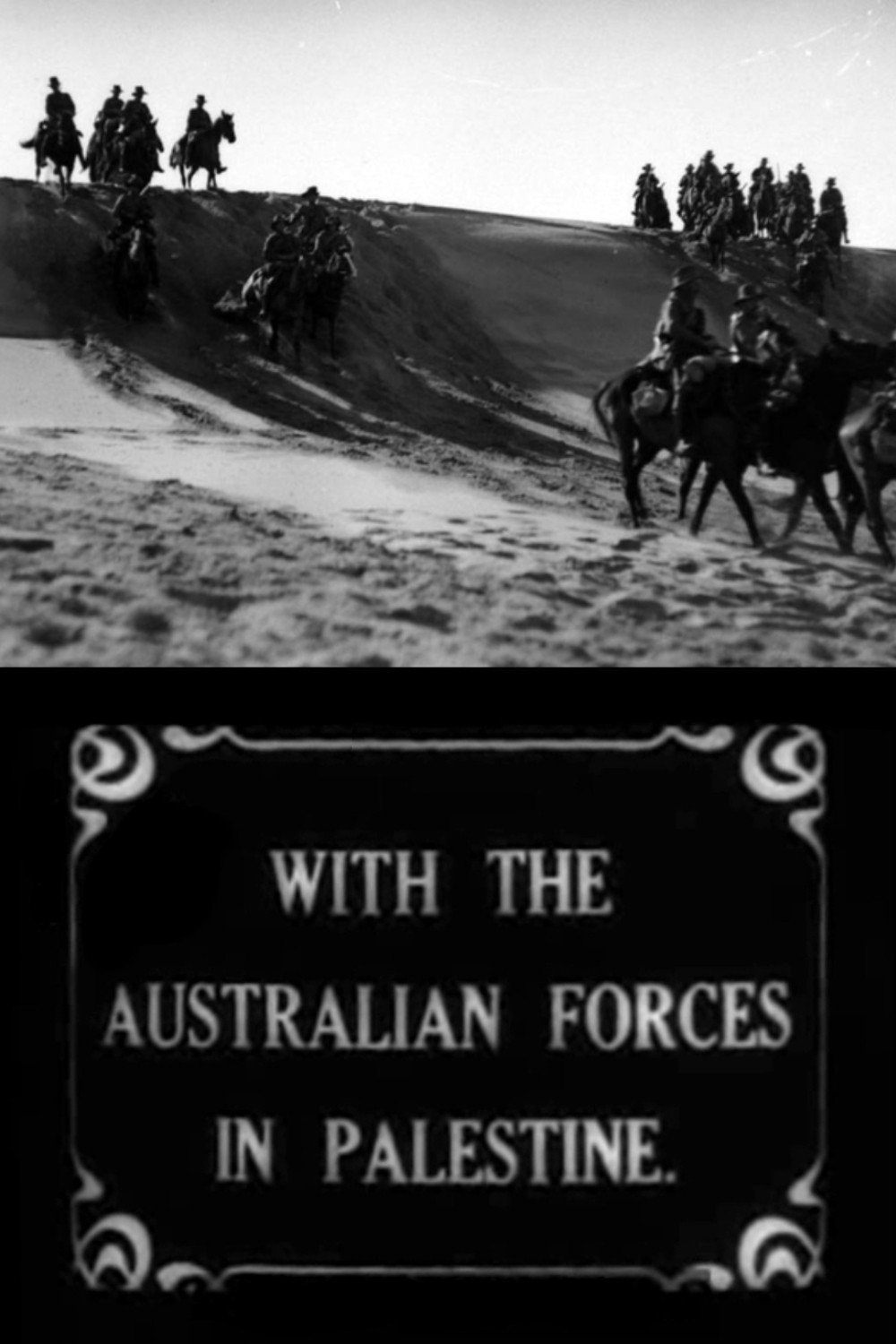
A silent actuality documentary compiling footage captured by official war photographer Frank Hurley during the Sinai and Palestine Campaign of World War I. The film documents key military milestones from 1916 to 1918, including the capture of Beersheba, the Australian Light Horse maneuvers, and General Allenby's historic entry into Jerusalem. It serves as a historical archival record of tactical transport logistics and the Allied forces' push toward Damascus.
A string of threatening emails escalates into a revenge plot involving a newly married US marshal and his ex-girlfriend.
In an intimate and joyful story of love in the face of loss, celebrated poets Andrea Gibson and Megan Falley find strength—and unexpected hilarity—in what might be their final year together.
An inside look at one of the most anticipated movie sequels ever with James Cameron and cast.
Musician and performance artist Laurie Anderson reflects on the deaths of her husband Lou Reed, her mother and her beloved dog.
Through deeply personal interviews with her siblings and an examination of the photographs, letters, and belongings left behind, Mariska assembles a new portrait of her mother Jayne Mansfield, an extraordinary and complex woman.
A 1993 documentary film about Bruce Lee. The film includes interviews from some of his fellow students and opponents who worked alongside him in his movies.
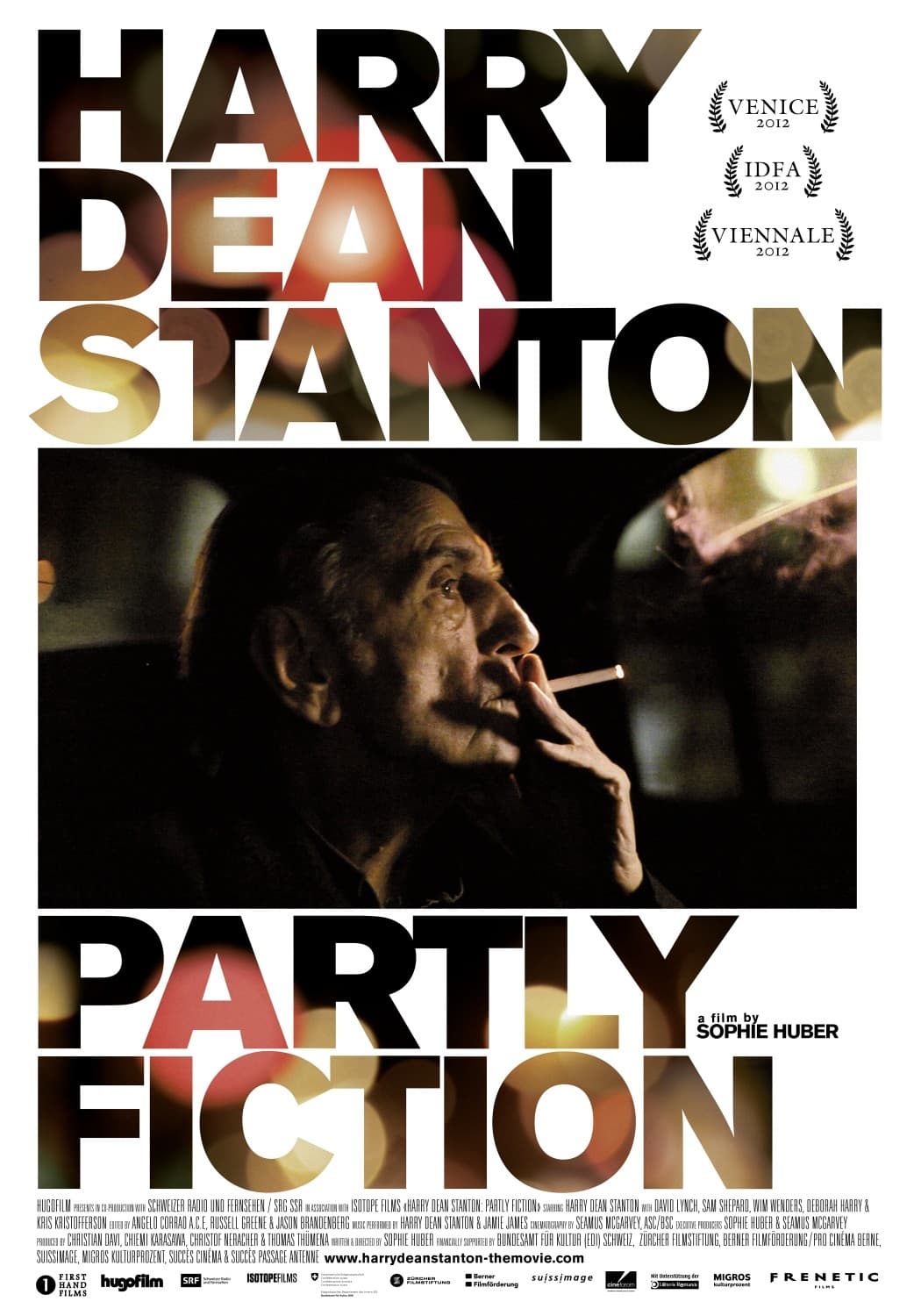
An impressionistic portrait of the iconic actor Harry Dean Stanton comprised of intimate moments, film clips from some of his 250 films and his renditions of American folk songs.
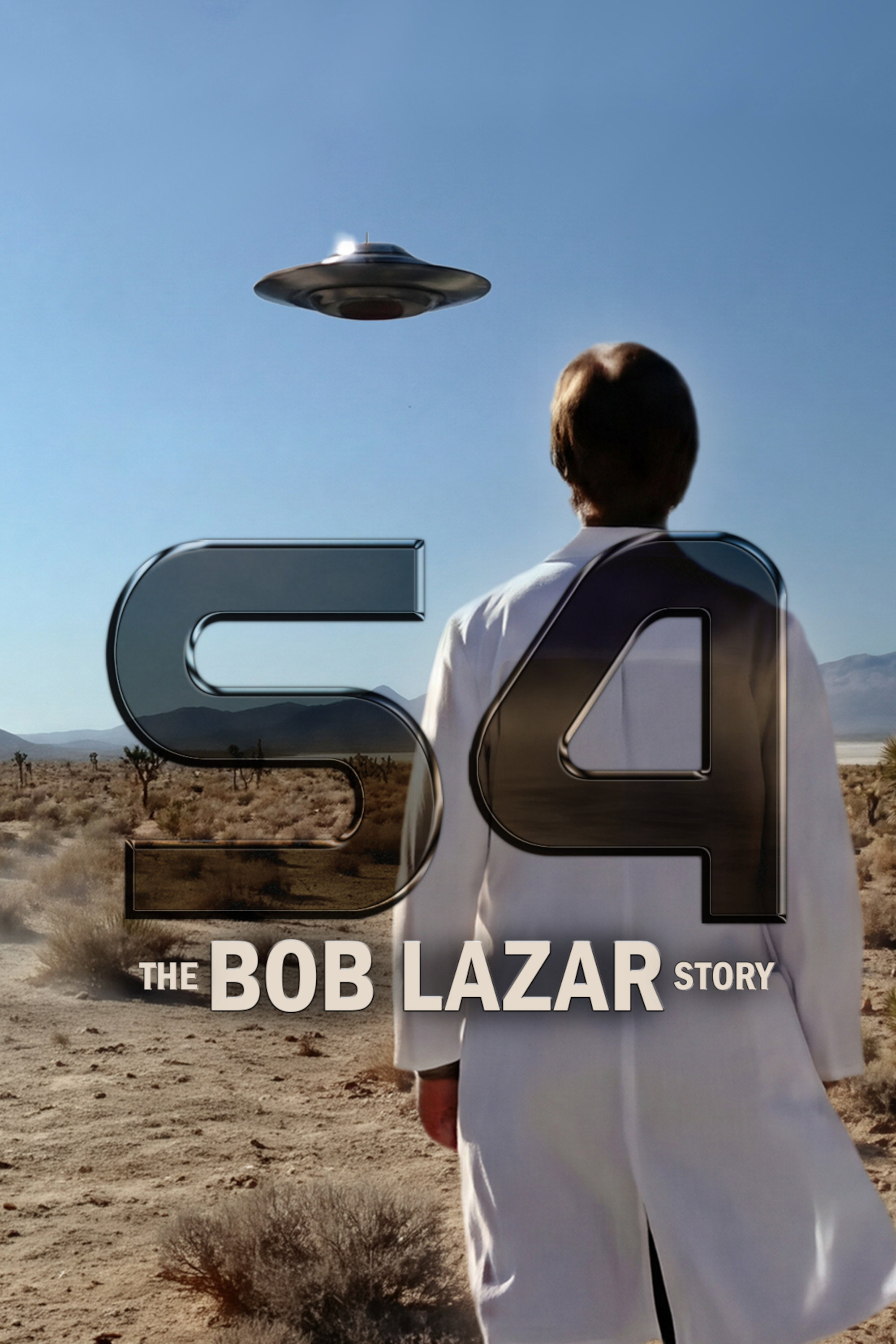
Over 35 years after Bob Lazar's revelations, this documentary exposes secrets of a facility the government still denies. Featuring Lazar's testimony, recreations, and new evidence, it reopens a case that continues to spark global curiosity
The life and career of an actor, artist, and icon. His own journey through his own camera.
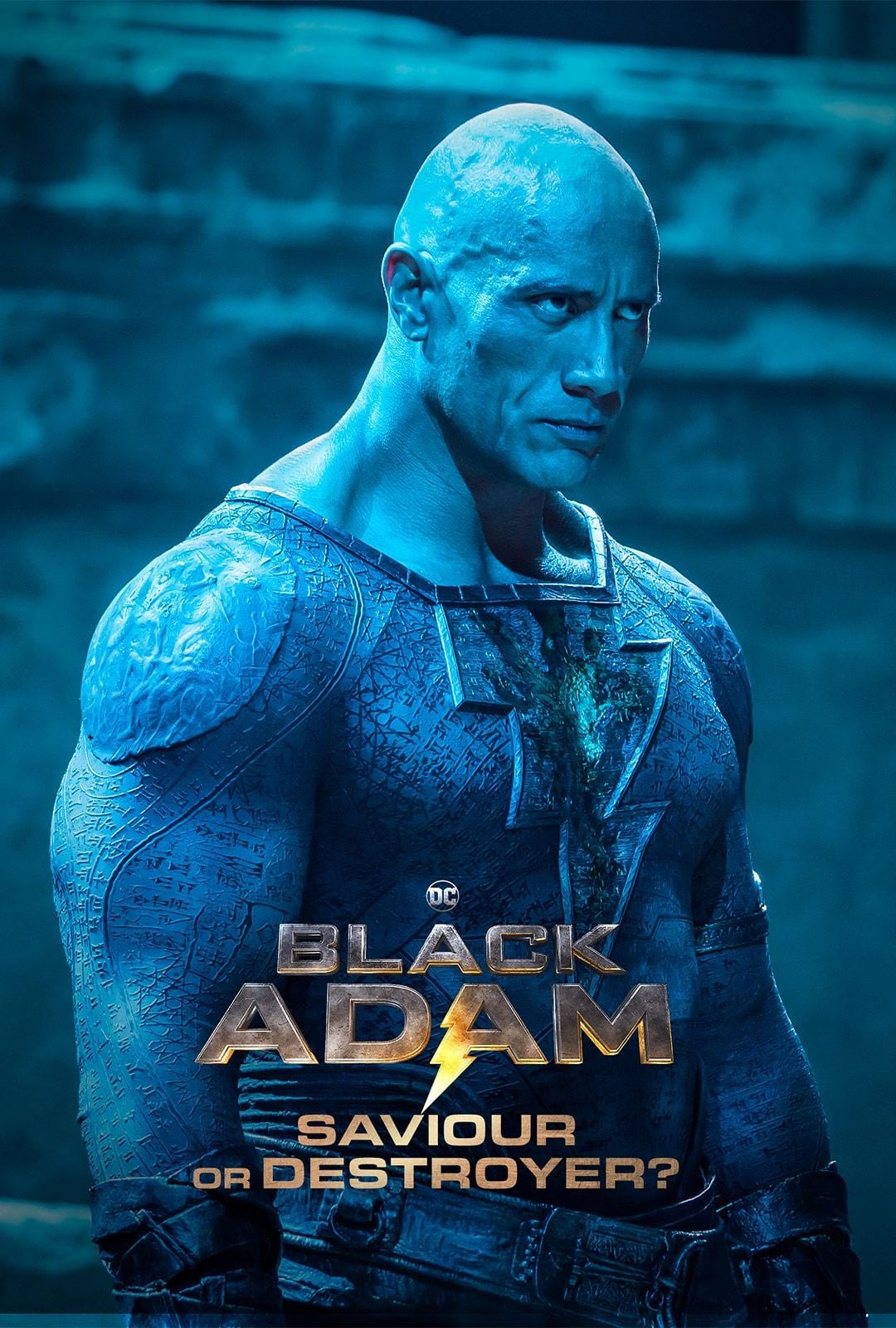
Ahead of the release of upcoming fantasy film ‘Black Adam’, sit down with Dwayne Johnson as he discusses his starring role as the eponymous superhero.
Brilliant, long in-the-works story of the life and art of the world's greatest comedian and the cinema's first genius, Charlie Chaplin. Produced, written and directed by renowned film critic Richard Schickel.
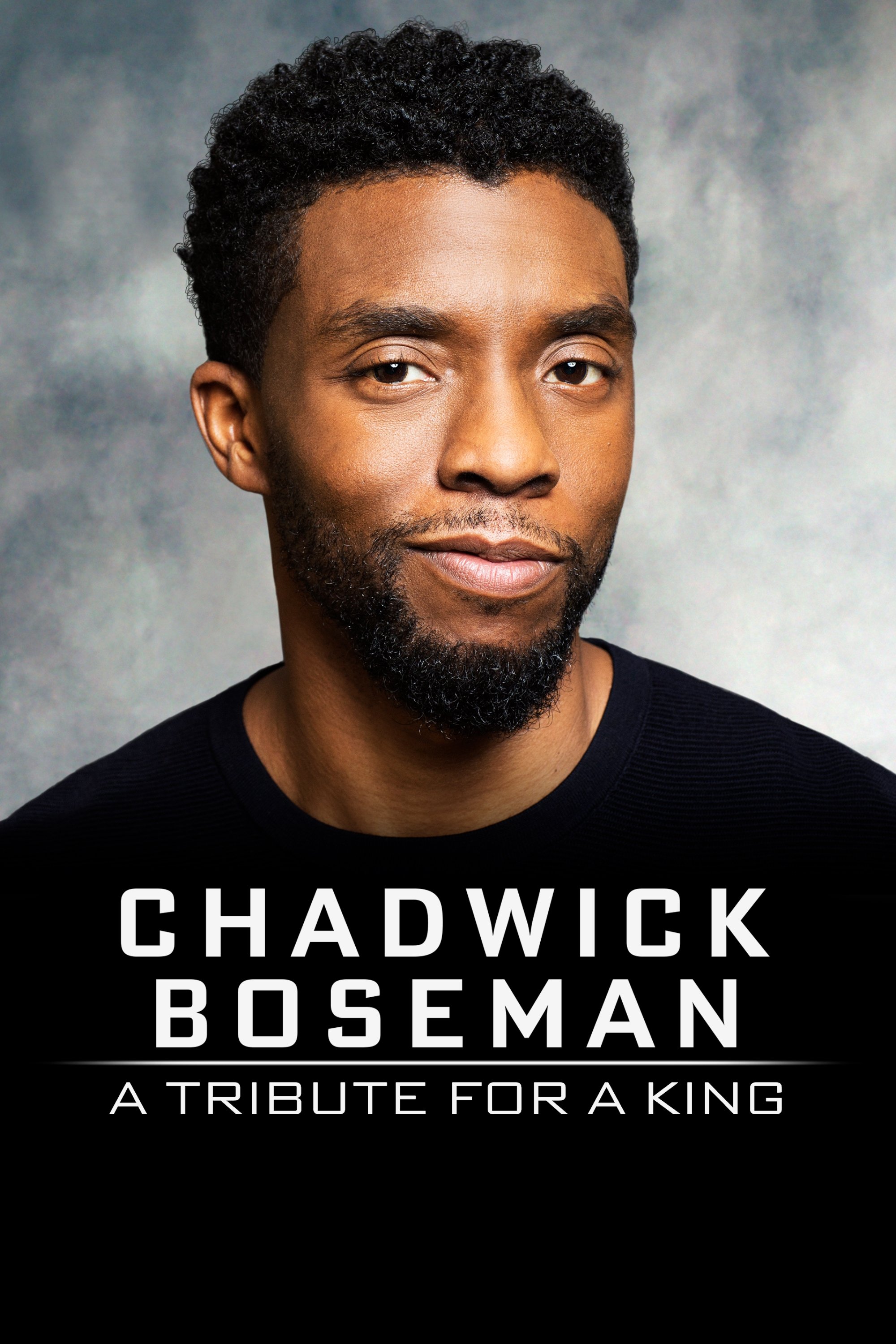
A tribute to Chadwick Boseman, celebrating his life and legacy.
A documentary about how a dominant cultural and demographic institution both sustains their traditional activities and adapts to the digital revolution.
Using the book 'Fragments', which collects Marilyn Monroe's poems, notes and letters, and with participation from the Arthur Miller and Truman Capote estates who have contributed more material, each of the actresses will embody the legend at various stages in her life.
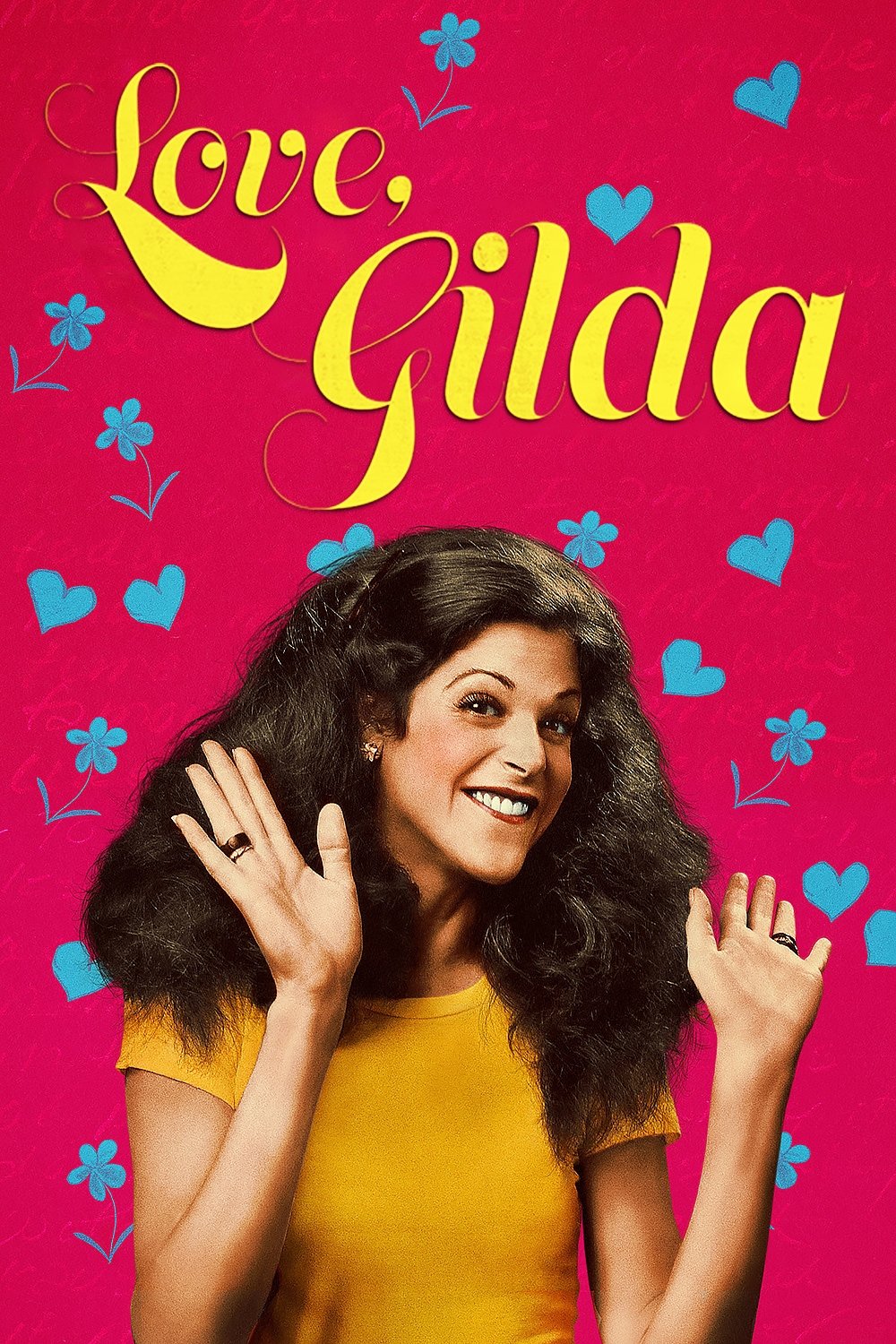
Diaries, audiotapes, videotapes and testimonials from friends and colleagues offer insight into the life and career of Gilda Radner -- the beloved comic and actress who became an icon on Saturday Night Live.
The life of Mr. Spock, as well as that of Leonard Nimoy, the actor who played him for almost fifty years, written and directed by his son: Adam.
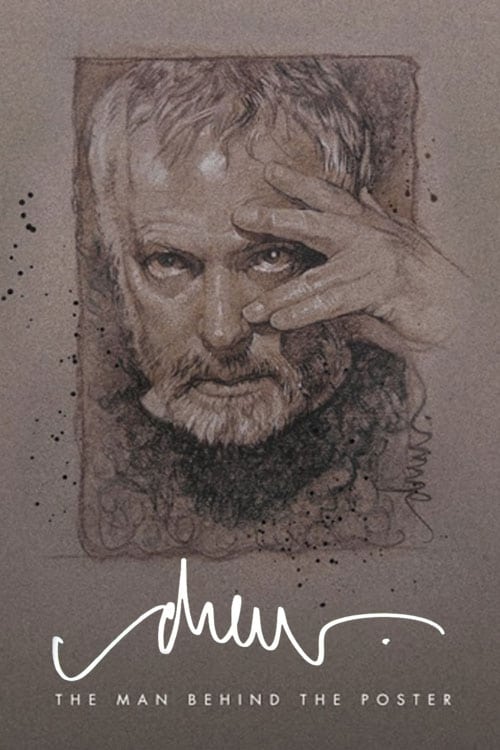
A documentary on legendary movie-poster artist Drew Struzan.
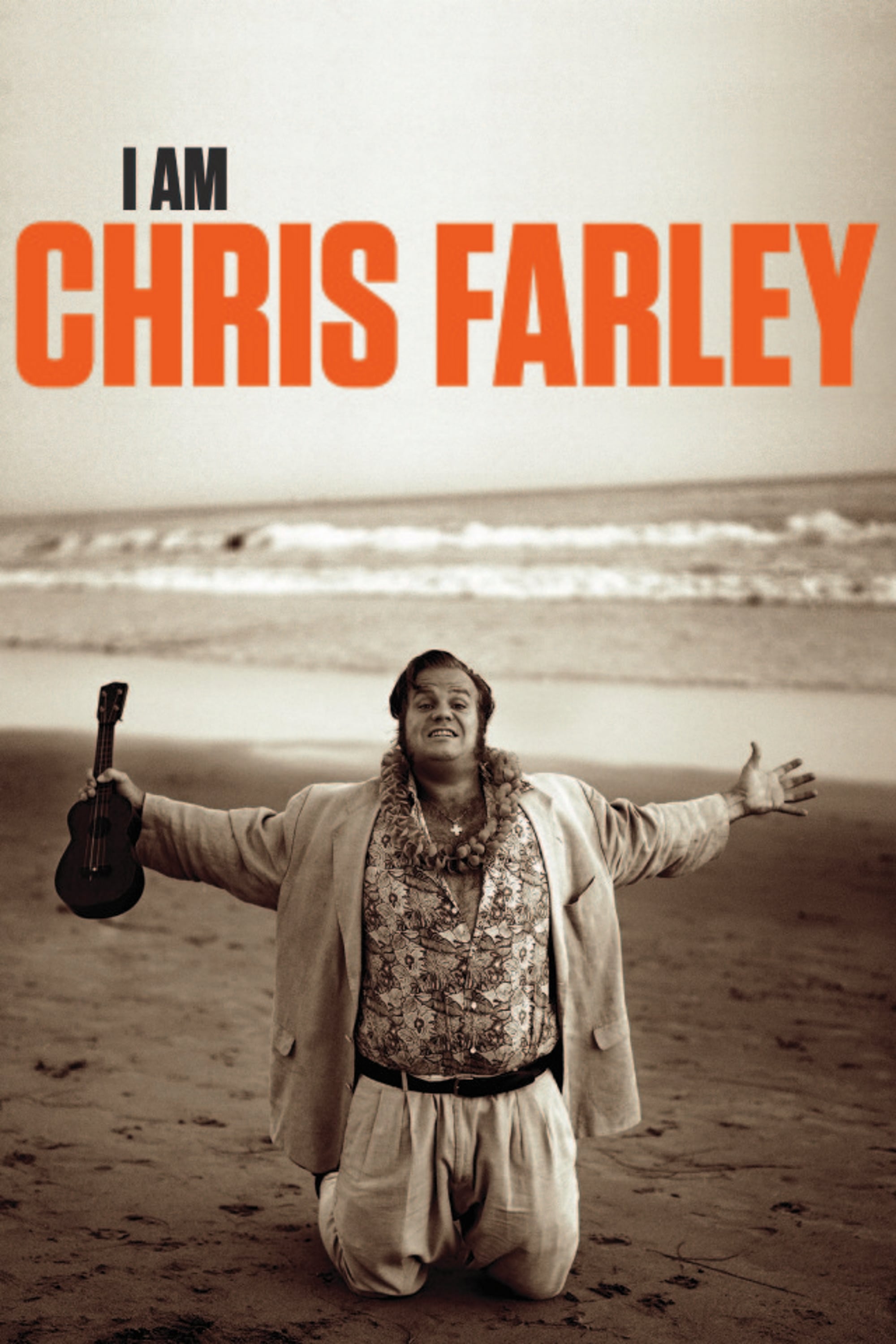
I am Chris Farley tells his hilarious, touching and wildly entertaining story - from his early days in Madison, Wisconsin, to his time at Second City and Saturday Night Live, then finally his film career (which included hits like Tommy Boy and Black Sheep). The film showcases his most memorable characters and skits from film and television and also includes interviews and insights from his co-stars, family and friends - including the likes of Christina Applegate, Dan Aykroyd, Mike Myers, Bob Odenkirk, Bob Saget and Adam Sandler.
A look at the origins, history and conspiracies behind the "Majestic 12", a clandestine group of military and corporate figureheads charged with reverse-engineering extraterrestrial technology.
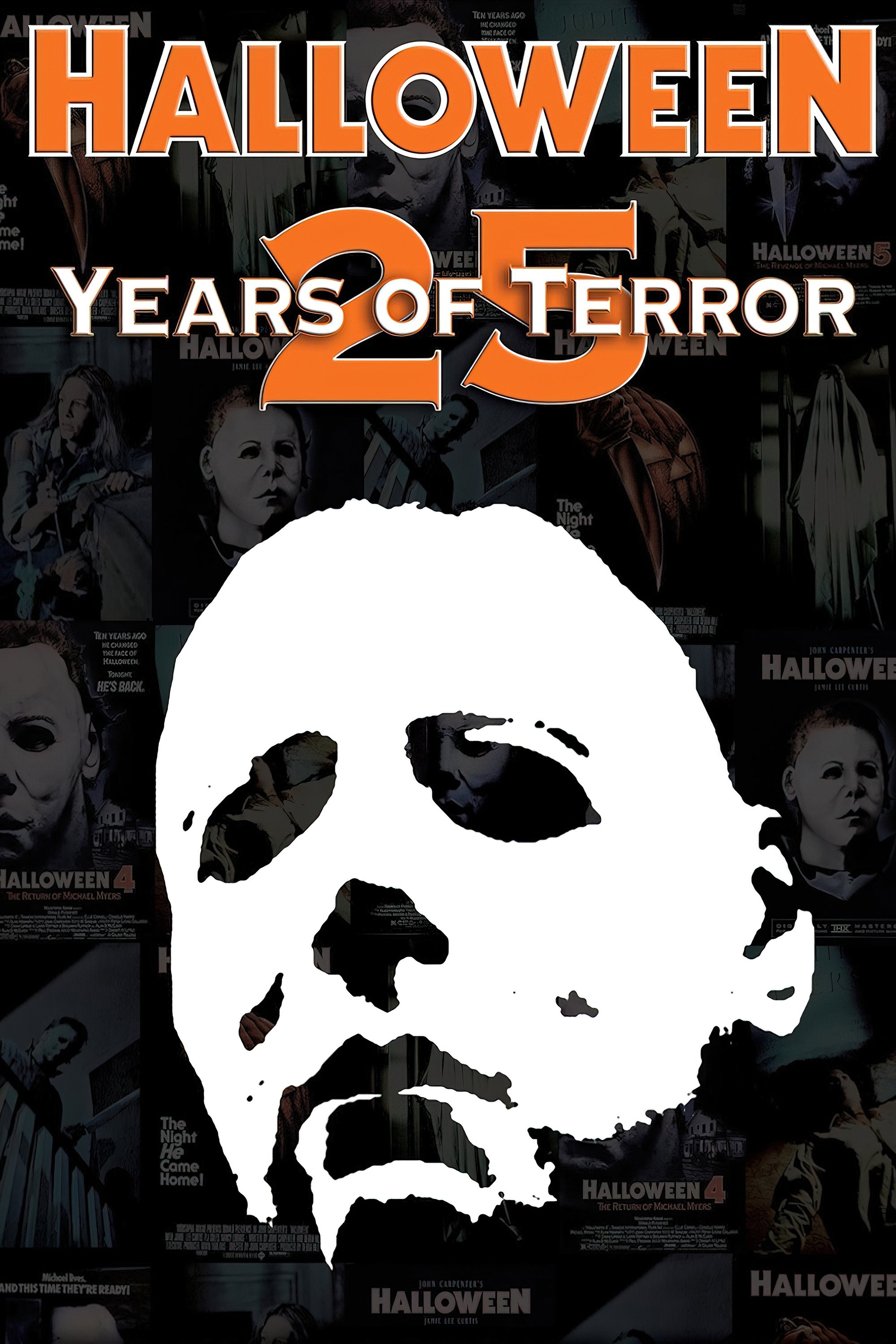
Follow the evolution of the 'Halloween' movies over the past twenty-five years. It examines why the films are so popular and revisits many of the original locations used in the films - seeing the effects on the local community. For the first time, cast, crew, critics and fans join together in the ultimate 'Halloween' retrospective.