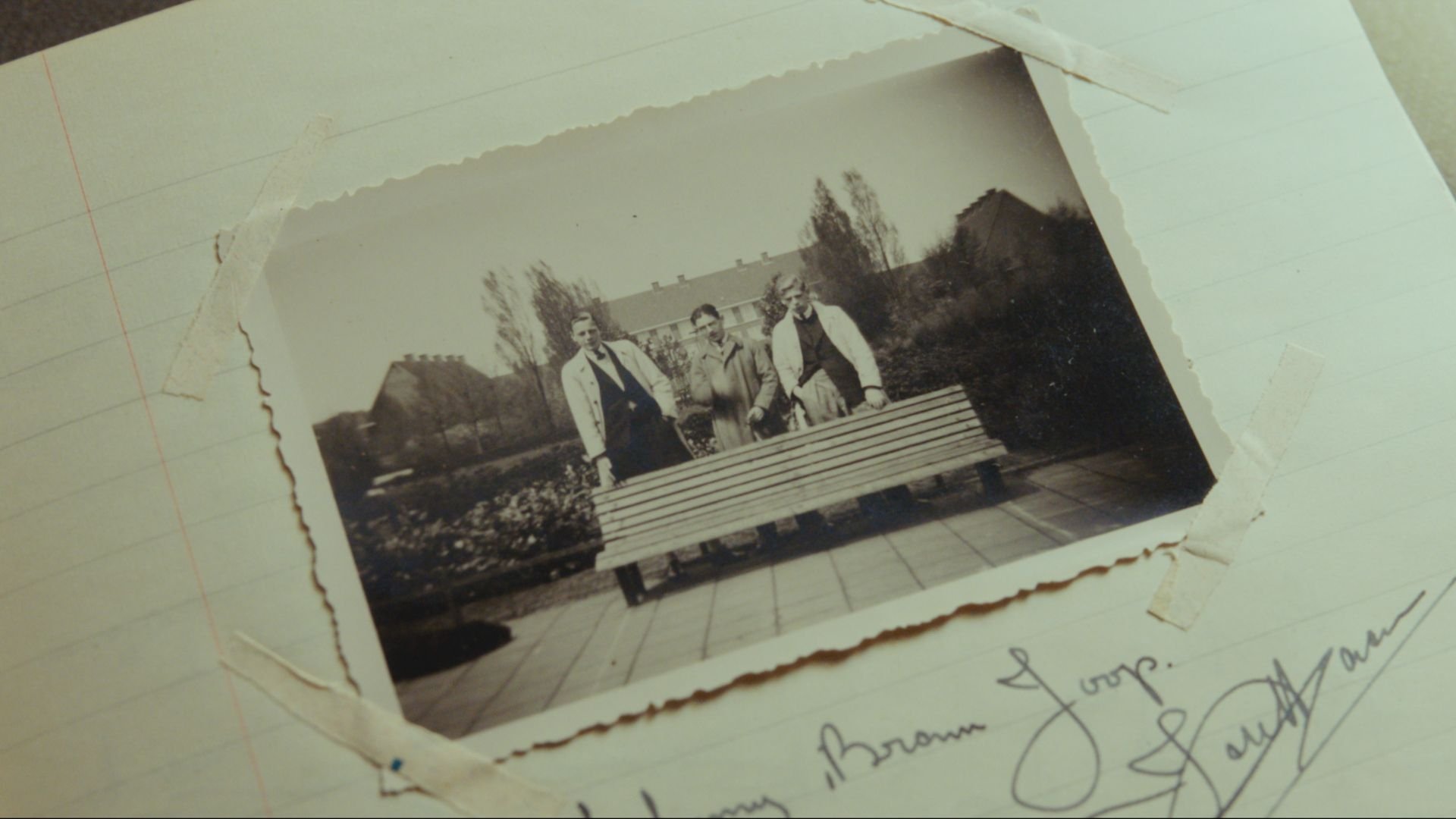
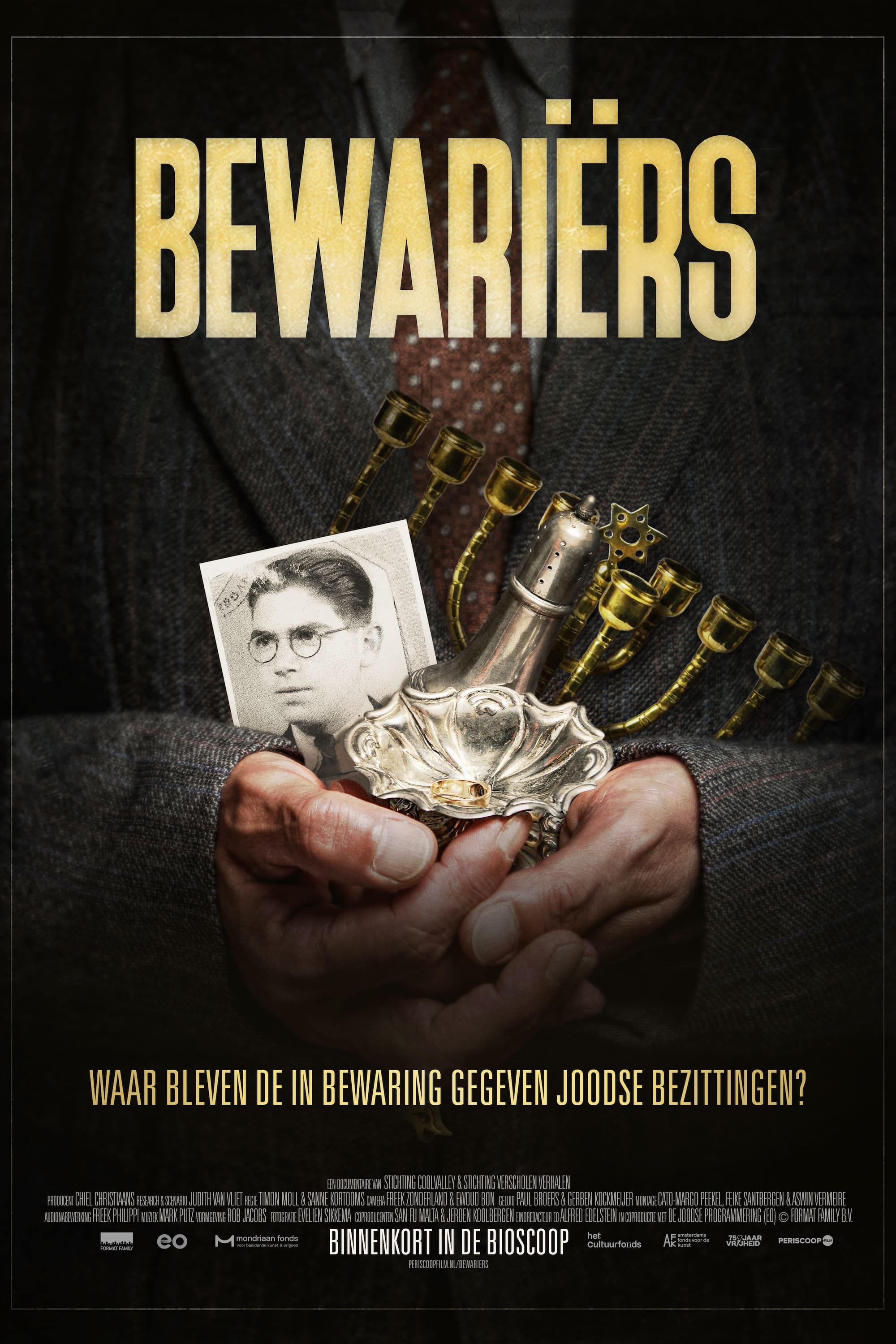
This documentary tells three stories about Jewish properties stored during the Second World War, their Jewish owners and their non-Jewish custodians.
Social & External

The people behind it
Florien Fernandius
Zichzelf
Alfred van Cleef
David Groen
Wim de Haan
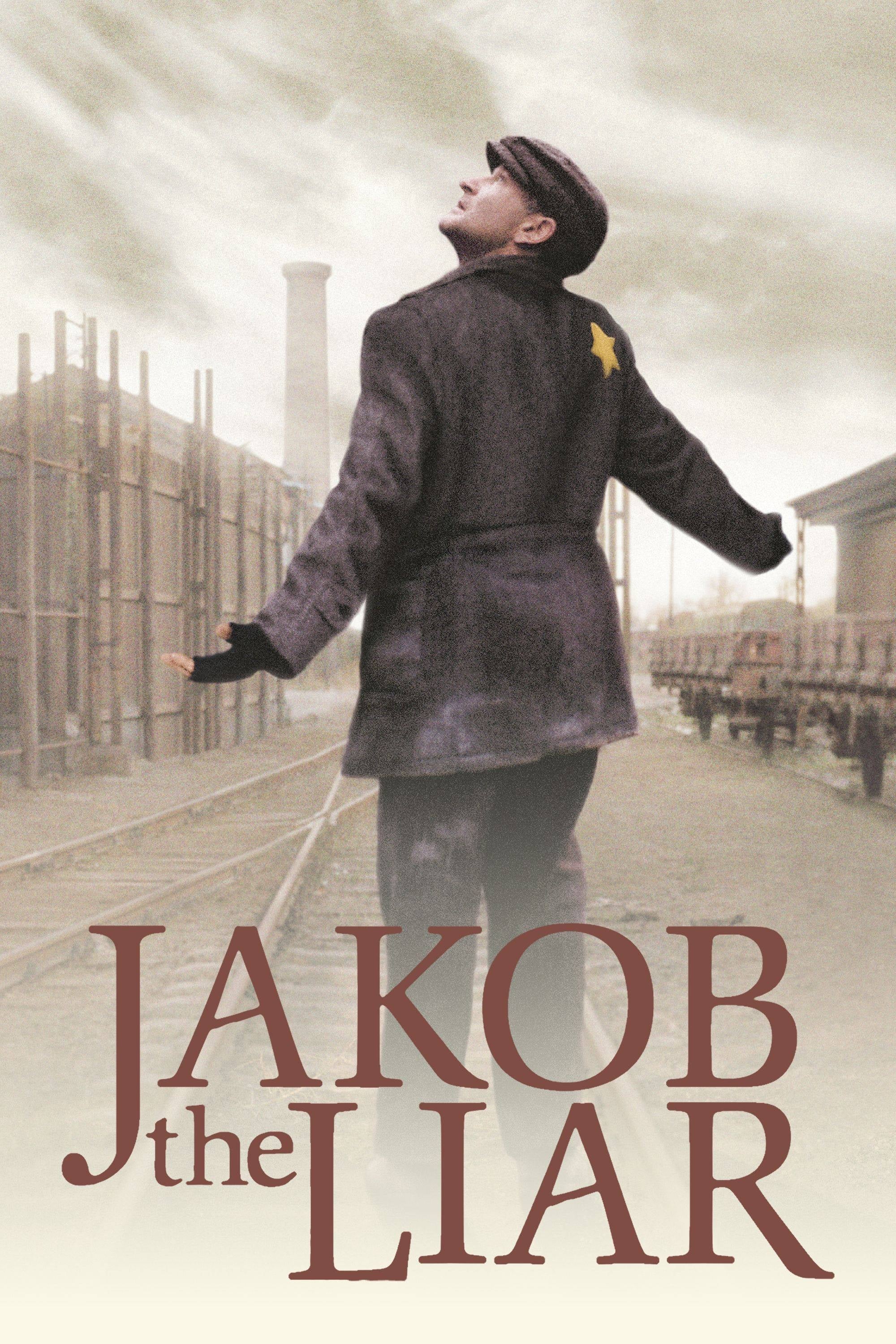
In 1944 Poland, a Jewish shop keeper named Jakob is summoned to ghetto headquarters after being caught out after curfew. While waiting for the German Kommondant, Jakob overhears a German radio broadcast about Russian troop movements. Returned to the ghetto, the shopkeeper shares his information with a friend and then rumors fly that there is a secret radio within the ghetto.
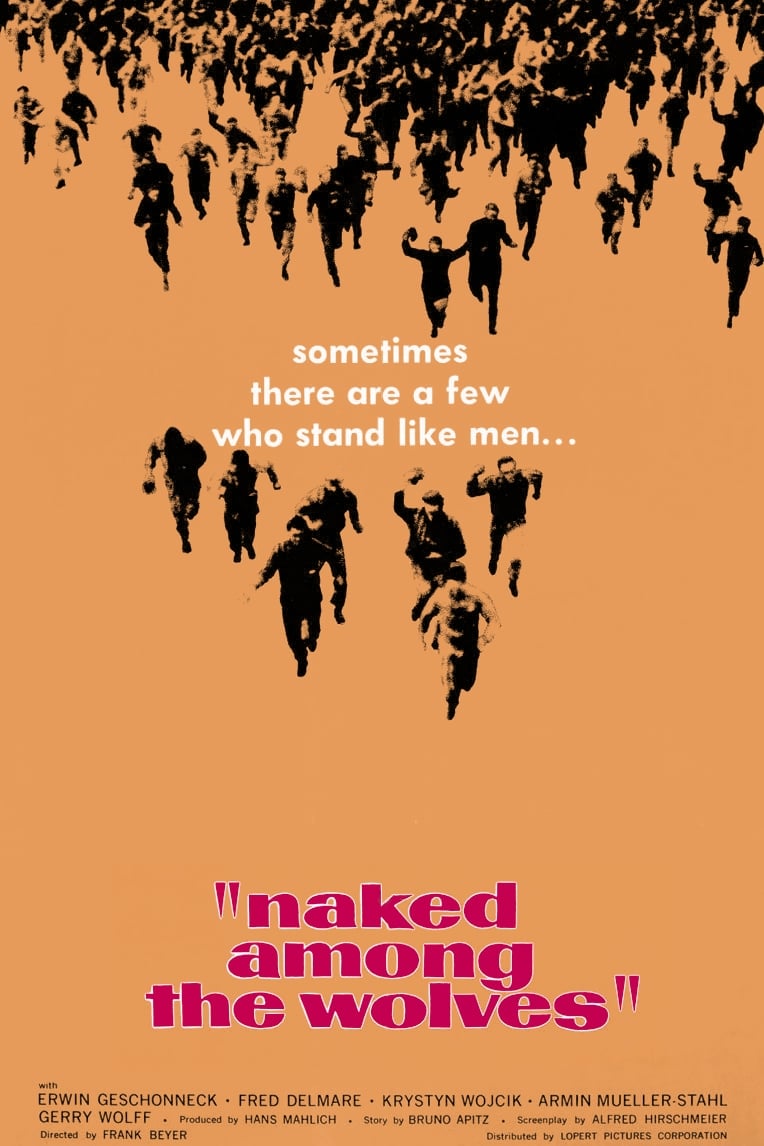
Based on a true story of inmates at KZ Buchenwald that risked their lives to hide a small Jewish boy shortly before the liberation of the camp.
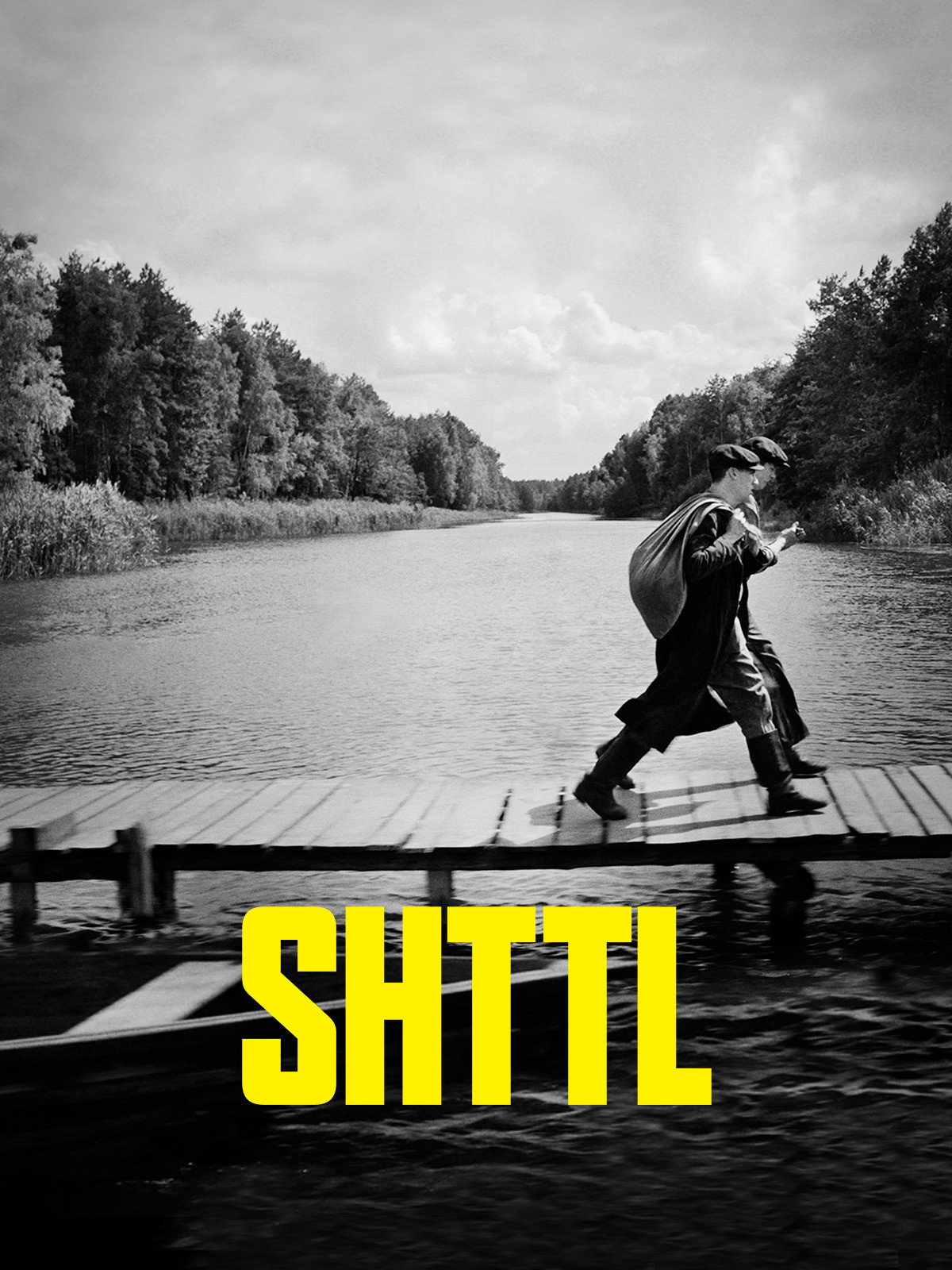
In one continuous shot, SHTTL shows the lives, loves, and inner conflicts within a Yiddish speaking shtetl on the border between Ukraine and Poland - one day before the Nazi invasion of the Soviet Union.
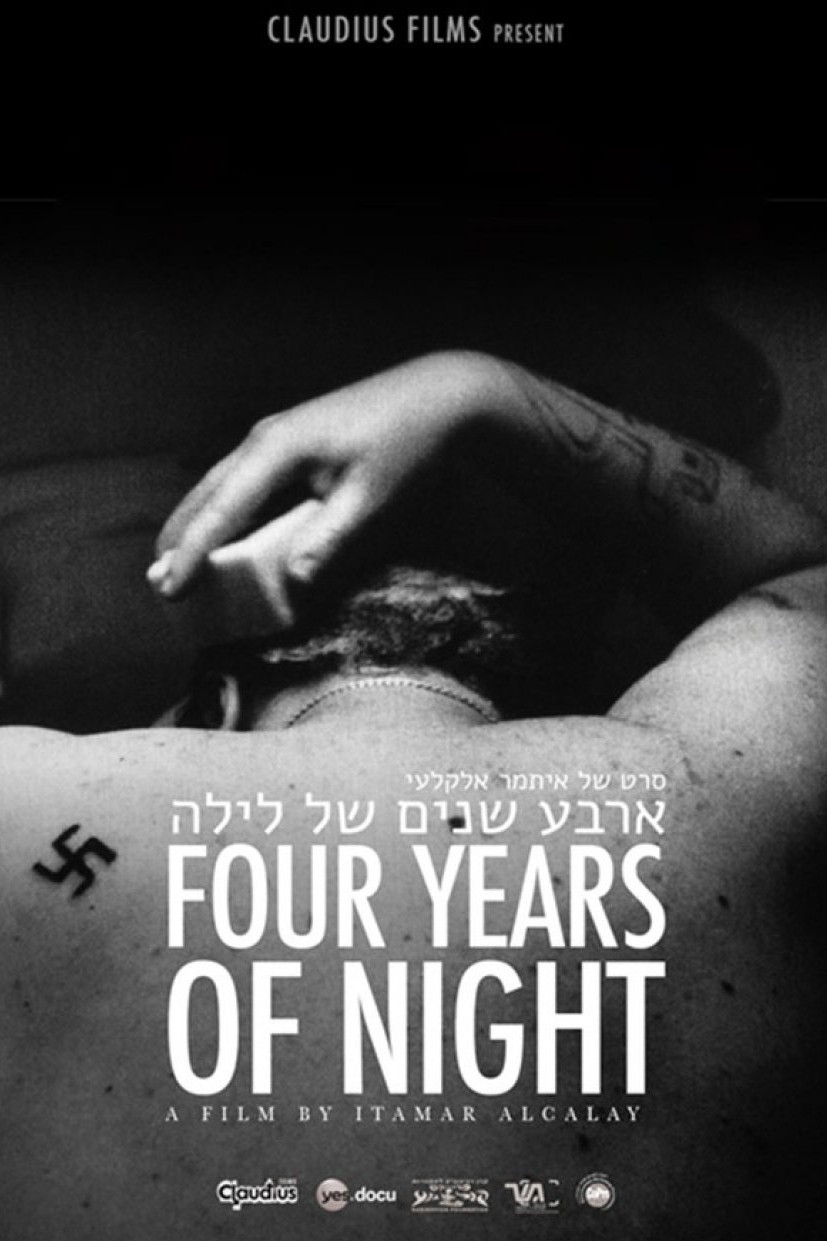
For four years (1977-1981) Esaias Baitel documented a violent Parisian neo-Nazi gang. Having gained their trust, he was able to get close to them. Living among the gang members, he witnessed horrific events, and while hiding his real identity, he photographed a one-of-a-kind collection of gripping stills. Over thirty years have passed. Esaias Baitel has laid his camera down. He returns to the dark nights he spent in the City of Lights, the city where he lived a double life, going back and forth from the gang to the young family he had just started.
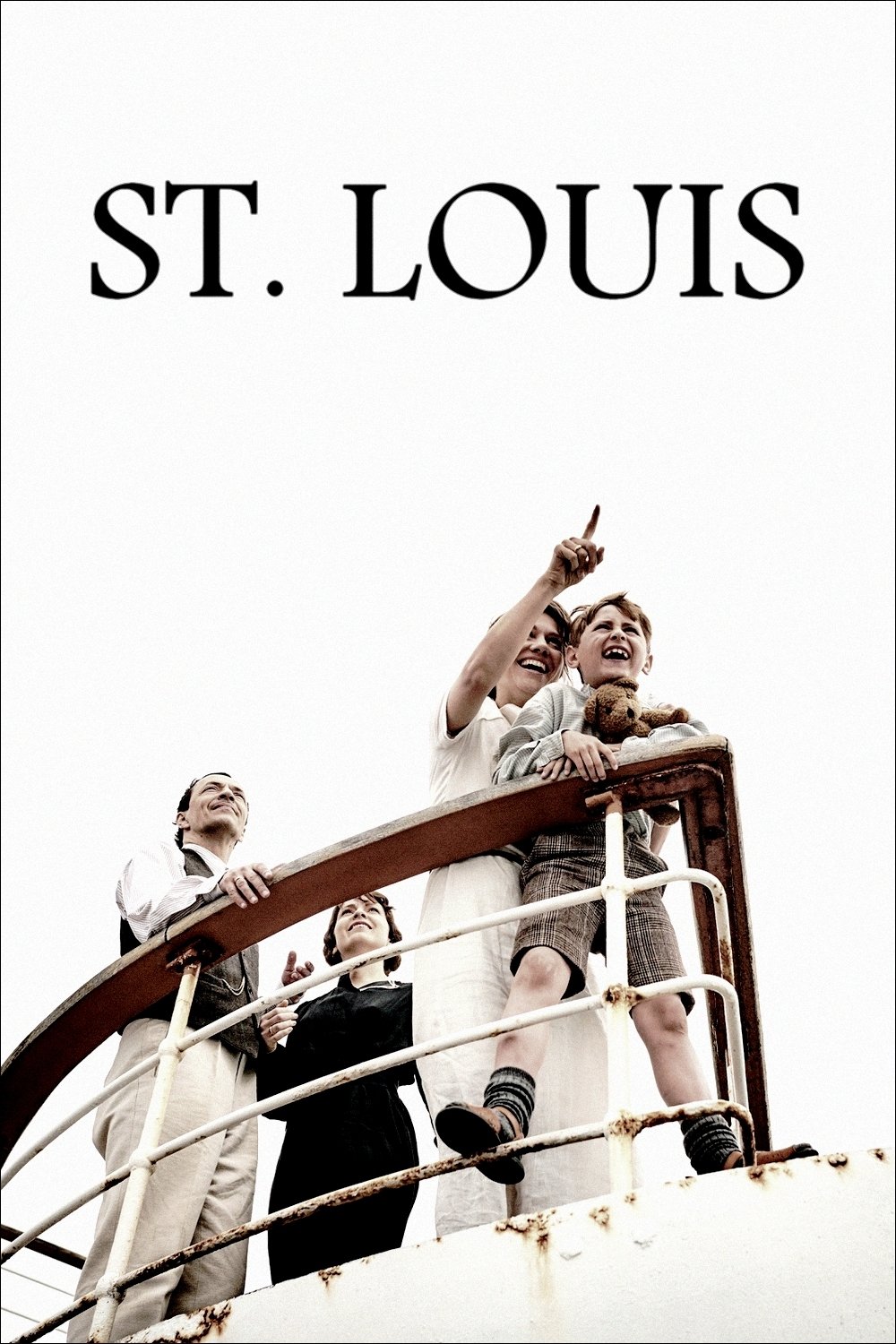
Hamburg, Germany, 1939. Getting a passage aboard the passenger liner St. Louis seems to be the last hope of salvation for more than nine hundred German Jews who, desperate to escape the atrocious persecution to which they are subjected by the Nazi regime, intend to emigrate to Cuba.
Stingo, a young writer, moves to Brooklyn in 1947 to begin work on his first novel. As he becomes friendly with Sophie and her lover Nathan, he learns that she is a Holocaust survivor. Flashbacks reveal her harrowing story, from pre-war prosperity to Auschwitz. In the present, Sophie and Nathan's relationship increasingly unravels as Stingo grows closer to Sophie and Nathan's fragile mental state becomes ever more apparent.
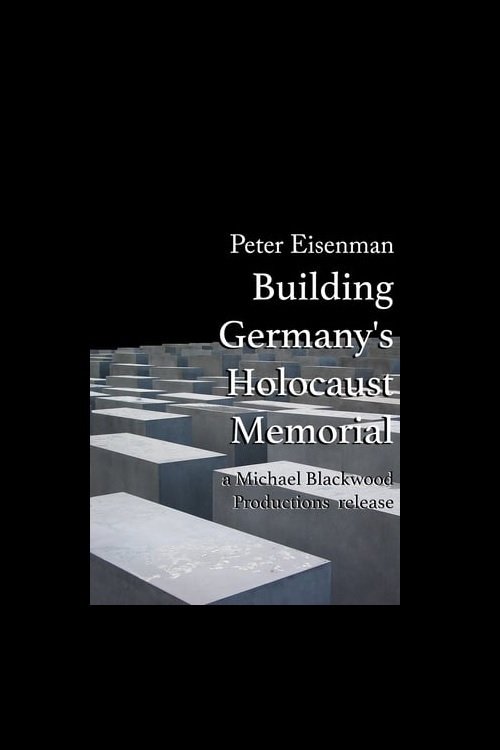
This documentary explores the creation of the Holocaust Memorial in Berlin as designed by architect Peter Eisenman. Reaction of the German public to the completed memorial is also shown.
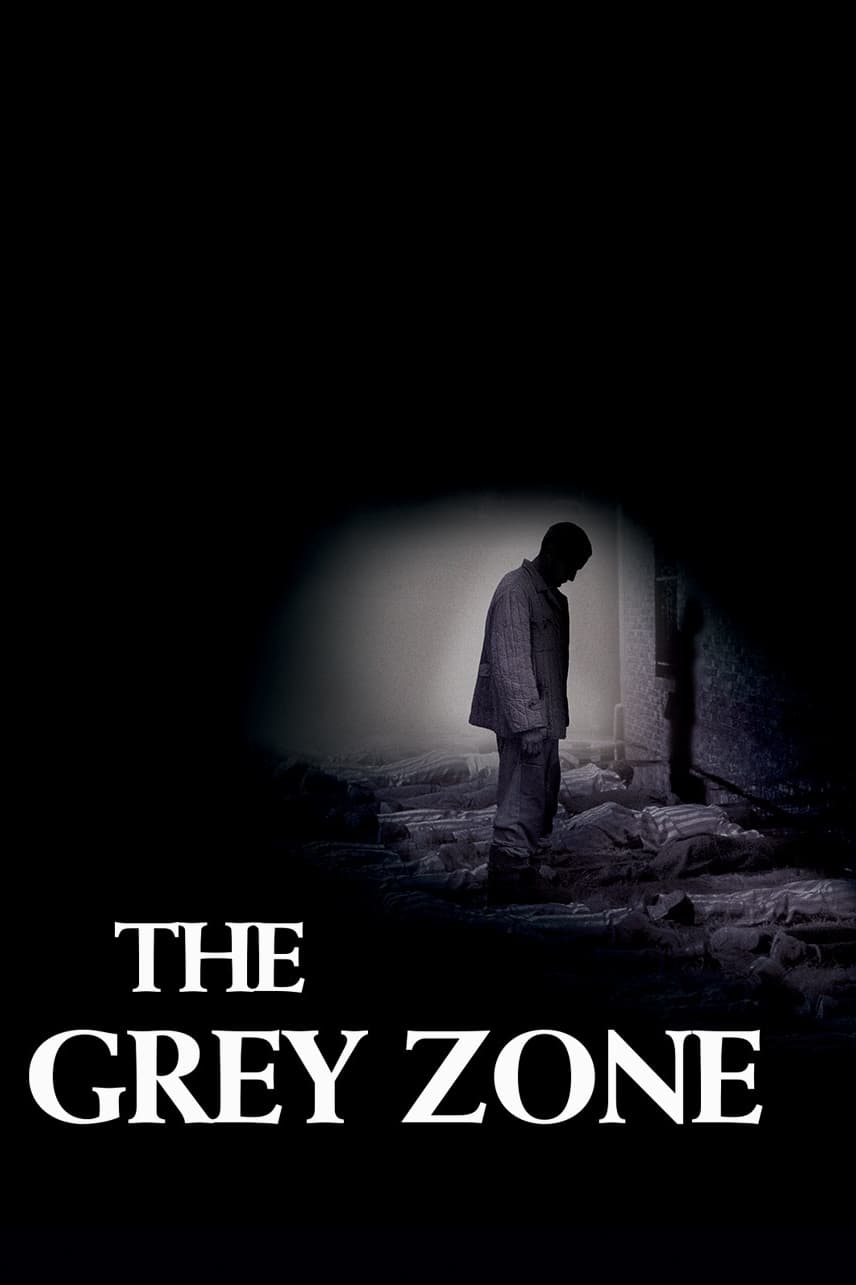
The story of Auschwitz's twelfth Sonderkommando — one of the thirteen consecutive "Special Squads" of Jewish prisoners placed by the Nazis in the excruciating moral dilemma of assisting in the extermination of fellow Jews in exchange for a few more months of life.
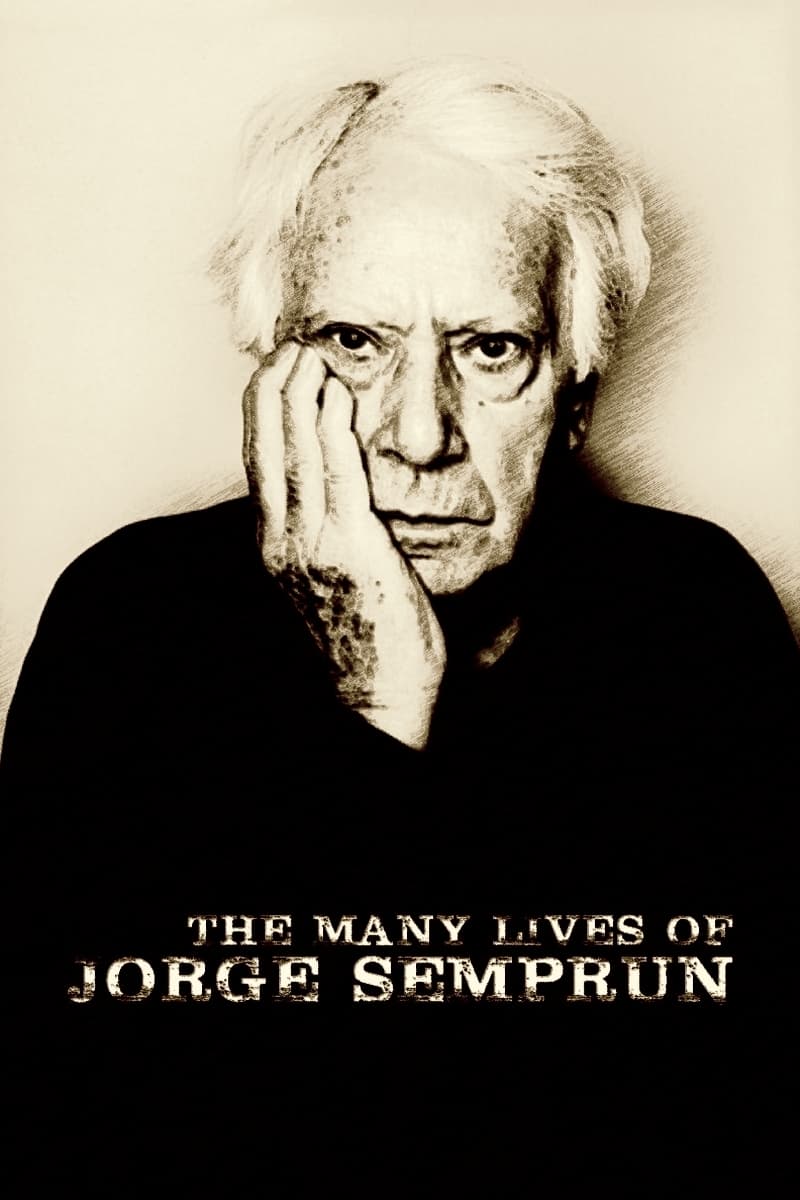
The incredible life of Jorge Semprún (1923-2011): son of a republican intellectual; exiled in the early days of the Spanish Civil War; survivor of the Buchenwald concentration camp during World War II; clandestine communist in Spain during Franco's dictatorship; controversial socialist politician; acclaimed writer, screenwriter and filmmaker.
“This film is part of a series of films on gay men who survived the Nazi era. I met Walter Schwarze when he was already in his eighties. My camera recorded his first public account of his five-year incarceration as a homosexual at Sachsenhausen concentration camp. He was in his fifties when he met Ali in his hometown of Leipzig; the two men became partners and remained close until his demise. And yet, Walter told me, he felt he had lived in vain because he had not had the good fortune of today's gays, who are able to grow up in freedom. Walter Schwarze died of cancer on May 10, 1998.” Rosa von Praunheim
What would your family reminiscences about dad sound like if he had been an early supporter of Hitler’s, a leader of the notorious SA and the Third Reich’s minister in charge of Slovakia, including its Final Solution? Executed as a war criminal in 1947, Hanns Ludin left behind a grieving widow and six young children, the youngest of whom became a filmmaker. It's a fascinating, maddening, sometimes even humorous look at what the director calls "a typical German story." (Film Forum)

Au revoir les enfants tells a heartbreaking story of friendship and devastating loss concerning two boys living in Nazi-occupied France. At a provincial Catholic boarding school, the precocious youths enjoy true camaraderie—until a secret is revealed. Based on events from writer-director Malle’s own childhood, the film is a subtle, precisely observed tale of courage, cowardice, and tragic awakening.
The true story of pianist Władysław Szpilman's experiences in Warsaw during the Nazi occupation. When the Jews of the city find themselves forced into a ghetto, Szpilman finds work playing in a café; and when his family is deported in 1942, he stays behind, works for a while as a laborer, and eventually goes into hiding in the ruins of the war-torn city.
The true story of how businessman Oskar Schindler saved over a thousand Jewish lives from the Nazis while they worked as slaves in his factory during World War II.
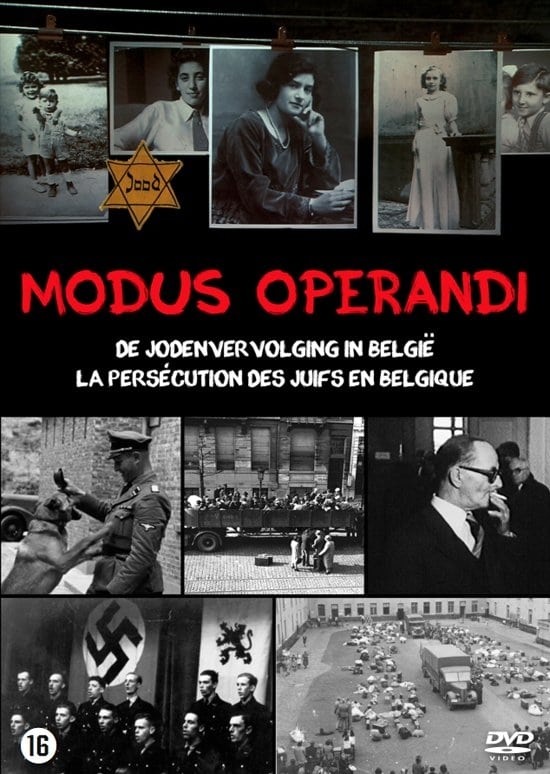
Between 1942 and 1944 some 24,916 Jews were deported from Belgium to Auschwitz. The roundups and deportations were organized and carried out by the Nazis with the - not always conscious - cooperation of Belgian authorities. The attitude of the authorities here varied from outright resistance to voluntary or unwitting collaboration.
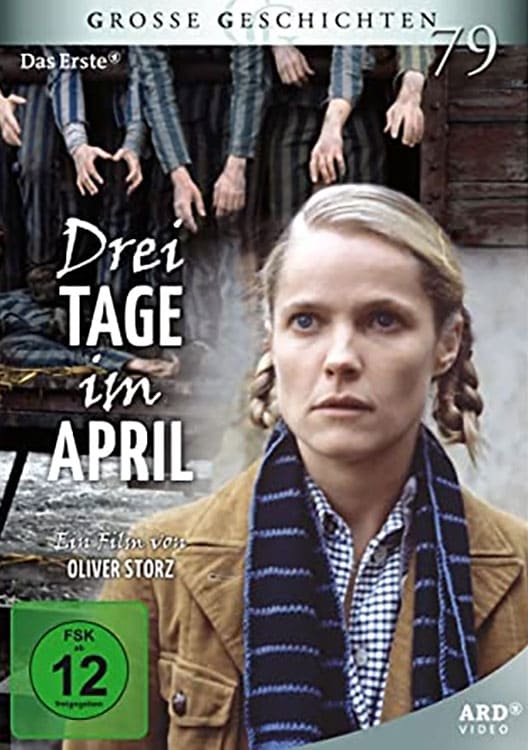
Shortly before the end of the war in 1945, the Allies can already be heard in Nesselbühl in Swabia when three freight cars are uncoupled at the station. The screams of the starving concentration camp prisoners inside can be heard throughout the village, but nobody dares to help them. Only the innkeeper's daughter Anna takes heart...
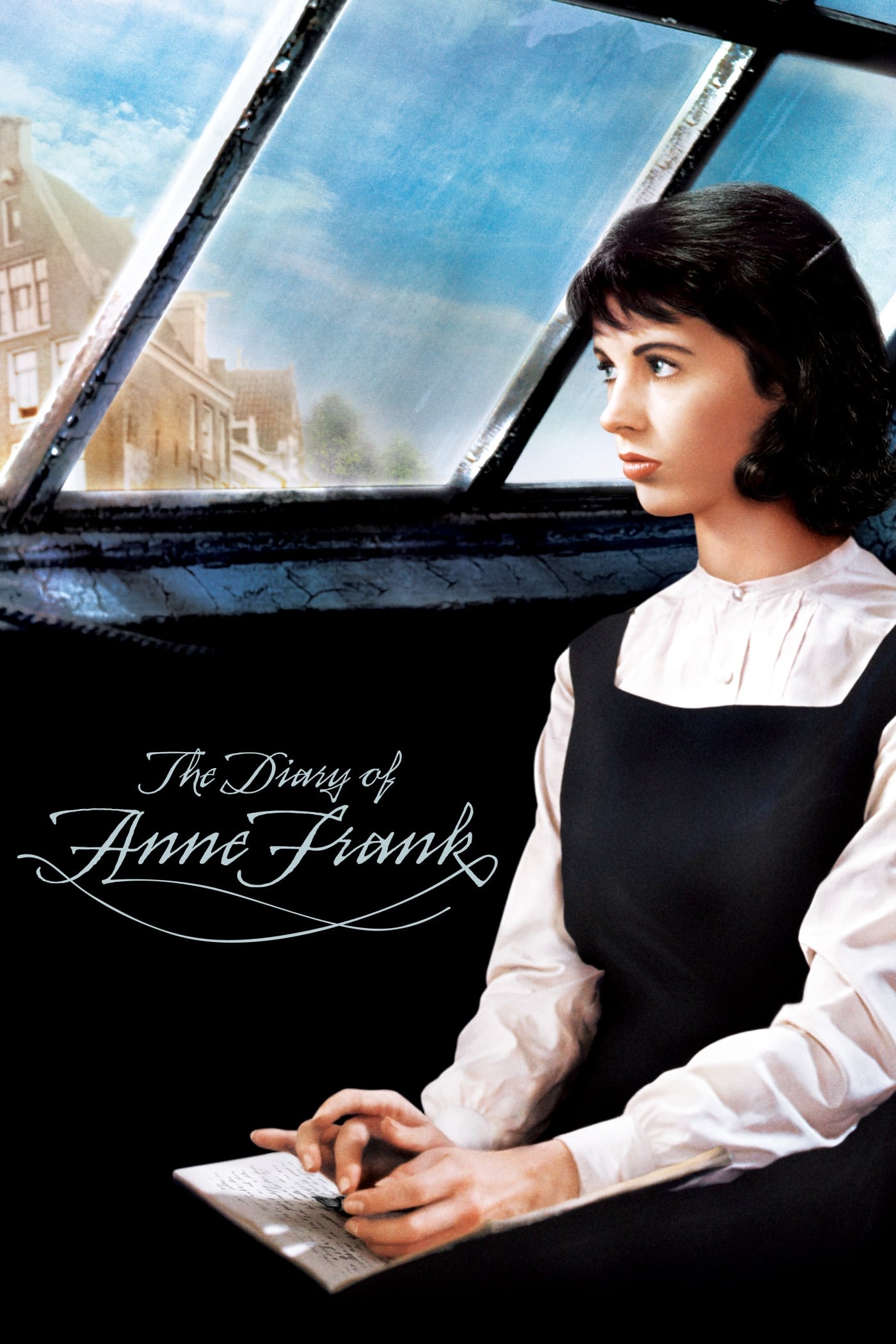
The true, harrowing story of a young Jewish girl who, with her family and their friends, is forced into hiding in an attic in Nazi-occupied Amsterdam.
With the help of a Baptist minister and people abroad, the son of Holocaust survivors unshackles his inherited trauma and reconstructs his future.
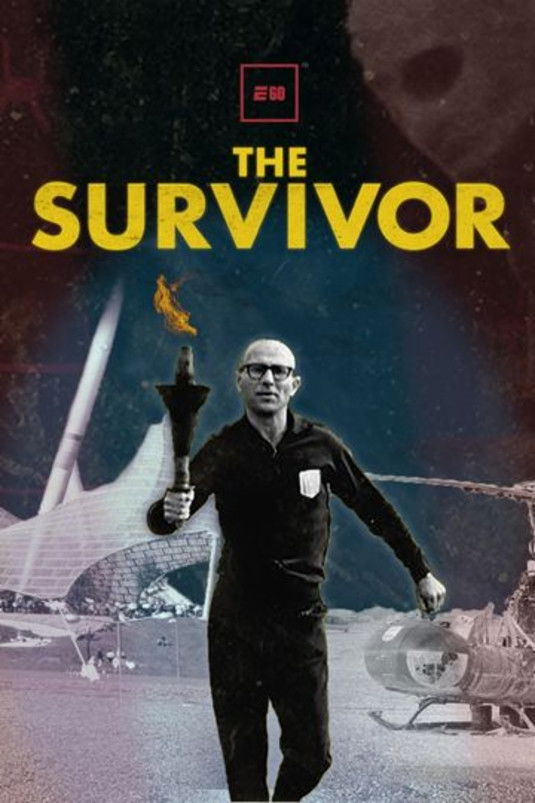
A powerful and emotional new episode of ESPN E60 will look back 50 years to one of the darkest moments in sports history – the Munich Massacre, when Palestinian terrorists murdered 11 Israeli sportsmen at the 1972 Summer Olympics. E60 will tell the story of one Israeli athlete, now 86, who survived, just as he had survived World War II and the Holocaust when he was a child.
In a forest in eastern Poland, an archaeologist digs to bring to light the traces of the Sobibor extermination center. Thousands of objects that belonged to the victims are emerging from the ground as fragile witnesses. This research must be completed, because the construction of a new museum-memorial is beginning. How can the Shoah be commemorated on its own site, today and tomorrow, when an era without witnesses is emerging? How does the Shoah continue to work on the history and memory of Poland, of its citizens, within Europe, in a conflicting political context? The film looks at these questions by showing and hearing the voices of archaeologists, historians, architects, journalists, curators, and visitors linked to Sobibor.
“The Soviet Story” is a story of an Allied power, which helped the Nazis to fight Jews and which slaughtered its own people on an industrial scale. Assisted by the West, this power triumphed on May 9th, 1945. Its crimes were made taboo, and the complete story of Europe’s most murderous regime has never been told. Until now...
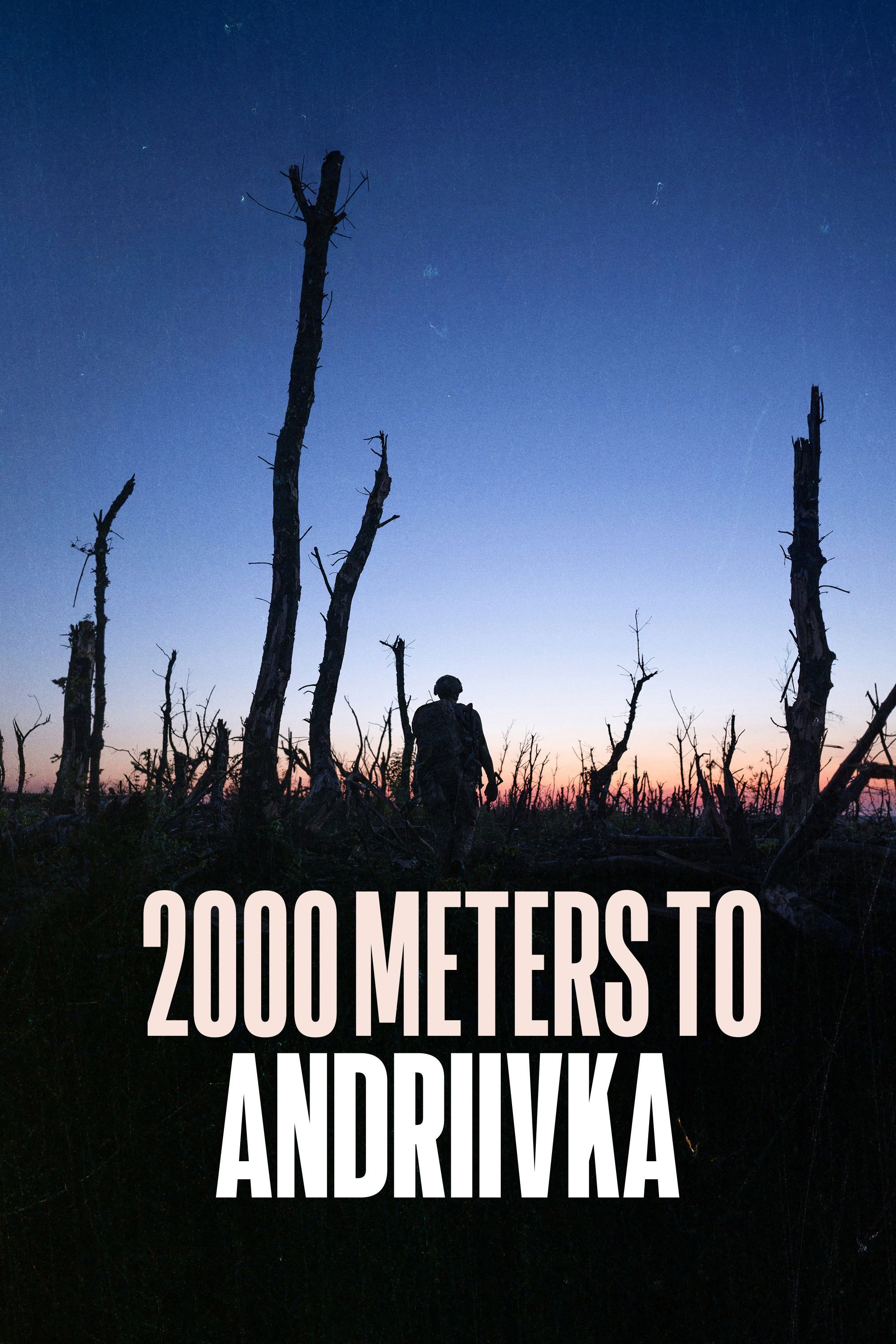
Amid the failing counteroffensive, a journalist follows a Ukrainian platoon on their mission to traverse one mile of heavily fortified forest and liberate a strategic village from Russian occupation. But the farther they advance through their destroyed homeland, the more they realize that this war may never end.
Prelude to War was the first film of Frank Capra's Why We Fight propaganda film series, commissioned by the Pentagon and George C. Marshall. It was made to convince American troops of the necessity of combating the Axis Powers during World War II. This film examines the differences between democratic and fascist states.
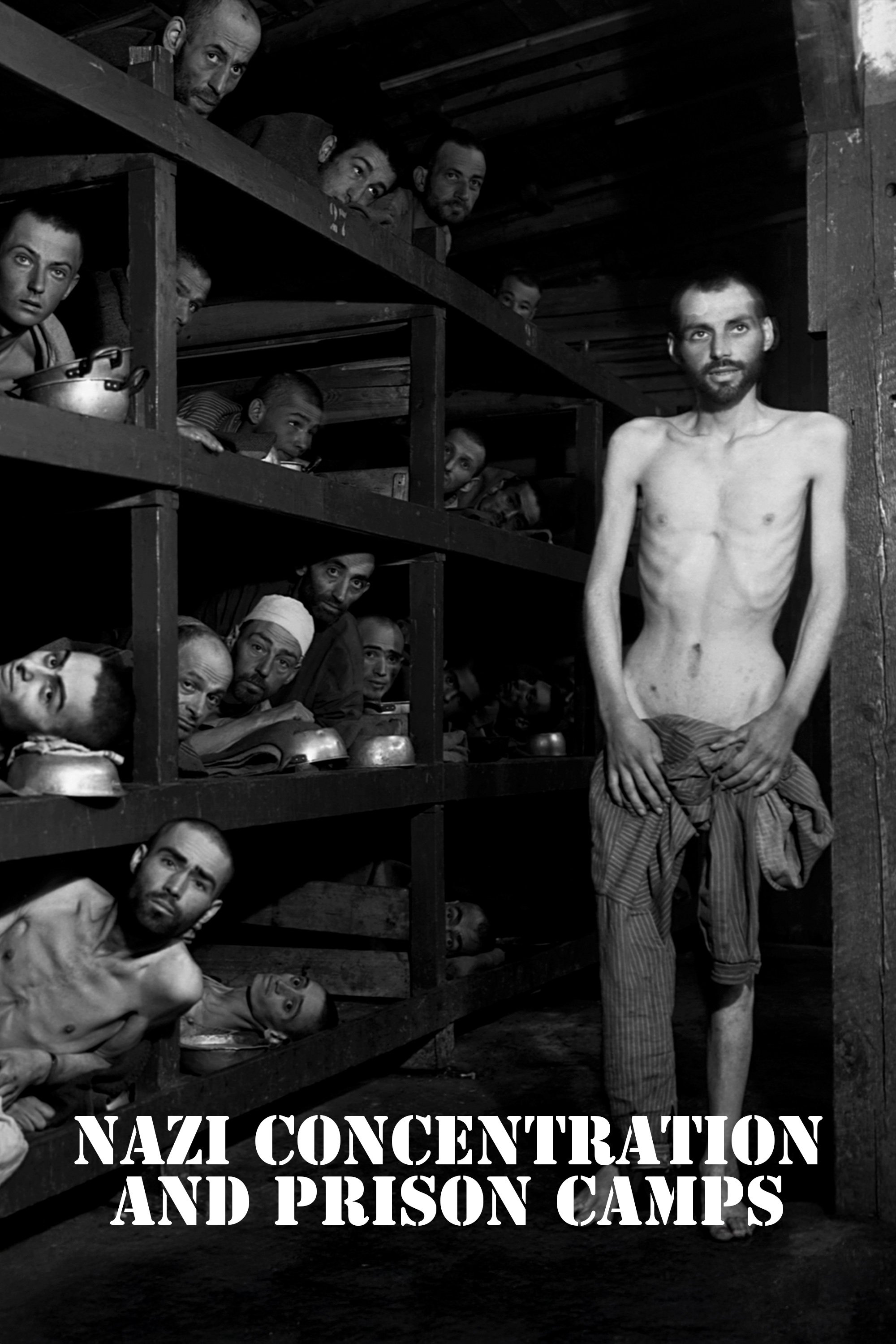
Produced and presented as evidence at the Nuremberg war crimes trial of Hermann Göring and twenty other Nazi leaders, this film consists primarily of dead and surviving prisoners and of facilities used to kill and torture during the World War II.
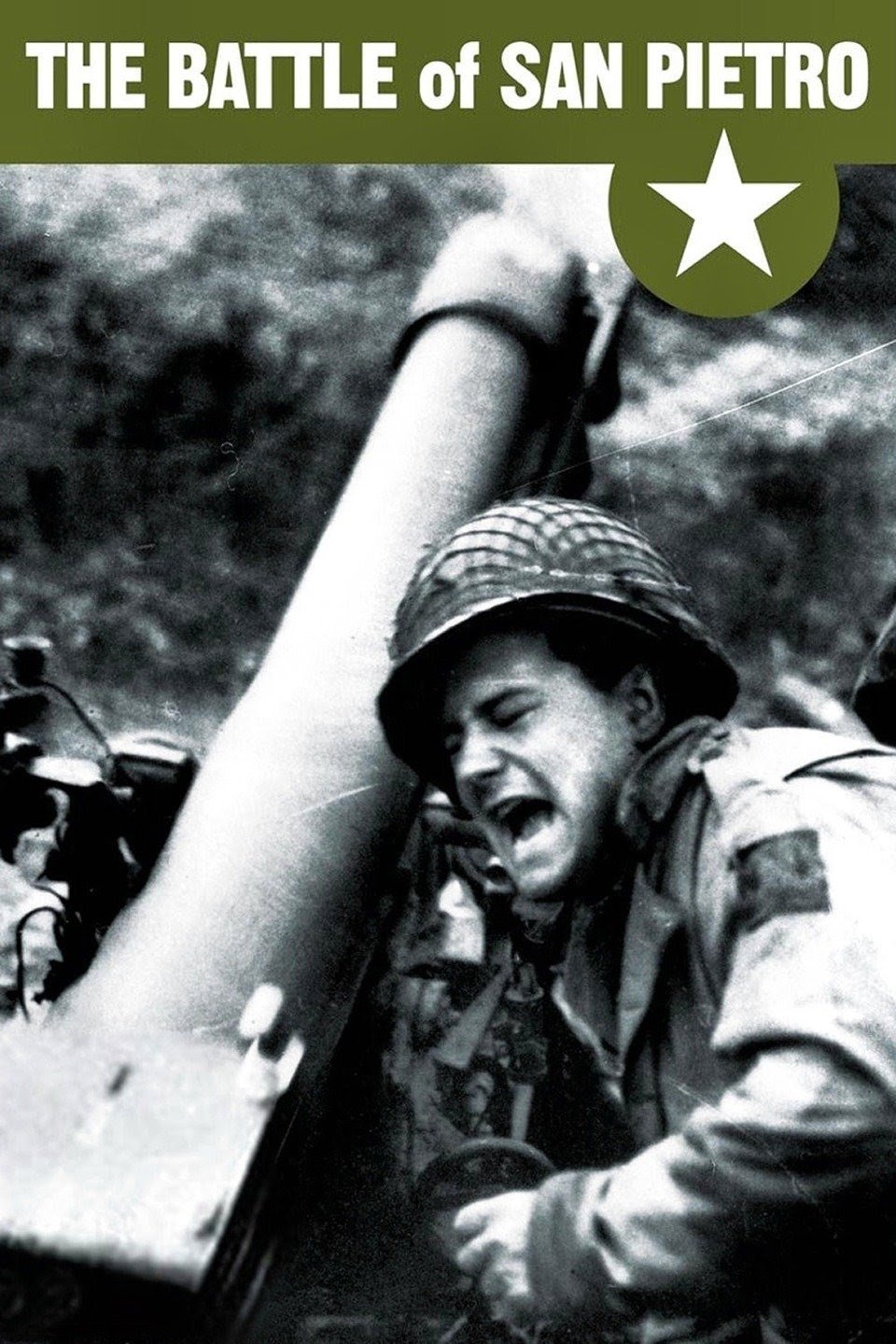
This documentary movie is about the battle of San Pietro, a small village in Italy. Over 1,100 US soldiers were killed while trying to take this location, that blocked the way for the Allied forces from the Germans. Preserved by the Academy Film Archive in 2005.
A love letter from a young mother to her daughter, the film tells the story of Waad al-Kateab’s life through five years of the uprising in Aleppo, Syria as she falls in love, gets married and gives birth to Sama, all while cataclysmic conflict rises around her. Her camera captures incredible stories of loss, laughter and survival as Waad wrestles with an impossible choice– whether or not to flee the city to protect her daughter’s life, when leaving means abandoning the struggle for freedom for which she has already sacrificed so much.
Pete Postlethwaite stars as a man living alone in the devastated future world of 2055, looking at old footage from 2008 and asking: why didn’t we stop climate change when we had the chance?
When Sgt. First Class Brian Eisch is critically wounded in Afghanistan, it sets him and his sons on a journey of love, loss, redemption and legacy.
"Trinity and Beyond" is an unsettling yet visually fascinating documentary presenting the history of nuclear weapons development and testing between 1945-1963. Narrated by William Shatner and featuring an original score performed by the Moscow Symphony Orchestra, this award-winning documentary reveals previously unreleased and classified government footage from several countries.
A documentary about World War I with never-before-seen footage to commemorate the centennial of Armistice Day, and the end of the war.
The history of cinematic sound, told by legendary sound designers and visionary filmmakers.
An unprecedented and intimate look at the life, work and enduring legacy of British actress Audrey Hepburn (1929-1993).
For the 20th anniversary of "Titanic," James Cameron reopens the file on the disaster.
Oliver Stone charts the history of the United States from the Second World War to the present.
As the Russian invasion begins, a team of Ukrainian journalists trapped in the besieged city of Mariupol struggle to continue their work documenting the war's atrocities.
Documentary about the art of film editing. Clips are shown from many groundbreaking films with innovative editing styles.
Experience the events of September 11, 2001 through the eyes of President Bush and his closest advisors as they personally detail the crucial hours and key decisions from that historic day.
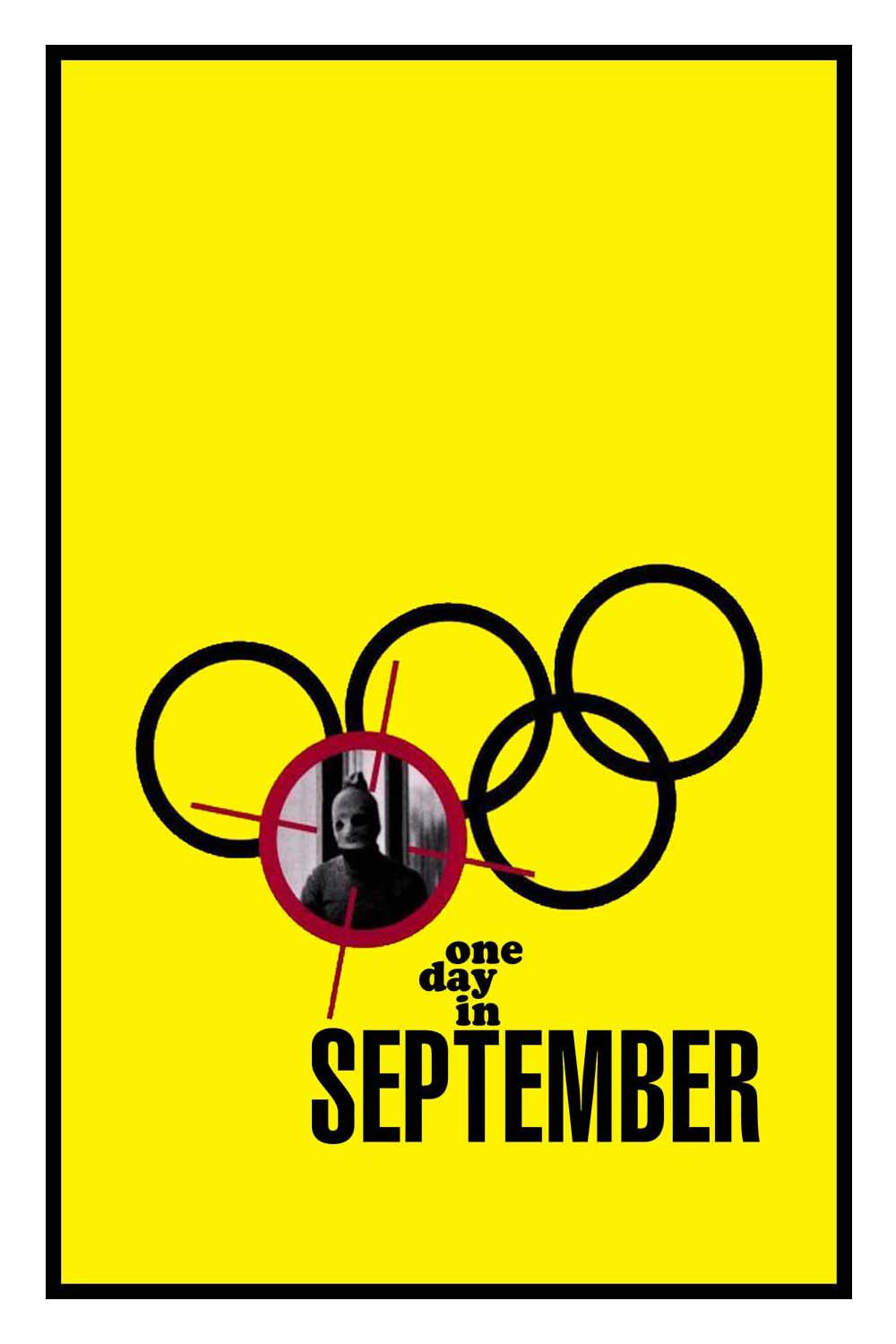
The full story of the 1972 Munich Olympics Massacre and the Israeli revenge operation 'Wrath of God.' The 1972 Munich Olympics were interrupted by Palestinian terrorists taking Israeli athletes hostage. Besides footage taken at the time, we see interviews with the surviving terrorist, Jamal Al Gashey, and various officials detailing exactly how the police, lacking an anti-terrorist squad and turning down help from the Israelis, botched the operation.
A behind-the-scenes documentary about the Clinton for President campaign, focusing on the adventures of spin doctors James Carville and George Stephanopoulos.
The final entry in a trilogy of films produced for the U.S. government by John Huston. Some returning combat veterans suffer scars that are more psychological than physical. This film follows patients and staff during their treatment. It deals with what would now be called PTSD, but at the time was categorised as psychoneurosis or shell-shock. Government officials deemed this 1946 film counterproductive to postwar efforts; it was not shown publicly until 1981.