"The Search Begins"
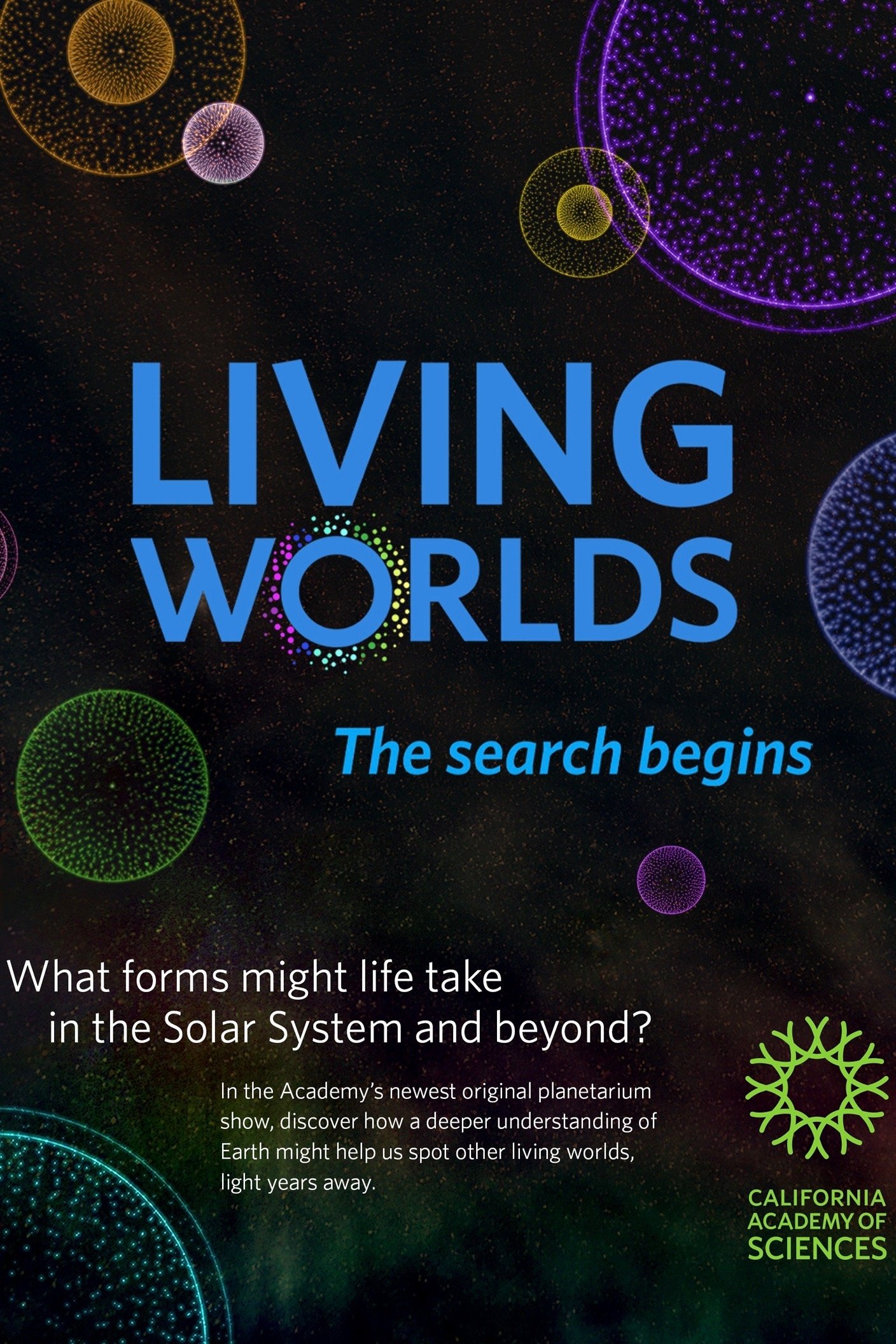
What forms might life take in the Solar System and beyond? In the Academy's newest original planetarium show, see how a deeper understanding of Earth might help us locate other living worlds, light years away.
Social & External
Narrator (voice)
Before the internet. Before social media. Before breaking news. The victims of Thalidomide had to rely on something even more extraordinary to fight their corner: Investigative journalism. This is the story of how Harold Evans fought and won the battle of his and many other lives.
Documentary about the Griffith Observatory, shown at their Leonard Nimoy Event Horizon Theater
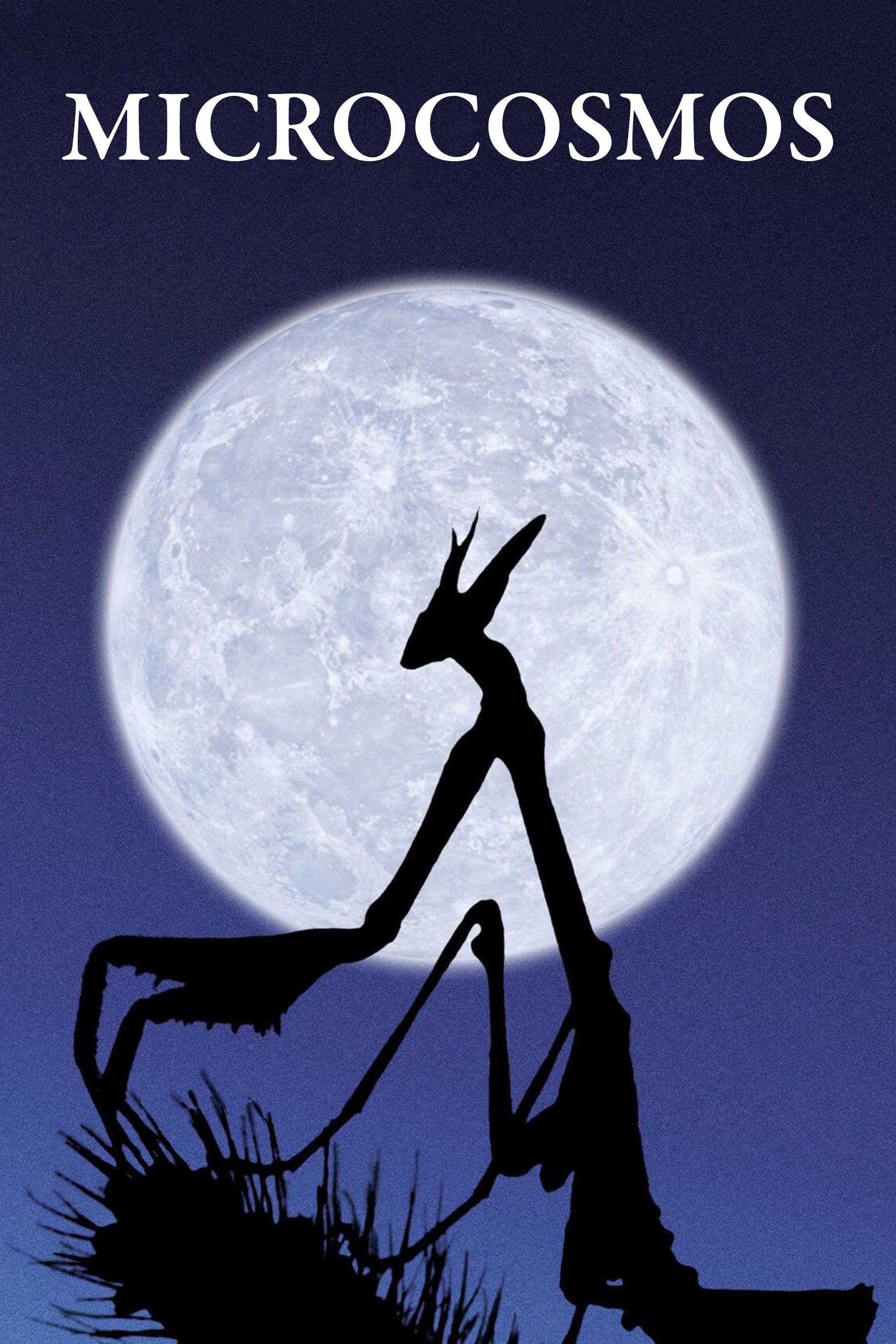
A documentary of insect life in meadows and ponds, using incredible close-ups, slow motion, and time-lapse photography. It includes bees collecting nectar, ladybugs eating mites, snails mating, spiders wrapping their catch, a scarab beetle relentlessly pushing its ball of dung uphill, endless lines of caterpillars, an underwater spider creating an air bubble to live in, and a mosquito hatching.
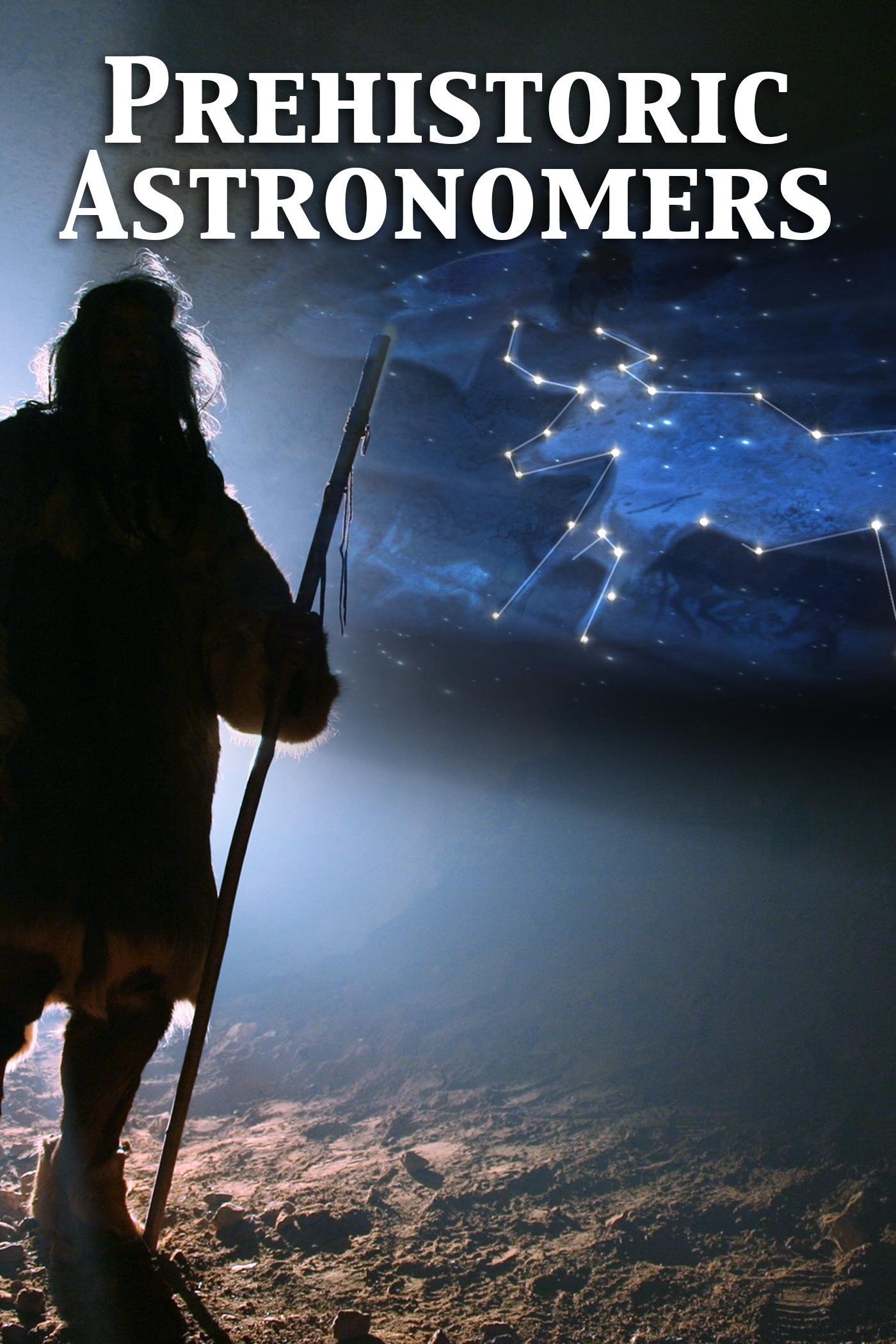
Cave paintings and lunar calendars exist in the caves and remains of prehistoric hunters studied recently. What if Prehistoric Man were clever enough to develop in depth scientific knowledge? As unlikely as it may seem, new data tend to prove that Prehistoric Man actually invented Astronomy!
Travel to ancient Egypt to see how science was used to tell time, make a workable calendar, and align huge buildings. You'll learn about the connection the ancient Egyptians felt with the stars and various astronomical phenomena, and experience some of the most spectacular temples and tombs of the ancient world recreated in all of their original splendor. Telly Award winner. Narrated by John Rhys-Davies, of the Indiana Jones films and The Lord of the Rings films.
The film features amazing scenes of places never before seen gathered by key space missions that culminated with groundbreaking discoveries in 2015. It features a spectacular flight though the great cliffs on comet 67P, a close look at the fascinating bright "lights" on Ceres, and the first ever close ups of dwarf binary planet Pluto/Charon and its moons.
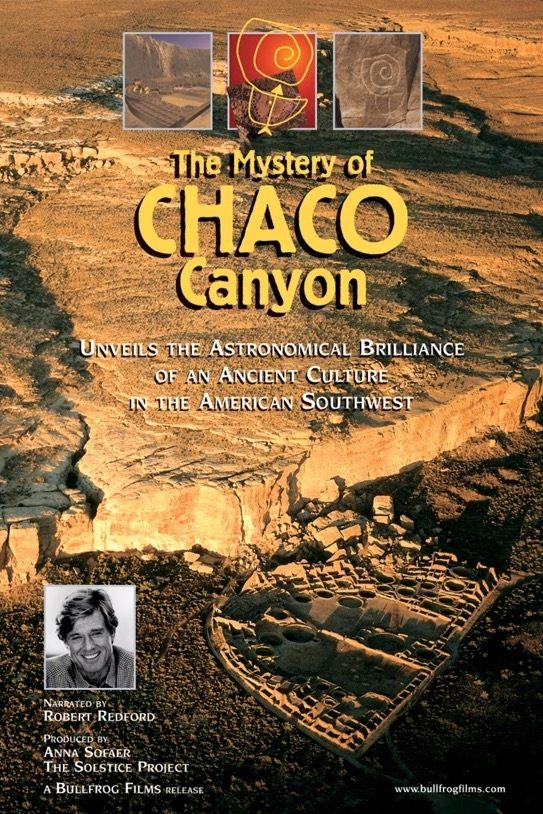
Chaco Canyon, located in northwest New Mexico, is perhaps the only site in the world constructed in an elaborate pattern that mirrors the yearly cycle of the sun and the 19-year cycle of the moon. How did an ancient civilization, with no known written language, arrange its buildings into a virtual celestial calendar, spanning an area roughly the size of Ireland?
Explore the secrets of the universe with Professor Brian Cox in this special event that combines ground-breaking science with the power of the Sydney Symphony Orchestra.
Are we becoming Plastic People? Our ground-breaking feature documentary investigates our addiction to plastic and the growing threat of microplastics on human health. Almost every bit of plastic ever made ends up ground down into "microplastics". These microscopic particles drift in the air, float in the water and sit in the soil. And now, leading scientists are finding them in our bodies: organs, blood, brain tissue and even the placentas of new mothers. What is the impact of these invisible invaders on our health? Ziya Tong, author and science journalist, makes it personal by visiting leading scientists and undergoing experiments in her home, on her food, and on her body.
This instructional film shows the three parts of a lever and demonstrates how various levers help to move things more easily, or move them farther and faster.
The film discusses the evolution and potential of using light waves, particularly coherent light, for communication. It highlights the development of lasers at Bell Telephone Laboratories, explaining how they produce a highly controlled and intense beam of light that could revolutionize communication. The film emphasizes the vast possibilities of lasers, including applications in telecommunications, surgery, and exploring the universe, suggesting that this technology represents a significant step in humanity's understanding and use of light.
The first American space station Skylab is found in pieces scattered in Western Australia. Putting these pieces back together and re-tracing the Skylab program back to its very conception reveals the cornerstone of human space exploration.
This 1971 color anti-drug use and abuse film was produced by Concept Films and directed by Brian Kellman for Encyclopedia Britannica. “Weed: The Story of Marijuana” combines time-lapse, montage, illustrations, animation (by Paul Fierlinger and emigre Pavel Vošický) and dramatized, documentary-style interviews to survey the evolving role of cannabis in U.S. society, with emphasis on the legal risks faced by young people. A unique score of experimental synthesizer music is provided by Tony Luisi on an EMS VCS 3 “Putney”
An incredible travel through space and time between the walls of the Paris Observatory, which is celebrating its 350th birthday. Place of discoveries such as speed of light or Neptune’s existence, it is still today one of the oldest operating observatories and the greatest hub in the world for astronomy and astrophysics researches, second only to Harvard.
The discovery of neuroplasticity, the fact that thoughts can change the structure and function of our brains, even into old age, is one of the most important breakthroughs in our understanding of the brain in recent times. In The Brain That Changes Itself, Dr Norman Doidge explores the profound implications of the changing brain in a way that will permanently alter the way we look at human possibility and human nature. The documentary examines a blind man who sinks a basketball; a woman with half a brain who leads a normal life; learning disorders, strokes and brain traumas that are improved and cured; and chronic pain that is alleviated. The vast expanse of the brain's possibility is still unrealized.
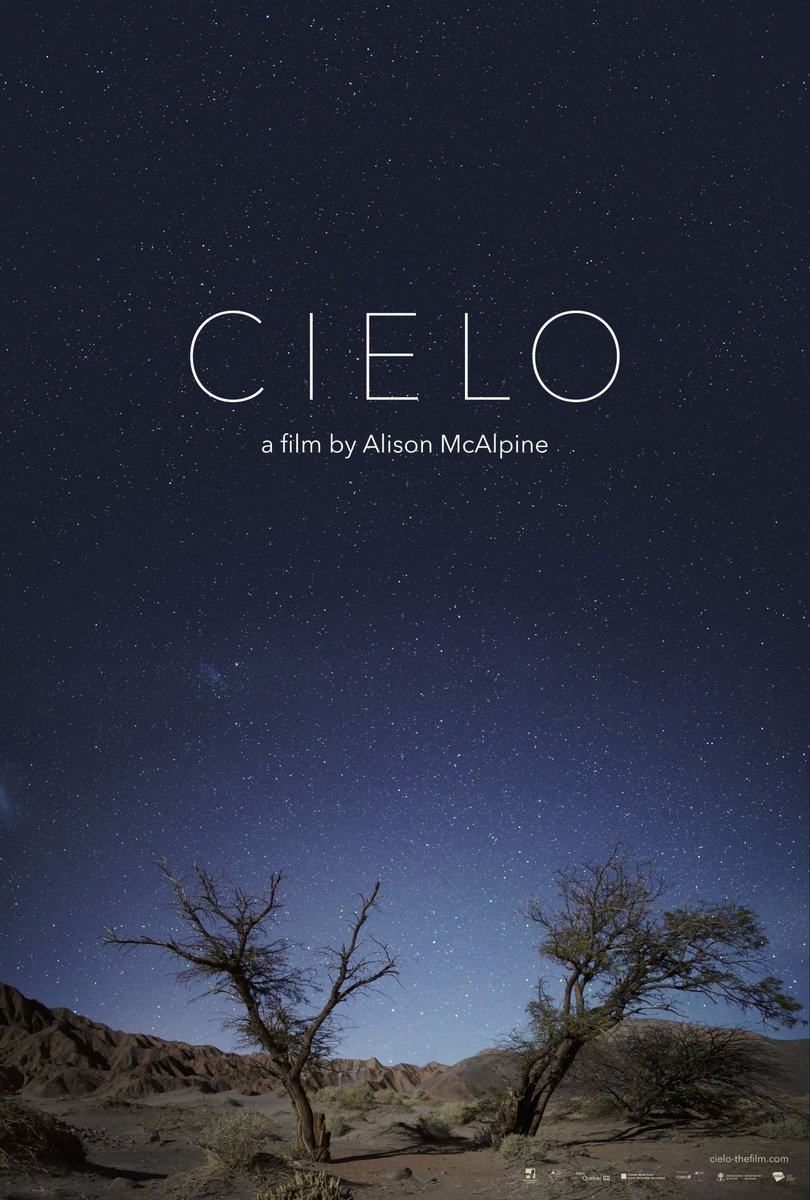
The first feature from Alison McAlpine is a dialogue with the heavens—in this case, the heavens above the Andes and the Atacama Desert in northern Chile, where she alights on the desert- and mountain-dwelling astronomers, fishermen, miners, and cowboys who live their lives with reverence and awe for the skies.
An illuminating look inside the lives of the Grucci family, whose Long Island-based fireworks business has been lighting up night skies around the world with spectacular displays since the 1800s.
They have no roots, no seeds, no flowers, but mosses show immense survival capacities and can suspend their biological activity for long periods. Today, researchers are exploring the exceptional resistance of these archaic organisms. British ecologists have even resurrected a "zombie" moss that has been trapped in the permafrost for 1,500 years. Associated with decay and disliked in Europe, mosses are deified in Japan. With 25,000 species worldwide, bryophytes - their scientific name - are the seat of real ecosystems, and can develop in inhospitable landscapes, through an extravagant reproduction cycle.