Social & External
The people behind it
Semyon Bychkov
Self
Marielle Labèque
David Mareček
Robert Hanč
Eva Krestová
Ondřej Roskovec
Jan Keller
Václav Petr
Jan Mráček
Jonathan Freeman-Atwood
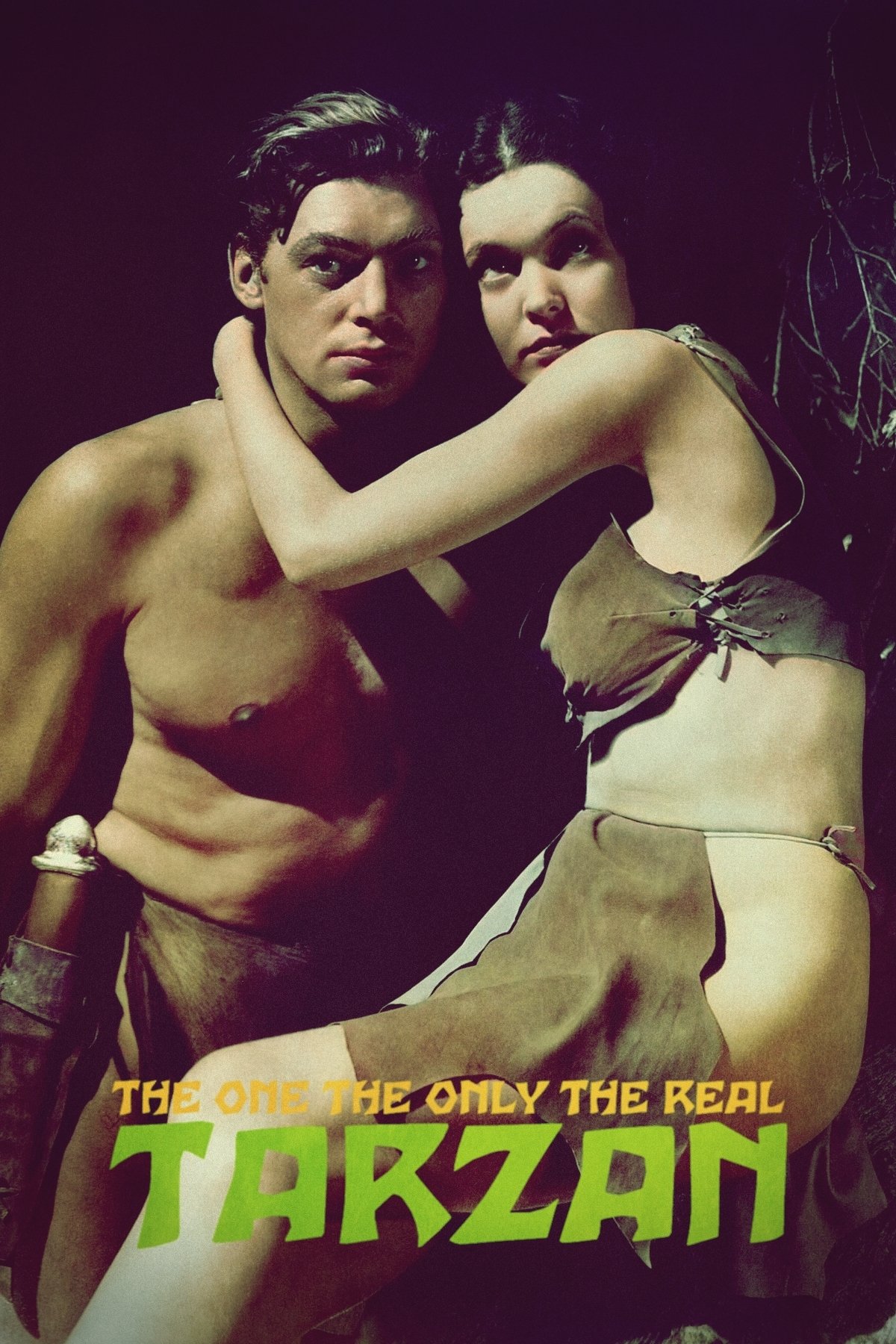
The glorious and tragic story of American athlete and actor Johnny Weissmuller (1904-84), Olympic swimmer, water polo player and the only true Tarzan, an archetypal character and myth of cinema, that of the original Hollywood blockbusters (1932-48).
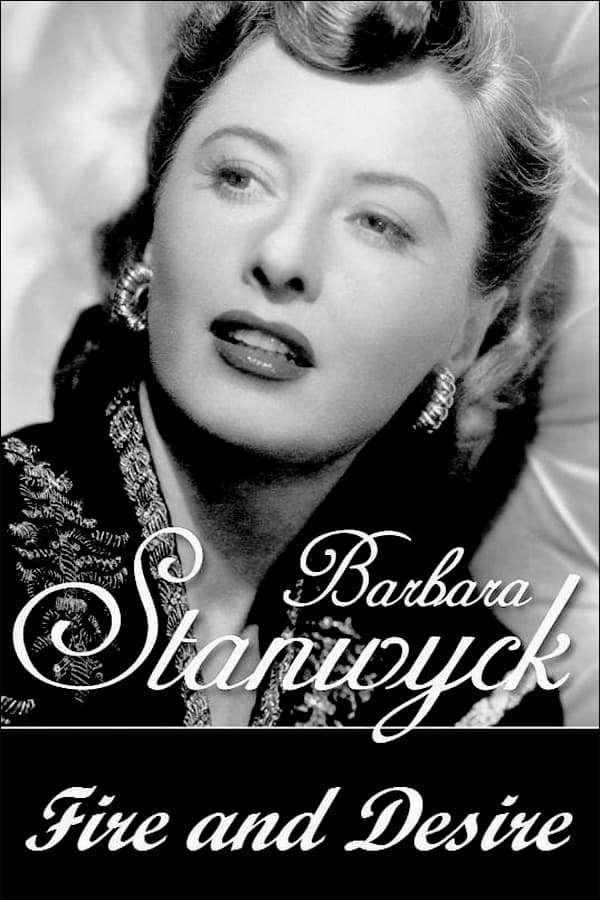
Actress Sally Field looks at the dramatic life and successful career of the superb actress Barbara Stanwyck (1907-90), a Hollywood legend.
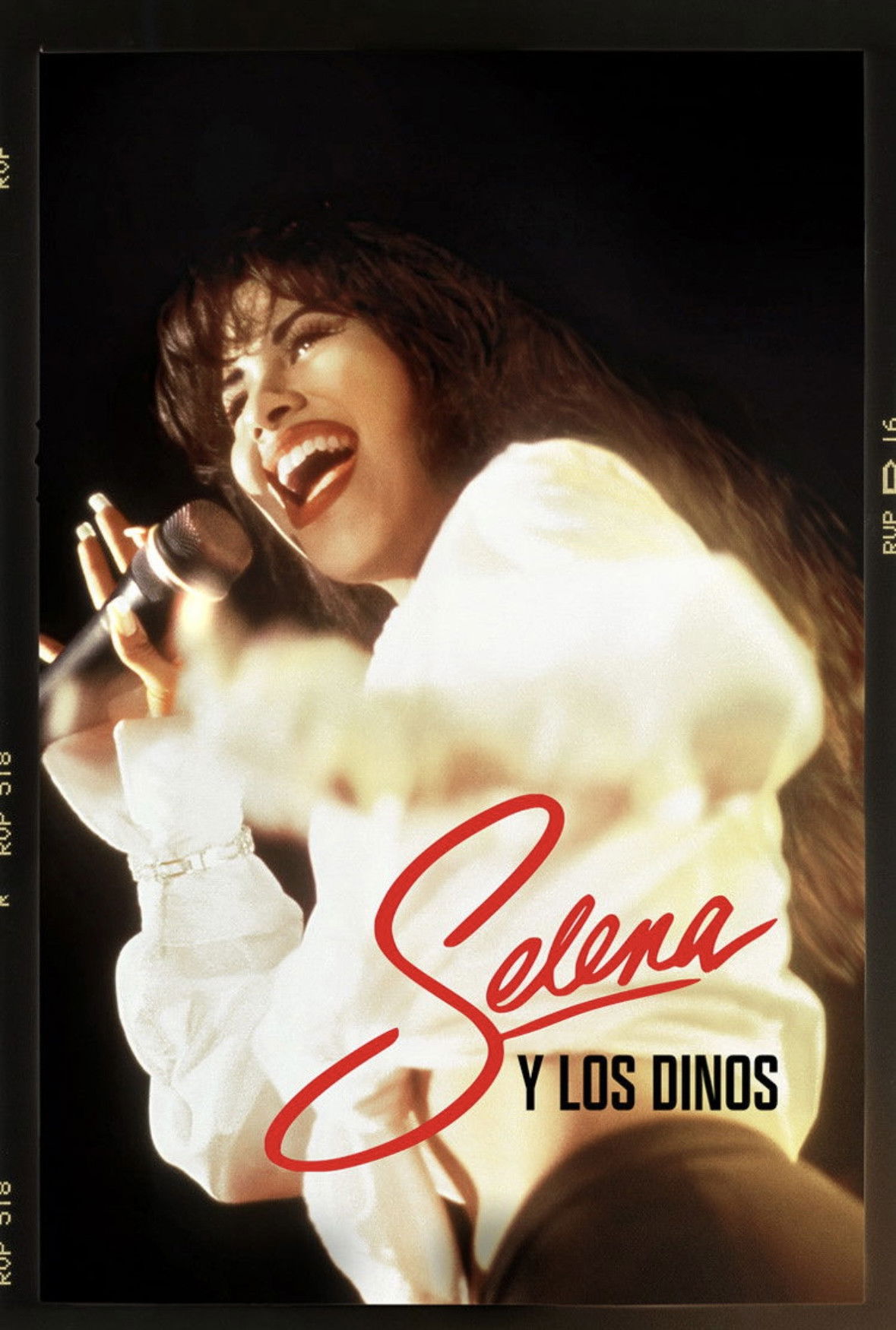
Never-before-seen footage and intimate interviews celebrate the life and legacy of iconic Mexican American singer Selena Quintanilla and her family band.
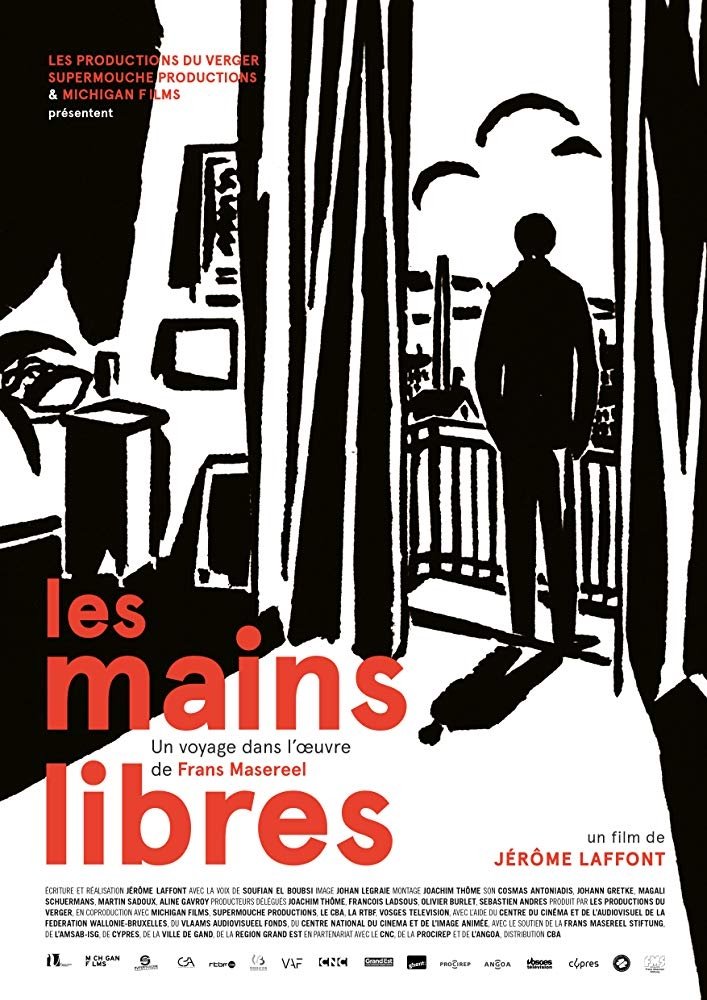
Frans Masereel is one of the most fascinating Belgian artists of the 20th century. His work, essentially composed of black and white engravings, is a cry of rebellion against the tragedies of his time. Forced into exile for his pacifist convictions, he embodied, alongside writers like Stefan Zweig and Romain Rolland, the dream of a cultural and brotherly Europe. Through an imaginary correspondence the director addresses to the artist, the film sketches the portrait of a free, touching man who, throughout his life, attempted to break free of art dealers and put his creations in the hands of all.
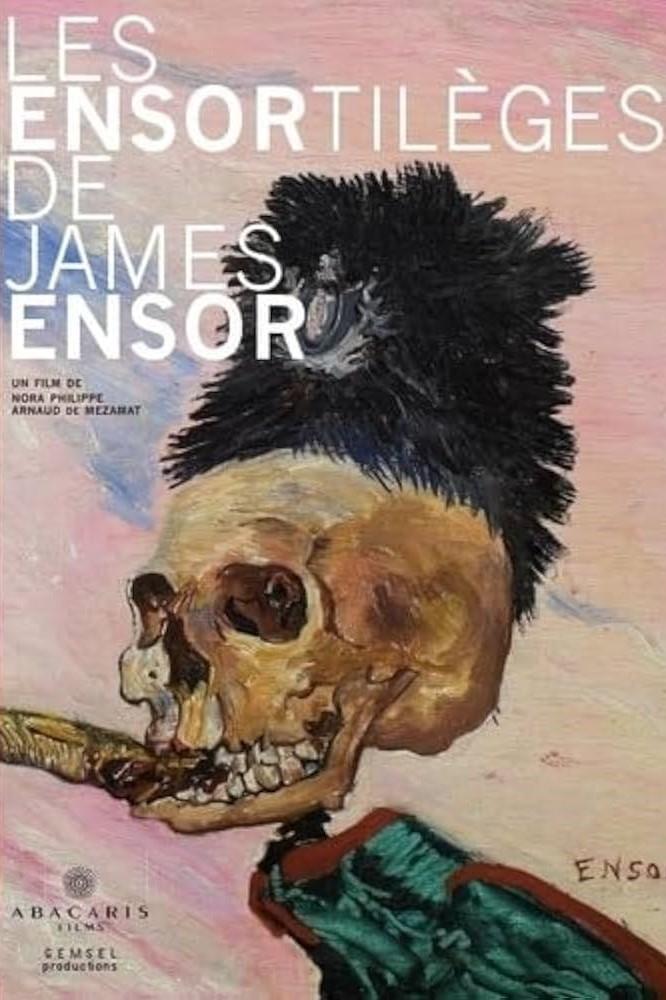
This film explains what James Ensor (1860-1949) meant for the development of art and makes palpable where he got his inspiration from.
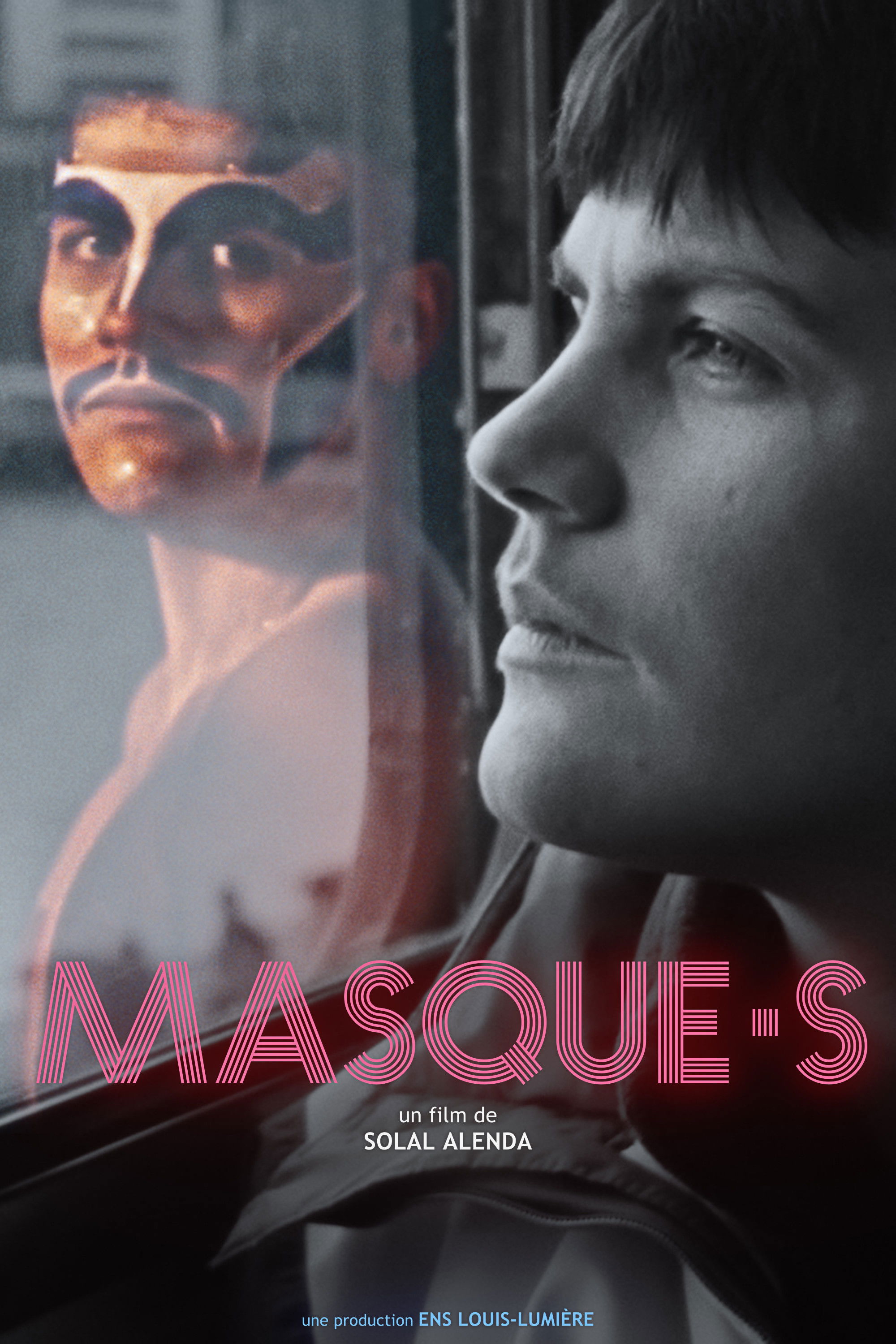
Al is a young drag king dealing with his transgender identity daily. He tries to express it through his shows and share with us his story, feeling and thoughts about it.
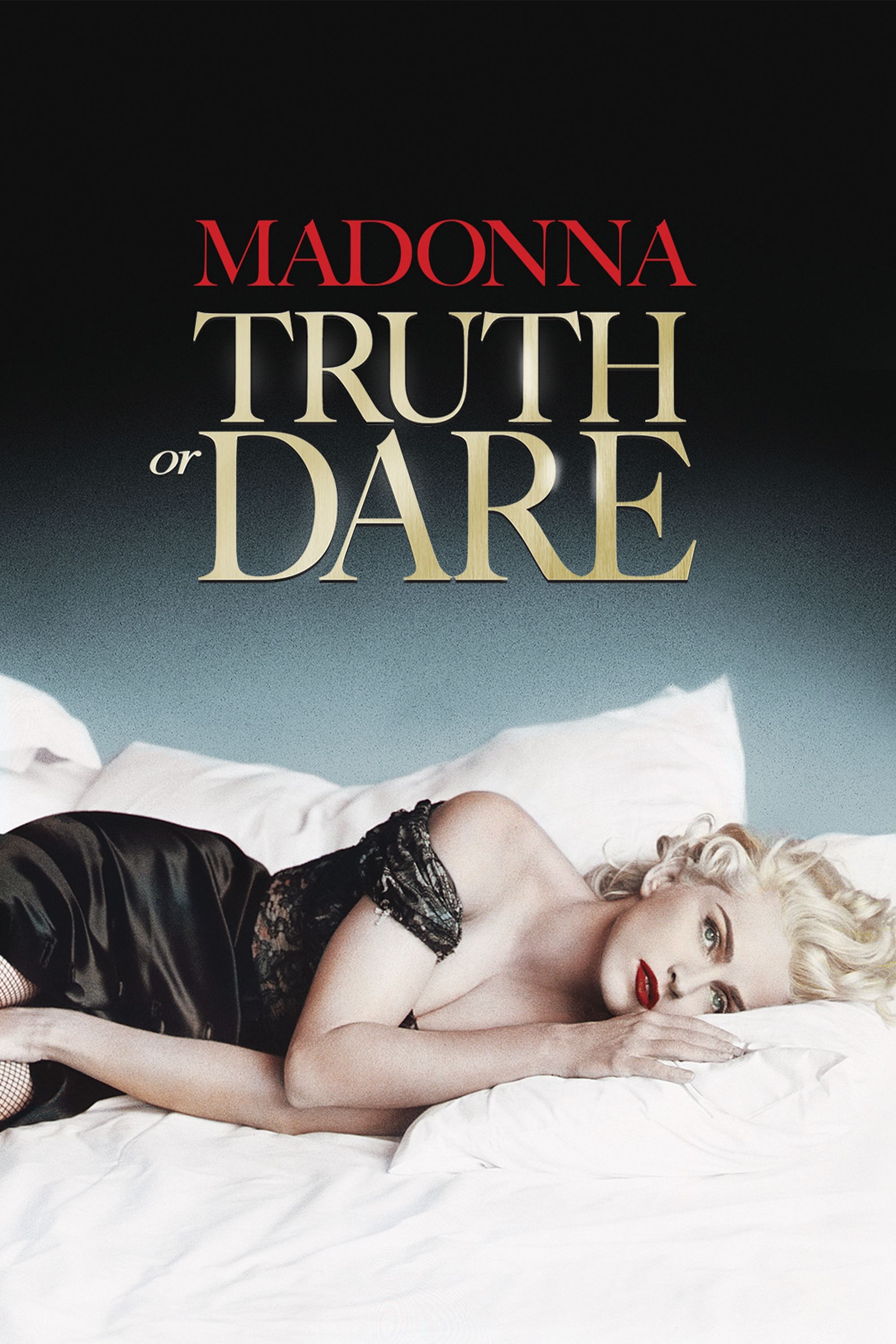
From the rains of Japan, through threats of arrest for 'public indecency' in Canada, and a birthday tribute to her father in Detroit, this documentary follows Madonna on her 1990 'Blond Ambition' concert tour. Filmed in black and white, with the concert pieces in glittering MTV color, it is an intimate look at the work of the icon, from a prayer circle before each performance to bed games with the dance troupe afterwards.
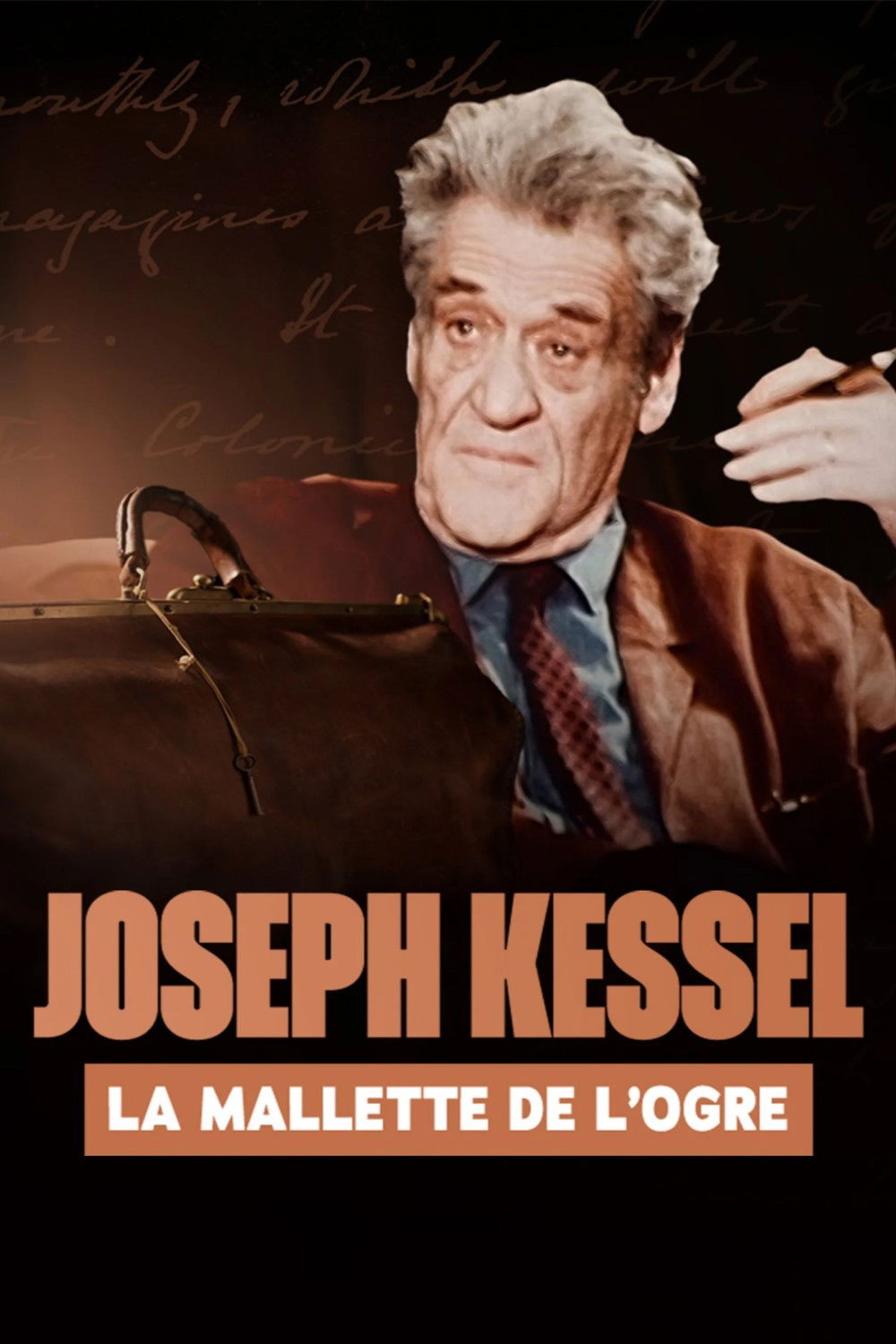
To tell the story of Joseph Kessel is to tell the story of the entire 20th century. He lived a thousand lives in one: reporter, novelist, exile, resistance fighter, screenwriter, adventurer, gambler, poet, alcoholic, cabaret lover, seducer, and inveterate globetrotter. Through archival footage and Kessel's colorful language, this film traces the journey of a man who turned reporting into an epic and reality into the stuff of novels.
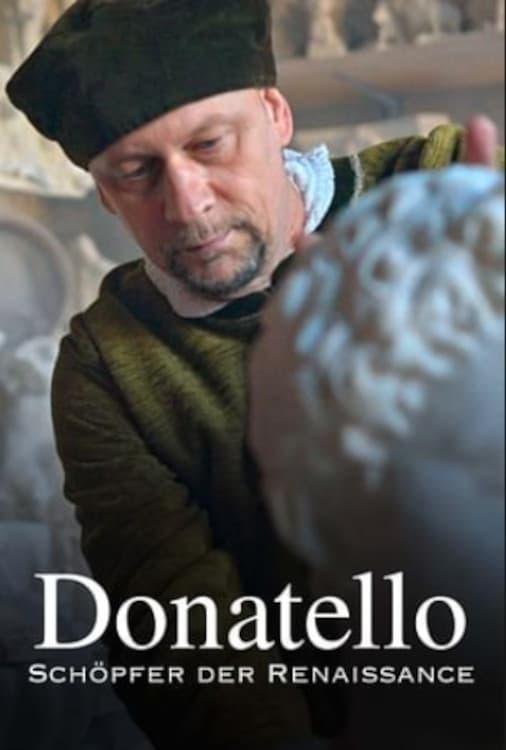
Portrait of the Italian sculptor Donatello (1386-1466), a precursor of the High Renaissance who considerably influenced sculptural art with his innovative way of conceiving space. Donatello is already a legend in his own lifetime. The sculptor is the forefather of the High Renaissance and pioneer for artists such as Raphael or Michelangelo. His bronze sculpture of the "David" or the "Pazzi Madonna" in marble are icons of art history and testify to his sculptural power of renewal.
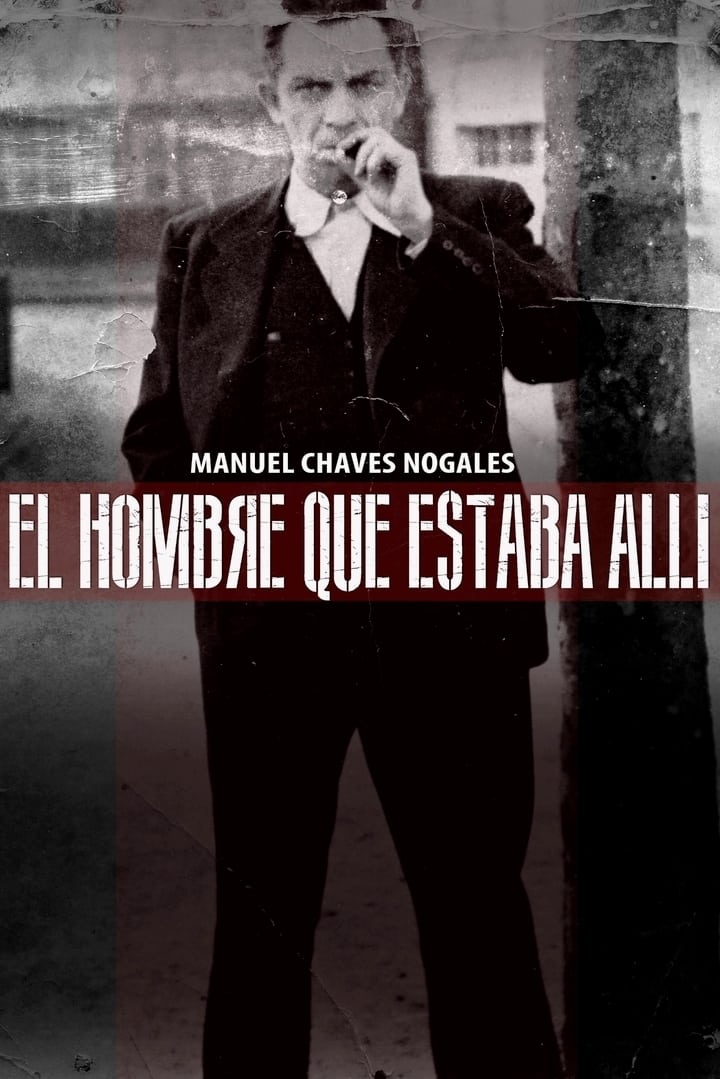
The Spanish journalist Manuel Chaves Nogales (1897-1944) was always there where the news broke out: in the fratricidal Spain of 1936, in Bolshevik Russia, in Fascist Italy, in Nazi Germany, in occupied Paris or in the bombed London of World War II; because his job was to walk, see and tell stories, and thus fight against tyrants, at a time when it was necessary to take sides in order not to be left alone; but he, a man of integrity to the bitter end, never did so.
3-part documentary on the life of Belgian singer Arno Hintjens.
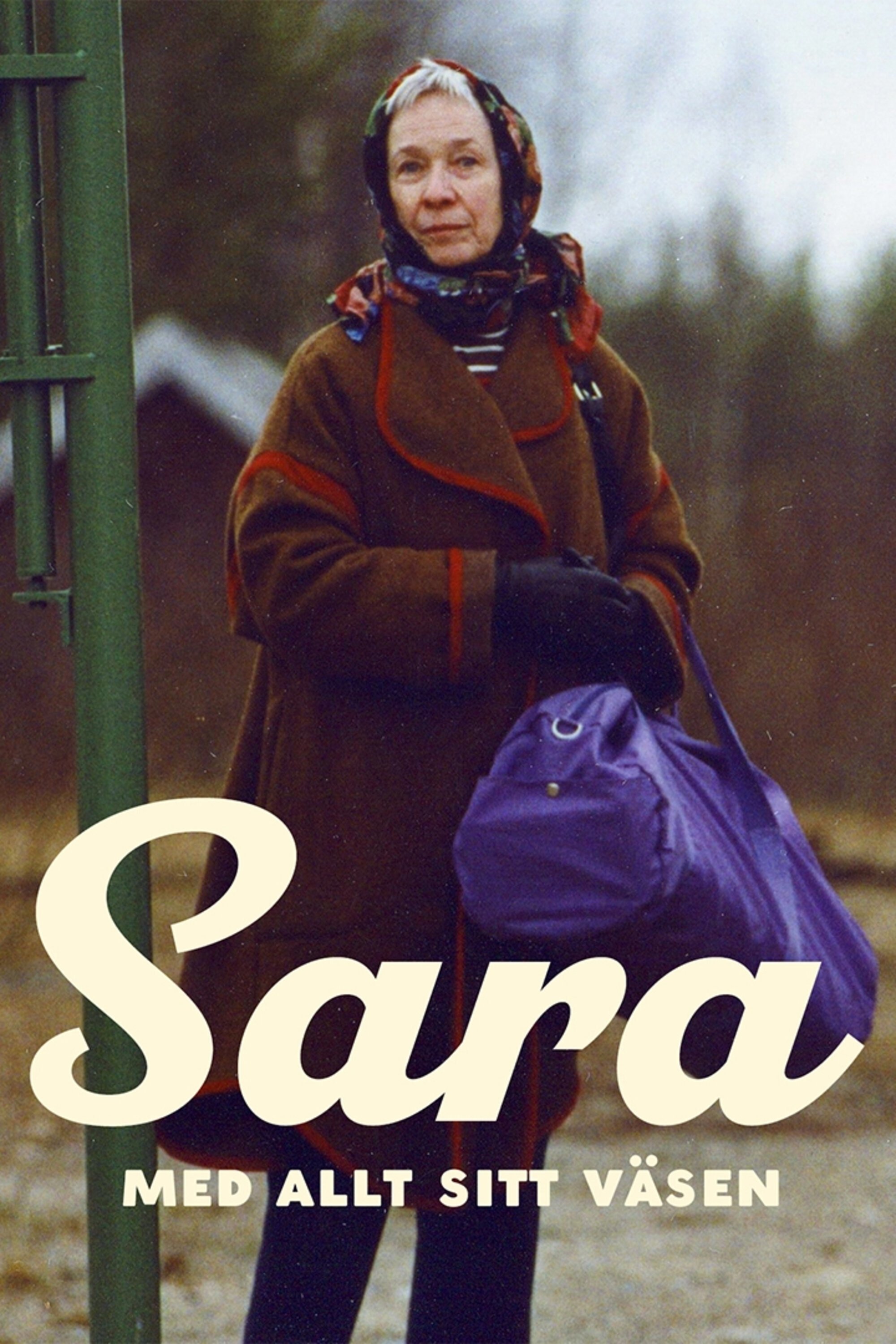
The life and times of noted Swedish author Sara Lidman, famous for her working-class novels set in northern Sweden and her work for peace in Vietnam during the war.
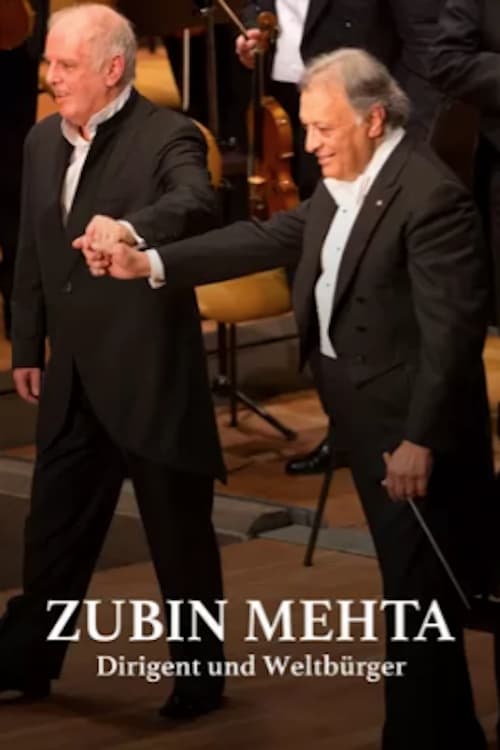
Zubin Mehta is one of the most charismatic conductors of our time. A citizen of the world with many facets: Indian culture and Parsi spirituality, North American lifestyle and European musical tradition. The portrait accompanies Zubin Mehta to current places of activity and important stages of his life. [arte.de]
Paris, France, February 2, 1922. The novel Ulysses, by Irish writer James Joyce (1882-1941), is published by US poet Sylvia Beach (1887-1962), owner of the small bookstore Shakespeare & Co. The book, whose writing consumed seven years of Joyce's life, years in which his family was in financial need, would have a profound and unprecedented impact on 20th century literature and culture.
The turbulent life of soul and blues singer, the late Joe Cocker. A former gas fitter from Sheffield, catapulted to world stardom in 1969 at Woodstock with his legendary performance of the Beatles song, "A Little Help from My Friends". But in the early 1970s, Joe Cocker's inner demons nearly killed him. Overcoming his struggles with alcohol and drugs, he rebuilt his reputation as "one of the great primal rock and roll vocalists of all time" (Billy Joel's description). The film mixes Joe Cocker's own words, with rare archive. His wife (Pam Cocker) & family, friends and the legendary songwriters and musicians he collaborated with, tell Joe Cocker's story. The film has raw, historic, electric performance footage throughout. Extensive interviews of key people through his life include: Pam Cocker, Ben Fong-Torres (Rolling Stone magazine editor), Randy Newman, Jimmy Webb, Billy Joel, Rita Coolidge, Deric Dyer, Glyn Johns, and numerous others.
Documentary about belgian actor and director Bouli Lanners
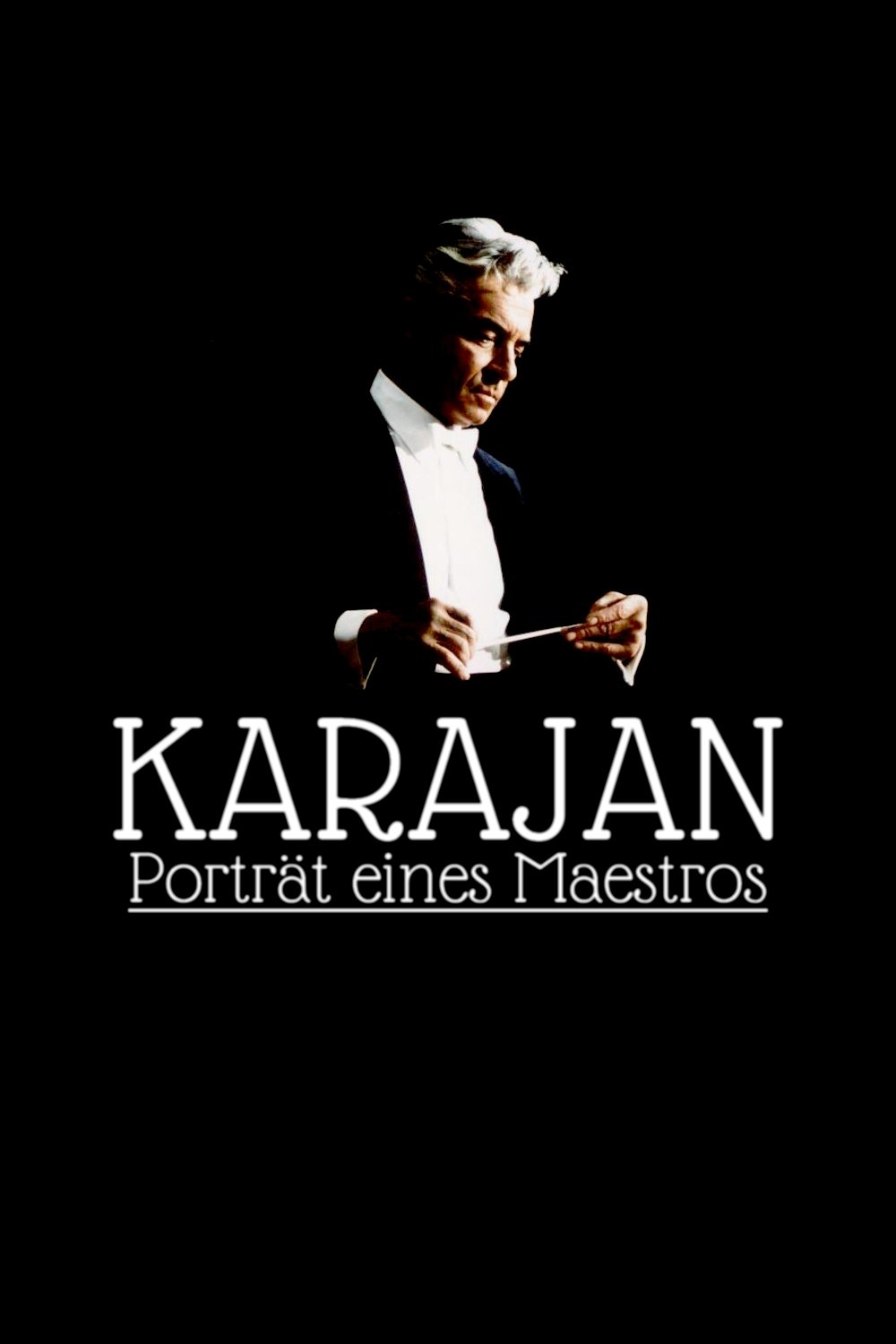
An account of the life and work of controversial German orchestra conductor Herbert von Karajan (1908-89), celebrated as one of the greatest musicians of the twentieth century.
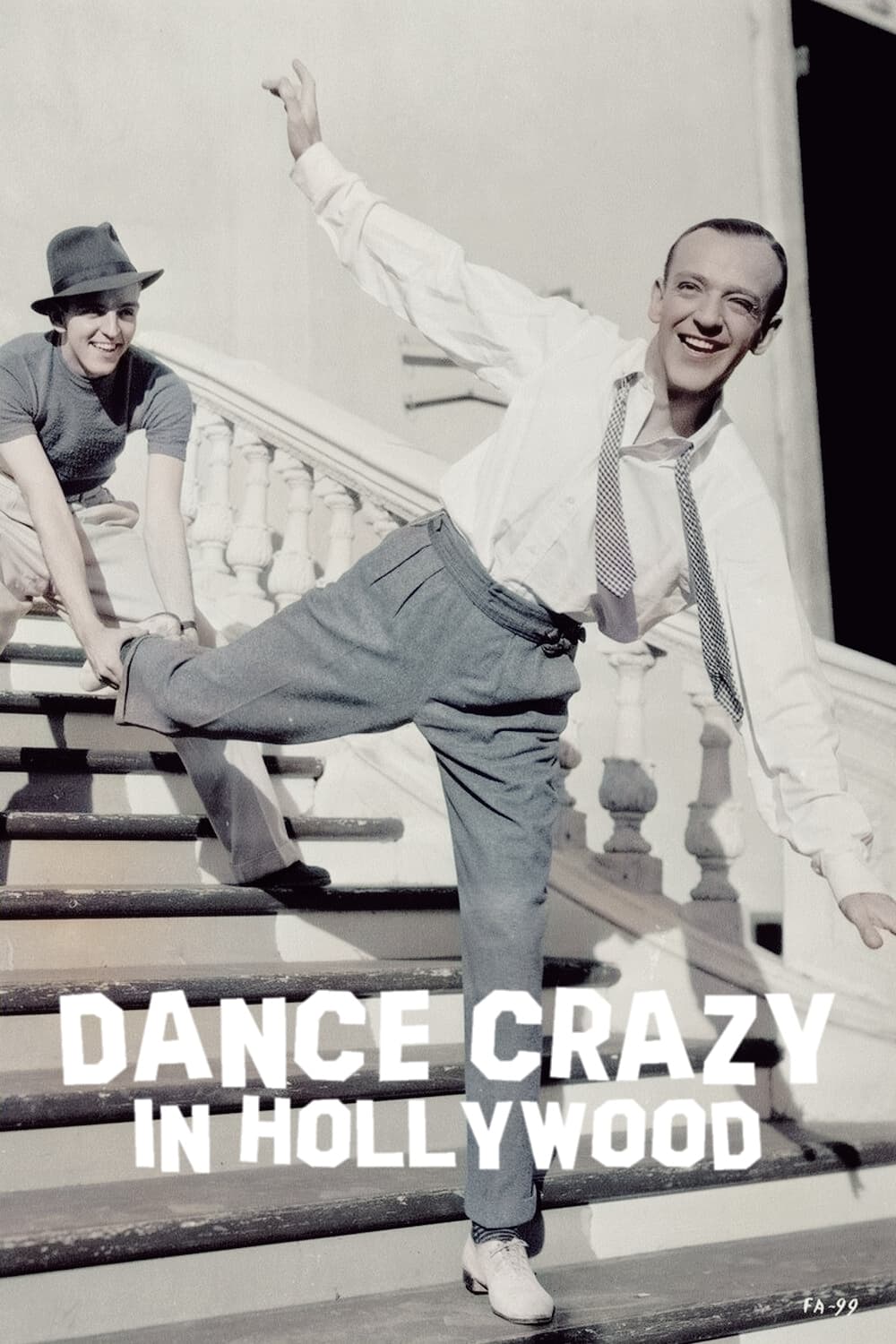
American dancer and choreographer Hermes Pan recalls his life and work as he relives the glorious history of the Hollywood musical.
The life and career of an actor, artist, and icon. His own journey through his own camera.
From a prolific career in film and television, Anton Yelchin left an indelible legacy as an actor. Through his journals and other writings, his photography, the original music he wrote, and interviews with his family, friends, and colleagues, this film looks not just at Anton's impressive career, but at a broader portrait of the man.
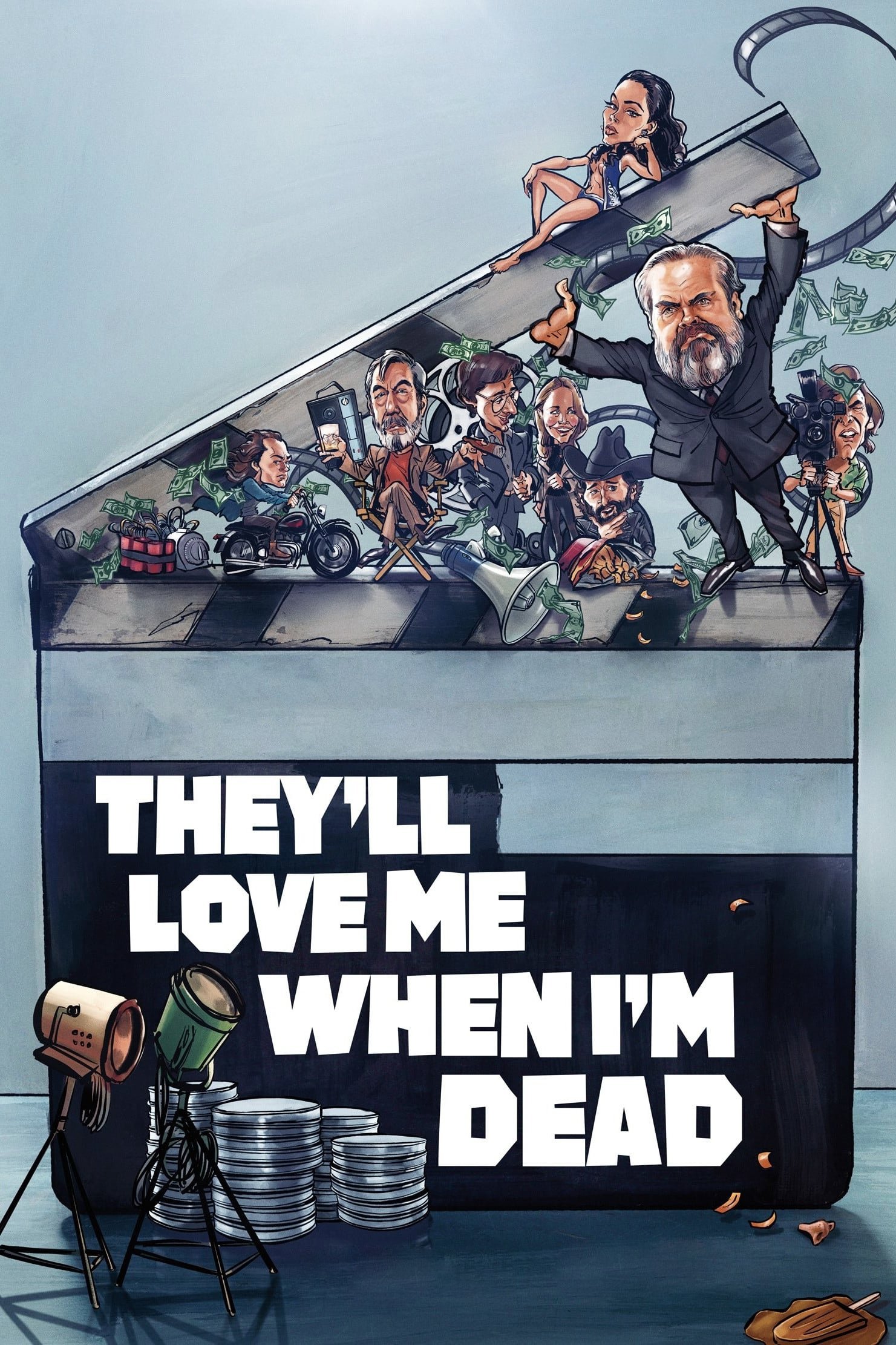
As his life comes to its end, famous Hollywood director Orson Welles puts it all on the line at the chance for renewed success with the film The Other Side of the Wind.
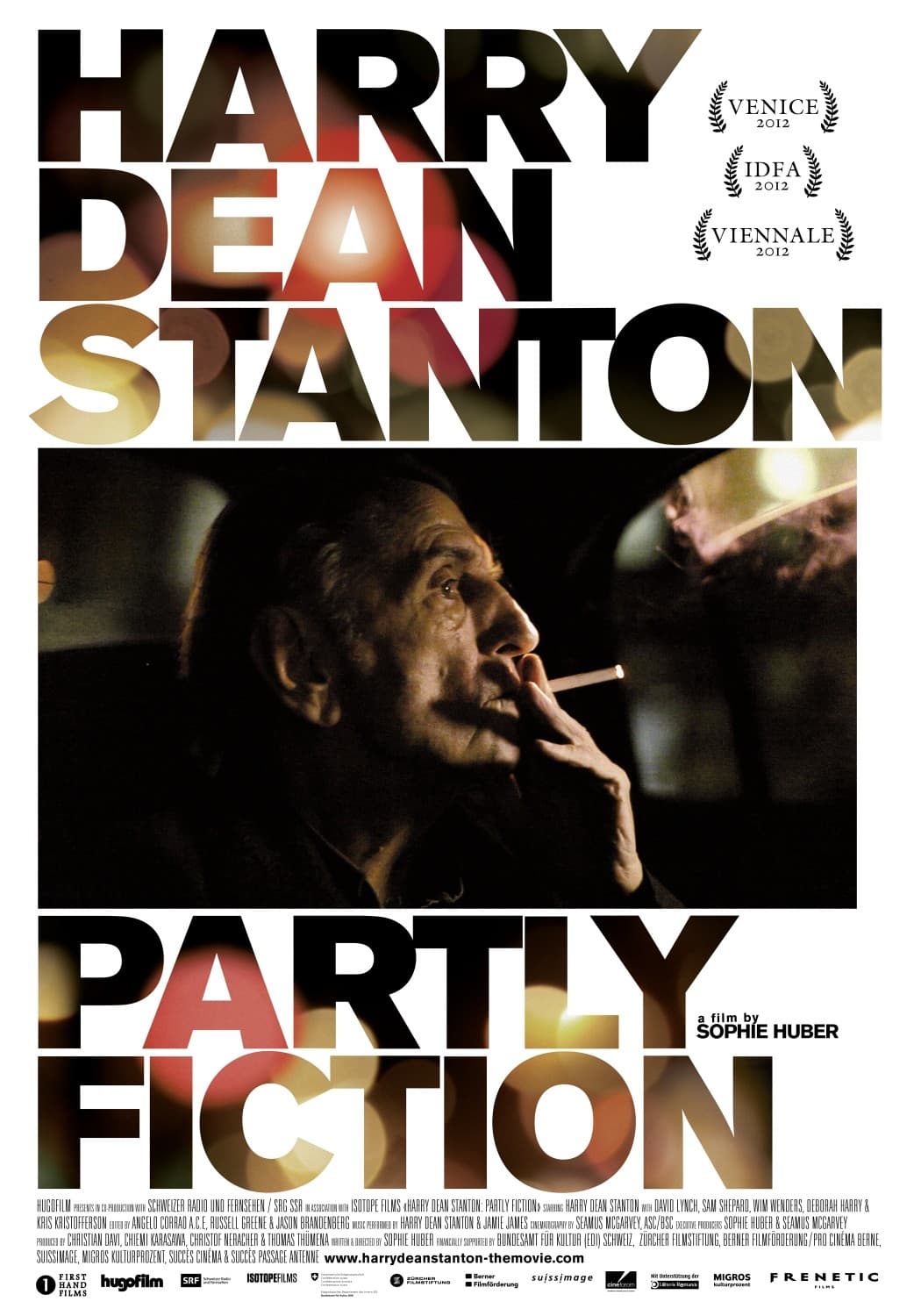
An impressionistic portrait of the iconic actor Harry Dean Stanton comprised of intimate moments, film clips from some of his 250 films and his renditions of American folk songs.
Through deeply personal interviews with her siblings and an examination of the photographs, letters, and belongings left behind, Mariska assembles a new portrait of her mother Jayne Mansfield, an extraordinary and complex woman.
In an intimate and joyful story of love in the face of loss, celebrated poets Andrea Gibson and Megan Falley find strength—and unexpected hilarity—in what might be their final year together.
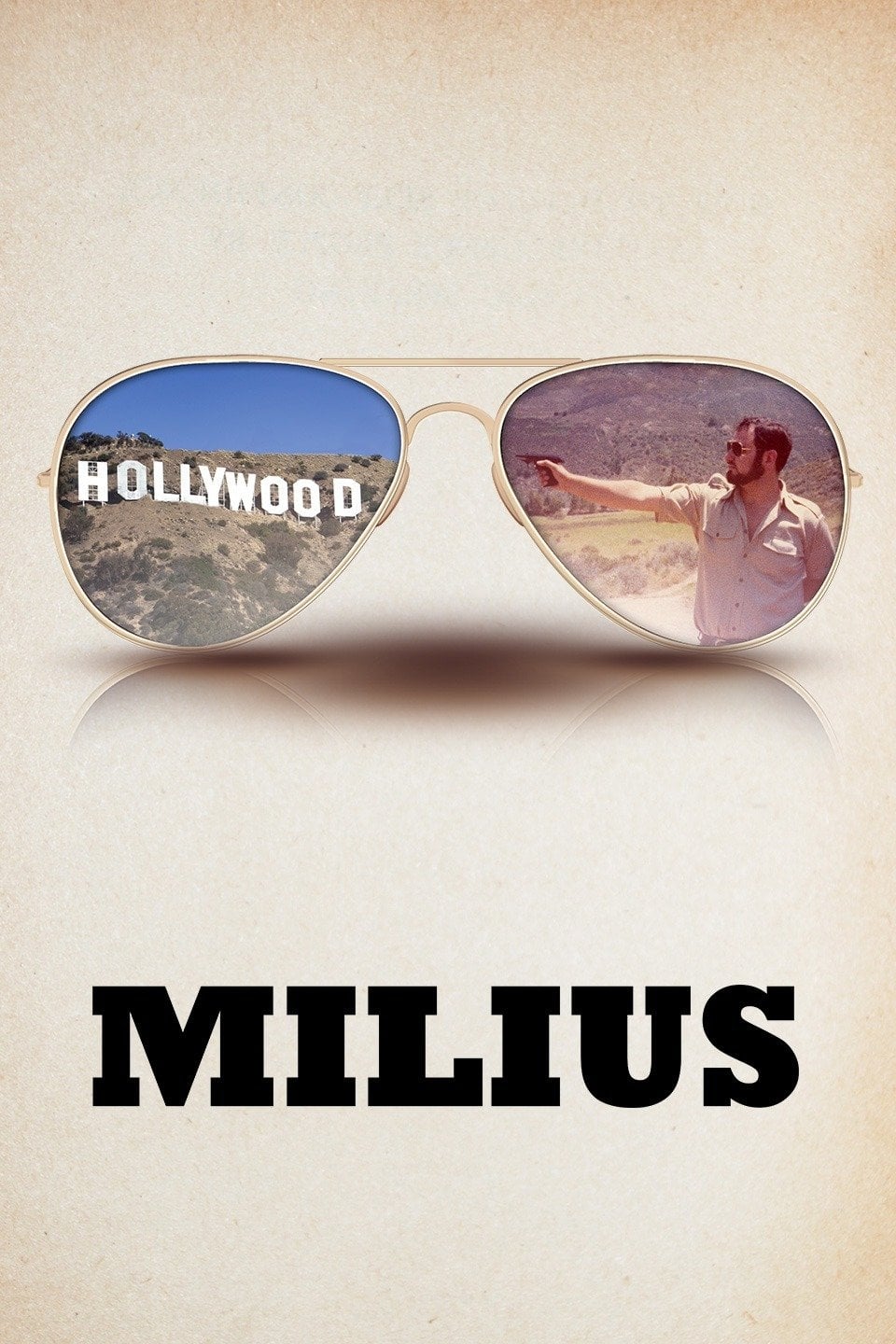
The life story of ‘Zen Anarchist’ filmmaker John Milius, one of the most influential storytellers of his generation.
This revealing documentary honors the legendary Sidney Poitier—iconic actor, filmmaker, and civil rights activist. Featuring interviews with Denzel Washington, Spike Lee, Halle Berry, and more.
The life and career of one of comedy's most inimitable modern voices, Mr. Gilbert Gottfried.
Brilliant, long in-the-works story of the life and art of the world's greatest comedian and the cinema's first genius, Charlie Chaplin. Produced, written and directed by renowned film critic Richard Schickel.
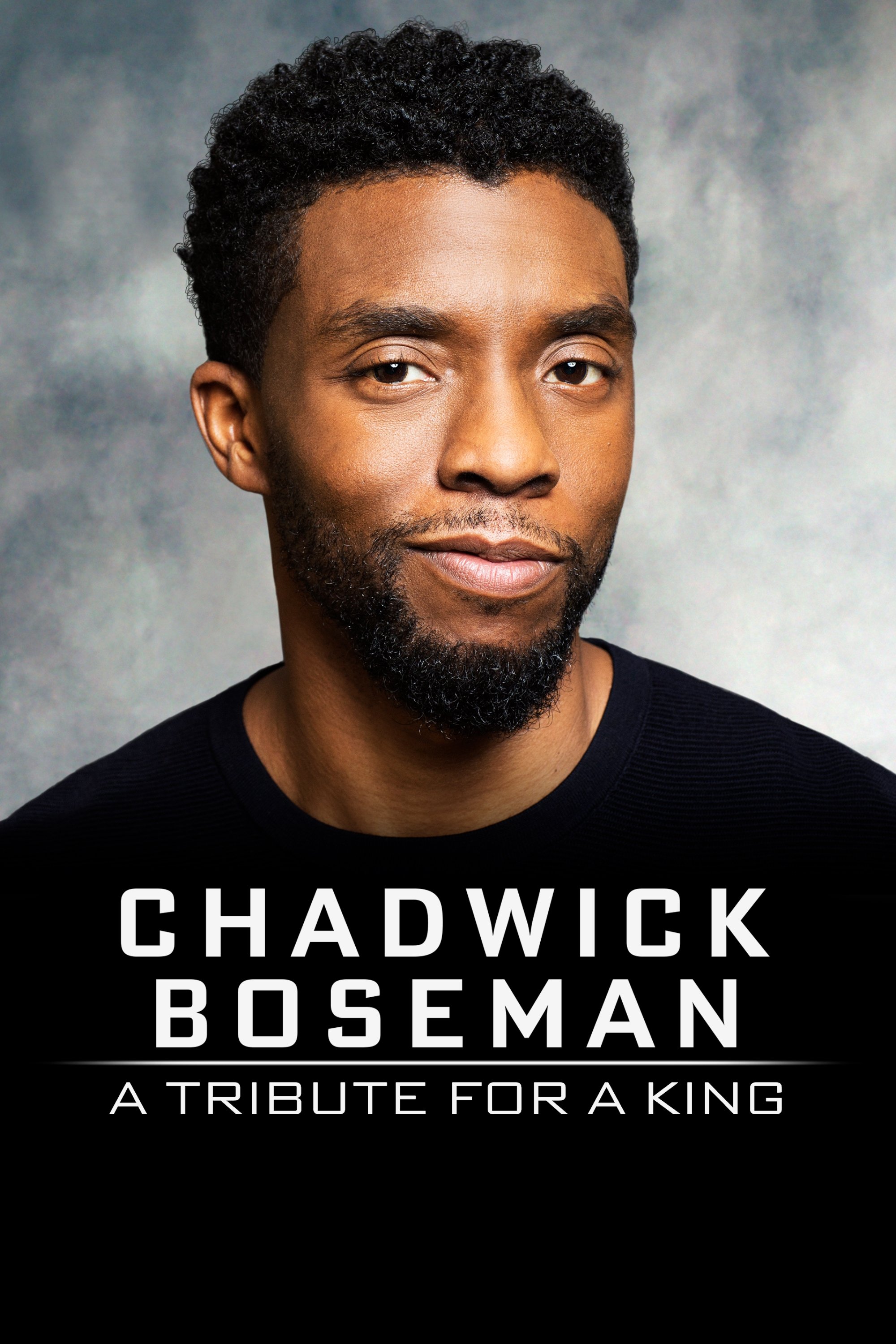
A tribute to Chadwick Boseman, celebrating his life and legacy.
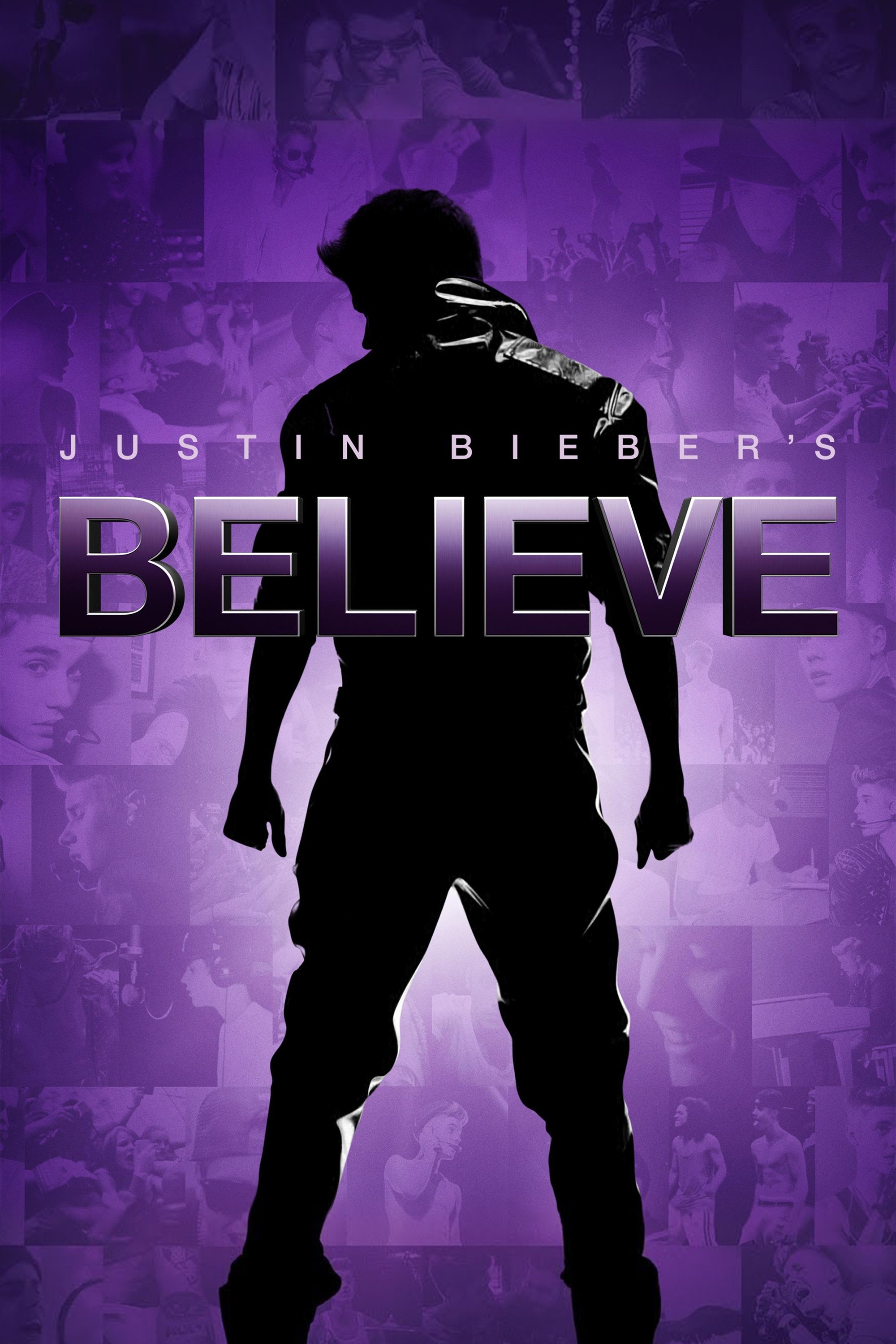
A backstage and on-stage look at Justin Bieber during his rise to super stardom.
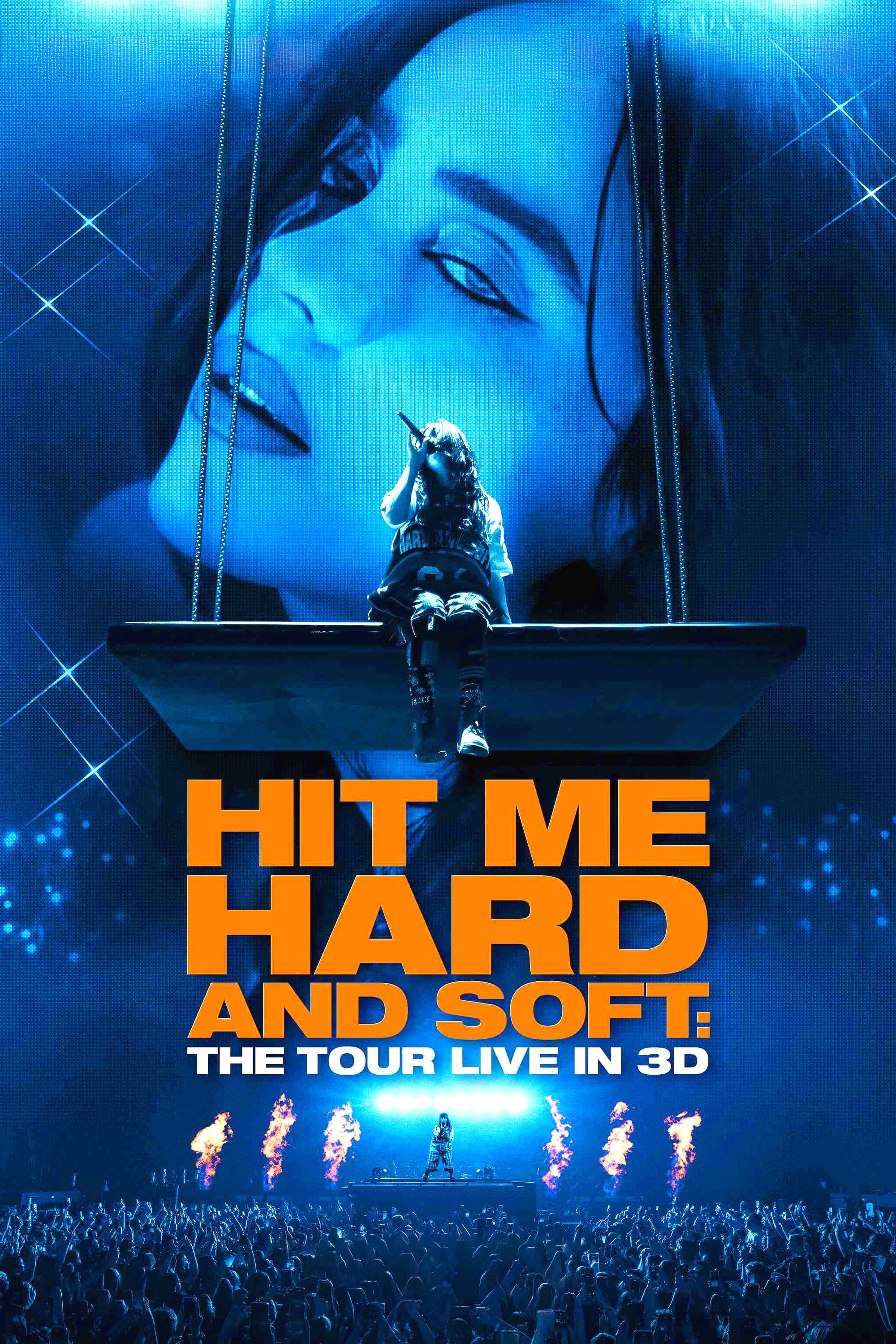
Captured during Billie Eilish's sold-out world tour, a concert experience from one of the most celebrated and successful artists of her generation, presented in immersive 3D.
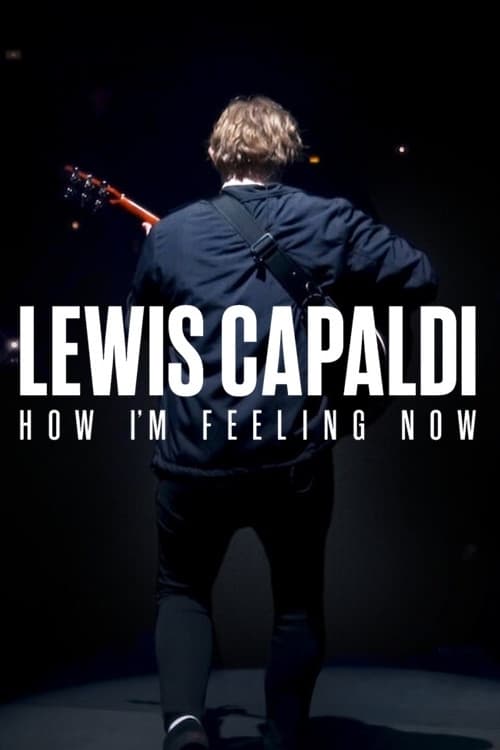
An intimate, all-access documentary that will chronicle Lewis Capaldi's journey from a scrappy teen with a viral performance to a Grammy-nominated pop star.
Those who knew iconic funnyman John Candy best share his story, in their own words, through never-before-seen archival footage, imagery, and interviews.
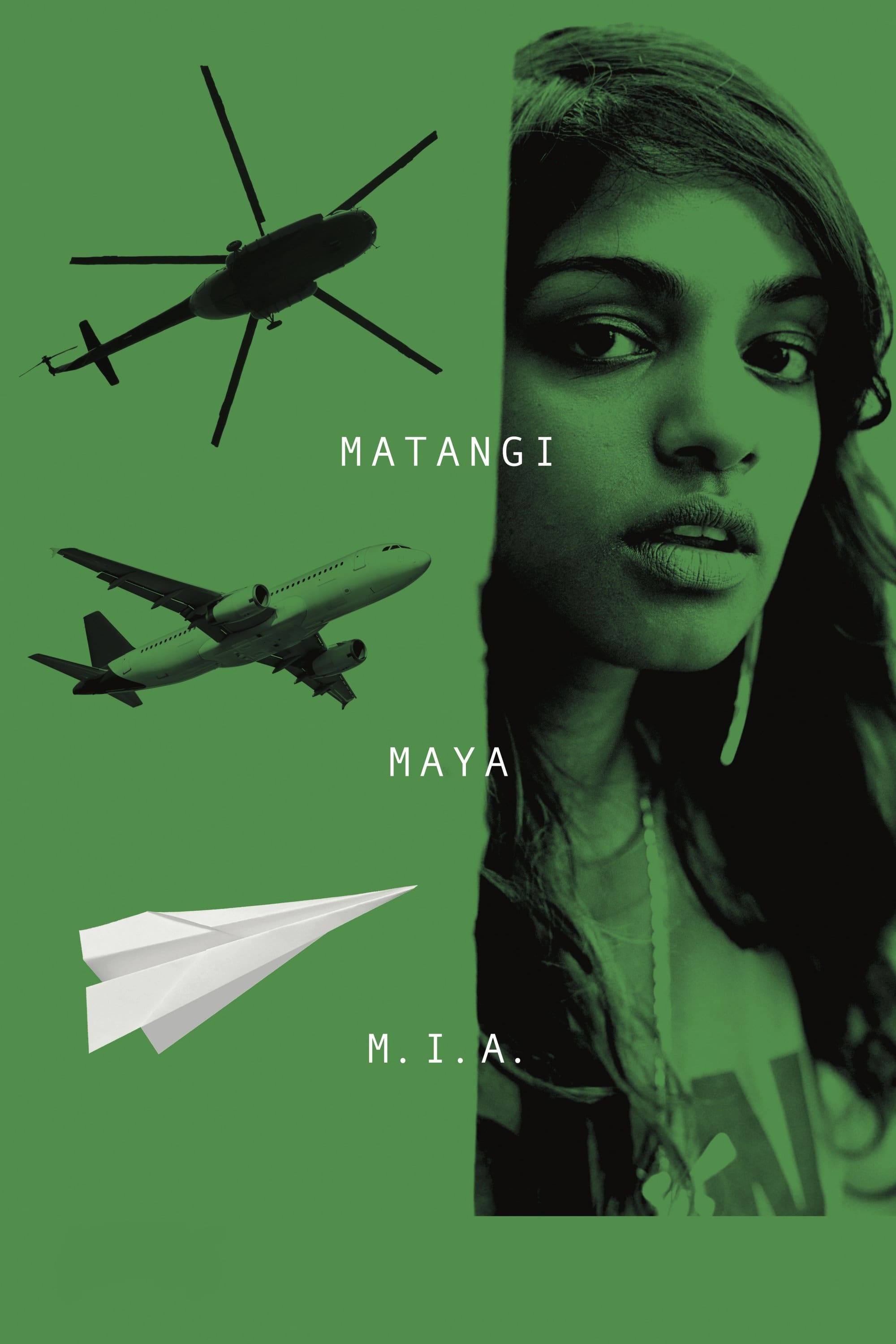
Drawn from a never before seen cache of personal footage spanning decades, this is an intimate portrait of the Sri Lankan artist and musician who continues to shatter conventions.
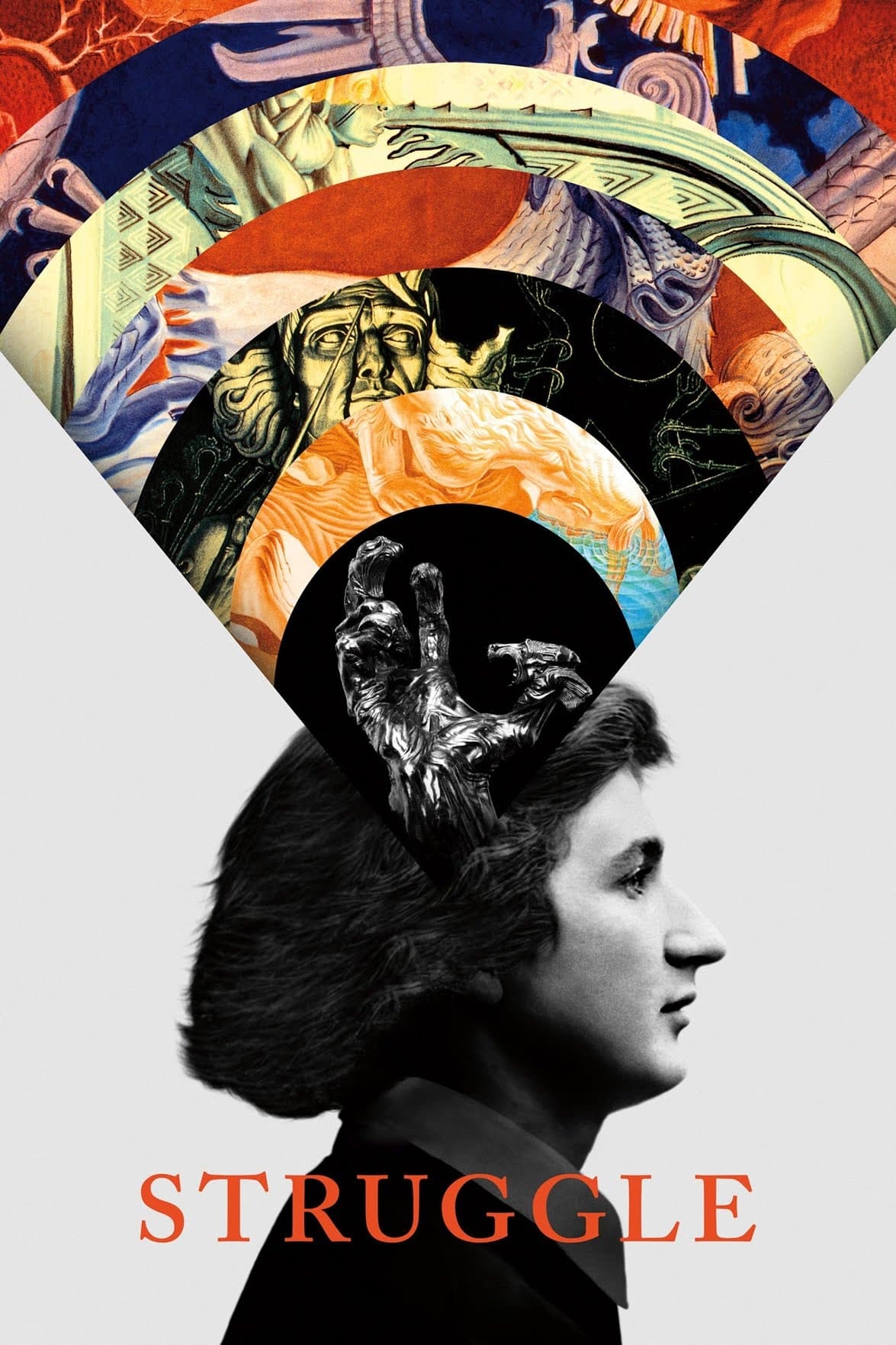
Artists in LA discover the work of forgotten Polish sculptor Stanislav Szukalski, a mad genius whose true story unfolds chapter by astounding chapter.
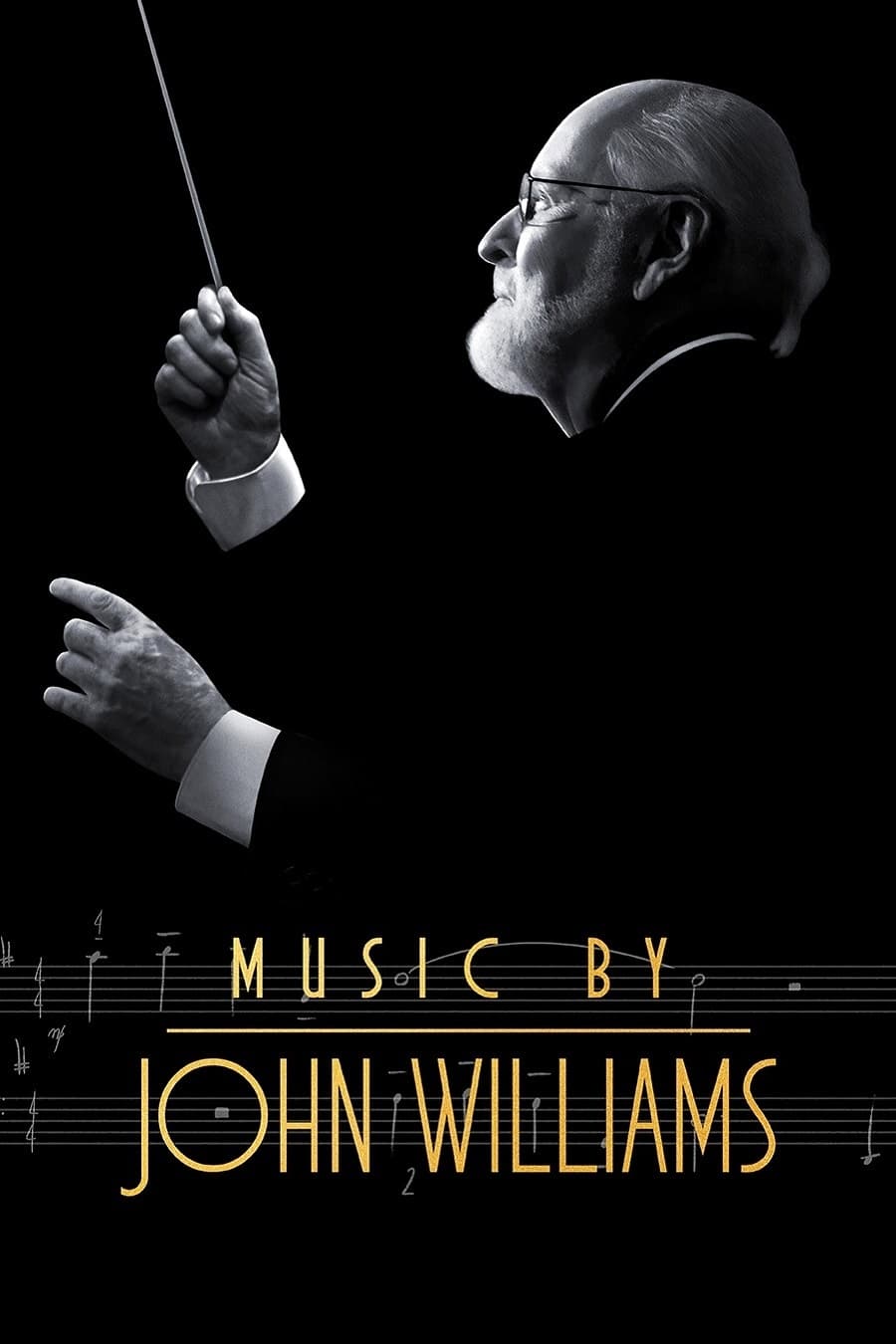
His unforgettable scores are an essential part of some of the most beloved movies of our time, over a career that spans decades. See and hear maestro John Williams' own story, with insights from filmmakers, musicians, and others he has inspired, complete with rare behind-the-scenes looks at the making of movie history.
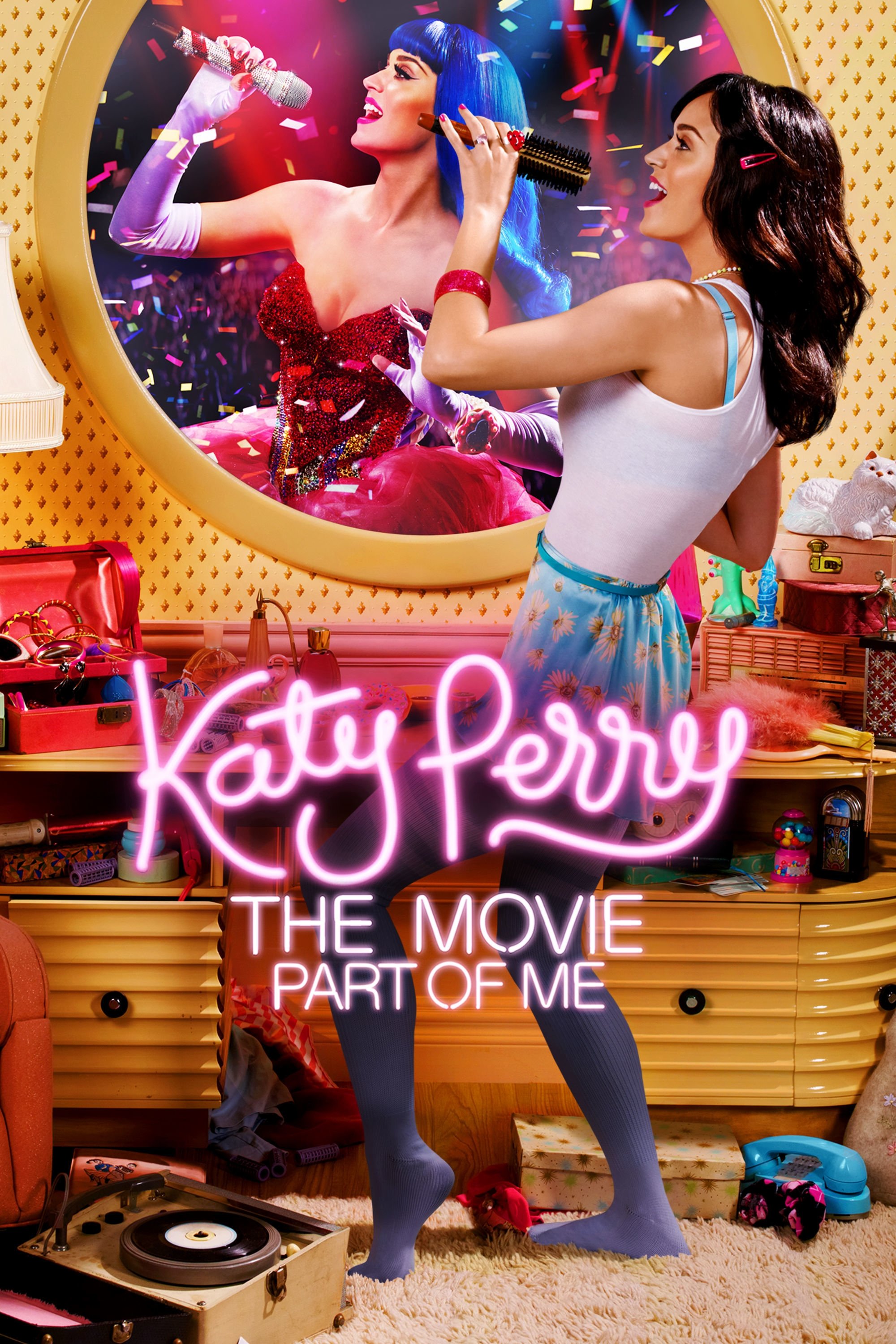
Giving fans unprecedented access to the real life of the music sensation, Katy Perry: Part of Me exposes the hard work, dedication and phenomenal talent of a girl who remained true to herself and her vision in order to achieve her dreams. Featuring rare behind-the-scenes interviews, personal moments between Katy and her friends, and all-access footage of rehearsals, choreography, Katy’s signature style and more, Katy Perry: Part of Me reveals the singer’s unwavering belief that if you can be yourself, then you can be anything.
A compilation of over 30 years of private home movie footage shot by Lithuanian-American avant-garde director Jonas Mekas, assembled by Mekas "purely by chance", without concern for chronological order.