The film explores the reasons for emigrating from Italy and describes the feeling of being a stranger in one's own country after many years in Switzerland. It is the sequel to Emigrazione.
Social & External
In buildings where foreign workers lived in Germany, there were strict rules of conduct, defined by the house rules and supervised by the building superintendents. Many rights regarding the freedom of movement, communication and behavior were abused. Interviews with the tenants and with the "orderlies" which point out absurd situations and clashes caused by these restrictions.
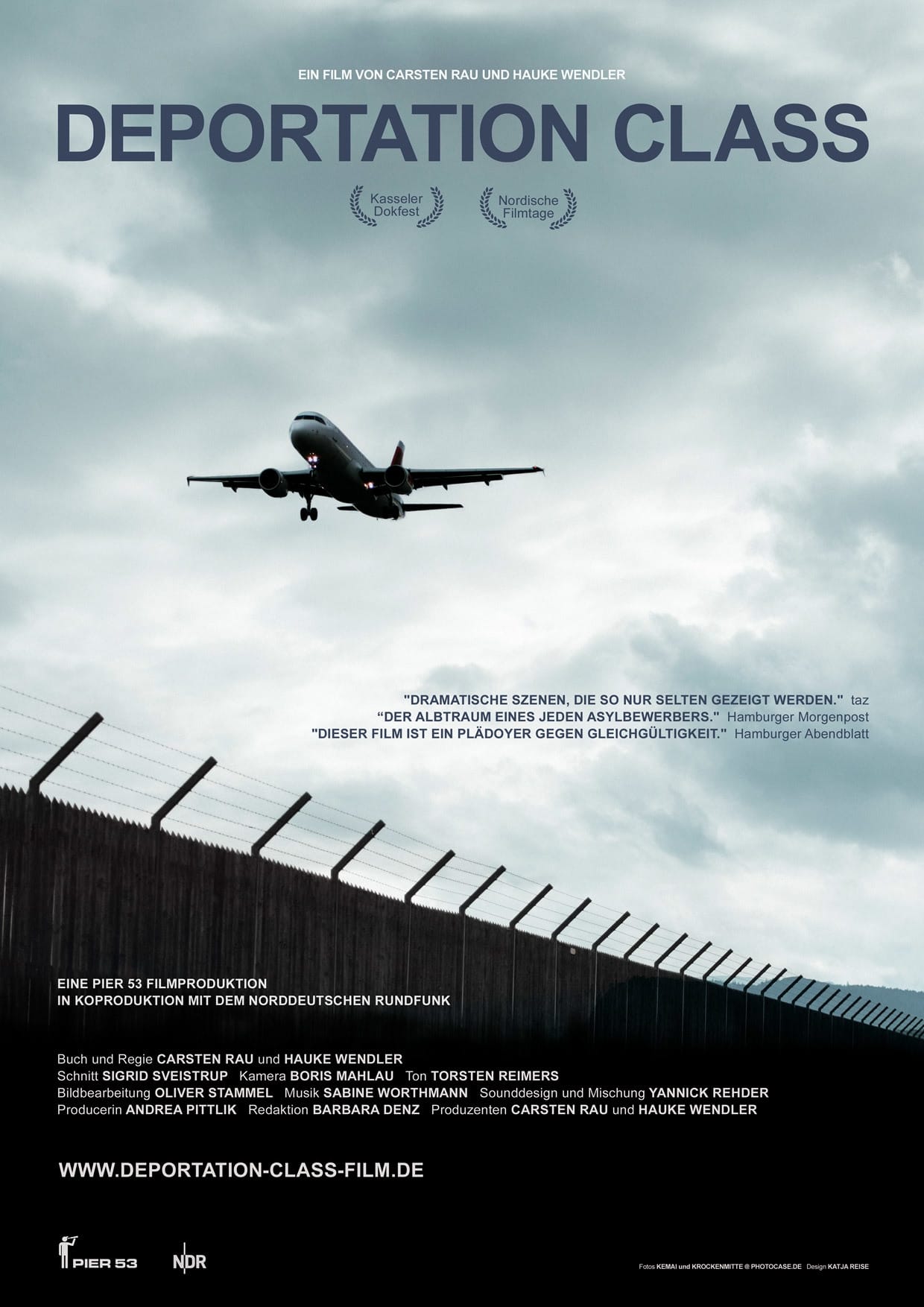
On the border, the line as principle of property and belonging reaches an extreme dimension where it physically defines the sphere of its relations. Those who transgress it reconstruct these imaginary lines on a daily basis, redefining the traditional geography and occupying the non-spaces where others live in a temporary form of existence. These others, the non-citizens, are phantasmtic, exchangeable parts of a flexible market. Made invisible, they are permanently controlled persons. Under the pretext of a greater civilian security, they are kept clear from the public spaces reserved for the citizens with rights and pushed into non-public spaces, which are run by state and military surveillance, multinational operations servicing a European market and non-governmental organisations.
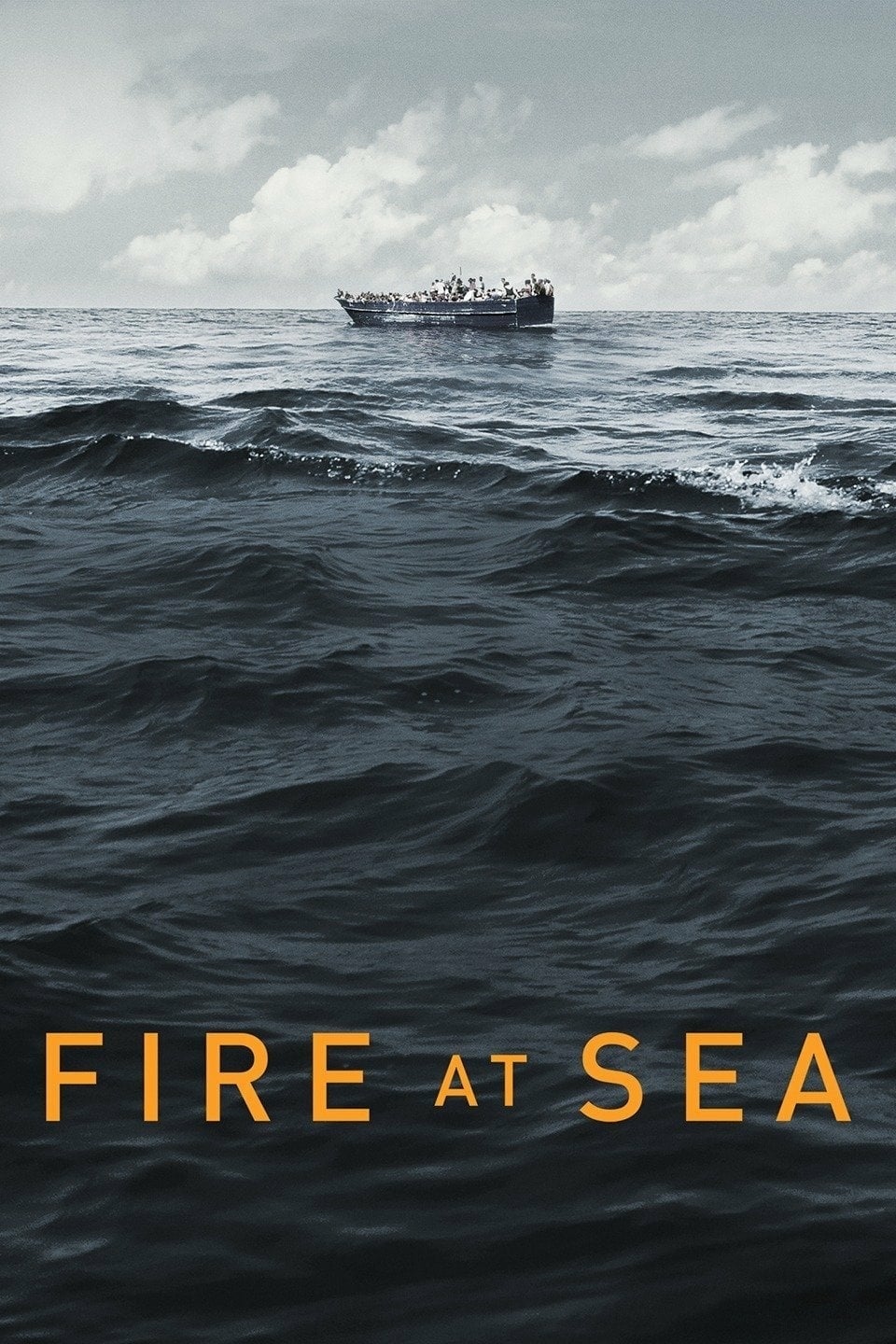
Capturing life on the Italian island of Lampedusa, a frontline in the European migrant crisis.
An intimate meditation on exile and home, Prysia’s Garden portrays the quiet life of aging Ukrainian refugee Prysia through the detailed photographic lens of first-generation Ukrainian-American Lida Suchy. By confronting Prysia’s story, Lida reflects upon her own roots, looking to understand what makes a new place a home.
In April 2015, two shipwrecks in the central Mediterranean resulted in over a thousand deaths. The first, on 12 April, occurred when an overcrowded boat was approached by a large commercial vessel. Less than a week later, on 18 April 2015, a similar incident led to over eight hundred deaths after an overcrowded vessel collided with a cargo ship that had approached to rescue its passengers. Both incidents are in part the result of changing EU policies toward at-sea rescue, particularly the retreat of state rescue operations and a resulting onus on commercial vessels to fill the ‘rescue gap’.
This documentary traces the history of U.S. relations with Latin America and draws strong links to America's current immigration crisis. Decaying economies in much of Latin America are viewed as the result of ill-conceived U.S. policies.
Every day dozens of decommissioned school buses leave the United States on a southward migration that carries them to Guatemala, where they are repaired, repainted, and resurrected as the brightly-colored camionetas that bring the vast majority of Guatemalans to work each day. Since 2006, nearly 1,000 camioneta drivers and fare-collectors have been murdered for either refusing or being unable to pay the extortion money demanded by local Guatemalan gangs. LA CAMIONETA follows one such bus on its transformative journey: a journey between North and South, between life and death, and through an unfolding collection of moments, people, and places that serve to quietly remind us of the interconnected worlds in which we live.
Through dances and games, migrant boys and girls who live in a shelter in Reynosa, on the US-Mexico border, shared their dreams and stories of hope with us.
It all started in July 2018. Groups of migrants coming from Africa endeavouring to cross the border with France started arriving at Irun train station. They would sleep in the street. The charities working in the town succeeded in convincing the squatters’ movements to take a hand in the matter by letting them use their places. The wave of generosity spread to the people of Irun.
On 28 October 2015, a migrant boat left the coast of Western Turkey heading to the closest European coast – the Greek island of Lesvos. The shipwreck resulted in the death of at least 43 people, making it the deadliest incident of that period, also known as “the long summer of migration.” One of the survivors, the artist Amel Alzakout, recorded the journey and the shipwreck on a waterproof camera attached to her wrist. This footage – which also forms the basis of her subsequent film Purple Sea – provides a unique situated perspective on this tragic event at the threshold of Europe.
A silent documentary which follows a branch of the Bakhtiari tribe of Persia as they and their herds make their epic seasonal journey to better pastures.
This poetic film follows director Marialuisa's journey with Anita and Leticia, Central American women traveling with the Caravan of Mothers of Missing Migrants.
In the midst of economic prosperity, when Venezuela welcomed millions of migrants, this documentary narrates different realities of the country.
A humorous observation in Barcelona’s immigrant neighbourhood El Raval. Four barber shops, four places of remembrance, strange time and space capsules inhabited by people who left their home to find a better one, while the Spaniards are about to leave their own country themselves.
Charming amateur film featuring the Eisner family, who emigrated to Britain from Romania the year this film was made.
A film about homes on both sides of an ocean.
A documentary film about men, women, and children fleeing northward from the existential threats in their home countries of Honduras, El Salvador, and Guatemala. They embark on a perilous journey with an uncertain outcome. Shortly after crossing the southern Mexican border, they find shelter with people who want to help them survive the ordeal of the at least 1,700-kilometer journey to the US.