Social & External
The people behind it
In 1975, as America faced social and political upheaval, filmmakers turned chaos into art.
During World War I, English officer Thomas Edward 'T.E.' Lawrence sets out to unite and lead the diverse, often warring, Arab tribes to fight the Turks.
A group of French soldiers, including the patrician Captain de Boeldieu and the working-class Lieutenant Maréchal, grapple with their own class differences after being captured and held in a World War I German prison camp. When the men are transferred to a high-security fortress, they must concoct a plan to escape beneath the watchful eye of aristocratic German officer von Rauffenstein, who has formed an unexpected bond with de Boeldieu.
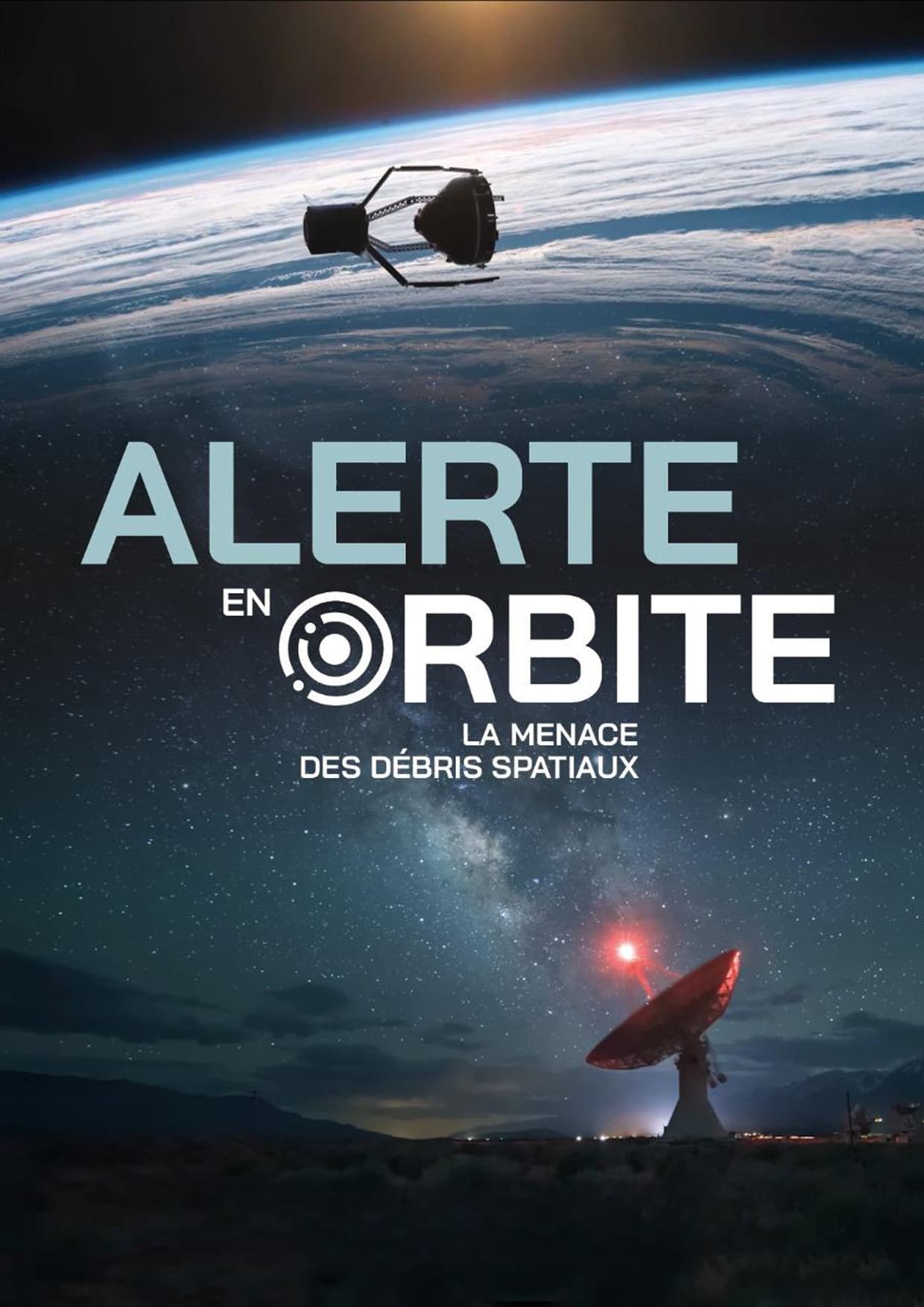
Today, hundreds of kilometers above our heads, millions of pieces of trash are orbiting randomly at breakneck speed. Scientists are now warning that, if nothing is done, the exploration outside our planet, and communications systems within, will be almost impossible within 30 years. How can we collect the space trash and avoid future disasters?
Documentary produced for the 2013 Gaumont release of Michelangelo Antonioni's Identification of a Woman (1982), consisting of interviews with cast/crew members Enrica Antonioni, Andrea Crisanti, Renata Franceschi, and Tonino Guerra, as well as author Aldo Tassone.
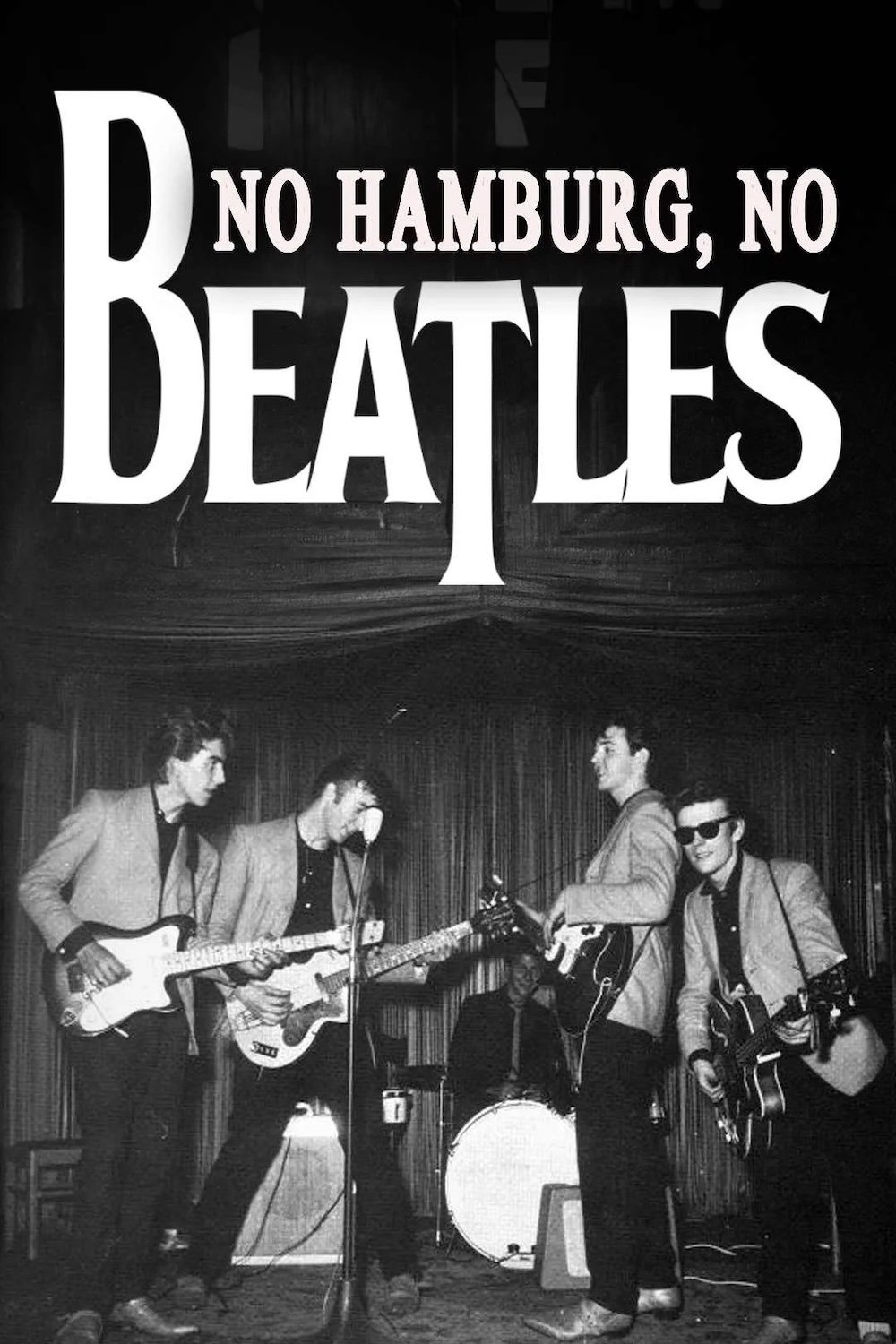
“We were born in Liverpool but grew up in Hamburg”, John Lennon once said. This feature documentary seeks to find the truth in those words. The long and winding road that the Beatles took to worldwide fame passed through Hamburg, Germany in the early 1960s. Only a couple of years before they became household names, the former Quarrymen were cutting their musical teeth on nightclub stages in the city. Hamburg had become the vice capital of Europe after World War Two, its neon-lit streets home to sailors, sex workers, drug dealers, gangs and low life. Meanwhile, the English band was still developing, still young and virtually unknown. By the time of their last German visit in 1966, the Beatles were an international phenomenon. 'No Hamburg, No Beatles' explains how learning their trade in this fascinating city helped propel them to global stardom.
Has the time of women finally come? Have their everyday lives truly changed over the past sixty years? Guided by Agnès Jaoui, women—famous and unknown—share their stories across generations. From childhood to retirement, the documentary traces shared experiences shaped by prejudice, but also by hope, strength, and humor. Blending personal archives, historic moments, and social media footage, the film places women at the center of their own story. Welcome to the Time of Women.
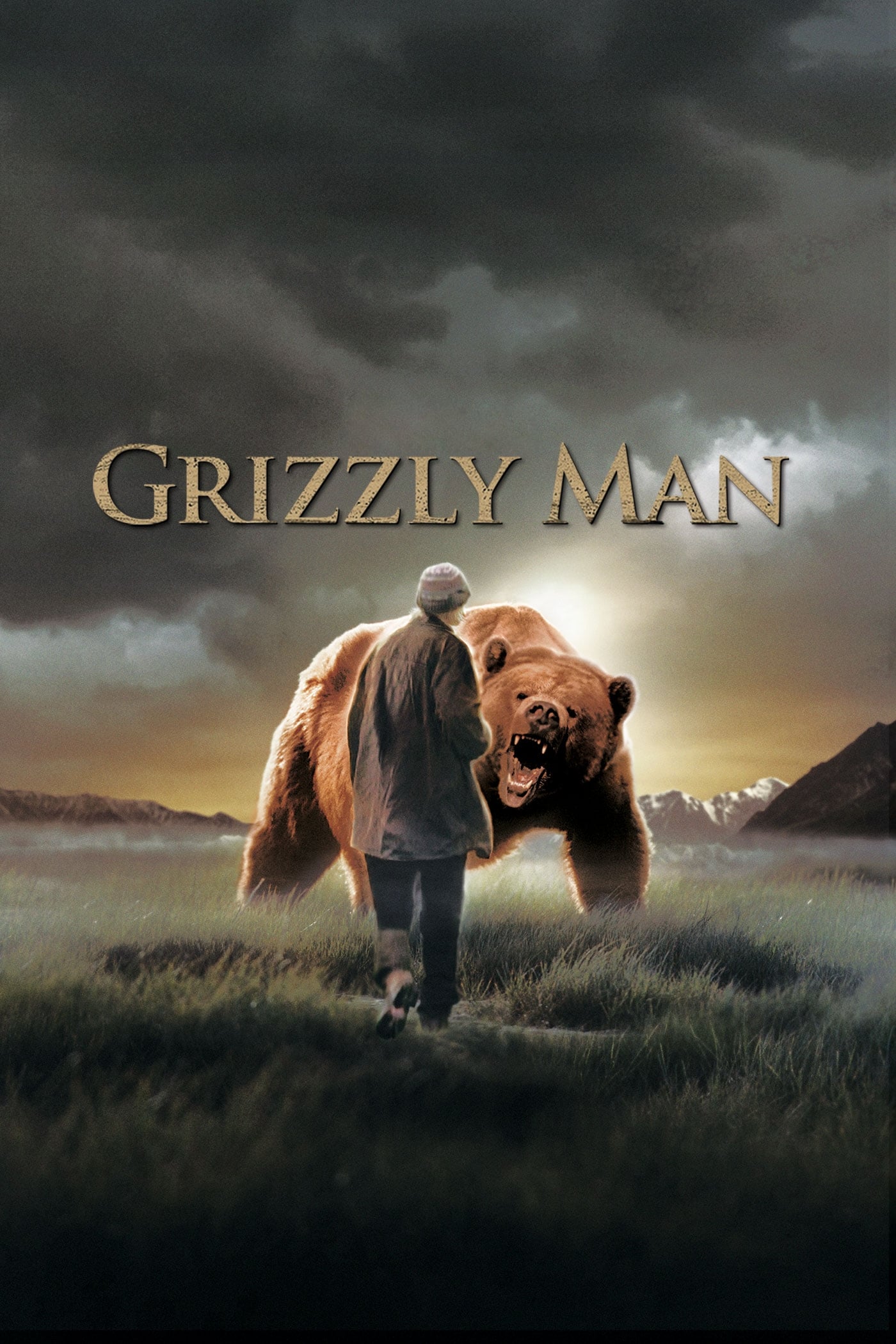
Follows the story of "Grizzly Man" Timothy Treadwell and what the thirteen summers in a National Park in Alaska were like in his attempt to protect the grizzly bears. The film is full of unique images and a look into the spirit of a man who sacrificed himself for nature.
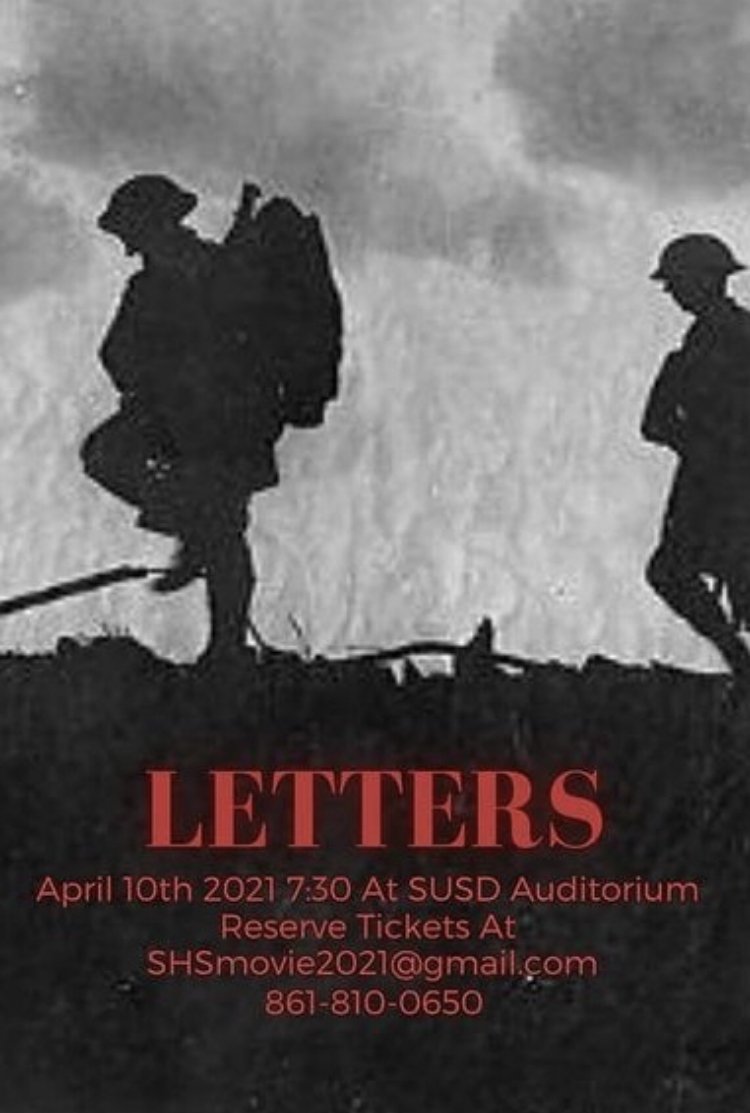
LETTERS, a dramatic historical fiction written by Mrs. Evelyn Merritt in 2010, tells the story of U.S. soldiers and their loved ones through their correspondence beginning with the Civil War and ending with the War in Iraq. Sahuarita High School students adapted the Readers’ Theatre play into a movie, reasoning the student actors would be kept safe from Covid-19 by filming them individually, and afterward the footage could be reassembled into a screenplay following the original dialogue.
French soldiers injured in WWI are re-educated to learn new trades.
Report retracing the military campaigns of the Belgian colonial troops in Africa through geographical maps, title cards, and documentary footage.
As recently as the 1990s, many viewed her as a threat to the monarchy. Today, Camilla is one of the main pillars of support for the king and the royal family. As First Lady, she has no constitutional role, but she plays a fundamental one. The documentary tells the story of a strong woman and a great love.
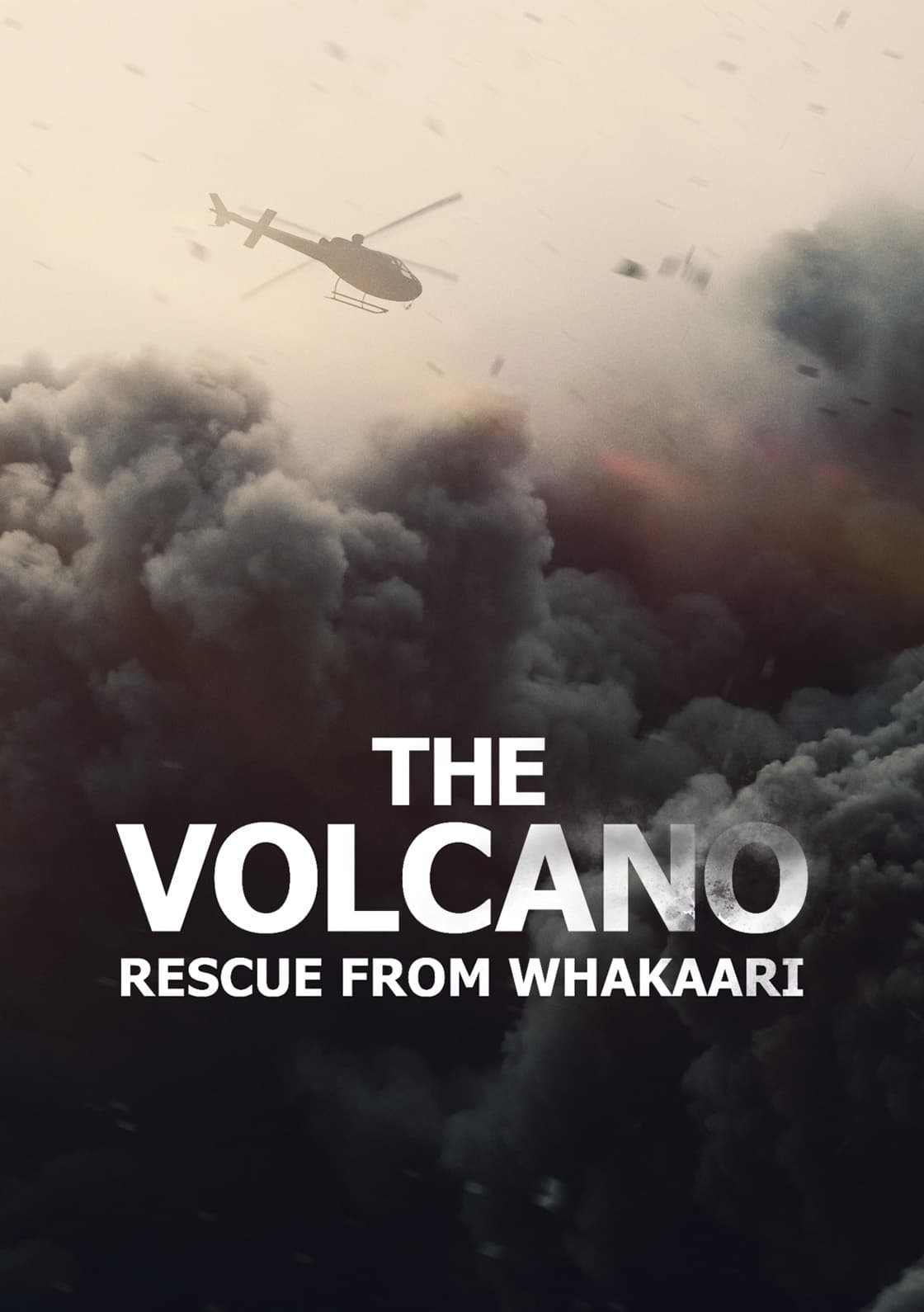
A close examination of the Whakaari / White Island volcanic eruption of 2019 in which 22 lives were lost, the film viscerally recounts a day when ordinary people were called upon to do extraordinary things, placing this tragic event within the larger context of nature, resilience, and the power of our shared humanity.
Amid the failing counteroffensive, a journalist follows a Ukrainian platoon on their mission to traverse one mile of heavily fortified forest and liberate a strategic village from Russian occupation. But the farther they advance through their destroyed homeland, the more they realize that this war may never end.
At Milan’s Niguarda public hospital, the unconventional Dr. Bini leads a bold mission overseeing aspiring parents undergoing in vitro fertilization and the journeys of individuals reconciling their bodies with their gender identities. He navigates the constraints set by a conservative government and an aggressive market eager to commodify bodies.
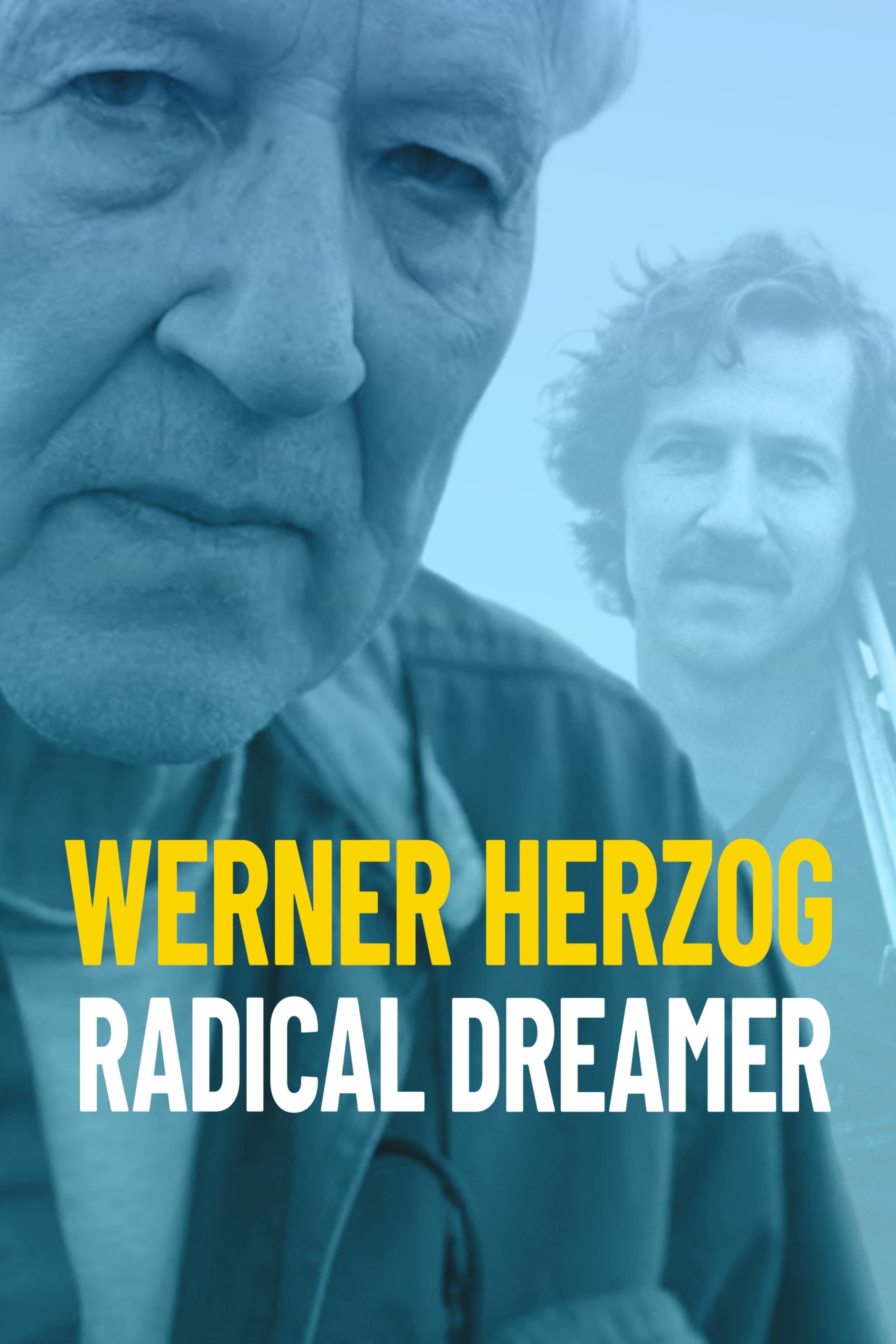
With exclusive behind-the-scenes access into Herzog’s everyday life, rare archive material and in-depth interviews with celebrated collaborators – including Christian Bale, Nicole Kidman, and Robert Pattinson, we are given an exciting glimpse into the work and personal life of the iconic artist.
Tommy's Christmas parcels are despatched to the Front in a fleet of trucks.
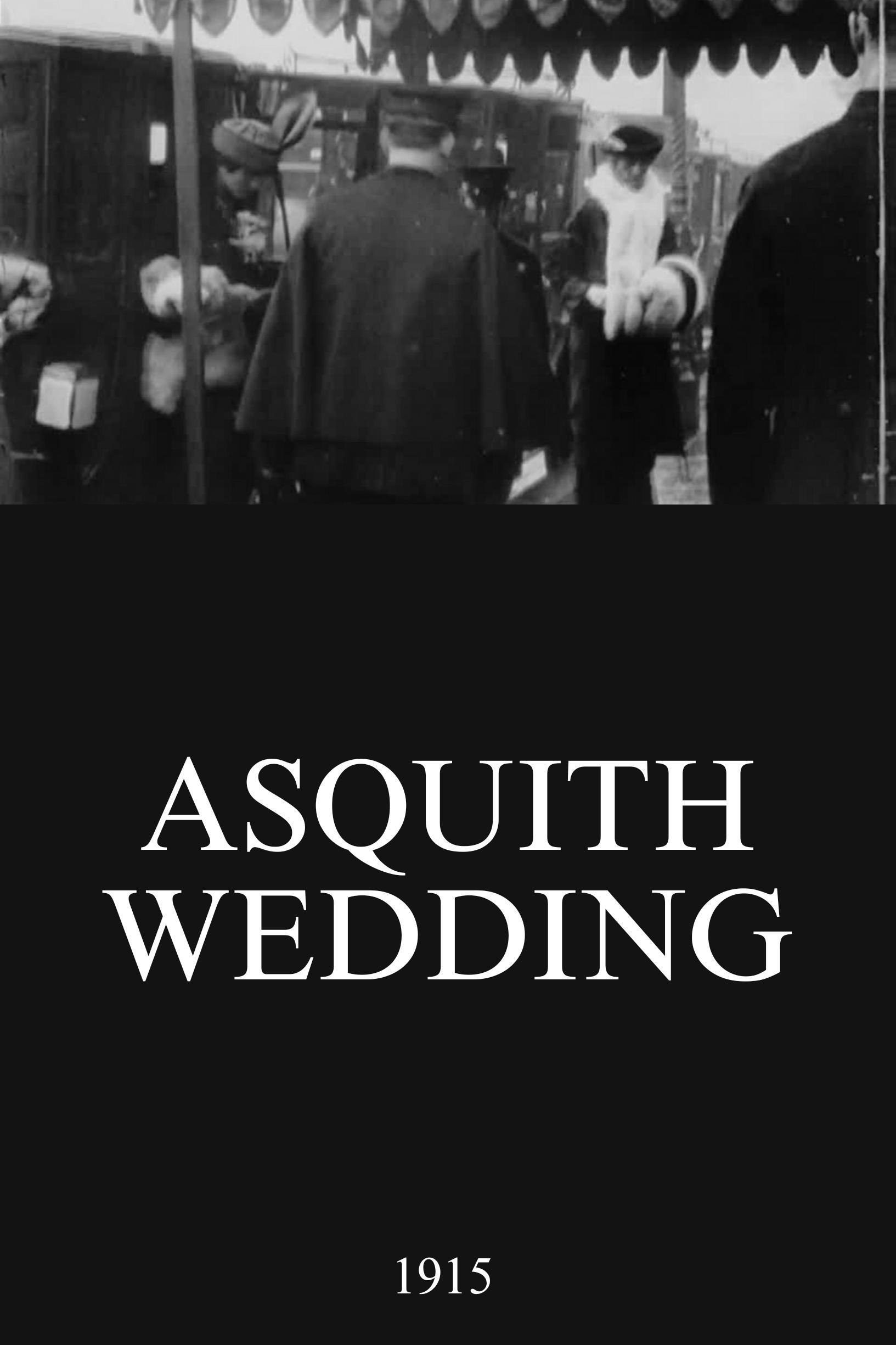
Violet Asquith, daughter of the Prime Minister Herbert Asquith, arrives at church to marry Maurice Bonham Carter.
Meet the real-life airmen who inspired Masters of the Air as they share the harrowing and transformative events of the 100th Bomb Group.
The history of cinematic sound, told by legendary sound designers and visionary filmmakers.
A documentary about World War I with never-before-seen footage to commemorate the centennial of Armistice Day, and the end of the war.
Director Claude Lanzmann spent 11 years on this sprawling documentary about the Holocaust, conducting his own interviews and refusing to use a single frame of archival footage. Dividing Holocaust witnesses into three categories – survivors, bystanders, and perpetrators – Lanzmann presents testimonies from survivors of the Chelmno concentration camp, an Auschwitz escapee, and witnesses of the Warsaw Ghetto Uprising, as well as a chilling report of gas chambers from an SS officer at Treblinka.
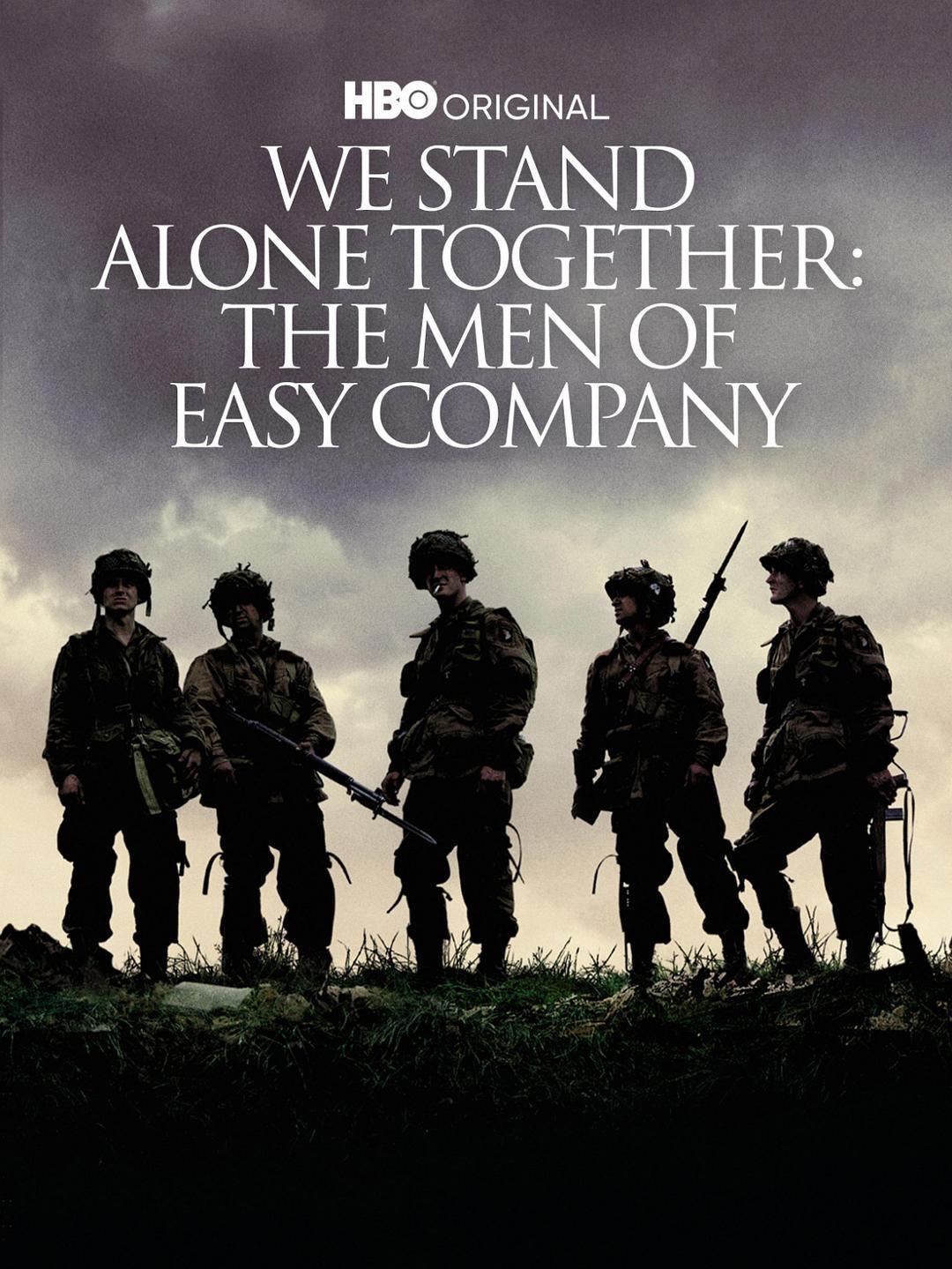
Over a period of two years, Mark Cowen and his crew travelled to thirty U.S. states and ten European cities, to interview the veterans of Easy Company. The stories told by the veterans themselves, create a history of the Second World War from the point of view of this heroic company of men, made famous in the mini-series Band of Brothers.
“The Soviet Story” is a story of an Allied power, which helped the Nazis to fight Jews and which slaughtered its own people on an industrial scale. Assisted by the West, this power triumphed on May 9th, 1945. Its crimes were made taboo, and the complete story of Europe’s most murderous regime has never been told. Until now...
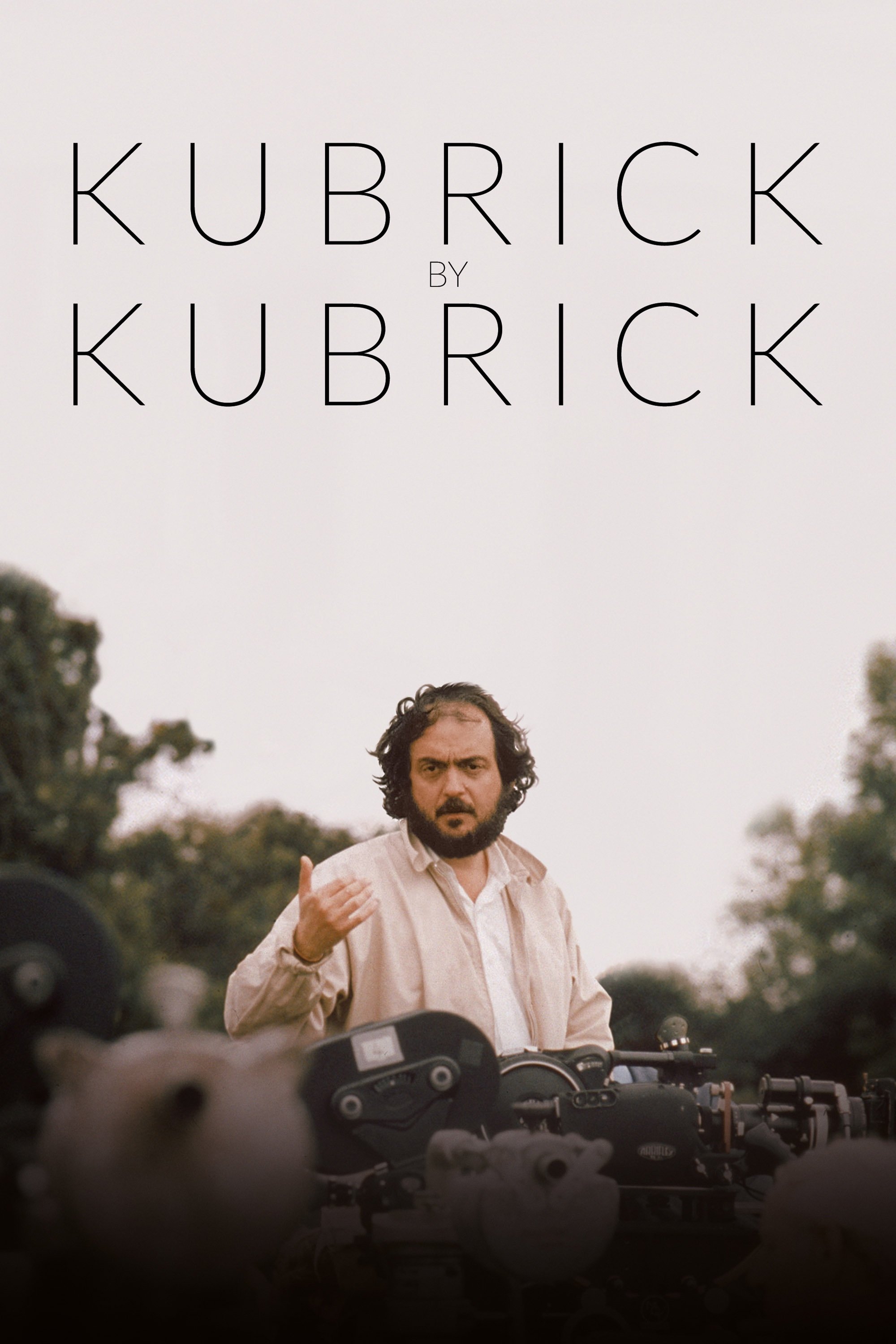
American filmmaker Stanley Kubrick (1928–1999), one of the greatest in history, but also one of the most reserved, gave few interviews throughout his long career, and none of them were filmed. A first-person journey through his life and work, based on a recorded conversation with French film critic Michel Climent.
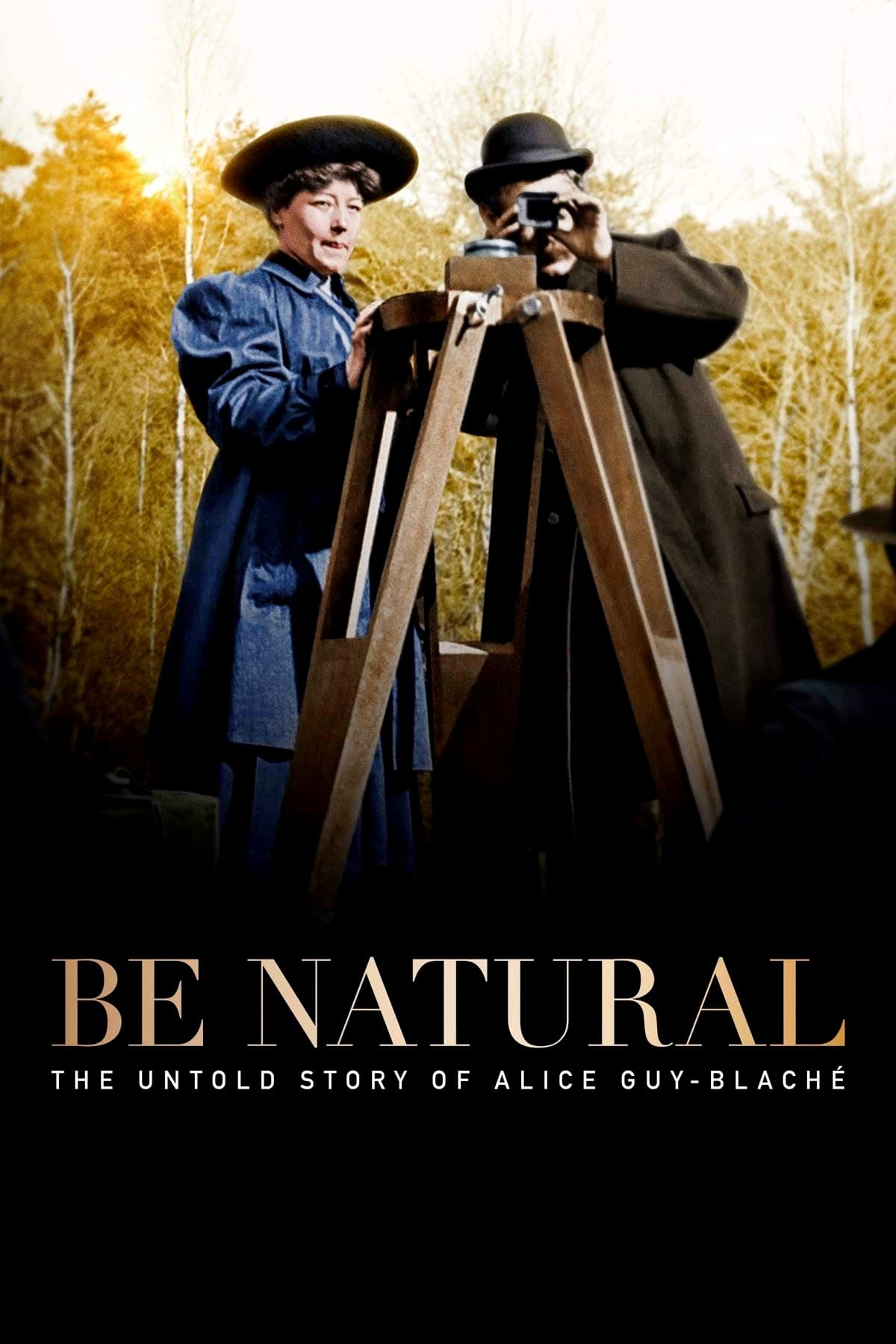
The epic life story of Alice Guy-Blaché (1873–1968), a French screenwriter, director and producer, true pioneer of cinema, the first person who made a narrative fiction film; author of hundreds of movies, but banished from history books. Ignored and forgotten. At last remembered.
He's devoted his career to uncovering stories the powerful want buried. From My Lai to Abu Ghraib, dig into the life's work of journalist Seymour Hersh.
Documentary about the art of film editing. Clips are shown from many groundbreaking films with innovative editing styles.
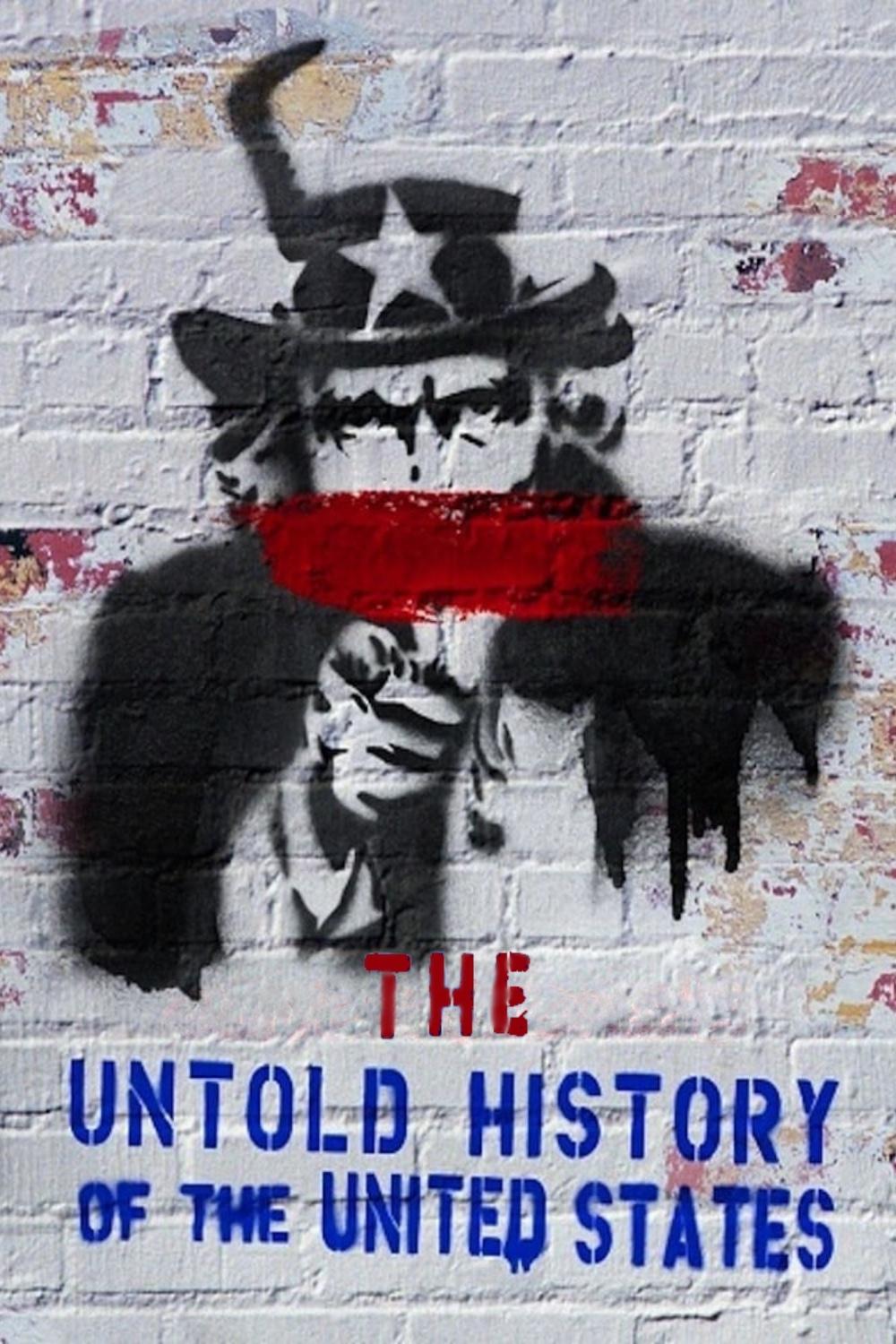
Oliver Stone charts the history of the United States from the Second World War to the present.
"Trinity and Beyond" is an unsettling yet visually fascinating documentary presenting the history of nuclear weapons development and testing between 1945-1963. Narrated by William Shatner and featuring an original score performed by the Moscow Symphony Orchestra, this award-winning documentary reveals previously unreleased and classified government footage from several countries.
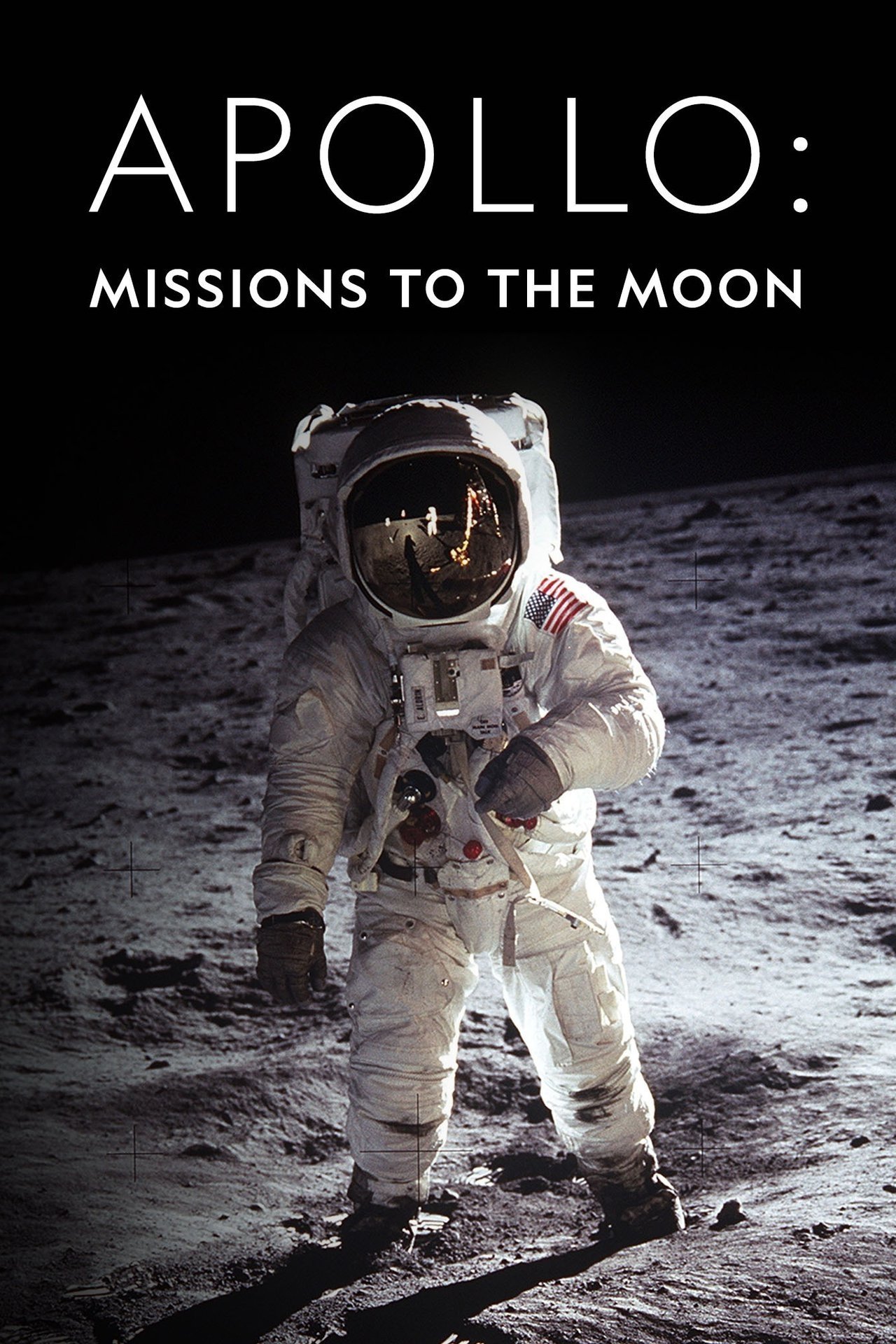
National Geographic's riveting effort recounts all 12 crewed missions using only archival footage, photos and audio.
Filmmaker Alain Resnais documents the atrocities behind the walls of Hitler's concentration camps.
Filmed over 14 months with unprecedented access into the inner circle of the man and the sport, this is the first official and fully authorised film of one of the most celebrated figures in football. For the first time ever, the world gets vividly candid and un-paralleled, behind-closed-doors access to the footballer, father, family-man and friend in this moving & fascinating documentary. Through in-depth conversations, state of the art football footage and never before seen archival footage, the film gives an astonishing insight into the sporting and personal life of triple Ballon D'Or winner Cristiano Ronaldo at the peak of his career. From the makers of ‘Senna’ and ‘Amy’, Ronaldo takes audiences on an intimate and revealing journey of what it’s like to live as an iconic athlete in the eye of the storm.
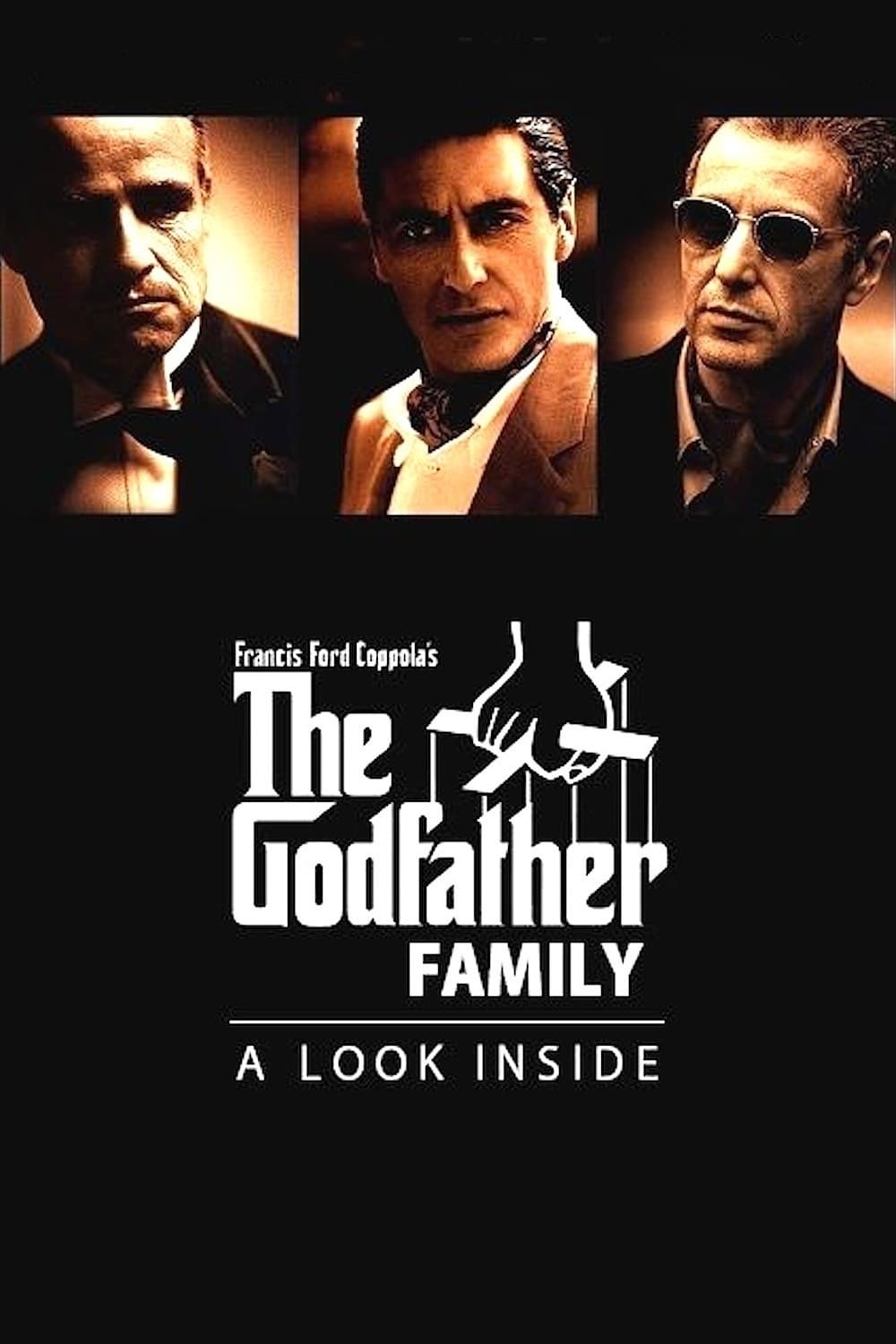
A documentary on the making of the three Godfather films, with interviews and recollections from the film makers and cast. This feature also includes the original screen tests of some of the actors for "The Godfather" film, and some candid moments on the set of "The Godfather: Part III."
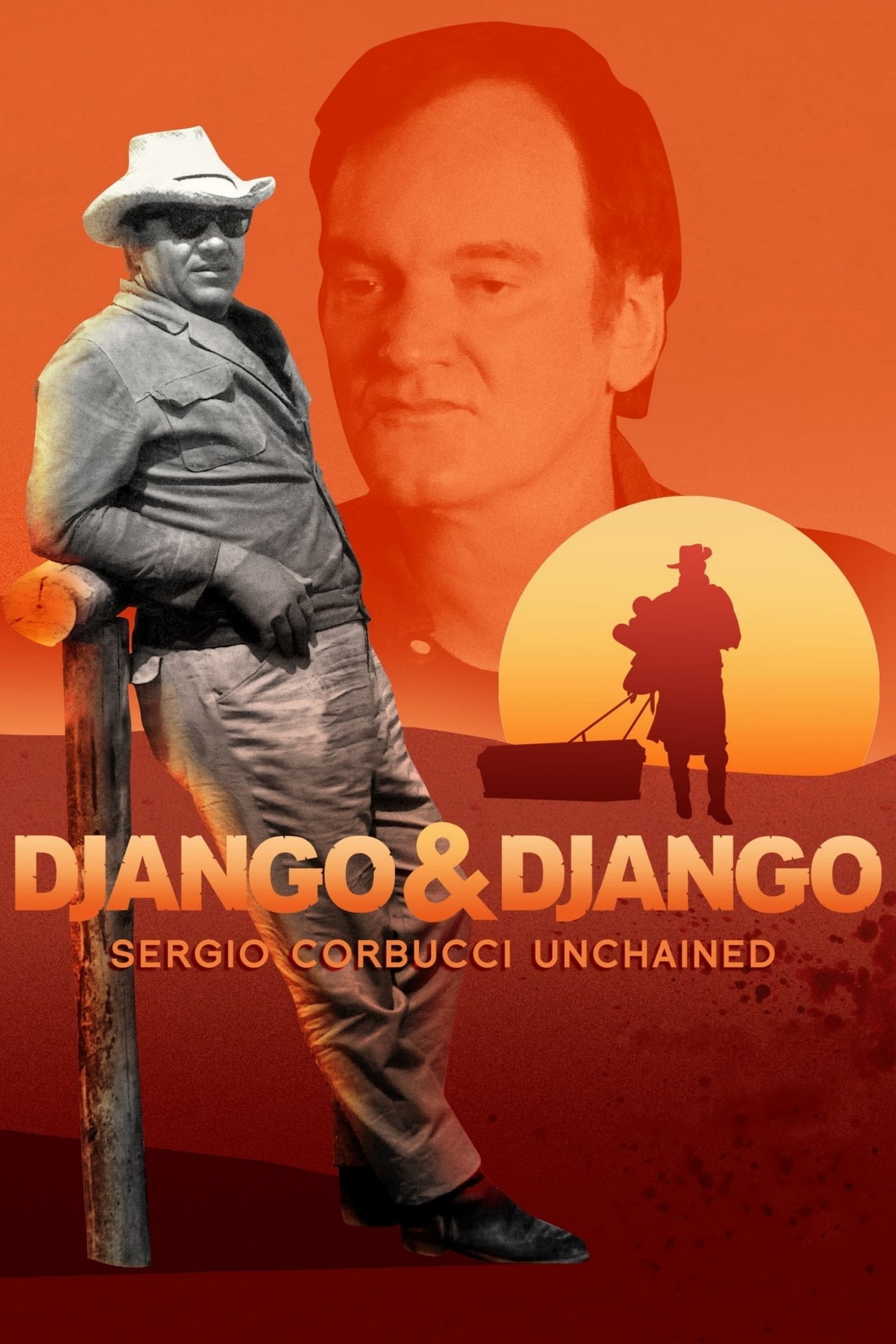
A tribute to Italian filmmaker Sergio Corbucci (1926-90), presented by American filmmaker Quentin Tarantino.
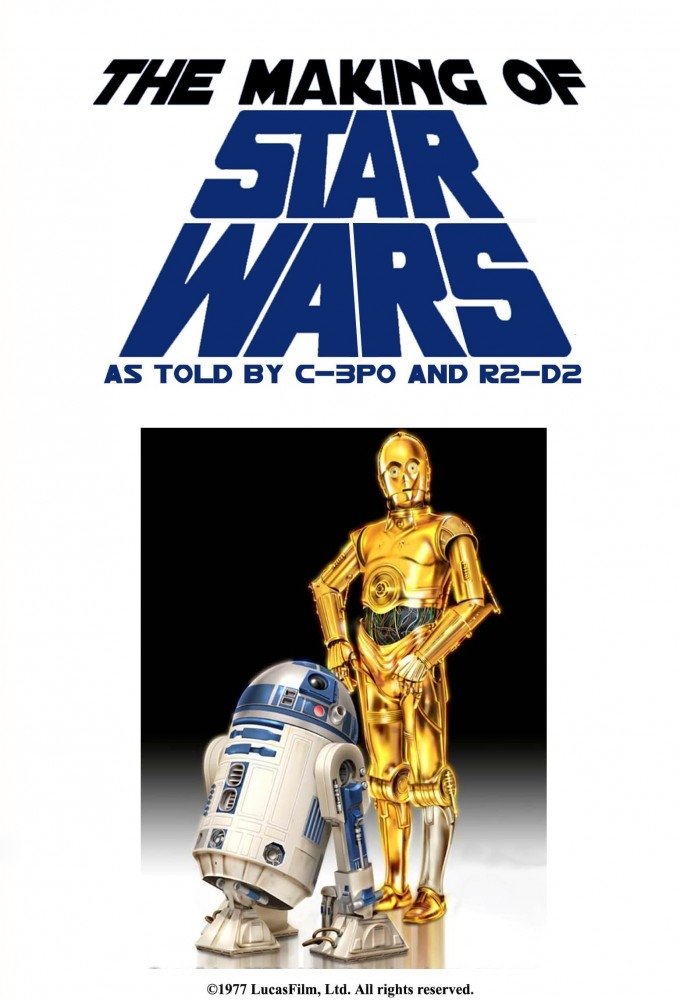
Learn the incredible behind-the-scenes story of how the original Star Wars movie was brought to the big screen in this fascinating documentary hosted by C-3PO and R2-D2 which includes interviews with George Lucas and appearances by Mark Hamill, Harrison Ford and Carrie Fisher.
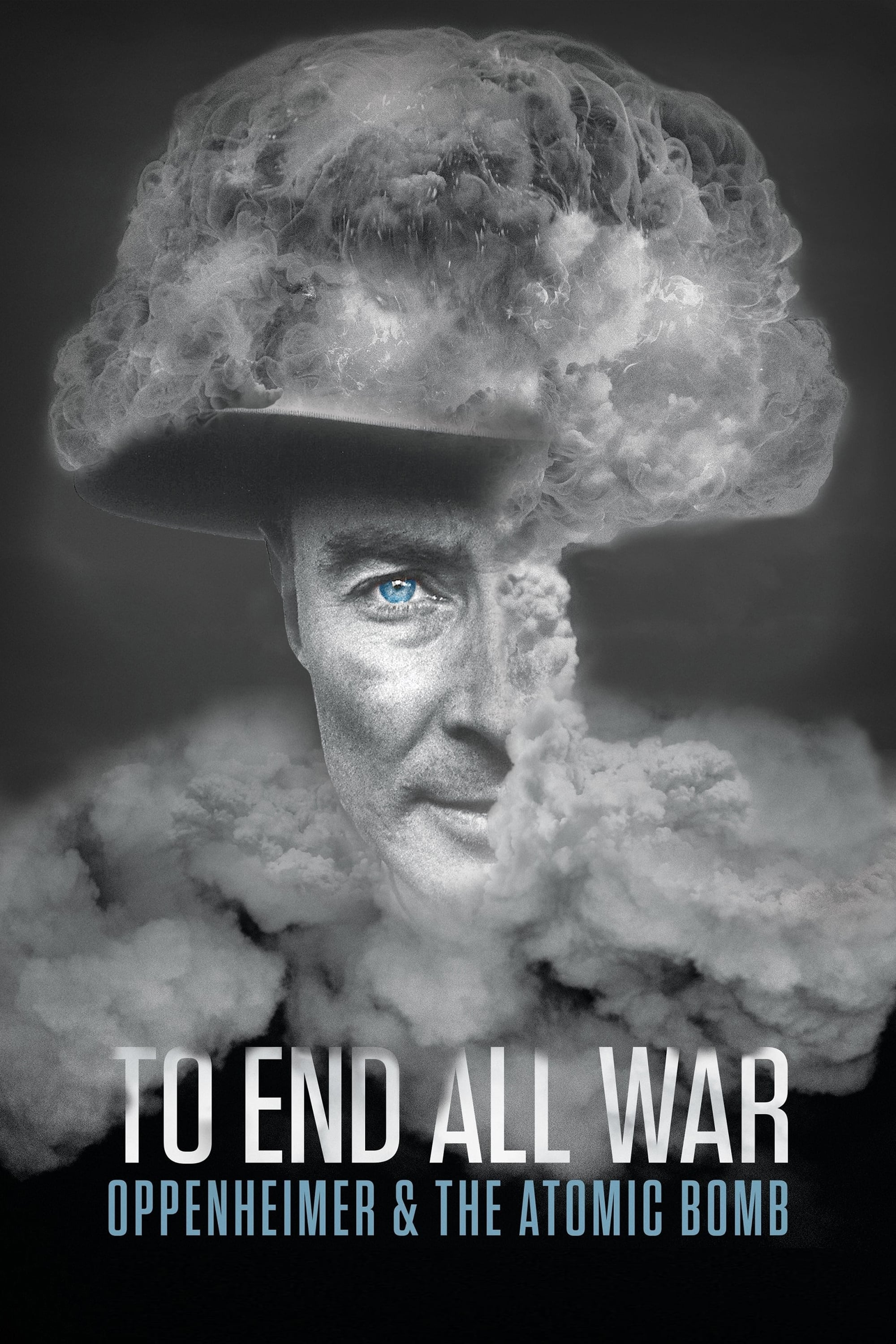
Explore how one man's relentless drive and invention of the atomic bomb changed the nature of war forever, led to the deaths of hundreds of thousands of people and unleashed mass hysteria.