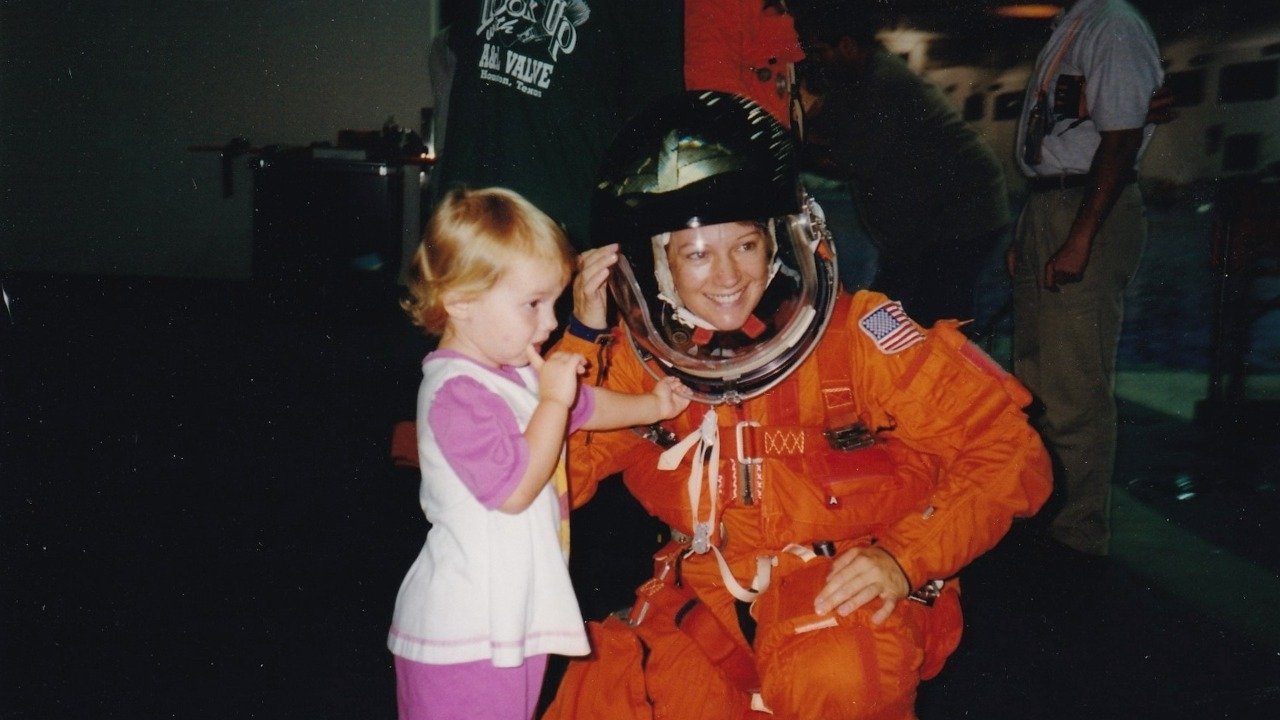
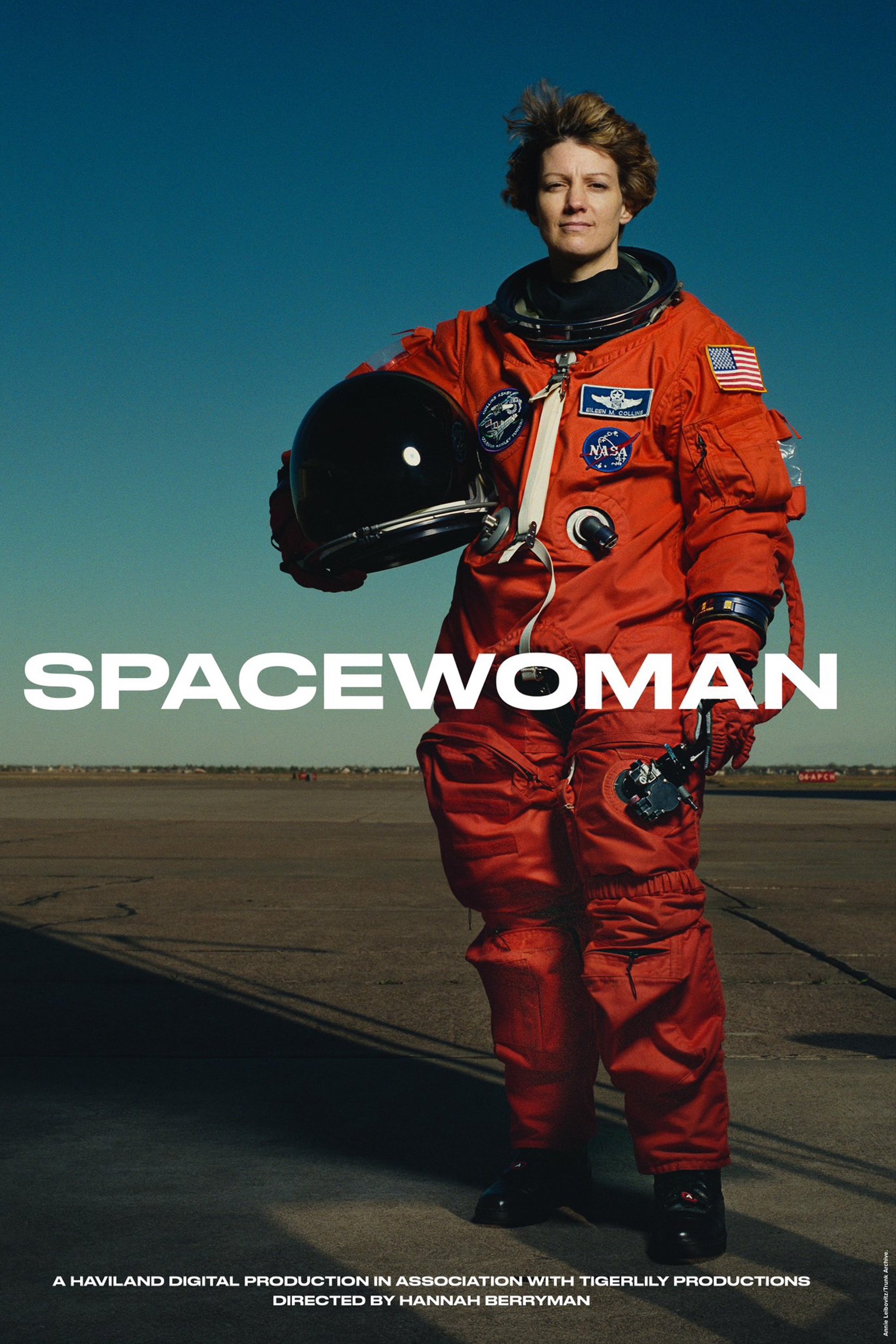
Explores achievements of Eileen Collins, the first woman to pilot and command a spacecraft, paving the way for the next generation of female space explorers.
Social & External
The people behind it
Eileen Collins
Self
Cady Coleman
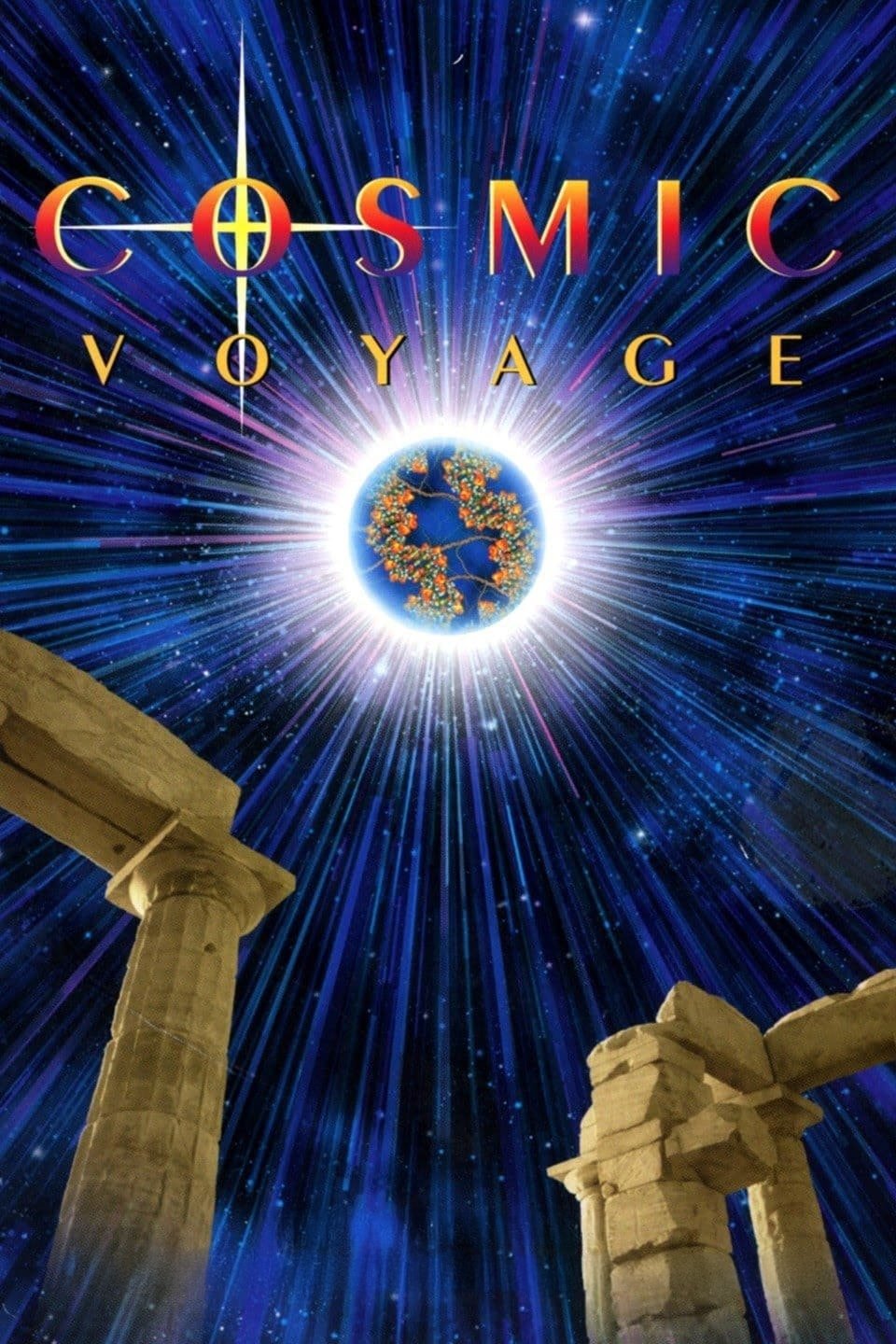
The Academy Award® nominee Cosmic Voyage combines live action with state-of-the-art computer-generated imagery to pinpoint where humans fit in our ever-expanding universe. Highlighting this journey is a "cosmic zoom" based on the powers of 10, extending from the Earth to the largest observable structures in the universe, and then back to the subnuclear realm.
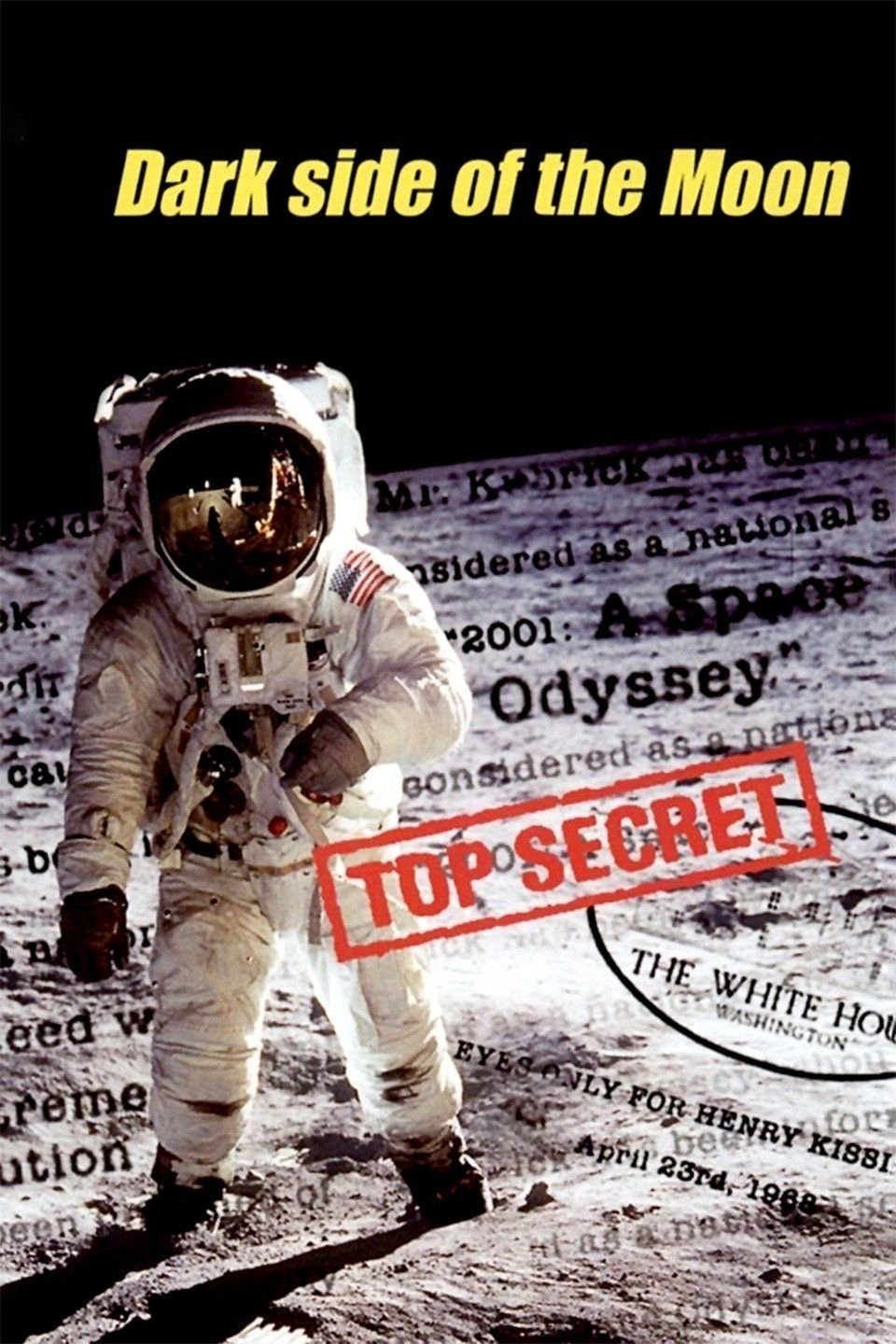
A French documentary or, one might say more accurately, a mockumentary, by director William Karel which originally aired on Arte in 2002 with the title Opération Lune. The basic premise for the film is the theory that the television footage from the Apollo 11 Moon landing was faked and actually recorded in a studio by the CIA with help from director Stanley Kubrick.
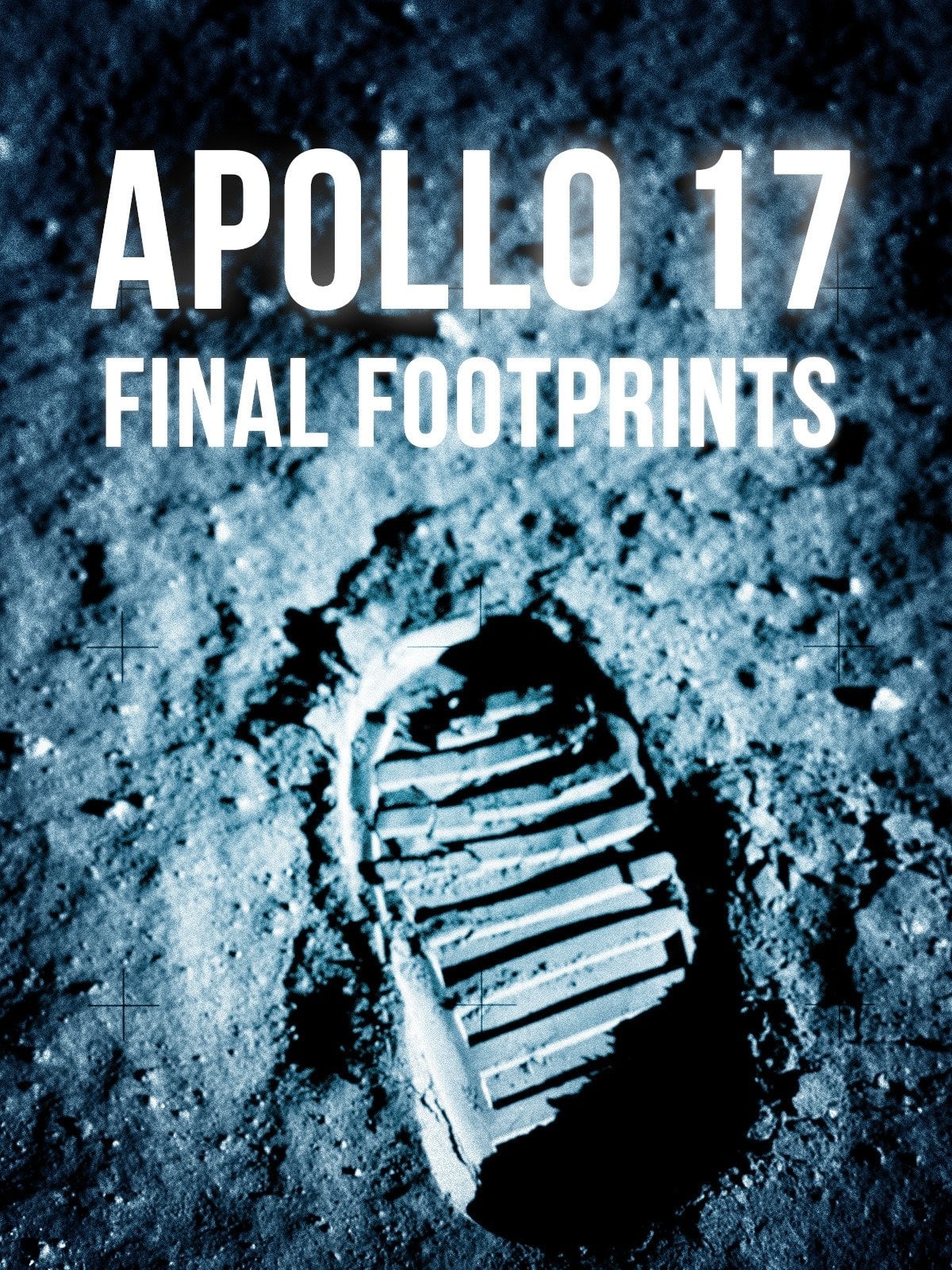
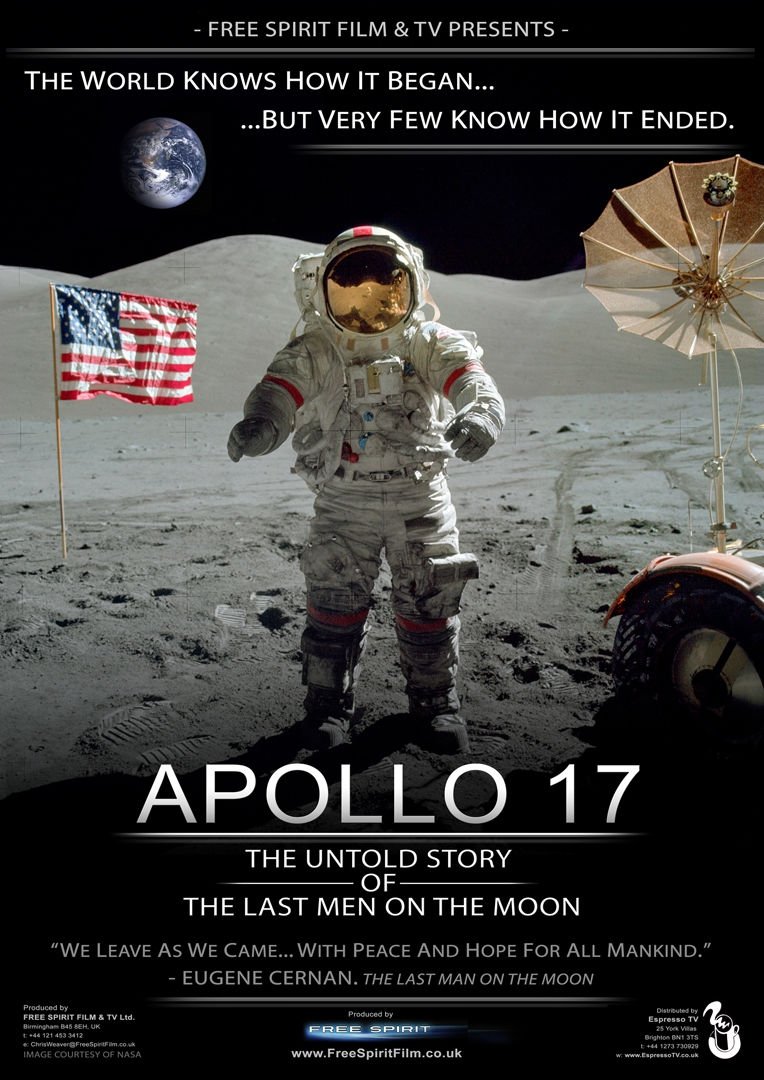
The Apollo 17 mission was the final opportunity to collect first hand information about the history and origin of the Moon. This film looks at this historic mission through the eyes of those who participated in it. Including Commander Eugene Cernan, Lunar Module Pilot Harrison Schmitt, and Command Module Pilot Ron Evans.
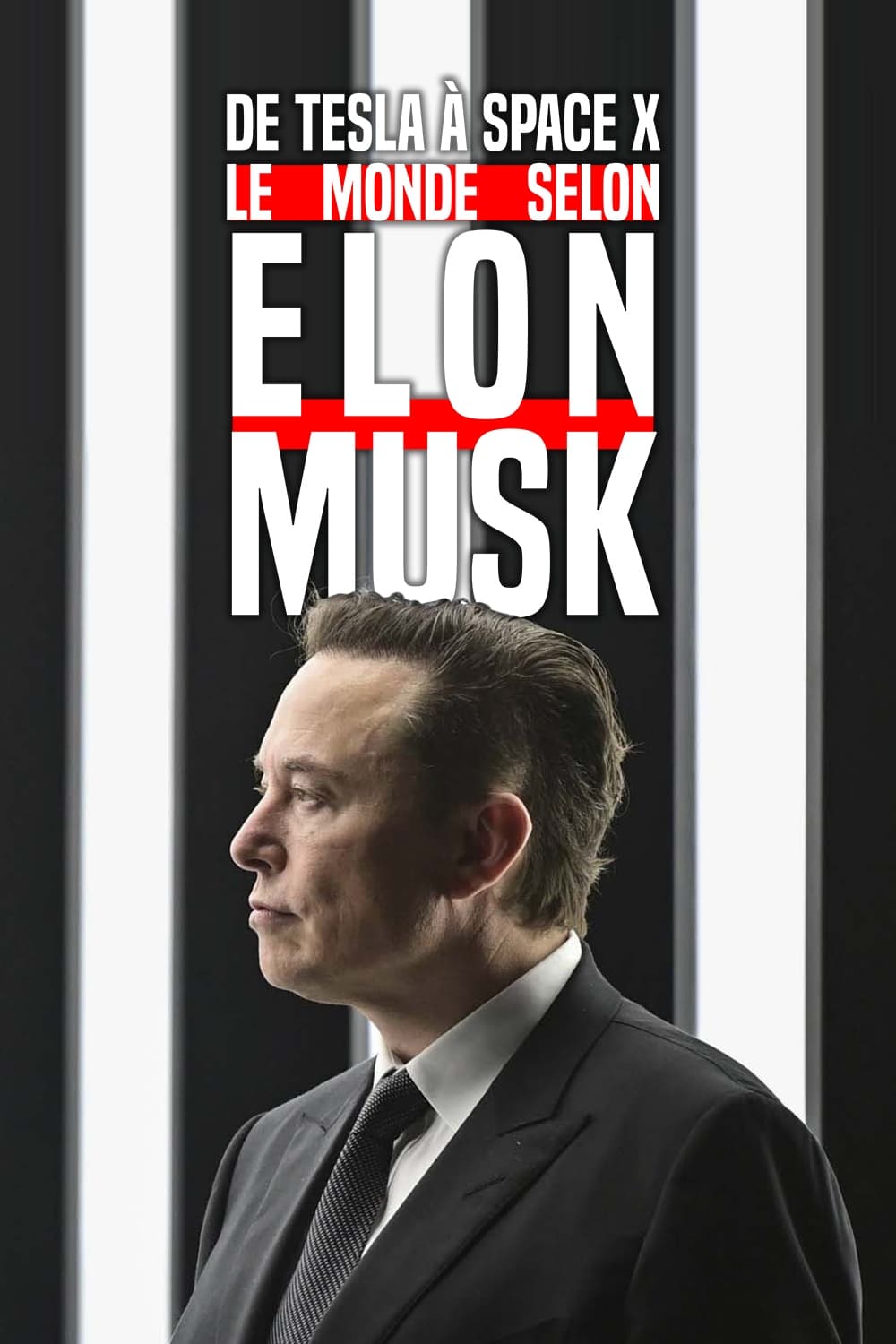
In just a few years, Elon Musk has become one of the most influential and wealthy men on the planet. Although the Tesla brand has revolutionized the image of the electric car, Elon Musk remains a great innovator in the business world. For him, there are no limits: satellites, houses, urban tunnels... But what attracts Elon Musk the most is space, which remains his favorite playground. Recently, he developed reusable rockets that have transformed space travel.
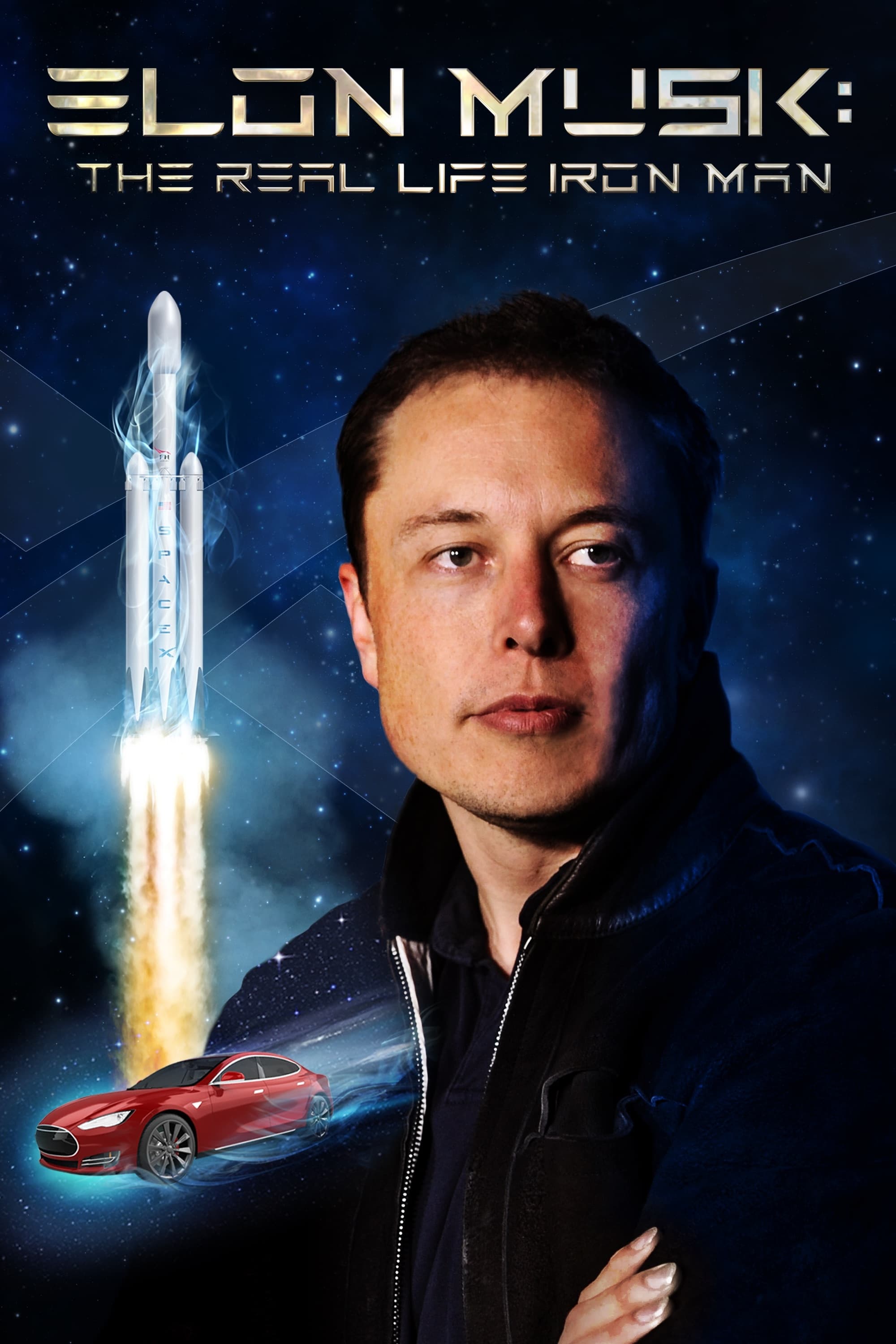
Discover the meteoric rise of Elon Musk, the man who is transforming the way we think about travel technology through electric cars, the Hyperloop, and revolutionary ideas on how we live through artificial intelligence and colonizing Mars.
Hear what the astronauts of Apollo 13 had to say in this collection of interviews. Featuring Jim Lovell, Jack Swigert, Fred Haise.
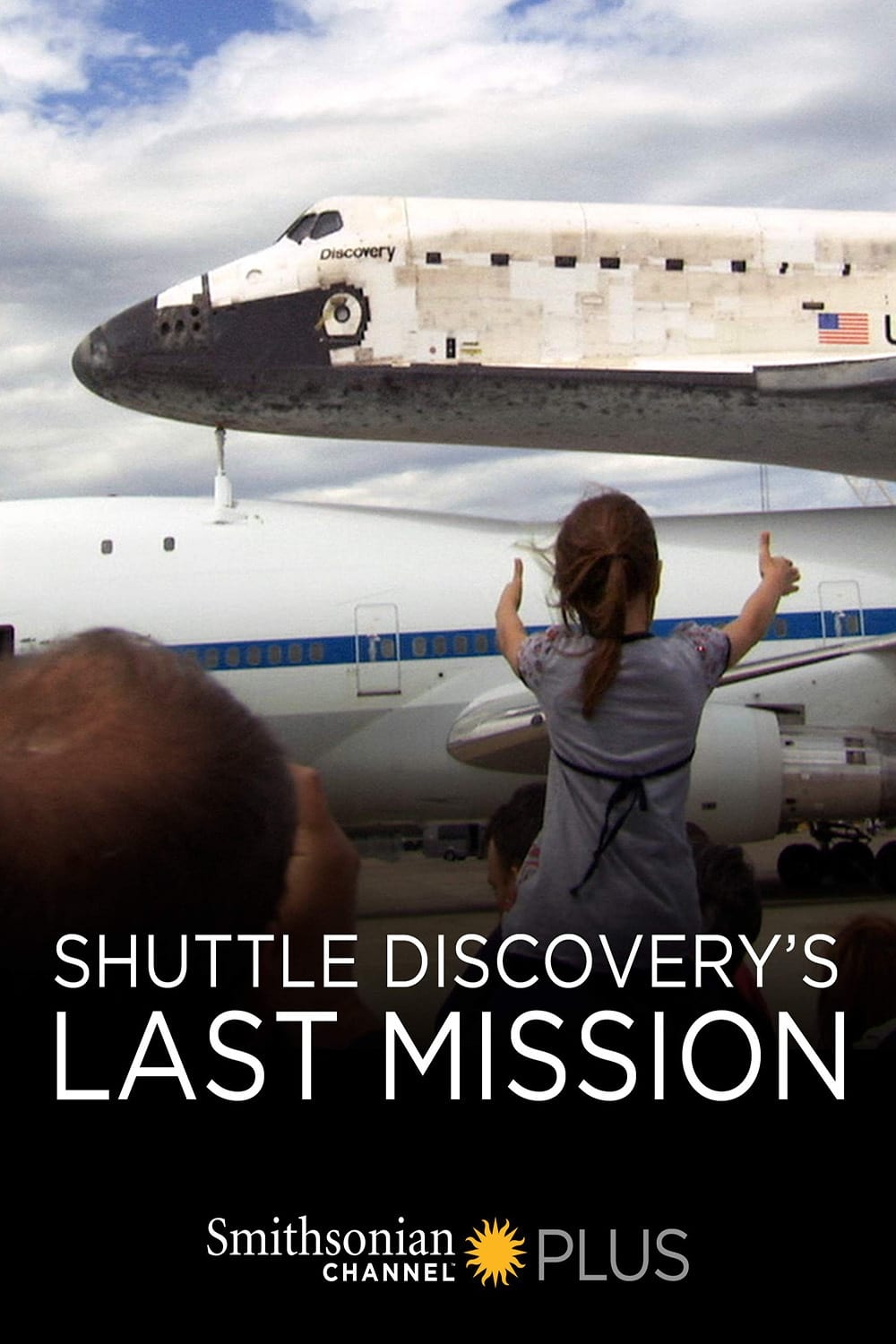
With more than 27 years of service, the space shuttle Discovery has clocked more time in space than any other shuttle. She has flown more than 148 million miles, and has become one of the most storied spacecraft in American history. Join us as we celebrate her remarkable past and follow her final flight: to the Smithsonian National Air and Space Museum. It's an emotionally charged mission full of logistical challenges. Discovery is a robust, but very fragile aircraft, and getting her to D.C. in one piece will require some innovative engineering.
The Space Race comes alive through the eyes of the ultimate insider - retired NASA Mission Control Flight Director Gene Kranz. A history of the U.S. manned space program from Mercury to Apollo 17, as seen by the men of Mission Control.
The remarkable story of the determination and courage of a generation. A tribute to three brave astronauts and the thousands of men and women behind them during the final days of NASA's Apollo program.
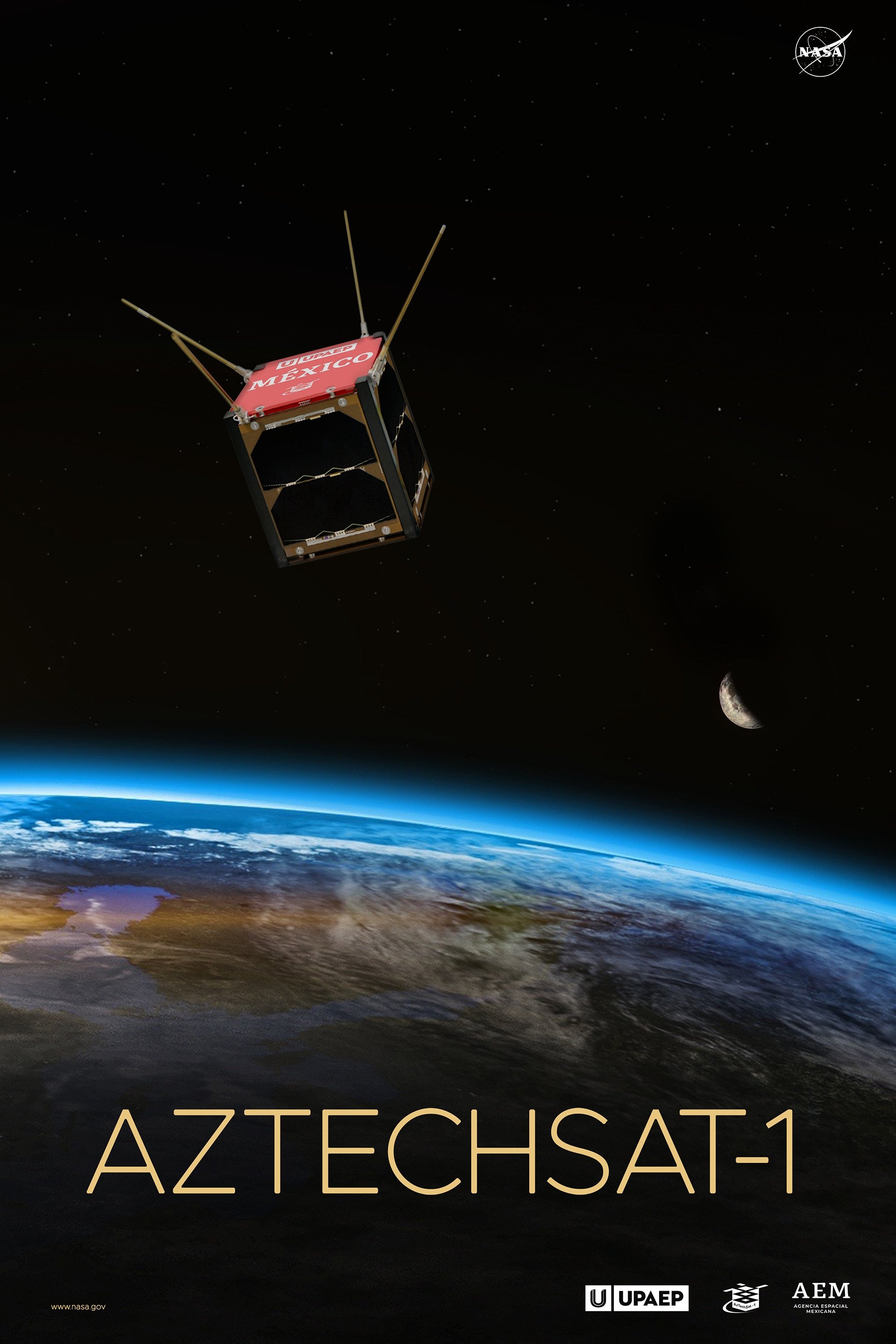
NASA film documenting the launch and commissioning of AzTechSat-1, a pioneering one-to-one communications satellite in space.
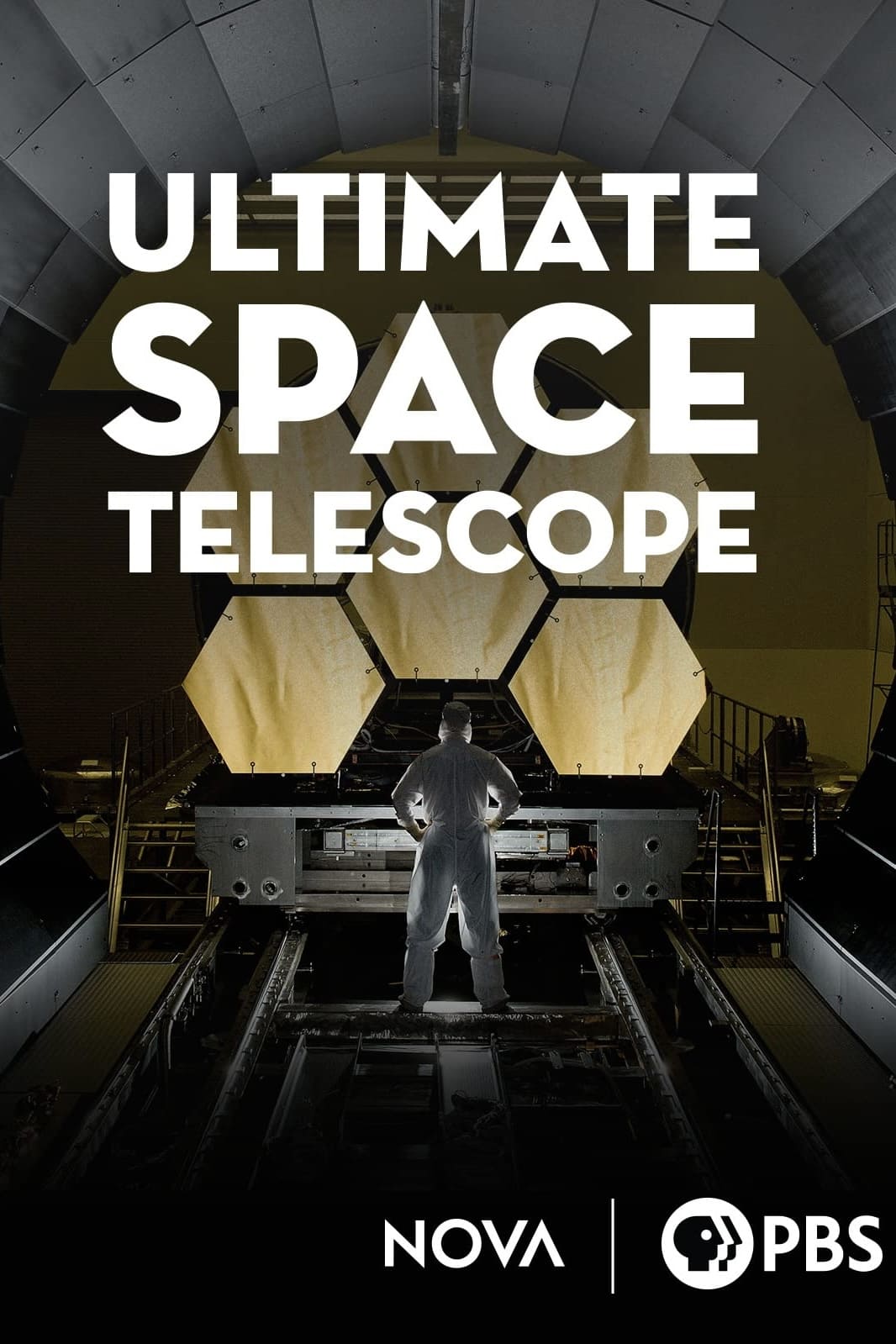
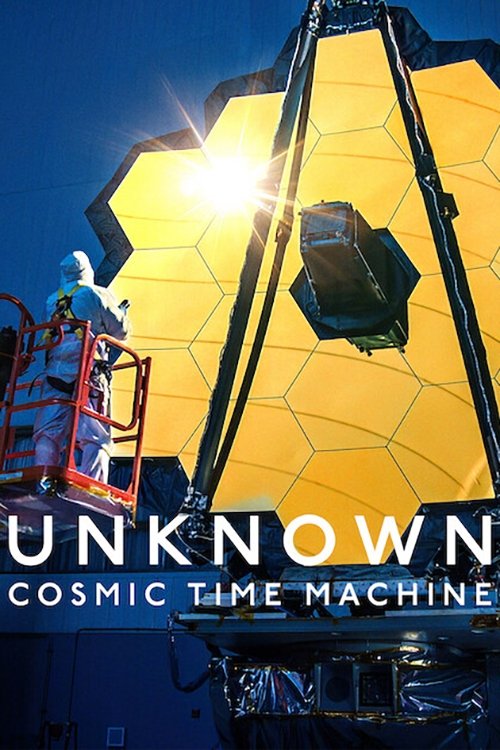
NASA's James Webb Space Telescope, from its conception to completion.
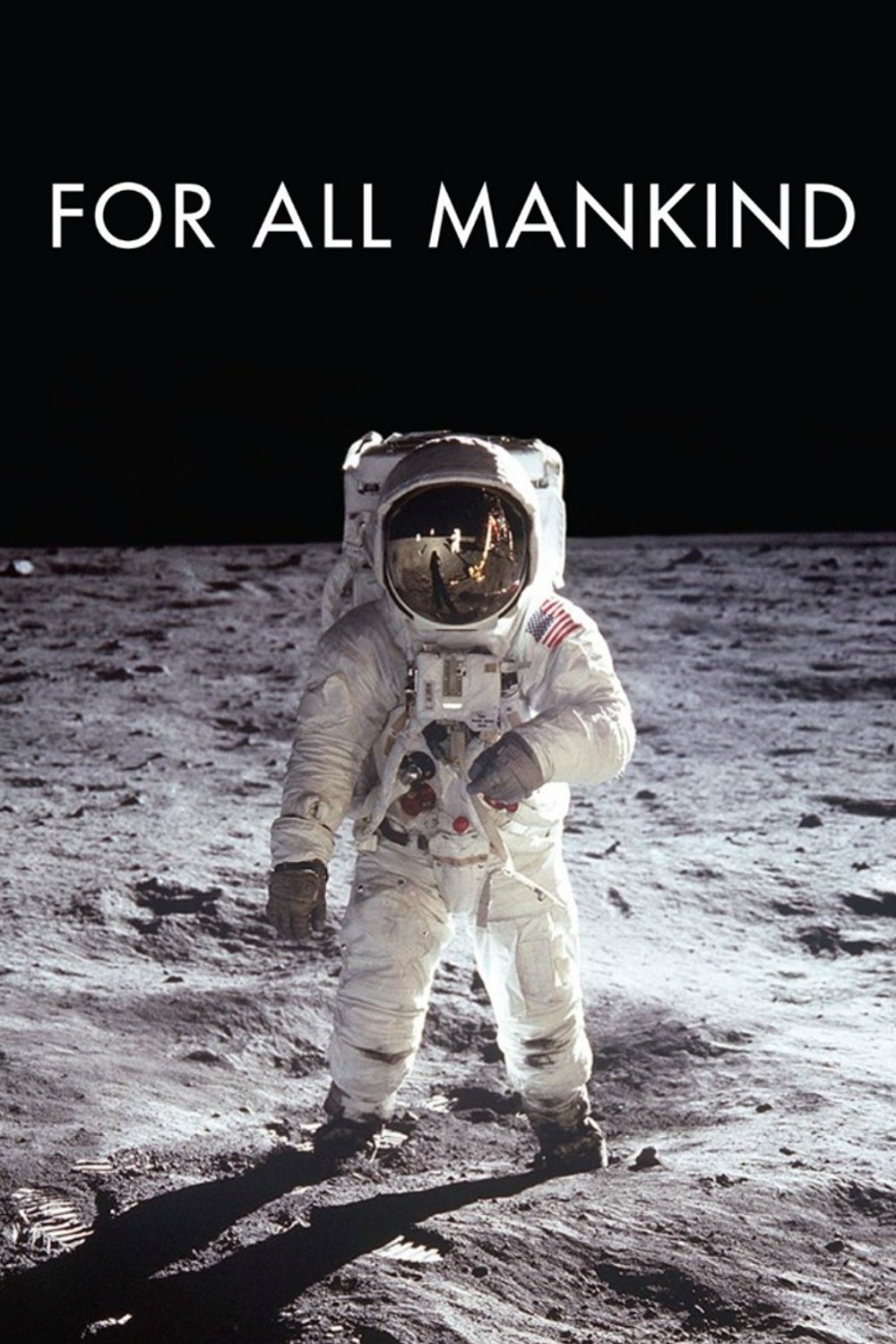
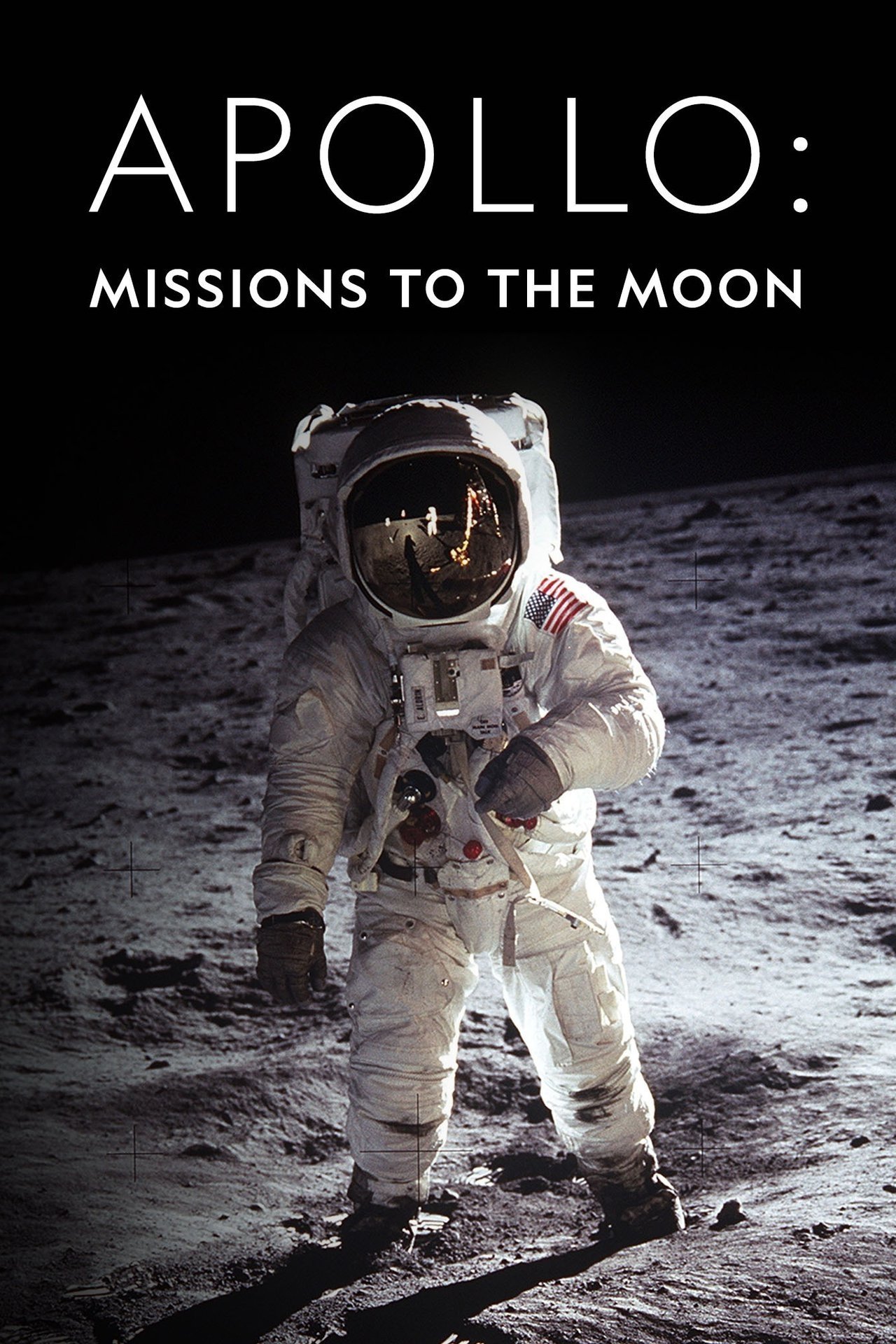
A testament to NASA's Apollo program of the 1960s and '70s. Composed of actual NASA footage of the missions and astronaut interviews, the documentary offers the viewpoint of the individuals who braved the remarkable journey to the moon and back.
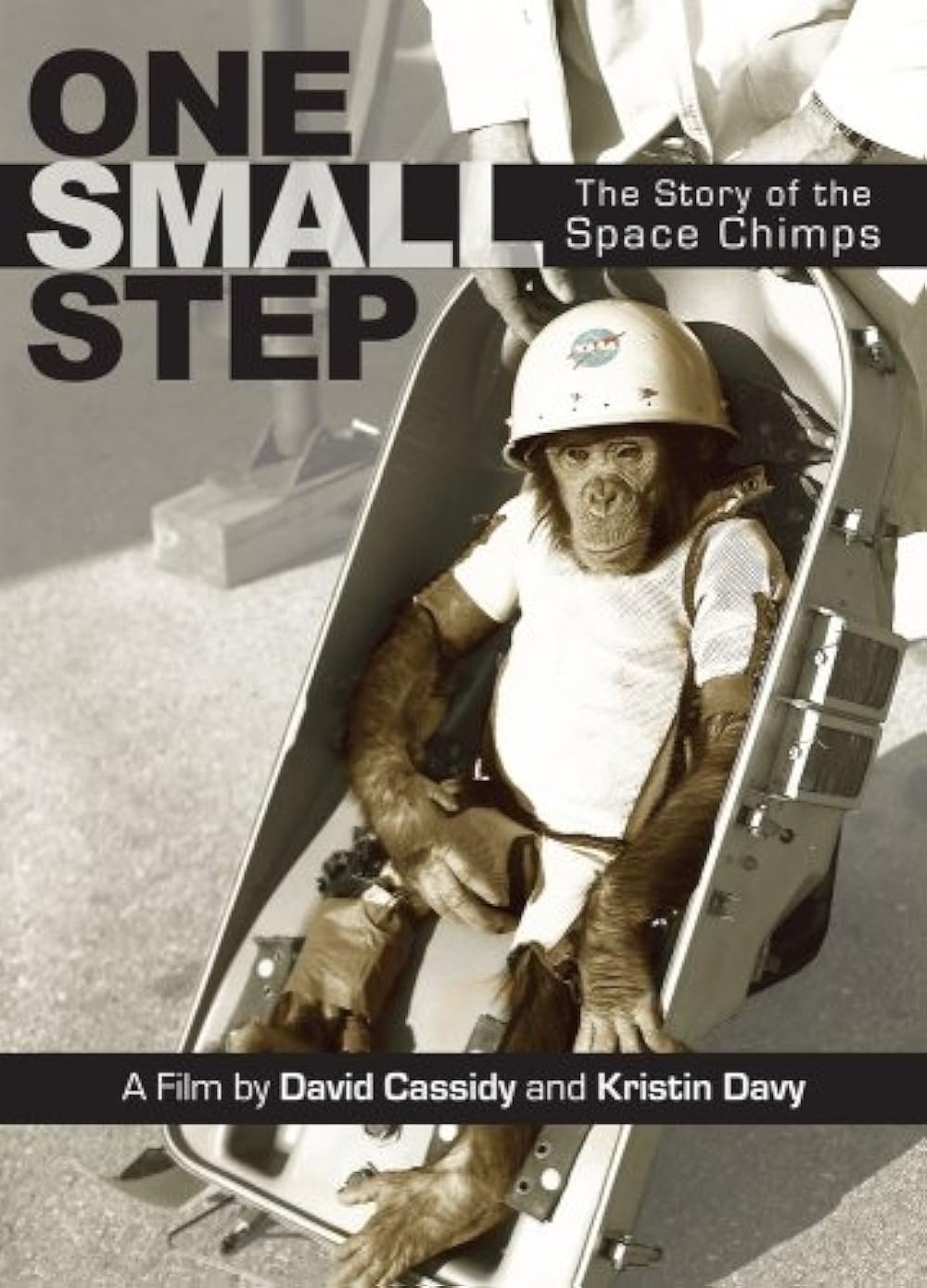
One Small Step: The Story of the Space Chimps is the dramatic and moving real-life tale of the United States Air Force chimponauts and their NASA compatriots.
This film tells the real story behind the unforgettable Ron Howard/Tom Hanks film. In this film we feature the real astronauts, the actual footage and real events of Apollo 13.
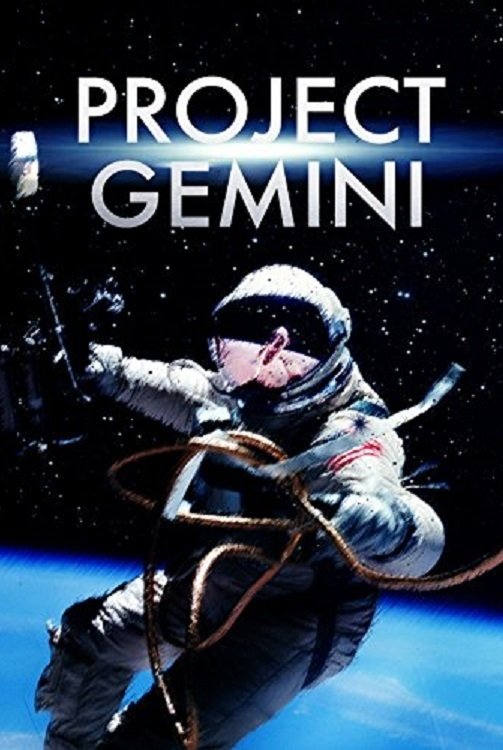
All of the necessary technologies required to reach the Moon was first tested during Project Gemini, which comprised of ten missions in the mid-1960s.
The development of the Lunar Module, which took astronauts Neil Armstrong and Buzz Aldrin to the Moon in 1969. Using interviews with engineers, along with archival footage, and period recreation- the landing of the moon comes to vivid life.
For the first time since the legendary Apollo missions over 50 years ago, humans are once again setting out for the Moon on April 1, 2026. NASA’s Artemis II mission marks the beginning of a new era in space exploration, and Germany will play a key role. This documentary follows the four astronauts during their preparations and offers exclusive insights into the Orion spacecraft. German astronauts Alexander Gerst and Matthias Maurer, along with other space experts, explain how the mission will proceed and why it is being undertaken. It's a journey that blends science, adventure, and the fundamental question: Why do people risk their lives to reach other celestial bodies and distant worlds?
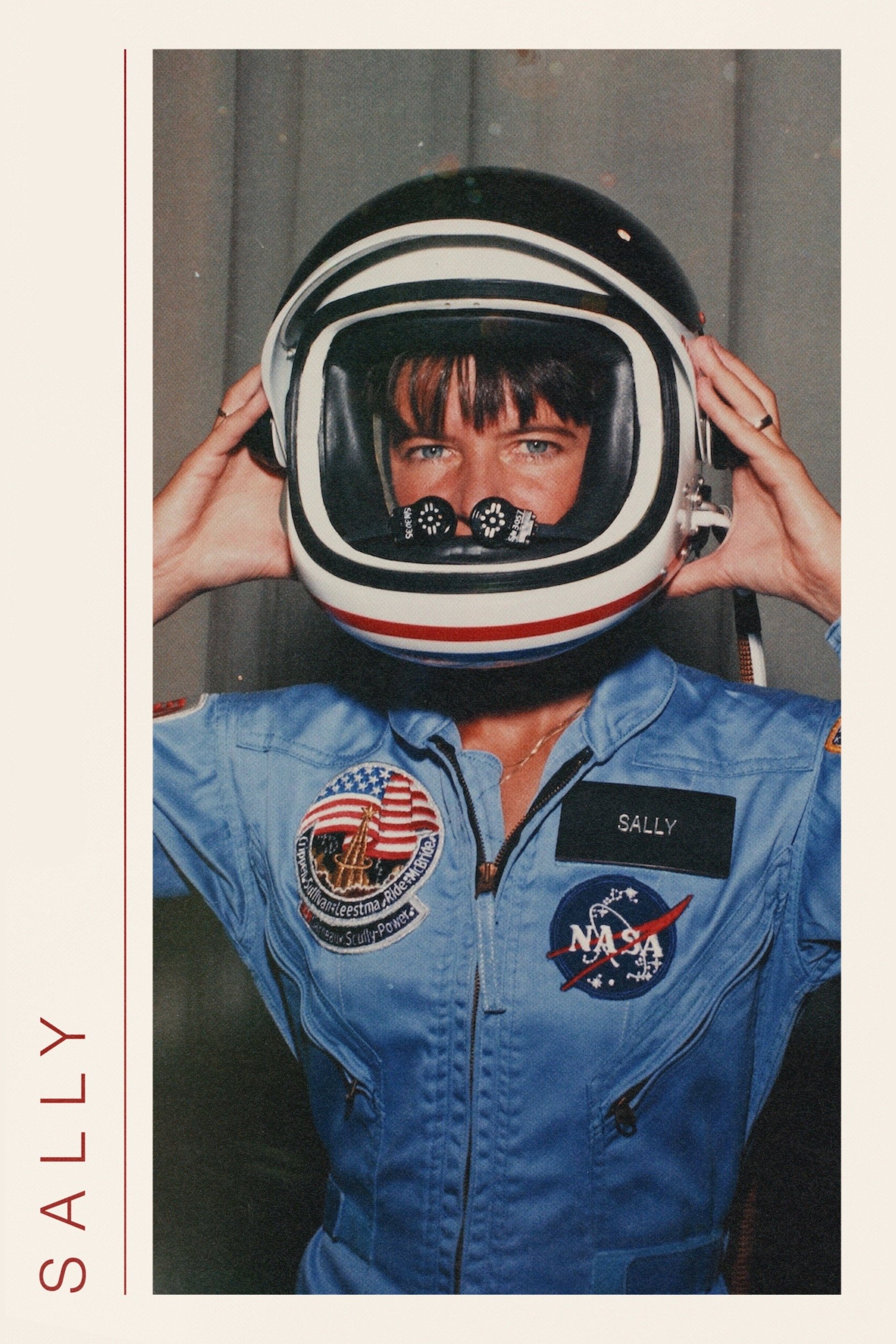
Sally Ride's groundbreaking journey as the first American woman in space concealed a deeply personal story. Her life partner, Tam O'Shaughnessy, unveils their covert 27-year romance and its accompanying sacrifices.
The inside story of the Artemis II mission - filmed over three and a half years at NASA. How did four astronauts travel to the moon, going deeper into space than ever before?
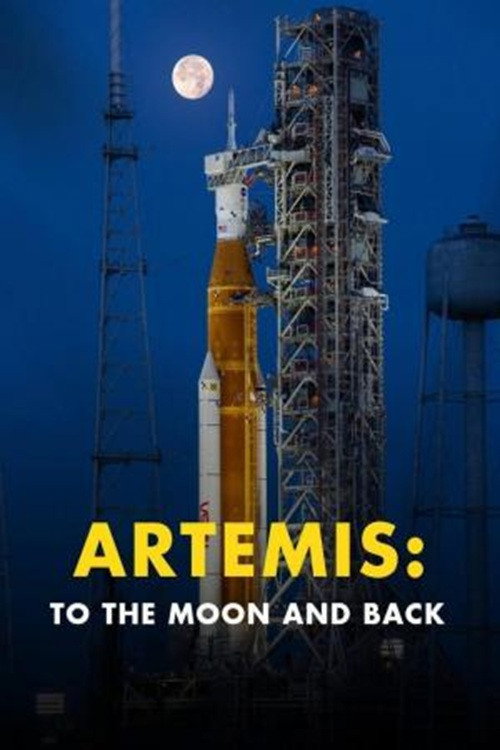
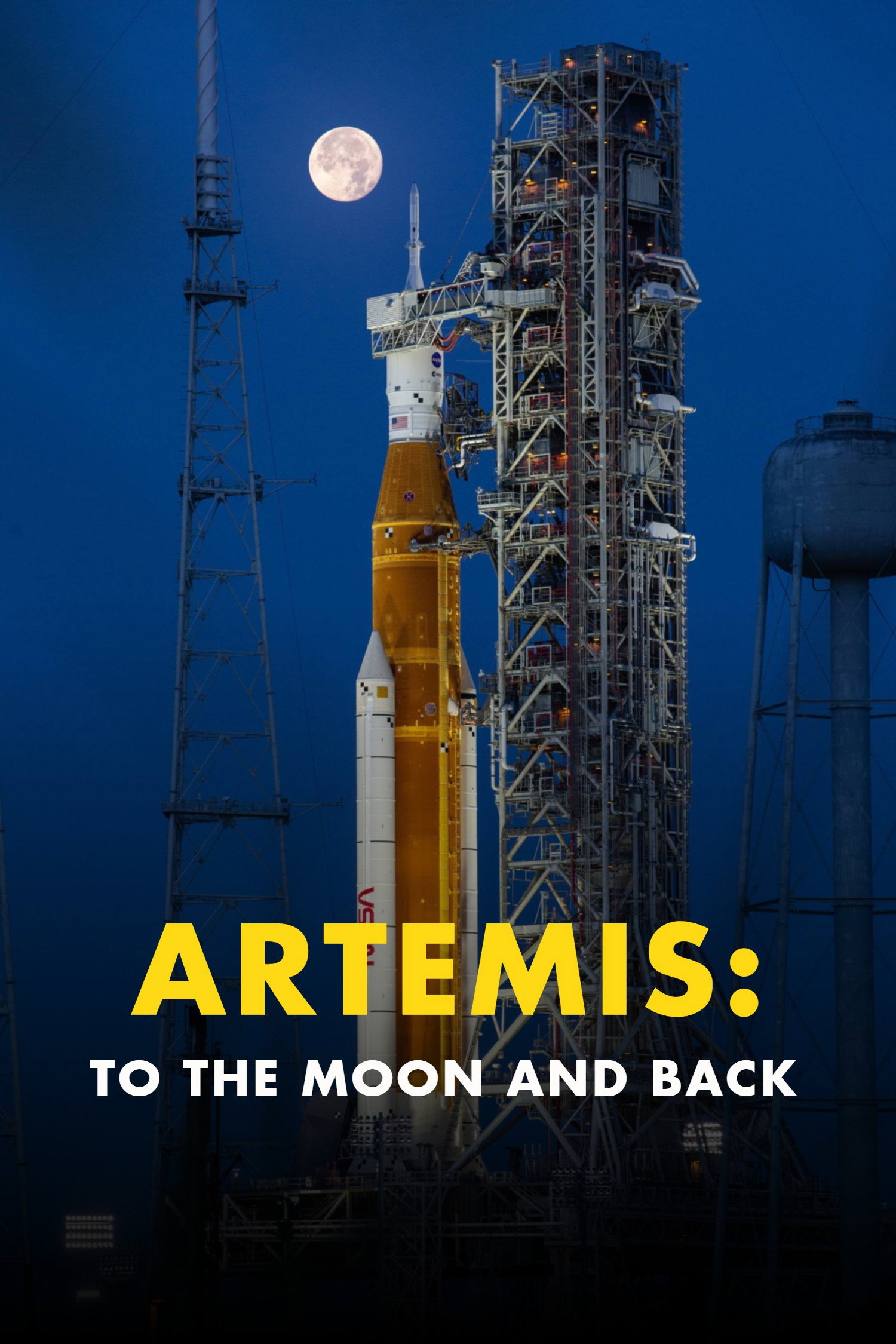
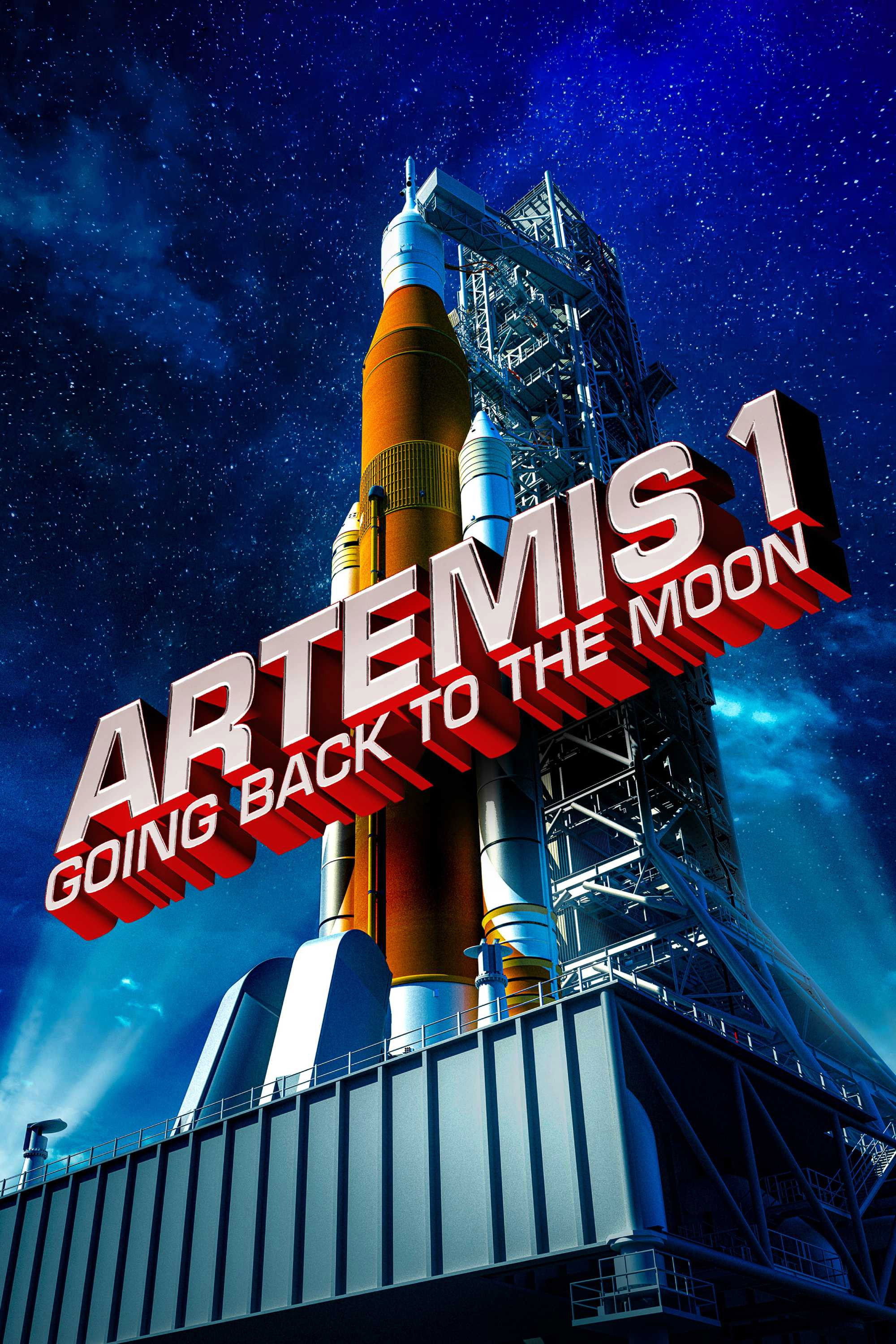
Follow the extraordinary inside story of NASA engineers as they race to build and launch Artemis I, the world's biggest rocket, as it prepares for missions that will transport humans to the moon, then launch an amazing journey to Mars and beyond.
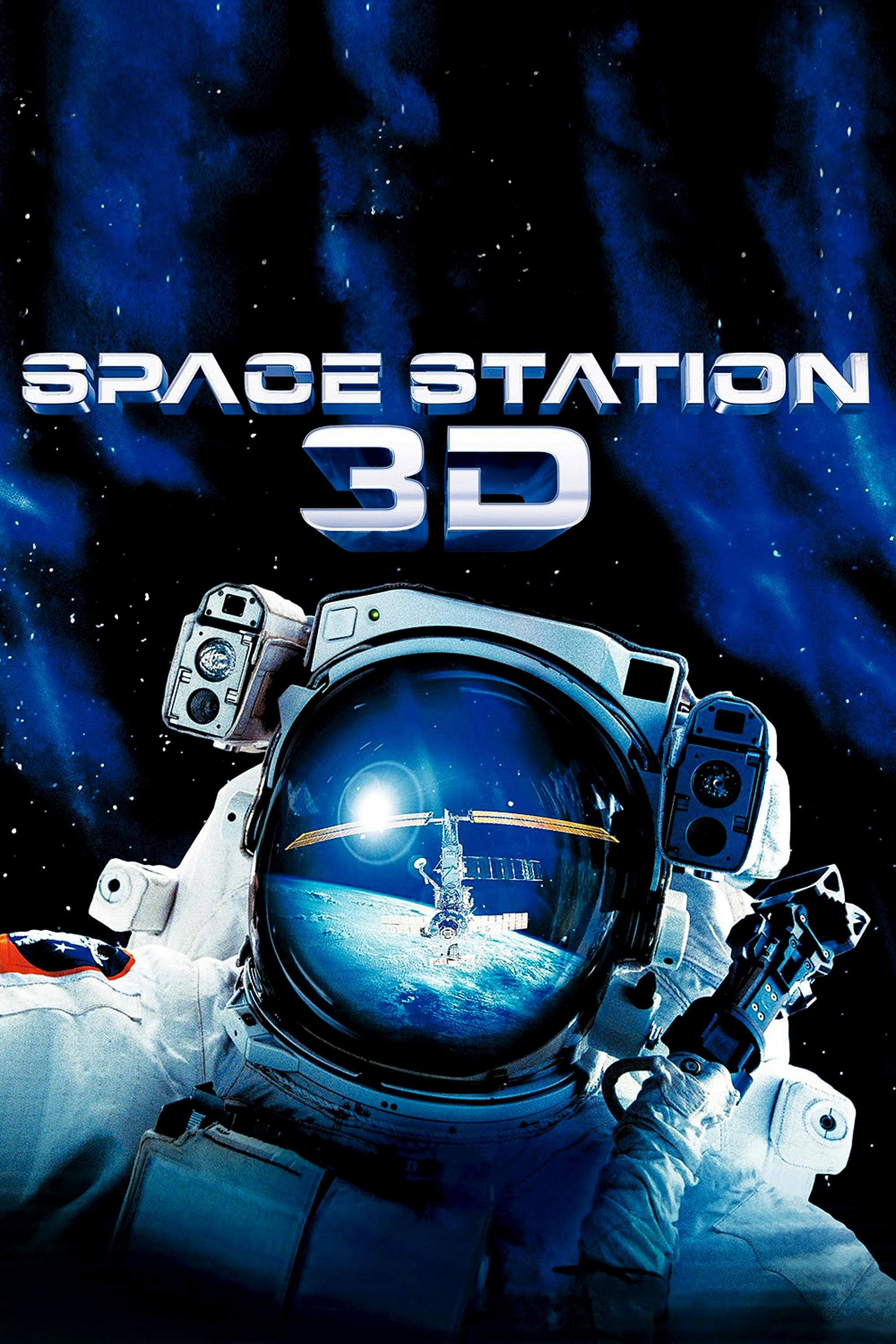
Some 220 miles above Earth lies the International Space Station, a one-of-a-kind outer space laboratory that 16 nations came together to build. Get a behind-the-scenes look at the making of this extraordinary structure in this spectacular IMAX film. Viewers will blast off from Florida's Kennedy Space Center and the Baikonur Cosmodrome in Russia for this incredible journey -- IMAX's first-ever space film. Tom Cruise narrates.
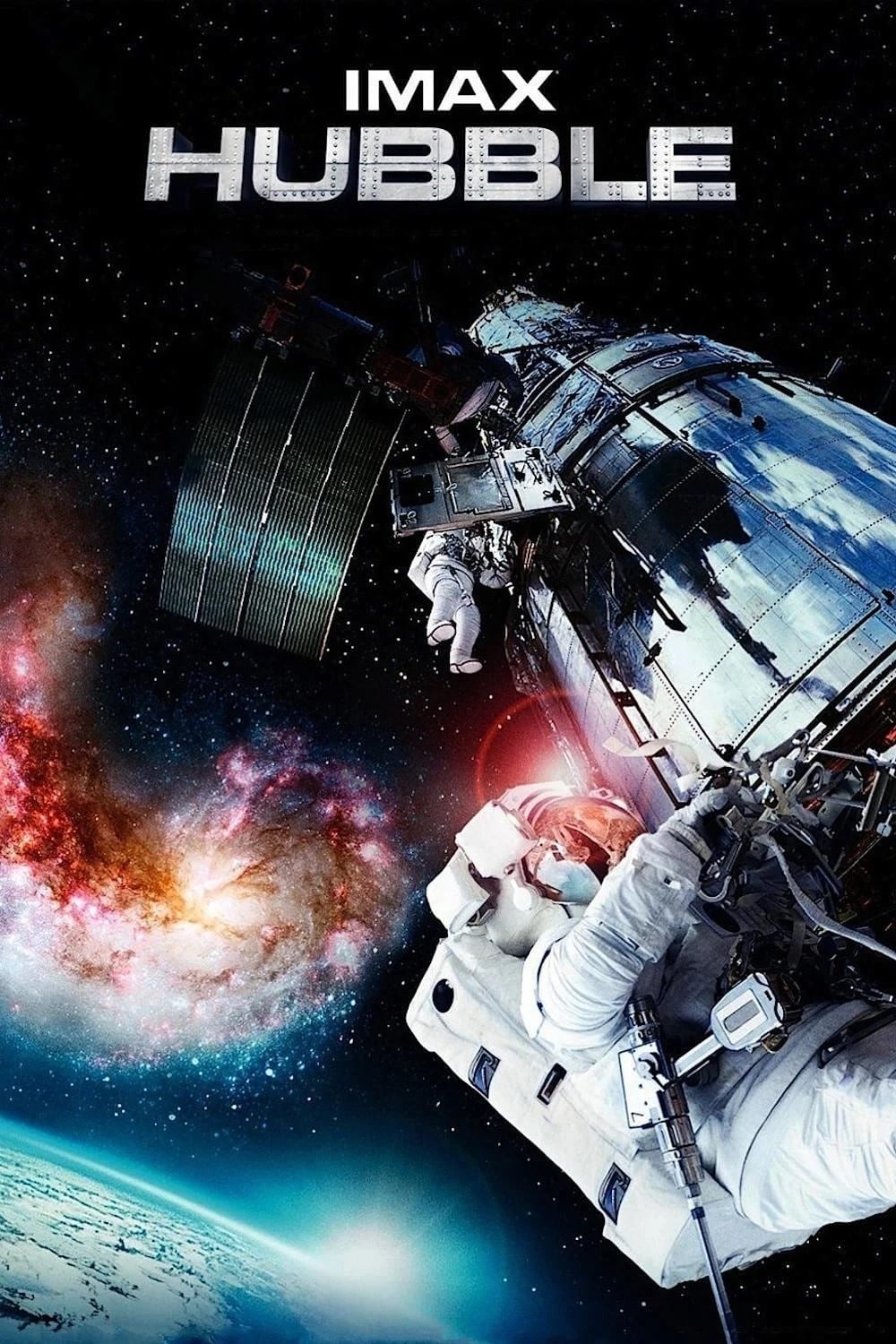
An IMAX 3D camera chronicles the effort of 7 astronauts aboard the Space Shuttle Atlantis to repair the Hubble Space Telescope.
The Captains is a feature-length documentary film written and directed by William Shatner. The film follows Shatner as he interviews the other actors who have portrayed starship captains in the Star Trek franchise.
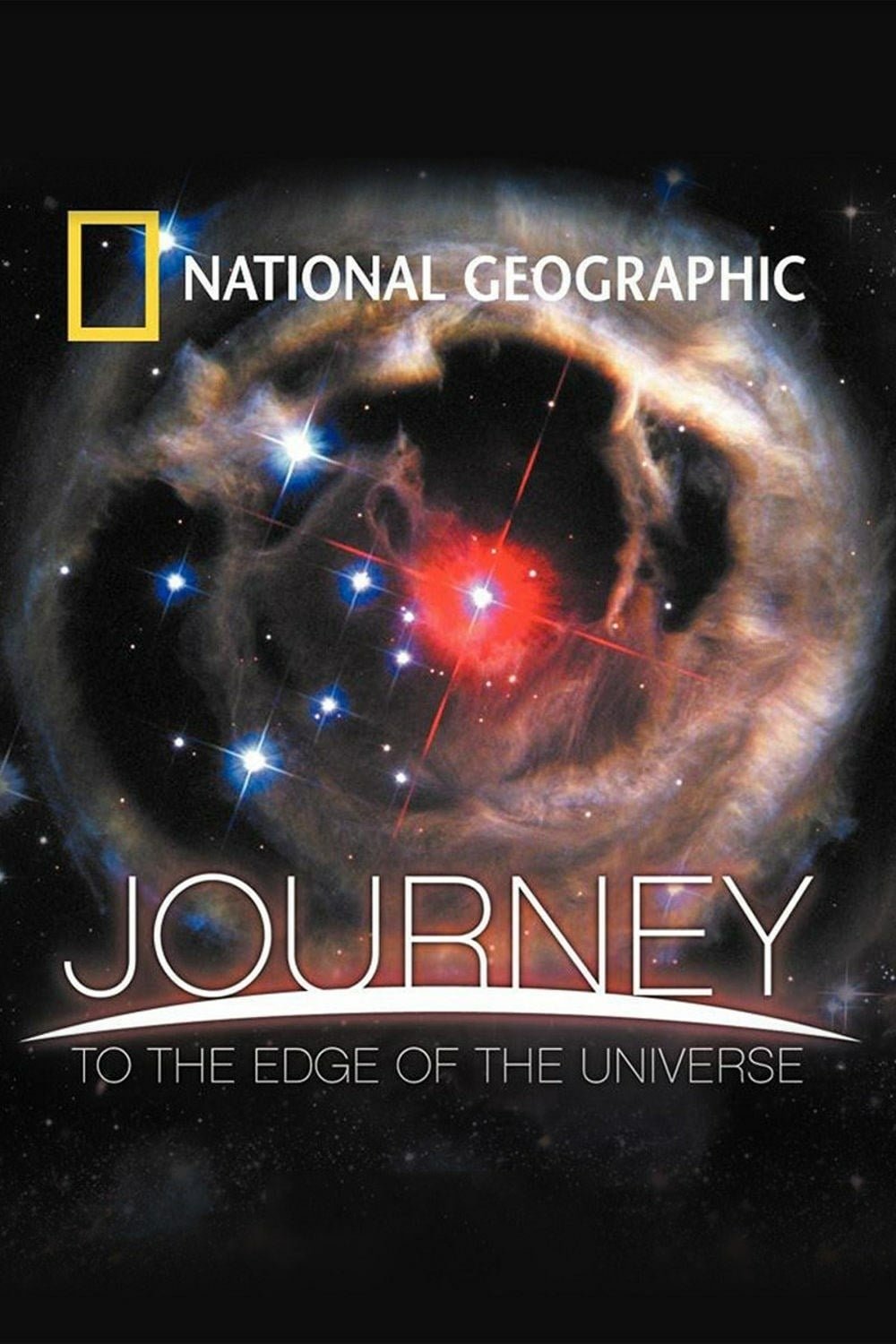
In one single, epic camera move we journey from Earth's surface to the outermost reaches of the universe on a grand tour of the cosmos, to explore newborn stars, distant planets, black holes and beyond.
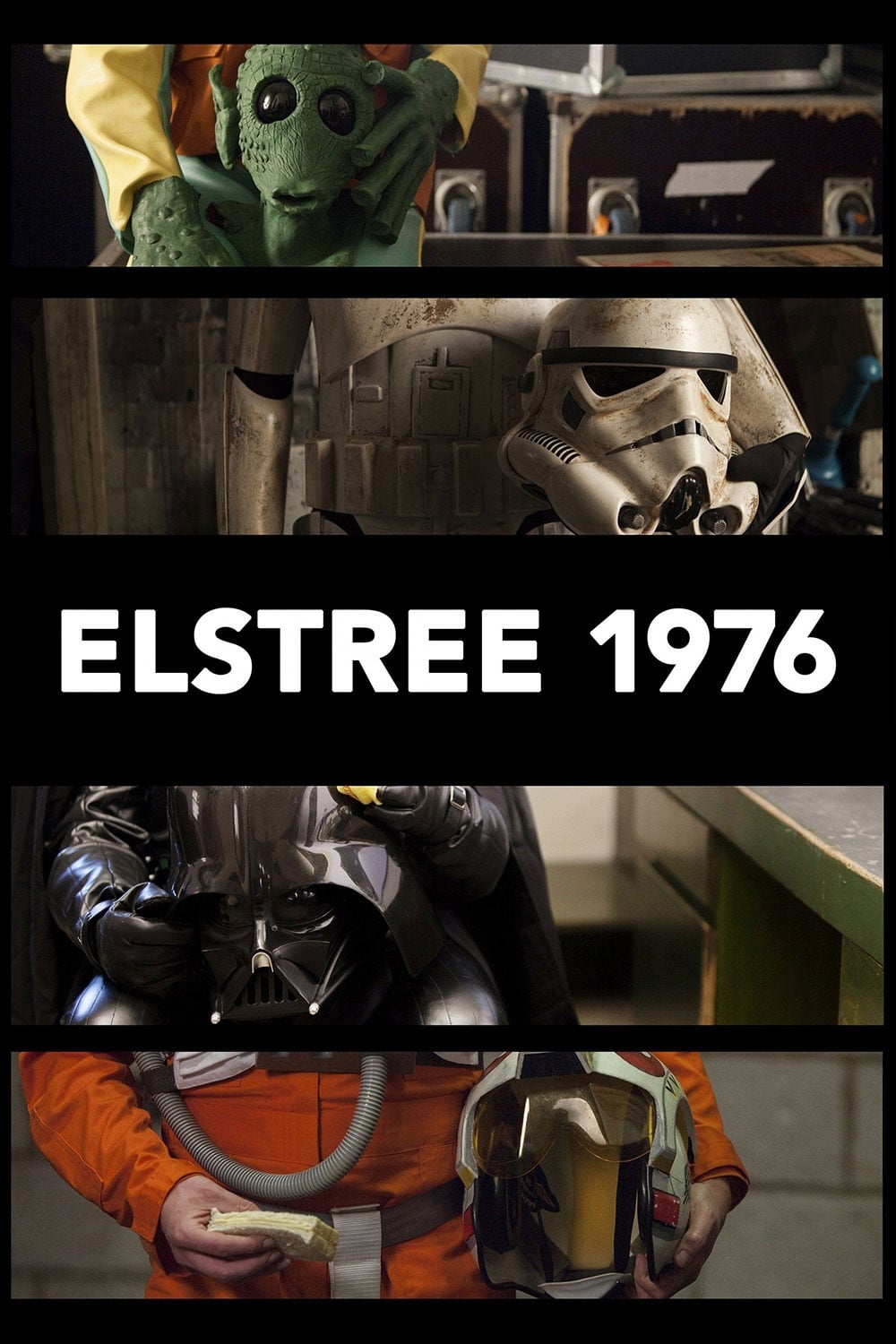
A documentary about ten very different lives connected by having appeared onscreen wearing masks or helmets in Star Wars.
The life and career of an actor, artist, and icon. His own journey through his own camera.
National Geographic's riveting effort recounts all 12 crewed missions using only archival footage, photos and audio.
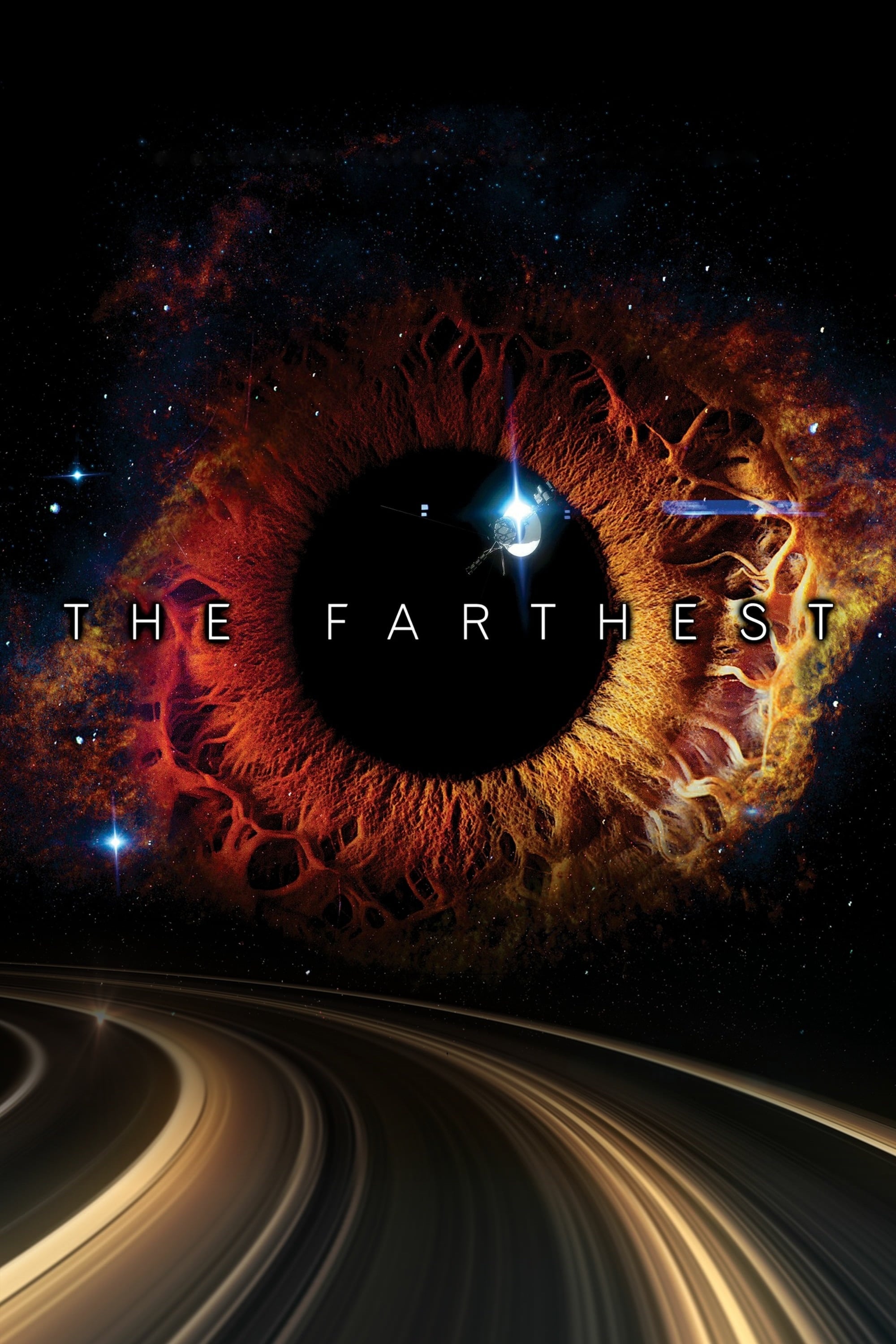
The captivating tales of the people and events behind one of humanity's greatest achievements in exploration: NASA's Voyager mission.
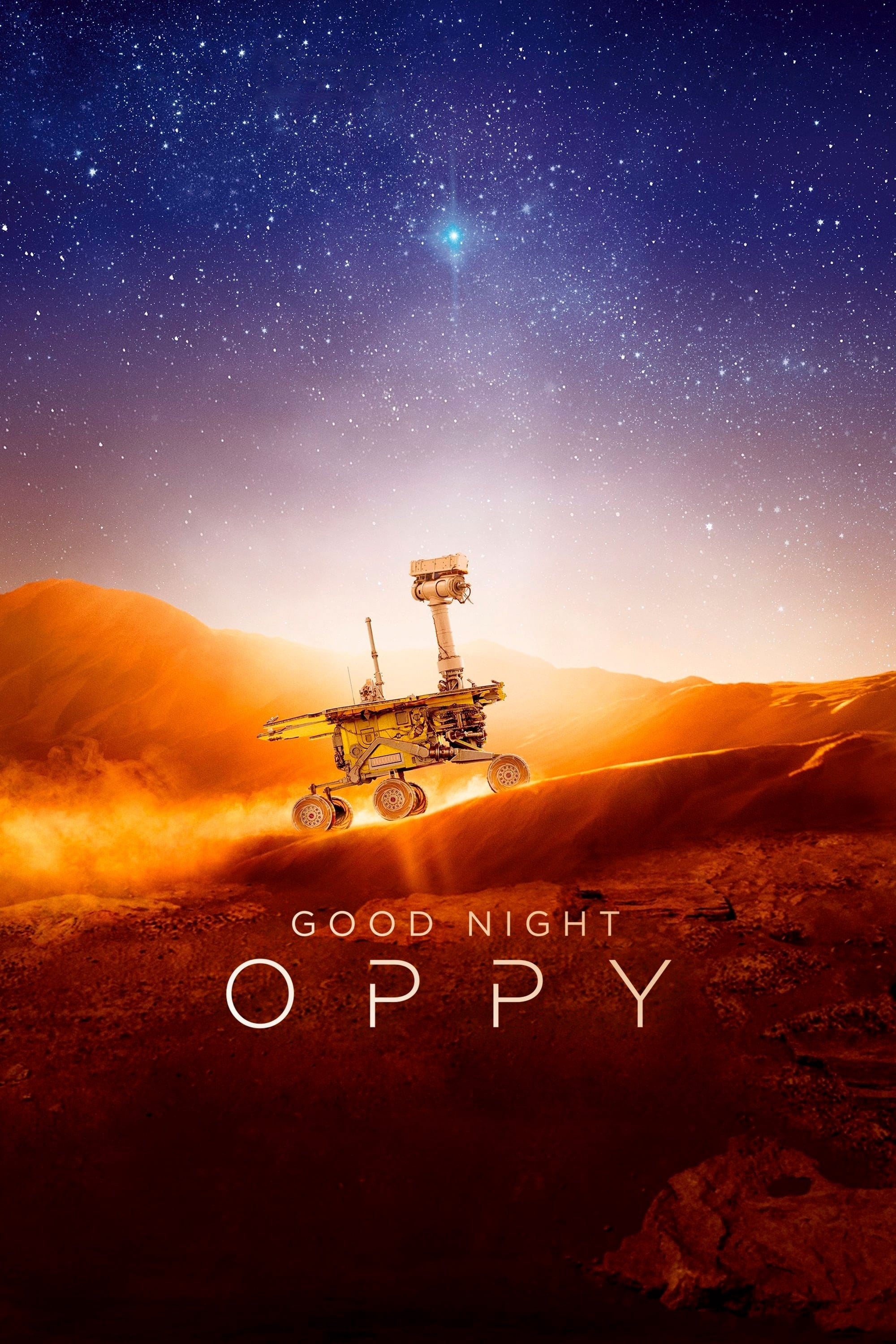
The inspirational true story of Opportunity, a rover that was sent to Mars for a 90-day mission but ended up surviving for 15 years. Follow Opportunity’s groundbreaking journey on Mars and the remarkable bond forged between a robot and her humans millions of miles away.
Using the book 'Fragments', which collects Marilyn Monroe's poems, notes and letters, and with participation from the Arthur Miller and Truman Capote estates who have contributed more material, each of the actresses will embody the legend at various stages in her life.
The James Webb Telescope stirs imaginations with vivid photos of distant galaxies. This documentary tracks its historic journey from inception to launch.
A look at the origins, history and conspiracies behind the "Majestic 12", a clandestine group of military and corporate figureheads charged with reverse-engineering extraterrestrial technology.
Interviews with leading authors, philosophers and scientists, with an in-depth discussion of the Law of Attraction. The audience is shown how they can learn and use 'The Secret' in their everyday lives.
Told through performances, TV interviews, home movies, family photographs, private letters and unpublished memoirs, the film reveals the essence of an extraordinary woman who rose from humble beginnings in New York City to become a glamorous international superstar and one of the greatest artists of all time.
An impressionistic portrait of the iconic actor Harry Dean Stanton comprised of intimate moments, film clips from some of his 250 films and his renditions of American folk songs.
Daniel Craig candidly reflects on his 15 year adventure as James Bond. Including never-before-seen archival footage from Casino Royale to the upcoming 25th film No Time To Die, Craig shares his personal memories in conversation with 007 producers, Michael G Wilson and Barbara Broccoli.
Musician and performance artist Laurie Anderson reflects on the deaths of her husband Lou Reed, her mother and her beloved dog.
Justice Ruth Bader Ginsburg now 84, and still inspired by the lawyers who defended free speech during the Red Scare, Ginsburg refuses to relinquish her passionate duty, steadily fighting for equal rights for all citizens under the law. Through intimate interviews and unprecedented access to Ginsburg’s life outside the court, RBG tells the electric story of Ginsburg’s consuming love affairs with both the Constitution and her beloved husband Marty—and of a life’s work that led her to become an icon of justice in the highest court in the land.
A deliciously scandalous portrait of unsung Hollywood legend Scotty Bowers, whose bestselling memoir chronicled his decades spent as sexual procurer to the stars.
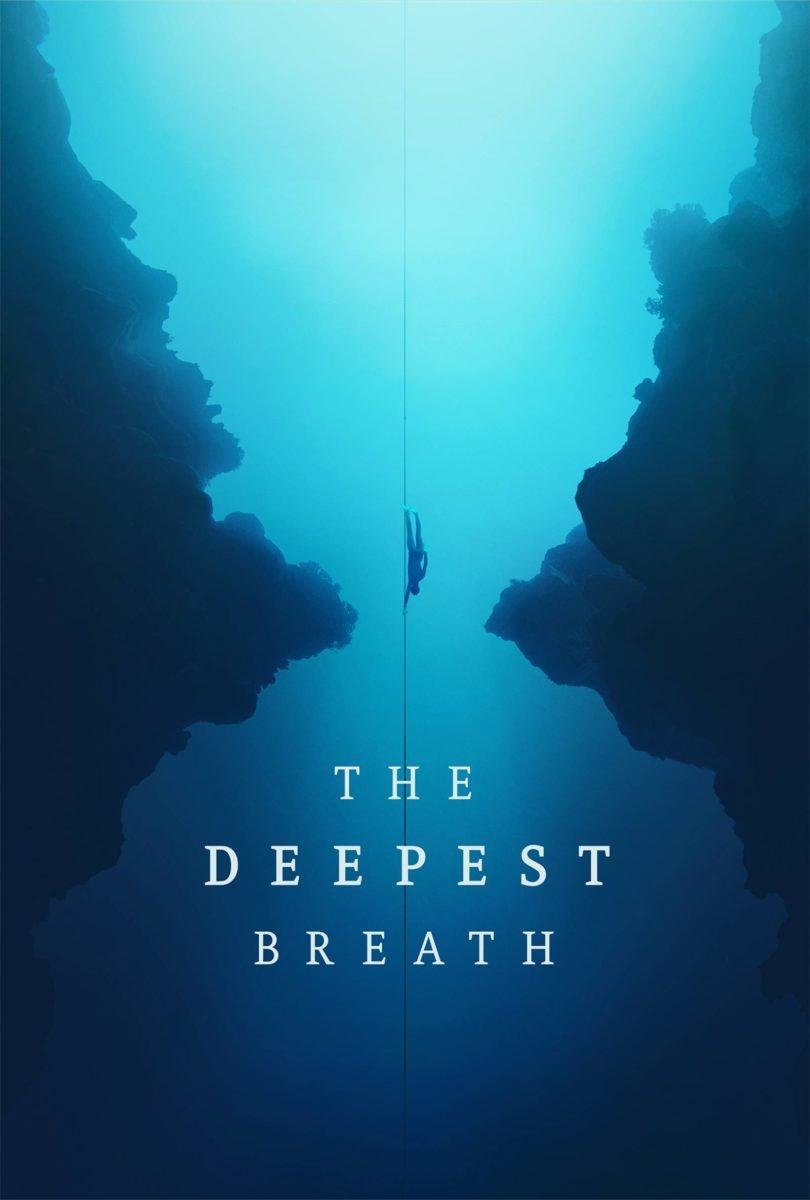
Bonded by their love of freediving, a record-setting champion and a heroic safety diver try to make history with a remarkable feat, ready to risk it all.