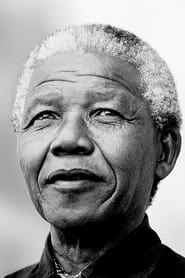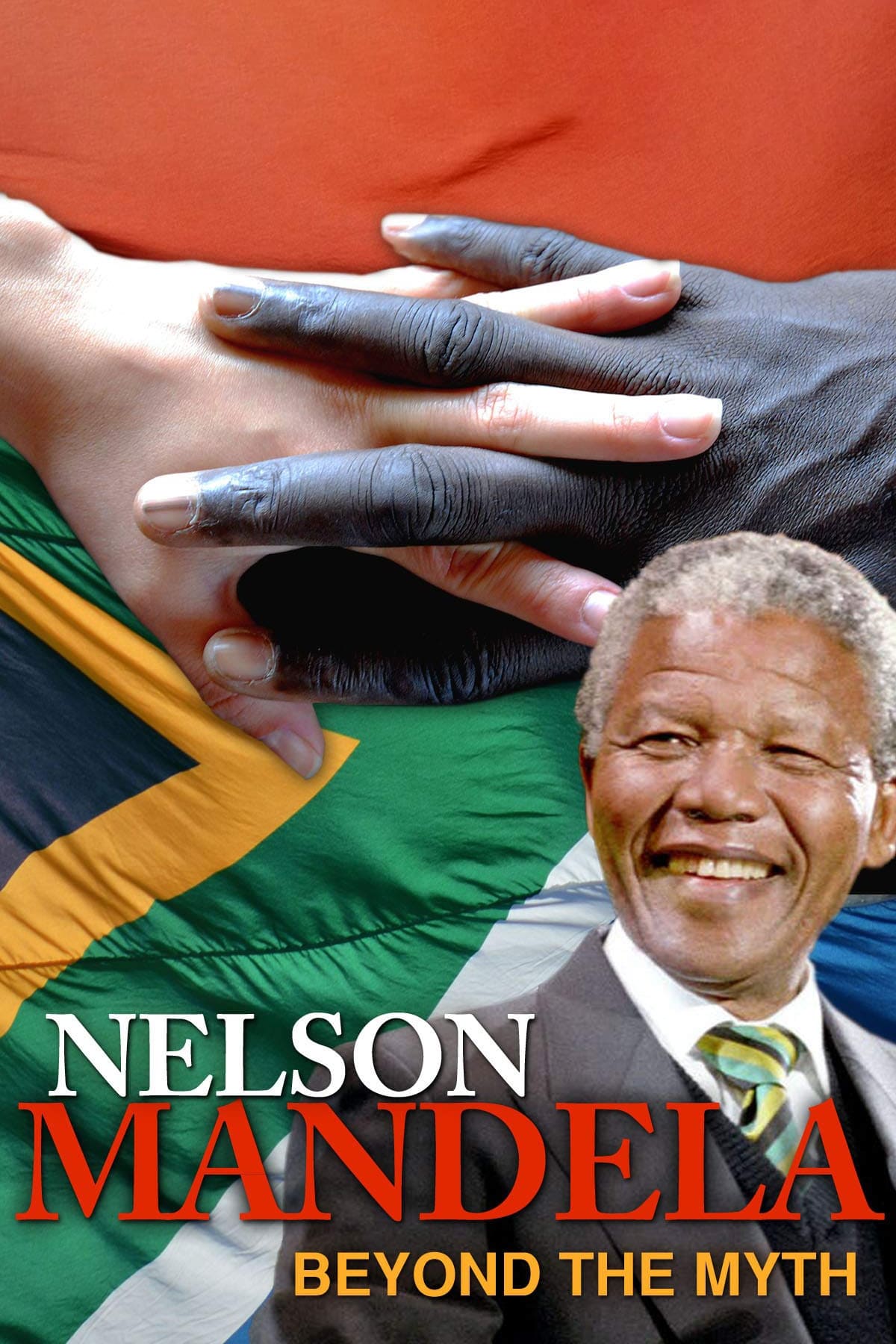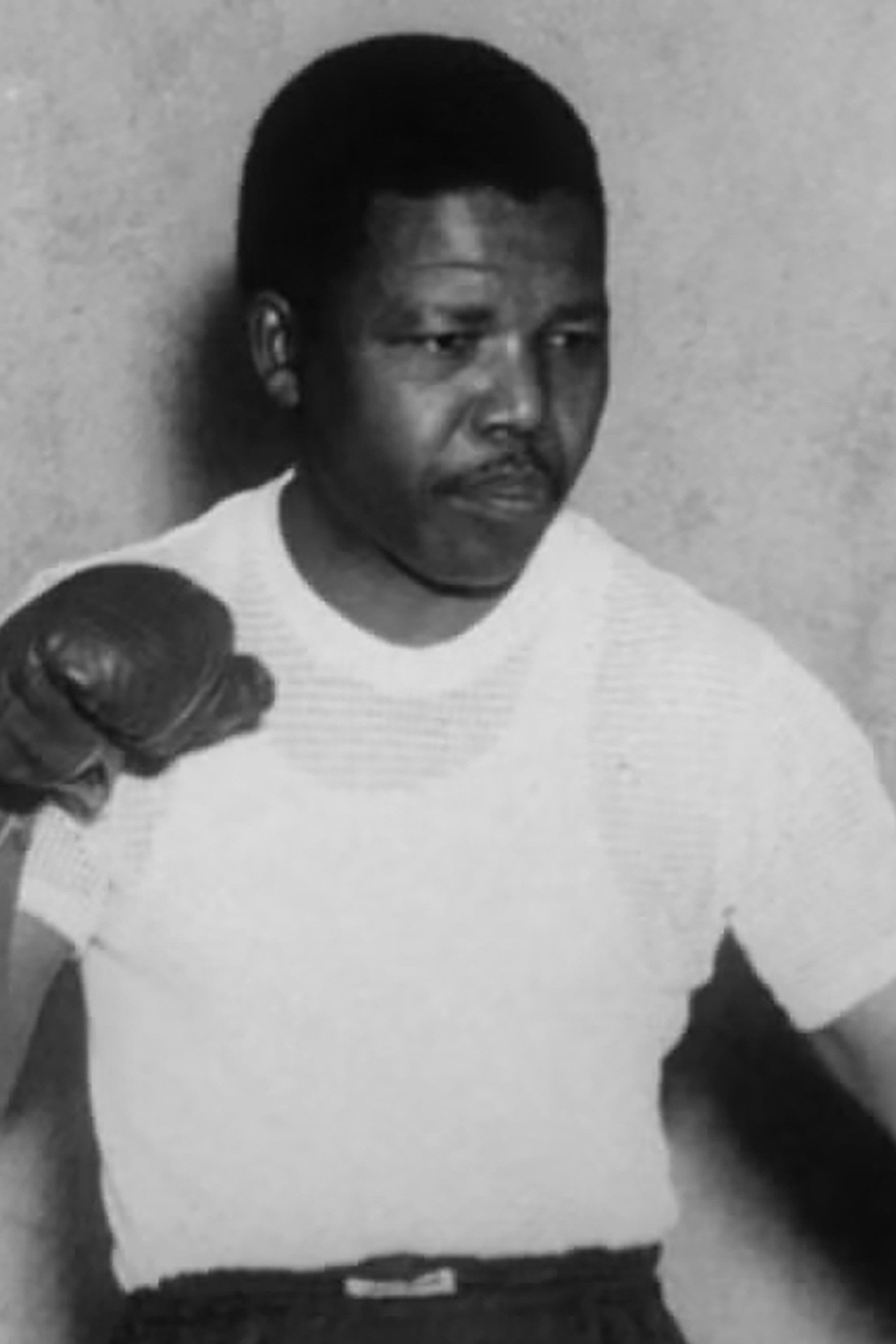
Newly discovered audio interviews with Nelson Mandela himself delivers an honest, accurate and definitive depiction of the man who remains a global symbol of justice, hope and universal human dignity.
Social & External
Self (voice) (archive sound)
Self
South African producer / director JON DAY spent the last 5 years making a documentary about the mysterious rap-rave group, DIE ANTWOORD. Art directed by surrealist photographer, ROGER BALLEN. Narrated by NINJA & ¥O-LANDI'S daughter, 16 JONES.
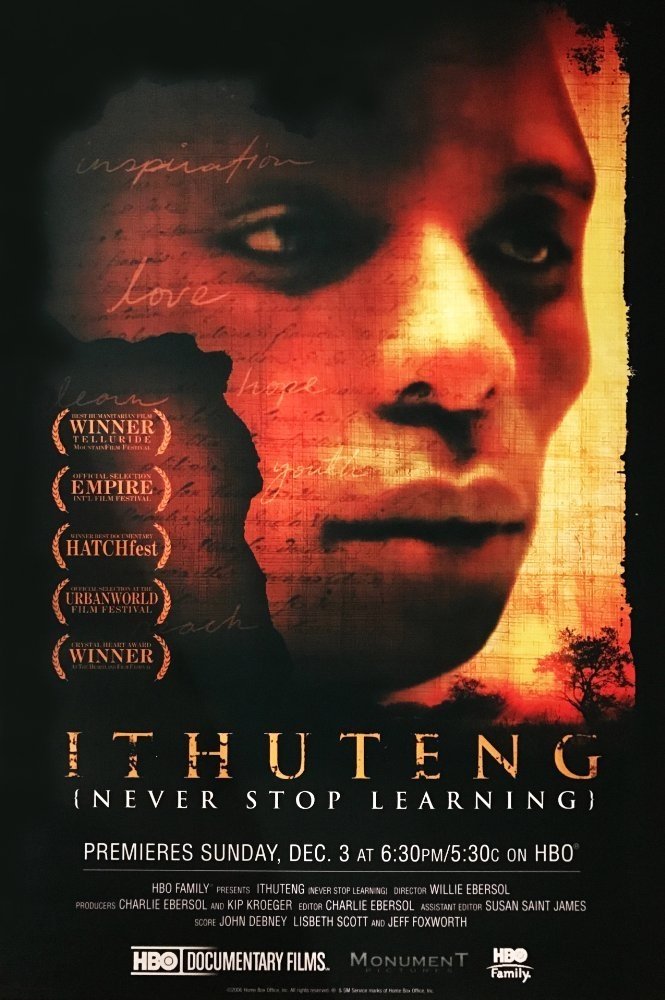
Set in past, present, and future South Africa — an invitation into a poetic, memory-driven exploration of love, intimacy, race, and belonging by the filmmaker, who grew up during apartheid but didn't know it was happening until it was over.
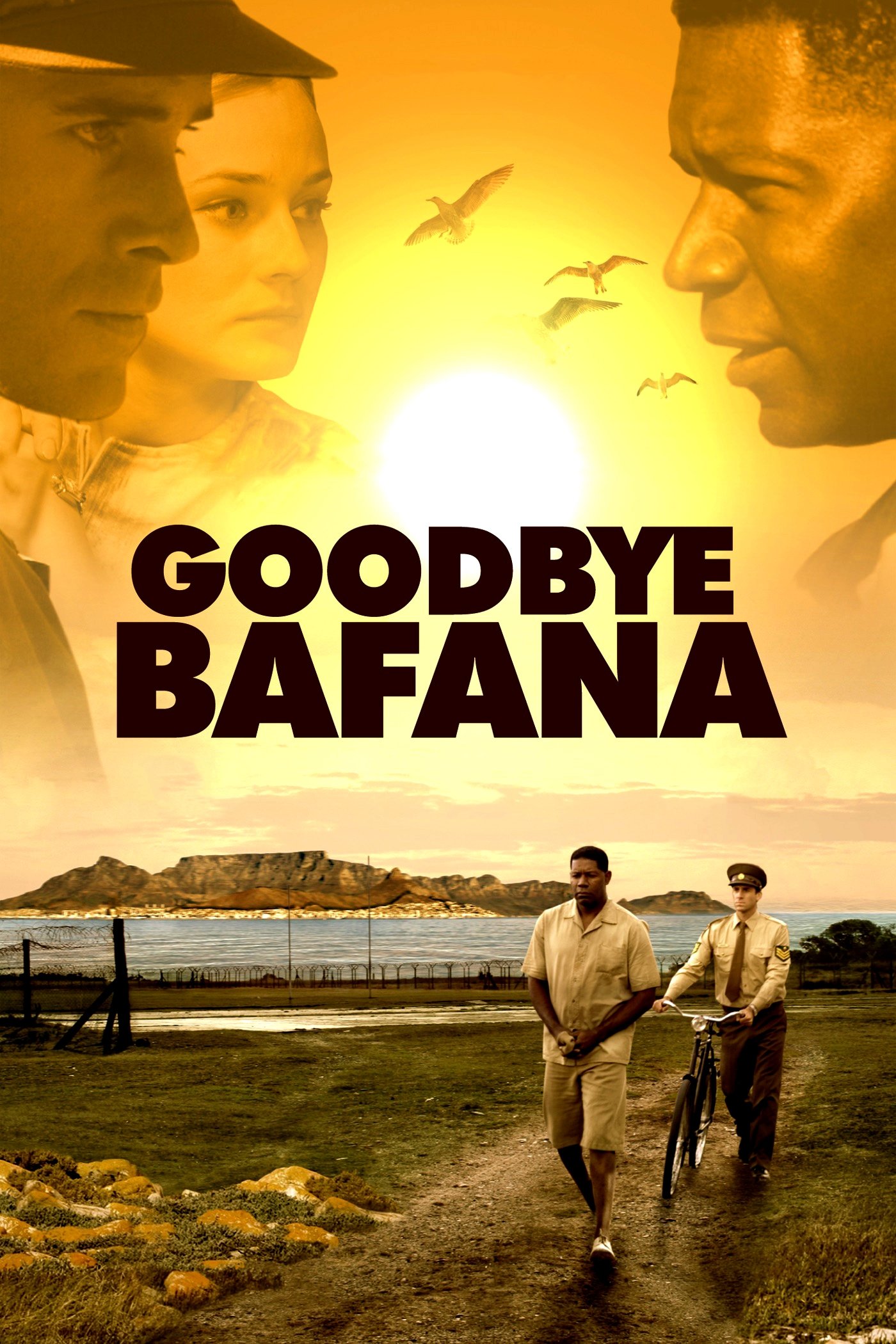
The true story of a white South African racist whose life was profoundly altered by the black prisoner he guarded for twenty years. The prisoner's name was Nelson Mandela.
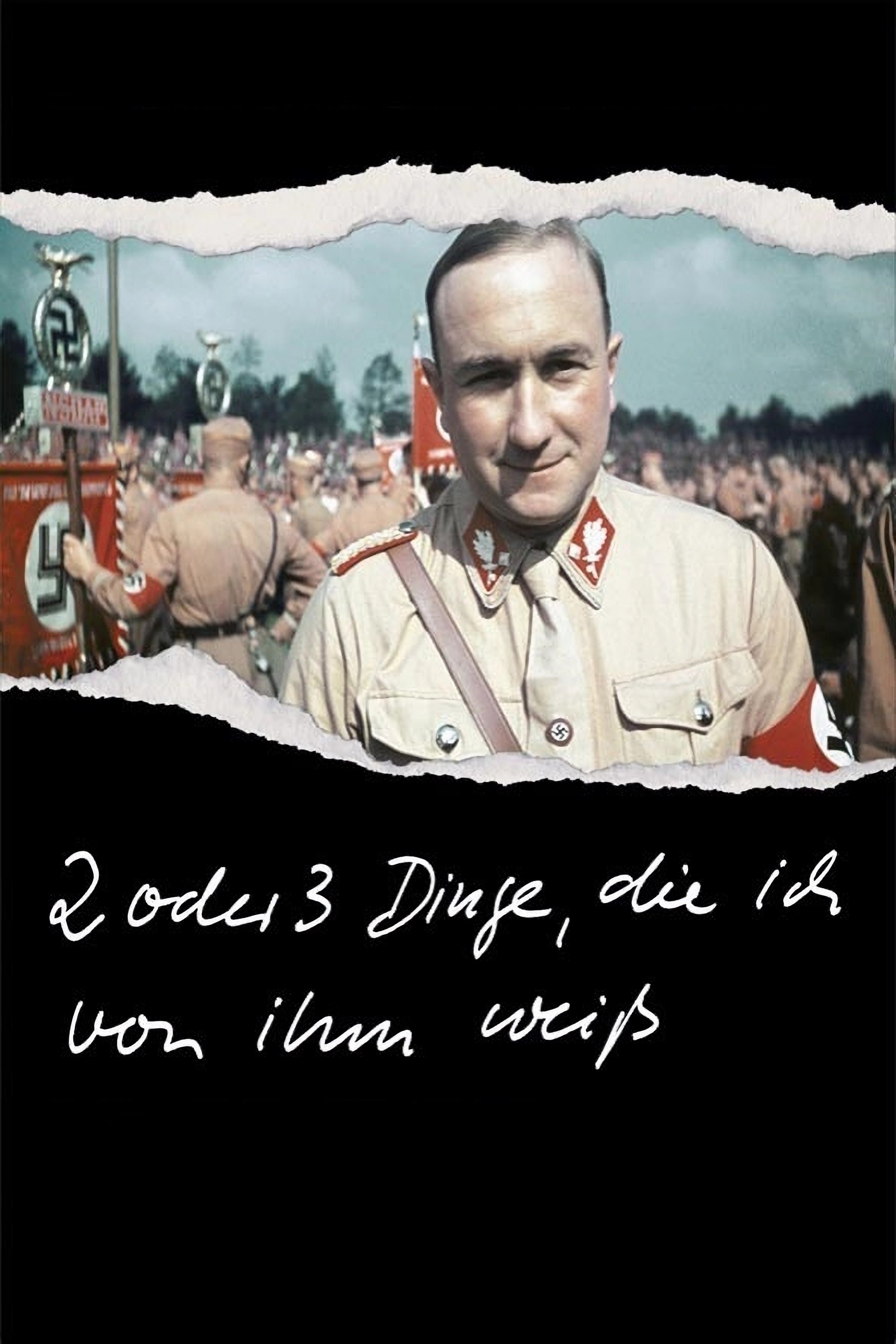
What would your family reminiscences about dad sound like if he had been an early supporter of Hitler’s, a leader of the notorious SA and the Third Reich’s minister in charge of Slovakia, including its Final Solution? Executed as a war criminal in 1947, Hanns Ludin left behind a grieving widow and six young children, the youngest of whom became a filmmaker. It's a fascinating, maddening, sometimes even humorous look at what the director calls "a typical German story." (Film Forum)
After years of swimming every day in the freezing ocean at the tip of Africa, Craig Foster meets an unlikely teacher: a young octopus who displays remarkable curiosity. Visiting her den and tracking her movements for months on end he eventually wins the animal’s trust and they develop a never-before-seen bond between human and wild animal.
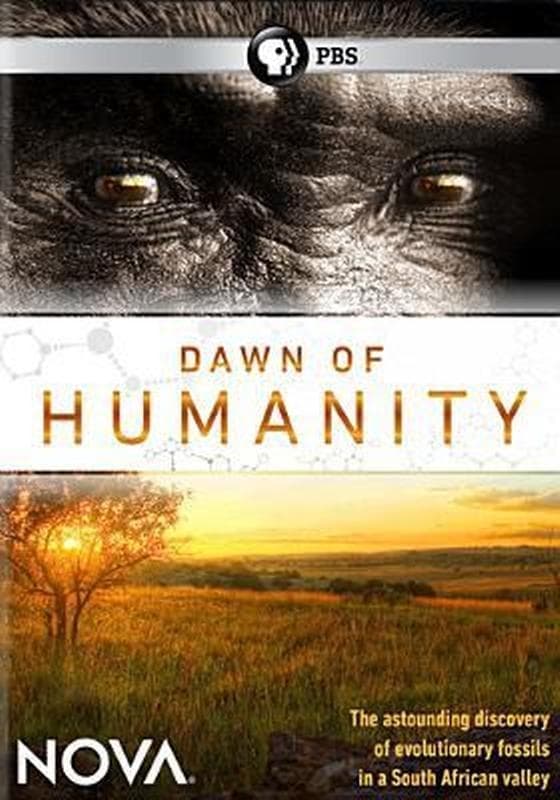
Science Breakthroughs: Homo Naledi Discovered in 2013, new and puzzling finding of small-skulled fossils of Homo Naledi has scientists trying to understand whether Homo Sapiens lived at the same time as Homo Naledi, and how Homo Naledi communities may have lived.
The struggle to eradicate apartheid in South Africa has been chronicled over time, but no one has addressed the vital role music plays in this challenge. This documentary by Lee Hirsch recounts a fascinating and little-known part of South Africa's political history through archival footage, interviews and, of course, several mesmerizing musical performances.
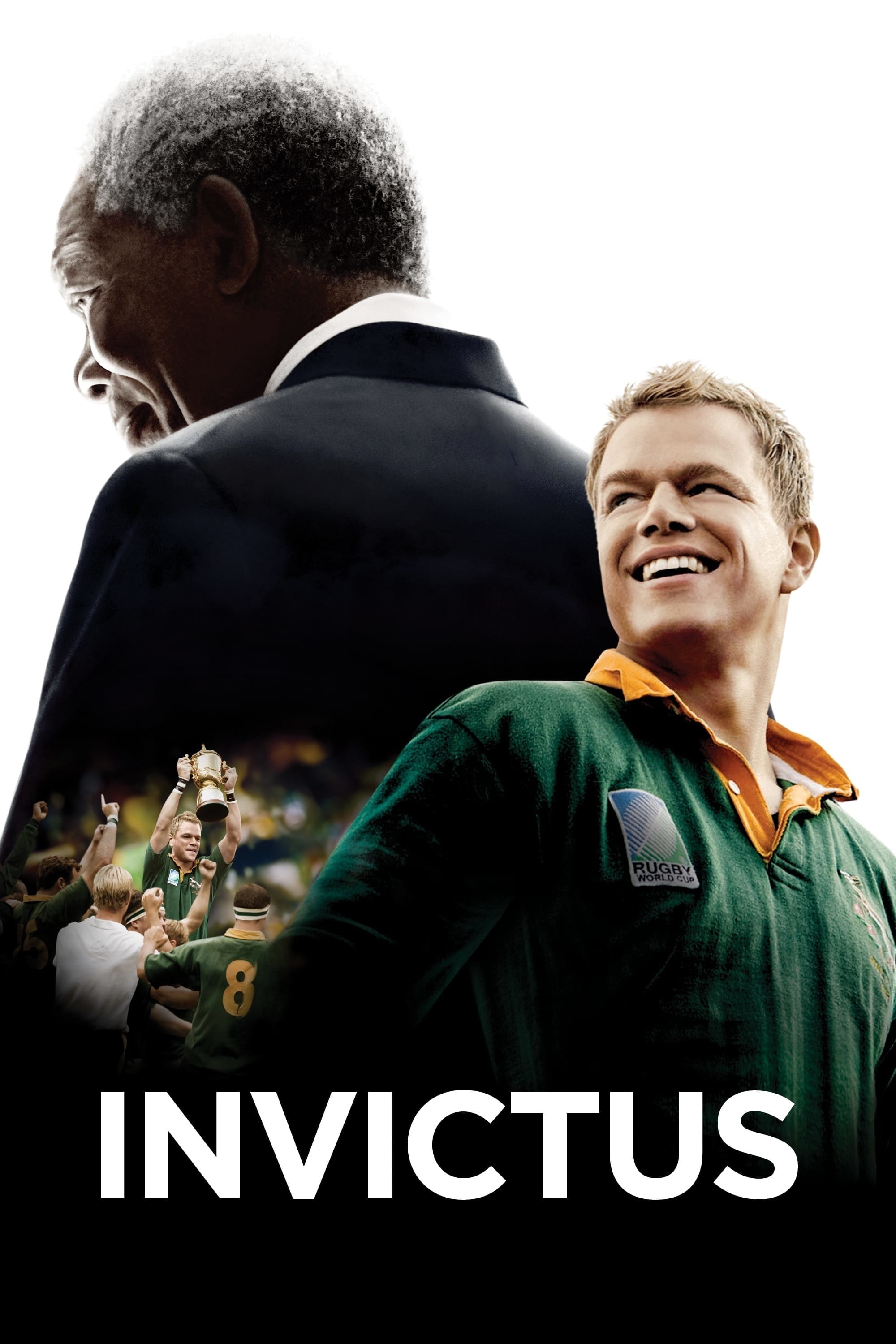
Newly elected President Nelson Mandela knows his nation remains racially and economically divided in the wake of apartheid. Believing he can bring his people together through the universal language of sport, Mandela rallies South Africa's rugby union team as they make their historic run to the 1995 Rugby World Cup Championship match.
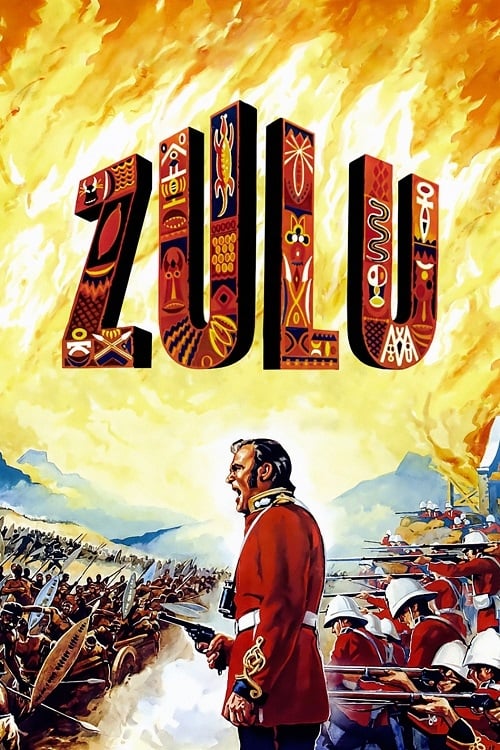
In 1879, during the Anglo-Zulu War, man-of-the-people Lt. Chard and snooty Lt. Bromhead are in charge of defending the isolated and vastly outnumbered Natal outpost of Rorke's Drift from tribal hordes.
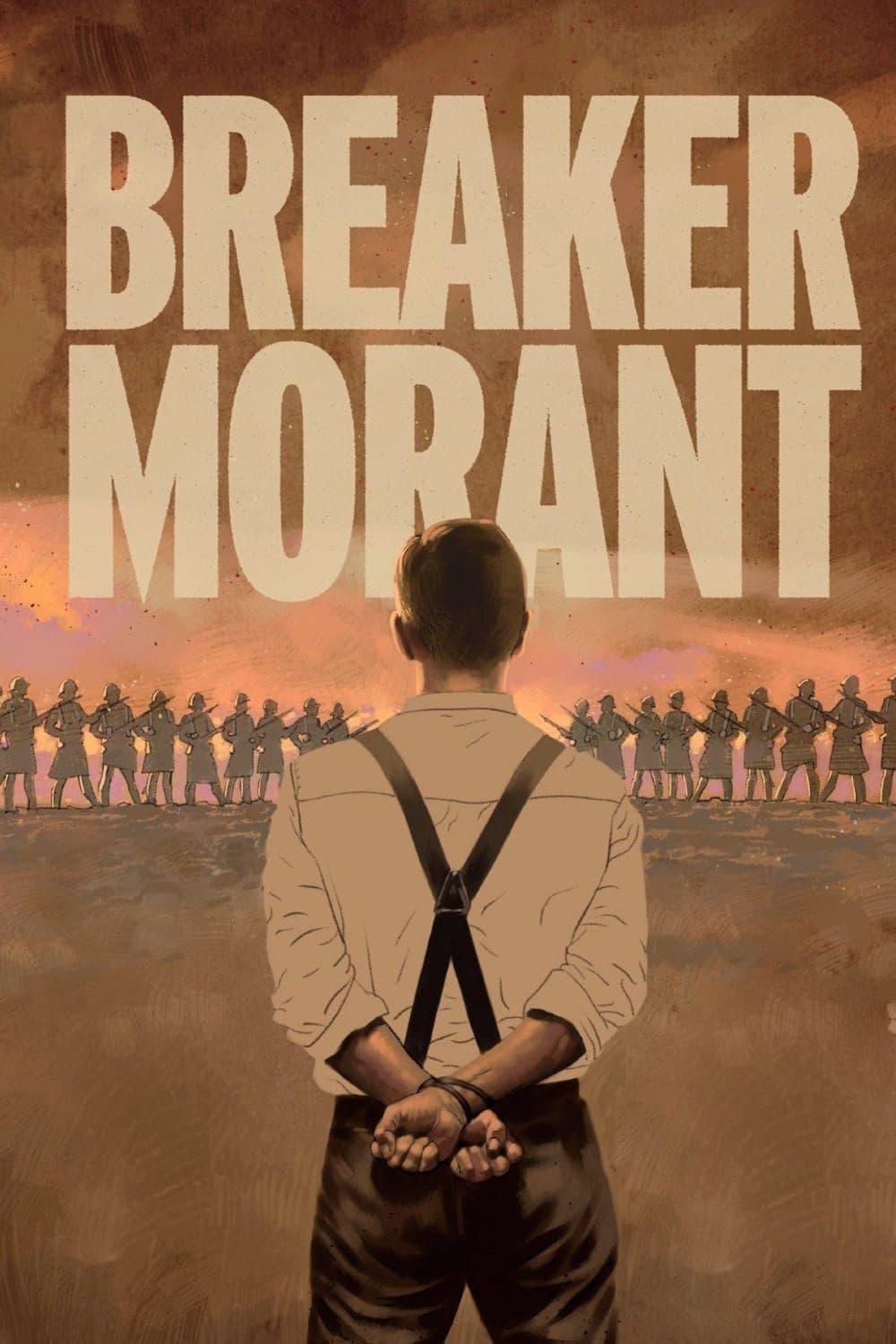
During the Boer War, three Australian lieutenants are on trial for shooting Boer prisoners. Though they acted under orders, they are being used as scapegoats by the General Staff, who hopes to distance themselves from the irregular practices of the war. The trial does not progress as smoothly as expected by the General Staff, as the defence puts up a strong fight in the courtroom.
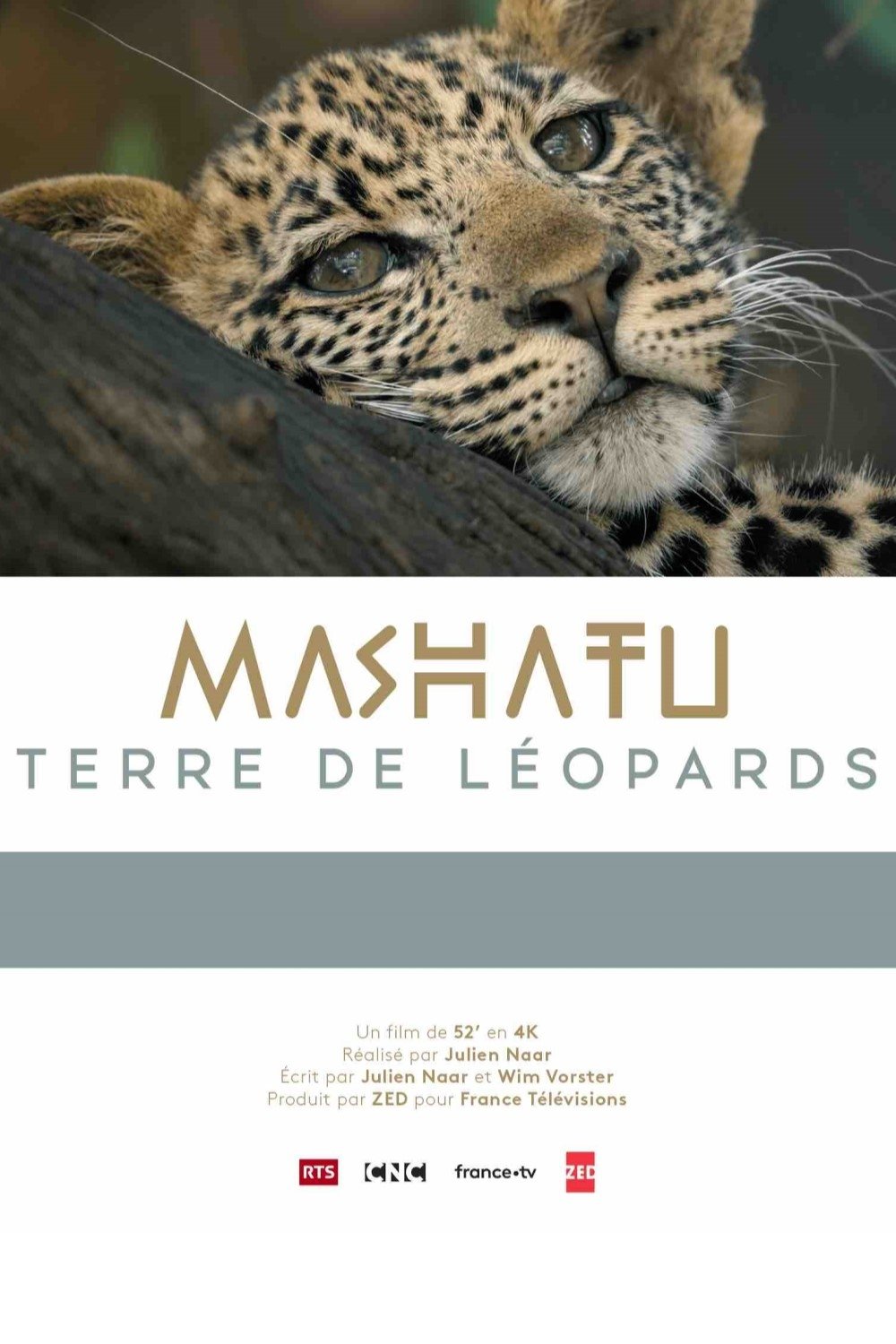
The story of a documentary film crew looking for a black leopard in South Africa.
South Africa, July 11th, 1963. Several members of the African National Congress, an organization declared illegal, are arrested in Rivonia, a country house near Johannesburg. The detainees, along with Nelson Mandela, imprisoned since 1962, are charged with serious crimes for their radical activism against the apartheid regime.
"Africa Light" - as white local citizens call Namibia. The name suggests romance, the beauty of nature and promises a life without any problems in a country where the difference between rich and poor could hardly be greater. Namibia does not give that impression of it. If you look at its surface it seems like Africa in its most innocent and civilized form. It is a country that is so inviting to dream by its spectacular landscape, stunning scenery and fascinating wildlife. It has a very strong tourism structure and the government gets a lot of money with its magical attraction. But despite its grandiose splendor it is an endless gray zone as well. It oscillates between tradition and modernity, between the cattle in the country and the slums in the city. It shuttles from colonial times, land property reform to minimum wage for everyone. It fluctuates between socialism and cold calculated market economy.

I traveled to South Africa to find a white family living on a desolate farm. I wanted to film how they faced the new days of equality after the fall of Apartheid. But I soon lost my way both on the endless roads and in my way. Instead, the film became a story about two very different women who both experienced a tragic loss in the midst of a white community not too fond of the future.
An exquisite period piece that skillfully explores the intersections of sex, race and politics takes place in 18th century South Africa, telling the passionate (true) story of two men caught in an unjust system rife with racism, homophobia and cruelty.
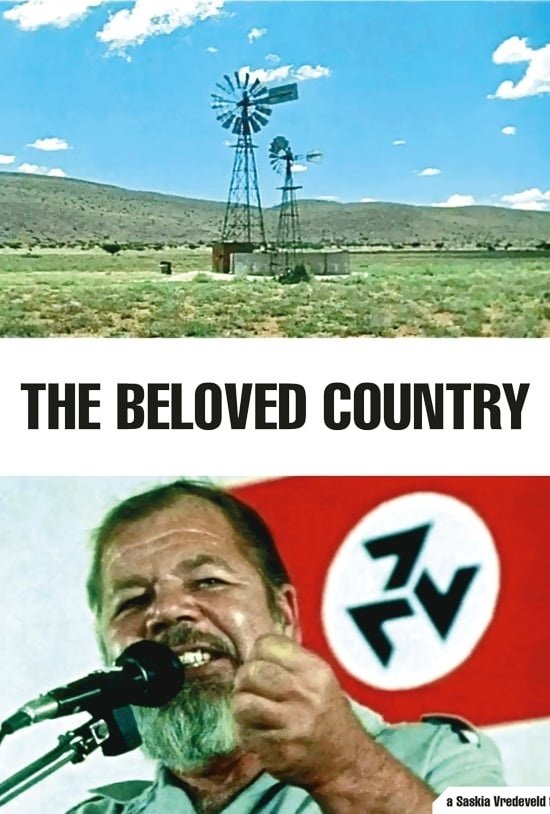
A follow-up to "The Leader, His Driver, and the Driver's Wife", about the history of the far-right group AWB and its leader Eugene Terre'Blanche.
Gombessa Expedition 1 To dive for the Coelacanth is to go back in time. In 1938, when it was known only as a fossil, a Coelacanth was discovered in South Africa in a fisherman's net. This species bears witness to an evolutionary bifurcation 380 million years ago, and bears the marks of a great event: the day the fish left the ocean for the open air. Does it hold the secret to the transition to walking on land? In 2010, a marine biologist and outstanding diver, Laurent Ballesta, took the first photographs of the Coelacanth in its ecosystem. In April 2013, divers and researchers set down their equipment at the Sodwana base camp in South Africa, in the club founded by Peter Timm (who died in 2014). Six weeks of extreme diving at depths of over 120 meters, in an attempt to film the Coelacanth with a double-headed camera, collect its DNA and tag a subject with a satellite-linked beacon...
More than 60,000 of Ernest Cole’s 35mm film negatives were inexplicably discovered in a bank vault in Stockholm, Sweden. Most considered these forever lost, especially the thousands of pictures he shot in the U.S. Told through Cole’s own writings, the stories of those closest to him, and the lens of his uncompromising work, the film is a reintroduction of a pivotal Black artist to a new generation and will unravel the mystery of his missing negatives.