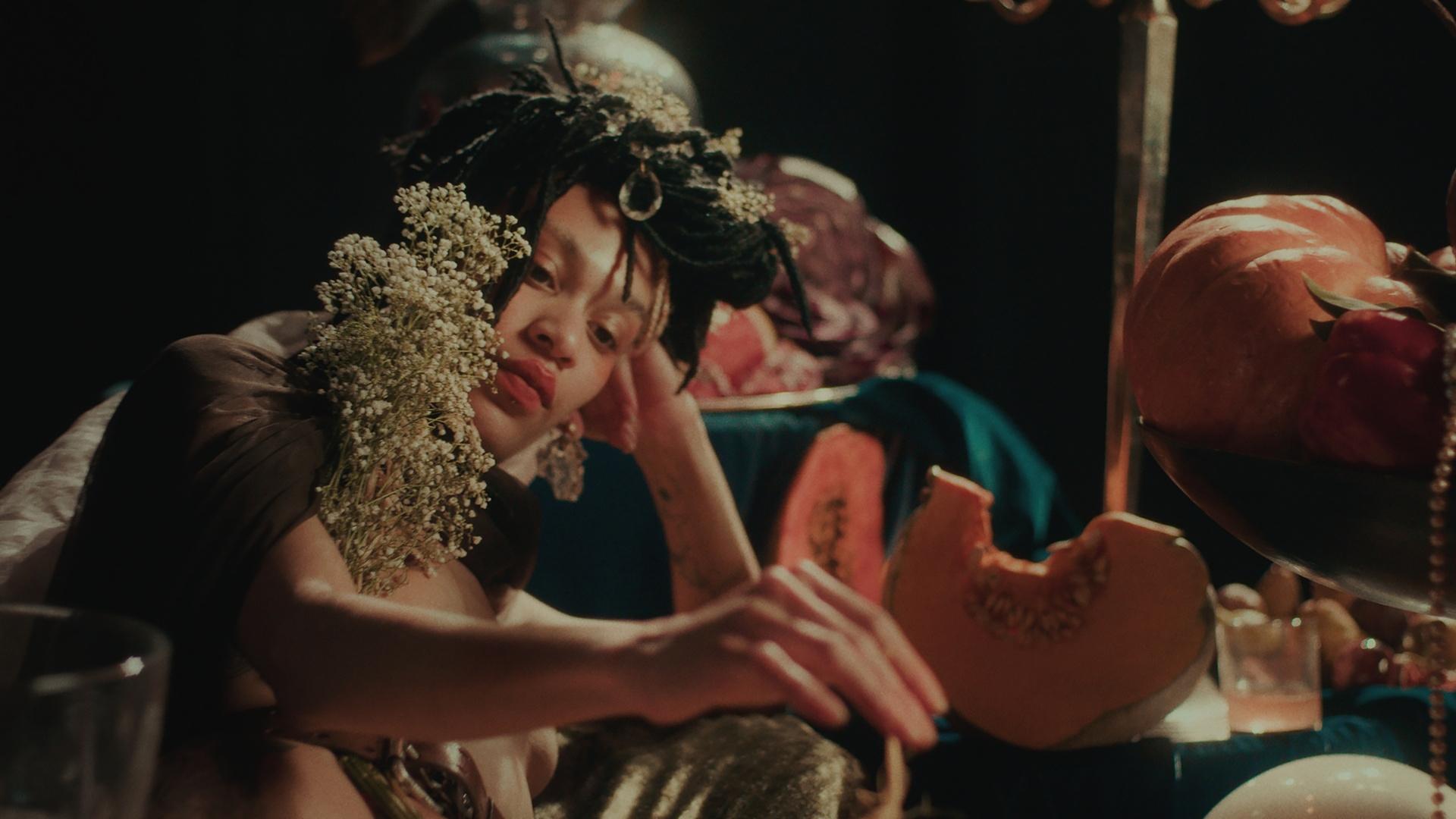
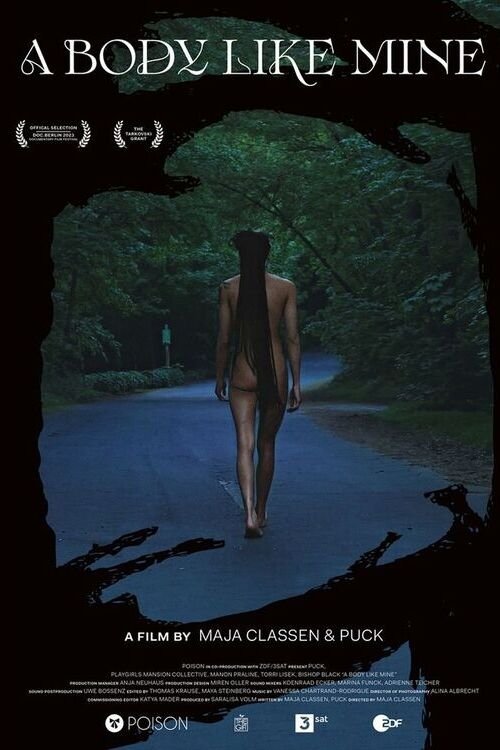
Through post-porn, performance and wrestling, Puck tries to figure out her place in the world.
Social & External
The people behind it
Puck Ellington
Self
Spock
Mercy
Michelle
Lexi Dark
Torri Lisek
Bishop Black
Manon Praliné
(archive footage)
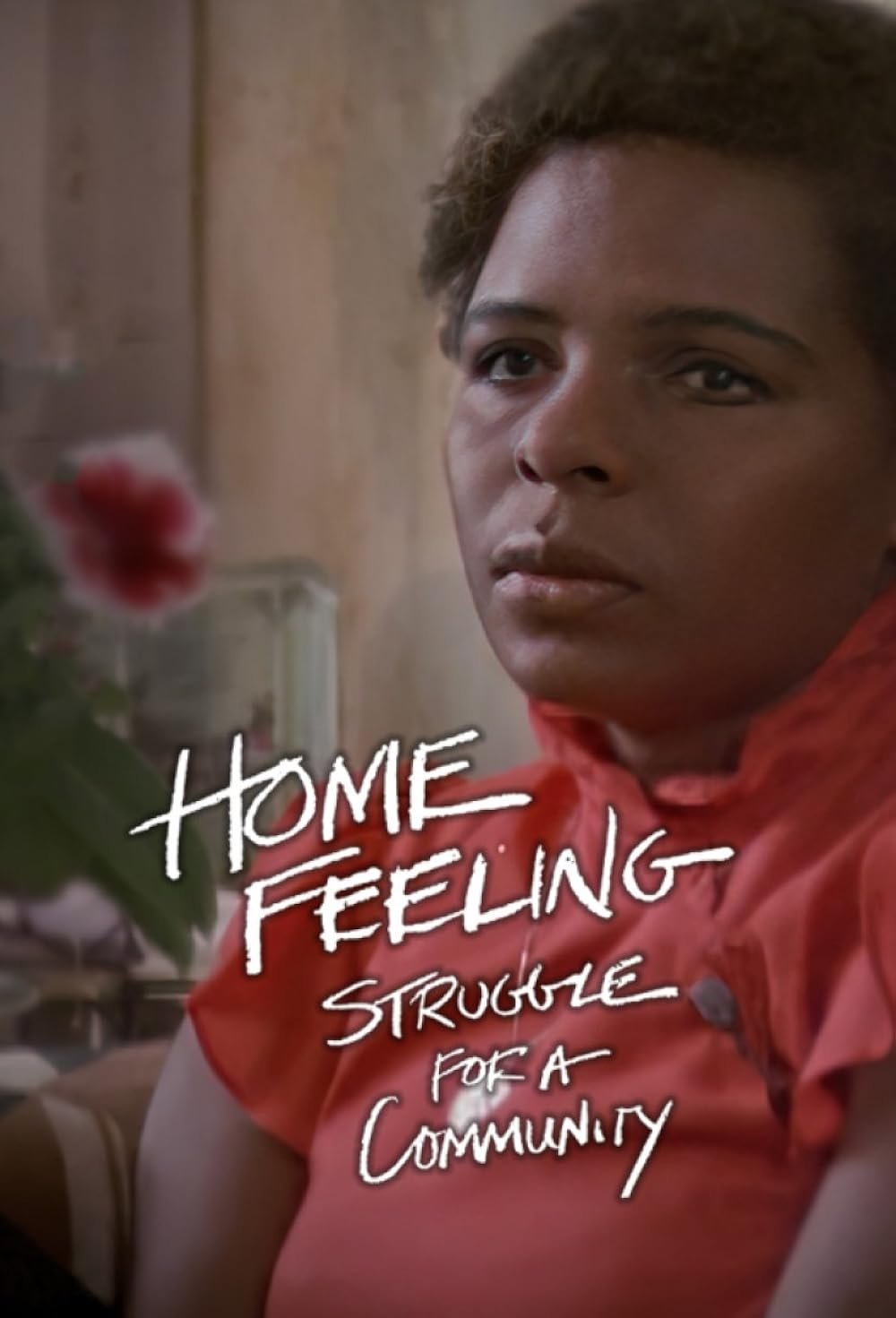
This feature documentary takes us to the heart of the Jane-Finch "Corridor" in the early 1980s. Covering six square blocks in Toronto's North York, the area readily evokes images of vandalism, high-density subsidized housing, racial tension, despair and crime. By focusing on the lives of several of the residents, many of them black or members of other visible minorities, the film provides a powerful view of a community that, contrary to its popular image, is working towards a more positive future.
Police bodycam footage reveals how a long-running neighborhood dispute turned fatal in this documentary about fear, prejudice and Stand Your Ground laws.
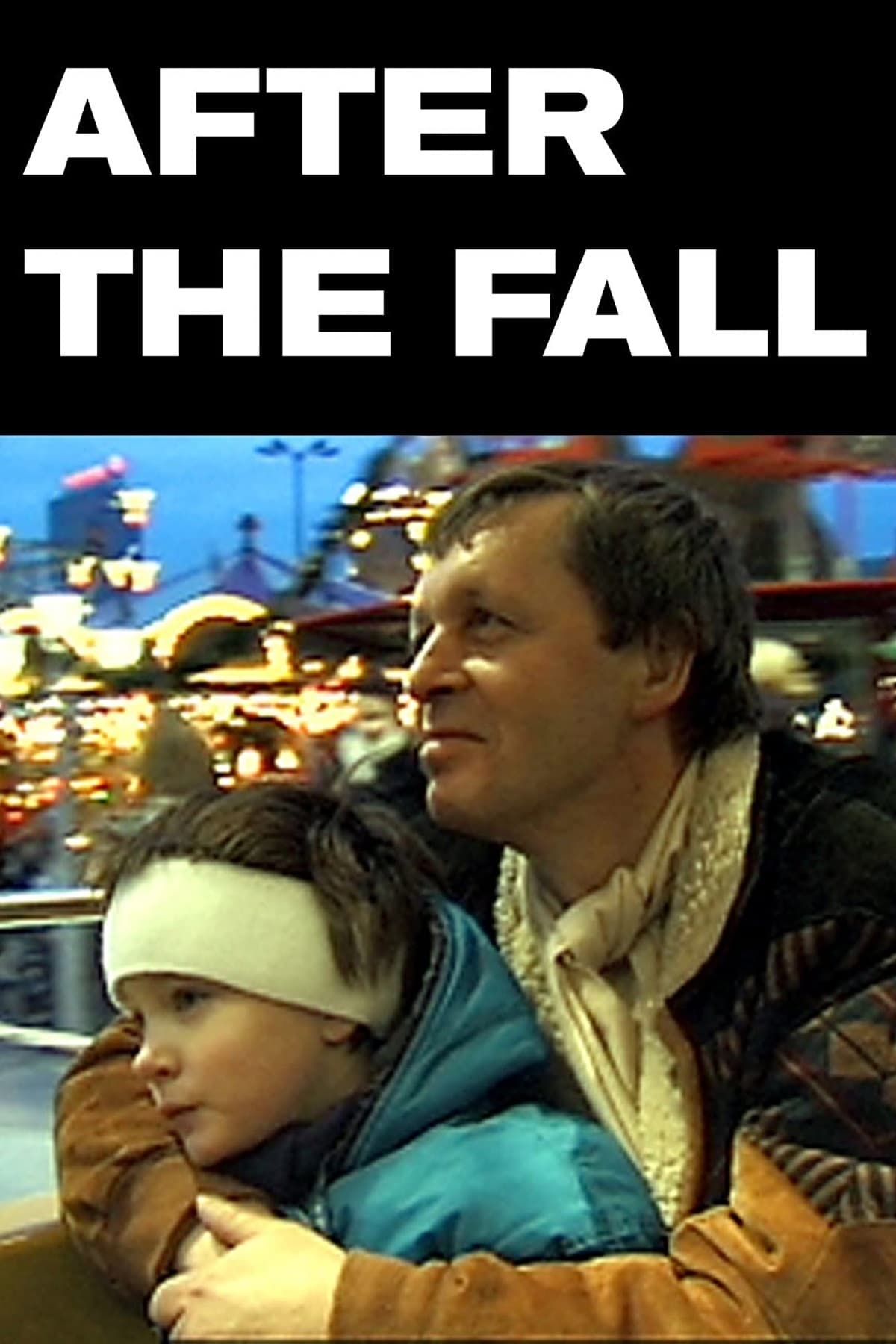
A documentary exploring the aftermath of the Berlin Wall's fall, the film features interviews in English and German with long-time residents and foreign visitors/residents from both sides of the former divide.
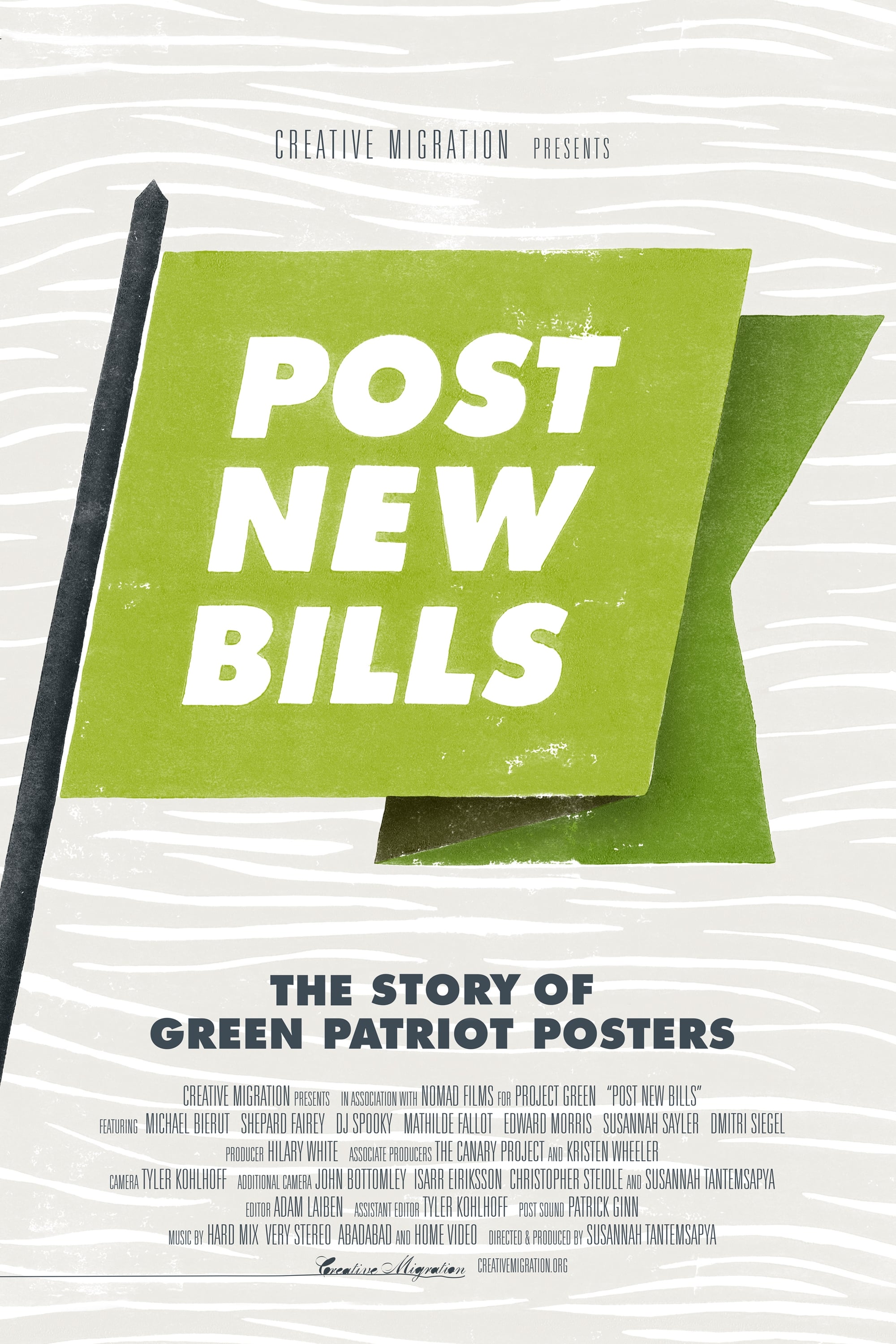
A short documentary illustrating how art can influence public perception towards environmental issues. Green Patriot Posters is a highly acclaimed multimedia design campaign that challenges artists to deepen public understanding and ignite collective action in the fight against climate change. So far, it has reached five million people through print media, public space and digital culture. The film features interviews with key Green Patriot Posters contributors (Shepard Fairey, Michael Bierut, DJ Spooky, Mathilde Fallot) and its founders (The Canary Project, Dmitri Siegel).
A powerful portrait of Africa's most widely acclaimed contemporary artist El Anatsui. It gives an insider's view of the artist's practice, the ingenious steps and thousands of hours of labor that convert used bottle tops into huge, opulent wall hangings.
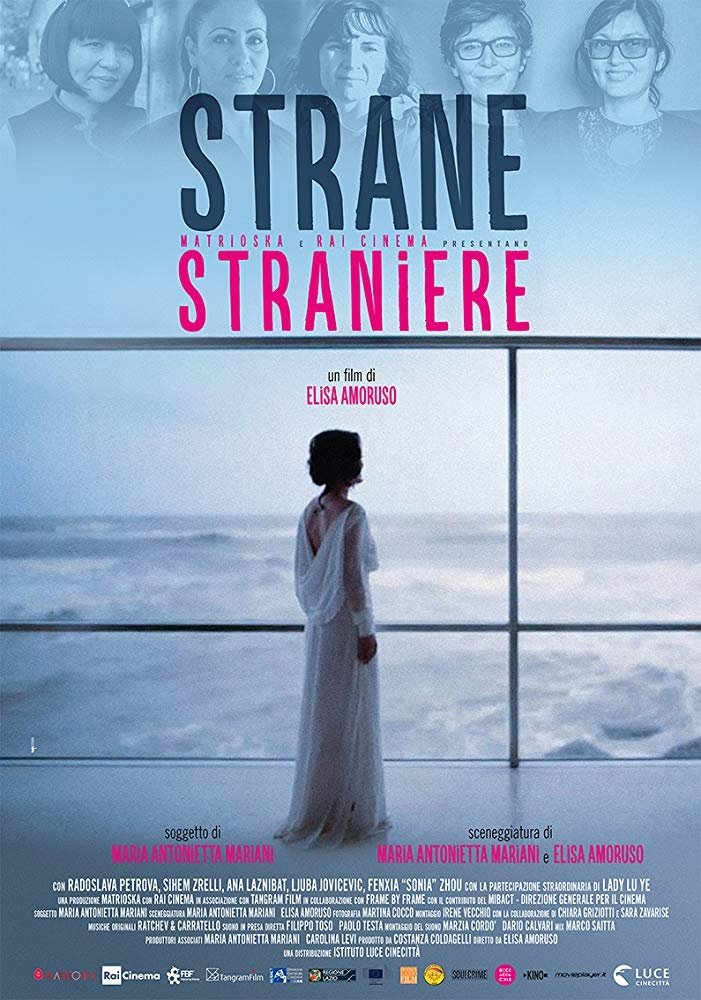
Five women arrive in Italy from different countries in search of love, work, freedom.
In the Realms of the Unreal is a documentary about the reclusive Chicago-based artist Henry Darger. Henry Darger was so reclusive that when he died his neighbors were surprised to find a 15,145-page manuscript along with hundreds of paintings depicting The Story of the Vivian Girls, in What is Known as the Realms of the Unreal, of the Glodeco-Angelinnian War Storm, Cased by the Child Slave Rebellion.
An insight into a girls' group in a mining community in the Ruhr region.
The Hobbit Enigma examines one of the greatest controversies in science today: what did scientists find when they uncovered the tiny, human-like skeleton of a strange creature, known to many as the Hobbit, on the Indonesian island of Flores in 2003?
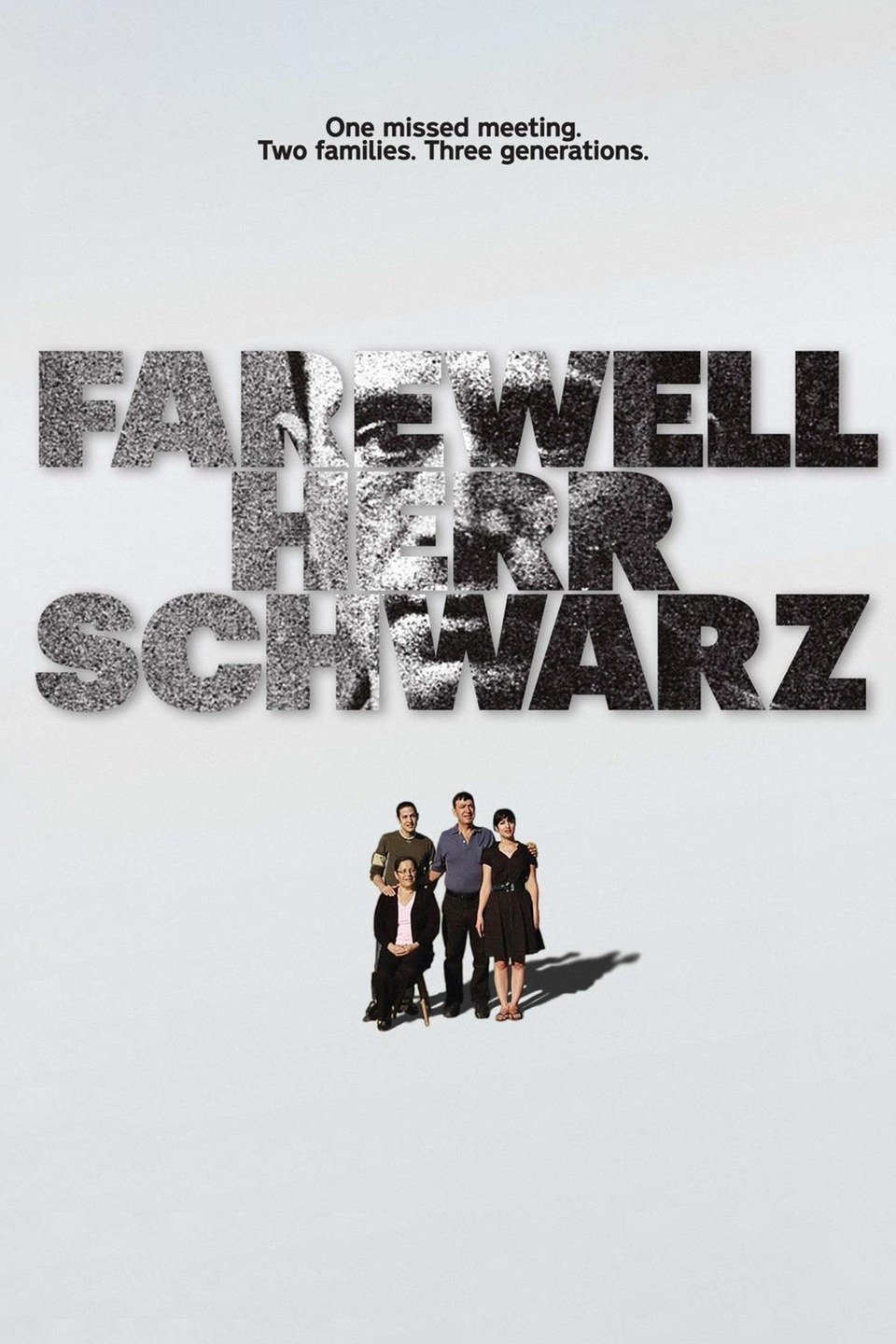
A documentary about the outcome of a decision made by a brother and sister in 1945. One missed meeting, two families, and three generations.
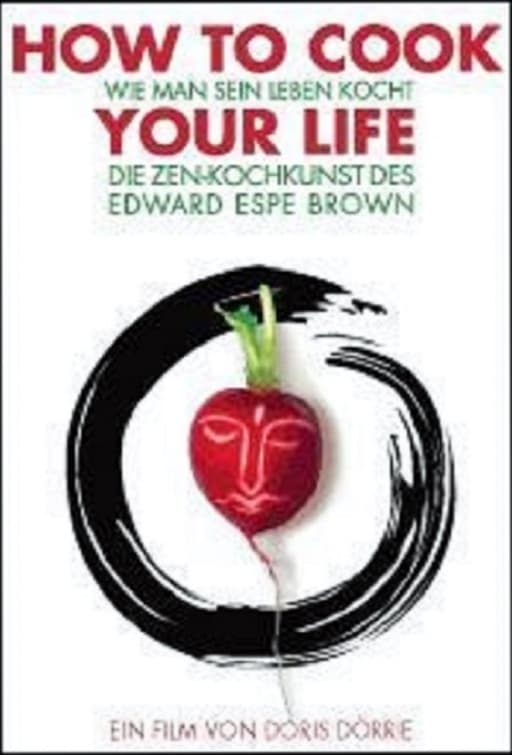
A Zen priest in San Francisco and cookbook author use Zen Buddhism and cooking to relate to everyday life.
Jazz in Love tells the story of Jazz, a young man from Davao whose dream wedding is within reach: his boyfriend of 11 months has proposed. Because no law allows him to get married in the Philippines, he must fly to Germany, his boyfriend's home country, and tie the knot there. One of the things that stand in his way is his inability to speak Deutsch, and to address that he must temporarily relocate to Manila for language lessons. Meanwhile, his parents remain completely unaware of the radical changes that his life is about to undergo.
Shut Up and Sing is a documentary about the country band from Texas called the Dixie Chicks and how one tiny comment against President Bush dropped their number one hit off the charts and caused fans to hate them, destroy their CD’s, and protest at their concerts. A film about freedom of speech gone out of control and the three girls lives that were forever changed by a small anti-Bush comment
A compilation of found footage from musicals, home movies, animated shorts, educational films, commercials, and propaganda set against pop music from the Third Reich, Hitler's Hitparade presents audiences with an unprecedented experiential collage of Nazi Germany.
Shattered Glass: A WNBPA Story dives deep into the lives beyond the court of the next generation of basketball luminaries, Jonquel Jones, Nneka Ogwumike, and Breanna Stewart, as well as WNBA legend, Sheryl Swoopes. From intense off-season routines to the intricacies of family dynamics to navigating the politics of women's sports, this documentary offers viewers a rare, all-encompassing look at the athletes as holistic individuals.
Short Documentary on a political art performance in Berlin 2015 to fight against the "Bill for the Protection of Sexworkers" introduced by the German government that year.
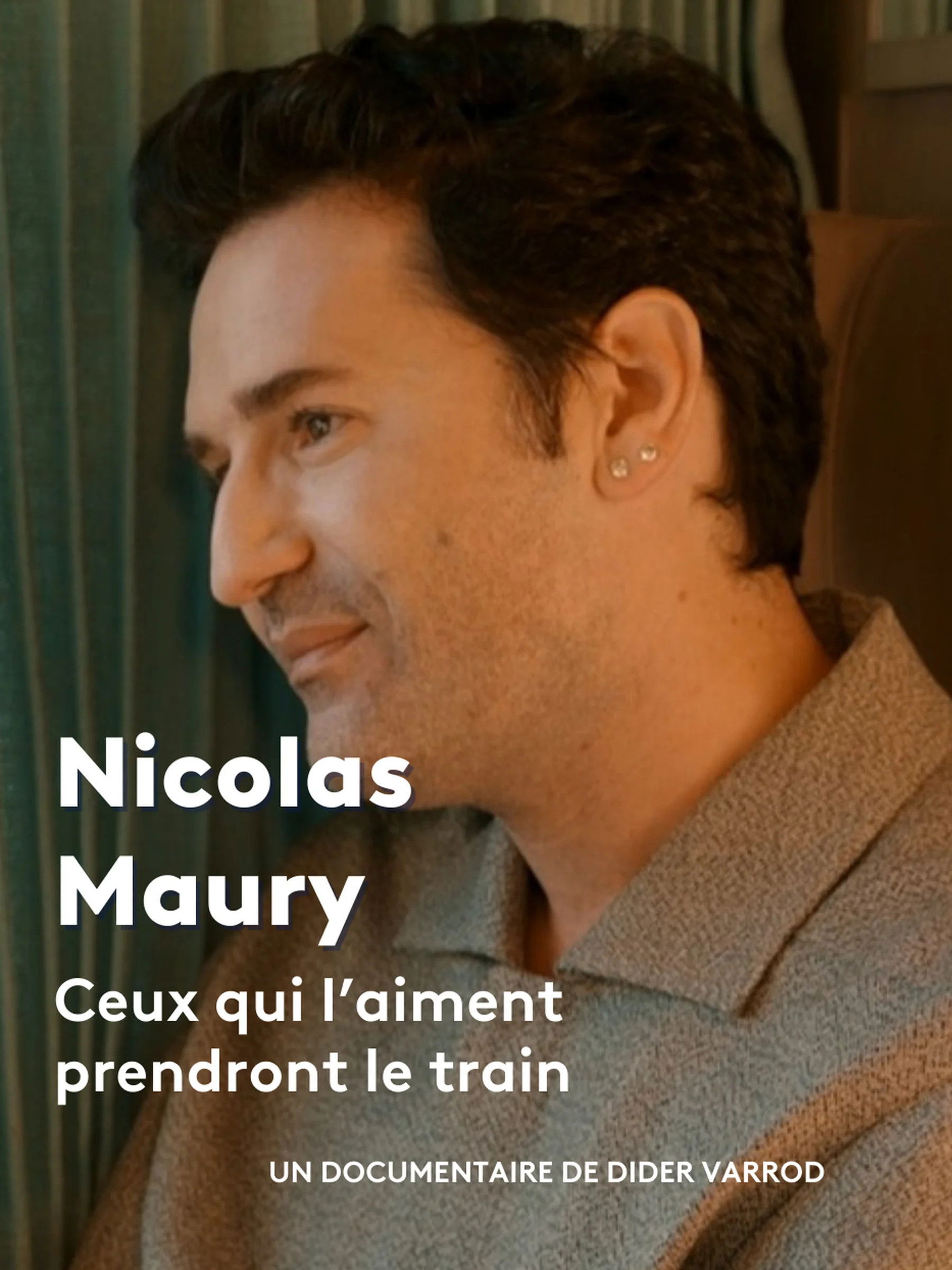
Between the nostalgia of resurfacing roots and the desire to venture into song to experience a rebirth, Nicolas Maury reveals himself unguarded before Didier Varrod, with a deeply moving sincerity. Nicolas Maury released his first album, La porcelaine de Limoges, in January 2023—a new experience for this unique, demanding, and multifaceted actor. It is an opportunity to paint an intimate portrait of him through an extended interview on a train between Paris and Limoges. In this specific setting, which was also that of his first (silent) film role with Patrice Chéreau in Those Who Love Me Can Take the Train, Nicolas discovers archives and hears from close acquaintances who speak about him. A documentary film, like a kind of initiation rite, it moves back and forth between memories of France and childhood, and his condition as a man and artist today, taking on a new identity through music.
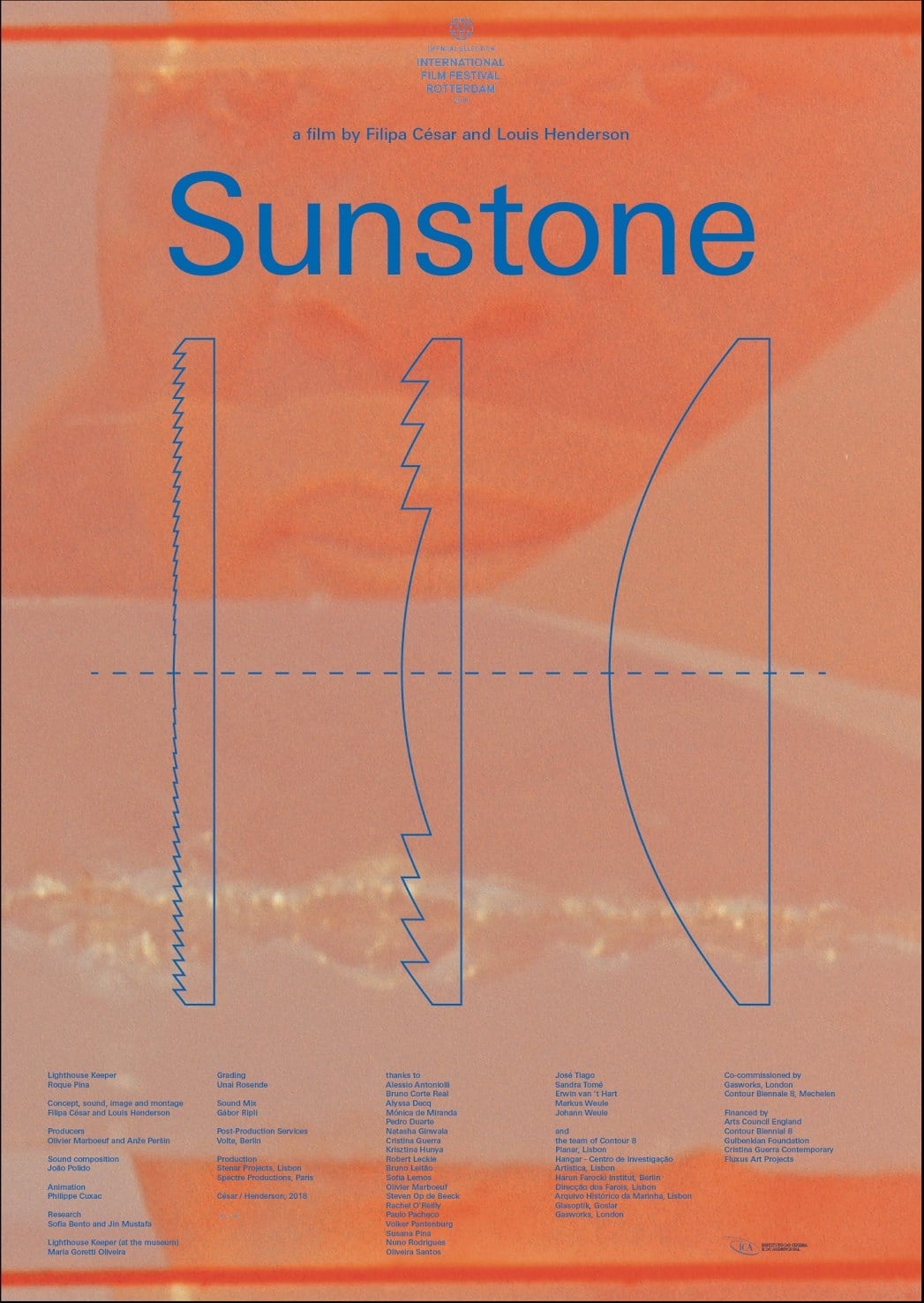
The lighthouse, as a man-made object built to shed light into the dark unknown, encapsulates perfectly the desires of the Enlightenment project of modernity: the domination of nature through reason and intellect, the advancement of technology and trade on a global scale, the illuminatory transparency of European Christian morality – a beacon in the dark. This 'op-film' will be a disorienting and disoccidenting dérive from optical navigation to algorithms of locating – an essay against the grain of Western patterns of referencing and situating. From a film made with lenses and ensitive celluloid to the desktop locating engine, we will navigate from the material production of Fresnel lenses to the invention of global navigation satellite systems (GNSS) – the tool that announces the obsolescence of the lighthouse.
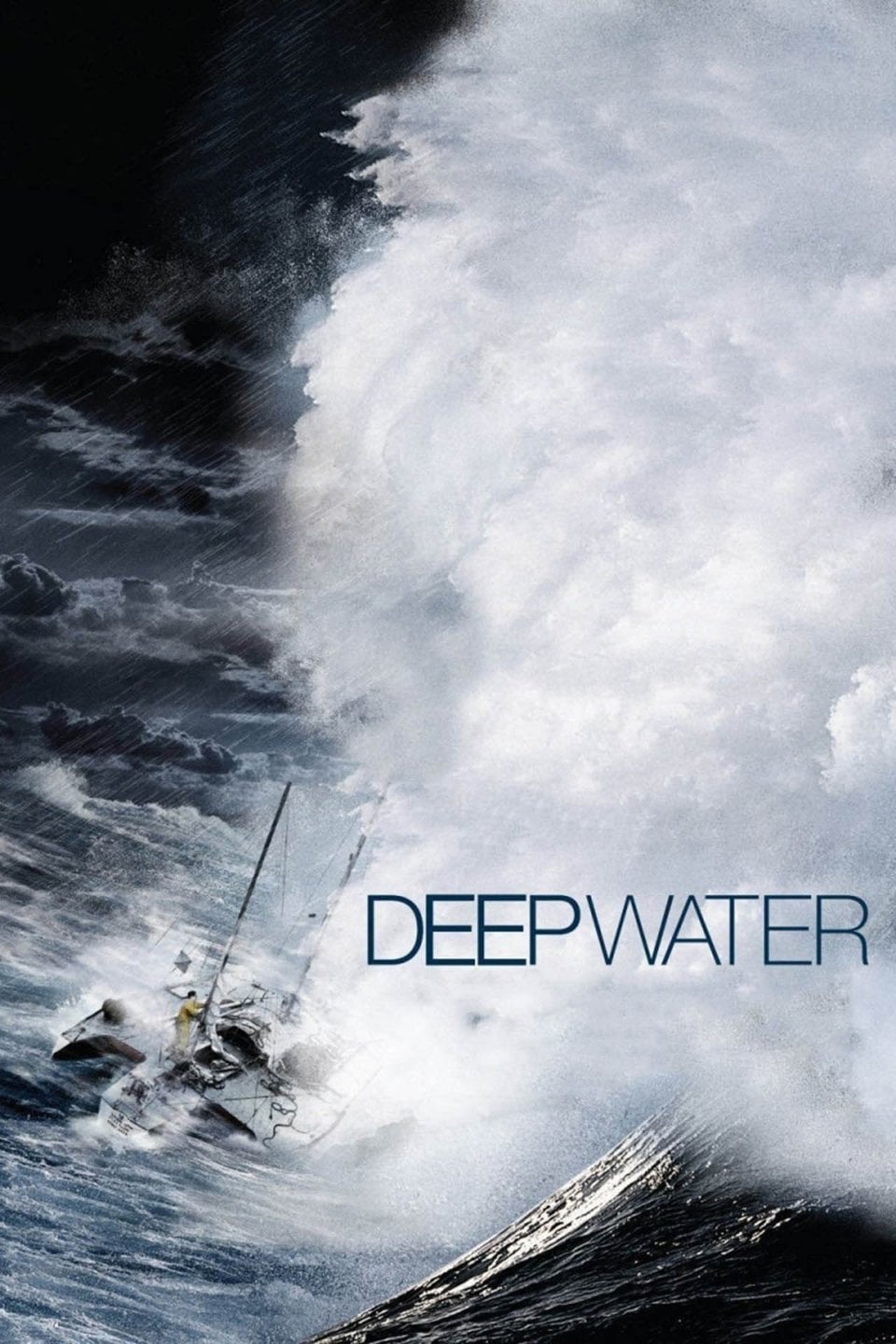
DEEP WATER is the stunning true story of the fateful voyage of Donald Crowhurst, an amateur yachtsman who enters the most daring nautical challenge ever – the very first solo, non-stop, round-the-world boat race.
A first-ever look at the realities of the professional “amateur” porn world and the steady stream of 18-to-19-year old girls entering into it.
Documentary sequel that offers a close-up look into the personal lives of the legendary porn stars who've survived the test of time and influenced popular culture. Blends rare interviews with erotic clips and additional appearances by Whoopi Goldberg, Steven Soderbergh and a host of adult stars, directors and trendsetters.
Get up close and personal with 16 of the most successful women in the adult film industry as they shed their clothes for an intimate photo shoot with director Deborah Anderson. As questions are asked, personal stories about their lives are revealed, from why they chose the business of sex to how they got into it in the first place. These porn stars have always been discreet about their private lives in the past, yet Anderson has a way of opening up a dialog allowing them to share more than just their naked skin on screen. Their true inner vulnerability is touching, yet the characters they have created are confident and intoxicating. Once you hear their stories, you'll never look at them in the same way again.
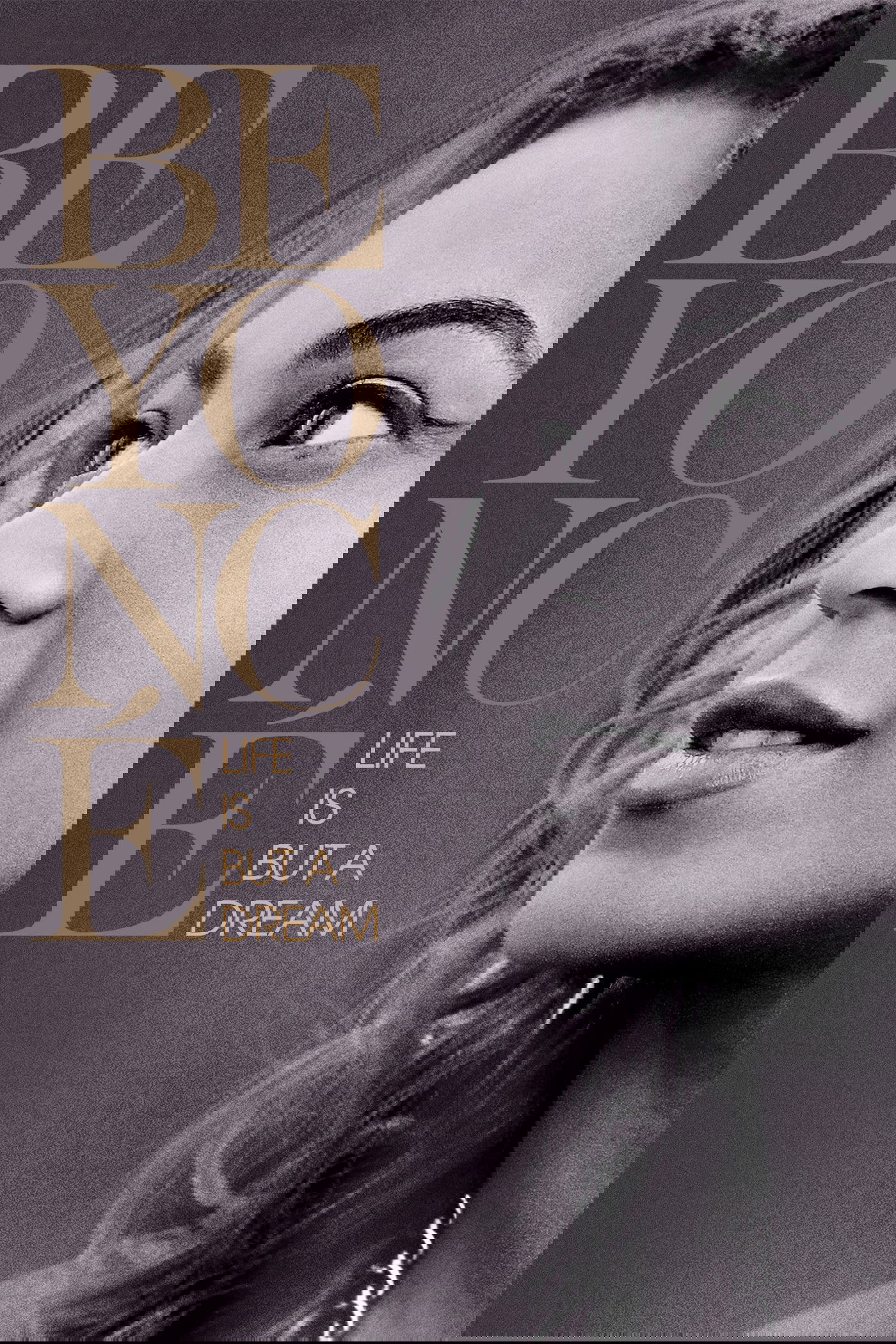
Life Is But a Dream is a HBO documentary about the life of US singer Beyoncé Knowles during the years 2011 and 2012 and on the recording of her fifth album. The film was directed by Beyoncé herself. The film shows Beyoncé from intimate moments of her pregnancy to behind the scenes and rehearsals of the main concerts of that time.
The evolution of adult cinema through the most influential films in history, a journey that begins in the 1970s and ends nowadays. An in-depth analysis of the success of the most prestigious erotic films, their impact on industry and society, and their influence on cinema and contemporary culture.
Musician and performance artist Laurie Anderson reflects on the deaths of her husband Lou Reed, her mother and her beloved dog.
Unprecedented access to Muhammad Ali's personal archive of "audio journals" as well as interviews and testimonials from his inner circle of family and friends are used to tell the legend's life story.
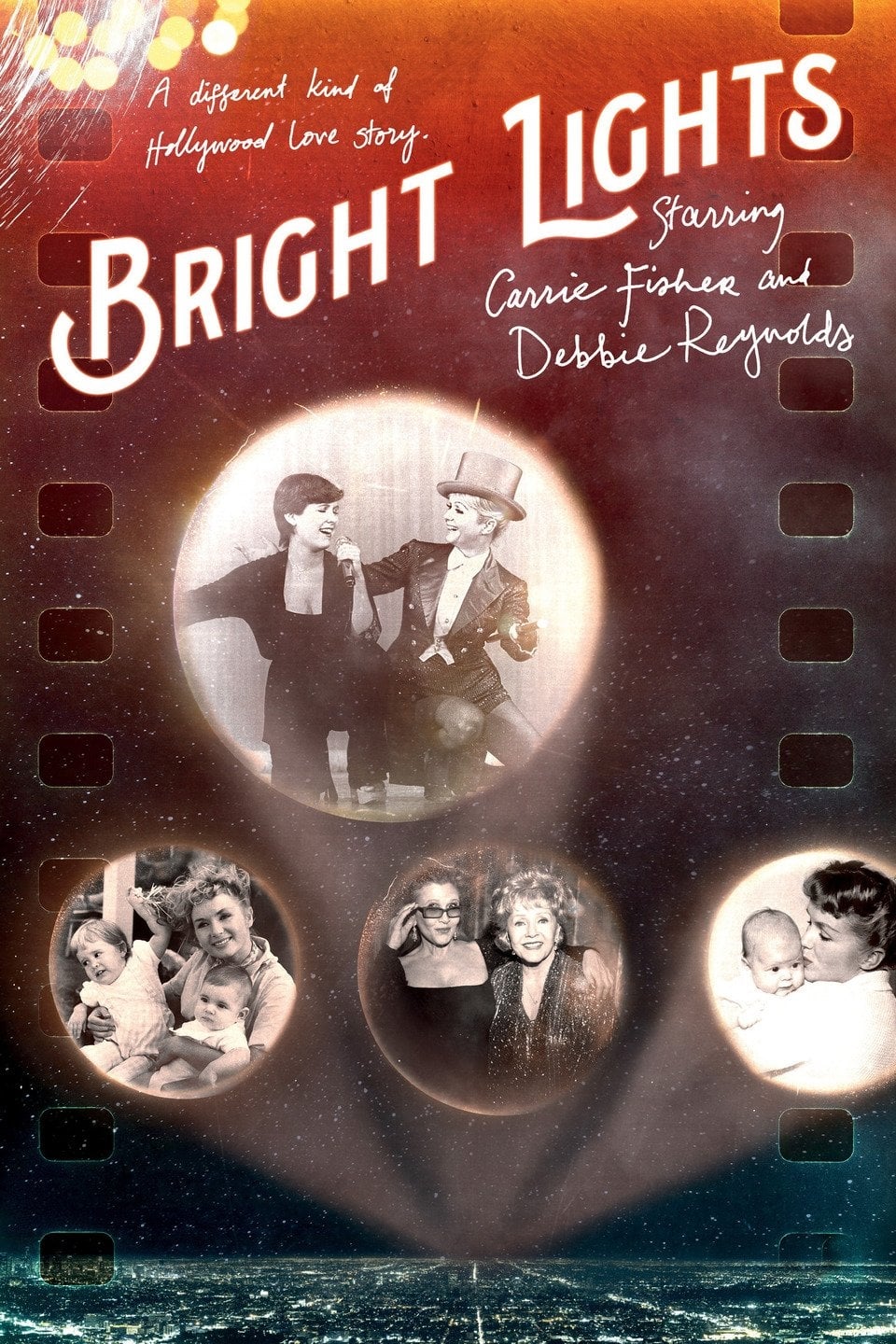
An intimate portrait of Hollywood royalty featuring Debbie Reynolds, Todd Fisher, and Carrie Fisher.
A documentary on the modeling industry's 'supply chain' between Siberia, Japan, and the U.S., told through the experiences of the scouts, agencies, and a 13-year-old model.
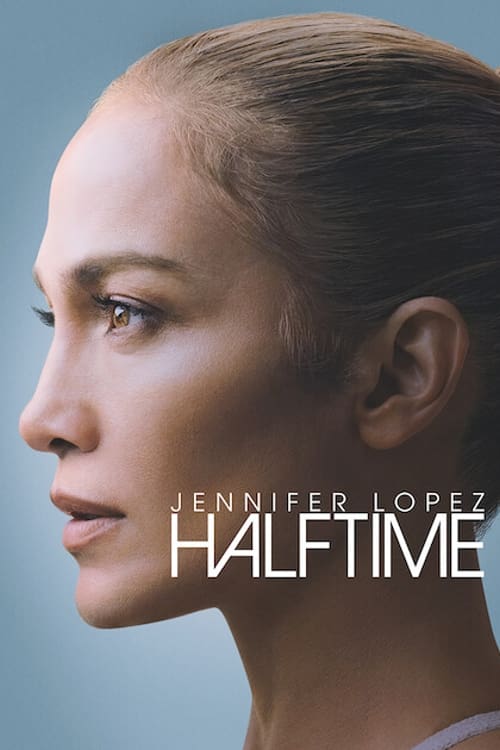
Global superstar Jennifer Lopez reflects on her multifaceted career and the pressure of life in the spotlight in this intimate documentary.
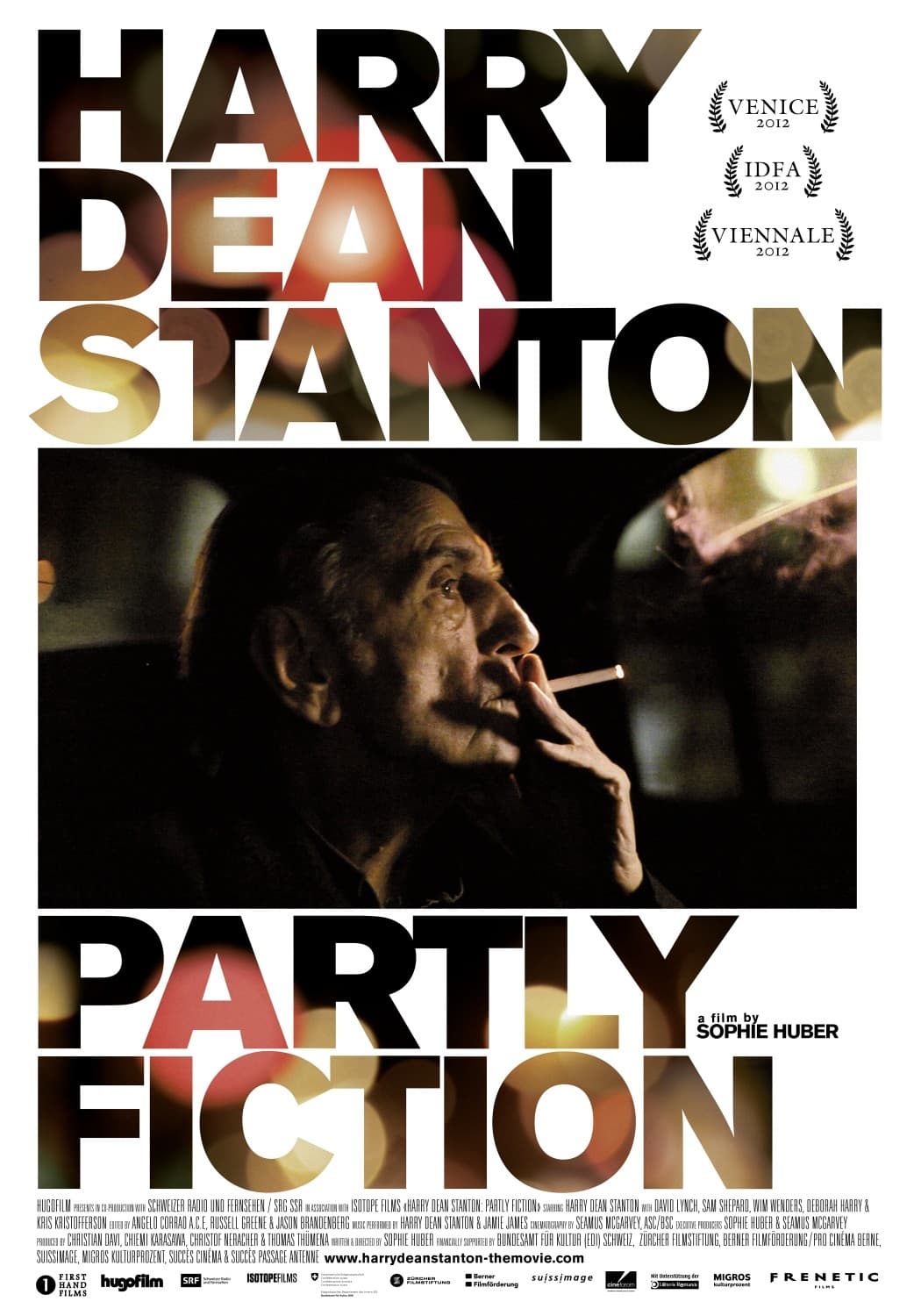
An impressionistic portrait of the iconic actor Harry Dean Stanton comprised of intimate moments, film clips from some of his 250 films and his renditions of American folk songs.
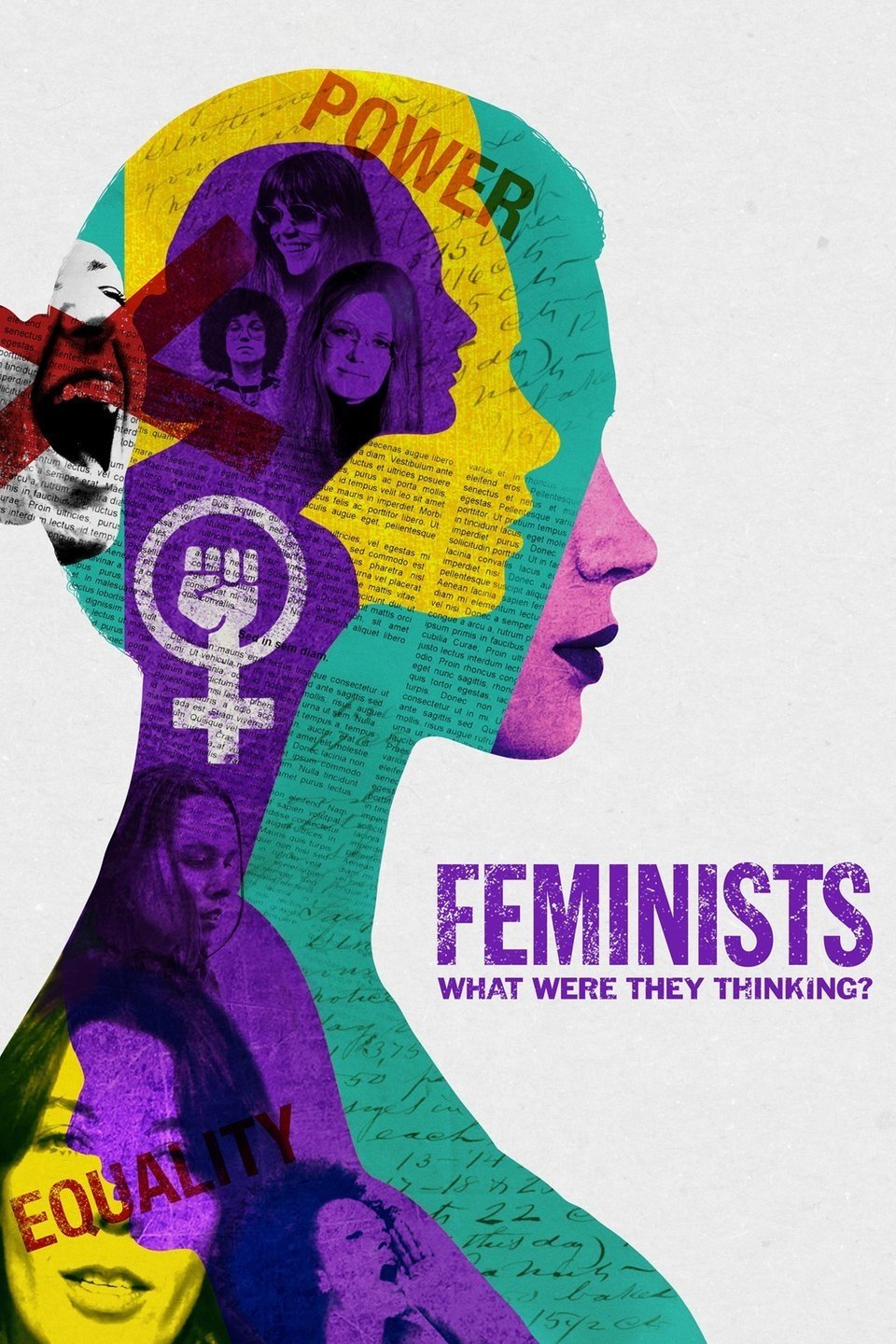
In 1977, a book of photographs captured an awakening - women shedding the cultural restrictions of their childhoods and embracing their full humanity. This documentary revisits those photos, those women and those times and takes aim at our culture today that alarmingly shows the need for continued change.
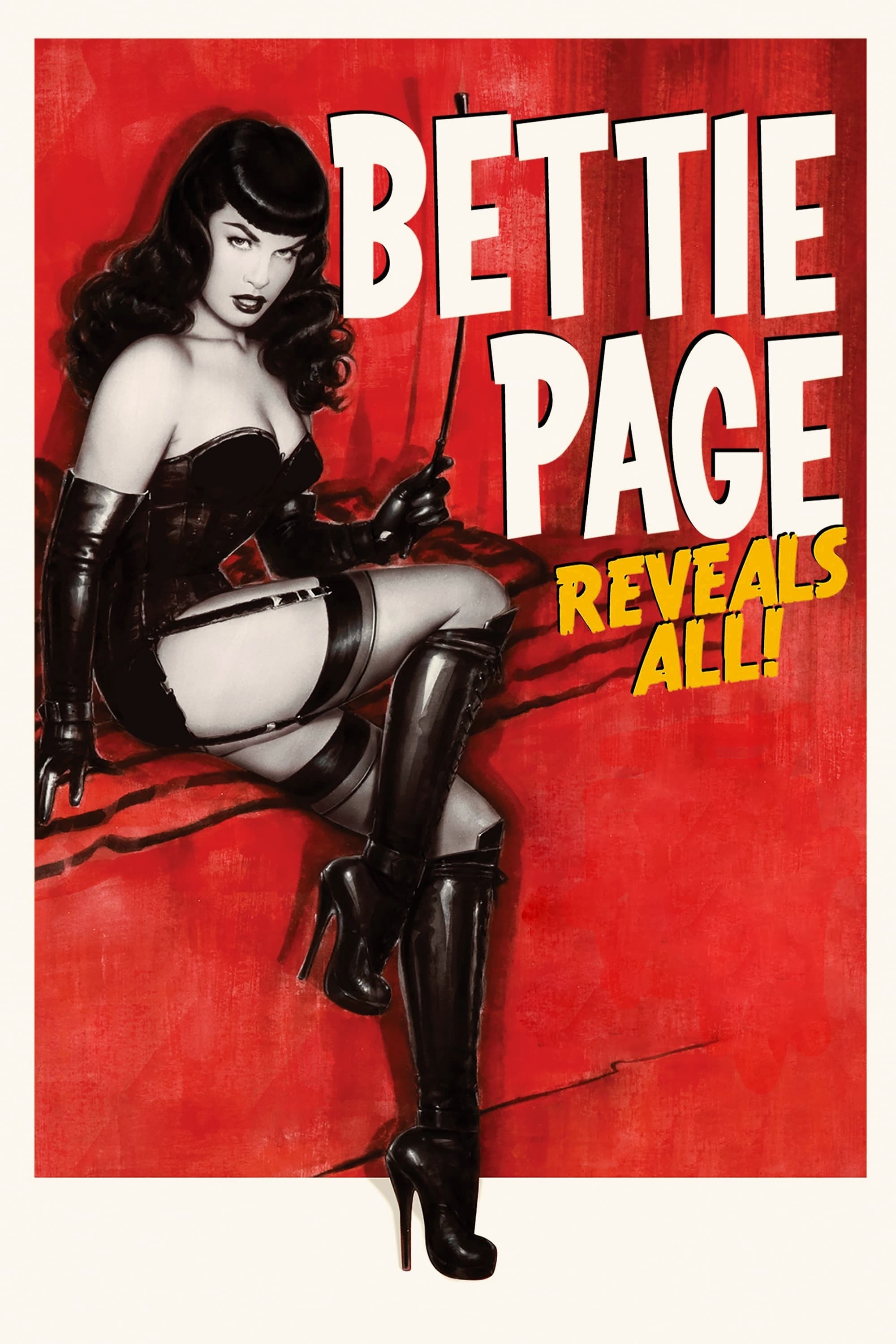
The world's greatest pin-up model and cult icon, Bettie Page, recounts the true story of how her free expression overcame government witch-hunts to help launch America's sexual revolution. When she saw the film The Notorious Bettie Page, produced by HBO in 2006, the main person concerned reacted unequivocally: “Lies! Lies!” In a long interview recorded shortly before her death, the woman who entered the collective unconscious as the ultimate pin-up gave her version of events to director Mark Mori. In a gravelly voice, Bettie Page tells her own story and lifts the veil on areas often hidden by images that have made so many men and women fantasize since the 1950s: her abused childhood, an eclipse that lasted forty years, her mental illness. Through testimonies and unpublished archives, this documentary brings back to life a body and a face endlessly declined before our eyes, just as Bettie wanted: “I would like people to remember me as I was in the photos.”
Through deeply personal interviews with her siblings and an examination of the photographs, letters, and belongings left behind, Mariska assembles a new portrait of her mother Jayne Mansfield, an extraordinary and complex woman.
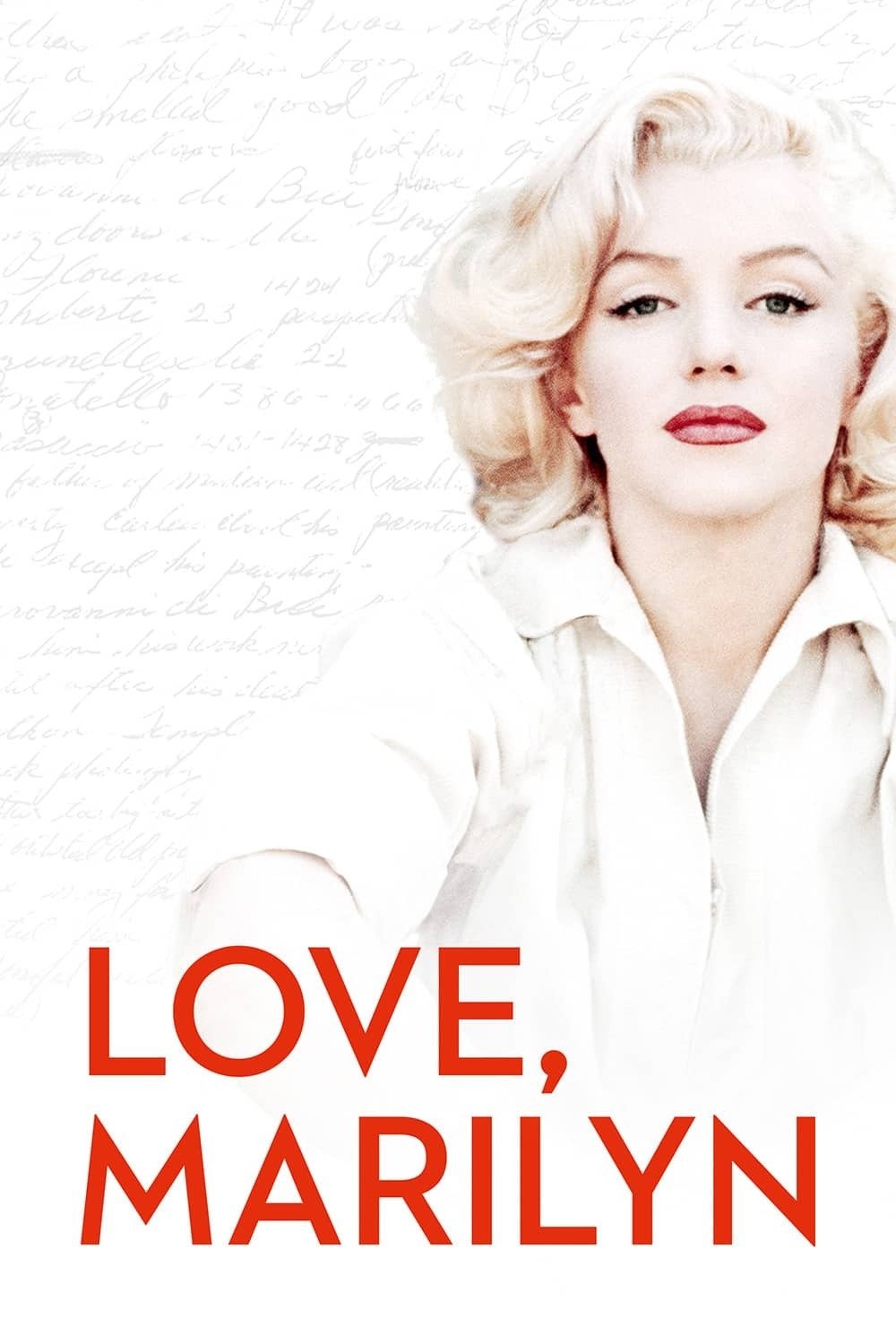
Using the book 'Fragments', which collects Marilyn Monroe's poems, notes and letters, and with participation from the Arthur Miller and Truman Capote estates who have contributed more material, each of the actresses will embody the legend at various stages in her life.
In her own words, through personal video and diaries, Pamela Anderson shares the story of her rise to fame, rocky romances and infamous sex tape scandal.
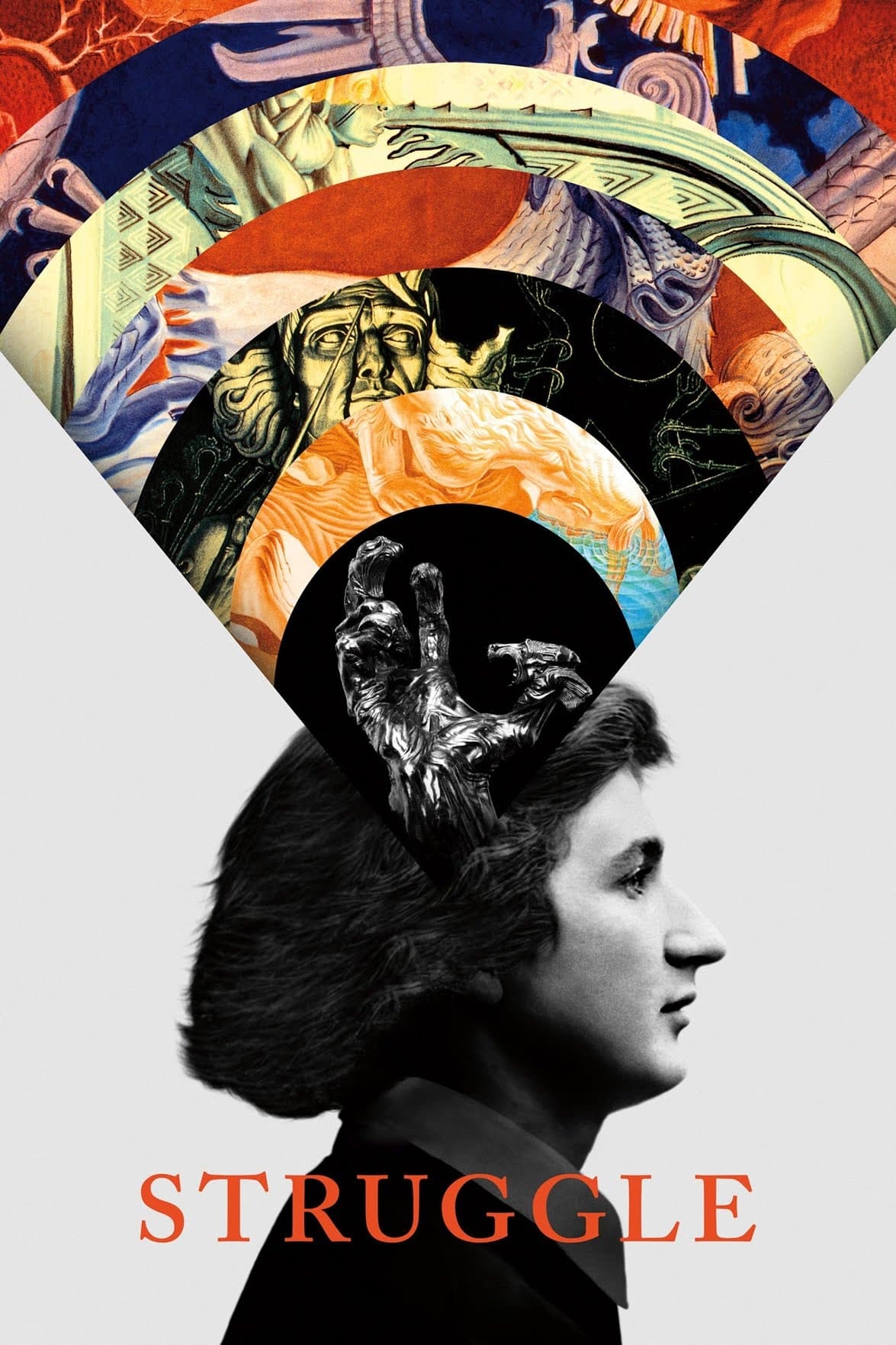
Artists in LA discover the work of forgotten Polish sculptor Stanislav Szukalski, a mad genius whose true story unfolds chapter by astounding chapter.
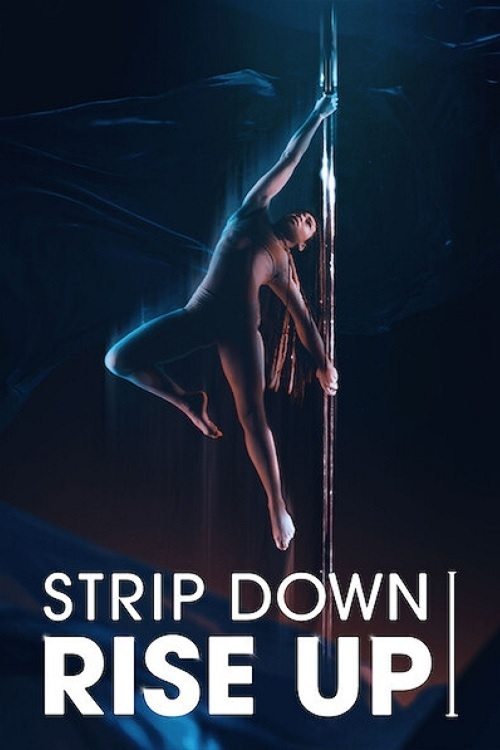
The feature documentary follows women of all walks of life, all ages and ethnic backgrounds, as they shed trauma, body image shame, sexual abuse and other issues locked in their bodies, and embark on a journey to reclaim themselves. The film also gives a rare window into the world of Pole artistry and expression.
Director Michael Apted revisits the same group of British-born adults after a 7 year wait. The subjects are interviewed as to the changes that have occurred in their lives during the last seven years.
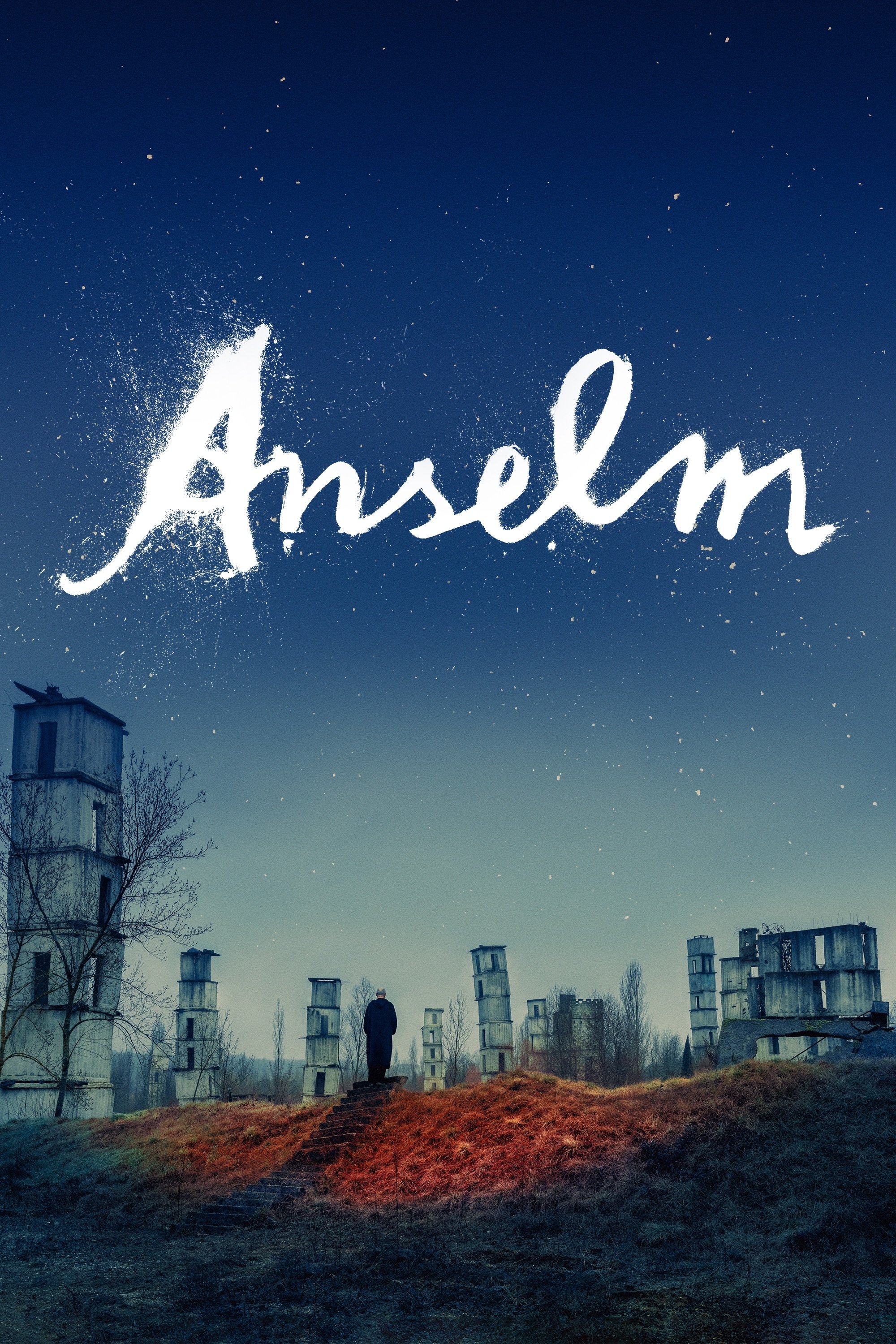
This unique cinematic experience dives deep into an artist’s work and reveals his life path, inspiration, and creative process. It explores his fascination with myth and history. Past and present are interwoven to diffuse the line between film and painting, allowing the audience to be completely immersed in the remarkable world of one of the greatest contemporary artists, Anselm Kiefer. Wim Wenders shot this unique portrait over the course of two years in stunning 3D.