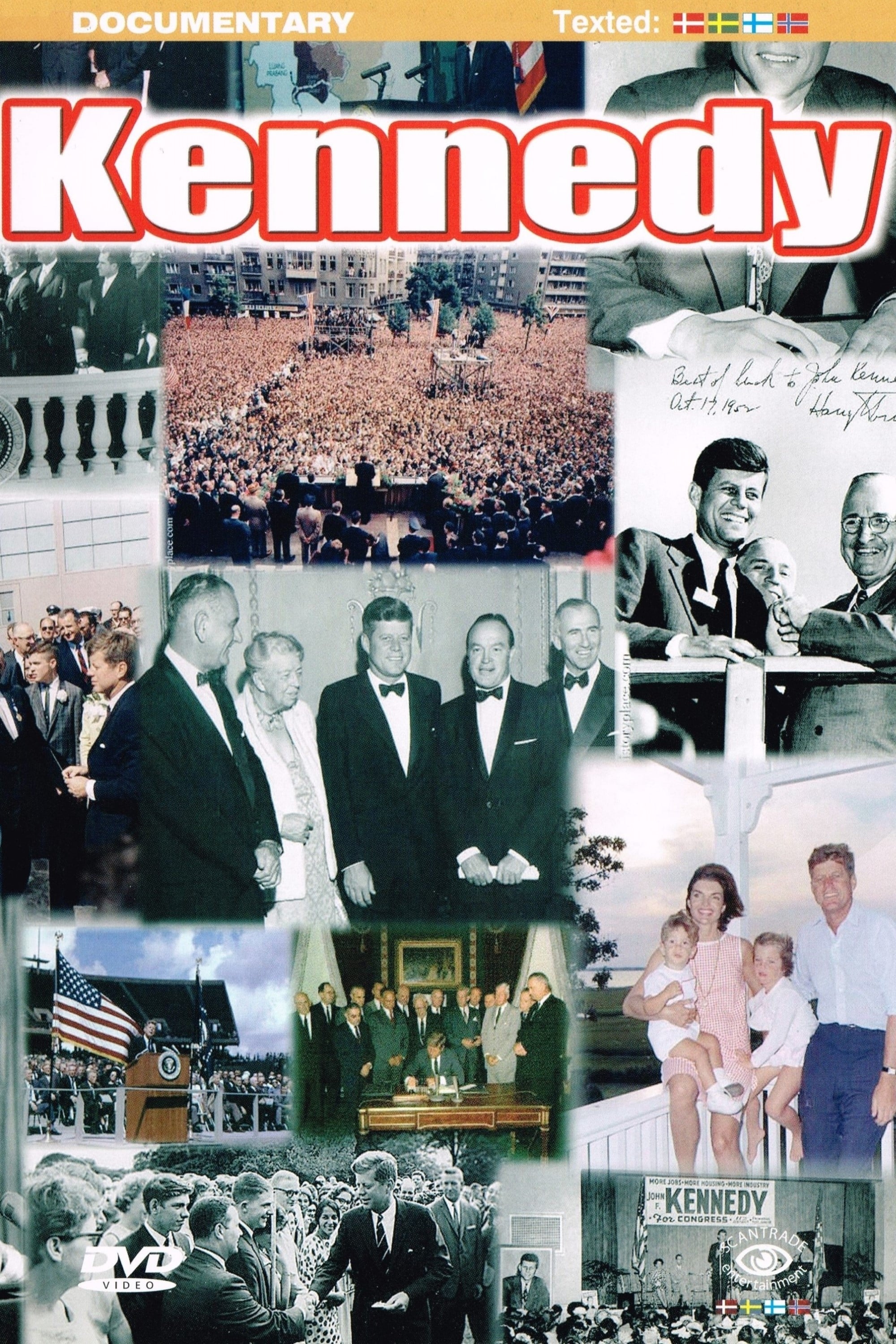
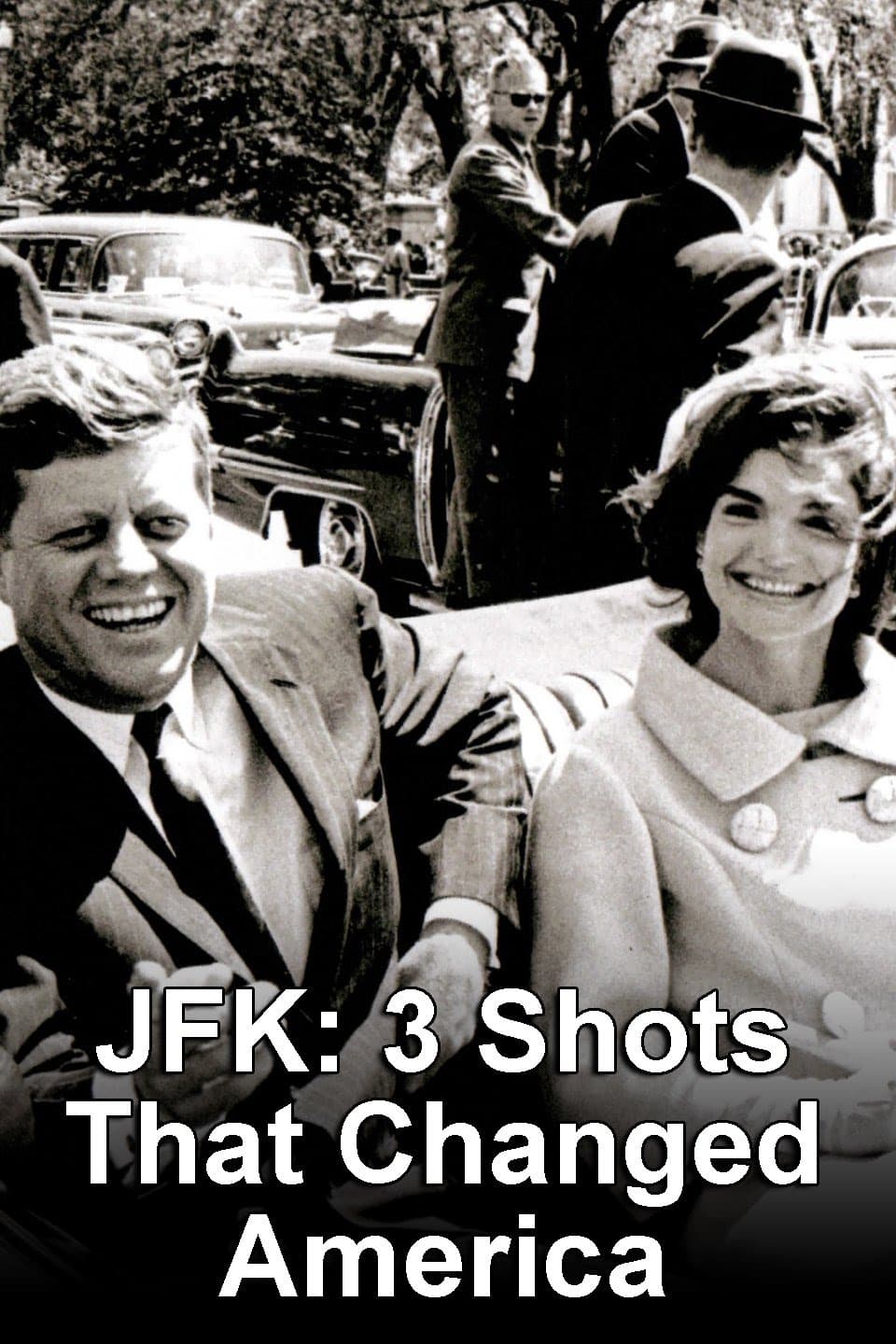
Documentary on the assassination of John F. Kennedy
Social & External
The people behind it
Gerd Ruge
Self
Lothar Loewe
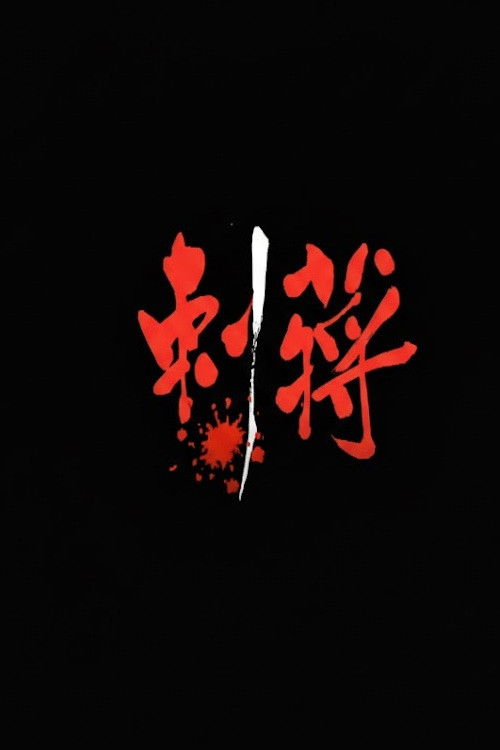
A documentary of 24th April, 1970 assassination of Chiang Ching-kuo.
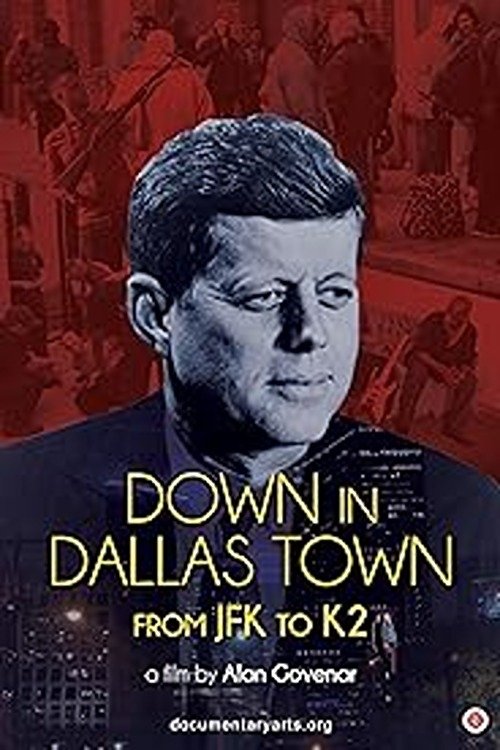
Through interviews with people on the street and songs recorded to memorialize JFK in the mid-1960s, the film explores the impact of the November 22, 1963 assassination on issues in today’s world, from lingering conspiracy theories to the proliferation of gun violence, homelessness, and the scourge of K-2.
A fascinating account of the presidency of Andrew Jackson, who was both one of America's great presidents and a borderline tyrant. The seventh president shook up the glossy world of Washington, DC with his "common-man" methods and ideals, but also oversaw one of the most controversial events in American history: the forced removal of Indian tribes, including the Cherokees, from their homes.
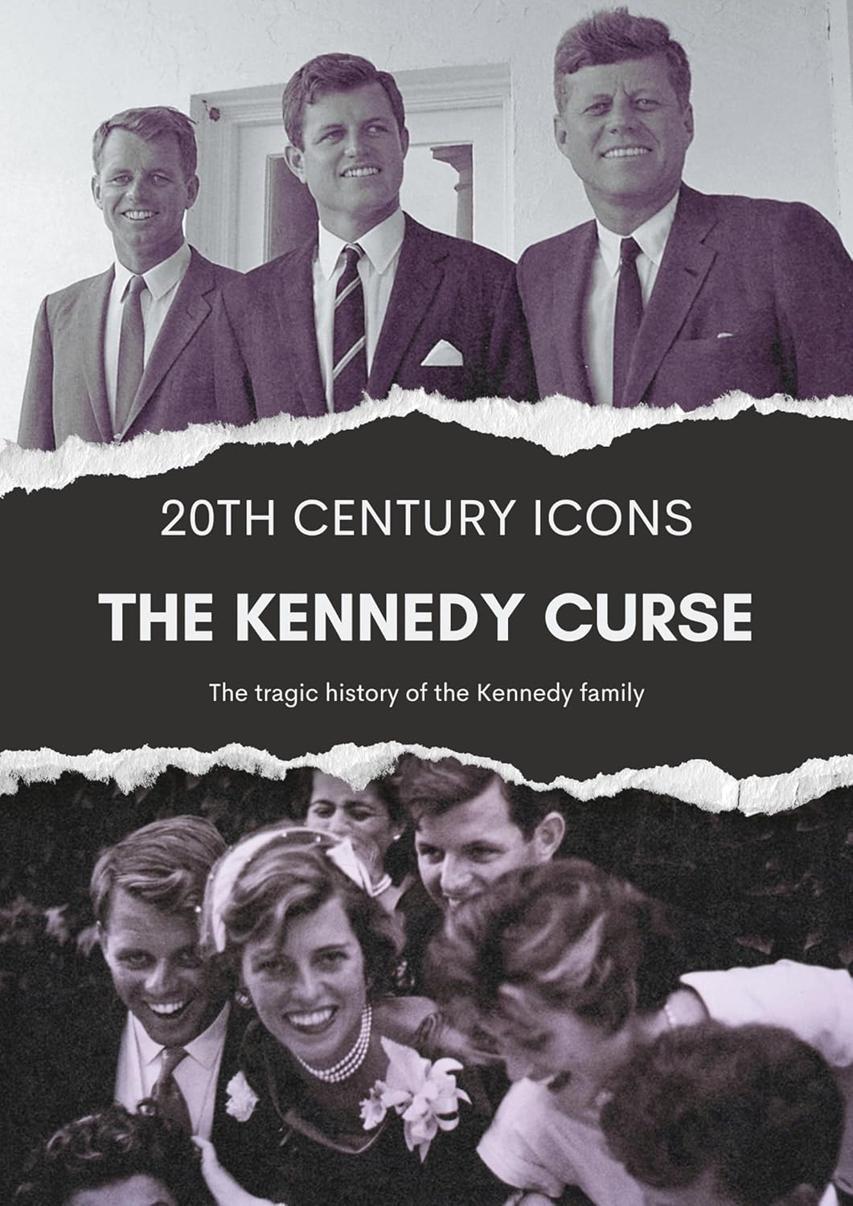
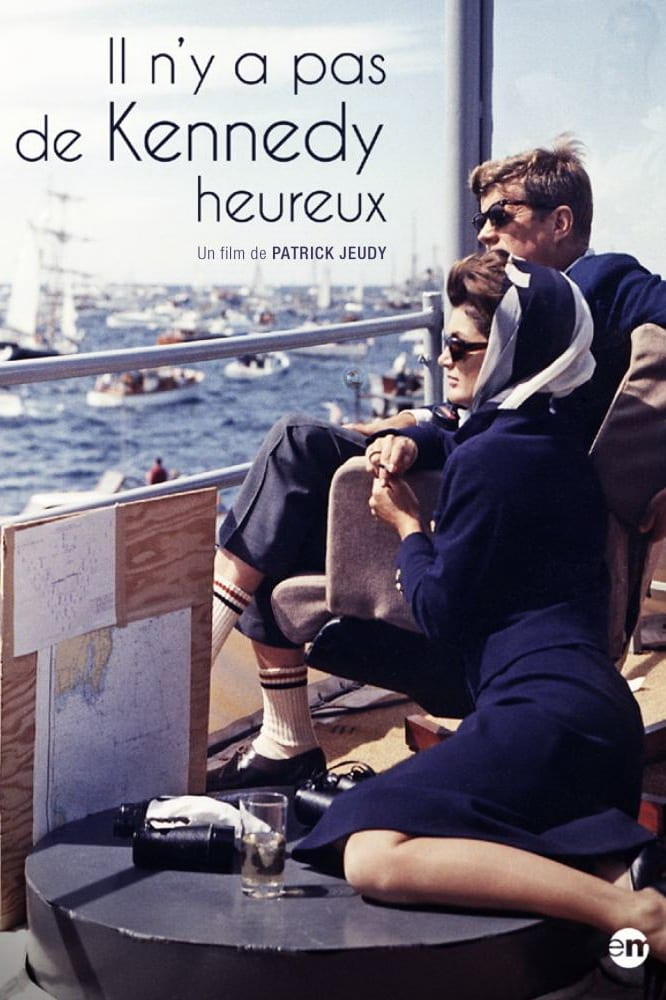
The Kennedy dynasty that has mesmerized generations. To this day their legacy lives on. Plagued by tragedy and scandal, they continue to bring positive change to the world.
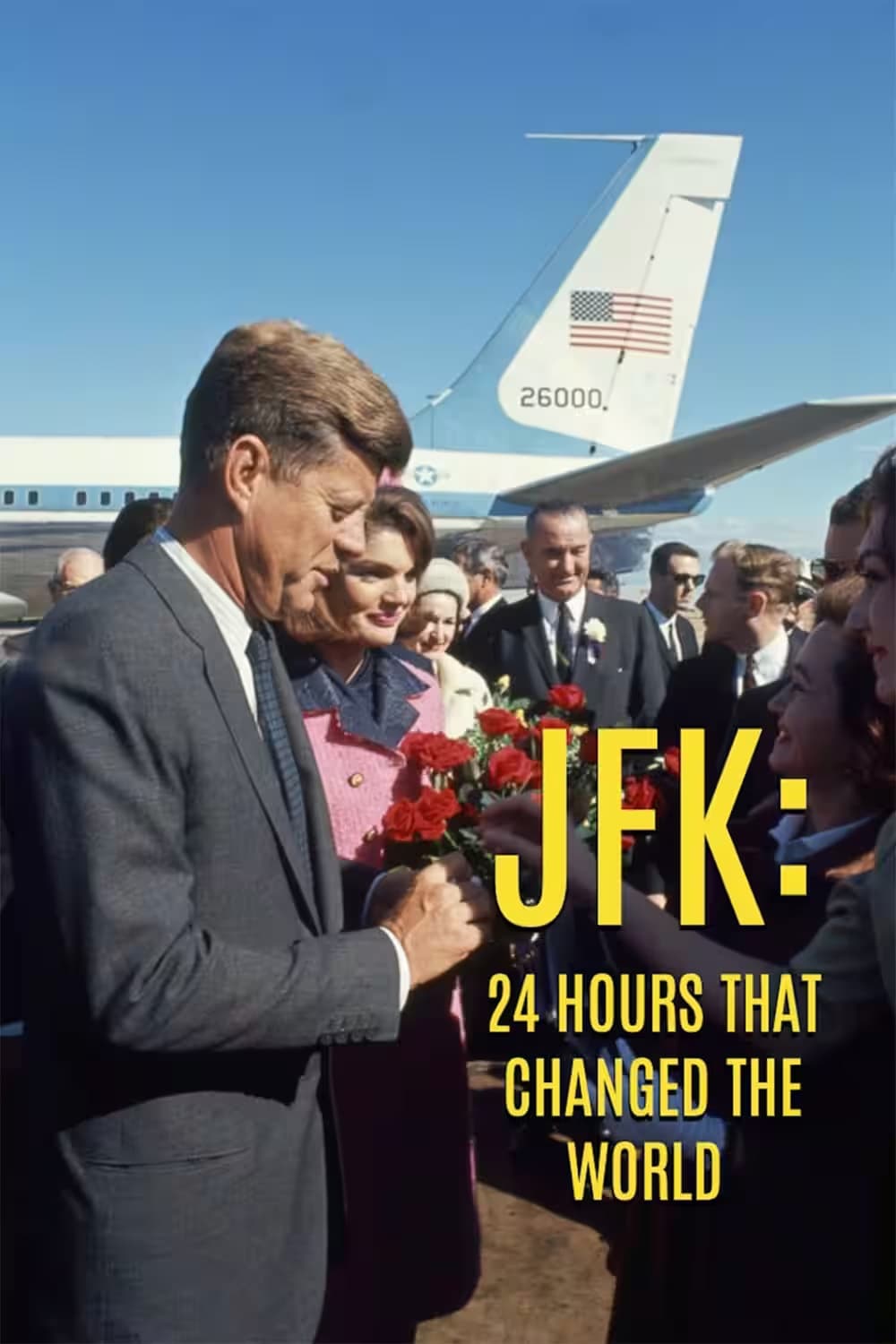
Created for the 60th anniversary of the assassination of John F Kennedy, this is a unique, moment-by-moment view of the events in Dallas, Texas on the 22nd November 1963.
Dir. Scott Calonico's film purports to solve the assassination of President Kennedy, pointing the finger at President Gerald Ford...as well as bigfoot, Stonehenge, pyramids, and extraterrestrials.
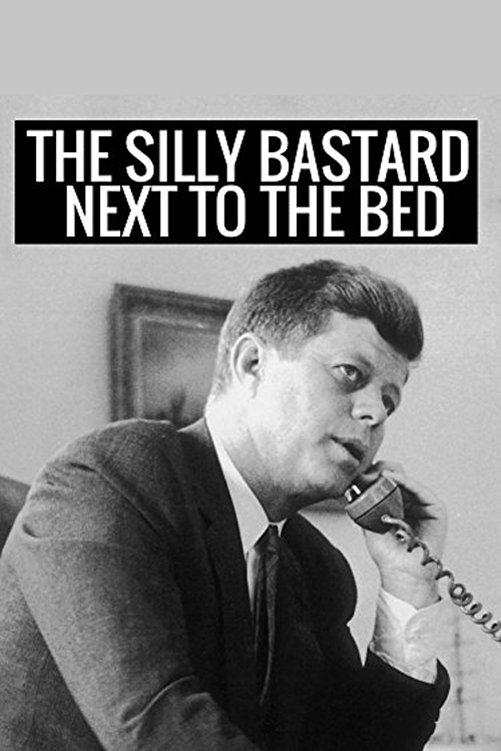
In 1963, President Kennedy recorded one of the most foul mouthed telephone calls ever made from the White House. This is the story of that phone call and the silly bastard who started it all.
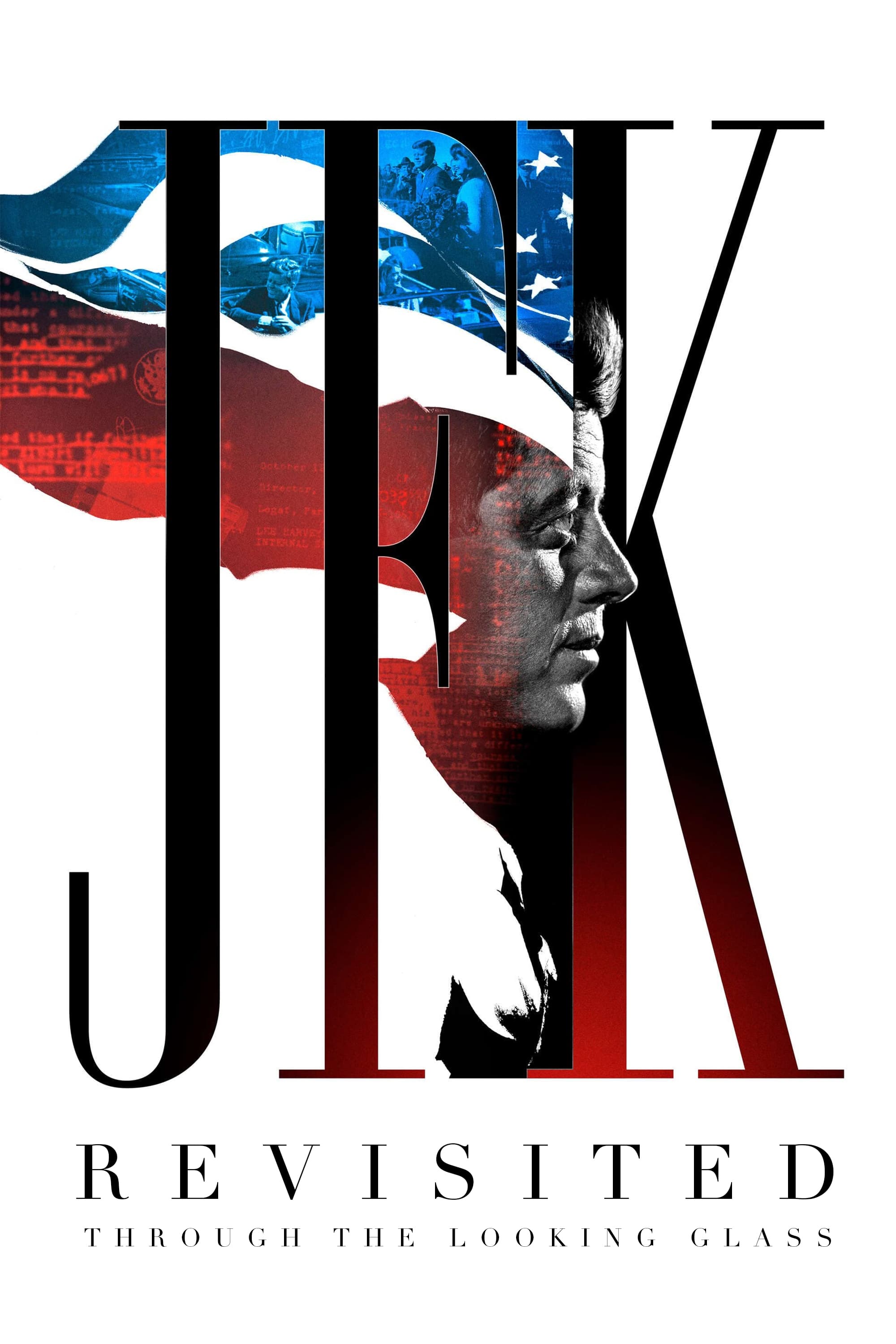
Thirty years after the release of his film JFK (1991), filmmaker Oliver Stone reviews recently declassified evidence related to the assassination of President John F. Kennedy, which took place in Dallas on November 22, 1963.
We were just 15 minutes away from the end of the world. ABOVE ALL is a revealing short documentary about the life of an American man who ended up onboard with an atomic bomb, in the midst of the 1962 Cuban Crisis. The world was never been closer to nuclear war than this moment. A surprisingly heart-warming story told with his own words and pictures, the film is made from family home movies, including previously unseen footage from inside the US airbases. This film juxtaposes love, family and war through the arc of one man’s life. As President Kennedy addressed the world in a live televised speech of extraordinary gravity, we glimpse at the true psychology of what is was like to be in the air in those infamous moments, whilst the very essence of life on Earth was on the line.
This is Not a Conspiracy Theory is a documentary about where conspiracy theories come from, what they reveal about all of us, and the real quest to discover the hidden forces that shape our lives. With trust in governments low and media fractured into an infinite number of contested opinions, conspiracy theories are an appealing way to understand the world. They project human intentions onto complex events to explain why things happen and assign blame.
Re-enactments augment this documentary that chronicles Lincoln's journey from his early years as a rising politician through his presidency, the Civil War and to his untimely death.
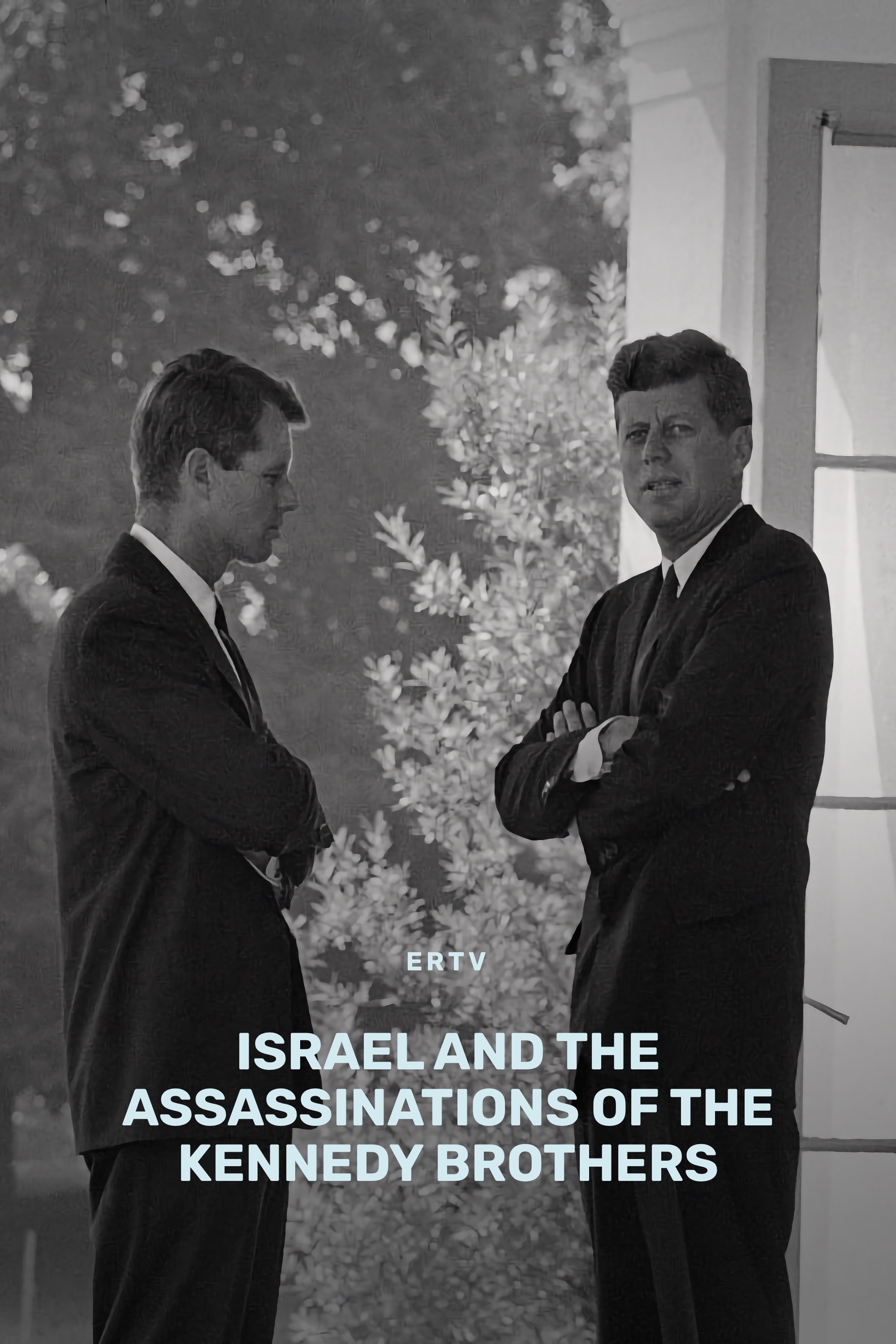
In 1968, Robert Kennedy was assassinated just after winning the California primaries, which made him the front-runner in the presidential race. Had he reached the White House, he would have been able to reopen the investigation into his brother’s death five years earlier, and it is known from numerous testimonies that he intended to do so. Neither John’s nor Robert’s death are elucidated; both investigations, conducted under Lyndon Johnson’s watch, are widely regarded as cover-ups. In each case, the official conclusion is rife with contradictions. This film sums them up. But it does more: it shows that the key to solving both cases resides in the link between them. And it solves them beyond a reasonable doubt.
This spellbinding documentary re-examines the issues raised by Oliver Stone's JFK, and explores the late Jim Garrison's contention that there was a "second conspiracy" to cover up the truth, including attempts to ruin his own reputation.
a documentary about Kennedys
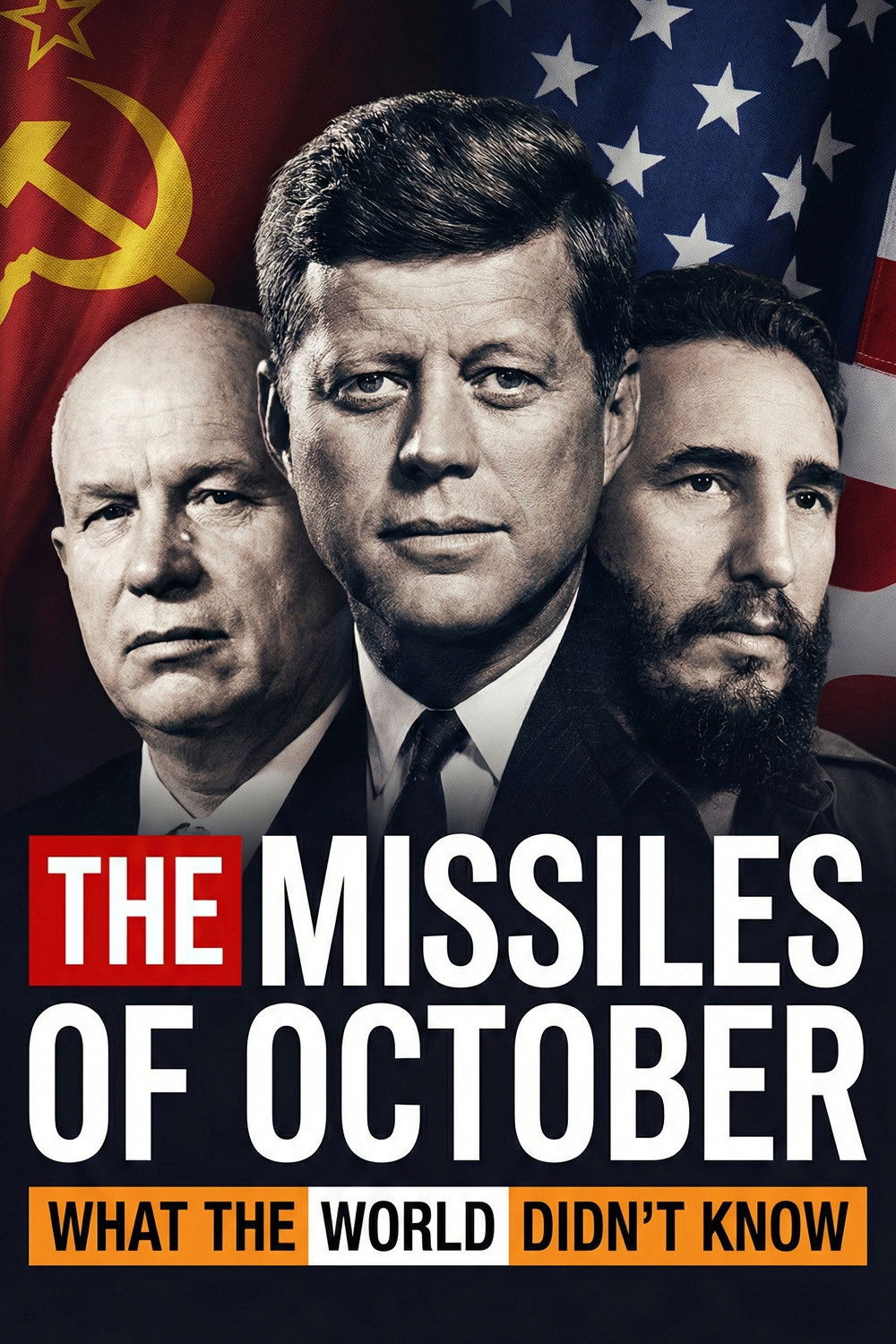
This documentary by ABC News commemorates the 30th anniversary of the 1962 Cuban Missile Crisis. It provides a behind-the-scenes look at how close the U.S. and Soviet Union actually came to catastrophe.
The film is an unnarrated collection of archived news and home movie footage shot as events unfolded, some of it rarely seen. Part one deals with the time from President Kennedy's arrival in Dallas on November 22, 1963 through the murder of Lee Harvey Oswald less than 48 hours later. Part two deals with the Warren Commission, its critics and those who suspect a conspiracy, the assassinations of Martin Luther King, Jr. and Robert F. Kennedy in 1968 and the turmoil that followed, and the continuing doubt about the assassinations and the effects this has had on American society.
This revealing documentary honors the legendary Sidney Poitier—iconic actor, filmmaker, and civil rights activist. Featuring interviews with Denzel Washington, Spike Lee, Halle Berry, and more.
A string of threatening emails escalates into a revenge plot involving a newly married US marshal and his ex-girlfriend.
Over 35 years after Bob Lazar's revelations, this documentary exposes secrets of a facility the government still denies. Featuring Lazar's testimony, recreations, and new evidence, it reopens a case that continues to spark global curiosity
A documentary about the life and films of director John Ford.
In an intimate and joyful story of love in the face of loss, celebrated poets Andrea Gibson and Megan Falley find strength—and unexpected hilarity—in what might be their final year together.
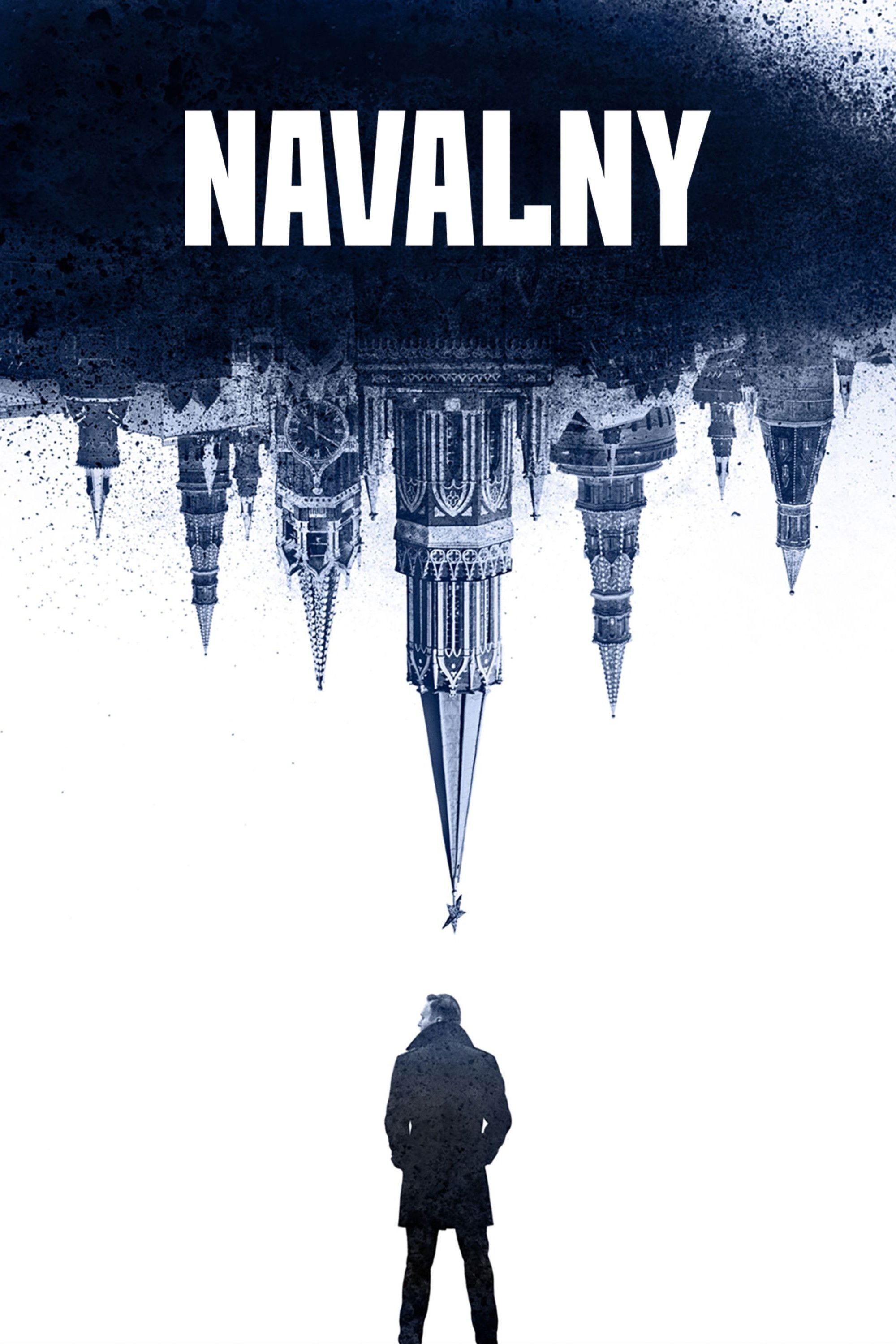
Follows the man who survived an assassination attempt by poisoning with a lethal nerve agent in August 2020. During his months-long recovery, he makes shocking discoveries about the attempt on his life and decides to return home.
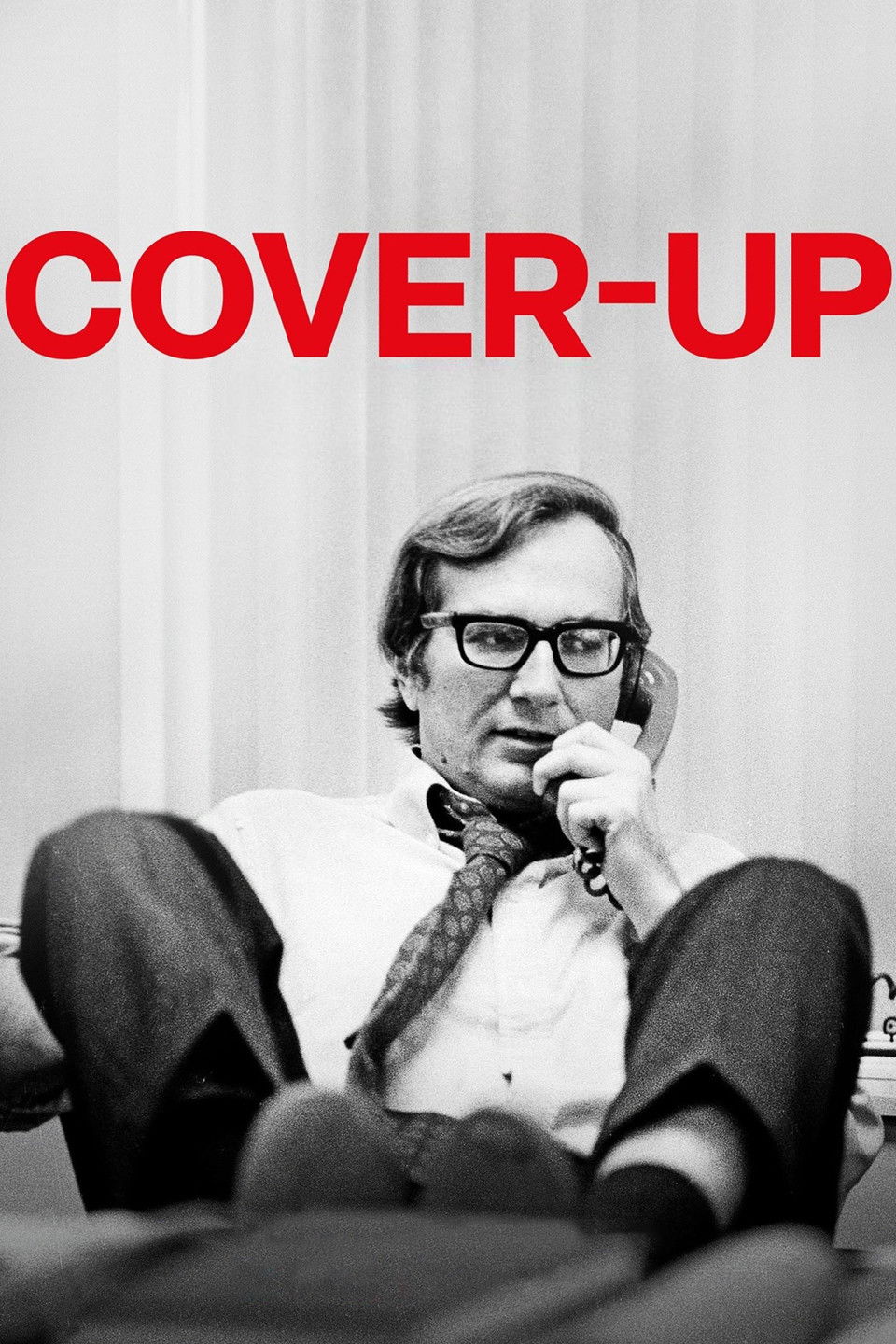
He's devoted his career to uncovering stories the powerful want buried. From My Lai to Abu Ghraib, dig into the life's work of journalist Seymour Hersh.
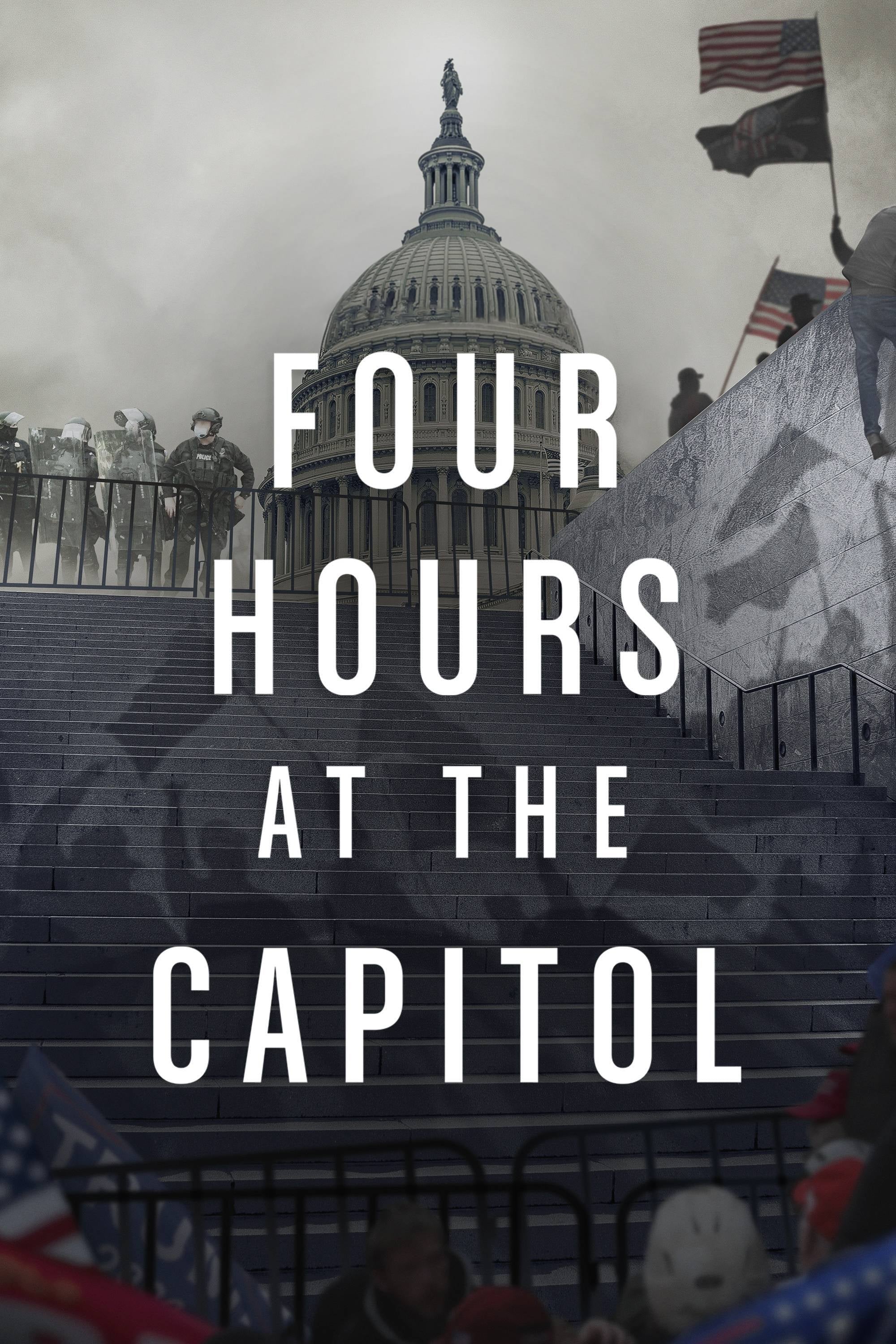
The documentary is an immersive chronicle of the insurrection at the U.S. Capitol on January 6, 2021, when thousands of American citizens from across the country gathered in Washington D.C. to protest the results of the 2020 presidential election, many with the intent of disrupting the certification of Joe Biden's presidency.
Al Pacino's deeply-felt rumination on Shakespeare's significance and relevance to the modern world through interviews and an in-depth analysis of "Richard III."
SEDUCED AND ABANDONED combines acting legend Alec Baldwin with director James Toback as they lead us on a troublesome and often hilarious journey of raising financing for their next feature film. Moving from director to financier to star actor, the two players provide us with a unique look behind the curtain at the world's biggest and most glamourous film festival, shining a light on the bitter-sweet relationship filmmakers have with Cannes and the film business. Featuring insights from directors Martin Scorsese, 'Bernando Bertolucci' and Roman Polanski; actors Ryan Gosling and Jessica Chastain and a host of film distribution luminaries.
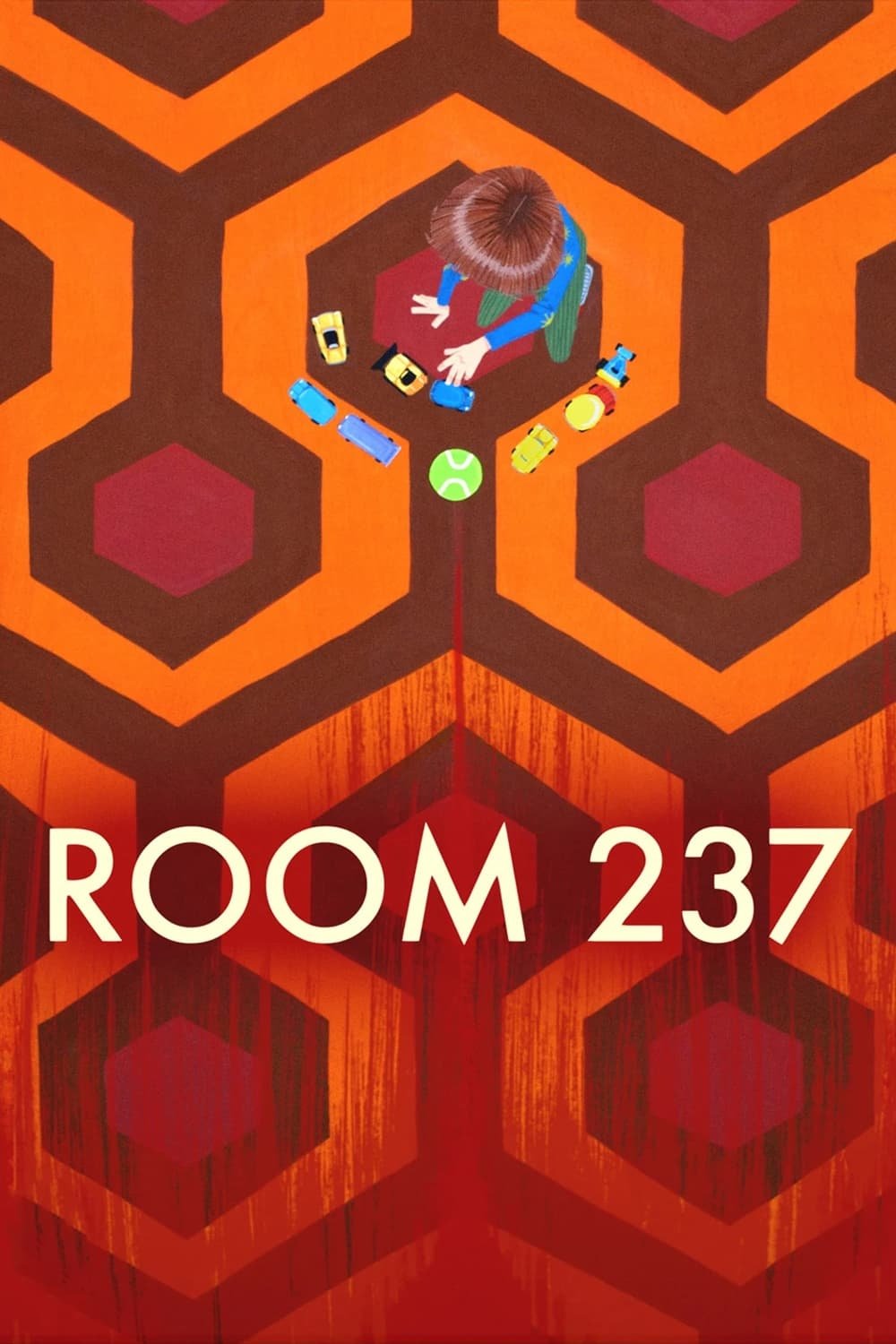
A subjective documentary that explores various theories about hidden meanings in Stanley Kubrick's classic film The Shining. Five very different points of view are illuminated through voice over, film clips, animation and dramatic reenactments.
Through deeply personal interviews with her siblings and an examination of the photographs, letters, and belongings left behind, Mariska assembles a new portrait of her mother Jayne Mansfield, an extraordinary and complex woman.
An inside look at one of the most anticipated movie sequels ever with James Cameron and cast.
Interviews with leading authors, philosophers and scientists, with an in-depth discussion of the Law of Attraction. The audience is shown how they can learn and use 'The Secret' in their everyday lives.
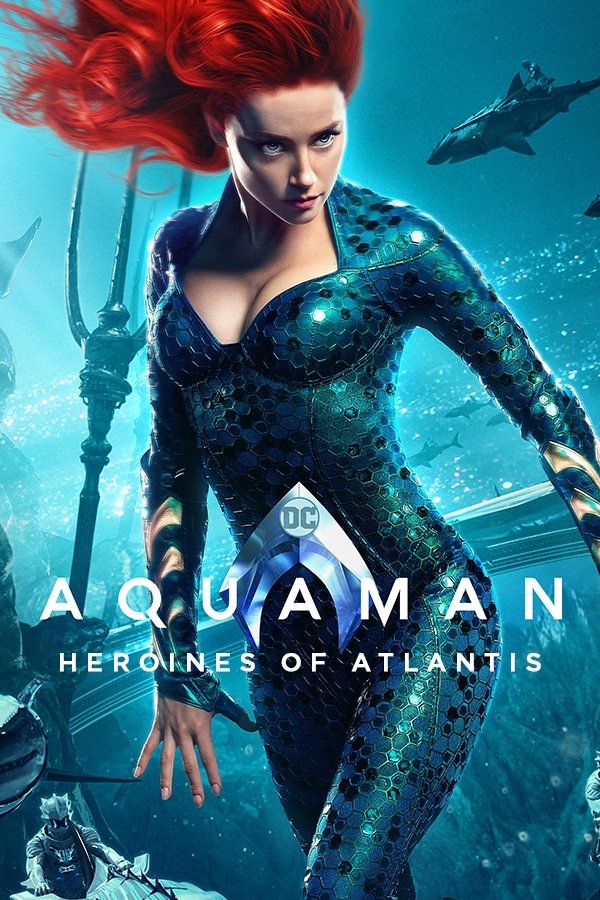
Amber Heard and Nicole Kidman discuss their characters Mera and Atlanna.
Filmmaker Lawrence Shapiro discusses voice-over acting with the talented people behind the characters.
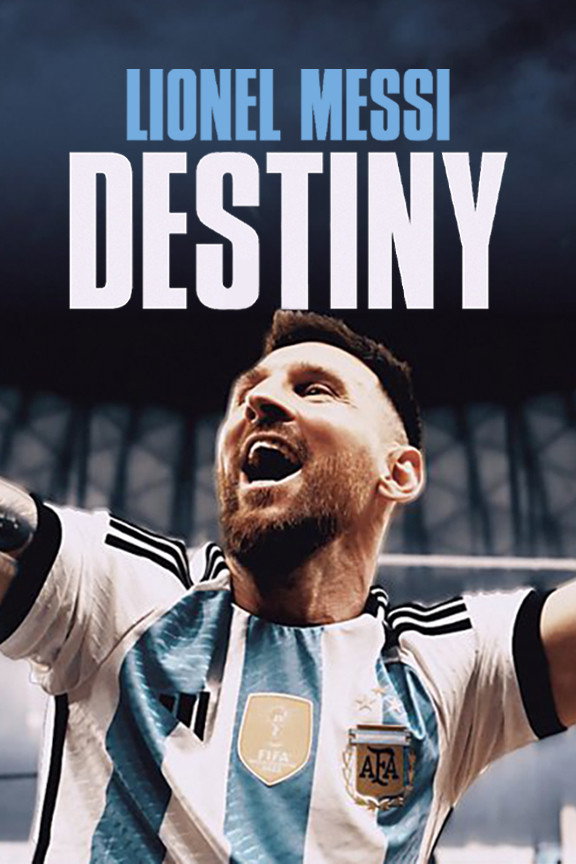
Behind-the-scenes documentary about how Lionel Messi succeeded in lifting the World Cup – the only trophy to have eluded him in an incredible career.
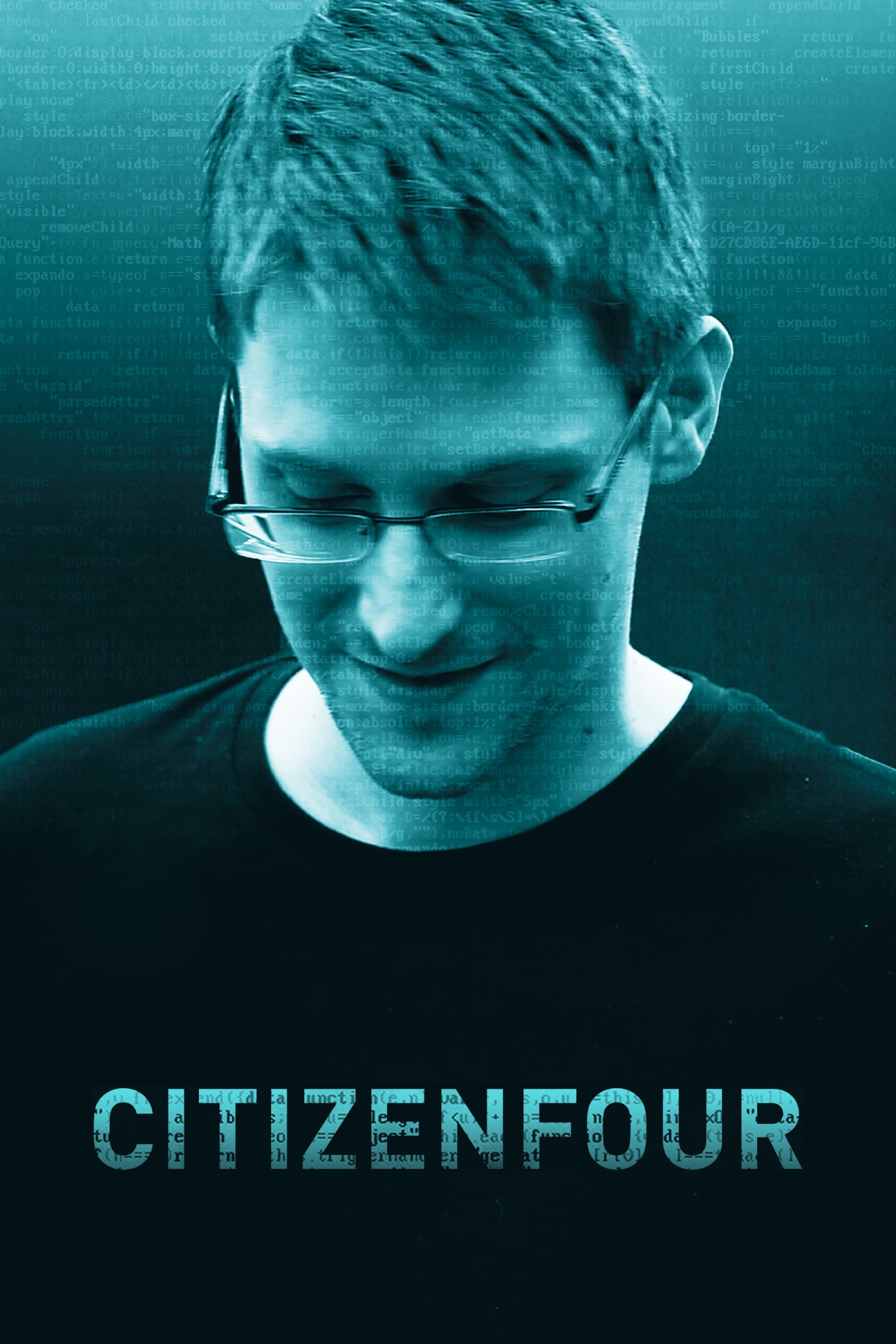
In June 2013, Laura Poitras and reporter Glenn Greenwald flew to Hong Kong for the first of many meetings with Edward Snowden. She brought her camera with her.
A detailing of the rise to prominence and global sporting superstardom of six supremely talented young Manchester United football players (David Beckham, Nicky Butt, Ryan Giggs, Paul Scholes, Phil and Gary Neville). The film covers the period 1992-1999, culminating in Manchester United's European Cup triumph.