A story about the world's best Cyber spies. Their training in Israel's military, and their impact on the world we live in.
Social & External
Naarator / Self
Pains in the butt, or super heroes of the computer revolution? How about both. The documentary Hackers: Computer Outlaws takes a look at the world of hackers, from Draper to Woz to Mitnick.
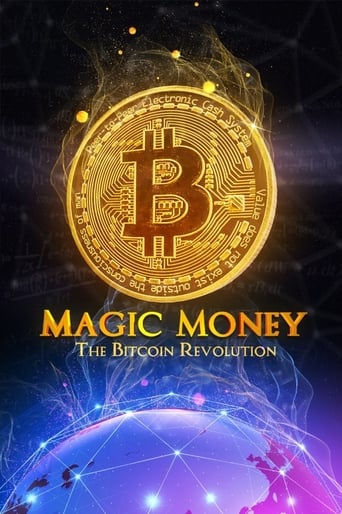
What is Bitcoin? With the advent of Bitcoin, the world's first digital currency, for the first time in history money is no longer controlled by banks or governments, but by the people who use it. But where did this currency come from? How does it work? And is it truly the way forward, or just a flash in the pan? Magic Money answers these questions and more as it explores the mysterious origins of Bitcoin, its role in society, and how it could shape the future.
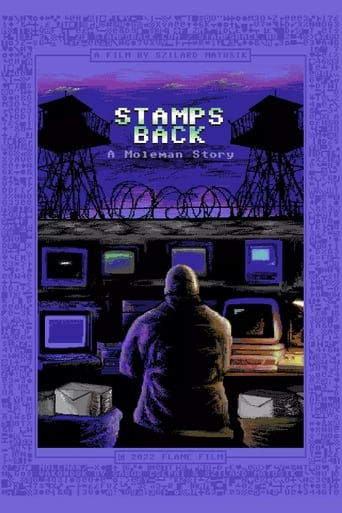
The story of the birth of the Hungarian home computer scene back in the '80s behind the Iron Curtain. Smuggled in C64s, cracked games, swappers, diskmags, hacked phone lines to American BBS servers, demoscene, copy parties.
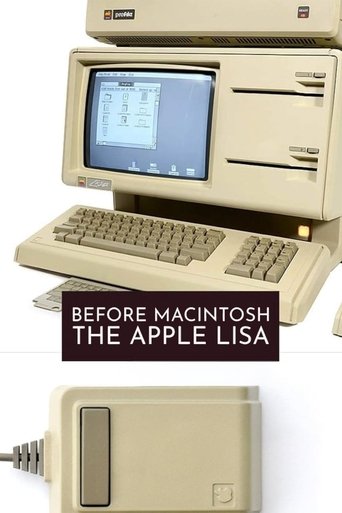
Explores the history, technology, people, stories and industry influence of this lesser-known personal computer. The film profiles important individuals involved in the creation of the computer, plus its life after cancellation, both as an entry-level Macintosh compatible and as a collectible. The work of Douglas Engelbart and his team, plus advances from the Xerox Palo Alto Research Center (PARC) with their Alto and Star workstations were the initial innovators of the Graphical User Interface (GUI), but the Apple Lisa stands as the clear foundation for what we all use today -- Macintosh -- Windows -- iOS -- Android.
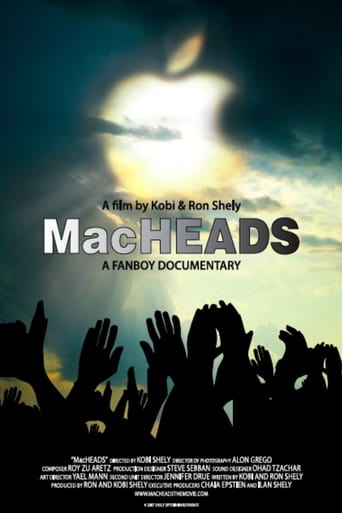
"Welcome to Macintosh" is a documentary that mixes history, criticism and an unapologetic revelry of all things Apple. Whether a long time Mac fanatic or new to computers, Welcome to Macintosh explores the many ways Apple Computer (now Apple, Inc.) has changed the world, from the early days of the Apple-I to the latest the company has to offer.
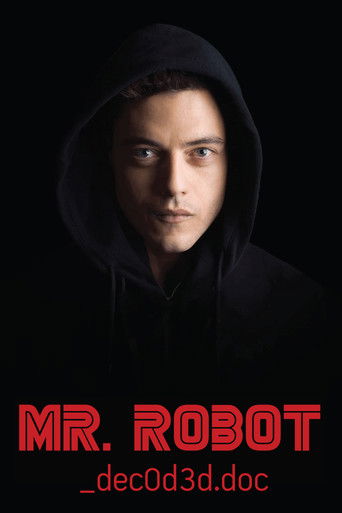
In Mr. Robot Decoded, creator Sam Esmail, stars Rami Malek and Christian Slater, real-life hacker Jeff Moss and other experts open up about how the show made an extremely technical subject relatable to a wide audience and brought humanity to hackers through the main character Elliot Alderson.
Documentary film investigating allegations of election fraud during the 2004 U.S. presidential election. Electronic voting machines count approximately 90% of America's votes in county, state and federal elections. The technology is also increasingly being used across the world, including in Canada, the United Kingdom, Europe and Latin America. The film uncovers incendiary evidence from the trash cans of Texas to the ballot boxes of Ohio, exposing secrecy, votes in the trash, hackable software and election officials rigging the presidential recount.Ultimately proving our votes can be stolen without a trace "Hacking Democracy" culminates in the famous 'Hursti Hack'; a duel between the Diebold voting machines and a computer hacker from Finland - with America's democracy at stake.
The story of computers: from electronic tape and punched cards, to austere-looking robots.
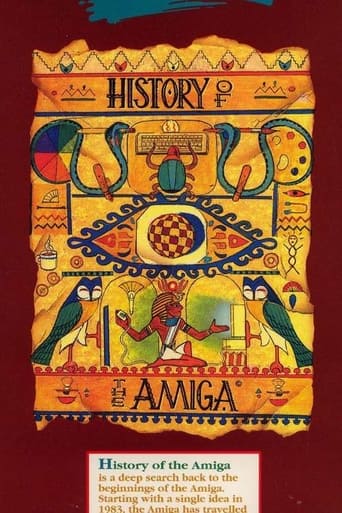
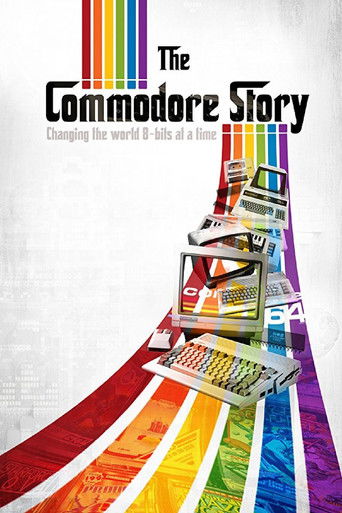
The story of the Commodore PET, VIC-20, C64 and Amiga from engineers, games developers and how Commodore influenced the first 8-bit generation users.
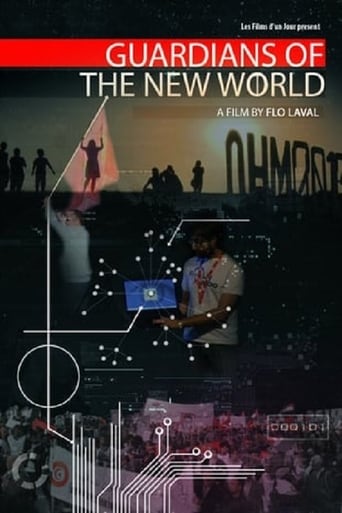
Guardians of the New World introduces us to the world of hacker culture. Emerging from the 70’s counterculture around conceptions of personal freedom, decentralisation of power and sharing, hacking really came to prominence with the emergence of the Internet as a ubiquitous public forum from the late 90’s onwards.
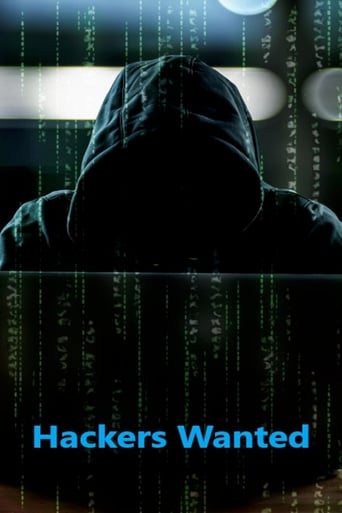
Hackers Wanted explores the origins and nature of hackers and hacking by following the adventures of Adrian Lamo, and contrasting his story with that of controversial figures throughout history.
In The Realm of the Hackers is a documentary about the prominent hacker community, centered in Melbourne, Australia in the late 80's to early 1990. The storyline is centered around the Australian teenagers going by the hacker names "Electron" and "Phoenix", who were members of an elite computer hacking group called The Realm and hacked into some of the most secure computer networks in the world, including those of the US Naval Research Laboratory, Lawrence Livermore National Laboratory, a government lab charged with the security of the US nuclear stockpile, and NASA.
Amid the growing threat of cyberattacks from Russian hackers, this film dives into their origins, motives, and the dangers they pose to their targets.
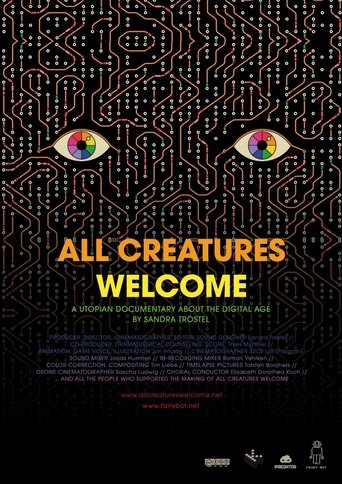
All Creatures Welcome explores the world of hackers and nerds at the events of the Chaos Computer Club, Europe's largest hacker association. The film dispels common clichés and draws a utopian picture of a possible society in the digital age.
In 1986, astronomer turned computer scientist Clifford Stoll had just started working on a computer system at the Lawrence Berkeley Laboratory when he noticed a 75-cent discrepancy between the charges printed by two accounting programs responsible for charging people for machine use. Intrigued, he deduced that the system was being hacked, and he determined to find the culprit. This is the re-enactment of how he tracked down KGB cracker Markus Hess through the Ethernet to Hannover, Germany.
The classic kids' guide to the internet features an excellent review of the internet. Tells you what a web page is and features Peter Jamison.
The ChipTune Story focuses on 8-bit music and the C64 SID chip. Featuring interviews with games 8-bit music composers Rob Hubbard, Chris Huelsbeck, Ben Daglish, Mark Knight. We look at the history of ChipTune from 8-bit to 16-bit sampling.
TPB AFK is a documentary about three computer addicts who redefined the world of media distribution with their hobby homepage The Pirate Bay. How did Tiamo, a beer crazy hardware fanatic, Brokep a tree hugging eco activist and Anakata – a paranoid hacker libertarian – get the White House to threaten the Swedish government with trade sanctions? TPB AFK explores what Hollywood’s most hated pirates go through on a personal level.
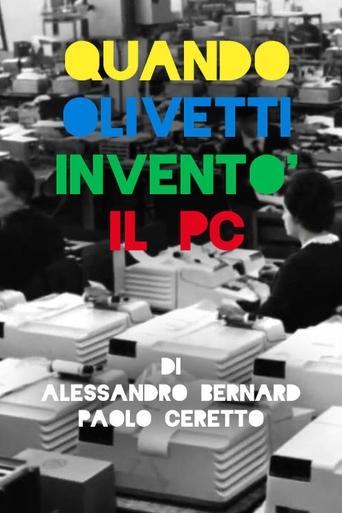
In the early 1960s, computers were still science-fiction to most people; those who did grasp computers knew them as room-filling behemoths. A small team at the Italian company Olivetti would thus astonish everyone in 1965 when they unveiled a computer small enough to fit on a desk and usable by regular people: Programma 101, considered by many the world’s first personal computer.