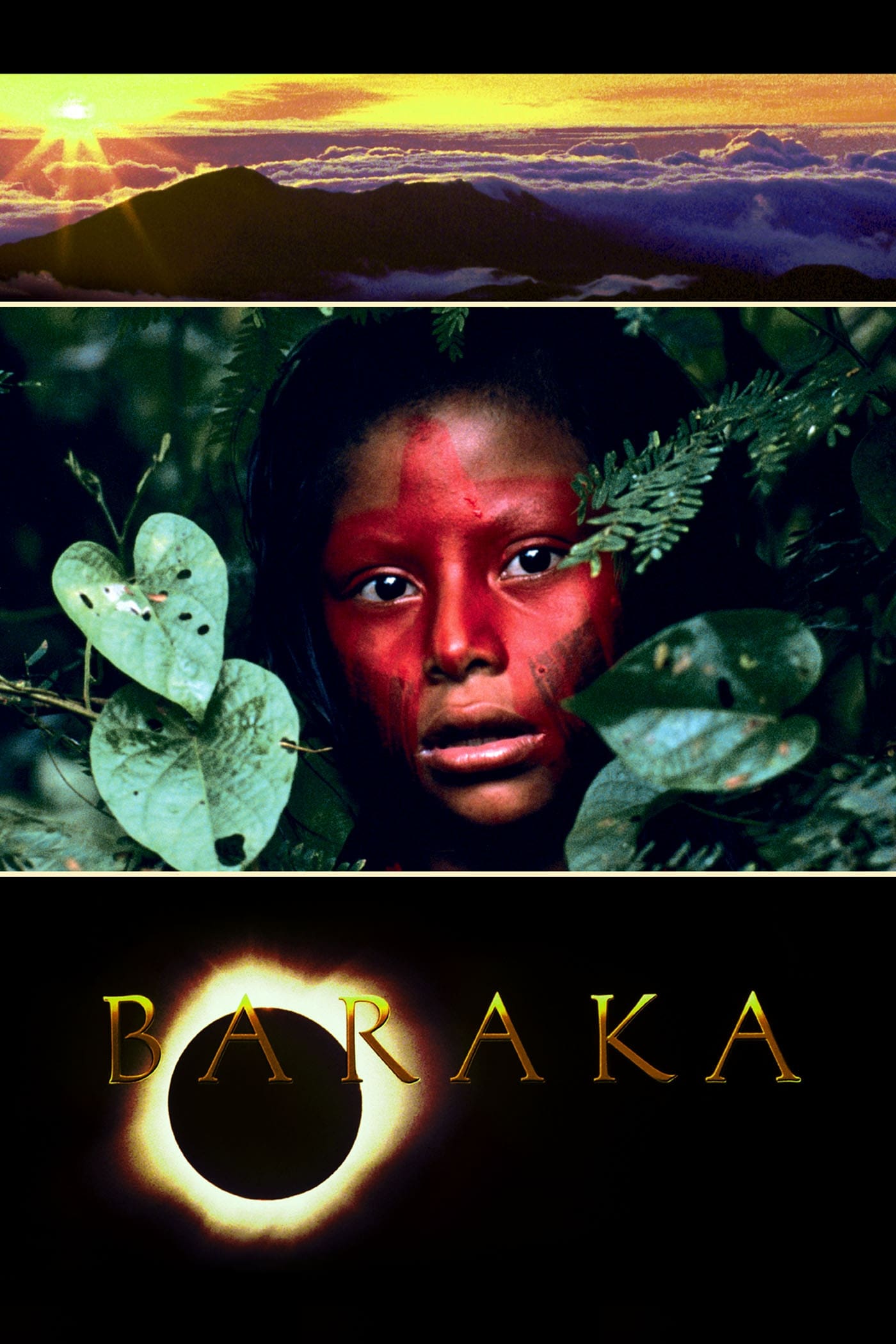
Documentary about Borneo, the island of beauty, passion and demons
Social & External
Presents life in 18th century Spain as the painter Francisco de Goya showed it to us.
A day in the city of Berlin, which experienced an industrial boom in the 1920s, and still provides an insight into the living and working conditions at that time. Germany had just recovered a little from the worst consequences of the First World War, the great economic crisis was still a few years away and Hitler was not yet an issue at the time.
The Dangers of the Fly is an educational film made by Ernesto Gunche and Eduardo Martínez de la Pera, also responsible for Gaucho Nobility (1915), the biggest blockbuster of Argentinean silent cinema. De la Pera was a talented photographer, always willing to try new gadgets and techniques. This film experiments with microphotography in the style of Jean Comandon's films for Pathé and it is part of a series which included a film about mosquitoes and paludism and another one about cancer, which are considered lost. Flies were a popular subject of silent films and there are more than a dozen titles featuring them in the teens and early twenties.
Two unique perspectives on the city of Liverpool come from interviews with the director's parents.
I started from the assumption that the discourse about the hospital could be the objective pretext for communication between two people, the link that allows them to continue writing to each other, the intermediary between two desires.
Short film about the manufacture of bricks.
Take a breathtaking train a ride through Nothern Quebec and Labrador on Canada’s first First Nations-owned railway. Come for the celebration of the power of independence, the crucial importance of aboriginal owned businesses and stay for the beauty of the northern landscape.
After the publication of a CD book with the poems of Leopoldo María Panero, musicians Carlos Ann and Enrique Bunbury travel to the Canary Islands to meet the "cursed poet", who is hospitalized in the psychiatric hospital of Las Palmas.
A boy from the desert tries to sell a sand rose in the big city.
The social democrats of the sixties and seventies worked on their grand plan to build a highway network in Germany that every German citizen could reach within five minutes of their home. The little film hangs around between and on the streets of this network - where the country discos, pedestrian zones, shopping centers, hospitals and roads home are behind noise barriers.
The film offers three excerpts from the life of a working blind person. It shows in particular the extent to which the guide dog can replace the blind person's lack of sight and how this results in a relationship of loyalty between man and animal of rare intimacy.
A perspective and reflection on the work of Gabriel Ferrandini.
A cinematic portrait of the homeless population who live permanently in the underground tunnels of New York City.
The first woman to appear in front of an Edison motion picture camera and possibly the first woman to appear in a motion picture within the United States. In the film, Carmencita is recorded going through a routine she had been performing at Koster & Bial's in New York since February 1890.
With no choice, César faced leaving his family behind, quitting his job and joining the Army. In an unprecedented chain of events he became the first conscientious objector in Galicia (Spain) to be put in prison. Now, nearly thirty years later, Two Years, Four Months, A Day takes a look at what made him do it.