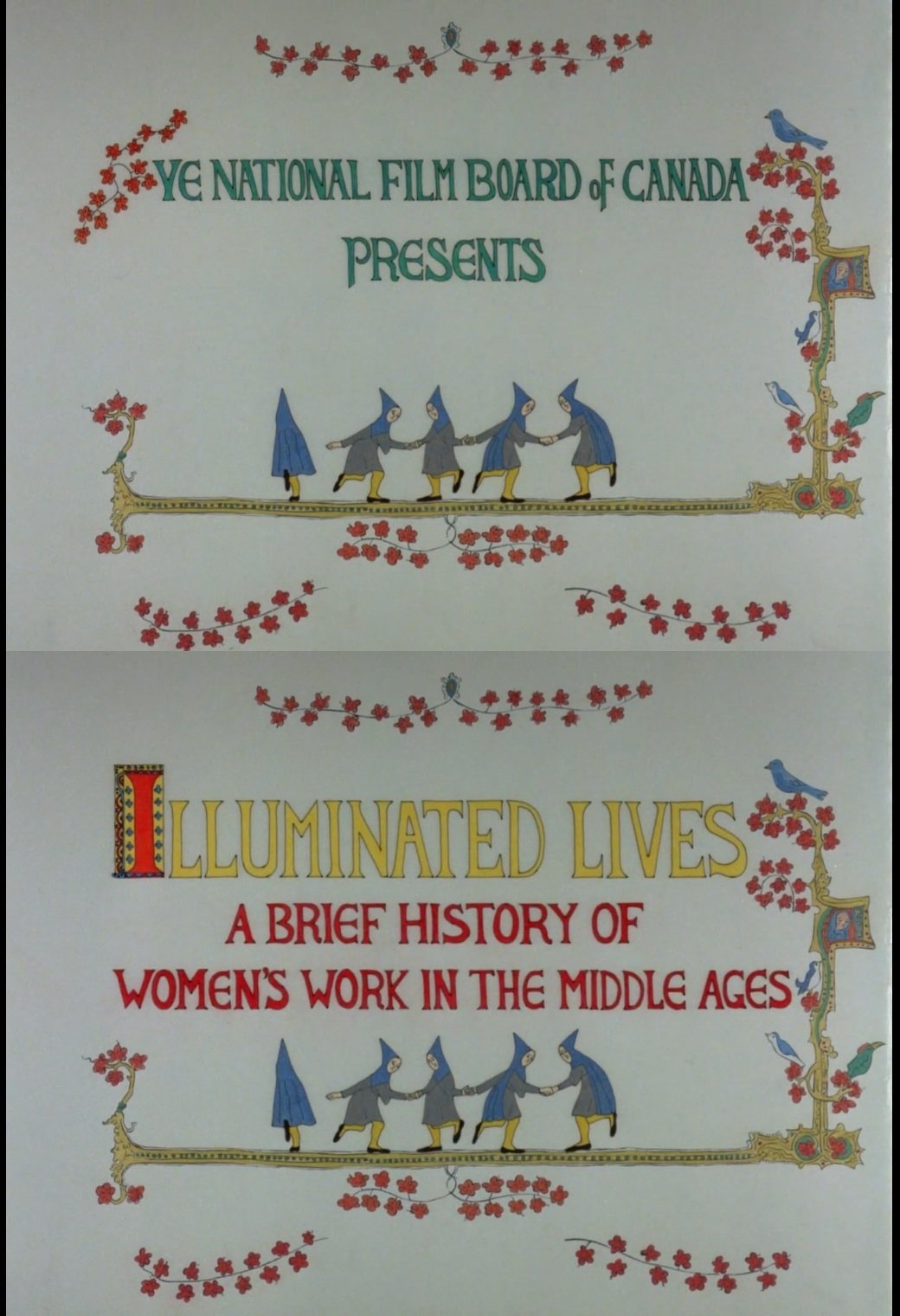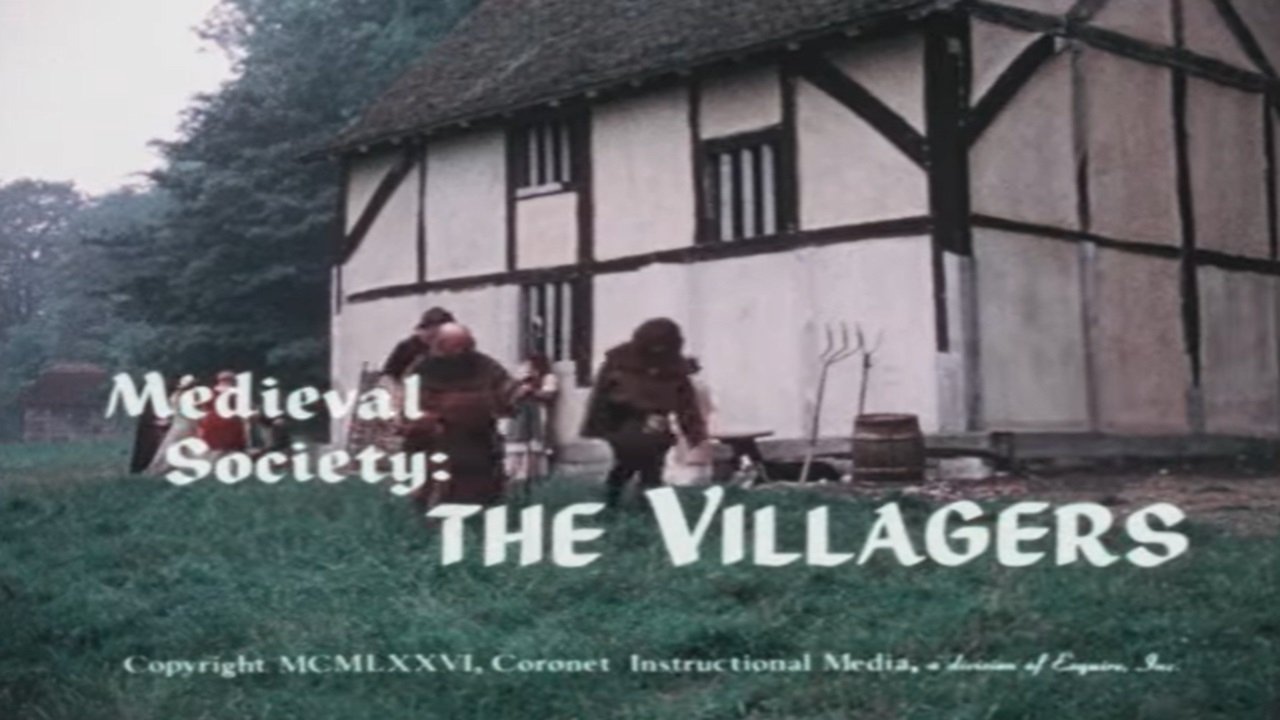
Depicts life in the Middle Ages, showing medieval villagers, including a reeve and a serf, explaining something of their life and work.
Social & External
It began much like the common cold. Yet within a day fever took over black swellings the size of baseballs appeared on the neck and finally a highly contagious bloody cough quickly sealed the victim's fate. During the worst biological disaster in the history of mankind the so-called black death released an indiscriminate fury which shook the very foundations of human order. Religious hysteria began to break out and in desperation frenzied masses scrambled to find a scapegoat. When all was said and done nearly one-third of Europe's population had been completely wiped out and devastated survivors were left to contend with a world forever changed both socially and economically. In this feature-length special THE HISTORY CHANNEL-® investigates the origins of this devastating moment in human history and explores the many questions surrounding the terrifying possibility of a modern-day biological threat.
This animated short challenges enduring myths, spawned by fairy tales and romances, about women in medieval society. It explores the differences and similarities between that distant period and our own, and shows what medieval women’s lives were really like.
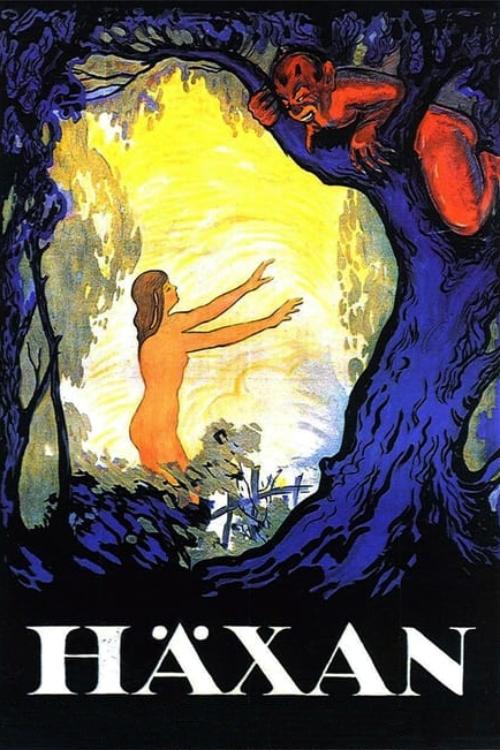
Grave robbing, torture, possessed nuns, and a satanic Sabbath: Benjamin Christensen's legendary film uses a series of dramatic vignettes to explore the scientific hypothesis that the witches of the Middle Ages suffered the same hysteria as turn-of-the-century psychiatric patients. But the film itself is far from serious-- instead it's a witches' brew of the scary, gross, and darkly humorous.
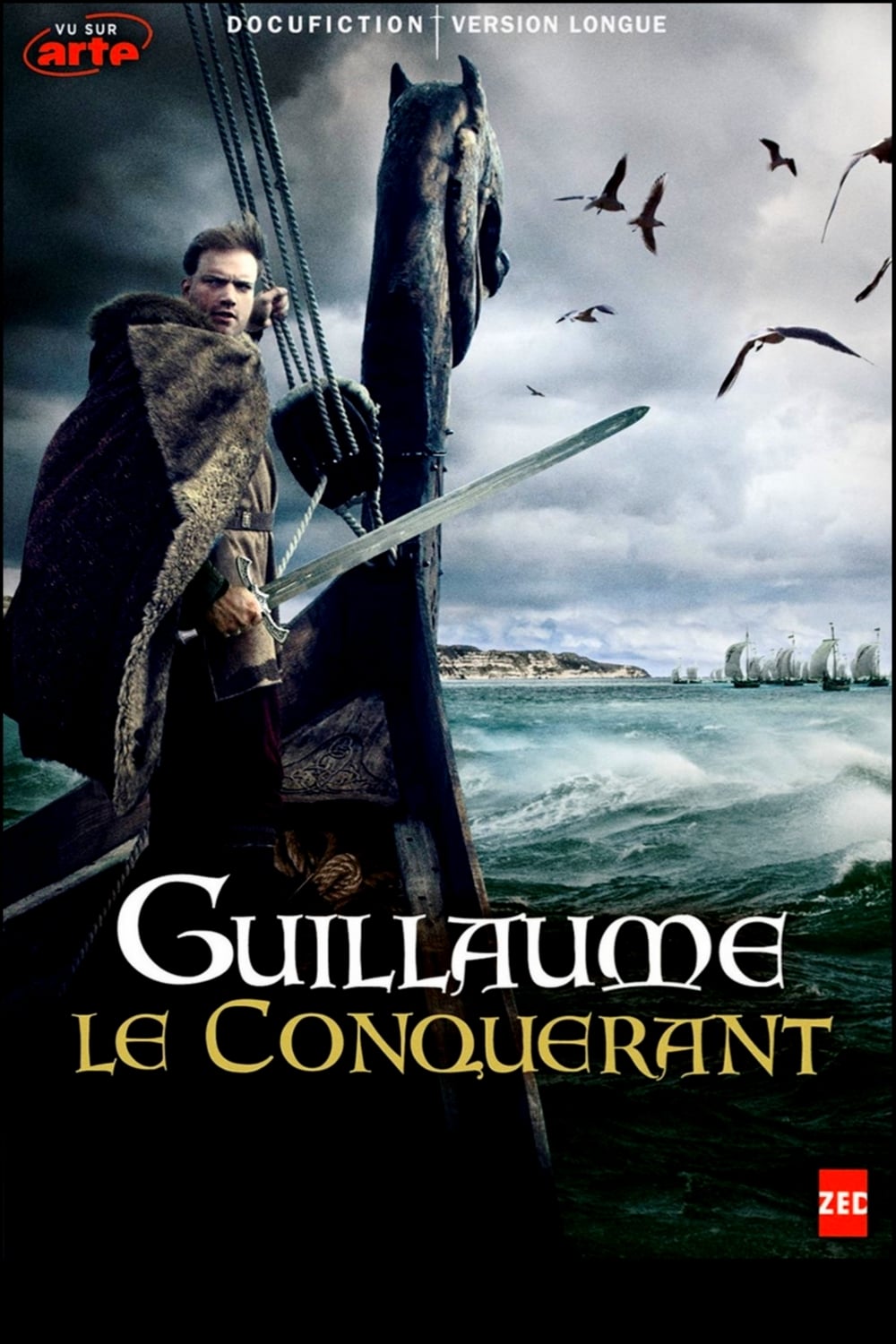
England, 11th century. William the Conqueror (ca. 1027-1087) wins the Battle of Hastings (1066), changing the shape of medieval Europe and the course of English history. An account of the life of the extraordinary Norman warrior who became king.
Death and the devil, nudity and eroticism, horror in blazing colours, Gothic art cast a spell over people 500 years ago. In these image-poor times, art deliberately and skilfully played with the emotions of the viewer, triggering fear, devotion, but also rapture. Art documentary on German gothic art of the late-middle ages.
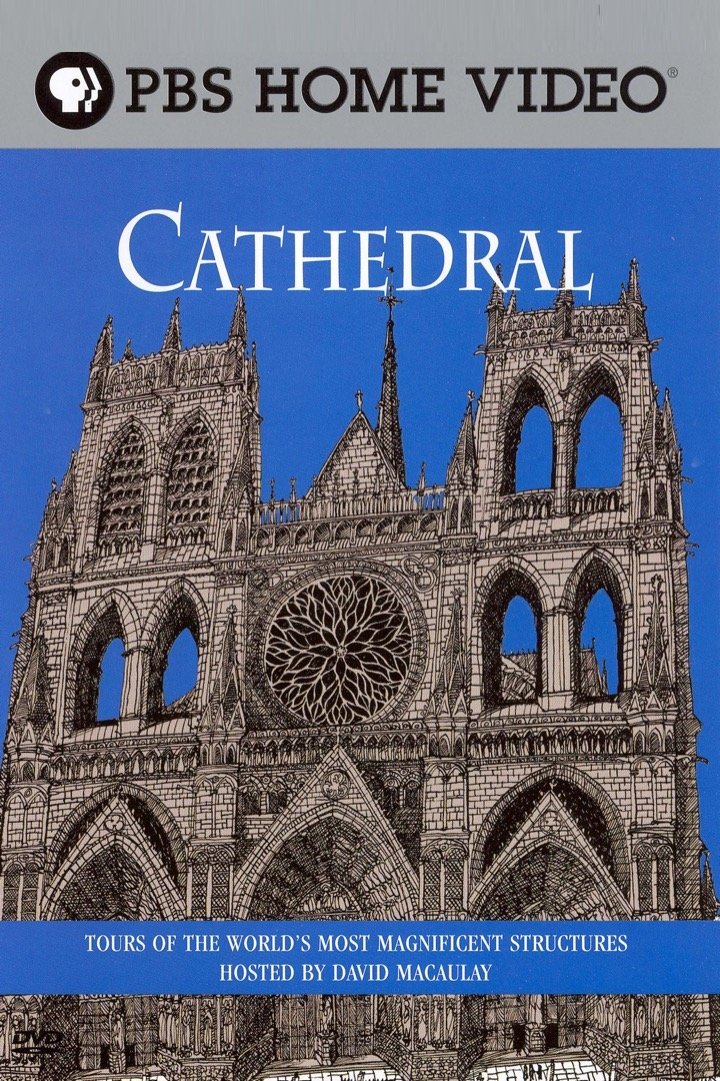
Author David Macaulay hosts CATHEDRAL, based on his award-winning book. Using a combination of spectacular location sequences and cinema-quality animation, the program surveys France's most famous churches. Travel back to 1214 to explore the design of Notre Dame de Beaulieu, a representative Gothic cathedral. The program tells period tales revealing fascinating stories of life and death, faith and despair, prosperity, and intrigue.
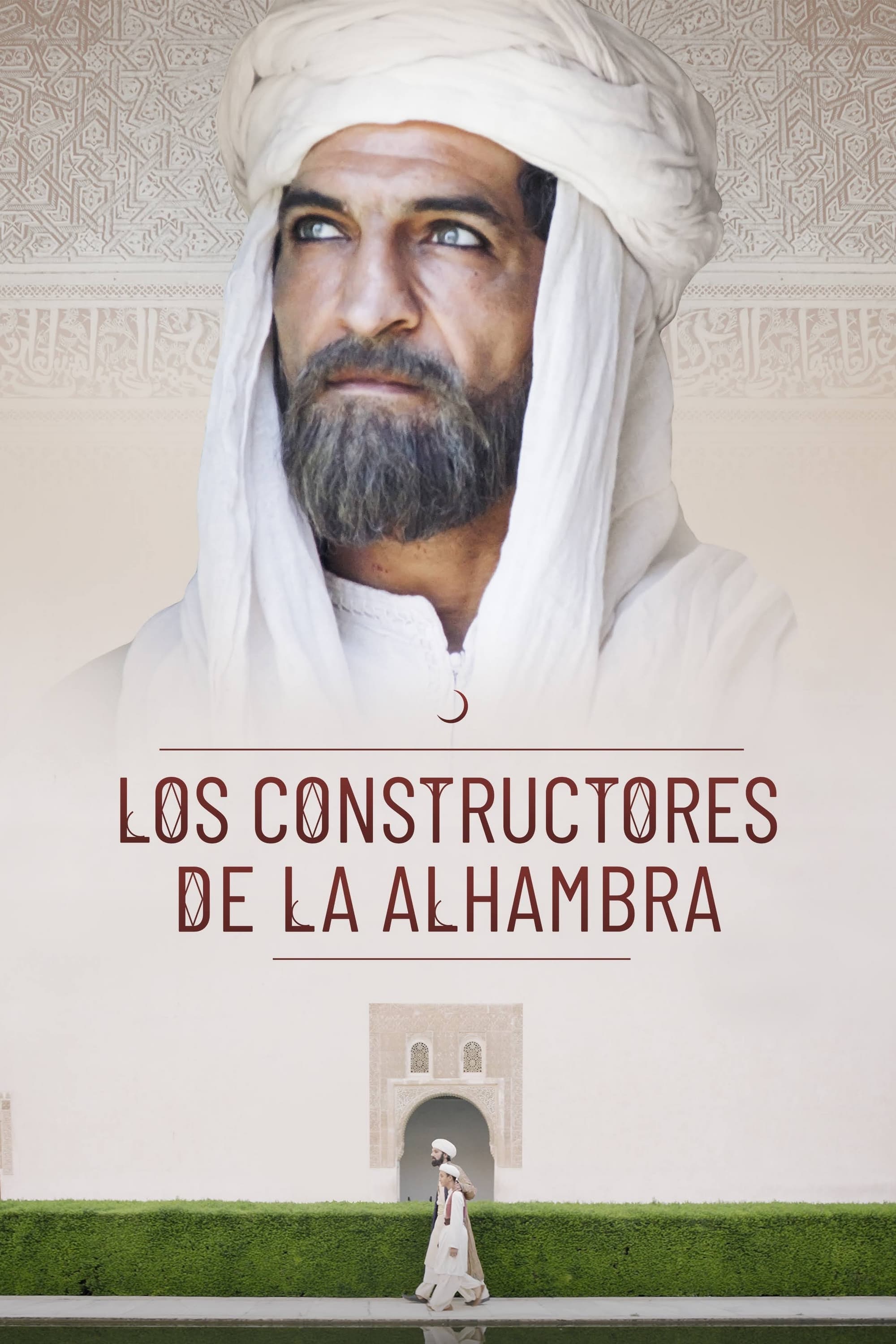
Kingdom of Granada, al-Andalus, 14th century. After recognizing that his land, always under siege, is hopelessly doomed to be conquered, Sultan Yusuf I undertakes the construction of a magnificent fortress with the purpose of turning it into the landmark of his civilization and his history, a glorious monument that will survive the oblivion of the coming centuries: the Alhambra.
This is the story of the Bohemian King, Přemysl Otakar II, and the forgotten pilgrim, Odorik, who was the first-ever European to set eyes on Tibet. This medieval road movie brings an unconventional view to these two great figures of Czech medieval history. While the character of Odorik, regarded as the “Bohemian Marco Polo,” is practically unknown to us, the Bohemian King Přemysl Otakar II is either demonized or dismissed by the traditional clichés of the “Iron and Golden King.” In a private conversational format, the film’s author gives us a glimpse of this medieval world, set nearly 700 years apart from our modern context. But nothing has been lost in terms of this world’s impact or relevance, for both Odorik and Přemysl have outlived their time. Their lives are surprisingly endearing and touch on many of our current feelings.
Who invented time, who invented the clock? Why 1 hour, why 60 minutes, why 60 seconds? Since prehistoric times, man has sought to measure time, to organize social and religious life, to plan food supply... Today we can surf the Internet, geolocate, pay by credit card… All our daily lives depend on time and the synchronization of clocks. The history of the invention of time and of the ways and instruments to measure it is a long story…
He is considered the greatest European poet of the Middle Ages and his work unfolds the whole panopticon of occidental education – theology, philosophy, sciences, politics and literature. But who has really read it, the “Divine Comedy”? Who knows more of its creator Dante Alighieri than that he had an eagle-like profile and was in love with a woman named Beatrice? 700 years after Dante’s death, the filmmaker Adolfo Conti travels through Italy with Dante’s words in mind and eyes to see the world as Dante did. As the film encounters the beauty of arts and the Tuscan landscape, the forces of nature, a dramatic life story is unfolded.
Part of BBC Arena's Animal Night, this film chronicles a strange era in history when animals were put on trial in human courts.
Historian David Starkey tells the story of the Protestant Reformation and how it transformed the face of modern Europe, unleashing fundamentalism, terror and religious violence.
It is the world’s most mysterious manuscript. A book, written by an unknown author, illustrated with pictures that are as bizarre as they are puzzling — and written in a language that even the best cryptographers have been unable to decode. No wonder that this script even has a part in Dan Brown’s latest bestseller “The Lost Symbol”.
On October 11, 1424, Hussite commander Jan Žižka breathed his last breath near the castle in Přibyslav. With a little exaggeration, it can be said that he never actually died, as he immediately entered national mythology as the prototype of a brilliant military leader and a true Czech. The revolutionary events then took a slightly different course than he would have liked, but his legacy remained ever-present among the Hussites. To this day, Žižka lives on in our society, with books written and films made about him. But even after 600 years of uninterrupted interest, a significant question mark remains over the Trocnov warrior: What was he really like? A deeply religious warrior of God, or just an ordinary medieval cutthroat? Leading Czech historians, headed by Professor Petr Čornej, are attempting to answer this question.
Dolf a 15 year old boy is sent back in time by a timemachine. Accidentally he is sent back to the Middle Ages. He is rescued by children who are part of a childrens' crusade, on their way to rescue Jeruzalem. During the trip Dolf finds out the danger is not coming from outside the crusade, but from within.
Around the year 1000 AD warlike people, the so-called "tjuder", roam in northern Scandinavia. As they brutally kill a family in a remote area, including the parents and their little daughter, the family's teenage son, Aigin, observes the slaughter. He manages to flee from these killers and reaches a camp with other Sámi whose inhabitants are worried if he has been able to hide his track. Afraid of the murderous people, they decide to flee to the coast. The boy stays alone to avenge his family's murder. Unfortunately, they get him before he can do anything and force him to lead them to the other Sámi. He guides them but has a plan to destroy the barbarous people before reaching the camp.
Marion is a woman who has learned to shield herself from her emotions. She rents an apartment to work undisturbed on her new book, but by some acoustic anomaly she can hear all that is said in the next apartment in which a psychiatrist holds his office. When she hears a young woman tell that she finds it harder and harder to bear her life, Marion starts to reflect on her own life. After a series of events she comes to understand how her unemotional attitude towards the people around her affected them and herself.
In a remote mountain village of 15th-century Joseon, humble headman Heung-do hears a rumor that any village hosting an exiled nobleman will be blessed with abundance and fortune. Hoping to bring prosperity to his impoverished community, he eagerly submits a petition to host one—unaware that his guest is none other than the fallen monarch, deposed boy-king Danjong.
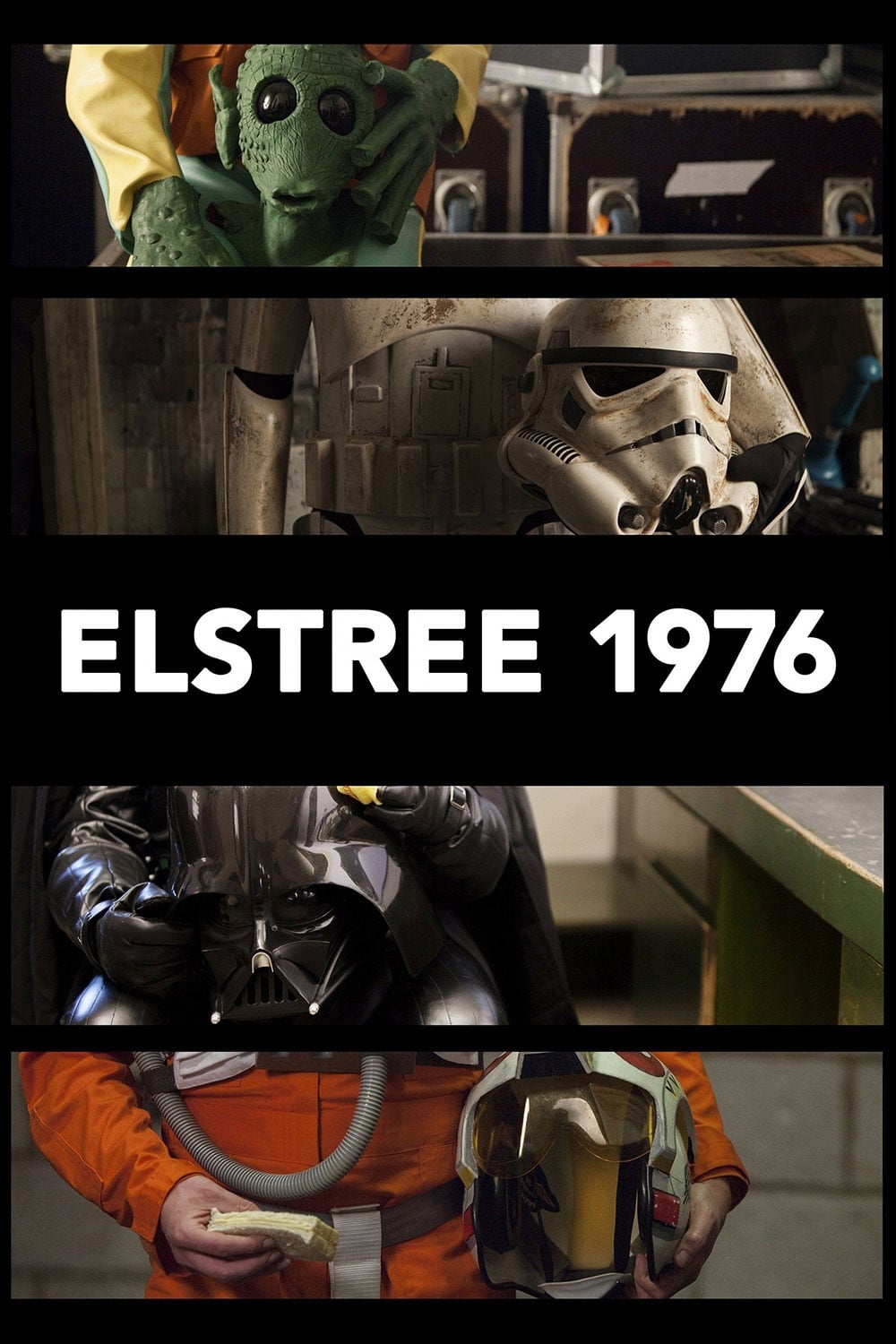
A documentary about ten very different lives connected by having appeared onscreen wearing masks or helmets in Star Wars.
In this genre-bending tale, Errol Morris explores the mysterious death of a U.S. scientist entangled in a secret Cold War program known as MK-Ultra.
Lyrical and powerfully personal essay film that reflects on the deaths of her husband Lou Reed, her mother, her beloved dog, and such diverse subjects as family memories, surveillance, and Buddhist teachings.
Documentary filmmaker Frederick Wiseman takes us inside Northeast High School as a fly on the wall to observe the teachers and how they interact with the students.
The life and career of an actor, artist, and icon. His own journey through his own camera.
The life of Mr. Spock, as well as that of Leonard Nimoy, the actor who played him for almost fifty years, written and directed by his son: Adam.
As a visually radical memoir, CAMERAPERSON draws on the remarkable footage that filmmaker Kirsten Johnson has shot and reframes it in ways that illuminate moments and situations that have personally affected her. What emerges is an elegant meditation on the relationship between truth and the camera frame, as Johnson transforms scenes that have been presented on Festival screens as one kind of truth into another kind of story—one about personal journey, craft, and direct human connection.
A look at the origins, history and conspiracies behind the "Majestic 12", a clandestine group of military and corporate figureheads charged with reverse-engineering extraterrestrial technology.
A documentary on the life of John Lennon, with a focus on the time in his life when he transformed from a musician into an antiwar activist.
Using the book 'Fragments', which collects Marilyn Monroe's poems, notes and letters, and with participation from the Arthur Miller and Truman Capote estates who have contributed more material, each of the actresses will embody the legend at various stages in her life.
A visual montage portrait of our contemporary world dominated by globalized technology and violence.
An impressionistic portrait of the iconic actor Harry Dean Stanton comprised of intimate moments, film clips from some of his 250 films and his renditions of American folk songs.
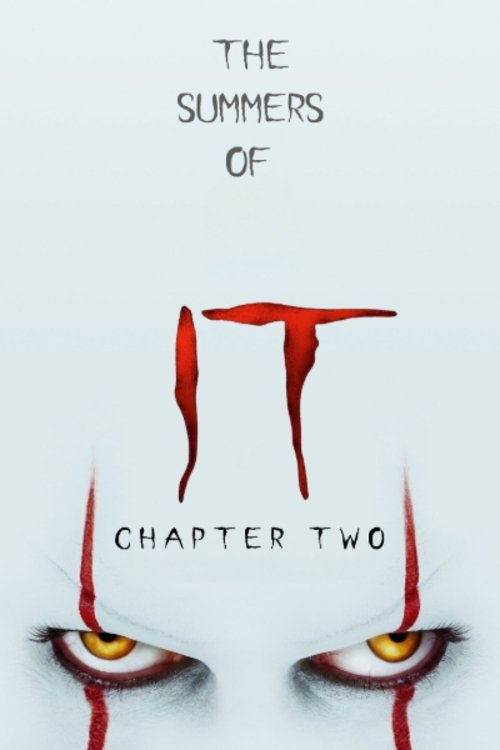
This documentary focuses on the actors and their journey over two summers to create the remake to the original IT, by Stephen King. The documentary originally released as bonus material, bundled with IT: Chapter Two.
JB Smoove and Martin Starr host a celebration of 20 years of "Spider-Man" movies, from the Sam Raimi trilogy to Marc Webb's movies and the trio from Jon Watts.
A documentary detailing the epic Rogues' Gallery of DC Comics from The Joker and Lex Luthor, Sinestro, Darkseid and more, this documentary will explore the Super Villains of DC Comics.
A documentary shot by filmmakers all over the world that serves as a time capsule to show future generations what it was like to be alive on the 24th of July, 2010.
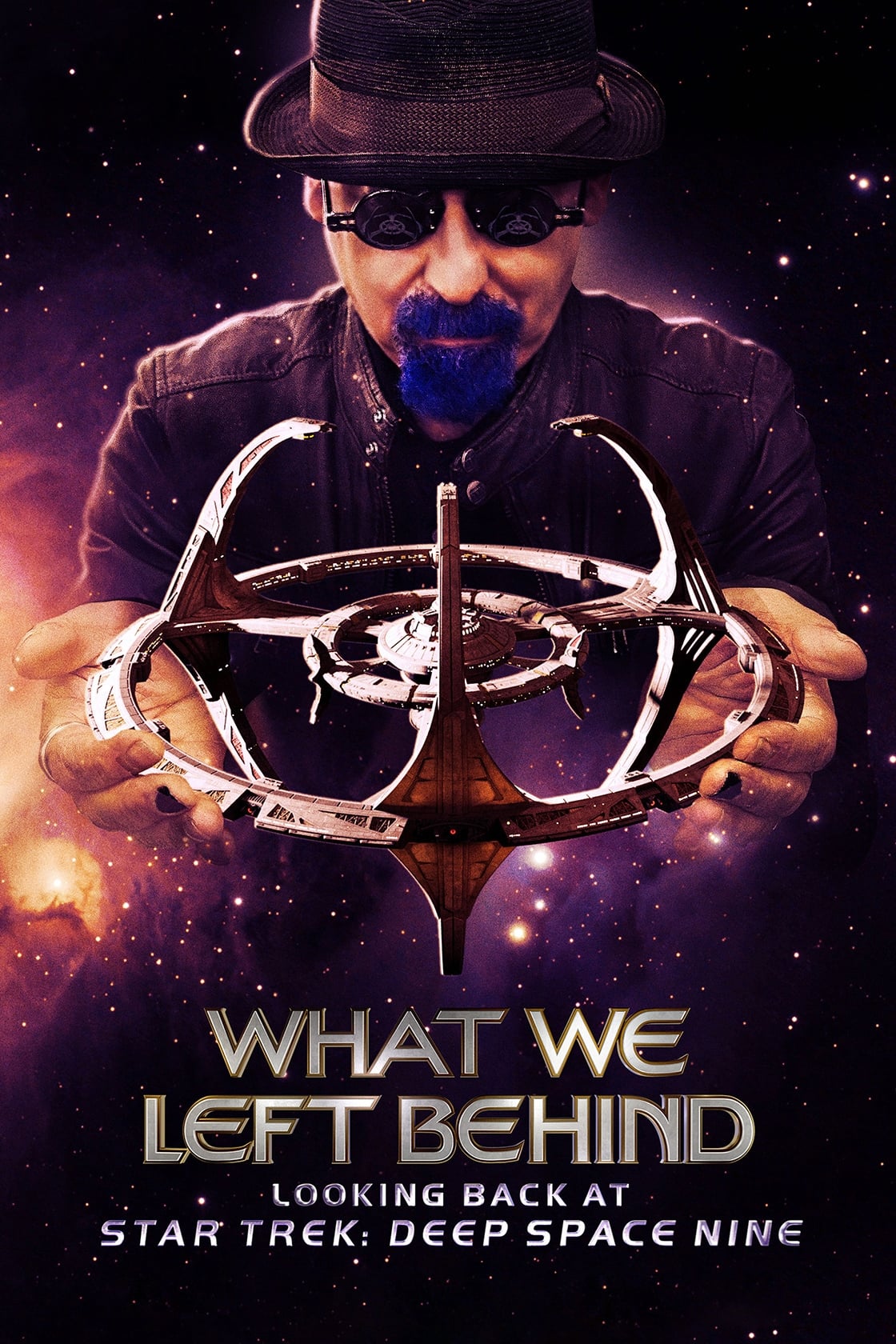
A documentary exploring the legacy of Star Trek: Deep Space Nine, the reasons it went from the black sheep of Star Trek to a beloved mainstay of the franchise, and a brainstorm with the original writers on what a theoretical eighth season of the show could look like.
Daniel Craig candidly reflects on his 15 year adventure as James Bond. Including never-before-seen archival footage from Casino Royale to the upcoming 25th film No Time To Die, Craig shares his personal memories in conversation with 007 producers, Michael G Wilson and Barbara Broccoli.
Al Pacino's deeply-felt rumination on Shakespeare's significance and relevance to the modern world through interviews and an in-depth analysis of "Richard III."
A real-life undercover thriller about two ordinary men who embark on an outrageously dangerous ten-year mission to penetrate the world's most secretive and brutal dictatorship: North Korea.