A freedom fighter's journey from armed resistance to cultural resistance.
Social & External
The people behind it
Rabea Turkman
Self
Using only rare archival and newsreel footage, this film tells the story of Palestine from the nineteenth century through current times.
A video project meant to highlight the human cost in Palestine.
Assassinated Lebanese intellectual Mahdi Amel — often dubbed “the Arab Gramsci” — famously said: “He who resists is never defeated.” What use is his thought to us today, and what is our responsibility as image makers to Gaza?
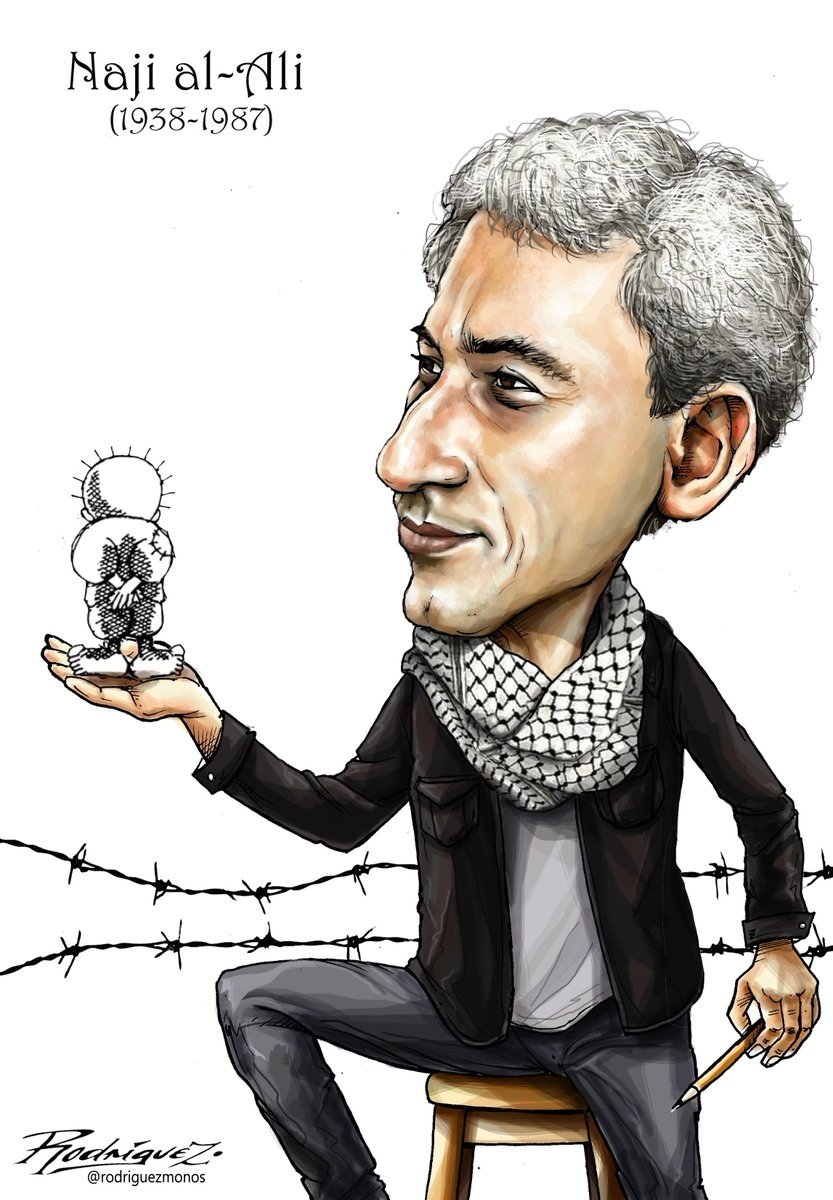
In July 1987, Palestinian cartoonist Naji Al Ali was shot by an unknown assassin. This documentary traces his life and work from his birth in Galilee to his death in London. It examines the forces that shaped Naj Al Ali as an artist and as a human being and shows how his experiences mirrored those of other exiled Palestinians.
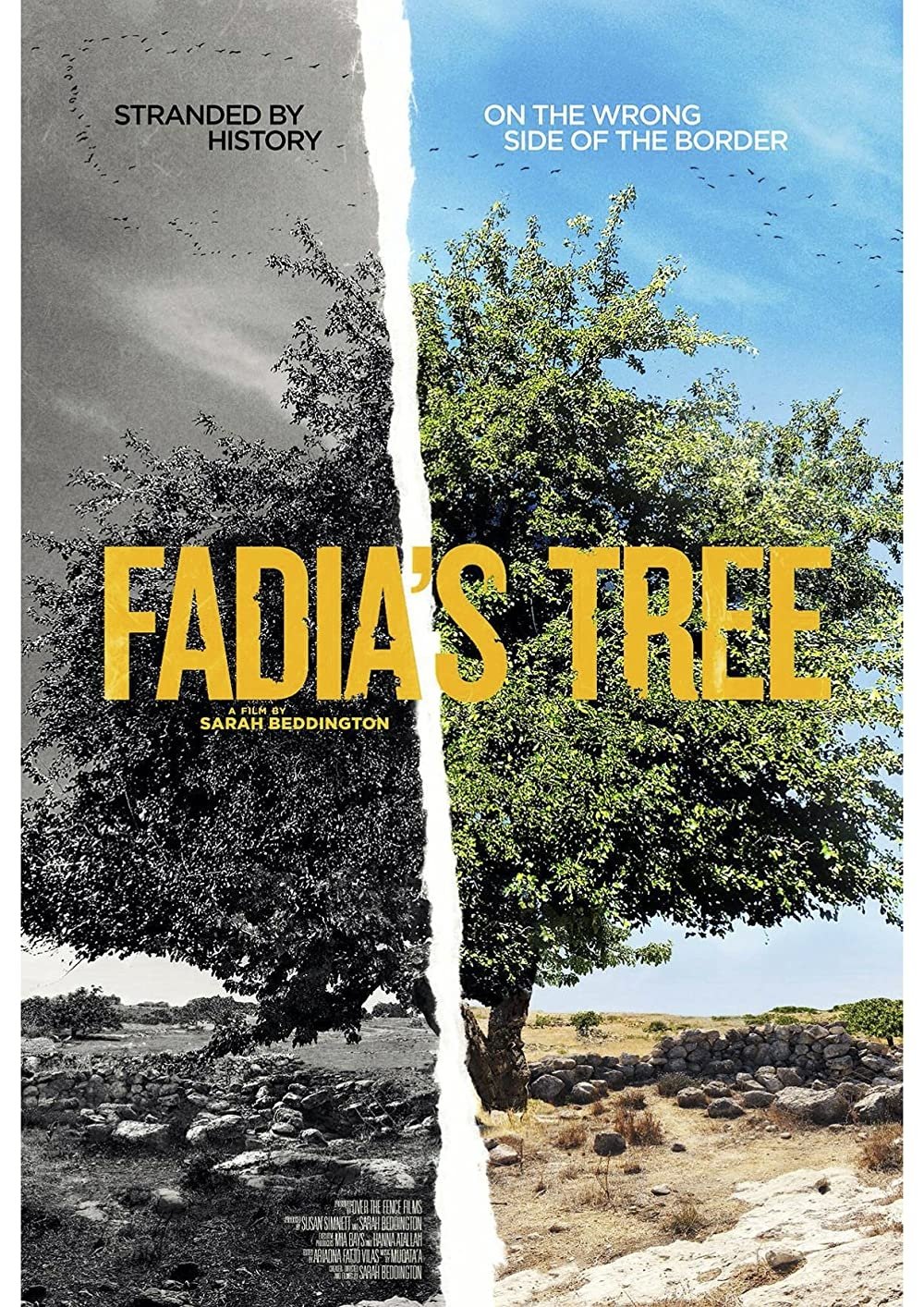
While millions of birds migrate freely in the skies above, Fadia, a Palestinian refugee stranded in Lebanon, yearns for the ancestral homeland she is denied. When a chance meeting introduces her to the director, Sarah, she challenges her to find an ancient mulberry tree that once grew next to her grandfather’s house in historic Palestine, a tree that stands witness to her family’s existence.
In the region of Masafer Yatta in the West Bank, Palestinians are being subjected to ethnic cleansing. Homes that have been passed down since the days of their grandparents are being reduced to rubble by bulldozers. Families who have lived by farming olive trees are forcibly displaced, and Israeli settlements are built in their place. Under international law, these acts are clear violations, yet they continue unabated. In the space of this grotesque violence—where Palestinian homes are demolished to make way for Israeli settlements—there is a familiar logo affixed to the heavy machinery. It belongs to HD Hyundai, one of South Korea's largest conglomerates. Suddenly, what once felt like a distant geopolitical issue jump-cuts into our lives—right to our doorstep.
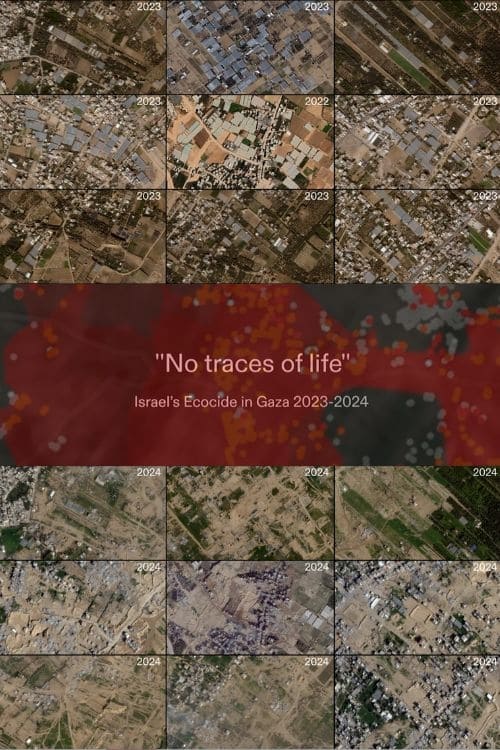
Building on Forensic Architecture’s previous investigation into herbicidal warfare and its effects on Palestinian farmers along the eastern perimeter of the occupied Gaza Strip, this investigation marks Land Day in Palestine by examining the systematic targeting of orchards and greenhouses by Israeli forces since October 2023. Our analysis reveals that this destruction is a widespread and deliberate act of ecocide that has exacerbated the ongoing catastrophic famine in Gaza and is part of a wider pattern of deliberately depriving Palestinians of critical resources for survival.
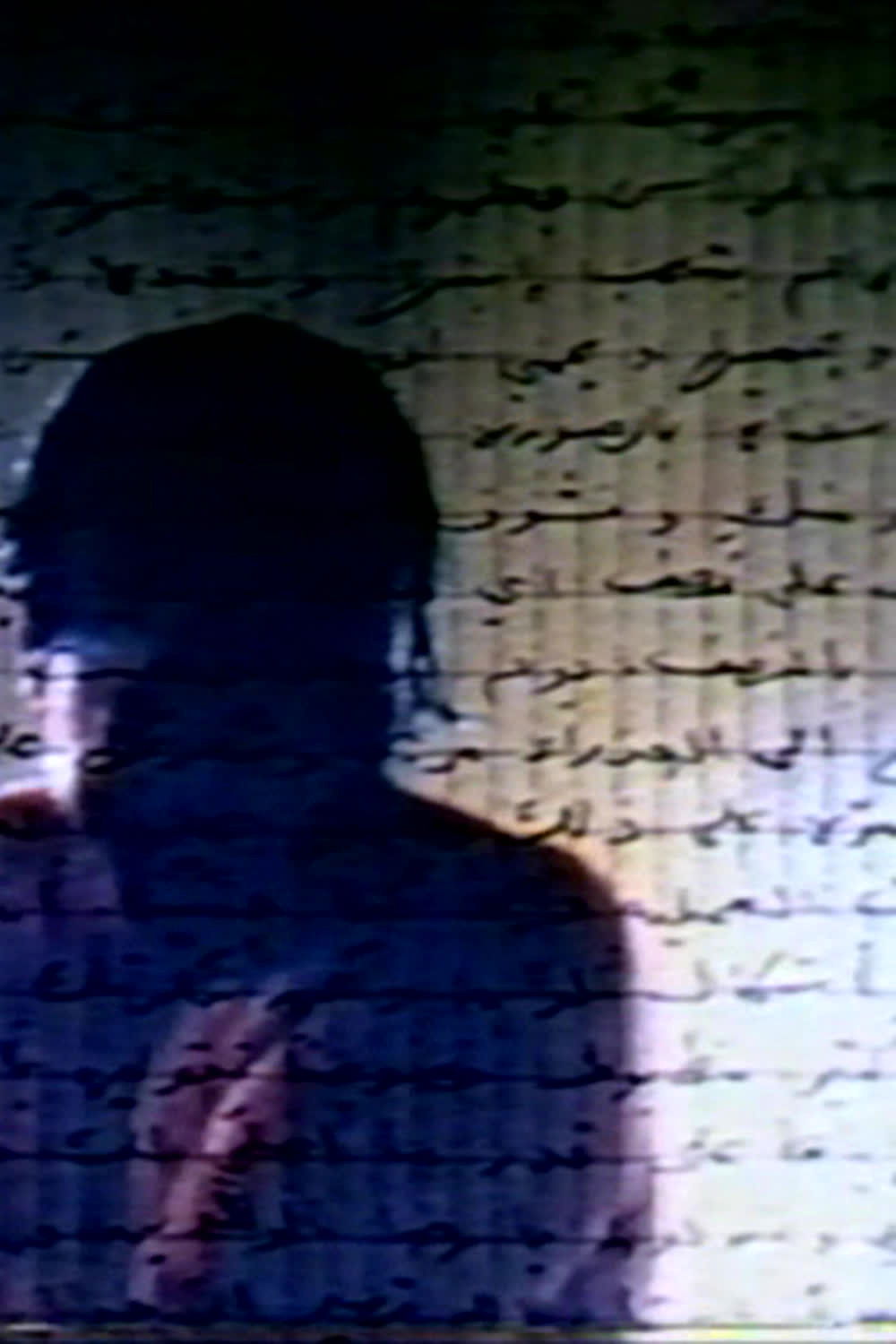
In this video, the artist tries to overcome the effects of distance, and reflects on geography represented in exile due to war, and on the psychological distance represented in each one’s approach to her womanhood. The video beautifully weaves personal images and audio recordings of a very intimate nature, binding the personal with the political. Reading aloud from letters sent by her mother in Beirut, Hatoum creates a visual montage reflecting her feelings of separation and isolation from her Palestinian family. The personal and political are inextricably bound in a narrative that explores personal and family identity against a backdrop of traumatic social rupture, exile and displacement.
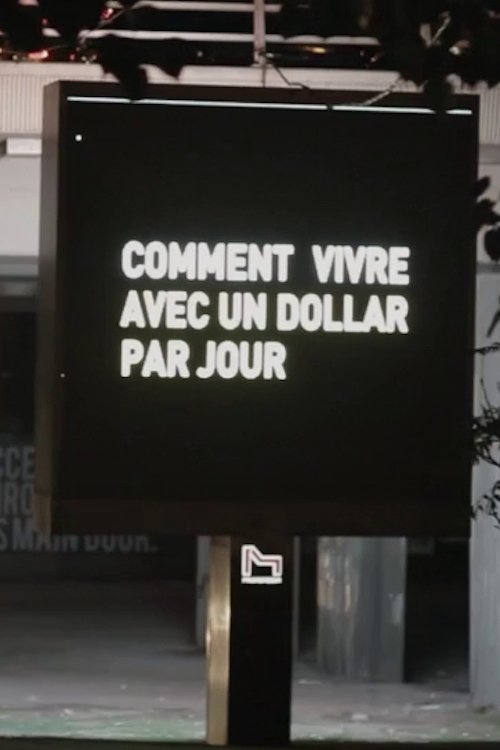
Poetry is everywhere, even in the refugee camps where absolute misery reigns. In front of old plastic advertising posters on which are drawn in giant format the big icons of luxury and consumerism that make up their shelters, refugee children stand like kings. Symbols of life at the heart of war, fragility, and death, these children are shown by Jocelyne Saab as precious notes of hope in the heart of a dehumanized world. One Dollar a Day was filmed in the Syrian refugee camps of the Bekaa plain, Lebanon in 2015, with text by Etel Adnan.
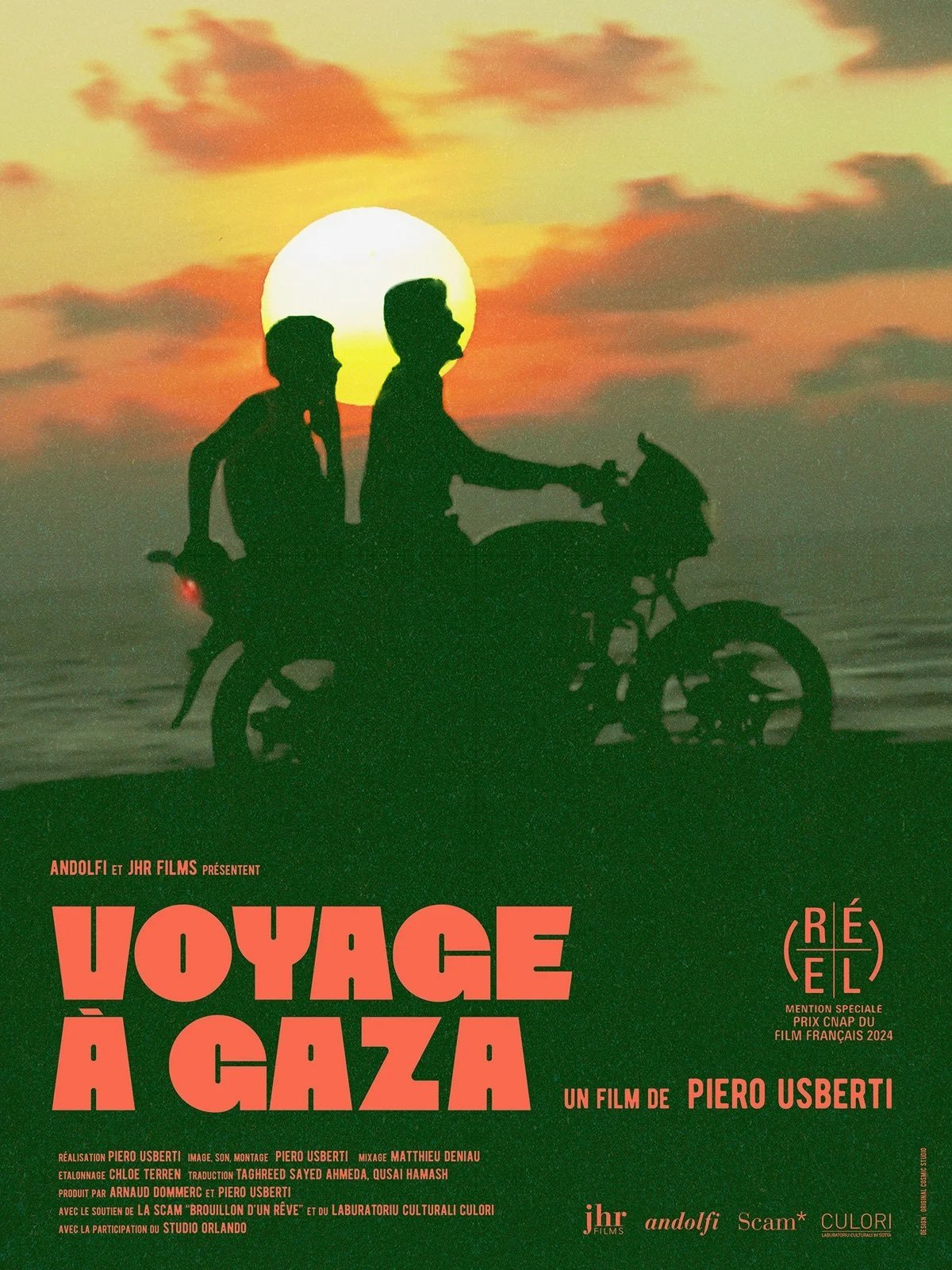
“In Gaza you have to get there in the evening, in spring, lock yourself in your room and from there listen to the sounds coming in through the open window.... It's 2018. I am 25 years old and a foreign traveler. I meet young Palestinians my age..”
An attempt to express the daily experience of Palestinians excluded by an apartheid regime, exploring various aspects of the Israeli occupation. Through narratives from four different regions of Palestine, it culminates in a collective narrative of Palestinian resistance as an everyday act of survival and struggle.
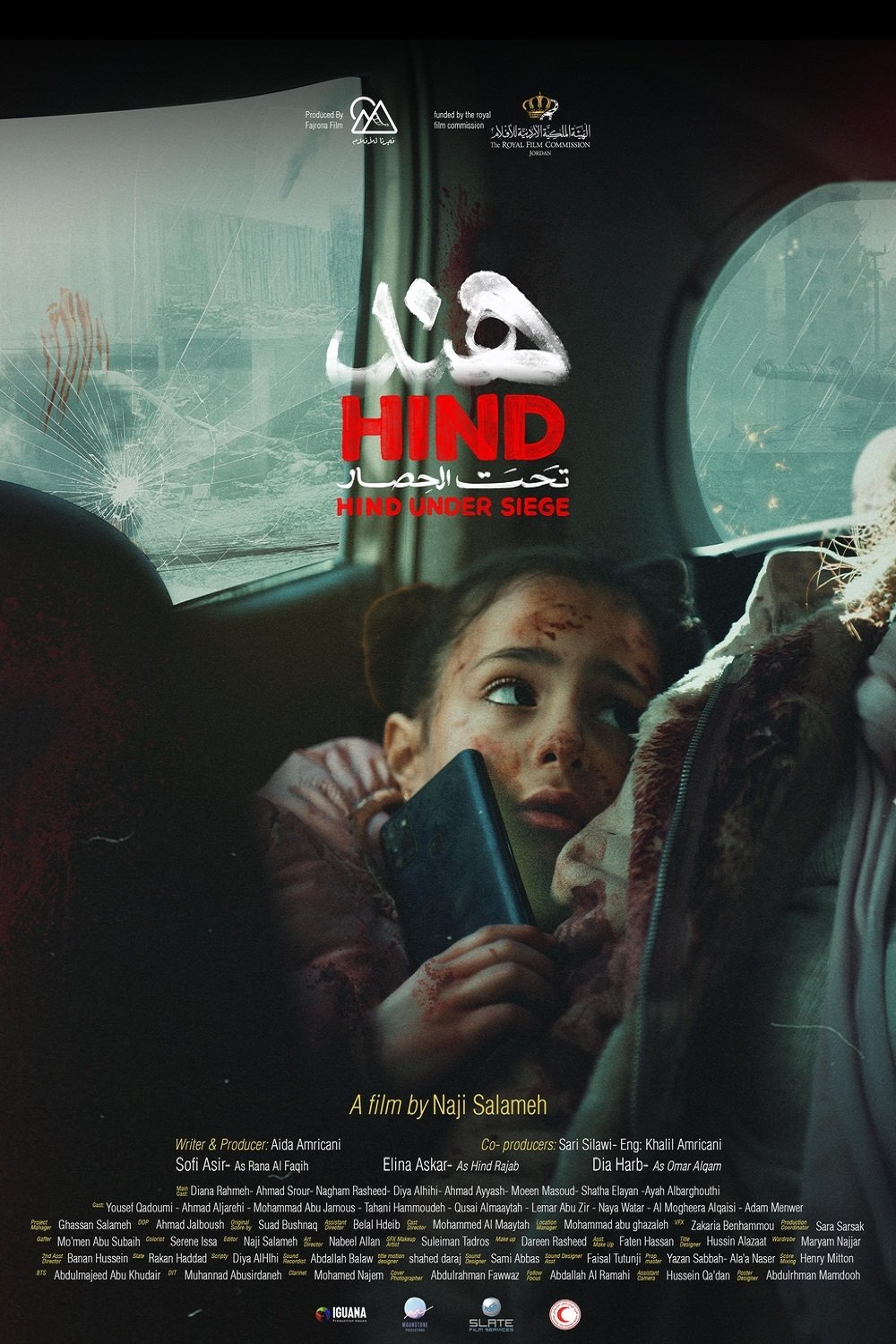
The true story of 5-year-old Palestinian girl Hind Rajab, who was separated from her mother and trapped in a car under heavy attack in Gaza surrounded by an Israeli tank in January 2024.
Structured in chapters, the film moves from the aftermath of the 1967 war to mass demonstrations and training grounds, where men, women, and children practice survival and resistance. The camera’s proximity, switching between black-and-white and colour, treats cinema as witness, archive, and rallying cry.
Something from there is a short film on the substance of our original lands. Weaving between the voices of the artist’s parents, one a refugee and the other not, the film is personal, yet evokes a shared Palestinian experience.
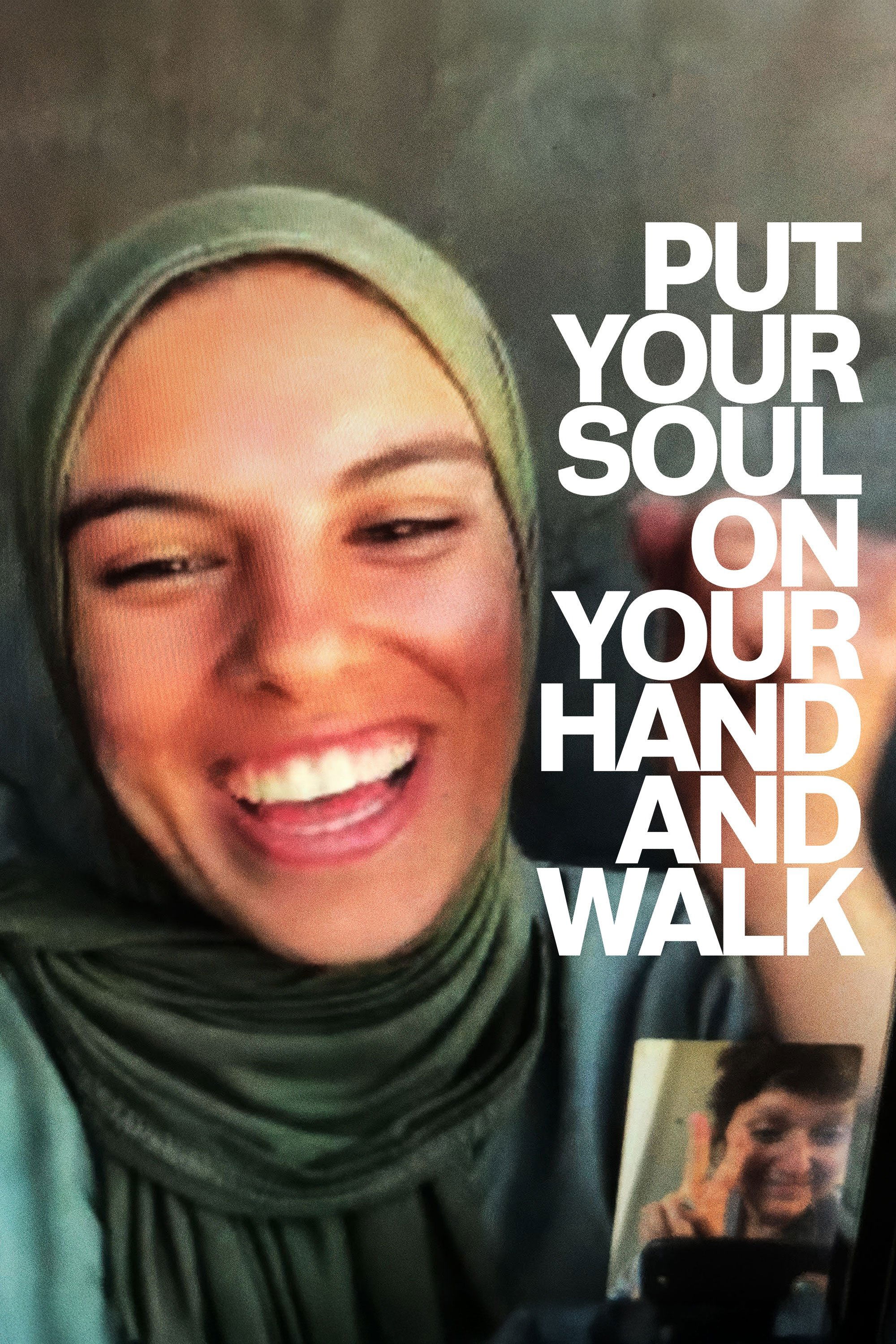
An Iranian filmmaker participates in a series of video calls with a young Palestinian photojournalist who describes her life confined in Gaza during the current regional conflict.
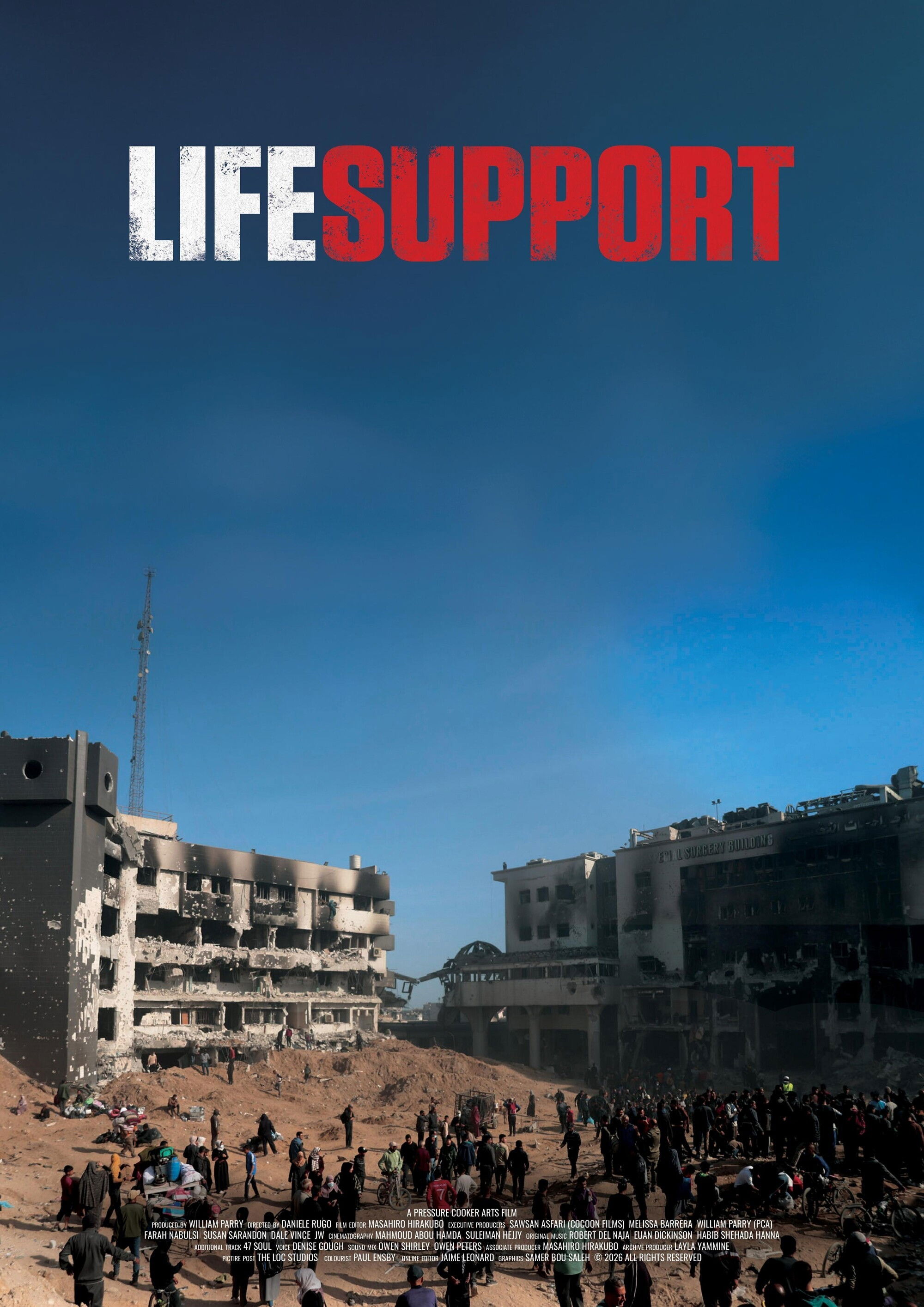
Since October 2023, Gaza has been sealed from the world-except for one group. International doctors breach the blockade, what they find is not just a humanitarian crisis, but a calculated dismantling of life itself.
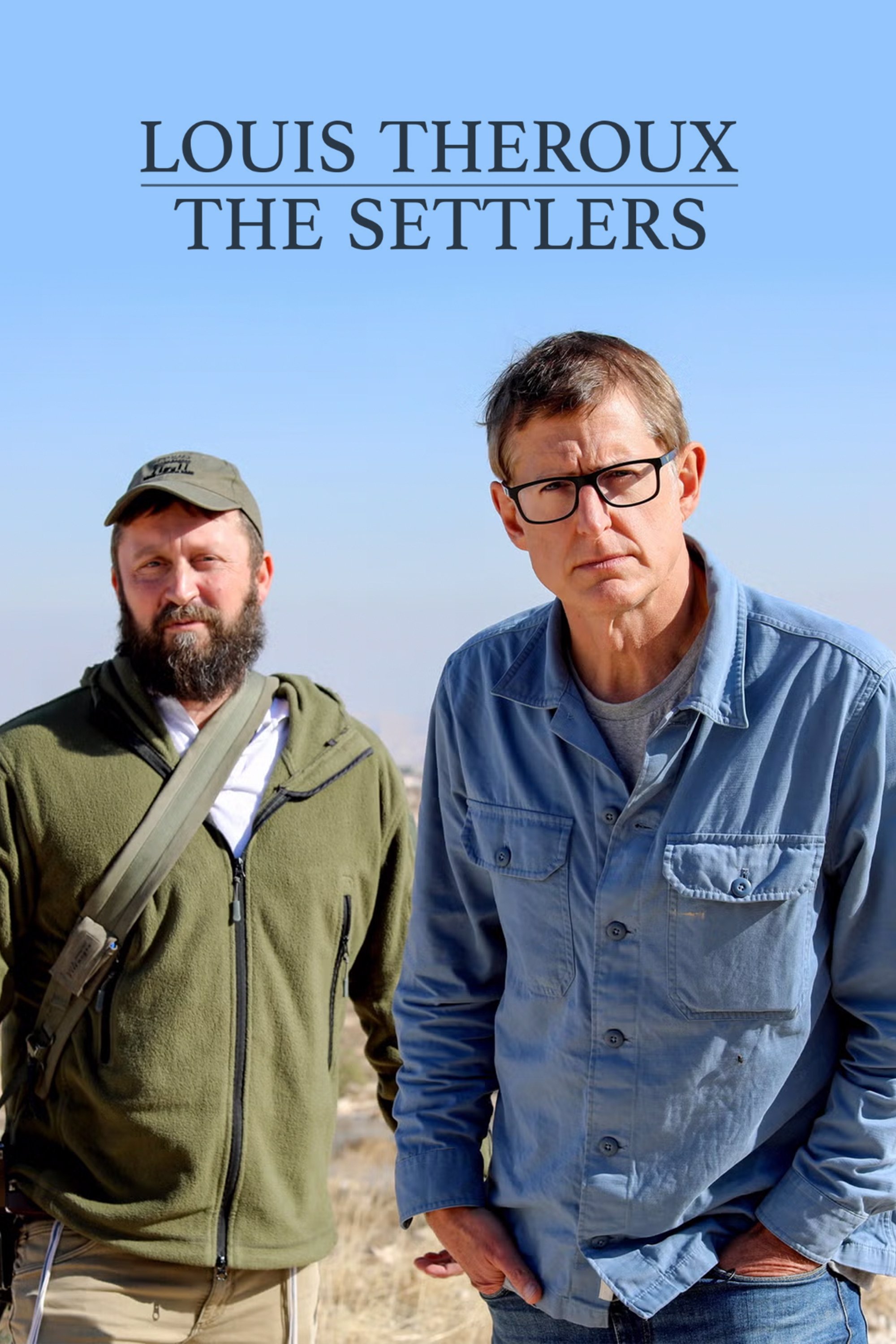
Fourteen years after his first visit, Louis Theroux meets some of the growing community of religious-nationalist Israelis who have settled in the occupied West Bank.
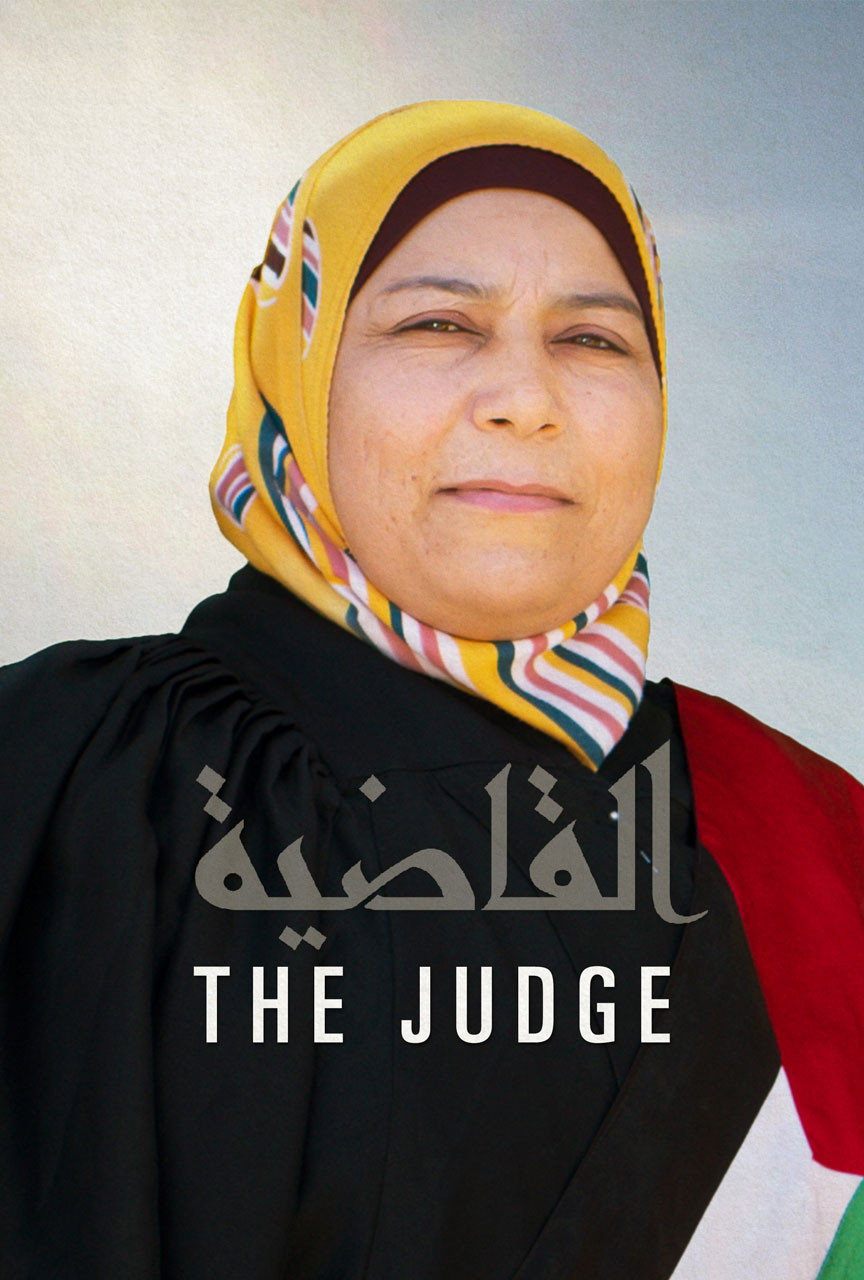
A verité legal drama about Judge Kholoud Al-Faqih, the first woman appointed to a Shari'a court in the Middle East, whose career provides rare insights into both Islamic law and gendered justice.
Prelude to War was the first film of Frank Capra's Why We Fight propaganda film series, commissioned by the Pentagon and George C. Marshall. It was made to convince American troops of the necessity of combating the Axis Powers during World War II. This film examines the differences between democratic and fascist states.
“The Soviet Story” is a story of an Allied power, which helped the Nazis to fight Jews and which slaughtered its own people on an industrial scale. Assisted by the West, this power triumphed on May 9th, 1945. Its crimes were made taboo, and the complete story of Europe’s most murderous regime has never been told. Until now...
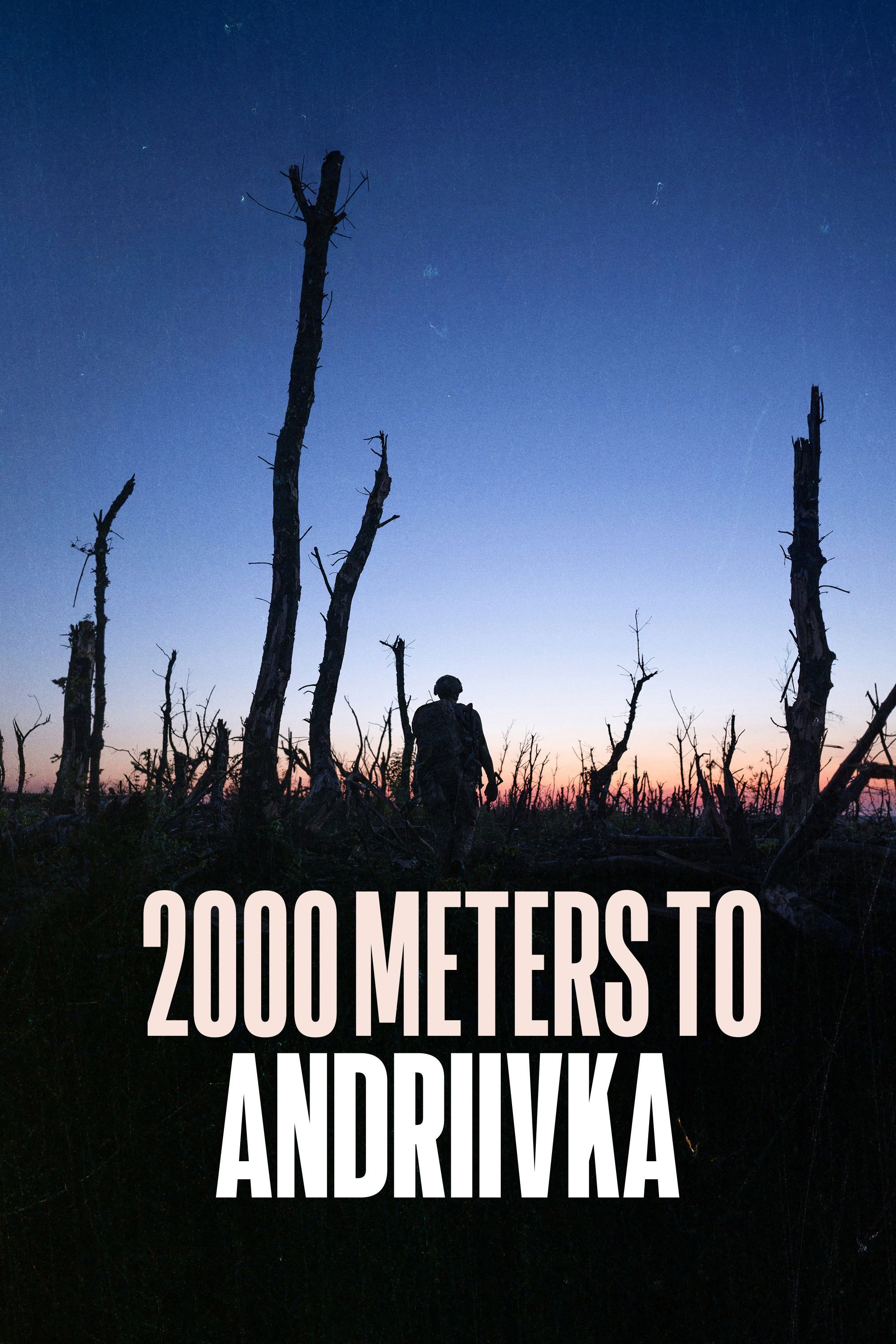
Amid the failing counteroffensive, a journalist follows a Ukrainian platoon on their mission to traverse one mile of heavily fortified forest and liberate a strategic village from Russian occupation. But the farther they advance through their destroyed homeland, the more they realize that this war may never end.
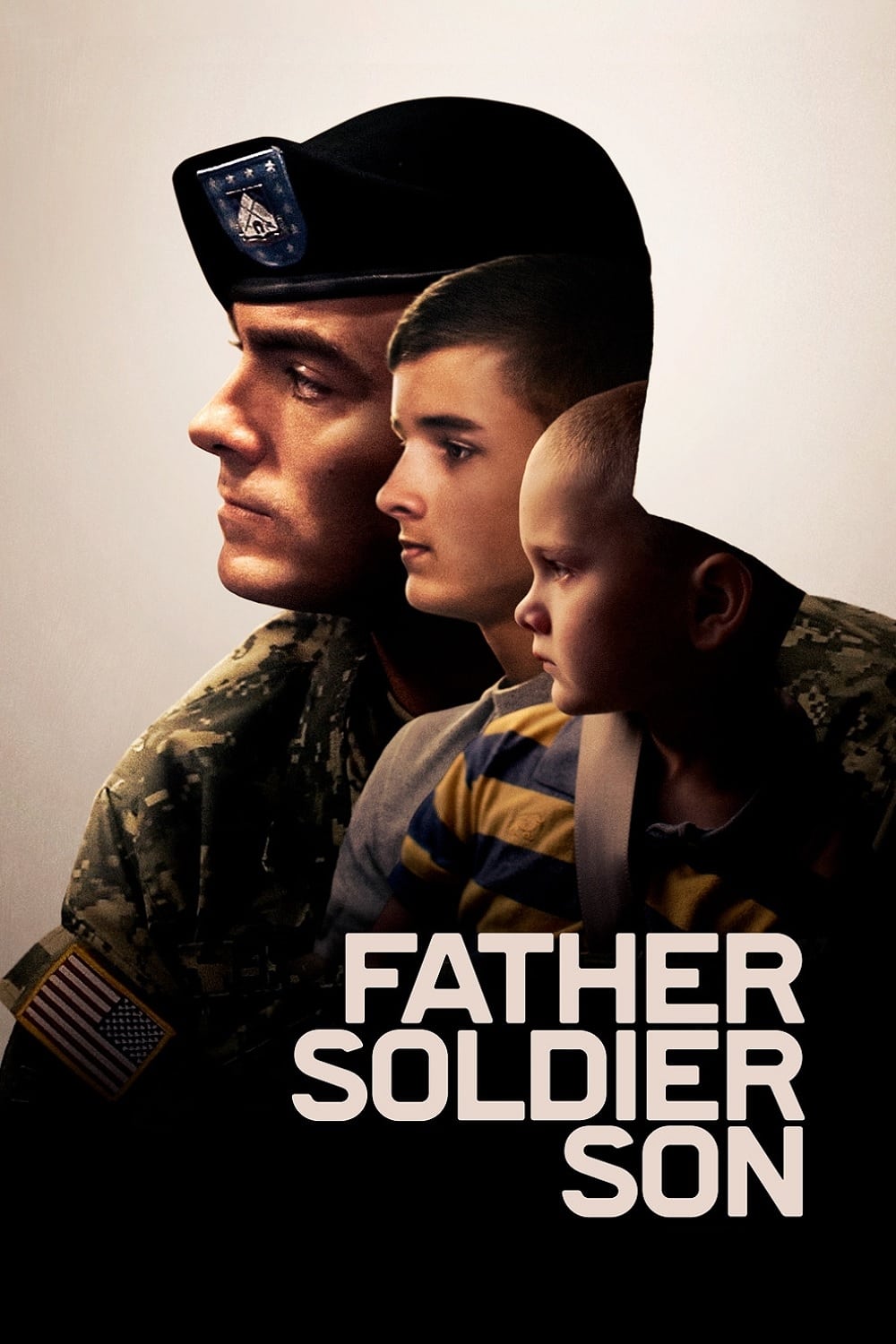
When Sgt. First Class Brian Eisch is critically wounded in Afghanistan, it sets him and his sons on a journey of love, loss, redemption and legacy.
A love letter from a young mother to her daughter, the film tells the story of Waad al-Kateab’s life through five years of the uprising in Aleppo, Syria as she falls in love, gets married and gives birth to Sama, all while cataclysmic conflict rises around her. Her camera captures incredible stories of loss, laughter and survival as Waad wrestles with an impossible choice– whether or not to flee the city to protect her daughter’s life, when leaving means abandoning the struggle for freedom for which she has already sacrificed so much.
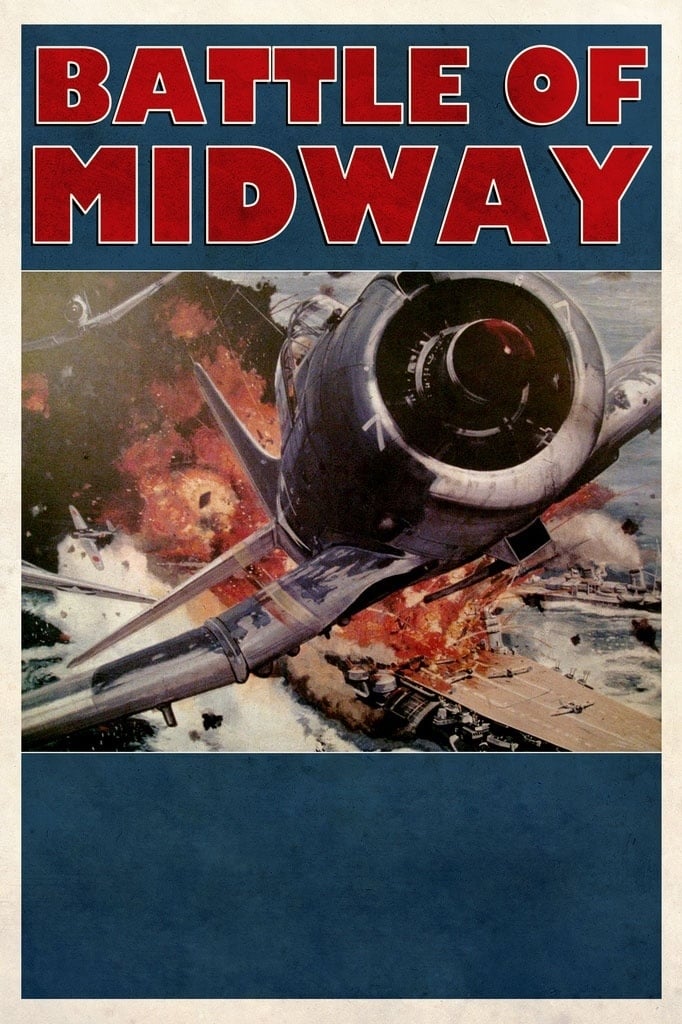
The Japanese attack on Midway in June 1942, filmed as it happened. Preserved by the Academy Film Archive, in partnership with Twentieth Century Fox Film Corporation, in 2006.
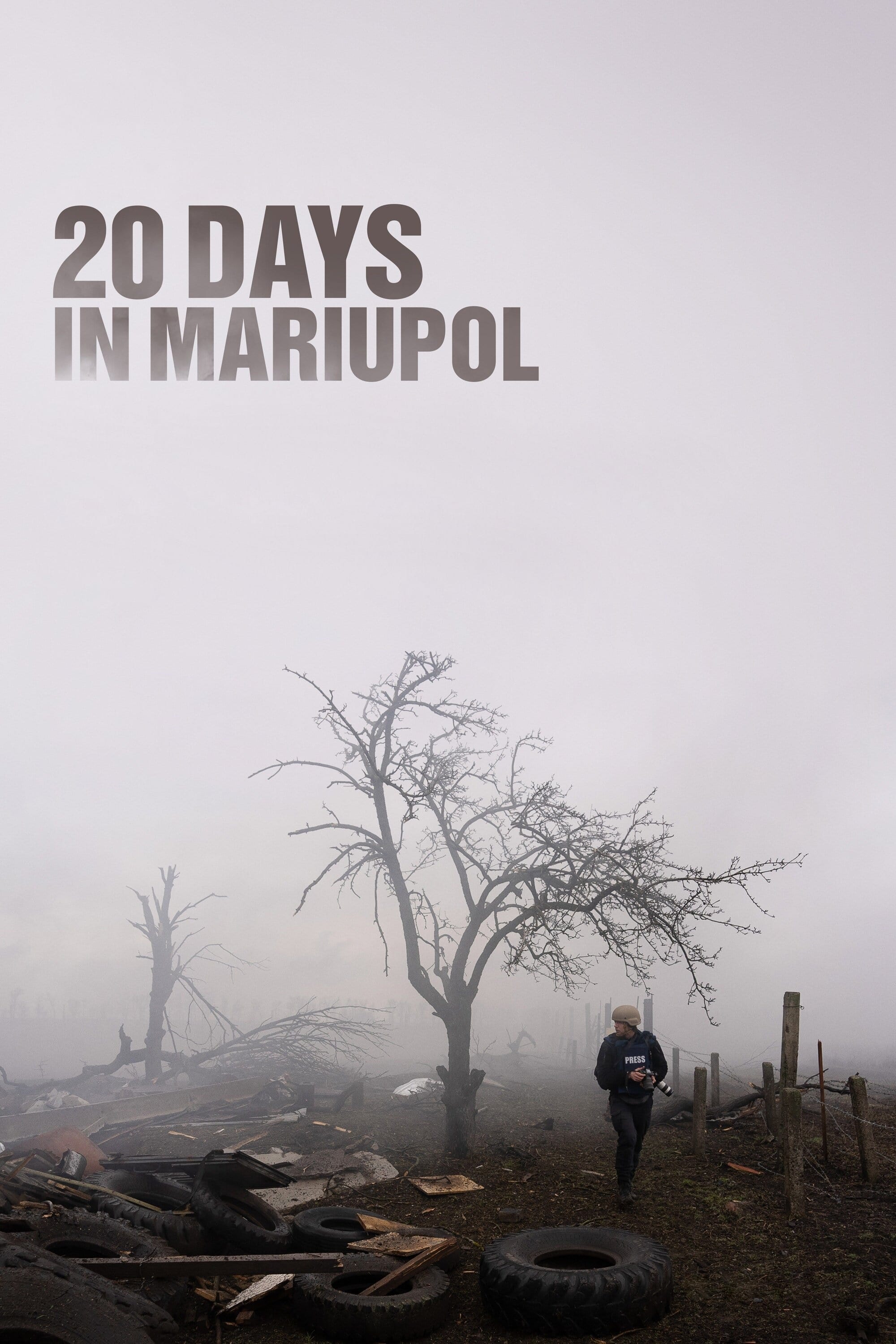
As the Russian invasion begins, a team of Ukrainian journalists trapped in the besieged city of Mariupol struggle to continue their work documenting the war's atrocities.
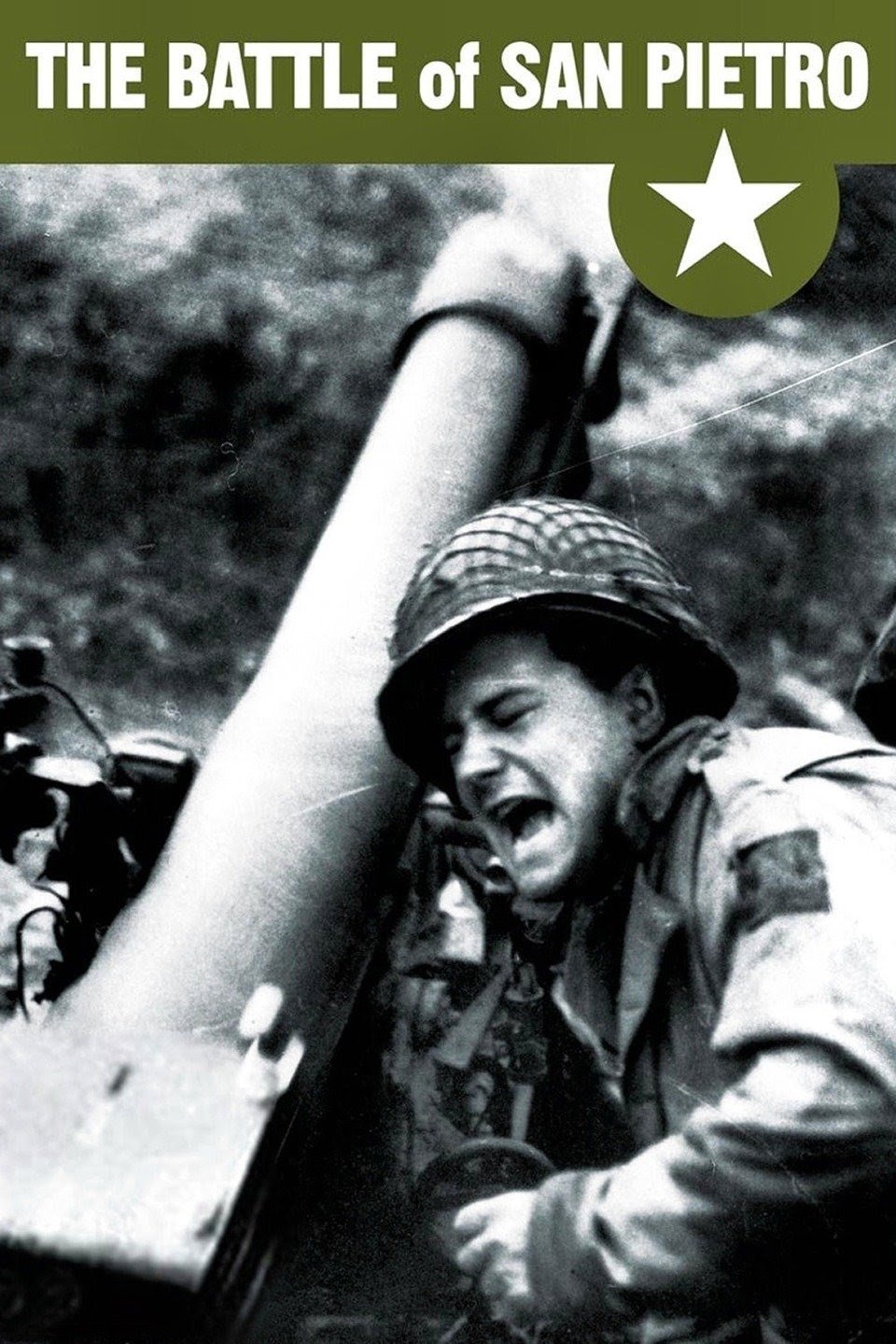
This documentary movie is about the battle of San Pietro, a small village in Italy. Over 1,100 US soldiers were killed while trying to take this location, that blocked the way for the Allied forces from the Germans. Preserved by the Academy Film Archive in 2005.
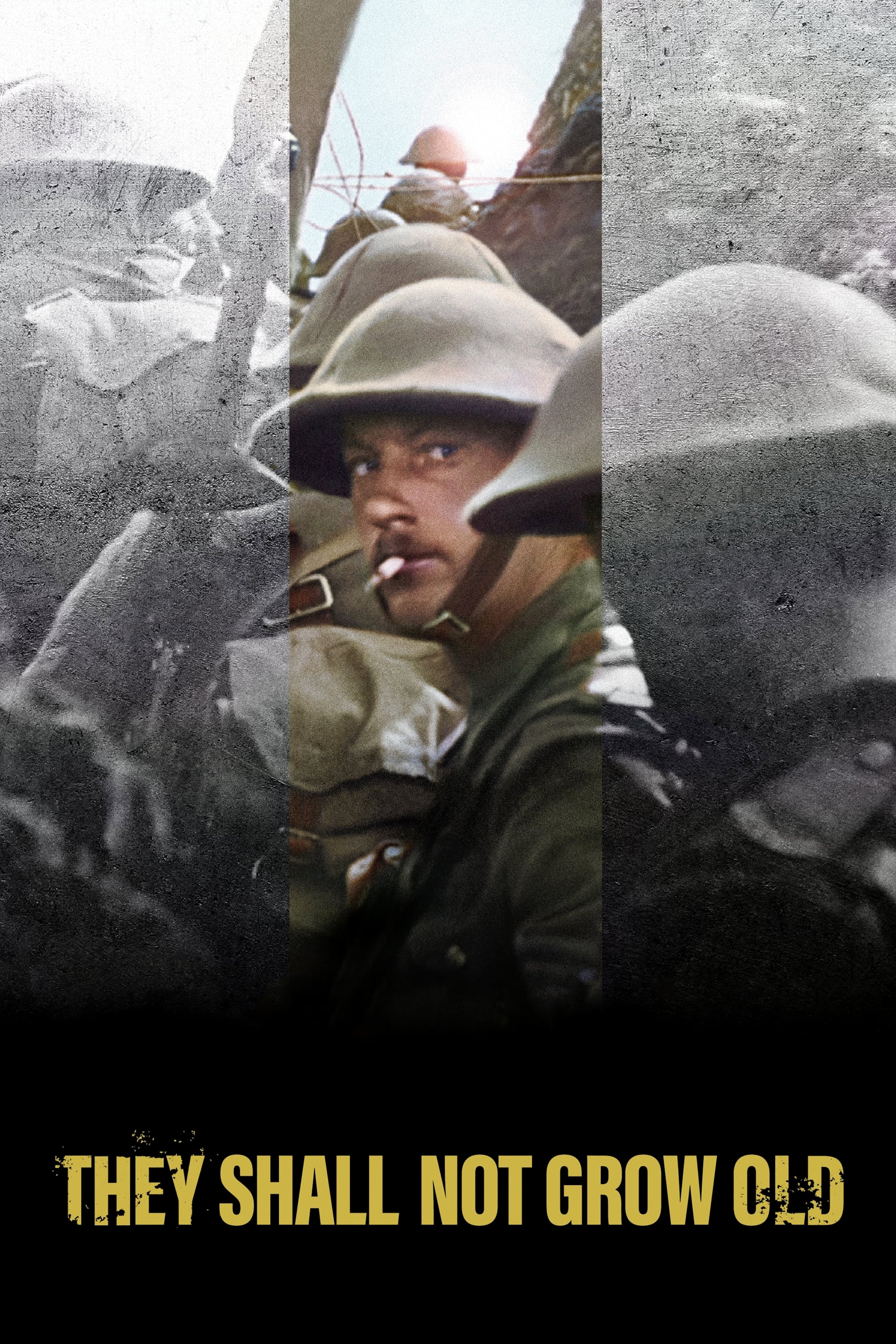
A documentary about World War I with never-before-seen footage to commemorate the centennial of Armistice Day, and the end of the war.
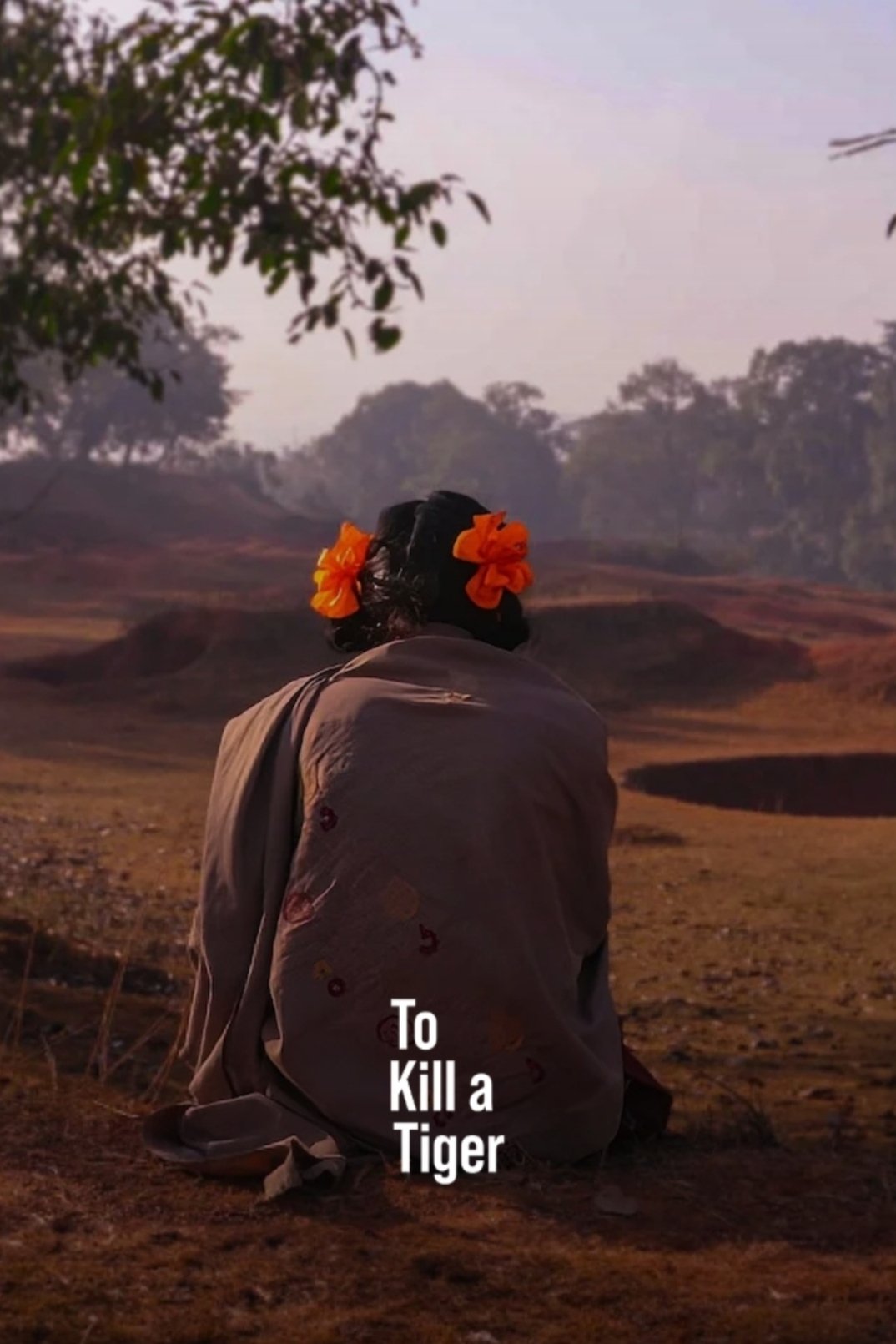
Ranjit, a farmer in India, takes on the fight of his life when he demands justice for his 13-year-old daughter, the victim of a brutal gang rape. His decision to support his daughter is virtually unheard of, and his journey unprecedented.
14-year-old Laura Dekker sets out on a two-year voyage in pursuit of her dream to become the youngest person ever to sail around the world alone.
A string of threatening emails escalates into a revenge plot involving a newly married US marshal and his ex-girlfriend.
Brilliant, long in-the-works story of the life and art of the world's greatest comedian and the cinema's first genius, Charlie Chaplin. Produced, written and directed by renowned film critic Richard Schickel.
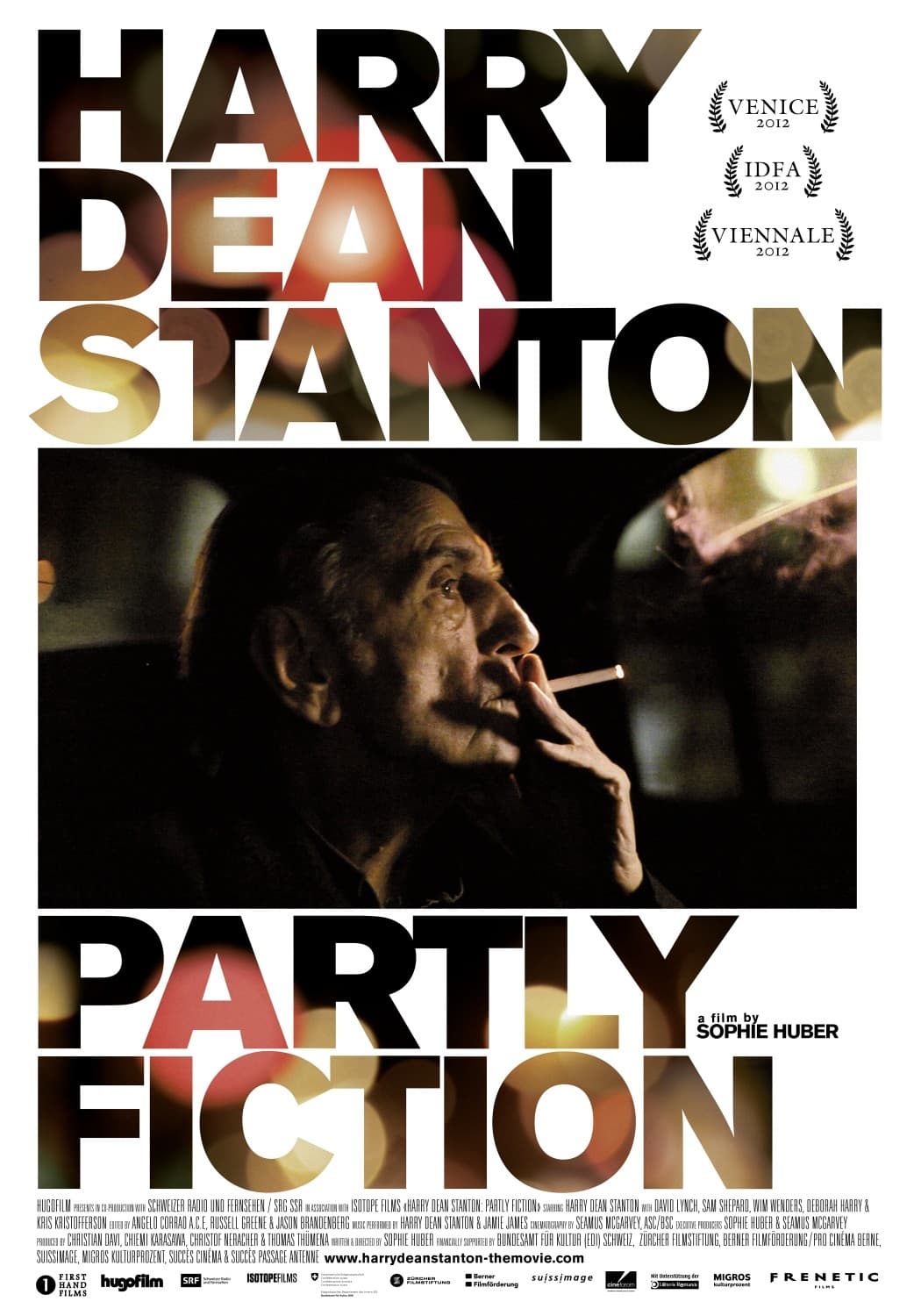
An impressionistic portrait of the iconic actor Harry Dean Stanton comprised of intimate moments, film clips from some of his 250 films and his renditions of American folk songs.
When Allied forces liberated the Nazi concentration camps in 1944-45, their terrible discoveries were recorded by army and newsreel cameramen, revealing for the first time the full horror of what had happened. Making use of British, Soviet and American footage, the Ministry of Information’s Sidney Bernstein (later founder of Granada Television) aimed to create a documentary that would provide lasting, undeniable evidence of the Nazis’ unspeakable crimes. He commissioned a wealth of British talent, including editor Stewart McAllister, writer and future cabinet minister Richard Crossman – and, as treatment advisor, his friend Alfred Hitchcock. Yet, despite initial support from the British and US Governments, the film was shelved, and only now, 70 years on, has it been restored and completed by Imperial War Museums under its original title "German Concentration Camps Factual Survey".
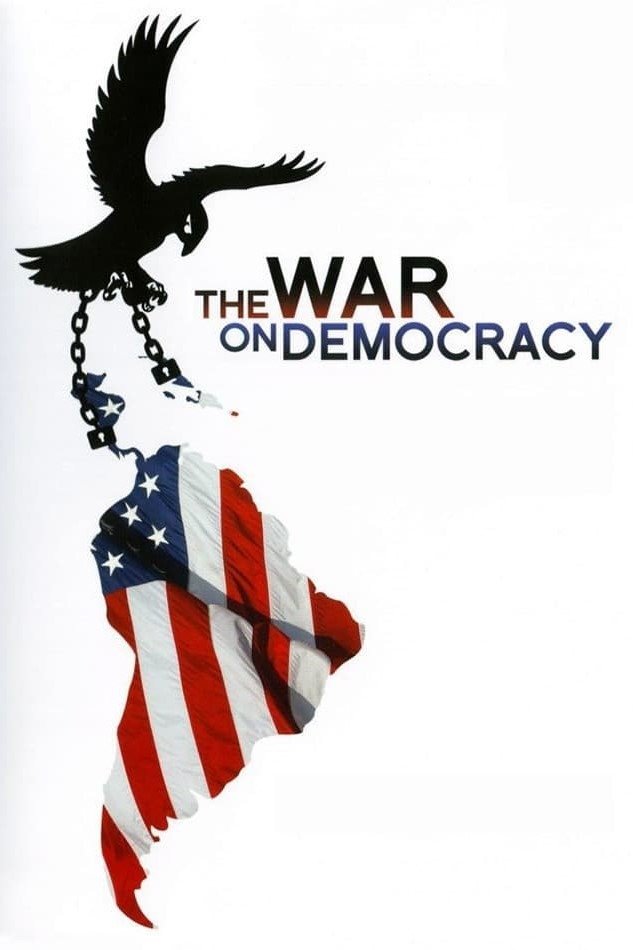
Set both in Latin America and the United States, the film explores the historic and current relationship of Washington with countries such as Venezuela, Bolivia and Chile. Pilger says that the film "...tells a universal story... analysing and revealing, through vivid testimony, the story of great power behind its venerable myths. It allows us to understand the true nature of the so-called "war on terror". According to Pilger, the film’s message is that the greed and power of empire is not invincible and that people power is always the "seed beneath the snow".
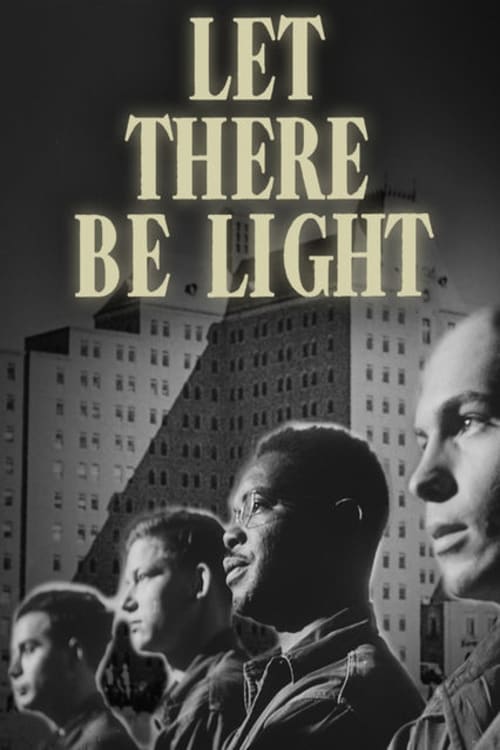
The final entry in a trilogy of films produced for the U.S. government by John Huston. Some returning combat veterans suffer scars that are more psychological than physical. This film follows patients and staff during their treatment. It deals with what would now be called PTSD, but at the time was categorised as psychoneurosis or shell-shock. Government officials deemed this 1946 film counterproductive to postwar efforts; it was not shown publicly until 1981.
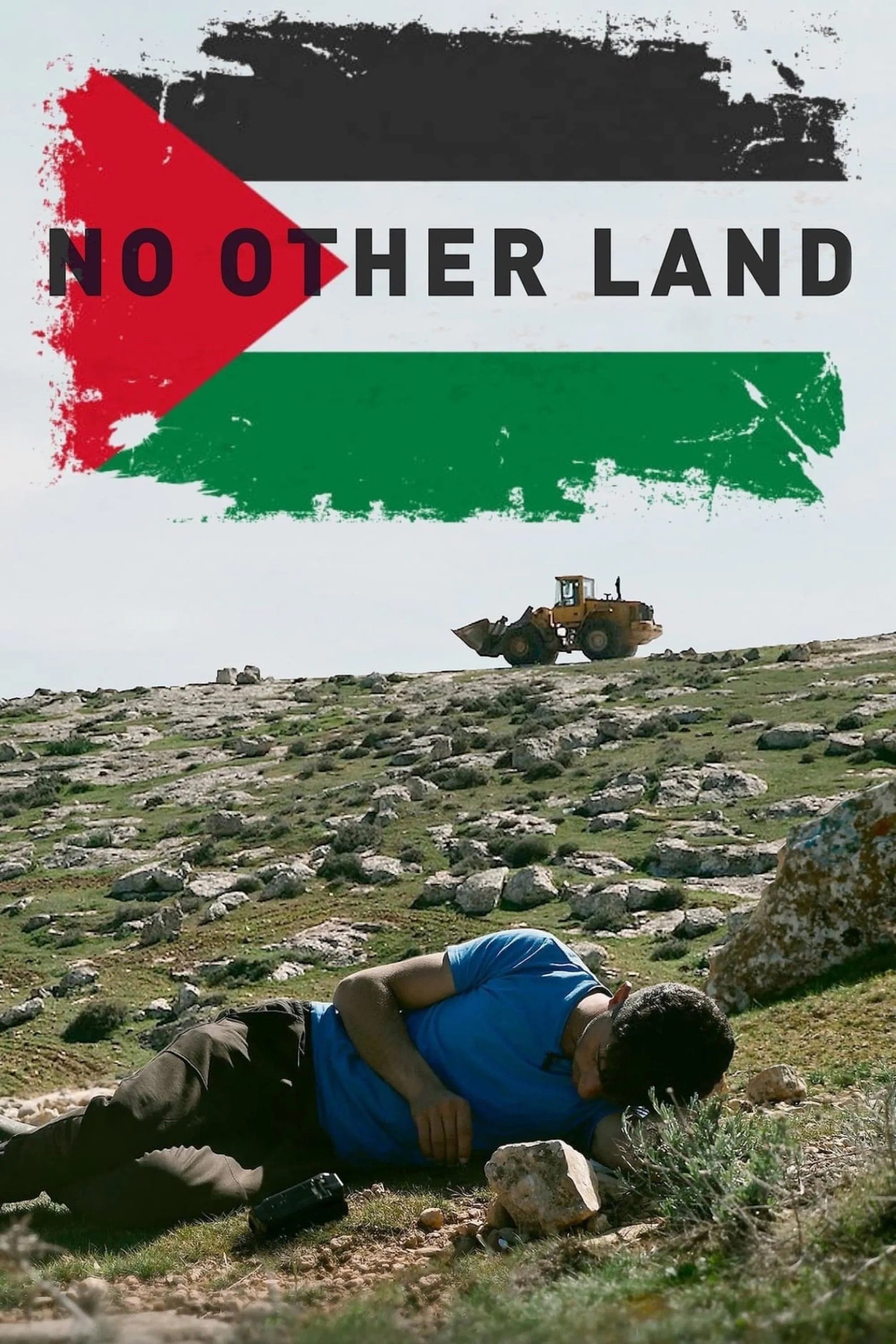
This film made by a Palestinian-Israeli collective shows the destruction of the occupied West Bank's Masafer Yatta by Israeli soldiers and the alliance which develops between the Palestinian activist Basel and Israeli journalist Yuval.
An inside look at one of the most anticipated movie sequels ever with James Cameron and cast.
Musician and performance artist Laurie Anderson reflects on the deaths of her husband Lou Reed, her mother and her beloved dog.