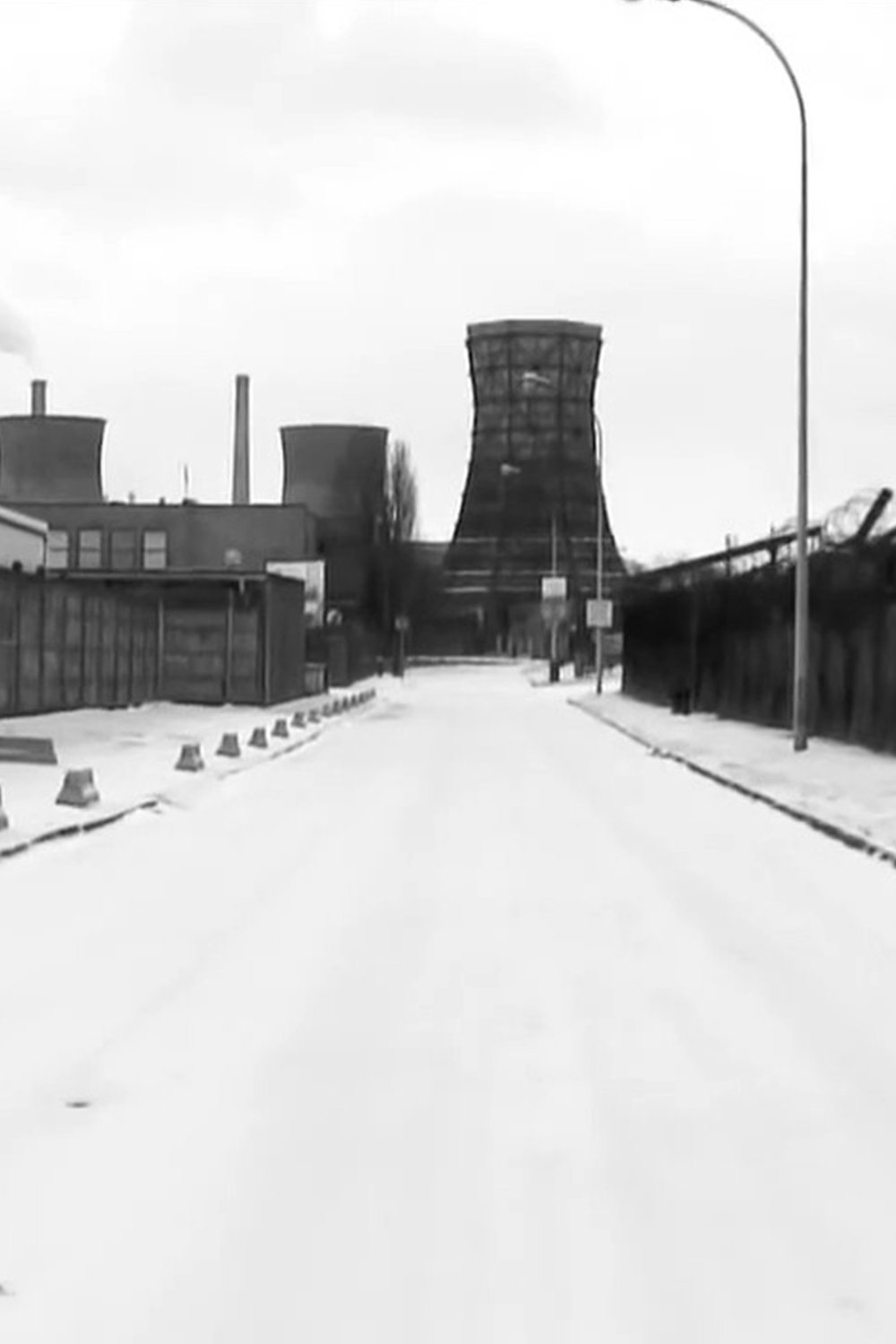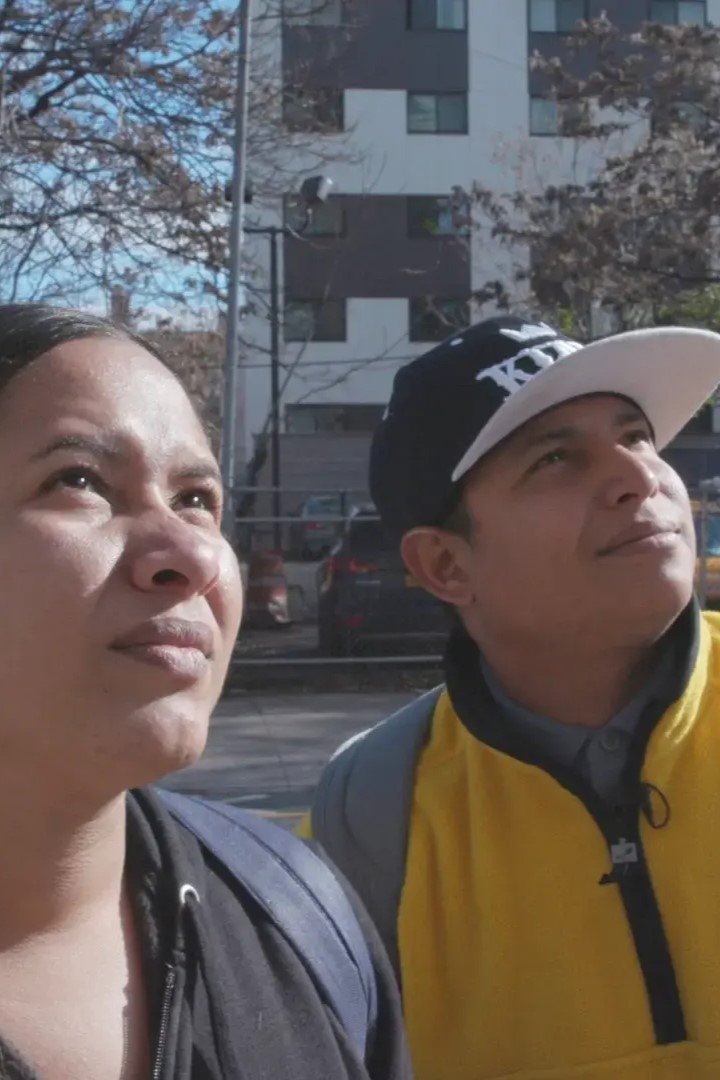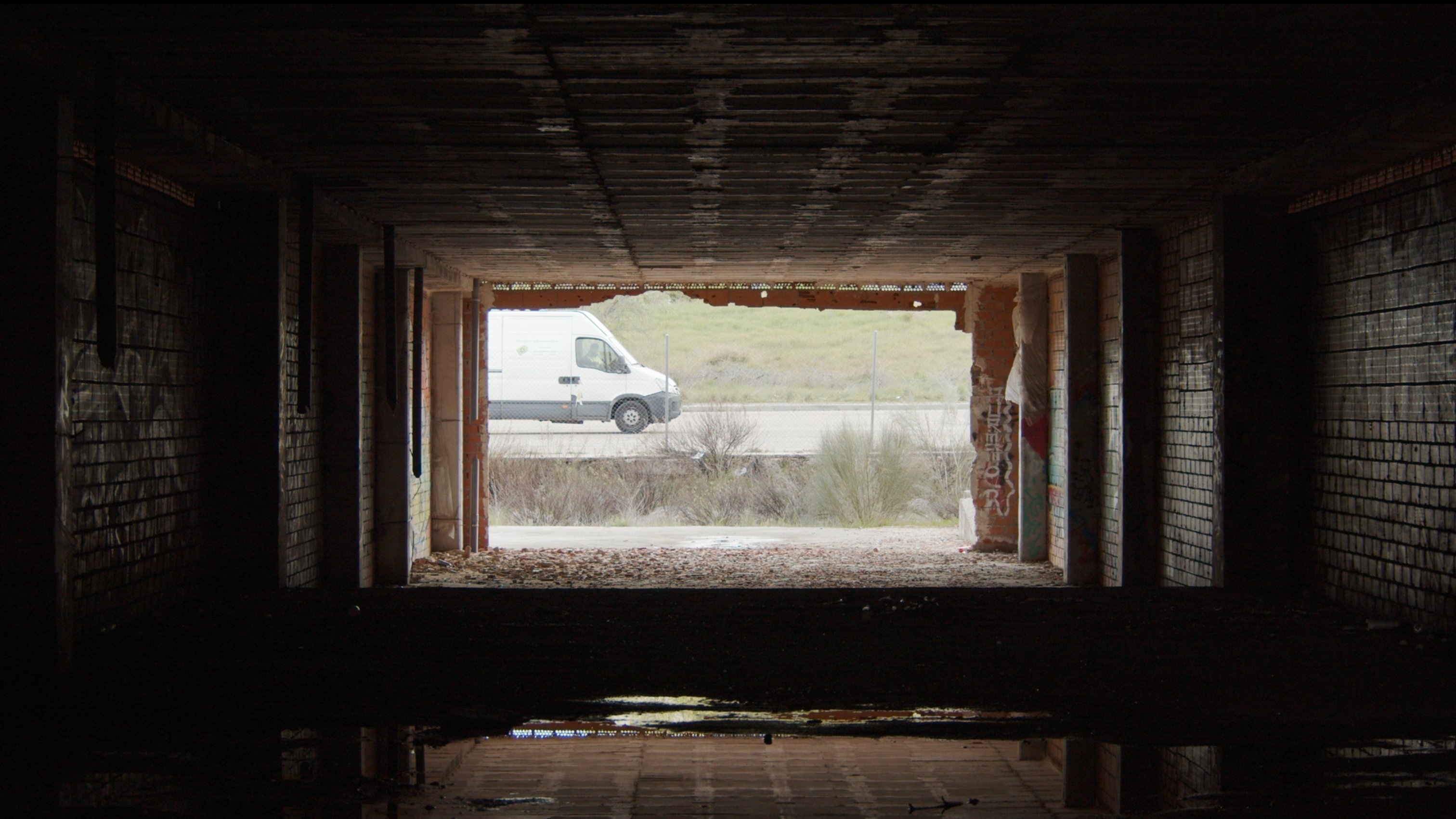
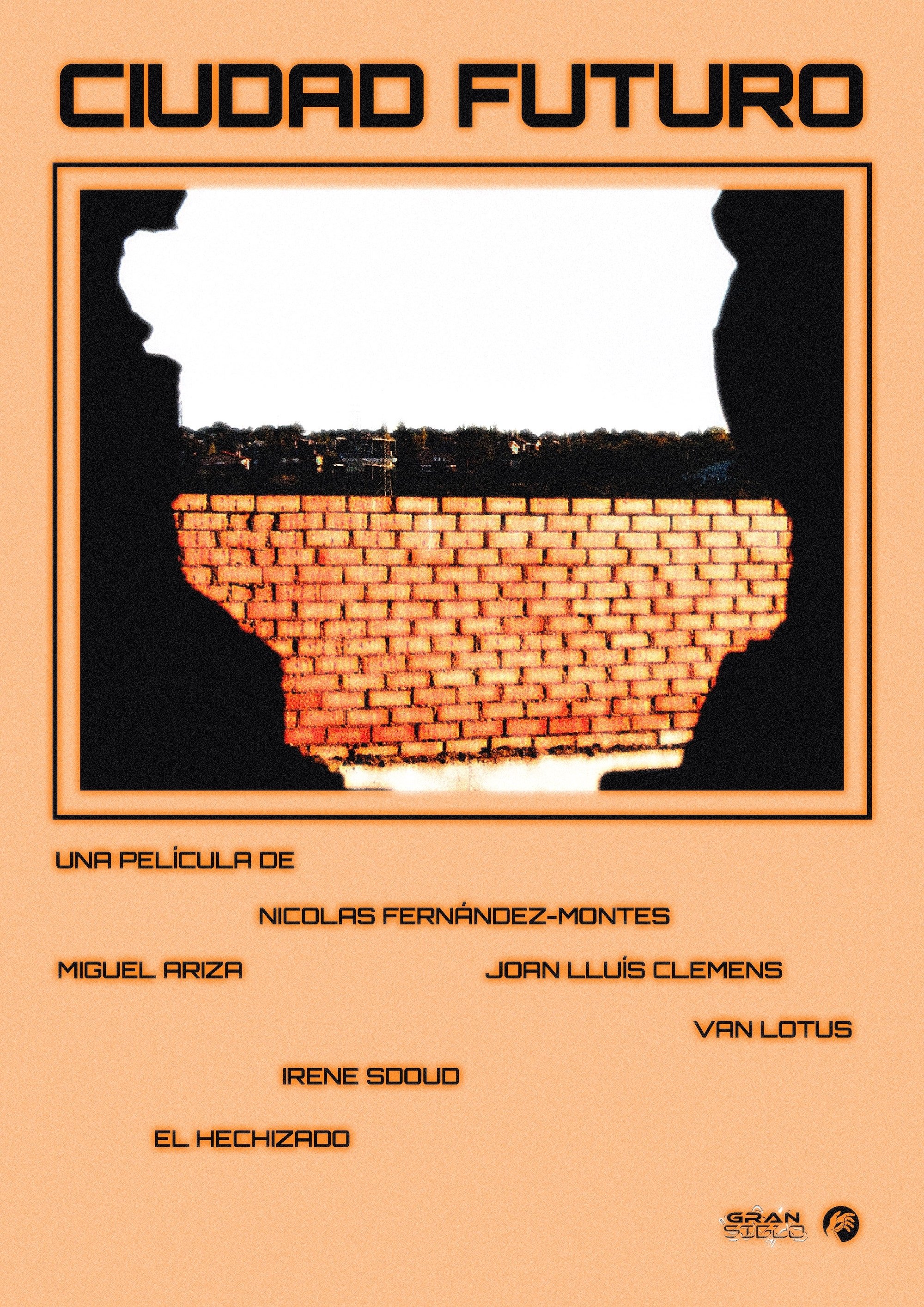
Crossing the vast outskirts of the big city we can glimpse that after the great future catastrophes there will still be room for the promise of a new youth, perhaps the last one.
Social & External

To help visualize the dramatic final chapter in Cassini's remarkable story, NASA's Jet Propulsion Laboratory produced this short film that features beautiful computer-generated animation, thoughtful narration and a rousing score. Producers at JPL worked with filmmaker Erik Wernquist, known for his 2014 short film "Wanderers," to create a stirring finale video befitting one of NASA's most successful missions of exploration.
This short follows the early career of actress Jane Barnes. She starts by doing extra work. After several months she is offered a studio contract (the "first step"). However, her work consists mostly of fashion shoots and bit parts that end up on the cutting room floor. She is even used as a stand-in for Maureen O'Sullivan on the set of a Tarzan movie when camera angles and lighting must be set up.
“Entourage” star Adrian Grenier ventures to Cocos Island off the shore of Costa Rica to bring attention to the plight of endangered sharks who are being threatened by poachers and ocean pollution.
Filmmaker Alain Resnais documents the atrocities behind the walls of Hitler's concentration camps.
12 years later, a failed school short film is resignified to share the multiple experiences that exist in the creation of a film.
Two old men enter an abandoned synagogue, look at the decay around them, and pray.
Two rabbis show the ruins of an abandoned synagogue to a group of primary school-age Jewish children, and stand by as the children dip bread in honey, drink wine, pray, and sing.
An investigation into the unfolding history of nuclear testing, uranium mining, and nuclear waste disposal on indigenous lands in the US. It raises the voices of those who witnessed and experienced the consequences of nuclear colonialism and those who still resist.
The idea for this film comes from the encounter with two African boys who live in Rome, and is based on their music. Tunisian Afif and Senegalese Aliou tell their different stories, talk about friendship, immigration, freedom and, above all, about the fundamental value of making music together.
Pereda returns with a small, mysterious and moving tribute to Chantal Akerman, conceived as a series of joyful impossible letters addressed to the great disappeared from the cinema, to answer her fictional question about renting her bright apartment in Coyoacán.
For First Nations communities, the headdress bears significant meaning. It's a powerful symbol of hard-earned leadership and responsibility. As filmmaker JJ Neepin prepares to wear her grandfather's headdress for a photo shoot she reflects on lessons learned and the thoughtless ways in which the tradition has been misappropriated.
Working men and women leave through the main gate of the Lumière factory in Lyon, France. Filmed on 22 March 1895, it is often referred to as the first real motion picture ever made, although Louis Le Prince's 1888 Roundhay Garden Scene pre-dated it by seven years. Three separate versions of this film exist, which differ from one another in numerous ways. The first version features a carriage drawn by one horse, while in the second version the carriage is drawn by two horses, and there is no carriage at all in the third version. The clothing style is also different between the three versions, demonstrating the different seasons in which each was filmed. This film was made in the 35 mm format with an aspect ratio of 1.33:1, and at a speed of 16 frames per second. At that rate, the 17 meters of film length provided a duration of 46 seconds, holding a total of 800 frames.
Four experts in different areas such as religion, philosophy and thanatology, share their wisdom when it comes to death.
An exploration —manipulated and staged— of life in Las Hurdes, in the province of Cáceres, in Extremadura, Spain, as it was in 1932. Insalubrity, misery and lack of opportunities provoke the emigration of young people and the solitude of those who remain in the desolation of one of the poorest and least developed Spanish regions at that time.
An undocumented immigrant explores his and his family's immigration trauma while grasping hope through a voicemail.
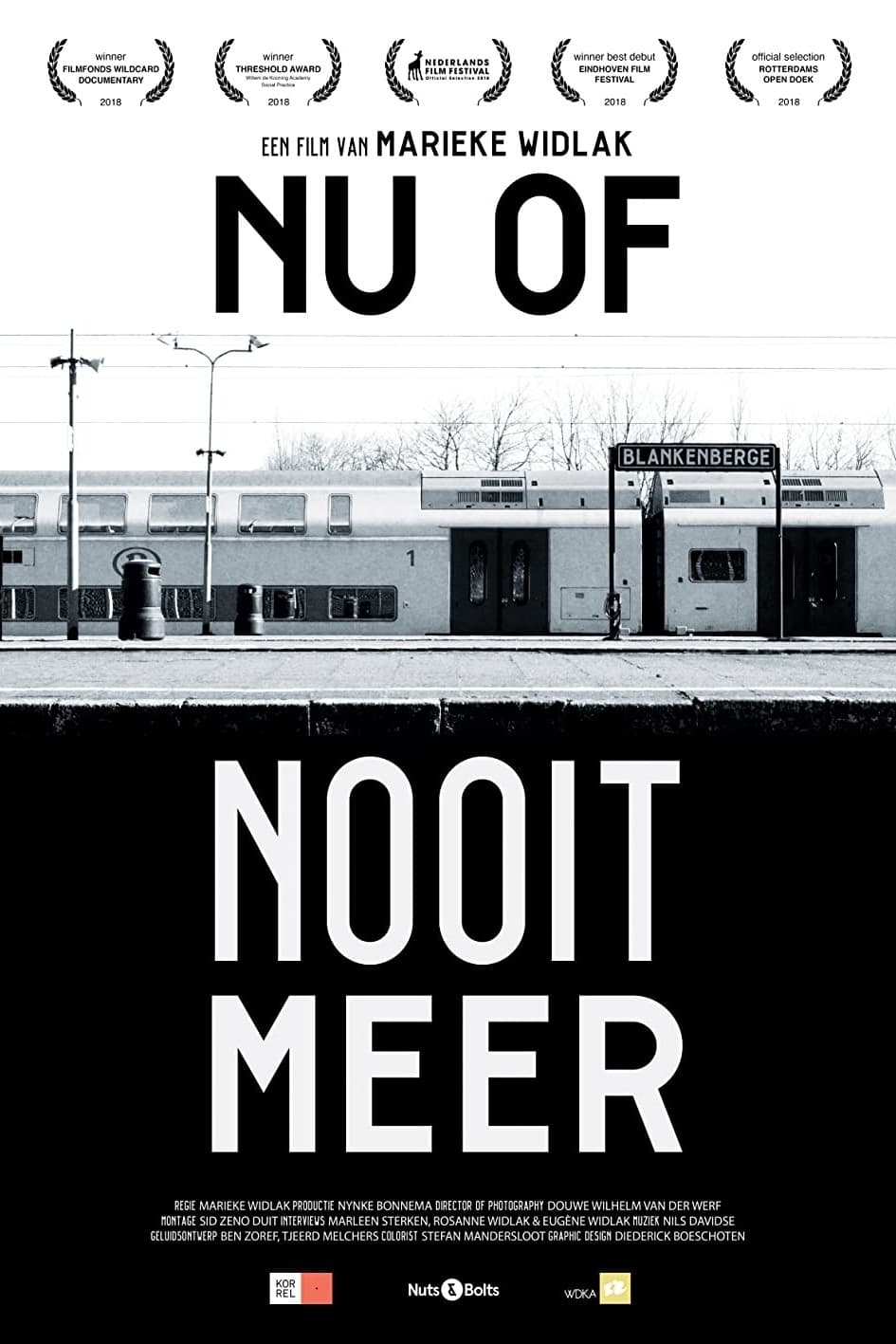
She now lives many miles away from her mother, who is waiting to hear from her. It is a bittersweet, restless, nostalgic moment, and she remembers those vanished years.
A group of people are standing along the platform of a railway station in La Ciotat, waiting for a train. One is seen coming, at some distance, and eventually stops at the platform. Doors of the railway-cars open and attendants help passengers off and on. Popular legend has it that, when this film was shown, the first-night audience fled the café in terror, fearing being run over by the "approaching" train. This legend has since been identified as promotional embellishment, though there is evidence to suggest that people were astounded at the capabilities of the Lumières' cinématographe.