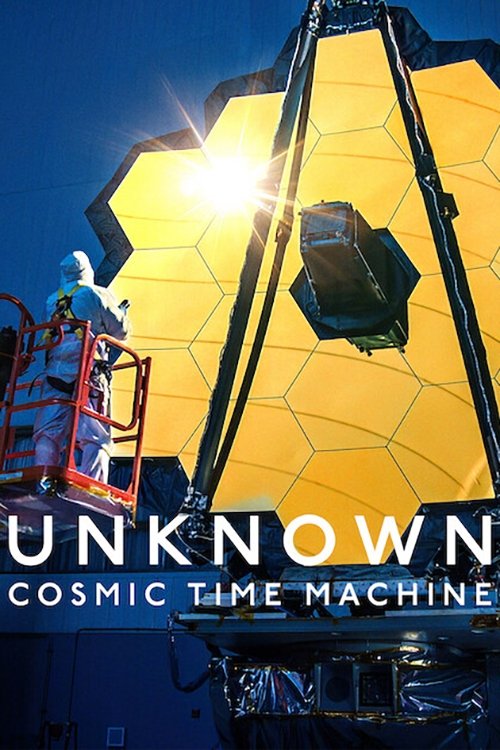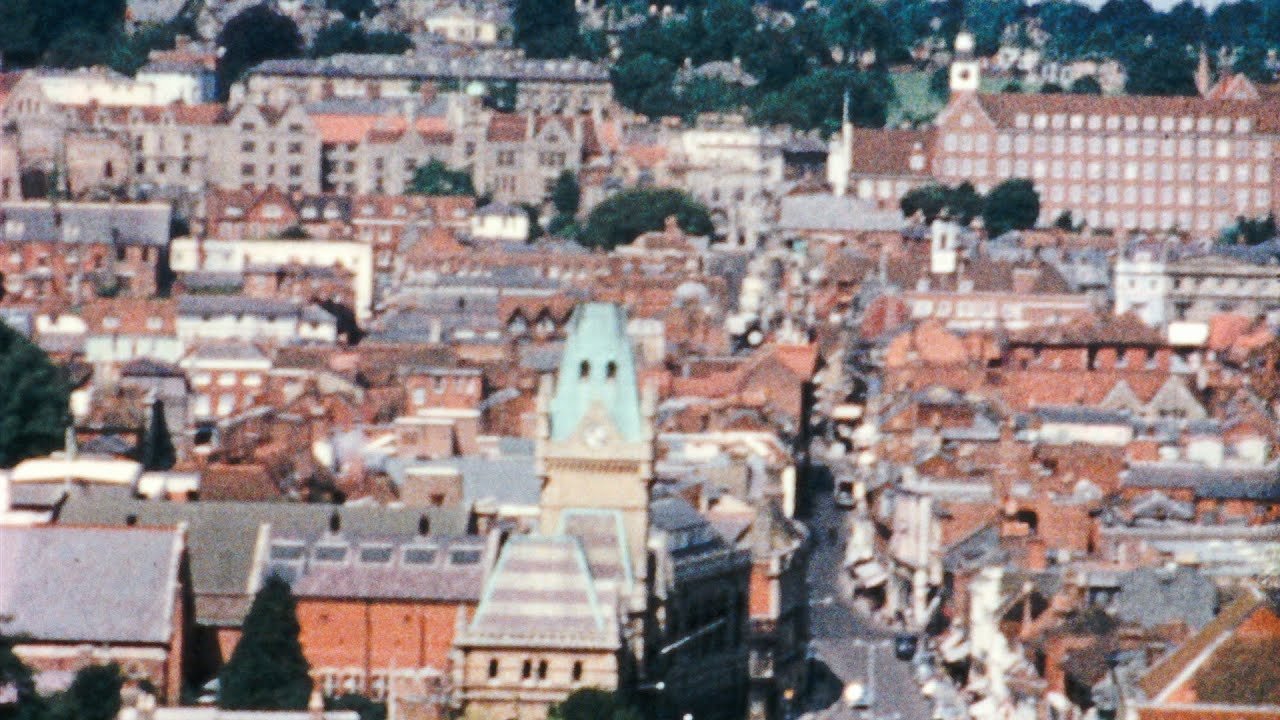
A film about astronomy which also happens to show views of the ancient city of Winchester, before focussing on a particular house in the suburbs with its own observatory.
Social & External
The earliest surviving motion-picture film, and believed to be one of the very first moving images ever created, was shot by Louis Aimé Augustin Le Prince using the LPCCP Type-1 MkII single-lens camera. It was taken on paper-based photographic film in the garden of Oakwood Grange, the Whitley family house in Roundhay, Leeds, West Riding of Yorkshire (UK), on 14 October 1888. The film shows Adolphe Le Prince (Le Prince’s son), Mrs. Sarah Whitley (Le Prince’s mother-in-law), Joseph Whitley, and Miss Harriet Hartley walking around in circles, laughing to themselves, and staying within the area framed by the camera. Roundhay Garden Scene is often associated with a recording speed of around 12 frames per second and runs for about 2 to 3 seconds.
Billions of years ago, Venus may have harbored life-giving habitats similar to those on the early Earth. Today, Earth's twin is a planet knocked upside down and turned inside out. Its burned-out surface is a global fossil of volcanic destruction, shrouded in a dense, toxic atmosphere. Scientists are now unveiling daring new strategies to search for clues from a time when the planet was alive.
The city of Ordos, in the middle of China, was build for a million people yet remains completely empty. Ordos is not so much a place but a symbol of babylonic hype. But nothing will change - as long as people believe.
A Eurovision singer, Iceland's strongest woman, a male model, a plumber who wants to direct movies. They all work in the shopping mall that this documentary focuses on ... most of them want to get out, even just to the bigger mall down the road.
Isamu Noguchi was a sculptor, designer, architect, and craftsman. Throughout his life he struggled to see, alter, and recreate his natural surroundings. His gardens and fountains were transformations meant to bring out the beauty their locations had always possessed.
The first feature from Alison McAlpine is a dialogue with the heavens—in this case, the heavens above the Andes and the Atacama Desert in northern Chile, where she alights on the desert- and mountain-dwelling astronomers, fishermen, miners, and cowboys who live their lives with reverence and awe for the skies.
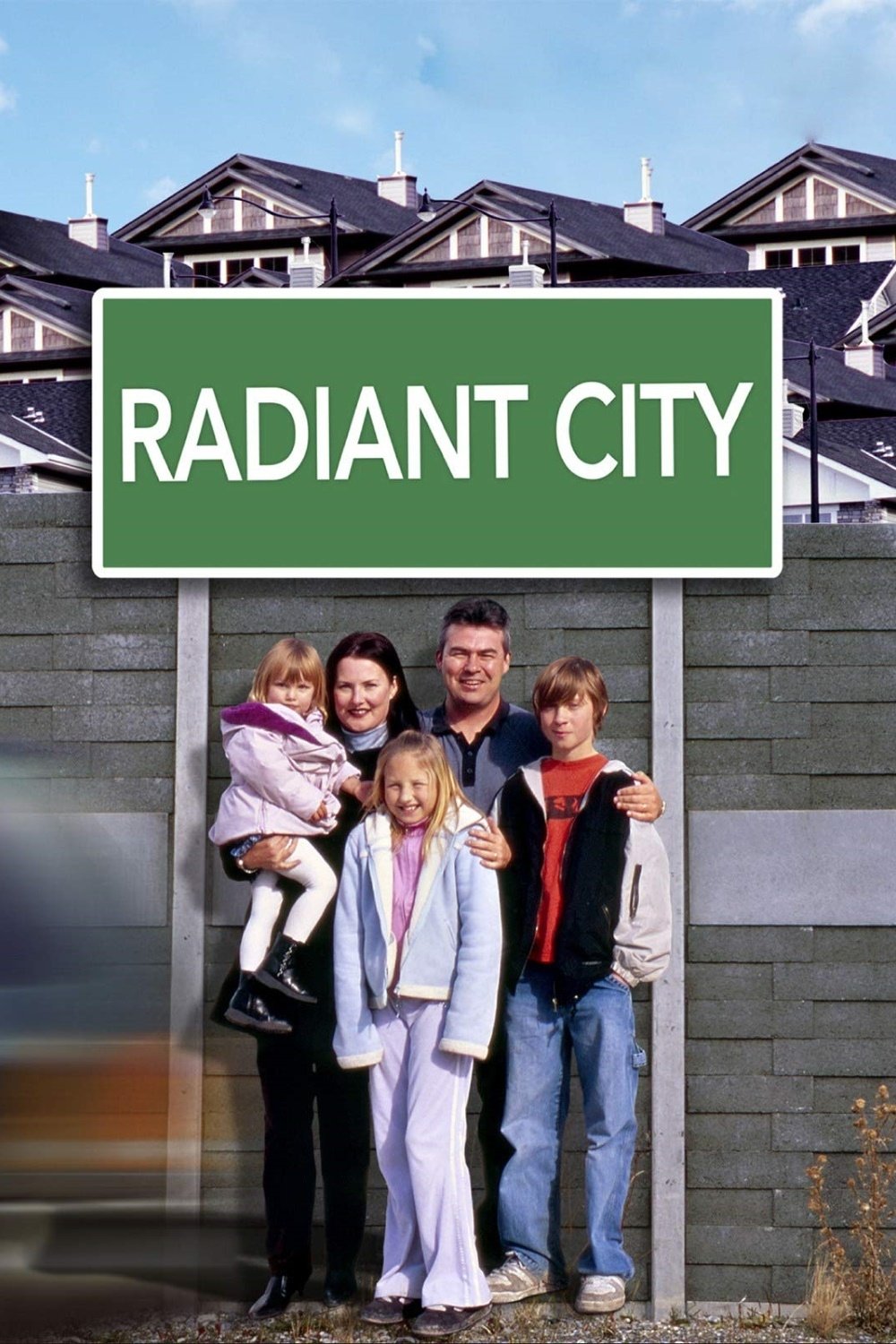
Since the end of World War II, one of kind of urban residential development has dominate how cities in North America have grown, the suburbs. In these artificial neighborhoods, there is a sense of careless sprawl in an car dominated culture that ineffectually tries to create the more organically grown older communities. Interspersed with the comments of various experts about the nature of suburbia
At the edge of our solar system supposedly lies an immense planet. Five to ten times the size of the Earth. Several international teams of scientists have been competing in a frantic race to detect it, in uncharted territories, far beyond Neptune. The recent discovery of several dwarf planets, with intriguing trajectories, have put astronomers on the trail of this mysterious planet. Why is this enigmatic planet so difficult to detect? What would a ninth planet teach us about our corner of the universe? Could it help us unlock some of the mysteries of our solar system?
Loran, a filmmaker from the notorious suburb Gottsunda, grapples with the desire to move away but is torn by loyalty to his childhood friends who lead a criminal life. "G" marks Loran's farewell to Gottsunda but completing the film in a changed community tests his sense of belonging and identity.
This feature-length documentary is a portrait of eclipse chasers, people for whom solar eclipses - among nature's more spectacular phenomena – are a veritable obsession. The film follows 4 of them as they travel incredible distances to witness the last total eclipse of the millennium as it sweeps eastward across Europe to India. At various points along the way enthusiasts Alain Cirou in France, Paul Houde in Austria, Olivier Staiger in Germany and Debasis Sarkar in India offer their impressions of the historic event.
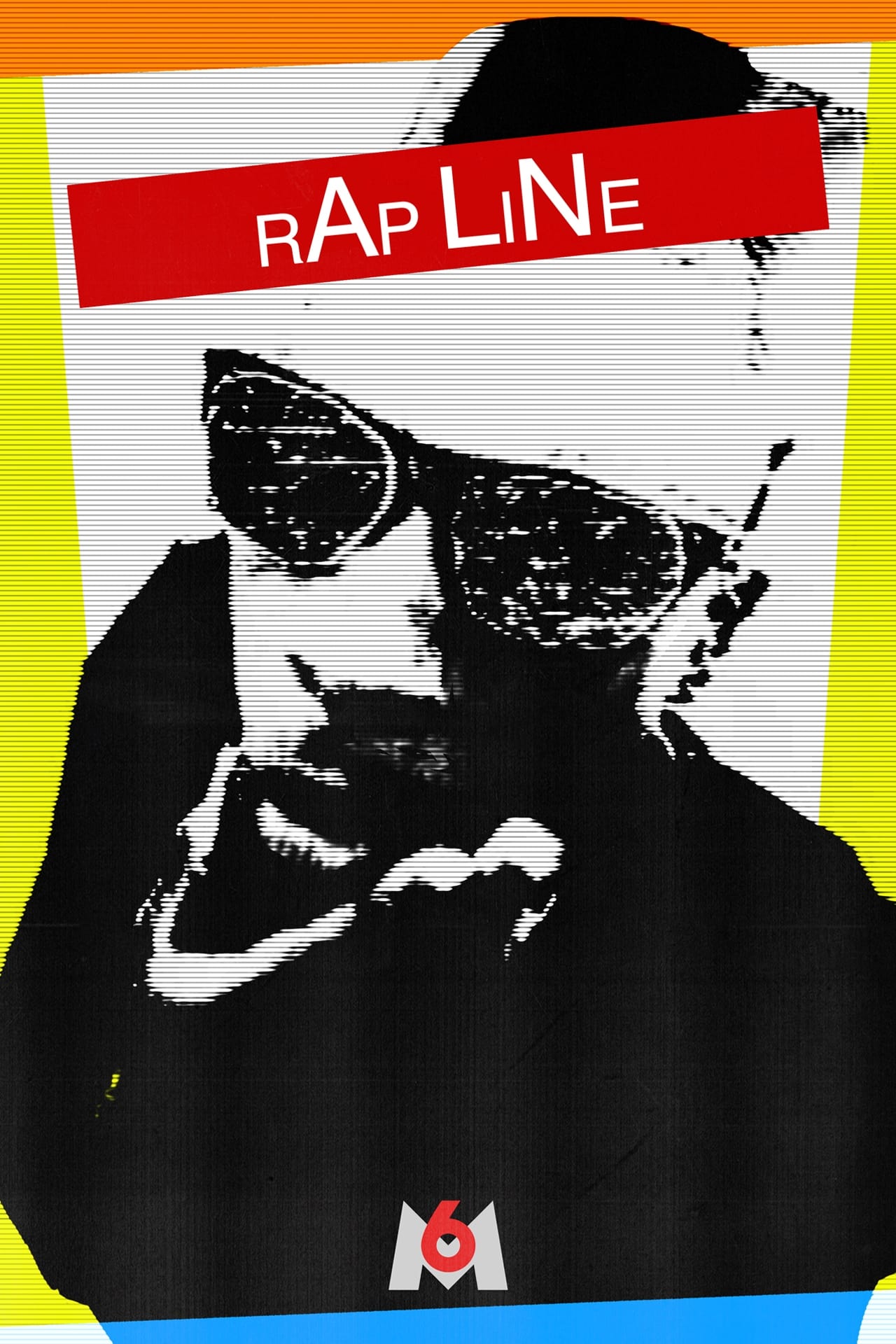
Between 1990 and 1993, at a time when rap was not yet on the radio in France, Olivier Cachin hosted a musical TV show on M6 called "RapLine". The show exclusively devoted to rap and other alternative music. This cult show presented all the facets of these emerging movements through interviews, lives and clips made especially for the show, around fifty clips were produced by RapLine. Another sequence of the show consisted of broadcasting new US rap clips subtitled in French.
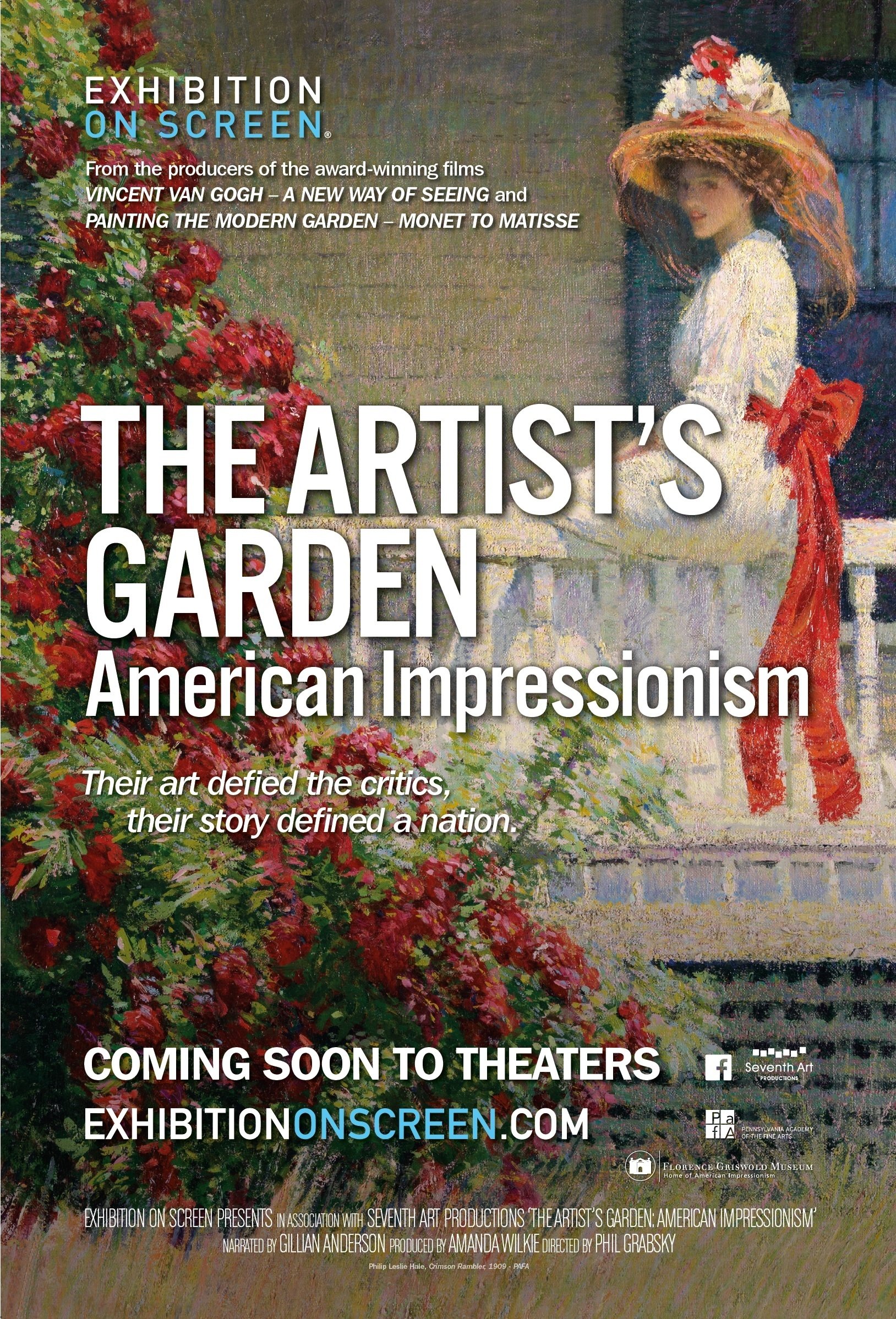
Created over 75 years and three generations, Les Quatre Vents stands as an enchanted place of beauty and surprise, a horticultural masterpiece of the 21st century. See how Frank Cabot gave birth to one of the greatest gardens in the world.
What forms might life take in the Solar System and beyond? In the Academy's newest original planetarium show, see how a deeper understanding of Earth might help us locate other living worlds, light years away.
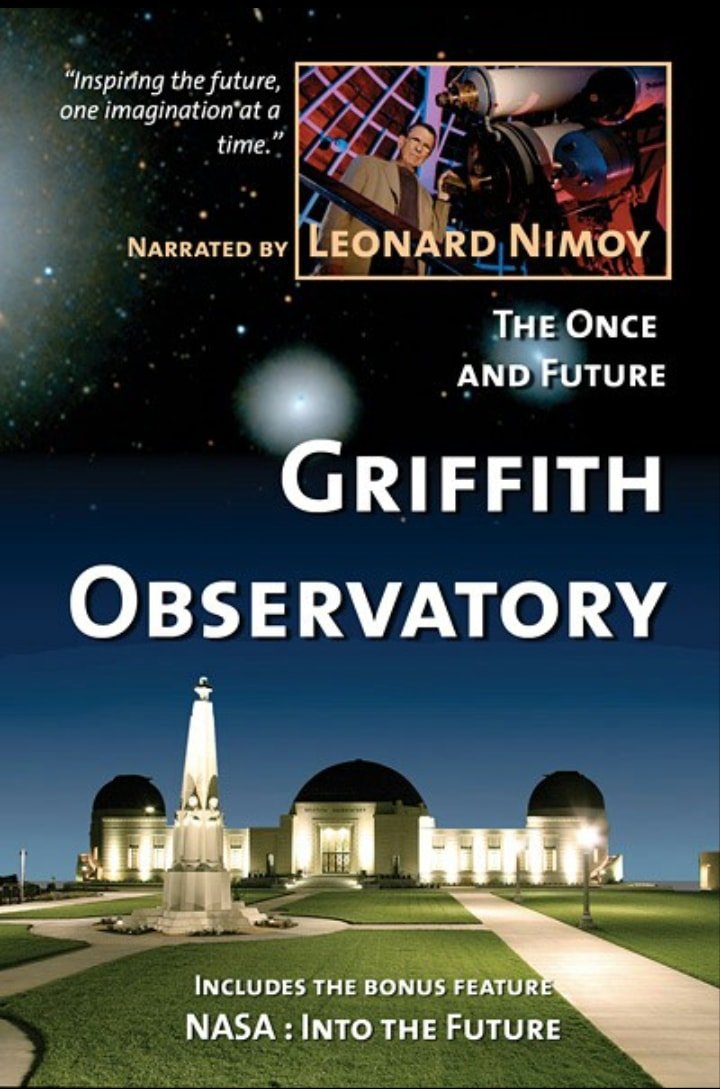
Documentary about the Griffith Observatory, shown at their Leonard Nimoy Event Horizon Theater
For over three decades, NASA and an international team of scientists and engineers pushed the limits of technology, innovation, and perseverance to build and launch the James Webb Space Telescope, the most powerful space observatory ever created. Cosmic Dawn brings audiences behind the scenes with the Webb film crew, and never-before-heard testimonies revealing the real story of how this telescope overcame all odds.
To celebrate its 50th anniversary year, ESO in 2012 released the documentary Europe to the Stars — ESO's first 50 years of Exploring the Southern Sky. The movie tells the story of ESO — what scientific discoveries it has been making and how it designs, builds and operates some of the most powerful ground-based telescopes.
Part of the Almost Famous series. Jocelyn Bell was a graduate student at Cambridge in 1967 when she pushed through the skepticism from her superiors to make one of the greatest astrophysical discoveries of the twentieth century. While Jocelyn was belittled and sexually harassed by the media, the Nobel Prize was awarded to her professor and his boss.
Cave paintings and lunar calendars exist in the caves and remains of prehistoric hunters studied recently. What if Prehistoric Man were clever enough to develop in depth scientific knowledge? As unlikely as it may seem, new data tend to prove that Prehistoric Man actually invented Astronomy!