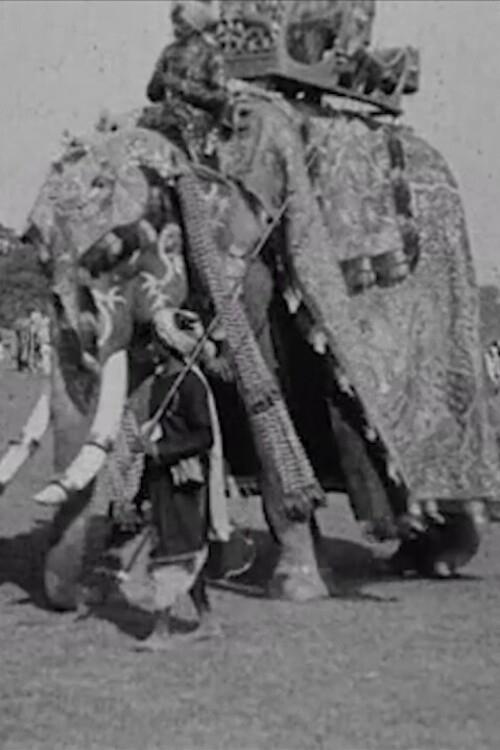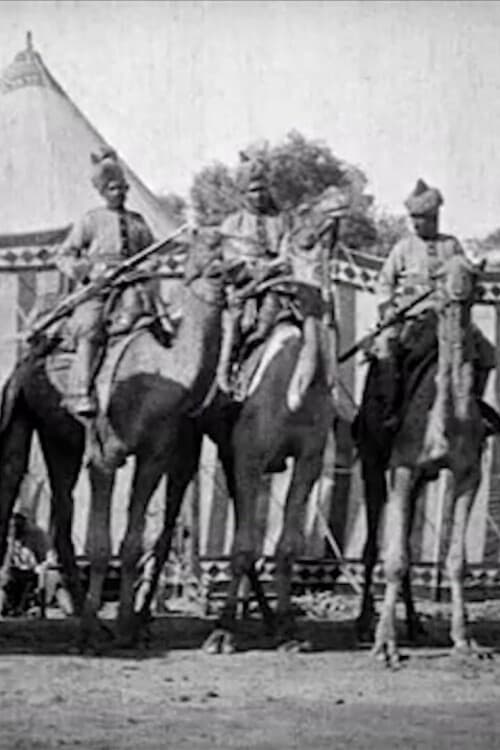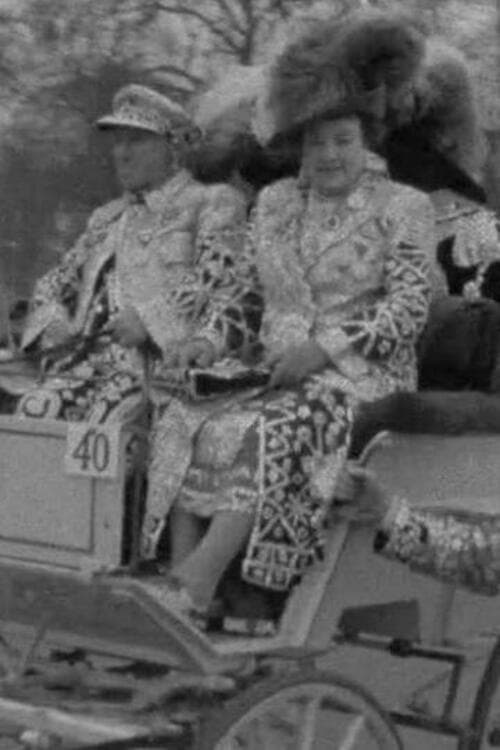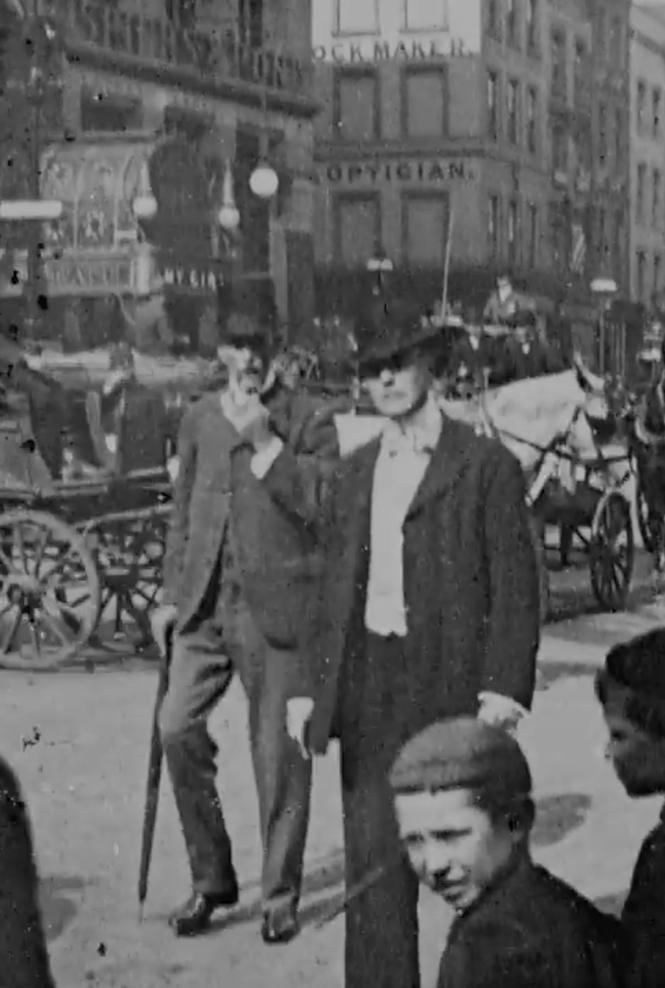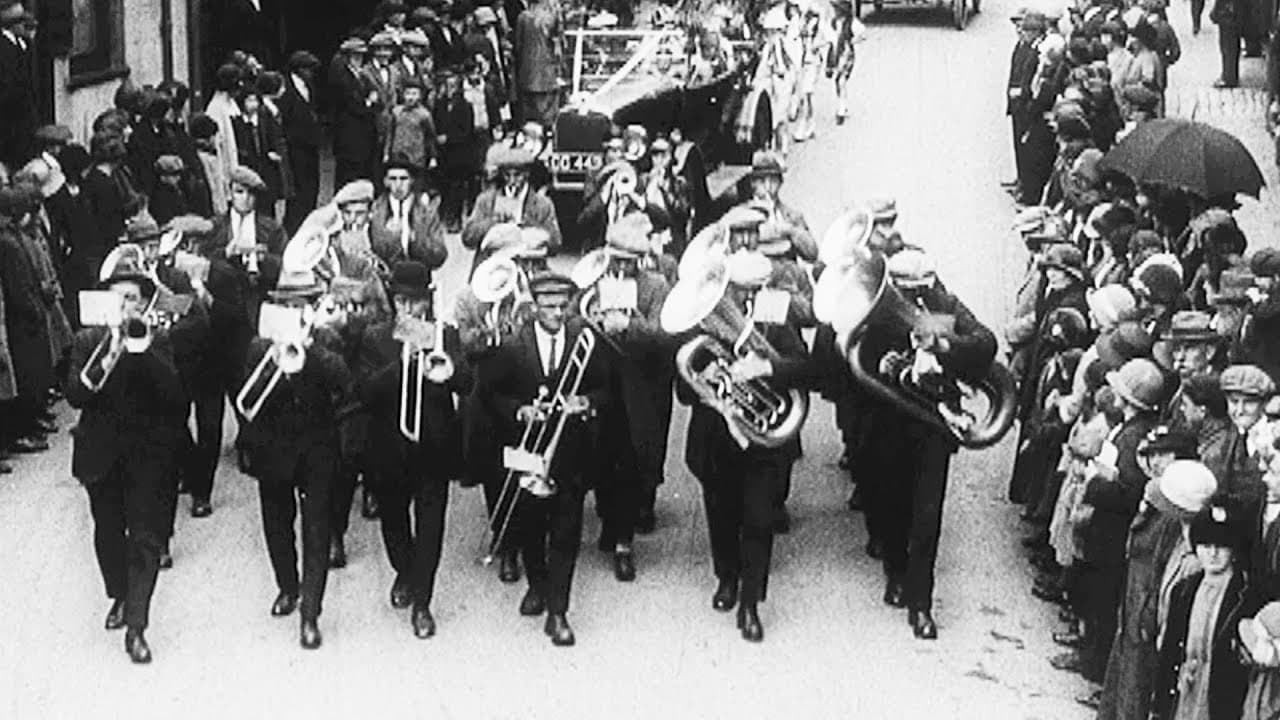
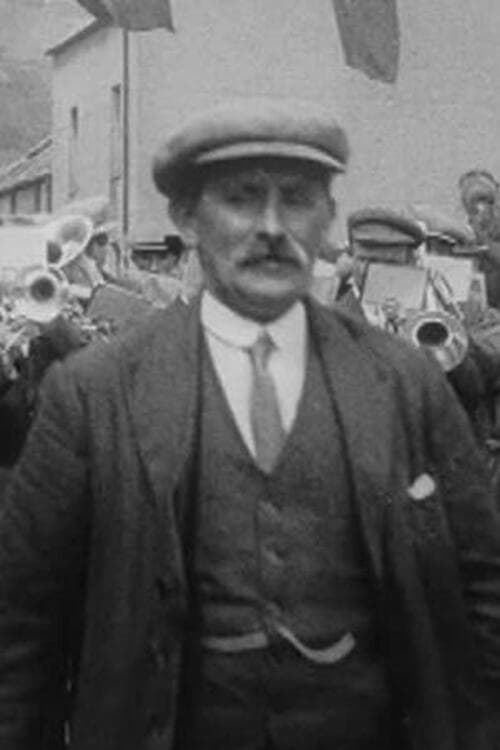
Weird and wonderful characters entertain the crowds in this summer's day procession at Pwllheli, Gwynedd.
Social & External
Drama in the Desert: The Sights and Sounds of Burning Man is a full-color book (which includes a DVD) based on the captivating images of Holly Kreuter, with contributions from an additional 90 Burning Man participants, offering the reader a taste of the Burning Man experience. The DVD includes an original Score by Sean Abreu, seven slideshows featuring 560 Kreuter photographs and video interviews with 8 artists including Larry Harvey.

The experience shared by four first-timers demonstrates how Burning Man dissolves the barriers between races, nationalities and economic classes. A beautiful piece of film-making which inspires and entertains as it provides some understanding about why people return year after year.
The last days of summer captured on 16mm.
A beautifully done video of Burning Man 2001, 2002 & 2003. Lots of people interviews, Center Cafe activity and extensive coverage of artist David Best and the Temple construction and burn. This documentary captures the swirling columns of dust that were created during the intense heat of the 2002 Temple burn.
Chevrolet presents this tribute to the American woman and her thrifty ways with money. The film also salutes the individuality of the Amerian citizen and the variety of choices we have in the marketplace.
Harrow’s extraordinary and opulent pageant, and seaside holidays on the south coast.
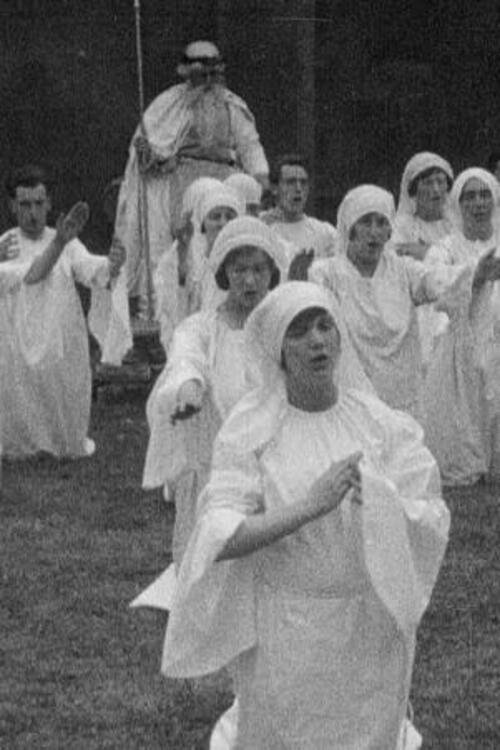
Druids, Romans and Norman knights return to Richmond for the 600th anniversary of the Yorkshire town's charter.
A car slowly navigates the winding streets and disparate airwaves of the United States of America in search of the scars of capitalism in natural landscapes, urban environments, people, and wildife.
A documentary from 1987 featuring the life of early Chinese immigrants to the island of Newfoundland.
Corona shut everything down. Including Carnival. Filmmaker Frank van Osch from Den Bosch searches for the soul of this beautiful folk festival. Distinctive and seasoned carnival revelers talk about the deep-rooted spirit of the festival and the tears they shed when Carnival was canceled in 2021. The sadness of Carnival is about life, with laughter and tears, as reflected in Carnival, in the year it couldn't take place. This documentary is an ode to the most unique folk festival in the South.
200 years of Cologne Carnival! The most colourful and loudest festival in Cologne celebrates a big birthday. In February 1823, a few men from Cologne's upper class founded the so-called 'Festordnende Komitee' - the forerunner of today's 'Festkomitee Kölner Karneval'. This 'big bang' was a reaction to the old festival getting out of hand in orgies and violence. Carnival was in danger. A ban by the Prussian rulers was imminent. The new committee wanted to control the wild goings-on, establish rules and organise the celebrations.
Behind the fluffy towels and crisp white sheets of Berlin's finest hotels is a tale of seemingly brilliant entrepreneurship: A company takes the dirty laundry of German hotels to Poland - and brings it back clean the very next day. Outside of Germany, labor is cheaper and regulations are less constricting. But over and beyond this fascinating capital venture there remains the harsh reality of the everyday life of the hard-working Polish laundrywomen, through whose hands the white sheets pass. While Beata struggles to raise her three children on her meager salary, Monika reminisces about her unrealized childhood dreams of becoming a doctor, and is compelled to watch her teenage daughter Marta gradually follow in her footsteps.
Short silent film.
Independence Day celebrations at the Finnish presidential palace December 6, 1960.
Documentary short that explores the meaning of the locals’ African identity through the Carnival festivities.
When radio host Milla (Katrin Bauerfeind) tells Sharronda, a listener to her new Break-up Show, live that her boyfriend Mufti doesn't want anything more to do with her, Sharronda (Alina Levshin) runs amok, raids the flower shop she used to work in, takes her ex-boss hostage and threatens to kill herself. To calm the situation, psychologist Lisa (Barbara Auer) disguises herself as a chemist and goes to the flower shop with the ransom money, only to learn from Sharronda that her brothers are right-wing radicals. Might they have forced her boyfriend to split up with her? A brand-new episode of Lars Becker's hit series.
Festive Land examines one of the largest and most extraordinary popular celebrations in the world, the week-long Carnival that brings more than two million people to the streets of Salvador, the capital of Bahia, in northeastern Brazil. Carnival is the most expressive showcase of the unique cultural richness of Bahia, where African culture has survived, prospered, and evolved, mixing with other Brazilian influences to create forms found nowhere else in the world. The film captures this unique cultural energy through extraordinary footage of musical performances, dances, religious manifestations, and street celebrations. At the same time, Carnival reflects the racial and social tensions of Brazil's heterogeneous society. At first glance there appear to be two million people chaotically mixed on the streets, but a more detailed look reveals how patterns of segregation driven by racial, social and economic differences continue in Carnival.
Although it was actually an impersonal commissioned film, the director's style is clearly recognizable. Once again he manages to make something that is normal very strange: the dancing people in costumes are filmed in such a way that they look bizarre and absurd. Jan de Bont's camerawork shows a series of color images of dancing people, edited to the rhythm of the music. Halfway through the film, a lonely clown can be seen among the dancing crowd, accompanied by sad music. This clown is played by Ditvoorst himself.