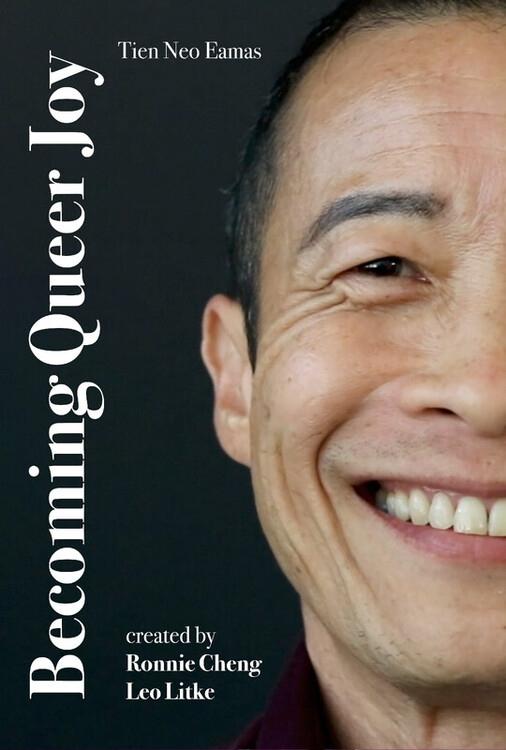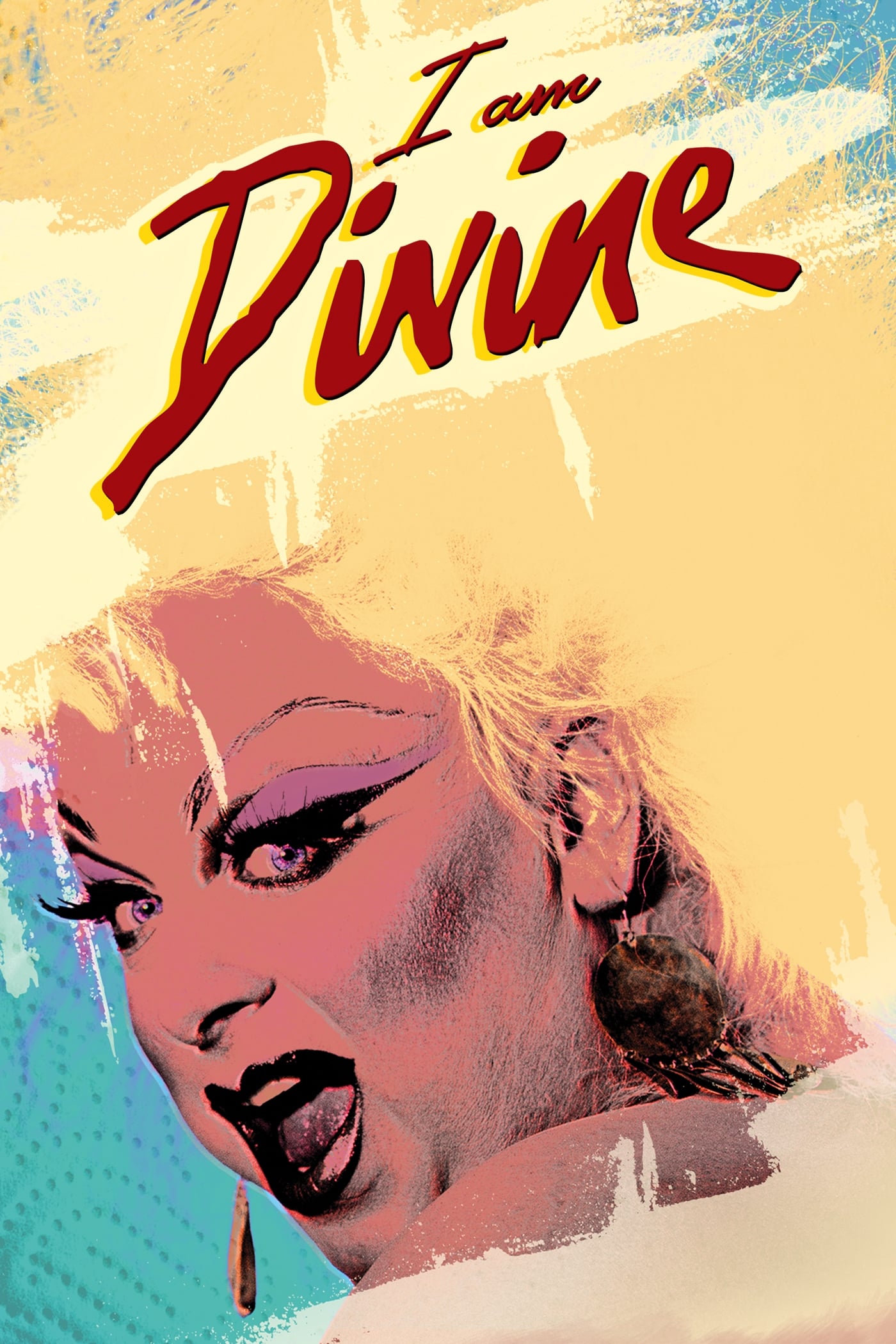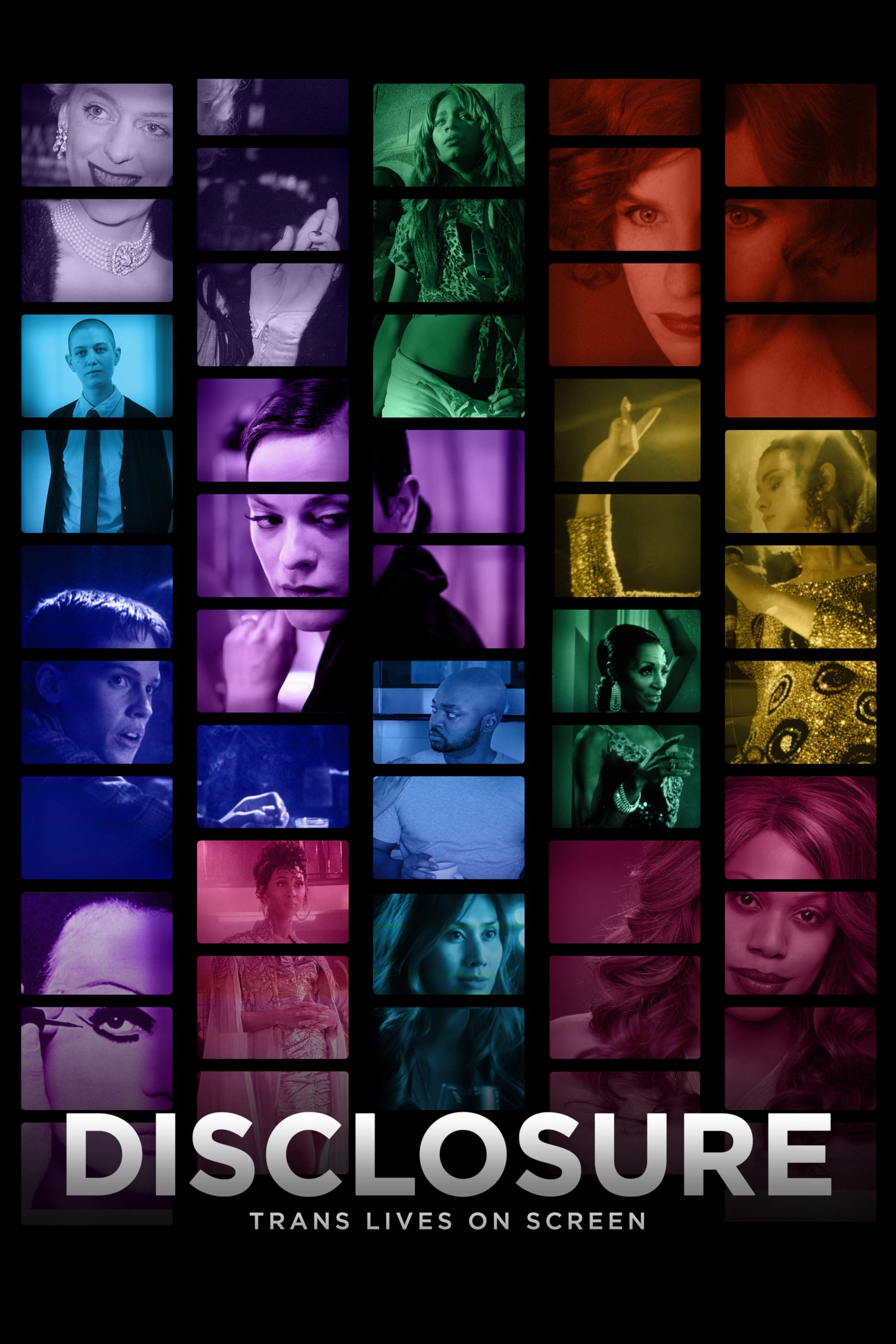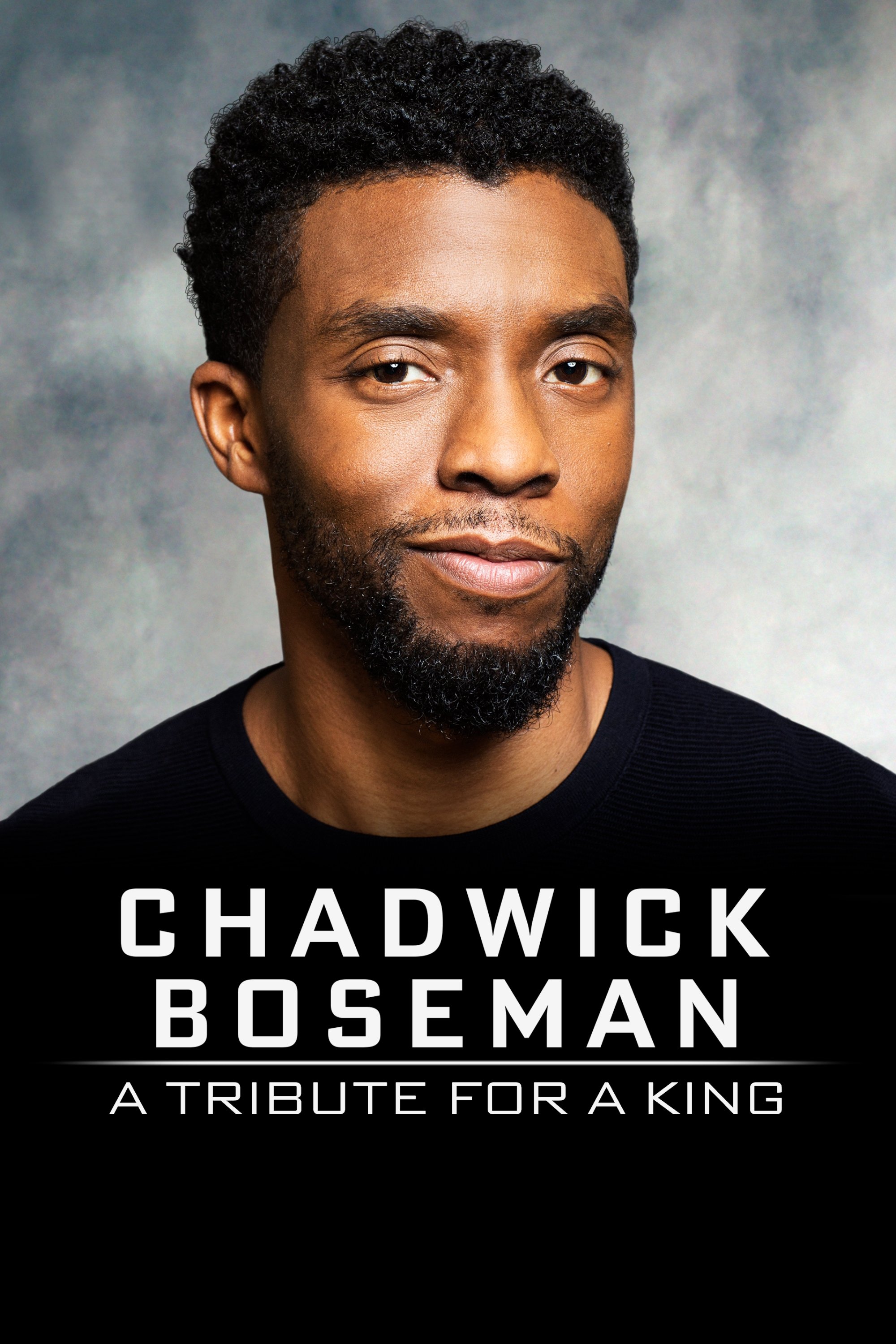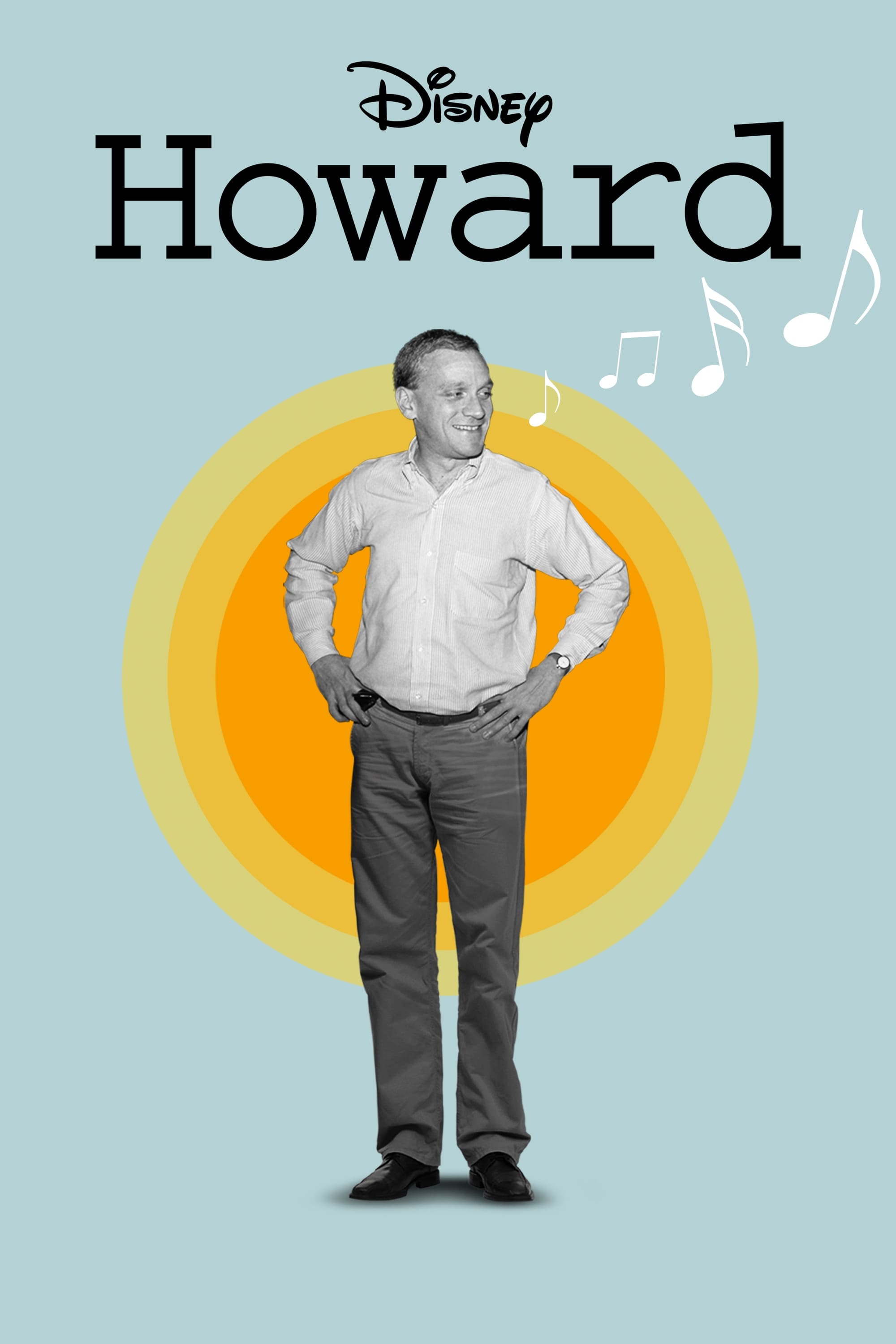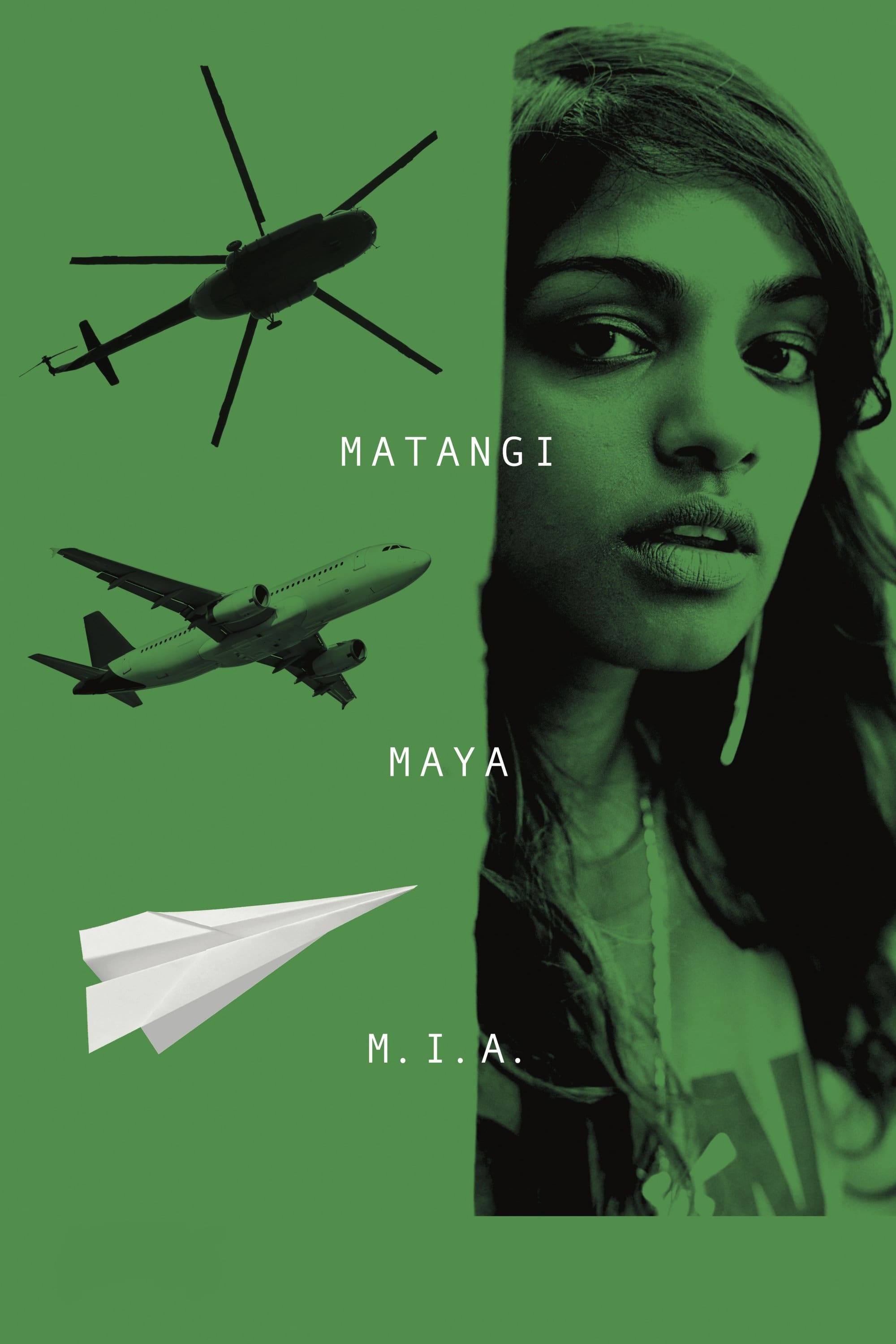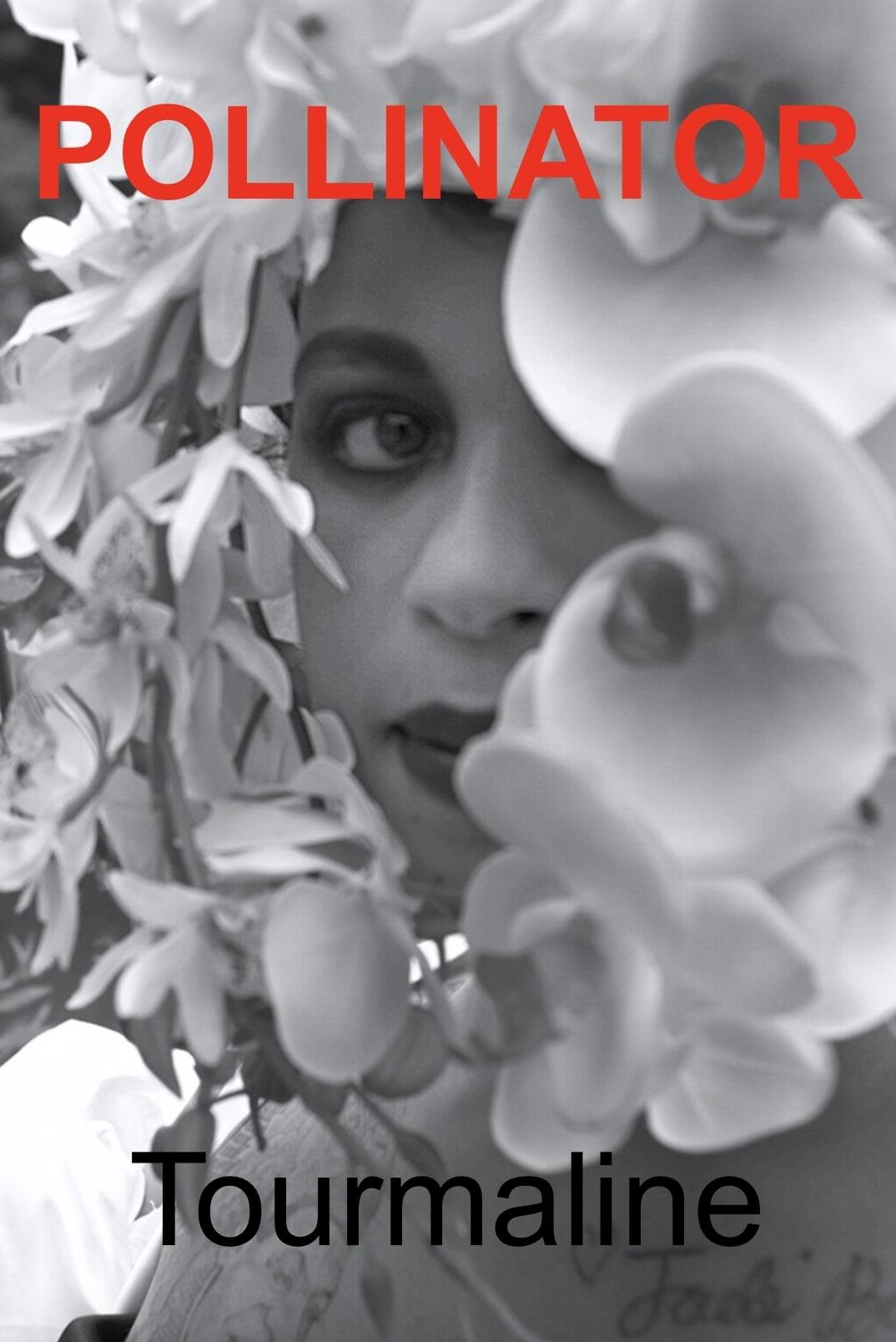
The artist walks through a garden, with additional footage featuring Black trans activist Marsha P. Johnson.
Social & External
Unknown Role
self (archive footage)
A documentary on Queercore, the cultural and social movement that began as an offshoot of punk and was distinguished by its discontent with society's disapproval of the gay, bisexual, lesbian and transgender communities.
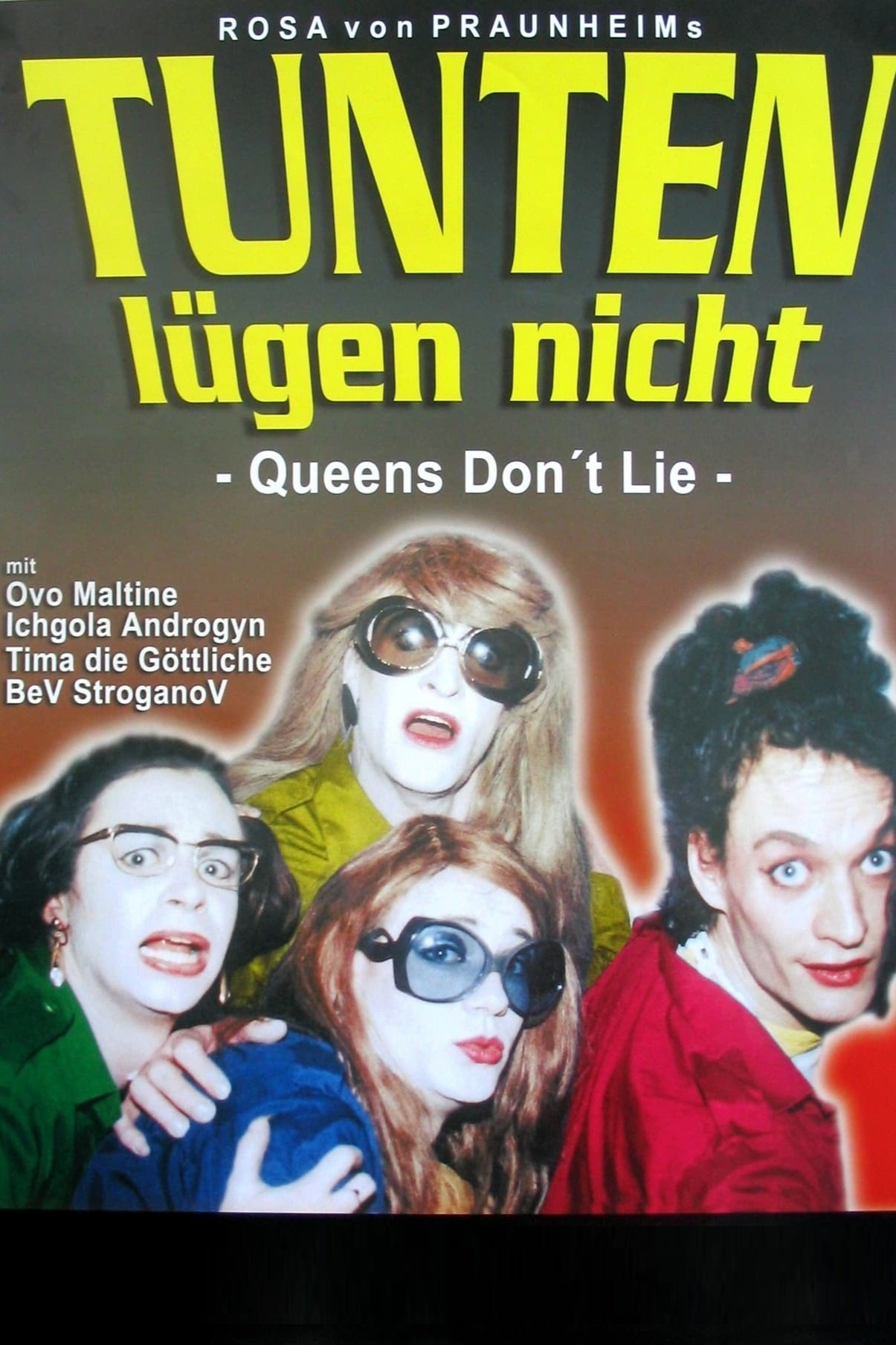
Bosom buddies BeV StroganoV, Ovo Maltine, Ichgola Androgyn and Tima die Göttliche are four Berlin drag queens who met in the mid 1980s. These four queens became Germany’s most popular drag performers and have been busy fertilizing the German cultural scene. Besides being performers, they are also political activists – in AIDS awareness, anti-gay violence, the sex workers movement and the struggle against the extreme right and racism. The film tells their story.
Through personal stories, the documentary approaches the issues of gender identity and legal gender recognition in Greece. The three main characters explain how society has treated them, by narrating their experiences from the past and the present.
A New York film and at the same time the study of a young man suffering from an obsessive-compulsive disorder (OCD). The Berlin filmmaker Oliver Sechting (37) and his co-director Max Taubert (23) travel to New York with the idea of documenting the art scene there. However, the project is quickly overshadowed by Oliver's OCD, and the two directors fall prey to a conflict that becomes the central theme of their film. Encounters with such artists as film directors Tom Tykwer (Cloud Atlas), Ira Sachs (Keep the Lights On), and Jonathan Caouette (Tarnation) or the transmedia artist Phoebe Legere seem more and more to resemble therapy sessions. At last, Andy Warhol-Superstar Ultra Violet succeeds in opening a new door for Oliver.
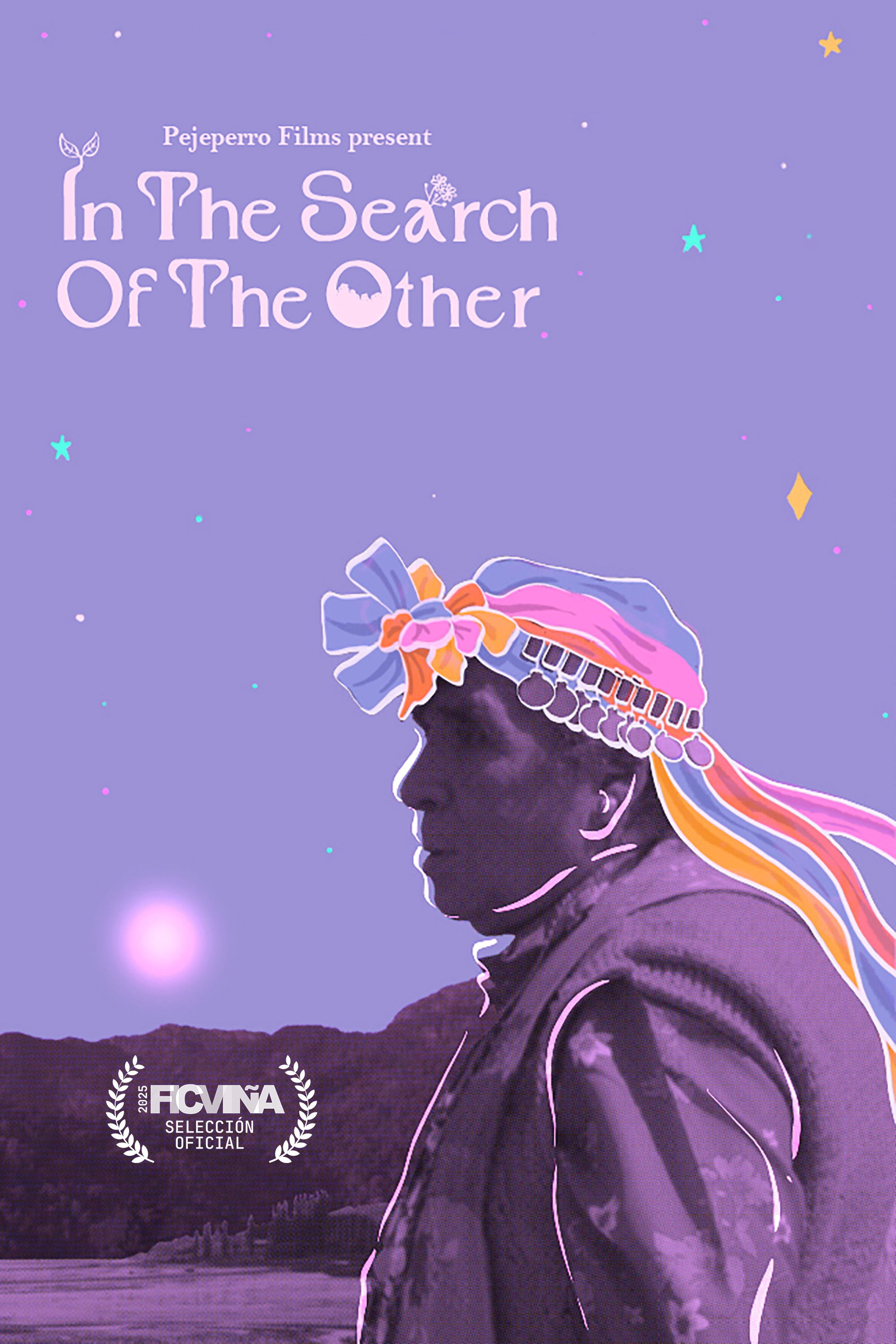
Exterínio proposes a reflection on the lives of trans women in a city in the interior of Rio Grande do Sul, based on a murder that occurred in 2016. Memories, provocations, life stories that intersect in a plot about the difficulties of living and being trans in the interior of the country that most murders trans women in the world.
Using diary excerpts, photographs and memories from companions, the film paints the portrait of the artist Jürgen Baldiga who sensitively and authentically captured the West Berlin queer scene of the 1980s and early 1990s with his camera.
In a small village in the south of the Bohemian-Moravian Highlands, filmmaker Kateřina Turečková meets 16-year-old Ben, interested in learning about their newly discovered trans identity in person. Ben seeks refuge for their true feelings in cyberspace, finding moments of happiness by using green-screen technology to imagine their possible future. The film indirectly captures the (mis)understanding and (non-)acceptance Ben faces at school, its focused insight rounded out by the filmmaker’s interviews with Ben’s mother and sister, who inadvertently embody everything Ben hates about themself.
Sometimes, finding your tribe requires a bit of magic. For attendees of a live action role-playing (LARP) camp in upstate New York, the deeply accepting environment has given neurodivergent, queer, and self-proclaimed "nerdy" teenagers the space and community for self-discovery that they have never found anywhere else. As the campers immerse themselves in this imaginative world, they discover inner strength, heal from past traumas, and emerge as the heroes they are meant to be, both in the fantasy realm and in real life.
"Chapal Bhaduri, a leading lady of Bengal’s traditional folk traveling theatre-in-the-round, the Jatra, spent his life playing women. This film is an intimate biography that brings you face to face with this unique individual, sharing what it means to him to become a woman night after night, talking of the woman inside his body, of troubled sexuality, of a long partnership with his older lover, of the loneliness of living on the edges of conventional society–and showing how he metamorphoses into the goddess to perform her story." - The Bangalore International Centre
Keenly aware that his niece is going through a particularly rough time at home, Uncle James teaches Ava Dee how to use the Blackmagic Pocket Cinema Camera. As an experiment, he tells her to shoot whatever she wants and he'll edit it into a film.
The final official installment in the "Mondo Cane" series dares to go where no other Mondo film has gone before.
In the first person, a documentary that shows us the experience of Vida Rodriguez, formerly Inocente Duke, in situations that the Trans Law favors: what happens when entering a sauna, locker room, or a public service (even in the Congress of Deputies). An experience that, with respect and large doses of humor, brings us face to face with a law and its difficulties in its implementation.
A multimedia performance including film, live narration and dance, How Can You Stay in the House All Day and Not Go Anywhere? explores loss and transcendence experienced in human partnerships. Reflecting on his relationship with 102-year-old former sharecropper, carpenter and gardener Walter Carter as well as Andrei Tarkovsky’s science fiction classic, Solaris, Lemon and 6 dancers create a performance which arcs from turbulent physicality to restorative grace.
The 3rd installment in James A. Burkhalter's QUEER ROOTS trilogy: After years of his mother begging him to do it, James decides to finally review and erase 10 years' worth of phone messages. It tells the story of James' "roaring twenties," constructed solely through the voices of friends, family, and lovers.
Since the 1970s, lesbians from around the world have been drawn to the island of Lesvos, the birthplace of the ancient Greek poet Sappho. When they find paradise in a local village and carve out their own queer lesbian community, tensions simmer with the local residents. With both groups claiming ownership of lesbian identity, filmmaker Tzeli Hadjidimitriou—a native and lesbian herself—is caught in the middle and chronicles 40+ years of love, community, conflict, and what it means to feel accepted.
This short experimental diary film reveals my struggles with mental illness in my adolescence and queer adulthood while simultaneously reflecting upon my joyous childhood experiences. I investigate when and how my depression began and explain that my relationships with the people I love have supported me through my harder times. The film incorporates footage shot over May and June 2023 and archival home videos. Overall, I aim to resolve my "growing pains" through the medium of diary film and by reconnecting with my younger self.
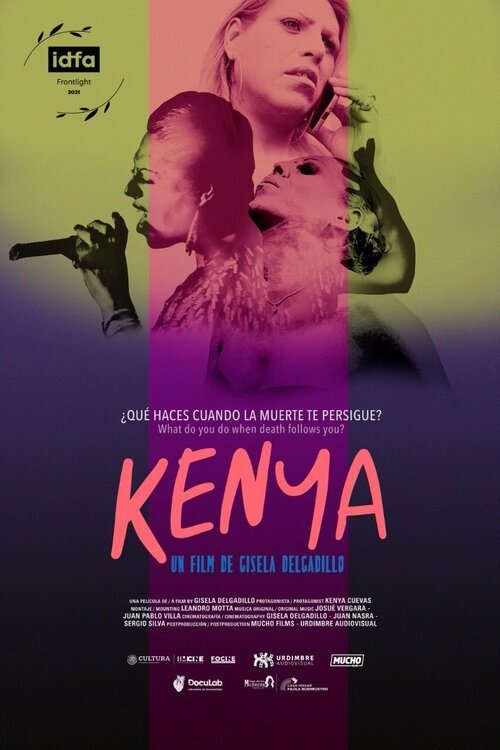
Cinema Fouad is a documentary portrait of Khaled El Kurdi, a Syrian trans woman living in Beirut, where she earns a living as a domestic worker and belly dancer. Soueid shows us scenes of El Kurdi’s domestic world: eating, applying make-up, dancing in her bedroom, all while reflecting on her life and experiences. She expresses her desire to undergo gender reassignment surgery, and mourns the death of her lover, a Palestinian freedom fighter. She often alludes to the aggressions she faces outside of her home, and through her adept defiance in the face of some of Soueid’s more goading questions, we recognize the echoing of these aggressions in his role as interviewer.
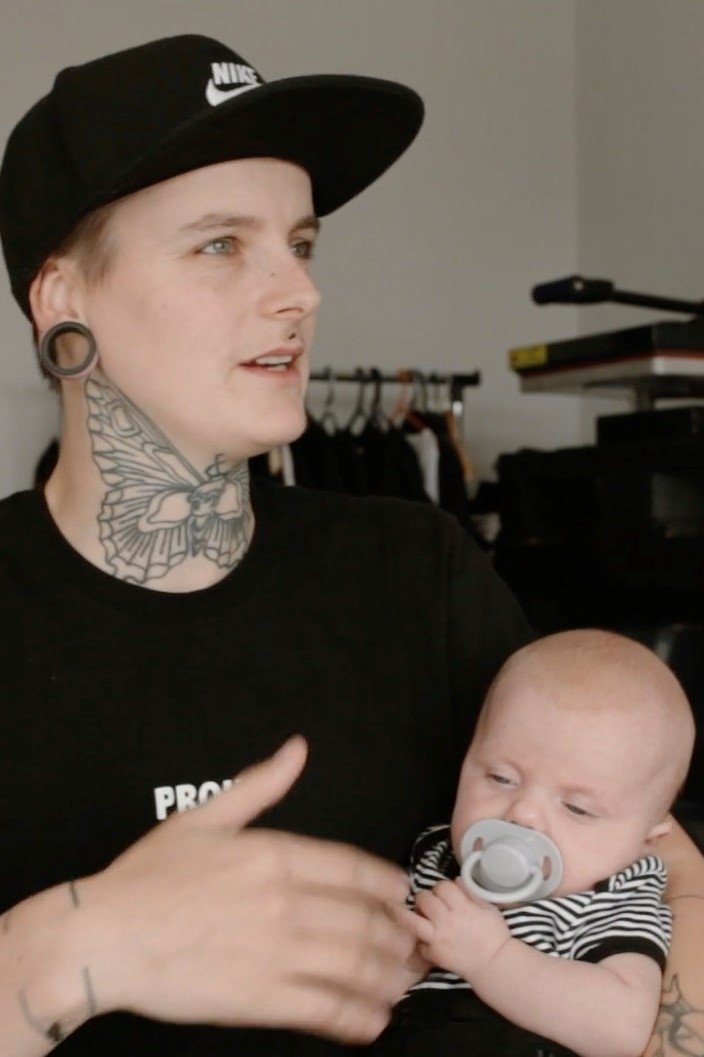
On a fishing trip with Matthew Shepard's father, five disparate dads discuss their love, hopes and fears for their trans kids in this short documentary.
In this documentary, director Rhys Ernst tells the previously untold histories of transgender pioneers. Trans people have always been here, throughout time, often hidden in plain sight.
An edgy and unapologetic look at the growing impact that open LGBTQ music artists, and their straight allies, are having on the portrayal of sexuality and gender politics in music, and its affect on the normalizing of gay culture. Using artists personal experiences as a lens, we'll look at sexuality's influence on music and the role of social media in helping artists complicate mainstream expectations of identity. How far are artists willing to push their music, messages and imagery to challenge the way pop culture defines notions of sexuality, masculinity, femininity, gender and what it means to be queer?