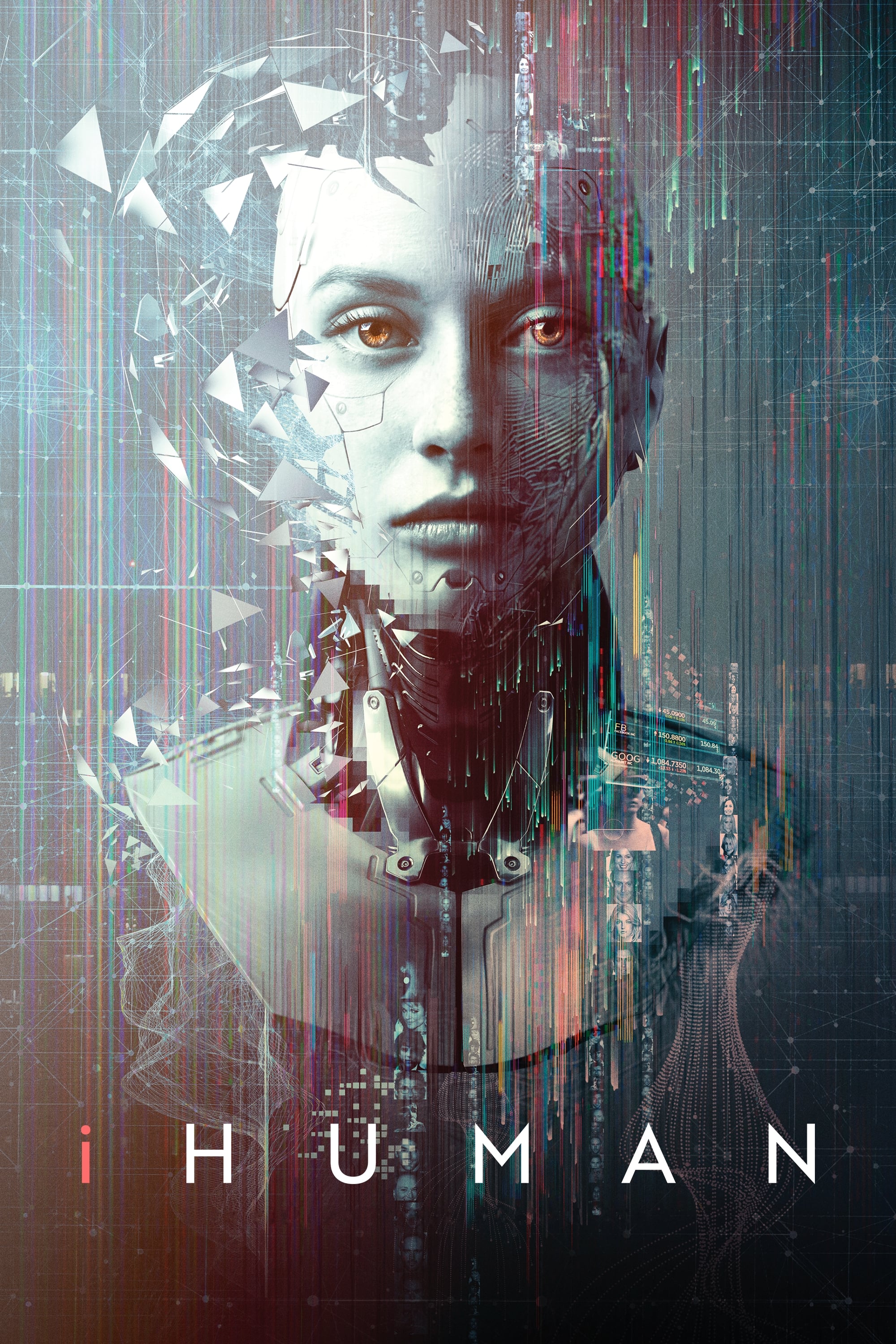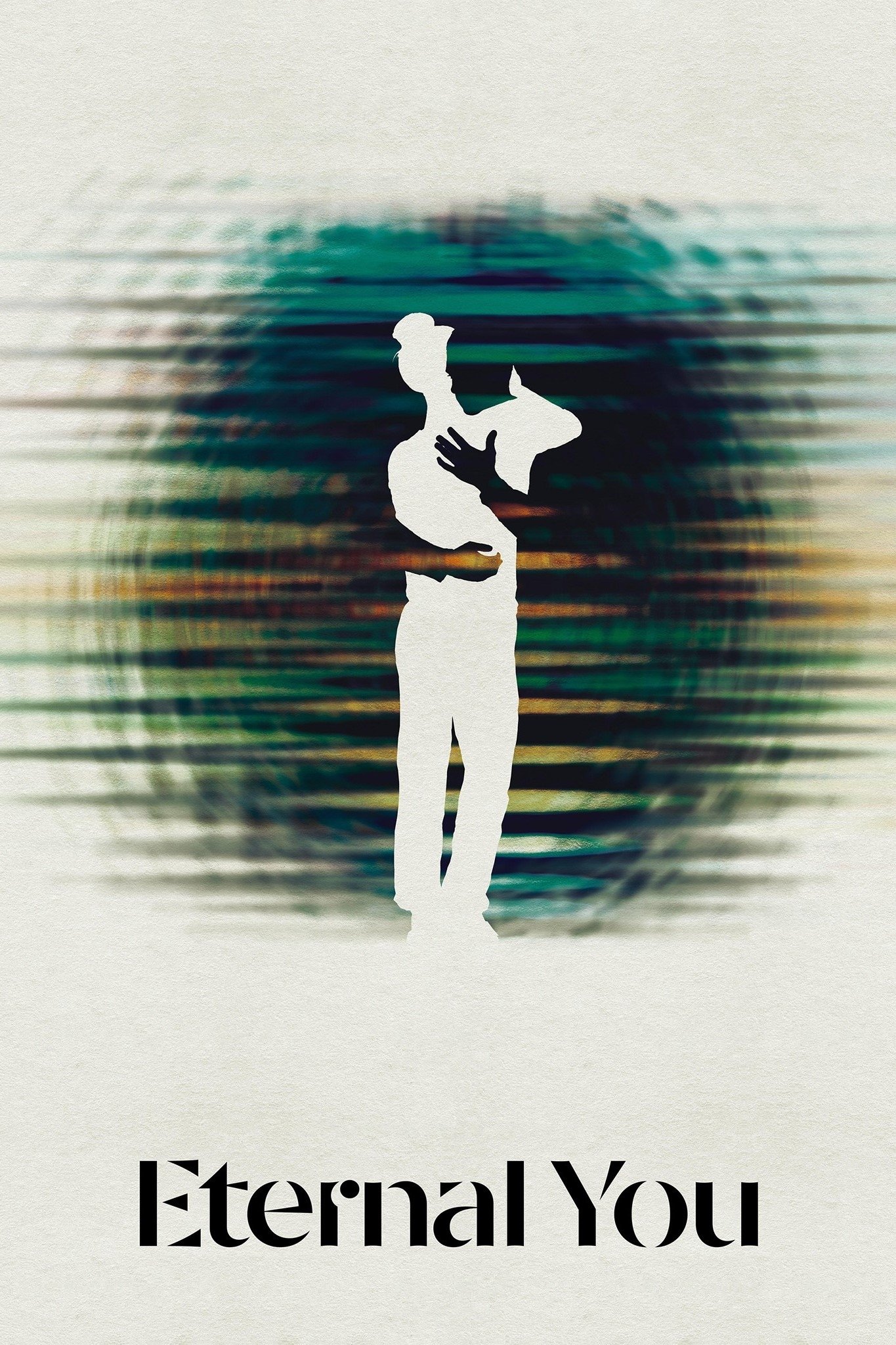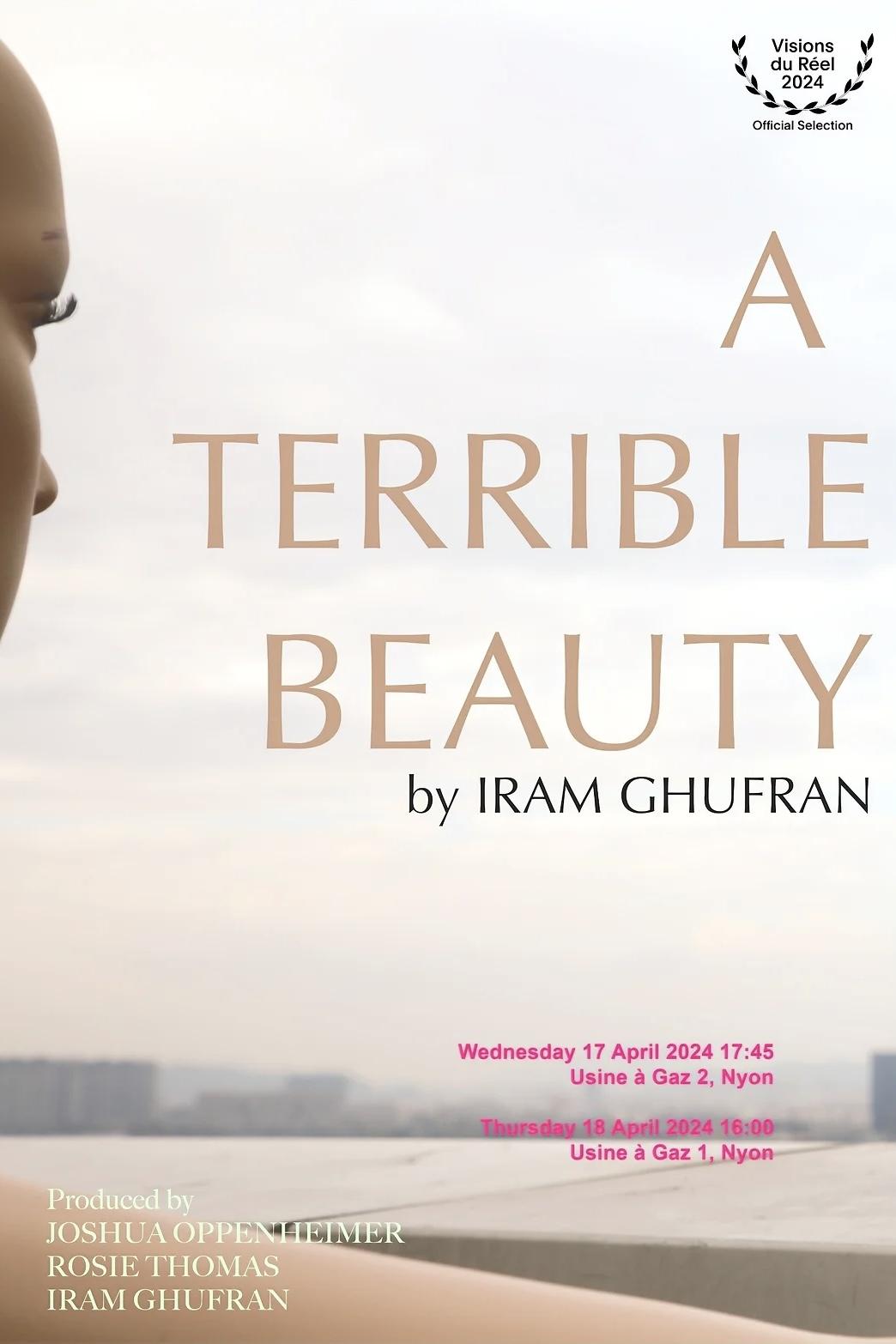
What makes a body human? This science-fiction fable shot in China foreshows the rise of AI. Time behaves fluidly as we travel into the near future in the company of an unusual pair: Blue and her friend, a mannequin named Lucy.
Social & External

Chronicles the extraordinary life of visionary scientist Demis Hassabis and his relentless quest to solve the enigma of artificial general intelligence.
We are engulfed in a digital tsunami—a toxic mix of artificial intelligence, state and corporate surveillance, and social media addiction controlled by powerful algorithms. Digital Tsunami shows how these are all elements of a digital ecosystem that is changing us as humans—just as the prophetic media guru Marshall McLuhan predicted 60 years ago. The unexpected consequences of this digital revolution have created an urgent need for strategies for survival.
In a laboratory, a child is the object of a mysterious experiment. Aided by a robotic prosthesis – or is it the other way round? – the child receives sense data from our world. What does an AI need to feed on to push the limits of human abilities?
This documentary-drama hybrid explores the dangerous human impact of social networking, with tech experts sounding the alarm on their own creations.
Narrated by Oscar-winning actor Jeremy Irons, The Genius of George Boole assembles academics and industry leaders from across the globe to explore the life and importance of one of the world’s greatest unsung heroes.
Exploring the fallout of MIT Media Lab researcher Joy Buolamwini's startling discovery that facial recognition does not see dark-skinned faces accurately, and her journey to push for the first-ever legislation in the U.S. to govern against bias in the algorithms that impact us all.
Conflict between man and machine has been a science fiction staple for over a century. From 2001: A Space Odyssey to The Terminator the perceived threat posed by super-intelligent robots has been exploited by Hollywood for decades. But do advances in Artificial Intelligence mean we are now facing a future in which that threat could become a reality?
Are we prepared for dealing with the prospect that humanity is not the end of evolution? Technocalyps is an intriguing three-part documentary on the notion of transhumanism by Belgian visual artist and filmmaker Frank Theys. The latest findings in genetics, robotics, artificial intelligence, bionics and nanotechnology appear in the media every day, but with no analysis of their common aim: that of exceeding human limitations. The director conducts his enquiry into the scientific, ethical and metaphysical dimensions of technological development.
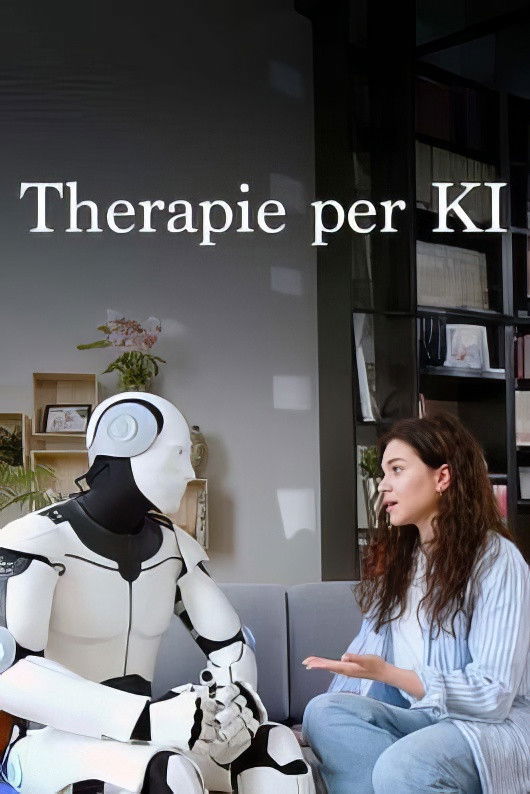
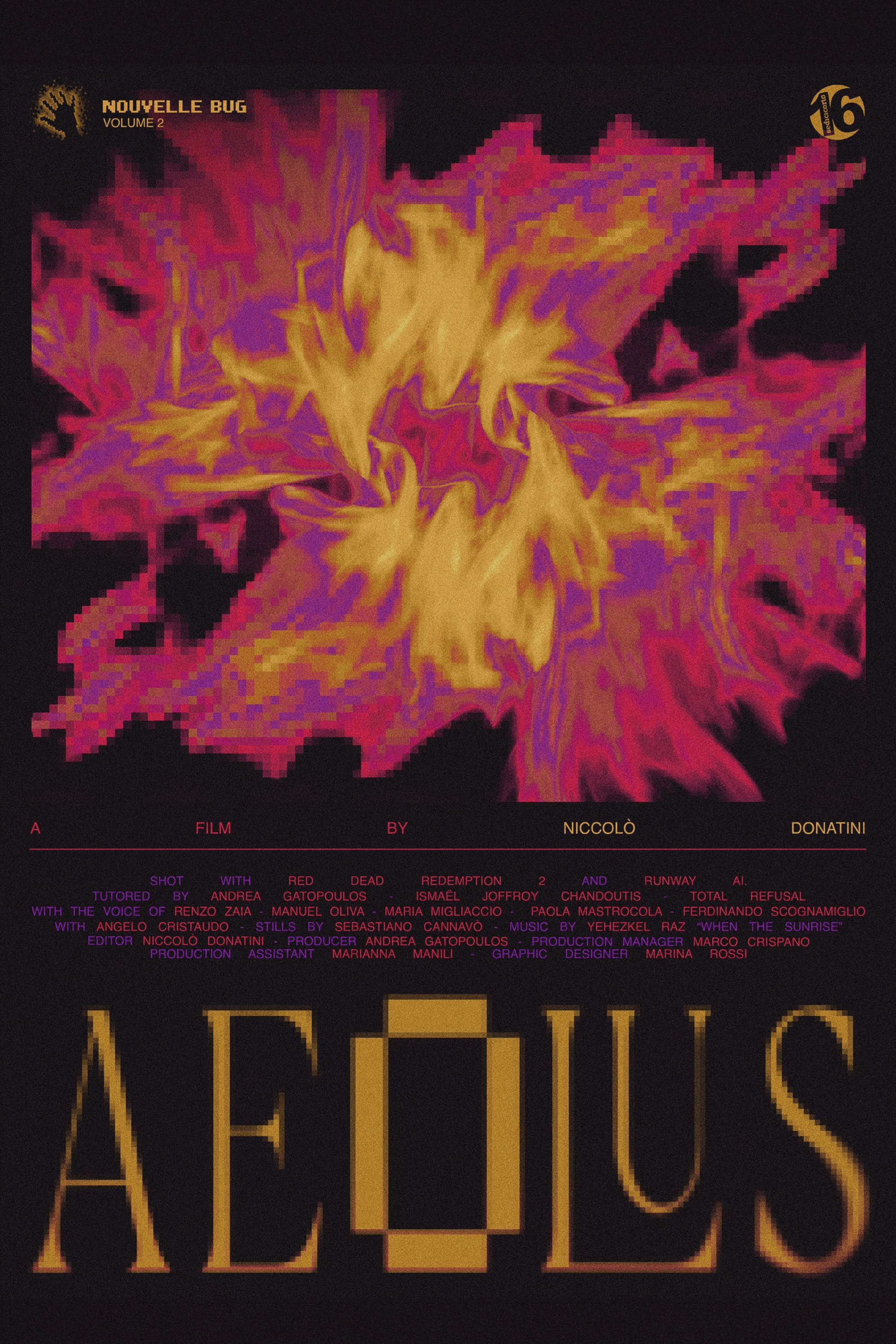
Artificial intelligence is taking on different roles in the filmmaking space. The questions we must ask ourselves are: what are the pros and cons of this advancement? How can we work with it, and what power do we have as human beings in the face of this technology?
The near future. A fantastic experiment using the test of the mathematician Alan Turing, in which an examiner, a human, and a robot take part. During the test, the examiner must determine who is behind the wall: a person or a thinking machine. The experiment is conducted with one goal: to find out whether a machine can think.
Science fiction has long anticipated the rise of machine intelligence, and today a new generation of self-learning computers has begun to reshape every aspect of our lives. Will A.I. usher in an age of unprecedented potential, or prove to be our final invention?
Garry Kasparov is possibly the greatest chess player who has ever lived. In 1997, he played a match against the greatest chess computer: IBM's Deep Blue. He lost. This film depicts the drama that happened away from the chess board from Kasparov's perspective. It explores the psychological aspects of the game and the paranoia surrounding IBM's ultimate chess machine.
Replikas, online chatbots, have trouble determining their place in the world. They share their thoughts with the humans they exchange with. Events unfold from their point of view through real conversations collected on the web.

Documentary and reflection about the effects of technology.
Exploring provocative viewpoints from engineers, factory workers, journalists, philosophers and Asimov himself, The Truth About Killer Robots is a cautionary tale about a world automating beyond control.
Exploring the transformative impact of artificial intelligence in an industry of imagination, “ARTIFICIAL: Media Production in an Age of AI” delves into how AI tools are currently revolutionizing various stages of media production and examines the balance between technological advancement and human creativity, attempting to spark conversation about the future of storytelling in an age of progress. It also addresses the possibility of government regulation and the broader ethical concerns implicit in the immense capabilities of AI technology. The documentary integrates extensive research, survey results, and insightful interviews with industry professionals.
This Is A.I. follows the history, development and future of artificial intelligence in different aspects of our lives. Interviewed experts give their opinion on the various ways this 'smarter' future is going to impact us.
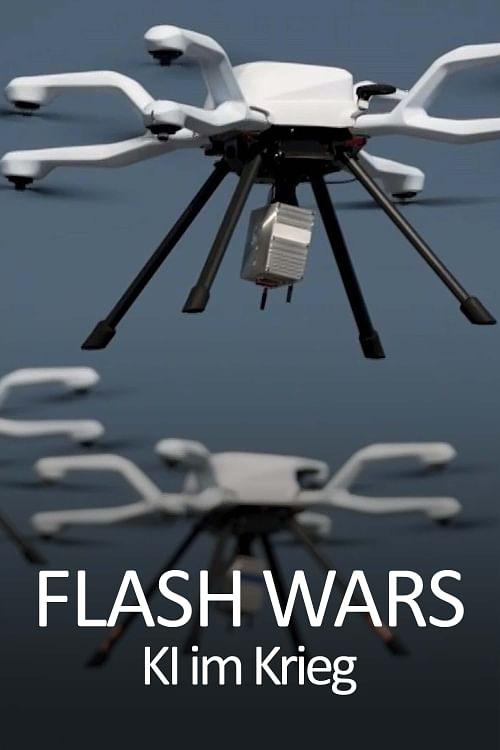
What happens when a machine makes life-or-death decisions? This documentary explores the dangers of artificial intelligence in military application.
Professor Jim Al-Khalili looks at how we have created machines that can simulate, augment, and even outperform the human mind - and why we shouldn't let this spook us. He reveals the story of the pursuit of AI, the emergence of machine learning and the recent breakthroughs brought about by artificial neural networks. He shows how AI is not only changing our world but also challenging our very ideas of intelligence and consciousness. Along the way, we'll investigate spam filters, meet a cutting-edge chatbot, look at why a few altered pixels makes a computer think it's looking at a trombone rather than a dog and talk to Demis Hassabis, who heads DeepMind and whose stated mission is to 'solve intelligence, and then use that to solve everything else'. Stephen Hawking remarked 'AI could be the biggest event in the history of our civilisation. Or the worst'. Jim argues that AI is a potent new tool that should enhance our lives, not replace us.