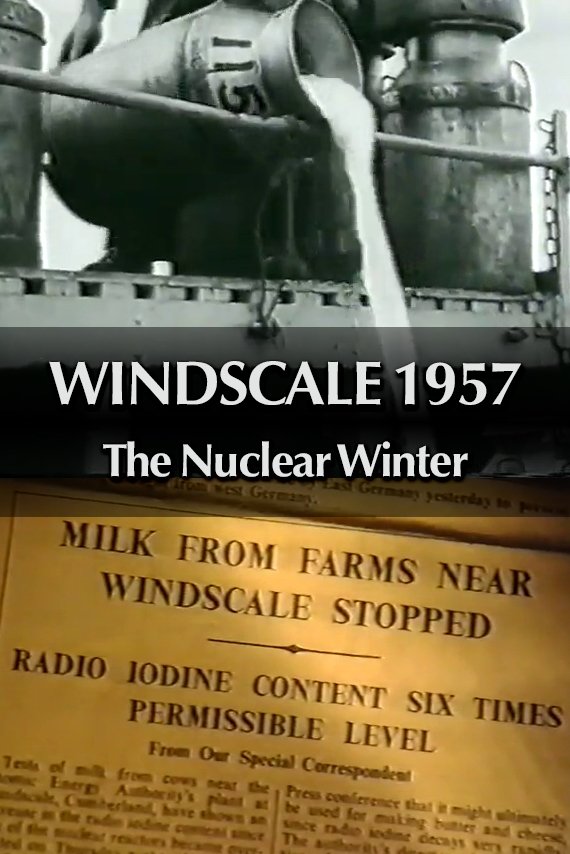
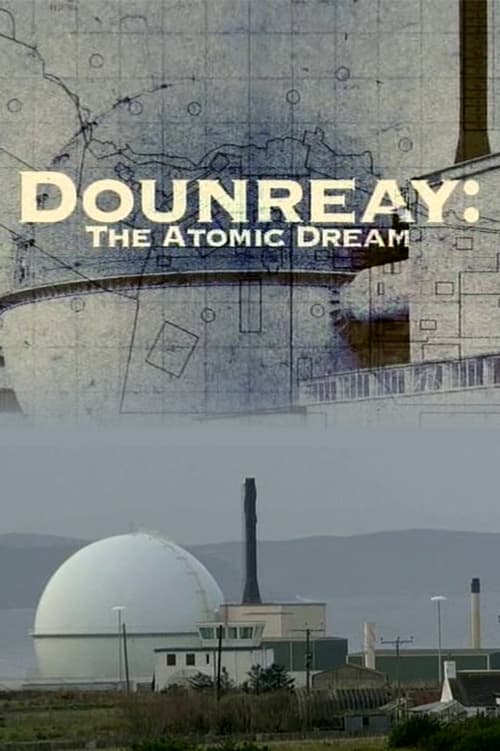
Documentary telling the story of the rise and fall of a daring experiment into atomic energy as the history of the Dounreay fast reactor is charted by the pioneers involved.

Social & External
Self - Narrator (voice)
In a quiet forest, a sign warns of radiation hazard. “Is this the past or the future?” muses the masked figure who appears like a kind of ghost in nuclear disaster areas. At a time when nuclear power may be re-emerging as an alternative to fossil fuels, this calmly observed and compelling tour takes us to places that may serve as a warning.
Just one of the many far-reaching impacts of the slave trade on human history is on agriculture and horticulture. While the French plantation owners on the Caribbean island of Martinique had their gardens laid out, Versailles-style, their enslaved workers continued their tradition of using medicinal wild herbs. Nowadays these herbs represent one of several resources through which the people of Martinique counter the health and ecological ravage caused by the use of pesticides on the banana plantations. Farmers are reclaiming uncultivated lands to grow indigenous vegetables, without any industrial pesticides; they fight boldly for simple biodiversity.
Dr. Helen Caldicott is the most prominent anti-nuclear activist in the world. She's been featured on CNN, 60 Minutes, CBC and Democracy Now. In the 80s, Helen Caldicott campaigned against nuclear weapons testing in the pacific (still responsible today for the majority of tritium we're exposed to), and against the notion of a winnable nuclear war. She was nominated for a Nobel Peace Prize for her efforts. She has always made inaccurate statements regarding civilian nuclear power. But, since the Fukushima-Diachii radiation release has caused (and is projected to cause) zero fatalities... http://www.unis.unvienna.org/unis/en/... ...her tone has changed when speaking to supporters. This has not been acknowledged by prime-time media, as they continue to use her as a source. Any person or media outlet should check Caldicott's history of statements (on any subject) against a domain expert before using her as a source.
In "The Cost of Forever", we uncover the hidden and costly dangers of ‘forever chemicals’ in our rivers and drinking water sources, following Riverkeepers and water protectors as they strive to protect communities—and themselves—from PFAS contamination.
Capturing Americans in communities across the country as they wrestle with the legacy of the coal industry and what its future should be under the Trump Administration. From Appalachia to the West’s Powder River Basin, the film goes beyond the rhetoric of the “war on coal” to present compelling and often heartbreaking stories about what’s at stake for our economy, health, and climate.
“Shellmound” is the story of how one location was transformed from a sacred center of pre-historic cultures to a commercial mecca for modern people. What began as a Native American burial ground three thousand years ago, was transformed first into an amusement park, and later an industrial age paint factory. Now, the tainted ancient soil sits beneath the glittering lights of Banana Republic, Victoria’s Secret, and the AMC movie theaters. “Shellmound” examines the decisions made during the recent toxic cleanup, excavation, and construction of the Bay Street mall through the eyes of the city of Emeryville, the developer, the archaeologists, and the native Californians who worked on the site.
Live and Let Live is a feature documentary examining our relationship with animals, the history of veganism and the ethical, environmental and health reasons that move people to go vegan.
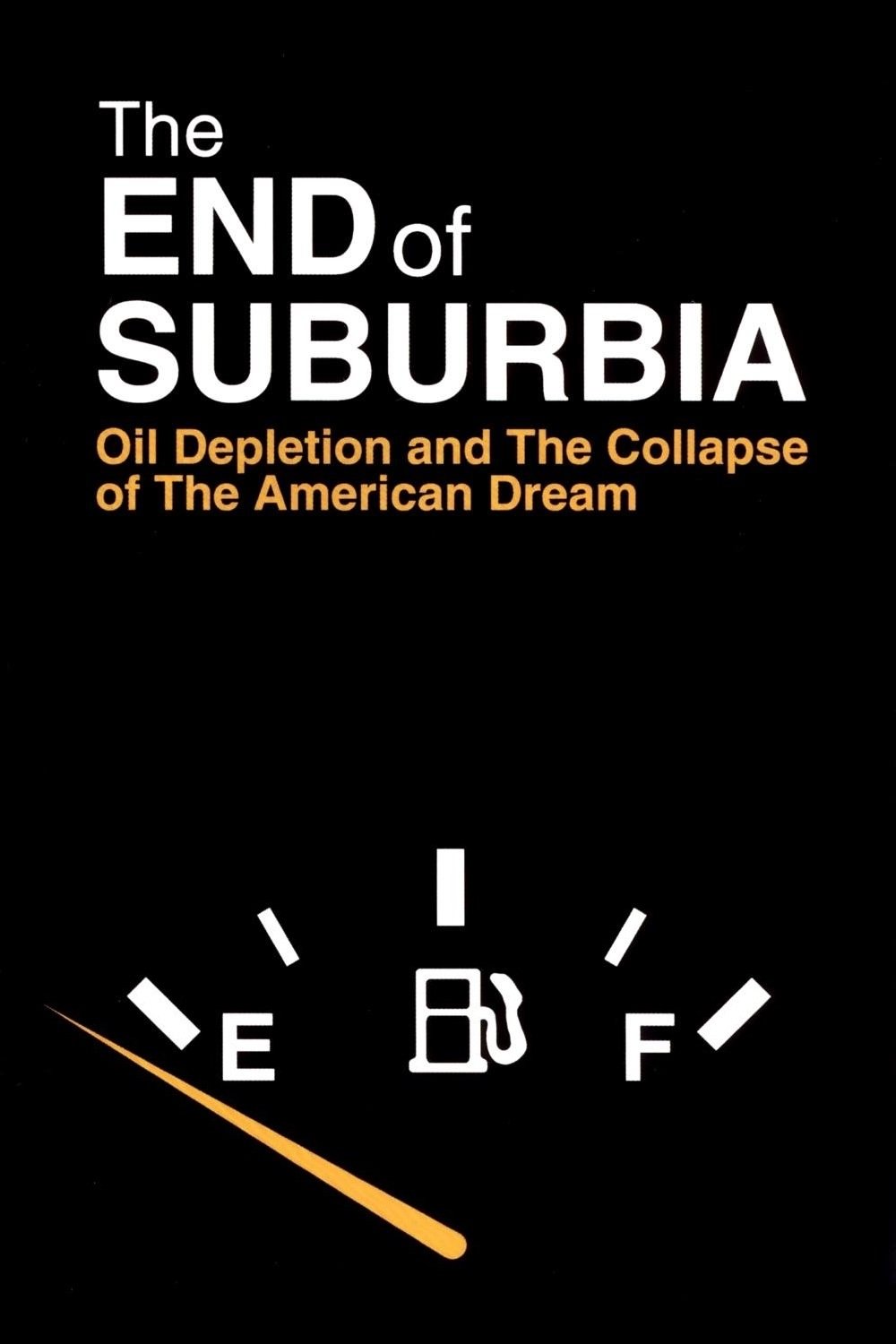
Record high oil prices, global warming, and an insatiable demand for energy: these issues define our generation. The film exposes shocking connections between the auto industry, the oil industry, and the government, while exploring alternative energies such as solar, wind, electricity, and non-food-based biofuels.
Sea otters are once again in peril after being brought back from the brink of extinction. An unprecedented number of sea otter deaths have occurred along the California coast in the last three years. Meanwhile, the Fish & Wildlife Services decision to eliminate their No Otter Zone from Southern California waters remains controversial. This fragile species threatened by pollution, infectious diseases, starvation, and competition with fishermen struggles for survival.
A new uranium mill -- the first in the U.S. in 30 years -- would re-connect the economically devastated rural mining community of Naturita, Colorado, to its proud history supplying the material for the first atomic bomb. Some view it as a greener energy source freeing America from its dependence on foreign oil, while others worry about the severe health and environmental consequences of the last uranium boom.
In the depths of the Colombian jungle, the skeleton of an immense abandoned cement bridge is tucked away. It has turned into a delusional tourist attraction.
The Southern Sea Otter was historically abundant along the California coastline until intense hunting pressures reduced their numbers to near-extinction levels. But now the otters are coming back, and with them they bring the potential for drastic change to the modern-day economics and ecology of the Santa Barbara Channel.
Developments in the Canadian forestry industry during the 1970s are shown being carried out both as lab experiments and in the field to protect and conserve the country's vast forests. These include turning a Newfoundland bog into woodland, fostering British Columbia seedlings that withstand mechanical planting, inoculating Ontario elms against the bark beetle, devising ways of controlling fire, and more.
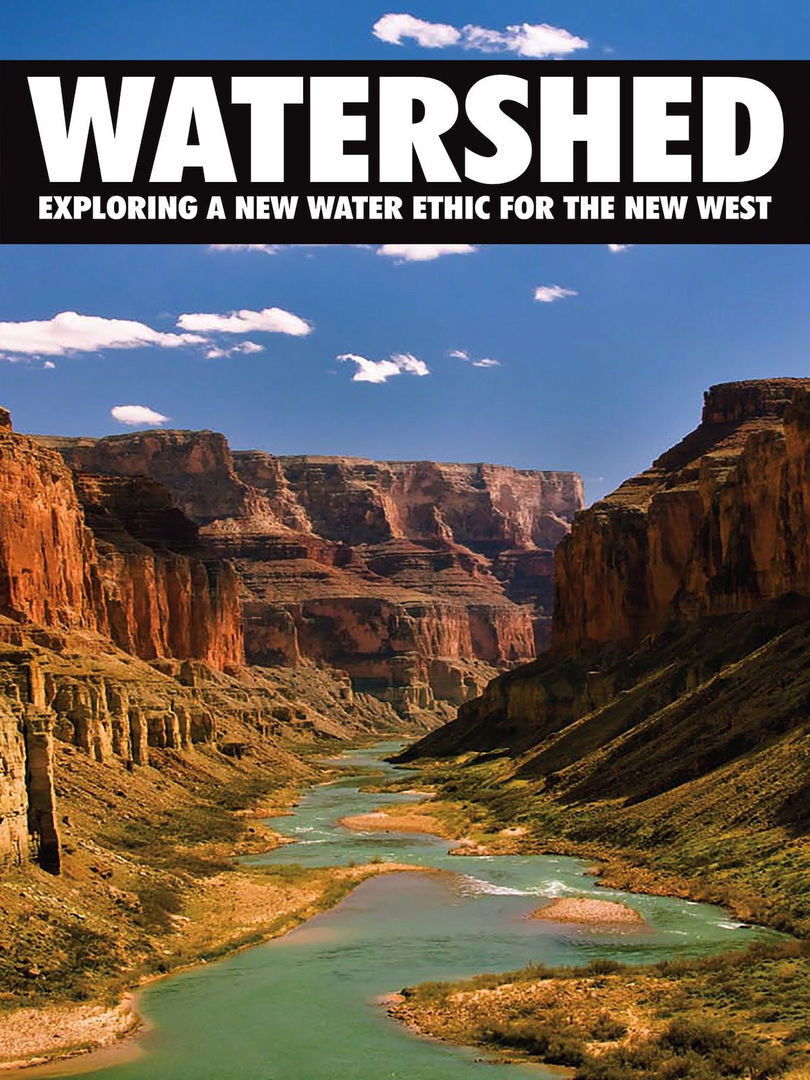
As the most dammed, dibbed, and diverted river in the world struggles to support thirty million people and the peace-keeping agreement known as the Colorado River Pact reaches its limits, WATERSHED introduces hope. Can we meet the needs of a growing population in the face of rising temperatures and lower rainfall in an already arid land? Can we find harmony amongst the competing interests of cities, agriculture, industry, recreation, wildlife, and indigenous communities with rights to the water? Sweeping through seven U.S. and two Mexican states, the Colorado River is a lifeline to expanding populations and booming urban centers that demand water for drinking, sanitation and energy generation. And with 70% of the rivers’ water supporting agriculture, the river already runs dry before it reaches its natural end at the Gulf of California. Unless action is taken, the river will continue its retreat – a potentially catastrophic scenario for the millions who depend on it.
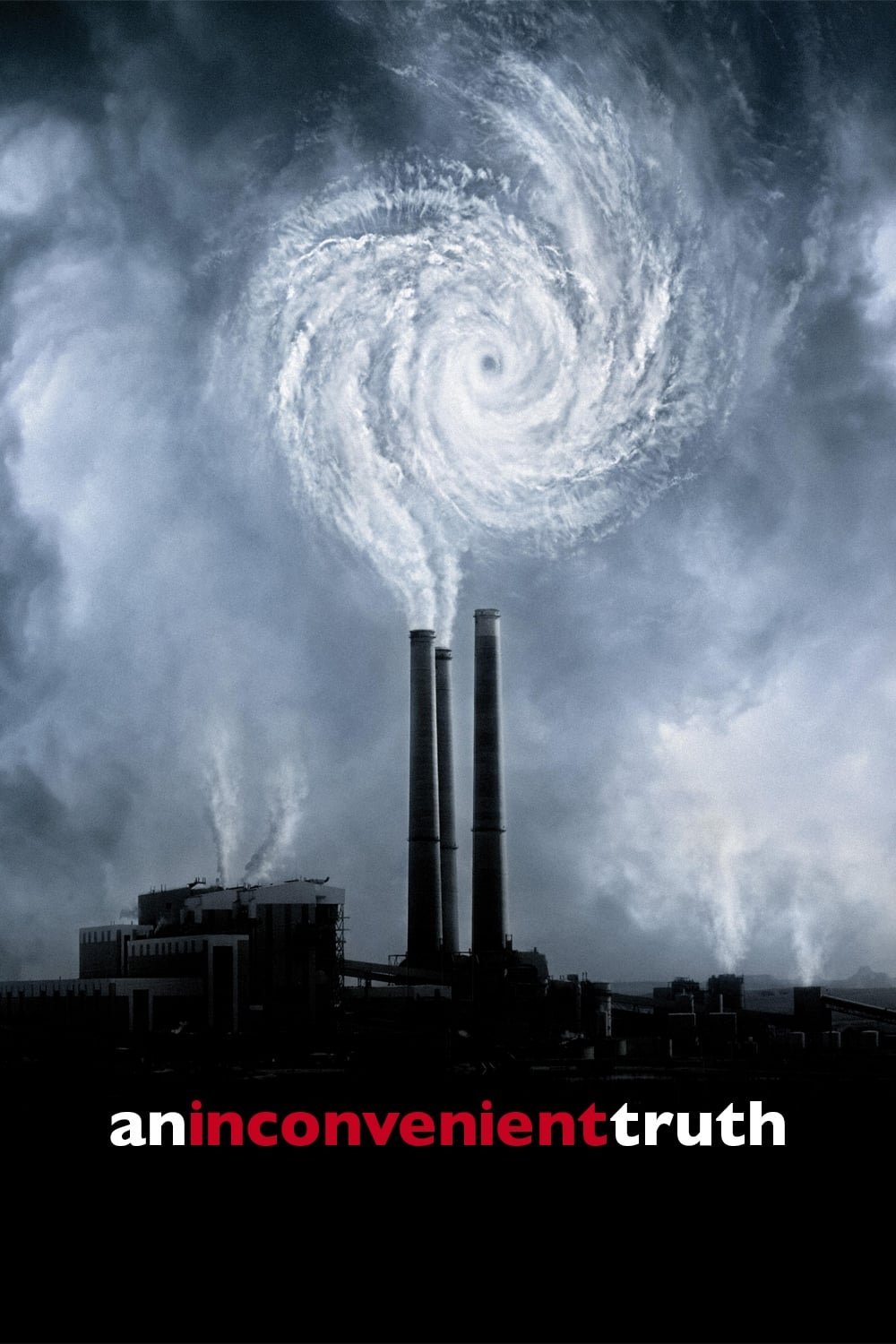
A documentary on Al Gore's campaign to make the issue of global warming a recognized problem worldwide.
Are we becoming Plastic People? Our ground-breaking feature documentary investigates our addiction to plastic and the growing threat of microplastics on human health. Almost every bit of plastic ever made ends up ground down into "microplastics". These microscopic particles drift in the air, float in the water and sit in the soil. And now, leading scientists are finding them in our bodies: organs, blood, brain tissue and even the placentas of new mothers. What is the impact of these invisible invaders on our health? Ziya Tong, author and science journalist, makes it personal by visiting leading scientists and undergoing experiments in her home, on her food, and on her body.
Anita Chitaya has a gift: she can help bring abundant food from dead soil, she can make men fight for gender equality, and maybe she can end child hunger in her village. Now, to save her home in Malawi from extreme weather, she faces her greatest challenge: persuading Americans that climate change is real. Traveling from Malawi to California to the White House, she meets climate sceptics and despairing farmers. Her journey takes her across all the divisions that shape the USA: from the rural-urban divide, to schisms of race, class and gender, and to the American exceptionalism that remains a part of the culture. It will take all her skill and experience to help Americans recognise, and free themselves from, a logic that is already destroying the Earth.
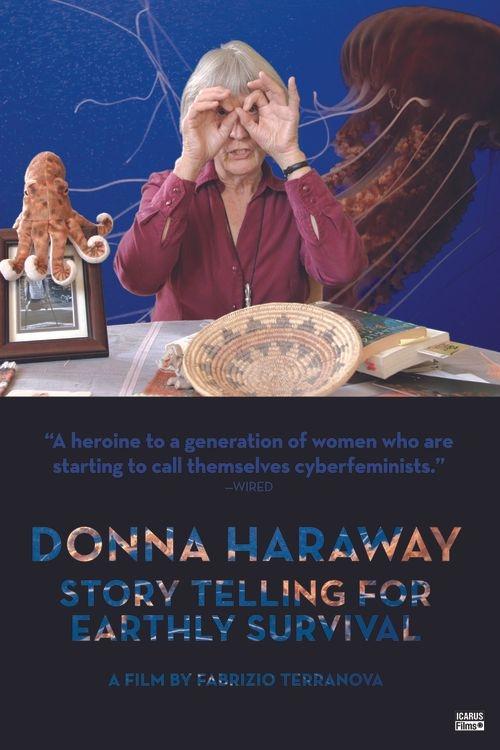
In Fabrizio Terranova’s film, Donna Haraway – an original thinker and activist, one of the founders of cyberfeminism and the author of A Cyborg Manifesto, which proposed a number of innovative theories about the existence of scientific knowledge – calls for the abandonment of the idea of human exceptionalism and for a conception of the world as complex web of interconnections between people, animals and machines. Jellyfish can be seen flying around her home while she discusses the stories that are necessary for Earth’s preservation and reads her fantastic tale of the art of survival on a broken planet, and of fusion and care between the species.
Takes us to locations all around the US and shows us the heavy toll that modern technology is having on humans and the earth. The visual tone poem contains neither dialogue nor a vocalized narration: its tone is set by the juxtaposition of images and the exceptional music by Philip Glass.