Social & External
Self
Beethoven
Two years prior to the opening scene, the nobleman Florestan has exposed or attempted to expose certain crimes of the nobleman Pizarro. In revenge, Pizarro has secretly imprisoned Florestan in the prison over which Pizarro is governor. The jailer of the prison, Rocco, has a daughter, Marzelline, and a servant (or assistant), Jaquino. Florestan’s wife, Leonore, came to Rocco’s door dressed as a boy seeking employment, and Rocco hired her. On orders, Rocco has been giving Florestan diminishing rations until he is nearly starved to death. Place: A Spanish state prison, a few miles from Seville; Time: Late 18th century.
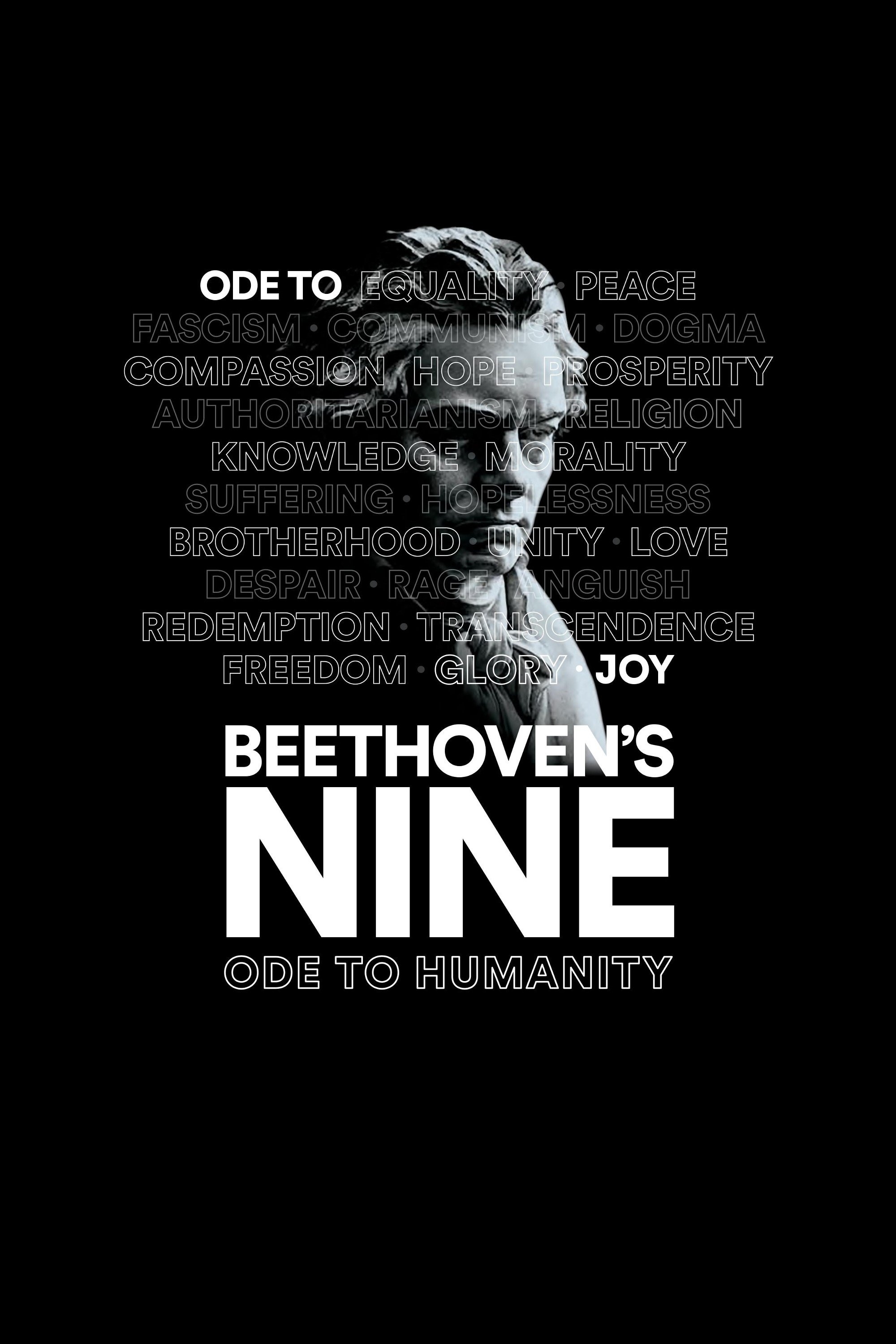
Can a work of art remain relevant 200 years after its creation? Ludwig van Beethoven’s last completed symphony proves it’s possible.
Ian Hislop and John Eliot Gardiner reveal the story behind Beethoven's Fifth Symphony. Described as the 'greatest 'great' piece ever written,' its opening notes are among the most recognisable in history. But no one really knows what Beethoven was trying to express with this piece. The traditional wisdom is that he is railing against fate and his deafness. But John Eliot believes the music expresses Beethoven's belief in the French Revolution. This is turbulent music from a turbulent man living in a turbulent age. John Eliot and Ian Hislop bring to life the exciting and dangerous times that shaped Beethoven personally and creatively.
If Daniel Barenboim is not the world's greatest living classical musician he is certainly the most versatile. In a career spanning more than 50 years, his name is attached to many of the celebrated recordings of opera, symphony, small ensemble and piano solo. With the later half of his career marked by distinction at the podium, one may forget that he is still an accomplished concert pianist. Here we are treated to both talents as Barenboim conducts the Staatskapelle Berlin and plays all five of Beethoven's piano concerti. From the accompanying booklet we find that Barenboim first recorded these works in 1967 at the age of 24 under Otto Klemperer. Now he is revisiting them 40 years later on the occasion of his 65th birthday.
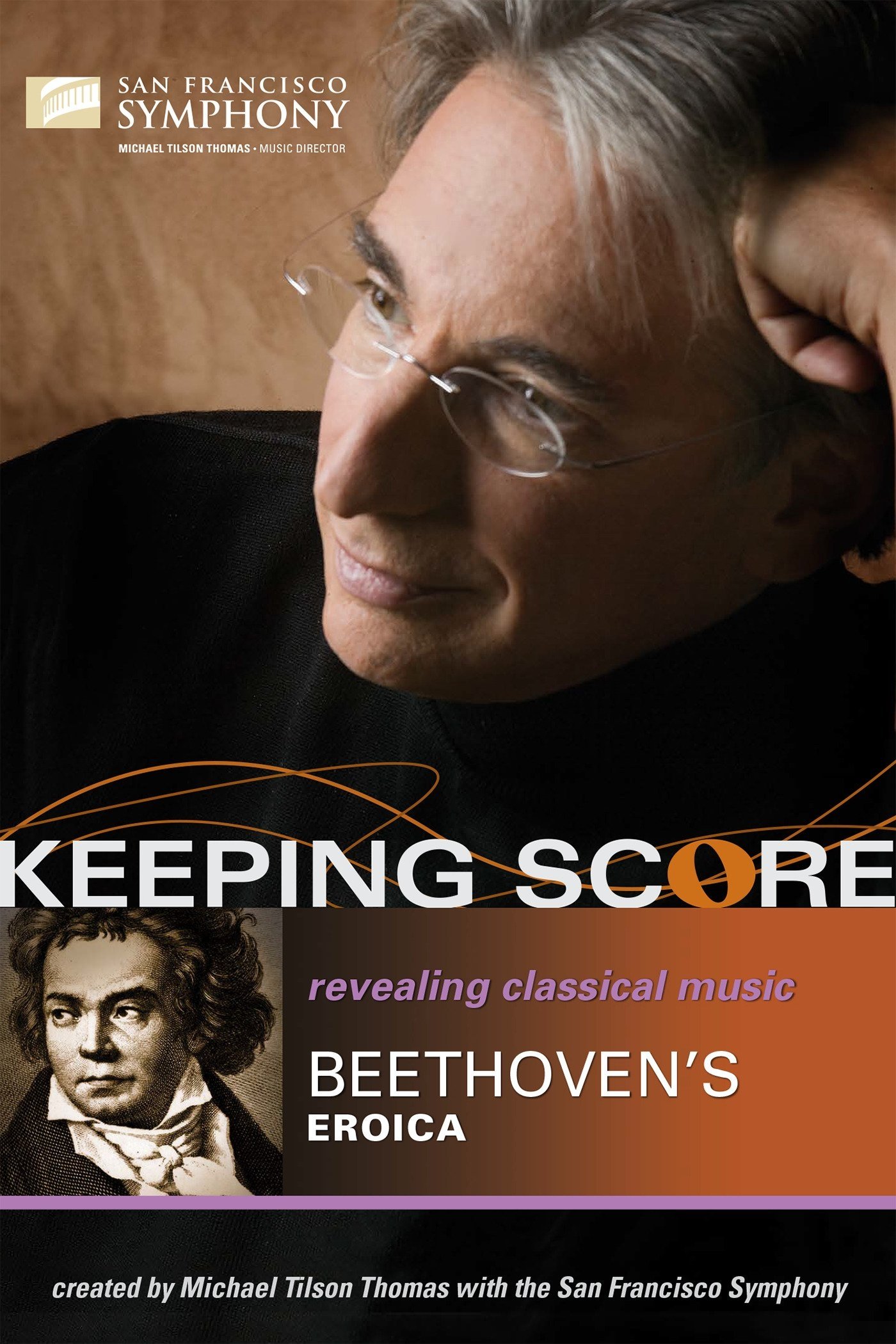
Beethoven spent three years composing the Eroica, an intimate journal of his emotional crises and his dramatic emergence as an original master. Michael Tilson Thomas and the musicians of the San Francisco Symphony help you make sense of this voyage into life as it really is.
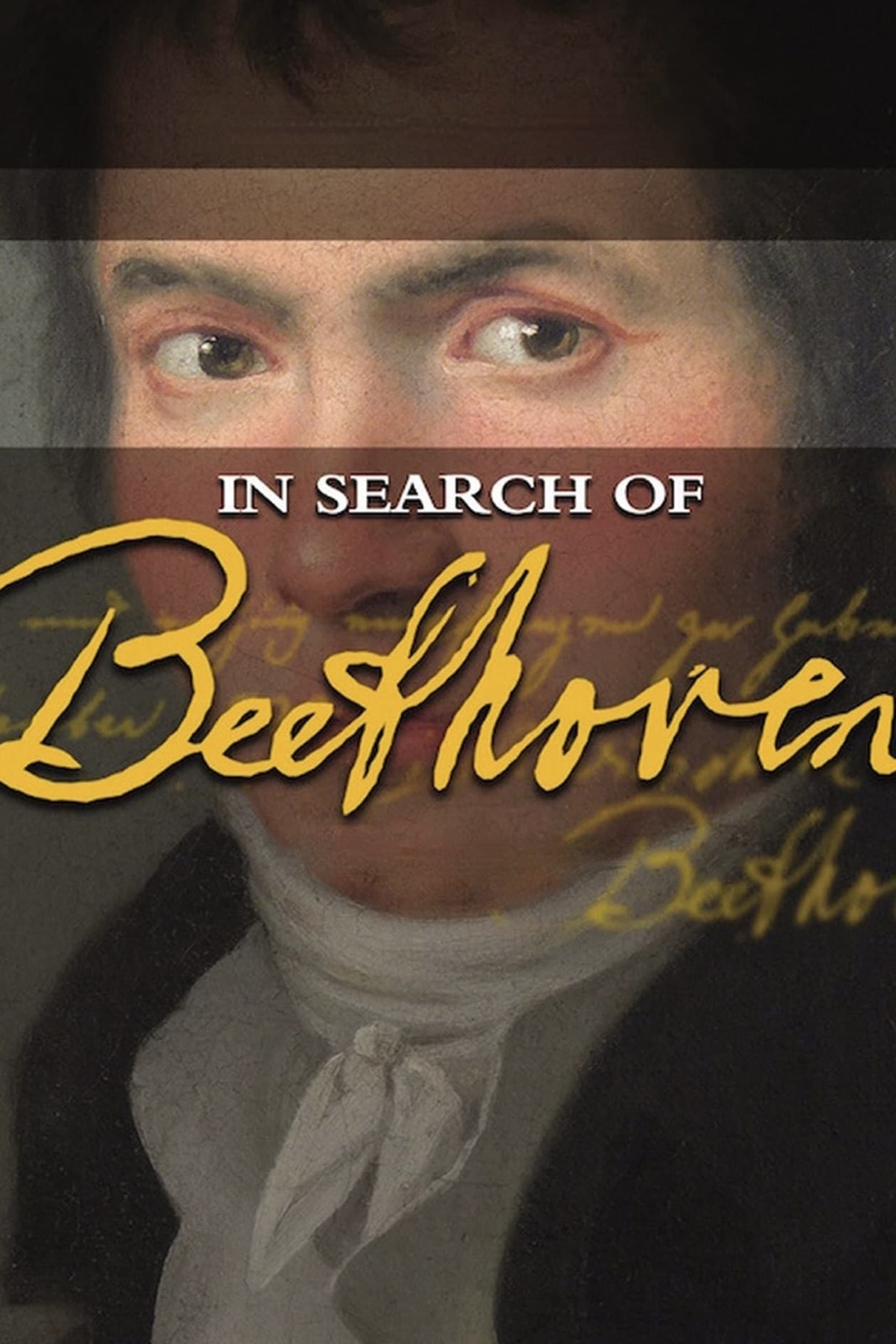
In Search of Beethoven offers a comprehensive documentary about the life and works of the great composer. Over 65 performances by the world's finest musicians were recorded and 100 interviews conducted in the making of this beautifully crafted film. Eleven interviews are included in the Extras and Six complete movements.
In this recording, seven-time GRAMMY® Award-winning pianist and conductor Daniel Barenboim tackles the so-called 'New Testament' of music, Ludwig van Beethoven's thirty-two piano sonatas, composed over twenty-five years and embodying the shift of musical taste from the Classic to the Romantic, their performance requires a musician of extraordinary versatility. Daniel Barenboim is one such pianist his recordings run the gamut from Bach and Mozart to Bruckner and Bartók.
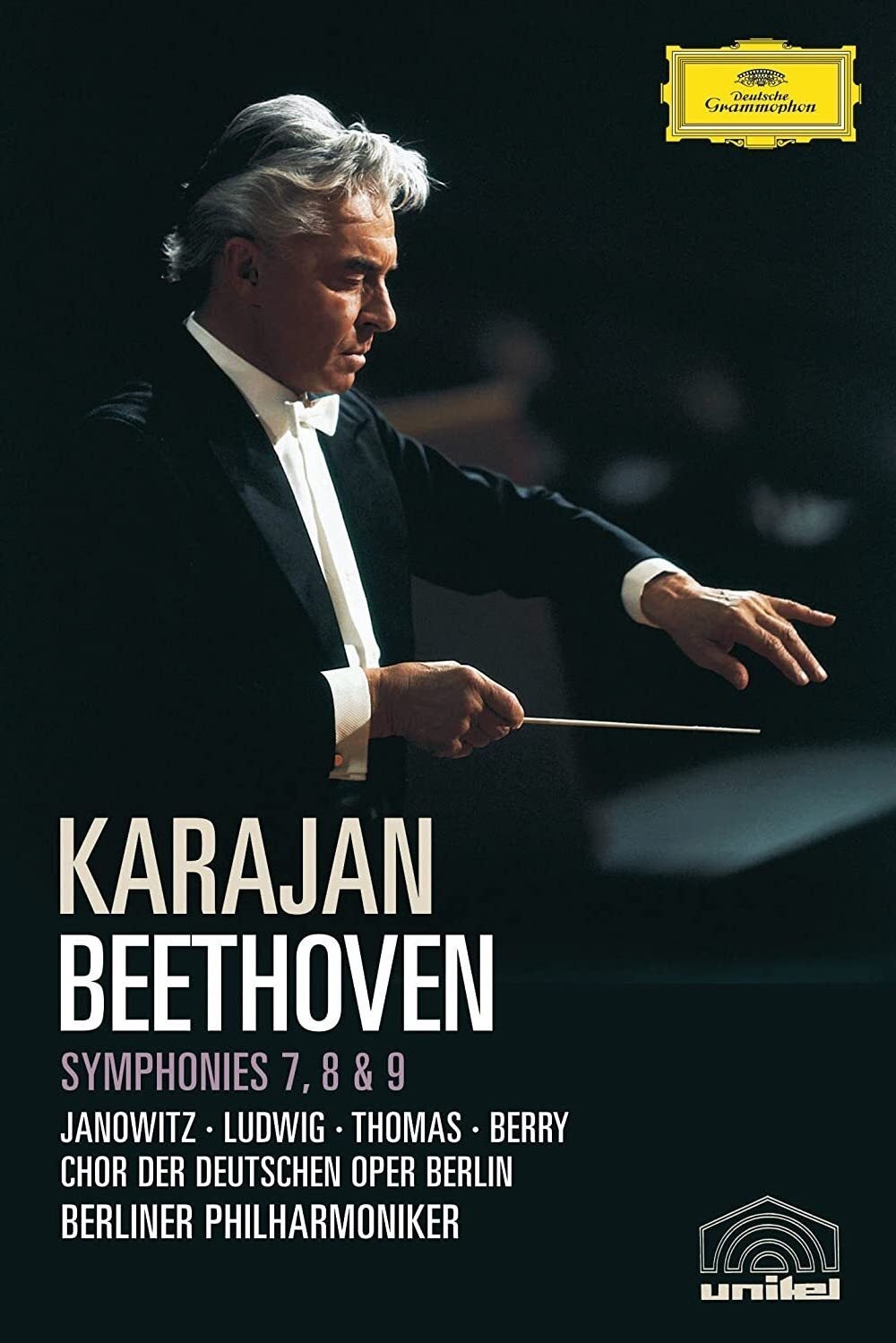
Recording of the Berlin Philharmonic Orchestra conducted by Herbert von Karajan playing Beethoven's 7th Symphony.
Recording of the Berlin Philharmonic Orchestra conducted by Herbert von Karajan playing Beethoven's 8th Symphony.
Ludwig van Beethoven headed for Symphony No. 9 literally his entire life. As early as the 1790s, he had an eye on Ode to Joy, perhaps the most well-known poem by Friedrich Schiller, written on the threshold of the French Revolution (1786). In his mature and, in particular, later years, the deaf composer with an acute ‘hearing vision’ increasingly distanced himself from conventional forms and genres and wrote parts beyond the possibilities of instruments of his day. He nurtured the idea of a symphony with a choir for at least several years. The history of the Ninth’s interpretations includes 200 years of staggering revelations and lingering stagnation. Performed by the musicAeterna orchestra, choir, and guest soloists under the baton of Teodor Currentzis, Beethoven’s opus magnum acquires the original poignancy and energy of a recent discovery.
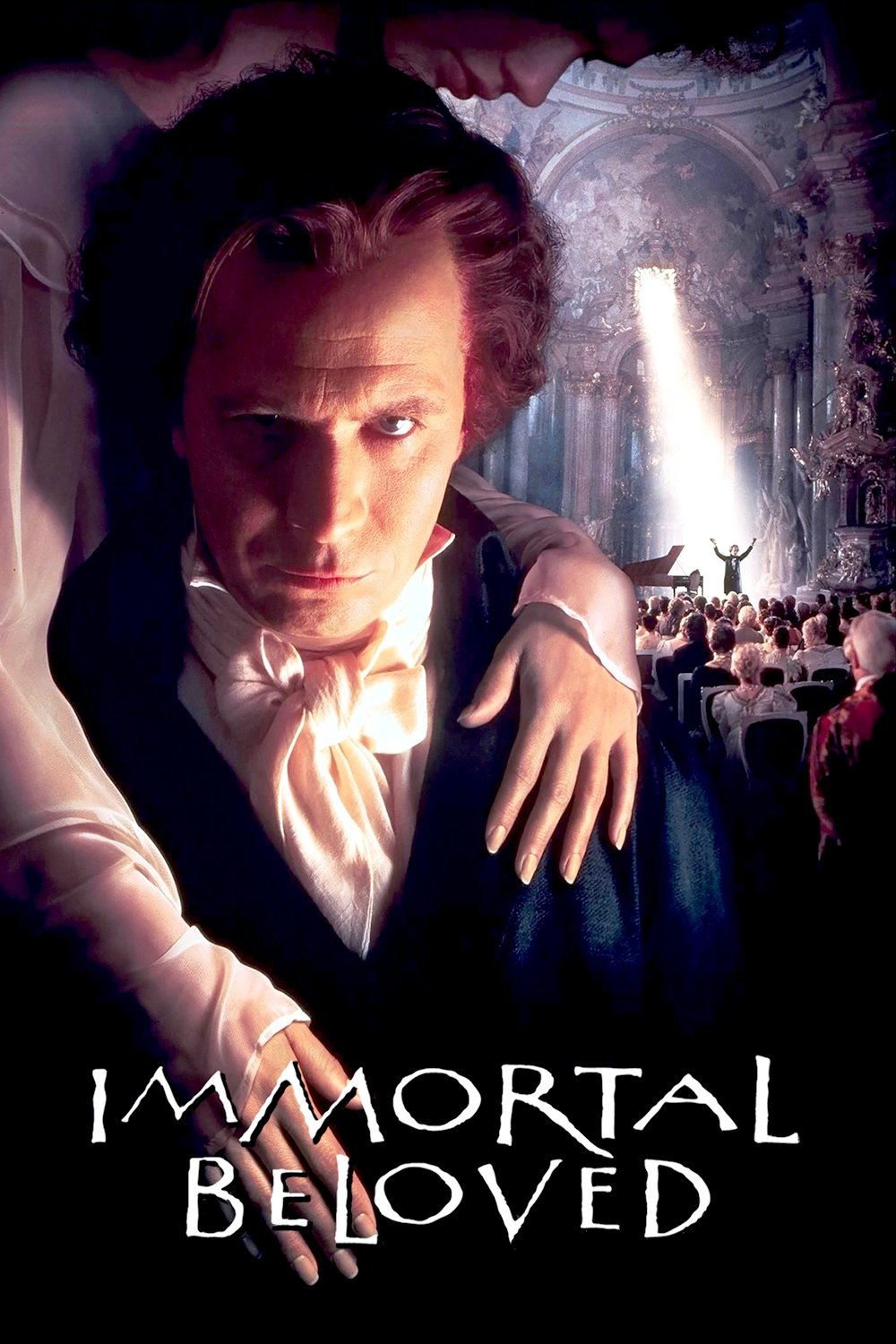
A chronicle of the life of infamous classical composer Ludwig van Beethoven and his painful struggle with hearing loss. Following Beethoven's death in 1827, his assistant, Schindler, searches for an elusive woman referred to in the composer's love letters as "immortal beloved." As Schindler solves the mystery, a series of flashbacks reveal Beethoven's transformation from passionate young man to troubled musical genius.
Vivaldi, Mozart, and Beethoven serve up an evening of glittering virtuosity and transcendent melody in this unusual, all-concerto program. Filmed at Tel Aviv’s Mann Auditorium in July 2015. Zubin Mehta leads the Israel Philharmonic Orchestra as they accompany three very different 18th-century concertos performed respectively by trumpeters Ram Oren and Yigal Meltzer, clarinettist Ron Selka, and pianist Khatia Buniatishvili. Set-List: Antonio Vivaldi, Concerto for 2 Trumpets in C Major, RV 537 / Wolfgang Amadeus Mozart, Clarinet Concerto in A Major, K. 622 / Ludwig van Beethoven, Piano Concerto No. 1 in C Major, Op. 15.
Filmed over the course of four years, Grabsky and his Seventh Art team followed leading concert pianist Leif Ove Andsnes's attempt to understand and interpret one of the greatest sets of works for piano ever written: Beethoven's five piano concertos.The end result is a beautifully-crafted film with lavish cinematography, a signature of Grabsky and Seventh Art's style. Considered one of the top pianists of the age, Leif Ove Andsnes offers rare insights into the mind of a world-class pianist and access to his personal and professional life. Against the wonderful background of Leif Ove Andsnes playing these five pieces, we also peel back the many myths of Beethoven's life. Perhaps above all it is the fresh new biography of Beethoven that is most revealing.
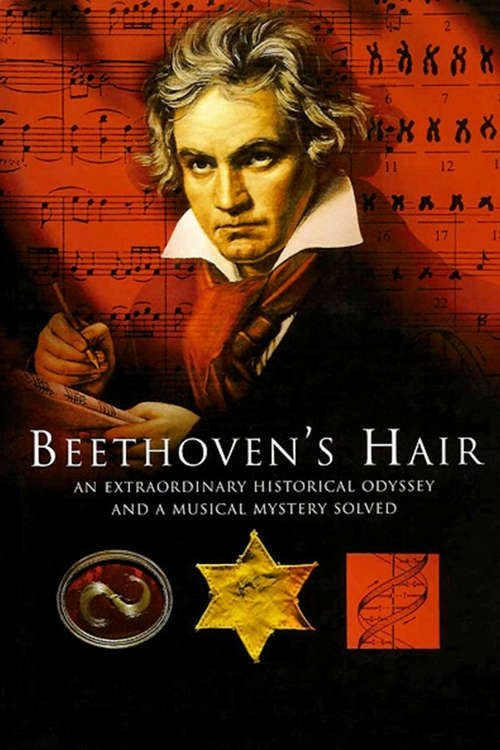
Beethoven's Hair traces the unlikely journey of a lock of hair cut from Beethoven's corpse and unravels the mystery of his tortured life and death. The film begins in modern times, when a pair of Beethoven enthusiasts purchase the hair at a Sotheby's auction. The story then looks at the lock's previous owners and culminates in the science that reveals Beethoven's "medical secret". Set to a lush score of some of Beethoven's most glorious music, the film explores the world of forensic testing in sharp relief against the romance of 19th-century Vienna and the horrors of 20th-century Nazi Germany.
Nikolaus Harnoncourt is the conductor in this 2004 production of Beethoven's only opera staged at the Zurich Opera House. Finnish soprano Camilla Nyland takes the title role, with performances by Jonas Kaufmann, Laszlo Polgar and Alfred Muff.
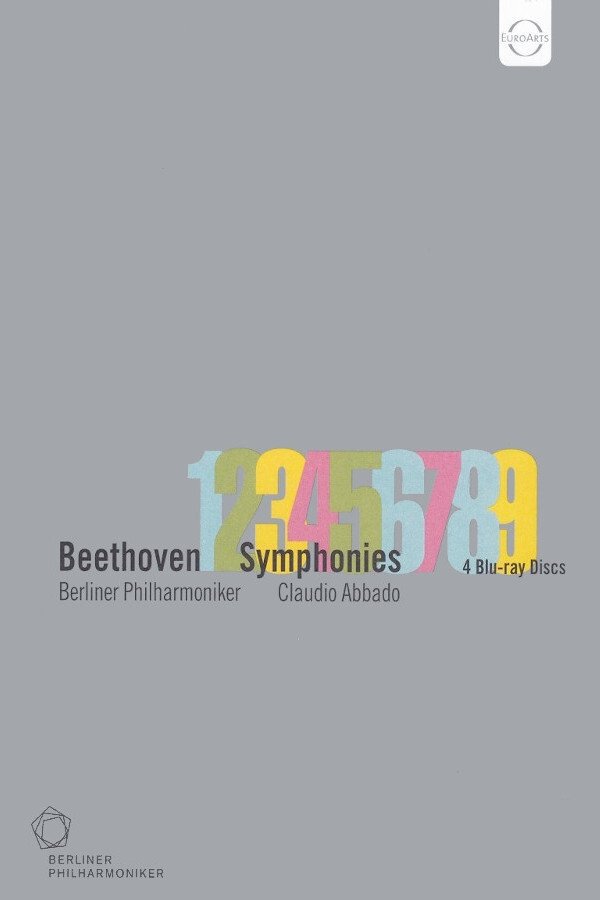
Claudio Abbado conducted Beethoven’s symphonies on many occasions in the Philharmonie in Berlin. But only at the end of his tenure as chief conductor of the Berliner Philharmoniker did he decide to give a performance of the complete symphonies. It was left to audiences of his native Italy to witness these concerts in February 2001 in the Accademia Nazionale di Santa Cecilia in Rome.