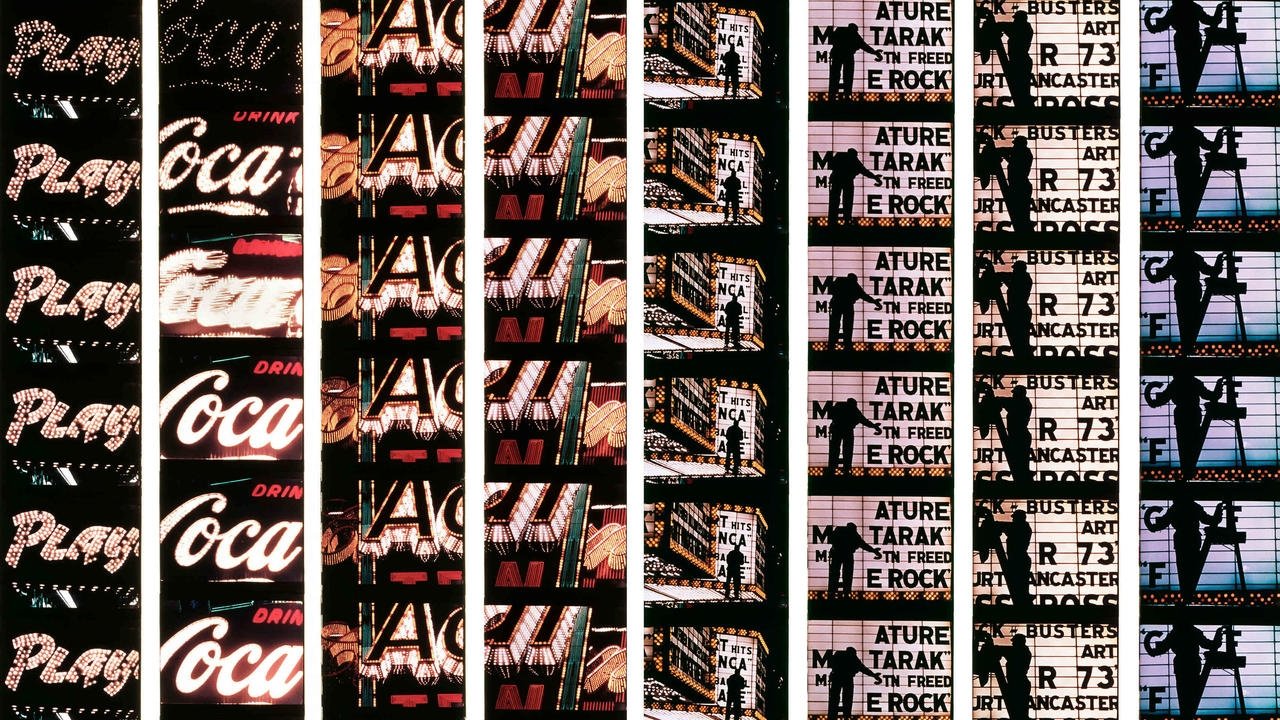
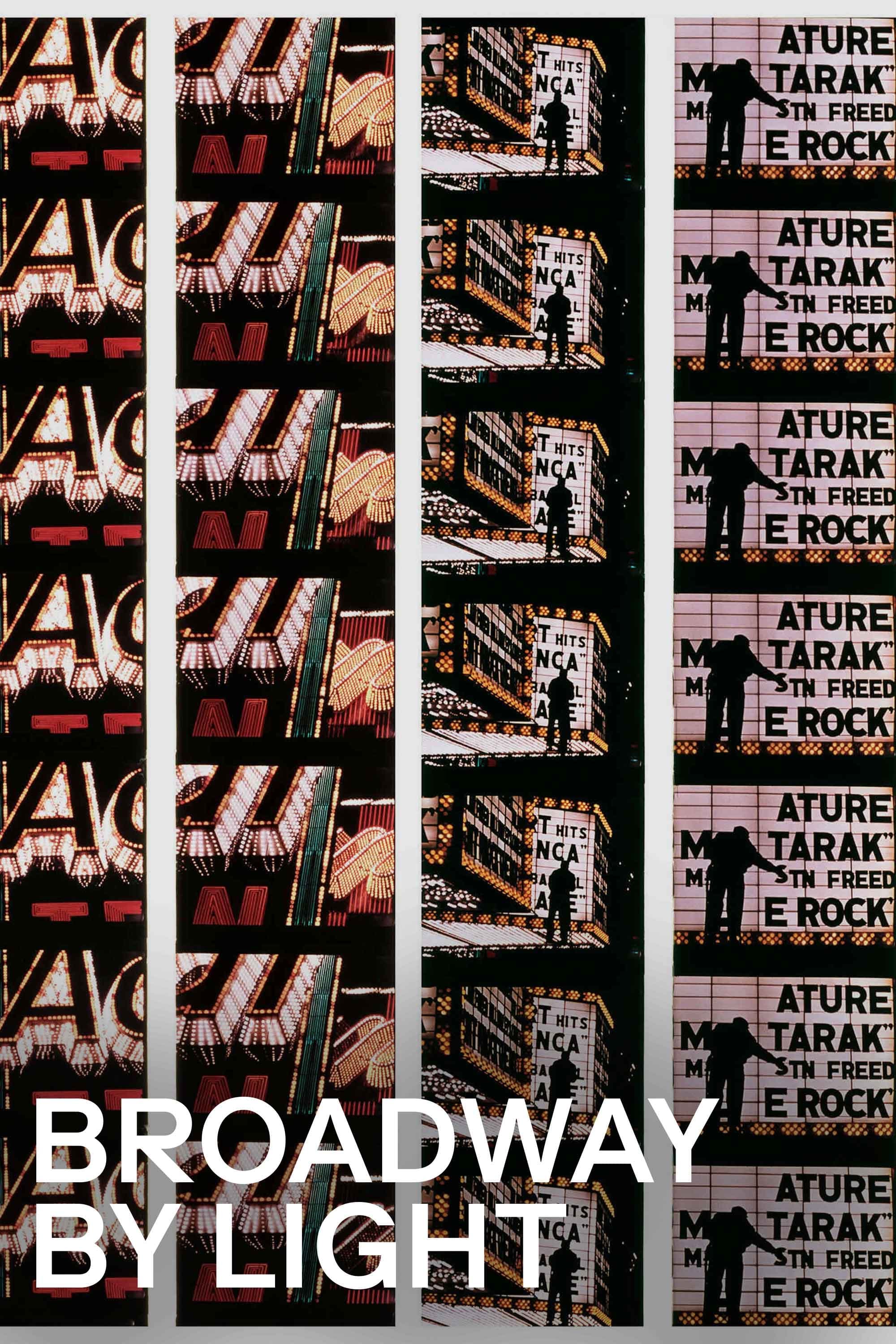
An experimental meditation on Times Square's marquees and iconic advertising that captures the concurrently seedy and dazzling aspects of New York's Great White Way.

Stream
Social & External
A man talks about heroin abuse and withdrawal.
Arthur Lipsett's first film is an avant-garde blend of photography and sound. It looks behind the business-as-usual face we put on life and shows anxieties we want to forget. It is made of dozens of pictures that seem familiar, with fragments of speech heard in passing and, between times, a voice saying, "Very nice, very nice." The film was nominated for an Oscar for Best Live Action Short Film.
Though best known for his collage films, Lawrence Jordan here makes exquisite study of the different aspects of light lilting through the early morning fog of California winter. Painterly gradations of color and juxtapositions in scale are beautifully arranged to music by Antonio Vivaldi.
While reconstruction of L’Atalante as a major feature has captured critical attention and debate, we also know that in 1933 even contemporary audiences, critics and politicians grasped the dangerous messages of Vigo’s mini-epic of school rebellion and took their scissors to it while keeping it from the public for more than a decade. Still, alternative versions reached other countries – including a different, early version in Italy – and pieces remain. Together with the rushes, outtakes and on location footage of Vigo during the shoot, Young Devils in School helps us to better understand Vigo’s original vision.
Storyboard showcase of Anno's ghibli museum short.
A lyrical portrait of Amsterdam and its changing appearance during a rain-shower.
The filmmaker's father and uncle, Norm and Stan, are third generation Japanese Americans. They are "all American" guys who love bowling, cards and pinball. Placed in the Amache internment camp as children during World War II, they don't think the experience affected them that much. But in the course of navigating the maze of her father's and uncle's pursuits while simultaneously trying to inquire about their past, the filmmaker is able to find connections between their lives now and the history that was left behind.
The Puppeteer is a powerful, moving glimpse into the art of puppetry and the passion of a brilliant artist. The film treats viewers to Igor's street corner magic and following a dramatic turn of events, leaves us to reflect on life, art and the pursuit of dreams.
The problem of slum dwellings in the 1930s.
Sonny Bono appears onscreen to tell kids that marijuana is a "bummer" that turns you into a "weedhead" and will make you "trip out" (the fact that, based upon his performance, Sonny appears to have ingested unknown substances before the cameras started rolling tends to limit the film's crediblity somewhat).
Produced for the "Little Nicky" Special Edition DVD.
How does a machine learn to read the world? Testimonies and screen recordings introduce the experience of online micro-workers from the Global South: their job is to teach the AI of self-driving cars to navigate the streets of the Global North.
In What Makes a Woman, Munroe Bergdorf sets out to explore the changing world of gender and identity by way of her very own, very personal journey. Showing her in quiet, intimate, and extremely vulnerable moments. An honest insight into gender identity, Bergdorf prepares for a life-changing facial surgery, helping her finally picture herself as a woman.
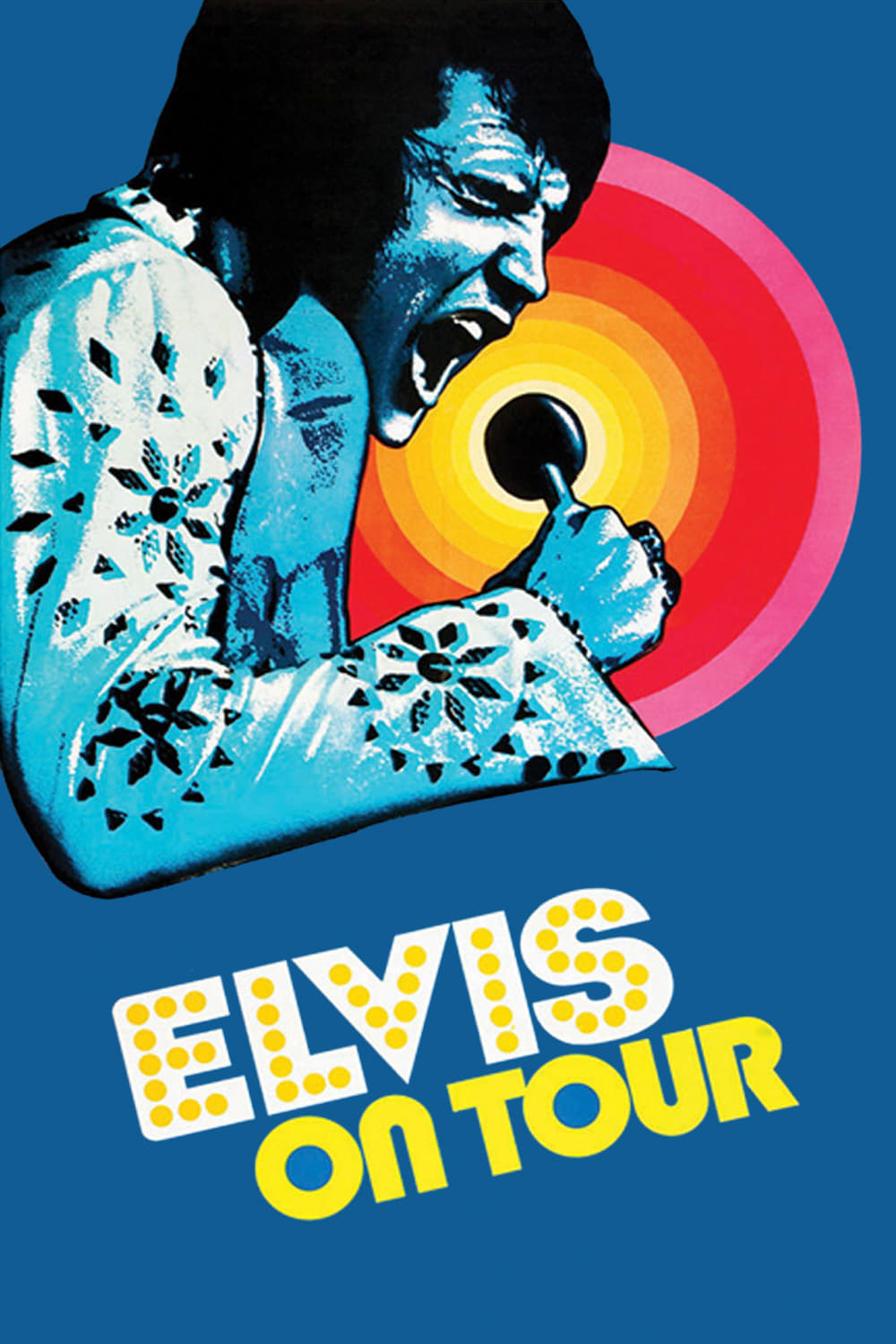
A study of life at Christmastime in Moose Factory, an old settlement mainly composed of Cree families on the shore of James Bay, composed entirely of children's crayon drawings and narrated by children.
Combines airplane trips and fashion. Heavy on the fashion.
Between punches and jumps, the fighters of the team "Flecha Dourada" return to the ring after 50 years to relive the glorious era of wrestling in Santa Catarina, South of Brazil.
An intimate study of the life of a domestic cat, taking place over a period of months as she gives birth to a litter of kittens and cares for them as they grow.
Auschwitz is synonymous with the Holocaust, but it’s also a place on the map with a surprising history preceding World War II. Narrated by Meryl Streep, this short documentary tells the story of Auschwitz, from its construction to its infamy.
Derek Jarman's film portrait of American writer William S. Burroughs was shot in September 1982 during his first visit to England to attend the legendary Final Academy events at the South London Ritzy Cinema. These were Burroughs-themed art and performance nights curated by Psychic TV. Jarman’s film shows Burroughs on Tottenham Court Road signing autographs with fans and inside a shop buying alcohol. The industrial soundtrack by Psychic TV features a sample of Burroughs repeating "boys, school showers and swimming pools full of 'em'". Additional footage shot by Jarman during Burroughs' visit is reported to have been confiscated by Scotland Yard in 1991 and remains lost. Jarman and Psychic TV would continue to collaborate (“magic bound us together” Jarman wrote), with Jarman directing the music video for Catalan and staring as the spokesperson in the Psychic TV video A Spokesman for the Temple of Psychick Youth.
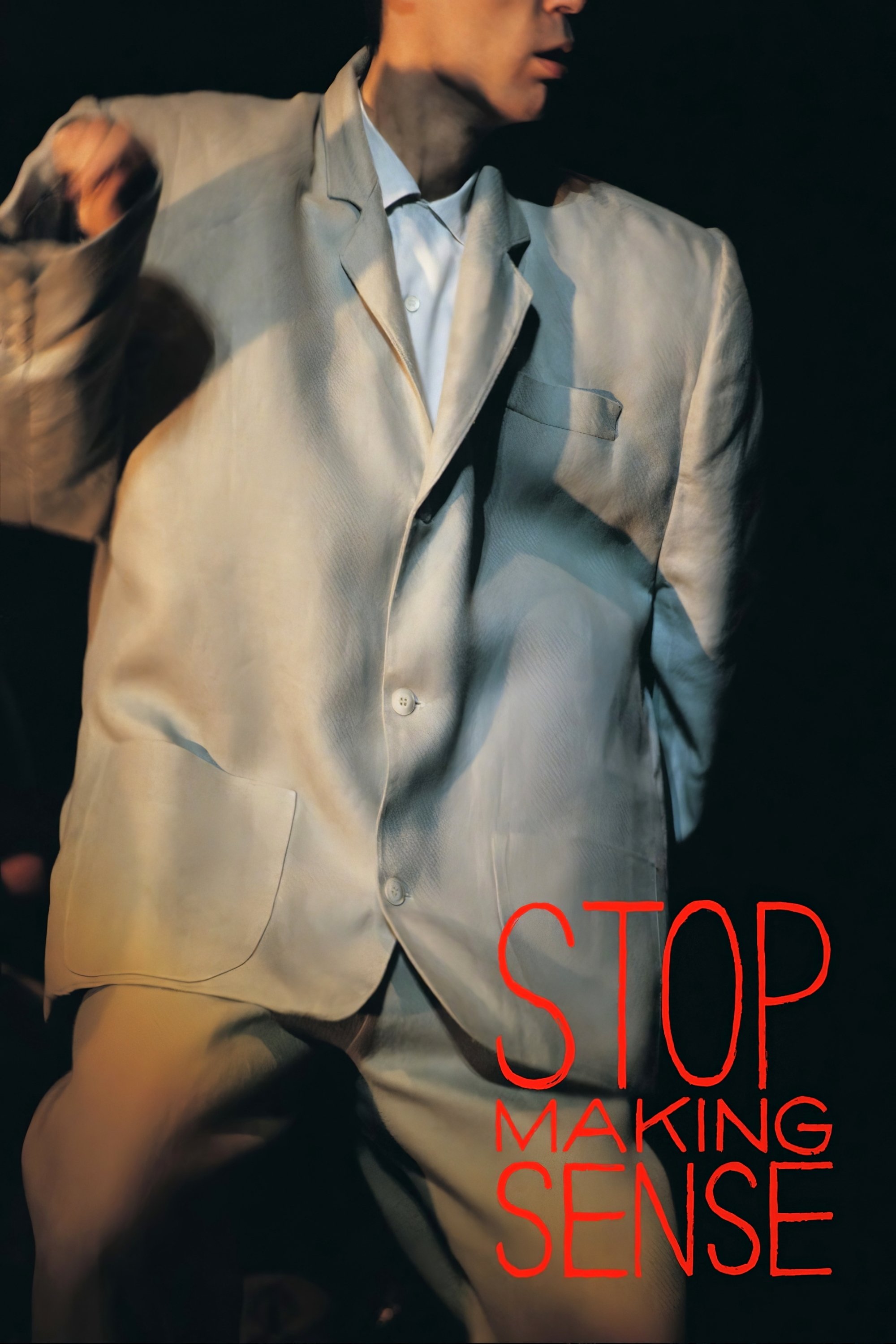
A concert film documenting Talking Heads at the height of their popularity, on tour for their 1983 album "Speaking in Tongues." The band takes the stage one by one and is joined by a cadre of guest musicians for a career-spanning and cinematic performance that features creative choreography and visuals.
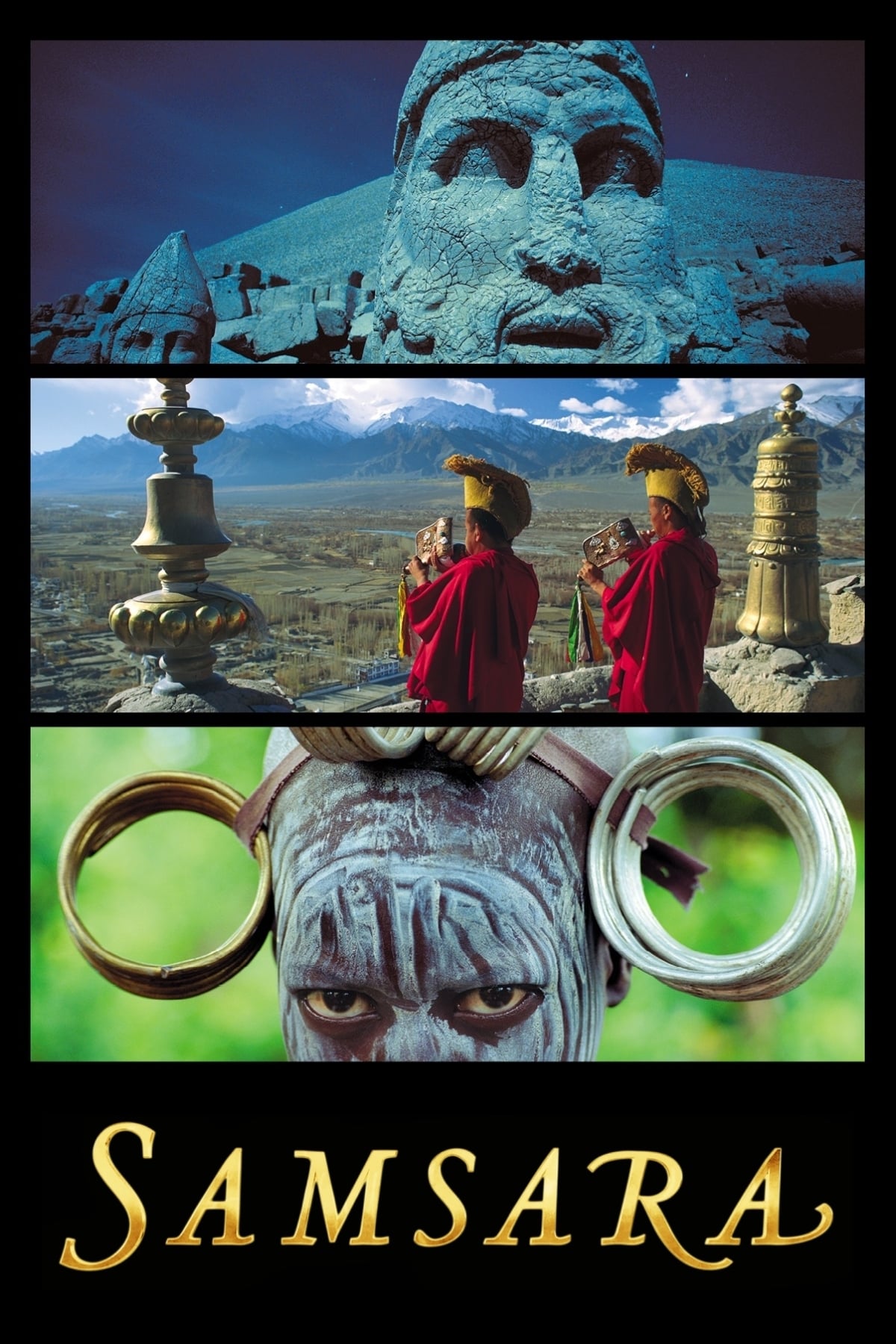
Filmed over nearly five years in twenty-five countries on five continents, and shot on seventy-millimetre film, Samsara transports us to the varied worlds of sacred grounds, disaster zones, industrial complexes, and natural wonders.
A documentary chronicling Vogue editor-in-chief Anna Wintour's preparations for the 2007 fall-fashion issue.
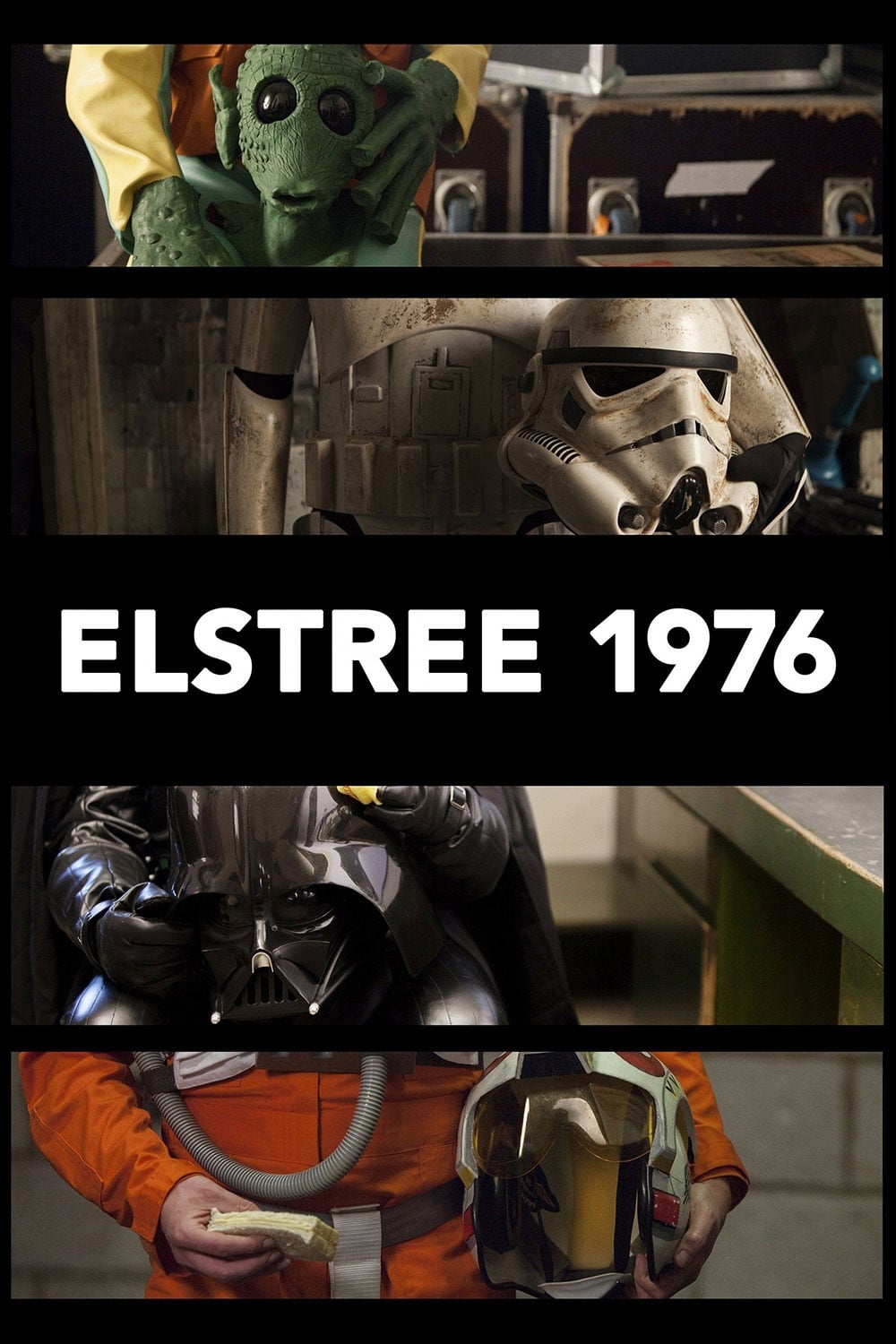
A documentary about ten very different lives connected by having appeared onscreen wearing masks or helmets in Star Wars.
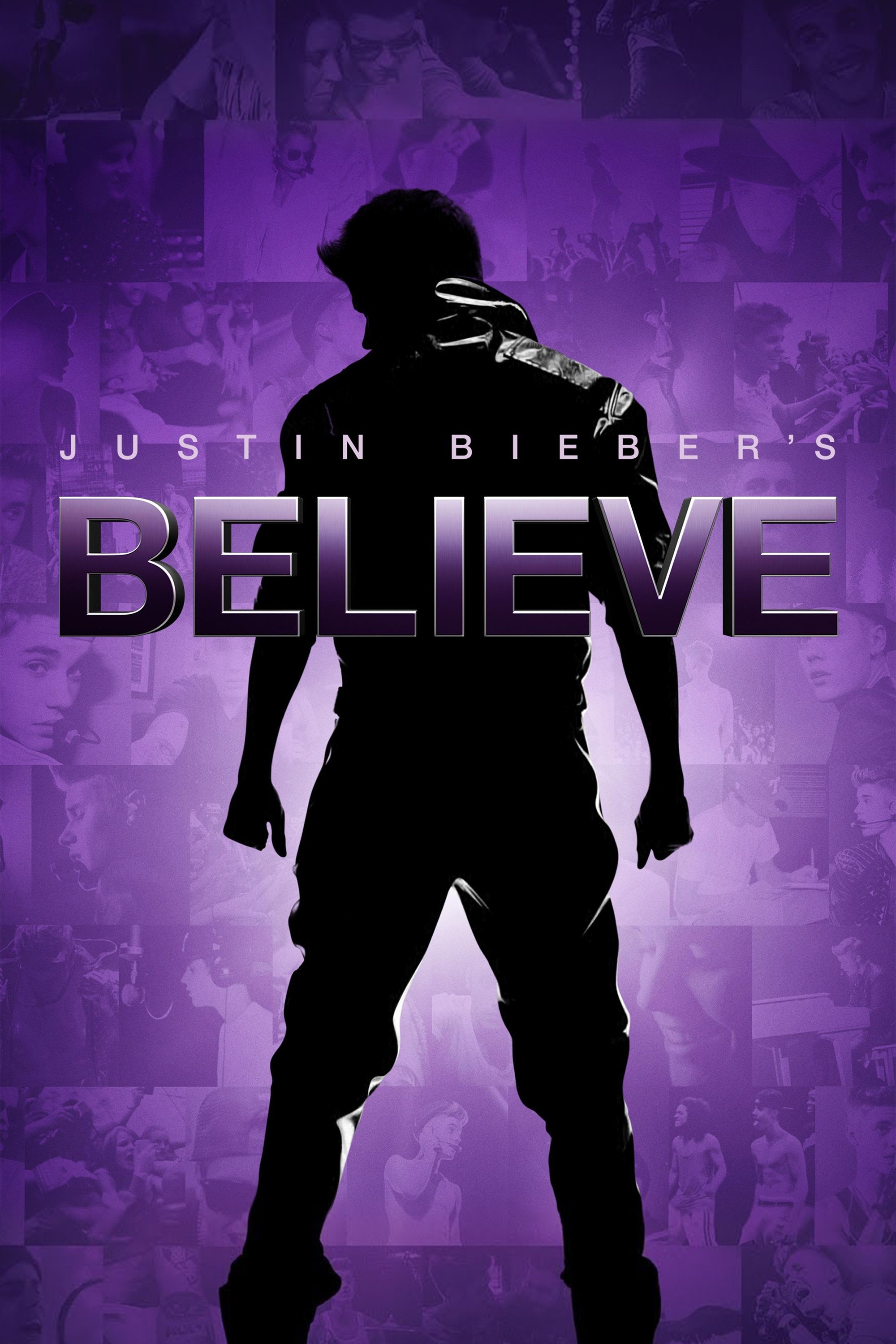
A backstage and on-stage look at Justin Bieber during his rise to super stardom.
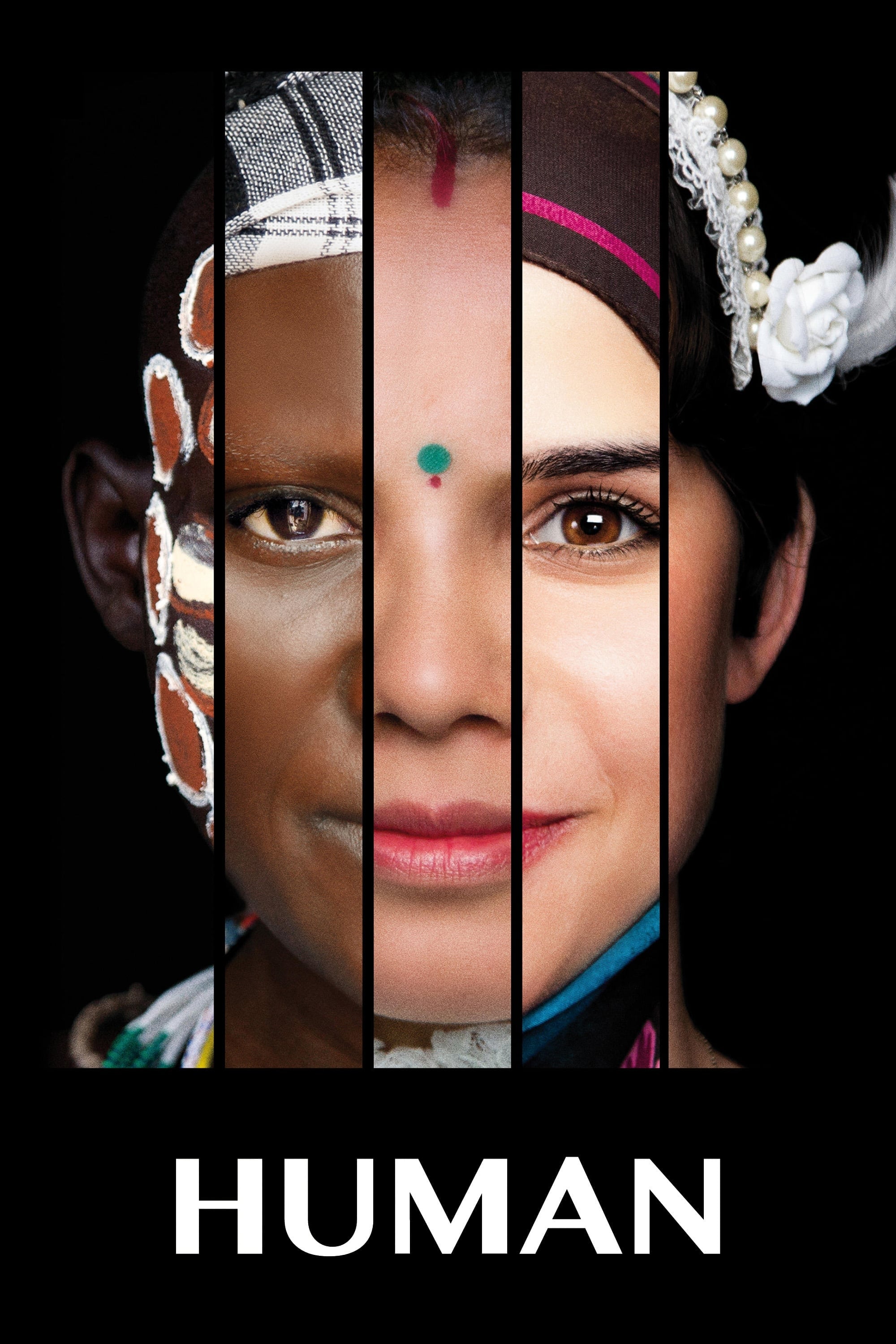
A documentary shot by filmmakers all over the world that serves as a time capsule to show future generations what it was like to be alive on the 24th of July, 2010.
Al Pacino's deeply-felt rumination on Shakespeare's significance and relevance to the modern world through interviews and an in-depth analysis of "Richard III."
Lyrical and powerfully personal essay film that reflects on the deaths of her husband Lou Reed, her mother, her beloved dog, and such diverse subjects as family memories, surveillance, and Buddhist teachings.
A portrait of the day-to-day operations of the National Gallery of London, that reveals the role of the employees and the experiences of the Gallery's visitors. The film portrays the role of the curators and conservators; the education, scientific, and conservation departments; and the audience of all kinds of people who come to experience it.
A primetime special with performances from the superstar including Adele’s first new material in six years plus her chart-topping hits. The special will also feature an exclusive interview with Adele by Oprah Winfrey from her rose garden, in Adele’s first televised wide-ranging conversation.
Featuring performances by popular artists of the 1960s, this concert film highlights the music of the 1967 California festival. Although not all musicians who performed at the Monterey Pop Festival are on film, some of the notable acts include the Mamas and the Papas, Simon & Garfunkel, Jefferson Airplane, the Who, Otis Redding, and the Jimi Hendrix Experience. Hendrix's post-performance antics -- lighting a guitar on fire, breaking it and tossing a part into the audience -- are captured.
As a visually radical memoir, CAMERAPERSON draws on the remarkable footage that filmmaker Kirsten Johnson has shot and reframes it in ways that illuminate moments and situations that have personally affected her. What emerges is an elegant meditation on the relationship between truth and the camera frame, as Johnson transforms scenes that have been presented on Festival screens as one kind of truth into another kind of story—one about personal journey, craft, and direct human connection.
Live Aid was held on 13 July 1985, simultaneously in Wembley Stadium in London, England, and the John F. Kennedy Stadium in Philadelphia, United States. It was one of the largest scale satellite link-ups and television broadcasts of all time: watched live by an estimated global audience of 1.9 billion, across 150 nations. "It's twelve noon in London, seven AM in Philadelphia, and around the world it's time for Live Aid...!"
Over four decades, Motorhead frontman Lemmy Kilmister has registered an immeasurable impact on music history. Nearly 65, he remains the living embodiment of the rock and roll lifestyle, and this feature-length documentary tells his story, one of a hard-living rock icon who continues to enjoy the life of a man half his age.
A visual montage portrait of our contemporary world dominated by globalized technology and violence.
In this concert film, 'Hannah Montana' star Miley Cyrus performs a slew of hit songs, including 'Just Like You' and 'Life's What You Make It.'
The incomparable Bruce Springsteen performs his critically acclaimed latest album and muses on life, rock, and the American dream, in this intimate and personal concert film co-directed by Thom Zimny and Springsteen himself.
An intimate portrait of Brooklyn-based electronic rock band LCD Soundsystem's then-final live show on April 2, 2011, capturing both the exuberant, three-hour farewell concert at New York City's Madison Square Garden and frontman James Murphy's introspective 48 hours surrounding it.
In Le Livre d’Image, Jean-Luc Godard recycles existing images (films, documentaries, paintings, television archives, etc.), quotes excerpts from books, uses fragments of music. The driving force is poetic rhyme, the association or opposition of ideas, the aesthetic spark through editing, the keystone. The author performs the work of a sculptor. The hand, for this, is essential. He praises it at the start. “There are the five fingers. The five senses. The five parts of the world (…). The true condition of man is to think with his hands. Jean-Luc Godard composes a dazzling syncopation of sequences, the surge of which evokes the violence of the flows of our contemporary screens, taken to a level of incandescence rarely achieved. Crowned at Cannes, the last Godard is a shock film, with twilight beauty.
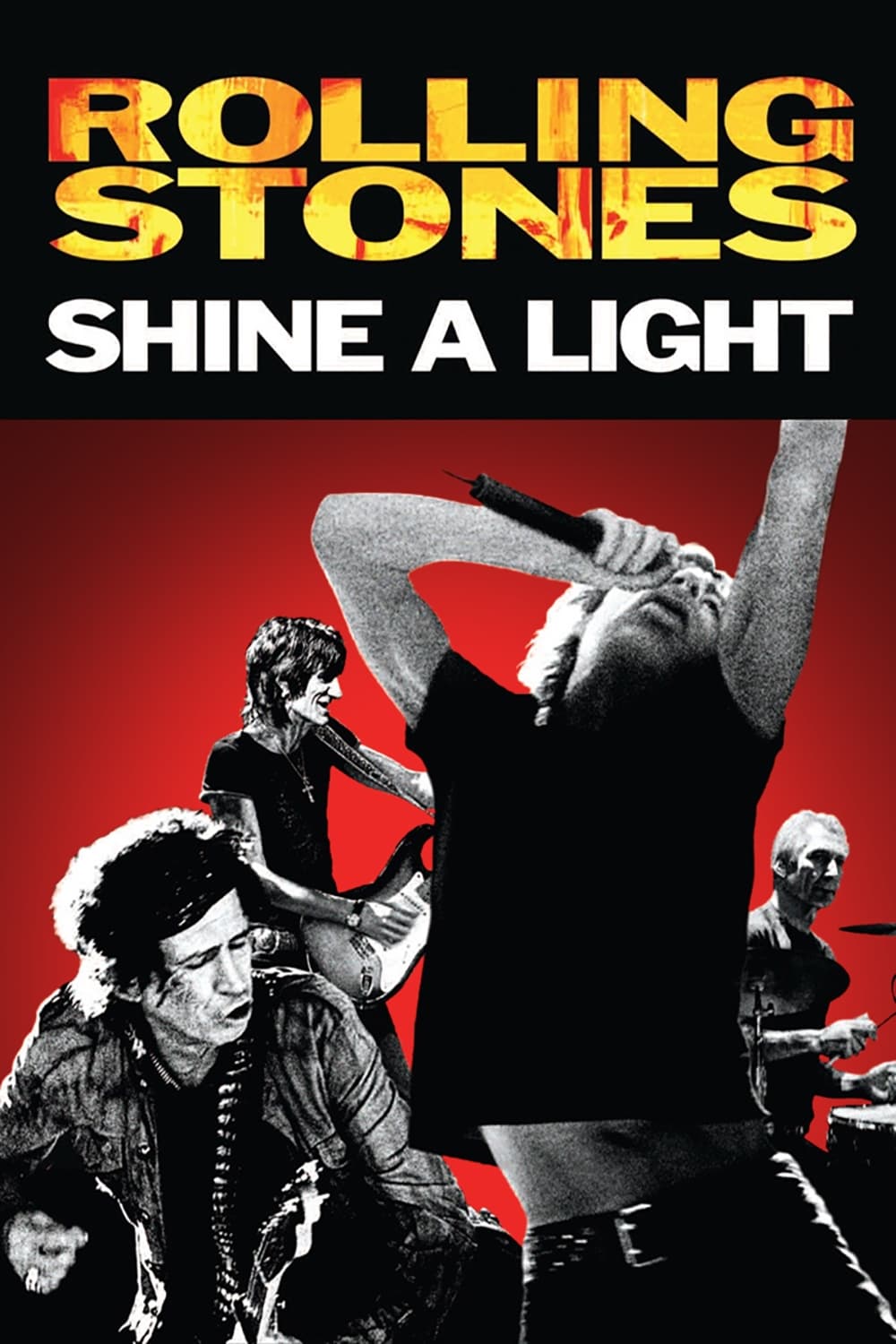
Martin Scorsese’s electrifying concert documentary captures The Rolling Stones live at New York’s Beacon Theatre during their A Bigger Bang tour. Filmed over two nights in 2006 with an all-star team of cinematographers, the film combines dynamic performances with archival footage and rare glimpses behind the scenes, offering a vibrant portrait of the band’s enduring energy and legacy.