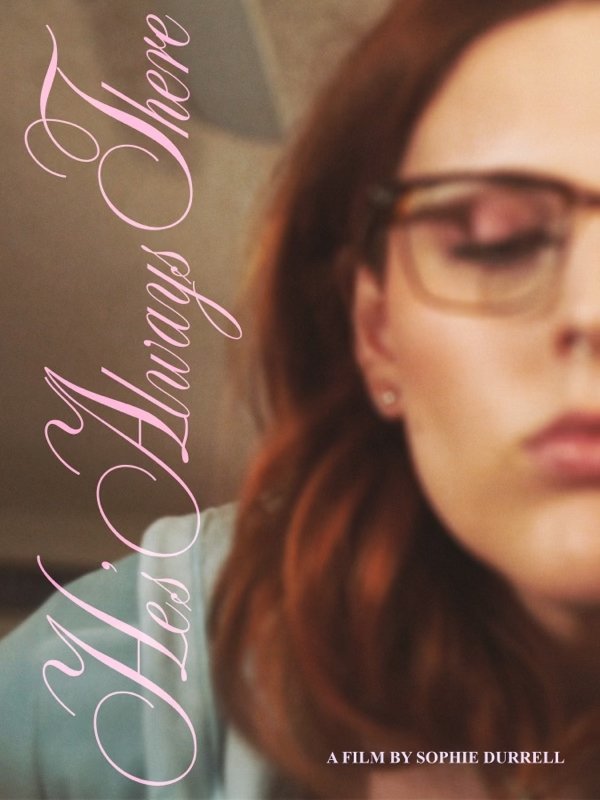
A short documentary that discusses gender and reconciling with the past.
Social & External
Herself
Fragmentary perspectives on Human Rights and transgender (trans*) People in Turkey. What remains at the place where a murder happened? What constitutes trans* life? How to cope with daily violence and hatred? We begin to search for traces. We follow the tracks of resistance and survival. We are collectors of the expelled. We gather fragments of trans* lives inspired by texts of Nazim Hikmet, Foucault, Benjamin and Zeki Müren. Trans*BUT is a documental research study driven by the question: “What keeps you going when all else falls away?”
The animated corpse of Moscow goes on after its inhabitants left. Filled with weeps and whispers of the mourning ghosts, torn apart with phone calls from distant countries and unfamiliar sounds, emotionally devastated and deserted, the city attempts to reconcile with its own voice.
A documentary of insect life in meadows and ponds, using incredible close-ups, slow motion, and time-lapse photography. It includes bees collecting nectar, ladybugs eating mites, snails mating, spiders wrapping their catch, a scarab beetle relentlessly pushing its ball of dung uphill, endless lines of caterpillars, an underwater spider creating an air bubble to live in, and a mosquito hatching.
Exterínio proposes a reflection on the lives of trans women in a city in the interior of Rio Grande do Sul, based on a murder that occurred in 2016. Memories, provocations, life stories that intersect in a plot about the difficulties of living and being trans in the interior of the country that most murders trans women in the world.
Carefully picked scenes of nature and civilization are viewed at high speed using time-lapse cinematography in an effort to demonstrate the history of various regions.
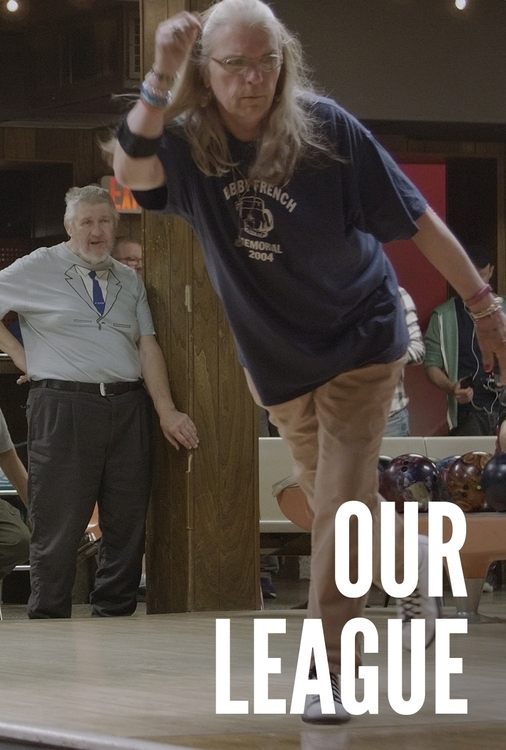
A community of bowlers outside of Cleveland cope with fundamental change when new owners take over at a landmark alley and a longtime league member comes out as a trans woman.
On the island of La Gomera, children imagine stories while they examine archeological remains. An ethno-fictional journey in which past and present coalesce, creating resonances between the volcanic landscape and Silbo, the whistled language of the island.
In the first person, a documentary that shows us the experience of Vida Rodriguez, formerly Inocente Duke, in situations that the Trans Law favors: what happens when entering a sauna, locker room, or a public service (even in the Congress of Deputies). An experience that, with respect and large doses of humor, brings us face to face with a law and its difficulties in its implementation.
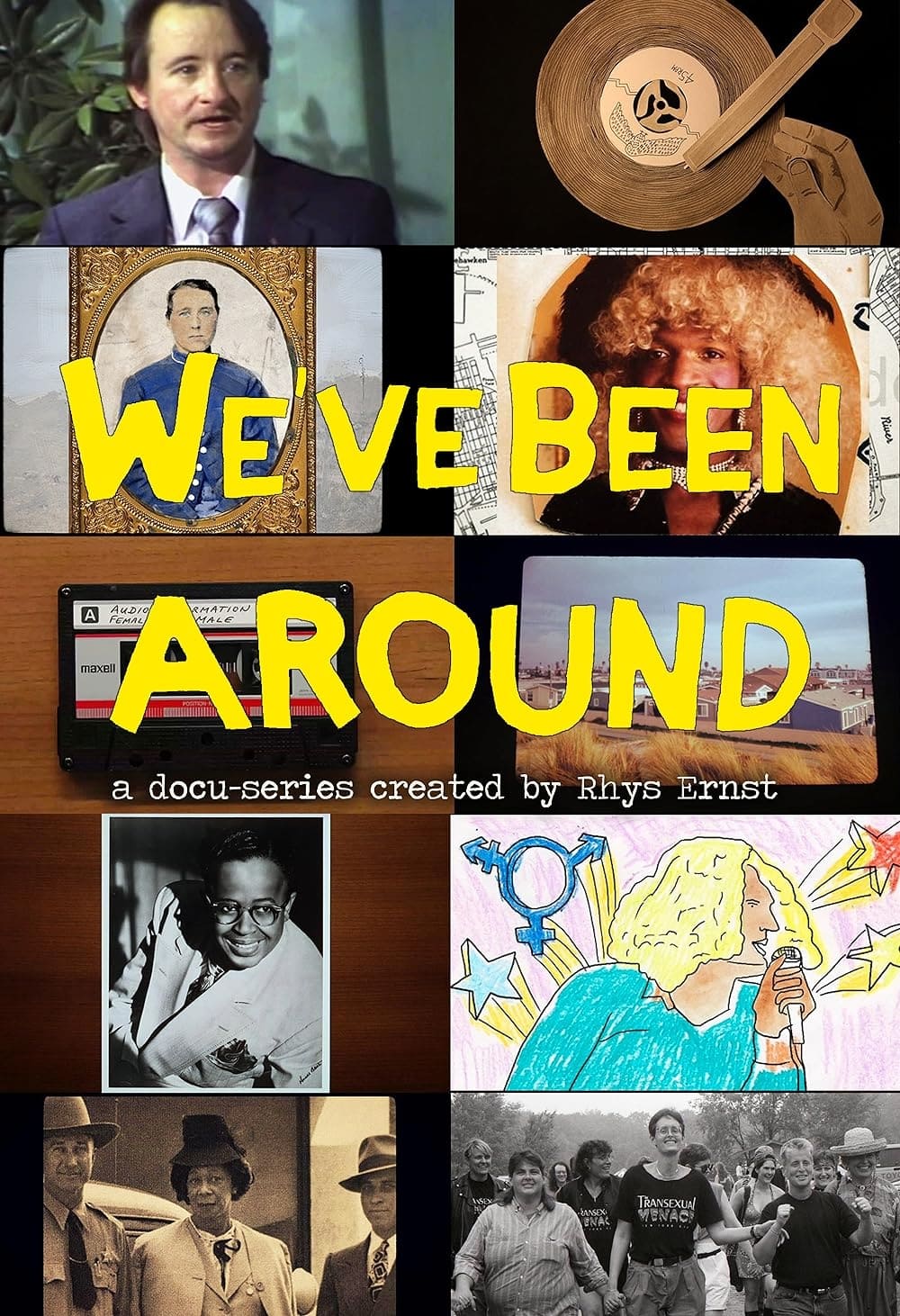
“It ain’t easy…being green” is the favorite expression of Stormé DeLarverie, a woman whose life flouted prescriptions of gender and race. During the 1950s and '60s she toured the black theater circuit as a mistress of ceremonies and the sole male impersonator of the legendary Jewel Box Revue, America’s first integrated female impersonation show and forerunner of La Cage aux Folles.
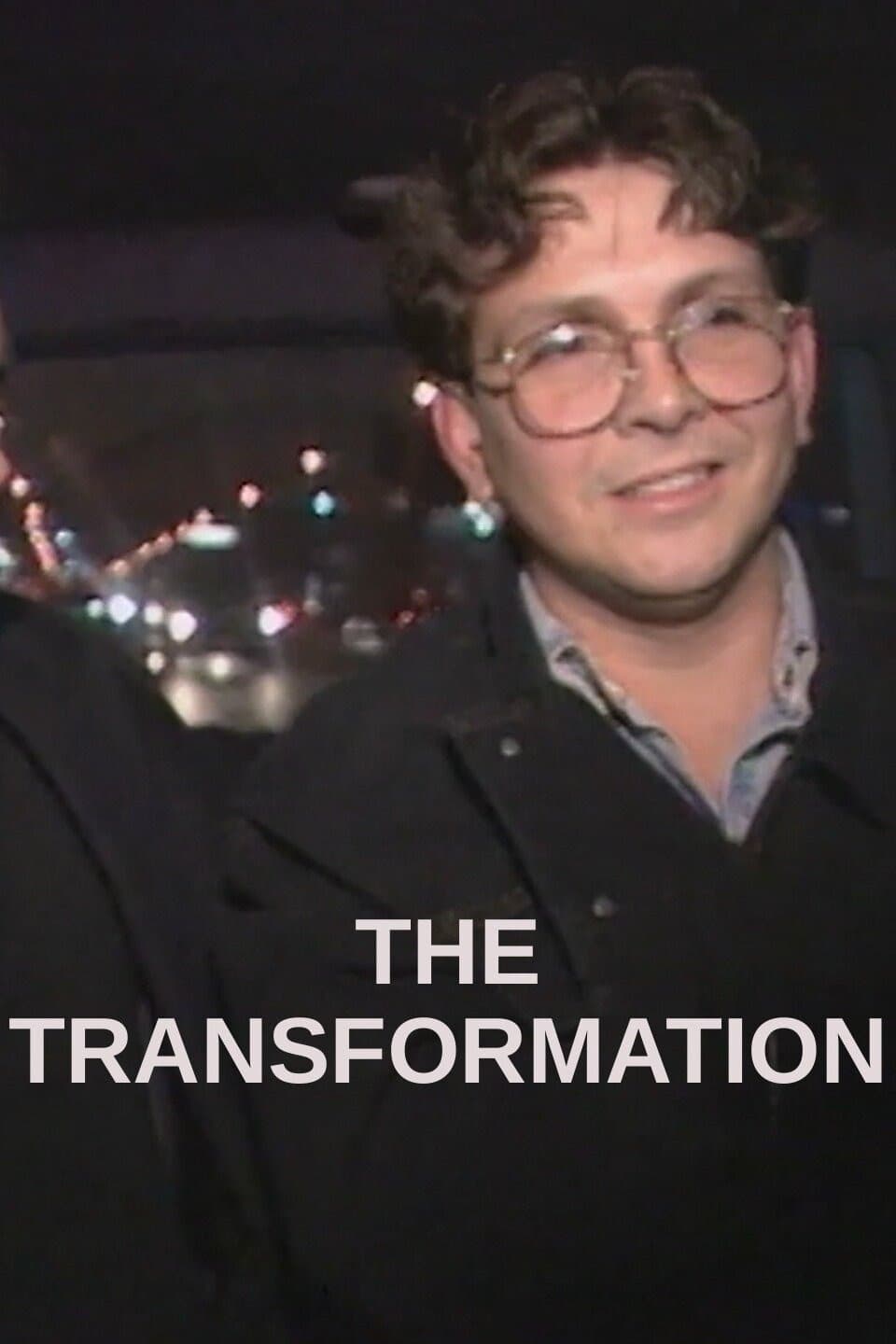
Ricardo was once Sara, a homeless HIV positive transvestite, living in the underbelly of Manhattan. Today he is a churchgoing, married man, "saved" by a Dallas ministry. He has renounced his homosexuality, but is his conversion complete? Susana Aiken and Carlos Aparicio offer an intimate look at Ricardo's transformation.
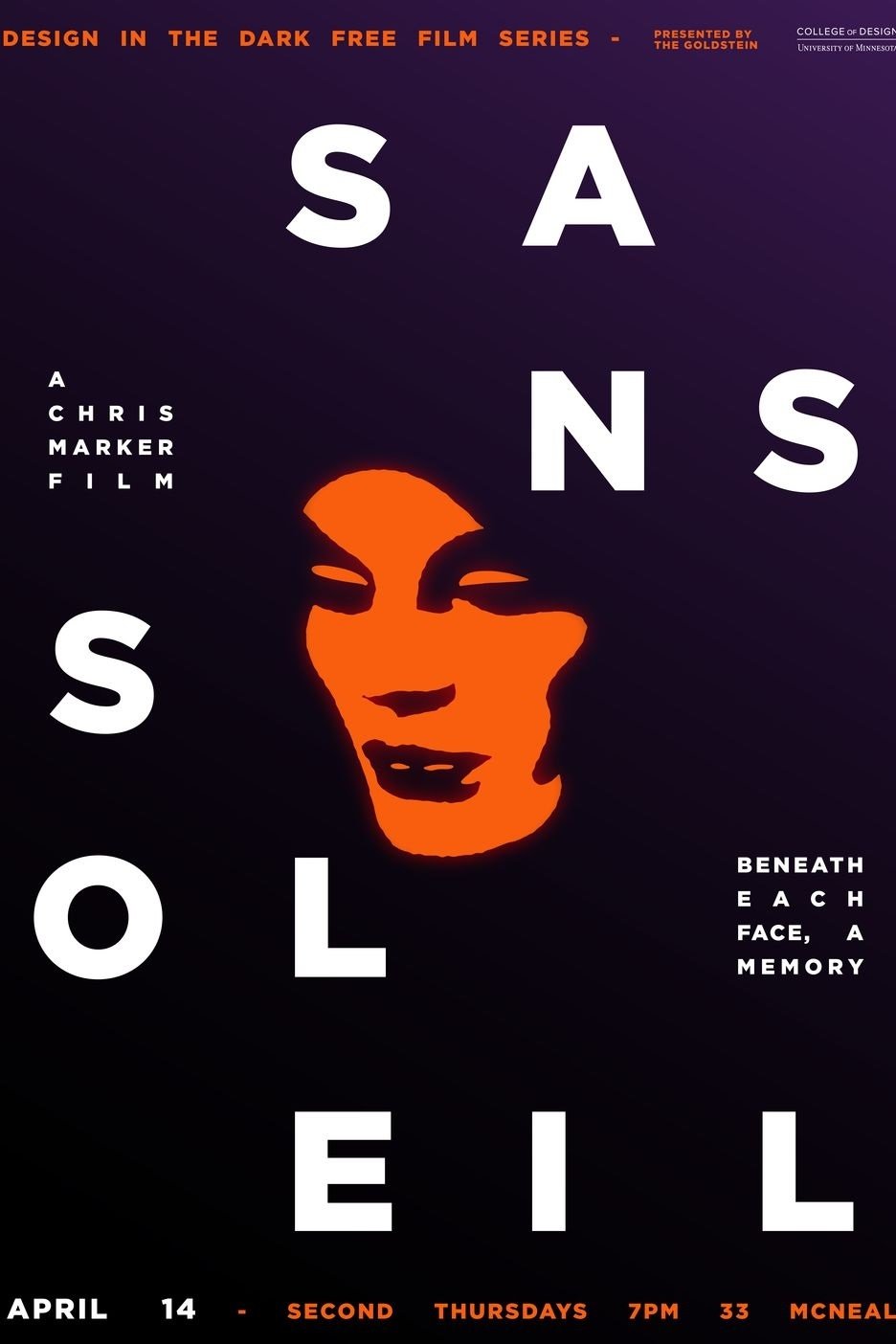
A woman narrates the thoughts of a world traveler, meditations on time and memory expressed in words and images from places as far-flung as Japan, Guinea-Bissau, Iceland, and San Francisco.
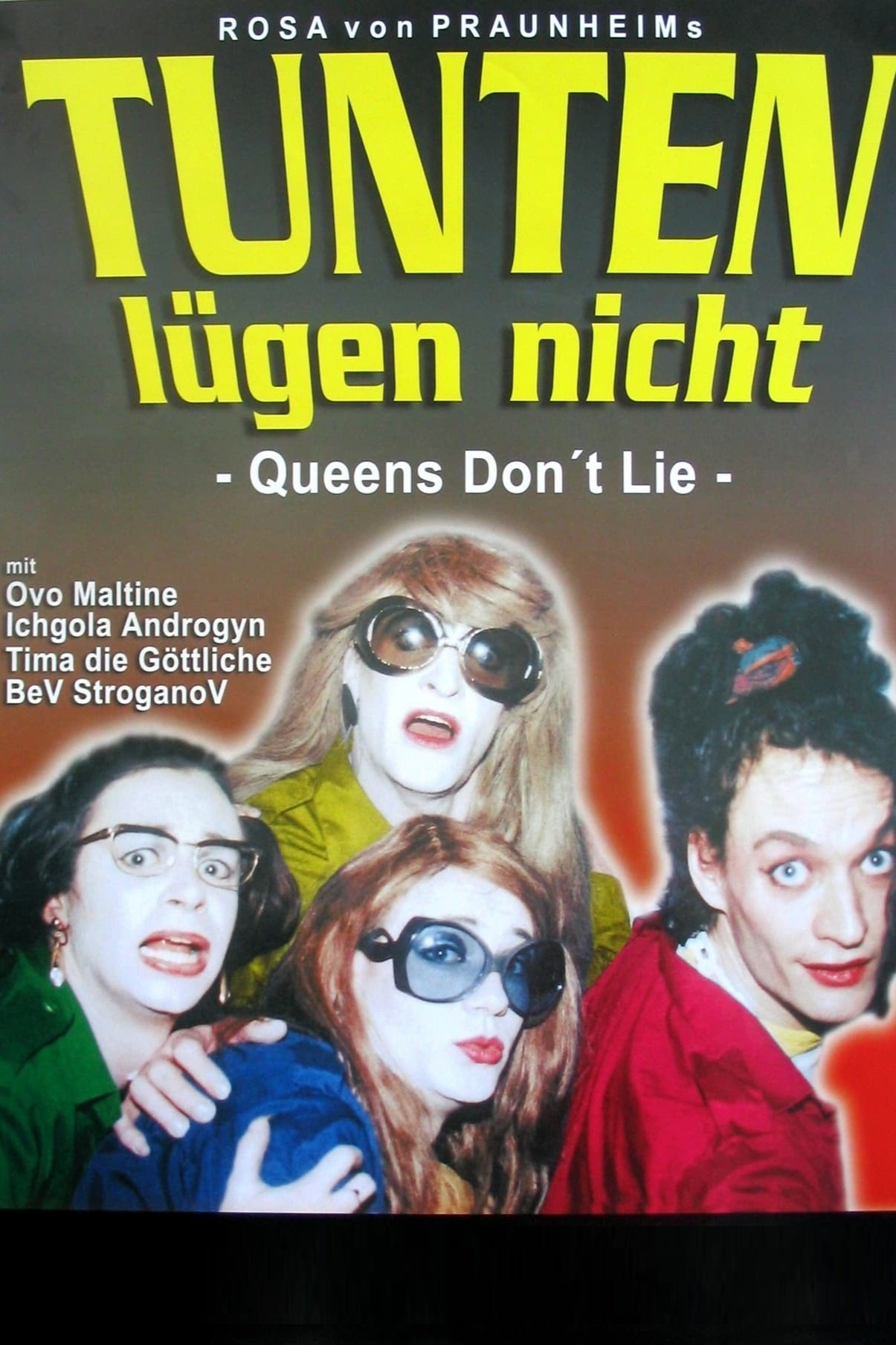
Bosom buddies BeV StroganoV, Ovo Maltine, Ichgola Androgyn and Tima die Göttliche are four Berlin drag queens who met in the mid 1980s. These four queens became Germany’s most popular drag performers and have been busy fertilizing the German cultural scene. Besides being performers, they are also political activists – in AIDS awareness, anti-gay violence, the sex workers movement and the struggle against the extreme right and racism. The film tells their story.
Takes us to locations all around the US and shows us the heavy toll that modern technology is having on humans and the earth. The visual tone poem contains neither dialogue nor a vocalized narration: its tone is set by the juxtaposition of images and the exceptional music by Philip Glass.
A paralysingly beautiful documentary with a global vision—an odyssey through landscape and time—that attempts to capture the essence of life.
The second half of Gustav Deutsch's experimental Film ist. series, constructing new narratives and moods out of existing footage, mostly from early silent era films.
A visual montage portrait of our contemporary world dominated by globalized technology and violence.
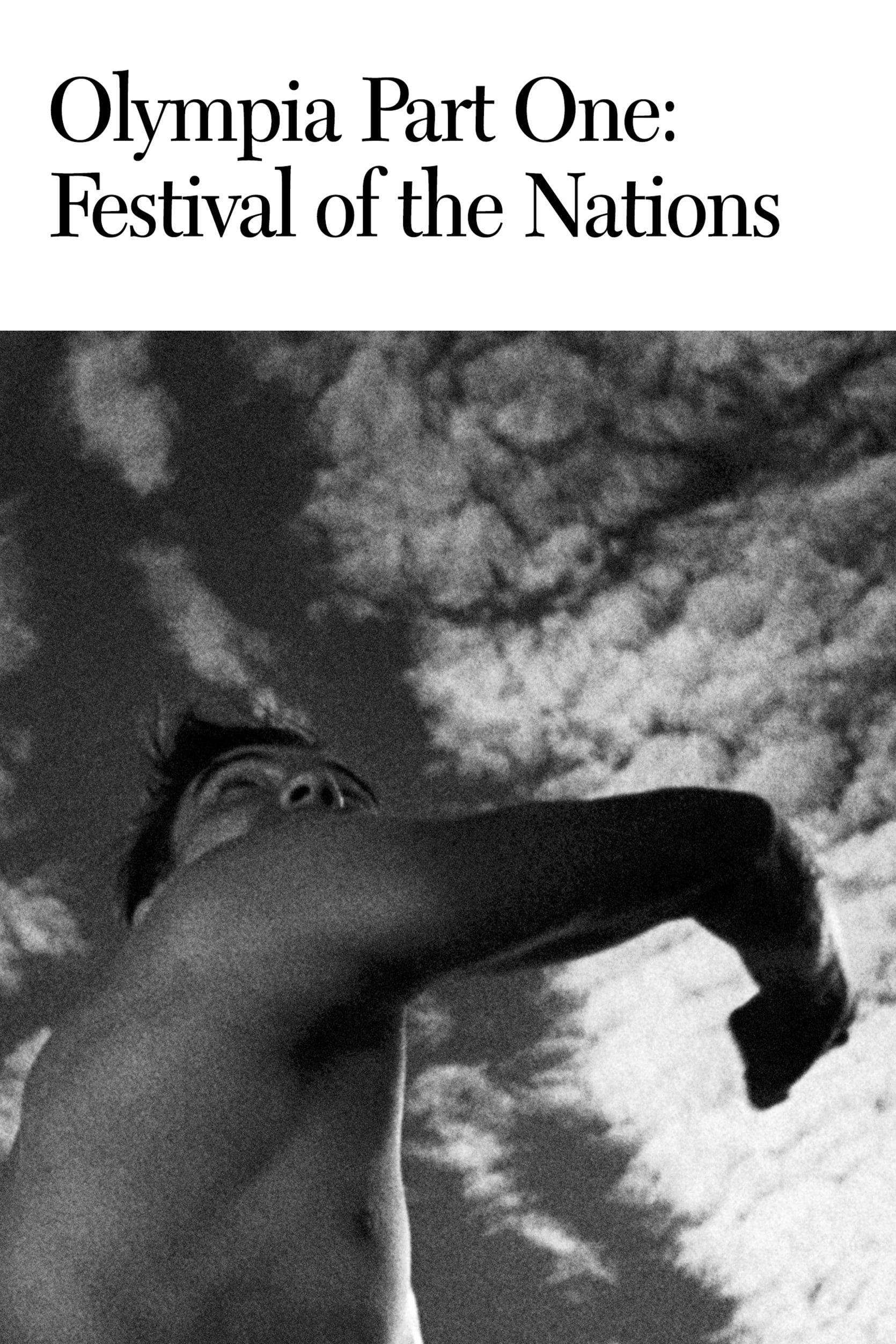
Starting with a long and lyrical overture, evoking the origins of the Olympic Games in ancient Greece, Riefenstahl covers twenty-one athletic events in the first half of this two-part love letter to the human body and spirit, culminating with the marathon, where Jesse Owens became the first track and field athlete to win four gold medals in a single Olympics.
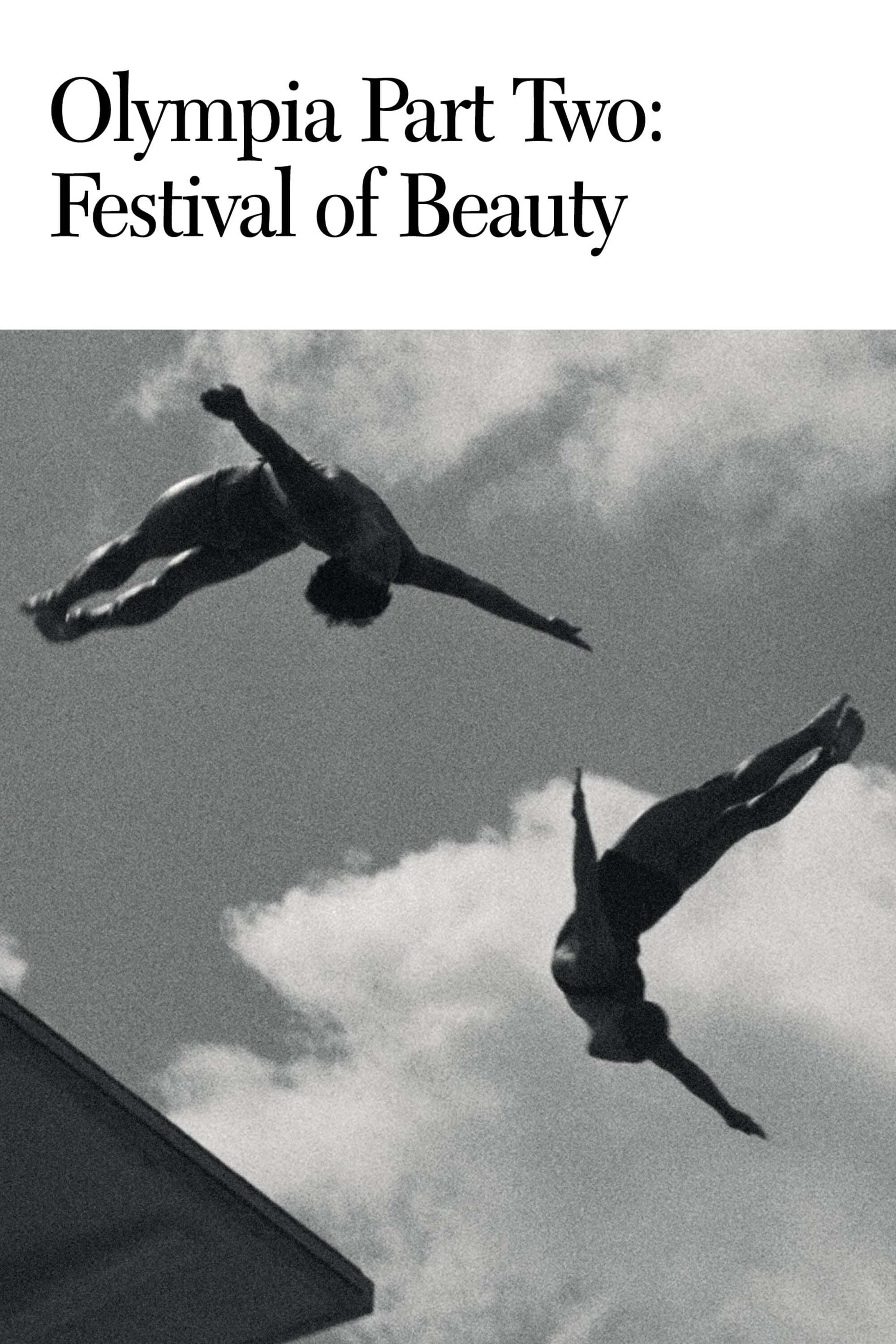
Part two of Leni Riefenstahl's monumental examination of the 1938 Olympic Games, the cameras leave the main stadium and venture into the many halls and fields deployed for such sports as fencing, polo, cycling, and the modern pentathlon, which was won by American Glenn Morris.
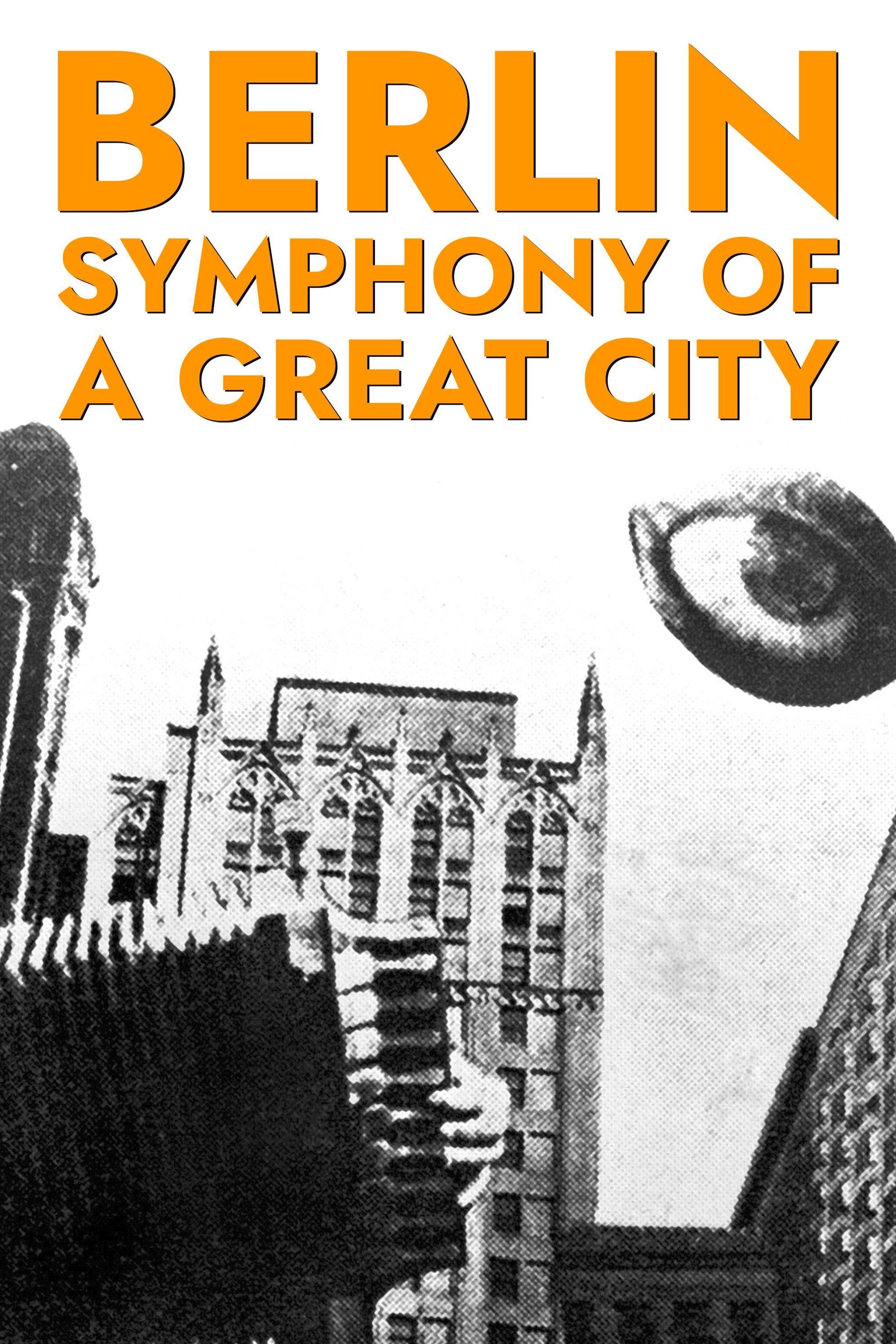
A day in the city of Berlin, which experienced an industrial boom in the 1920s, and still provides an insight into the living and working conditions at that time. Germany had just recovered a little from the worst consequences of the First World War, the great economic crisis was still a few years away and Hitler was not yet an issue at the time.
The extraordinary story of a world-renowned patent attorney in Sugar Land, Texas who, at 57, came out as a trans woman and is now navigating LGBTQ+ issues and fighting for trans rights in the vortex of Texas conservatism, as she and her family challenge the idea of what modern love looks like.