TV documentary film about the life of New Zealand poet James K. Baxter.
Social & External
The people behind it
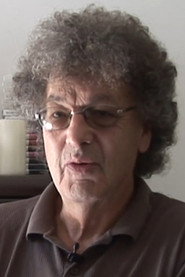
Sam Hunt
himself
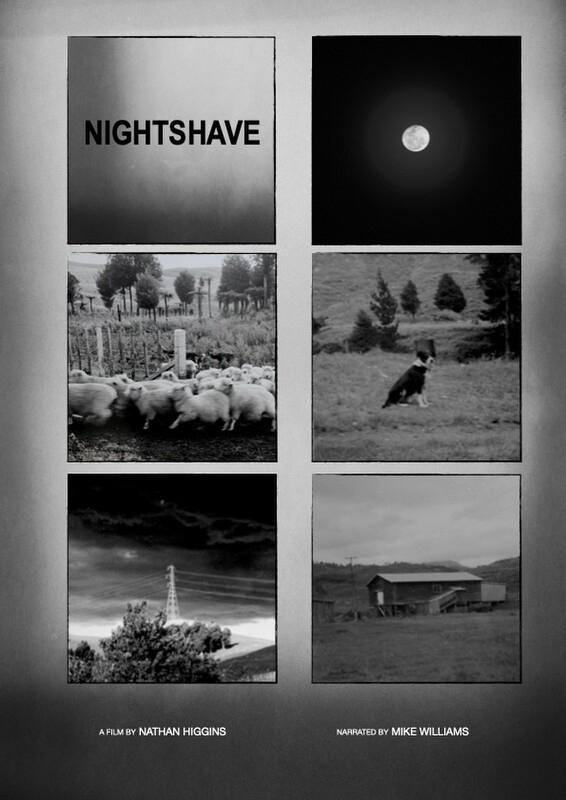
A narrator recounts a story about his missing friend, the downfall of a sheep shearing gang and sightings of a hairy beast in 1980s rural New Zealand.
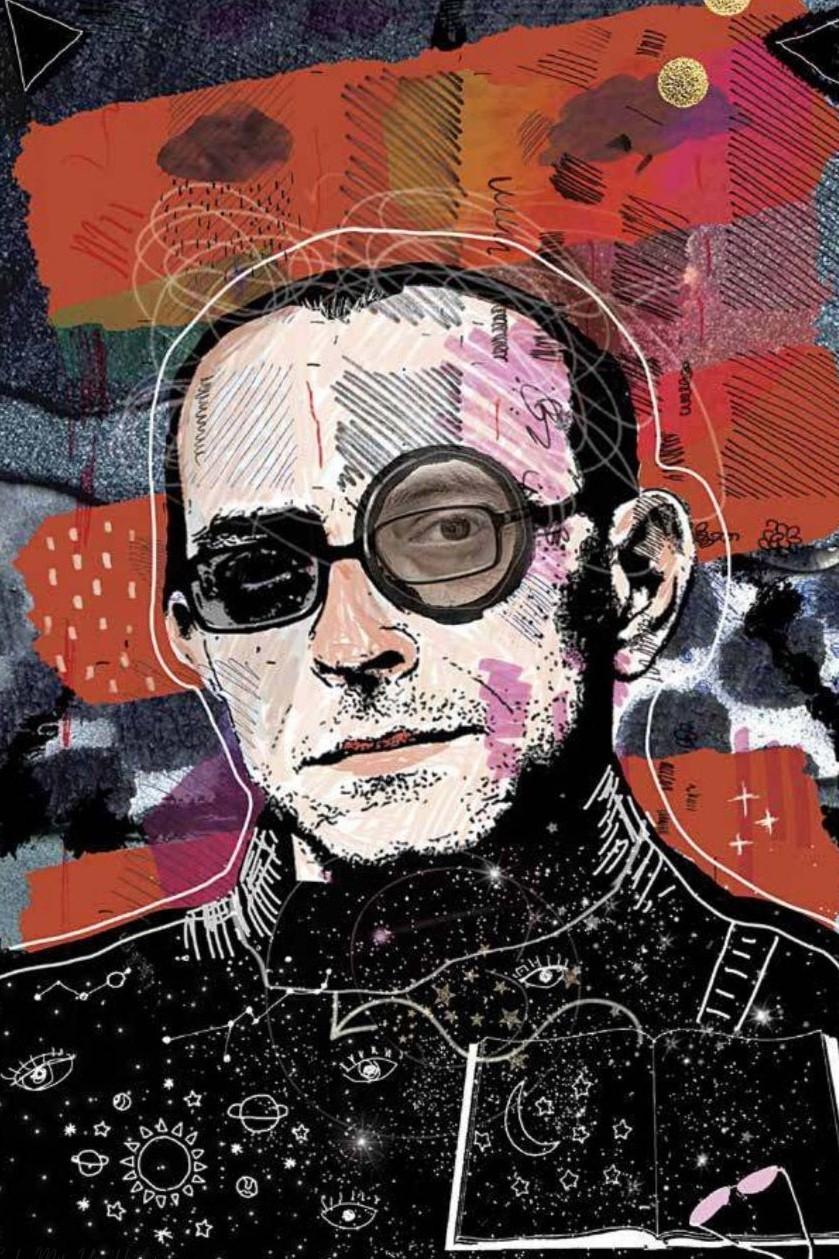
A mini documentary about küçük İskender and his views on poetry.
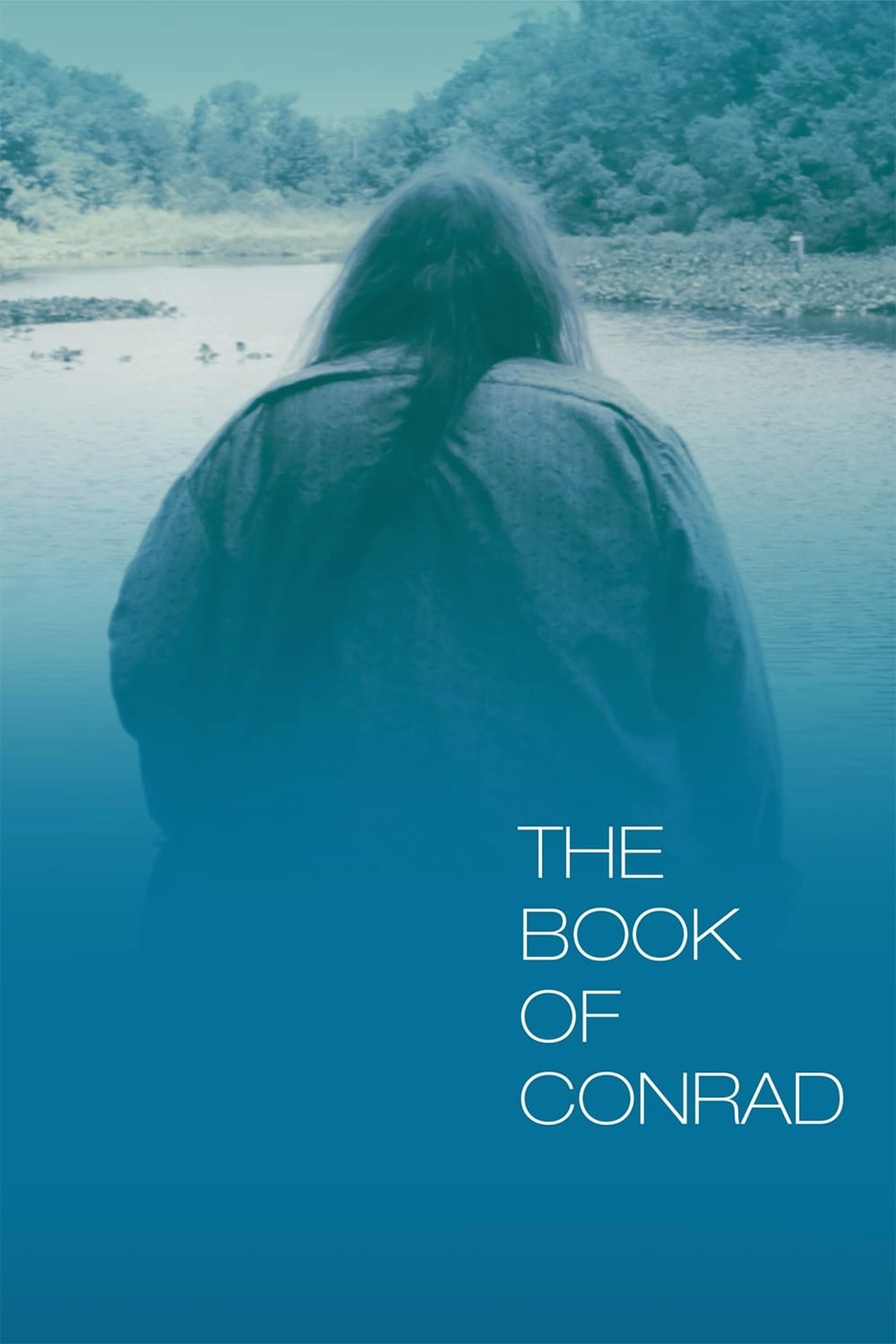
About the poet C.A.Conrad, an eccentric Elvis worshiping poet and tarot card reader, who confronts his violent past and the suspicious death of his boyfriend, Earth. The film attempts to unravel the mystery of Earth's death, while Conrad wrestles with his inner demons through a series of unconventional rituals and a tour of the deep South.
Cacaso, a Brazilian poet, lived in Rio de Janeiro. Born Antonio Carlos de Brito (1944-1987) he was one of the leaders of the marginal poetry movement. Cacaso filled notebooks not only with poems but reflections, drawings and collages. He also became a lyricist and partner of celebrated songwriters such as Tom Jobim, Edu Lobo, Toninho Horta, João Donato and Sivuca.
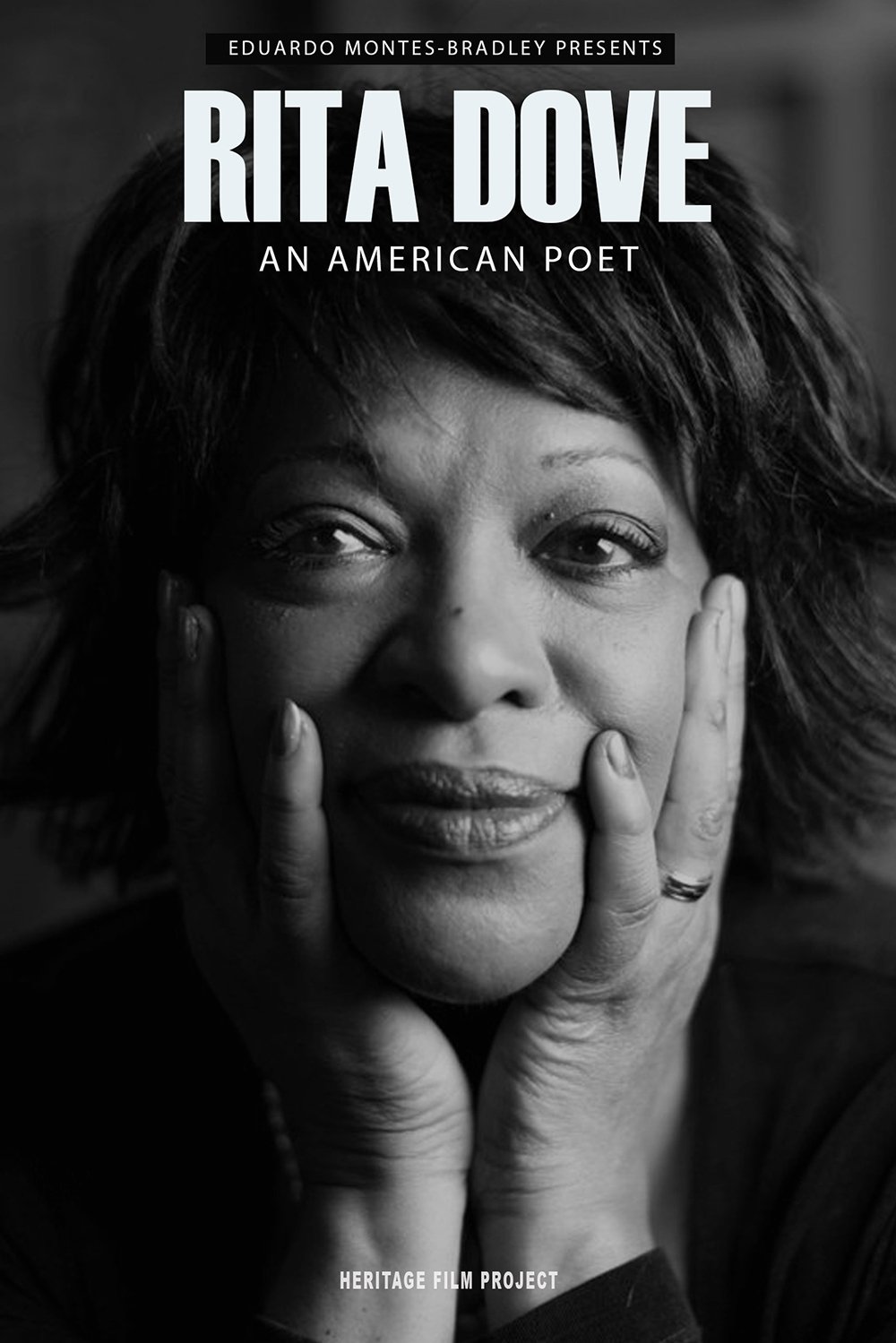
A series of in-depth conversations with Poet Laureate Rita Dove—conducted and recorded by Eduardo Montes-Bradley between September 2012, and October 2013. The film explores the poet's life, exposing fundamental facts of Dove's childhood and formative years growing up in Akron, Ohio in the 1950s and during the turbulent 1960s, supplemented by selections from hundreds of still images and several hours of home movies from the Dove family's collection.
After World War II a group of young writers, outsiders and friends who were disillusioned by the pursuit of the American dream met in New York City. Associated through mutual friendships, these cultural dissidents looked for new ways and means to express themselves. Soon their writings found an audience and the American media took notice, dubbing them the Beat Generation. Members of this group included writers Jack Kerouac, William Burroughs, Allen Ginsberg. a trinity that would ultimately influence the works of others during that era, including the "hippie" movement of the '60s. In this 55-minute video narrated by Allen Ginsberg, members of the Beat Generation (including the aforementioned Burroughs, Anne Waldman, Peter Orlovsky, Amiri Baraka, Diane Di Prima, and Timothy Leary) are reunited at Naropa University in Boulder, CO during the late 1970's to share their works and influence a new generation of young American bohemians.
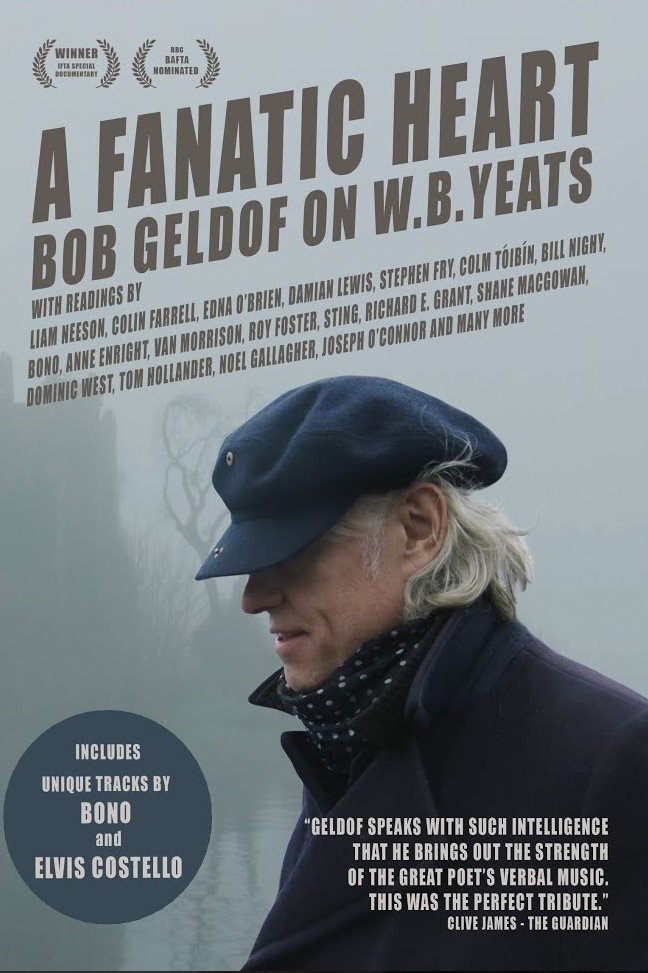
A biography of the poet W. B. Yeats and his contribution to the Irish independence movement as a Protestant nationalist.
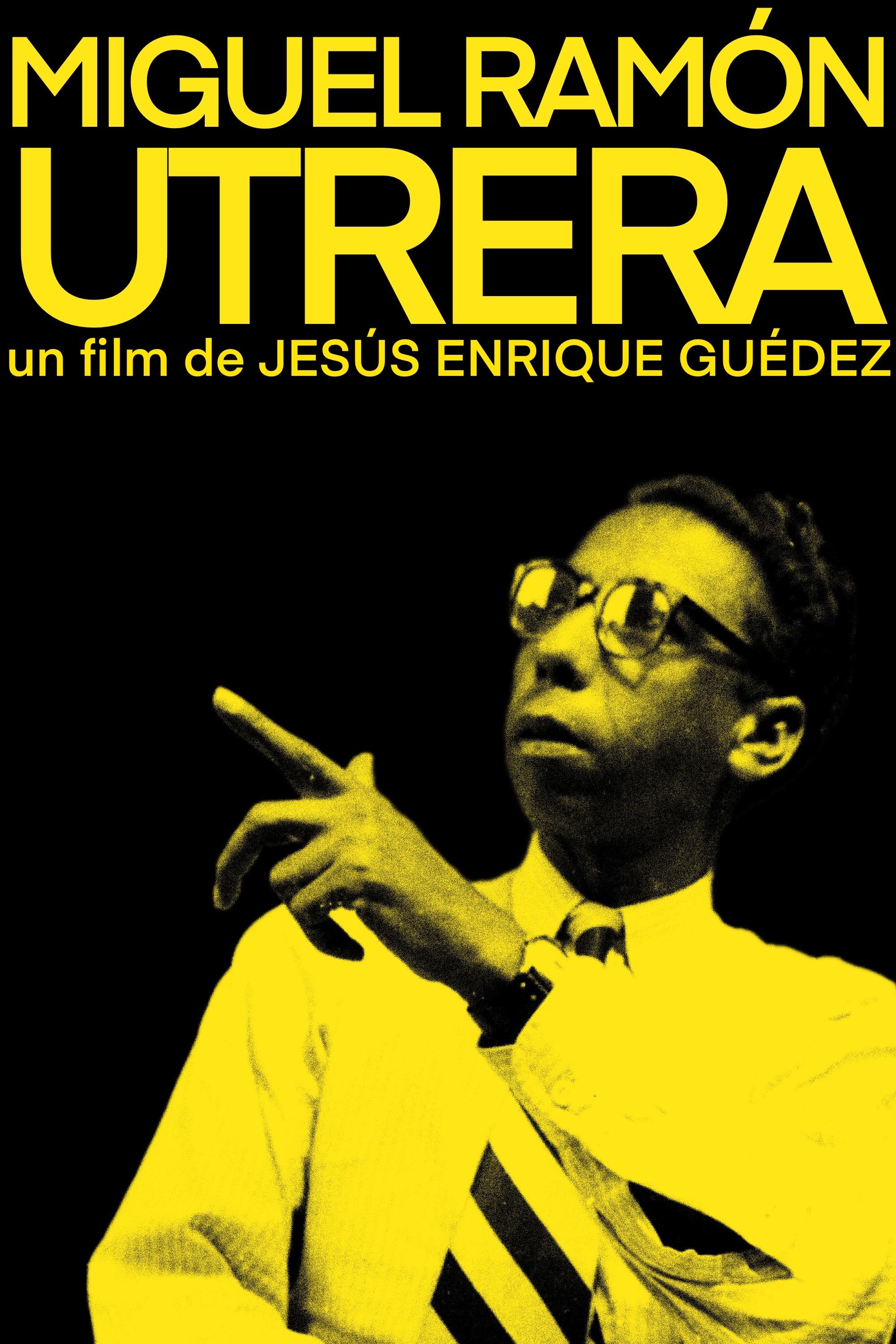
Documentary about the poet Miguel Ramón Utrera.
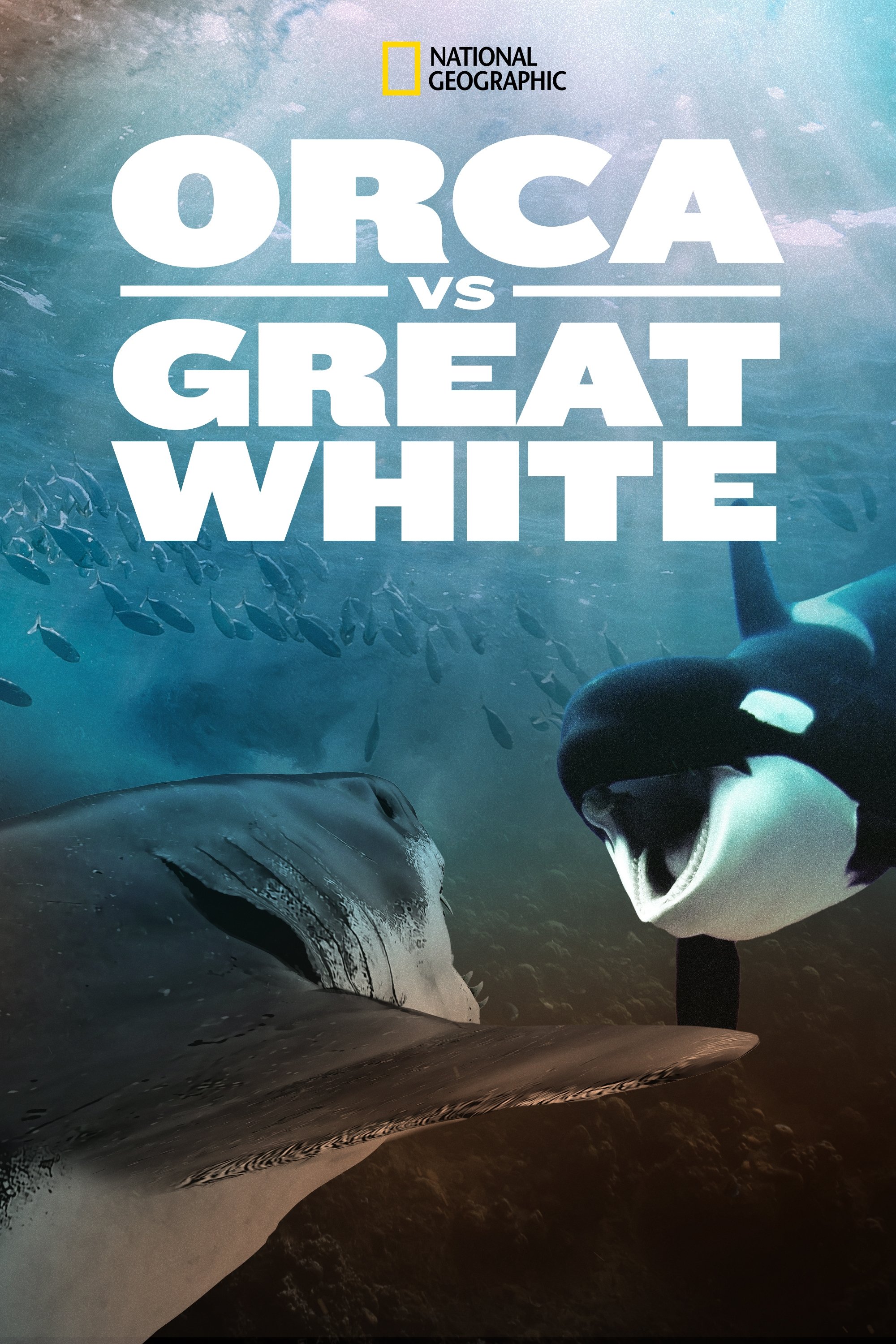
Researchers investigate whether orcas have begun hunting great white sharks off the coast of New Zealand.
Follows the young people of Selma, Alabama's RATCo (Random Acts of Theatre Company) as they journey to New York City to share their story of hope, resilience, and overcoming.
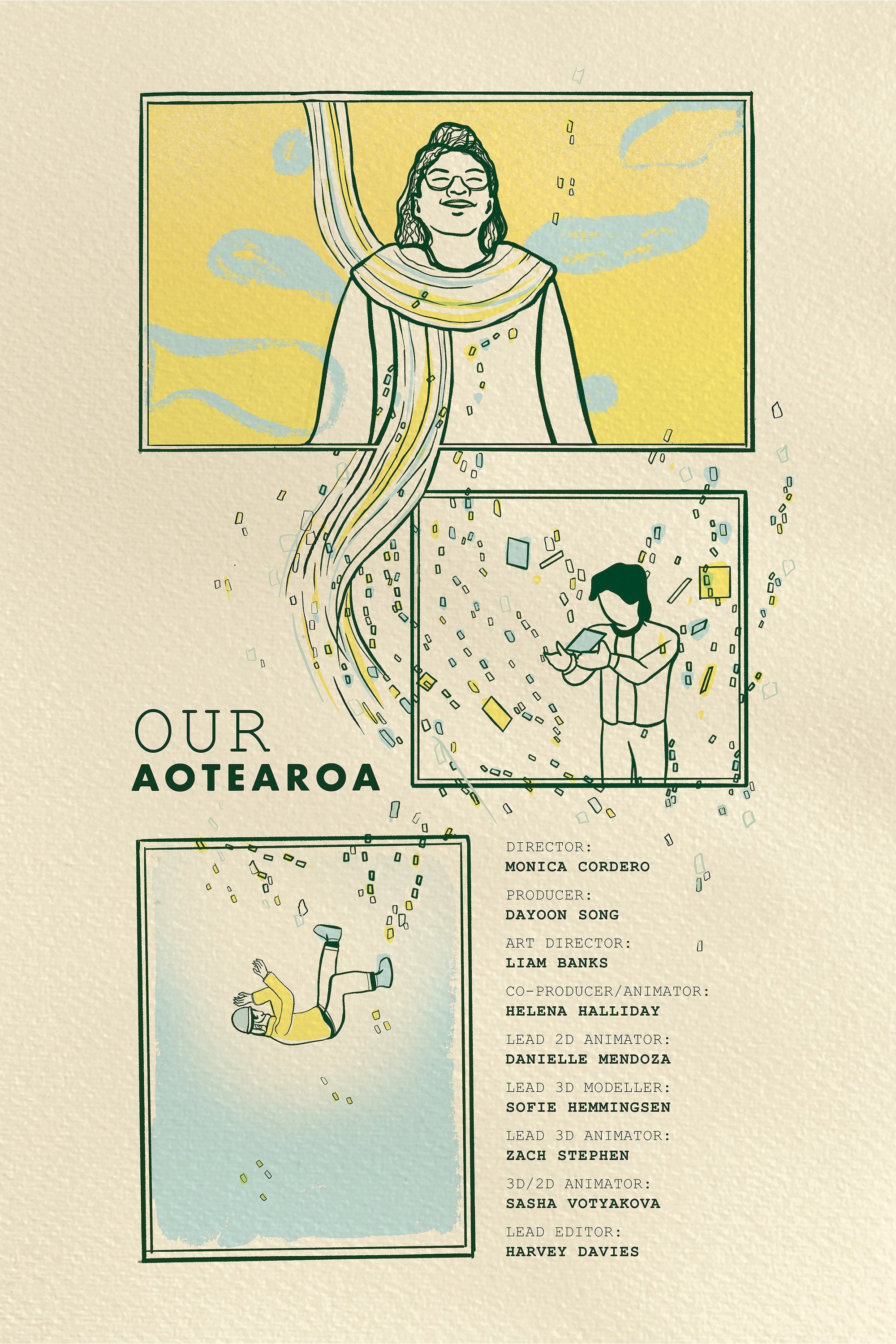
An animated documentary that speaks to immigrants' personal experiences living in Aotearoa, exploring themes of racism, discrimination, loss, loneliness, and maintaining cultural ties while living in another country.
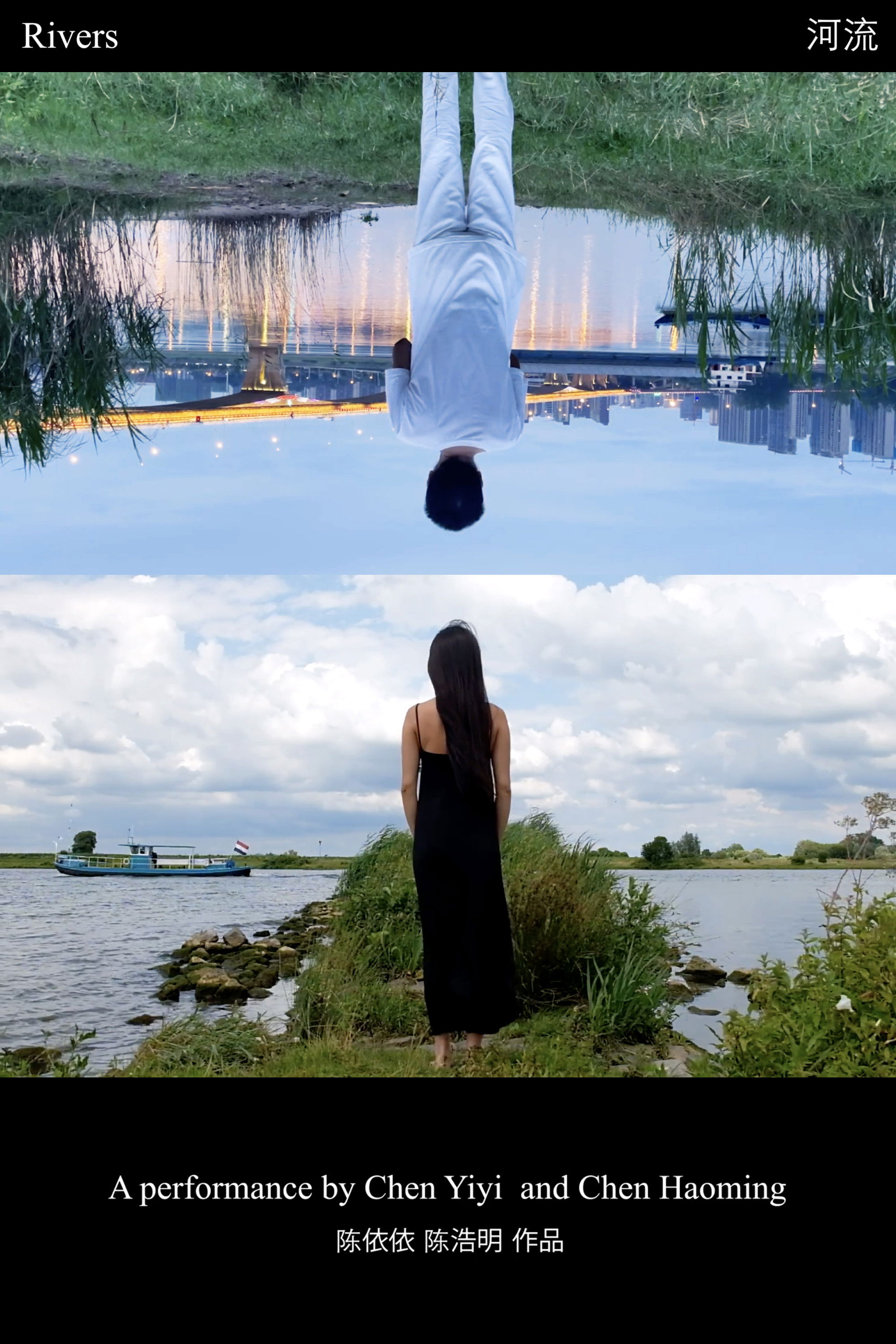
"The river Lek reminded me of the river Xiang in my hometown Changsha. I had not been home for 3 years and one of the connections with home was the poems my dad wrote me every day via WeChat. The rivers seemed equally significant for the people in the Netherlands and in Changsha. They are both a romantic connection and an important symbol of daily trade and industry. In a Wechat session my father and I simultaneously read three pairs of poems we wrote for this occasion, he by the Xiang and I by the Lek. Giving the words to the waters that ultimately will meet somewhere in the ocean. The video shows fragments of the performance which took place at the same time in Changsha and Culemborg in June. The full-length documentation is presented as a dual-screen video installation. The three poems written by me can be found on the page "Writing"."
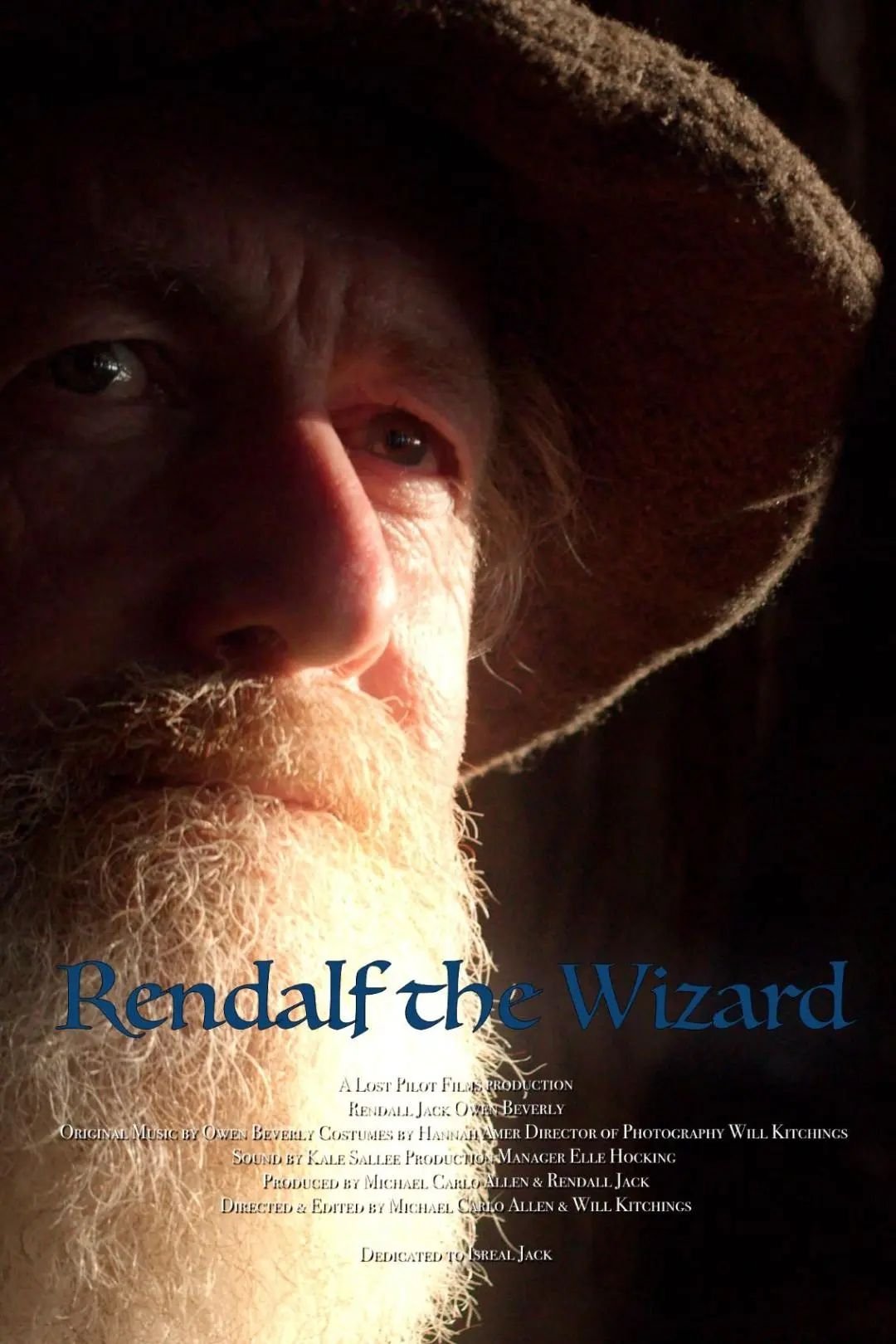
A Lord of the Rings tour guide in New Zealand processes his grief in a wonderful way.
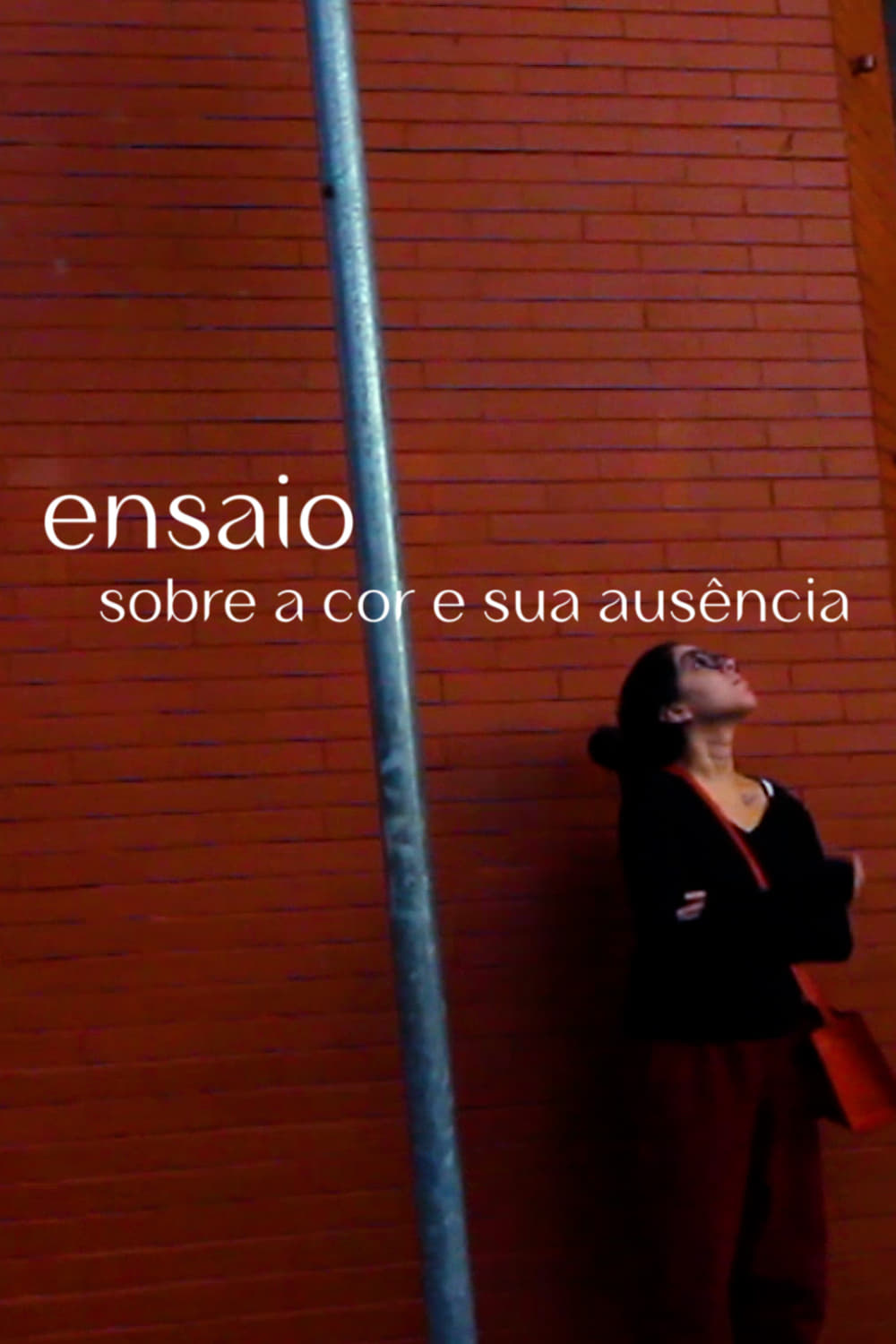
An experiment and a dialogue about recording, the act of filming and the colors available to whoever points the camera somewhere.
It's a sensitive, moving doc chronicling the life of Tétrault's brother Philip , a Montreal poet, musician and diagnosed paranoid schizophrenic. A promising athlete as a child, Philip began experiencing mood swings in his early 20s. His extended family, including his daughter, share their conflicted feelings love, guilt, shame, anger with the camera. They want to make sure he's safe, but how much can they take?
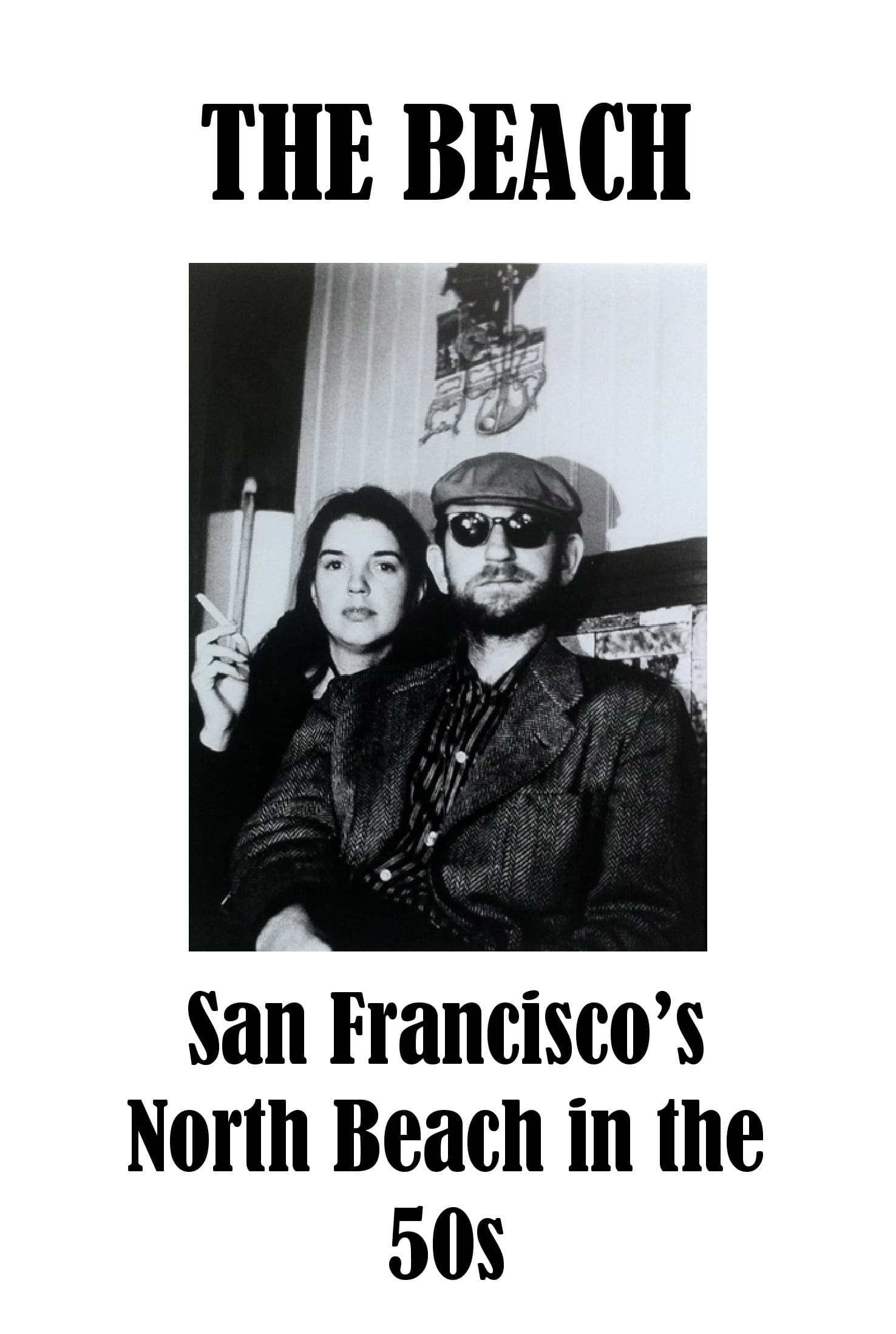
San Francisco's North Beach in the 50's - A mix of jazz, poetry and art - The Beach recreates the atmosphere that prevailed through first-hand accounts from the actual "players" along with photographs and artwork from that vibrant time.
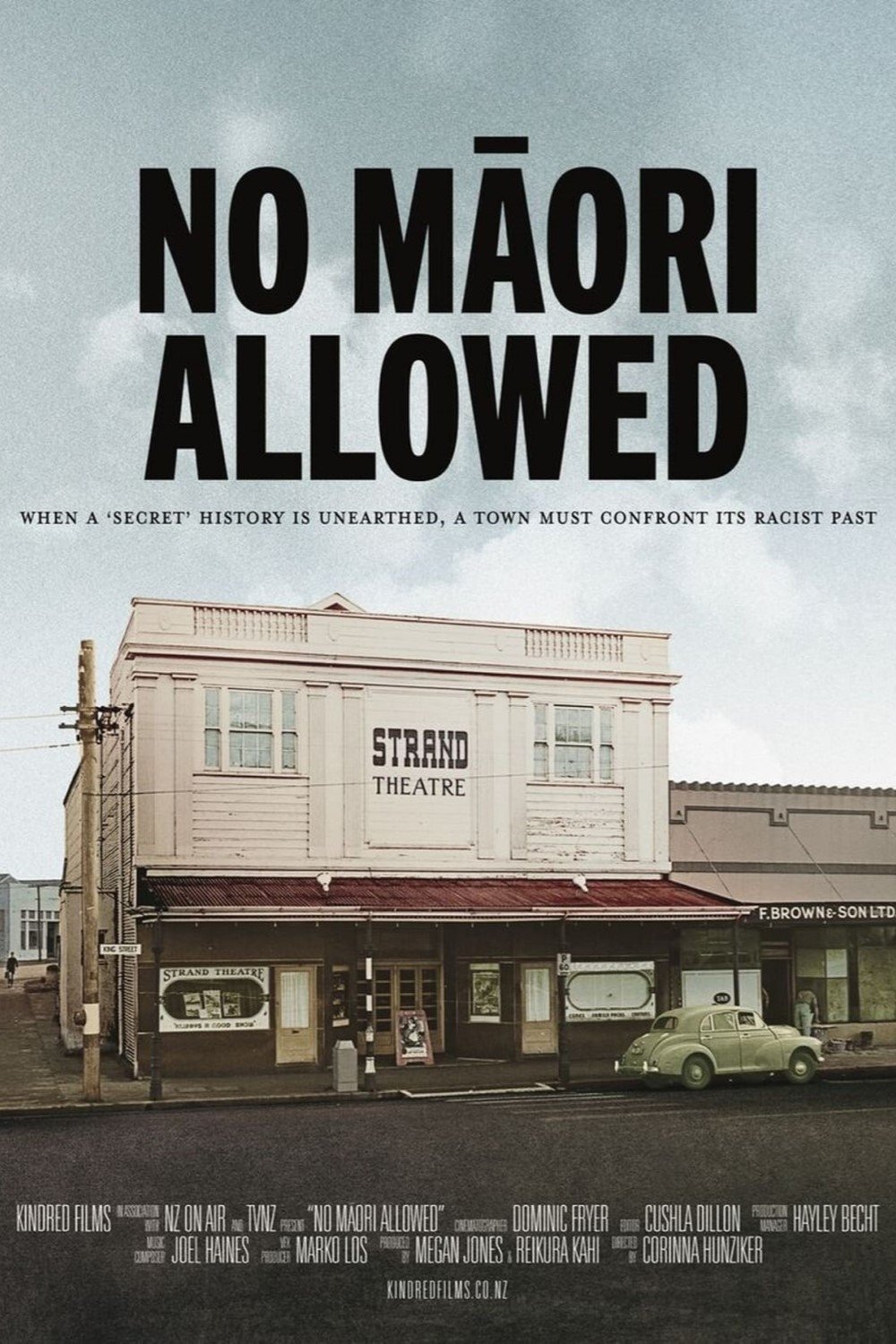
When an academic unearths a forgotten history, residents of the small township of Pukekohe, including kaumātua who have never told their personal stories before, confront its deep and dark racist past.
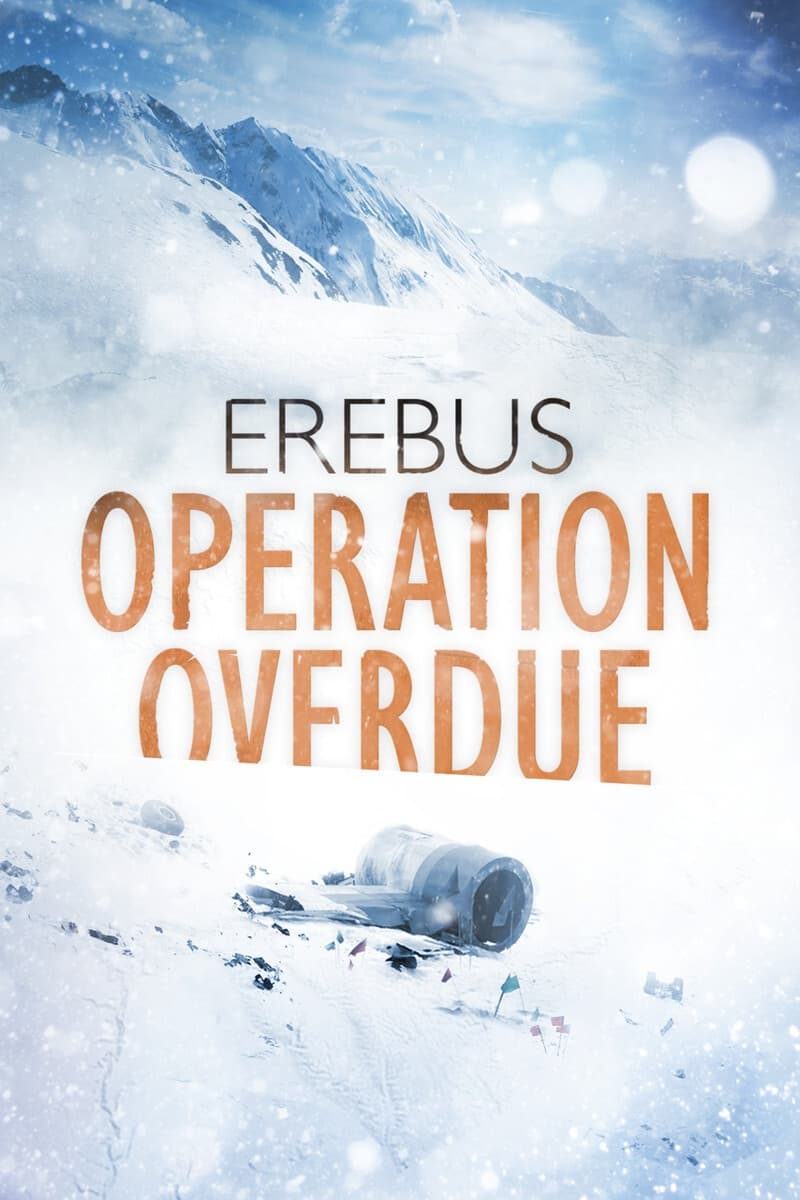
On 28 November 1979, an Air New Zealand jet with 257 passengers went missing during a sightseeing tour over Antarctica. Within hours 11 ordinary police officers were called to duty to face the formidable Mount Erebus. As the police recovered the victims, an investigation team tried to uncover the mystery of how a jet could fly into a mountain in broad daylight. Did the airline have a secret it wanted to bury? This film tells the story of four New Zealand police officers who went to Antarctica as part of the police operation to recover the victims of the crash. Set in the beautiful yet hostile environment of Antarctica, this is the emotional and compelling true story of an extraordinary police operation.
A poem about mania written by Omar Zefier. His second film.
This chronicle of the Christchurch Commonwealth Games marked one of the National Film Unit's most ambitious productions. Though a range of events (including famous runs by John Walker and Dick Tayler), are covered, the film often bypasses the pomp and glory approach; instead it dares to talk to the injured and mention that most competitors lose. The closing ceremonies of the "friendly games" feature the athletes gathering to — as the official song's chorus put it — "join together". Four directors joined together to work on it: Arthur Everard, John King, Paul Maunder and Sam Pillsbury.
A visual montage portrait of our contemporary world dominated by globalized technology and violence.
In an intimate and joyful story of love in the face of loss, celebrated poets Andrea Gibson and Megan Falley find strength—and unexpected hilarity—in what might be their final year together.
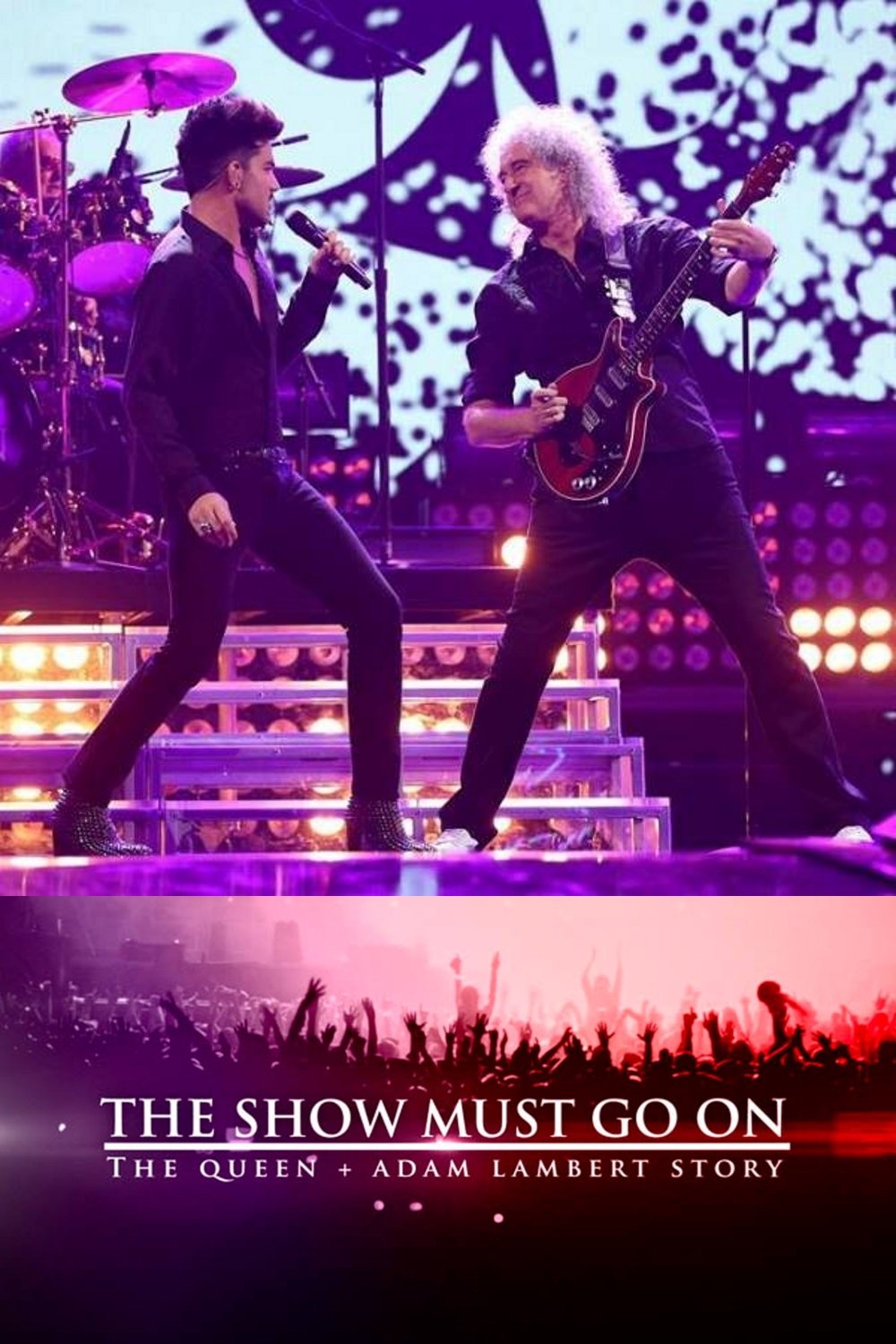
A documentary chronicling Queen and Lambert's incredible journey since they first shared the stage together on "American Idol" in 2009.
Artists in LA discover the work of forgotten Polish sculptor Stanislav Szukalski, a mad genius whose true story unfolds chapter by astounding chapter.
Musician and performance artist Laurie Anderson reflects on the deaths of her husband Lou Reed, her mother and her beloved dog.
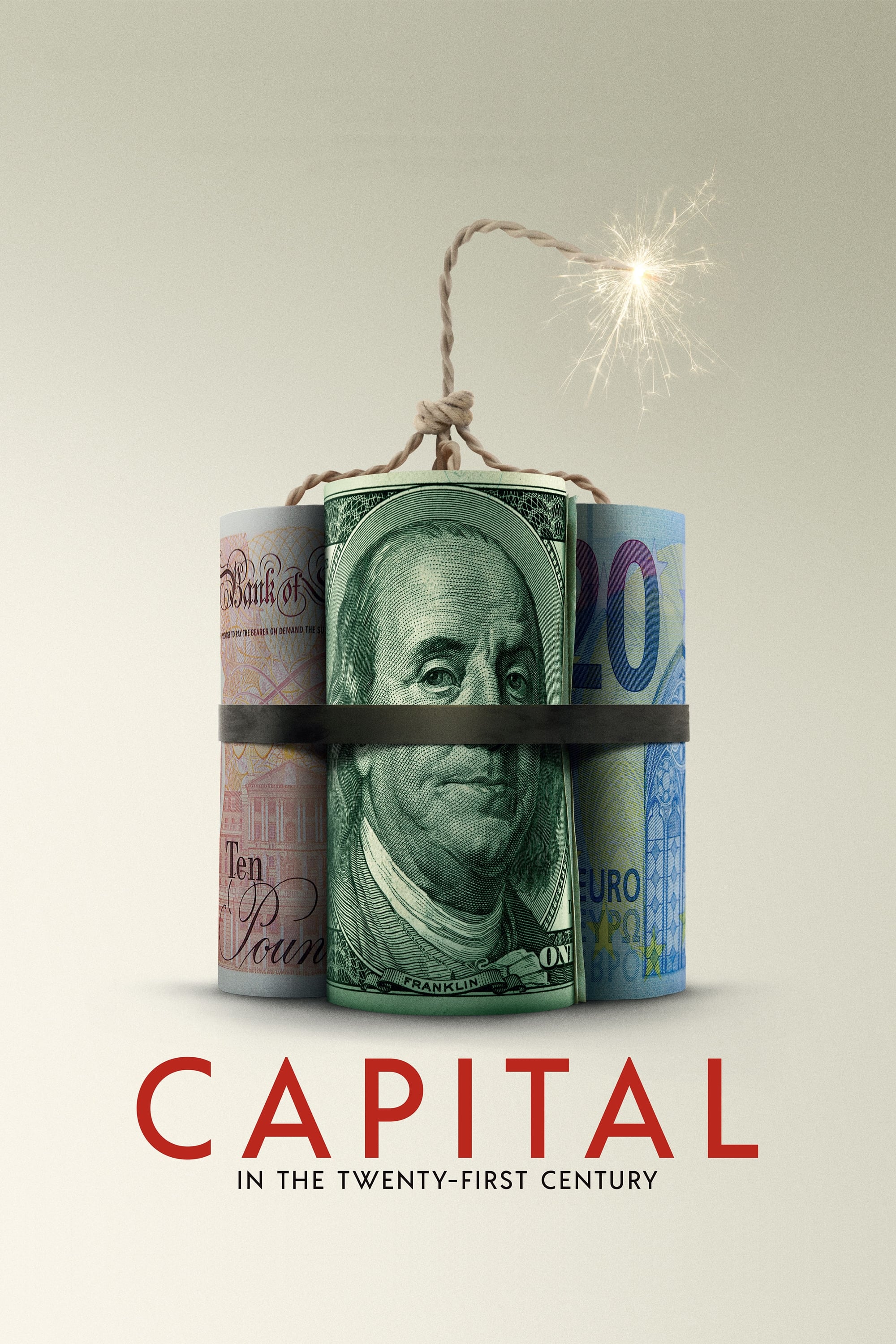
Film adaptation of French economist Thomas Piketty's ground-breaking global bestseller of the same name: an eye-opening journey through wealth and power.
A string of threatening emails escalates into a revenge plot involving a newly married US marshal and his ex-girlfriend.
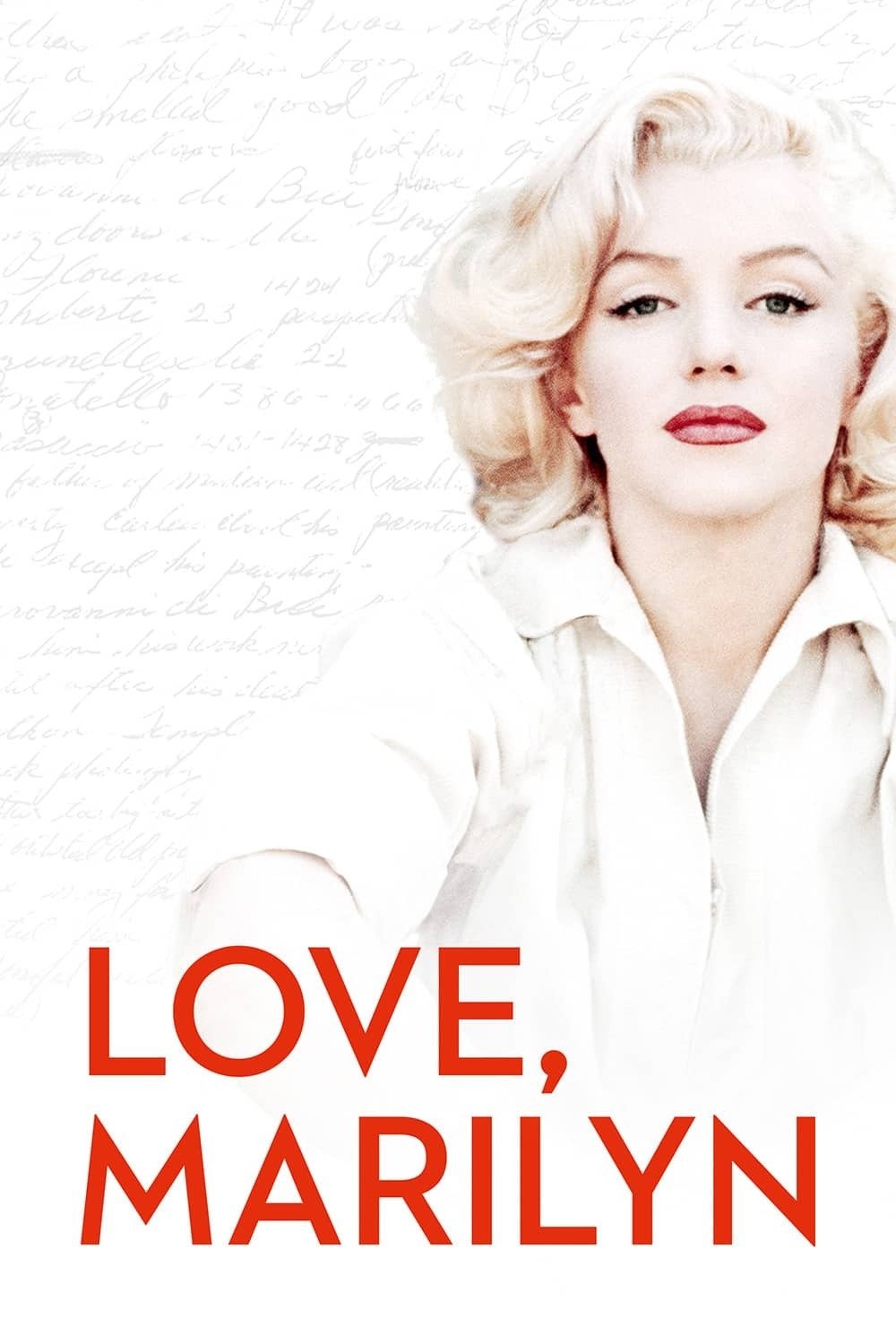
Using the book 'Fragments', which collects Marilyn Monroe's poems, notes and letters, and with participation from the Arthur Miller and Truman Capote estates who have contributed more material, each of the actresses will embody the legend at various stages in her life.
An exploration of technologically developing nations and the effect the transition to Western-style modernization has had on them.
Brilliant, long in-the-works story of the life and art of the world's greatest comedian and the cinema's first genius, Charlie Chaplin. Produced, written and directed by renowned film critic Richard Schickel.
Alexander McQueen's rags-to-riches story is a modern-day fairy tale, laced with the gothic. Mirroring the savage beauty, boldness and vivacity of his design, this documentary is an intimate revelation of McQueen's own world, both tortured and inspired, which celebrates a radical and mesmerizing genius of profound influence.
An inside look at one of the most anticipated movie sequels ever with James Cameron and cast.
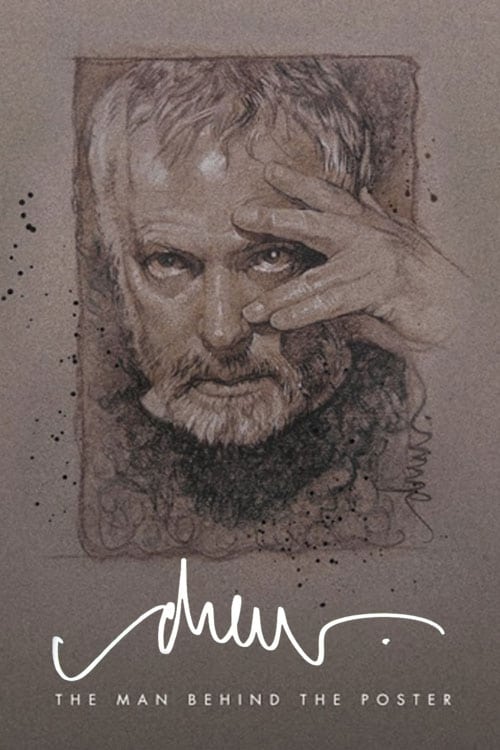
A documentary on legendary movie-poster artist Drew Struzan.
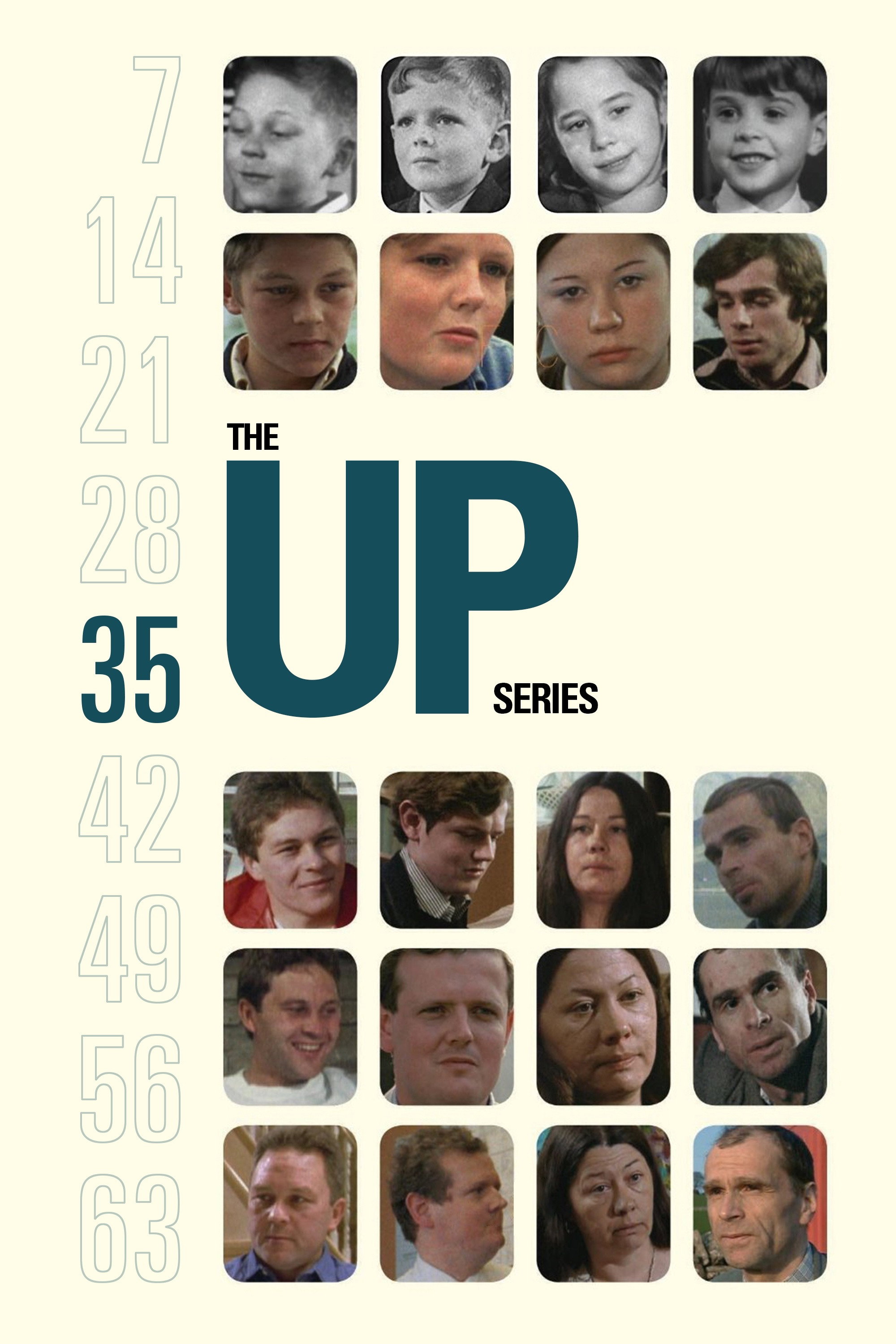
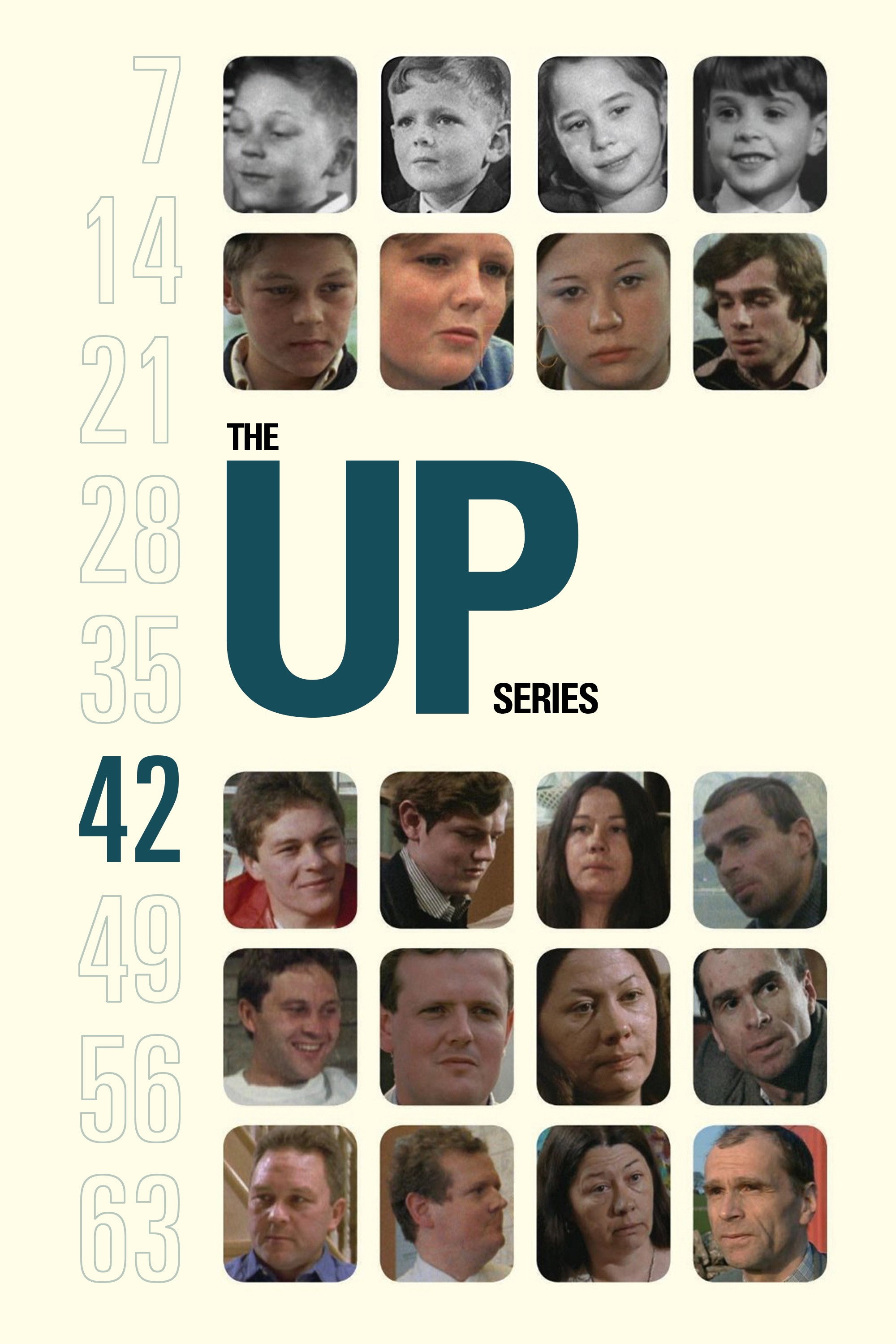
Director Michael Apted revisits the same group of British-born adults after a 7 year wait. The subjects are interviewed as to the changes that have occurred in their lives during the last seven years.
The life and career of one of comedy's most inimitable modern voices, Mr. Gilbert Gottfried.
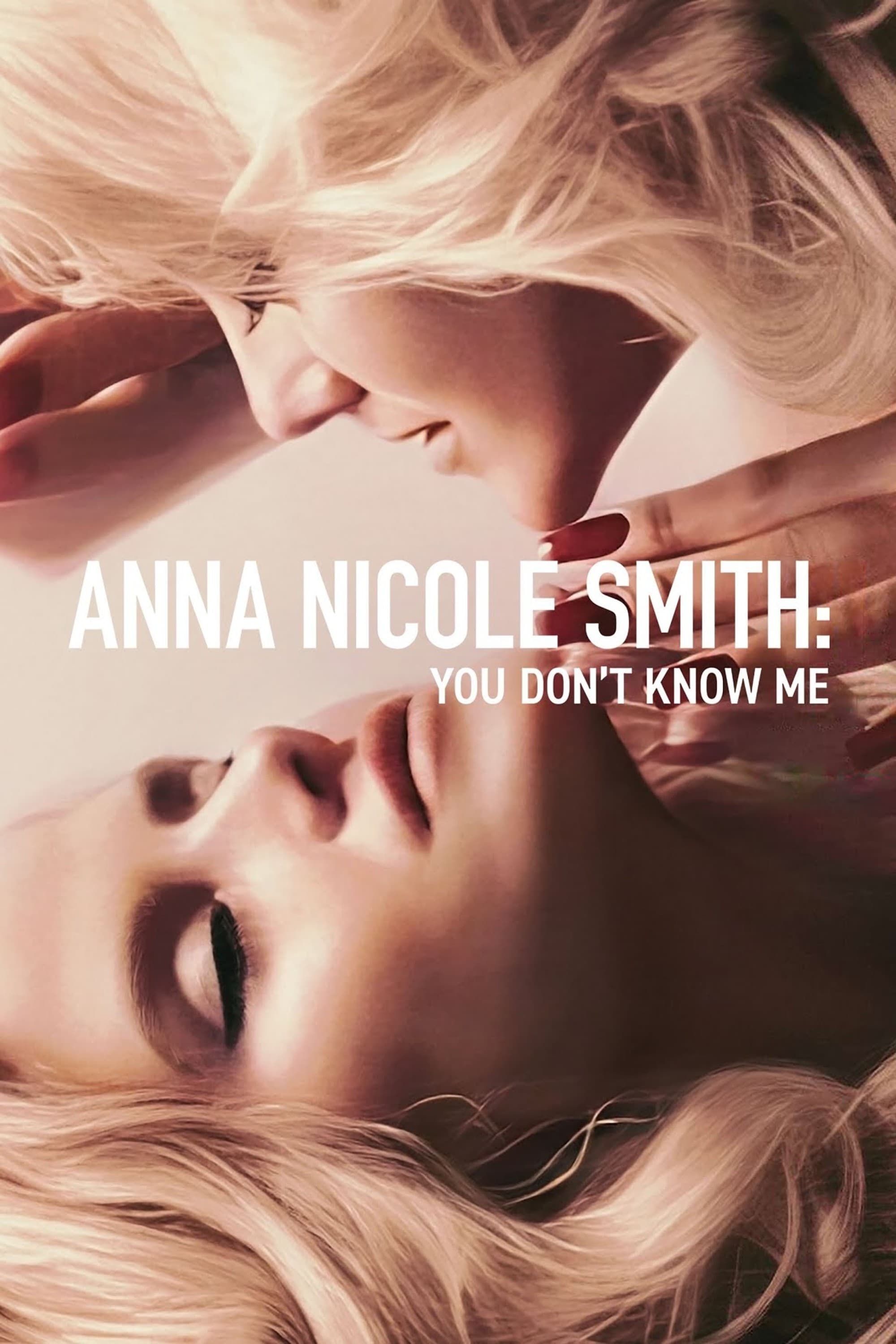
From the heights of her modeling fame to her tragic death, this documentary reveals Anna Nicole Smith through the eyes of the people closest to her.
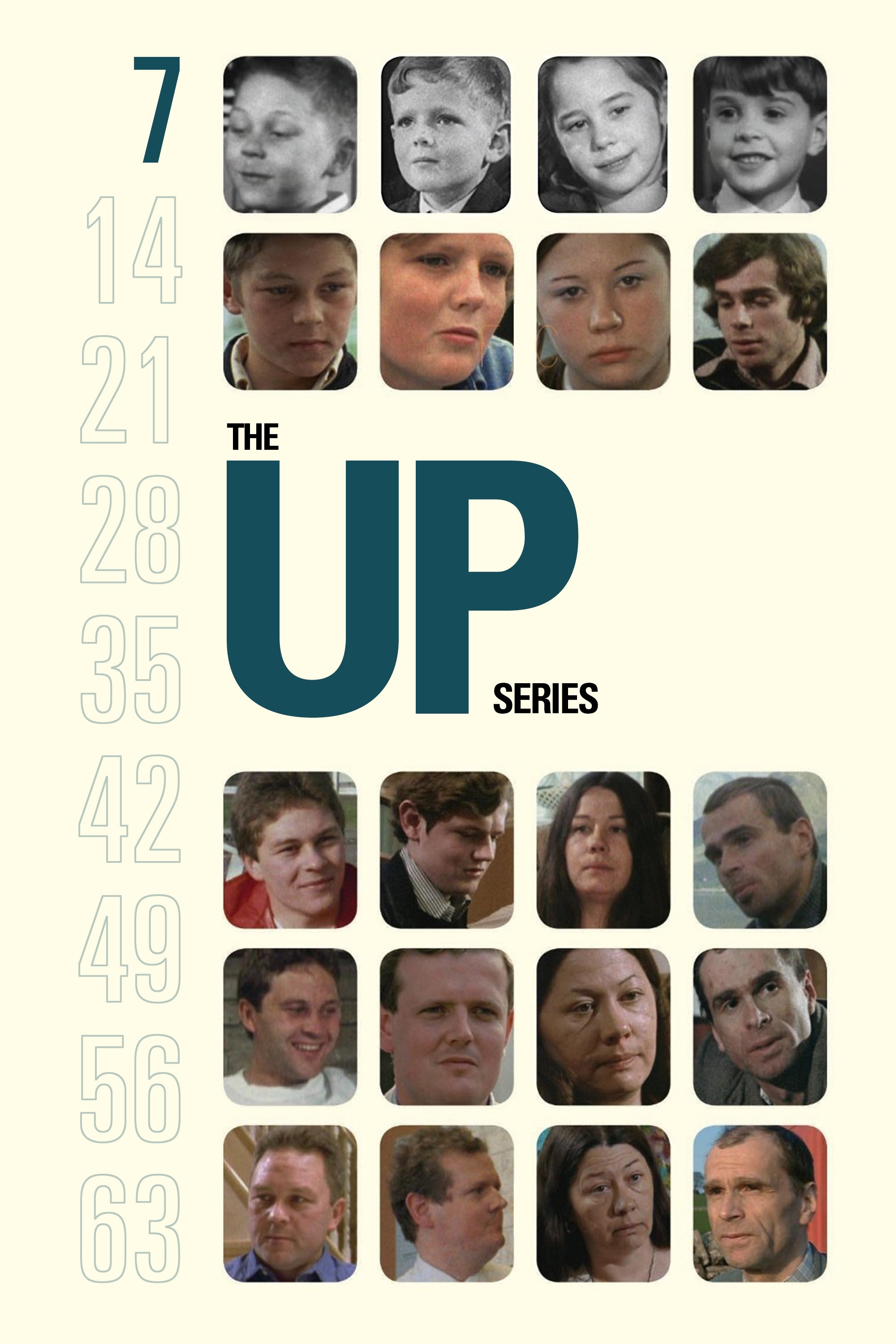
A group of British children aged 7 from widely ranging backgrounds are interviewed about a range of subjects. The filmmakers plan to re-interview them at 7 year intervals to track how their lives and attitudes change as they age.
Through deeply personal interviews with her siblings and an examination of the photographs, letters, and belongings left behind, Mariska assembles a new portrait of her mother Jayne Mansfield, an extraordinary and complex woman.
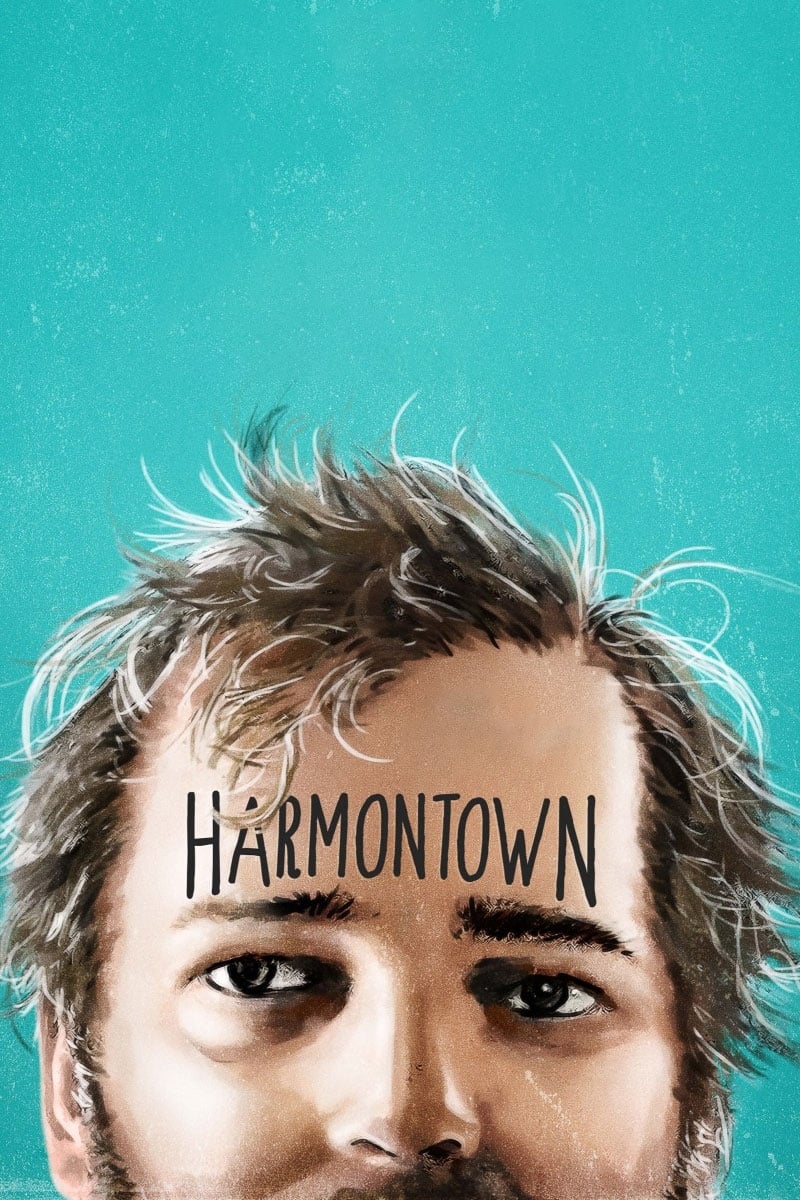
A comedic, brutally honest documentary following self-destructive TV writer Dan Harmon as he takes his live podcast on a national tour.