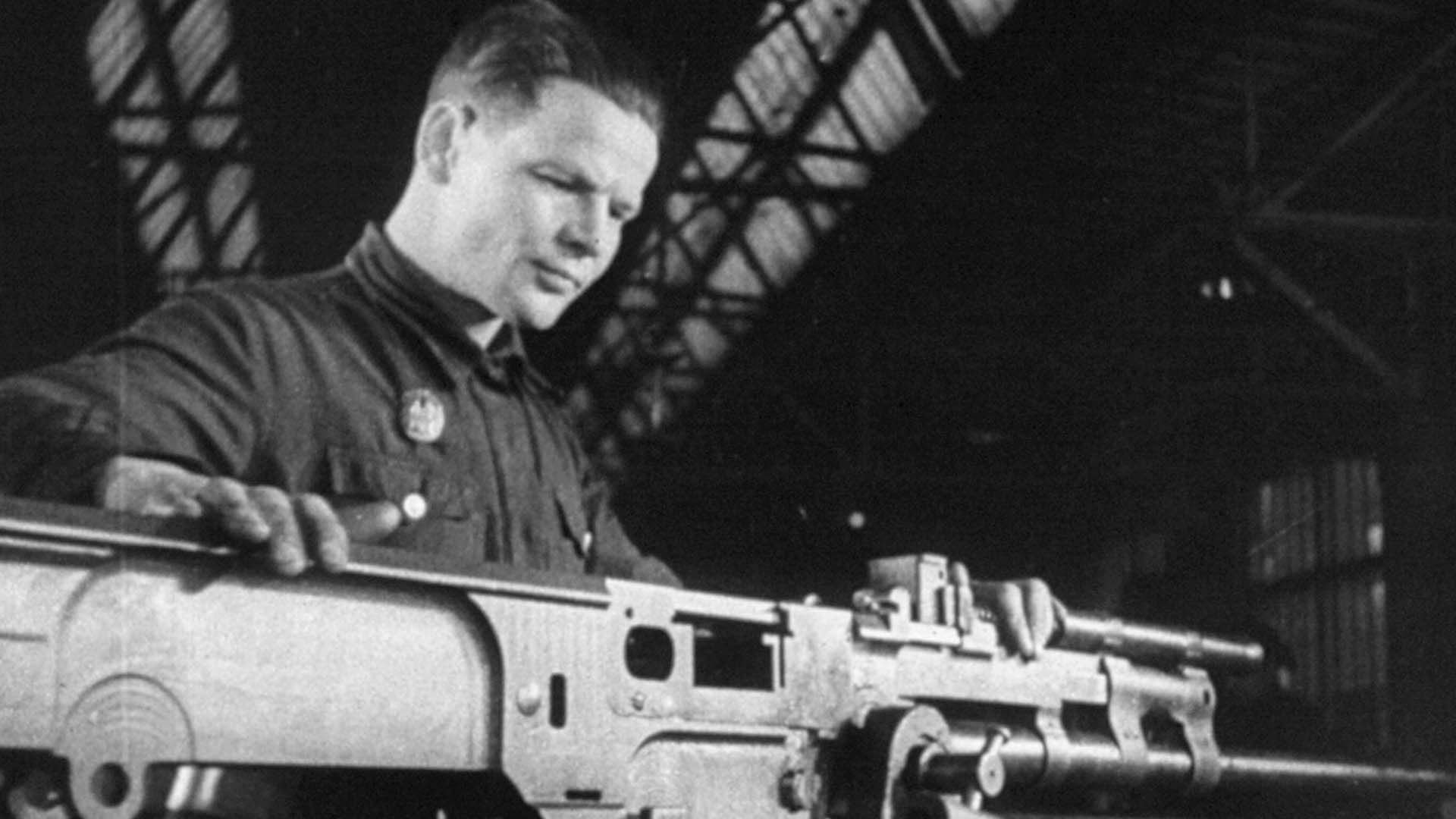
How did the USSR - a country considered a second-rate industrial power, economically inferior to Germany, the USA and the UK - shape its victory over the armies of Hitler's regime, and secure its place among the winners?
Social & External
Narrator (voice)
Working men and women leave through the main gate of the Lumière factory in Lyon, France. Filmed on 22 March 1895, it is often referred to as the first real motion picture ever made, although Louis Le Prince's 1888 Roundhay Garden Scene pre-dated it by seven years. Three separate versions of this film exist, which differ from one another in numerous ways. The first version features a carriage drawn by one horse, while in the second version the carriage is drawn by two horses, and there is no carriage at all in the third version. The clothing style is also different between the three versions, demonstrating the different seasons in which each was filmed. This film was made in the 35 mm format with an aspect ratio of 1.33:1, and at a speed of 16 frames per second. At that rate, the 17 meters of film length provided a duration of 46 seconds, holding a total of 800 frames.
Made famous by the 1957 Hollywood movie, the bridges of the River Kwai emblematize one of the most misunderstood events in history. Contrary to the romanticized film version, the structures represent a period of terror, desperation, and death for over 16,000 POWs and 100,00 local slaves. The Thailand - Burma Railway was the vision of the Japanese Imperial Army: a 250-mile track cut through dense jungle that would connect Bangkok and Rangoon. To accomplish this nearly impossible feat, the fanatical and ruthless Japanese engineers used POWs and local slaves as manpower. Candid interviews with men who lived through the atrocity - including Dutch, Australian, British, and American POWs - illuminate the violence and horror of their three-and-a-half-year internment. From Britain's surrender of Singapore the enduring force of friendship, The True Story Of The Bridge On The River Kwai narrates a moving and unforgettable account of a period in history that must be remembered.
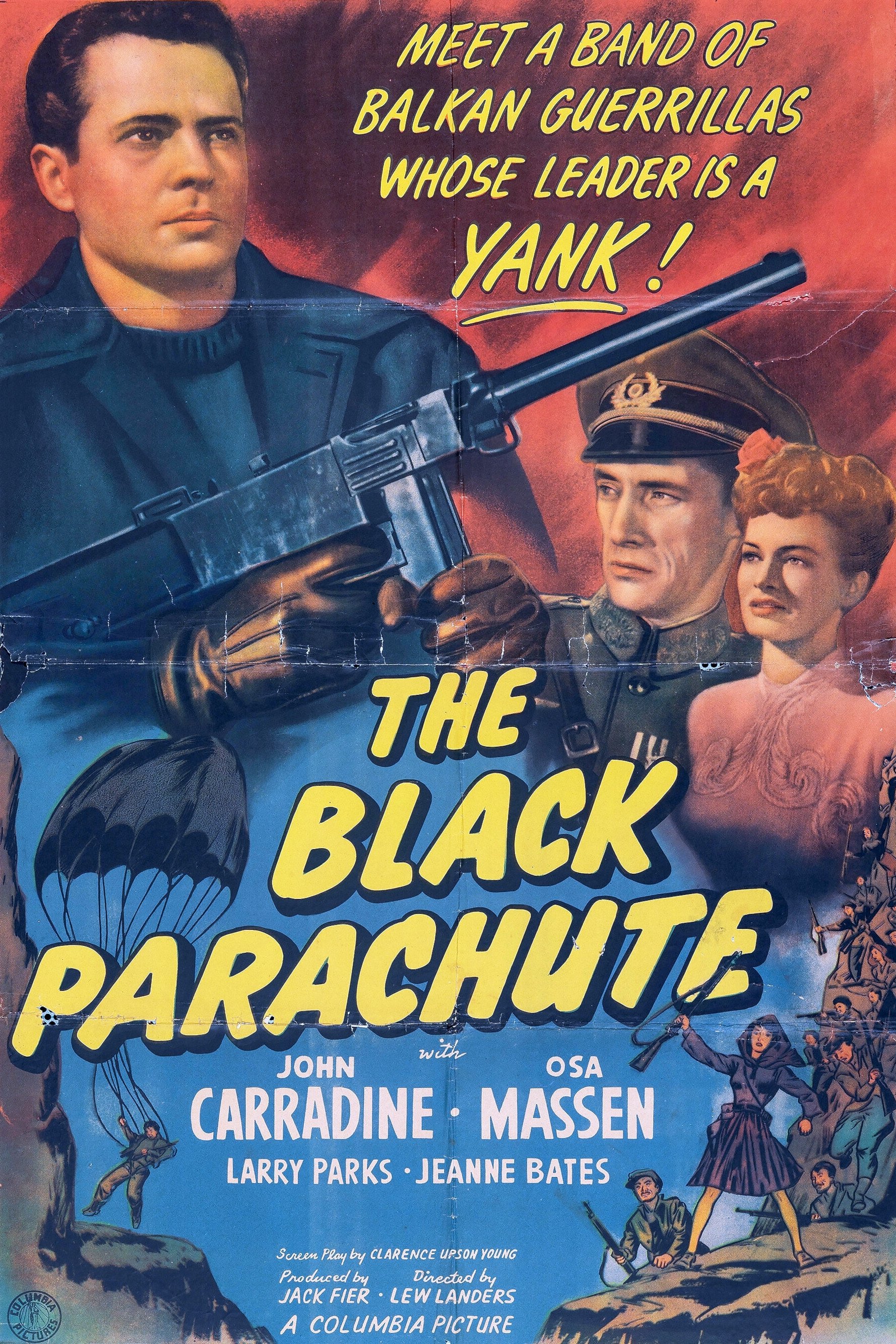
WWII Burma...Six paratroopers undertake an extremely dangerous mission against the Japanese. It will ultimately cost them their lives, except for one "lucky" survivor.
Directed by Patrick Gramm, 'The Pigeon People' (2023) takes you deep into Arizona's underground pigeon racing scene as racing rivals prepare for and compete in the Grand Canyon Classic - a 350-mile pigeon race from Utah to Arizona that crosses over the Grand Canyon.
A documentary that details the process of restoring 270 of the 520 lost films of pioneering director Georges Méliès, all orchestrated by a Franco-American collaboration between Lobster Films, the National Film Center, and the Library of Congress.
In 1924, Oskar Matzerath is born in the Free City of Danzig. At age three, he falls down a flight of stairs and stops growing. In 1939, World War II breaks out.
After two American prisoners are killed by guards in the act of escaping from a German POW camp in World War II, barracks black marketeer J.J. Sefton is suspected of being an informer.
The lives of Erik Lanshof and five of his closest friends take different paths when the German army invades the Netherlands in 1940: fight and resistance, fear and resignation, collaboration and high treason.
Bill Moyers tells the story of several hardworking Milwaukee families struggling with low-paying jobs after previous employers downsized their operations. Filmed over a period of five years, these families were first featured in Moyers’s 1992 documentary ‘Minimum Wages: The New Economy.’ FRONTLINE chronicles the families’ emotional and financial strains, their search for better jobs and job retraining, and looks at Milwaukee’s efforts to adapt to an ever-shrinking industrial sector.
In the 1930s, Count Almásy is a Hungarian map maker employed by the Royal Geographical Society to chart the vast expanses of the Sahara Desert along with several other prominent explorers. As World War II unfolds, Almásy enters into a world of love, betrayal, and politics.
A German submarine hunts allied ships during the Second World War, but it soon becomes the hunted. The crew tries to survive below the surface, while stretching both the boat and themselves to their limits.
In nineteenth-century Łódź, Poland, three friends want to make a lot of money by building and investing in a textile factory. An exceptional portrait of rapid industrial expansion is shown through the eyes of one Polish town.
They were going to become heroes, but they didn't know it. Most of them were not yet twenty years old in June 1940, when France found itself on the ground. They were starting careers, studies, had families, friends. None had heard General de Gaulle's call on June 18, but all listened to Marshal Pétain's speech on the 17th, asking to stop fighting. They immediately rebelled and joined London or the Resistance. Through the testimonies of seven of the last Companions of the Liberation (made in 2013), this film tells us about their unwavering commitment and takes us in their footsteps until the Liberation.
In April of 1945, Germany stands at the brink of defeat with the Russian Army closing in from the east and the Allied Expeditionary Force attacking from the west. In Berlin, capital of the Third Reich, Adolf Hitler proclaims that Germany will still achieve victory and orders his generals and advisers to fight to the last man. When the end finally does come, and Hitler lies dead by his own hand, what is left of his military must find a way to end the killing that is the Battle of Berlin, and lay down their arms in surrender.
The lifelong friendship between Rafe McCawley and Danny Walker is put to the ultimate test when the two ace fighter pilots become entangled in a love triangle with beautiful Naval nurse Evelyn Johnson. But the rivalry between the friends-turned-foes is immediately put on hold when they find themselves at the center of Japan's devastating attack on Pearl Harbor on Dec. 7, 1941.
The true story of how businessman Oskar Schindler saved over a thousand Jewish lives from the Nazis while they worked as slaves in his factory during World War II.
A dramatic history of Pu Yi, the last of the Emperors of China, from his lofty birth and brief reign in the Forbidden City, the object of worship by half a billion people; through his abdication, his decline and dissolute lifestyle; his exploitation by the invading Japanese, and finally to his obscure existence as just another peasant worker in the People's Republic.
The true story of pianist Władysław Szpilman's experiences in Warsaw during the Nazi occupation. When the Jews of the city find themselves forced into a ghetto, Szpilman finds work playing in a café; and when his family is deported in 1942, he stays behind, works for a while as a laborer, and eventually goes into hiding in the ruins of the war-torn city.
This film is a comment on a current political scenario, where history is in Flux. In a documentary disguise, this film tries to revive faded memories of bygone public figures like Kartar Singh Thatte and other right-wing hardliners... and through the collective memoir, draws a trajectory of a political narrative to understand the 'paradox of tolerance'.
In the German-occupied Paris, Helene is torn between the love for her boyfriend Jean, working for the resistance and the German administrator Bergmann, who will do anything to gain her affection.
Prelude to War was the first film of Frank Capra's Why We Fight propaganda film series, commissioned by the Pentagon and George C. Marshall. It was made to convince American troops of the necessity of combating the Axis Powers during World War II. This film examines the differences between democratic and fascist states.
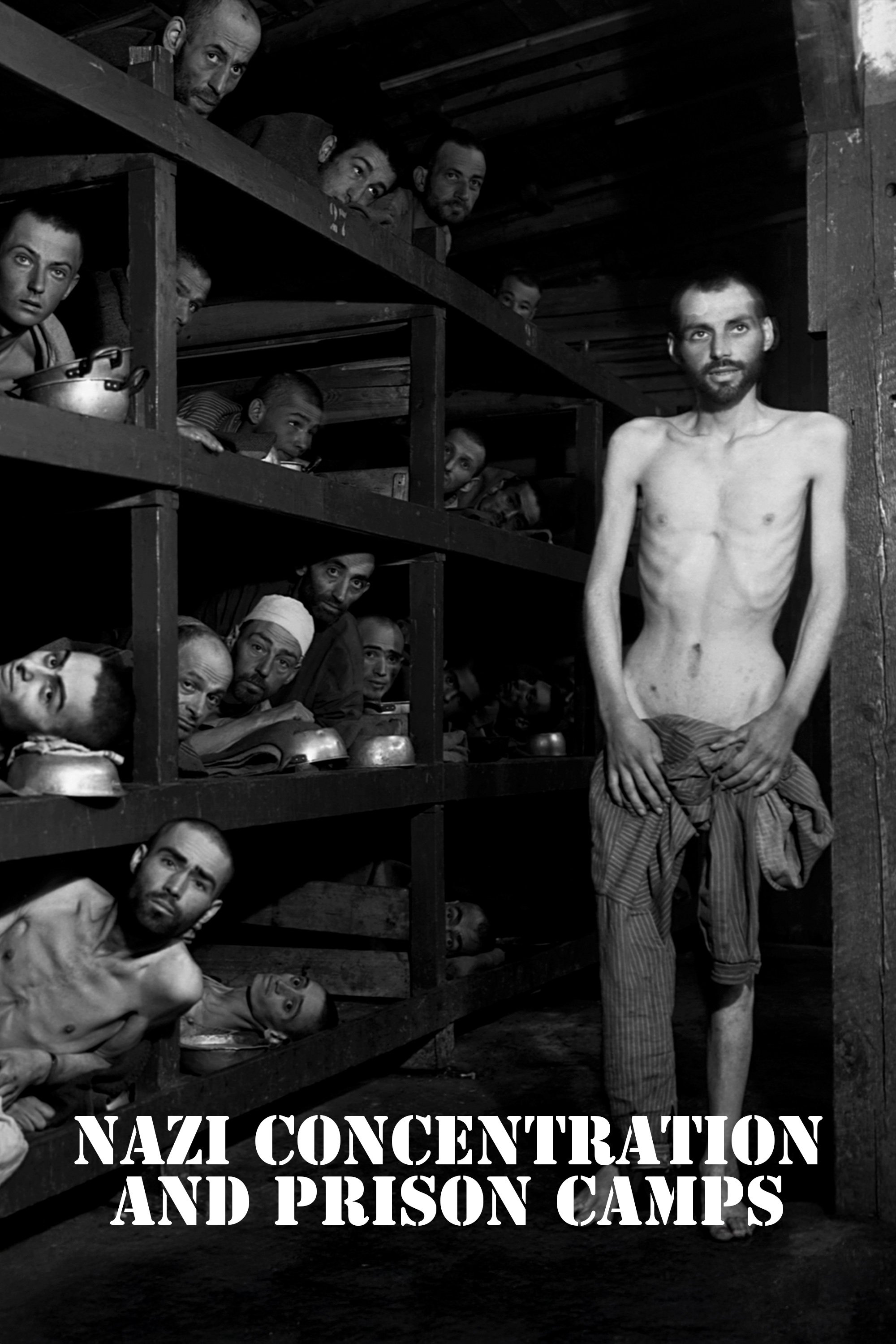
Produced and presented as evidence at the Nuremberg war crimes trial of Hermann Göring and twenty other Nazi leaders, this film consists primarily of dead and surviving prisoners and of facilities used to kill and torture during the World War II.
Meet the real-life airmen who inspired Masters of the Air as they share the harrowing and transformative events of the 100th Bomb Group.
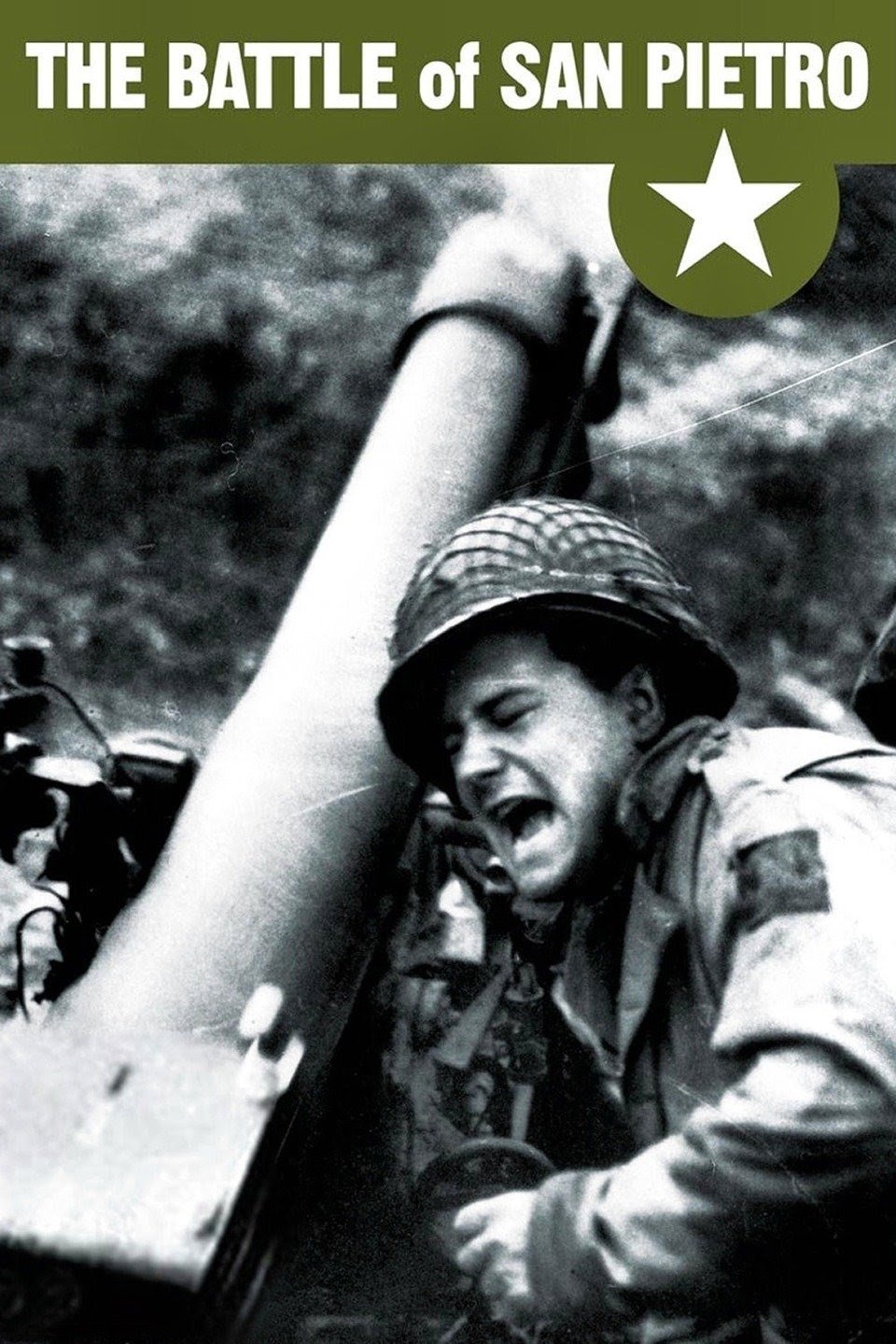
This documentary movie is about the battle of San Pietro, a small village in Italy. Over 1,100 US soldiers were killed while trying to take this location, that blocked the way for the Allied forces from the Germans. Preserved by the Academy Film Archive in 2005.
The extraordinary story of how Hollywood changed World War II – and how World War II changed Hollywood, through the interwoven experiences of five legendary filmmakers who went to war to serve their country and bring the truth to the American people: John Ford, William Wyler, John Huston, Frank Capra, and George Stevens. Based on Mark Harris’ best-selling book, “Five Came Back: A Story of Hollywood and the Second World War.”
Amid the failing counteroffensive, a journalist follows a Ukrainian platoon on their mission to traverse one mile of heavily fortified forest and liberate a strategic village from Russian occupation. But the farther they advance through their destroyed homeland, the more they realize that this war may never end.
Cameramen and women discuss the craft and art of cinematography and of the "DP" (the director of photography), illustrating their points with clips from 100 films, from Birth of a Nation to Do the Right Thing. Themes: the DP tells people where to look; changes in movies (the arrival of sound, color, and wide screens) required creative responses from DPs; and, these artisans constantly invent new equipment and try new things, with wonderful results. The narration takes us through the identifiable studio styles of the 30s, the emergence of noir, the New York look, and the impact of Europeans. Citizen Kane, The Conformist, and Gordon Willis get special attention.
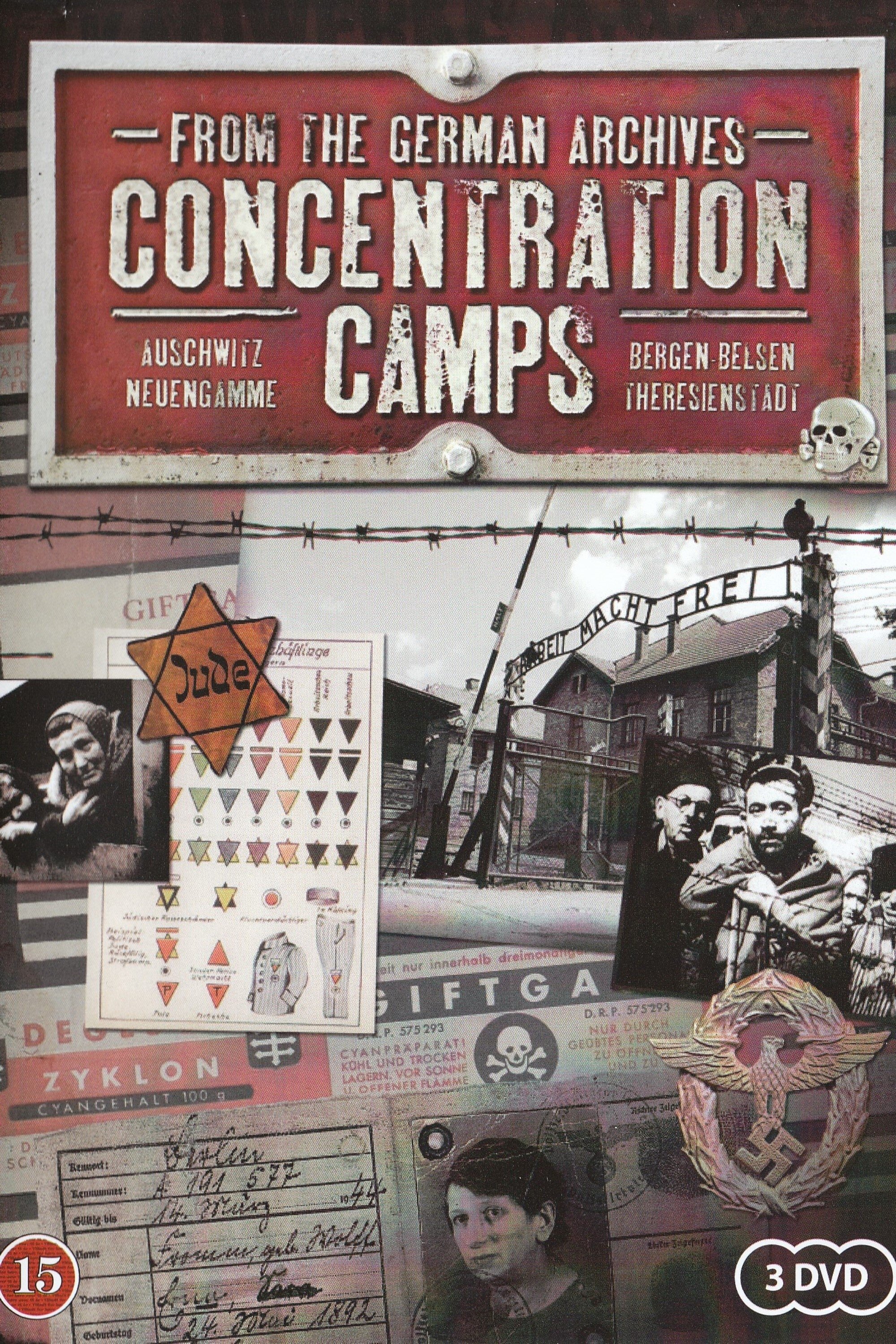
Filmmaker Alain Resnais documents the atrocities behind the walls of Hitler's concentration camps.
A documentary about World War I with never-before-seen footage to commemorate the centennial of Armistice Day, and the end of the war.
The history of cinematic sound, told by legendary sound designers and visionary filmmakers.
Korengal picks up where Restrepo left off; the same men, the same valley, the same commanders, but a very different look at the experience of war.
Director Claude Lanzmann spent 11 years on this sprawling documentary about the Holocaust, conducting his own interviews and refusing to use a single frame of archival footage. Dividing Holocaust witnesses into three categories – survivors, bystanders, and perpetrators – Lanzmann presents testimonies from survivors of the Chelmno concentration camp, an Auschwitz escapee, and witnesses of the Warsaw Ghetto Uprising, as well as a chilling report of gas chambers from an SS officer at Treblinka.
"Trinity and Beyond" is an unsettling yet visually fascinating documentary presenting the history of nuclear weapons development and testing between 1945-1963. Narrated by William Shatner and featuring an original score performed by the Moscow Symphony Orchestra, this award-winning documentary reveals previously unreleased and classified government footage from several countries.
An intimate documentary delving into Rian Johnson's process as he comes in as a director new to the Star Wars universe.
Pete Postlethwaite stars as a man living alone in the devastated future world of 2055, looking at old footage from 2008 and asking: why didn’t we stop climate change when we had the chance?
The story lives forever in this feature-length documentary that charts the making of Star Wars: The Rise of Skywalker.
Set both in Latin America and the United States, the film explores the historic and current relationship of Washington with countries such as Venezuela, Bolivia and Chile. Pilger says that the film "...tells a universal story... analysing and revealing, through vivid testimony, the story of great power behind its venerable myths. It allows us to understand the true nature of the so-called "war on terror". According to Pilger, the film’s message is that the greed and power of empire is not invincible and that people power is always the "seed beneath the snow".
When Allied forces liberated the Nazi concentration camps in 1944-45, their terrible discoveries were recorded by army and newsreel cameramen, revealing for the first time the full horror of what had happened. Making use of British, Soviet and American footage, the Ministry of Information’s Sidney Bernstein (later founder of Granada Television) aimed to create a documentary that would provide lasting, undeniable evidence of the Nazis’ unspeakable crimes. He commissioned a wealth of British talent, including editor Stewart McAllister, writer and future cabinet minister Richard Crossman – and, as treatment advisor, his friend Alfred Hitchcock. Yet, despite initial support from the British and US Governments, the film was shelved, and only now, 70 years on, has it been restored and completed by Imperial War Museums under its original title "German Concentration Camps Factual Survey".
Documentary about the art of film editing. Clips are shown from many groundbreaking films with innovative editing styles.
A documentary highlighting the Soviet Union's legendary and enigmatic hockey training culture and world-dominating team through the eyes of the team's Captain Slava Fetisov, following his shift from hockey star and celebrated national hero to political enemy.