Social & External
The people behind it
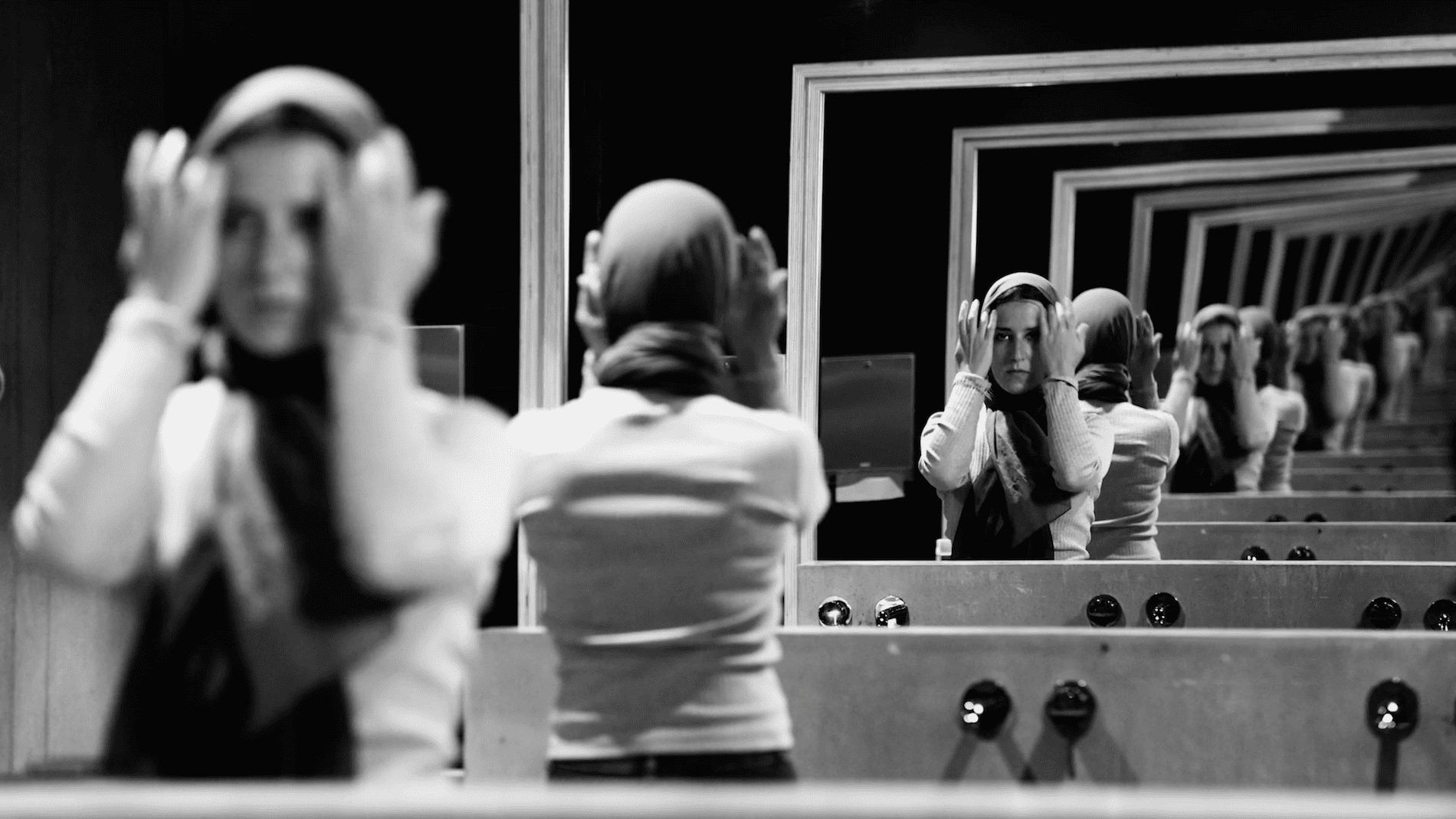
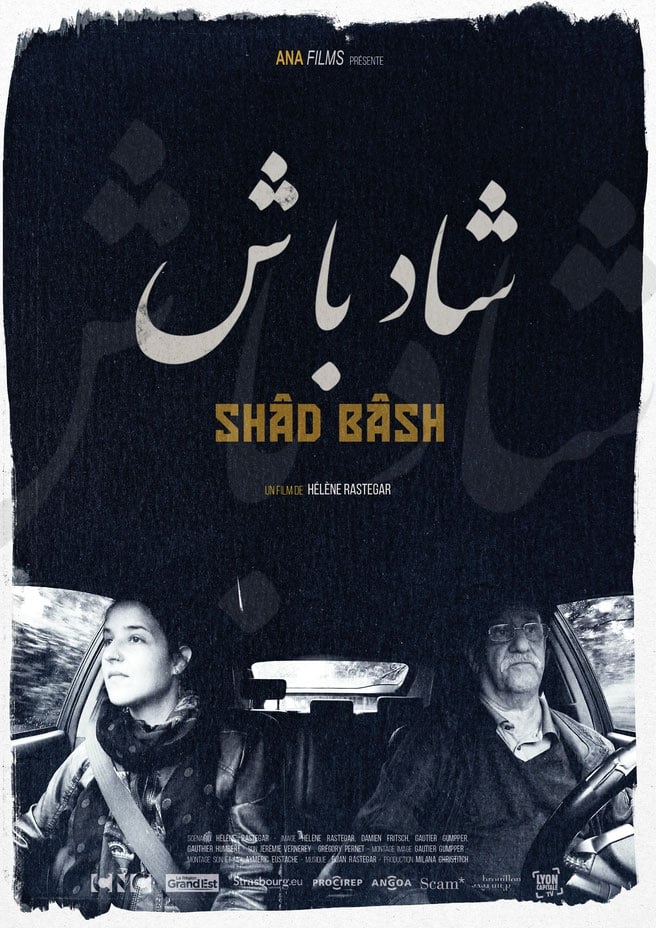
Hélène Rastegar
herself
Sina Parvaneh
Embassy employee
Bijan Rastegar
self
Hélène Rastegar's mom
Self
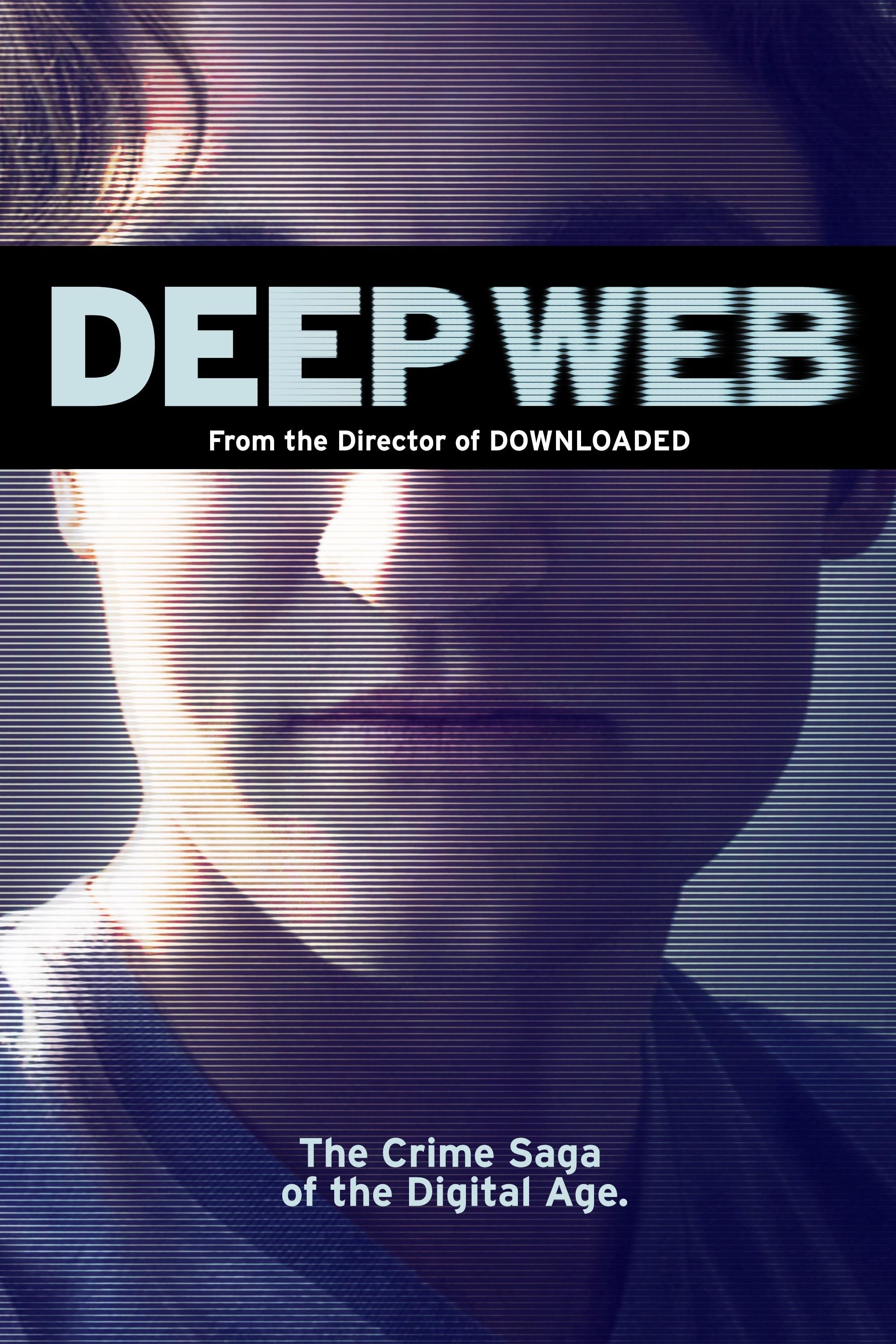
Deep Web gives the inside story of one of the most important and riveting digital crime sagas of the century -- the arrest of Ross William Ulbricht, the 30-year-old entrepreneur convicted of being 'Dread Pirate Roberts,' creator and operator of online black market Silk Road. As the only film with exclusive access to the Ulbricht family, Deep Web explores how the brightest minds and thought leaders behind the Deep Web and Bitcoin are now caught in the crosshairs of the battle for control of a future inextricably linked to technology, with our digital rights hanging in the balance.
The story of Dwight Core, Jr. and his family, following up the events of the home documentary "Think of Me First as a Person", shot decades ago by his father Dwight Core, Sr. and portraying the love a boy with Down syndrome shares with his four sisters, but also a heartache common to the era's disabled: leaving home for an institution. The little boy, Dwight Core, Jr., grew into a tall, 48-year-old man who enjoyed coloring and watching television in the living room of the Ocean View section of Norfolk, Virginia home he shared with one of his sisters, Cindy Klingler. In 2007, filmmaker Roger M. Richards brought the story of Dwight Core, Jr. to the present, documenting him as a grown man and the continuing love and devotion of his sisters to their brother.
Hacktivist and blockchain expert Lauri Love fights extradition in TRUST MACHINE—his computer skills a threat to the US government. Tech innovators strike a raw nerve as banks and network pundits rush to condemn volatile cryptocurrencies and their underlying blockchain technology. Why are banks terrified while UNICEF embraces it to help refugee children? Award–winning filmmaker Alex Winter reveals that proponents of blockchain—a verified digital ledger—are already using the technology to change the world; fighting income inequality, the refugee crisis and world hunger.
Lucie was born with a protruding ear that she got from her mother. In this documentary she tries to find answers in her fathers' features.
Tells the story of climate refugees across six continents, celebrating the voices and experiences of people living at the forefront of the climate crisis, displaced from their homes by climate disasters.
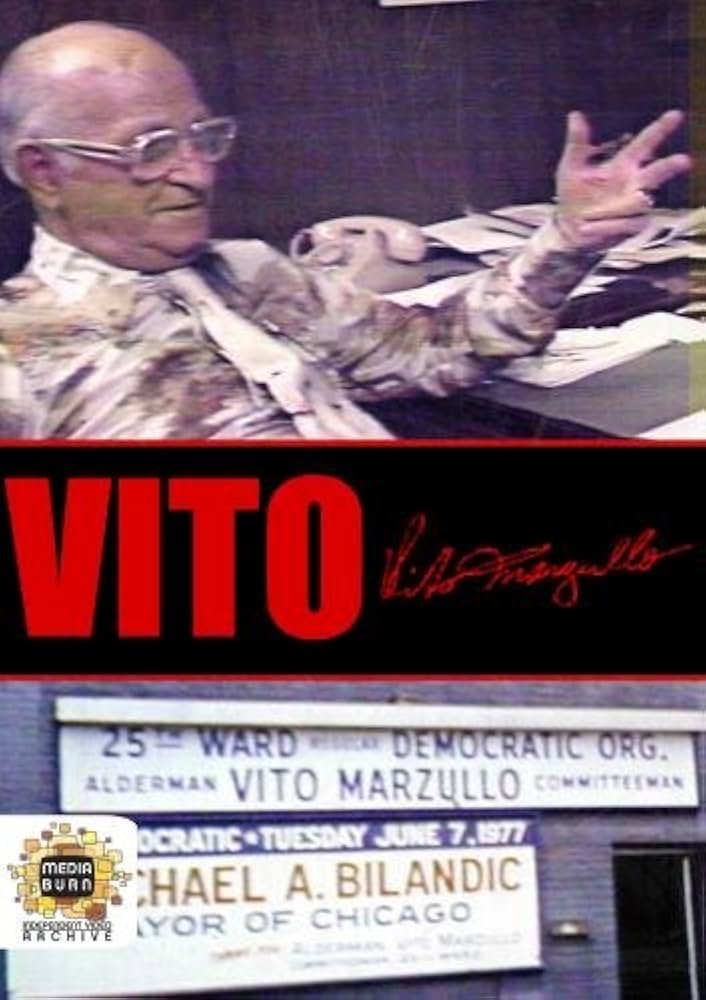
This 1978 documentary classic is an inside look at the old-style Chicago Machine politics of the Richard J. Daley era, where Alderman Vito Marzullo ran his West Side 25th Ward virtually unchallenged from 1953-1985.
Pia Yona Massie's Sayonara Super 8 uses personal archival footage to ask questions about the fragile nature of memory, human relationships and the foibles of the medium itself.
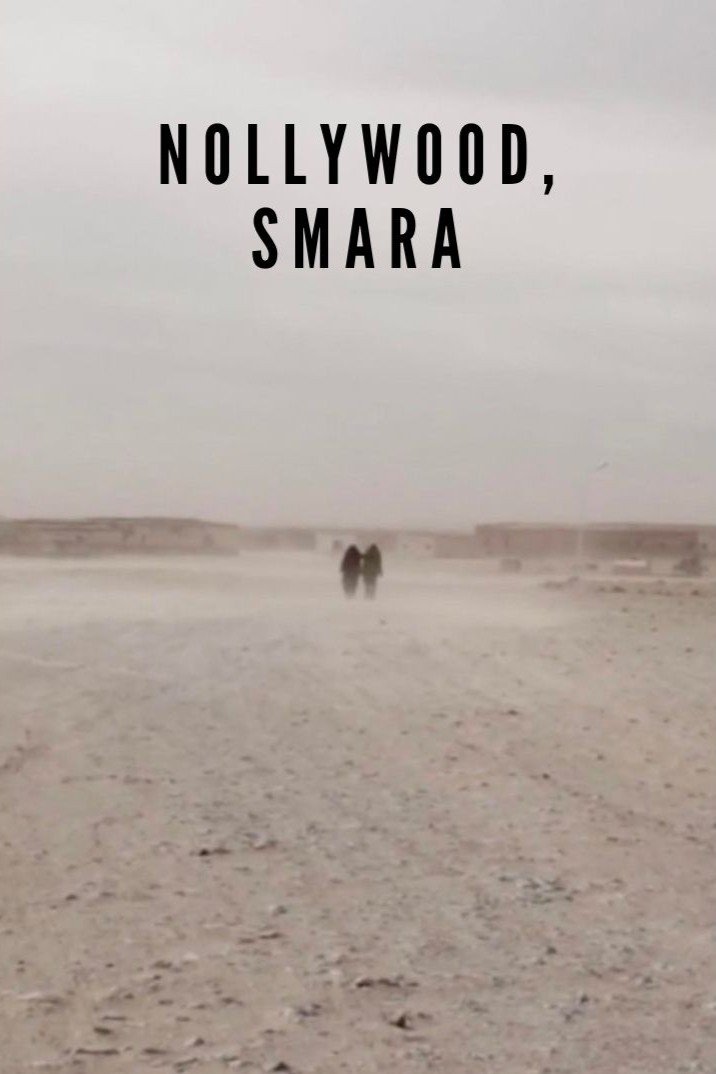
Smara is the city of dust, kingdom of sirocco, a surviving ruin of a suffocating region… Thousands of Sahrawis who fled Western Sahara after the war against Morocco (36 years ago) live in this refugee camp, located in the Sahara’s inhospitable north, in the middle of the Algerian hamada. They live here, under poor human conditions, thanks to international help. A small film cooperative fights, with barely any means, to elevate the voices of young Saharawis. It is one of the many Nollywoods (Hollywood of emptiness) found in Africa.
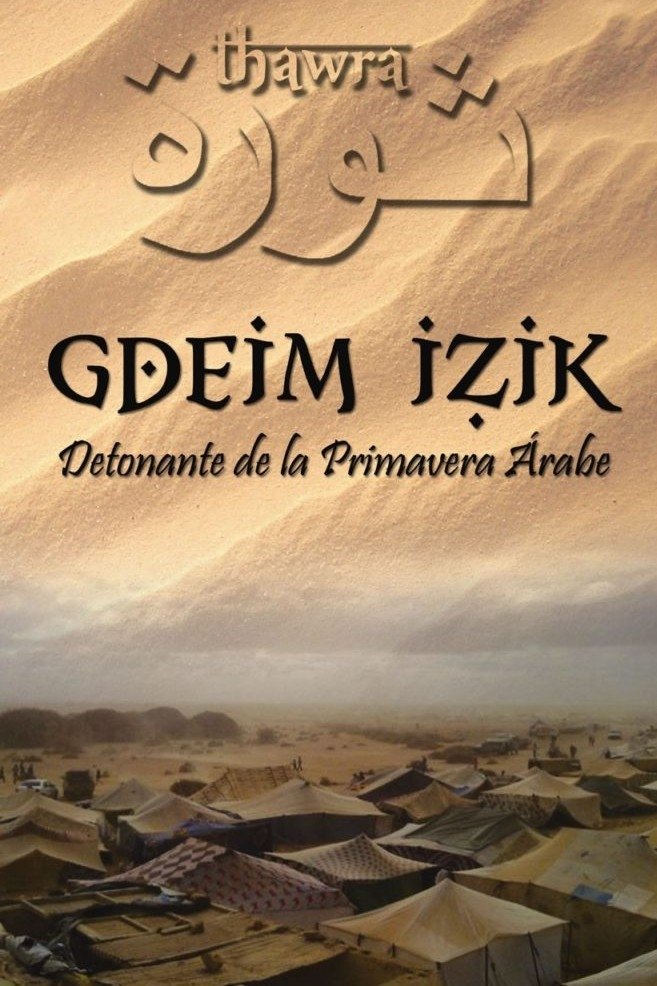
This documentary illustrates the story of Gdeim Izik through the voices of the Sahrawis themselves, giving personal accounts of how the camp was dismantled, what happened in the following weeks, and what it meant for them, as a people and as a nation. Our aim is to shed light on what really happened in Gdeim Izik during the autumn of 2010. The documentary is homage to the courage and strength of the Sahrawi people in their historic and unprecedented action, and it seeks recognition of their role in setting off the revolutions in the Arab world. Its aim is also to report and denounce the hypocritical role of foreign governments, the Moroccan government’s concealment of facts, and the way the Spanish government has been complicit in the situation through its policy of non-intervention in a conflict in which it is unavoidably involved.
Mektub portrays a day in the life in the Sahrawi refugee camps, along with the declarations of some of its protagonists. But behind this seemingly calm life hides a common fight, which is to continue fighting and protesting to accomplish the single common goal that all Sahrawis have as a nation: to take back the occupied land, rebuild their country, and reunite with their families.
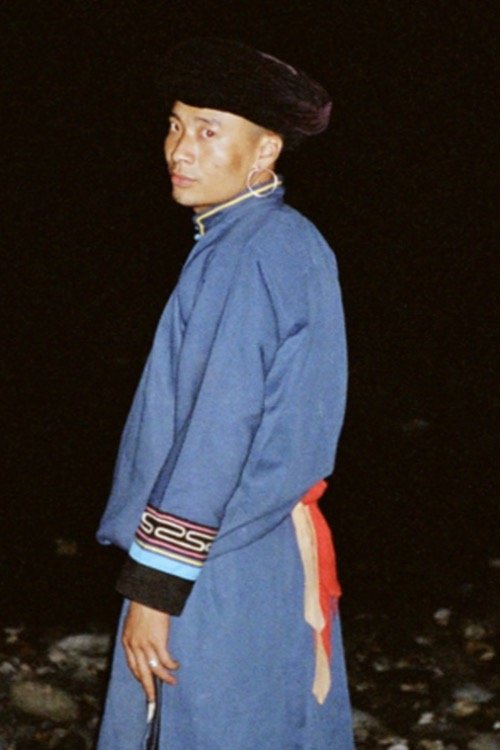
Young Masters is an original series commissioned by NOWNESS China focusing on traditional Chinese cultures, and how they continue to be defined by a new generation of the country's youth. High above the clouds in a village in Mao County in Sichuan Prefecture, a post-90’s generation of young cultural guardians work to uphold the values and traditions of ancient Qiang culture. These cultural guardians, known as a ‘Shibi’, remain especially vital for a culture whose knowledge and language exist merely through practice and in sound, and without script. The role of a Shibi involves that of a priest, alongside folk rap, singing, and dance performances, amongst others. As a result, Qiang people have endowed them with a sacred status, believing that they possess a psychic power.
A documentary about the daily lives, hopes, aspirations and demands of though living in the Sahrawi refugee camps of Dajla.
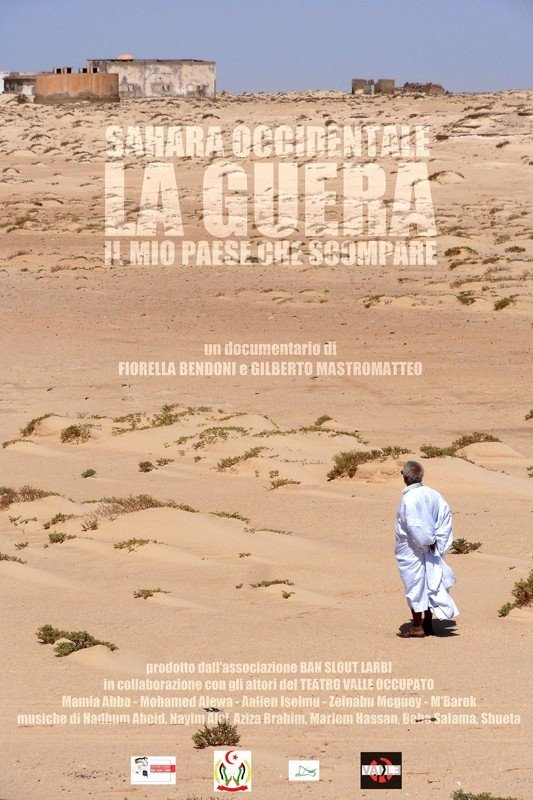
Mohamed lives in Nouadhibou, in Mauritania. But he can always see the ghost of his former town in front of his eyes. Aalien, the postman, fled to refugee camps in Tindouf, Algeria. But he's still thinking about the houses and the streets where he used to deliver letters. Zeinabu, in Tenerife, looks at the Ocean from her terrace. She looks in the direction of La Güera, her town that no longer exists. The stories of the inhabitants of a "ghost town", located on the border between Mauritania and the Sahrawi Arab Democratic Republic (Sadr). The destiny of a forgotten land hidden under the sand. "La Güera, my forgotten land" is a 29 minutes documentary, which tells the story of this city and, through it, the story of a whole people.
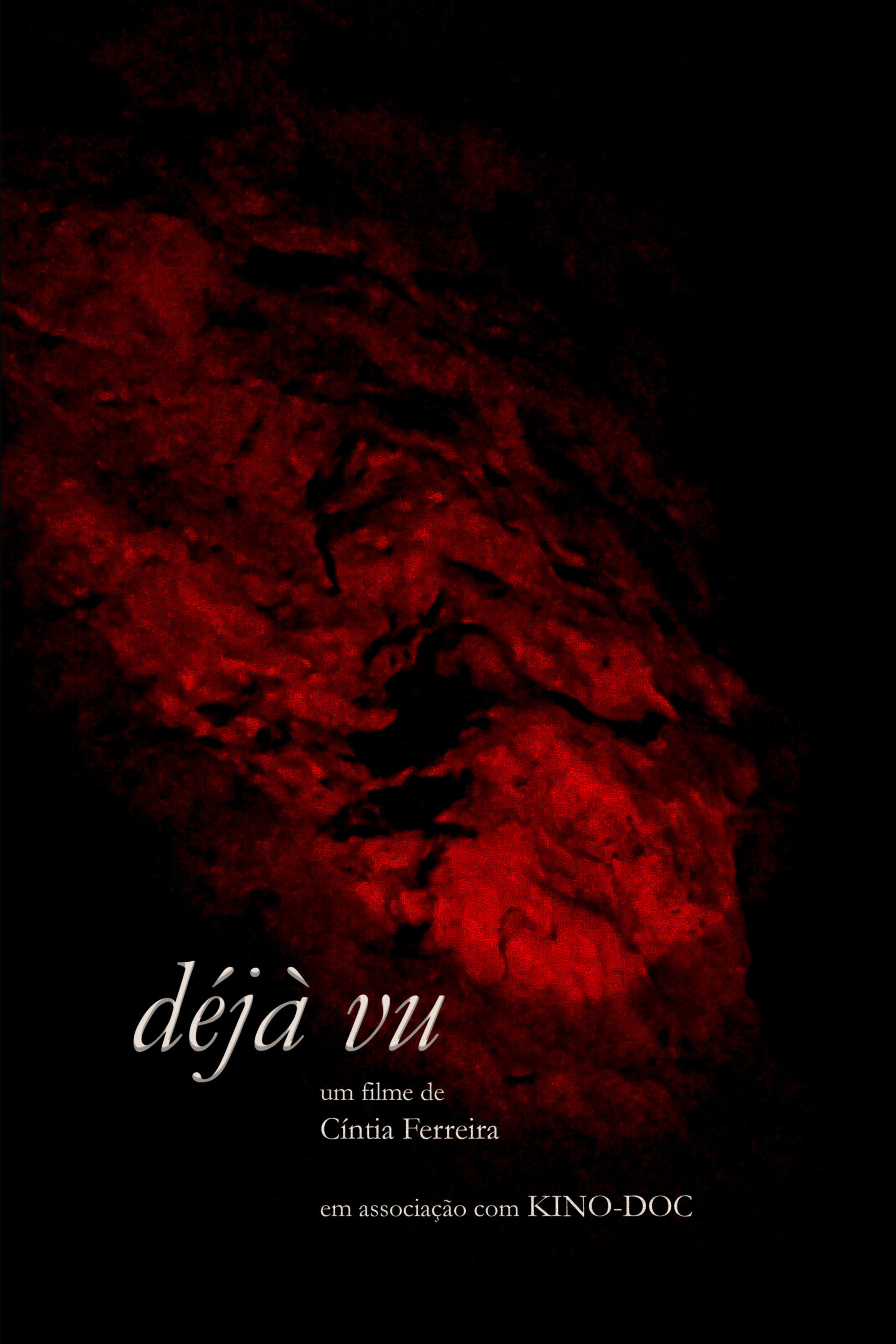
A young woman searches for traces of herself through a prehistoric monument engulfed by the urban landscape. Driven by a persistent feeling of déjà vu, she returns to the place where she grew up, repeating gestures of observation, collecting and photographic development in an attempt to recover a memory that may never have existed. Between ritual, the analogue darkroom and fragments of the landscape, she builds an intimate archive where memory, imagination and reality become intertwined.
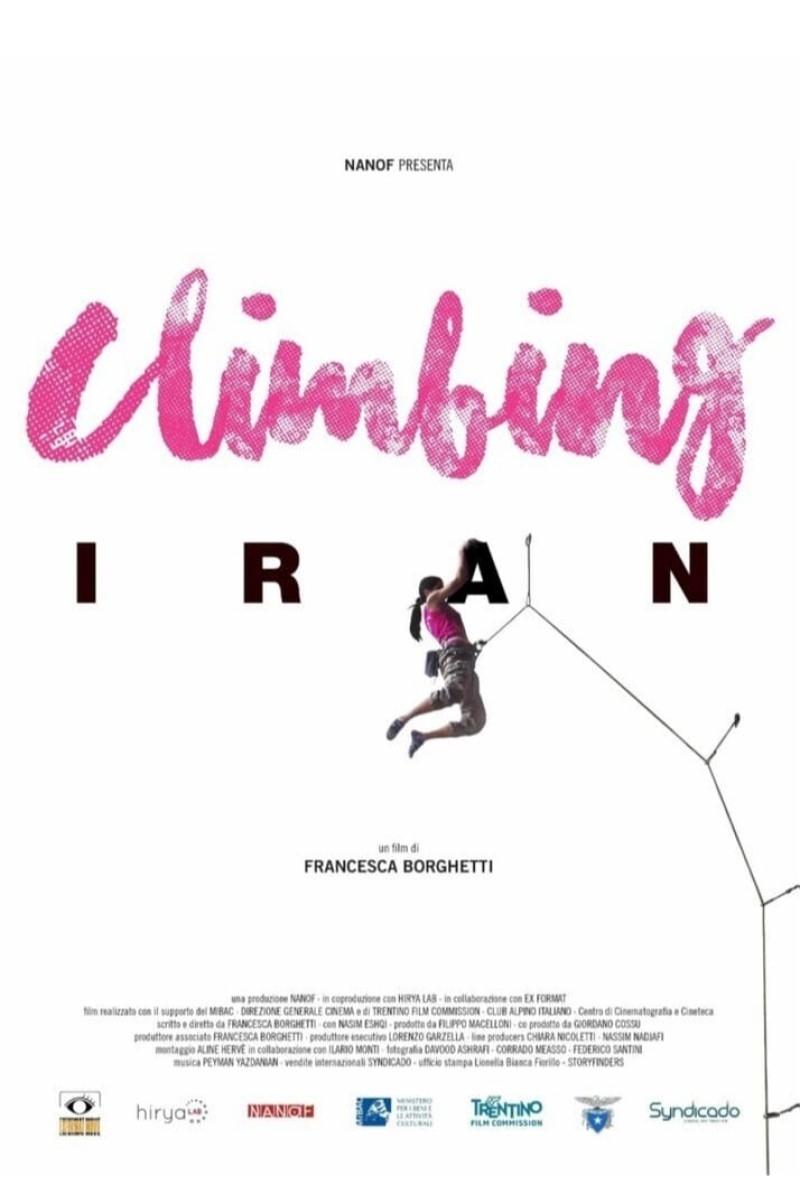
Nasim is a free climber, the only woman able to open new routes in Iran. She’s facing a double mountain to climb, both physical and cultural, as her passion collides with the strict policies concerning women freedom in her country. And she has a dream: open a new route in the Alps.
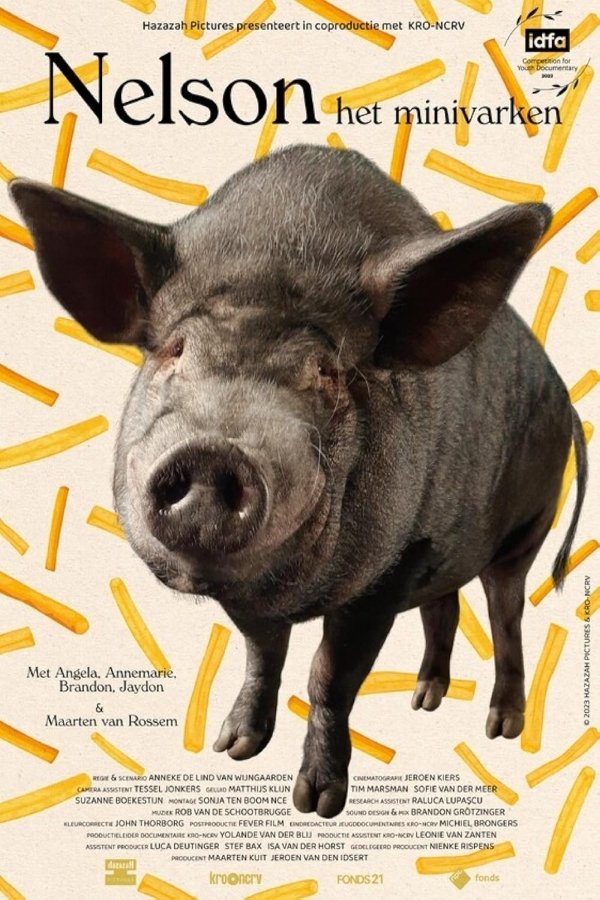
Nelson is a miniature pig—at least, that’s what the Verbeek family were told when they bought him as a cute little piglet. But seven years and 500 kilos later, Nelson has become a big problem. The neighbors and the housing association think it’s unacceptable to have such a large and smelly animal in a residential neighborhood. Son Brandon is being bullied at school because of his pet.
This film takes a candid, inside look at the world of juvenile delinquency. We are shown the tough existence on the streets of Montreal, but it could be any city in North America. Some boys as young as ten years of age talk about their lives of crime, the things that are important to them, and the hopes they hold for the future.
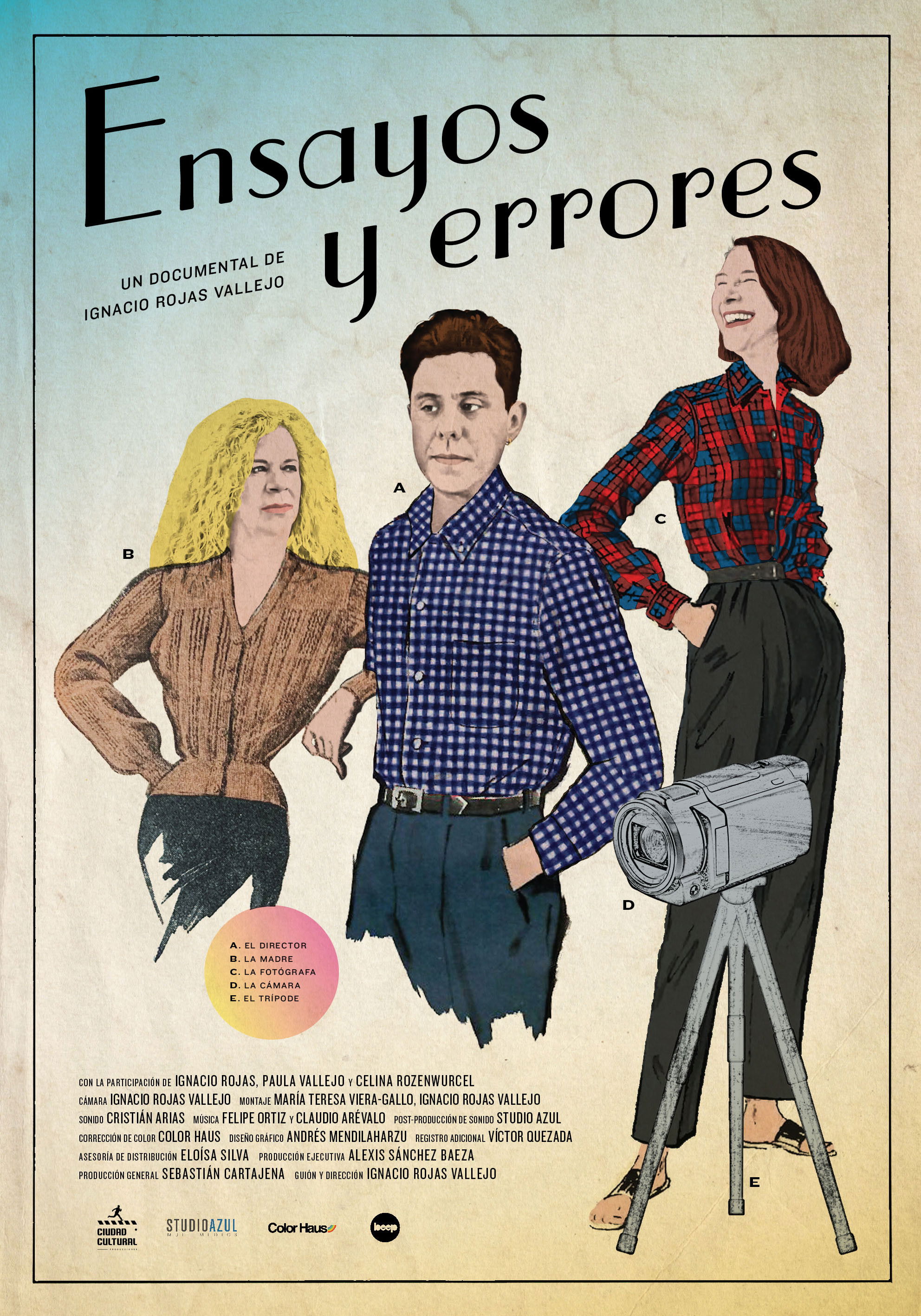
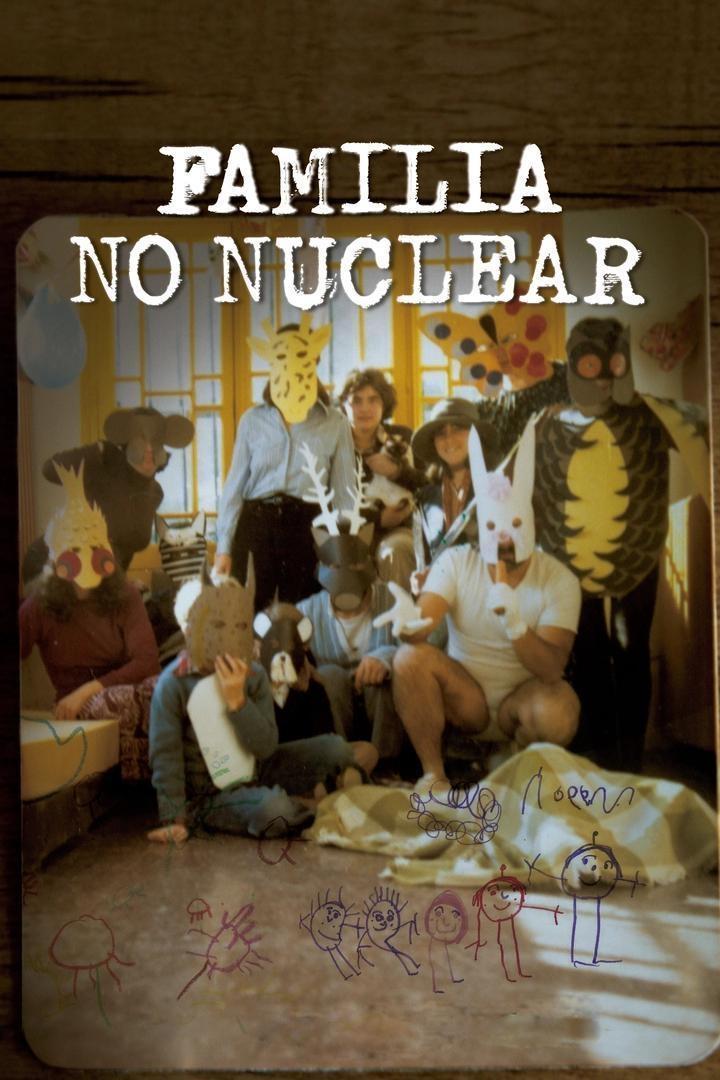
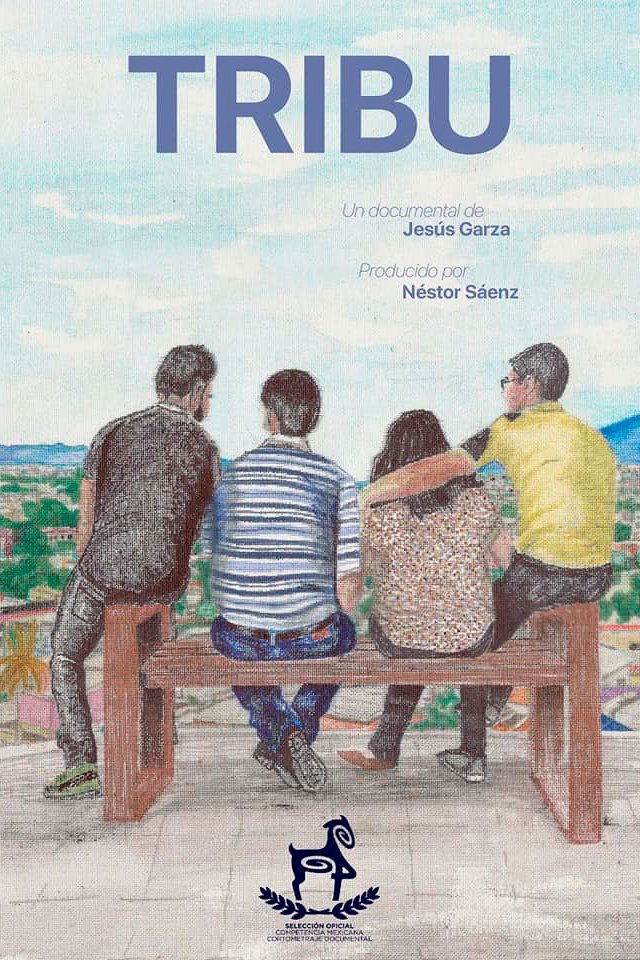
Ruben and Gio have been recently adopted by Evelyn and Memo. The four of them try to create a home where the past, the bad and good stories, and the dreams in common for the future blend all together.
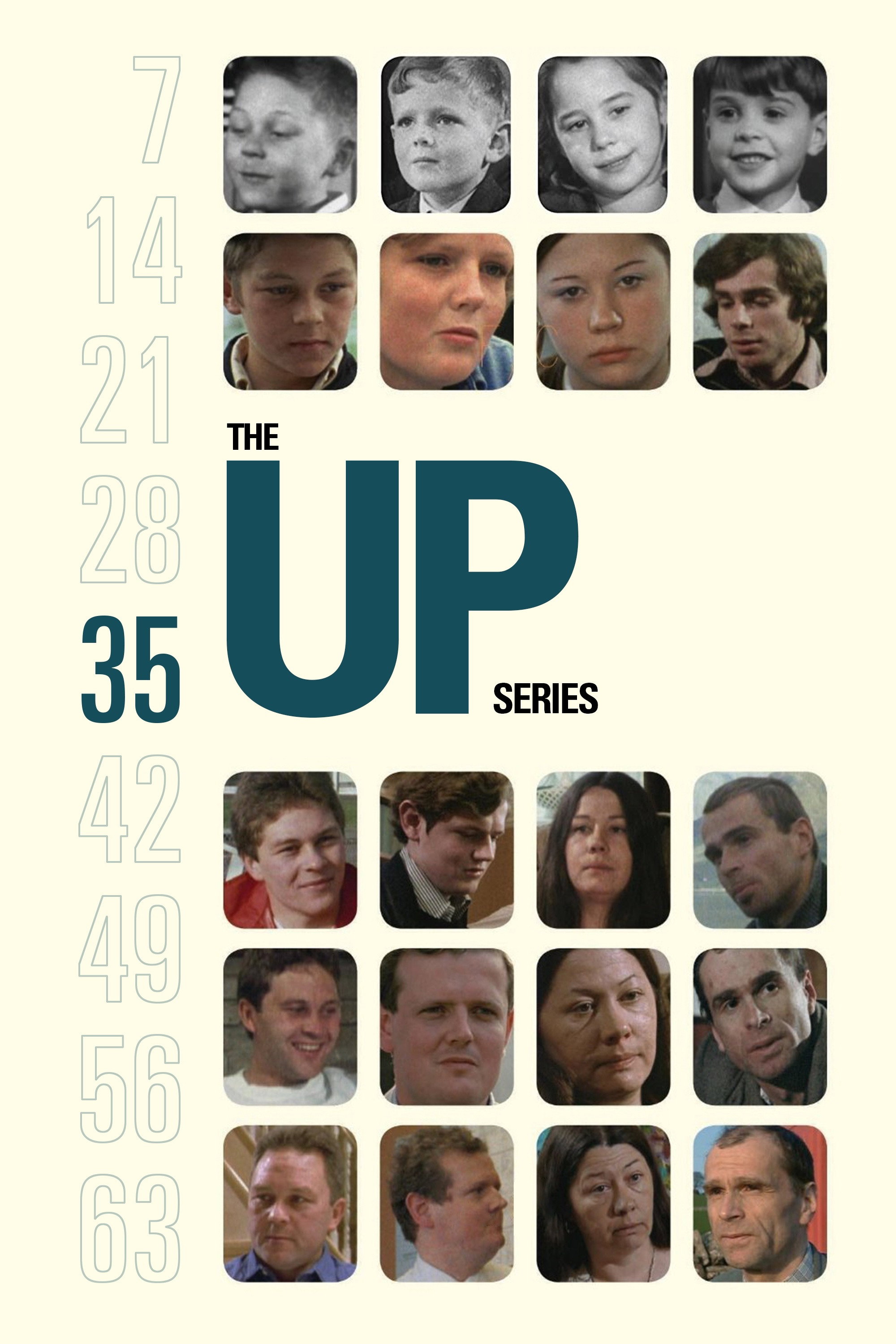
Director Michael Apted revisits the same group of British-born adults after a 7 year wait. The subjects are interviewed as to the changes that have occurred in their lives during the last seven years.
A documentary on the expletive's origin, why it offends some people so deeply, and what can be gained from its use.
Ranjit, a farmer in India, takes on the fight of his life when he demands justice for his 13-year-old daughter, the victim of a brutal gang rape. His decision to support his daughter is virtually unheard of, and his journey unprecedented.
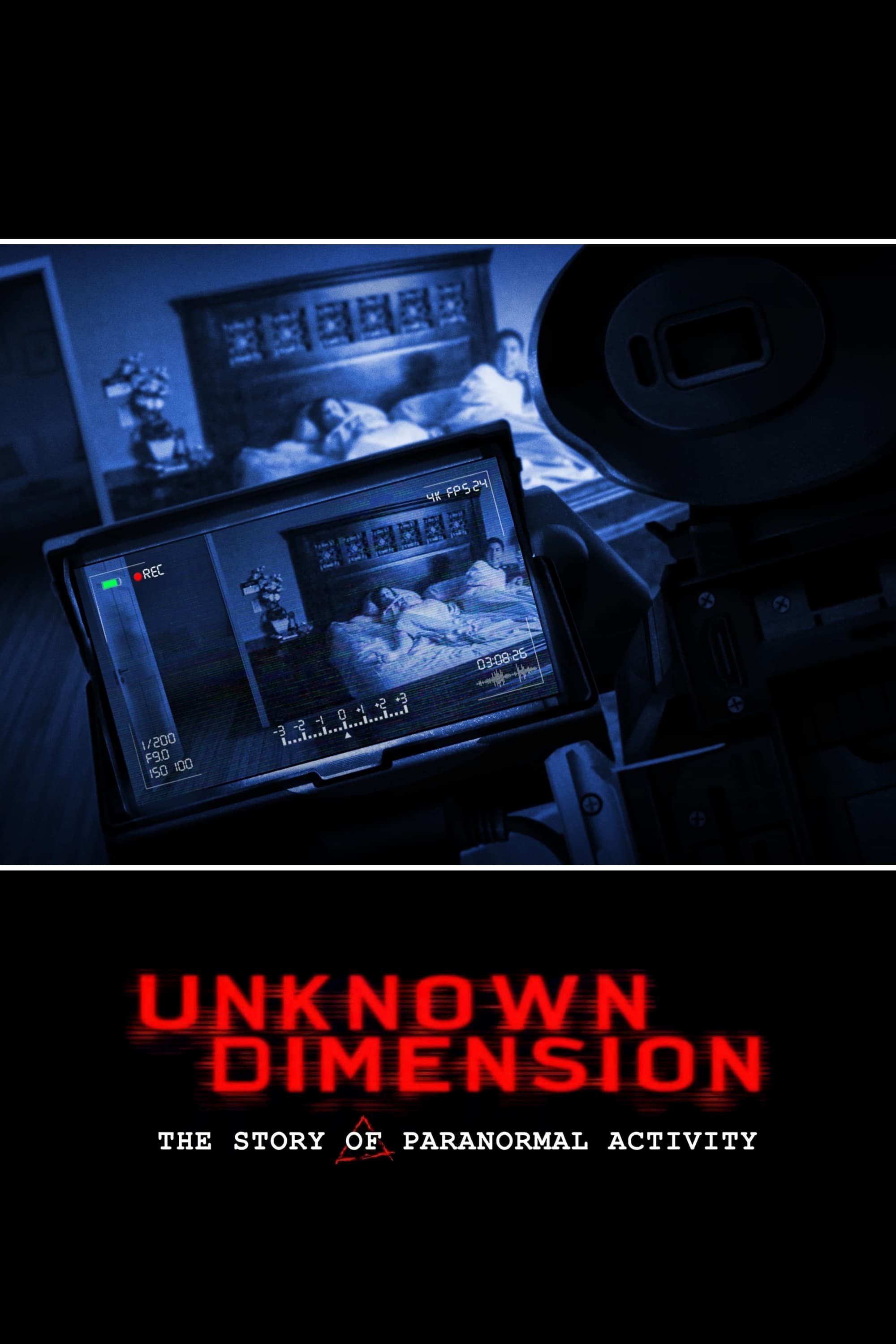
A deep dive into the making of the Paranormal Activity films with first time ever interviews with cast and crew, never-before-seen footage from the movies, and a preview of the seventh installment in the franchise.
In an intimate and joyful story of love in the face of loss, celebrated poets Andrea Gibson and Megan Falley find strength—and unexpected hilarity—in what might be their final year together.
A detailing of the rise to prominence and global sporting superstardom of six supremely talented young Manchester United football players (David Beckham, Nicky Butt, Ryan Giggs, Paul Scholes, Phil and Gary Neville). The film covers the period 1992-1999, culminating in Manchester United's European Cup triumph.
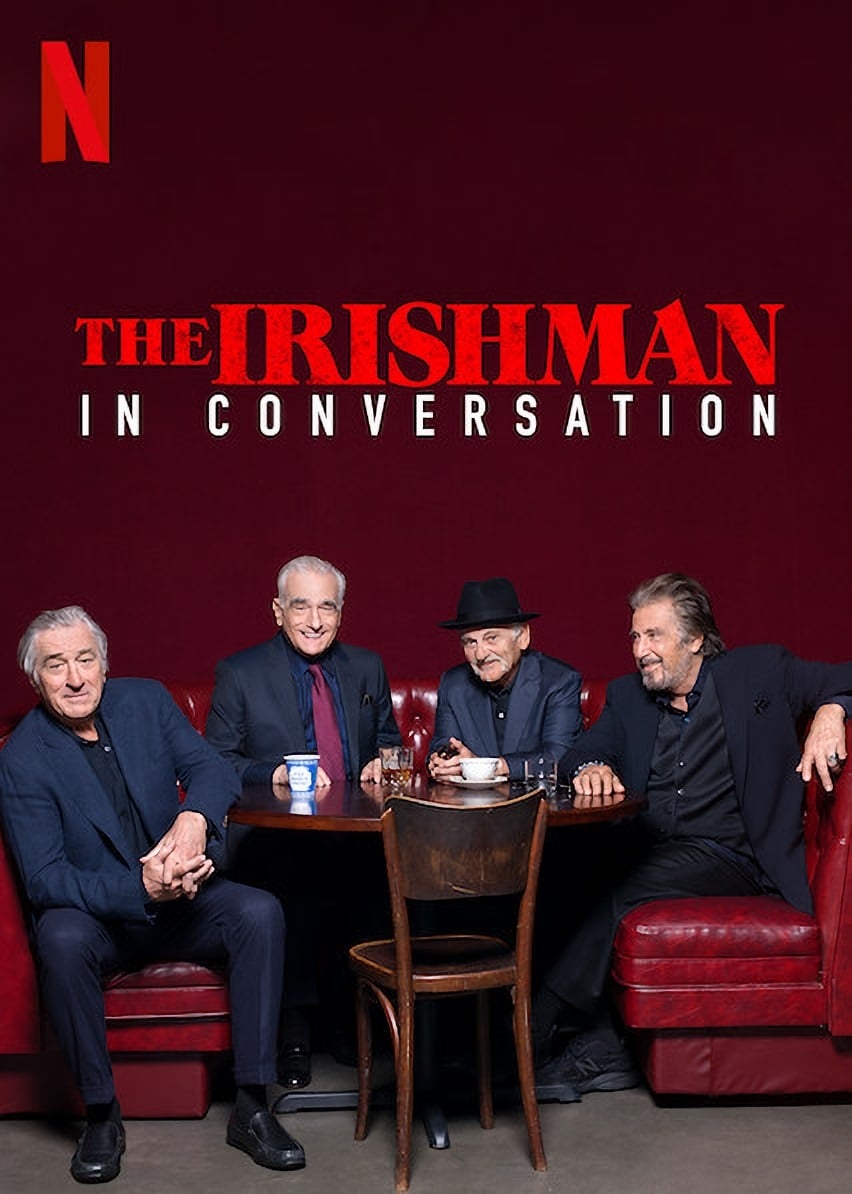
Martin Scorsese, Robert De Niro, Joe Pesci, and Al Pacino in conversation about The Irishman.
Through deeply personal interviews with her siblings and an examination of the photographs, letters, and belongings left behind, Mariska assembles a new portrait of her mother Jayne Mansfield, an extraordinary and complex woman.
After the high-profile killing of Damilola Taylor, Cornelius' family move out of London. But when they discover their new town is run by racists, Cornelius takes a drastic step to survive.
A compilation of over 30 years of private home movie footage shot by Lithuanian-American avant-garde director Jonas Mekas, assembled by Mekas "purely by chance", without concern for chronological order.
A night of drunken chaos rocks a quiet Dutch town in this shocking documentary about a teen's birthday invite that accidentally went viral on Facebook.
A road trip across five countries to explore the social and political movements as well as the mainstream media's misperception of South America while interviewing seven of its elected presidents.
Daniel Craig candidly reflects on his 15 year adventure as James Bond. Including never-before-seen archival footage from Casino Royale to the upcoming 25th film No Time To Die, Craig shares his personal memories in conversation with 007 producers, Michael G Wilson and Barbara Broccoli.
From a prolific career in film and television, Anton Yelchin left an indelible legacy as an actor. Through his journals and other writings, his photography, the original music he wrote, and interviews with his family, friends, and colleagues, this film looks not just at Anton's impressive career, but at a broader portrait of the man.
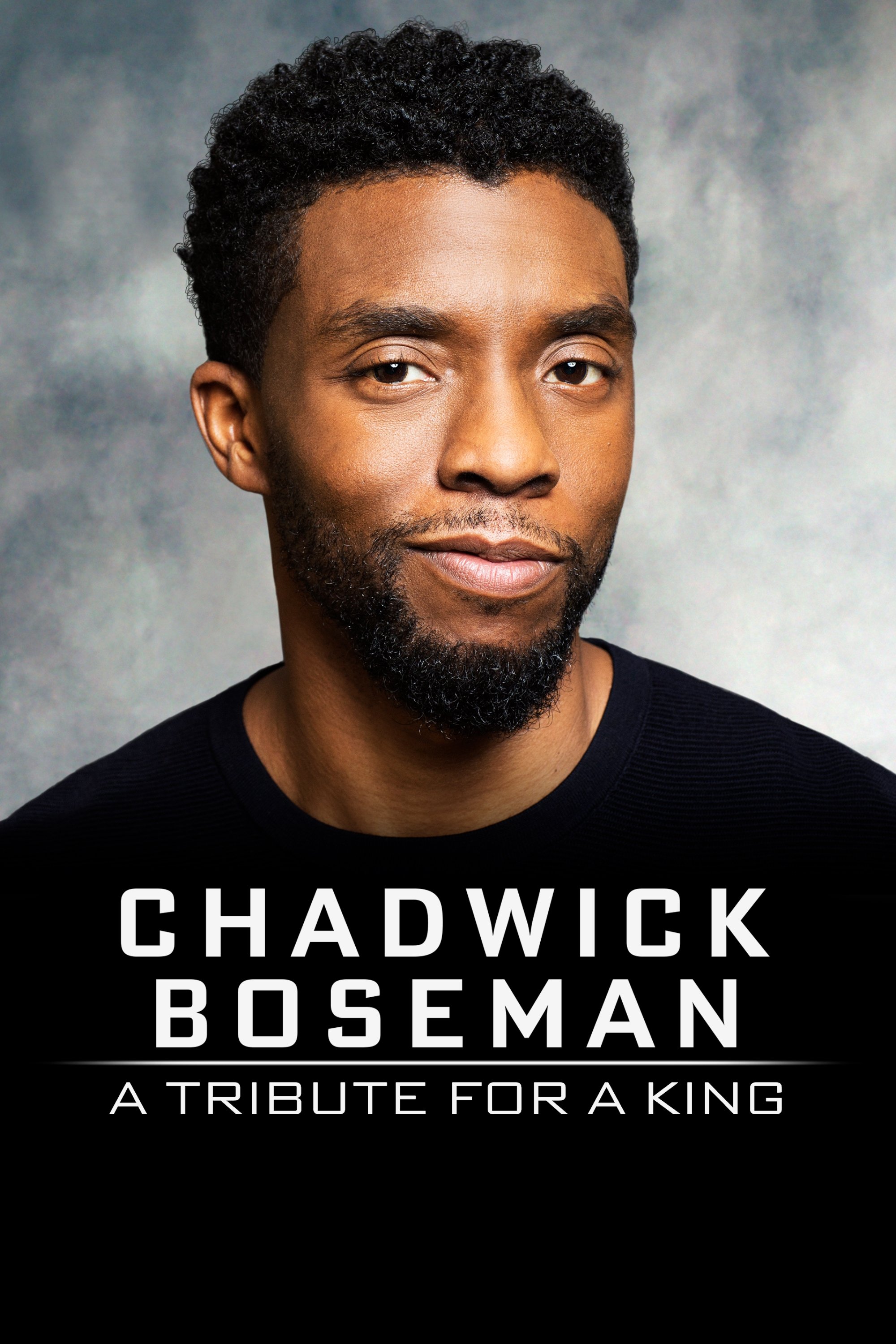
A tribute to Chadwick Boseman, celebrating his life and legacy.
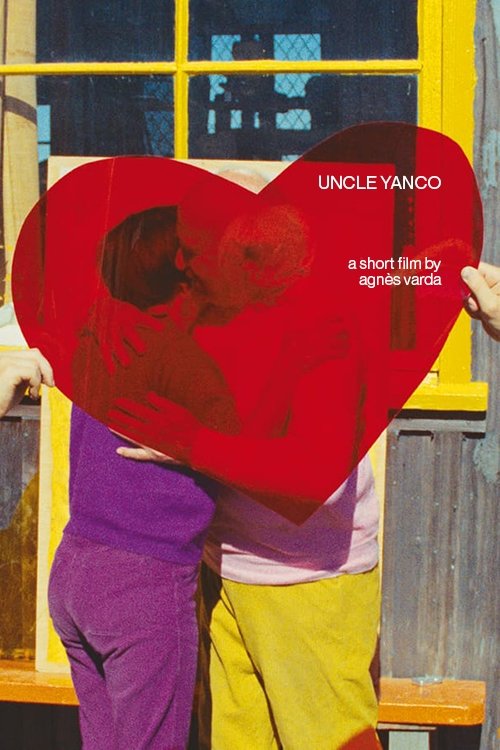
While in San Francisco for the promotion of her last film in October 1967, Agnès Varda, tipped by her friend Tom Luddy, gets to know a relative she had never heard of before, Jean Varda, nicknamed "Yanco". This hitherto unknown uncle lives on a boat in Sausalito, is a painter, has adopted a hippie lifestyle and loves life. The meeting is a very happy one.
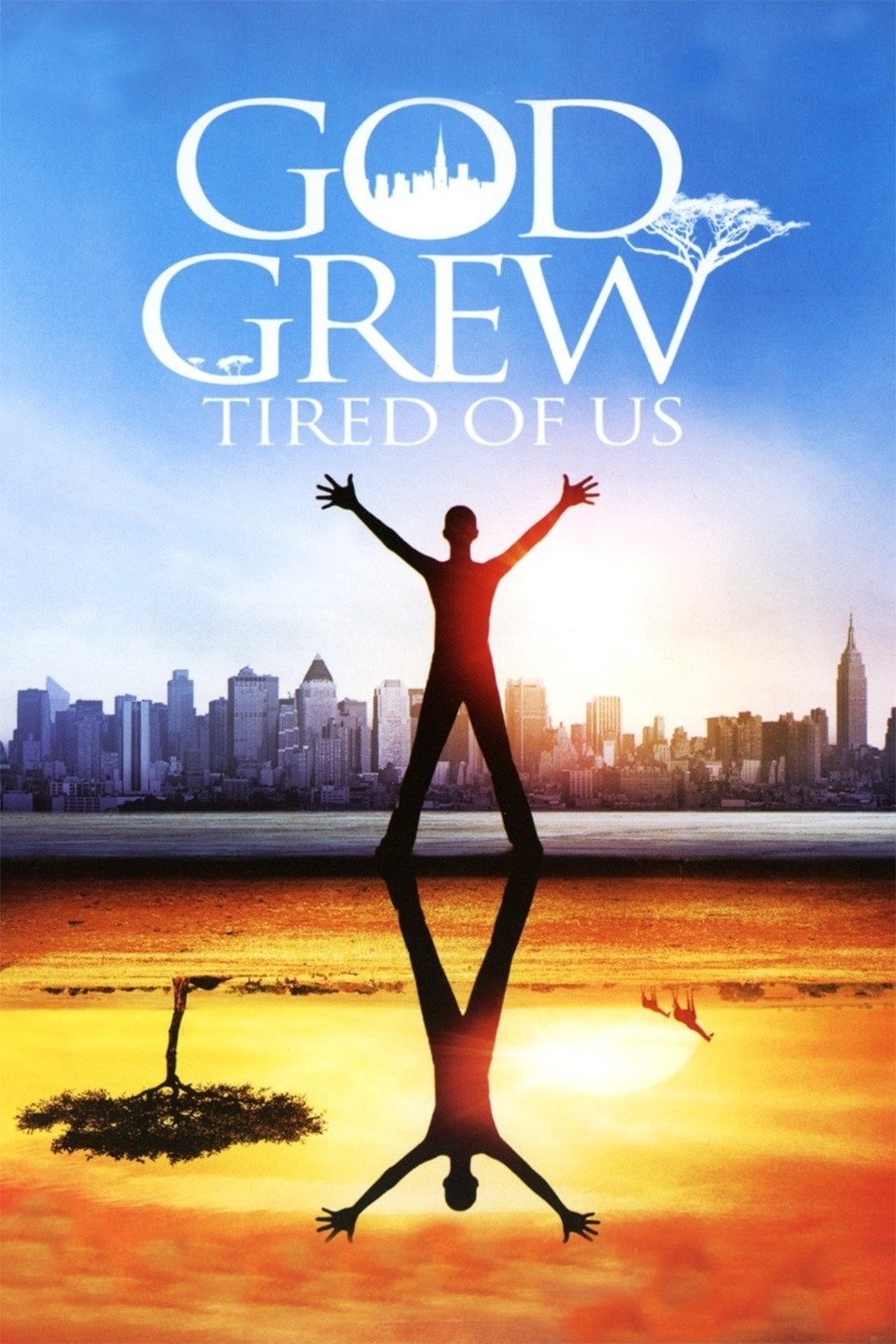
Filmmaker Christopher Quinn observes the ordeal of three Sudanese refugees -- Jon Bul Dau, Daniel Abul Pach and Panther Bior -- as they try to come to terms with the horrors they experienced in their homeland, while adjusting to their new lives in the United States.
This revealing documentary honors the legendary Sidney Poitier—iconic actor, filmmaker, and civil rights activist. Featuring interviews with Denzel Washington, Spike Lee, Halle Berry, and more.
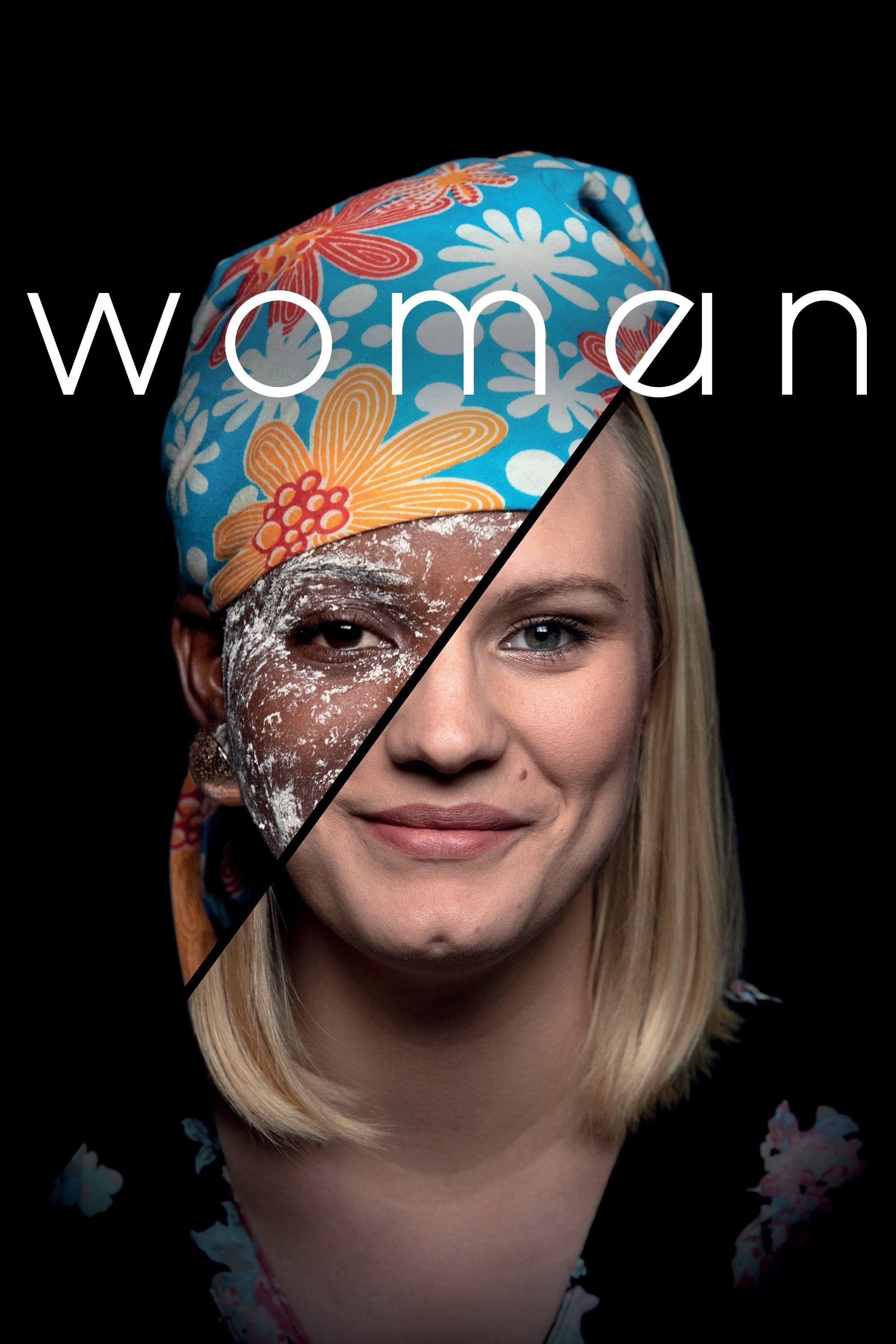
The film is based on interviews with 2,000 women from 50 countries, and covers the status of women all over the world. The topics covered include forced marriages, sexual assault, female genital mutilation, acid attacks, motherhood, sexuality, menstruation, education and the professional success of women.