Social & External
The people behind it
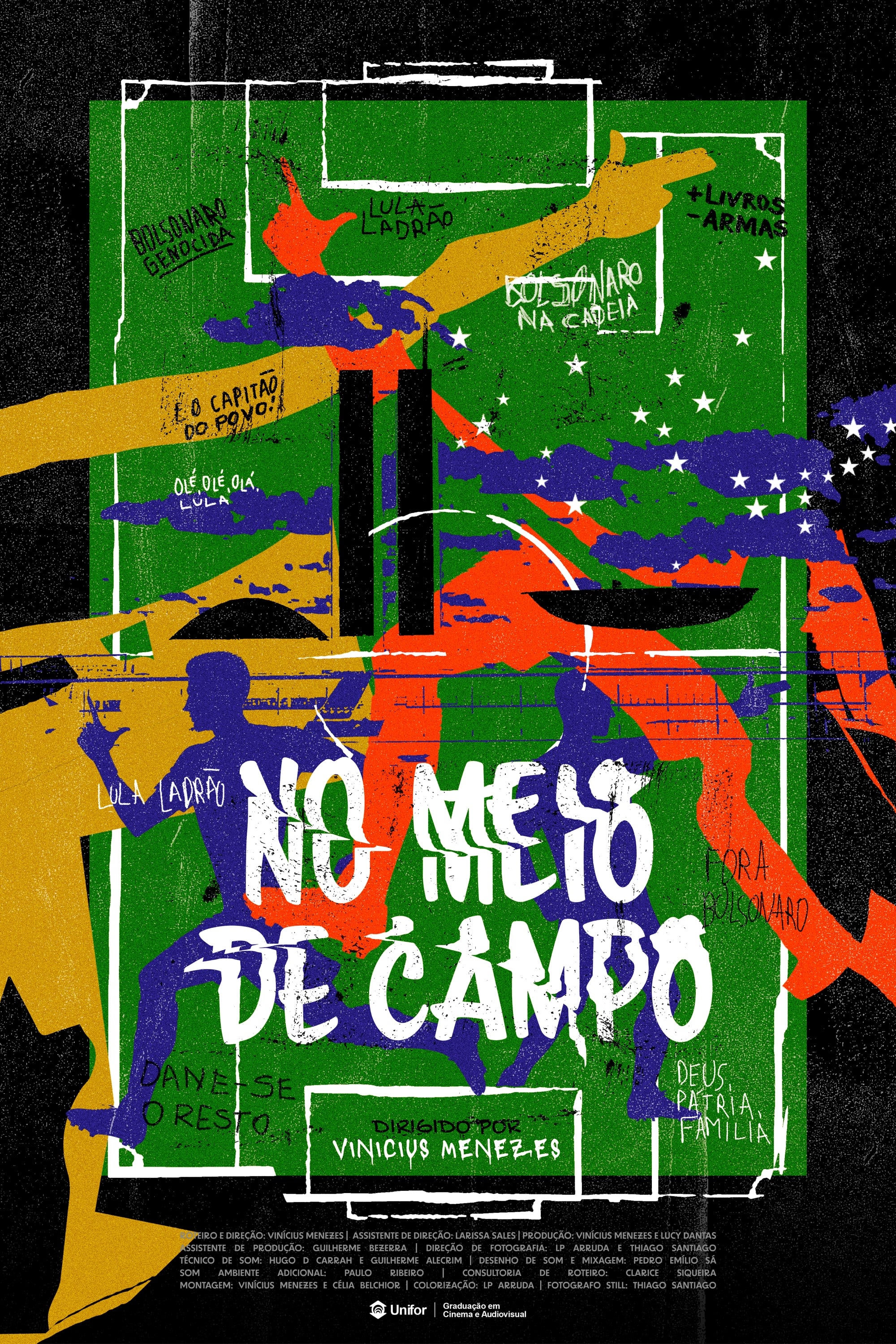
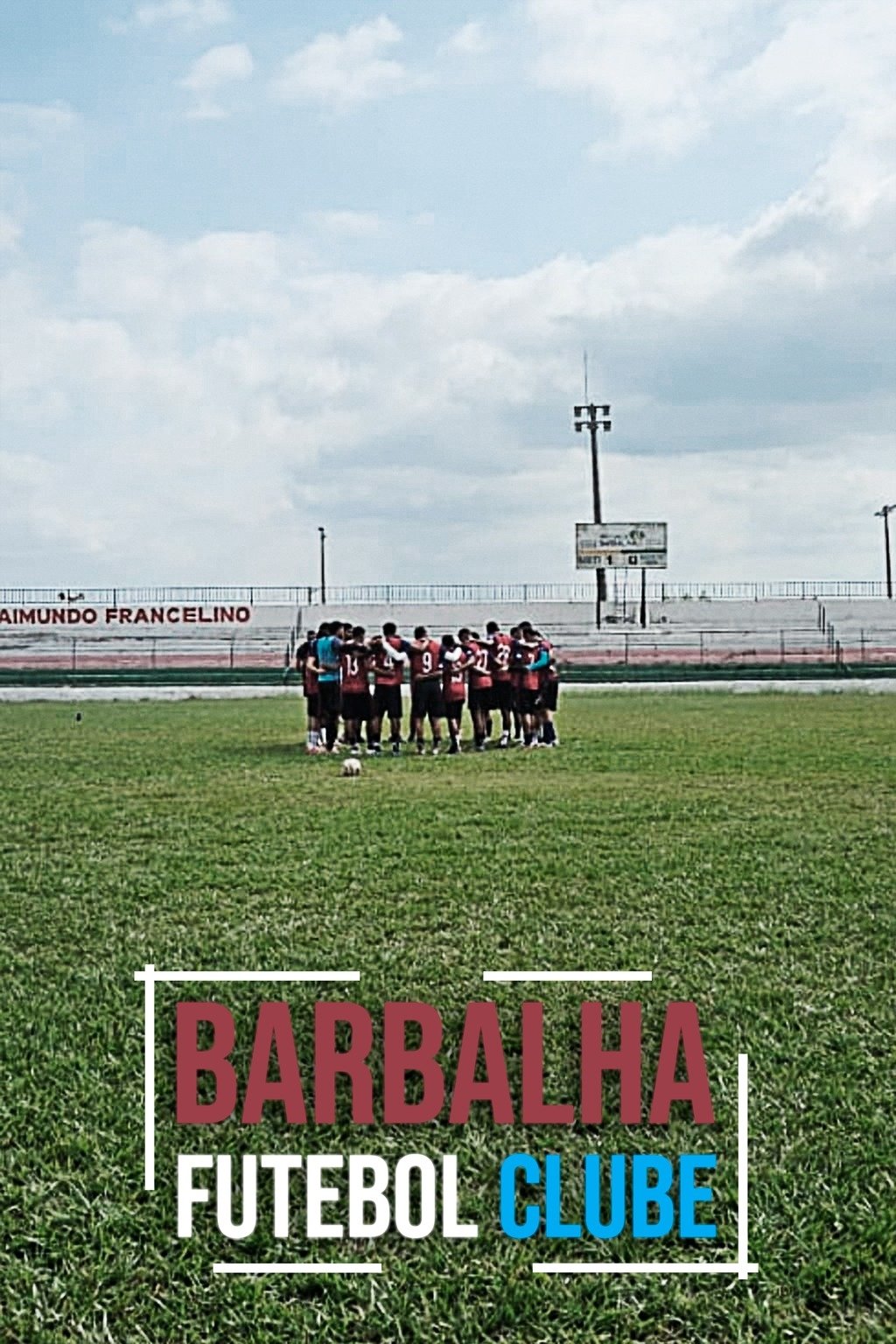
Documentary that explores the various lives, experiences and stories intertwined within the regional Cidade Industrial de Curitiba
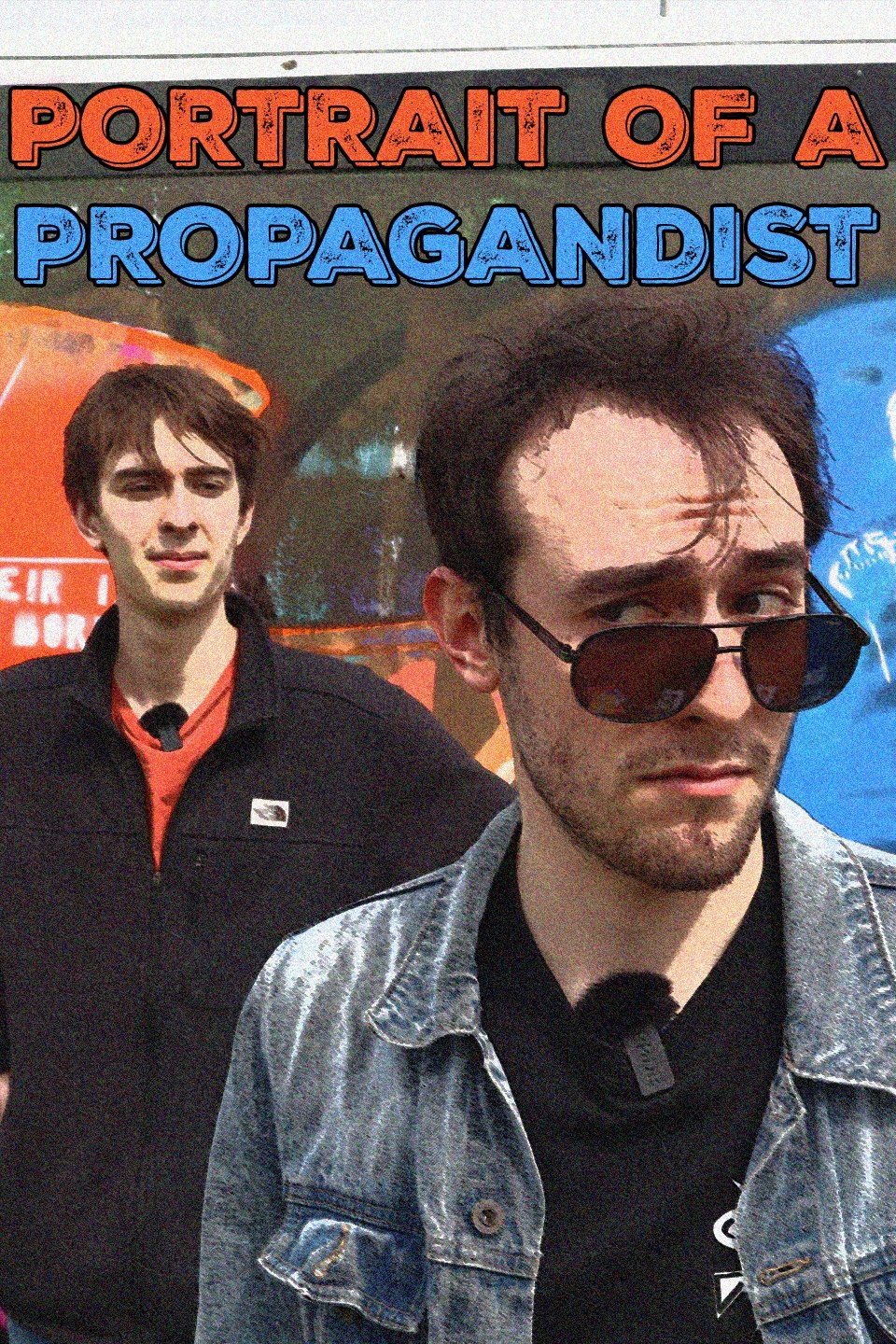
A 'Vlogumentary' following Joseph as he meets up with legendary street artist: George. Watch as George breaks down the political barriers of society through his wonderful and very serious works.
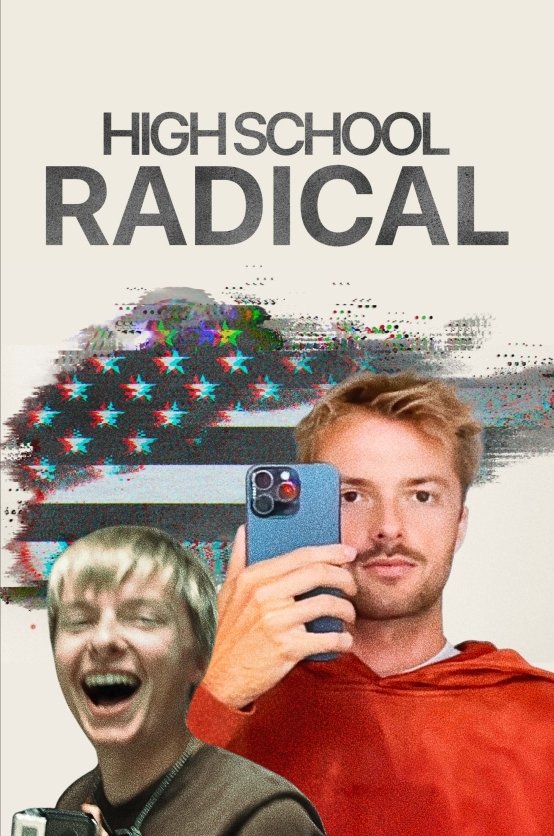
At 16, Max left with dreams and a GoPro slung over his shoulder for an exchange program at a high school in Oklahoma. Since then, Donald Trump has become president, the Capitol has been stormed, and abortion bans have gained ground. On the eve of Trump’s second term, Max goes back to see his friends to understand what their journeys reveal about the evolution of American society
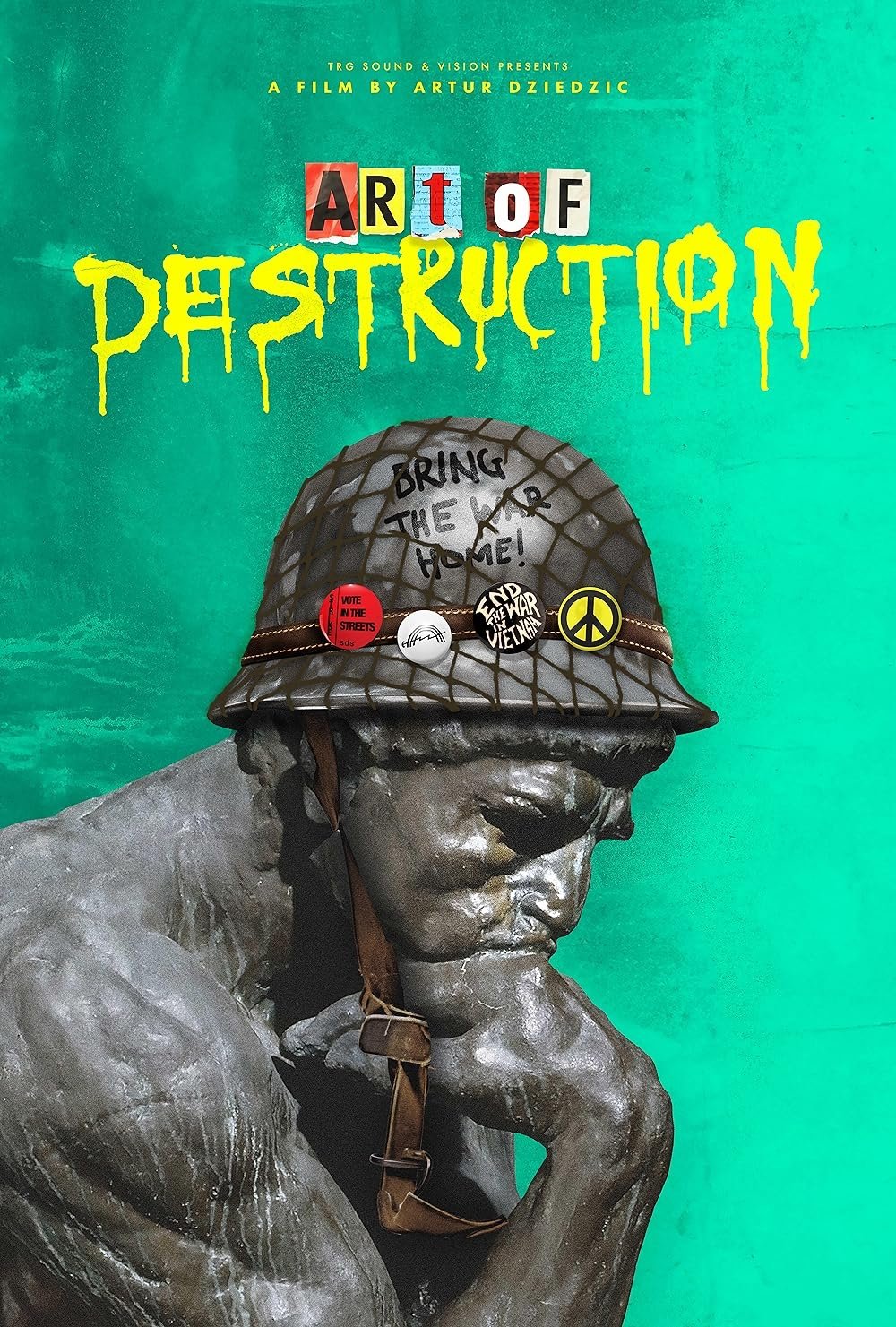
We follow the story of The Thinker bombing at the Cleveland Museum of Art, trying to solve the mystery behind it because no one was ever caught. By following this case, we unravel the whole landscape of Cleveland and the USA in the 60s/70s - student protests, social justice movements, anti-war movements, and radical militant groups. We give a context to the bombing, which is symbolic on so many levels - it's an art piece that randomly became a target for political violence that, by being left unrepaired, became a reminder of the complicated history of the 60s/70s. The Thinker is a silent witness to this fascinating decade, looking down from his pedestal, still thinking about our place in the world as humans.
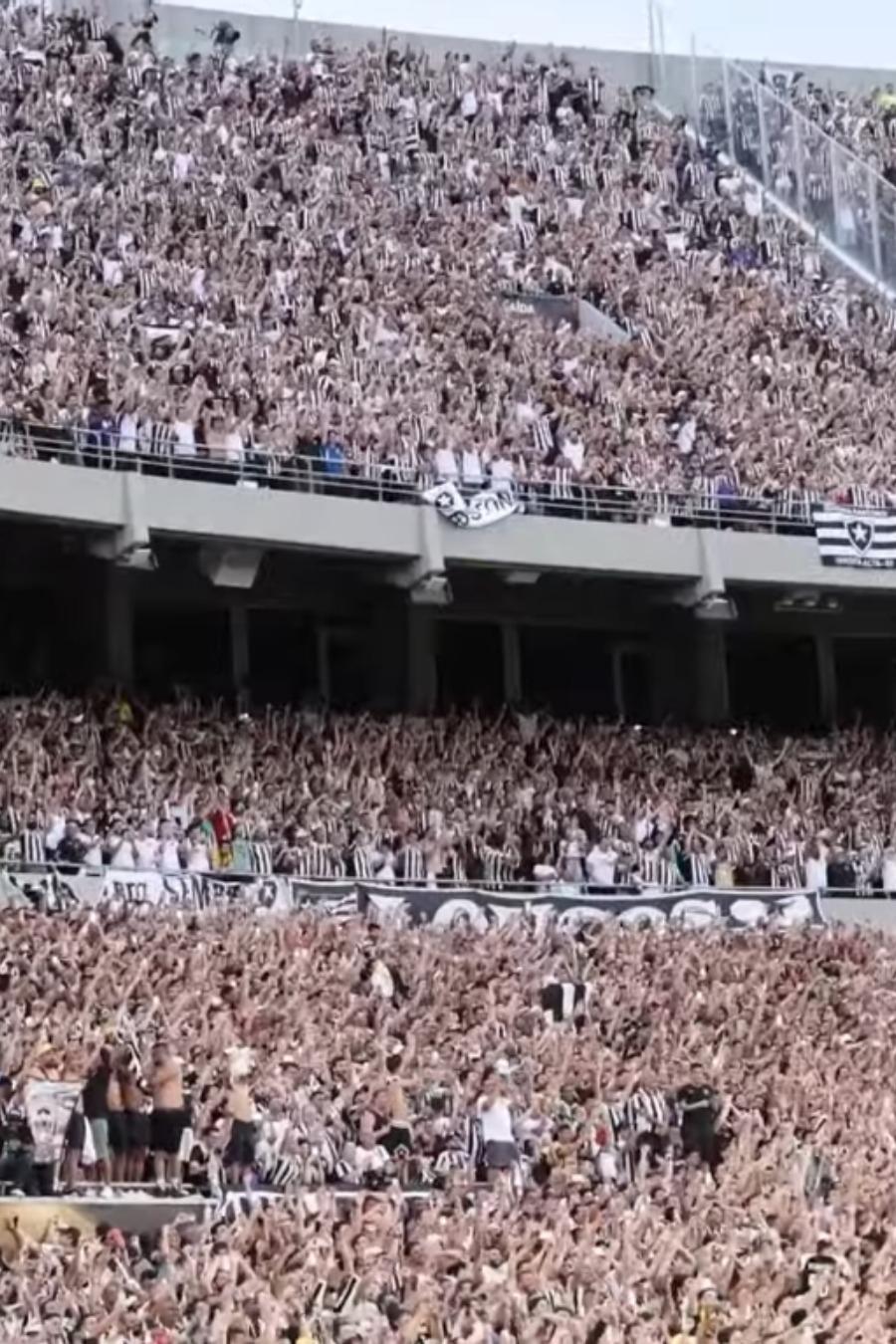
Fluminense's historic Copa Libertadores campaign told by its protagonists. Behind the scenes of the conquest, from the tournament's debut to the top of America. An honor to remember forever.
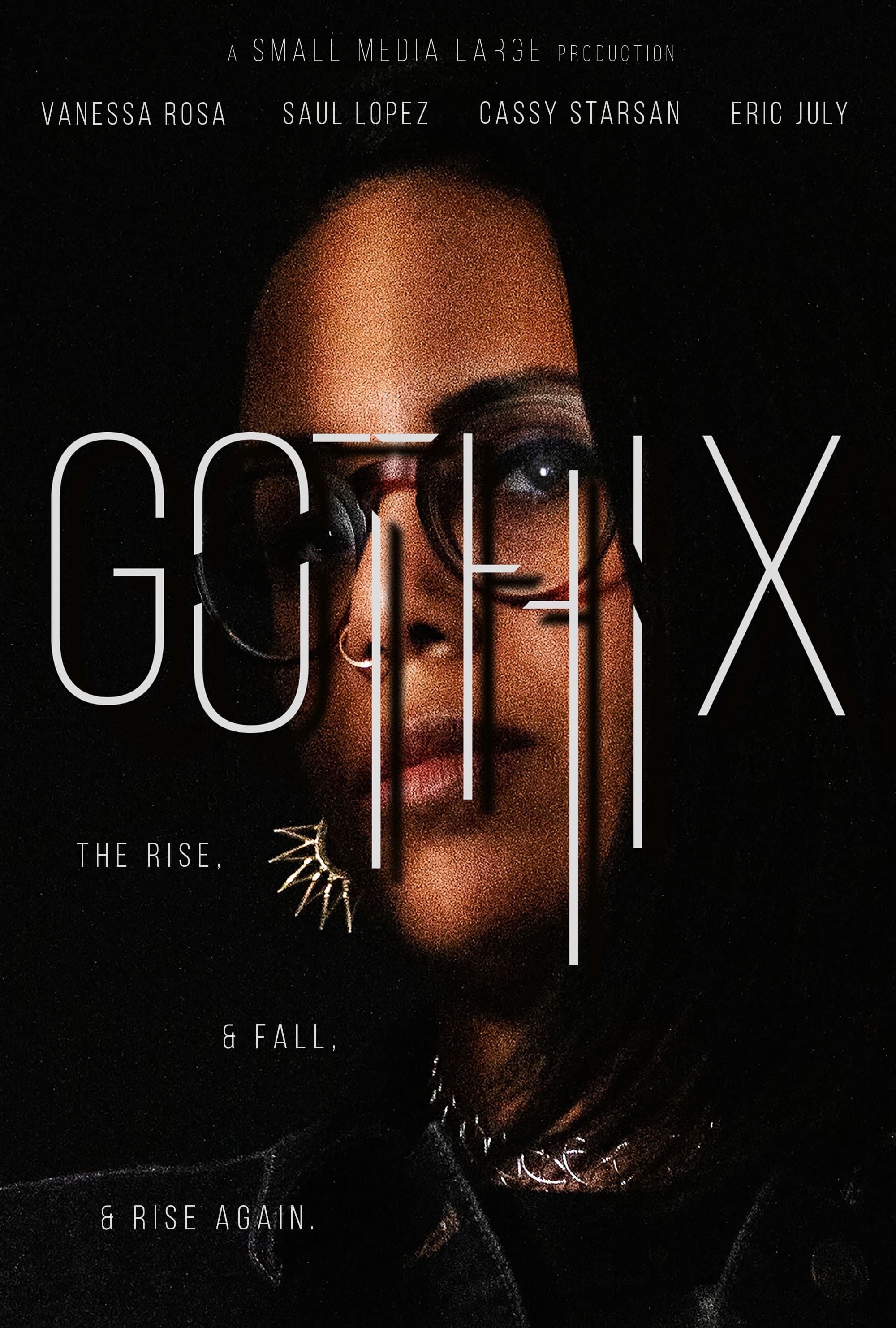
An innovative and charismatic influencer is suddenly exiled from her community of creative partners and colleagues when she states an opinion that she did not know was “unacceptable” in their eyes.
A landscape is only a landscape until we know what lies beneath. Pozo Ibarra, in the Central Mountains of León, is a mining complex full of significant architectural attributes, and also the imposing and ruinous remnant of a painful past that passed the ideas of freedom, literally, through the stone, turned into a great mass grave. Now, when the sun goes down, the souls that inhabit it rise up, refusing to forget.
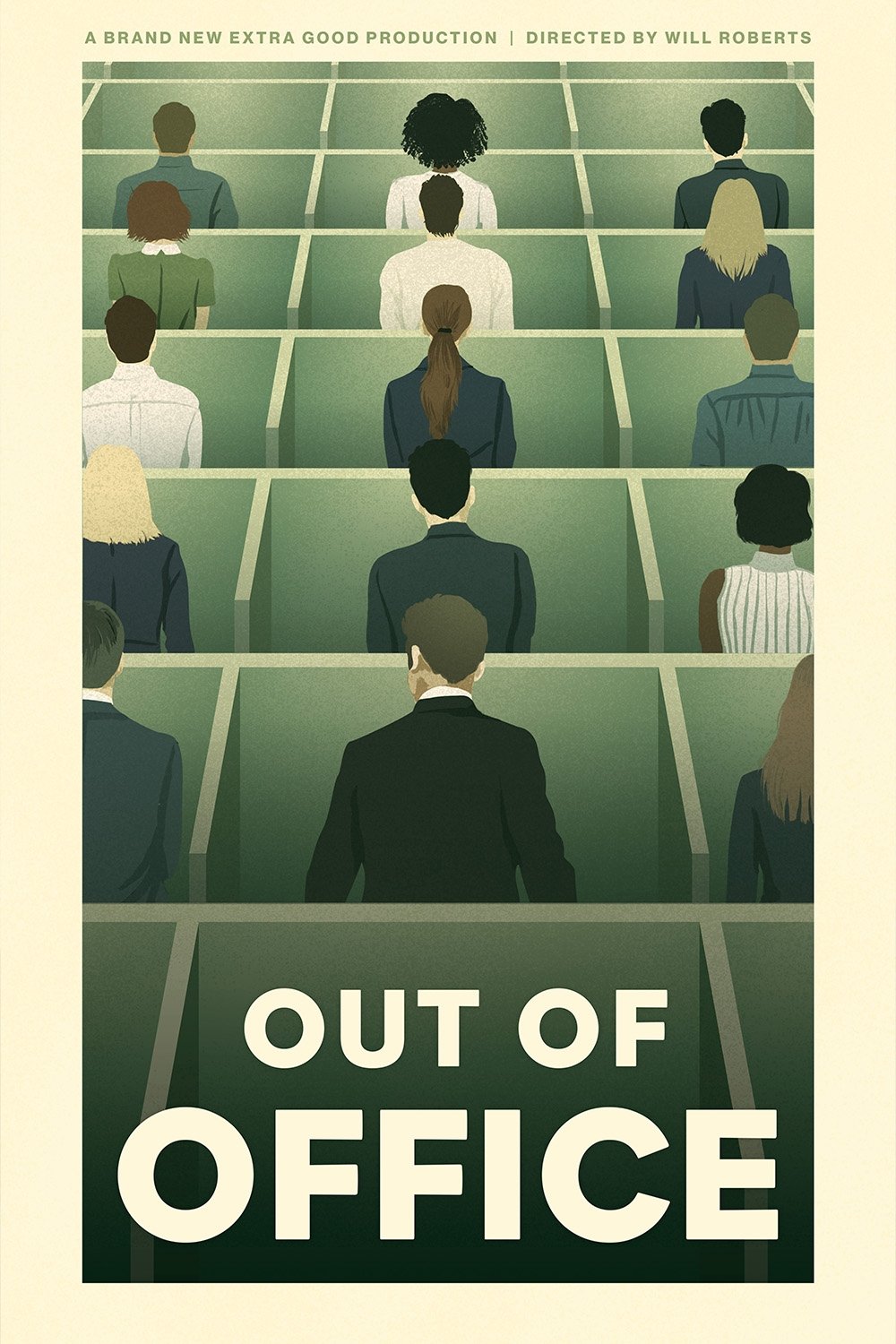
Out of Office is the story of a scrappy group of office workers in Wisconsin who managed to pull off a major victory for workers’ rights. Upon their contract’s expiration, the workers activated their dormant union and fought back against their employer - a massive financial services provider making record profits. Their fight dragged out for over 600 days and included the first strike in the company’s almost 100-year history, which was the largest labor action in Wisconsin for over ten years. A rank-and-file member of the union documented the entire struggle, and the documentary includes emotional interviews with key members of the fight.
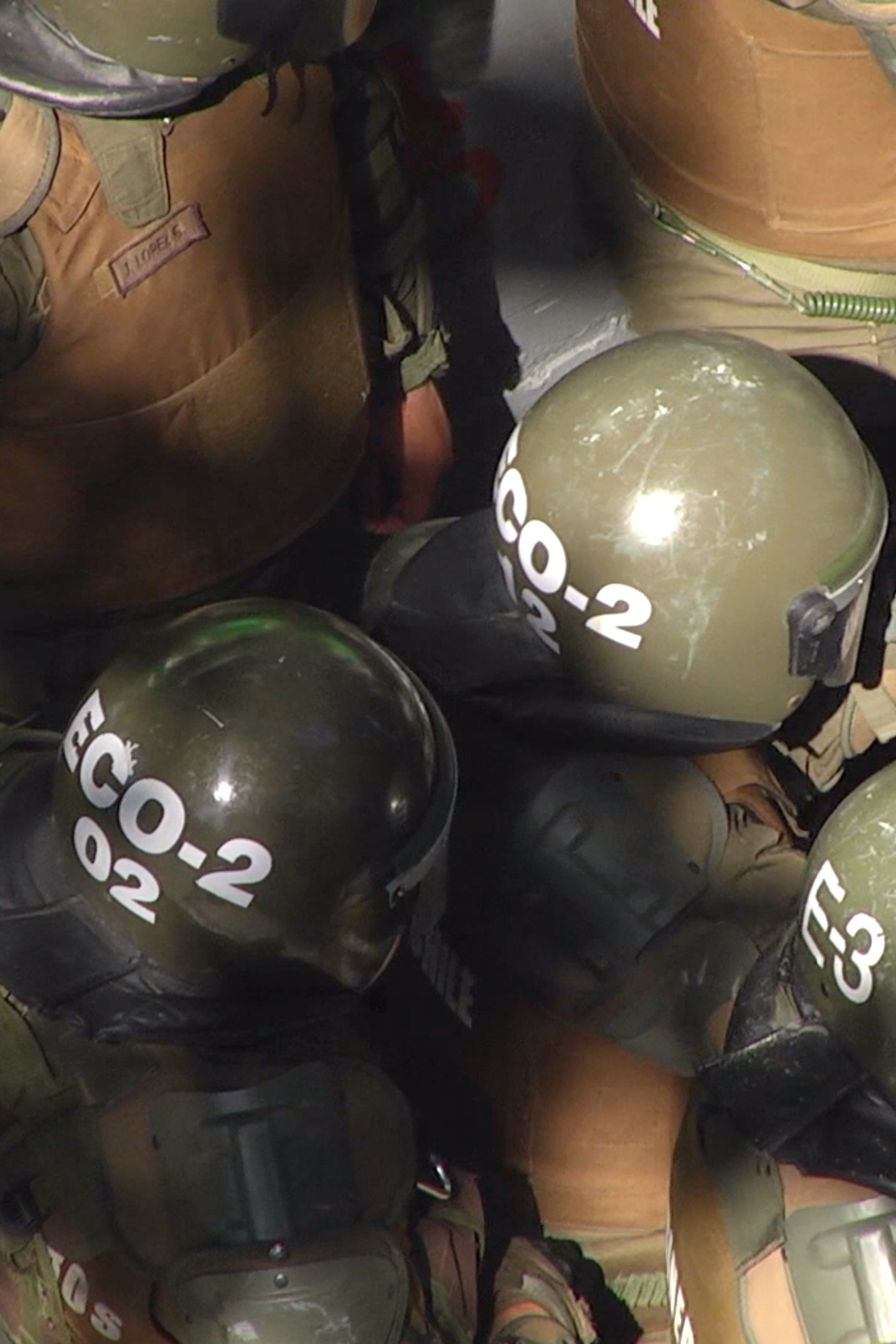
A poetic short film showing a day in the 2019 protests in Santiago, Chile through documentary images.
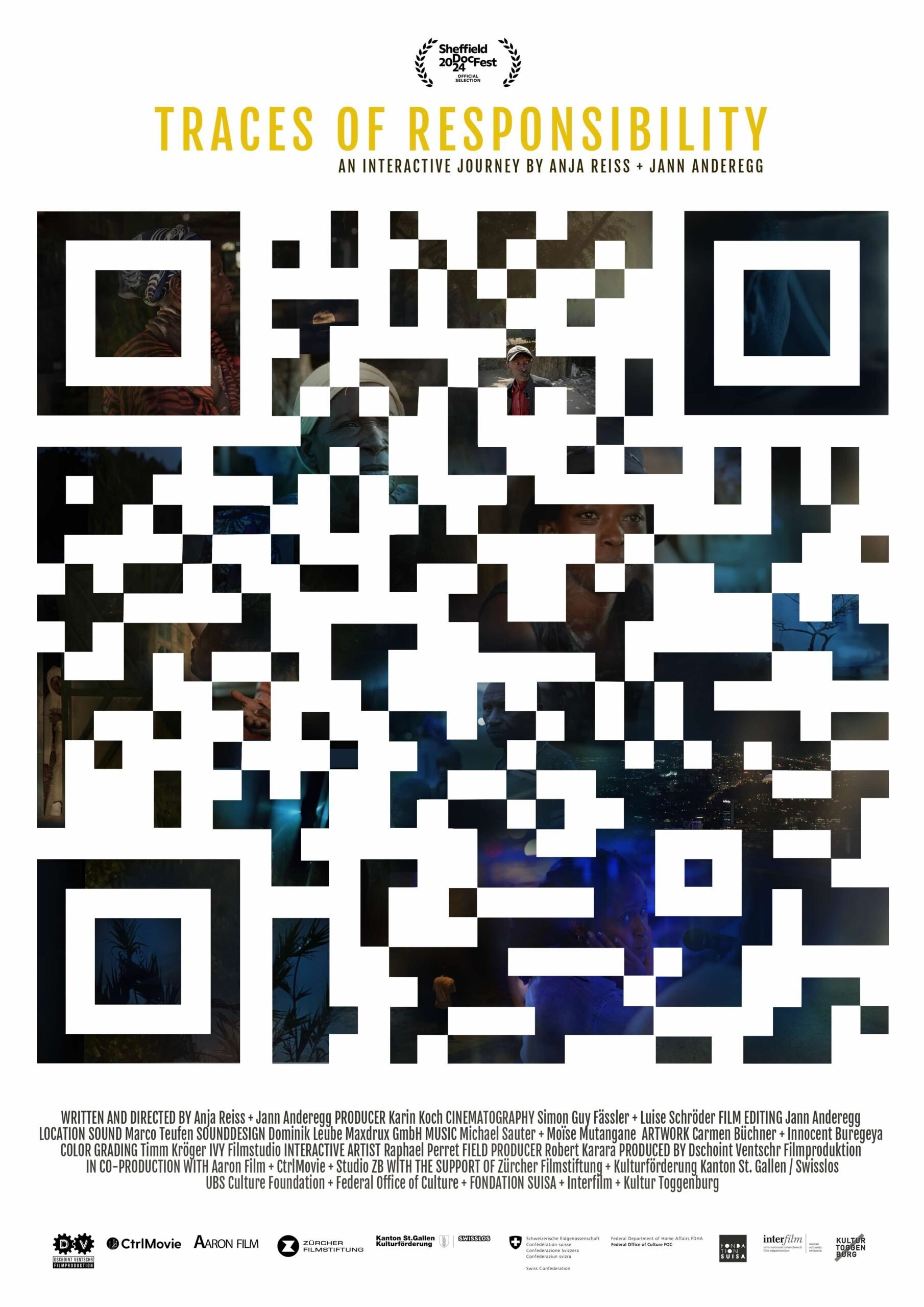
The interactive roadmovie follows the trail of a convicted war criminal with ties to Switzerland. On a journey through contemporary Rwanda, the viewer decides how deeply he wants to immerse himself in the story.
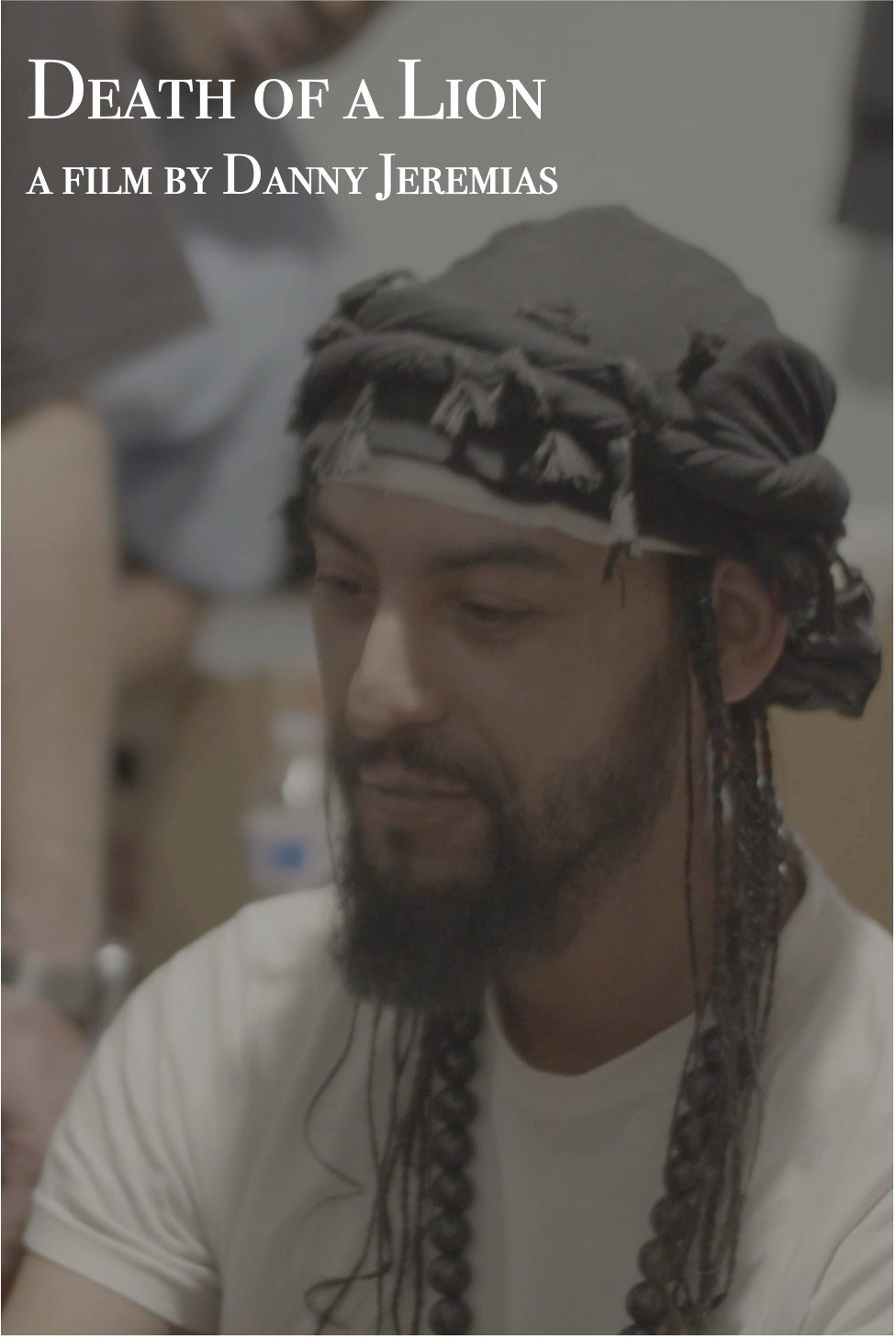
A former leader in the Black Lion Party for International Solidarity shares his story of found family, loss, and transcendence. Shot over the course of two months, this short documentary provides a glimpse into the dynamics of modern American revolutionary movements. Jeremias' film captures a very brief, but important period of transition for the Black Panther Party in the 2020s.
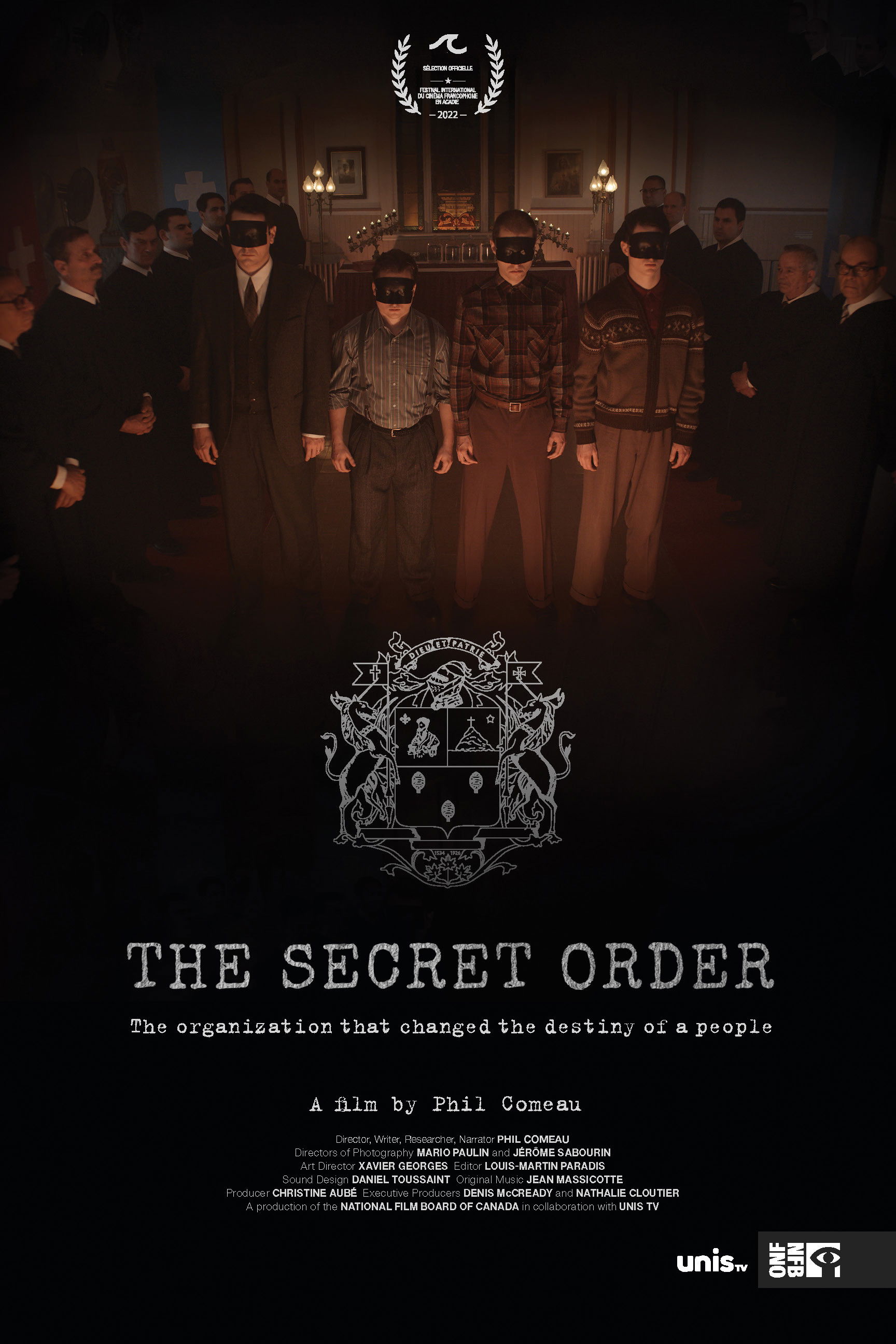
Phil Comeau shines a spotlight on the Ordre de Jacques-Cartier, a powerful secret society that operated from 1926 to 1965, infiltrating every sector of Canadian society and forging the fate of French-language communities. Through never-before-heard testimony from former members of the Order, along with historically accurate dramatic reconstructions, this film paints a gripping portrait of the social and political struggles of Canadian francophone-minority communities.
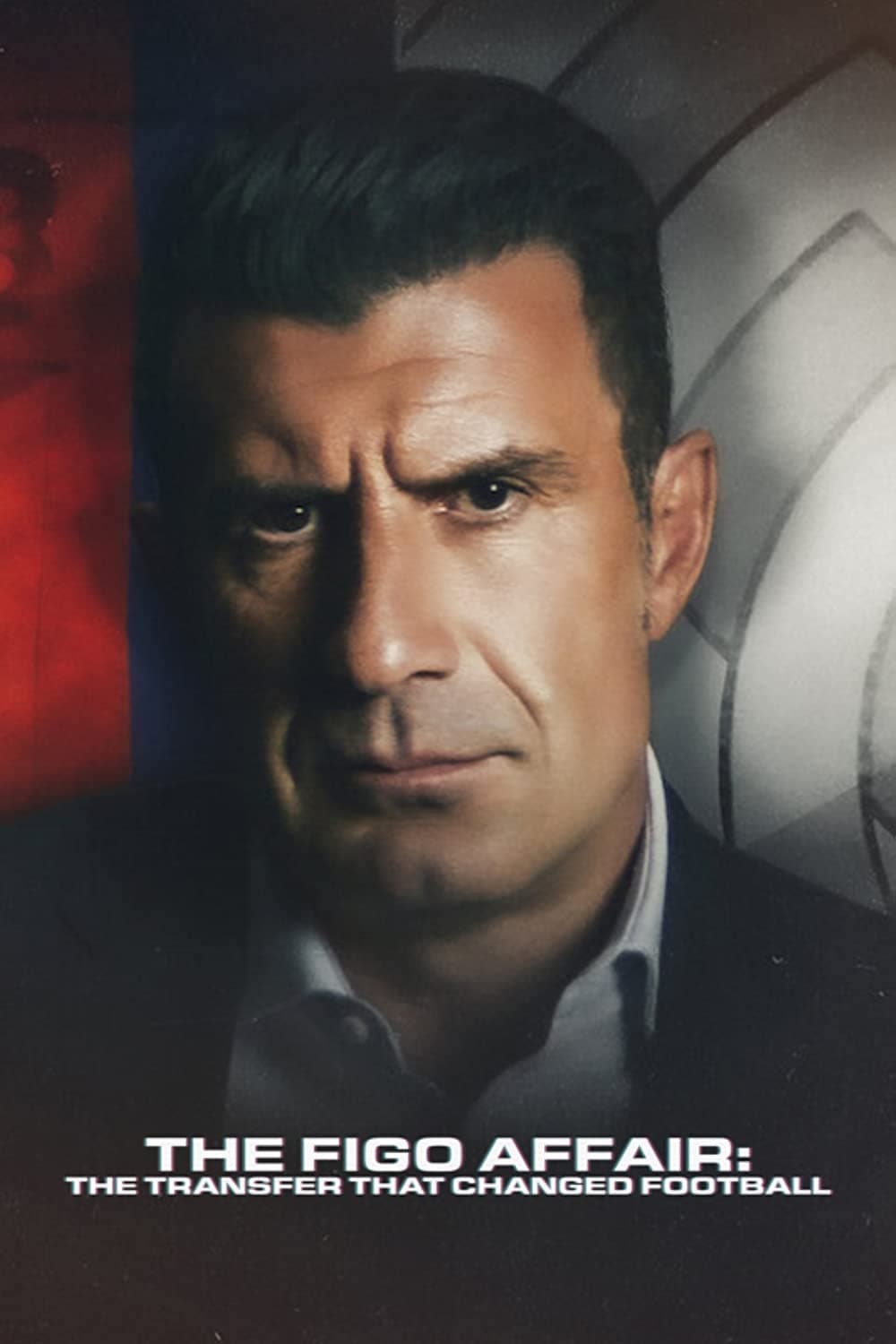
This documentary spotlights one of the most contentious deals in football history and the extraordinary player at the center of the storm: Luís Figo.
As England reach the final of the Euros at last, 6,000 ticketless football fans storm Wembley stadium, leaving destruction in their wake.
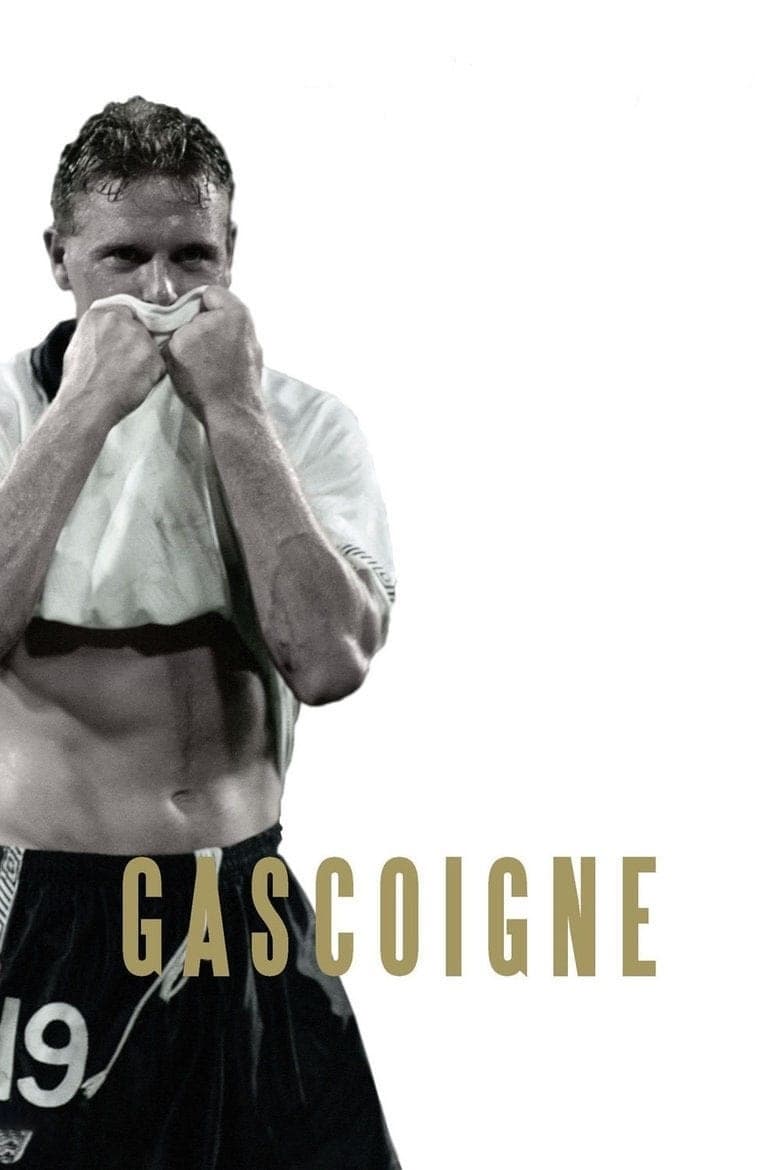
A feature length, theatrical documentary on the life of Paul Gascoigne, one of the greatest footballers that ever lived: delving deep into his psyche, vulnerabilities, fears and triumphs.
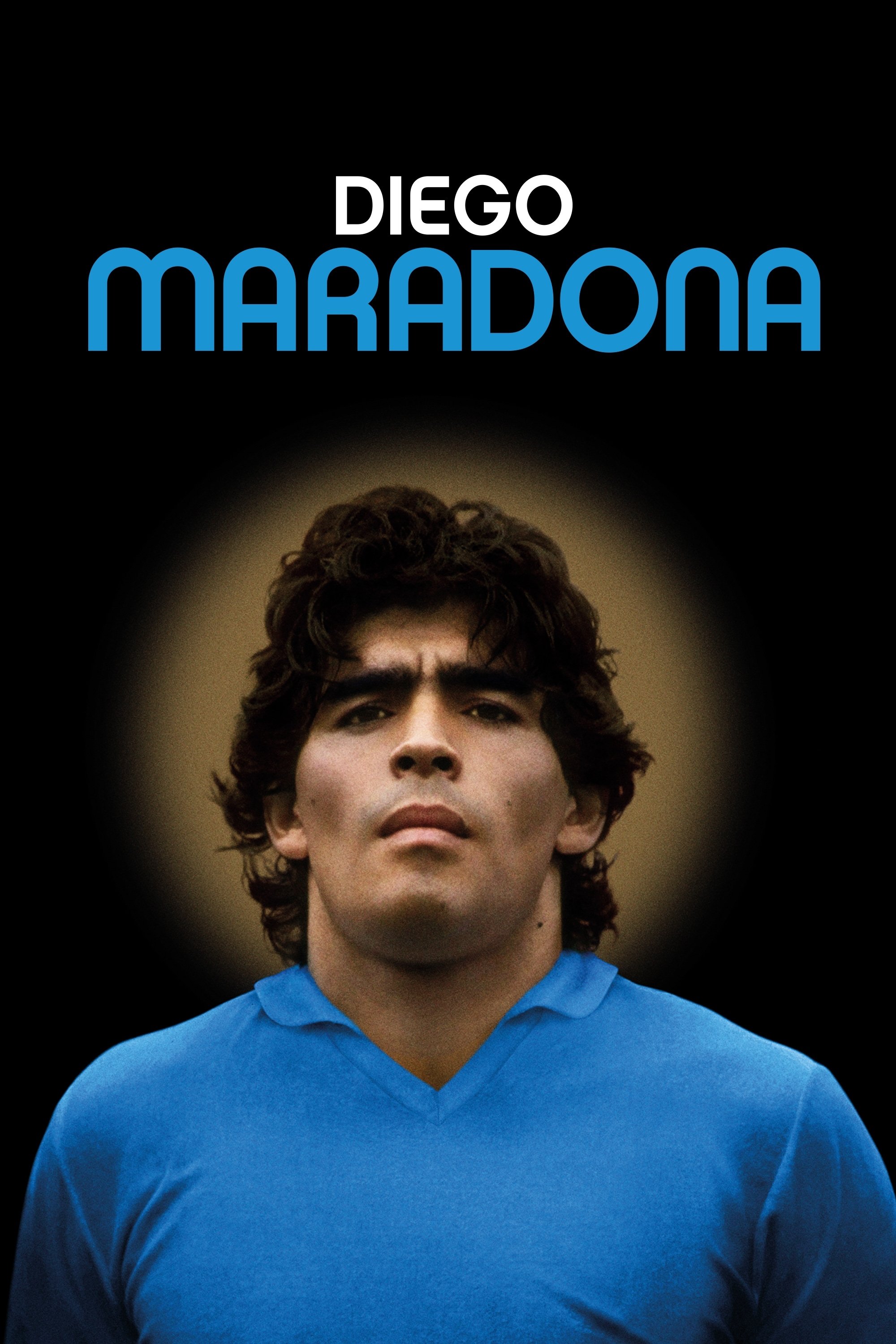
Constructed from over 500 hours of never-before-seen footage, this documentary centers on the personal life and career of the controversial football player Diego Maradona who played for SSC Napoli and Argentina in the 1980s.
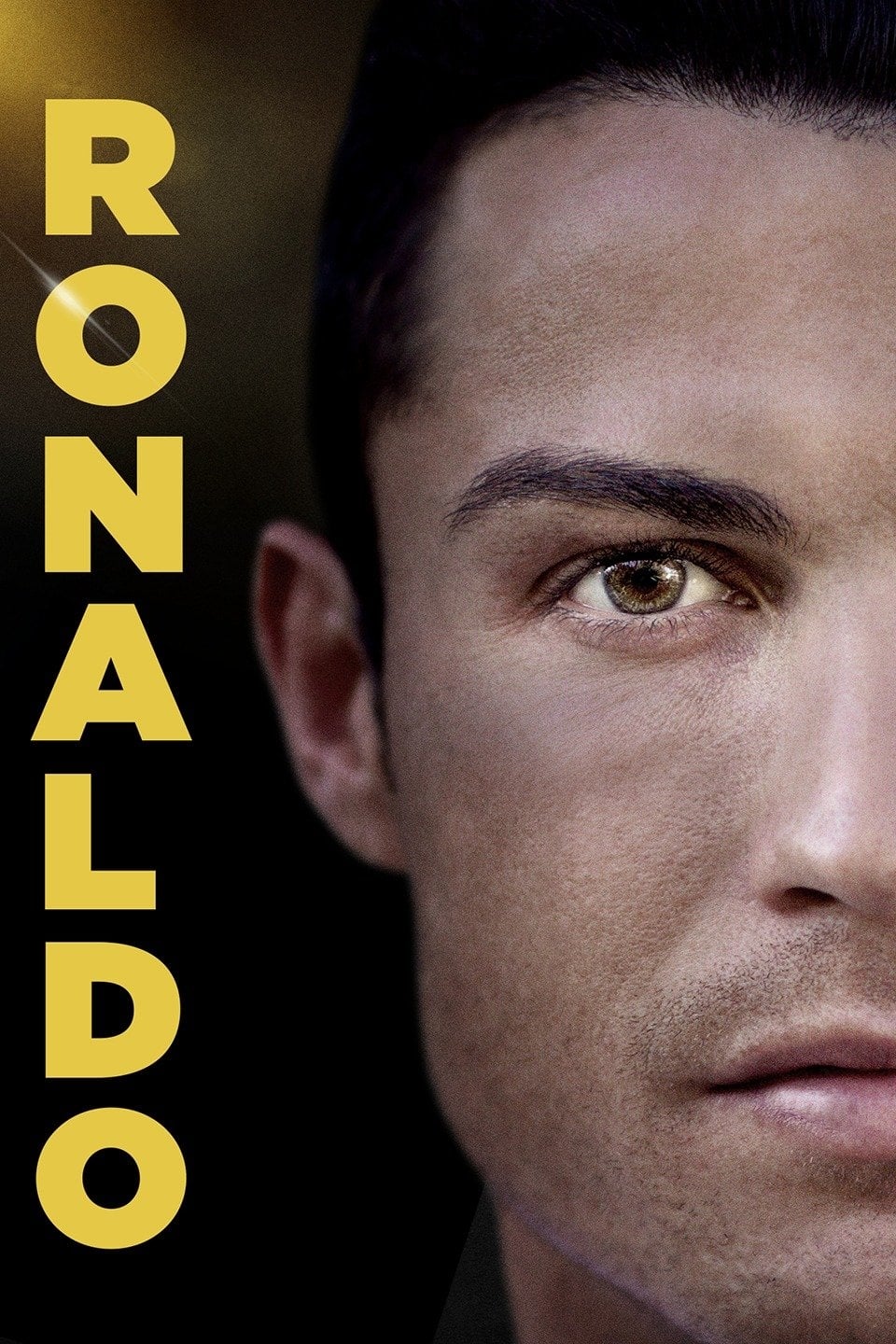
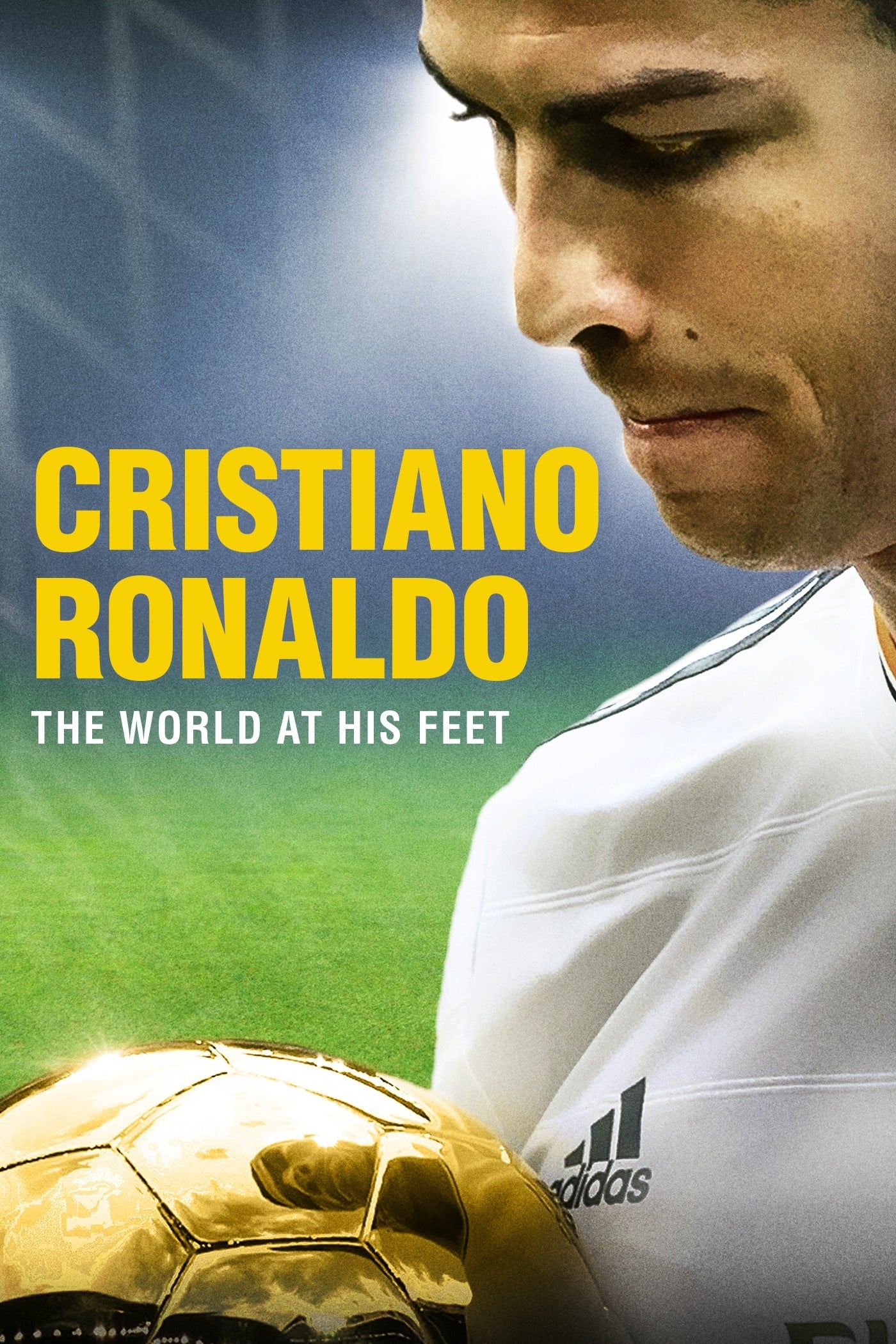
Filmed over 14 months with unprecedented access into the inner circle of the man and the sport, this is the first official and fully authorised film of one of the most celebrated figures in football. For the first time ever, the world gets vividly candid and un-paralleled, behind-closed-doors access to the footballer, father, family-man and friend in this moving & fascinating documentary. Through in-depth conversations, state of the art football footage and never before seen archival footage, the film gives an astonishing insight into the sporting and personal life of triple Ballon D'Or winner Cristiano Ronaldo at the peak of his career. From the makers of ‘Senna’ and ‘Amy’, Ronaldo takes audiences on an intimate and revealing journey of what it’s like to live as an iconic athlete in the eye of the storm.
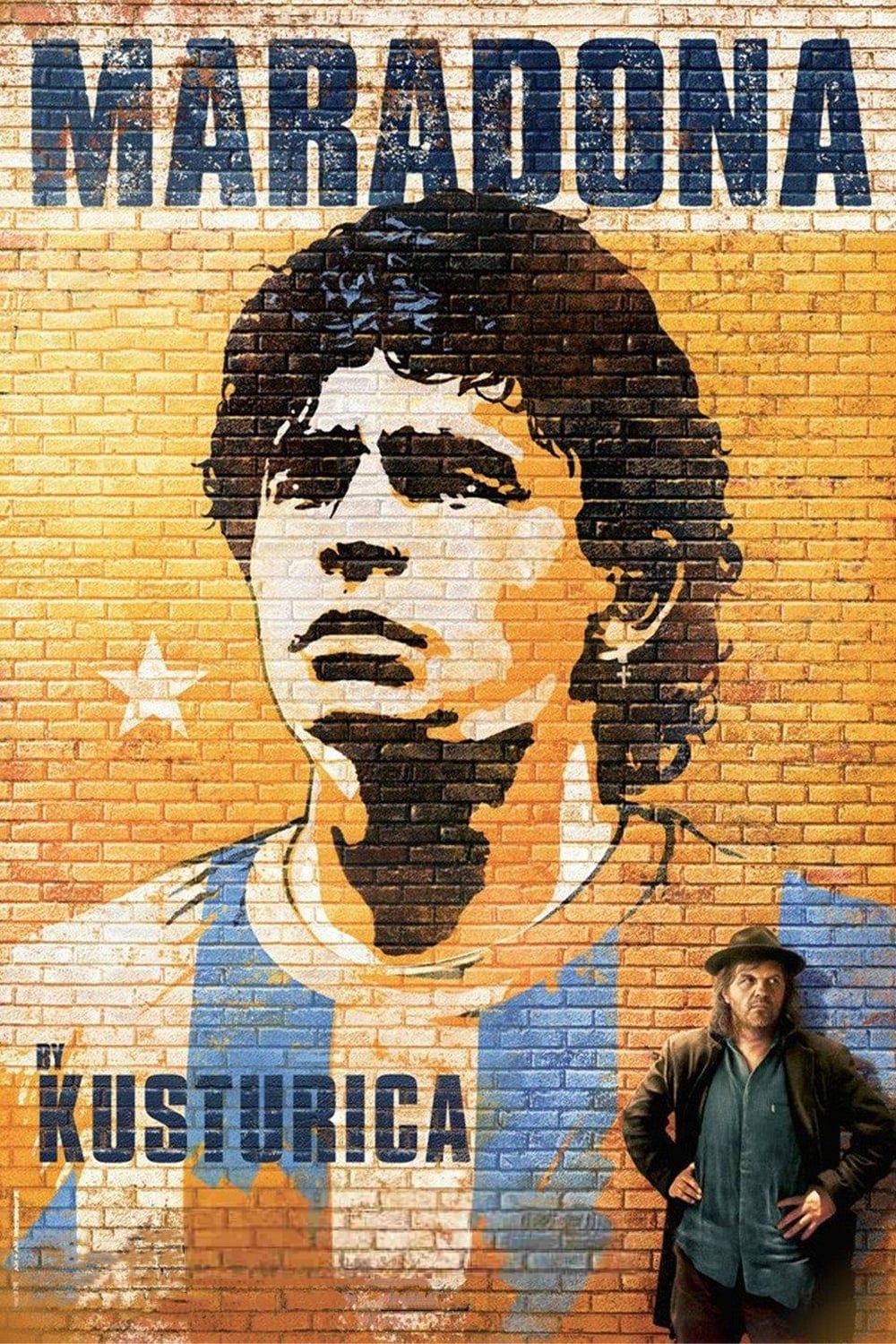
A documentary on Argentinean soccer star Diego Maradona, regarded by many as the world's greatest modern player.
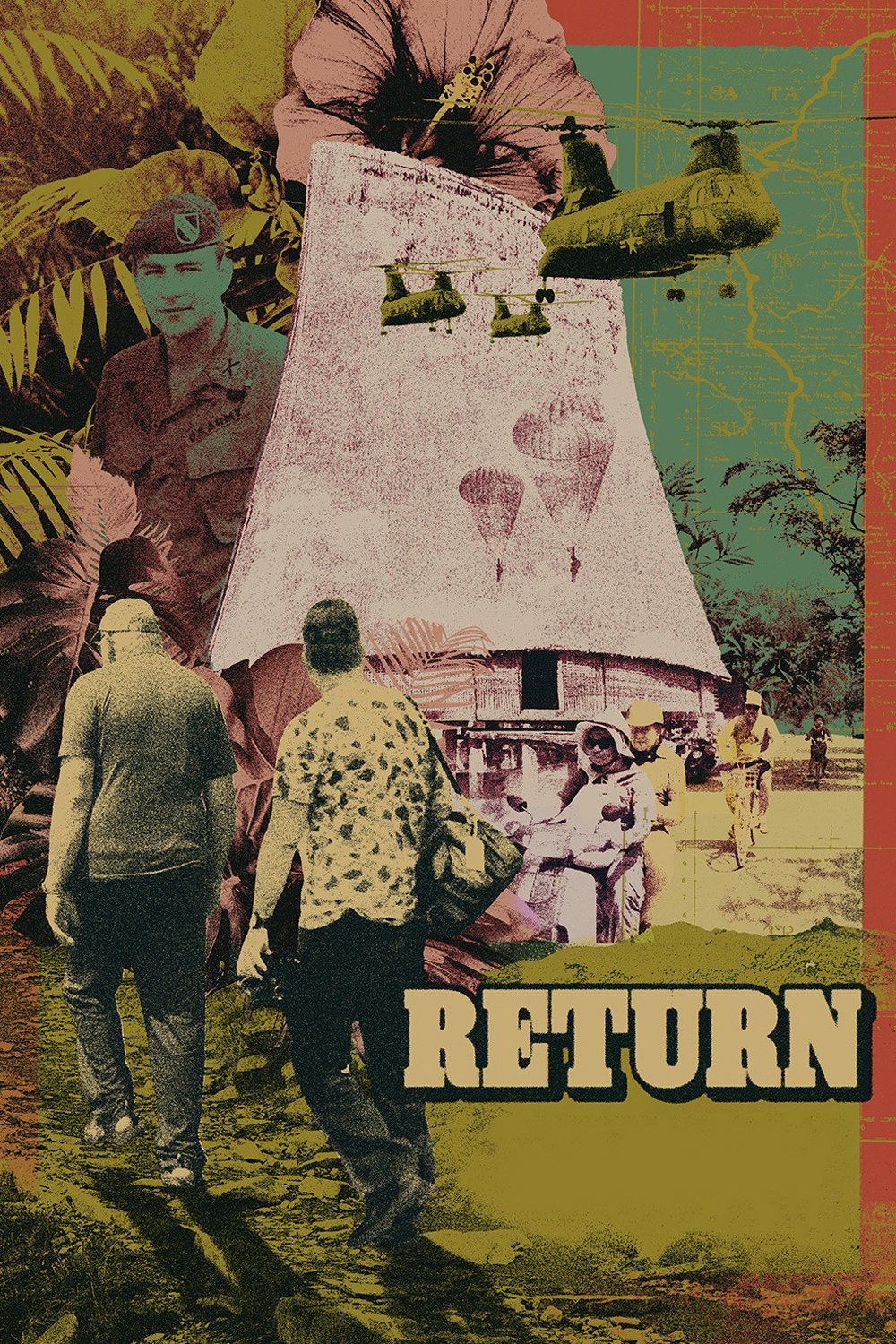
RETURN tells the story of a retired Green Beret who embarks on a healing journey from Montana to Vietnam. There he retraces his steps, shares his wartime experiences with his son, treats his Post-Traumatic Stress Disorder, and seeks out the mountain tribespeople he once lived with and fought alongside as a Special Forces officer.
A string of threatening emails escalates into a revenge plot involving a newly married US marshal and his ex-girlfriend.
Cristiano Ronaldo: The World at His Feet follows the footballer from his beginnings in Portugal, breakthrough start with Manchester United and current career at Real Madrid.
A detailing of the rise to prominence and global sporting superstardom of six supremely talented young Manchester United football players (David Beckham, Nicky Butt, Ryan Giggs, Paul Scholes, Phil and Gary Neville). The film covers the period 1992-1999, culminating in Manchester United's European Cup triumph.
Al Pacino's deeply-felt rumination on Shakespeare's significance and relevance to the modern world through interviews and an in-depth analysis of "Richard III."
An inside look at one of the most anticipated movie sequels ever with James Cameron and cast.
Brilliant, long in-the-works story of the life and art of the world's greatest comedian and the cinema's first genius, Charlie Chaplin. Produced, written and directed by renowned film critic Richard Schickel.
This revealing documentary honors the legendary Sidney Poitier—iconic actor, filmmaker, and civil rights activist. Featuring interviews with Denzel Washington, Spike Lee, Halle Berry, and more.
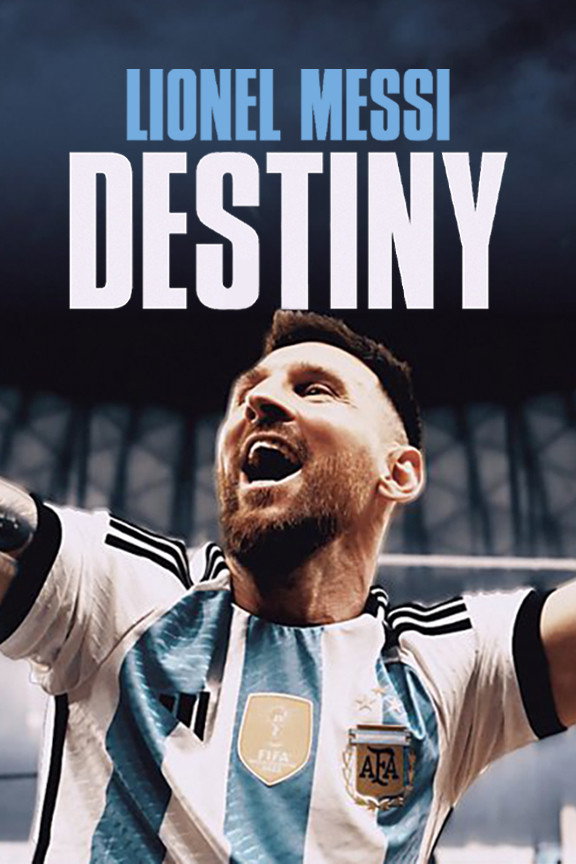
Behind-the-scenes documentary about how Lionel Messi succeeded in lifting the World Cup – the only trophy to have eluded him in an incredible career.
The film follows adventurer Jeff Johnson as he retraces the epic 1968 journey of his heroes Yvon Chouinard and Doug Tompkins to Patagonia.
Live Aid was held on 13 July 1985, simultaneously in Wembley Stadium in London, England, and the John F. Kennedy Stadium in Philadelphia, United States. It was one of the largest scale satellite link-ups and television broadcasts of all time: watched live by an estimated global audience of 1.9 billion, across 150 nations. "It's twelve noon in London, seven AM in Philadelphia, and around the world it's time for Live Aid...!"
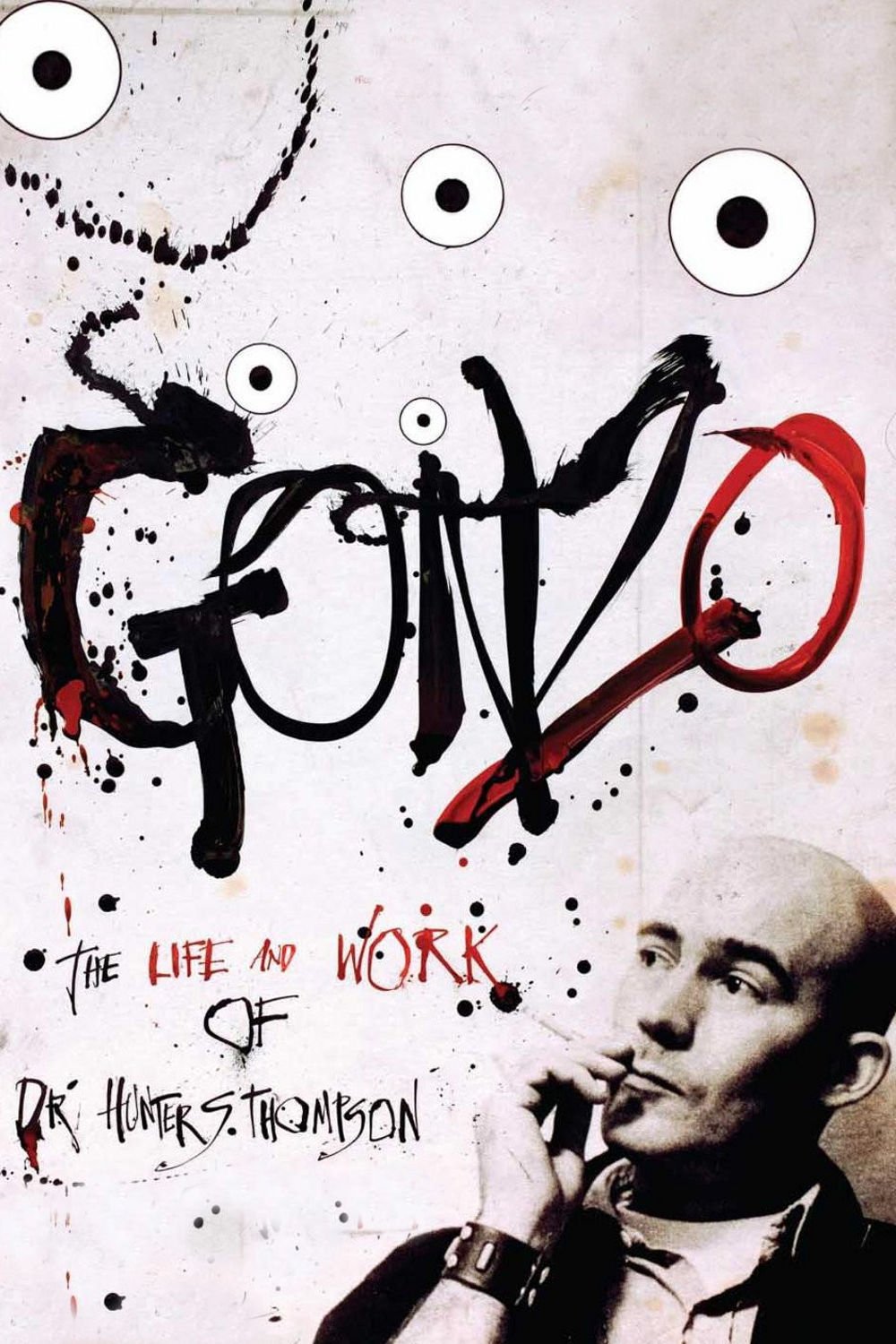
Fueled by a raging libido, Wild Turkey, and superhuman doses of drugs, Thompson was a true "free lance, " goring sacred cows with impunity, hilarity, and a steel-eyed conviction for writing wrongs. Focusing on the good doctor's heyday, 1965 to 1975, the film includes clips of never-before-seen (nor heard) home movies, audiotapes, and passages from unpublished manuscripts.
SEDUCED AND ABANDONED combines acting legend Alec Baldwin with director James Toback as they lead us on a troublesome and often hilarious journey of raising financing for their next feature film. Moving from director to financier to star actor, the two players provide us with a unique look behind the curtain at the world's biggest and most glamourous film festival, shining a light on the bitter-sweet relationship filmmakers have with Cannes and the film business. Featuring insights from directors Martin Scorsese, 'Bernando Bertolucci' and Roman Polanski; actors Ryan Gosling and Jessica Chastain and a host of film distribution luminaries.
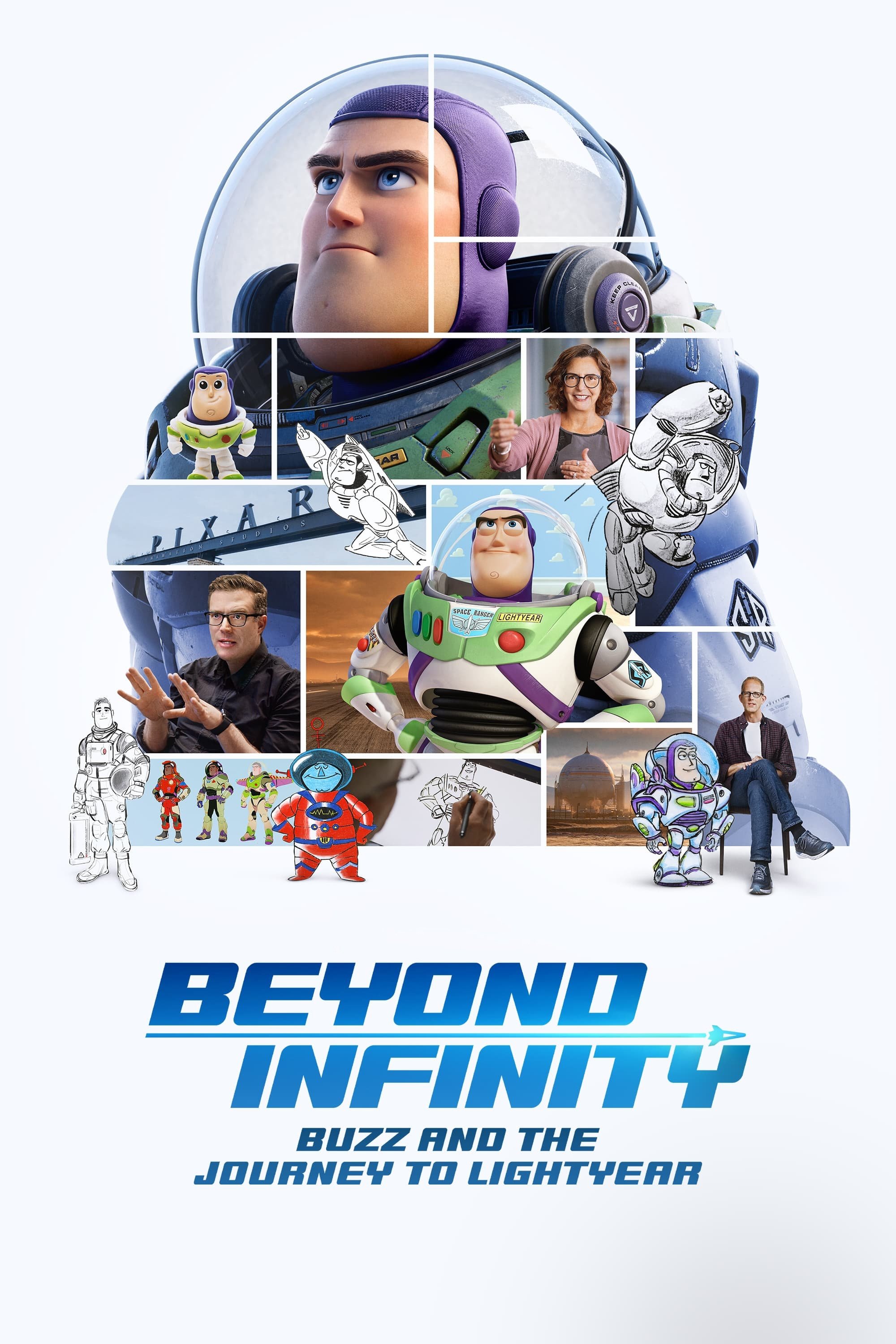
Explore the evolution of Buzz Lightyear from toy to human in the making of Pixar’s Lightyear. Dive into the origin and cultural impact of everyone’s favorite Space Ranger, the art of designing a new “human Buzz,” and the challenges faced by the Lightyear crew along the way.