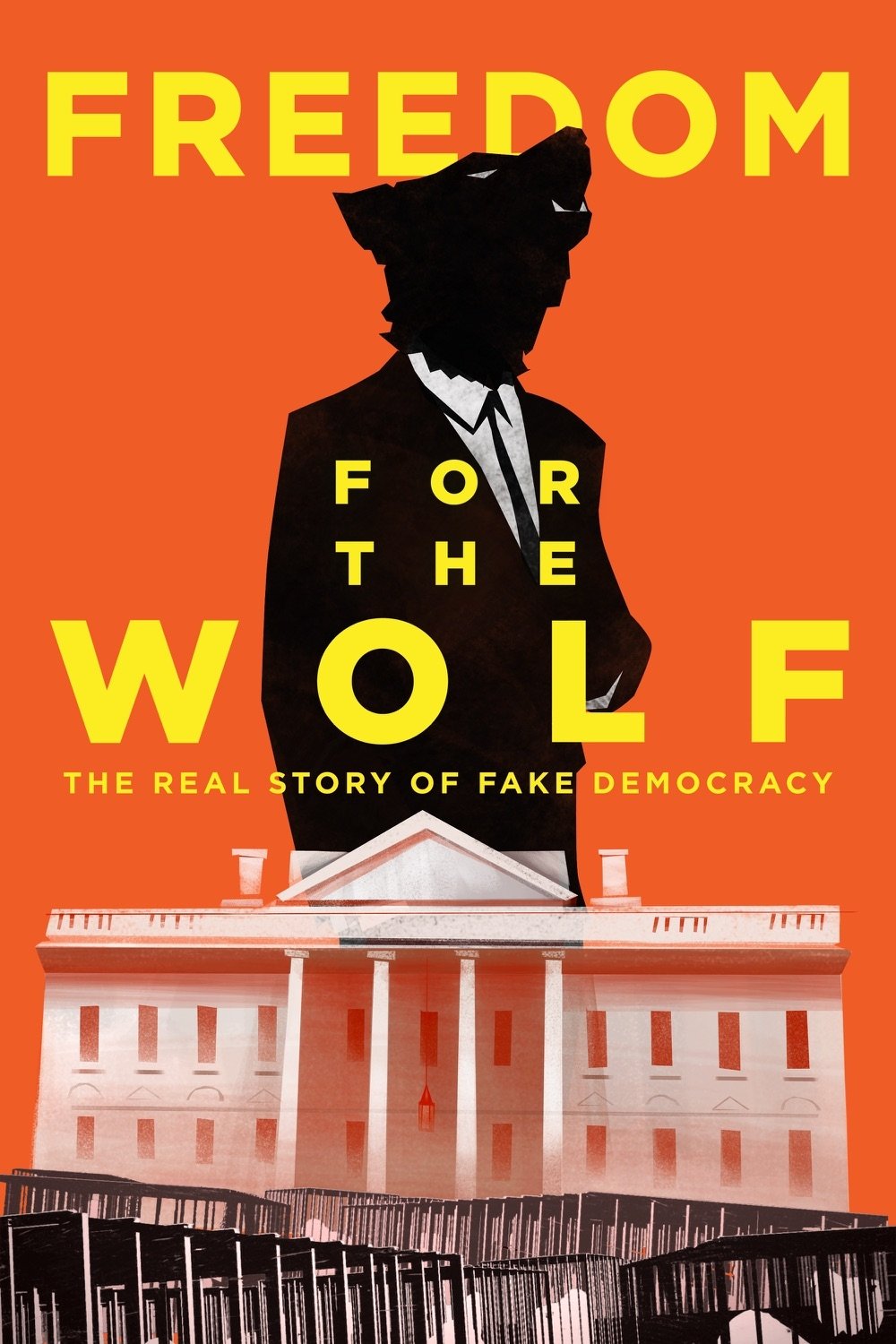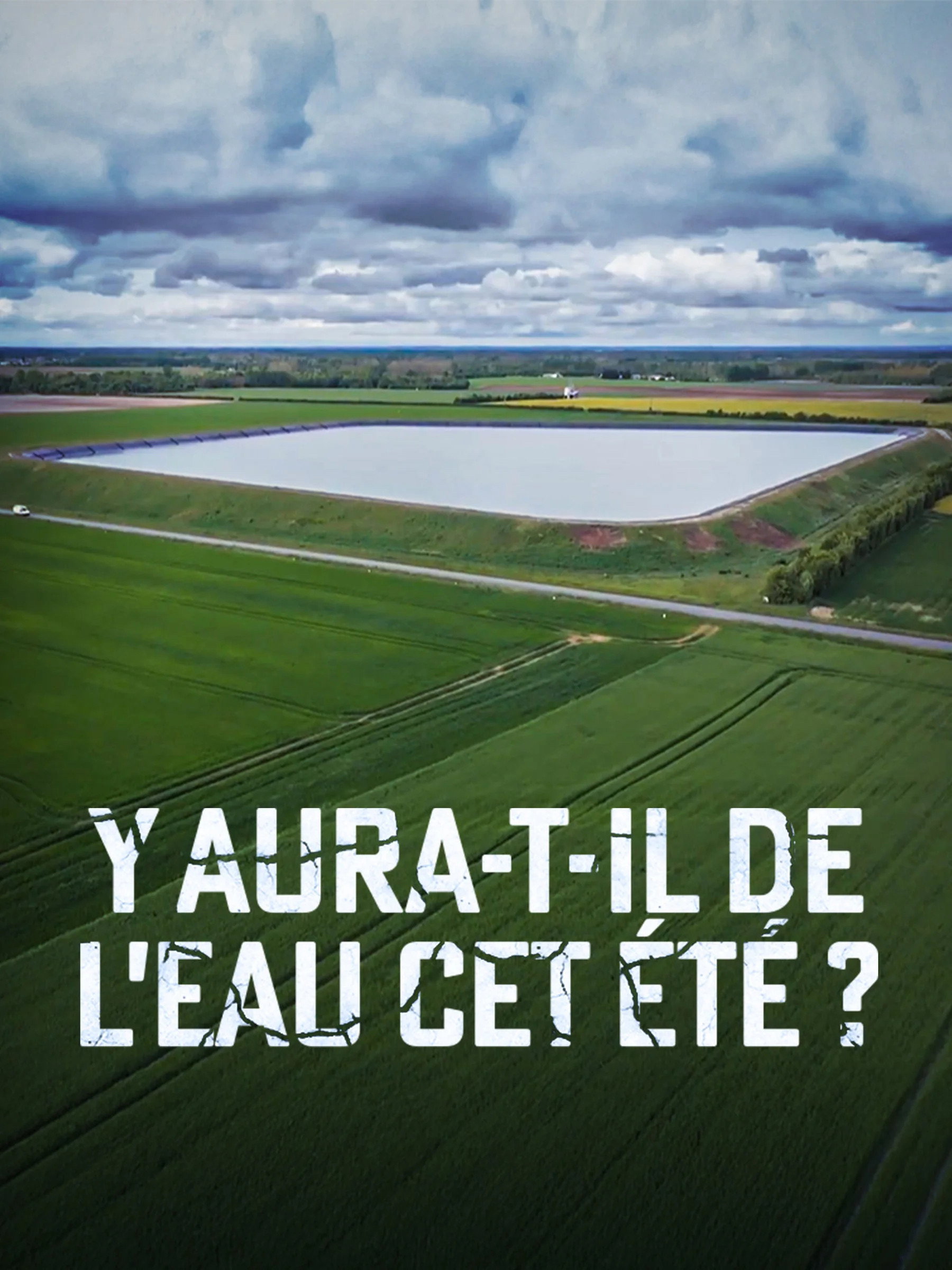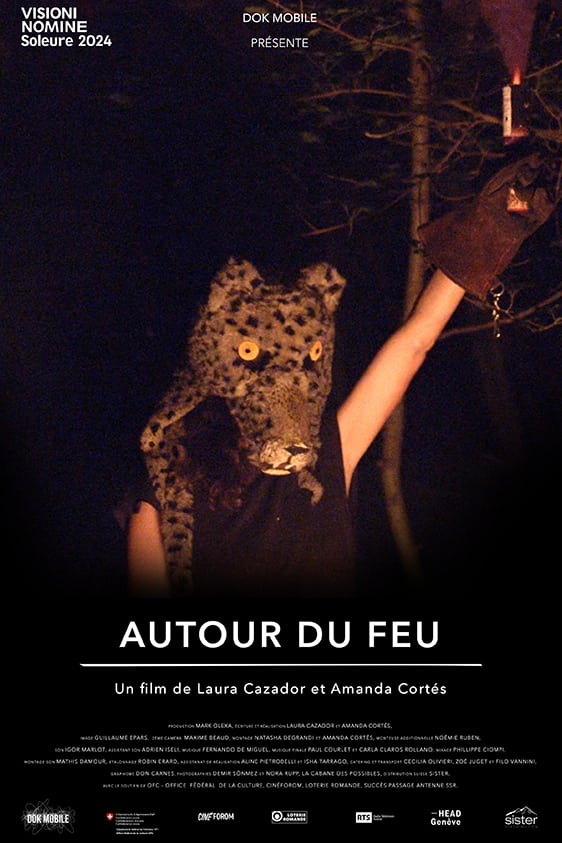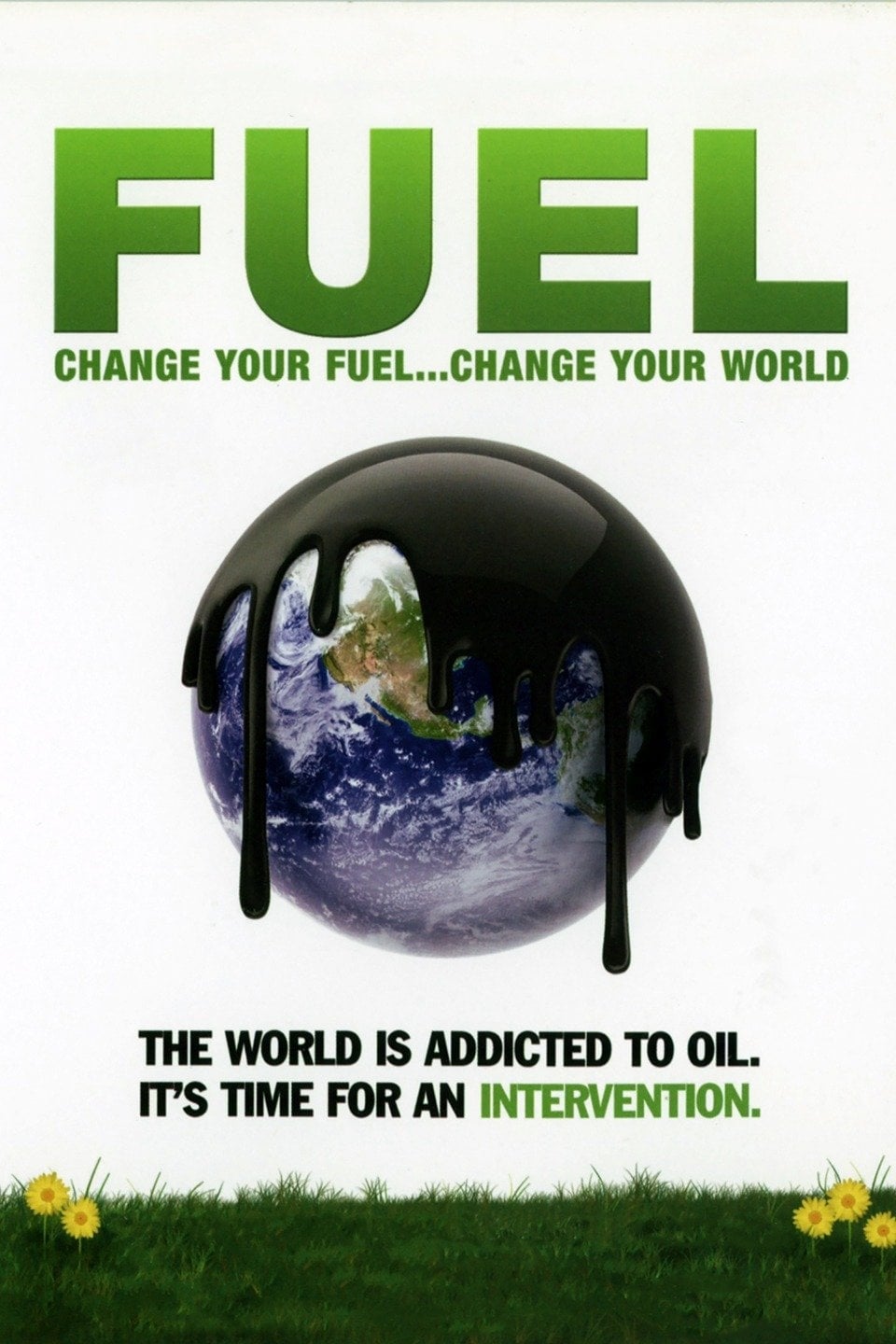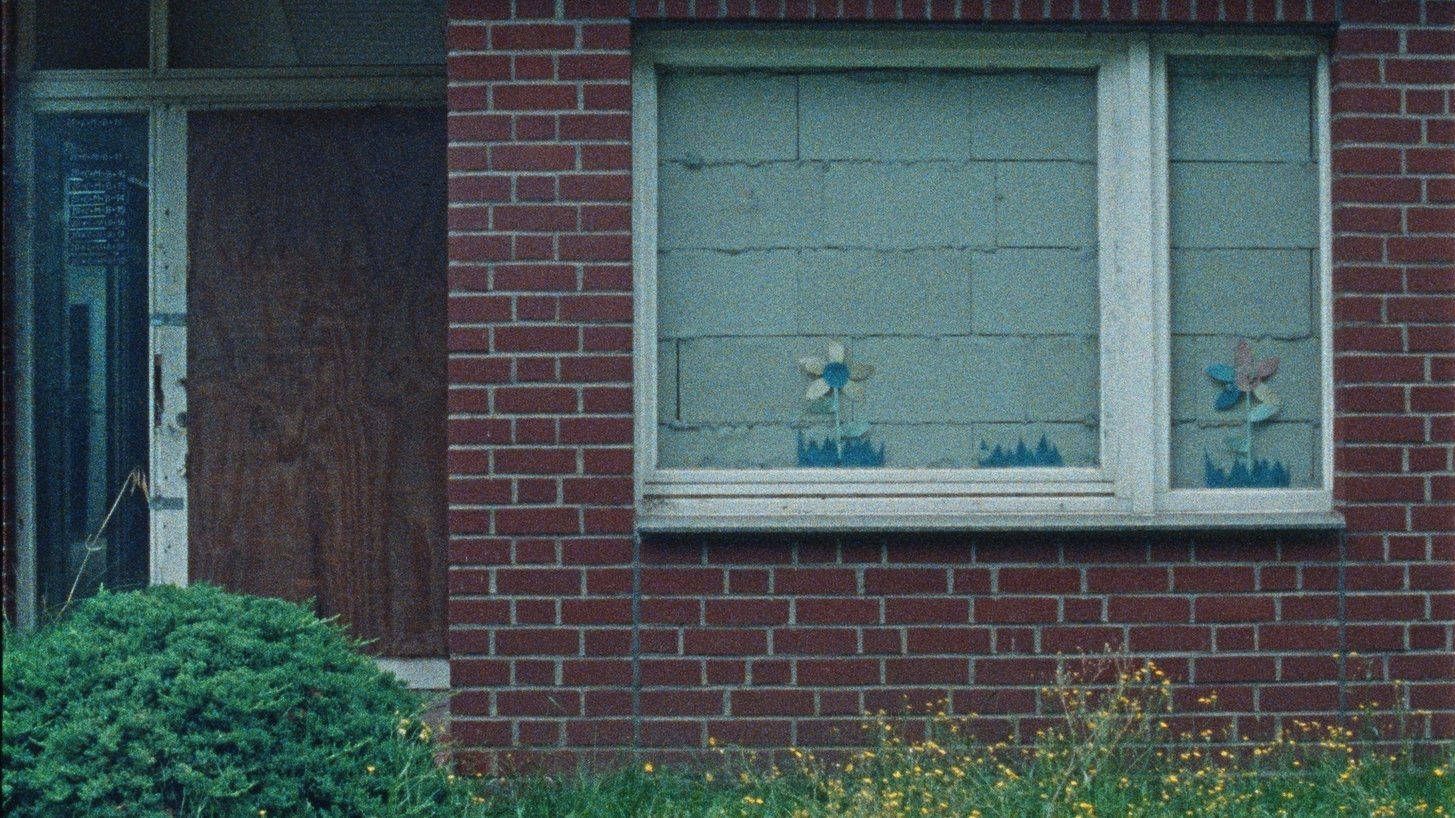
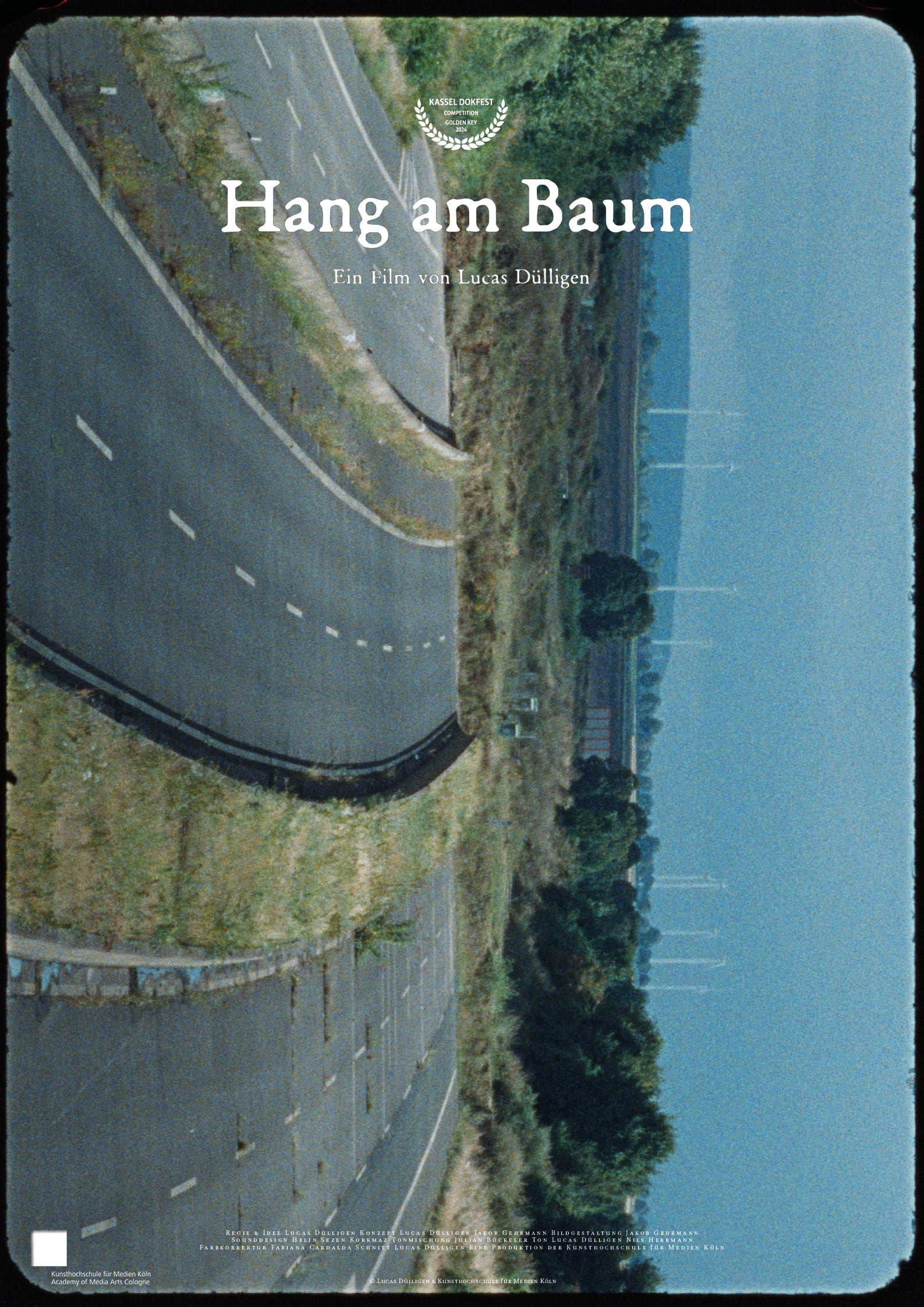
An apocalyptic sound of roaring machines incessantly intrudes into the habitats of man and nature. Barren landscapes and deserted villages linger in hypnotic restlessness. A self-destructive system meets resistance.

Social & External
Every year, thousands of Antarctica's emperor penguins make an astonishing journey to breed their young. They walk, marching day and night in single file 70 miles into the darkest, driest and coldest continent on Earth. This amazing, true-life tale is touched with humour and alive with thrills. Breathtaking photography captures the transcendent beauty and staggering drama of devoted parent penguins who, in the fierce polar winter, take turns guarding their egg and trekking to the ocean in search of food. Predators hunt them, storms lash them. But the safety of their adorable chicks makes it all worthwhile. So follow the leader... to adventure!!
A documentary on Al Gore's campaign to make the issue of global warming a recognized problem worldwide.
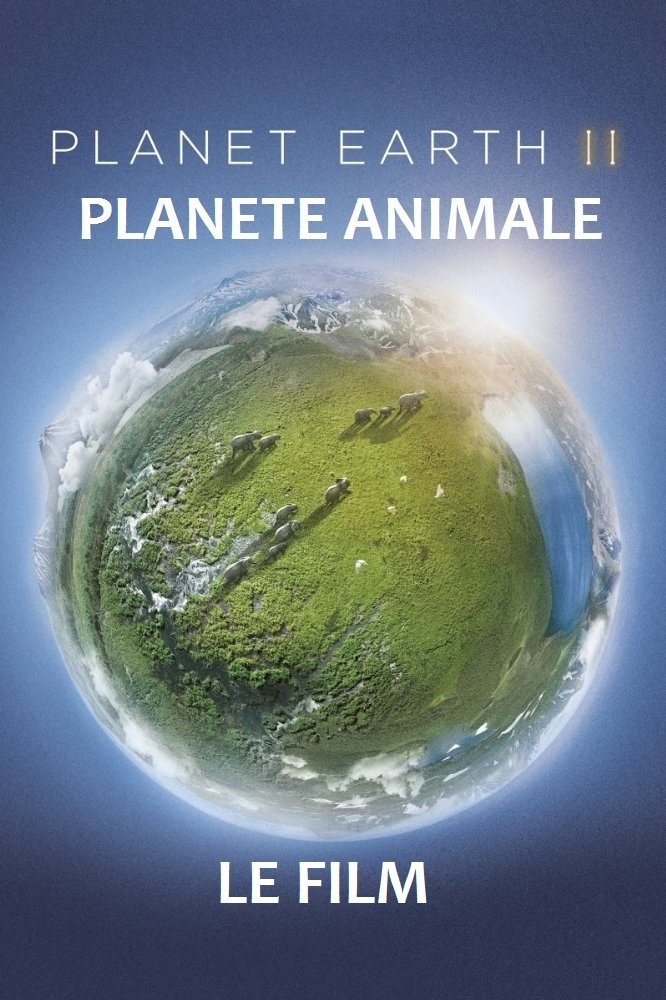
A compilation episode of the wildlife documentary series presented by David Attenborough, uncovering the secrets of animals across the globe.
For more than 20 years, Maurice & Katia Krafft have traveled the world. From Iceland to Hawaii, from Africa to Indonesia, they are usually the first to reach the scene of an eruption. Join them as they risk their lives to document the birth of a volcano.
A journey into the hidden world of the Netherlands, beneath the water's surface, where extraordinary creatures inhabit a wondrous habitat. Thirty years ago, filming there would have been unthinkable: the polluted, murky waters were devoid of life. Now, the many efforts to protect the environment are paying off...
Go to the Big Island and hover above erupting craters at Hawaii Volcanoes National Park, watch flowing orange lava ooze across charred rock and steam billow from the Pu'u 'O'o Vent. Glide over Maui's Haleakala National Park and discover the diversity of Hawaiian landscapes. Island hop to Lanai for spectacular beaches. Visit Pearl Harbor from above and the memorial sites before exploring the rest of Oahu. Narrated by Tom Skerritt
In a time of hardship, Hobart resident Peter Walsh turns to the secretive platypus for solace, only to discover it is the platypus that need his help to survive in a habitat under threat.
In September 1954, David Attenborough, cameraman Charles Lagus, Jack Lester and Alf Woods, both from the Zoological Society of London, set out for Sierra Leone. They spent three months intently surveying the landscapes of Sierra Leone in search of nature’s rarest animals. Although predominantly searching for Picathartes gymnocephalus (the White-necked Rockfowl) they hoped to take back to London a representative collection of the whole of animal life in this part of Africa.
ITV Naturalist Nigel Marven stars in this drama-documentary in which he explores his own back garden, in all its intricate detail. Shrunk to the size of an ant, he and his two companions - technical assistant Laura Green (Sarah Matravers) and driver Doug Kruger (Robin Lawrence) - embark on a mission to cross Nigel's back garden in just 24 hours. Along the way they meet some of the many thousands of creatures that fight for survival every day in these urban jungles .
Lake Tanganyika is an 'Ocean' in Africa. Millions of years ago it was colonized by a little fish called 'Cichlid'. Otters, crocodiles, cobras and cormorants all hunt the fish in clear water. How the Cichlid survived and evolved is an incredible story for, millions of years later, there are over 200 new species - all found only in Lake Tanganyika. Incredibly, they have evolved to look like coral reef fish. There are cichlid equivalents of tuna, snapper, gobies and goatfish. They have evolved bizarre methods of breeding with mouth-incubation, lekking and, unique amongst fish, there is even a cuckoo. Despite all their specialization over millions of years, if an opportunity presents itself, the little fish can behave like their unspecialized ancestor. In the climax of the film, they bang together to feast on a hatch of sardine fry. This is the story of how one little fish has conquered a lake.
They say that in the wild, nothing dies of old age. Yet one female baboon defies the rule. Queen of Baboons is a deeply intimate portrayal of life in a baboon troop through the eyes of its matriarch Mmasadi. From the moment of her birth, Mmasadi is destined for greatness. Born into the troops highest-ranking family, she will become queen one day.
In Africa there is a fable that explains the creation of the tides. When a hyaena challenged a mudskipper to a drinking contest to decide who should own the shore, the god Mungu tilted the earth so the sea flowed inland, and neither could win.
After many years of careful conservation, Banff and Jasper National Parks have become vast zoological gardens. Deer, moose, bear, big-horn sheep, birds and small animals that live above the treeline are natural subjects for the close-up camera, with a backdrop of snowy peaks.
A reflection on anarchism and labor, ANCIENT SUNSHINE marks a path through the struggles of climate activism and coal extractions in the American West.
Norman is not just an admirer of nature, he's a part of it. He survives the harshness of the climate and the wildlife by coexisting with it. With his wife Nebraska, they live almost entirely off the land, making money by selling their furs.
Shoot The People is a documentary capturing photographer and activist Misan Harriman’s journey documenting global protest movements that drive social change. Following Harriman as he highlights the resilience of grassroots activists fighting for equality, civil rights, and social justice, the film showcases the intersectionality of these movements and their collective power. With historical context, interviews with activists, and explorations of digital activism, the documentary reveals how Harriman's lens brings the world's activism to light, inspiring viewers to recognize their own power in shaping a more just society.
Olive trees have been a key element of life for populations in Palestinian land for generations. Since the creation of the state of Israel, historical inhabitants and trees face the uproot of their lives and culture. This documentary shows popular struggles in occupied Cisjordan through the testimonies of Palestinian families and the activists that protect them during olive harvest.
The film accompanies Flo, a young Scot from Glasgow, on an intensely personal journey, as she seeks out examples of nature recovery around Europe. Like many of her generation, Flo is concerned by the state of nature and fearful about an uncertain future. However, during her travels, she discovers places where nature is making a spectacular comeback, breathing life back into the landscape and revitalising human communities. Encouraged by these stories of hope and renewal, she is prompted to wonder: Why Not Scotland?
With a blend of poignant flashbacks and present-day reflections, the film follows Pete on his 50th and final season fishing for salmon in Southeast Alaska. With day-in-the-life scenes on his fishing vessel, Njord, he emphasizes the critical need for ethical fishing practices, grassroots political organizing, and direct consumer relationships to thrive in an increasingly challenging economy. Featuring powerful moments from the 2001 battle to protect Seattle’s Fisherman’s Terminal for working vessels, this documentary not only showcases the fight for economic survival but also underscores the personal and collective resilience that sustains small family businesses in the face of adversity.
Takes us to locations all around the US and shows us the heavy toll that modern technology is having on humans and the earth. The visual tone poem contains neither dialogue nor a vocalized narration: its tone is set by the juxtaposition of images and the exceptional music by Philip Glass.
A decade after An Inconvenient Truth brought climate change into the heart of popular culture comes the riveting and rousing follow-up that shows just how close we are to a real energy revolution. Vice President Al Gore continues his tireless fight, traveling around the world training an army of climate champions and influencing international climate policy. Cameras follow him behind the scenes—in moments private and public, funny and poignant—as he pursues the empowering notion that while the stakes have never been higher, the perils of climate change can be overcome with human ingenuity and passion.
A visual montage portrait of our contemporary world dominated by globalized technology and violence.
In this documentary, recovering addict and amputee John Wood finds himself in a stranger-than-fiction battle to reclaim his mummified leg from Southern entrepreneur Shannon Whisnant, who found it in a grill he bought at an auction and believes it therefore to be his rightful property.
Never-before-seen footage shows how our living in lockdown opened the door for nature to bounce back and thrive. Across the seas, skies, and lands, Earth found its rhythm when we came to a stop.
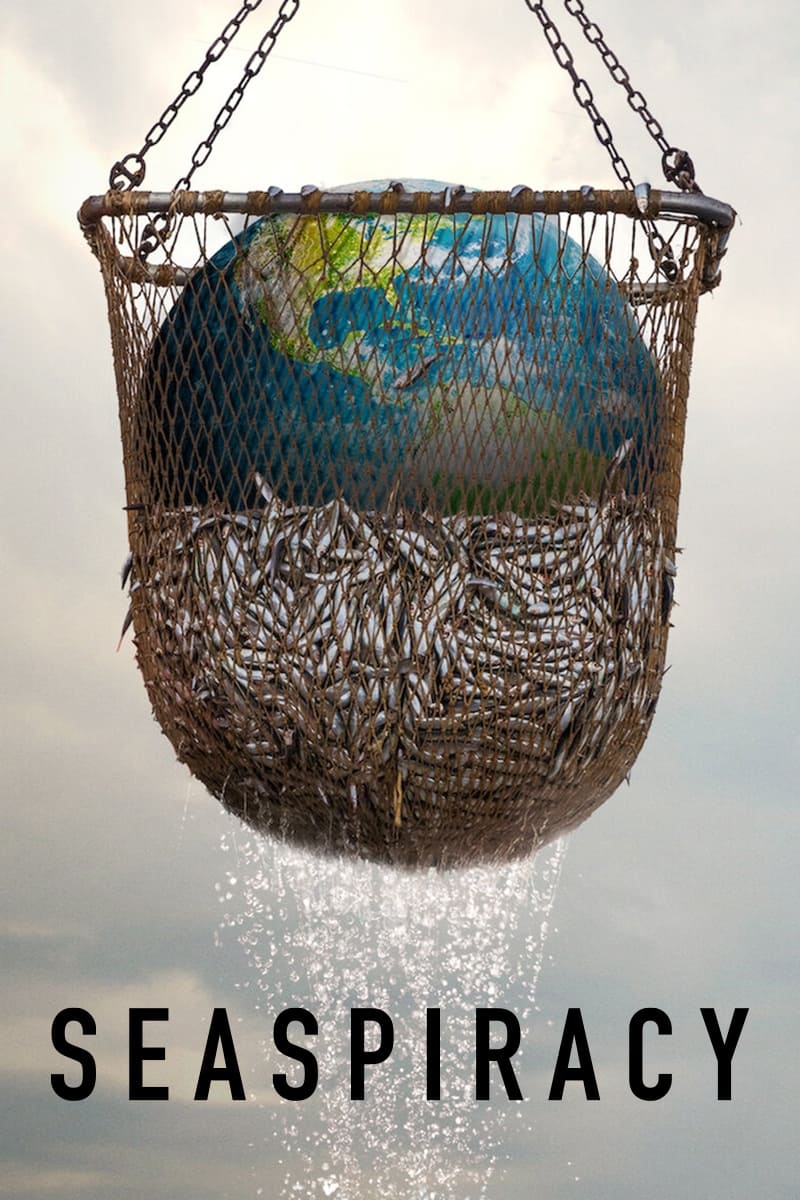
Passionate about ocean life, a filmmaker sets out to document the harm that humans do to marine species — and uncovers an alarming global conspiracy.
A look at the state of the global environment including visionary and practical solutions for restoring the planet's ecosystems. Featuring ongoing dialogues of experts from all over the world, including former Soviet Prime Minister Mikhail Gorbachev, renowned scientist Stephen Hawking, former head of the CIA R. James Woolse
The story of life on our planet by the man who has seen more of the natural world than any other. In more than 90 years, Attenborough has visited every continent on the globe, exploring the wild places of our planet and documenting the living world in all its variety and wonder. Addressing the biggest challenges facing life on our planet, the film offers a powerful message of hope for future generations.
A documentary on the expletive's origin, why it offends some people so deeply, and what can be gained from its use.
From the acclaimed director of American Movie, the documentary follows former Los Angeles police officer turned independent reporter Michael Ruppert. He recounts his career as a radical thinker and spells out his apocalyptic vision of the future, spanning the crises in economics, energy, environment and more.
An eye-opening documentary that asks the question: Are we going to let climate change destroy civilization, or will we act on technologies that can reverse it? Featuring never-before-seen solutions on the many ways we can reduce carbon in the atmosphere thus paving the way for temperatures to go down, saving civilization.
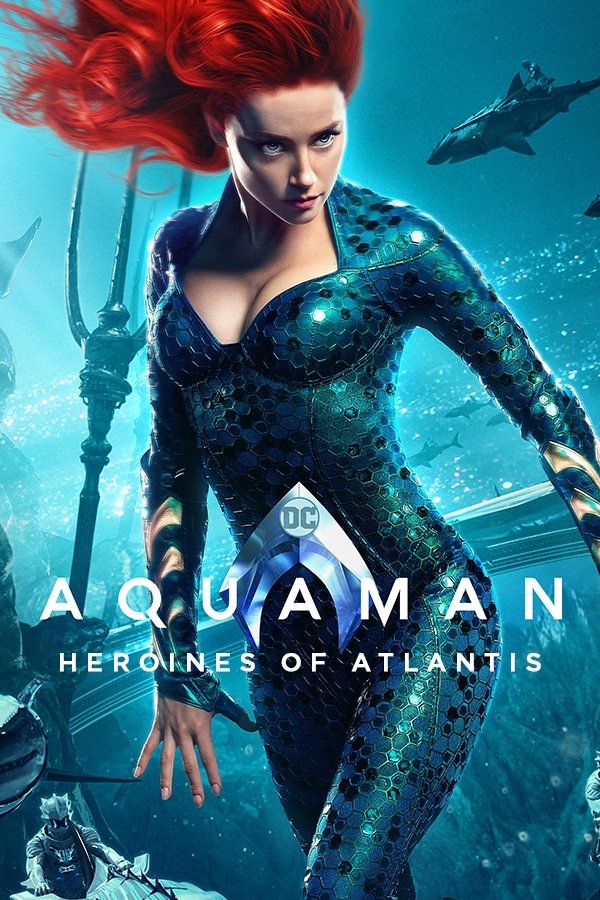
Amber Heard and Nicole Kidman discuss their characters Mera and Atlanna.
In the Realms of the Unreal is a documentary about the reclusive Chicago-based artist Henry Darger. Henry Darger was so reclusive that when he died his neighbors were surprised to find a 15,145-page manuscript along with hundreds of paintings depicting The Story of the Vivian Girls, in What is Known as the Realms of the Unreal, of the Glodeco-Angelinnian War Storm, Cased by the Child Slave Rebellion.
A purely observational non-fiction film that takes viewers into the ethically murky world of end-of-life decision making in a public hospital.
The Making-of James Cameron's Avatar. It shows interesting parts of the work on the set.
Carefully picked scenes of nature and civilization are viewed at high speed using time-lapse cinematography in an effort to demonstrate the history of various regions.
Humanity’s ascent is often measured by the speed of progress. But what if progress is actually spiraling us downwards, towards collapse? Ronald Wright, whose best-seller, “A Short History Of Progress” inspired “Surviving Progress”, shows how past civilizations were destroyed by “progress traps”—alluring technologies and belief systems that serve immediate needs, but ransom the future. As pressure on the world’s resources accelerates and financial elites bankrupt nations, can our globally-entwined civilization escape a final, catastrophic progress trap? With potent images and illuminating insights from thinkers who have probed our genes, our brains, and our social behaviour, this requiem to progress-as-usual also poses a challenge: to prove that making apes smarter isn’t an evolutionary dead-end.
A documentary shot by filmmakers all over the world that serves as a time capsule to show future generations what it was like to be alive on the 24th of July, 2010.
Lyrical and powerfully personal essay film that reflects on the deaths of her husband Lou Reed, her mother, her beloved dog, and such diverse subjects as family memories, surveillance, and Buddhist teachings.