"There is no planet B"
The documentary follows a group of Latin American environmentalists and scientists on their risky expedition through the second largest coral reef in the world.
Social & External
For more than 30 years, scientist, broadcaster and environmental activist David Suzuki has served as the host of The Nature of Things, a CBC program that is seen in more than forty nations. Suzuki Speaks is an hour of thought-provoking television. David Suzuki delivers one of the most powerful messages of his career - the relationship between the four "sacred" elements and their influence on the "interconnectedness" we feel individually, with each other and with the rest of the world.
“Let’s Do It!” is a story about how a national cleanup campaign in a small European country grew into an ambitious global environmental movement. The idea spread far and wide, bringing about new wave of civic activism in many countries. However, even good initiatives can hit rough spots. The important thing is not to lose hope. This documentary captures the passion to change the world over the course of 10 years, culminating in World Clean-Up Day in 2018. The movie also showcases how grass-root initiatives can grow and subside and how some ambitions can be defeated only to give rise to even more ambitious ones.
Atlantis is filmmaker Luc Besson's celebration of the beauty and wonder of the world beneath the sea, expanding upon themes touched on in his film The Big Blue. Combining stunning underwater cinematography and a hypnotic score by Eric Serra, Besson's singular vision defies dialogue or narrative structure to explore ocean life as you've never seen it before. Following the colossal success of The Big Blue, Luc Besson crisscrossed the world's seas and oceans to film the beauty and diversity of marine life: from the giant octopuses of Vancouver to the manta rays of the Pacific (New Caledonia), and the grey sharks of Tahiti. A film with no actors or sets other than the underwater world. A breathtaking view of marine species: sharks, dolphins, manatees, octopuses. An exploration of the seabed in the Bahamas, the Galapagos, Vancouver, and Tahiti.

Go behind the scenes with the crew of Sea Lions of the Galapagos to showcase not just the production of a film, but the world that inspired it.
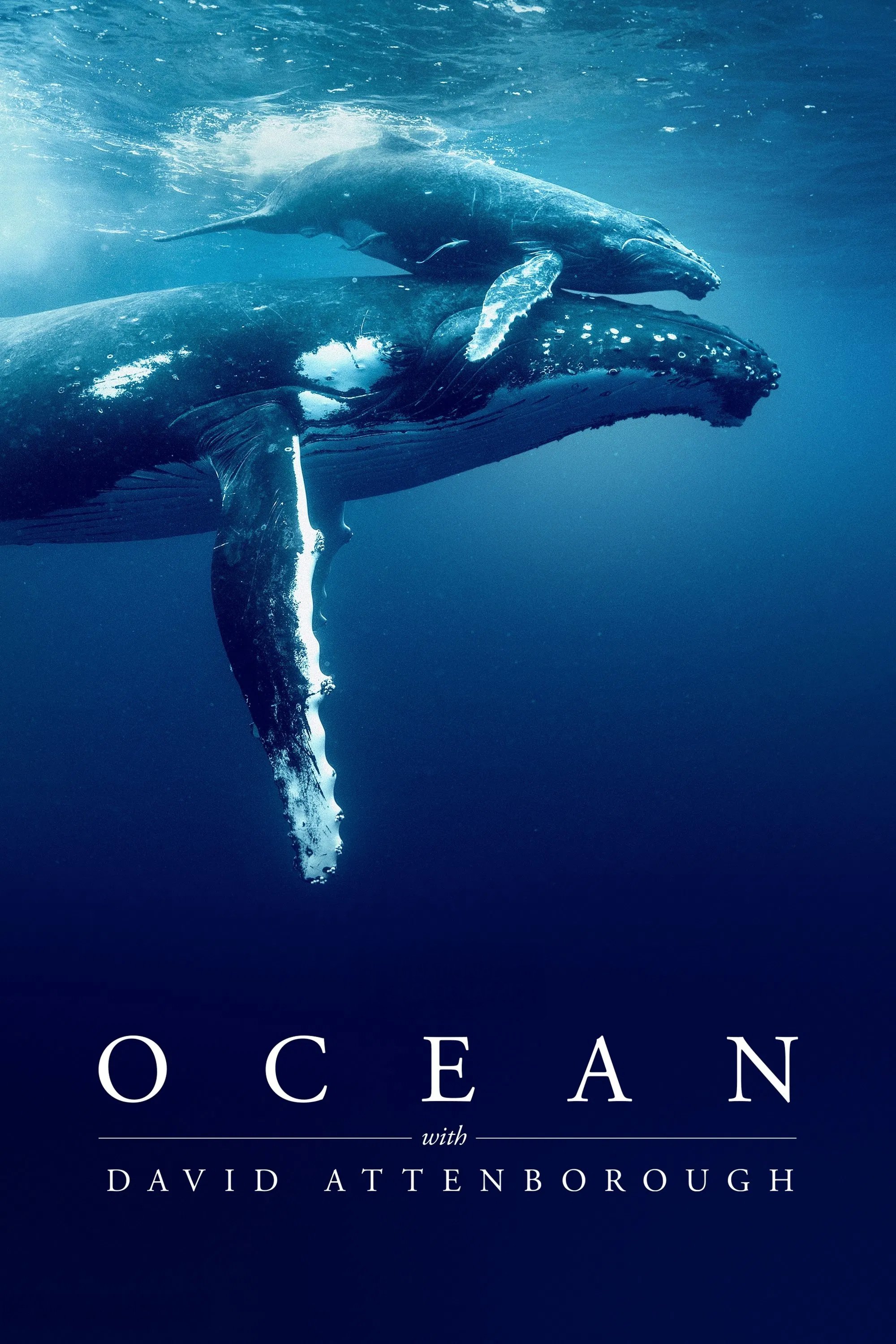
David Attenborough takes viewers on a breathtaking journey showing there is nowhere more vital for our survival, more full of life, wonder, or surprise, than the ocean. Through spectacular sequences featuring coral reefs, kelp forests and the open ocean, Attenborough shares why a healthy ocean keeps the entire planet stable and flourishing.
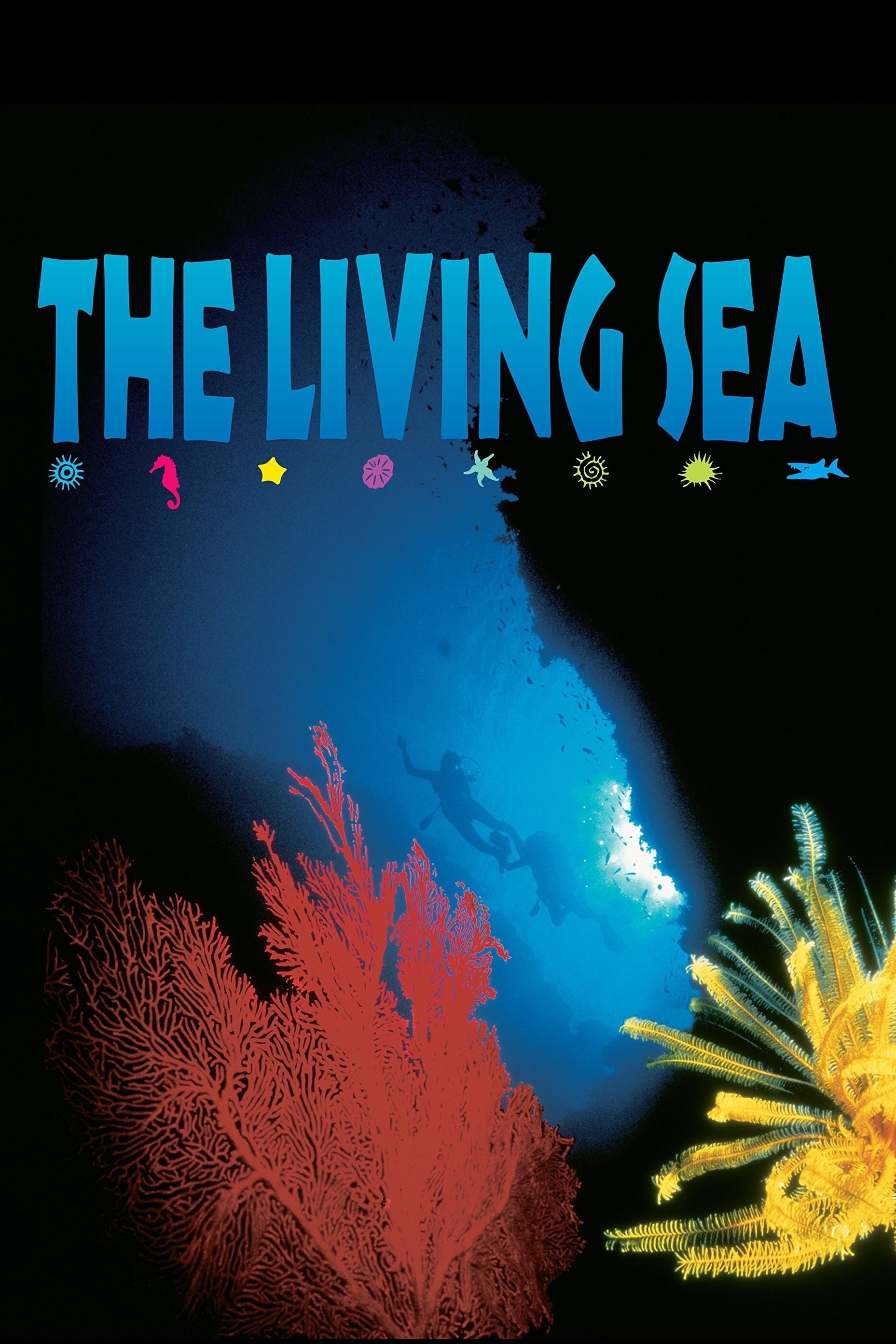
The Living Sea celebrates the beauty and power of the ocean as it explores our relationship with this complex and fragile environment. Using beautiful images of unspoiled healthy waters, The Living Sea offers hope for recovery engendered by productive scientific efforts. Oceanographers studying humpback whales, jellyfish, and deep-sea life show us that the more we understand the ocean and its inhabitants, the more we will know how to protect them. The film also highlights the Central Pacific islands of Palau, one of the most spectacular underwater habitats in the world, to show the beauty and potential of a healthy ocean.
Mollusks deserve a second chance to better their first impression since the world is truly one of a kind. Enter the secret world of mollusks!
An ecological drama/documentary, filmed throughout the globe. Part thriller, part meditation on the vanishing wonders of the sub-aquatic world.
Exploring the impact of human behavior on our environment from the perspective of one of South Florida's most beloved and fragile underwater creatures: the sea turtle. A critical look at the effects of global warming, water pollution, and our "throw-away" plastic lifestyle on this keystone species...and inevitably ourselves.

A mini docuseries following 12 Maldivian households as they embark on a year-long mission to reduce their use of single-use plastics.
Ocean Souls Films and Wildlife Media unite 100+ filmmakers, scientists, and leading experts to shine a bright, new spotlight on humanity’s closest living relatives - cetaceans (whales, dolphins, and porpoises). New footage and scientific discoveries reveal the extraordinary world beneath the ocean’s surface, where these majestic beings exhibit characteristics not unlike ours in terms of emotions, language, family, intelligence, and human interaction. Directed by Philip Hamilton, this multi-award-winning film inspires people to care and want to protect the oceans.
Harald Reichenbach sets off around the globe in a sailing boat collecting garbage from the sea with local people. Using a press, he compresses what they find and pours it into resin to form ‚G-Cubes’. He then takes the garbage back as art to the people who created it – consumers in industrialized countries. Nothing on the journey goes exactly as planned, however, and Reichenbach finds himself teetering between art and activism.
Over 46 minutes, the film takes the viewer on a journey to discover different initiatives and cases where Chileans are contributing to mitigate the effects of climate change, from large-scale projects and scientific innovations to day-to-day citizen actions, all of which are collectively necessary. The focus of this documentary is to show how Chile is contributing to an issue that affects all of humanity, such as climate change, in five thematic areas: sustainable agriculture; forest and biodiversity conservation; renewable energy; the water crisis; and astronomy.
Biosludged reveals how the EPA is committing science fraud to allow the ongoing poisoning of our world with toxic sewage sludge that's being spread on food crops. Features former top government scientist and EPA whistleblower Dr. David Lewis.
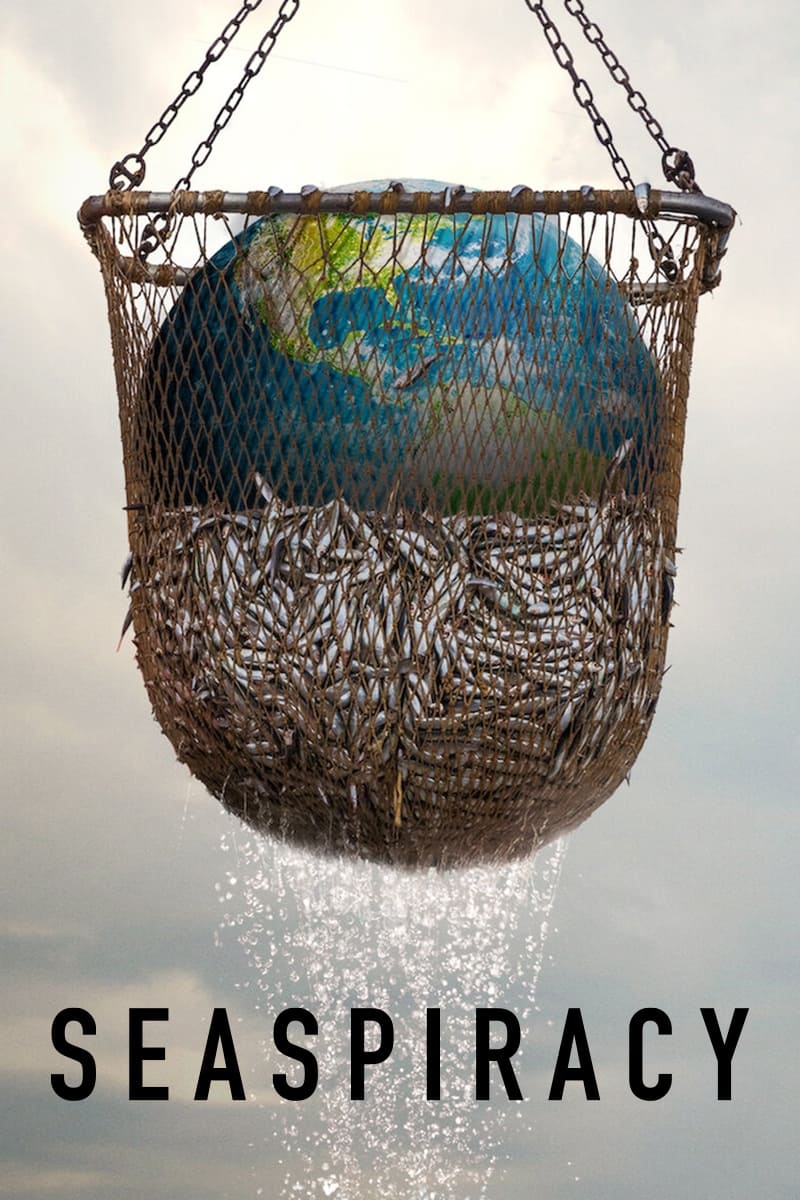
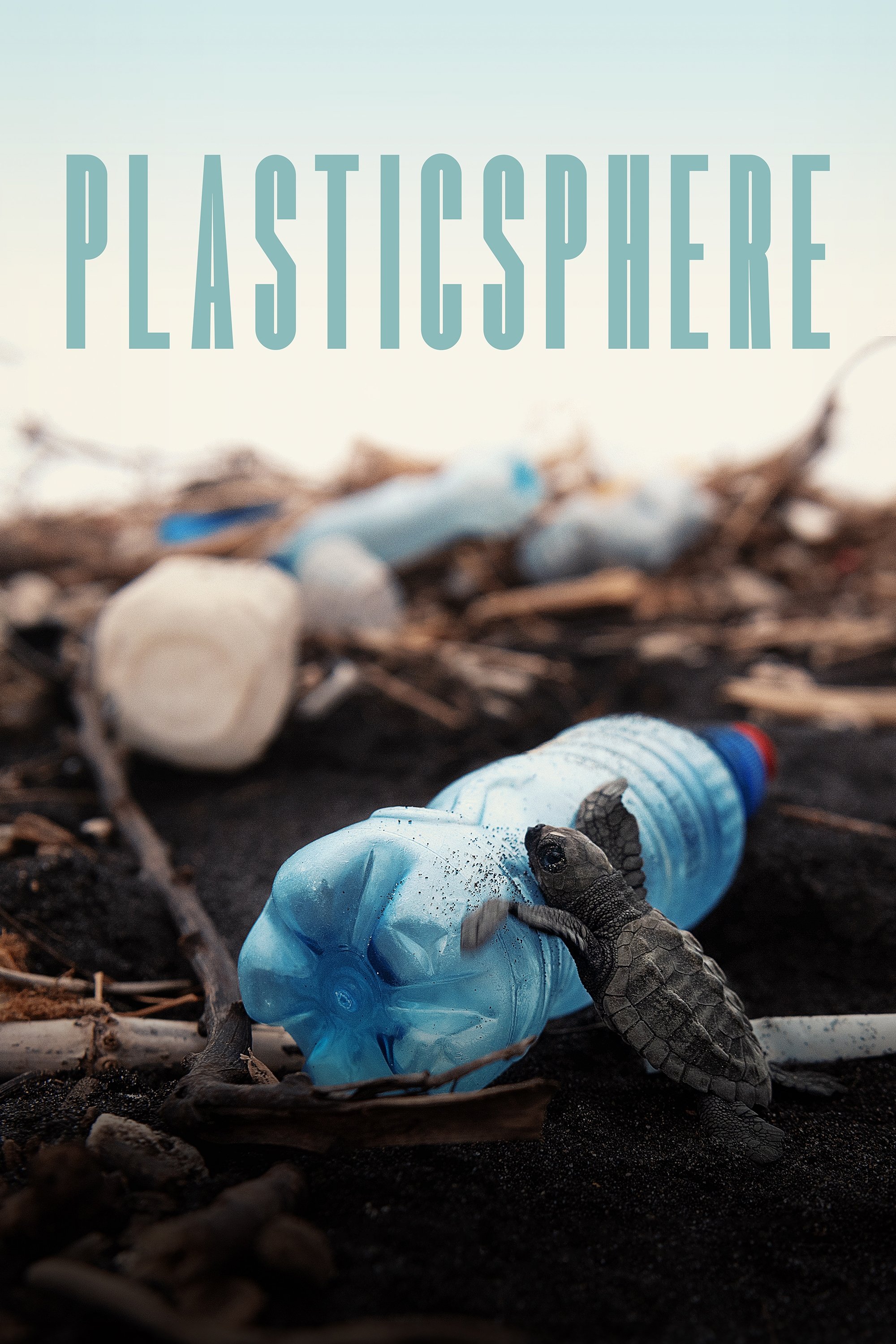
Over eight million tonnes of plastic enters the ocean each year, killing sea life. Now new evidence says it's entering our food chain with unknown health effects.
Dive into our planet's greatest mysteries with a team of international underwater cinematographers as they explore the breathtaking bond between humanity and the ocean.
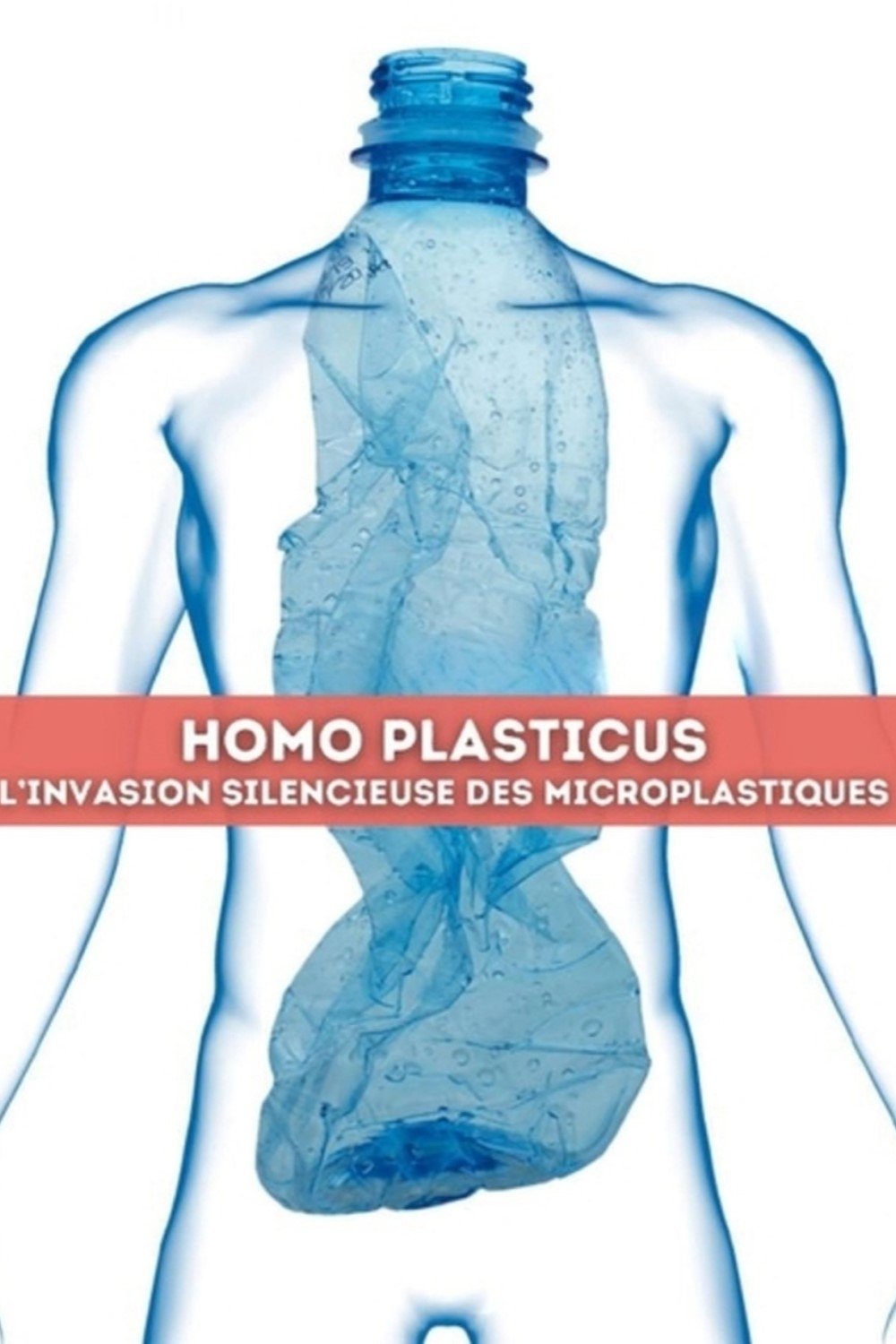
Every day, we eat and breathe tiny plastic residues. What effects does this insidious contamination have on our bodies? Rigorous and lucid, this scientific investigation gathers the most recent discoveries and sounds the alarm.