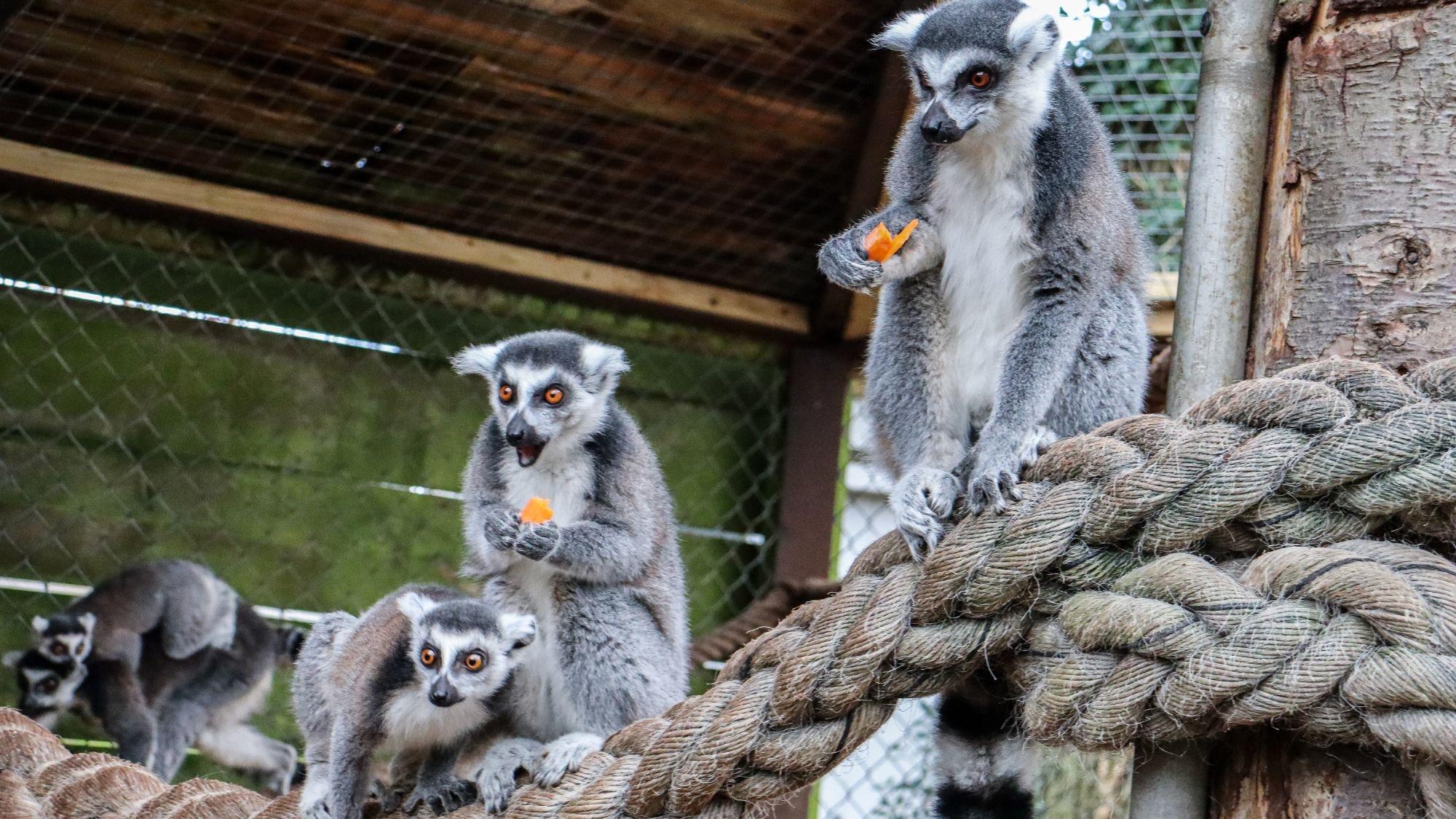
A short documentary where we learn about the endangered lemurs, owls and otters from the Knockhatch Conservation staff.
Social & External
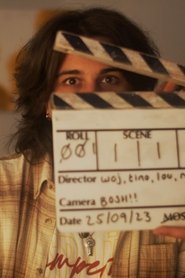
Lemur Host
Owl Host
Otter Host
Developments in the Canadian forestry industry during the 1970s are shown being carried out both as lab experiments and in the field to protect and conserve the country's vast forests. These include turning a Newfoundland bog into woodland, fostering British Columbia seedlings that withstand mechanical planting, inoculating Ontario elms against the bark beetle, devising ways of controlling fire, and more.
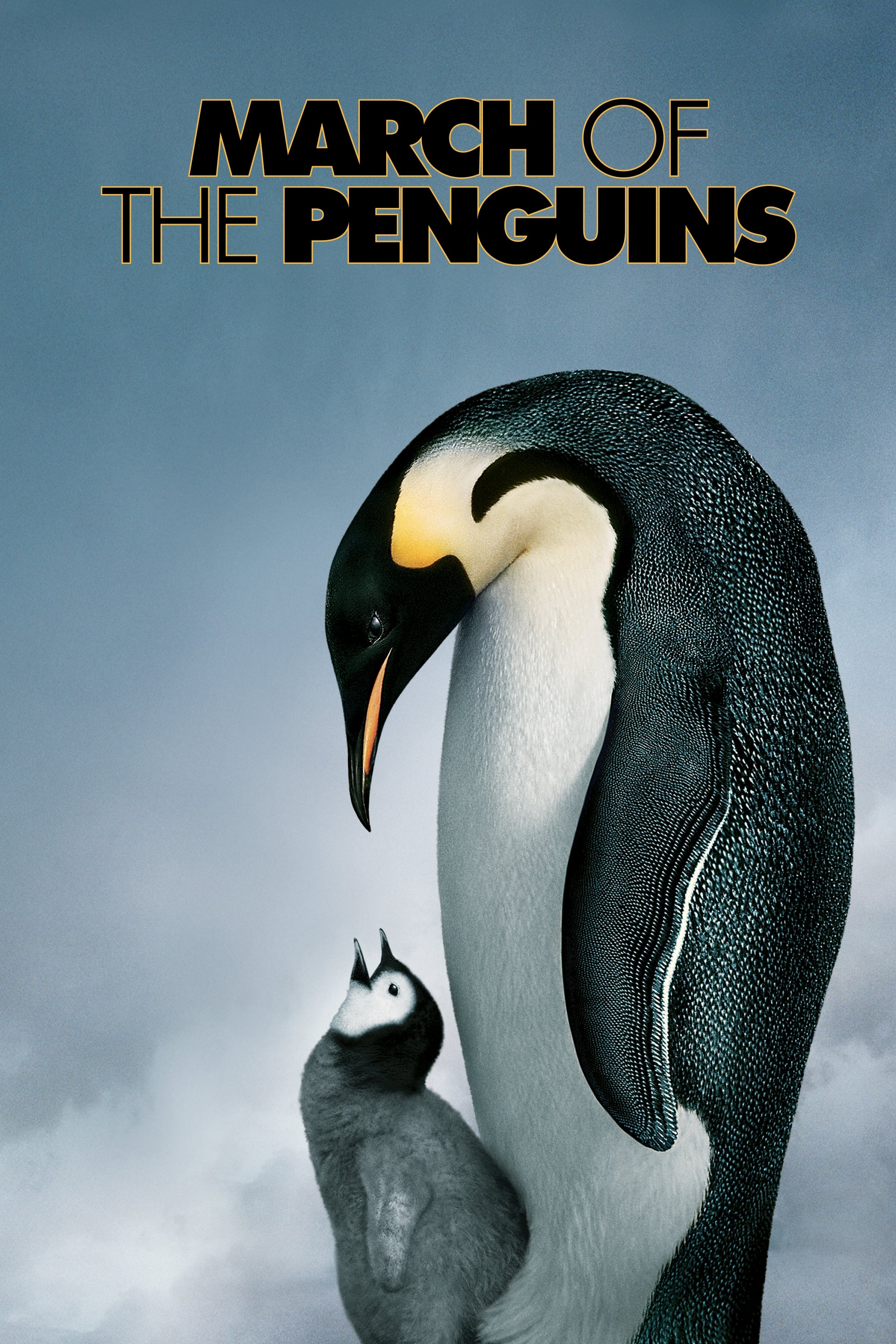
Every year, thousands of Antarctica's emperor penguins make an astonishing journey to breed their young. They walk, marching day and night in single file 70 miles into the darkest, driest and coldest continent on Earth. This amazing, true-life tale is touched with humour and alive with thrills. Breathtaking photography captures the transcendent beauty and staggering drama of devoted parent penguins who, in the fierce polar winter, take turns guarding their egg and trekking to the ocean in search of food. Predators hunt them, storms lash them. But the safety of their adorable chicks makes it all worthwhile. So follow the leader... to adventure!!
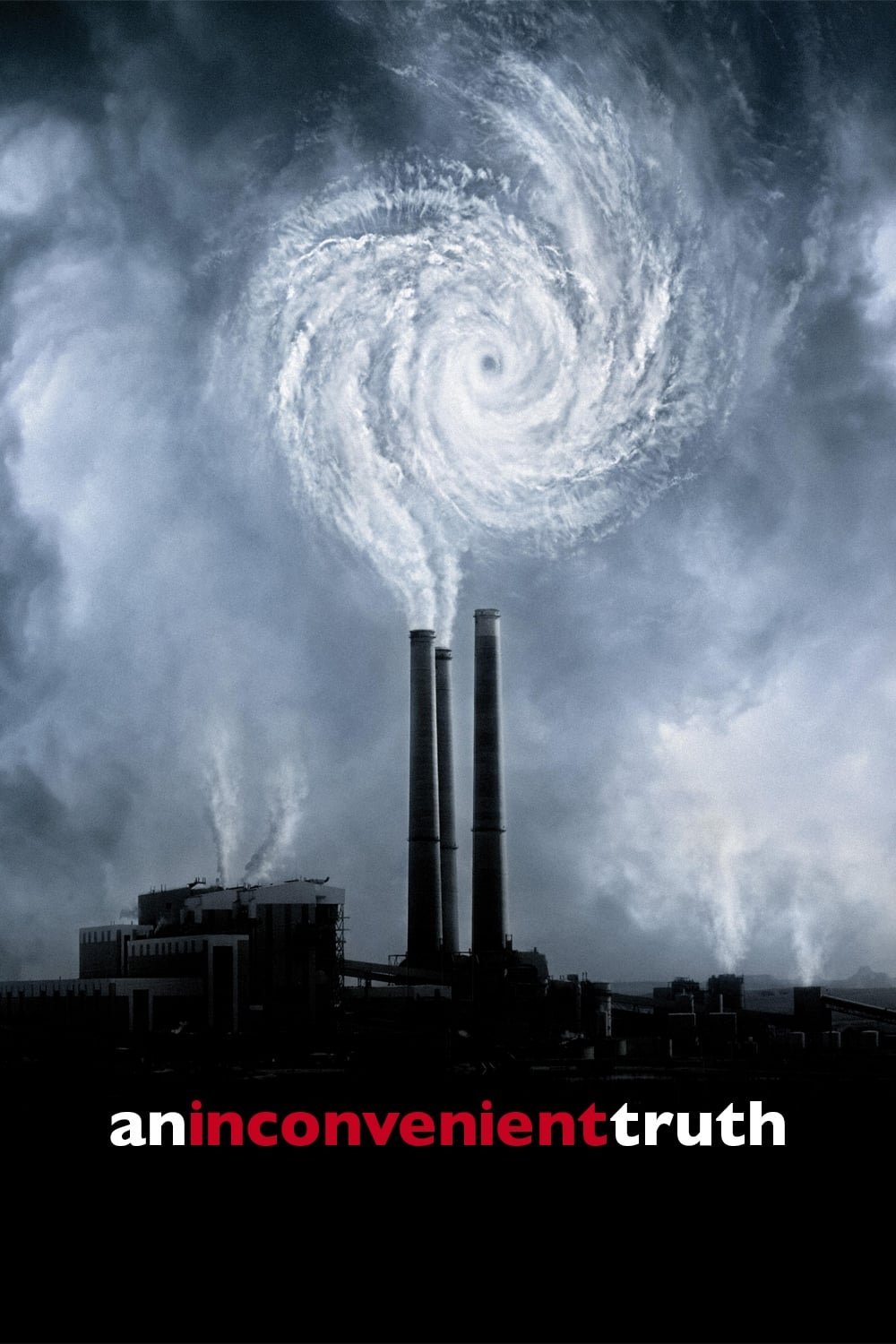
A documentary on Al Gore's campaign to make the issue of global warming a recognized problem worldwide.
A look at the state of the global environment including visionary and practical solutions for restoring the planet's ecosystems. Featuring ongoing dialogues of experts from all over the world, including former Soviet Prime Minister Mikhail Gorbachev, renowned scientist Stephen Hawking, former head of the CIA R. James Woolse
Feature-length documentary following award-winning wildlife cameraman Vianet Djenguet as he documents a gruelling but vital mission to ‘habituate’ a notoriously protective 450lb silverback, in a last-ditch effort to save the critically endangered eastern lowland gorillas from extinction.
Britain is undergoing a domestic heating revolution - heat pumps are replacing gas boilers and apparently everyone should prepare to put one in their homes. Alexis Conran investigates whether these devices live up to the hype, examining the pros and cons to help consumers choose the best option. Plus, tips on maximising savings.
Two eighth graders doing an assembly on cleanliness and neatness seek underclassmen. A look into Don and Mildred's hygienic endeavors.
For six years, Melati, 18, has been fighting the plastic pollution that is ravaging her country, Indonesia. Like her, a generation is rising up to fix the world. Everywhere, teenagers and young adults are fighting for human rights, the climate, freedom of expression, social justice, access to education or food. Dignity. Alone against all odds, sometimes risking their lives and safety, they protect, denounce and care for others. The earth. And they change everything. Melati goes to meet them across the globe. At a time when everything seems to be or has been falling apart, these young people show us how to live. And what it means to be in the world today.
16-year-old Bella and Vipulan are part of a generation convinced its very future is in danger. Between climate change and the 6th mass extinction of wildlife, their world could well be inhabitable 50 years from now. They have sounded the alarm over and over, but nothing has really changed. So they’ve decided to tackle the root of the problem: our relationship with the living world. Over the course of an extraordinary journey, they come to realize just how deeply humans are tied to all other living species. And that by saving them… we’re also saving ourselves. Humans thought they could distance themselves from nature, but humans are part and parcel of nature. For man is, after all, an Animal.
At Brandenburg Gate in Berlin, a man jumps over a barrier. Within seconds, five police officers catch him and push him to the ground. He laughs loudly. Evidently, this is exactly what he was aiming for. Dario is disappointed with current climate policies and sees only one solution: strike out and resist. His resistance has already led to several outstanding criminal proceedings against him in Germany. A request from Switzerland comes at just the right moment to prove himself further: the activist group “Klimastreik” is looking for someone who is willing to commit a “crime”.
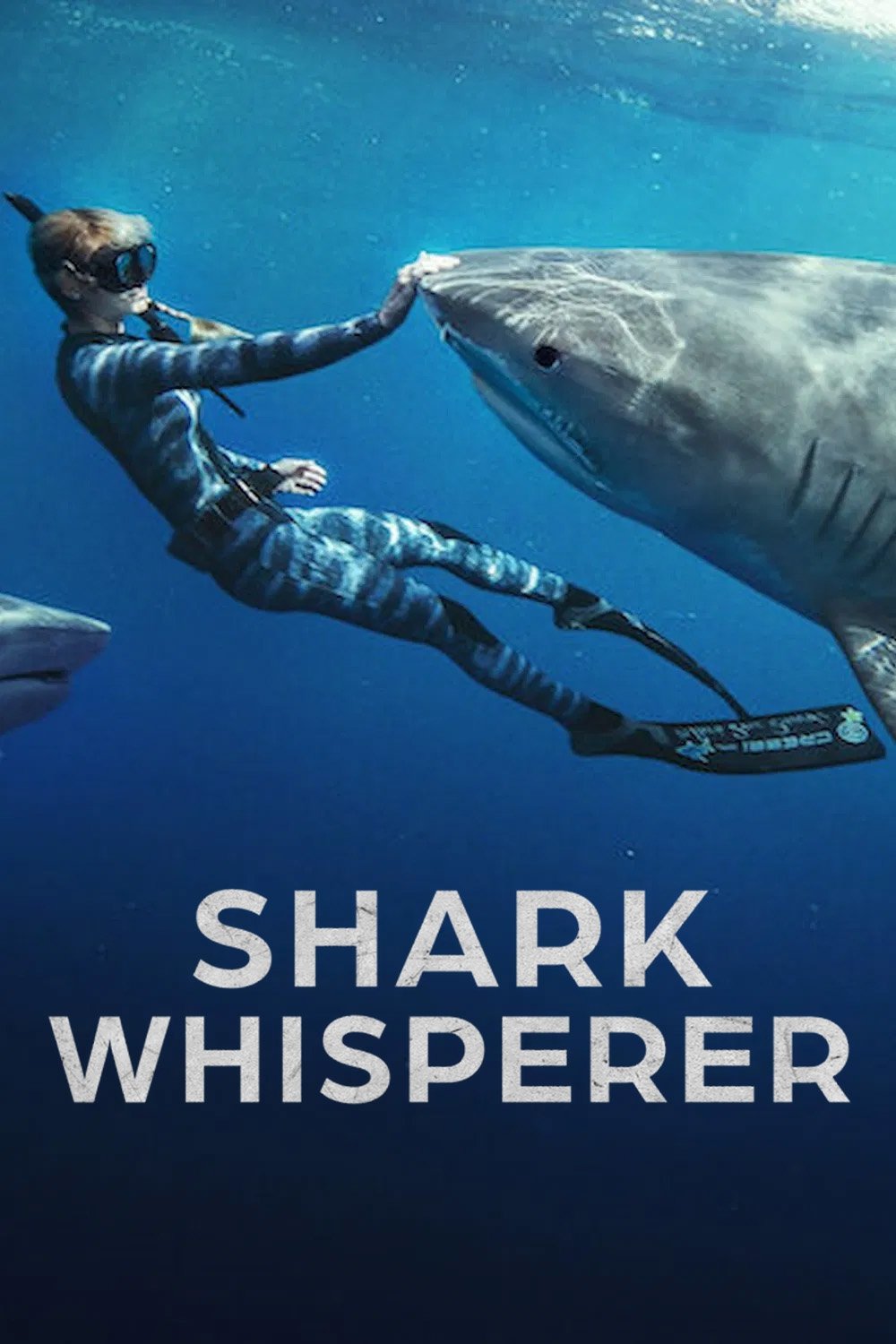
Once you're old enough to make decisions for yourself, how exactly do you go about doing it? How can you really know which choice is best for you?
Set in the mountains of northeast Italy, this film may be considered an observational documentary about rural life. Although this is undeniably the case, at the same time Under the cold stars can hardly be considered a documentary: the microcosm on which it focuses appears to be a reflection of a broader reality and perhaps a way to deal with the themes of man’s existence and his relationship with animals, nature and, most importantly, with time. As written by Franco Piavoli "it is a film which essentially relies on images and sound, where words themselves are sound and the music of life, of the relentless flow of time."
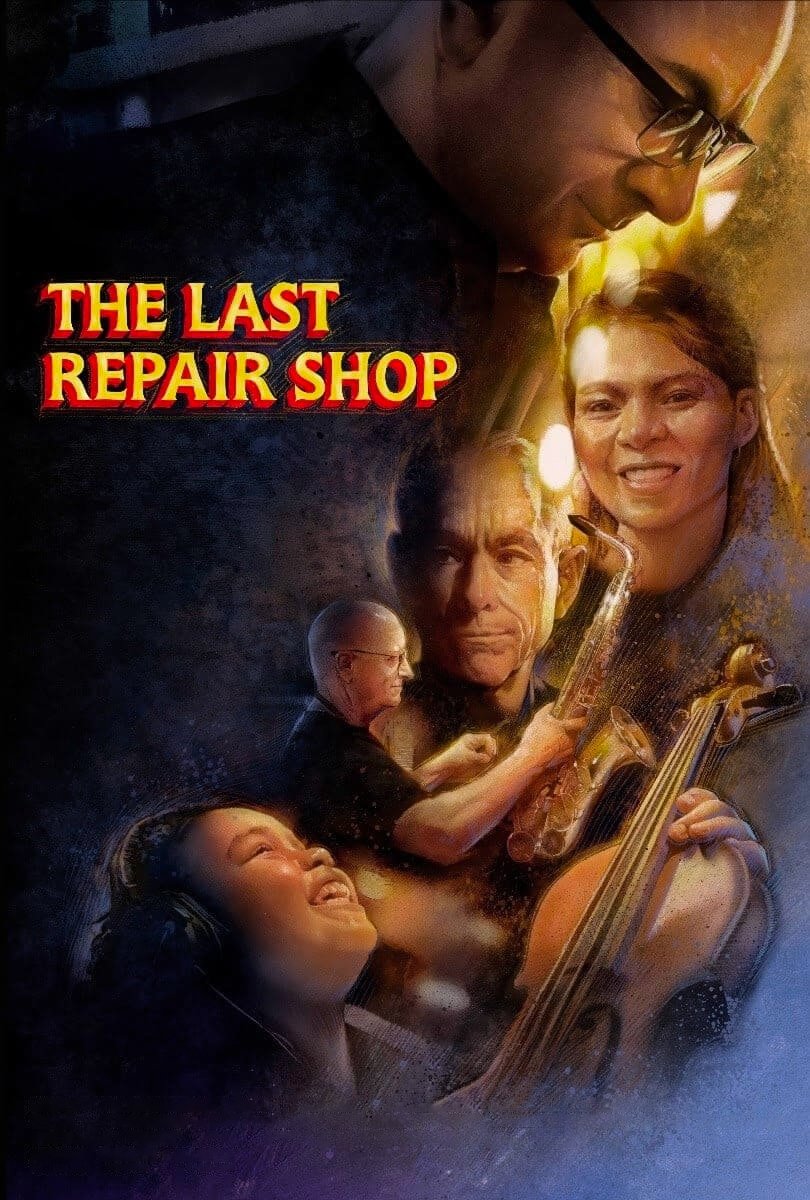
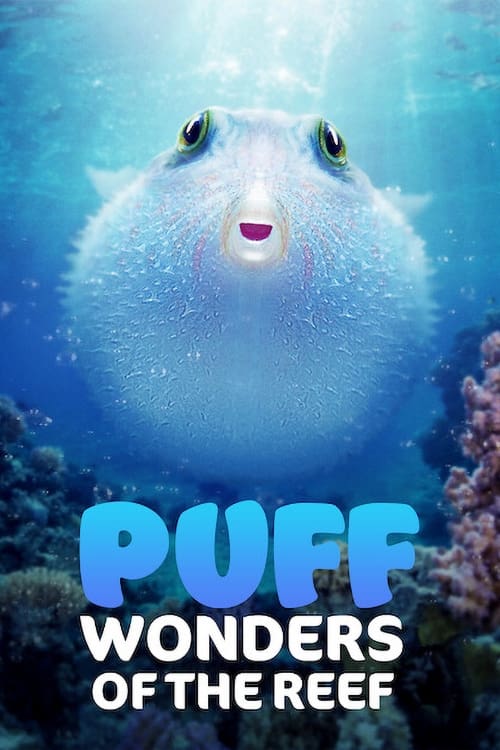
In the small mountain town of Barga, Italy, a group of four filmmakers speak with local cat lovers and immerse themselves in the unique world of street-trotting felines and Gattaras.
The line between sexual consent and sexual coercion is not always as clear as it seems -- and according to Harry Brod, this is exactly why we should approach our sexual interactions with great care. Brod, a professor of philosophy and leader in the pro-feminist men's movement, offers a unique take on the problem of sexual assault, one that complicates the issue even as it clarifies the bottom-line principle that consent must always be explicitly granted, never simply assumed. In a nonthreatening, non-hectoring discussion that ranges from the meanings of "yes" and "no" to the indeterminacy of silence to the way alcohol affects our ethical responsibilities, Brod challenges young people to envision a model of sexual interaction that is most erotic precisely when it is most thoughtful and empathetic.
The birth of the radical environmental movement is captured in this short, poetic film on the legendary direct action at Glen Canyon Dam in March of 1981. The film contains one of the only interviews ever given by the late, great author Edward Abbey along with his classic speech from the back of a pick-up truck.
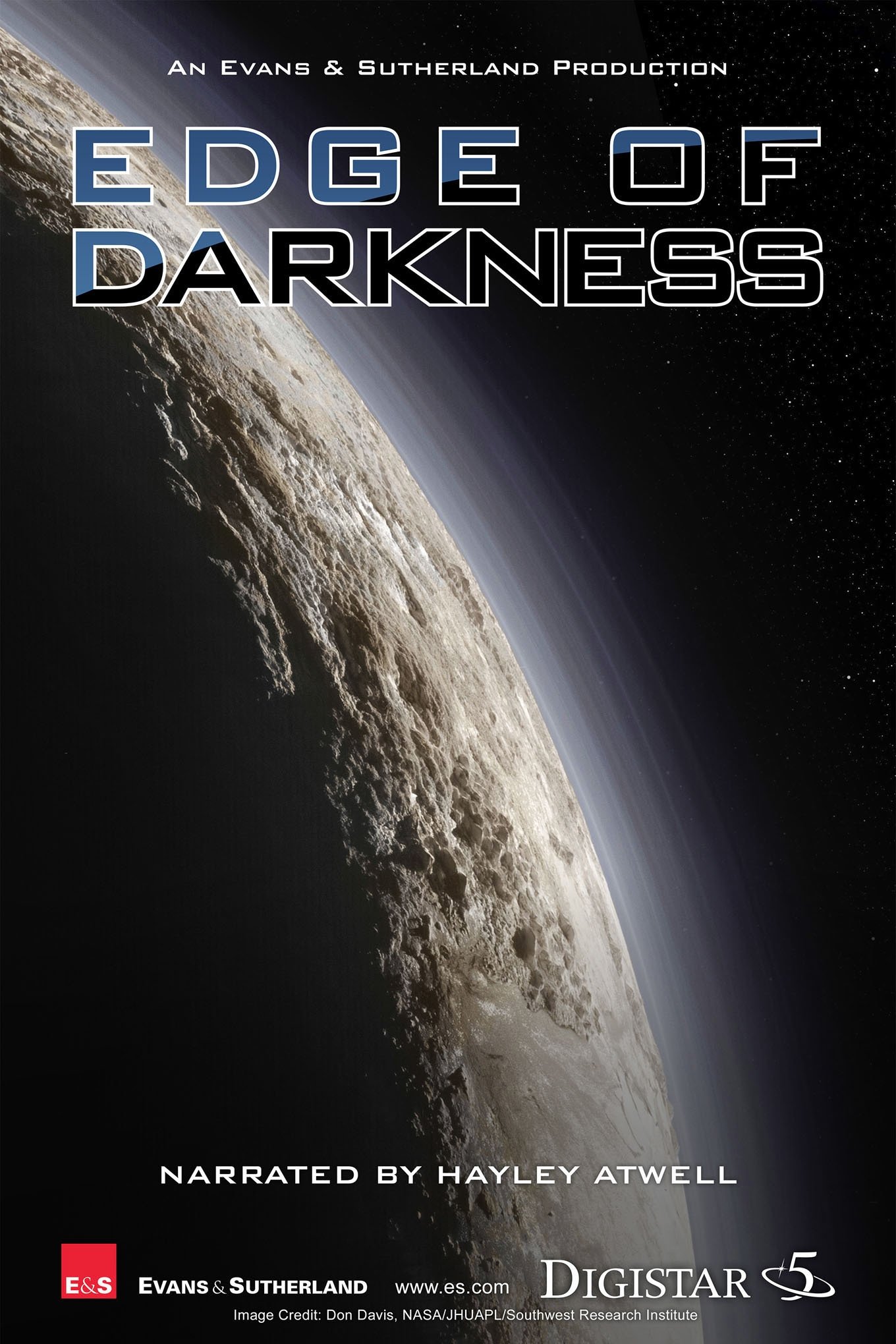
The film features amazing scenes of places never before seen gathered by key space missions that culminated with groundbreaking discoveries in 2015. It features a spectacular flight though the great cliffs on comet 67P, a close look at the fascinating bright "lights" on Ceres, and the first ever close ups of dwarf binary planet Pluto/Charon and its moons.
Although first glance reveals little more than stones and sand, the desert is alive. Witness moving rocks, spitting mud pots, gorgeous flowers and the never-ending battle for survival between desert creatures of every shape, size and description.