
Uses high magnification photography to demonstrate the processes of converting raw fibers into woven cloth.
Social & External
A Weaverly Path offers an intimate portrait of Swiss-born tapestry weaver Silvia Heyden. The film captures the inner dialogue and meditations of an extraordinary artist in the moments of creation. Heyden works for over a year to create works inspired by the Eno River in Durham, North Carolina. And she shares how nature, music, her Bauhaus inspired education at the School of the Arts in Zurich and her life experiences anchor and inform her art. Heyden was a 20th century modernist whose body of work redefines the art of modern tapestry.
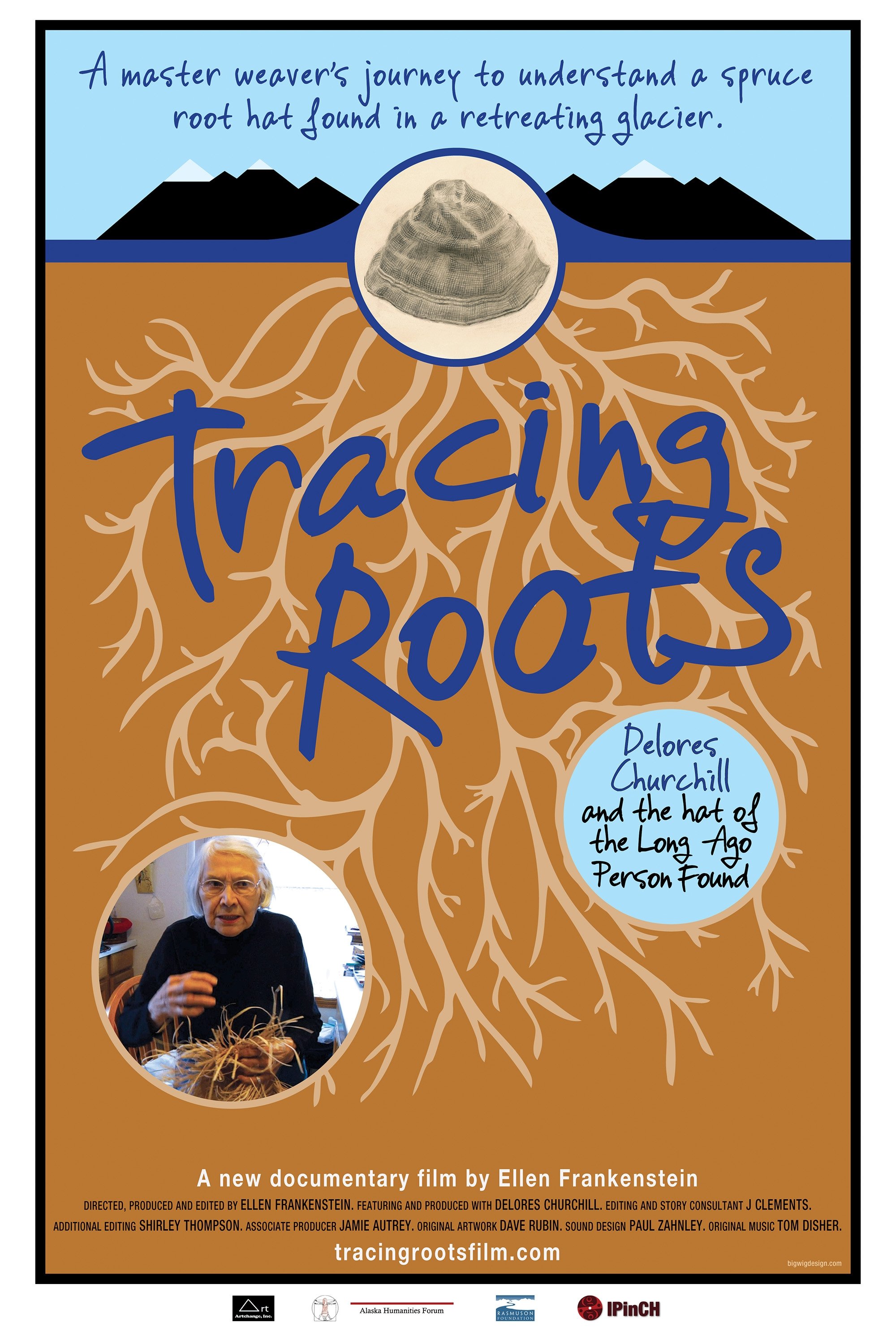
A new documentary that follows master Haida weaver Delores Churchill on a journey to replicate a spruce root hat discovered with the Long Ago Person Found. The 300-year-old traveler was discovered in British Columbia and DNA testing discovered living descendants in Canada and Alaska. Her search crosses cultures and borders, and involves artists, scholars and scientists. The project raises questions about understanding and interpreting ownership, knowledge and connection.
Documentary about weaving and braiding
Set in Varanasi, an ancient city of India, Tana Bana offers a rare look at the hidden world of Moslem weavers and Hindu traders and how their lives are interwoven through the production of the silk and the beauty it creates. However, as the technology advances, the trade is threatened by computerization and globalization.
The people, the scenery and the industrial traditions of the Stroud valley and the growth of the woollen industry.
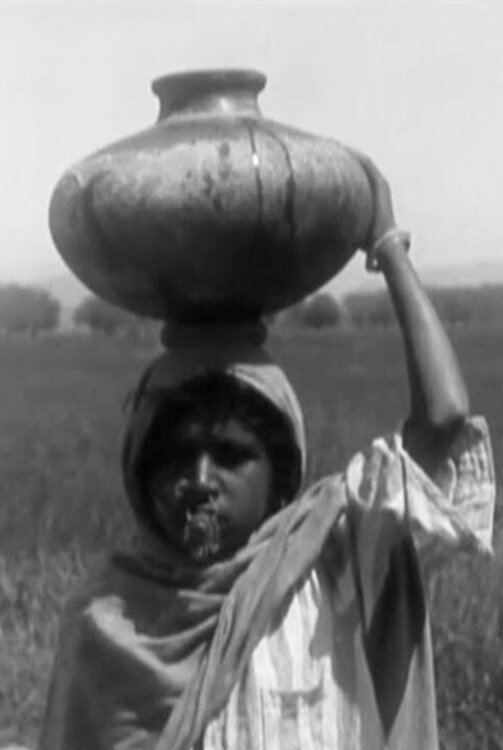
Richly detailed amateur ethnographic film on the agrarian economy and society in rural Punjab.
The Shipibo-Konibo people of Peruvian Amazon decorate their pottery, jewelry, textiles, and body art with complex geometric patterns called kené. These patterns also have corresponding songs, called icaros, which are integral to the Shipibo way of life. This documentary explores these unique art forms, and one Shipibo family's efforts to safeguard the tradition.
A group of Macedonian women are shown hard at work.
This film explores the traditional crafts of Native American tribes, specifically the Hopi, Navajo, and Iroquois. It highlights the craftsmanship of Hopi basket weaving and pottery, showcasing their techniques and cultural significance. The Navajo's weaving of wool blankets and rugs, as well as their silver jewelry making process, is also detailed. Additionally, the film discusses the Iroquois tradition of carving ceremonial masks from basswood trees. Each craft reflects the unique heritage and artistic expressions of these tribes.
Set in a Burkina Faso organic cotton weaving cooperative, a cacophonous cotton-spinning apparatus eats, digests, and takes a breath. Threads become the organs of a whirling, burping, guzzling machine animated by hands, looms, vats, cogs, and feet. Where does the machine end and the body begin? The weaving cooperative promises equitable remuneration for workers in an industry beholden to its colonial predecessor: today, Burkinabè cotton farmers live in permanent debt to cotton companies financed by European capital. By focusing on the repetitive labor unfolding within a cooperative that claims to serve its workers, Everything Here Holds Its Inverse examines the tension between empowerment and evolving oppressions. Can the ties that bind and define also set free?
After another 7 year wait, director Michael Apted revisits the same group of British-born children from Seven Up! and 7 Plus Seven. The subjects are interviewed as to the changes that have occurred in their lives during the last seven years.
A documentary chronicling the Beatles' rehearsal sessions in January 1969 for their proposed "back to basics" album, "Get Back," later re-envisioned and released as "Let It Be."
Just two years away from turning 30, participants in Michael Apted's documentary series are facing serious questions of identity and purpose, wondering whether they've found their place in the world.
Director Michael Apted revisits the same group of British-born adults after a 7 year wait. The subjects are interviewed as to the changes that have occurred in their lives during the last seven years.
Formed in 1975 from the remnants of a British blues band and a California soft-rock duo, Fleetwood Mac evolved into one of the most successful pop-rock groups of the 1970s--a reputation no doubt cemented by their 1977 masterpiece RUMOURS. One of the bestselling albums of all time, RUMOURS' impeccable songwriting, lush vocal harmonies, and polished production stand as testament to the band's cohesive powers--a fact made even more remarkable by the romantic tensions roiling amongst its members at the time (Lindsey Buckingham and Stevie Nicks were ending their long-term romantic relationship; Christine and John McVie were getting a divorce). This episode of the CLASSIC ALBUMS series recounts the making of Fleetwood Mac's career-making opus through interviews, behind-the-scenes footage, and live performances of timeless gems such as "Don't Stop," "Dreams,""Go Your Own Way," "You Make Loving Fun," "The Chain," and more.
track list: 1.Sometimes I Just Freak Out 2.All Or Nothing At All 3.Stop This World 4.The Girl In The Other Room 5.Abandoned Masquerade 6.I'm Coming Through 7.Temptation 8.East Of The Sun (And West Of The Moon) 9.Devil May Care 10.Black Crow 11.Narrow Daylight 12.Love Me Like A Man 13.Departure Bay 14.Narrow Daylight
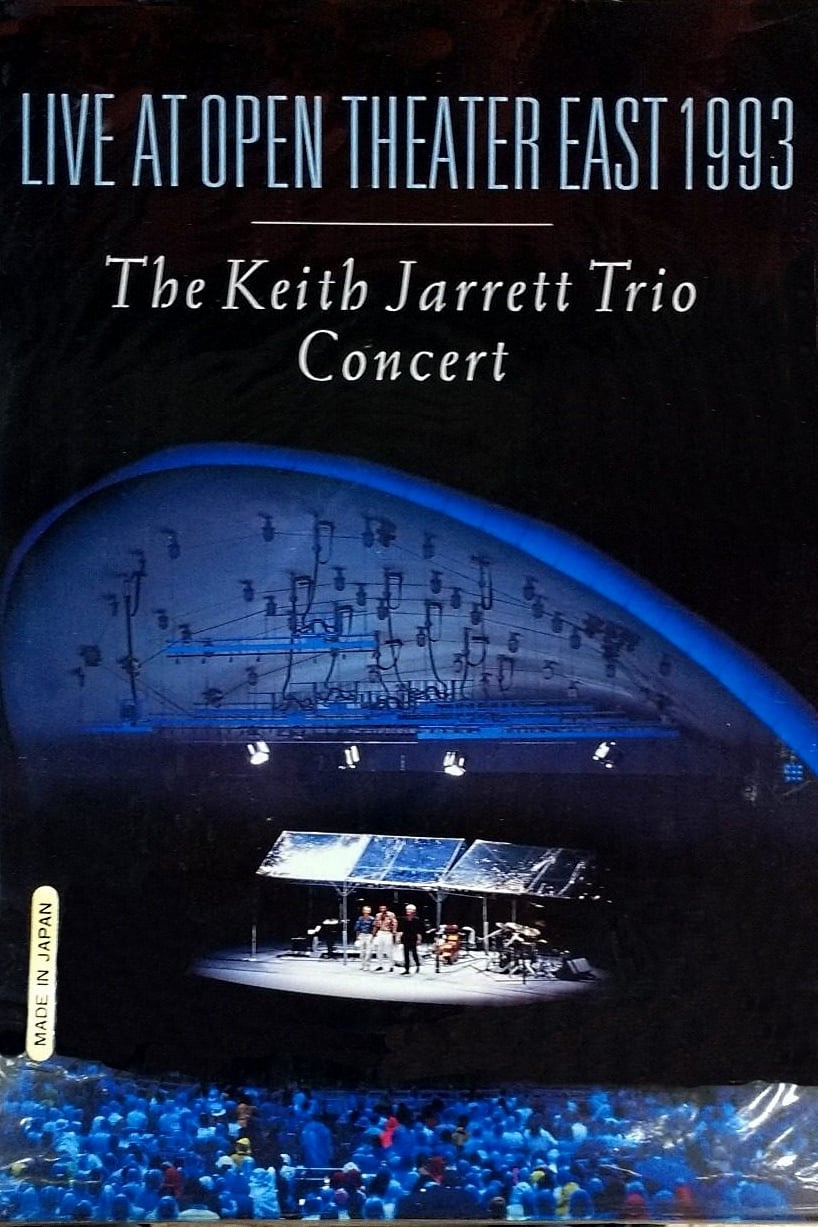
Recorded live at Open Theater East, Tokyo, Japan on July 25, 1993. Keith Jarrett piano - Gary Peacock bass - Jack De Johnette drums /// 1. In Your Own Sweet Way 2. Butch And Butch 3. Basin Street Blues 4. Solar 5. Ex-tension 6. If I Were A Bell 7. I Fall In Love Too Easily 8. Oleo 9. Bye Bye Blackbird 10. The Cure 11. I Thought About You
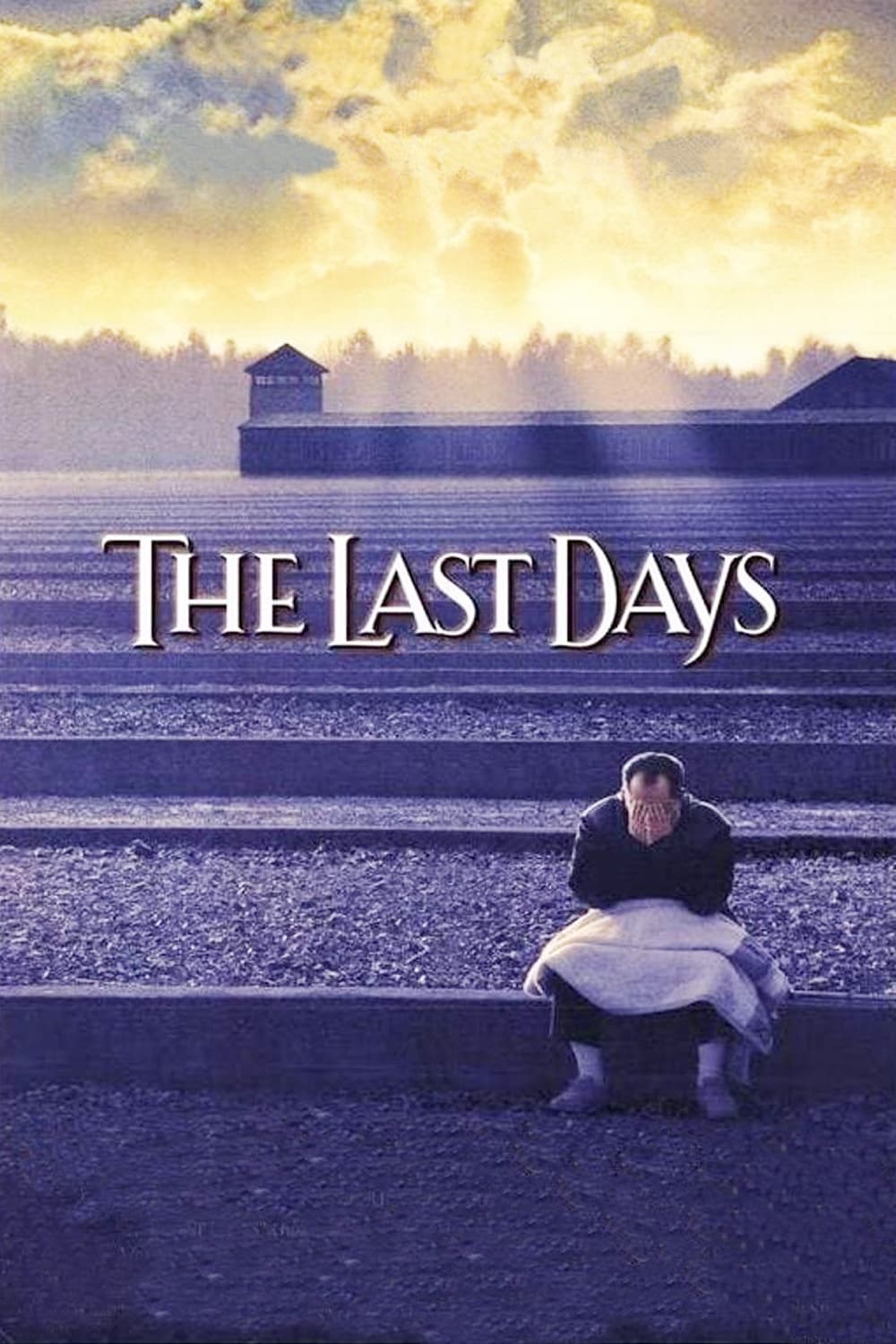
Five Jewish Hungarians, now US citizens, tell their stories: before March 1944, when Nazis began to exterminate Hungarian Jews, months in concentration camps, and visiting childhood homes more than 50 years later. An historian, a Sonderkommando, a doctor who experimented on Auschwitz prisoners, and US soldiers who were part of the liberation in April 1945.
The film discusses the traits and originators of some of metal's many subgenres, including the New Wave of British Heavy Metal, power metal, Nu metal, glam metal, thrash metal, black metal, and death metal. Dunn uses a family-tree-type flowchart to document some of the most popular metal subgenres. The film also explores various aspects of heavy metal culture.