Shows how common rocks and minerals can be identified by color, texture, hardness, streak and other standard procedures.
Social & External
An epic cinematic and musical collaboration between SHERPA filmmaker Jennifer Peedom and the Australian Chamber Orchestra, that explores humankind's fascination with high places.
Ring of Fire is about the immense natural force of the great circle of volcanoes and seismic activity that rings the Pacific Ocean and the varied people and cultures who coexist with them. Spectacular volcanic eruptions are featured, including Mount St. Helens, Navidad in Chile, Sakurajima in Japan, and Mount Merapi in Indonesia.
Minnesota: A History of the Land vividly brings to life the epic story of the people and landscapes of Minnesota. From the retreat of the last ice sheets to the growth of today’s suburbs – the series seeks to entertain as it enriches our understanding of Minnesota’s past, present, and future. A visually stunning and groundbreaking 4-part documentary series featuring nature videography from across the state, never before seen historic images, state-of-the-art animations and historic recreations. Original soundtrack by award-winning composer, Peter Ostroushko.
Millions of years scroll by in 10 minutes, illustrated by ingenious designers: this is the geological history of Canada.
Four and a half billion years ago, the young Earth was a hellish place-a seething chaos of meteorite impacts, volcanoes belching noxious gases, and lightning flashing through a thin, torrid...
The Channeled Scablands in Washington state defied conventional explanations for their formation for decades. Little by little evidence mounted for an old theory that was rejected by the scientific establishment. It involved glaciers, volcanoes, a relatively minor river and a prodigious amount of water. Originally aired as an episide of NOVA.
A worldwide scientific investigation on tsunamis. Thanks to exclusive access in Palu, Indonesia, follow the UN’s hand-picked scientific team of "tsunami hunters". Where do they strike? How do they submerge us? What can we do to survive them?
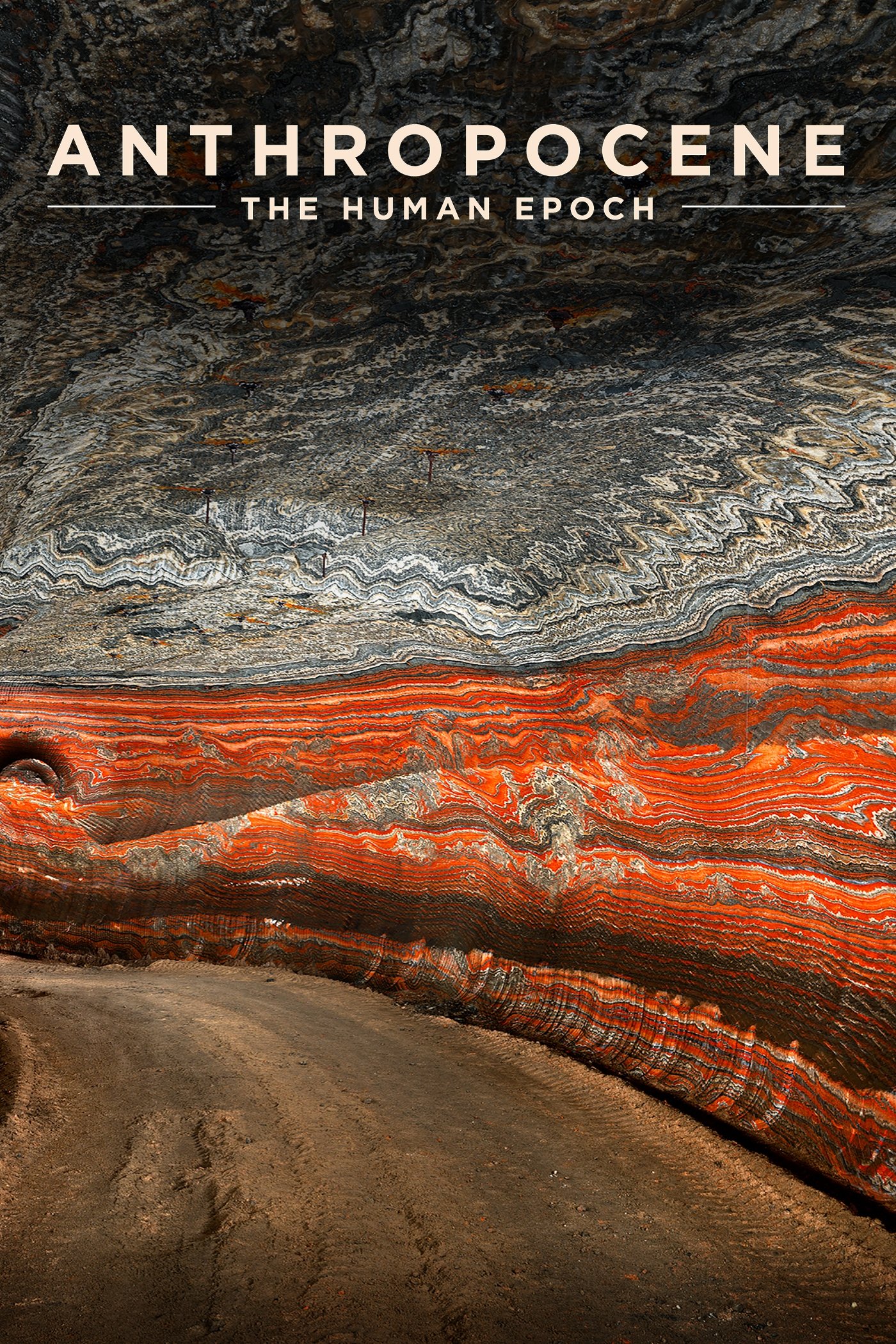
Documentary on psychedelic potash mines, expansive concrete seawalls, mammoth industrial machines, and other examples of humanity’s massive, destructive reengineering of the planet.
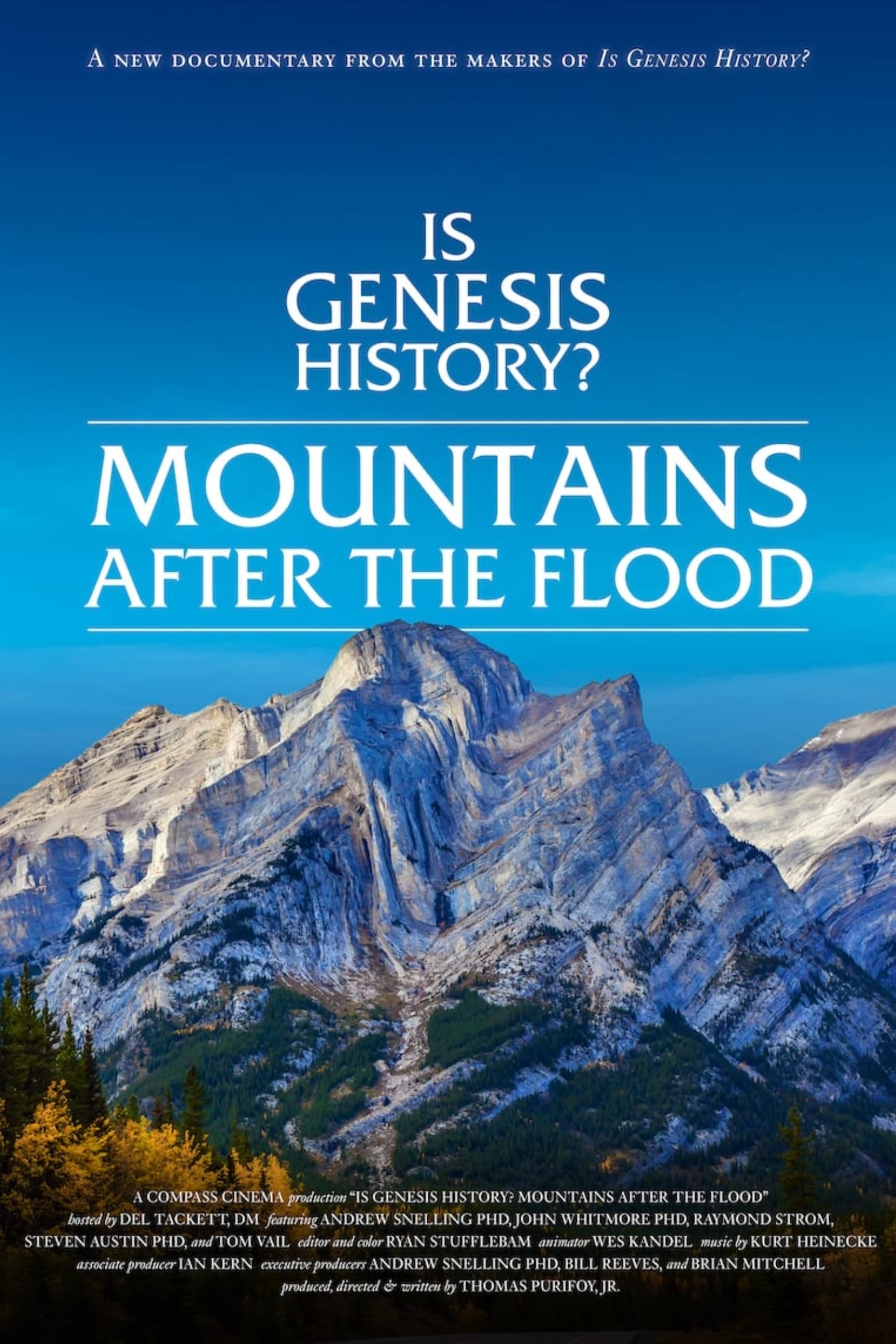
In this fascinating sequel to "Is Genesis History?", watch a team of scientists discover new evidence for the global Flood. By the time the journey is over, you'll understand exactly how modern science connects to the book of Genesis.
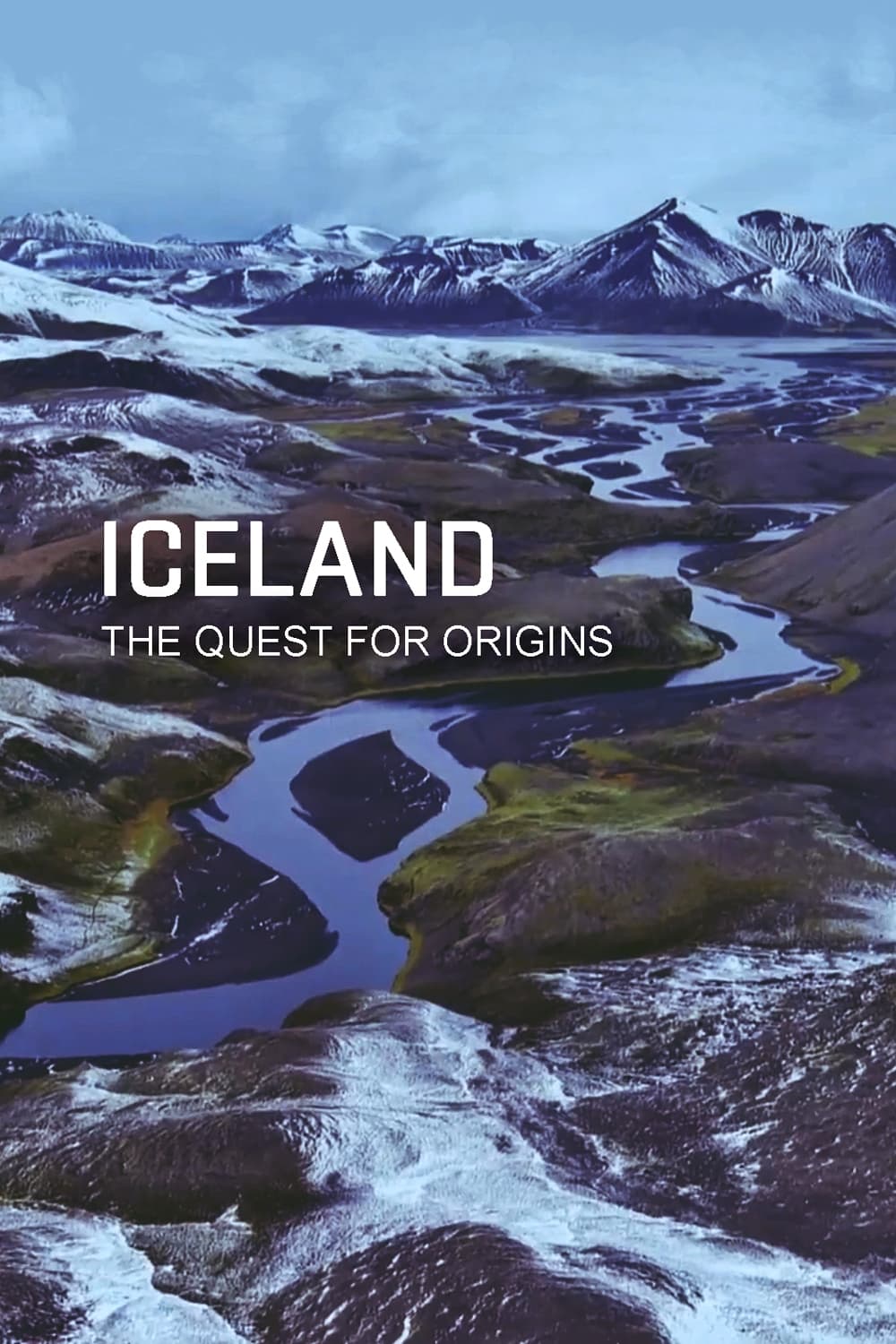
The fascinating landscape formations of Iceland in the North Atlantic bear witness to the beauty and primal power of nature. They were created through the interaction of powerful volcanic, geological and biological processes that have been changing the face of the earth for billions of years. This is what the Earth might have looked like four billion years ago. Iceland is the realm of ice and fire. Nowhere else is there such a high density of volcanoes. The landscapes, which are continually reshaped by eruptions, make the island a natural laboratory full of clues about the formation and development of the earth. The documentary follows a group of scientists through the most active areas of Iceland, along a mountain range that has emerged from the ocean. On the slopes of the volcanoes, in the fog of the fumaroles and on streams and rivers, the three researchers explore how the first forms of life populated the earth's surface and in what evolutionary steps they took over the earth.
Earthquakes, tsunamis, volcanic eruptions, and extreme weather. Has Earth always been this way? Featuring footage of top geologic hot spots on every continent, the film traces the scientifically-based story of the 4.5 billion-year-old Earth, from the core to the crust and up into the atmosphere.
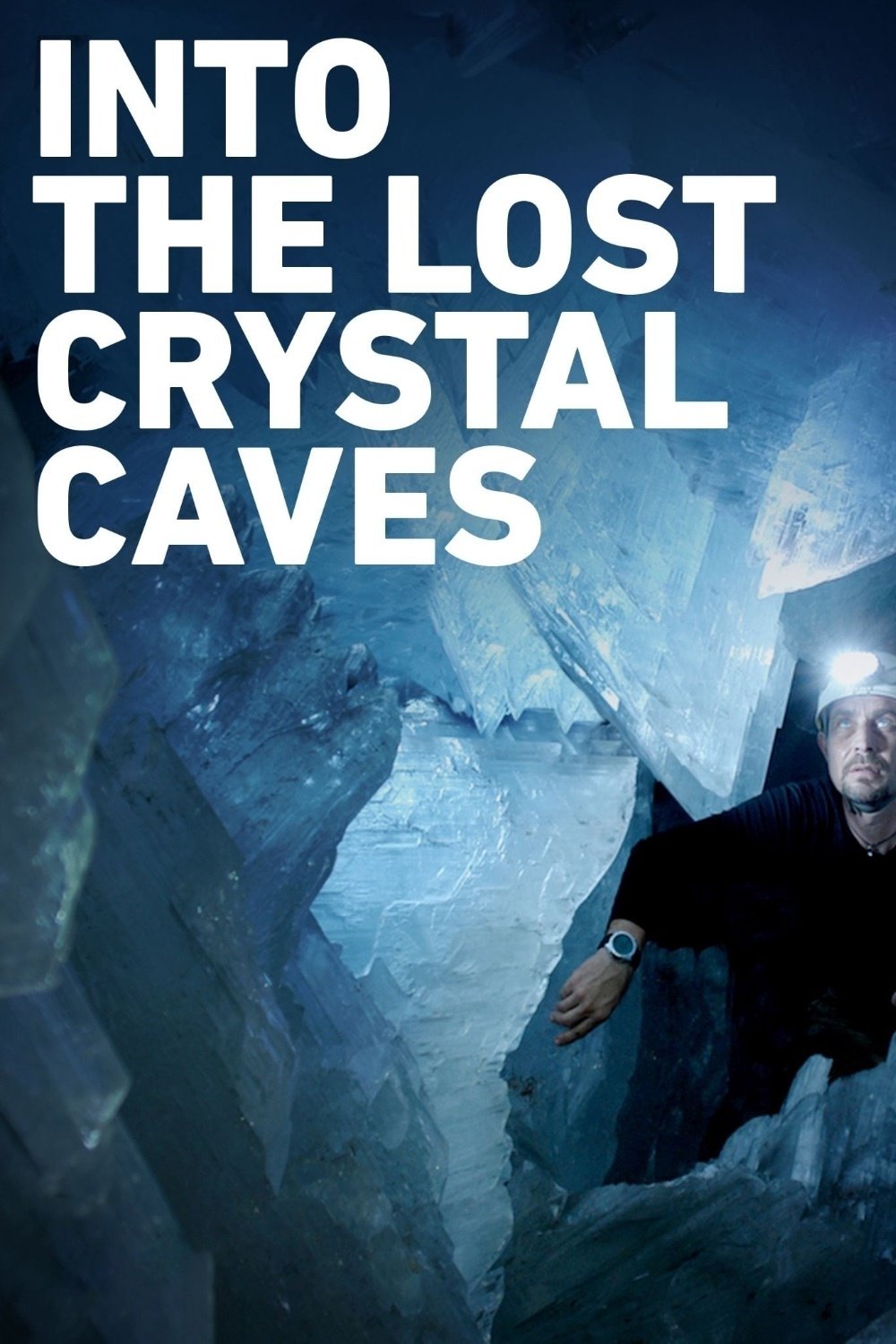
NGC goes inside one of the greatest natural marvels on the planet - a giant crystal cave described as Superman's fortress, with magnificent crystals up to 36 feet long and weighing 55 tons. A team of experts venture into the cavern, enduring scorching-hot temperatures that could kill a human after just 15 minutes of exposure. They'll push the boundaries of physical limitation to explore a crevasse that could lead to another - and perhaps more spectacular - crystal cave.
Geologist Ian Stewart explain in three stages of natural history the crucial interaction of our very planet's physiology and its unique wildlife. Biological evolution is largely driven bu adaptation to conditions such as climate, soil and irrigation, but biotopes were also shaped by wildlife changing earth's surface and climate significantly, even disregarding human activity.
In 1898, a Minnesota farmer clearing trees from his field uprooted a large stone covered with mysterious runes that tell a story of land acquisition and murder. The stone allegedly dates back to 1362. Initially thought to be a hoax, new evidence suggests the find could be real, and a clue that the Knights Templar discovered America 100 years before Columbus, perhaps bringing with them history's greatest treasure... the Holy Grail. Follow the clues as experts use erosion studies on the rune stone and match symbols in Templar ruins all over Europe to support this theory. Stones with similar markings have been found on islands across the Atlantic Ocean, and in Massachusetts and Rhode Island. Is it possible the Knights Templar, long thought to have been massacred, escaped on an incredible journey and were leaving clues to the whereabouts of the stone?
The epic story of the life of a volcano, capable of both causing the extinction of all things and helping the evolution of species, over 60 million years.
What strange forces saved one isolated section along the Upper Mississippi River from the repeated crushing and scouring effects of glaciers during the last two million years? And what pre-Ice Age throwbacks survived here in this unique geologic refuge that holds more Native American effigy mounds, petroglyph caves, strange geological features, and rare species than anywhere in the Midwest? These questions and more are answered in this captivating new documentary. A team of scientists embarks on a journey of exploration to expose both the science and threats behind three unique features of the zone - rare plants and animals, odd geological phenomenon, and striking remnants of a Native American pilgrimage like no other.
Face of the Earth explores the origin of our planet's outer layer, the why-and-how of its mobility. Through the use of well-designed diagrams, the earth's cyclical activity is clearly explained. Some unusual footage on volcanoes gives added punch to an already absorbing subject.
Presenter Hannah Fry reveals how much our planet can change in just a single day and how these daily changes are essential to our existence.