Social & External
The people behind it
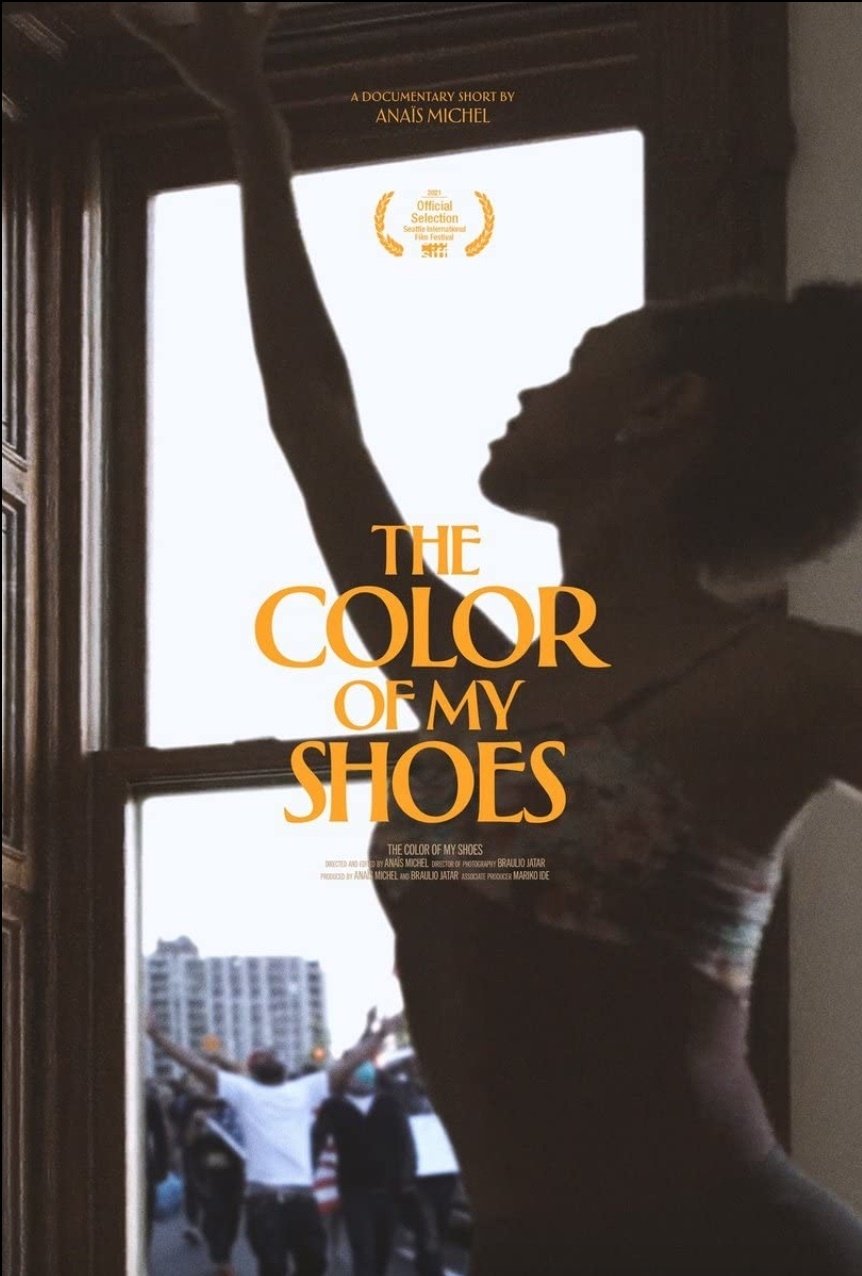
Dance Theater of Harlem's Lindsey Donnell reflects on the obstacles she and other ballet dancers face in ballet and society.
On the surface, this collection of shorts by up-and-coming African American filmmakers arrived at a perfect time. The cutting-edge products of the New Black Cinema of the early '90s had disappeared, giving way to embarrassingly stereotypical, scatological fare such as Booty Call and Next Friday. This feature-packed compilation (which includes production notes, interviews with all of the filmmakers, and audio commentary by four) attempts to prove that African American cinema is intent on moving past the lowbrow humor, as six of the seven shorts steer clear of any comedy.
The Once-ler, a ruined industrialist, tells the tale of his rise to wealth and subsequent fall, as he disregarded the warnings of a wise old forest creature called the Lorax about the environmental destruction caused by his greed.
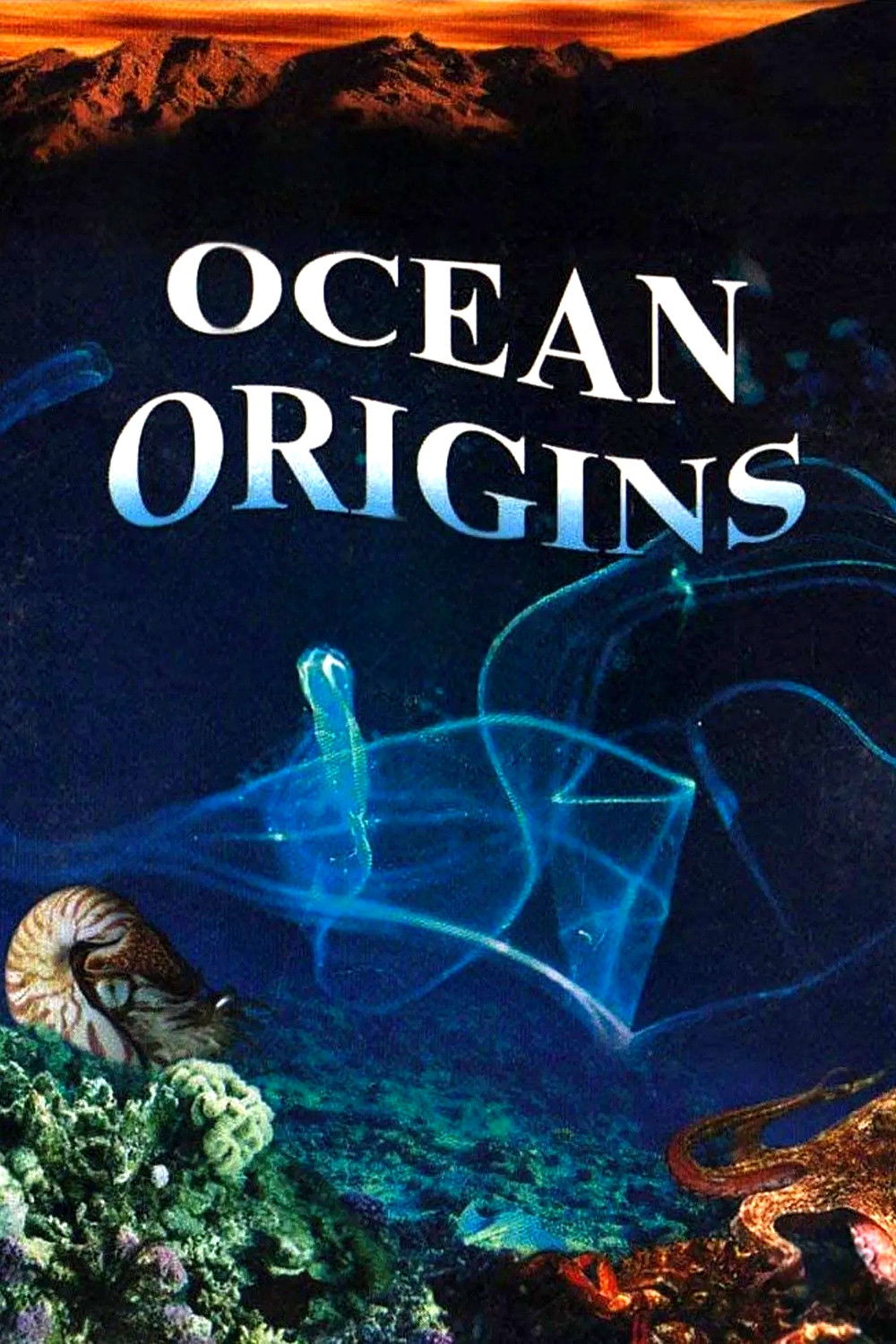
A documentary that explores the natural world of the sea, from the single-celled organism to more complex forms of life, OCEAN ORIGINS was originally filmed in the IMAX large format, which adds a crispness and clarity to the images. This documentary film seeks to examine the process of evolution by looking at the many creatures of the sea that can illustrate the way multi-cellular life emerged over the course of four billion years. OCEAN ORIGINS is a creative film that uses fascinating documentary footage to look at scientific theories and principles in an interesting manner
Insomnies is an impressionistic look at the city at night, avoiding the clichés of commercial or tourist films and suggesting instead a lifestyle rhymed by windshield wipers and the music of The Honeymoon Killers. The film is flashing back-and-forth and ultimately leaves, like an arabesque of light and colour made of lines, curves and angles.
TV movie about dance rites in the Philippines
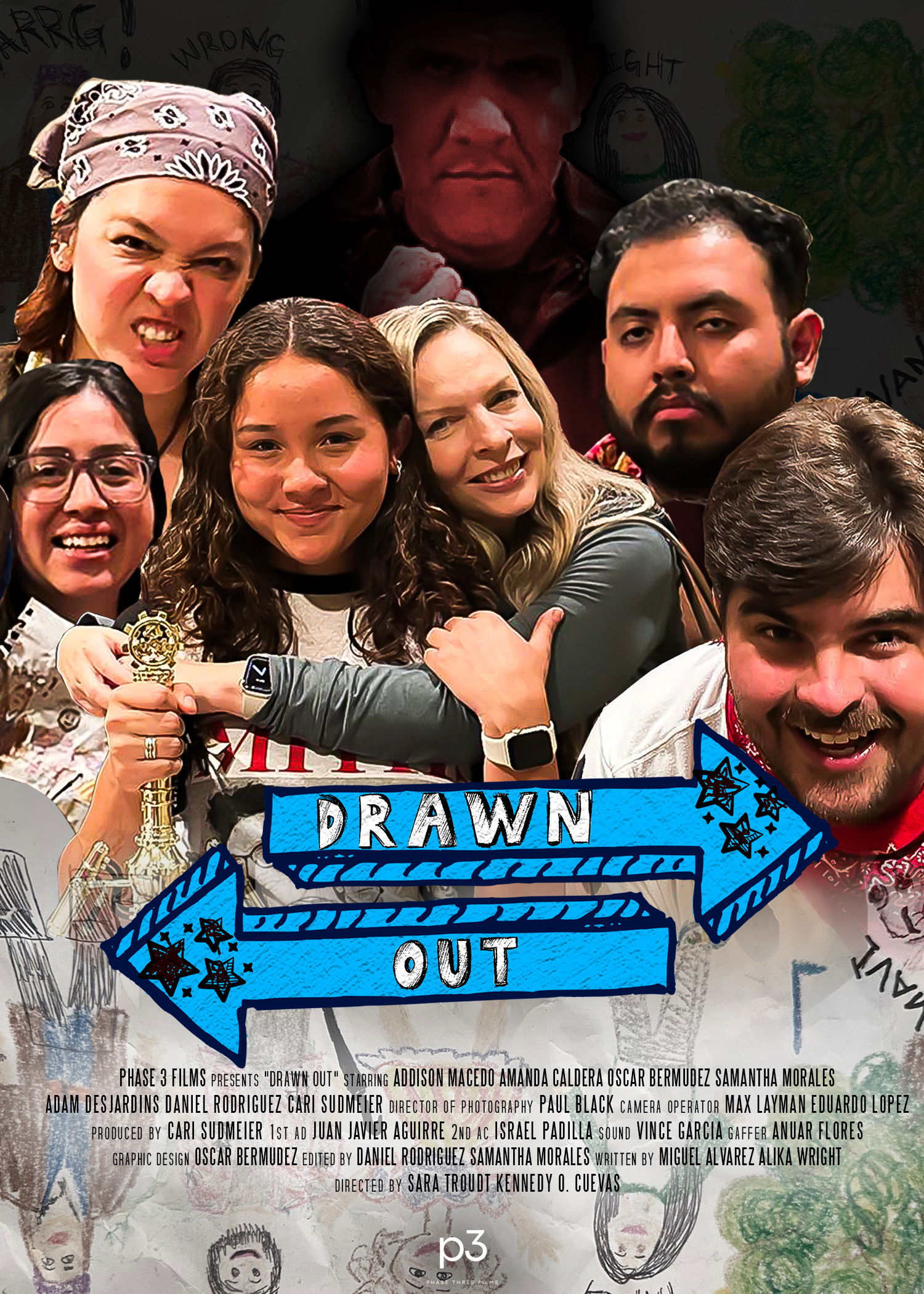
On the eve of leaving for college, Randy discovers that the childhood drawings she's long forgotten are not quite ready to let her go. When her imaginary friends come to life, they pull her into a surreal final adventure through her own home, one that forces her to confront buried memories, unresolved guilt, and the fear she's been avoiding. As fantasy and reality collide, Randy must decide whether to run from her past or face it head-on, learning that growing up doesn't mean leaving every part of yourself behind.
An animated short based on Hans Christian Andersen's tale about a poor young girl with a burning desire to find comfort and happiness in her life. Desperate to keep warm, the girl lights the matches she sells, and envisions a very different life for herself in the fiery flames filled with images of loving relatives, bountiful food, and a place to call home.
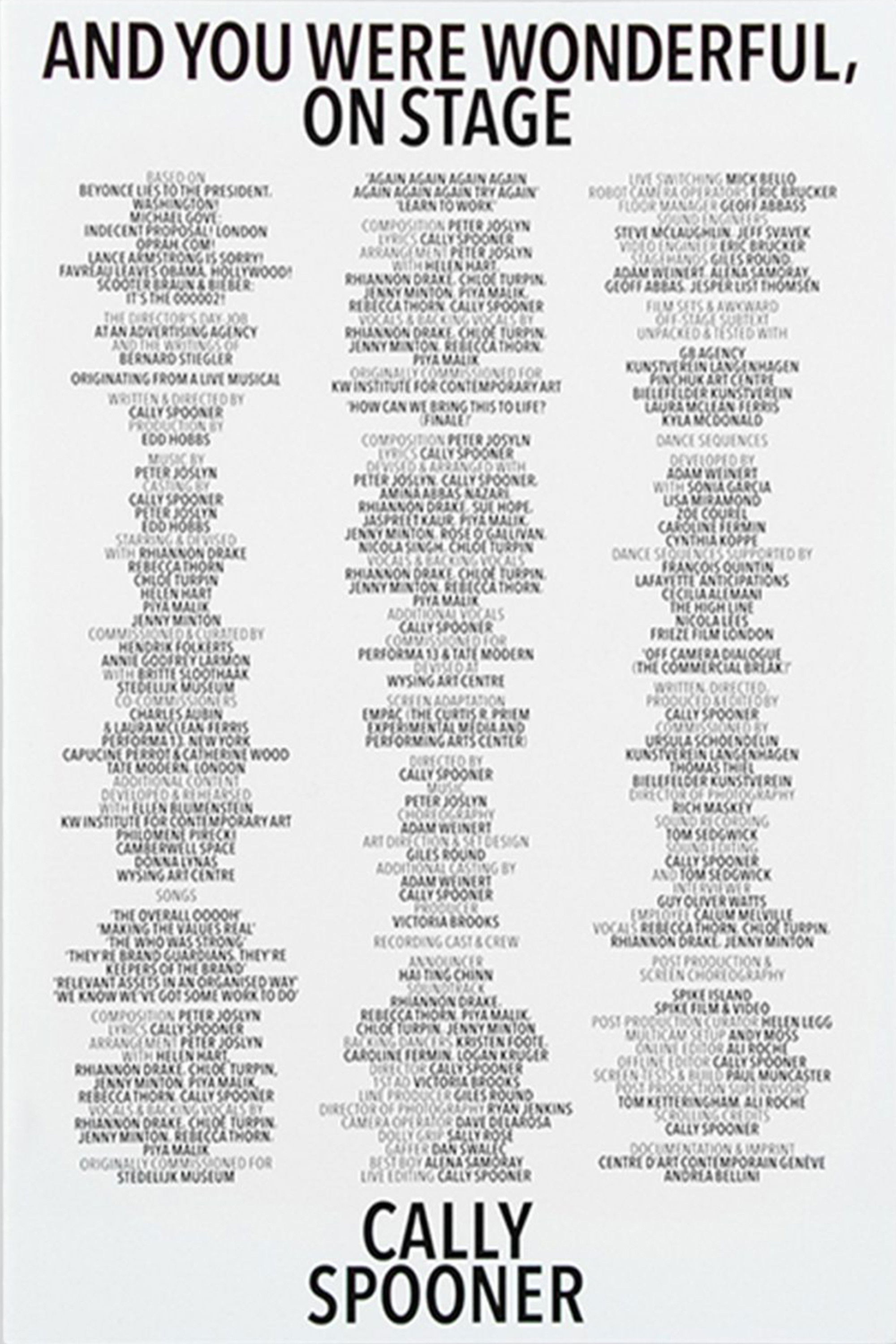
An immersive film installation by Cally Spooner. In this work, a musical for six continuously rolling cameras, a black box soundstage and its inhabitants, are recorded in a single take. The mechanics of the shoot (cameras, microphones, mixing boards, chromakey screens and crew) remain as present as the performers they capture. Cast and crew become a constant-motion human backdrop, pragmatically recomposing scene-changes through lighting cues, voice, body movement, or continuous shifts of filmic apparatus and props. The semblance of a post-production edit arrives through the organisation and orchestration of bodies on set. Delivered by a chorus line of women, the film gossips about various celebrities, athletes and politicians who have outsourced their performances to different technologies.
Short film about an express steamer
A group of down-and-out accountants mutiny against their bosses and sail their office building onto the high seas in search of a pirate's life.
The comparison of two rural families to demonstrate the need for proper hygiene and the consequences of its neglect.
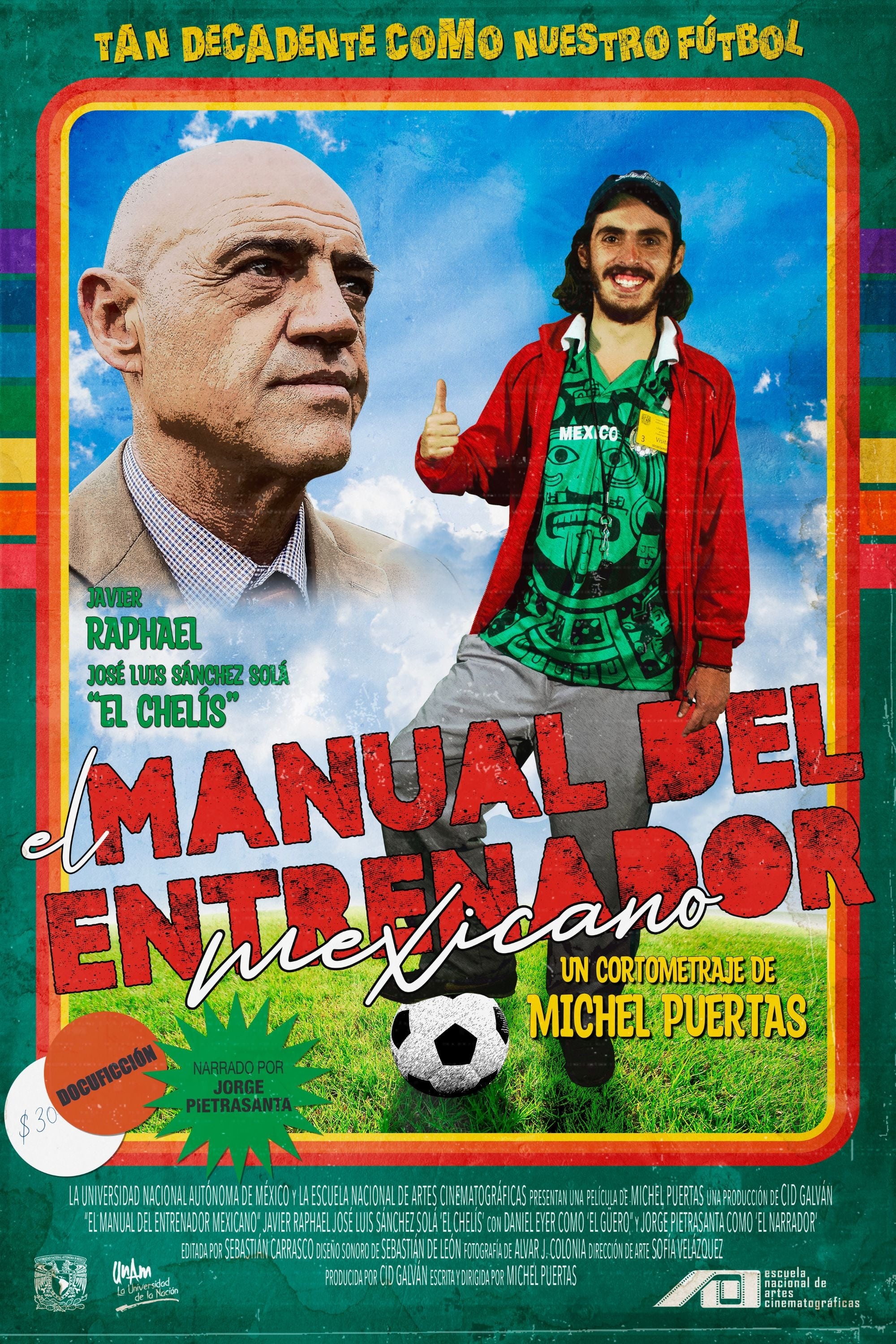
In this comedic docufiction, Javier (Javier Raphael) is a young man who has always wanted to be a football coach like his idol “El Chelís” (José Luis Sánchez Solá), but has never done anything to fulfill his dream. Now, guided by a nosy narrator (Jorge Pietrasanta), he will look for some of the most unorthodox amateur football coaches in Mexico, and for his beloved "Chelís", so that each one can give him lessons until he is fully trained to manage a match and thus become a true "Mexican football coach".
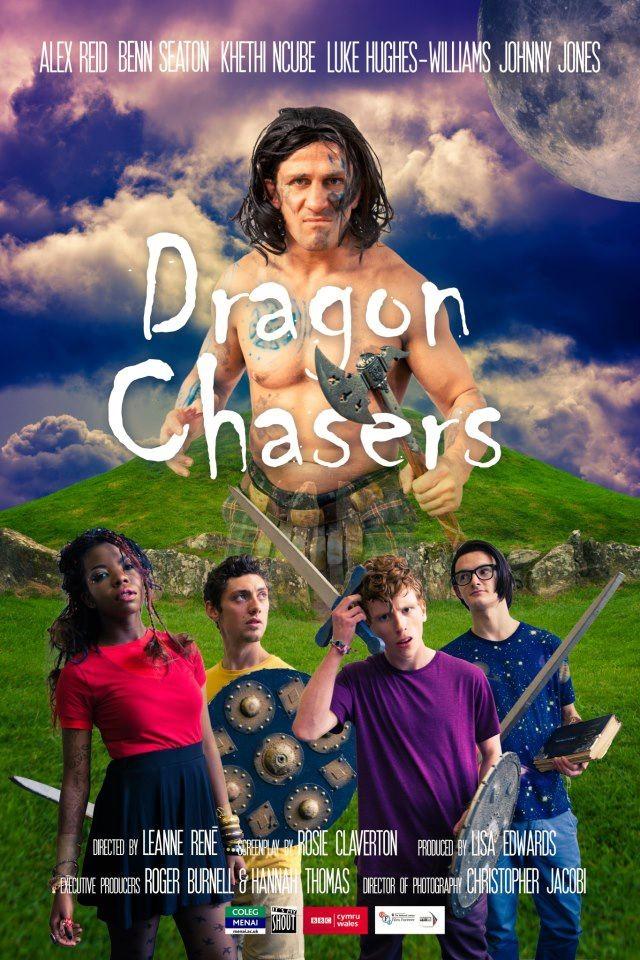
A game of dungeons and dragons goes badly wrong when a group of misfits manage to bring a Celtic warrior back from the dead.
The life and death of the fictional star Wilma Montesi is reported in the form of a staged newsreel. Excerpts from films of various genres and eras are juxtaposed with "documentary material" about the star's public and private life. By stringing together clichés and cinematic quotations, a certain reporting and narrative style about the glamor and misery of show business is presented in a critical and ironic, but at the same time entertaining way.
A group of kids takes on the cycle of gang violence in Worcester, MA as part of the "Bikes up, Guns down" movement. The police and the city don't see it that way.
Capital of Faith is a short documentary that addresses the reality of the new Brazilian Evangelical Church, illustrated with images of the Faith spectacle and the unusual Christianization through gospel culture. The film is a portrait of this militant belief experienced in the city of São Paulo, bringing tension between innovative conservatism and the contradictions of Corporate Christianity.
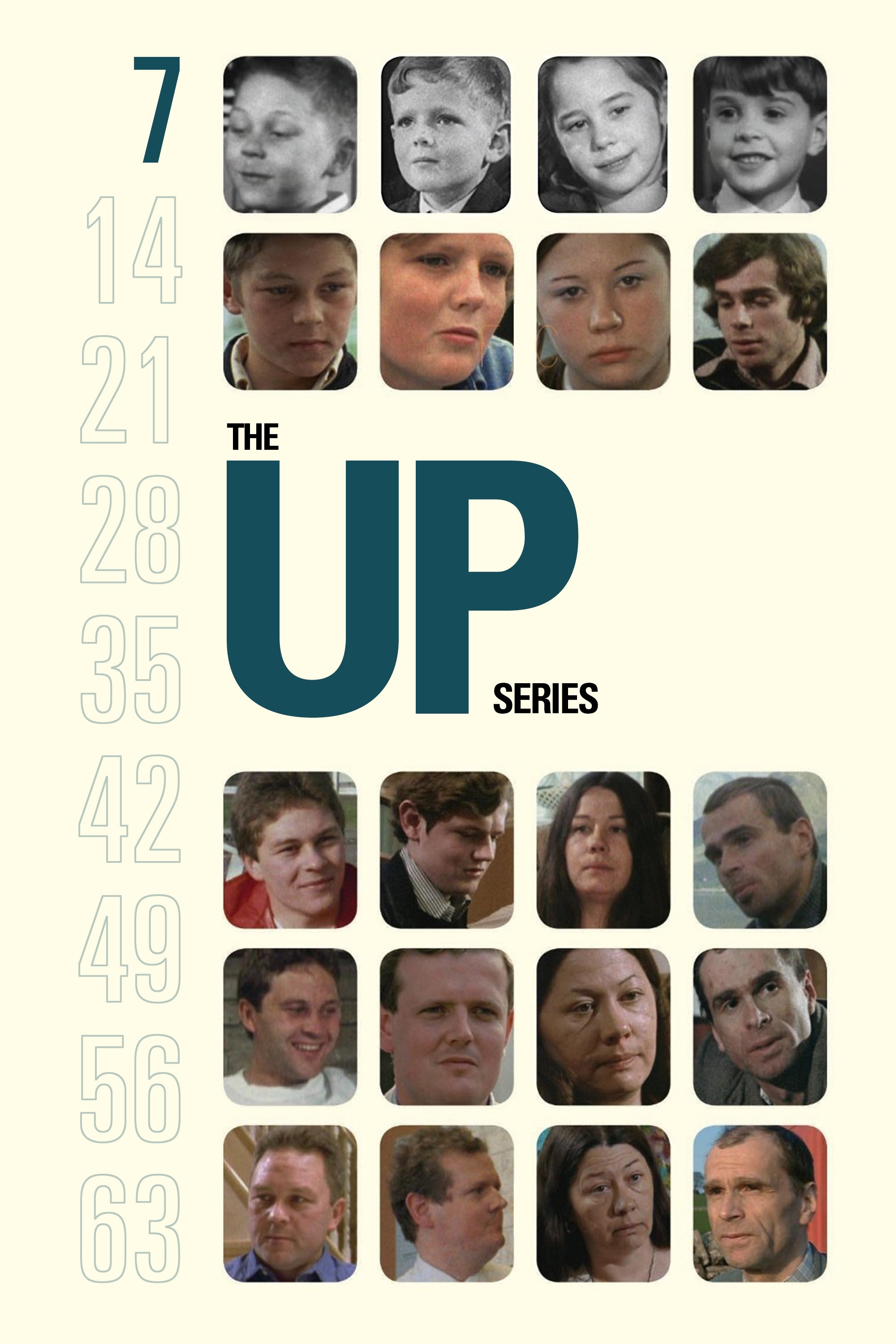
A group of British children aged 7 from widely ranging backgrounds are interviewed about a range of subjects. The filmmakers plan to re-interview them at 7 year intervals to track how their lives and attitudes change as they age.
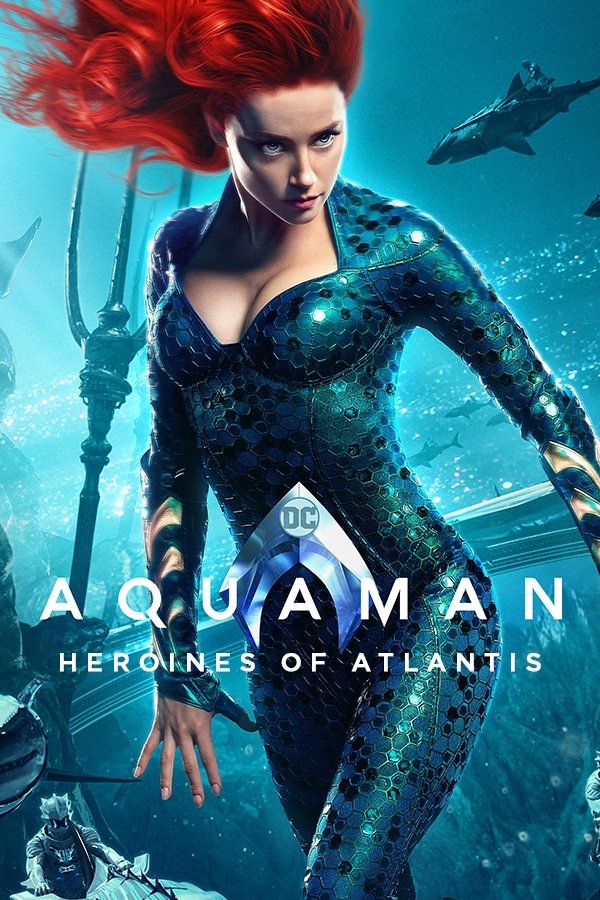
Amber Heard and Nicole Kidman discuss their characters Mera and Atlanna.
A feature length documentary about the all-women team at the helm of Pixar's original feature, Turning Red. With unprecedented behind-the-scenes access to Director Domee Shi and her core leadership crew, this story shines a light on the powerful professional and personal journeys that brought this incredibly comical, utterly relatable, and deeply heartfelt story to the screen.
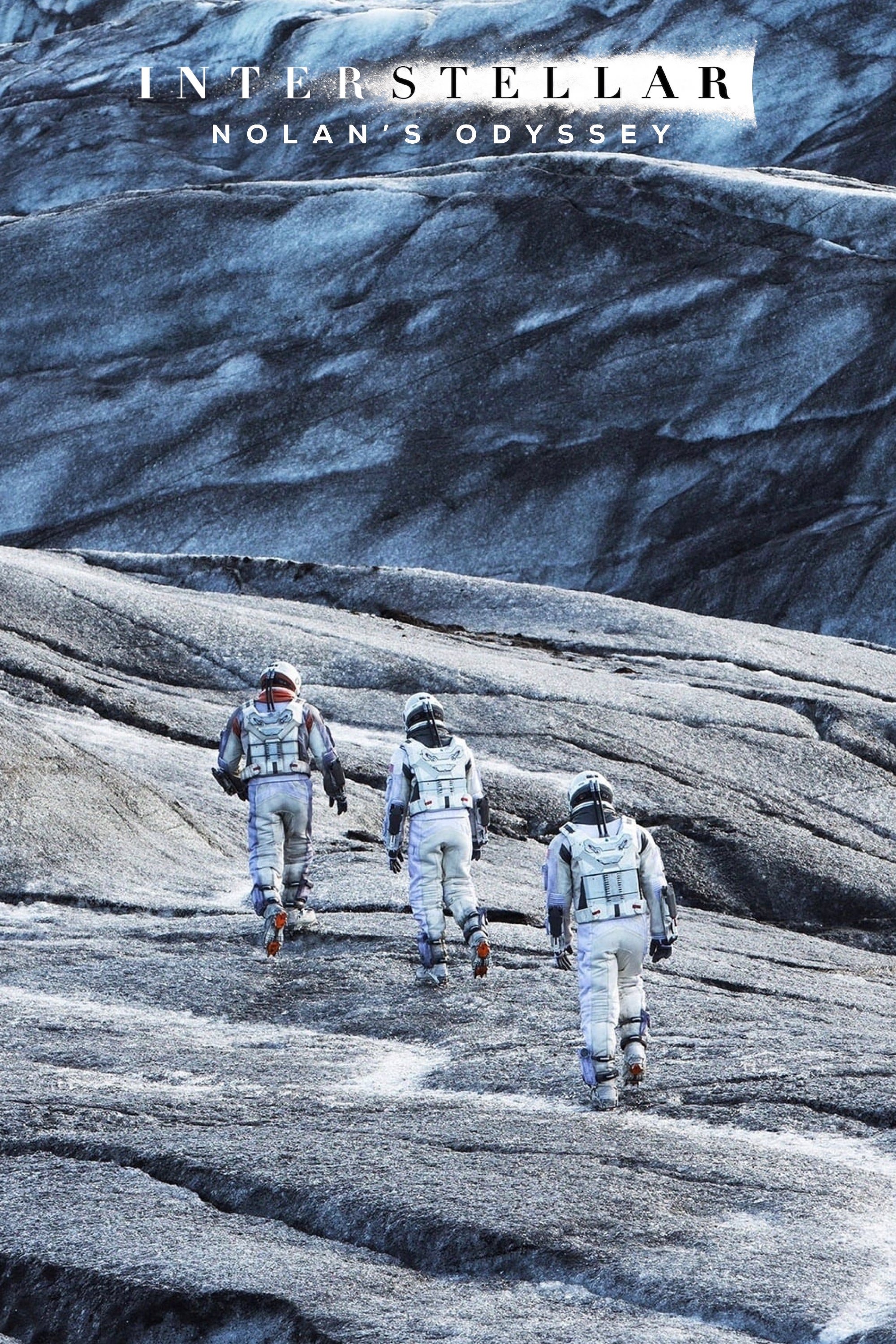
A look behind the lens of Christopher Nolan's space epic.
Daniel Craig candidly reflects on his 15 year adventure as James Bond. Including never-before-seen archival footage from Casino Royale to the upcoming 25th film No Time To Die, Craig shares his personal memories in conversation with 007 producers, Michael G Wilson and Barbara Broccoli.
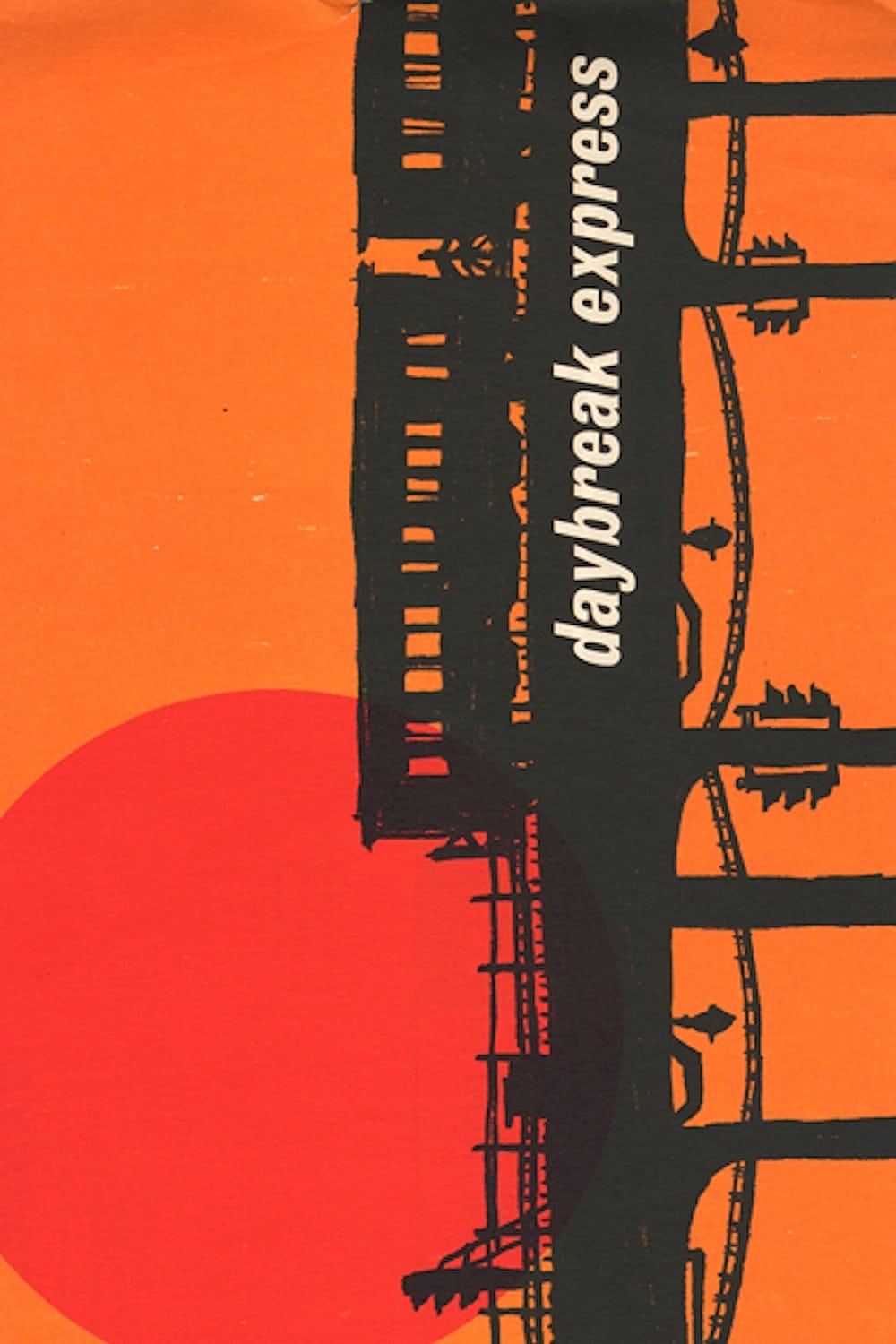
Set to a classic Duke Ellington recording "Daybreak Express", this is a five-minute short of the soon-to-be-demolished Third Avenue elevated subway station in New York City.
Martin Scorsese, Robert De Niro, Joe Pesci, and Al Pacino in conversation about The Irishman.
A documentary chronicling Queen and Lambert's incredible journey since they first shared the stage together on "American Idol" in 2009.
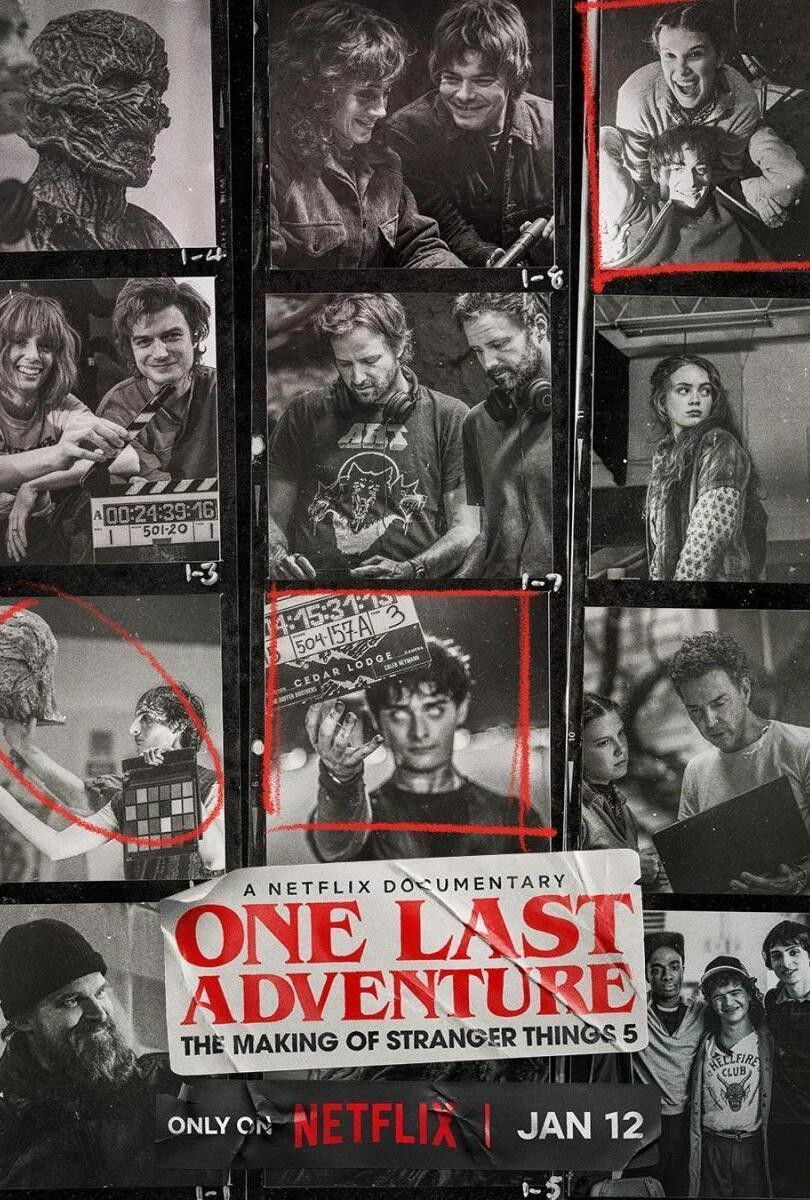
An inside look at the years of effort and craft that went into the final installment of the Duffer Brothers' generation-defining series.
Alexander McQueen's rags-to-riches story is a modern-day fairy tale, laced with the gothic. Mirroring the savage beauty, boldness and vivacity of his design, this documentary is an intimate revelation of McQueen's own world, both tortured and inspired, which celebrates a radical and mesmerizing genius of profound influence.
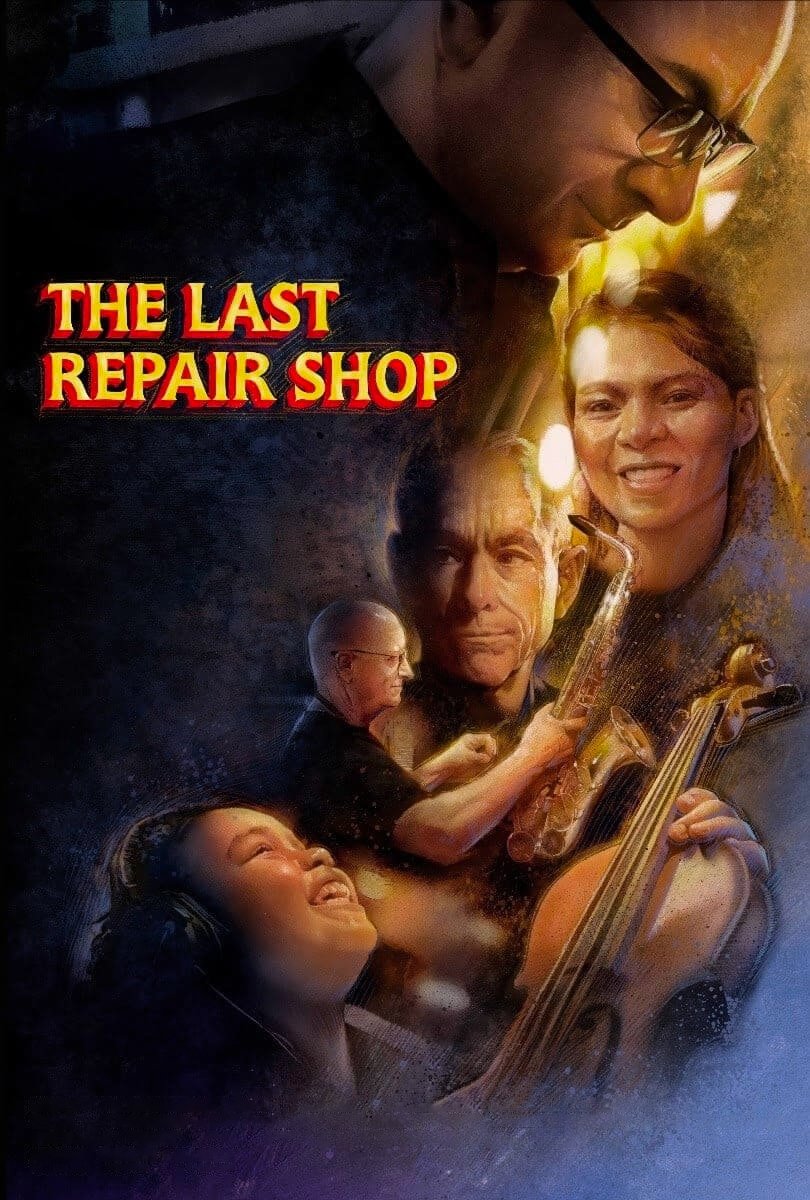
In a warehouse in the heart of Los Angeles, a dwindling handful of devoted craftspeople maintain more than 80,000 student musical instruments, the largest remaining workshop in America of its kind. Meet four unforgettable characters whose broken-and-repaired lives have been dedicated to bringing so much more than music to the schoolchildren of this city.
An inside look at one of the most anticipated movie sequels ever with James Cameron and cast.
Featuring interviews with filmmakers and industry legends, discover the origins and evolution of The Joker, and learn why The Clown Prince of Crime is universally hailed as the greatest comic-book supervillain of all time.
In the Realms of the Unreal is a documentary about the reclusive Chicago-based artist Henry Darger. Henry Darger was so reclusive that when he died his neighbors were surprised to find a 15,145-page manuscript along with hundreds of paintings depicting The Story of the Vivian Girls, in What is Known as the Realms of the Unreal, of the Glodeco-Angelinnian War Storm, Cased by the Child Slave Rebellion.
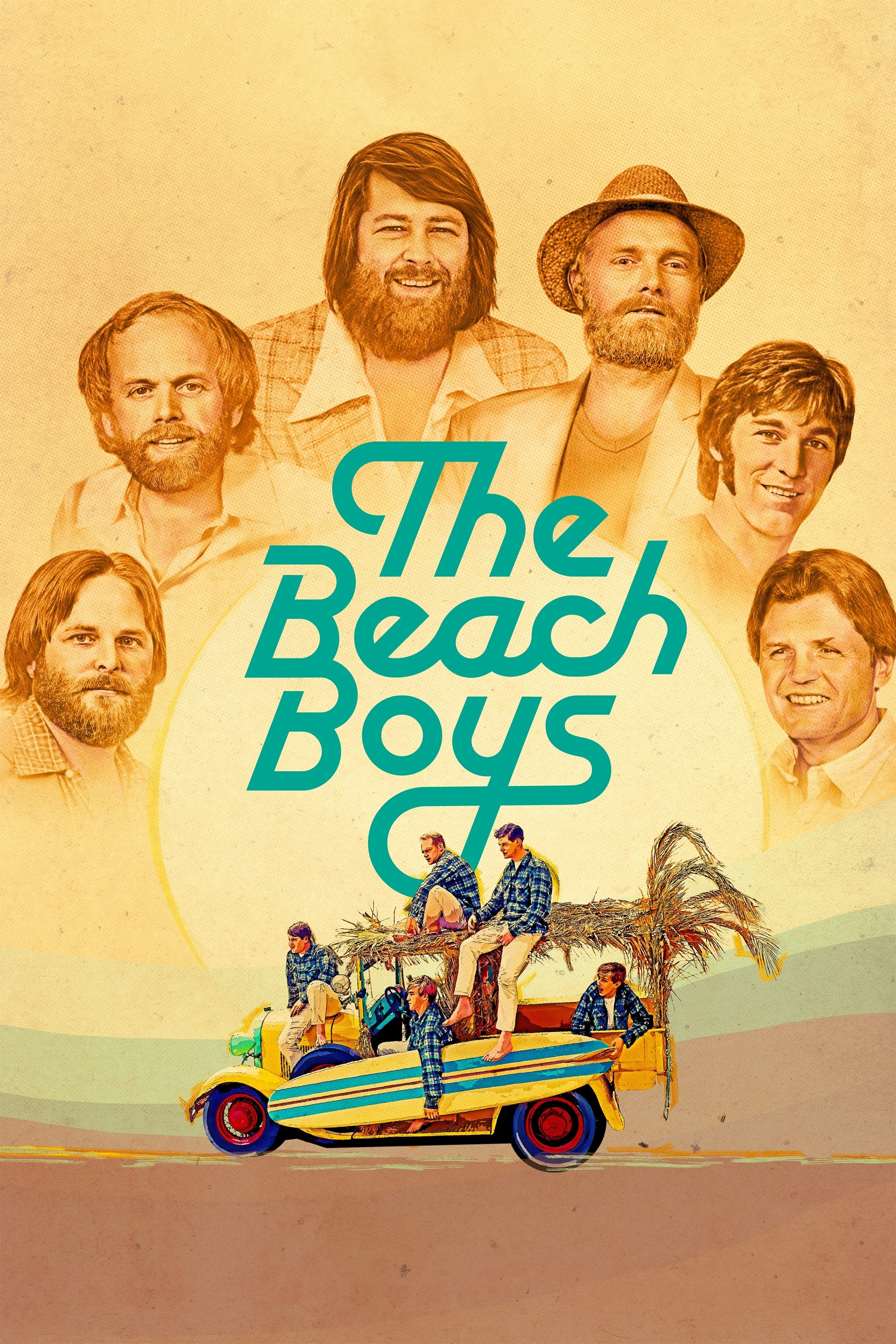
A celebration of the legendary band that revolutionized pop music, and the iconic, harmonious sound they created that personified the California dream, captivating fans for generations and generations to come.
Take a virtual vacation to some of the Star Wars films' most iconic and beloved locations like Hoth, Tatooine, and Sorgan, as this charming series whisks you off for fly-through tours of the Galaxy Far, Far Away.
Ranjit, a farmer in India, takes on the fight of his life when he demands justice for his 13-year-old daughter, the victim of a brutal gang rape. His decision to support his daughter is virtually unheard of, and his journey unprecedented.
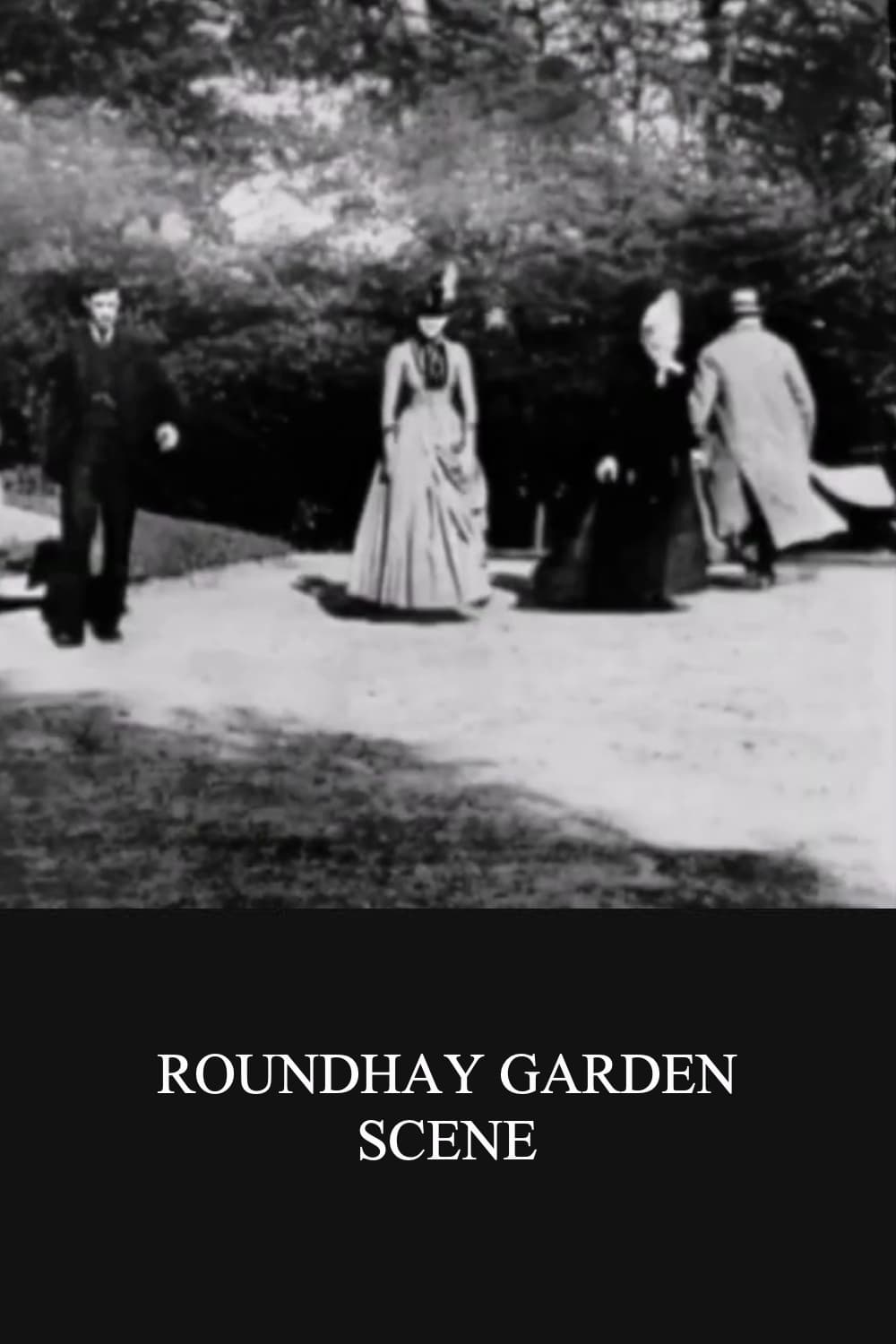
The earliest surviving motion-picture film, and believed to be one of the very first moving images ever created, was shot by Louis Aimé Augustin Le Prince using the LPCCP Type-1 MkII single-lens camera. It was taken on paper-based photographic film in the garden of Oakwood Grange, the Whitley family house in Roundhay, Leeds, West Riding of Yorkshire (UK), on 14 October 1888. The film shows Adolphe Le Prince (Le Prince’s son), Mrs. Sarah Whitley (Le Prince’s mother-in-law), Joseph Whitley, and Miss Harriet Hartley walking around in circles, laughing to themselves, and staying within the area framed by the camera. Roundhay Garden Scene is often associated with a recording speed of around 12 frames per second and runs for about 2 to 3 seconds.
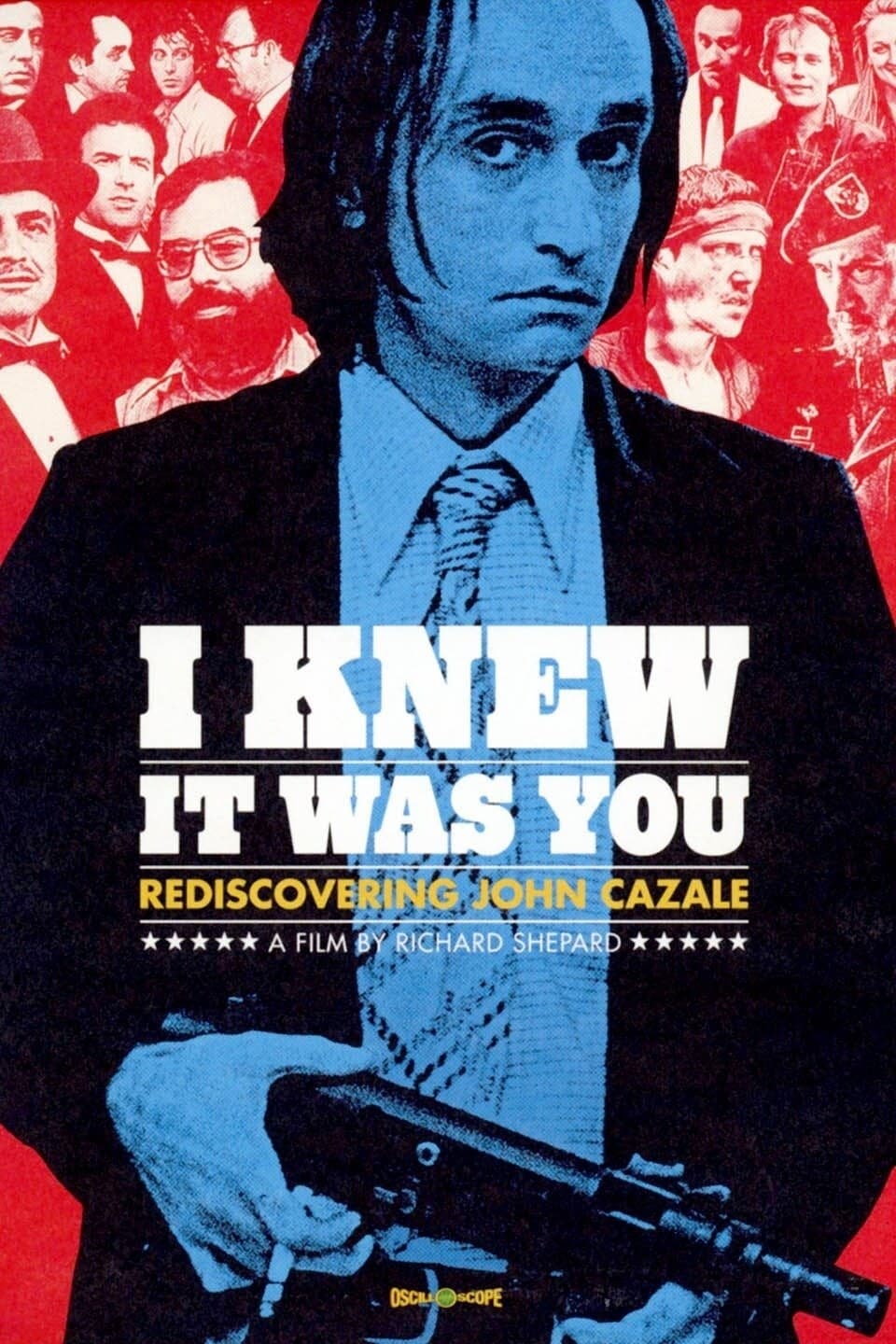
John Cazale was in only five films – The Godfather, The Conversation, The Godfather: Part II, Dog Day Afternoon and The Deer Hunter – each was nominated for Best Picture. Yet today most people don't even know his name. I KNEW IT WAS YOU is a fresh tour through movies that defined a generation.
Lupita Nyong'o narrates a documentary about Peanuts and its creator, Charles M. Schulz. Famous fans—including Drew Barrymore, Kevin Smith, and Al Roker—share its influence on them, and a new animated story finds Charlie Brown on a quest.