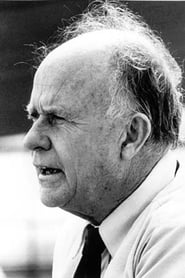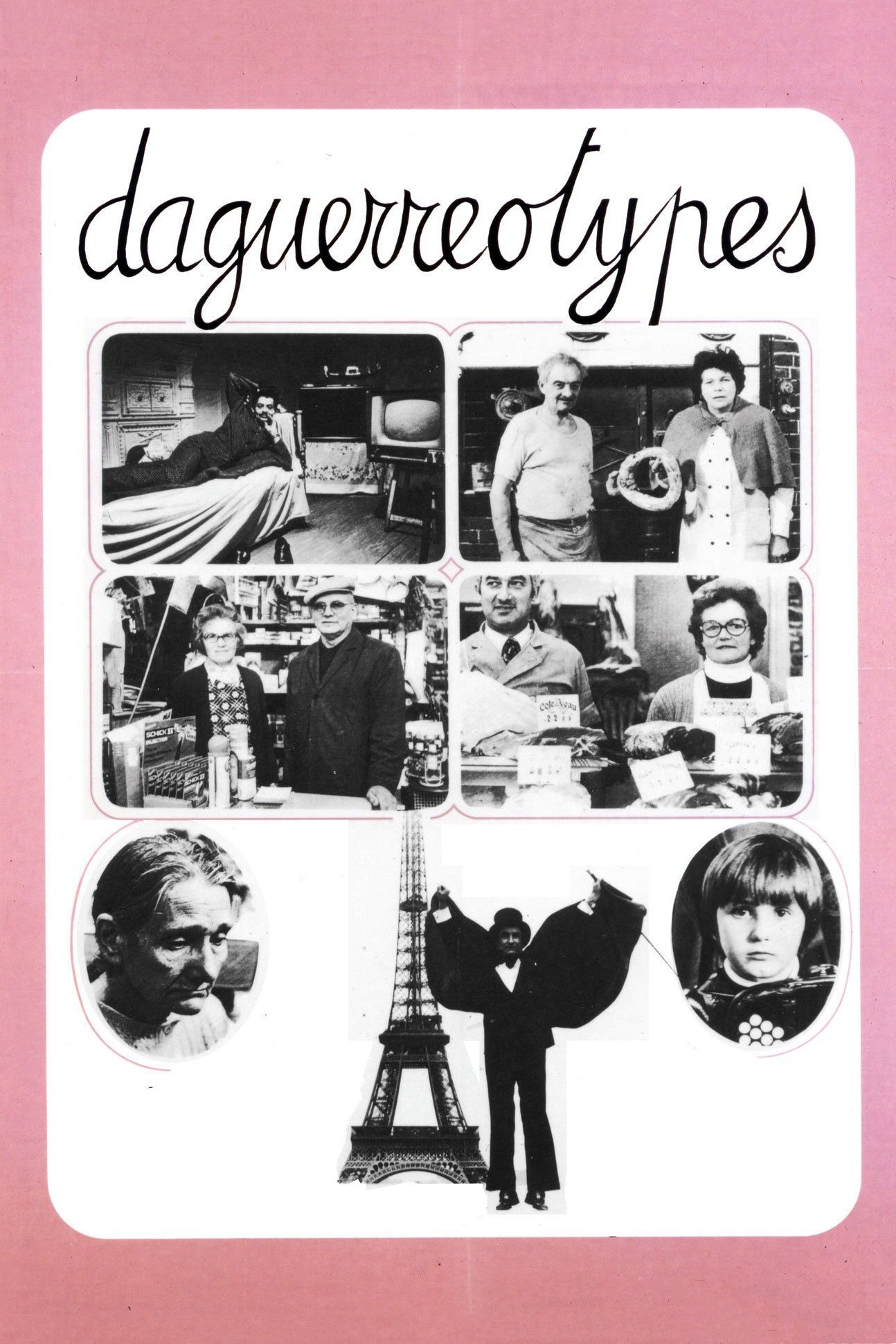
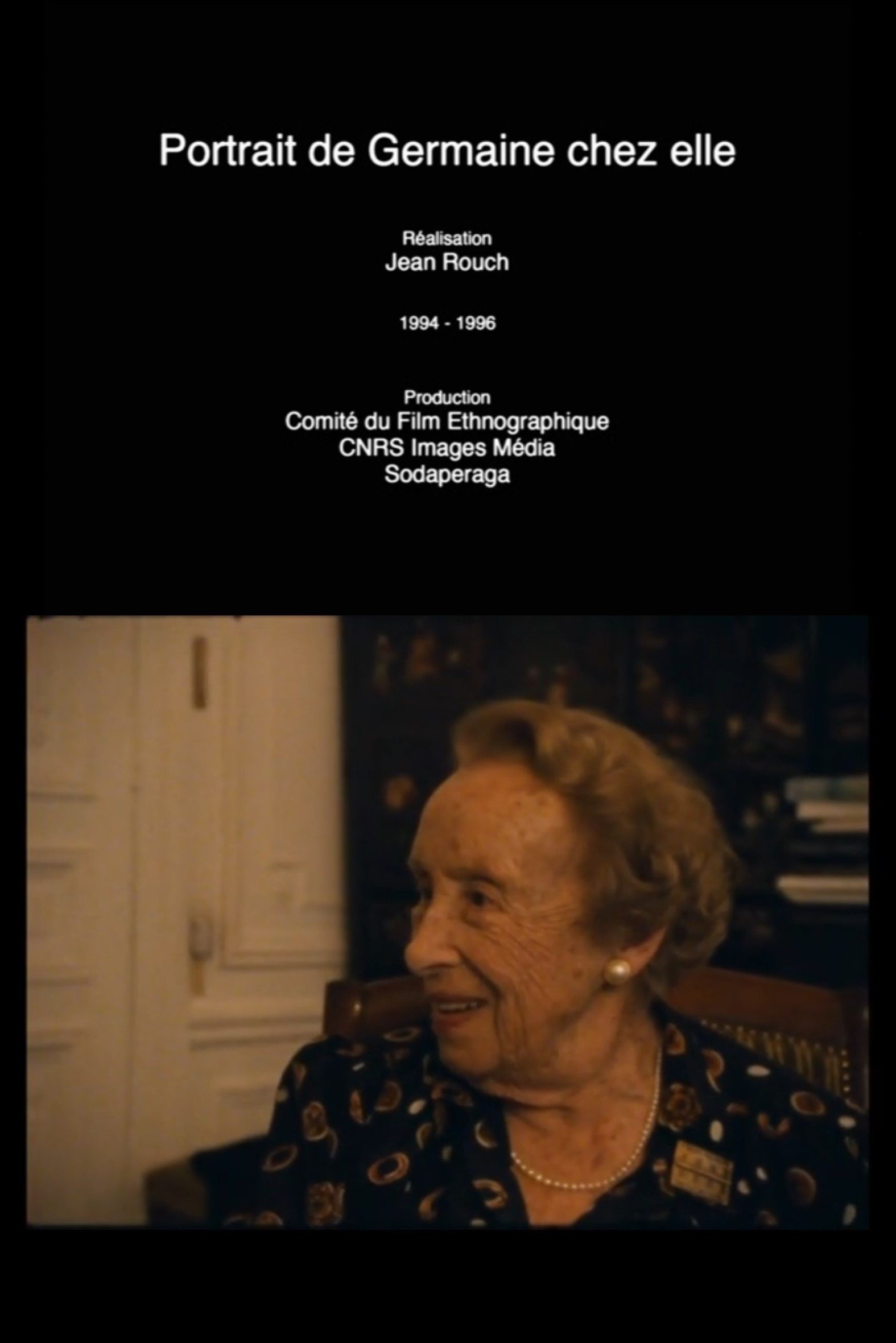
In front of Jean Rouch's camera, Germaine Dieterlen recalls her ethnographic itinerary, at the Musée de l'Homme, in Mali and in the Paris of the 1930s.
Social & External
herself
himself
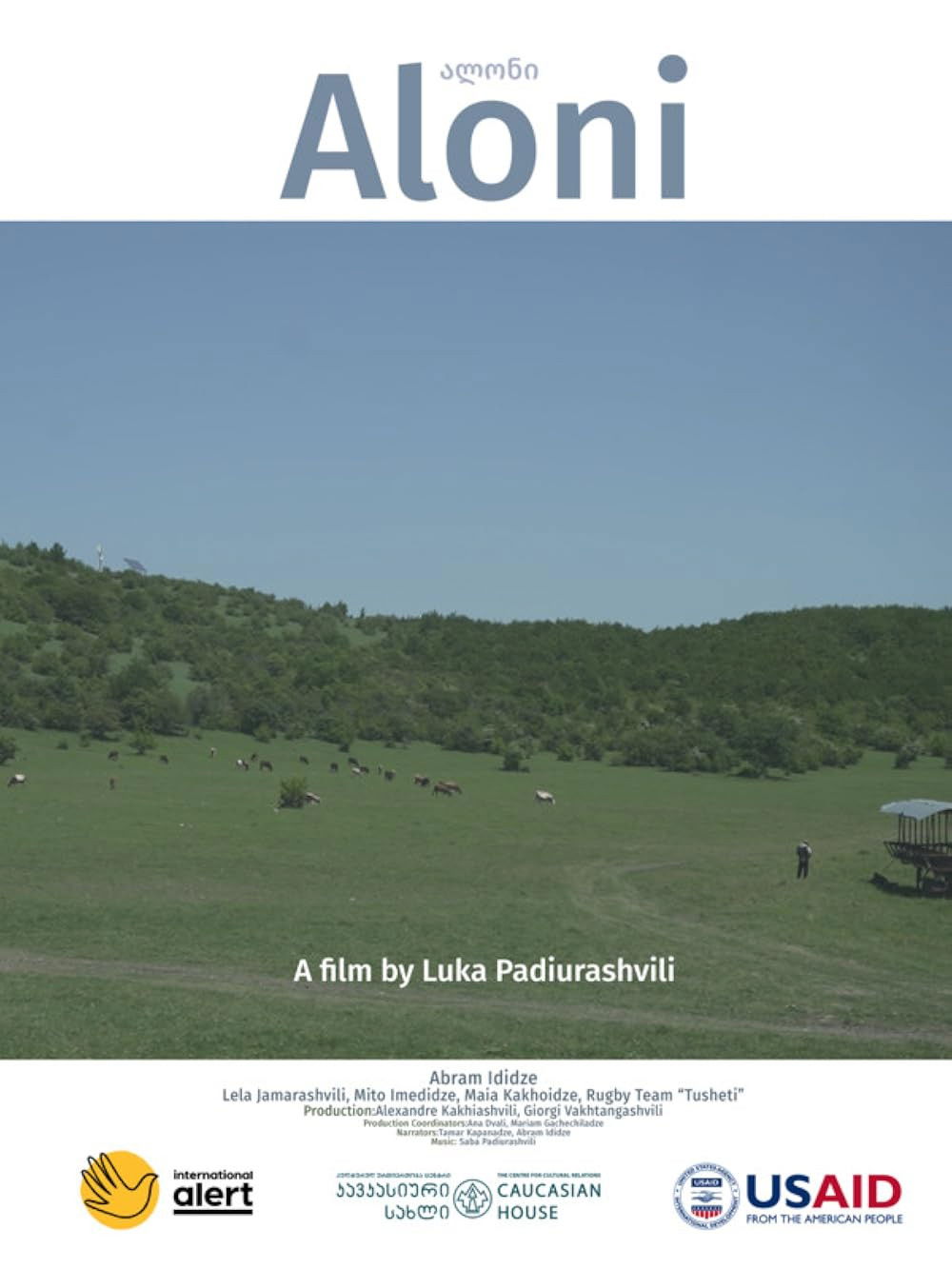
On the night of 3 August 1996 a school of striped dolphins ran ashore near the village of Tuo on Ngasinue/Fenualoa Island in the Reef Islands (Solomon Islands). Dolphins have a special kinship-related link to the Aiwoo-speaking people in Tuo. Moffat Bonunga tells the legend or so-called local kastom story that explains why. Moffat's explanations are linked with those of another local expert, Commins Veio, who tells his version of the story to Nathaniel Meningi inside the men's house (sapolau) in Tuo. The night the dolphins run ashore, Moffat immediately contacts the film crew - the villagers want the crew to film this peculiar phenomenon. Although the film focuses on the kastom story and the villagers' re-enactment of the hunt, it also documents the villagers' joy that the sea once again has proved an important source of food.
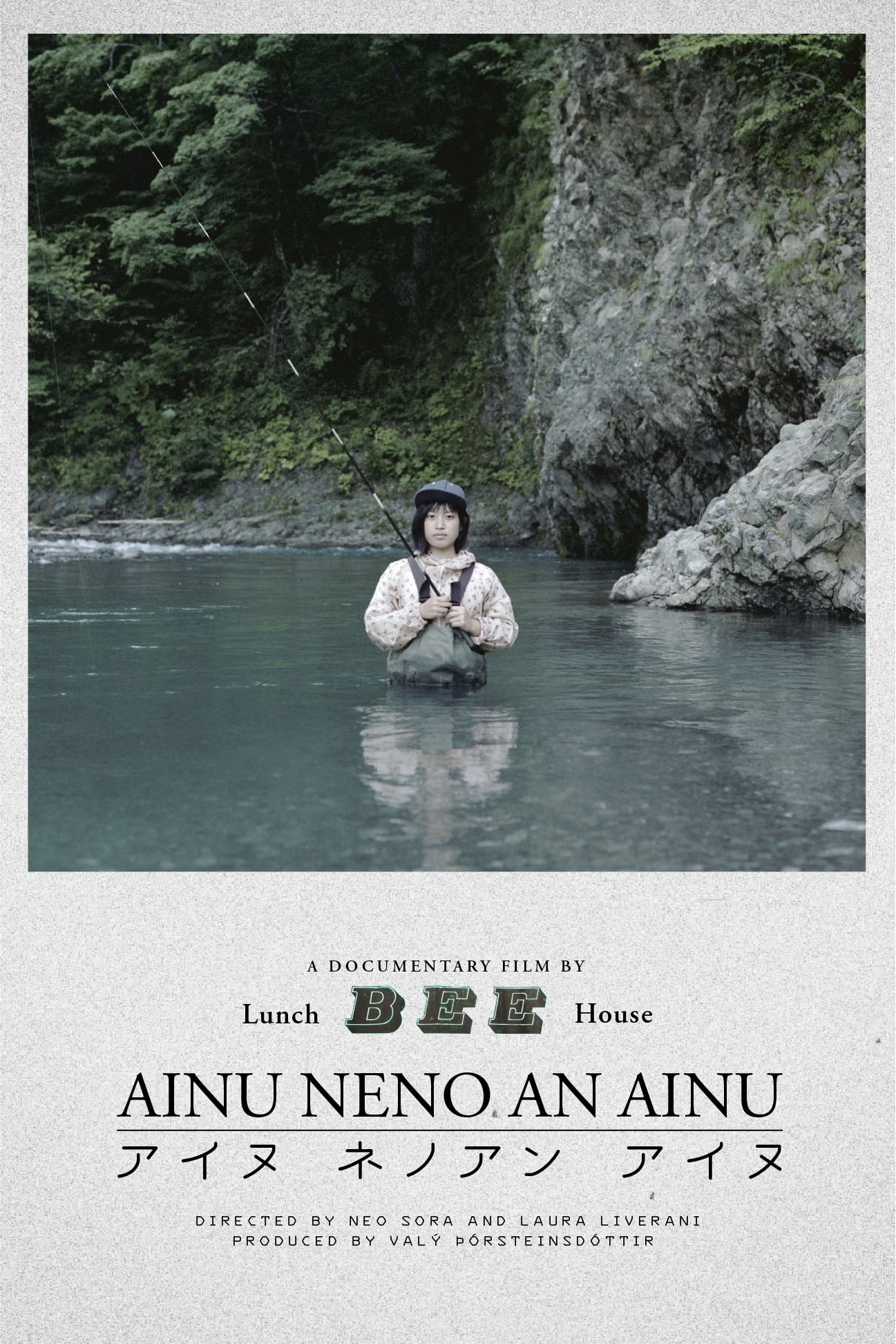
Shigeki, one of the Ainu people of northern Japan, follows the traditions of his ancestors and teaches his son Motoki about their heritage. But how can old customs be revived after centuries of suppression?
Are tourists destroying the planet-or saving it? How do travelers change the remote places they visit, and how are they changed? From the Bolivian jungle to the party beaches of Thailand, and from the deserts of Timbuktu, Mali to the breathtaking beauty of Bhutan, GRINGO TRAILS traces stories over 30 years to show the dramatic long-term impact of tourism on cultures, economies, and the environment.

This documentary started as part of a photography project about the indigenous Ainu population in northern Japan, portraying people from tightly knit communities. They feel deeply connected by their culture and tradition. With gorgeous pictures, the directors explore how different generations of Ainu reflect on their identity after centuries of oppression.
In February 1974, Pam Sambo Zima, the oldest of the priests of possession in Niamey, Niger, died at the age of seventy-plus years. In his backyard, the followers from the possession cult symbolically break the dead priest's ritual vases and cry for the deceased while dividing up the clothes of the divinities.
This intimate ethnographic study of Voudoun dances and rituals was shot by Maya Deren during her years in Haiti (1947-1951); she never edited the footage, so this “finished” version was made by Teiji Ito and Cherel Ito after Deren’s death.
An account of the journey that King Alfonso XIII of Spain made to the impoverished shire of Las Hurdes, in the province of Cáceres, in the region of Extremadura, in 1922.
A synaesthetic portrait made between French Polynesia and Brittany, Color-blind follows the restless ghost of Gauguin in excavating the colonial legacy of a post-postcolonial present.
An ethnographic documentary about the Mangbetu tribe of the Belgian Congo (now the Democratic Republic of the Congo). The film features a discussion of various rites including the Mangbetu practice of head binding, as well as various examples of traditional music and dance.
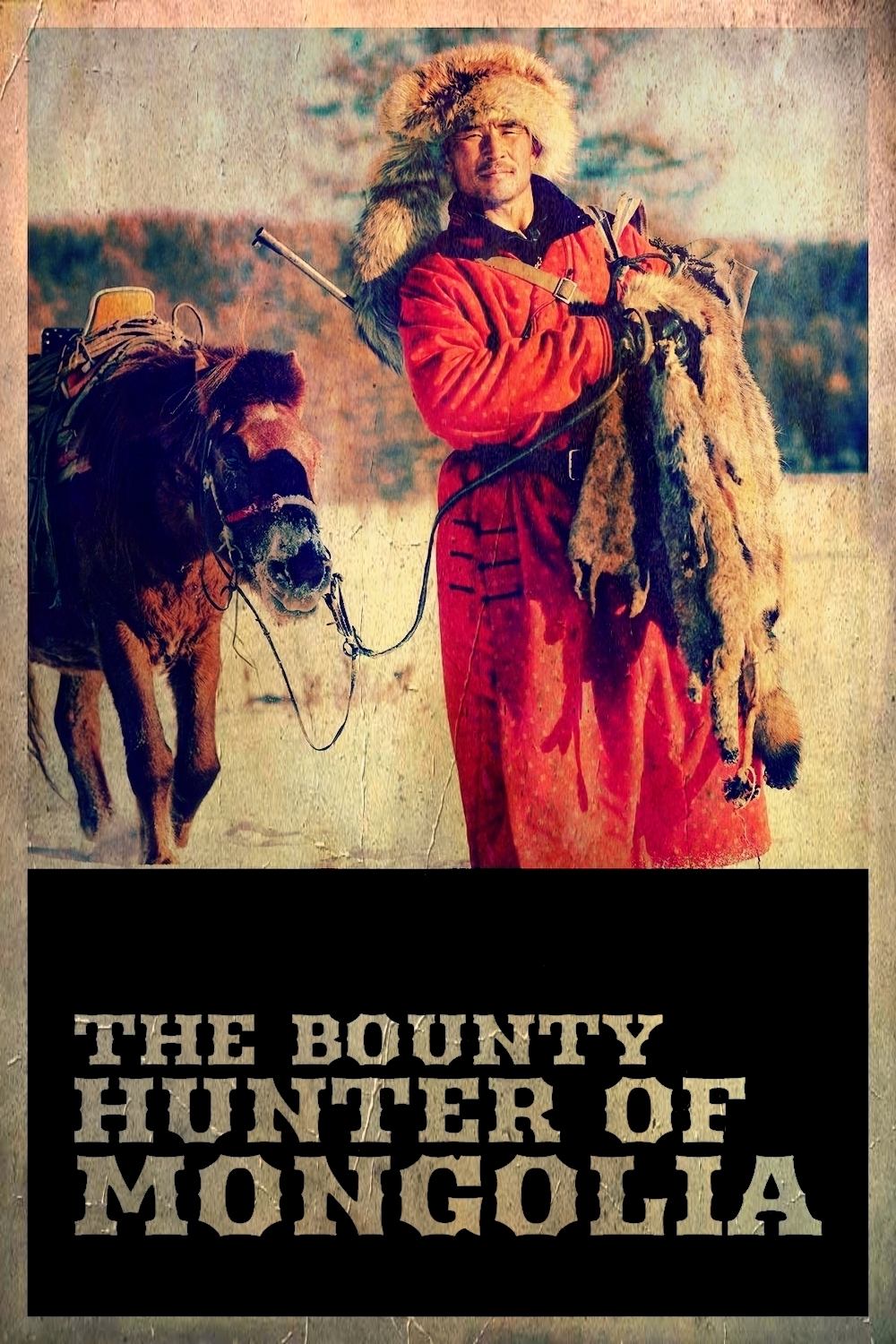
In the Darhat valley in northern Mongolia, the horses of nomadic tribes are stolen by bandits who then sell them to Russian slaughterhouses. Shukhert, a brave horseman, relentlessly pursues them through the Mongolian taiga, bordering Siberia.
Robert J. Flaherty’s follow-up to Nanook of the North shifts from the Arctic to the South Seas, portraying Samoan village life with a painterly eye. Blending ethnographic detail with a romanticized “Gauguin idyll,” the film celebrates daily rituals, communal traditions, and the passage into adulthood, suffused with what Flaherty called “pride of beauty, pride of strength.”
The people of Unamenshipu (La Romaine), an Innu community in the Côte-Nord region of Quebec, are seen but not heard in this richly detailed documentary about the rituals surrounding an Innu caribou hunt. Released in 1960, it’s one of 13 titles in Au Pays de Neufve-France, a series of poetic documentary shorts about life along the St. Lawrence River. Off-camera narration, written by Pierre Perrault, frames the Innu participants through an ethnographic lens. Co-directed by René Bonnière and Perrault, a founding figure of Quebec’s direct cinema movement.
Forest of Bliss is an unsparing yet redemptive account of the inevitable griefs, religious passions and frequent happinesses that punctuate daily life in Benares, India's most holy city. The film unfolds from one sunrise to the next without commentary, subtitles or dialogue. It is an attempt to give the viewer a wholly authentic, though greatly magnified and concentrated, sense of participation in the experiences examined by the film.
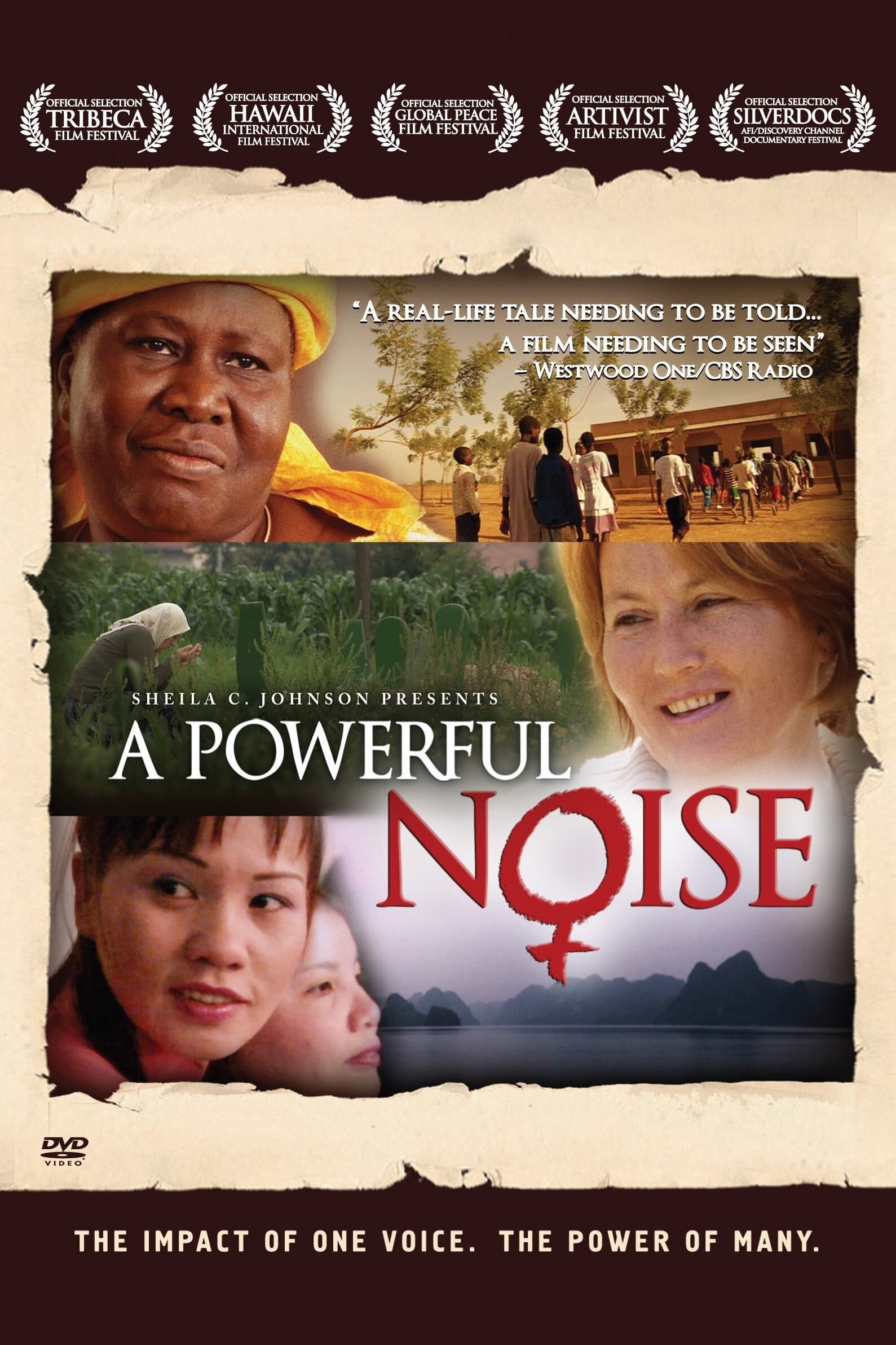
Bookended by call-to-action quotes from Margaret Mead and Mahatma Gandhi, this inspiring documentary follows three extraordinary women -- in Bosnia-Herzegovina, Mali, and Vietnam -- as they lead day-to-day battles against ignorance, poverty, oppression, and ethnic strife.
The young goat herders from the cliff of Bandiagara practice on the stone drums of their ancestors. An ethnomusicological film experiment describing the subtle plays of the right and left hand of Dogon drummers.
Activists around the world fight injustice and drive social change in this documentary that follows their participation in the music video "Solidarité."
When Lena and Ulli start the engine of their old Land Rover, Lady Terés, they have a plan: to drive from Hamburg to South Africa in six months. What they don't know yet is that they won't ever get there. Two totally different characters, jammed together in two square meters of space for almost two years, they experience what it really means to travel: leaving your comfort zone for good.
A seven-day initiation ceremony is documented in which two women undergo ritual healing following a diagnosis of spirit possession, presented without narration, intertitles, or explanatory commentary.
As retailers, wholesalers, and negotiators, Asante women of Ghana dominate the huge Kumasi Central Market amid the laughter, argument, colour and music. The crew of this `Disappearing World' film have jumped into the fray, explored, and tried to explain the complexities of the market and its traders. As the film was to be about women traders, an all female film crew was selected and the rapport between the two groups of women is remarkable. The relationship was no doubt all the stronger because the anthropologist acting as advisor to the crew, Charlotte Boaitey, is herself an Asante. The people open up for the interviewers telling them about their lives as traders, about differences between men and women, in their perception of their society and also about marriage.
A woman narrates the thoughts of a world traveler, meditations on time and memory expressed in words and images from places as far-flung as Japan, Guinea-Bissau, Iceland, and San Francisco.
A detailing of the rise to prominence and global sporting superstardom of six supremely talented young Manchester United football players (David Beckham, Nicky Butt, Ryan Giggs, Paul Scholes, Phil and Gary Neville). The film covers the period 1992-1999, culminating in Manchester United's European Cup triumph.
A documentary on the expletive's origin, why it offends some people so deeply, and what can be gained from its use.
Stars of "The Walking Dead," Andrew Lincoln and Danai Gurira, walk down memory lane and visit iconic locations where pivotal moments between their characters, Rick and Michonne, were filmed.
SEDUCED AND ABANDONED combines acting legend Alec Baldwin with director James Toback as they lead us on a troublesome and often hilarious journey of raising financing for their next feature film. Moving from director to financier to star actor, the two players provide us with a unique look behind the curtain at the world's biggest and most glamourous film festival, shining a light on the bitter-sweet relationship filmmakers have with Cannes and the film business. Featuring insights from directors Martin Scorsese, 'Bernando Bertolucci' and Roman Polanski; actors Ryan Gosling and Jessica Chastain and a host of film distribution luminaries.
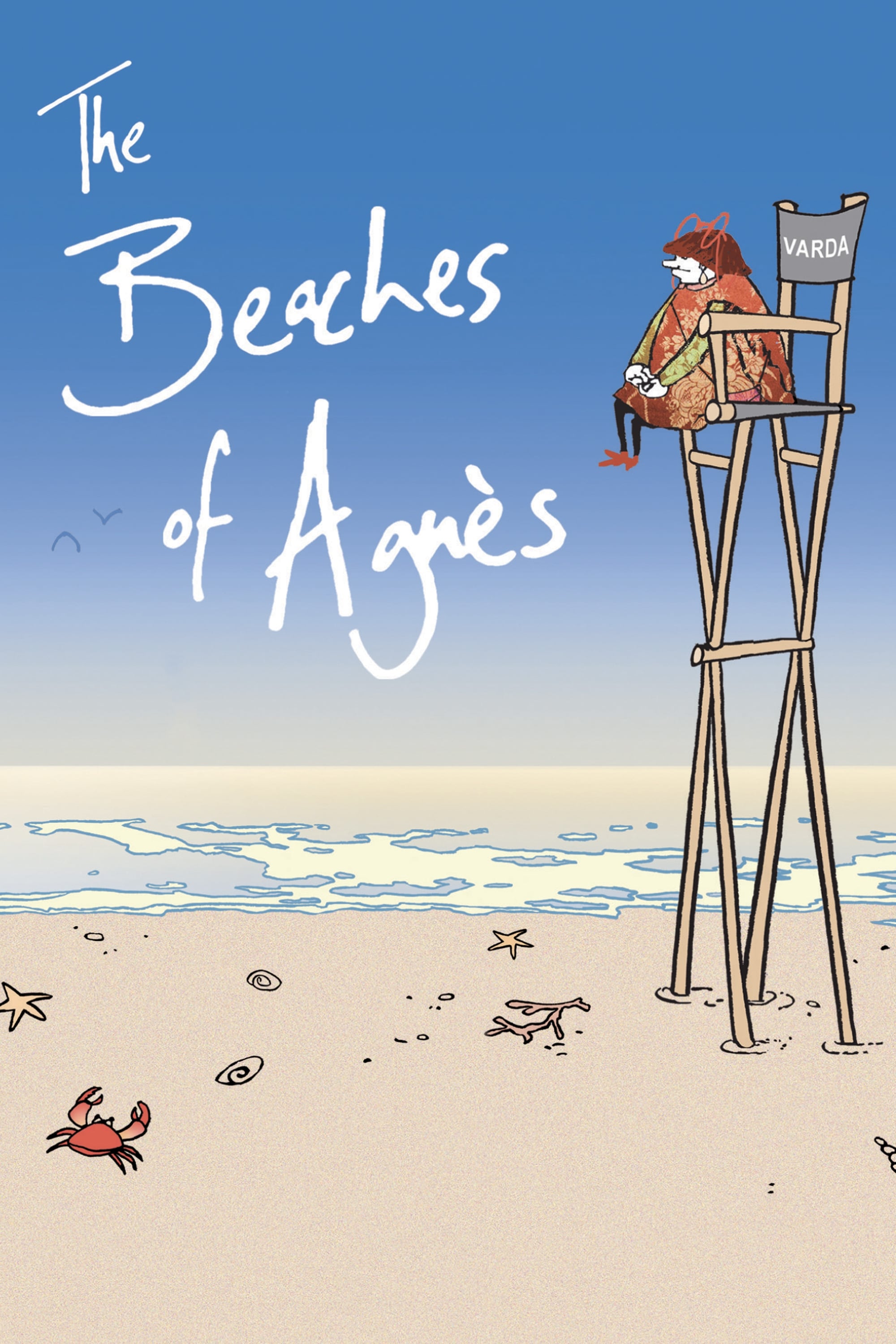
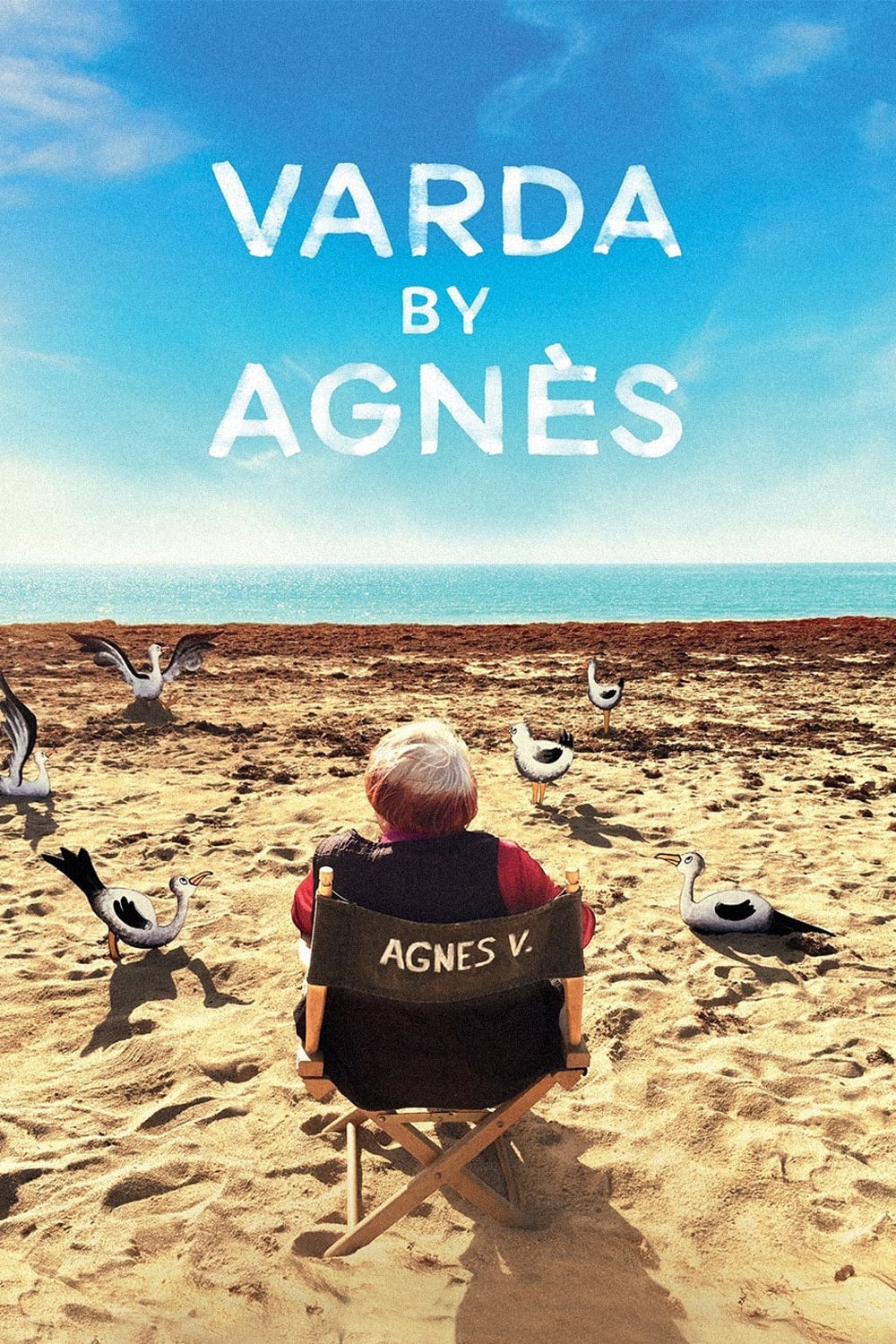
Filmmaking icon Agnès Varda, the award-winning director regarded by many as the grandmother of the French new wave, turns the camera on herself with this unique autobiographical documentary. Composed of film excerpts and elaborate dramatic re-creations, Varda's self-portrait recounts the highs and lows of her professional career, the many friendships that affected her life and her longtime marriage to cinematic giant Jacques Demy.
A documentary about the making of David Fincher's 2008 film THE CURIOUS CASE OF BENJAMIN BUTTON. Virtually every element in the evolution of the Fincher's film is documented here, from the project's attachment to numerous other directors during the 1990s, to its shoot in 2006 and 2007 in New Orleans, to its complex, CGI-intensive postproduction process.
An unprecedented and intimate look at the life, work and enduring legacy of British actress Audrey Hepburn (1929-1993).
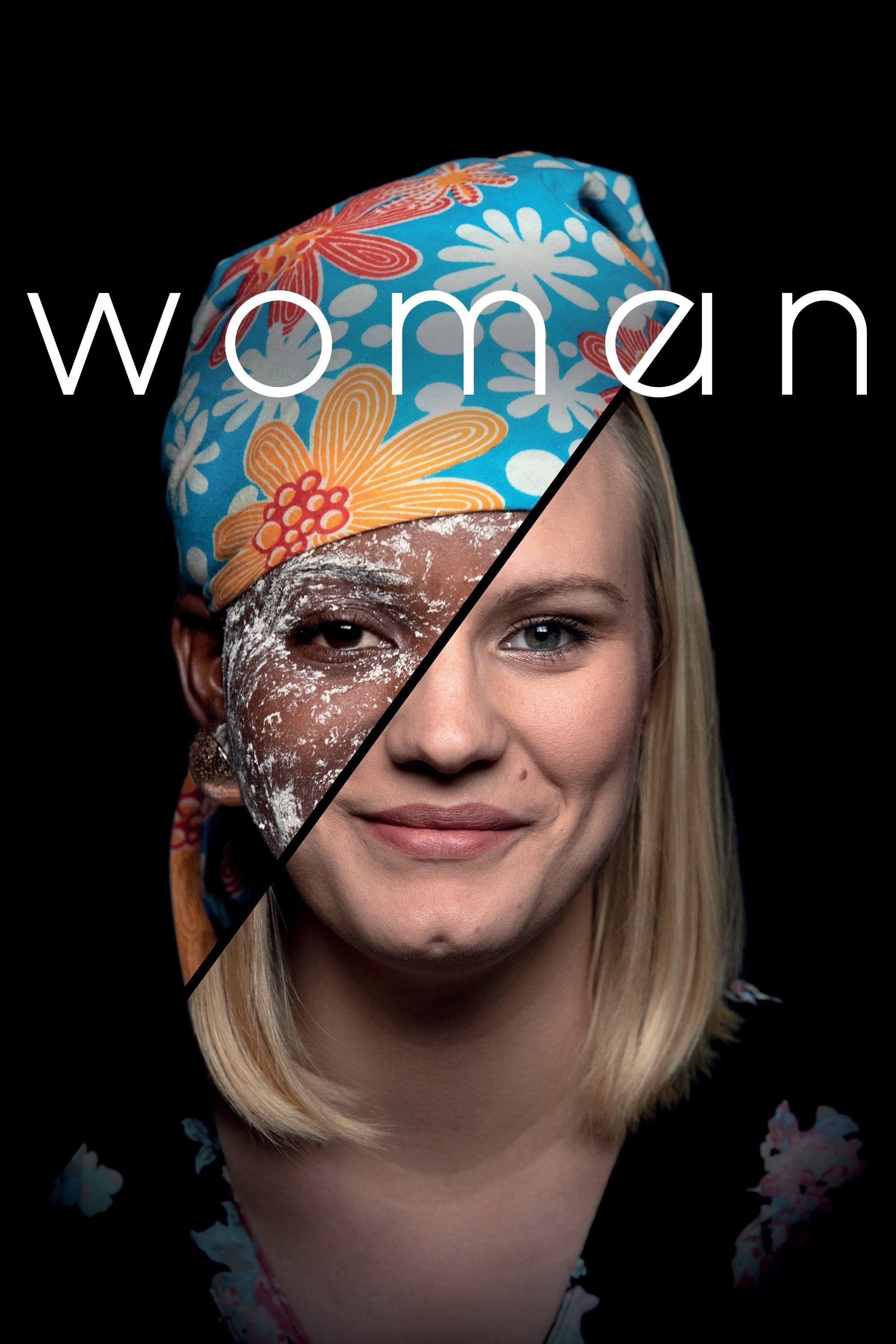
The film is based on interviews with 2,000 women from 50 countries, and covers the status of women all over the world. The topics covered include forced marriages, sexual assault, female genital mutilation, acid attacks, motherhood, sexuality, menstruation, education and the professional success of women.
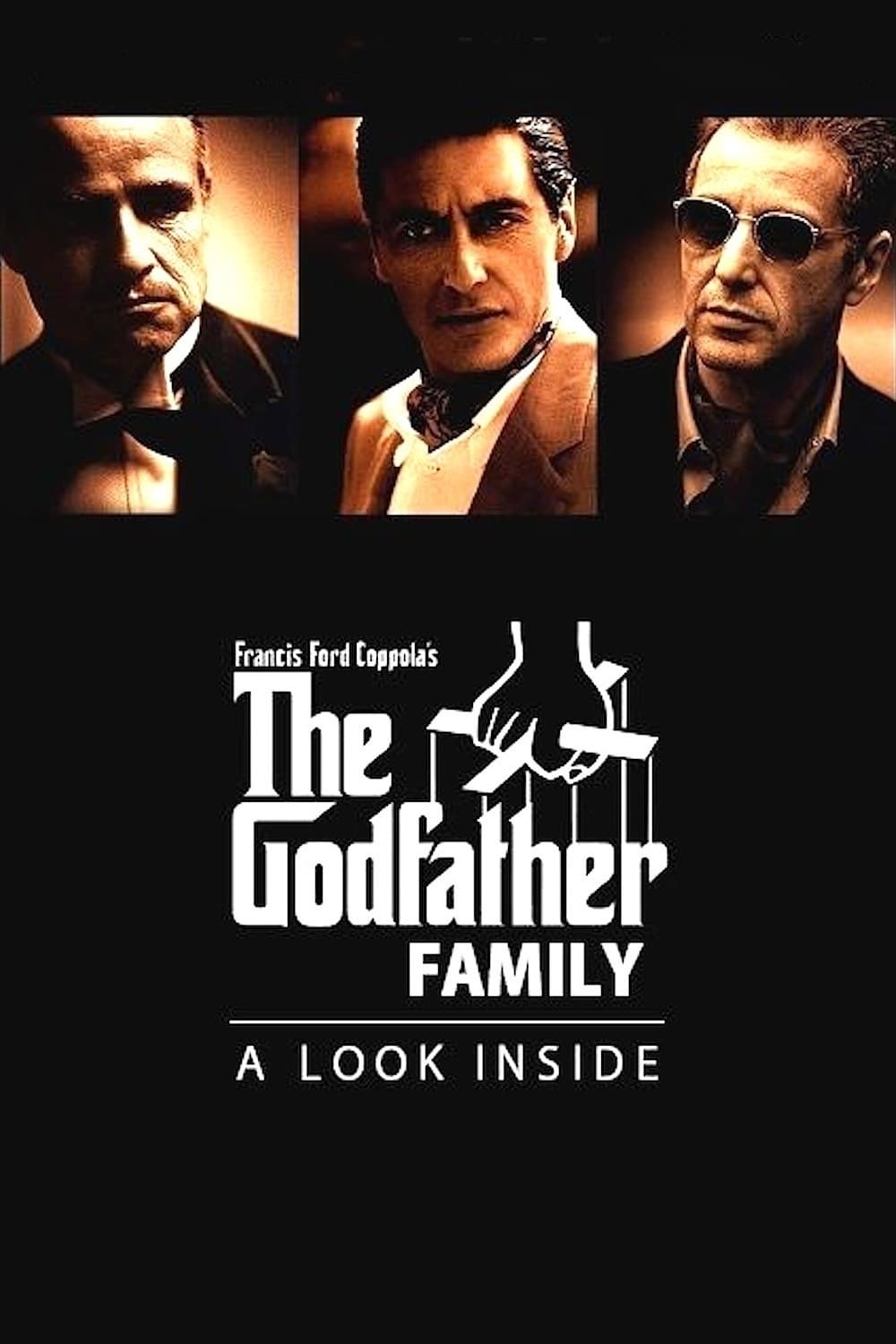
A documentary on the making of the three Godfather films, with interviews and recollections from the film makers and cast. This feature also includes the original screen tests of some of the actors for "The Godfather" film, and some candid moments on the set of "The Godfather: Part III."
Alexander McQueen's rags-to-riches story is a modern-day fairy tale, laced with the gothic. Mirroring the savage beauty, boldness and vivacity of his design, this documentary is an intimate revelation of McQueen's own world, both tortured and inspired, which celebrates a radical and mesmerizing genius of profound influence.
A visual montage portrait of our contemporary world dominated by globalized technology and violence.
A documentary about the life and films of director John Ford.
In 1997, Louis Theroux made a documentary about the world of male porn performers in Los Angeles. 15 years later, he returns to find a business struggling with the deluge of free porn on the internet. Louis revisits some of the original programme's contributors as well as meeting the latest crop of porn performers dreaming of porn stardom.
Nine filmmakers each profile a young girl from a different part of the world to weave a global tapestry of youth in the 21st century.
A documentary focused on plastic pollution in the world's oceans.
When Allied forces liberated the Nazi concentration camps in 1944-45, their terrible discoveries were recorded by army and newsreel cameramen, revealing for the first time the full horror of what had happened. Making use of British, Soviet and American footage, the Ministry of Information’s Sidney Bernstein (later founder of Granada Television) aimed to create a documentary that would provide lasting, undeniable evidence of the Nazis’ unspeakable crimes. He commissioned a wealth of British talent, including editor Stewart McAllister, writer and future cabinet minister Richard Crossman – and, as treatment advisor, his friend Alfred Hitchcock. Yet, despite initial support from the British and US Governments, the film was shelved, and only now, 70 years on, has it been restored and completed by Imperial War Museums under its original title "German Concentration Camps Factual Survey".
Lyrical and powerfully personal essay film that reflects on the deaths of her husband Lou Reed, her mother, her beloved dog, and such diverse subjects as family memories, surveillance, and Buddhist teachings.
This revealing documentary honors the legendary Sidney Poitier—iconic actor, filmmaker, and civil rights activist. Featuring interviews with Denzel Washington, Spike Lee, Halle Berry, and more.
A documentary examining the decade of the 1970s as a turning point in American cinema. Some of today's best filmmakers interview the influential directors of that time.