Social & External
The people behind it
Marcélia Cartaxo
Umbilina
Zezita Matos
Morte
Edilson Silva
Professor
Beto Aragão
Padre
Juan Calado
Zé Maria
Maria Alice
Santinha
Davi Teixeira
Poeta
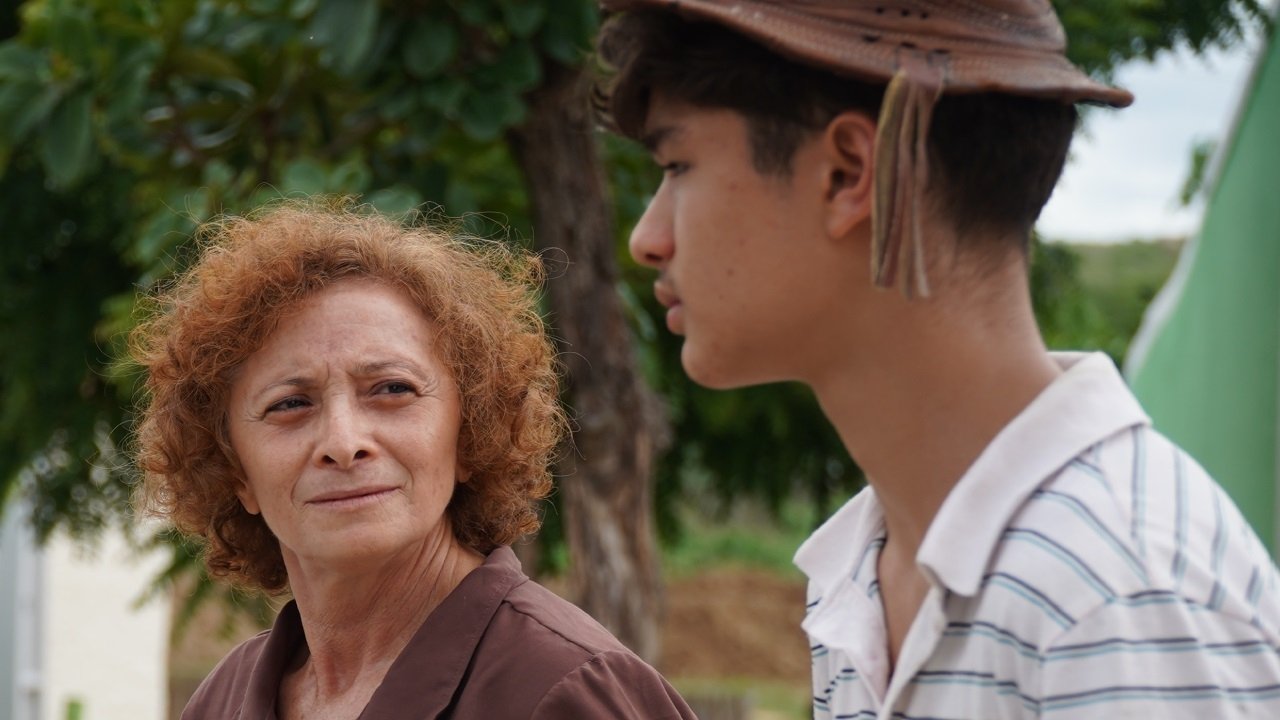
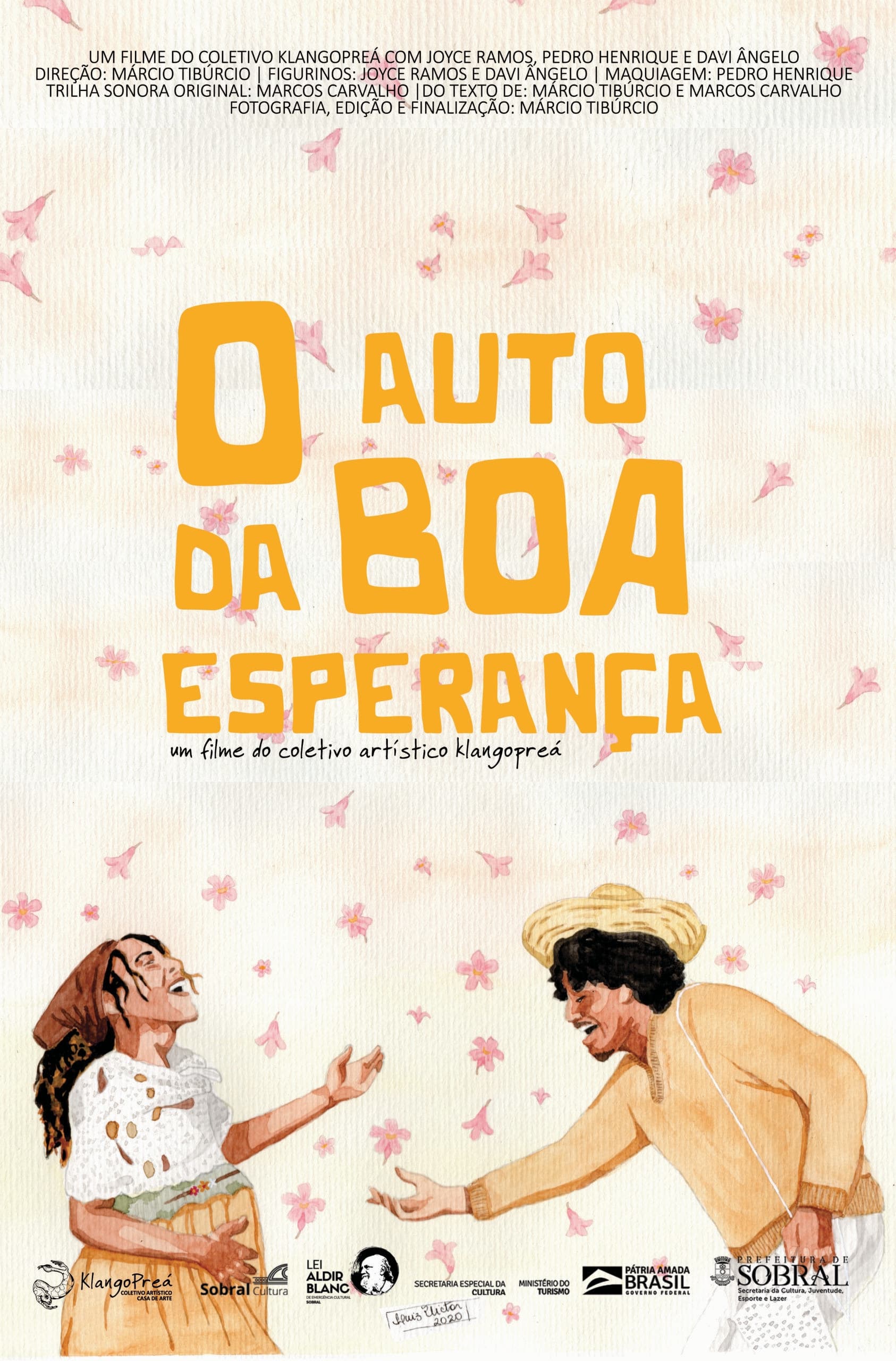
Lost in the middle of nowhere, a pregnant Woman and a hopeful Man walk in search of Getting There, an unknown place where Hope reigns and the days are good. The Death, always lurking, tries to change the paths of the wanderers and transform their dreams into hopelessness. A seed given by Hope can change the course of the retreatants and take them to the long-awaited place of prosperity.
Aisyah just graduated. She lives in Ciwidey, West Java, a religious village near a tea plantation, with her mother and younger brother. Her father had died a few years ago. She wants to be a teacher. One day, she gets a call from the foundation where she enrolled: she gets her wish fulfilled at the location that she never knows: Derok, North Middle Timor District. From the beginning she feels like a "foreigner". The local people mistake her as Sister Maria, just because she wears a veil like a sister. The people is expecting the arrival of Sister Maria as a teacher in the village. This isolated village is without electricity and cellular signals. The new environment, the different tradition and religion make Aisyah giddy. Fortunately there is Pedro (Arie Kriting) who makes the problems easy. She must face the hatred of one of his student, Lordis Defam. Through the chief, she understand that she is a Muslim who is considered an enemy by Lordis Defam who is a catholic
While visiting her sister in Paris, a young woman finds romance and learns her brother-in-law is a philanderer.
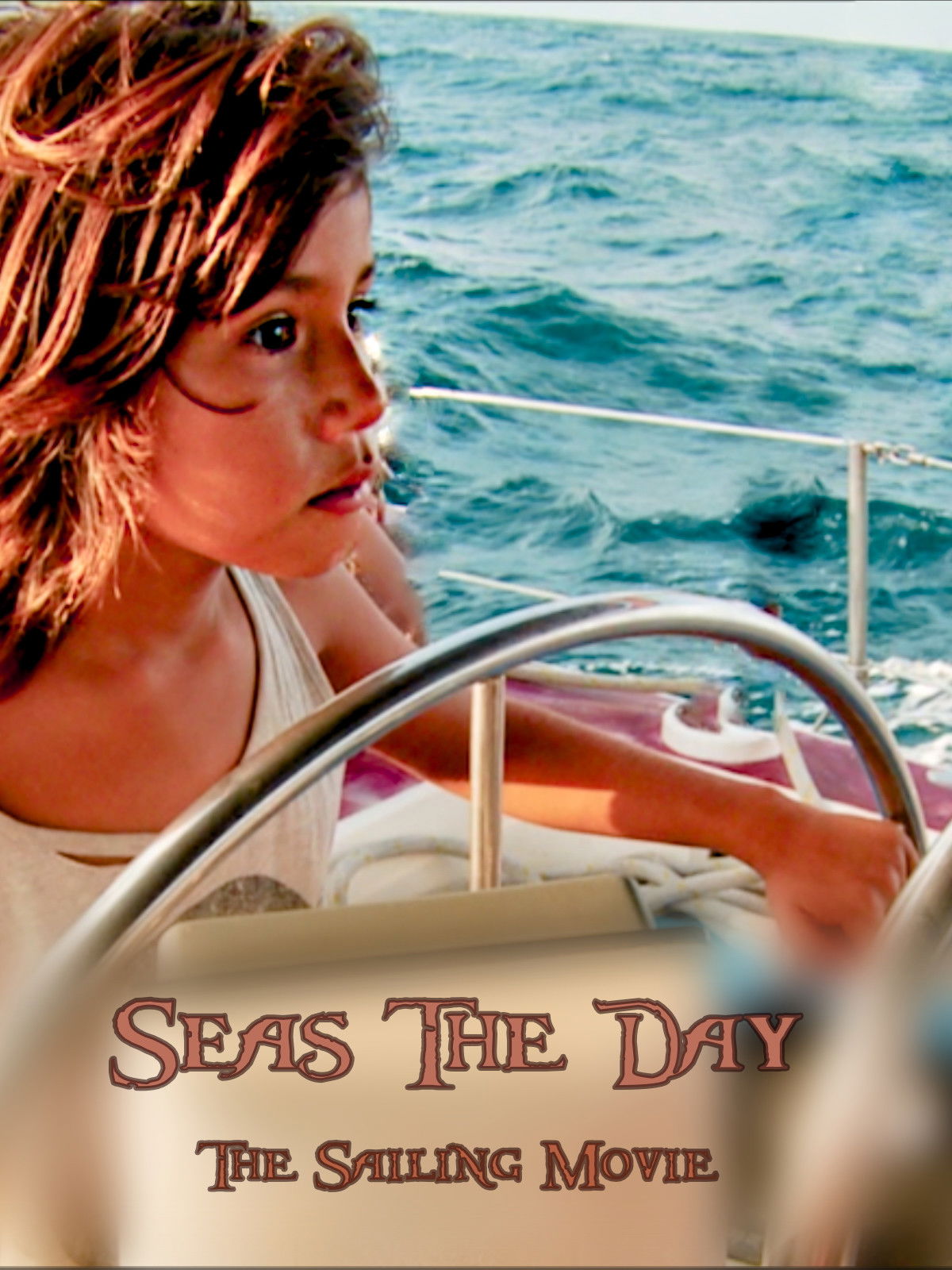
Seas the Day: The Sailing Movie is a genre-defying documentary that blends real-world adventure with deeply human storytelling. It transcends typical sailing documentaries by blending docu-fiction with a narrative inspired by Joseph Campbell’s classic The Hero's Journey. Directed by Ryan Luskin, an anthropologist and teacher, the film follows his family's quest across sixteen countries, learning life skills from diverse cultures.
The story of Usnavi, a bodega owner who has mixed feelings about closing his store and retiring to the Dominican Republic or staying in Washington Heights.
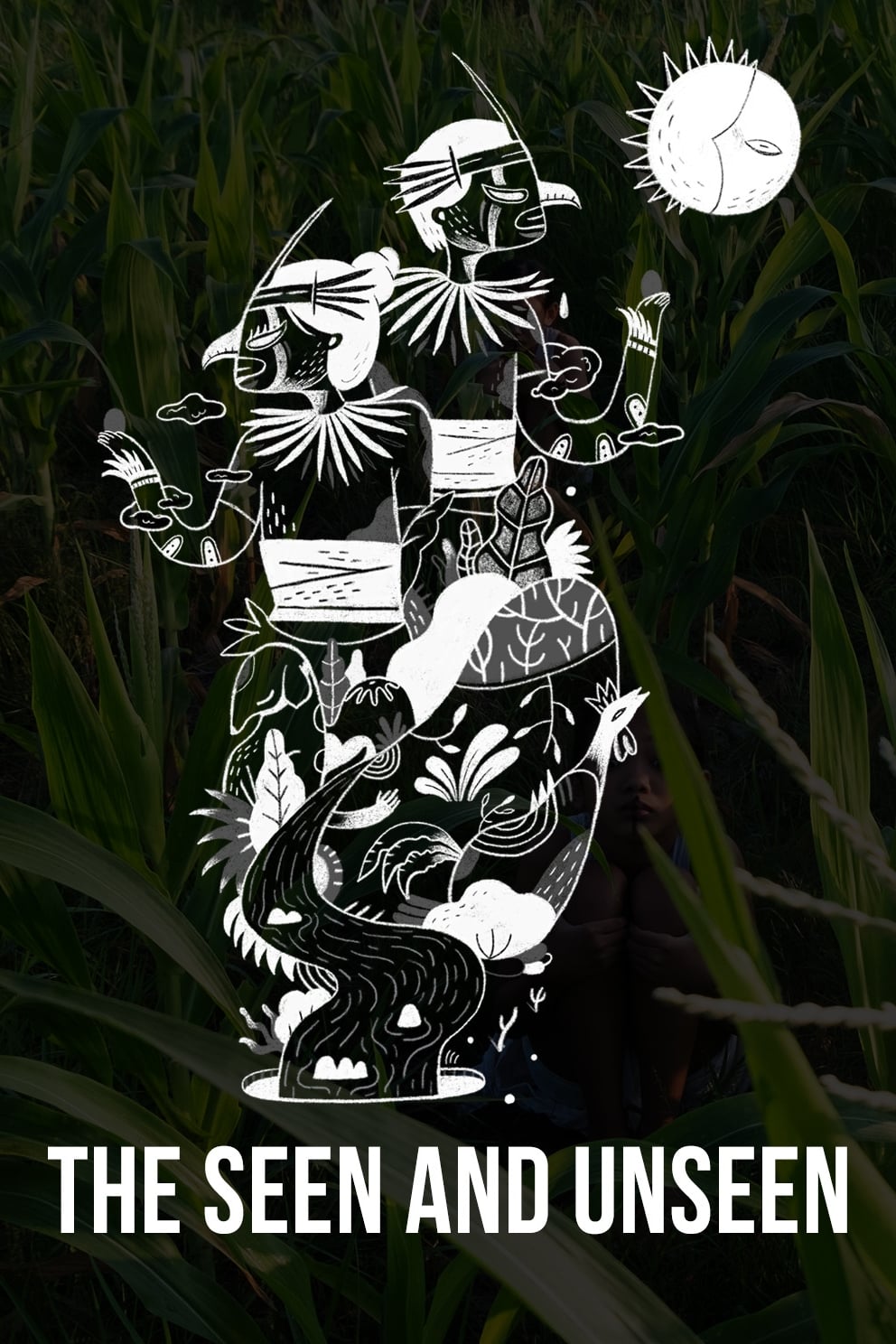
Tantra and Tantri are inseparable. When they secretly steal eggs from the family’s sacrificial offering, Tantri always gets the whites and Tantra the yolks. One day, however, the yolk is missing, as is Tantra. Her brother gravely ill and in hospital, Tantri starts slipping into magical parallel worlds, approaching the inevitable farewell through costumes, body paint and dance. When at one point Tantri’s mother washes the paint from her face, it is as if tenderly to expel the illusion that things can remain as they are. In long dream sequences and against the background of the Balinese philosophy of sekala – the seen – and niskala – the unseen – Andini relates how one ten-year-old girl deals with parting and grief.
In ‘what does it feel like to live inside a pomegranate?’ Iranian-American filmmaker Kamyar Mohsenin transforms a giant pomegranate into a portal. The protagonist ambiguously consumes the fruit in interludes, reflecting the tension between nourishment and the discomfort of engaging with one’s cultural heritage.
A vampire desperately searches for the records of his existence after learning of the passing of the artist who painted his portrait.
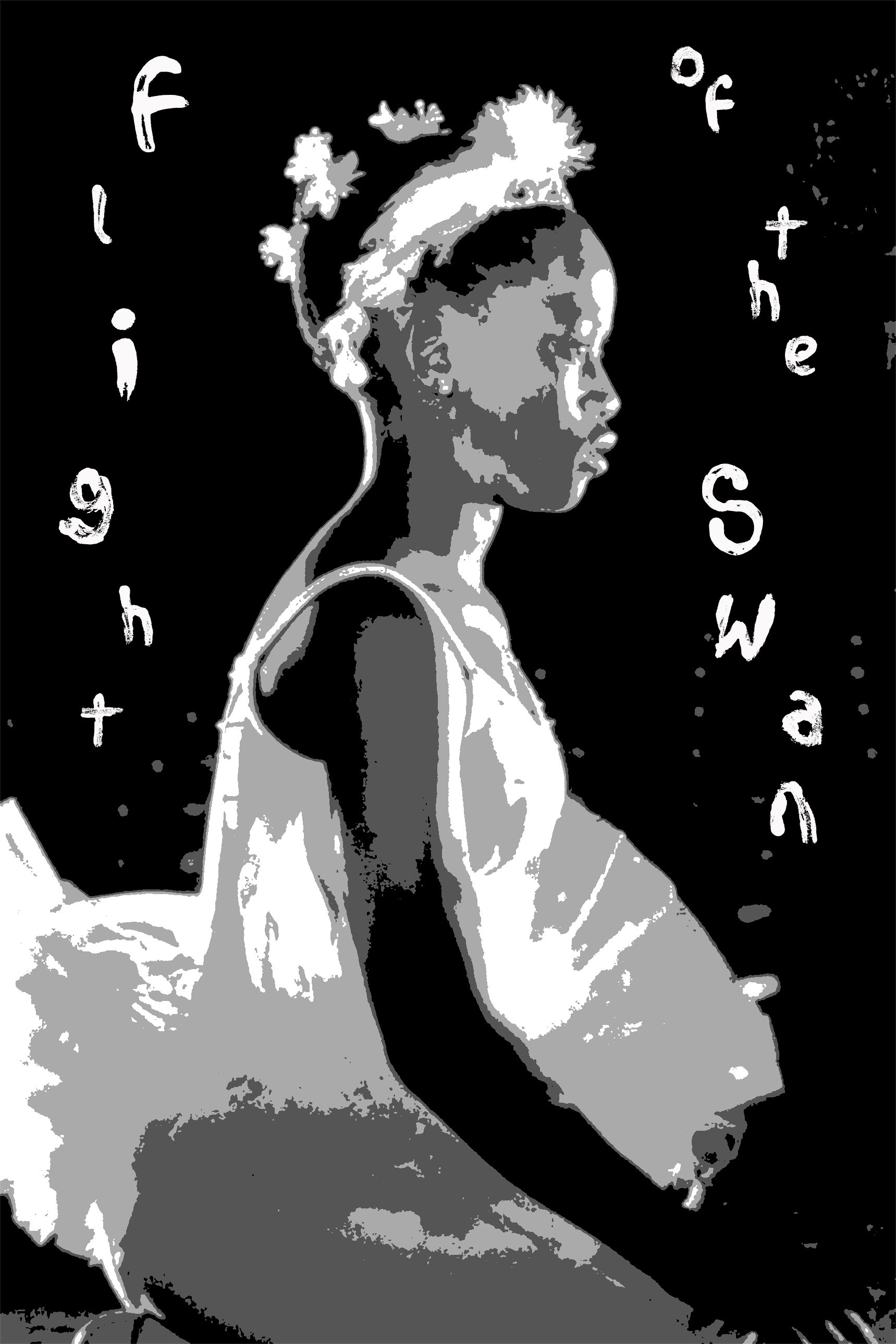
A young girl leaves her Nigerian village to attend a ballet school in England. Fascinated by Tchaikovsky's Swan Lake, she dreams of performing as lead ballerina Princess Odette, but the girls in her close-minded ballet school mock her ideas of a 'black swan'.
The 1905 law proclaiming the separation of church and state is 120 years old. This law affirms freedom of conscience and religious freedom. It is considered the founding text of secularism. Secularism is the subject of endless controversy and debate.
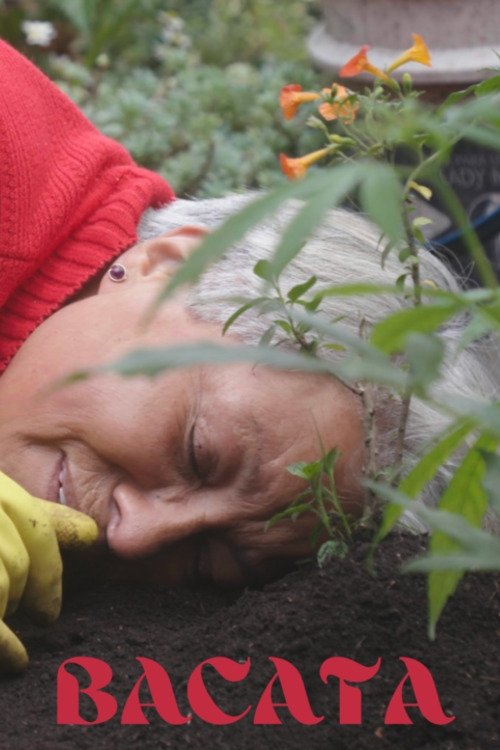
Bacata is the first name of Bogotá: the lady of the Andes, the mountain that lights up. It's also the name of a tower, the tallest in Colombia, never completed. From the 28th floor, Laura observes the city, its secrets and its struggles. From the 28th floor of Colombia’s tallest building—a long-awaited, still-unfinished tower block in the centre of Bogota—Laura observes the city below, its secrets and its struggles, as a colourful cast of gardeners, activists, and human statues go about their daily lives in the shadow of the country’s history.
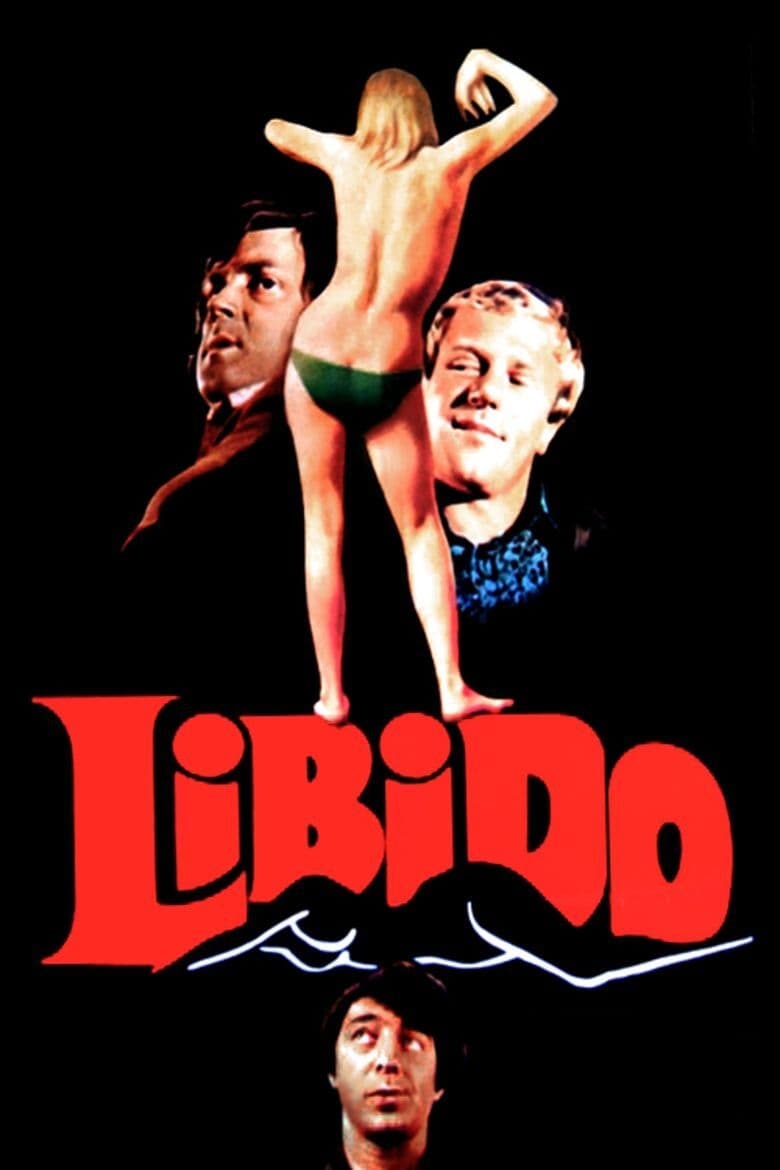
Scripted by four of Australia’s greatest authors (David Williamson, Thomas Keneally, Hal Porter and Craig McGregor), this quartet of carnal desires explores adultery and jealous fantasies, the end of innocence, the moral and spiritual conflicts of a priest and a nun in love. The stories define the exploration of women and the cultural upheaval of the early 70s.
College freshman Krishna Reddy, who has never cared for his Indian-American cultural heritage, looks forward to a new life on campus but is surprised to find that he has been assigned Indian roommates.
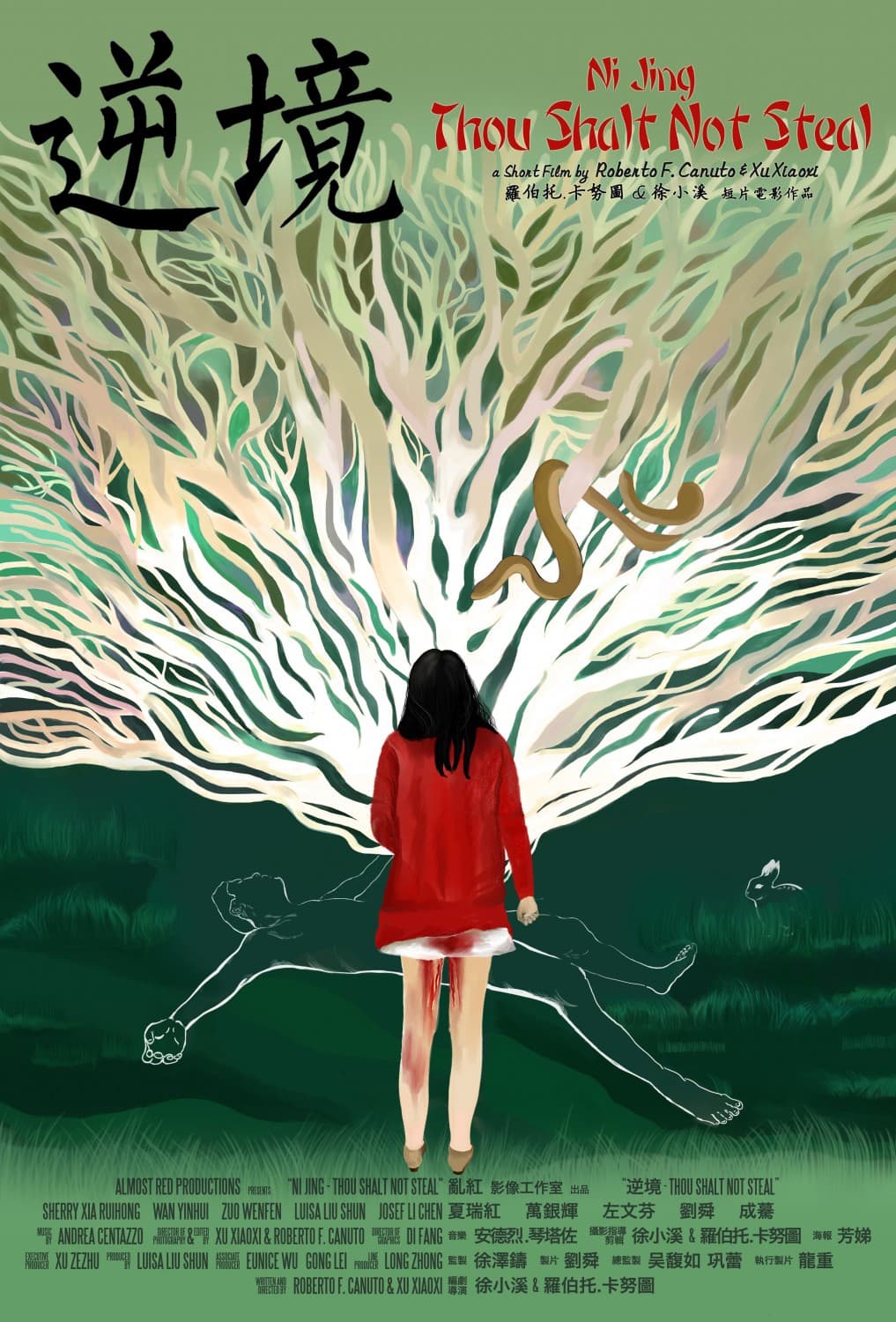
Xiaofan, a young girl who works at a Karaoke Club, awakes one morning in a remote forest with her body covered in blood. As she struggles to find her way out, she tries to understand the drama circumstances which got her into the situation, events mainly related to her unpredictable boyfriend. She needs to make a decision that may change her life.
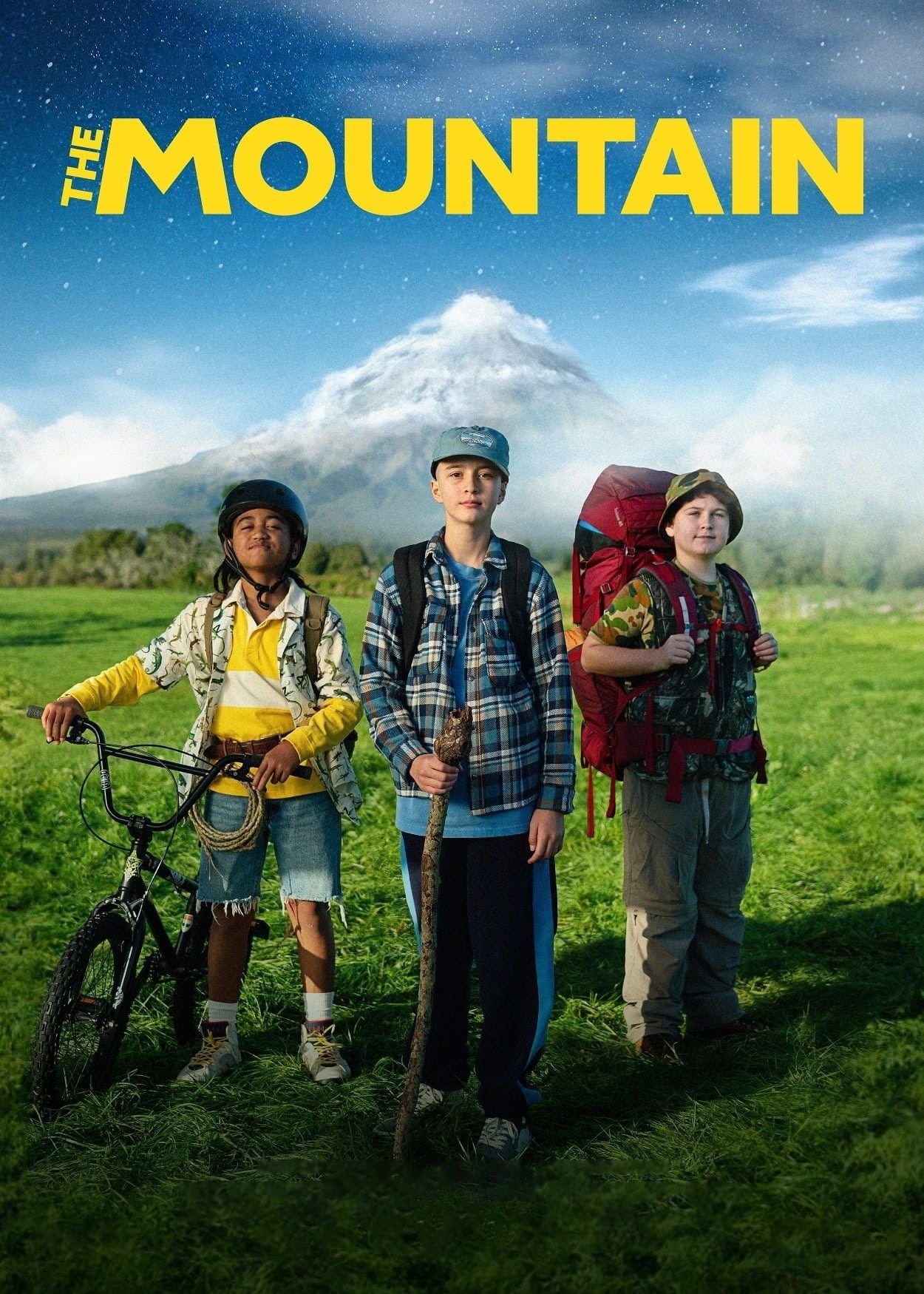
Sam, a fearless young girl raised outside of her Māori culture, is determined to fulfill her mission of connecting with her mountain. She hopes it can heal her from the cancer she is battling. Along the way, she meets some misfits and new kids in town, and together they journey through a difficult route, discovering the true spirit of adventure and the magic of friendship.
“A Noiva Natal” is a photo film narrated by the city of Natal itself, the capital of Rio Grande do Norte, in the first person. The short film, divided into three parts alluding to mourning, records a vision of the capital after being neglected and forgotten by the Public Authorities and its inhabitants.
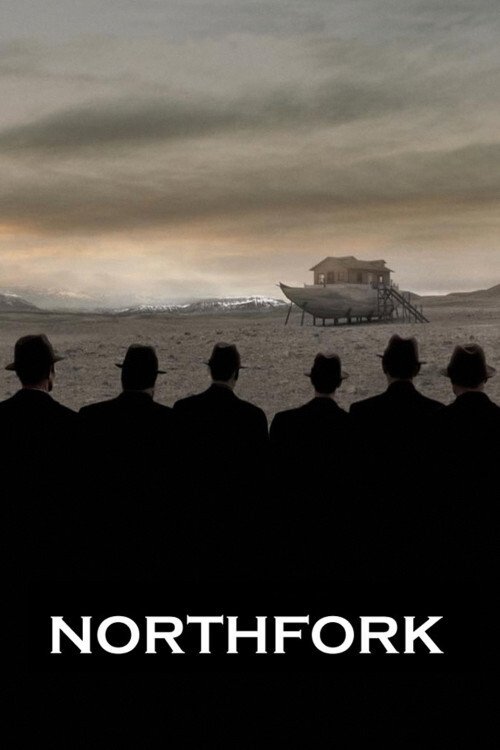
The year is 1955, and a great flood is coming to Northfork, Montana. A new hydroelectric dam is about to be installed in the mountains above the town, ready to submerge the valley in the name of progress. It is the responsibility of a six-man Evacuation Committee to relocate the townsfolk to higher ground. Most have duly departed, but a few stubborn stragglers remain – among them a priest caring for a sickly orphan, a boy whose fevered visions are leading him to believe he is a member of a roaming band of lost angels desperately searching for a way home.
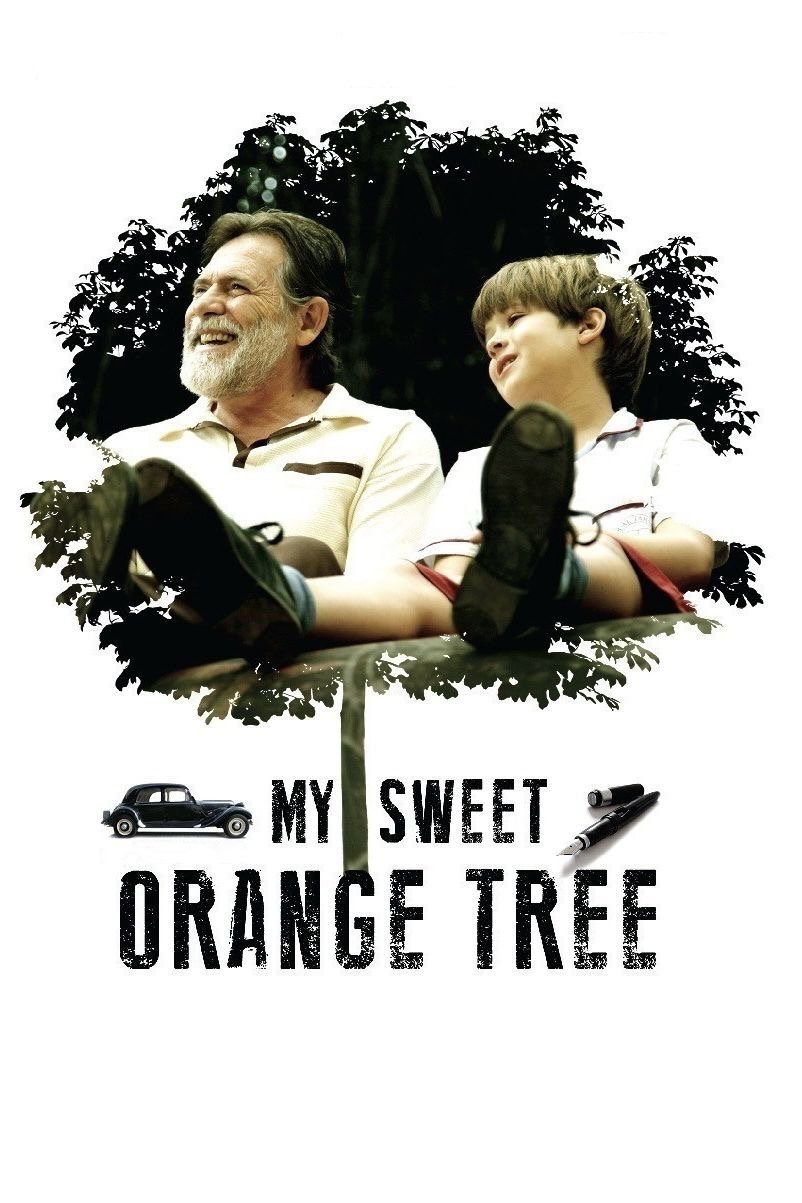
Zezé is an 8 year old boy who, although a naughty boy, has a good heart. He leads a very modest life, due to the fact that his father has been unemployed for a long time, and has the habit of having long conversations with a sweet orange tree which is in his backyard. Until one day he meets Portuga, a man who begins to help him and soon becomes his best friend.
Farmer Jabez Stone, about to lose his land, agrees to sell his soul to the devil, known as Mr. Scratch, who gives Jabez seven years to enjoy the fruits of his sale before he collects. Over that time, Jabez pays off his debts and helps many neighboring farmers, then becomes an advocate for the upstanding Sen. Daniel Webster. When Jabez's contract with Mr. Scratch concludes, he desperately turns to Webster to represent him in a trial for his soul.
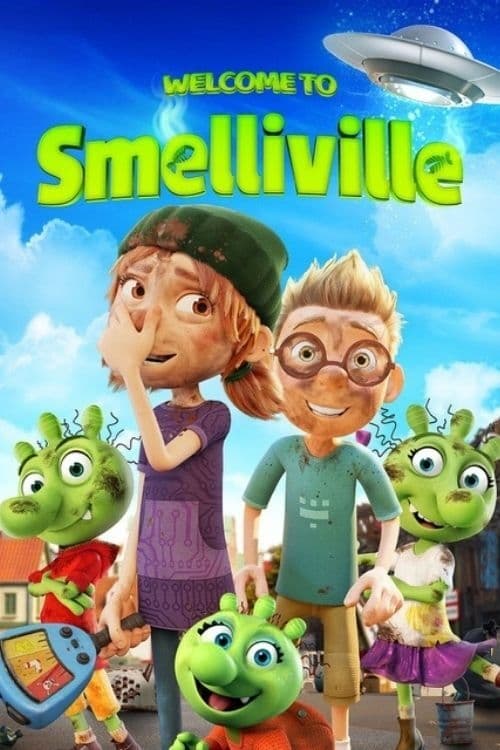
The Oggly family arrive at the municipal rubbish dump of Smelliville and must look for a new home, but they never feel really welcome anywhere. They stink and are for most humans just a tad too oggly. When Firebottom, the family dragon, crash-lands on the run-down rubbish tip of the small town of Smelliville, the Ogglies at once feel at home. And it's here they want to stay.
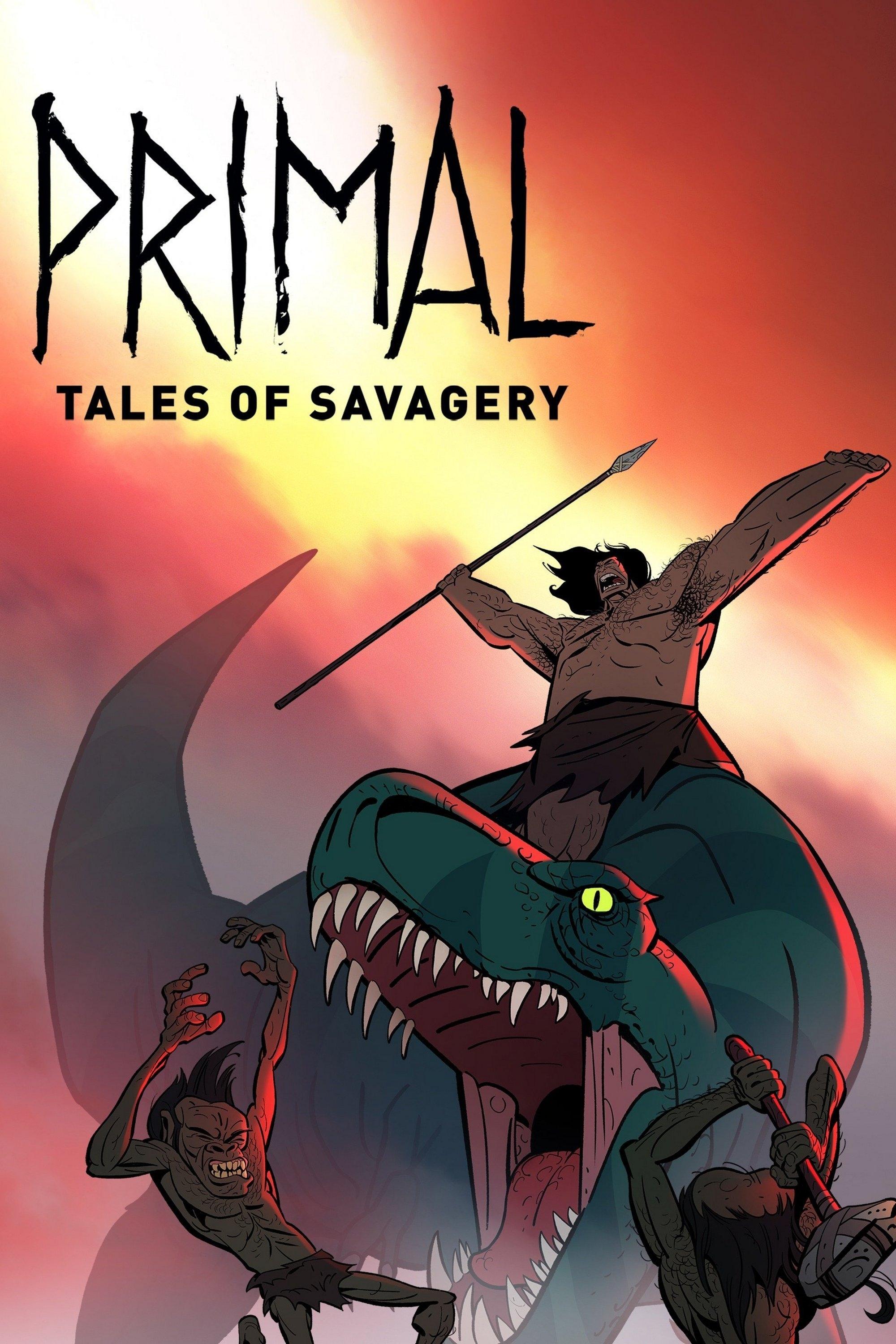
Genndy Tartakovsky's Primal: Tales of Savagery features a caveman and a dinosaur on the brink of extinction. Bonded by tragedy, this unlikely friendship becomes the only hope of survival.
Burma, 1917. Edward, a civil servant for the British Empire, jilts his lovestruck fiancée Molly the day she arrives to be married. As he flees into an unexpected odyssey across Asia, the free-spirited Molly-amused by his moves-follows in pursuit, embarking on a globe-trotting cat-and-mouse chase.
On a desolate island, a suicidal sheep named Franck meets his fate…in the form of a quirky salesman named Victor, who offers him the gift of a lifetime. The gift is many lifetimes, actually, in many different worlds – each lasting just a few minutes. In the sequel to the pilot, Franck will find a new reason to live…in the form of a bewitching female adventurer named Tara, who awakens his long-lost lust for life. But can Franck keep up with her?
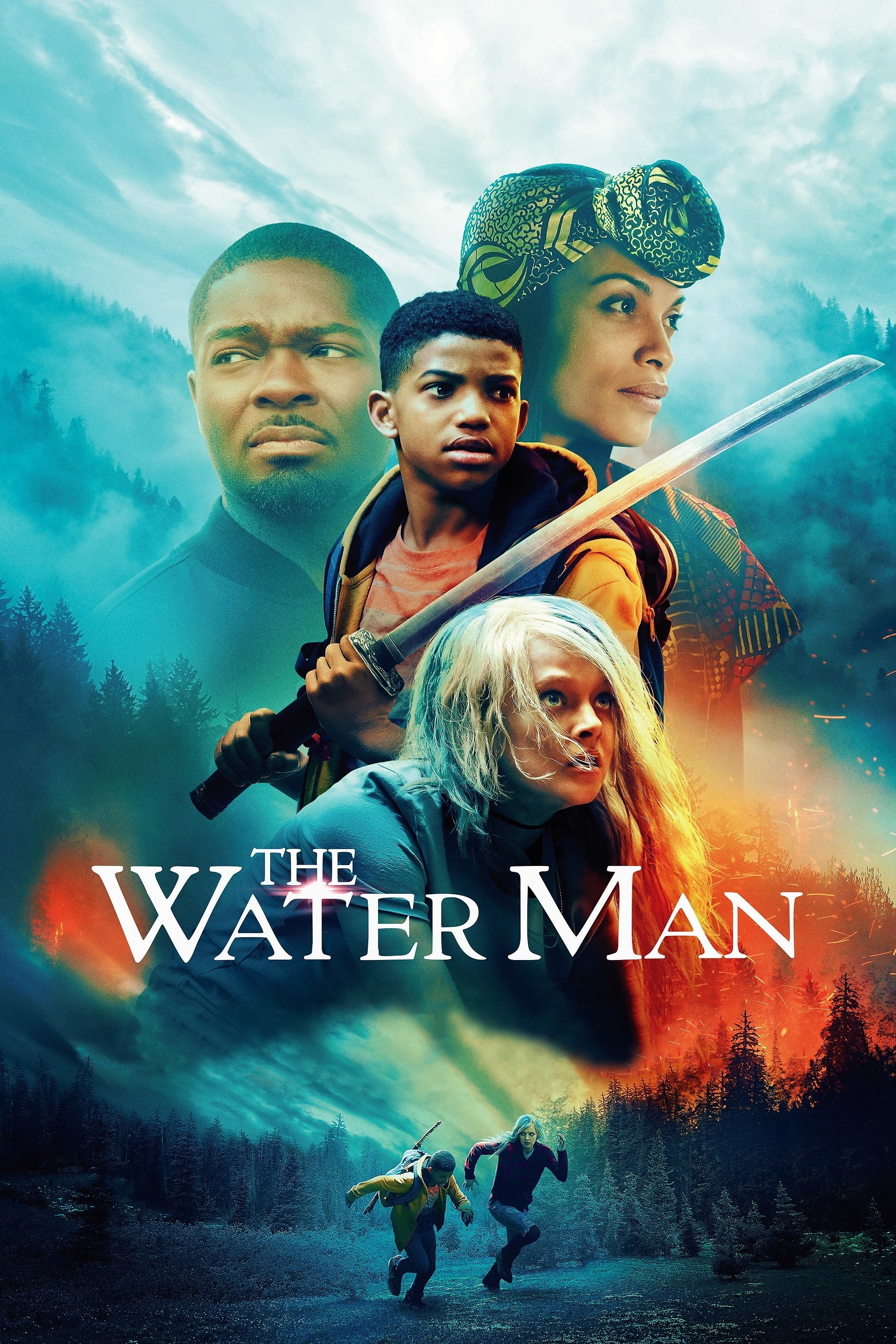
Hoping to save his sick mother, a boy named Gunner and his friend Jo venture into the remote Wild Horse forest to search for a mythical figure who possesses the secret to immortality. When they go missing, Gunner's father Amos must immerse himself in his son's world to find them.
Inspired by a true story, Girl Fight recounts the harrowing story of a 16-year-old, stellar high school student whose life spirals downward when her former friends conspire to upload onto the Internet a shocking video of them beating her up.
A melancholy poet reflects on three women he loved and lost in the past: a mechanical performing doll, a Venetian courtesan, and the consumptive daughter of a celebrated composer.
Prerna, a teenager growing up in rural India, comes of age when she’s introduced to the sport of skateboarding. As a result, she has to fight the odds to follow her dreams and compete in the national championship.
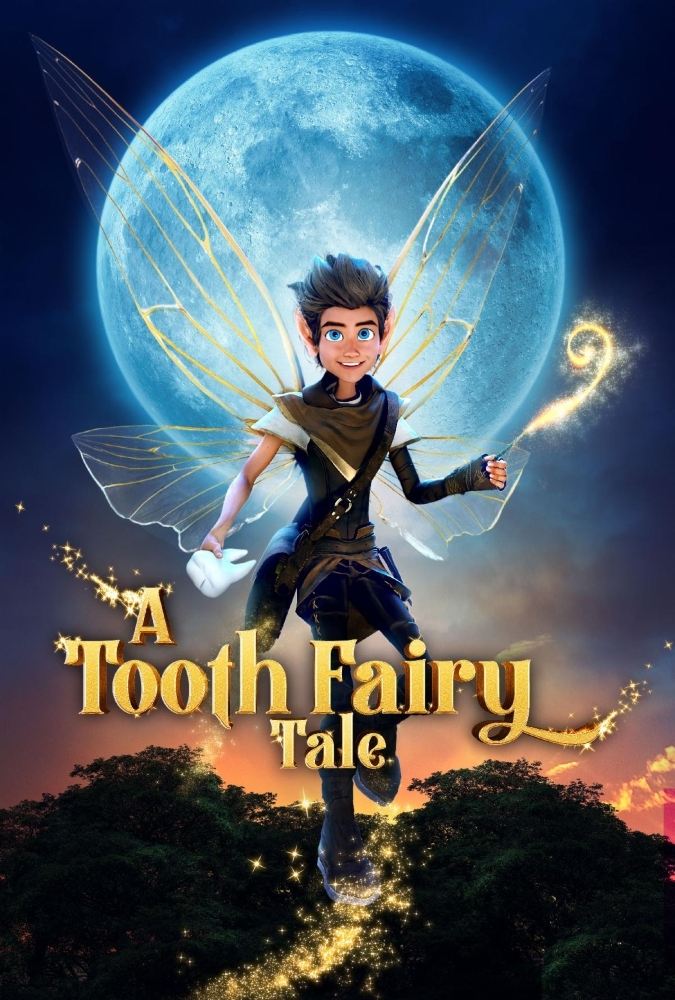
Van, the brave son of a tooth fairy leader, meets the goblins girl Gemma on his first mission. Despite the myths about ancient disputes between fairies and goblins, they share common values. When the greedy Spider Queen threatens both tribes, they must work together.
Katy McLaughlin desires to work on her family's mountainside horse ranch, although her father insists she finish boarding school. Katy finds a mustang in the hills near her ranch. The headstrong 16 year old then sets her mind to tame a mustang and prove to her father she can run the ranch. But when tragedy happens, it will take all the love and strength the family can muster to restore hope.
A college student must take care of her 7-year-old half sister after the death of their parents.
94-year-old Eleanor Morgenstein tries to rebuild her life after the death of her best friend. As a result, she moves back to New York City after living in Florida for decades.
Avatar Aang, the world's last Airbender, learns of an ancient power that could save his culture from extinction. With the help of his friends, he embarks on a global quest to find it before it falls into the wrong hands and threatens to upend the peace they sacrificed everything to achieve.
When Draculaura is led to believe she's the rightful heir to the vampire throne, she and her best ghoulfriends are whisked away to Transylvania for a royal coronation to die for. But they soon discover the hunt for the queen is not over yet. The Ghouls must locate an ancient artifact known as the Vampire's Heart in order to discover the identity of the true Vampire Queen. It's a fangtastic adventure that will lead them from the Tower of Londoom, to a haunted river boat in New Goreleans and finally to the glamorous boo-vie lots of Hauntlywood. Could this be the moment when Draculara finally receives her vampire powers and discovers screams really can come true?
Princess Aurora and Princess Jasmine learn valuable life lessons in two short stories.
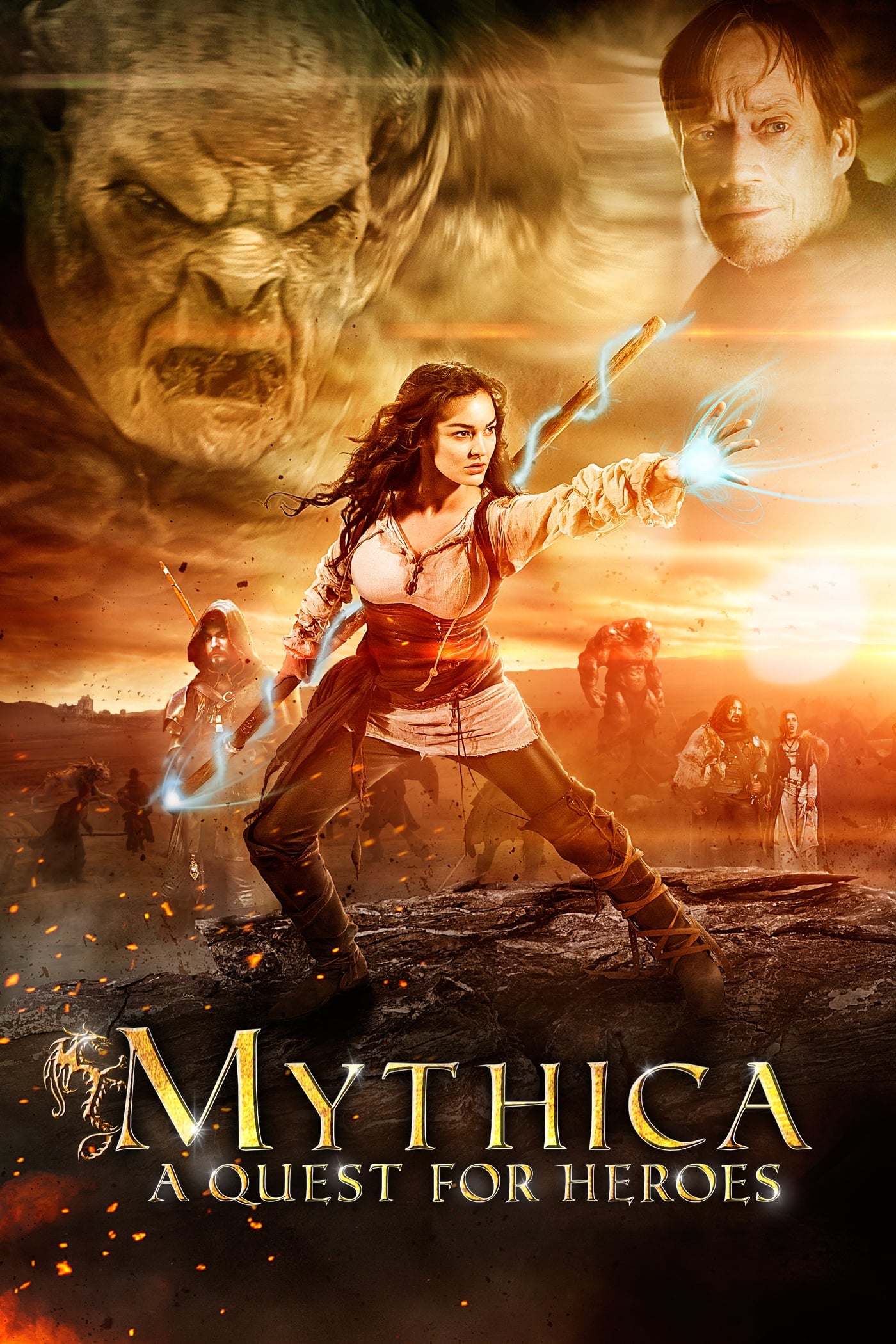
Stuck in a life of indentured servitude, Marek dreams of becoming a wizard. When she meets the beautiful priestess Teela in need of help, she offers her assistance and provides a motley troupe. Together they go in search of Teela's sister, who was kidnapped by a wild ogre.
"Dolly Parton's Coat of Many Colors" is based on the inspiring true story of living legend Dolly Parton's remarkable upbringing. This once-in-a-lifetime movie special takes place inside the tight-knit Parton family as they struggle to overcome devastating tragedy and discover the healing power of love, faith and a raggedy patchwork coat that helped make Parton who she is today. The film is set in the Tennessee Great Smoky Mountains in 1955. It is neither a biopic nor a musical about Dolly's whole life and performing career, but rather a family-oriented faith-based story about the incidents in her and her family's life around the time she was nine years old.