Social & External
The people behind it
A film about the life of eels, their struggle for survival and their journey from Lake Ohrid to the Sargasso Sea.
The culture of Japan is incredible, from bloom festivals to ultra-modern cities. But there are also more than 130 mammals and 600 bird species dwelling in Japan’s 6852 islands. This island chain is long enough to span climate zones, providing a huge range of habitat.
Haida Gwaii, an archipelago off the west coast of Canada, is home to Skil Jaadee and her family. They live in harmony with nature and have made it their mission to save their language and preserve their history.
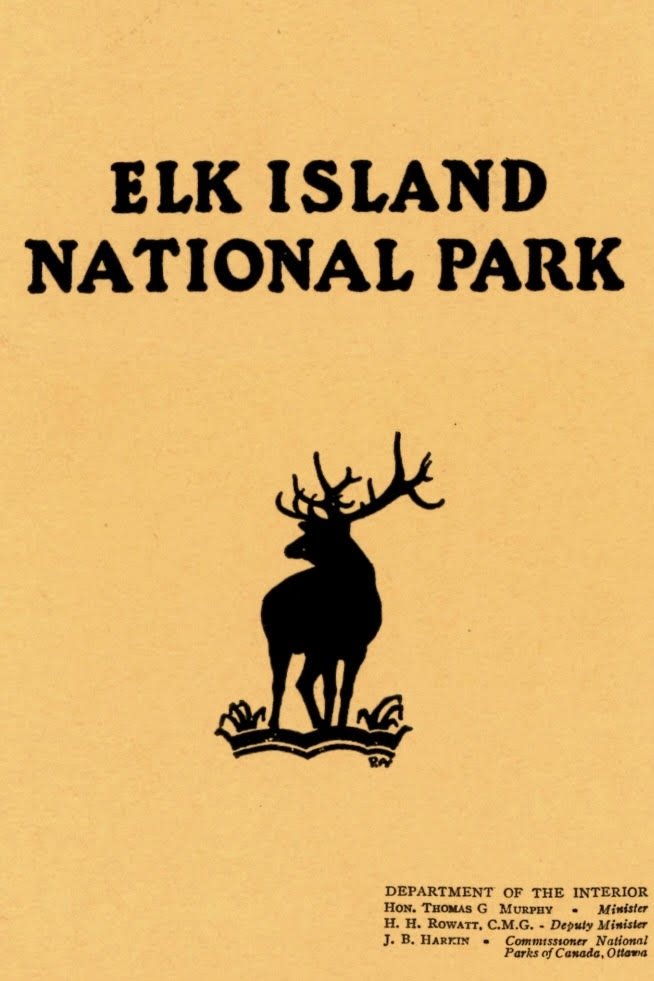
This short documentary focuses on a man-made island that became the first federal sanctuary for wildlife in Canada. Situated an hour east of Edmonton, it houses one of the world's densest collections of wildlife, maintained by Parks Canada. Elk Island offers a glimpse of the behind-the-scenes activity of the island.
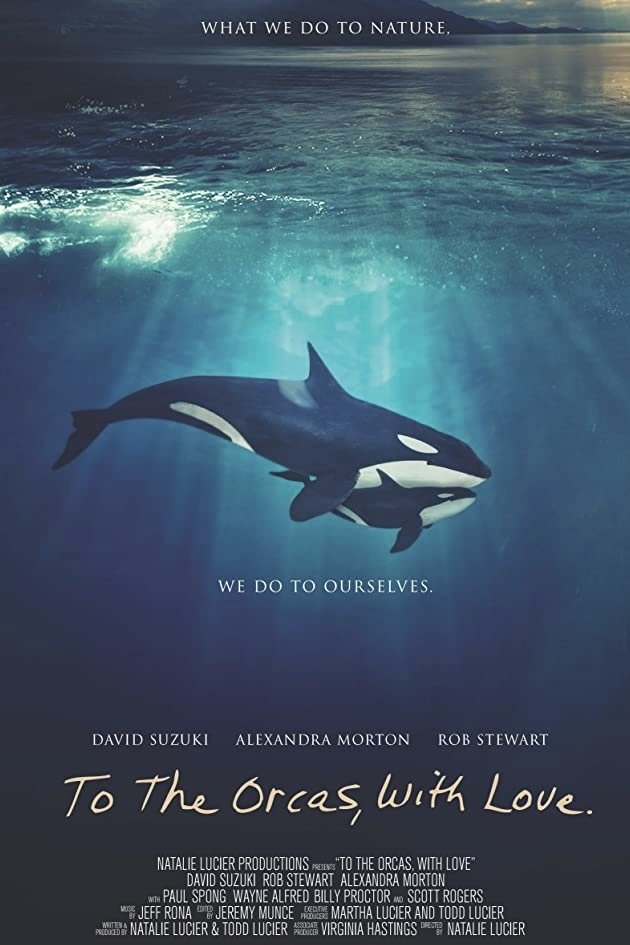
Stories of personal connections with orcas, beautiful cinematography featuring B.C’s resident orcas, and an evocative soundscape composed by Jeff Rona and Ben MacDougall provide an uplifting contrast to the environmental challenges we face. Inspired by elders including environmentalist and CBC Broadcaster, David Suzuki, whale researchers Alexandra Morton and Paul Spong, totem carver Wayne Alfred, and lifelong resident of the Broughton archipelago Billy Proctor, this film is anchored by Rob Stewart’s invitation to rise up and create the world we dream for ourselves. Viewers will come to understand the importance of the personal choices we make; it becomes clear that what we do to nature, we do to ourselves.
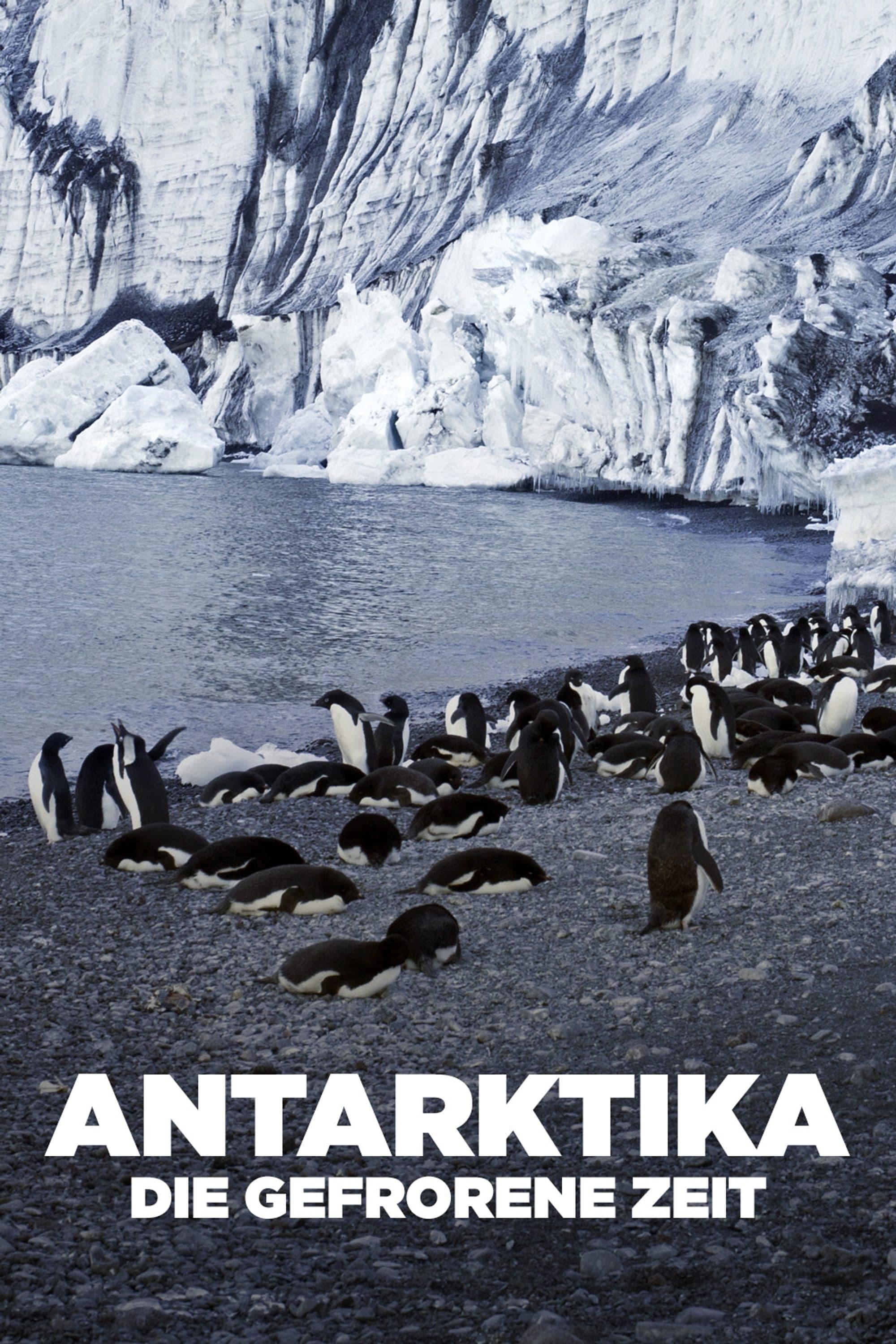
The bleakness of Antarctica is a fallacy. The ice continent is full of life and offers a biodiversity of which only about two percent are known. Much of it is under water and could determine the future of human beings. When the northern lights cover the ice landscape in summer, the animals in the Antarctic are in a paradisiacal state. Whales blow their fountains in the sky, penguins fly like small rockets into the water, seals dive for crabs under the glittering ice floes. From the bay of the Ross Sea to the ice shelf, from the huge penguin colonies to steaming volcanoes, a life in rhythm with the ice. But the consequences of climate change are slowly becoming apparent here too. While some species are dying, others are spreading. They could bring new viruses and bacteria with them, and new dangers for humans too. The structure of nature has gotten off course. How many generations will still be able to experience the magic of Antarctica?
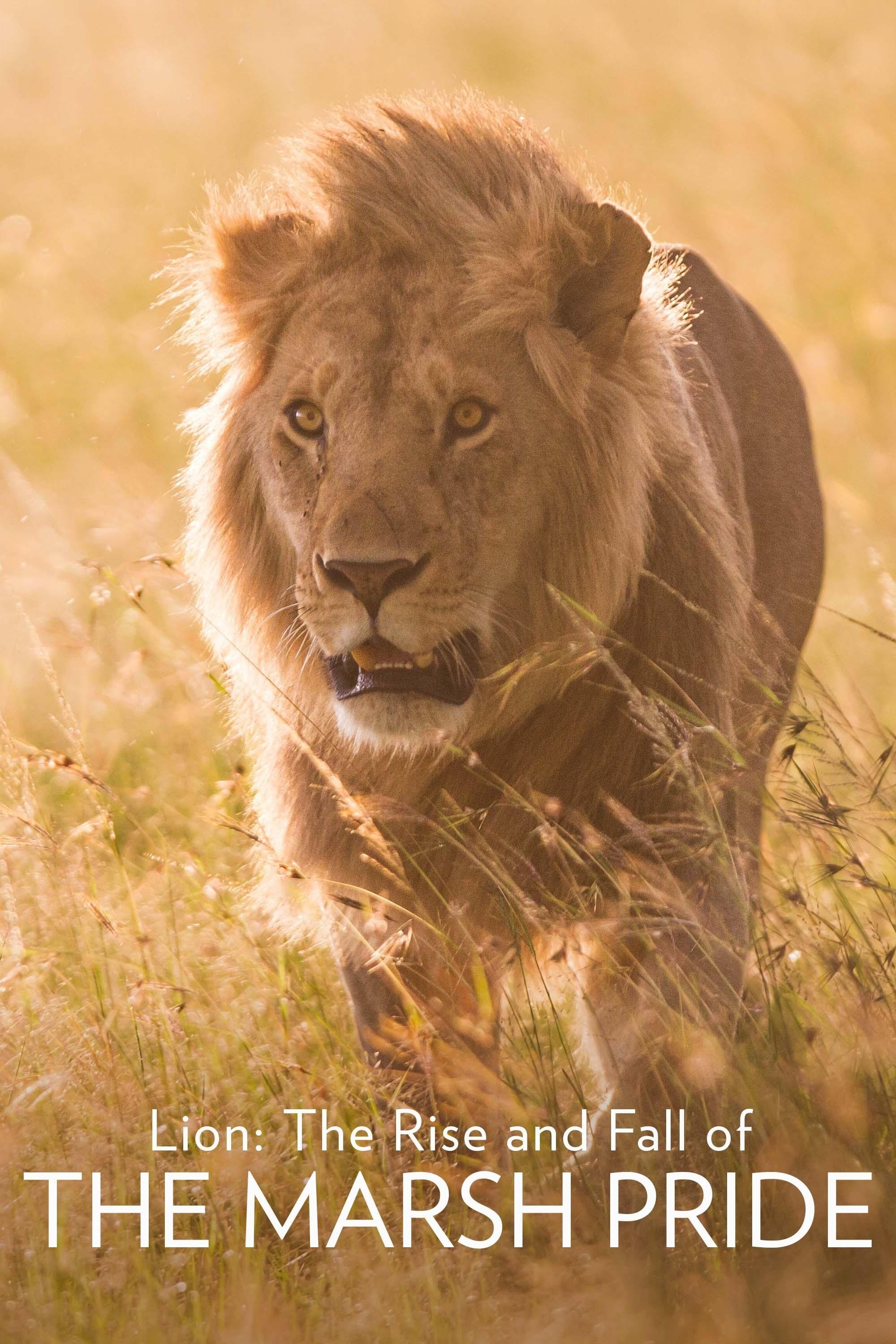
Documented in television documentaries for over 40 years by the BBC and other broadcasters around the world, the Marsh Pride is the most filmed pride of lions on Earth. In this film, the Marsh Pride battle for survival in Kenya's famous Maasai Mara Reserve, which has become a magnet for tourists, many of them keen to see the pride for themselves. A tale of shifting loyalties, bloody takeovers and sheer resilience, the lions’ story is told by those who filmed them, tried to protect them and lived alongside them, as well as some who ultimately wanted them dead.
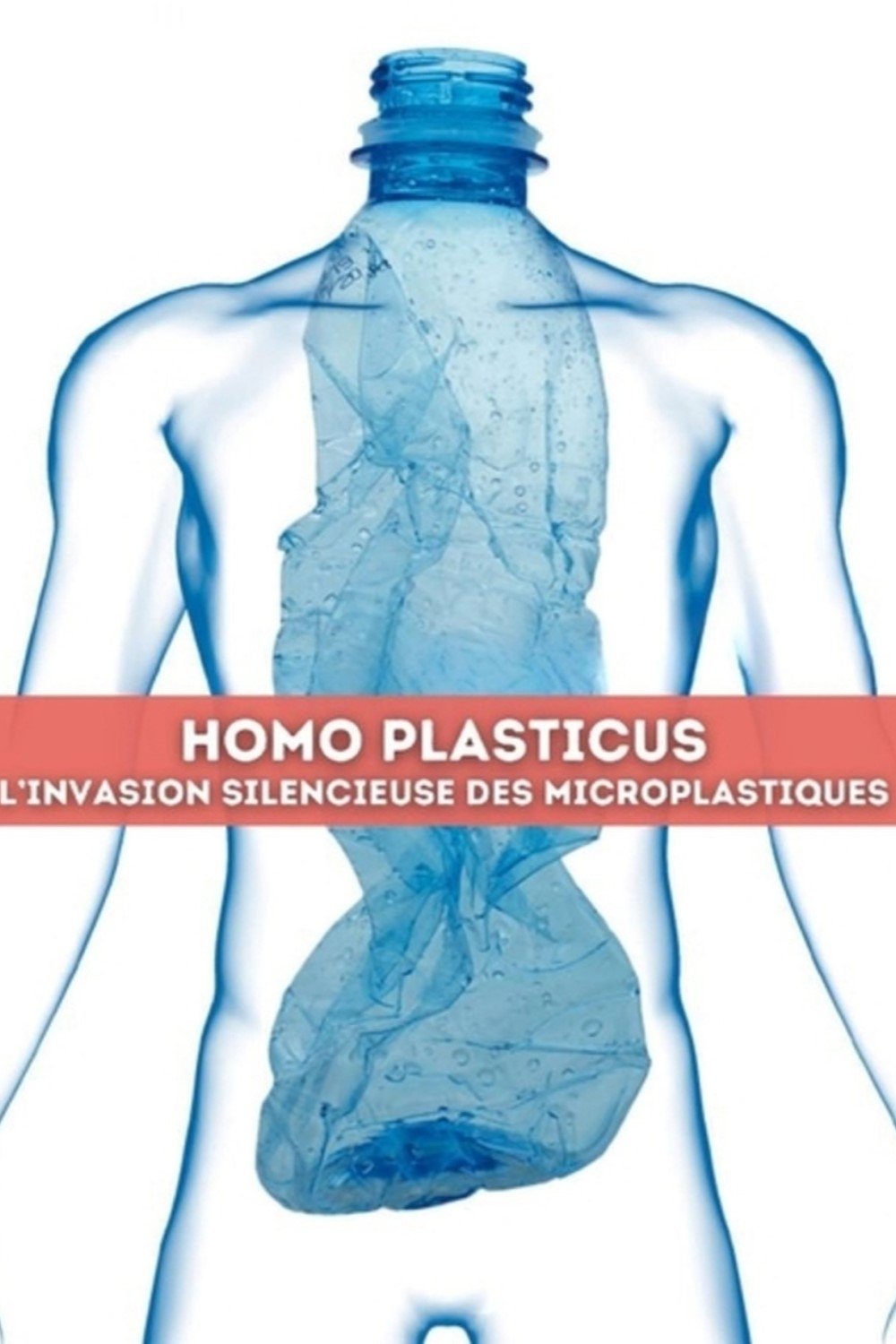
Every day, we eat and breathe tiny plastic residues. What effects does this insidious contamination have on our bodies? Rigorous and lucid, this scientific investigation gathers the most recent discoveries and sounds the alarm.
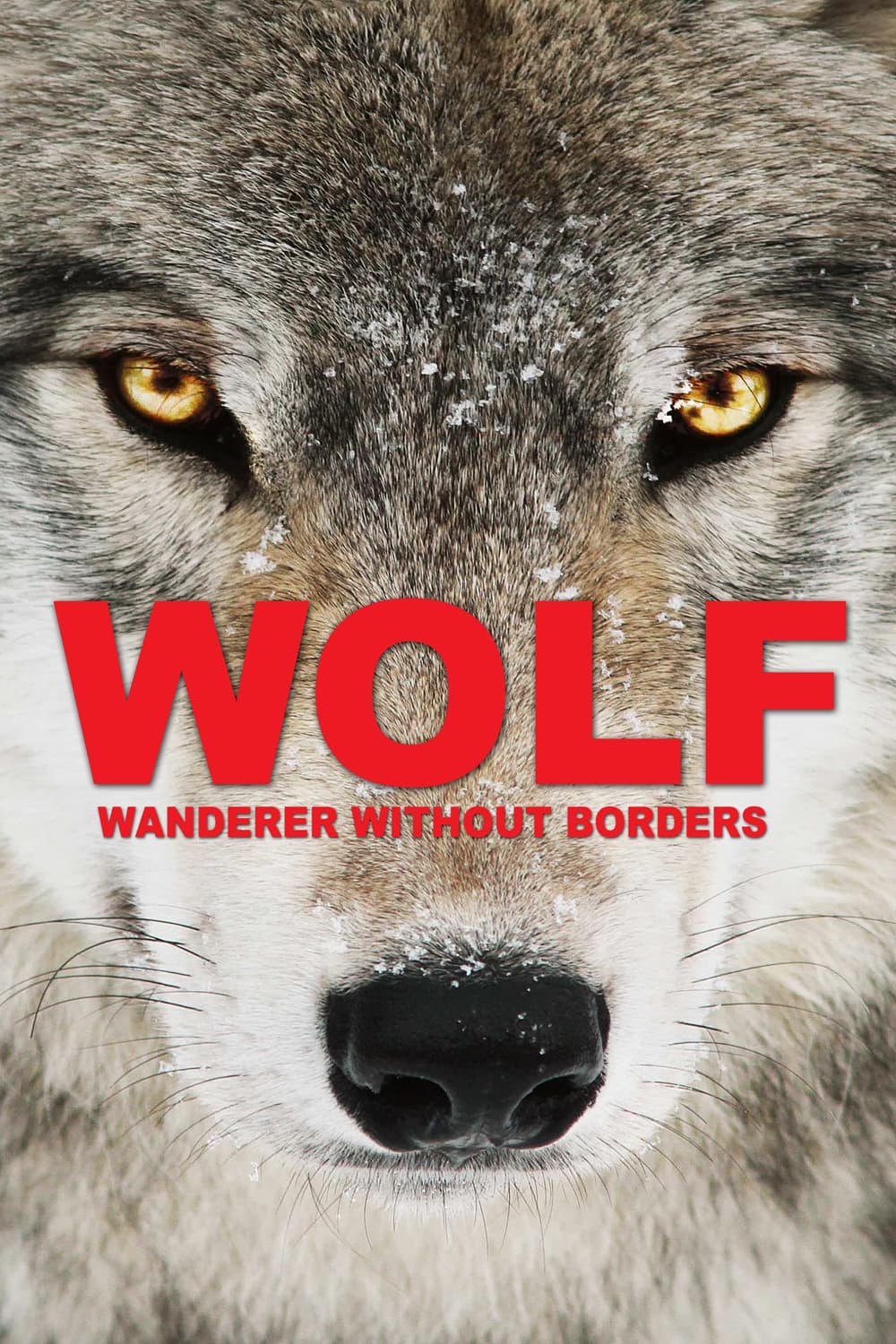
The wolf was almost completely eradicated in Europe over the past few centuries. The species also disappeared from the Netherlands 150 years ago and it was believed that this was forever. Only small populations survived in the large forests of Eastern Europe. In recent decades, not only did the wolf get legal protection, it also started a remarkable comeback. With time this magnificent animal found its way back from Poland through Germany to the Netherlands and Belgium. The carnivore, around which there are many myths and which is very often portrayed as bloodthirsty, welcomed back by many and despised by others. Are wolves really that dangerous to people? This exceptional documentary follows the journey of a young, lone wolf which grows up in eastern Germany and then head westwards on its search for its own territory and a consort to finally settle down in the Netherlands to found there the first permanent wolf pack since the extermination of the species long time ago.
Phainesthai explores the Tallgrass Prairie National Preserve that is located at the geographical center of the United States and is considered one of the most scarce and endangered ecosystems in the world. The film is an experiential non-verbal documentary addressing how geological and ecological memory can engage individual experience by the embodiment of place with human understanding and aspirations.
A study of observations around the ancient monument of the temple of Augustus and Livia and to cities of Vienne, Chonas-l'Amballan and Saint-Prim. Firstly proposed as a sort of ghost hunting, the project seems to focus on a world of figures, the whispers of the roads, diegetic/non-diegetic sounds and a camera that tries to investigate under fragments of logic and articulating cuts.
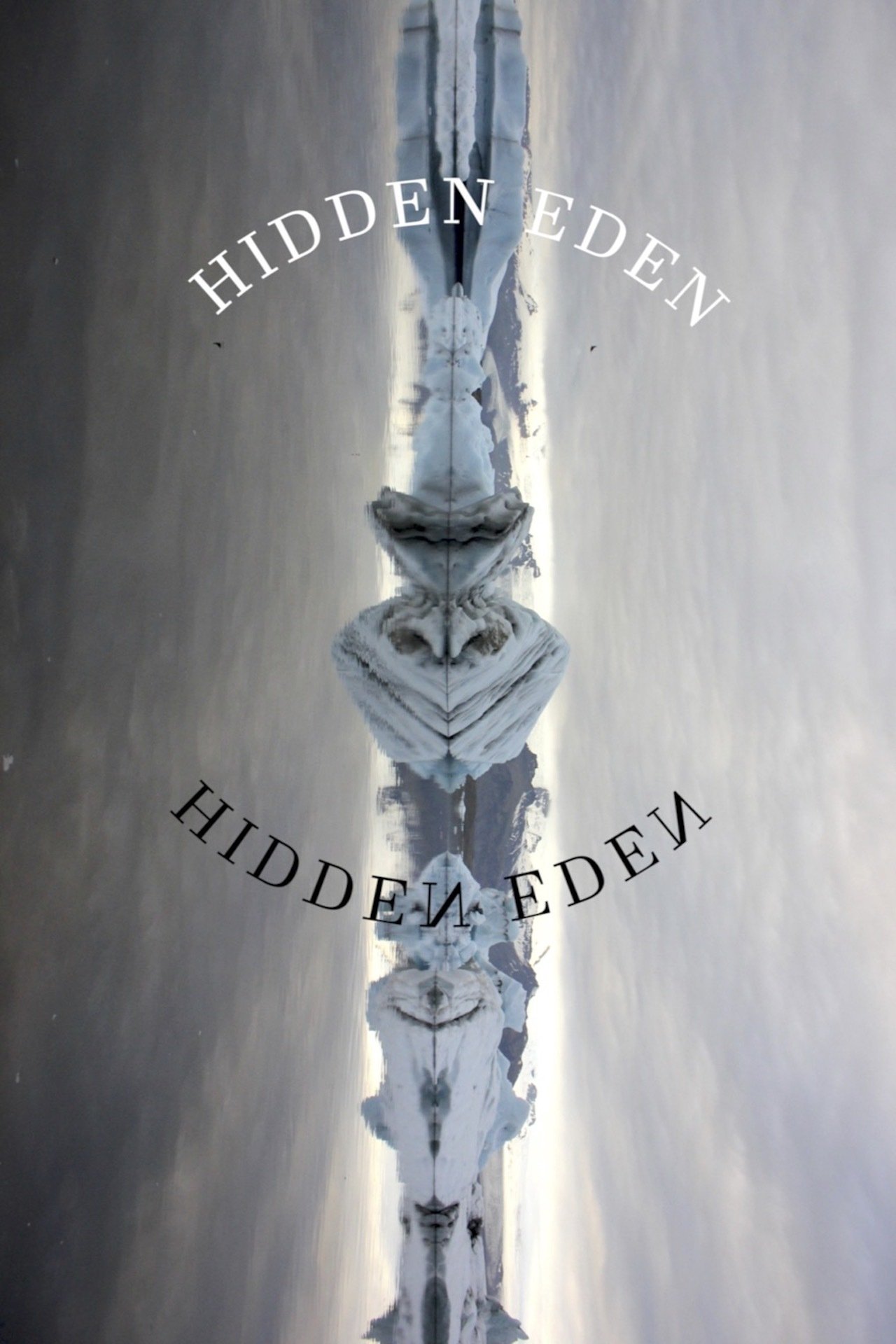
Exploring the concept of the Ecology of Emotions, this musical film portrays an inner journey through the secret garden of creativity put into frame by the nature of Iceland. Hidden Eden is a metaphor for our inner secret garden of creativity. This project bloomed during an art residency in Iceland, sparked by conversations around our shared philosophies on voice and emotional connection. The nature of Iceland inspired us to make the connection on how the landscape reflects the emotional states of creativity and how it helps manage the homeostasis of our inner emotional landscapes. This exchange between emotion and the landscape opens a space for healing. Creativity provides us with the tools to access a garden of our authentic being, nourishing and balancing us. Allowing ourselves to explore the spectrum of our emotions through the lens of our relationship with the Earth invites others to do the same. The creative process can affect our well being and is a key to human evolution.
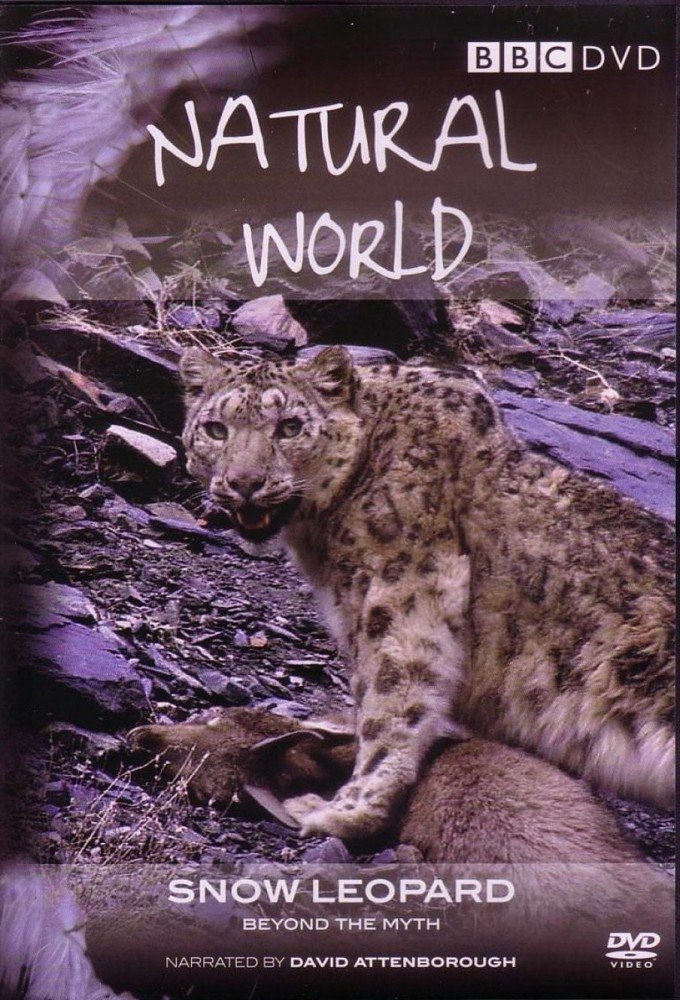
BBC The Natural World. In 2004, a team from the Planet Earth series captured the first ever film of a wild snow leopard in the mountains of Pakistan. For Nisar Malik, who led the expedition, these images sparked a passion that compelled him to return. With cameraman Mark Smith, he spent two years documenting the snow leopard's daily life, finally lifting the veil on the most elusive of all cats.
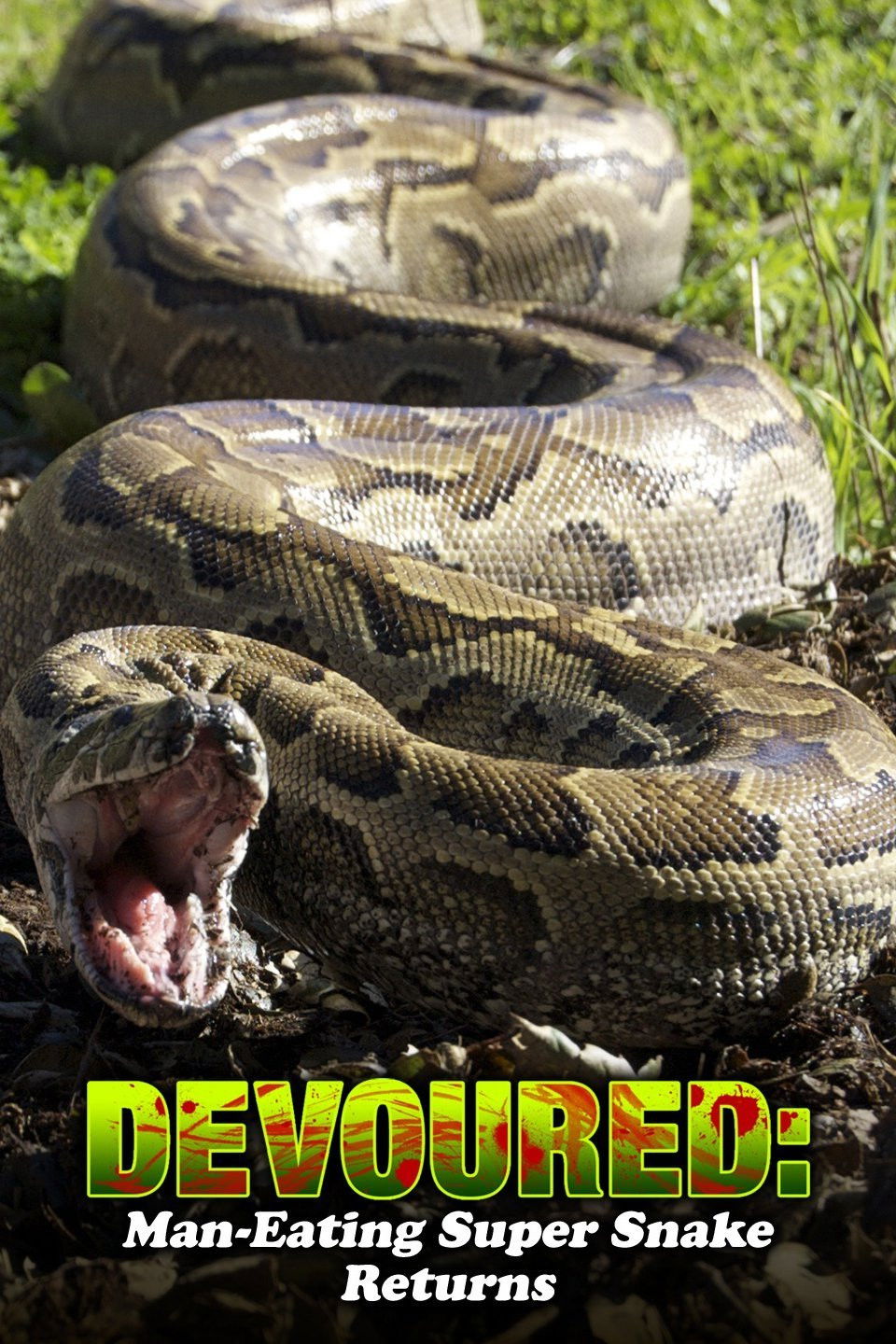
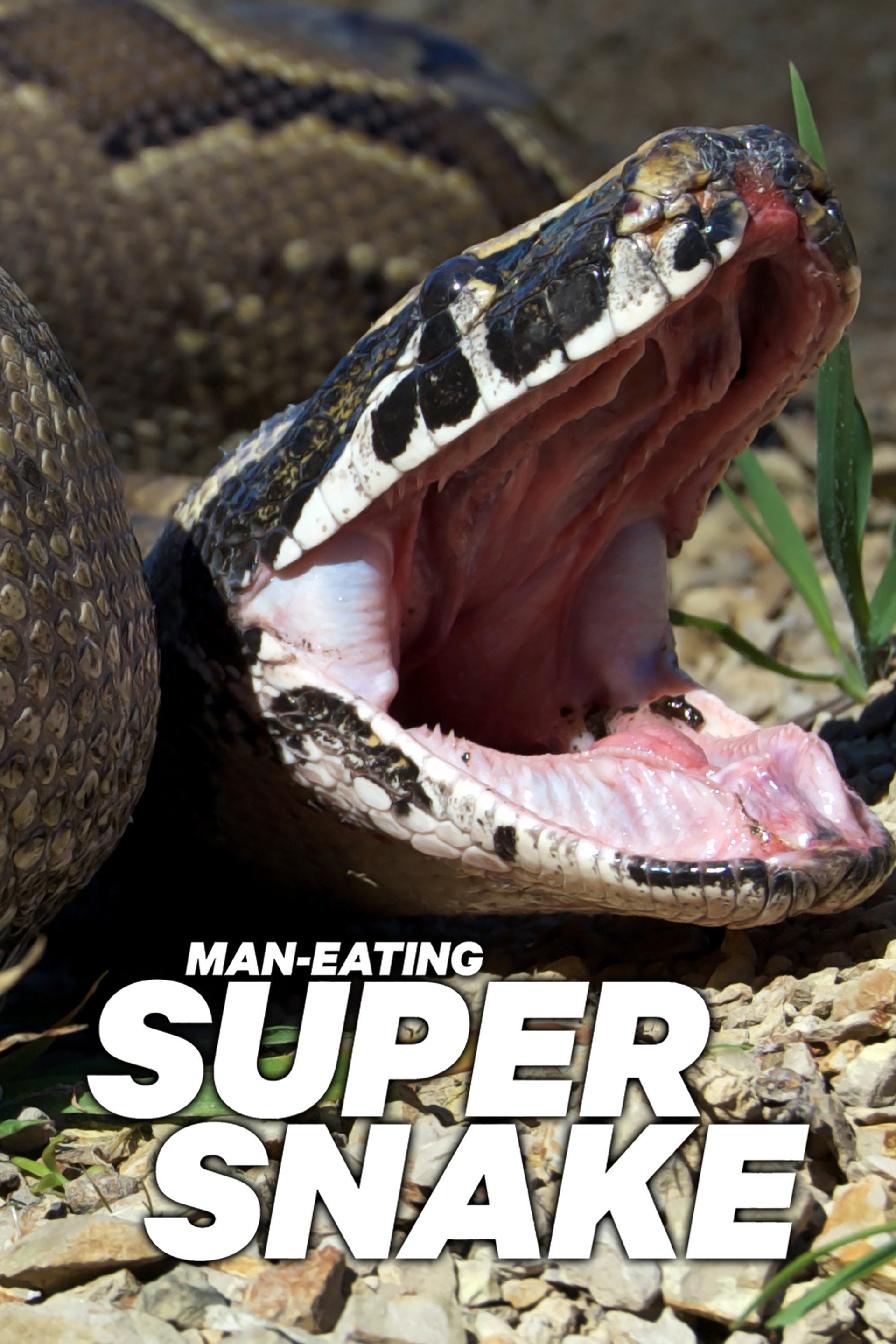
An alien species is out of control in America - the Burmese python. Breeding more and more, swallowing bigger and bigger prey, they're proving even humans are fair game. Can anything stop these man-eaters before it's too late?
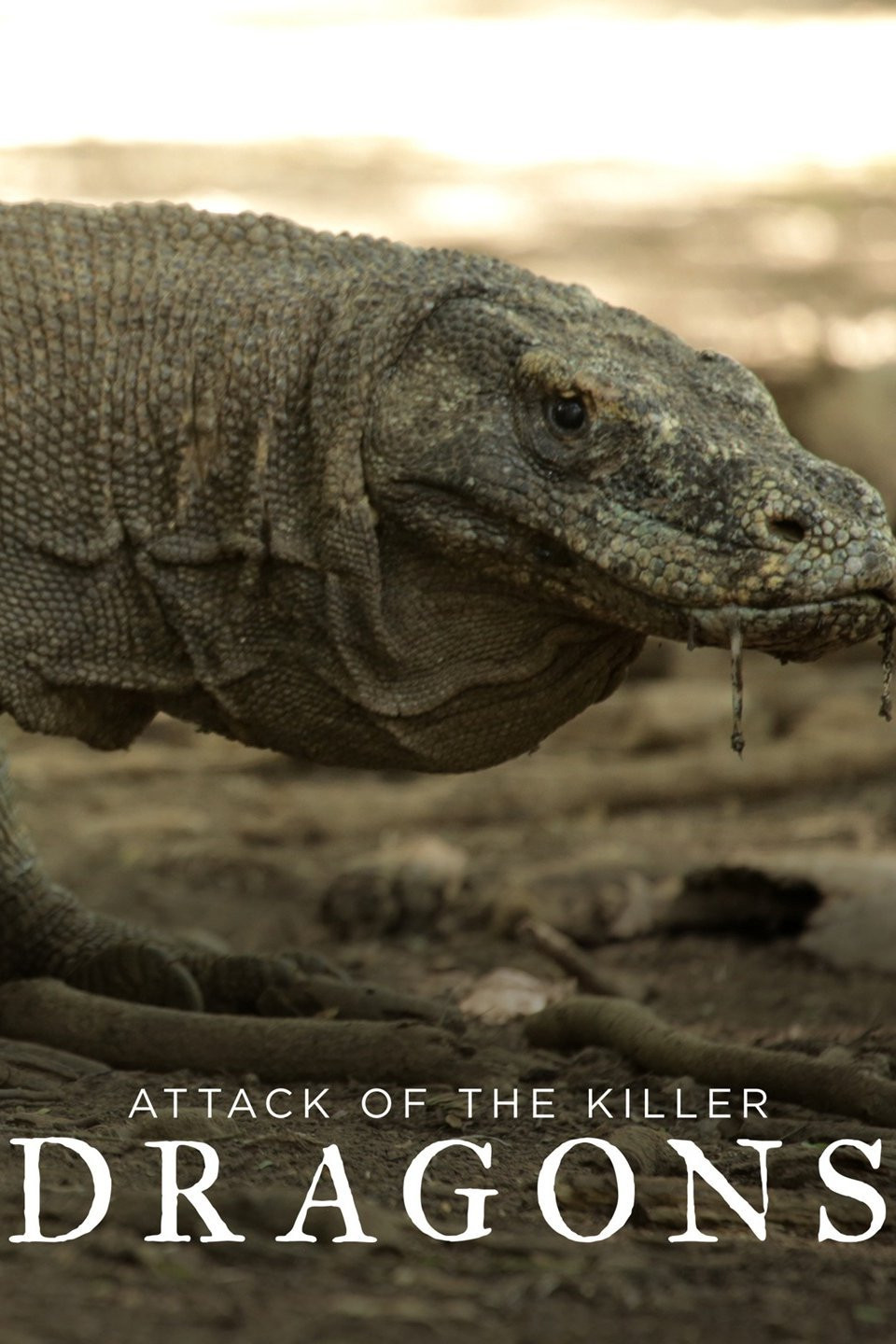
Tales of dangerous lizards endangering human lives; five divers are cast adrift and wash ashore on an island overrun with killer Komodo dragons in Indonesia; vicious Nile monitors are on the rise in the United States.
David Attenborough tells the revealing story of this Caribbean island's exotic but vulnerable wildlife. A team of conservation champions are making it their mission to save the most precious species. We see how Puerto Rican parrots, manatees and turtles are now making a comeback.
Animals shock us with the most bizarre appearances - some even look like they've been dressing up. But the weird and wonderful shapes and colours of nature are vital to the animals' lives. Sometimes they're disguised to help blend in, other times they are designed to stand out and show off. But whether it's a monkey in make-up or a salamander's toxic stripes.
South Florida is under siege from a new invasive species. This time, they're man-eaters, African Rock Pythons. These lethal giant constrictors are one of nature's most aggressive snakes.
This documentary follows oceanographer Sylvia Earle's campaign to save the world's oceans from threats such as overfishing and toxic waste.
A documentary focused on plastic pollution in the world's oceans.
Passionate about ocean life, a filmmaker sets out to document the harm that humans do to marine species — and uncovers an alarming global conspiracy.
Embark on a delightful journey into the world of dogs in this documentary that reveals scientific and emotional insights about our lovable BFFs.
Climate is changing. Instead of showing all the worst that can happen, this documentary focuses on the people suggesting solutions and their actions.
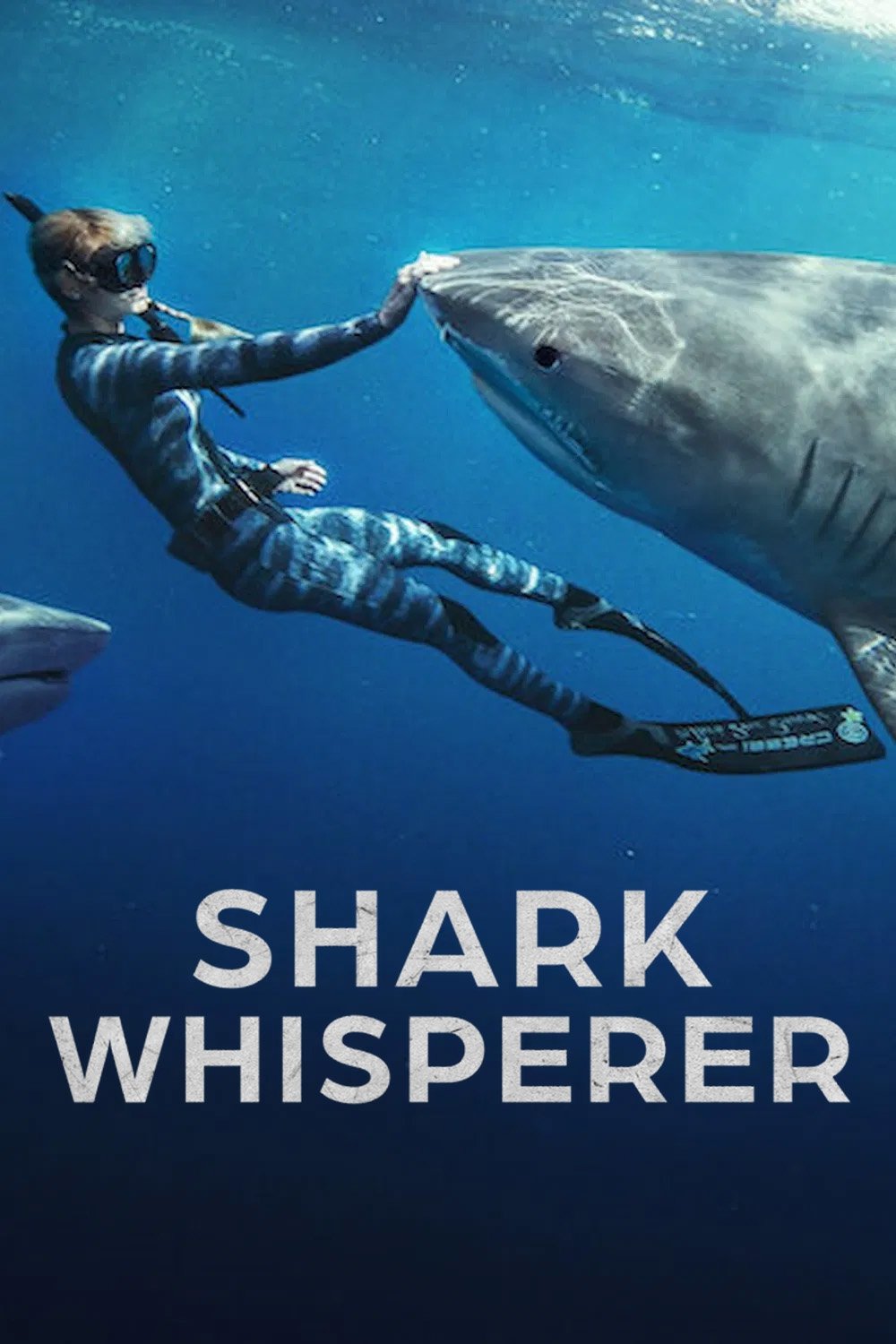
Marine conservationist and social media activist Ocean Ramsey fearlessly swims with sharks in this documentary about her risky mission to protect them.
An unlikely team of activists and innovators hatches a bold mission to save endangered species.
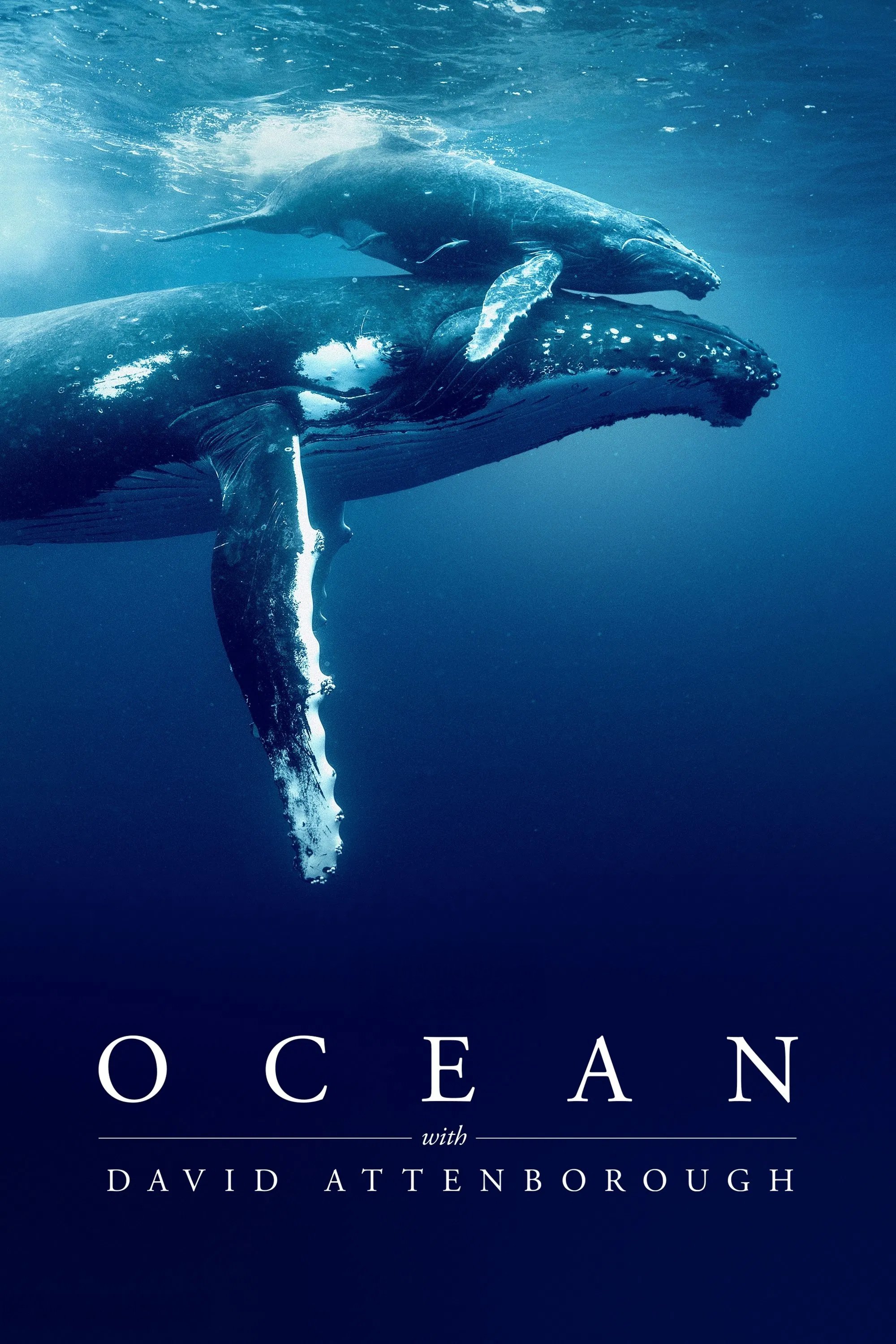
David Attenborough takes viewers on a breathtaking journey showing there is nowhere more vital for our survival, more full of life, wonder, or surprise, than the ocean. Through spectacular sequences featuring coral reefs, kelp forests and the open ocean, Attenborough shares why a healthy ocean keeps the entire planet stable and flourishing.
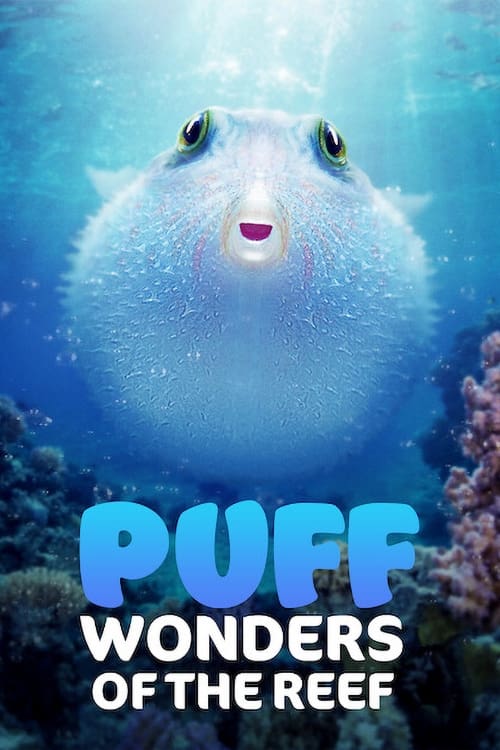
A baby pufferfish travels through a wondrous microworld full of fantastical creatures as he searches for a home on the Great Barrier Reef.
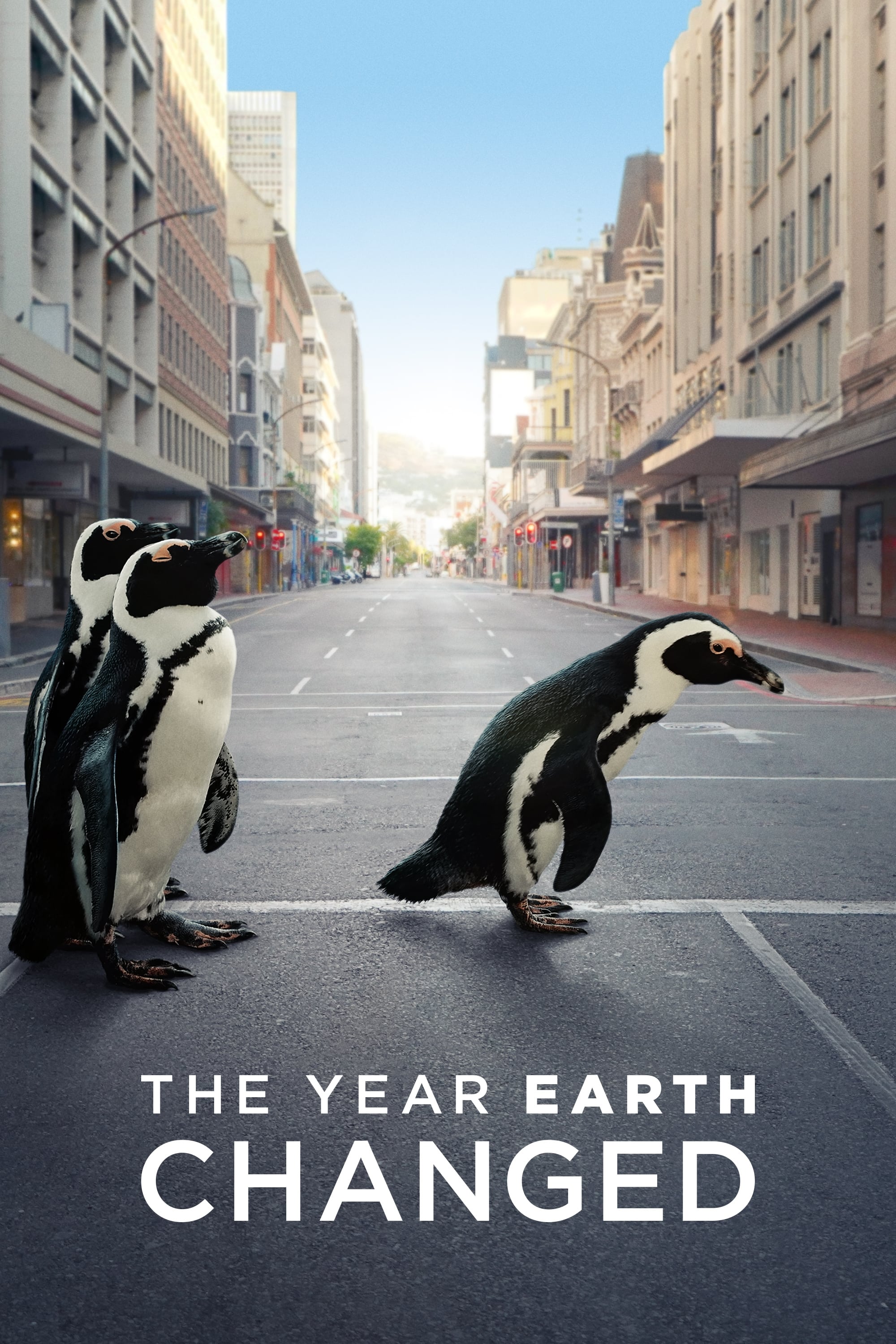
Never-before-seen footage shows how our living in lockdown opened the door for nature to bounce back and thrive. Across the seas, skies, and lands, Earth found its rhythm when we came to a stop.
Deep Blue is a major documentary feature film shot by the BBC Natural History Unit. An epic cinematic rollercoaster ride for all ages, Deep Blue uses amazing footage to tell us the story of our oceans and the life they support.
Dive into our planet's greatest mysteries with a team of international underwater cinematographers as they explore the breathtaking bond between humanity and the ocean.
An epic story of adventure, starring some of the most magnificent and courageous creatures alive, awaits you in EARTH. Disneynature brings you a remarkable story of three animal families on a journey across our planet – polar bears, elephants and humpback whales.
A new mother’s memories of her own youth prepare her to navigate motherhood in the increasingly challenging world that polar bears face today.
After years of swimming every day in the freezing ocean at the tip of Africa, Craig Foster meets an unlikely teacher: a young octopus who displays remarkable curiosity. Visiting her den and tracking her movements for months on end he eventually wins the animal’s trust and they develop a never-before-seen bond between human and wild animal.
David Attenborough and scientist Johan Rockström examine Earth's biodiversity collapse and how this crisis can still be averted.
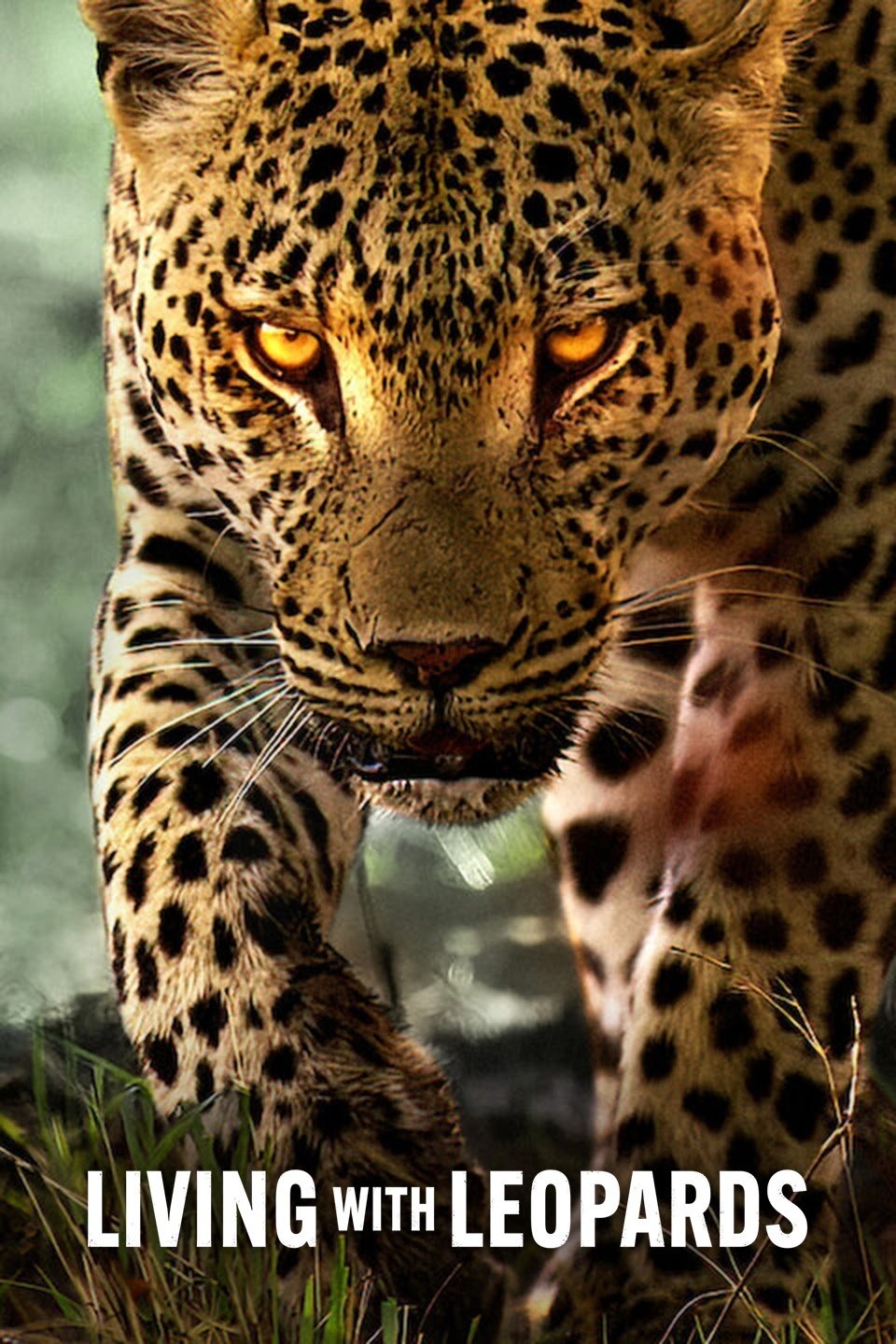
A film crew follows two leopard cubs as they make the fascinating journey from infancy into adulthood in this up-close-and-personal nature documentary.
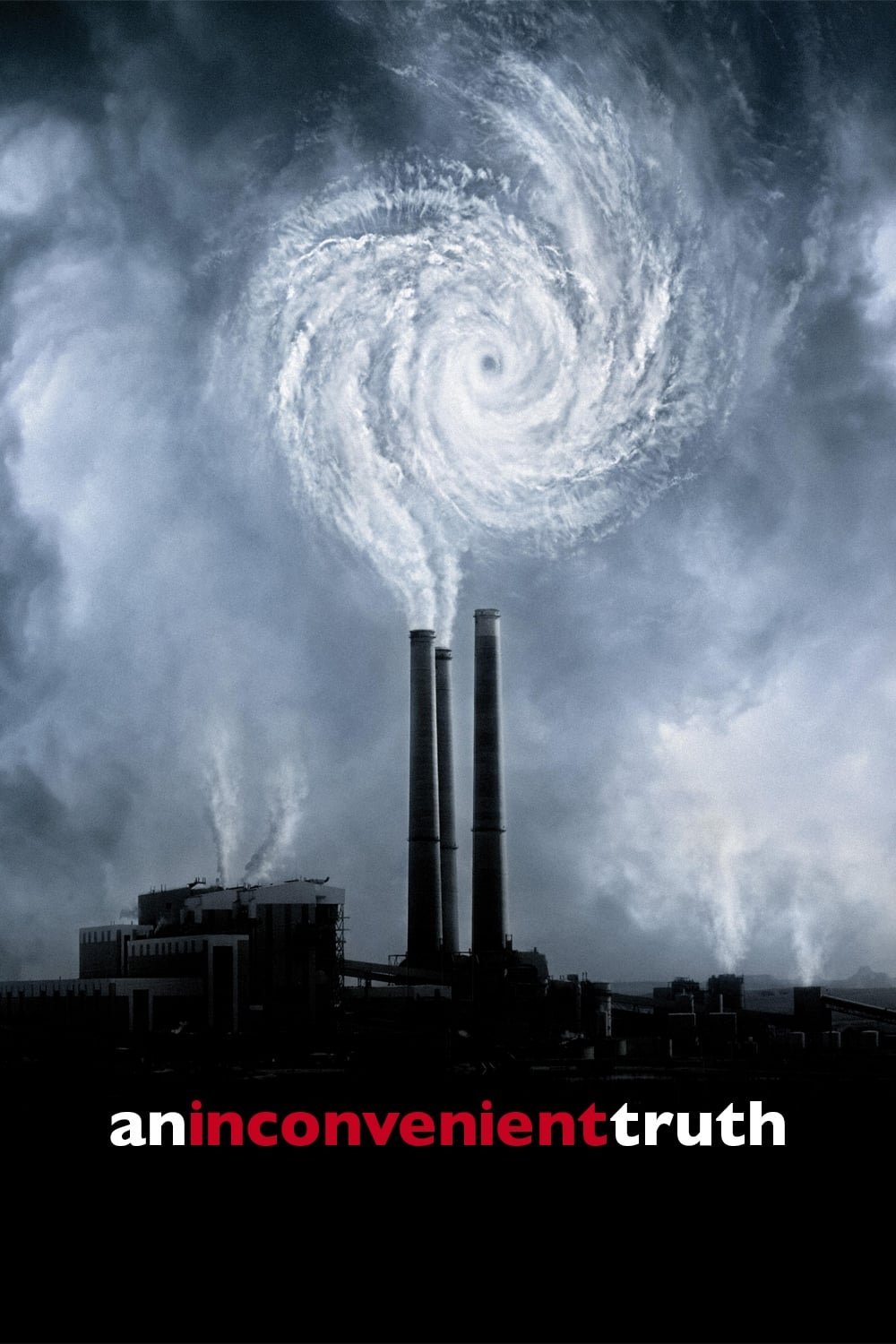
A documentary on Al Gore's campaign to make the issue of global warming a recognized problem worldwide.
A string of threatening emails escalates into a revenge plot involving a newly married US marshal and his ex-girlfriend.
In 1977, a book of photographs captured an awakening - women shedding the cultural restrictions of their childhoods and embracing their full humanity. This documentary revisits those photos, those women and those times and takes aim at our culture today that alarmingly shows the need for continued change.