Social & External
Self
Turkey's history has been shaped by two major political figures: Mustafa Kemal (1881-1934), known as Atatürk, the Father of the Turks, founder of the modern state, and the current president Recep Tayyıp Erdoğan, who apparently wants Turkey to regain the political and military pre-eminence it had as an empire under the Ottoman dynasty.
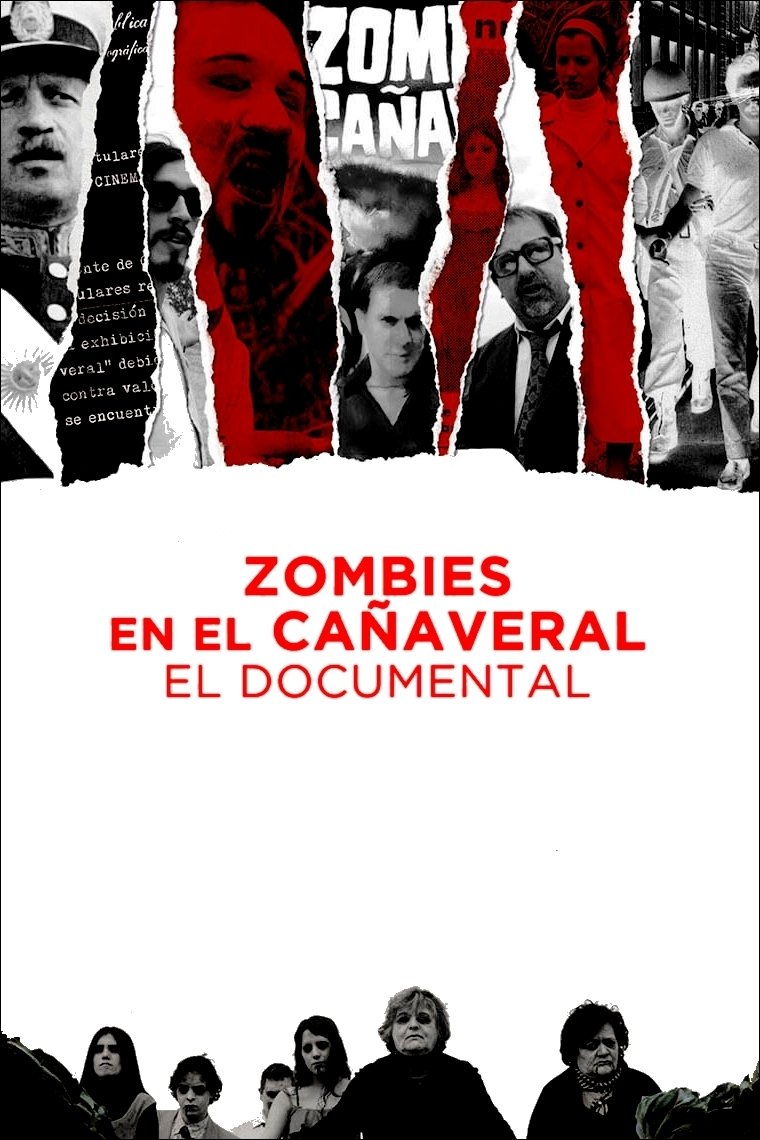
Tucumán, Argentina, 1965. Three years before George A. Romero's Night of the Living Dead was released, director Ofelio Linares Montt shot Zombies in the Sugar Cane Field, which turned out to be both a horror film and a political statement. It was a success in the US, but could not be shown in Argentina due to Juan Carlos Onganía's dictatorship, and was eventually lost. Writer and researcher Luciano Saracino embarks on the search for the origins of this cursed work.
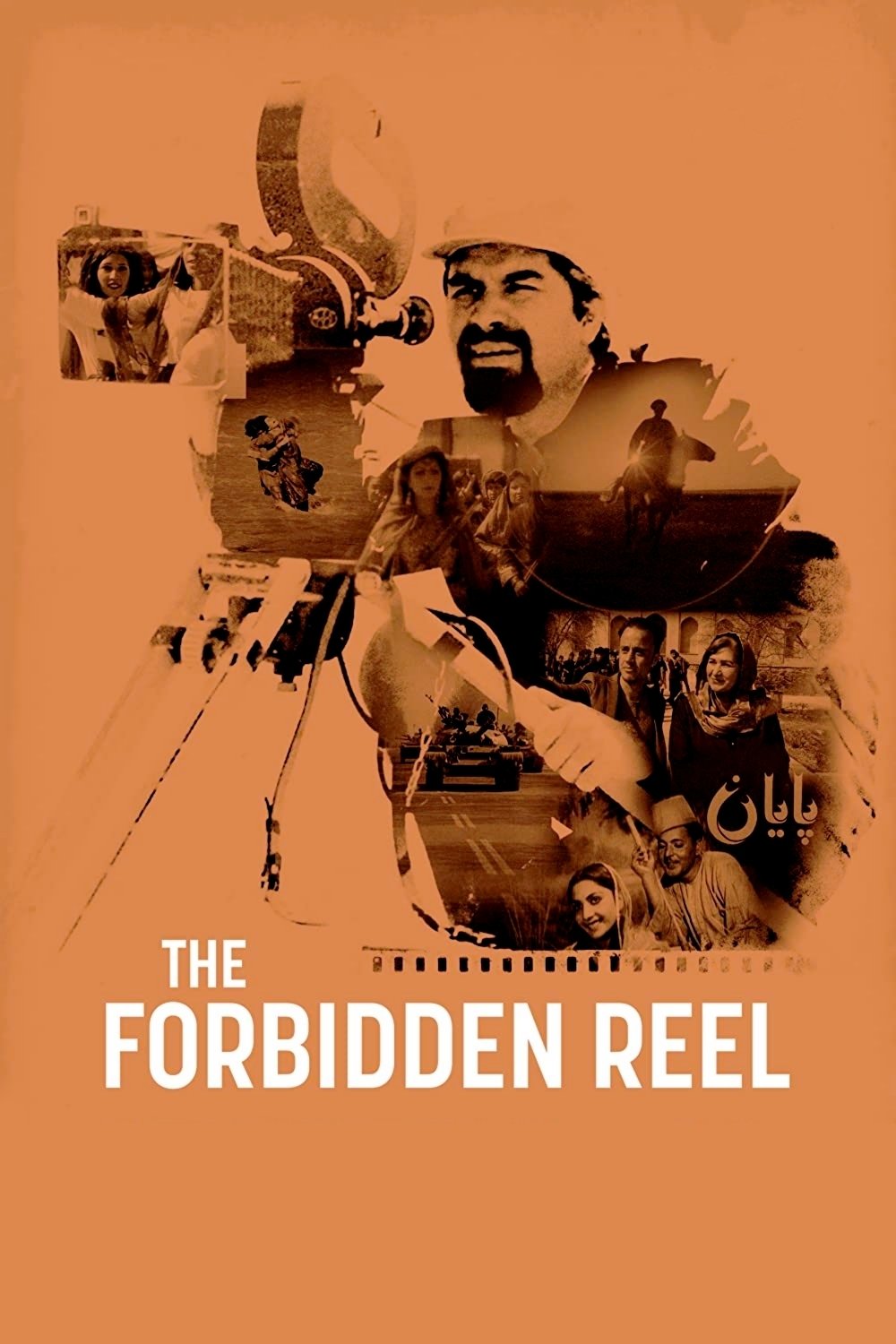
According to the official history of Afghanistan, ruthless destruction has always prevailed over art and creation; but there is another tale to be told, the forgotten account of a diverse and progressive country, seen through the lens of innovative filmmakers, a story that survives thanks to a few brave Afghans, a small but very passionate group that secretly fought to save a huge film archive that was constantly menaced by war and religious fanaticism.
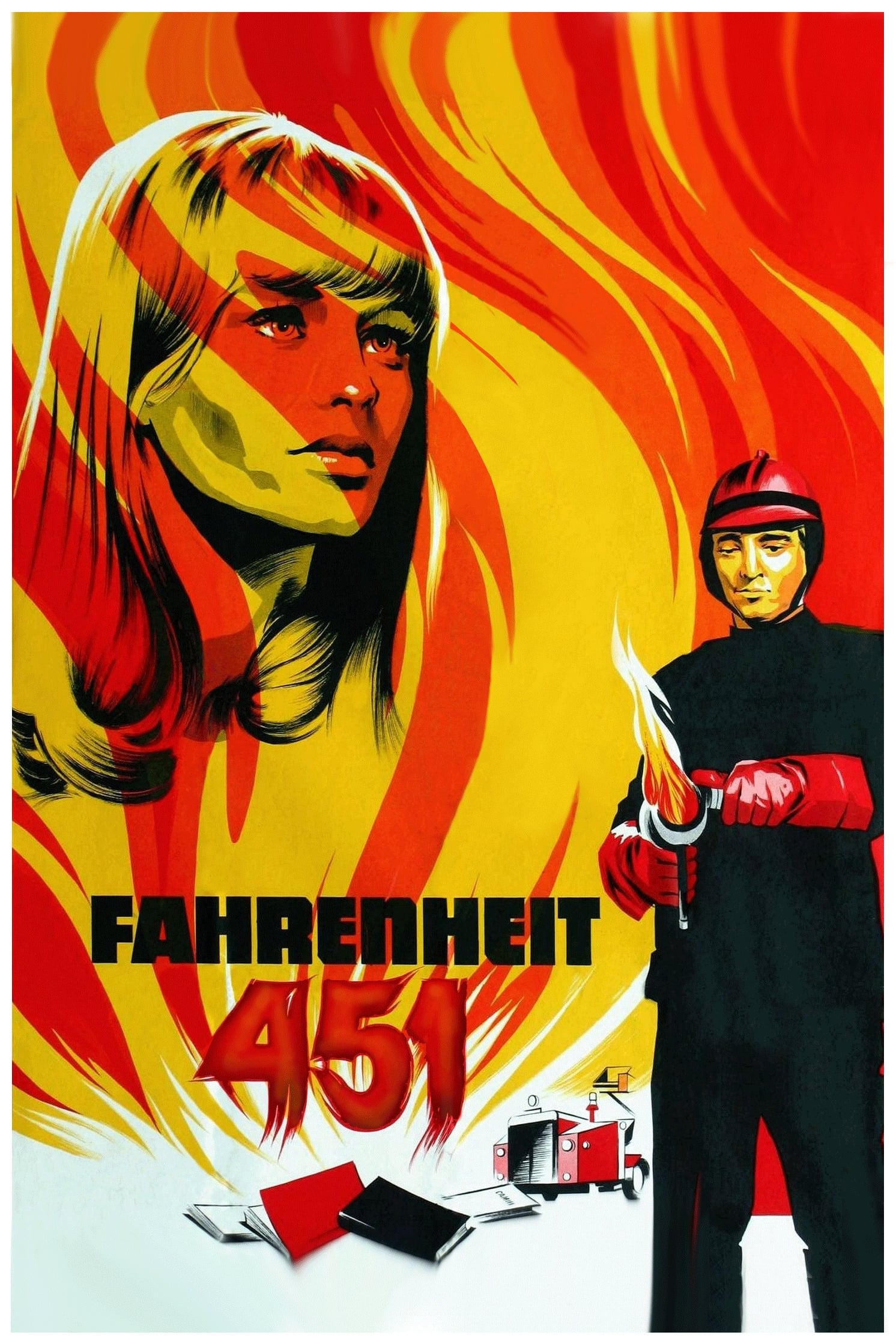
In the future, the government maintains control of public opinion by outlawing literature and maintaining a group of enforcers, known as “firemen,” to perform the necessary book burnings. Fireman Montag begins to question the morality of his vocation…
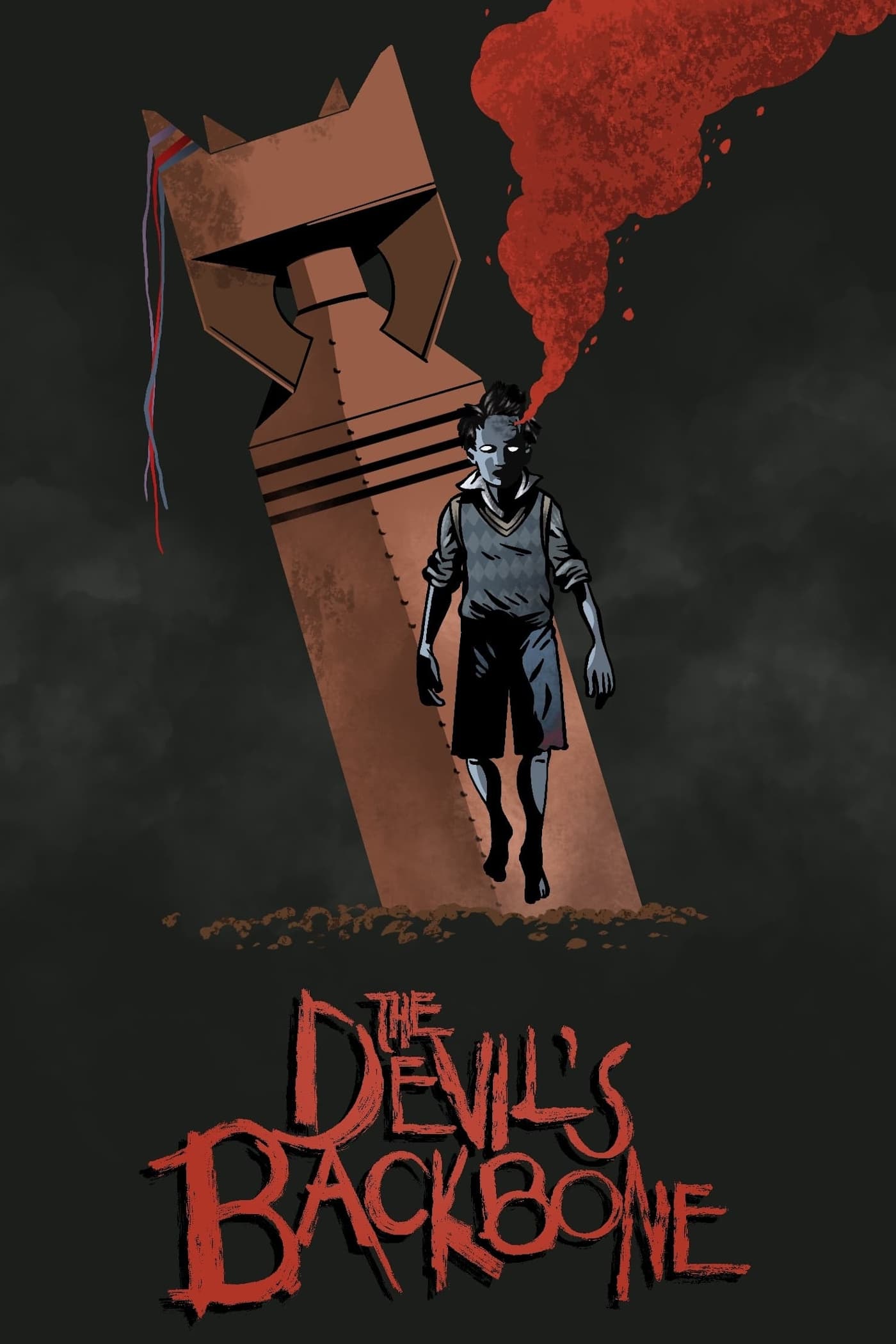
Spain, 1939. In the last days of the Spanish Civil War, the young Carlos arrives at the Santa Lucía orphanage, where he will make friends and enemies as he follows the quiet footsteps of a mysterious presence eager for revenge.
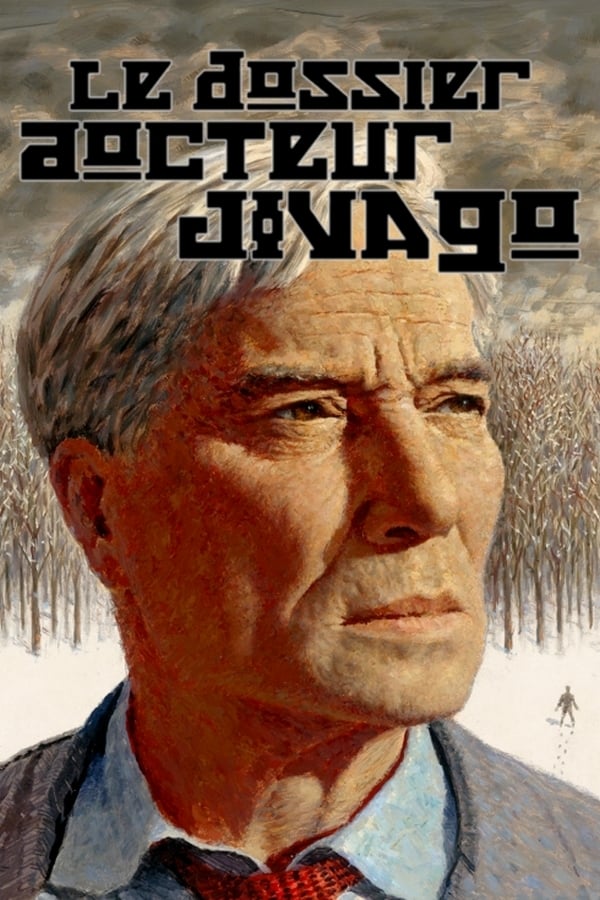
As Russian writer Boris Pasternak (1890-1960) thinks it is impossible that his novel Doctor Zhivago is published in the Soviet Union, because it supposedly shows a critical view of the October Revolution, he decides to smuggle several copies of the manuscript out of the country. It is first published in 1957 in Italia and the author receives the Nobel Prize in Literature in 1958, which has consequences.
They grew up in the land of dictators and surveillance, where images are censored, photos are burned, thoughts are discreet, and mouths are kept shut. They grew up in Syria.
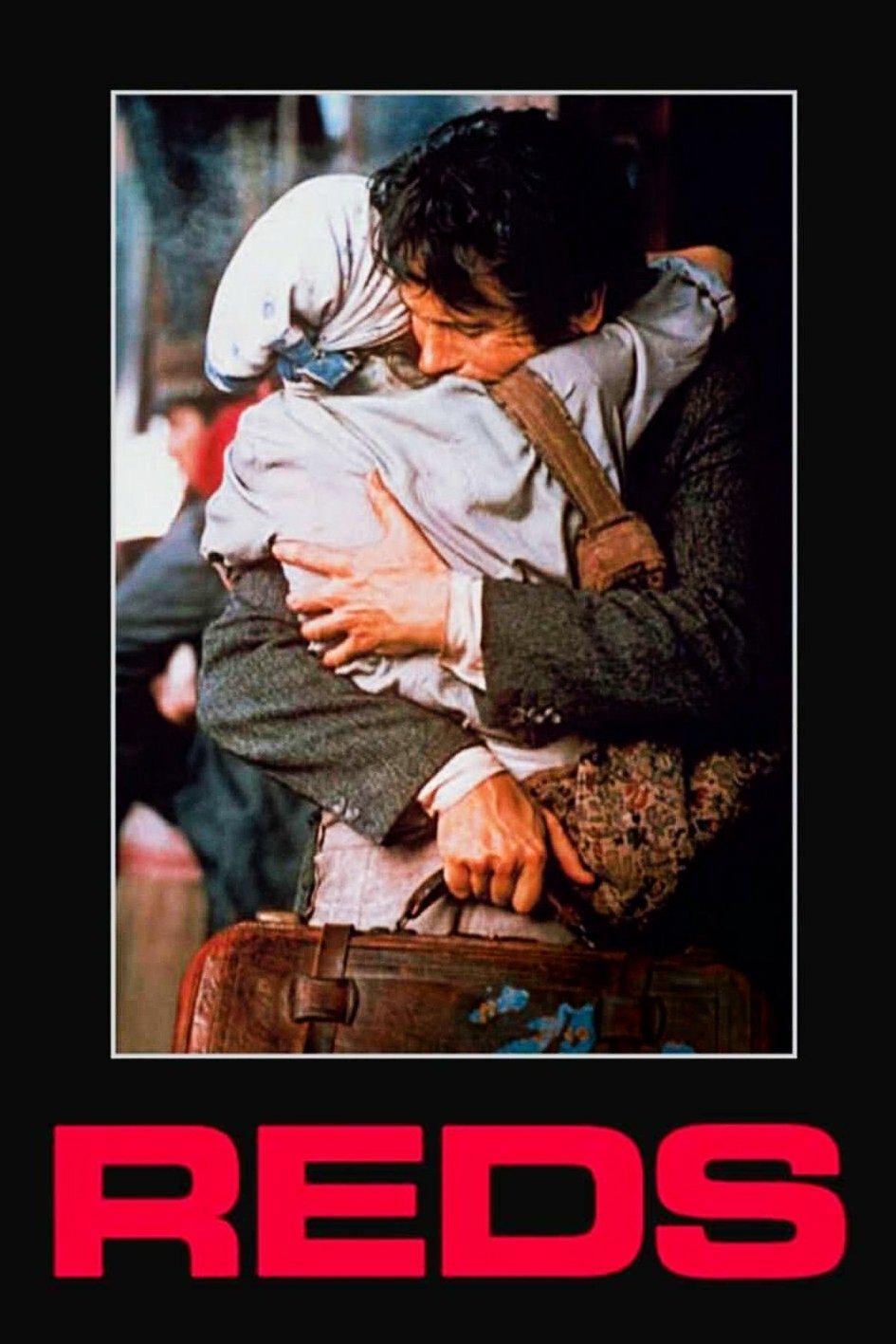
An account of the revolutionary years of the legendary American journalist John Reed, who shared his adventurous professional life with his radical commitment to the socialist revolution in Russia, his dream of spreading its principles among the members of the American working class, and his troubled romantic relationship with the writer Louise Bryant.
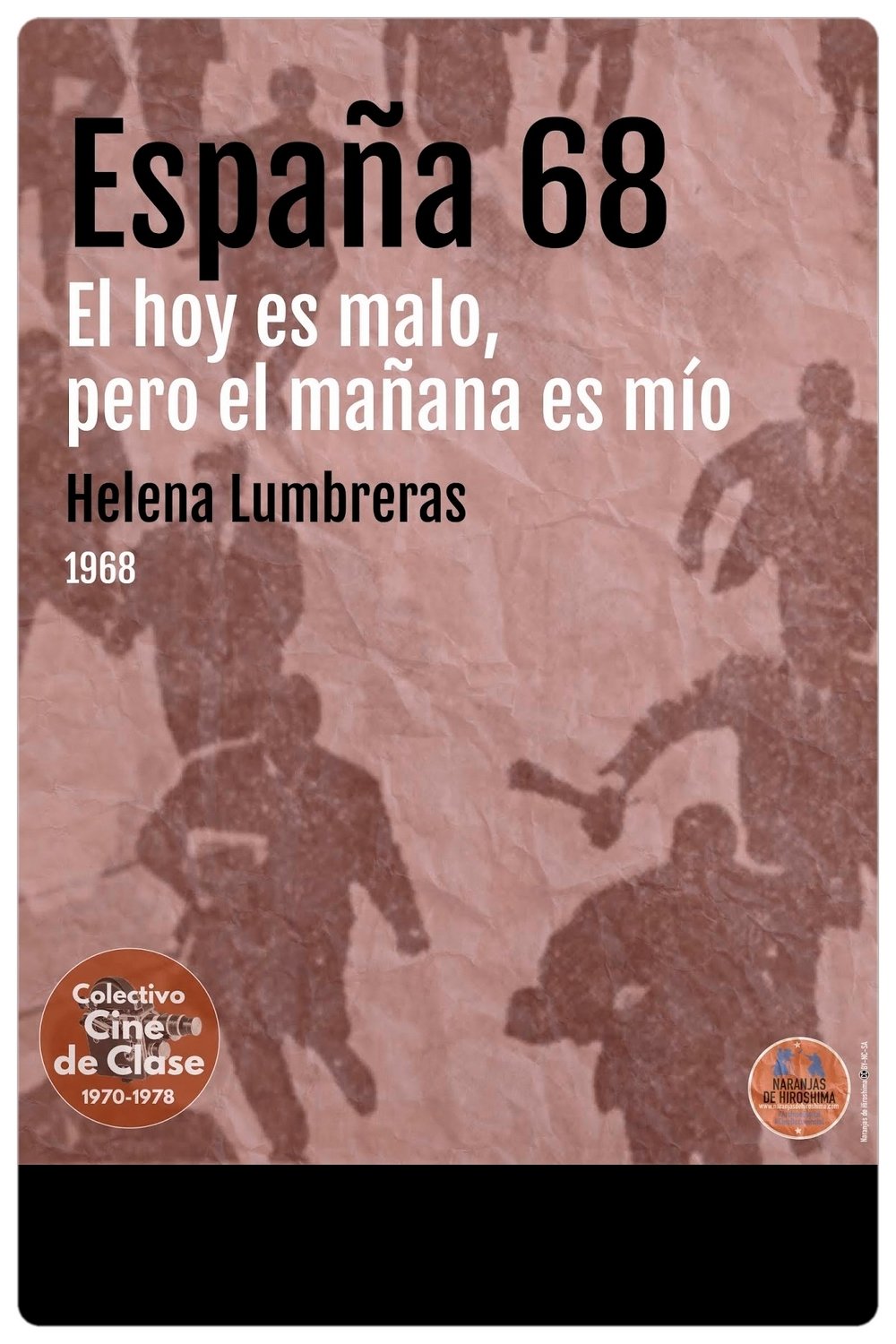
Spain, 1968. An analysis of the political and social situation of the country, suffocated by the boot of General Franco's tyrannical regime. (Filmed clandestinely in Madrid and Barcelona during the spring of 1968.)
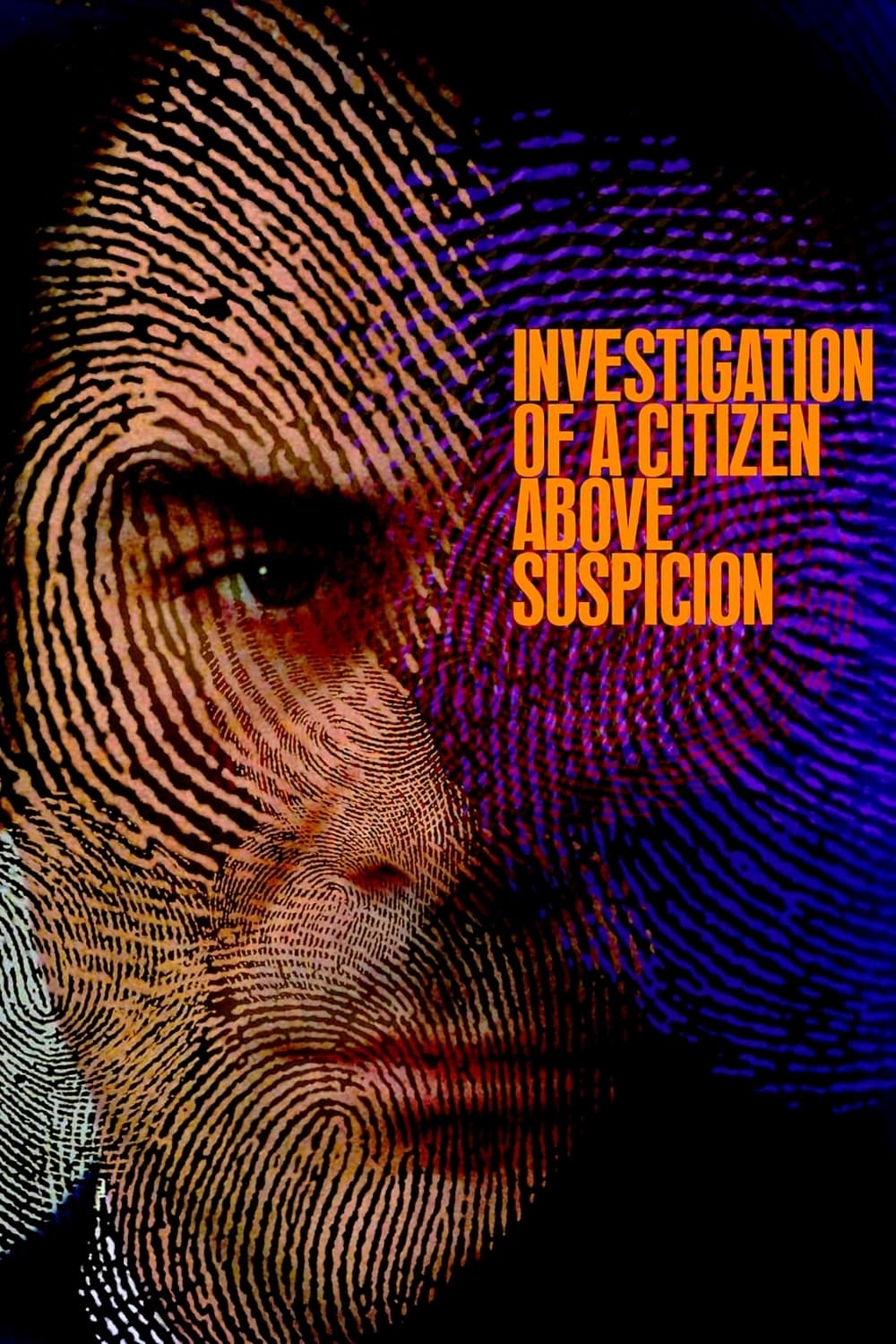
Rome, Italy. After committing a heinous crime, a senior police officer exposes evidence incriminating him because his moral commitment prevents him from circumventing the law and the social order it protects.
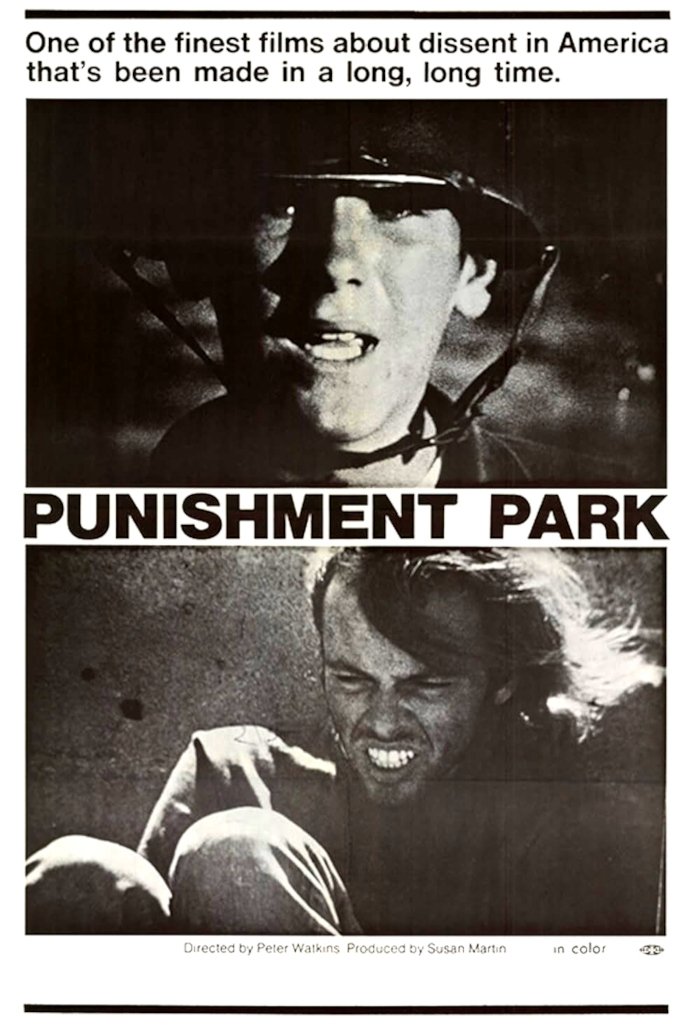
In this fictional documentary, U.S. prisons are at capacity, and President Nixon declares a state of emergency. All new prisoners, most of whom are connected to the antiwar movement, are now given the choice of jail time or spending three days in Punishment Park, where they will be hunted for sport by federal authorities. The prisoners invariably choose the latter option, but learn that, between the desert heat and the brutal police officers, their chances of survival are slim.
Kharkiv, the 1930s. The heyday of Ukrainian art. Ambitious young poet Vladimir Akimov happily settles in at the new luxury "Slovo" House built specifically for artists. He comes from the provinces and works as a proof-reader in a printing press, and has never even dreamed of living under one roof with prominent Ukrainian writers and artists. He thinks his own poetry is genius, but nobody takes his literary efforts seriously, not to mention the occasional chuckles over his epigone poems. But fate smiles at him. The head of the political intelligence agency suggests that he become the author of a play written earlier. Akimov agrees, signing a non- disclosure note. The poet has no idea what price he will pay for this success. “‘Slovo’ House” is a story about a generation of Ukrainian artists persecuted by the totalitarian system, unfolding against the backdrop of one of the largest genocides of the 20th century: the Holodomor, which caused the death of almost 7 million people.
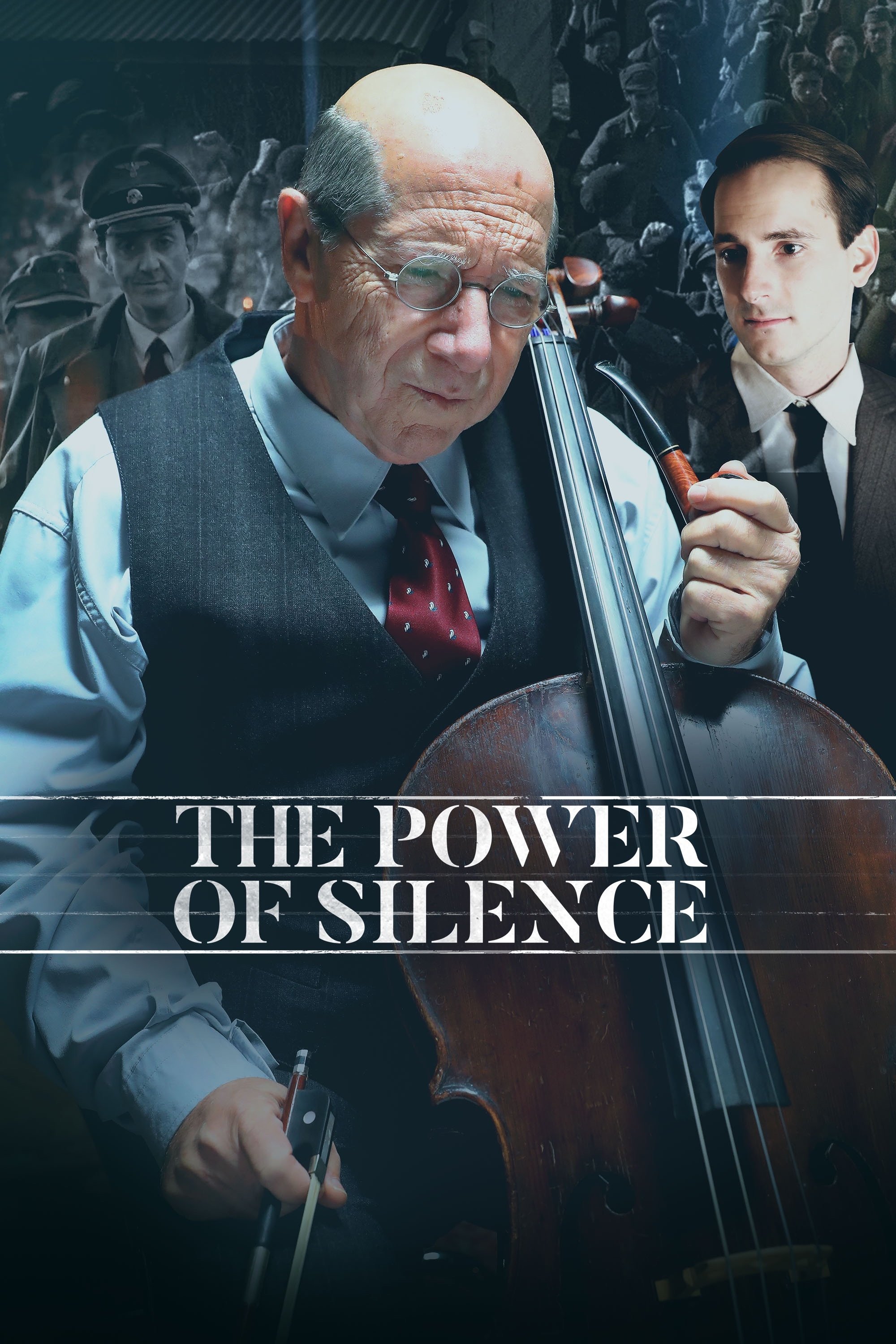
Prades, France, 1940s. The exiled Catalan cellist Pau Casals decides not to perform any more in public until the fall of the dictatorship that oppresses Spain. Pierre, a young Frenchman studying with Casals, tries to convince him to celebrate an extraordinary concert as a tribute to freedom.
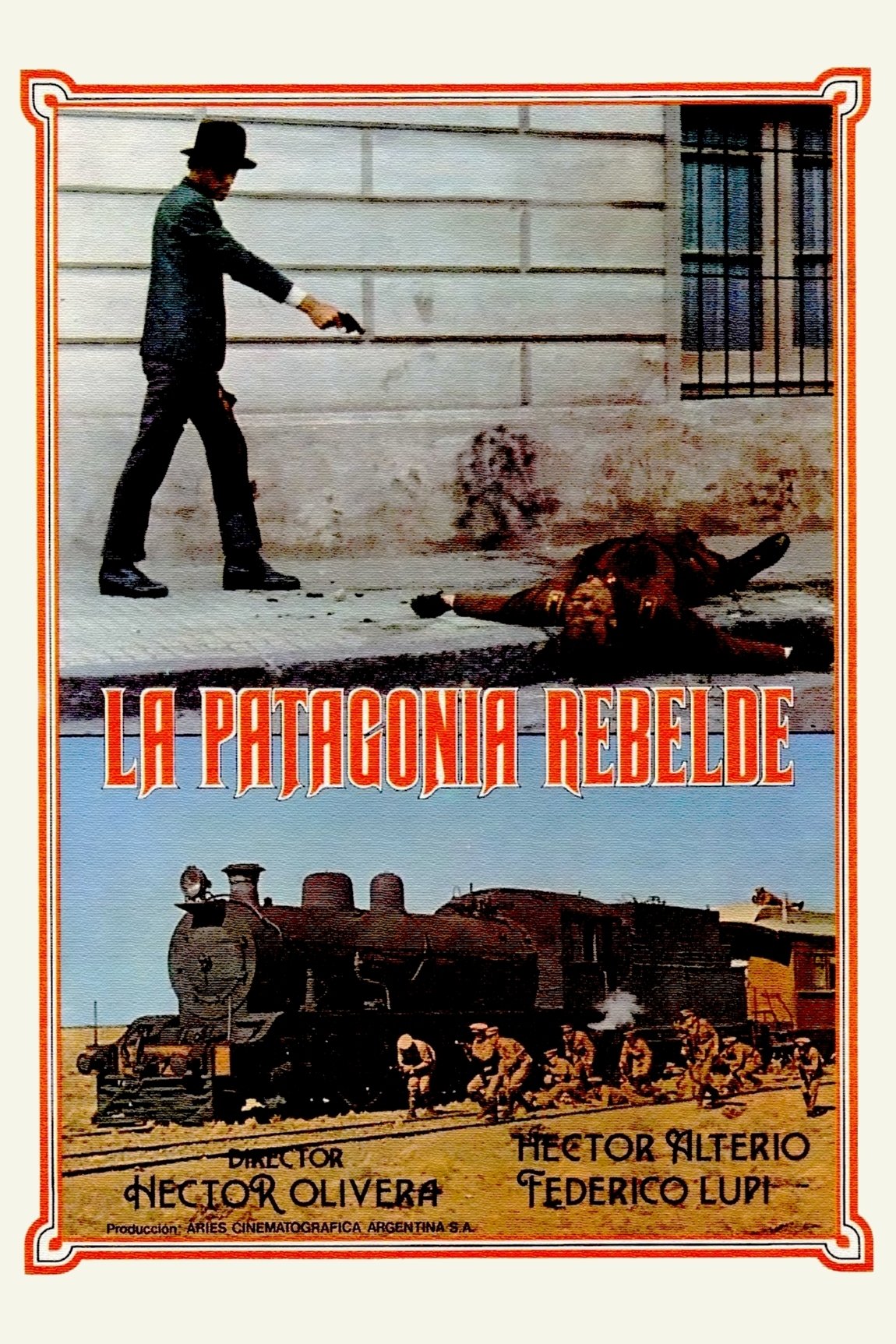
In 1920, workers from Patagonia, in Southern Argentina, gather around an anarcho-syndicalist society and go on strike, demanding better working conditions. When the situation turns unsustainable, President Yrigoyen sends Lieutenant Colonel Zavala to impose order.
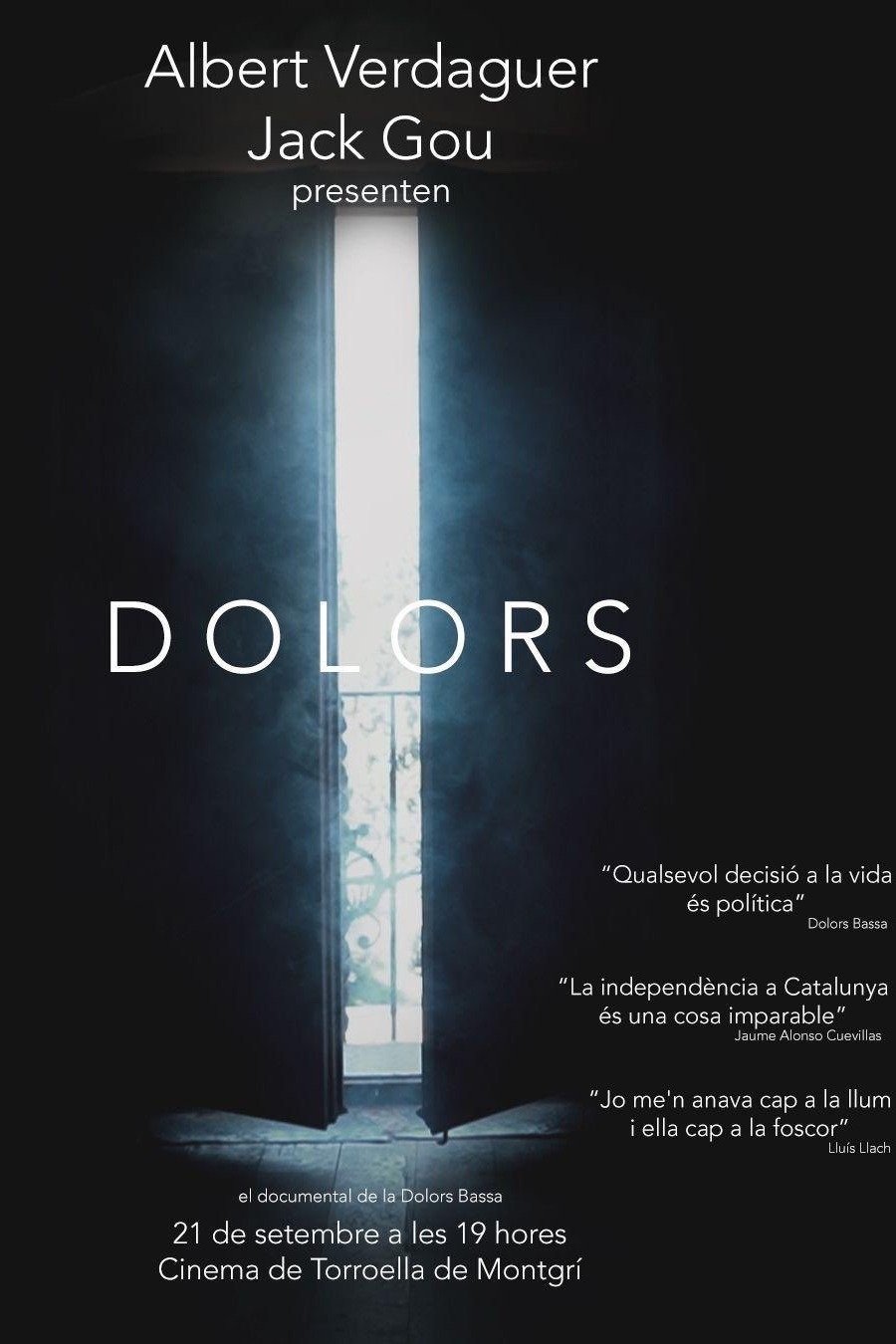
An elderly choir group brings back erased violent history by singing songs that were written in prison and have been silenced for more than 50 years.
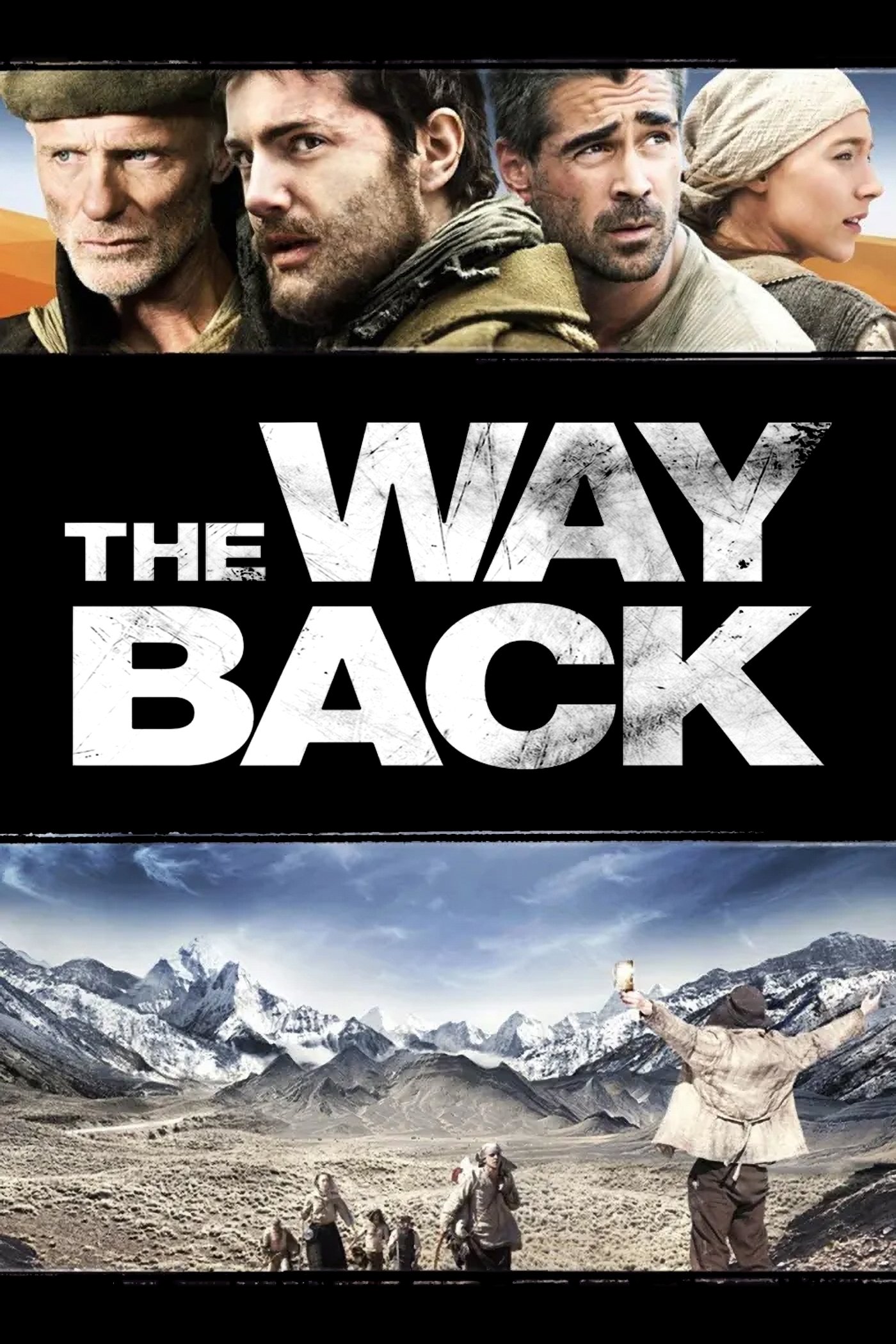
A small band of multicultural convicts stages a daring escape from a WWII-era Siberian gulag, and embarks on a treacherous journey across five countries in a desperate race for freedom and survival.
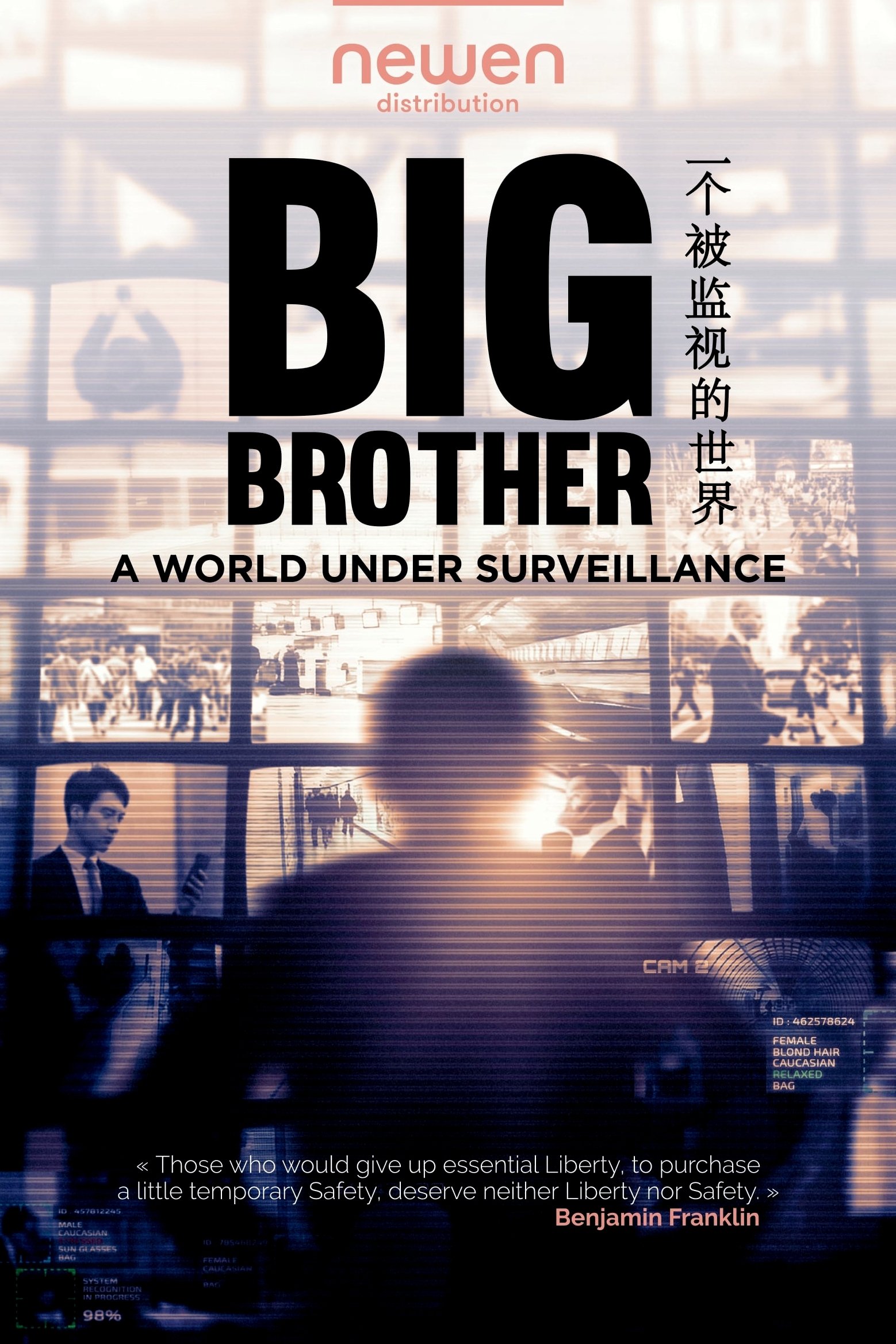
Under the pretext of fighting terrorism or crime, the major powers have embarked on a dangerous race for surveillance technologies. Facial recognition cameras, emotion detectors, citizen rating systems, autonomous drones… A security obsession that in some countries is giving rise to a new form of political regime: numerical totalitarianism. Orwell's nightmare.
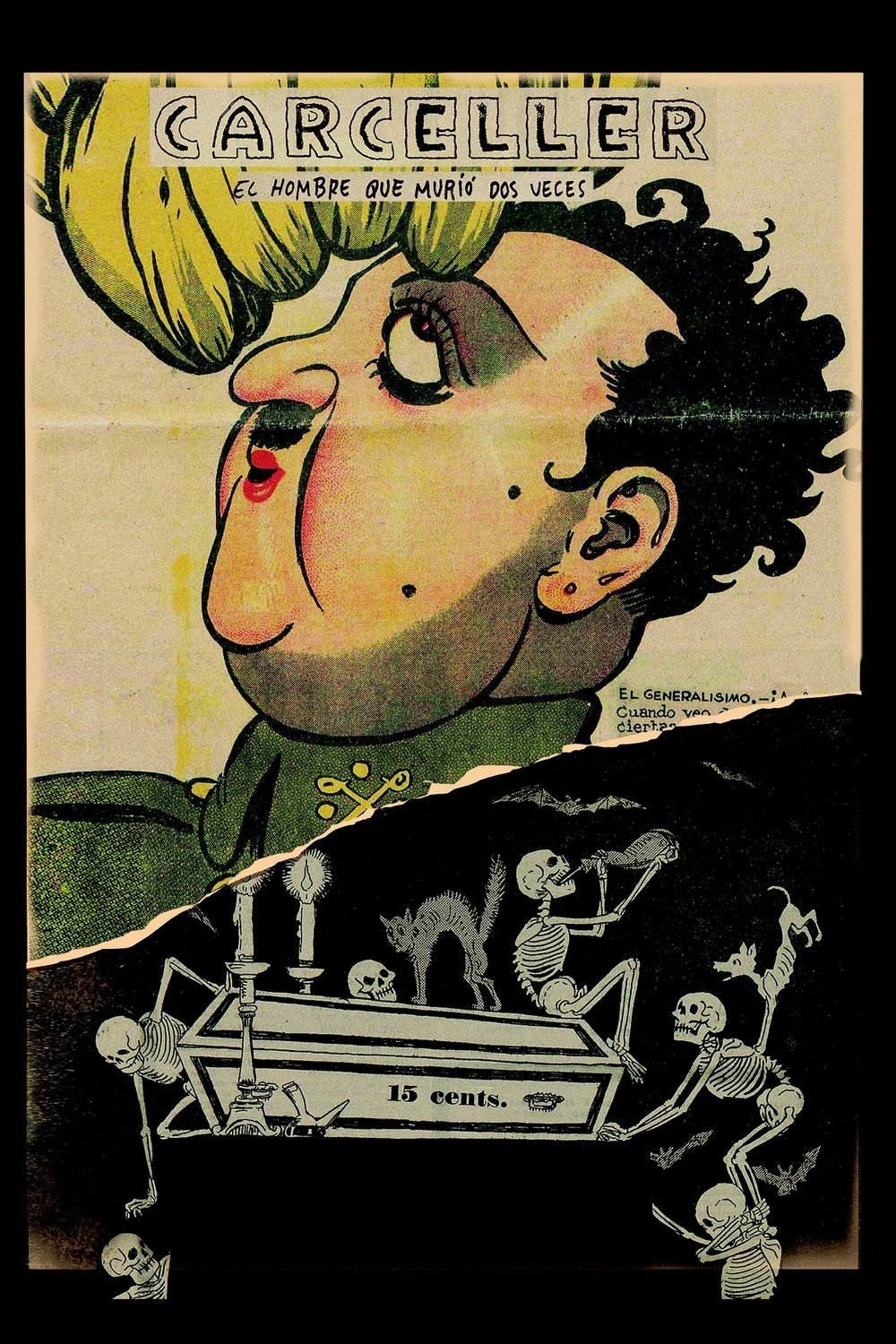
The life story of Vicente Miguel Carceller (1890-1940), a Spanish editor committed to freedom who, through his weekly magazine La Traca, connected with the common people while maintaining a dangerous pulse with the powerful.
At the end of the Spanish Civil War, the members of a group of vaudeville performers have been stripped of everything: all they have left is hunger and the instinct to survive. Day after day, agonizingly, lost and helpless between the victors and the vanquished, the musician Jorge, the ventriloquist Enrique, the couplet singer Rocío and the orphan Miguel search tirelessly for something to eat and a safe place to live.