Social & External
The people behind it
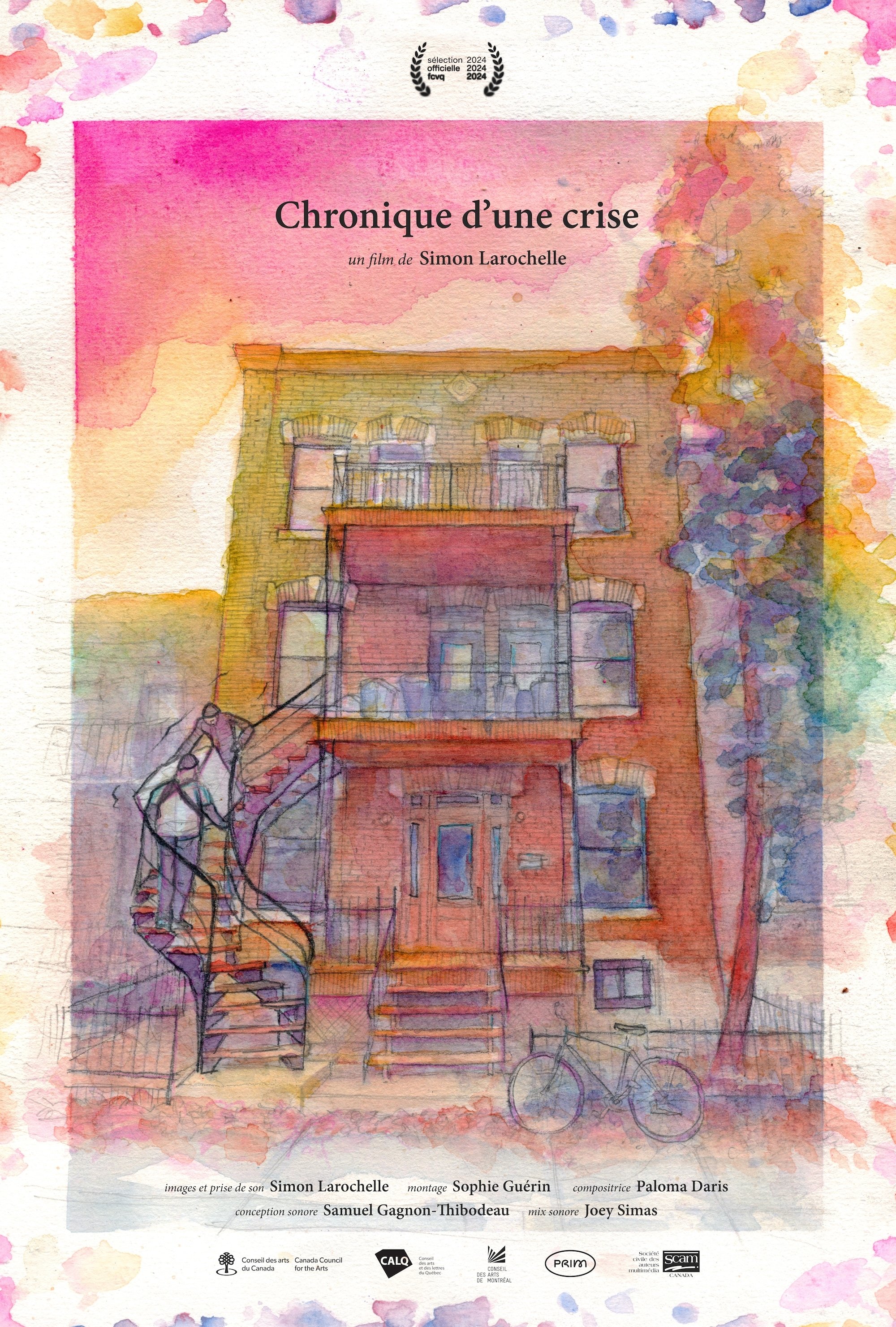
Canada is facing a housing crisis, and cooperative housing might be a part of the solution.
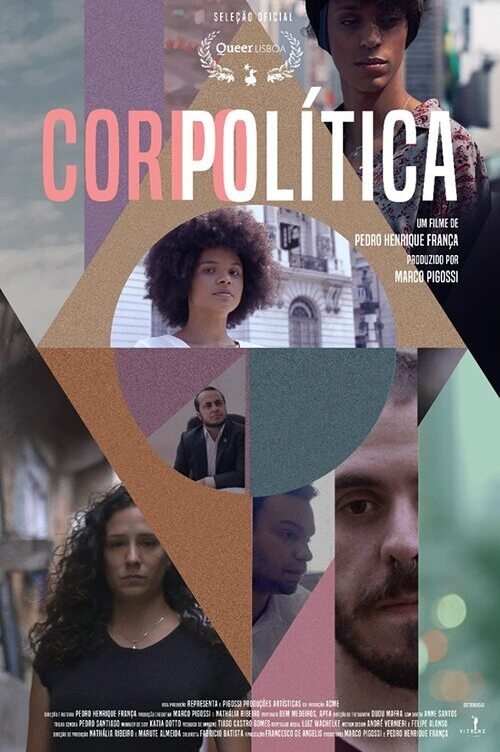
At a time when the far right is ascending to power around the world, the 2020 Brazilian municipal elections saw a surprising and unprecedented record of LGBT candidates. This film follows four young queer politicians during their electoral campaigns and reveals their struggle to affirm their rights to exist and be heard.
A documentary film about Comanche activist LaDonna Harris, who led an extensive life of Native political and social activism, and is now passing on her traditional cultural and leadership values to a new generation of emerging Indigenous leaders.
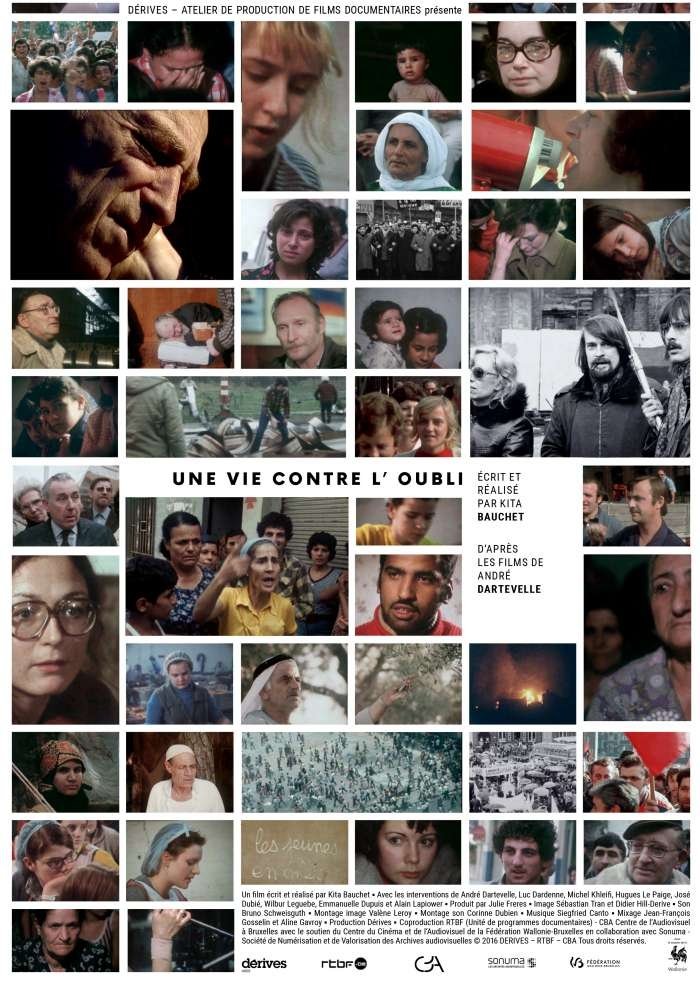
Portrait of Belgian historian, reporter and documentarian André Dartevelle.
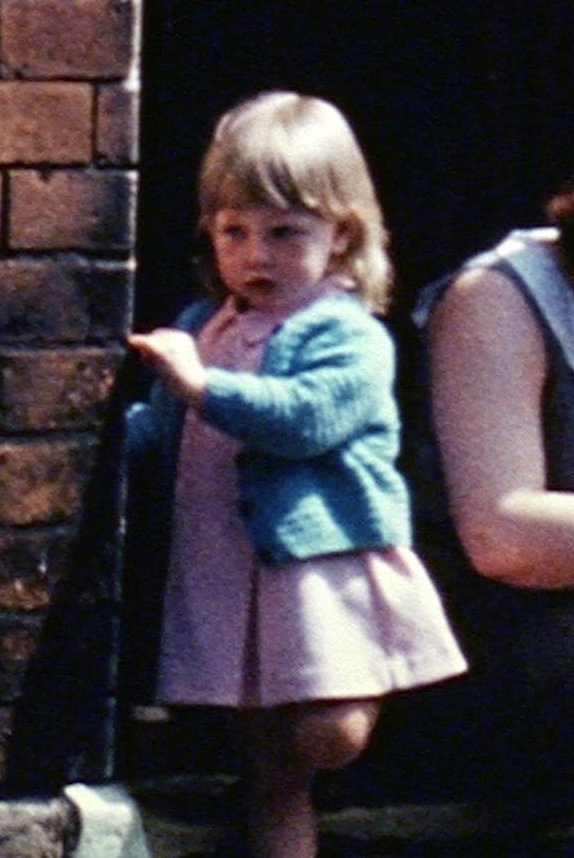
Between 1968 and 1970, J M Goodger, a lecturer at the University of Salford, made a film record of the living conditions in the slums of Ordsall, Salford, which were then in the process of being demolished. Under the title 'The Changing face of Salford', the film was in two parts: 'Life in the slums' and 'Bloody slums'.
Moscow, Russia, December 2016. Edward Snowden, Larry Lessig and Birgitta Jónsdóttir meet for the first time in a secret place. Apparently, Russia is interfering in the US presidential elections while it mourns the death of its ambassador to Turkey. Snowden carefully chooses his interviews, so nobody really knows something about him. As the world prepares for Christmas, they gather to discuss the only issue that matters, their common struggle: how to save democracy.
Three college students start a social experiment to prove that reality changes according to the words we use to describe it. Through research, activist actions, and artistic interventions, they analyze the importance of language in the way we understand the world. The documentary includes analysis from more than 20 international experts and leaders in the fields of political communication and information.
This is a documentary about an honest search for the truth about the Federal Reserve Bank and the legality of the Internal Revenue System. Through extensive interviews with recognised experts and authority, the director shows an astonishing revelation of how the Federal Government and the Bankers have fooled the American public by taking thier wages and putting it in the pockets of the super-rich.
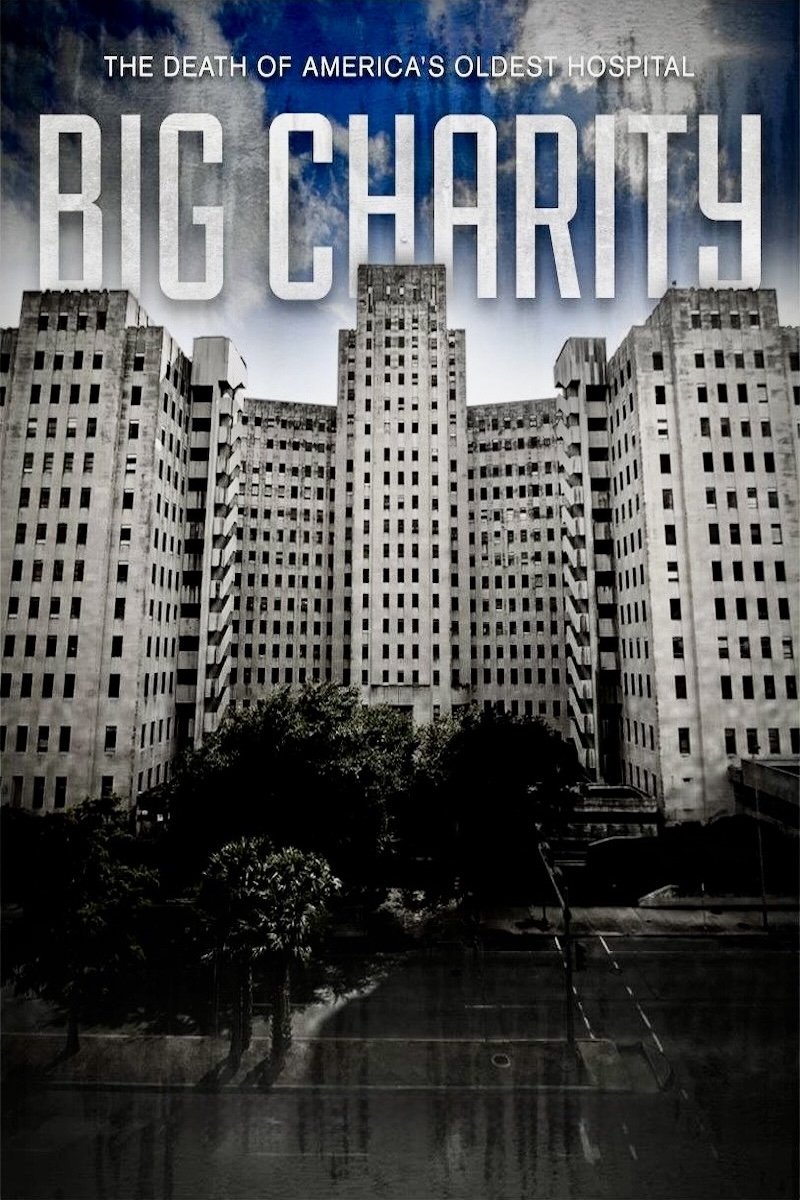
This documentary film includes never-before-seen footage and exclusive interviews to tell the story of Charity Hospital, from its roots to its controversial closing in the wake of Hurricane Katrina. From the firsthand accounts of healthcare providers and hospital employees who withstood the storm inside the hospital, to interviews with key players involved in the closing of Charity and the opening of New Orleans’ newest hospital, “Big Charity” shares the untold, true story around its closure and sheds new light on the sacrifices made for the sake of progress.
An epic journey of courage, hope and generosity, filmed in 15 countries. Child of Nature follows 5 connected stories of young people who, against all odds are transforming their lives and the lives of those around them.
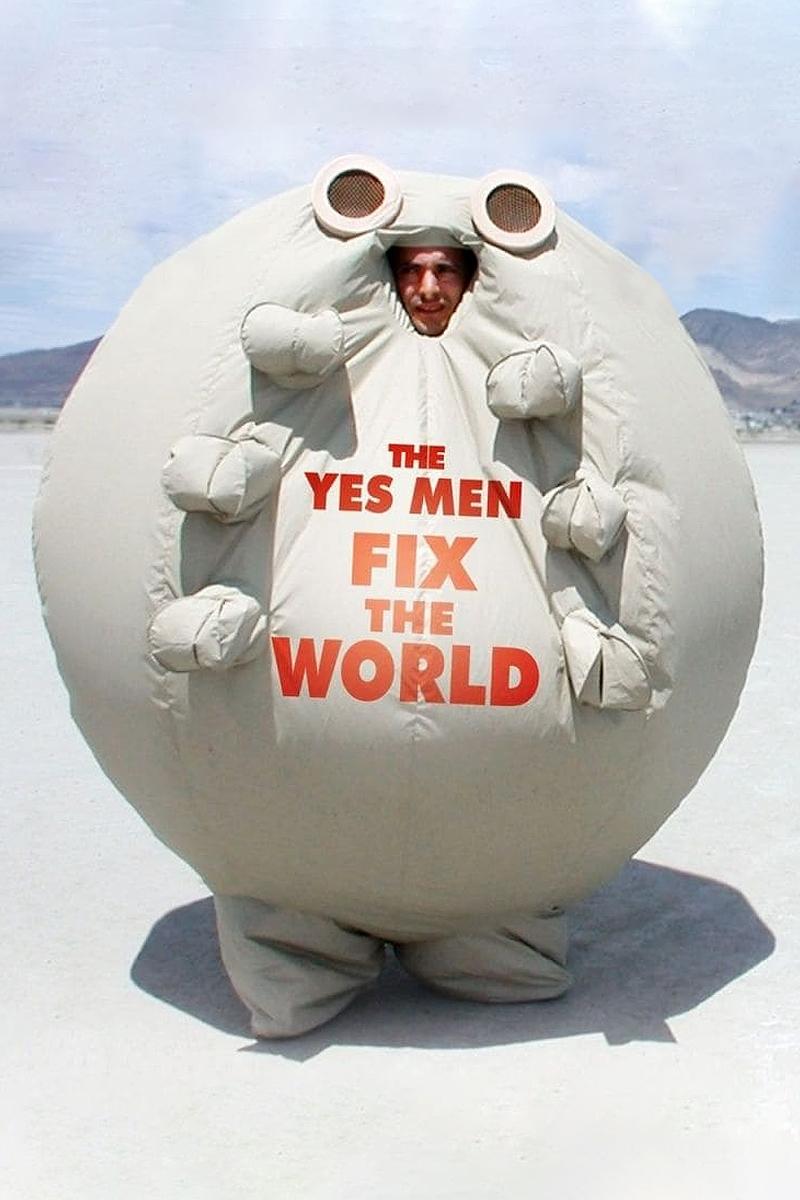
THE YES MEN FIX THE WORLD is a screwball true story about two gonzo political activists who, posing as top executives of giant corporations, lie their way into big business conferences and pull off the world's most outrageous pranks.
The availability of housing is a big topic today. It has the strongest impact on those who participate least in the public debate – low-income households, minorities or single women. The film follows a group of activists around Martin Freund, a representative and member of the Live Brno movement, as they try to persuade politicians in the second largest Czech city about their vision of affordable housing.
Amateur's Riot (Shirōto no ran) is a Japanese association of activists, committed to the living conditions of the poor people (binbōnin) in Tōkyō. The association was founded in 2005 by Matsumoto Hajime, Yamashita Hikaru, Futatsugi Shin, Mochitsuki Rui and Ogasawara Keita. The protagonists of Shiroto no Ran played an important role in the anti-nuclear demonstrations that appeared in response to the Fukushima nuclear catastrophe.
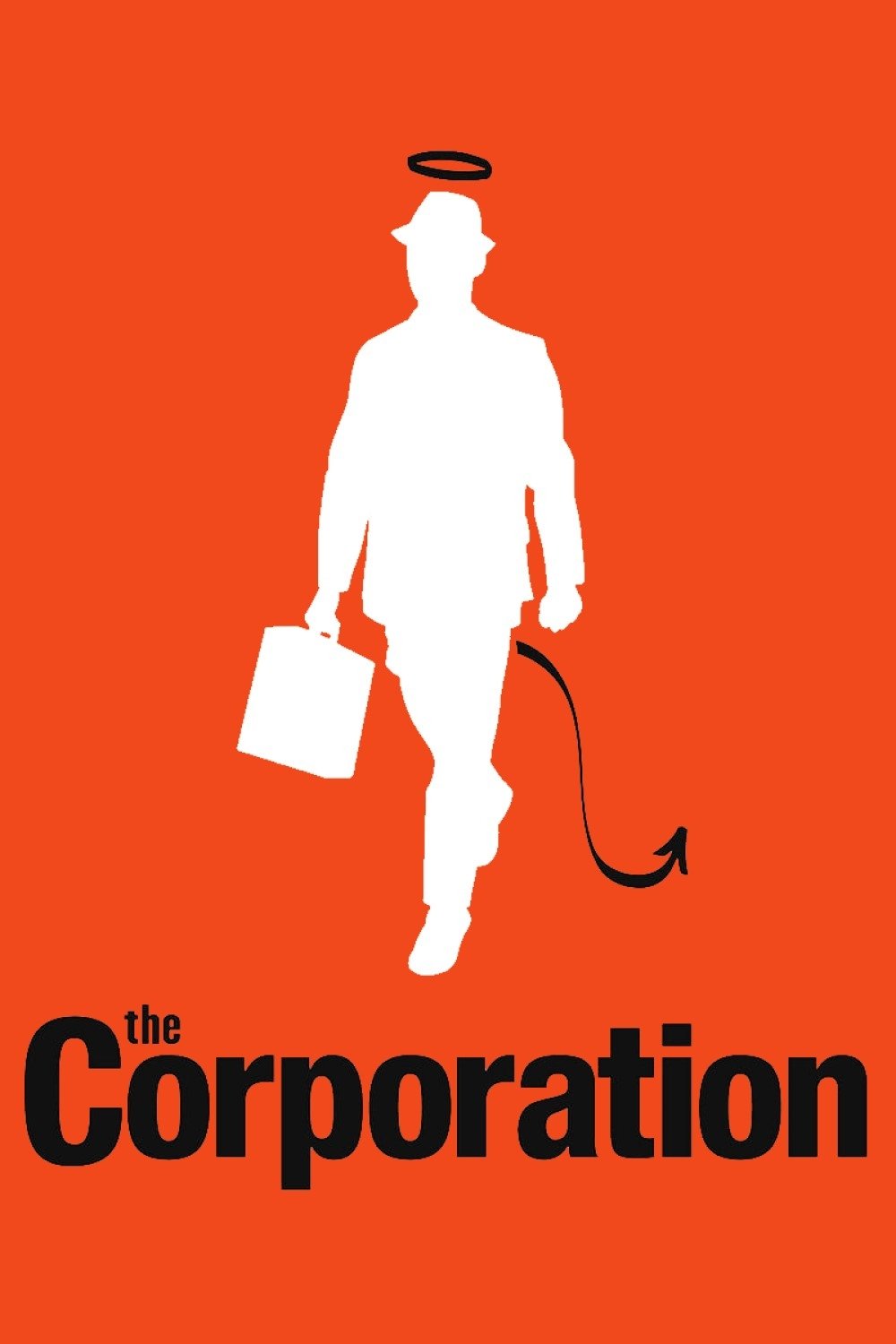
Since the late 18th century American legal decision that the business corporation organizational model is legally a person, it has become a dominant economic, political and social force around the globe. This film takes an in-depth psychological examination of the organization model through various case studies. What the study illustrates is that in the its behaviour, this type of "person" typically acts like a dangerously destructive psychopath without conscience. Furthermore, we see the profound threat this psychopath has for our world and our future, but also how the people with courage, intelligence and determination can do to stop it.
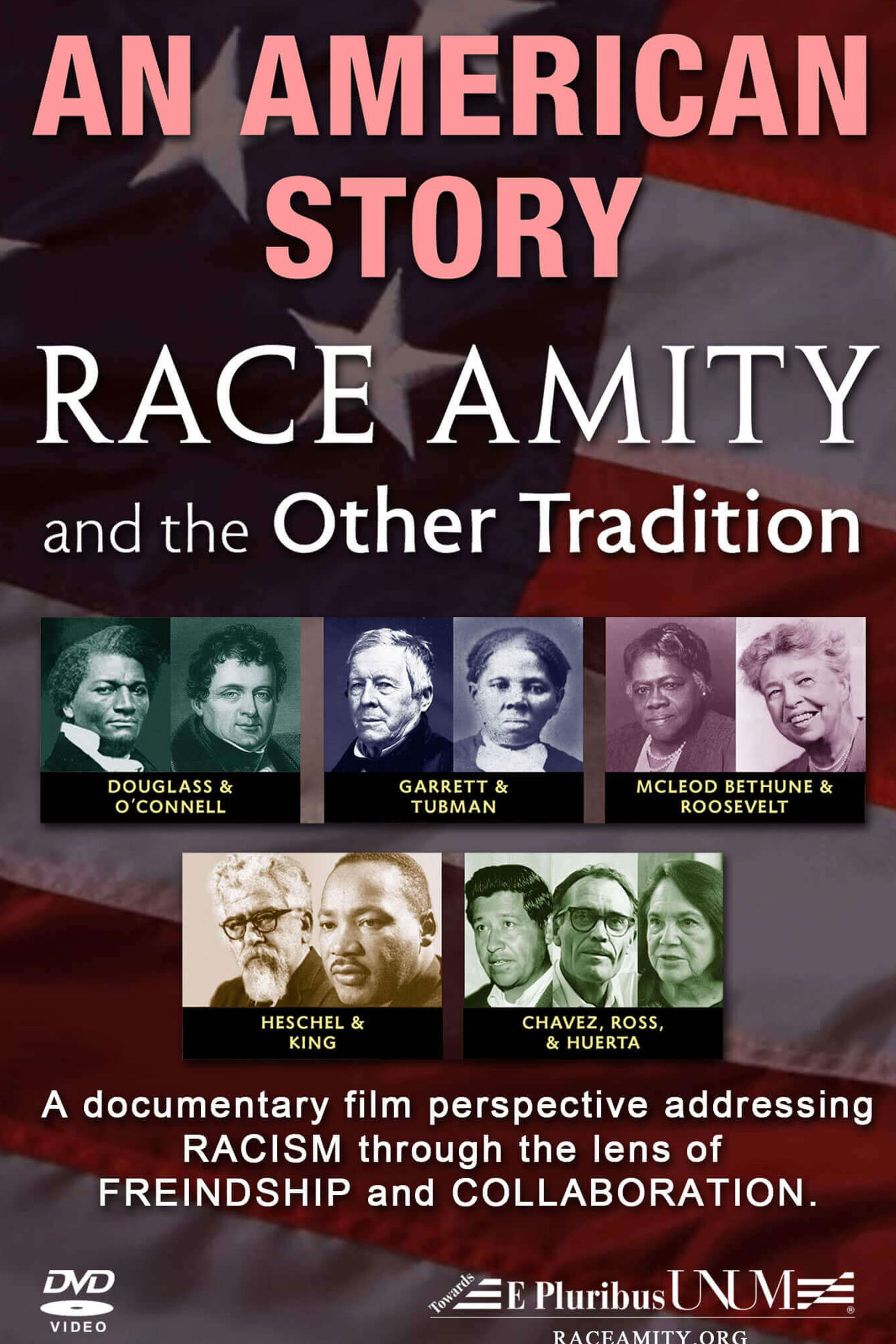
In contrast to the lens that focuses exclusively on the racist traditions that are rooted in America’s social history, the moral counterweight of close, loving, friendship and collaboration, which have always been present in our history, represents “the other tradition.” This “other tradition” is a source of inspiration and presents models of behavior that are instructional and include unknown and uncelebrated legacies to be absorbed and emulated across generations of present day Americans. The documentary discusses the “better in us” a needed collective perspective in the current climate of national disunity across racial, religious, and political lines. This has significant implications for addressing public issues from immigration to health care and the myriad of governmental, educational, business, and religious challenges that we must successfully meet to weave the fabric of unity which is indispensable to survival as a nation.
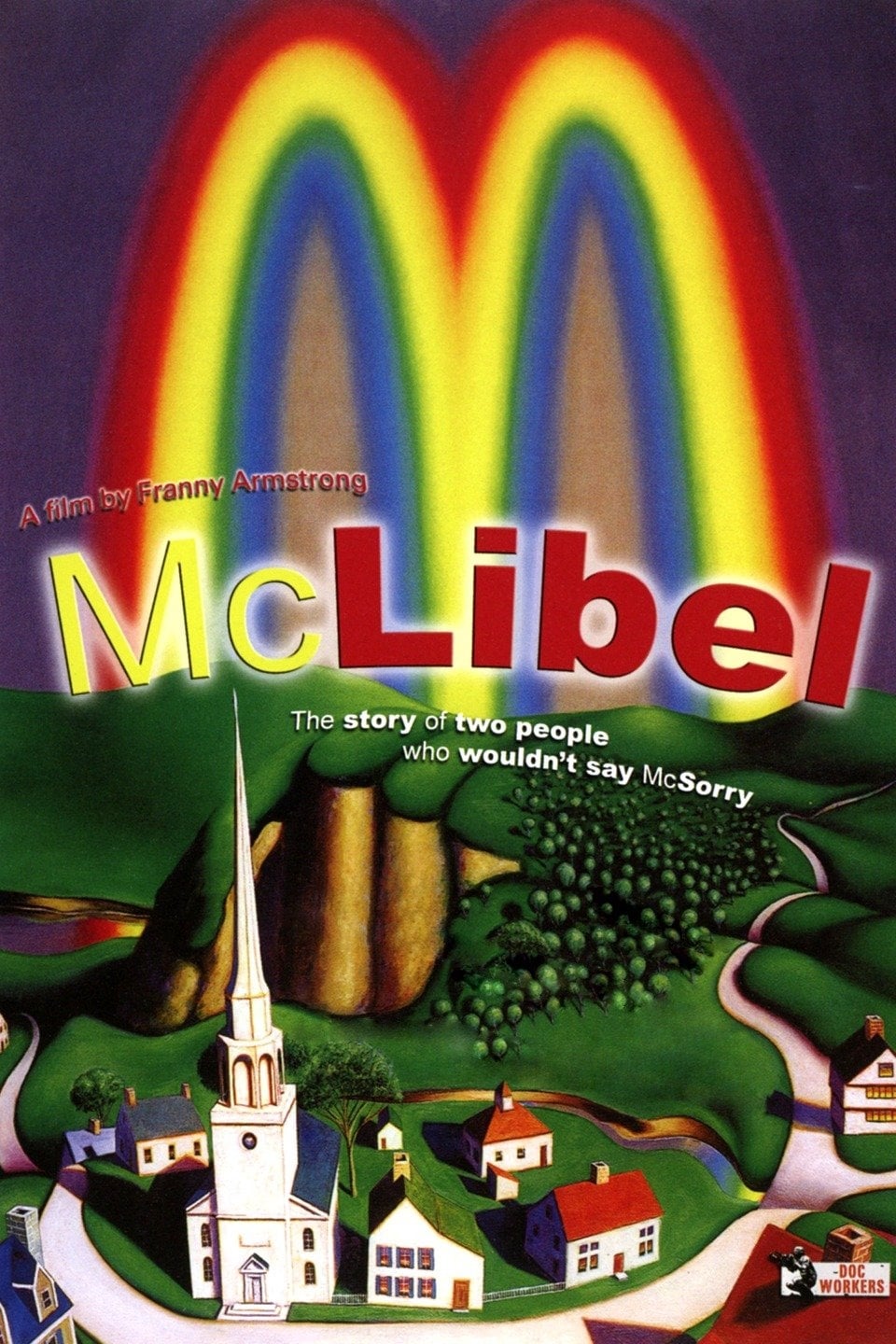
A deep dive into the historic 1997–2005 libel lawsuit, wherein fast-food conglomerate McDonald's sued environmental activists Helen Steel and David Morris over a critical factsheet. It became the longest trial in English legal history and a major free-speech PR disaster for the corporation.
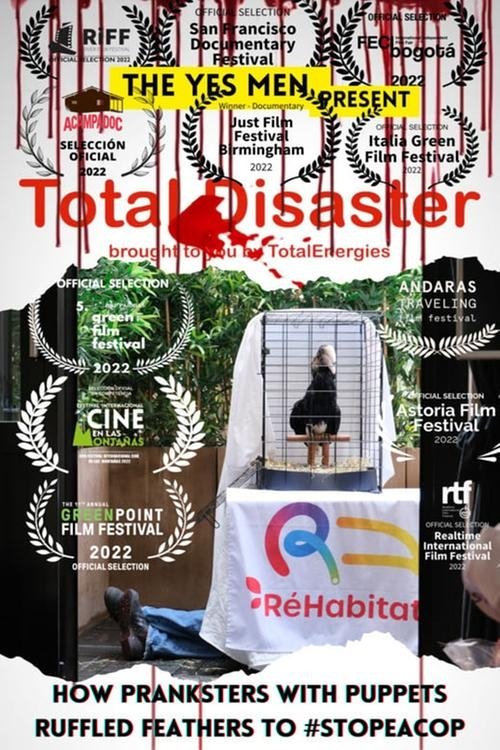
Armed with realistic bird puppets, trickster environmental activists pretend to be oil company Total—staging a satirical press conference to introduce “RéHabitat,” a program to rescue animals from the East African Oil Pipeline by relocating them to “more sustainable” habitats. Using humor and mischief, they expose a deadly ecological disaster in a zany effort to help #StopEACOP.
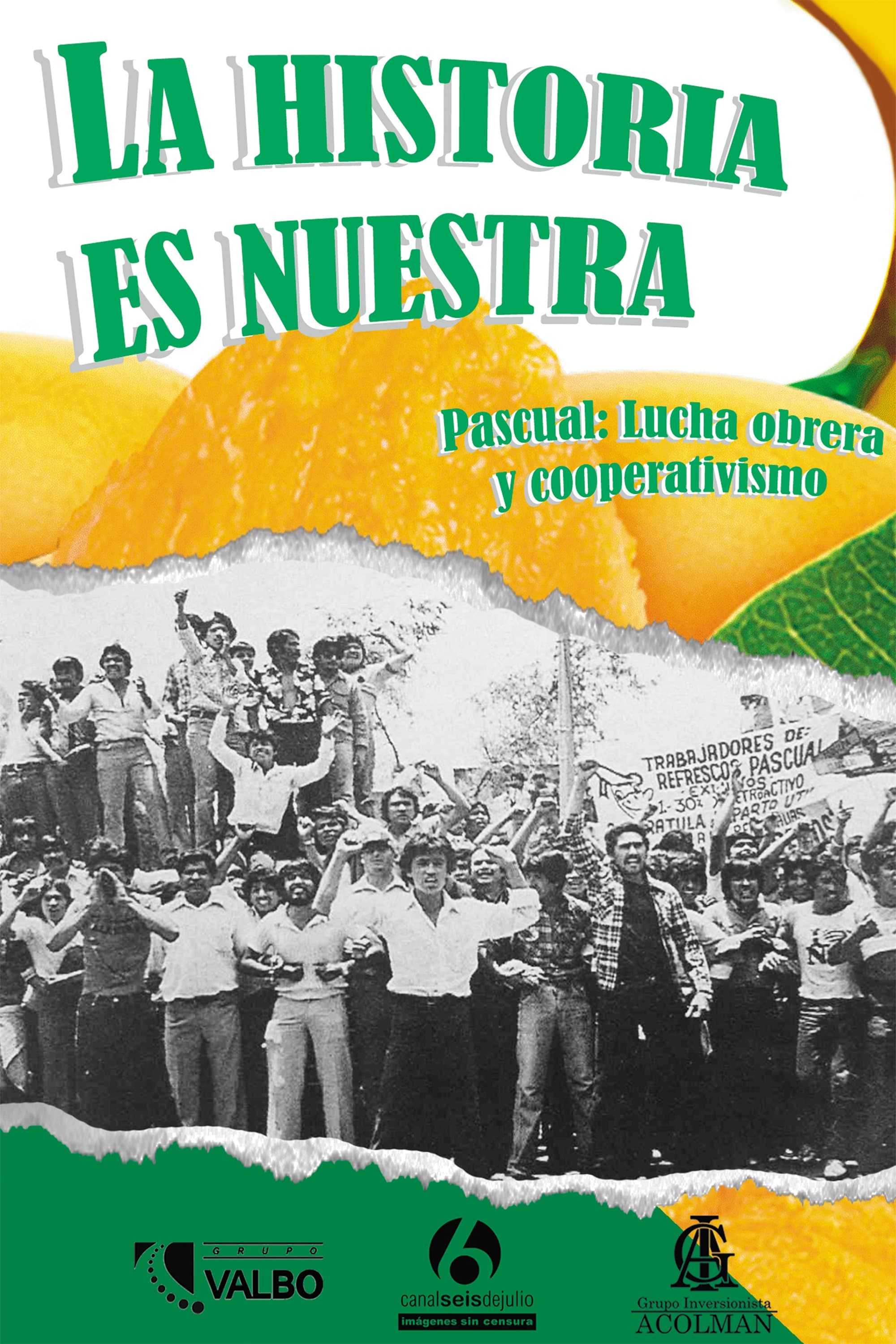
History is Ours narrates the struggle of the workers of the Refrescos Pascual soft-drink company against its owner, Rafael Jiménez, the official trade unionism of the CTM and the labor authorities of the governments of José López Portillo and Miguel de la Madrid, between 1982 and 1985. It documents the workers' difficult struggle to take over the company, when justice, which had been elusive, finally proved them right, and opened the possibility that these brave, tenacious workers would become collective owners of the company. Today, these soft-drink fighters resist a system that hits Mexican companies in favor of the monopolistic transnationals. The film is an account of one of the most brilliant episodes of the contemporary Mexican labor movement, an example of unity and class consciousness, embodied by men and women who make their struggle a tribute to comrades Concepción Jacobo García and Alvaro Hernández García, tragically fallen at the beginning of this historic event.
L, a student in India witness to the government's violent response to university protests, writes letters to her estranged lover while he is away.
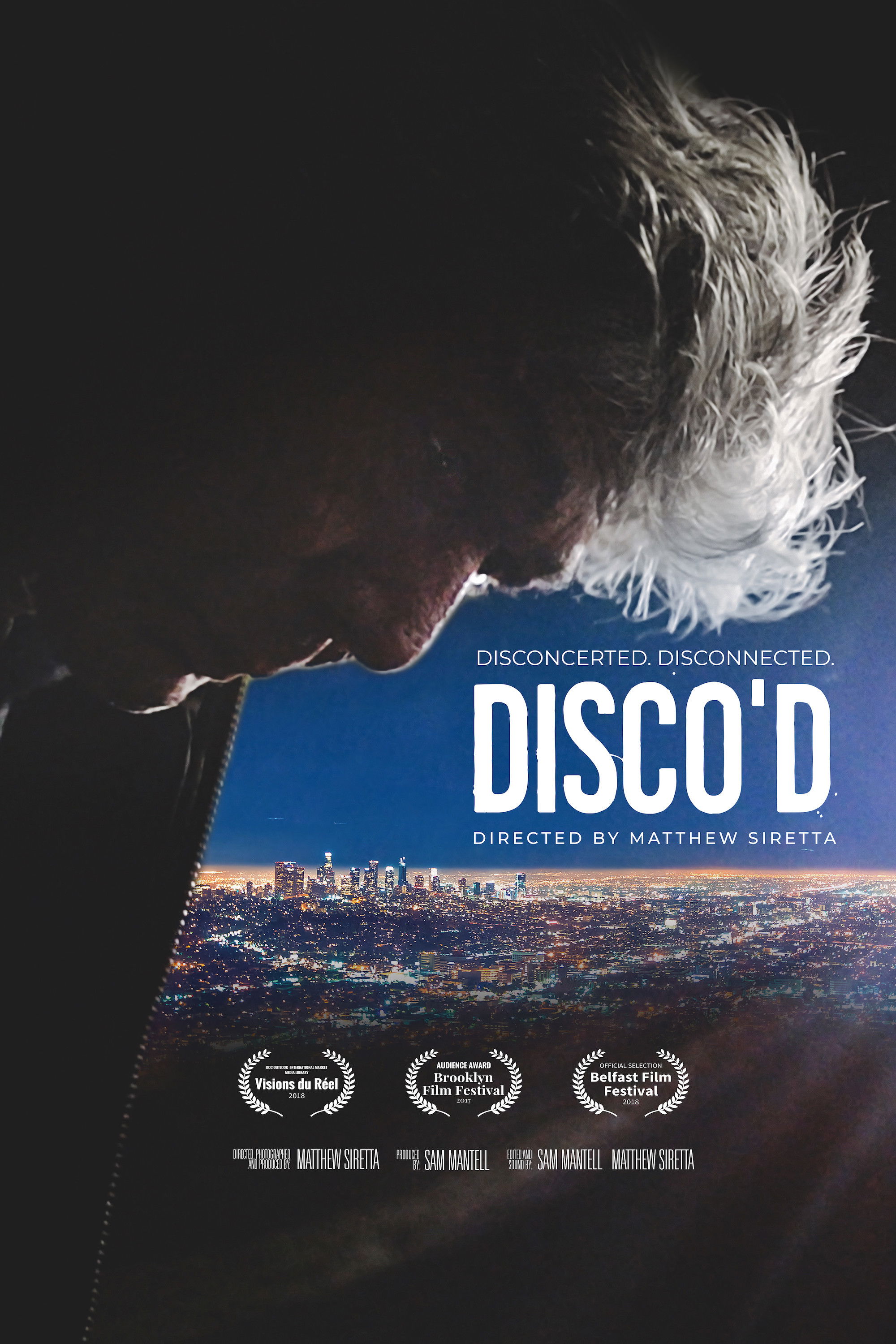
“Set against the rattle of shopping carts and the white noise of L.A. traffic... “Disco’d” is an unvarnished, moving look at the lives affected by the rising crisis of homelessness.” —Los Angeles Times
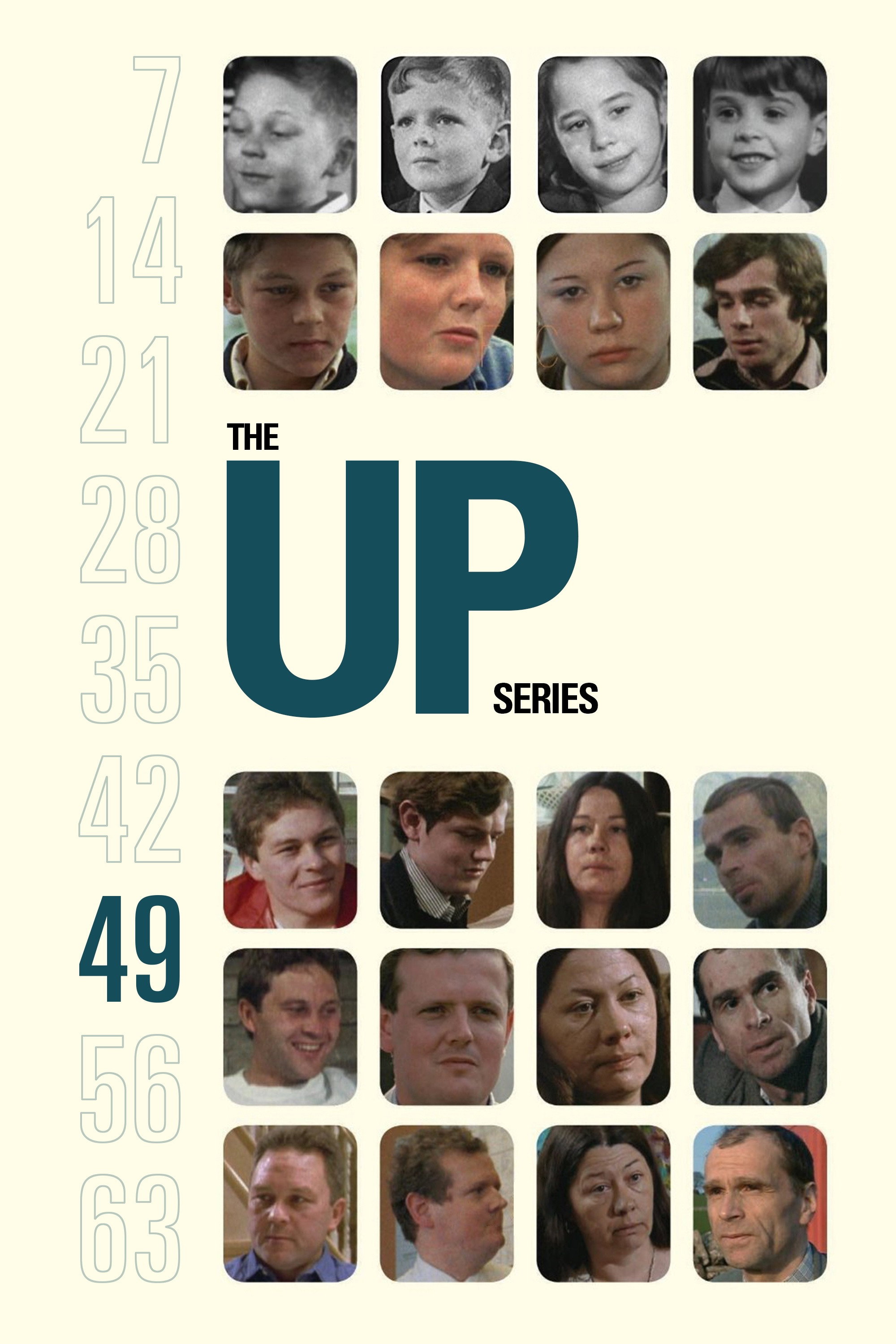
49 Up is the seventh film in a series of landmark documentaries that began 42 years ago when UK-based Granada's World in Action team, inspired by the Jesuit maxim "Give me the child until he is seven and I will give you the man," interviewed a diverse group of seven-year-old children from all over England, asking them about their lives and their dreams for the future. Michael Apted, a researcher for the original film, has returned to interview the "children" every seven years since, at ages 14, 21, 28, 35, 42 and now again at age 49.In this latest chapter, more life-changing decisions are revealed, more shocking announcements made and more of the original group take part than ever before, speaking out on a variety of subjects including love, marriage, career, class and prejudice.
Ranjit, a farmer in India, takes on the fight of his life when he demands justice for his 13-year-old daughter, the victim of a brutal gang rape. His decision to support his daughter is virtually unheard of, and his journey unprecedented.
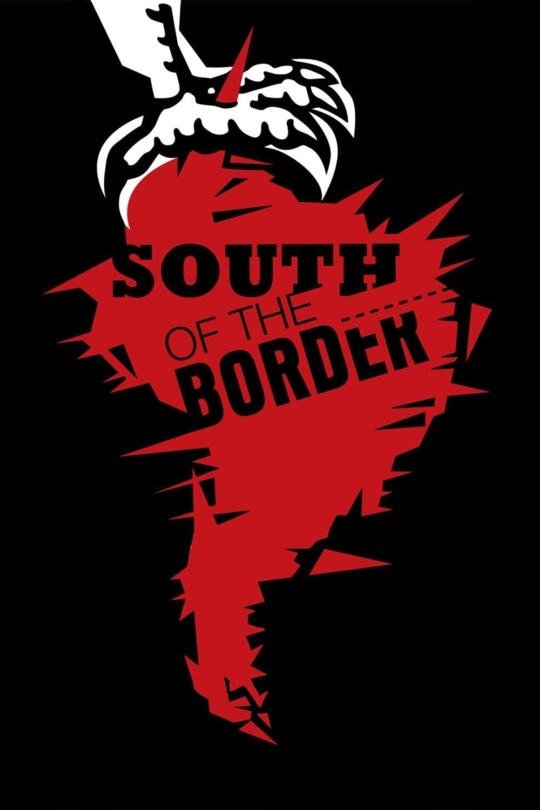
A road trip across five countries to explore the social and political movements as well as the mainstream media's misperception of South America while interviewing seven of its elected presidents.
This documentary follows oceanographer Sylvia Earle's campaign to save the world's oceans from threats such as overfishing and toxic waste.
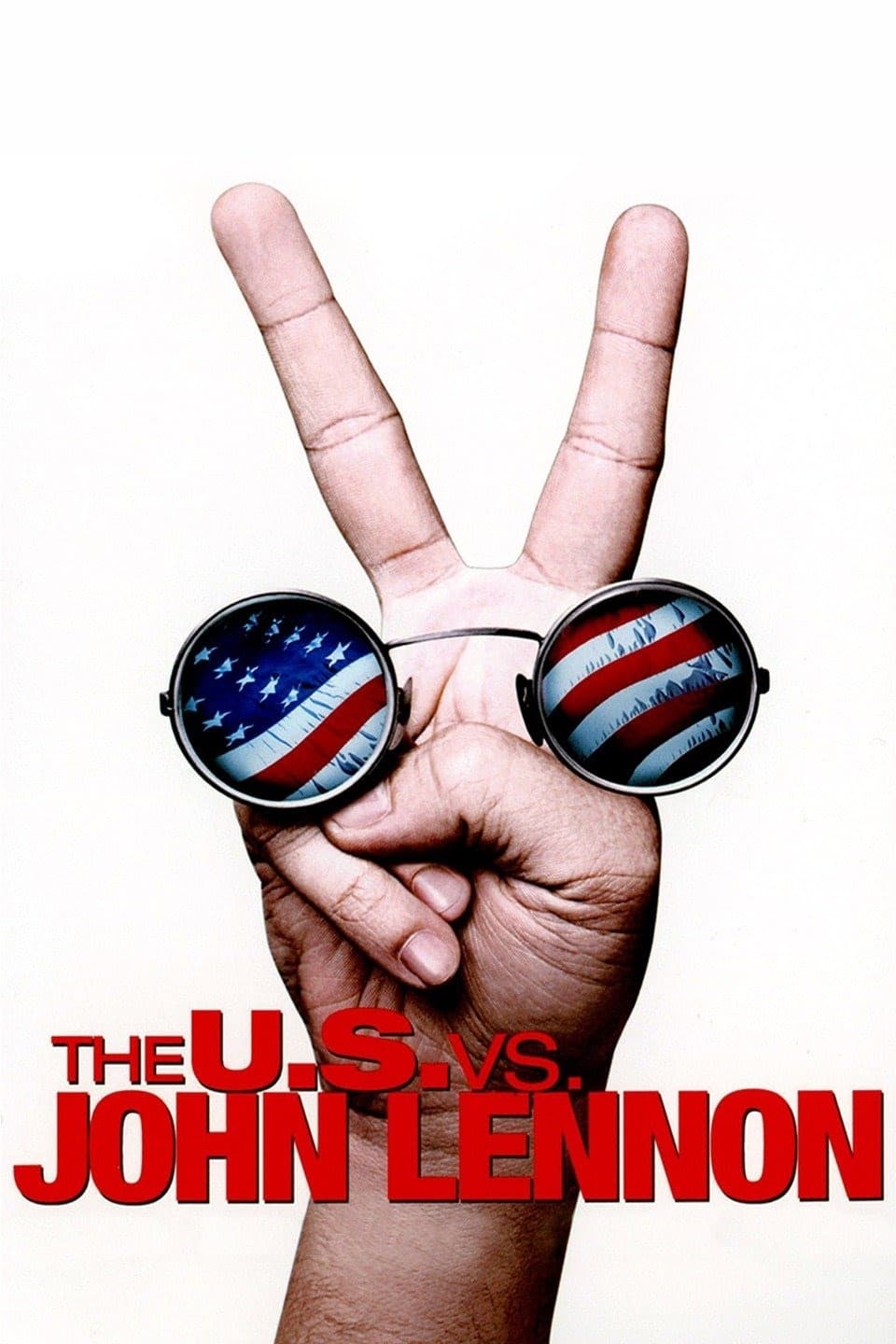
A documentary on the life of John Lennon, with a focus on the time in his life when he transformed from a musician into an antiwar activist.
A visual montage portrait of our contemporary world dominated by globalized technology and violence.
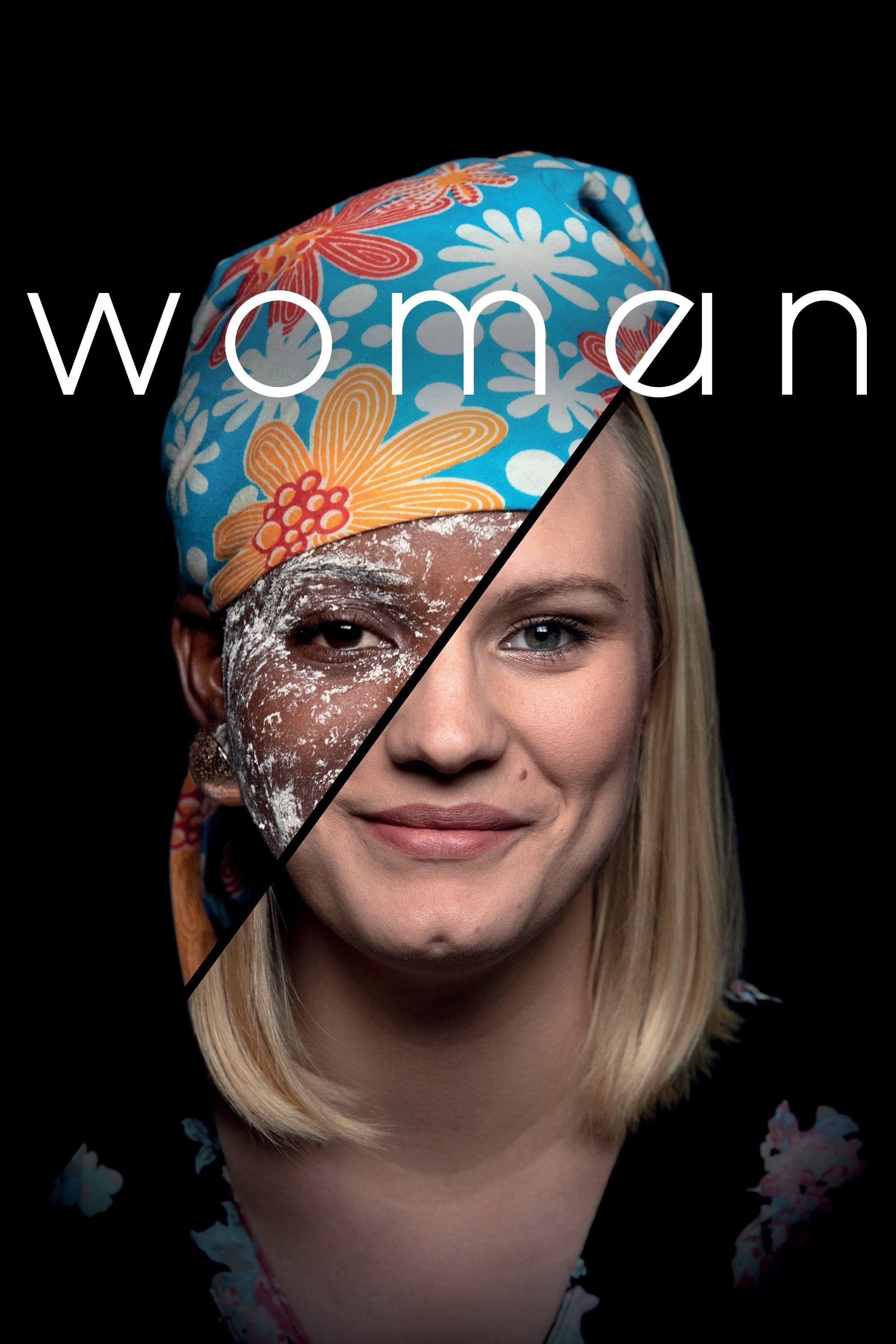
The film is based on interviews with 2,000 women from 50 countries, and covers the status of women all over the world. The topics covered include forced marriages, sexual assault, female genital mutilation, acid attacks, motherhood, sexuality, menstruation, education and the professional success of women.
A string of threatening emails escalates into a revenge plot involving a newly married US marshal and his ex-girlfriend.
An inside look at one of the most anticipated movie sequels ever with James Cameron and cast.
In an intimate and joyful story of love in the face of loss, celebrated poets Andrea Gibson and Megan Falley find strength—and unexpected hilarity—in what might be their final year together.
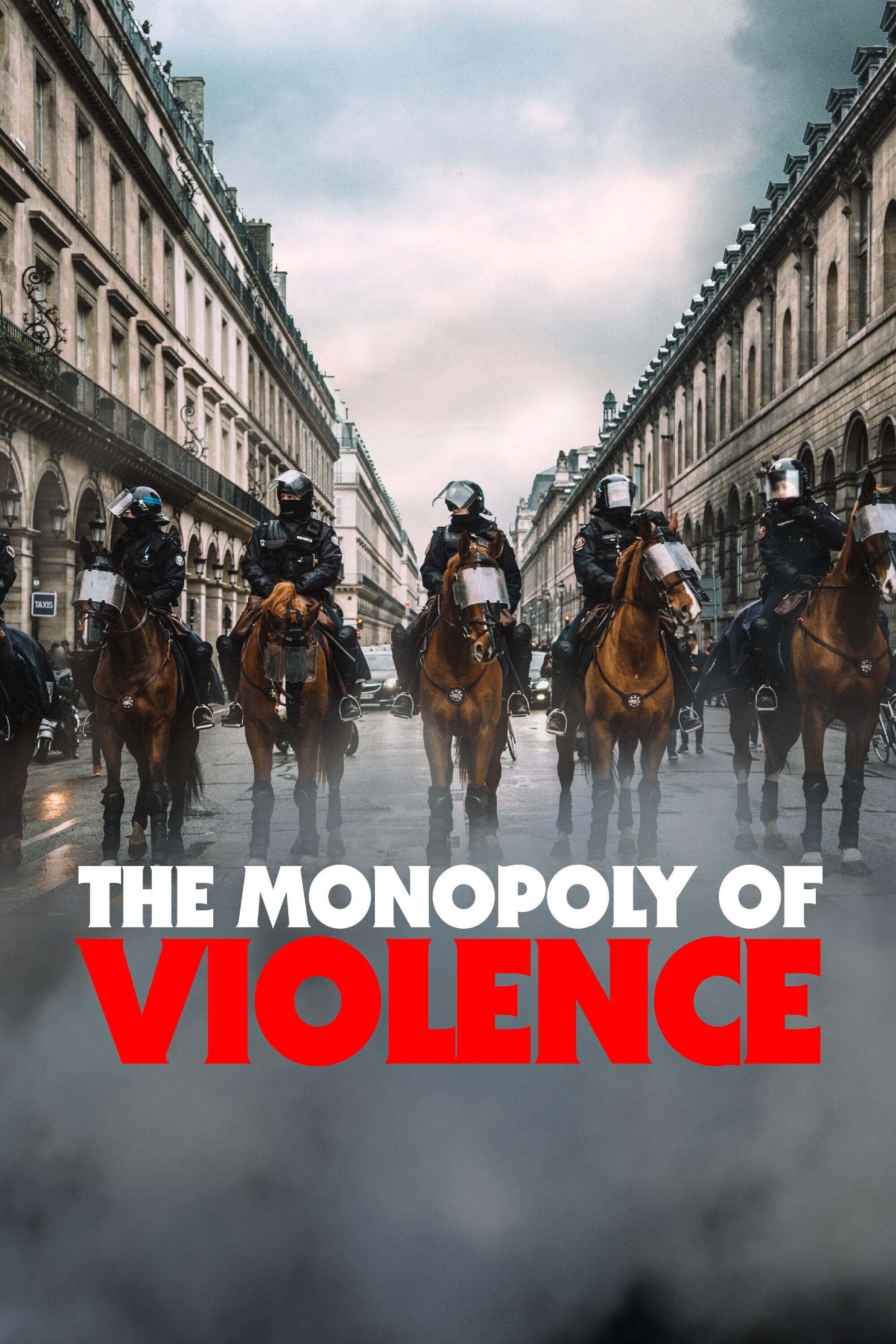
As anger and resentment grow in the face of social inequalities, many citizens-led protests are being repressed with an ever-increasing violence. In this documentary, David Dufresne gathers a panel of citizens to question, exchange and confront their views on the social order and the legitimacy of the use of force by the State.
A detailing of the rise to prominence and global sporting superstardom of six supremely talented young Manchester United football players (David Beckham, Nicky Butt, Ryan Giggs, Paul Scholes, Phil and Gary Neville). The film covers the period 1992-1999, culminating in Manchester United's European Cup triumph.
A documentary on the expletive's origin, why it offends some people so deeply, and what can be gained from its use.
Musician and performance artist Laurie Anderson reflects on the deaths of her husband Lou Reed, her mother and her beloved dog.
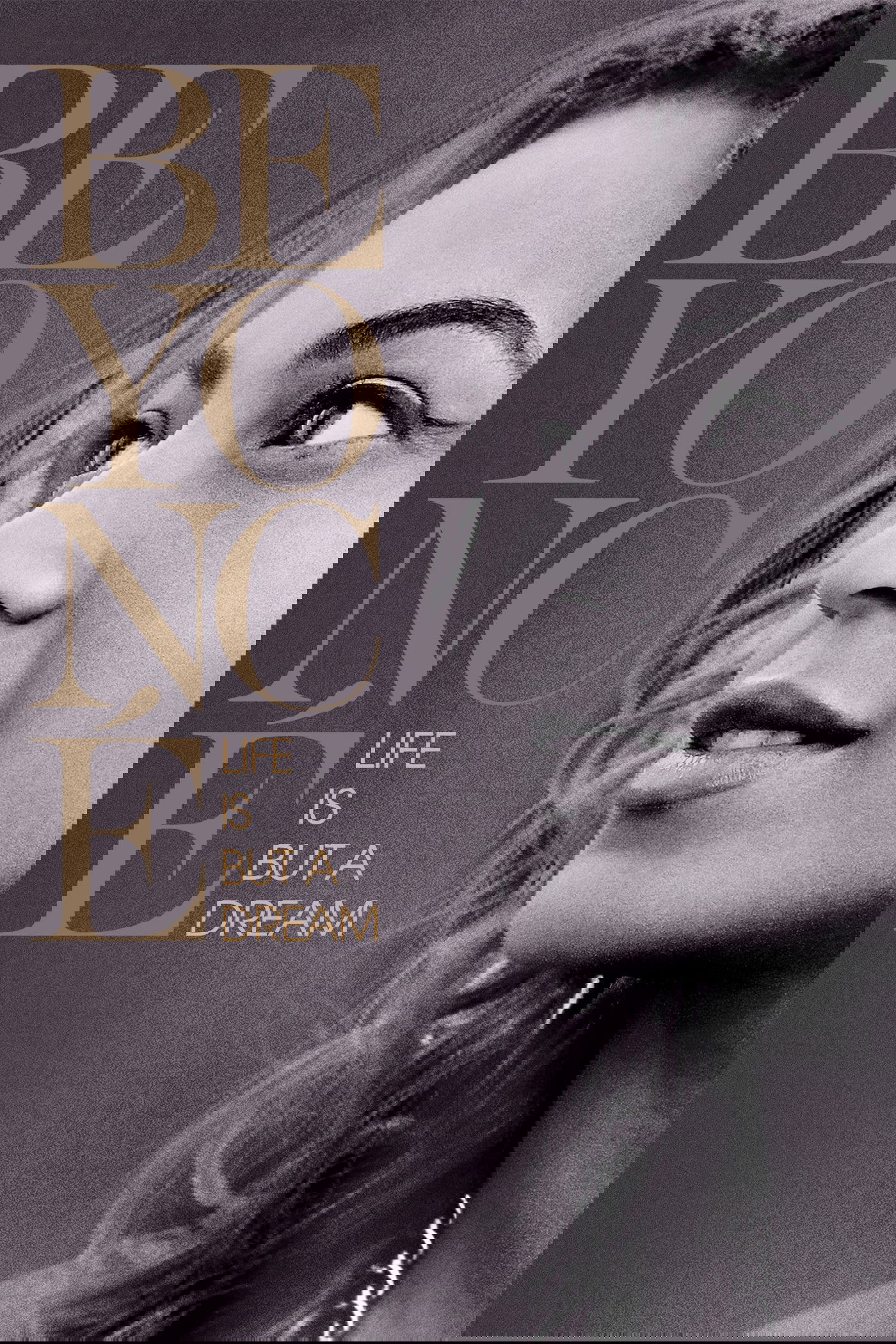
Life Is But a Dream is a HBO documentary about the life of US singer Beyoncé Knowles during the years 2011 and 2012 and on the recording of her fifth album. The film was directed by Beyoncé herself. The film shows Beyoncé from intimate moments of her pregnancy to behind the scenes and rehearsals of the main concerts of that time.
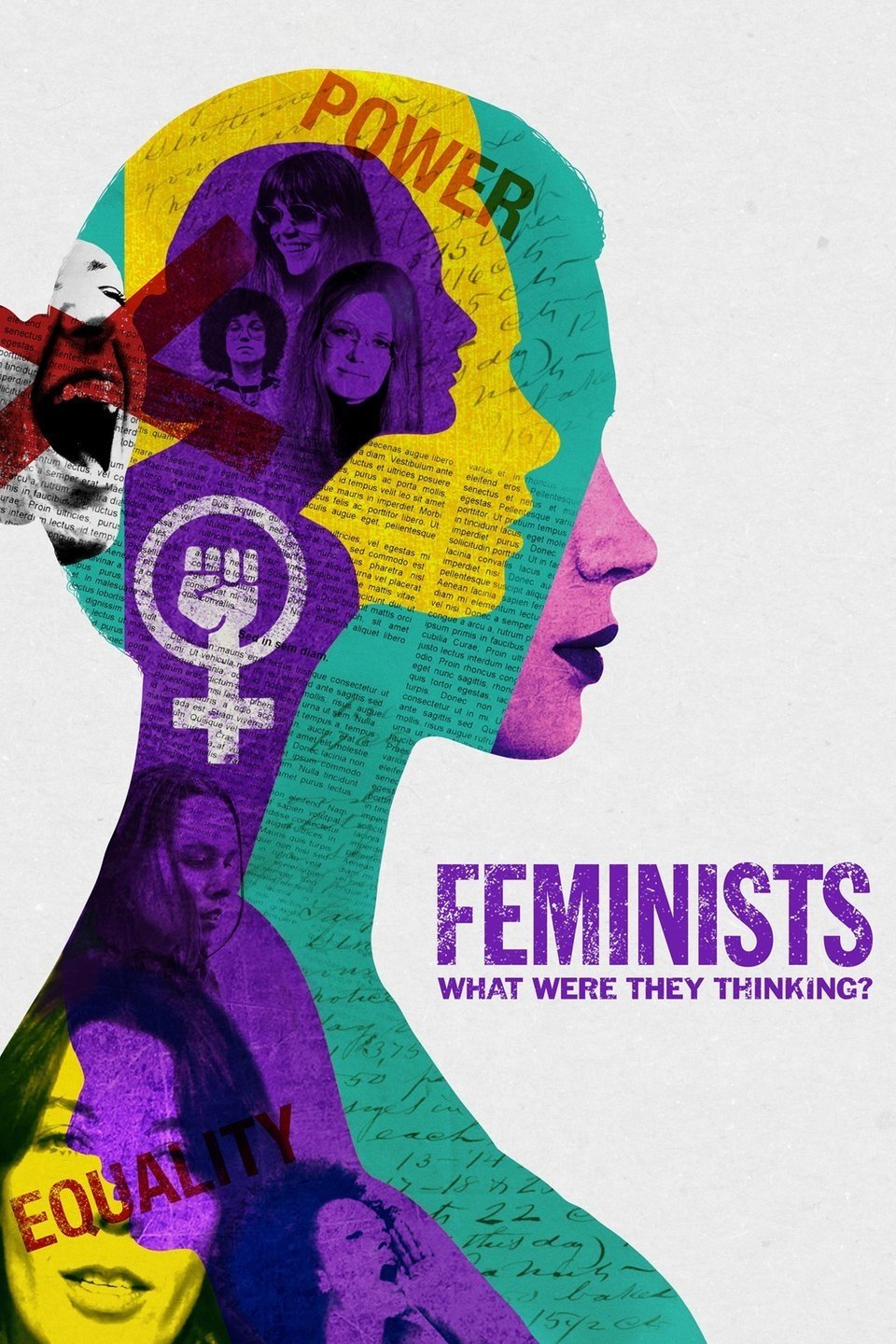
In 1977, a book of photographs captured an awakening - women shedding the cultural restrictions of their childhoods and embracing their full humanity. This documentary revisits those photos, those women and those times and takes aim at our culture today that alarmingly shows the need for continued change.
Through deeply personal interviews with her siblings and an examination of the photographs, letters, and belongings left behind, Mariska assembles a new portrait of her mother Jayne Mansfield, an extraordinary and complex woman.
Alexander McQueen's rags-to-riches story is a modern-day fairy tale, laced with the gothic. Mirroring the savage beauty, boldness and vivacity of his design, this documentary is an intimate revelation of McQueen's own world, both tortured and inspired, which celebrates a radical and mesmerizing genius of profound influence.
An unprecedented and intimate look at the life, work and enduring legacy of British actress Audrey Hepburn (1929-1993).
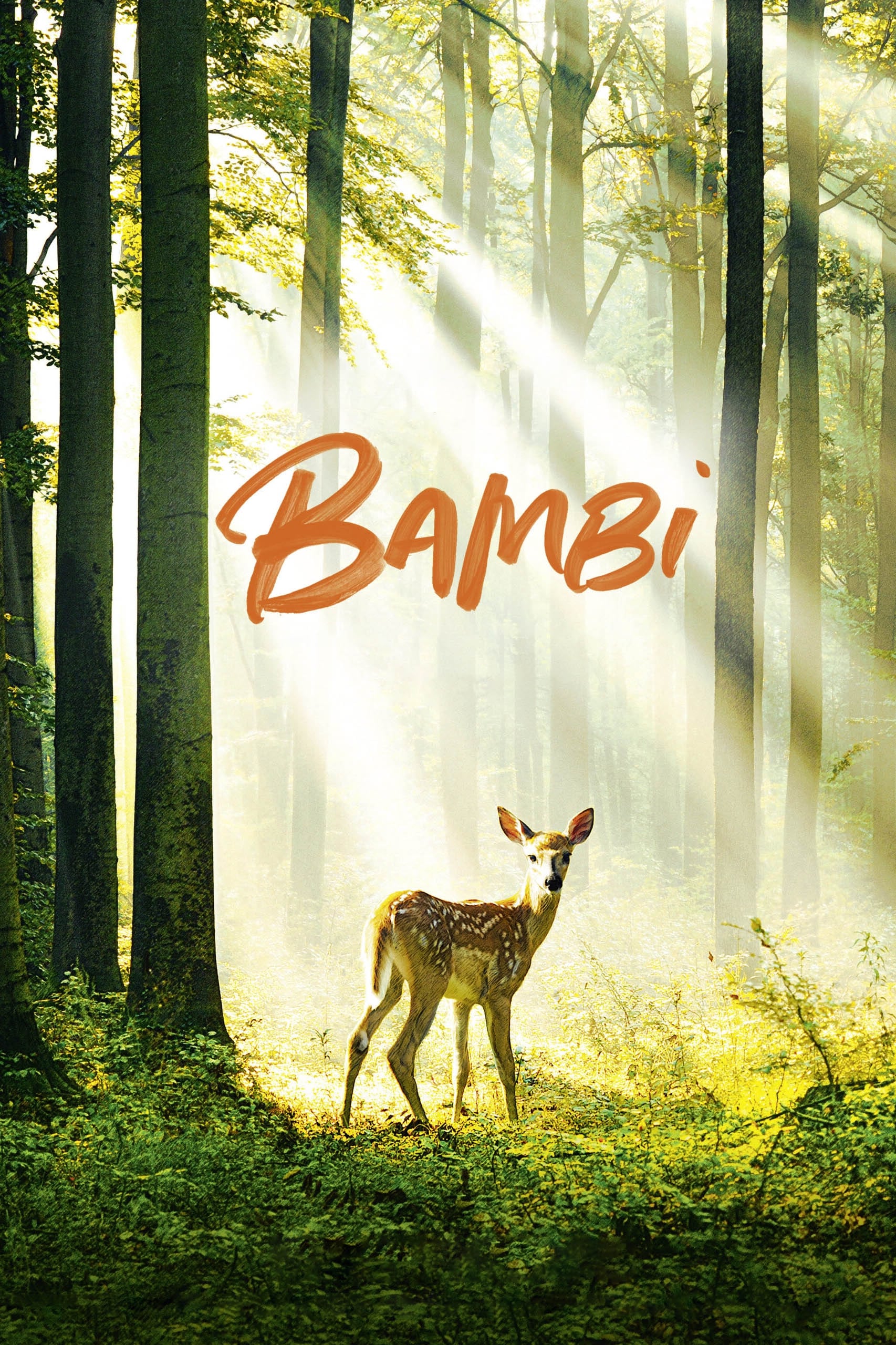
The life of Bambi, a male roe deer, from his birth through childhood, the loss of his mother, the finding of a mate, the lessons he learns from his father, and the experience he gains about the dangers posed by human hunters in the forest.