Social & External
The people behind it
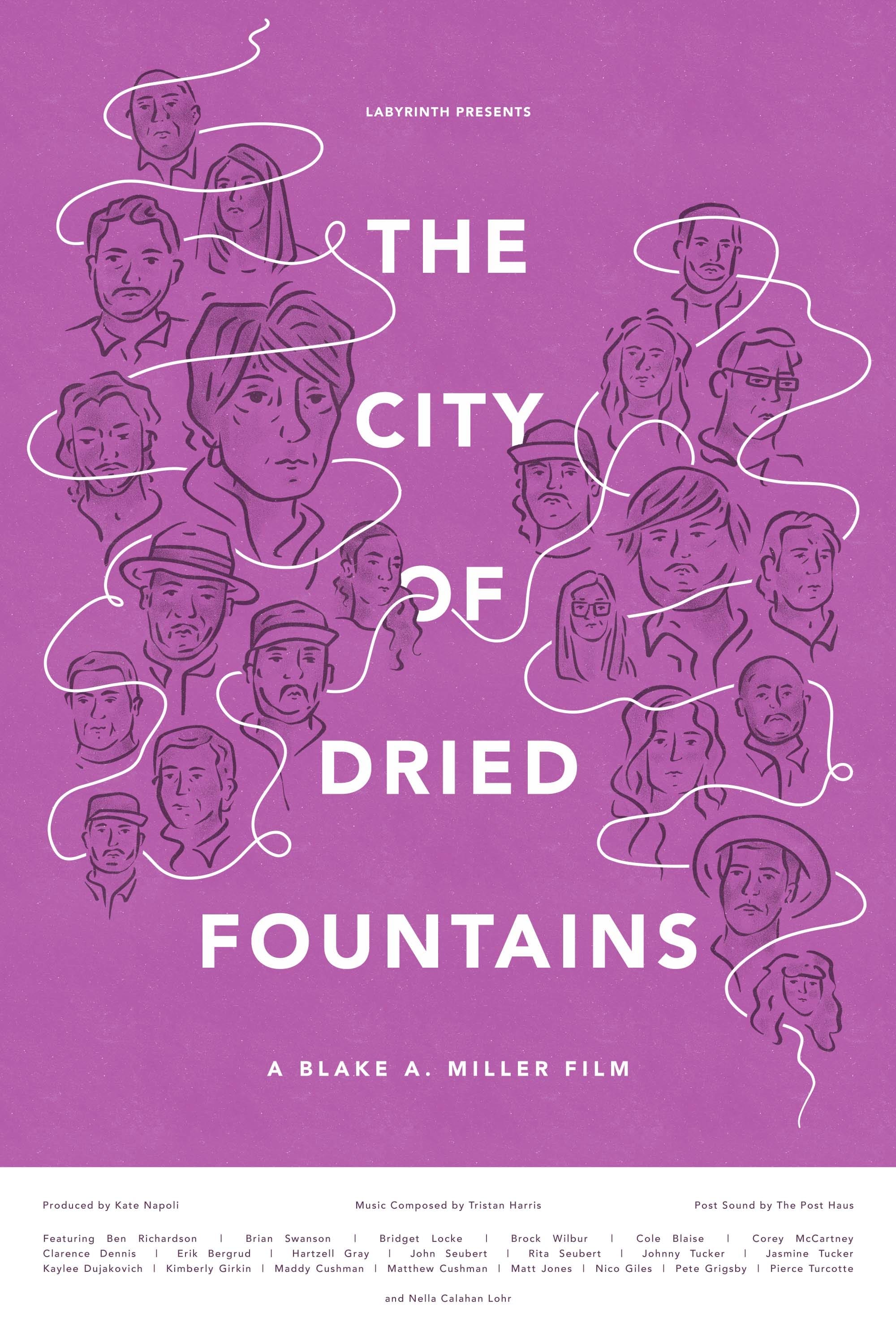
A feature documentary about Kansas City, as its people tell us how they got through the pandemic and look back at what they lost.
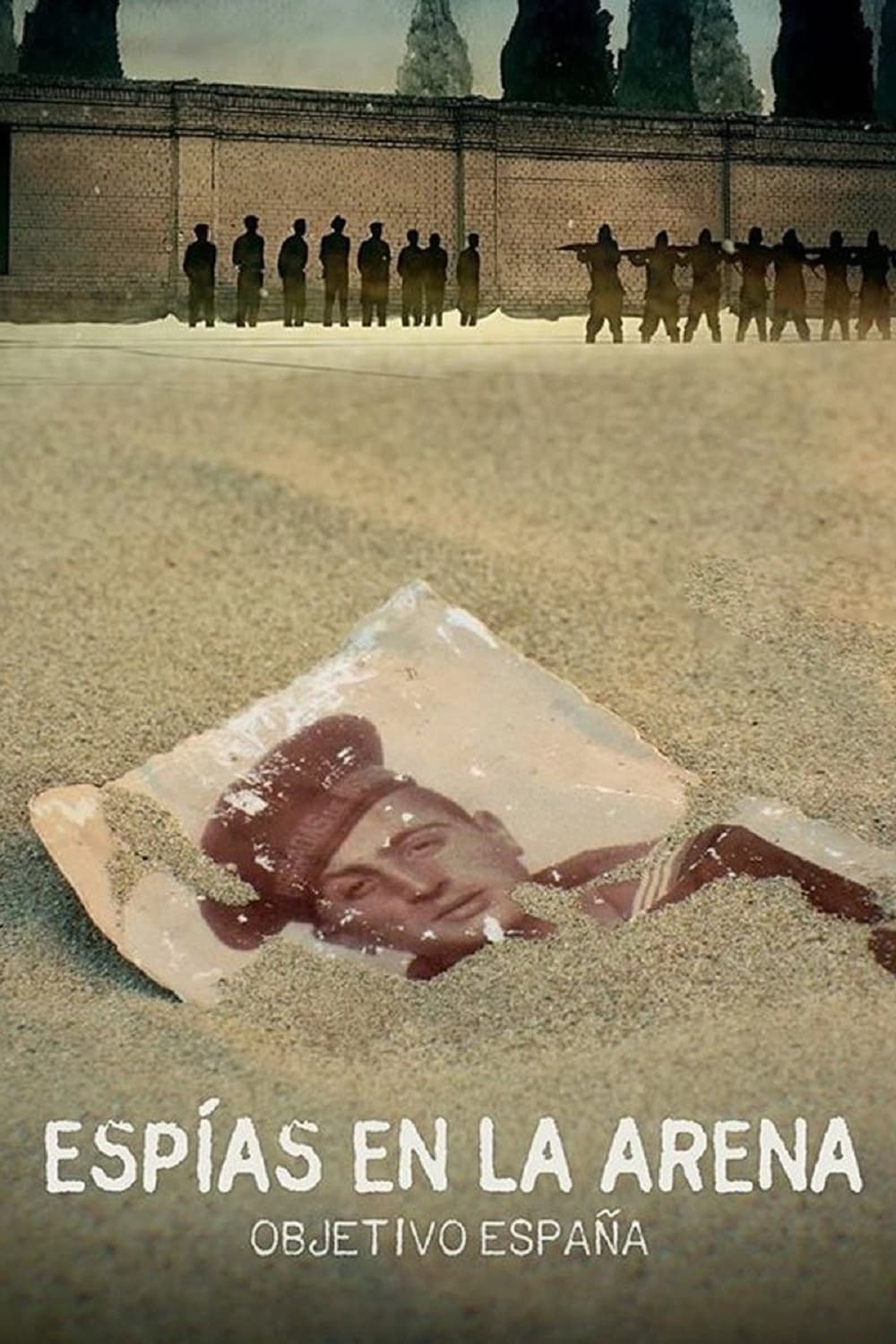
The documentary traces the whereabouts of the KGB agent Anatoli Golitsyn using few short audio recordings owned by the filmmaker's father.
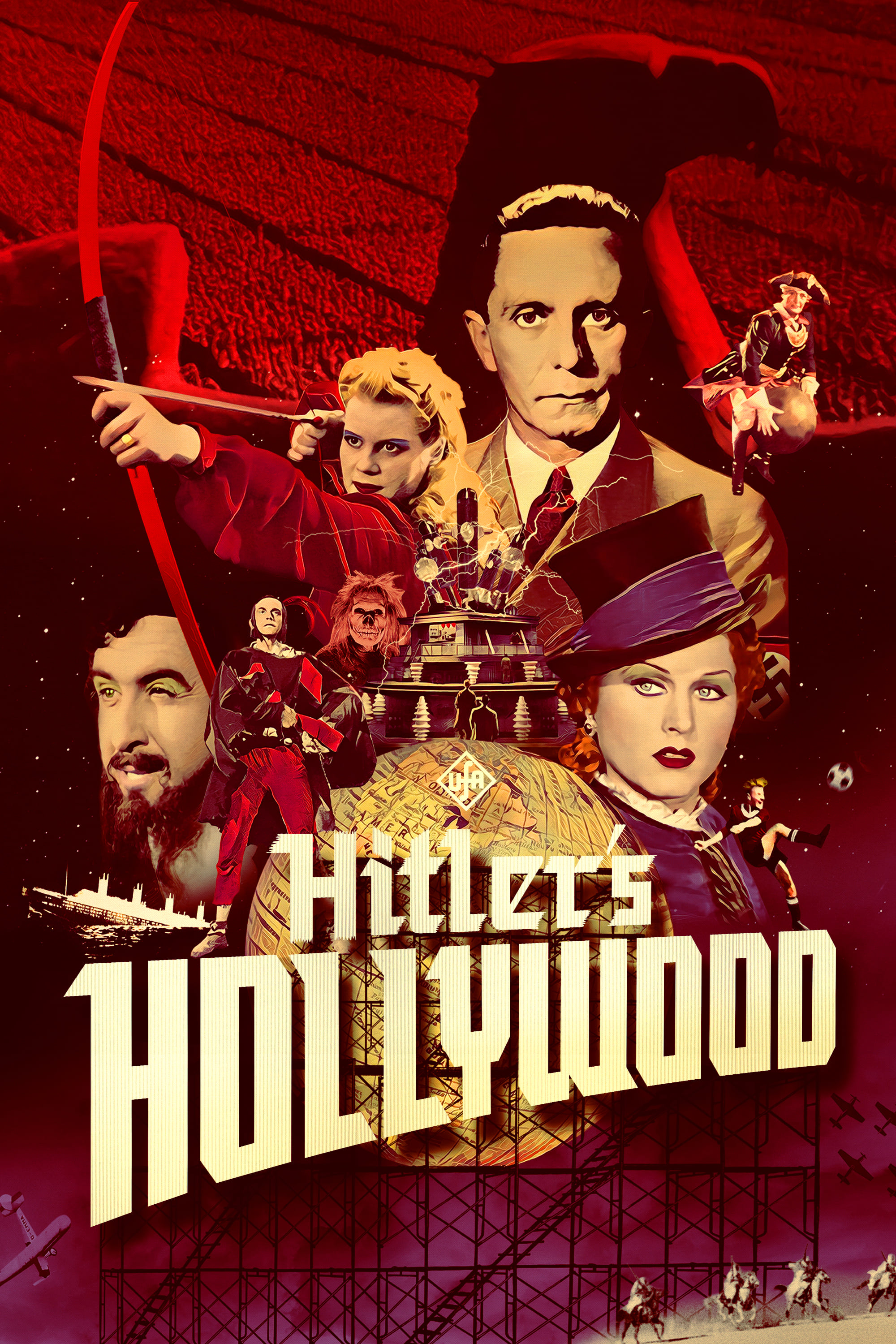
Film journalist and critic Rüdiger Suchsland examines German cinema from 1933, when the Nazis came into power, until 1945, when the Third Reich collapsed. (A sequel to From Caligari to Hitler, 2015.)
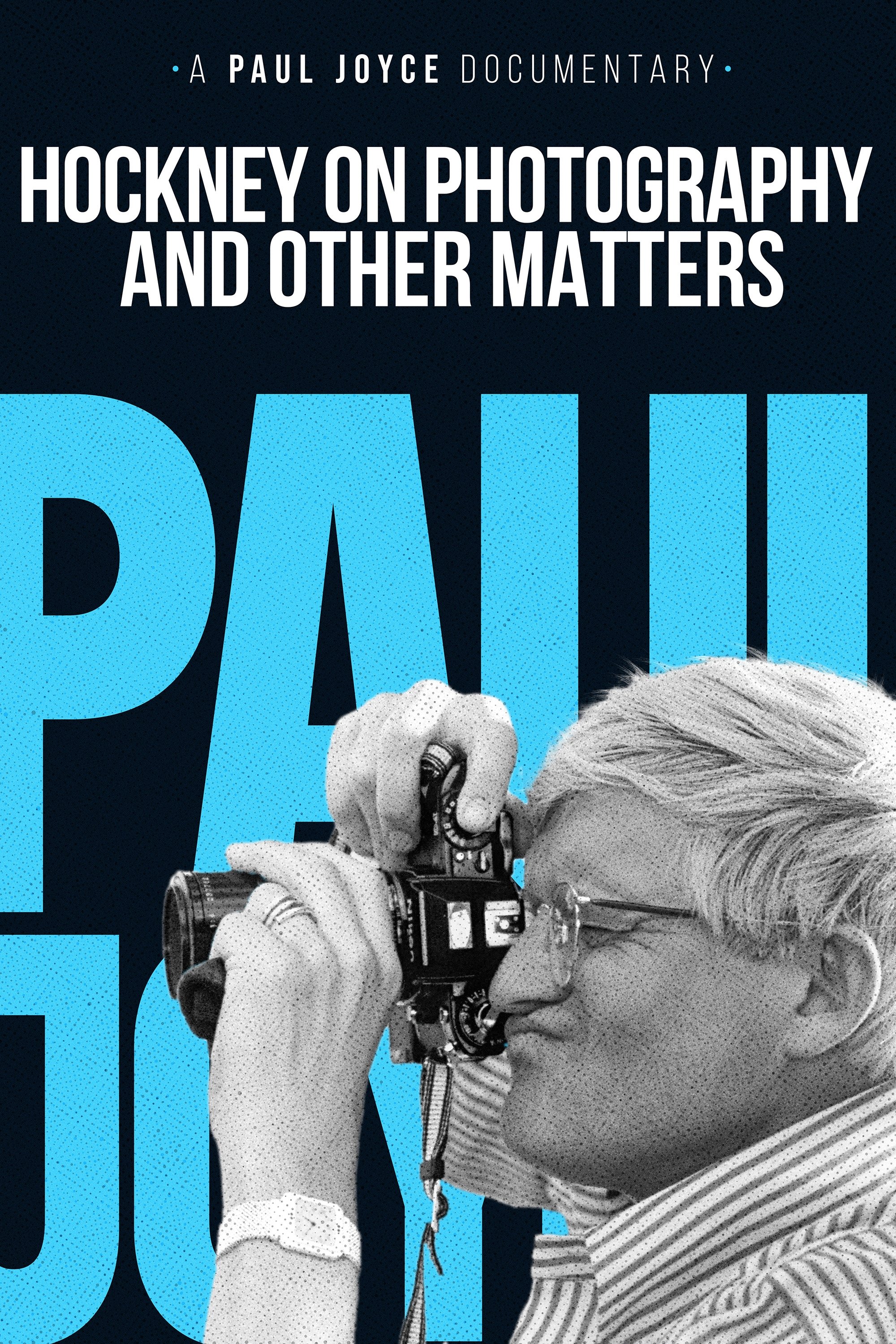
Hockney talks about his 40 year love affair with photography.
The author of Cockfight: A Fable of Failure recounts her long history with Monte Hellman’s Cockfighter (1974), which is effectively illegal to screen in the UK due to staged scenes of the titular blood sport.
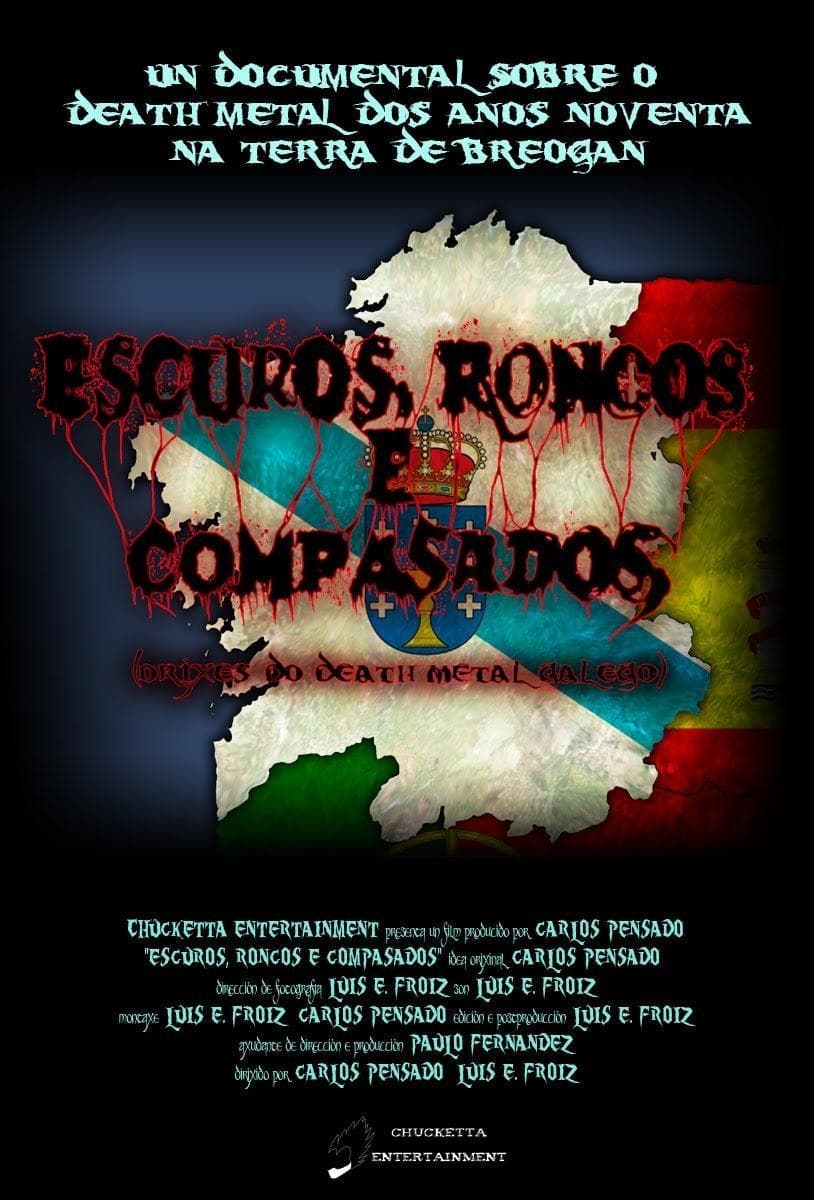
Absorbed, Unnatural, Dismal, Deface, SOK, Wisdom, Detestor ... Names linked to a very specific movement such as Death Metal and to a time and place as the Galicia from the 1990s. In this documentary, through interviews with members of that movement, from band members to producers or fanzine writers, we try to pay homage to an underground movement as Galician Death Metal along the 90s, deepening its history and its stories.
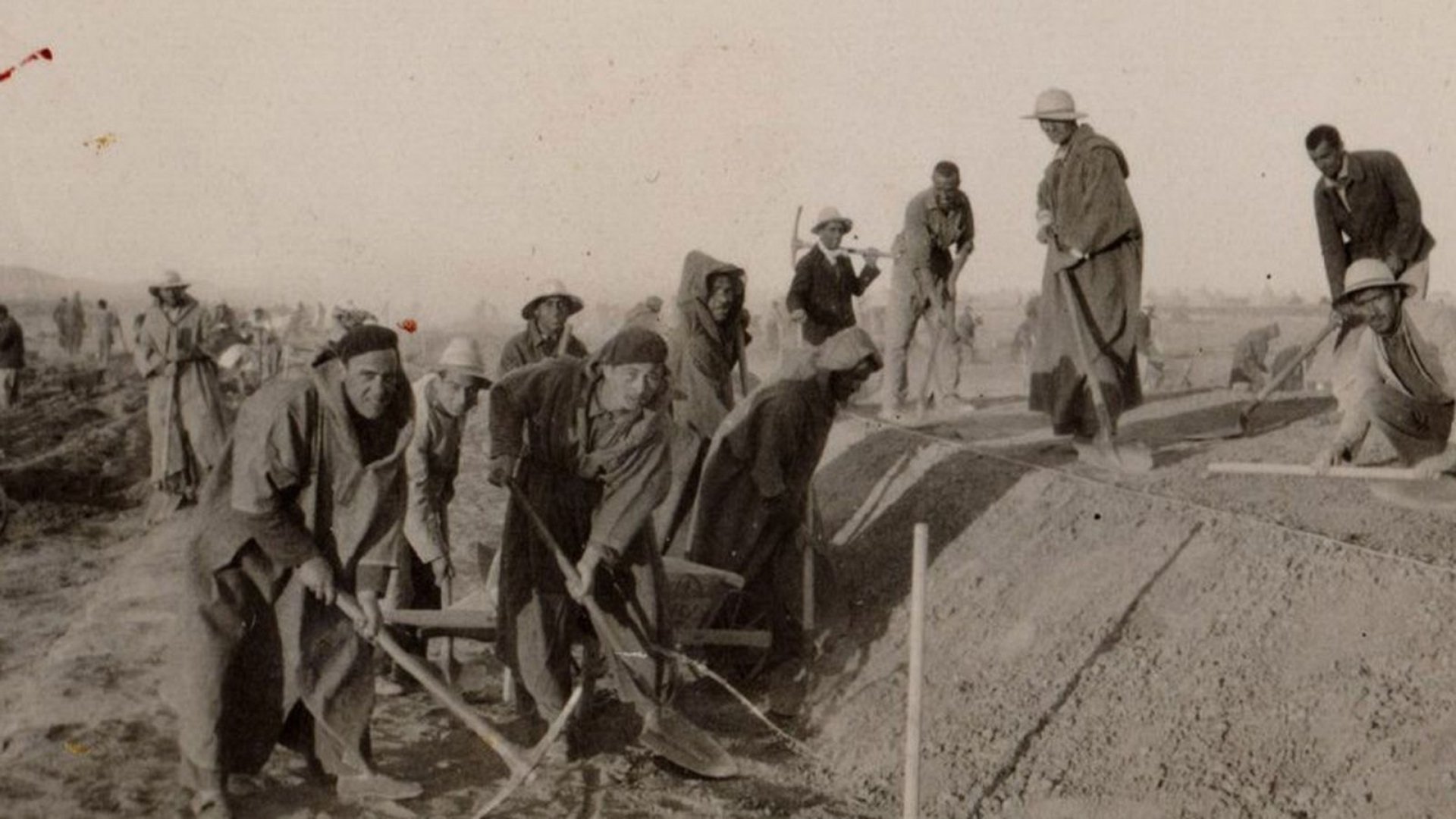
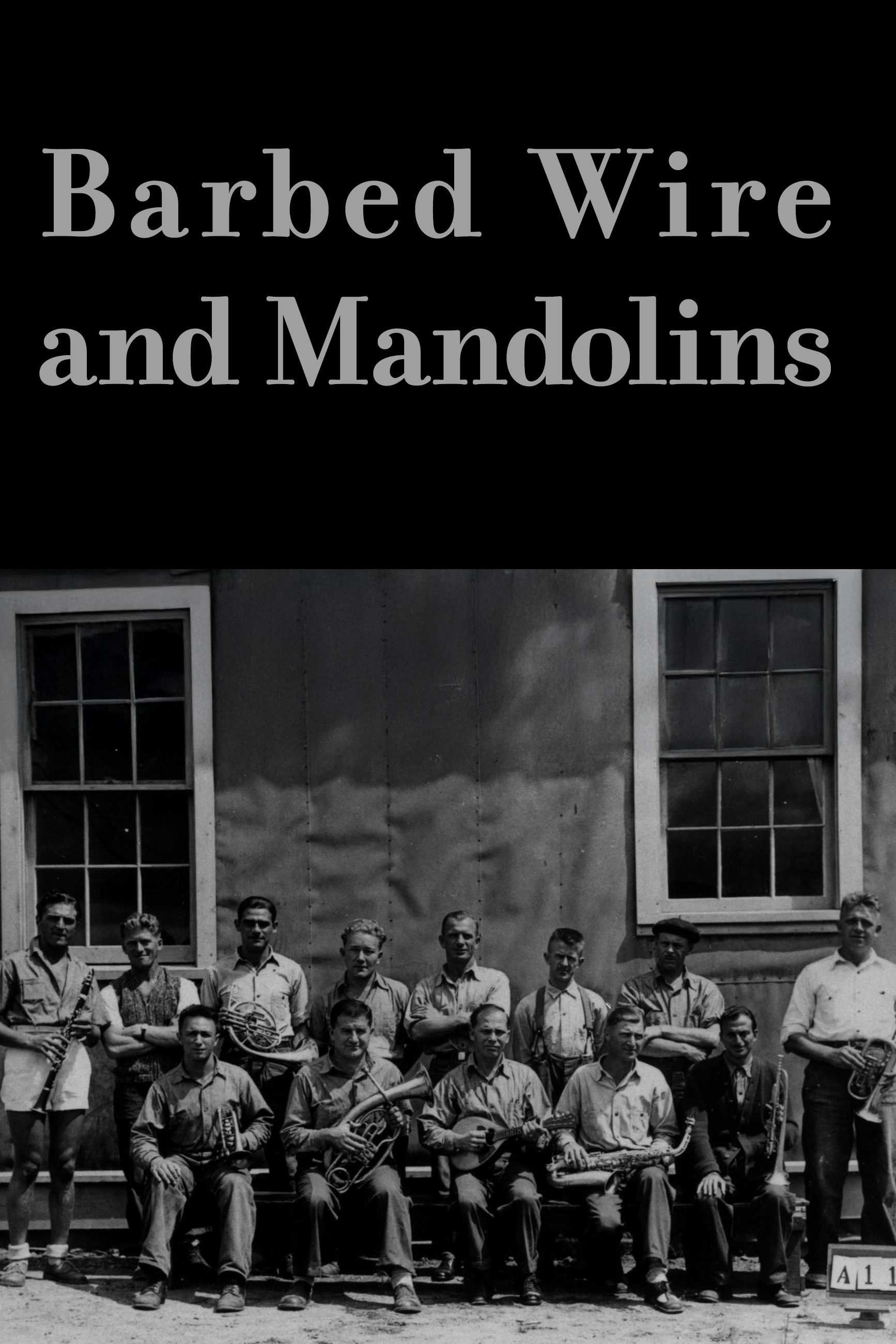
Upon Canada's entry into World War II, the RCMP rounded up thousands of people it considered fascist sympathizers. Among them, 700 Italian-Canadians were held for up to three years in internment camps. None were ever charged with a criminal offence.
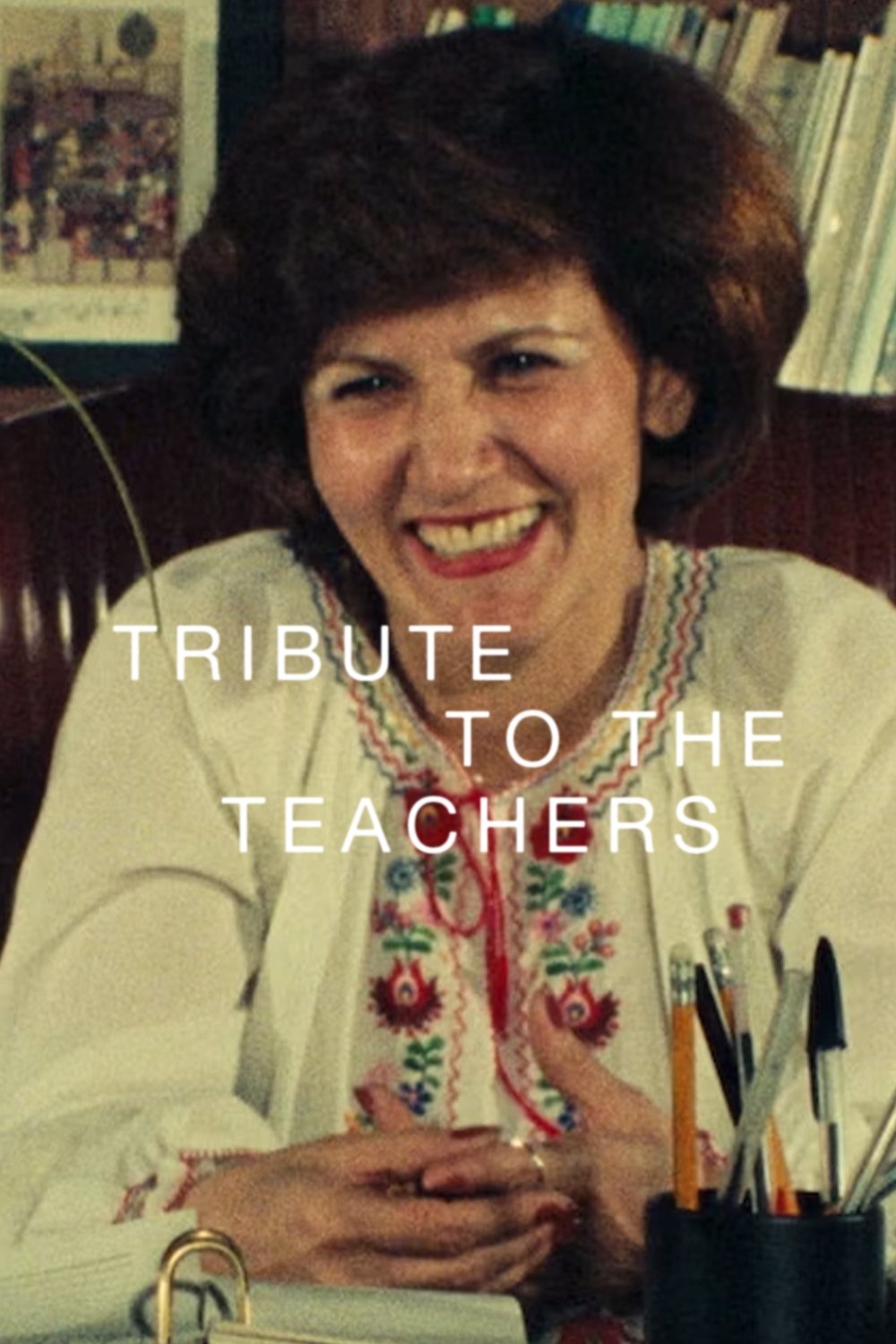
A documentary featuring interviews with teachers and officials on the profession of teaching and what it means to them.
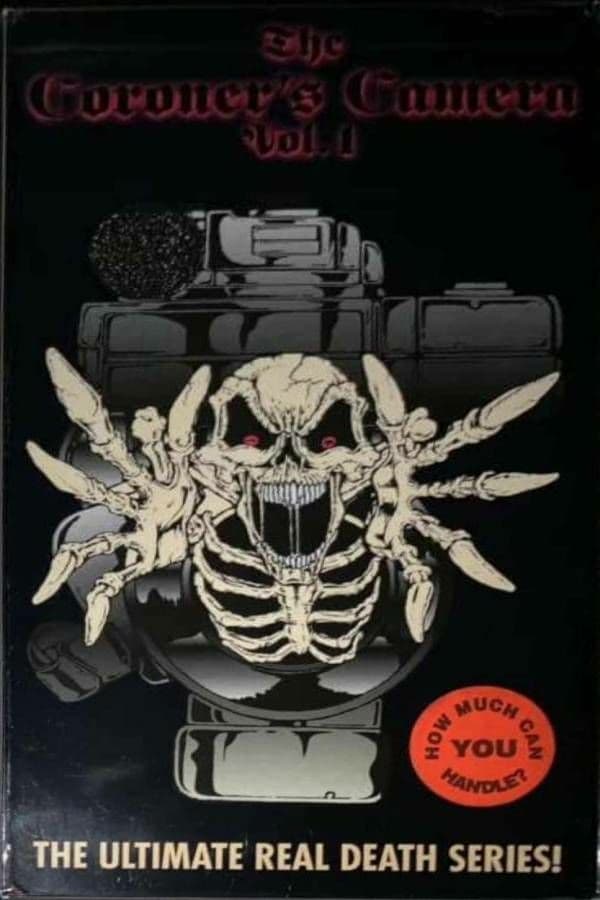
Hosted by Damon Fox, this documentary takes us on a grim dive into the world of the coroner and what they see in their line of work.
Members of the voluntary Human Extinction Movement in Mexico try to convince people not to procreate to achieve gradual human extinction. Soon, an involuntary event will put their ideas into perspective: a pandemic.
An intimate portrait of Salt Lake City and its surroundings. Shot on 16mm film.
Stream of consciousness awakened by the shots of an inauspicious summer.
From dentures as wedding presents to veneers, Keith Duffy traces the story of the Irish nation’s fast changing relationship with our teeth.
Filmmaker Alain Resnais documents the atrocities behind the walls of Hitler's concentration camps.
A behind-the-scenes look at P!NK as she balances family and life on the road, leading up to her first Wembley Stadium performance on 2019's "Beautiful Trauma" world tour.
A life story of bees and people. In order to get to the bottom of the mysteries of the life of bees and show them to the audience, the camera enters a contemporary hive and a traditional wild beehive drilled in the trunk of an old tree. It wanders the forests in Poland and Ural, mountains in Nepal and... roofs of Paris and Warsaw. For millions years bees have been laboriously building the natural environment of our planet. These days, they started to die by millions. A programme of wild tree beekeeping reintroduction was launched in Polish forests. It has been an ancient local tradition. Maybe reaching for the past, the original model of coexistence of bees and people, for wild tree beekeeping, can help us to save the bees? After watching “Honey Hunters” everyone wants to have their own beehive and harvest their own honey!
In the small town of Rechnitz a terrible crime against humanity was performed during the holocaust. Until now, no-one dares to talk about it.
Prelude to War was the first film of Frank Capra's Why We Fight propaganda film series, commissioned by the Pentagon and George C. Marshall. It was made to convince American troops of the necessity of combating the Axis Powers during World War II. This film examines the differences between democratic and fascist states.
Filmed over 14 months with unprecedented access into the inner circle of the man and the sport, this is the first official and fully authorised film of one of the most celebrated figures in football. For the first time ever, the world gets vividly candid and un-paralleled, behind-closed-doors access to the footballer, father, family-man and friend in this moving & fascinating documentary. Through in-depth conversations, state of the art football footage and never before seen archival footage, the film gives an astonishing insight into the sporting and personal life of triple Ballon D'Or winner Cristiano Ronaldo at the peak of his career. From the makers of ‘Senna’ and ‘Amy’, Ronaldo takes audiences on an intimate and revealing journey of what it’s like to live as an iconic athlete in the eye of the storm.
Daniel Craig candidly reflects on his 15 year adventure as James Bond. Including never-before-seen archival footage from Casino Royale to the upcoming 25th film No Time To Die, Craig shares his personal memories in conversation with 007 producers, Michael G Wilson and Barbara Broccoli.
A look at the origins, history and conspiracies behind the "Majestic 12", a clandestine group of military and corporate figureheads charged with reverse-engineering extraterrestrial technology.
This documentary focuses on the actors and their journey over two summers to create the remake to the original IT, by Stephen King. The documentary originally released as bonus material, bundled with IT: Chapter Two.
It narrates the epic title obtained by the Argentine National Team in the World Cup Qatar 2022 with testimonies of the protagonists, told from the intimacy and in first person.
The film follows adventurer Jeff Johnson as he retraces the epic 1968 journey of his heroes Yvon Chouinard and Doug Tompkins to Patagonia.
The Captains is a feature-length documentary film written and directed by William Shatner. The film follows Shatner as he interviews the other actors who have portrayed starship captains in the Star Trek franchise.
A visual montage portrait of our contemporary world dominated by globalized technology and violence.
Told through performances, TV interviews, home movies, family photographs, private letters and unpublished memoirs, the film reveals the essence of an extraordinary woman who rose from humble beginnings in New York City to become a glamorous international superstar and one of the greatest artists of all time.
A documentary focused on plastic pollution in the world's oceans.
The life and career of an actor, artist, and icon. His own journey through his own camera.
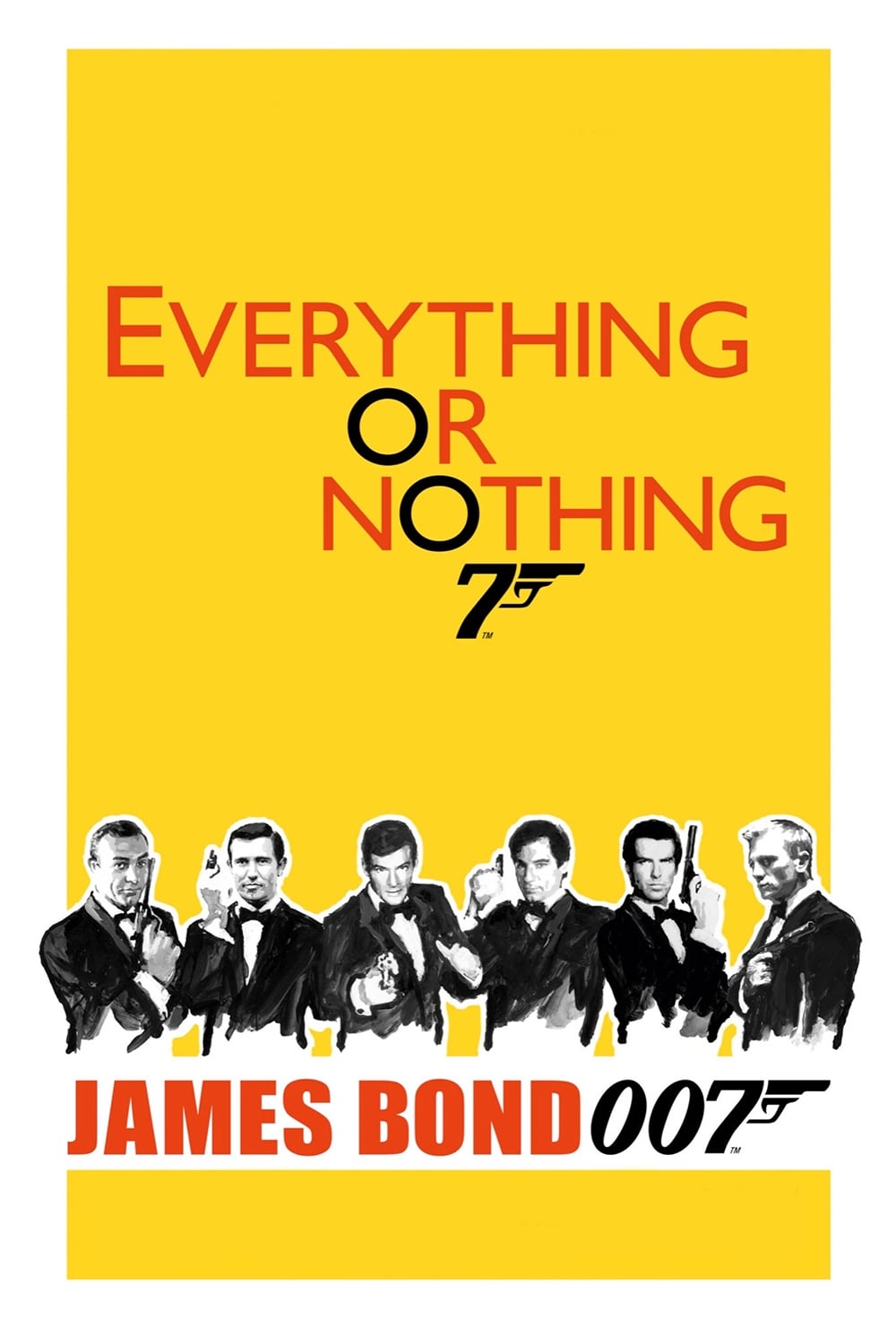
The story of three men with a shared dream: James Bond franchise producers Albert R. Broccoli and Harry Saltzman, and Bond creator and author Ian Fleming. It’s the thrilling and inspiring narrative behind the longest running film franchise in cinema history, which began in 1962.
Martin Scorsese's documentary intertwines footage from The Band's incredible farewell tour with probing backstage interviews and featured performances by Eric Clapton, Bob Dylan, Joni Mitchell, Van Morrison, and other rock legends.
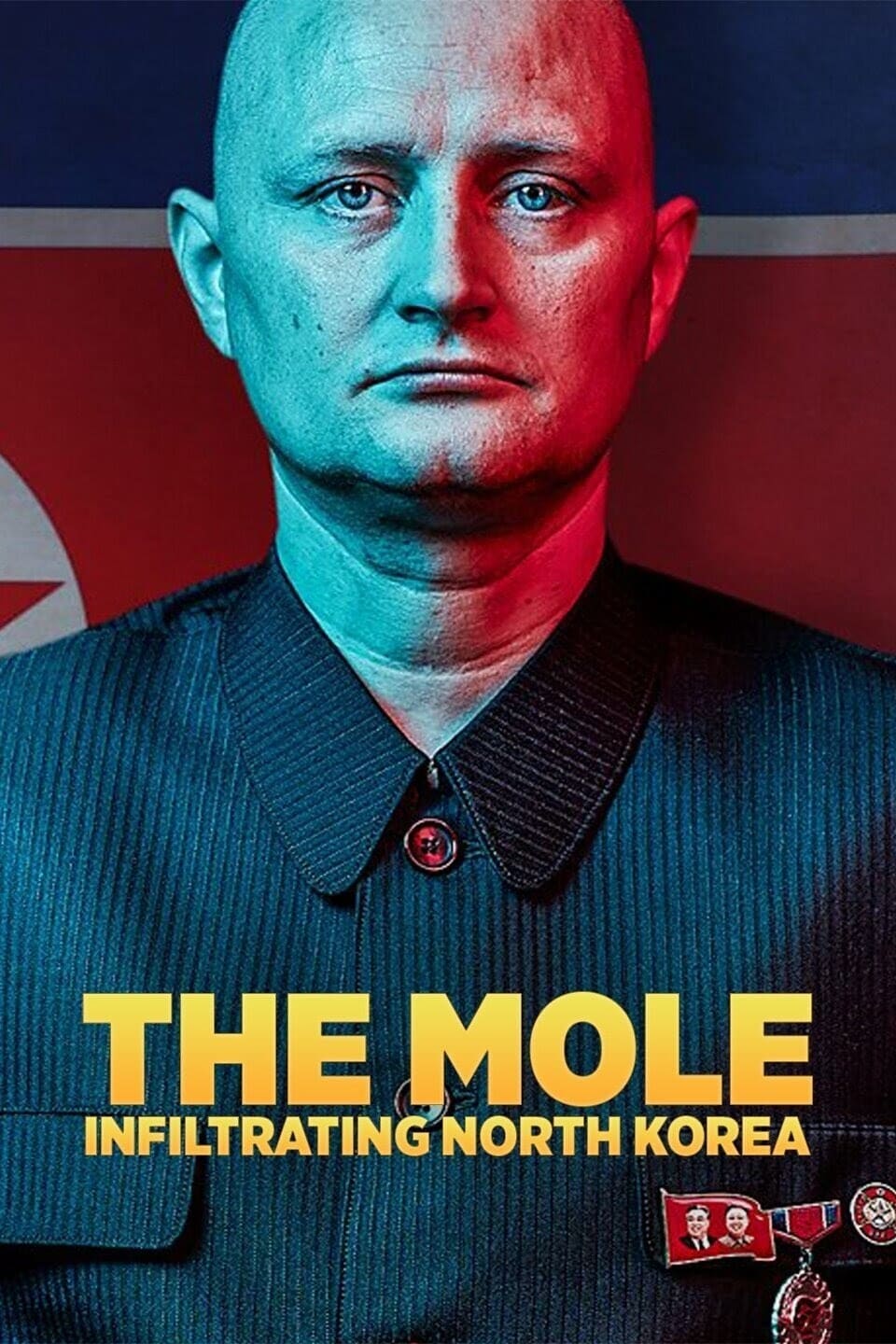
A real-life undercover thriller about two ordinary men who embark on an outrageously dangerous ten-year mission to penetrate the world's most secretive and brutal dictatorship: North Korea.
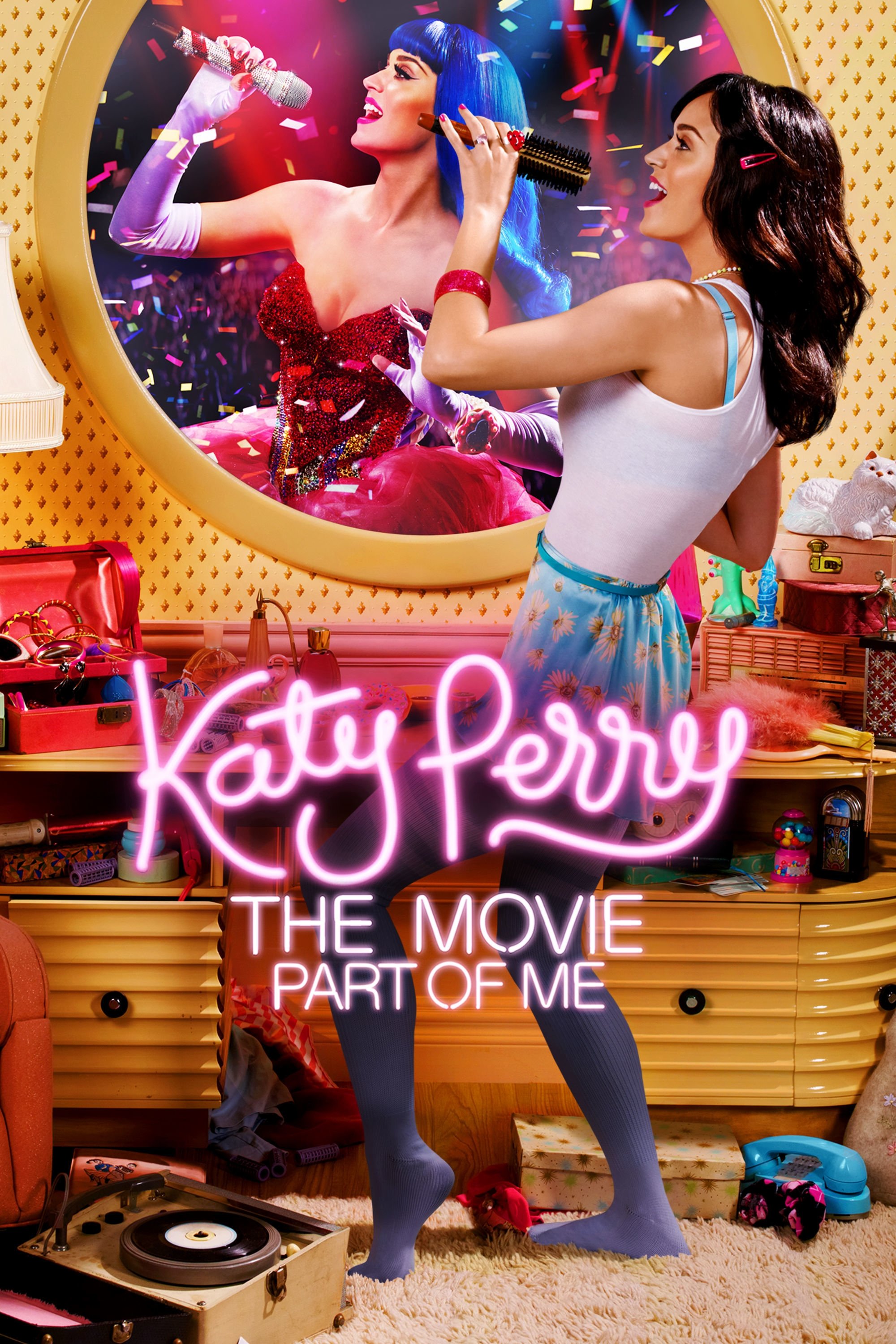
Giving fans unprecedented access to the real life of the music sensation, Katy Perry: Part of Me exposes the hard work, dedication and phenomenal talent of a girl who remained true to herself and her vision in order to achieve her dreams. Featuring rare behind-the-scenes interviews, personal moments between Katy and her friends, and all-access footage of rehearsals, choreography, Katy’s signature style and more, Katy Perry: Part of Me reveals the singer’s unwavering belief that if you can be yourself, then you can be anything.
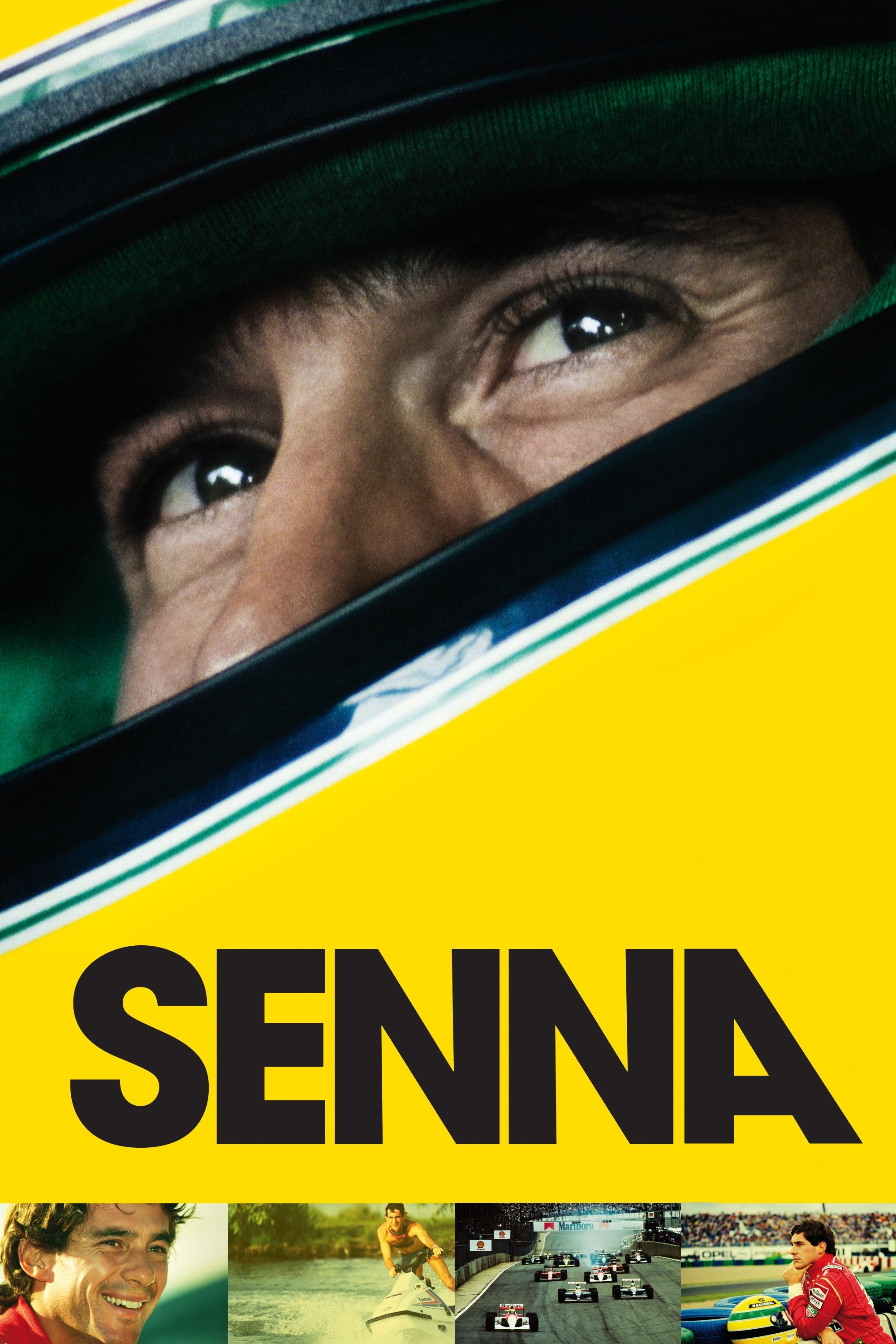
The remarkable story of Brazilian racing driver Ayrton Senna, charting his physical and spiritual achievements on the track and off, his quest for perfection, and the mythical status he has since attained, is the subject of Senna, a documentary feature that spans the racing legend's years as an F1 driver, from his opening season in 1984 to his untimely death a decade later.
As a visually radical memoir, CAMERAPERSON draws on the remarkable footage that filmmaker Kirsten Johnson has shot and reframes it in ways that illuminate moments and situations that have personally affected her. What emerges is an elegant meditation on the relationship between truth and the camera frame, as Johnson transforms scenes that have been presented on Festival screens as one kind of truth into another kind of story—one about personal journey, craft, and direct human connection.
Learn the incredible behind-the-scenes story of how the original Star Wars movie was brought to the big screen in this fascinating documentary hosted by C-3PO and R2-D2 which includes interviews with George Lucas and appearances by Mark Hamill, Harrison Ford and Carrie Fisher.
Deep Blue is a major documentary feature film shot by the BBC Natural History Unit. An epic cinematic rollercoaster ride for all ages, Deep Blue uses amazing footage to tell us the story of our oceans and the life they support.