Social & External
The people behind it
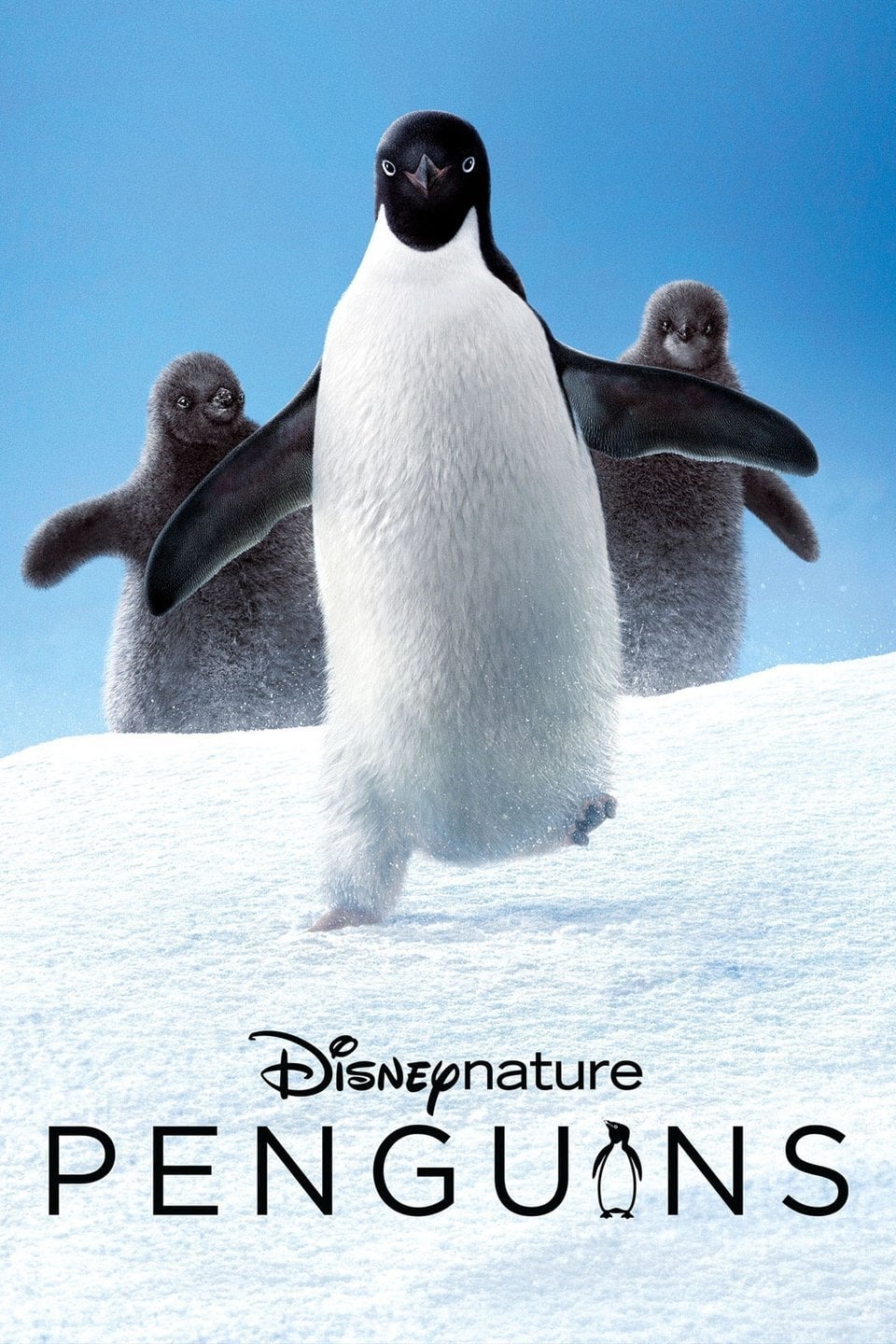
The story of Steve, an Adélie penguin, on a quest to find a life partner and start a family. When Steve meets with Wuzzo the emperor penguin they become friends. But nothing comes easy in the icy Antarctic.
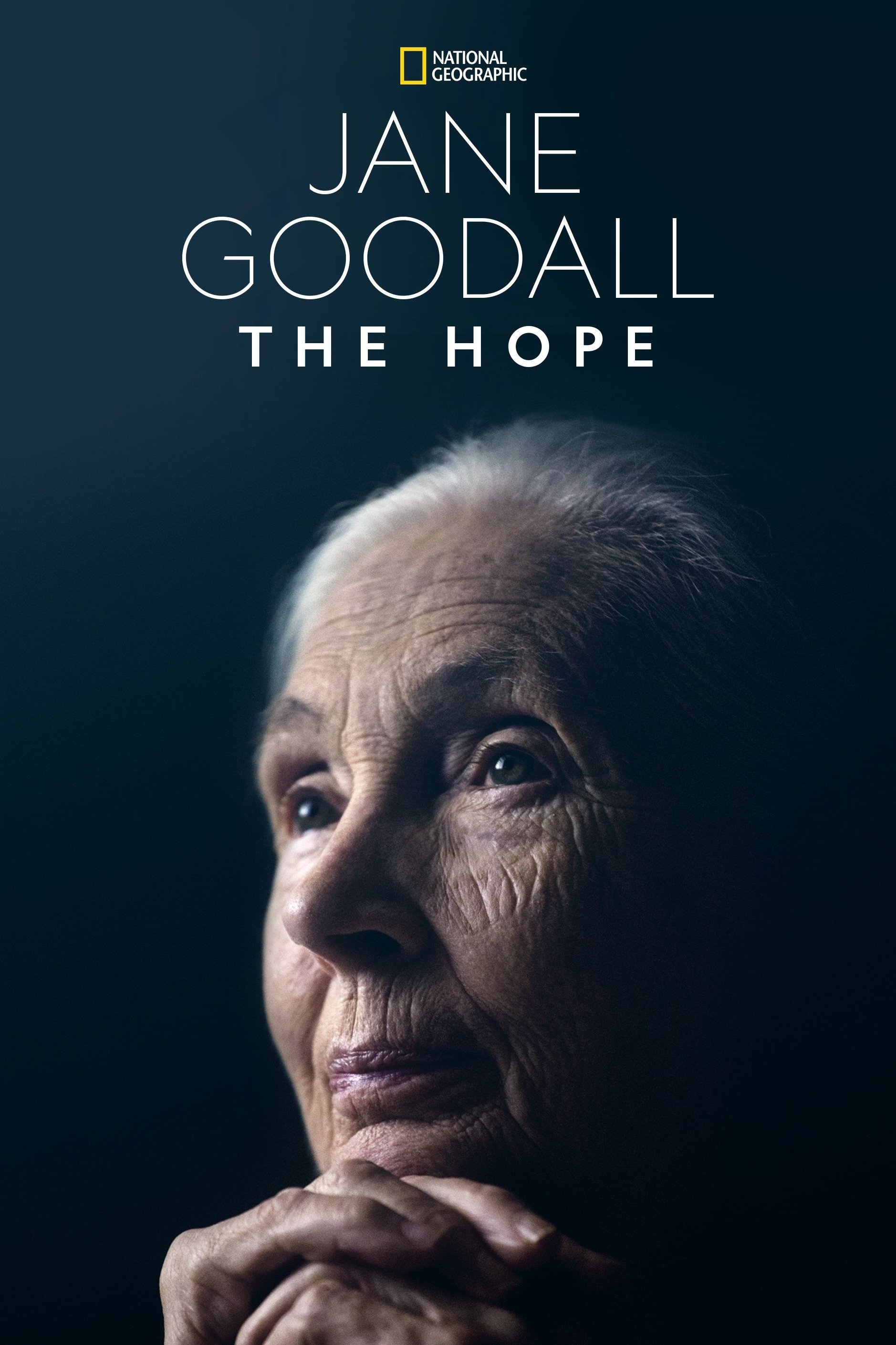
The story of one remarkable woman who became a global icon in animal welfare and conservation who not only hoped for a better world, she achieved it! This sweeping documentary celebrates the vast legacy of Dr. Goodall’s four decades of advocacy work for chimpanzees and depicts the next chapter for generations to come.
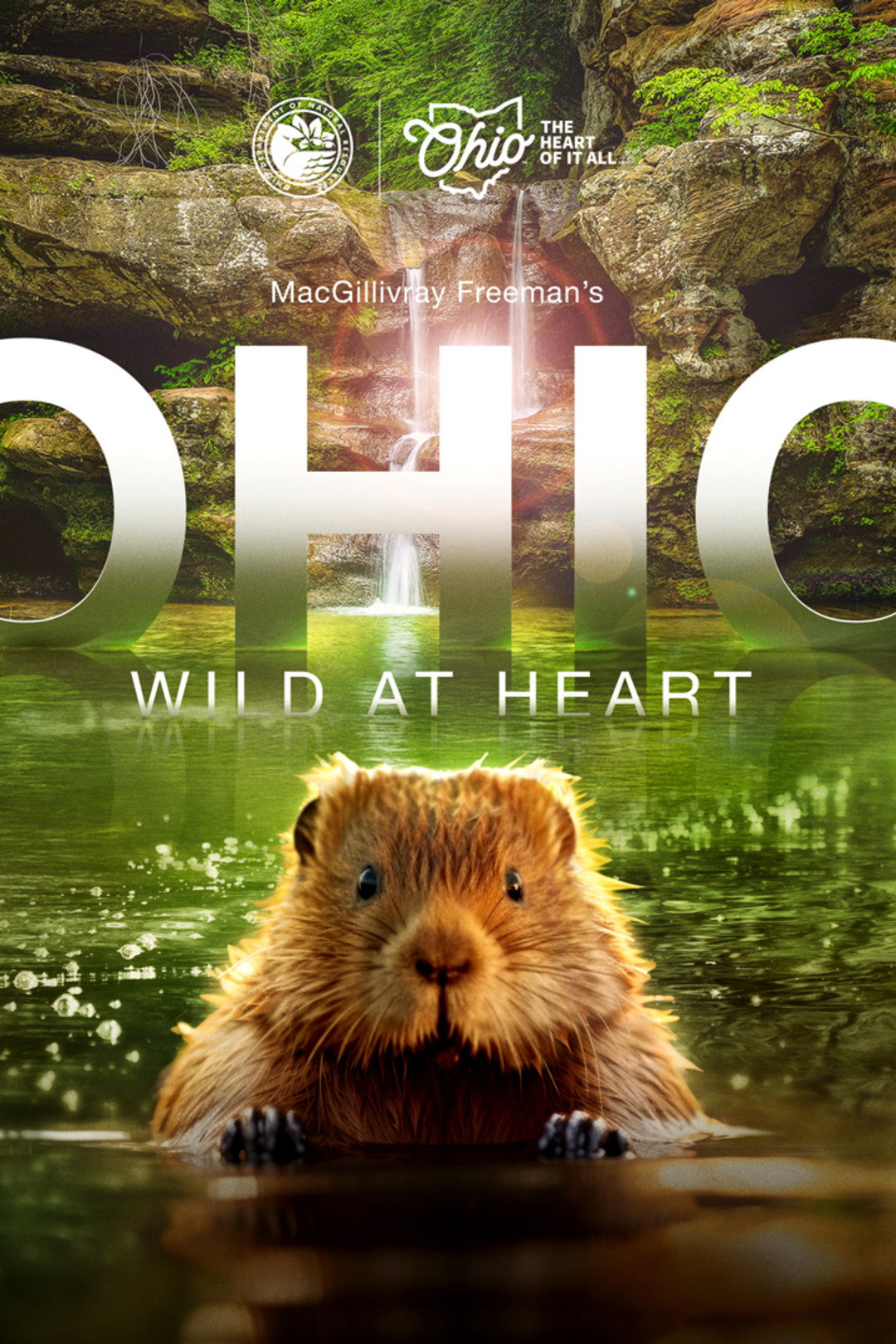
From Lake Erie and the mighty Ohio River to Hocking Hills State Park and the Buckeye Trail, Ohio is a place of wild and natural beauty.
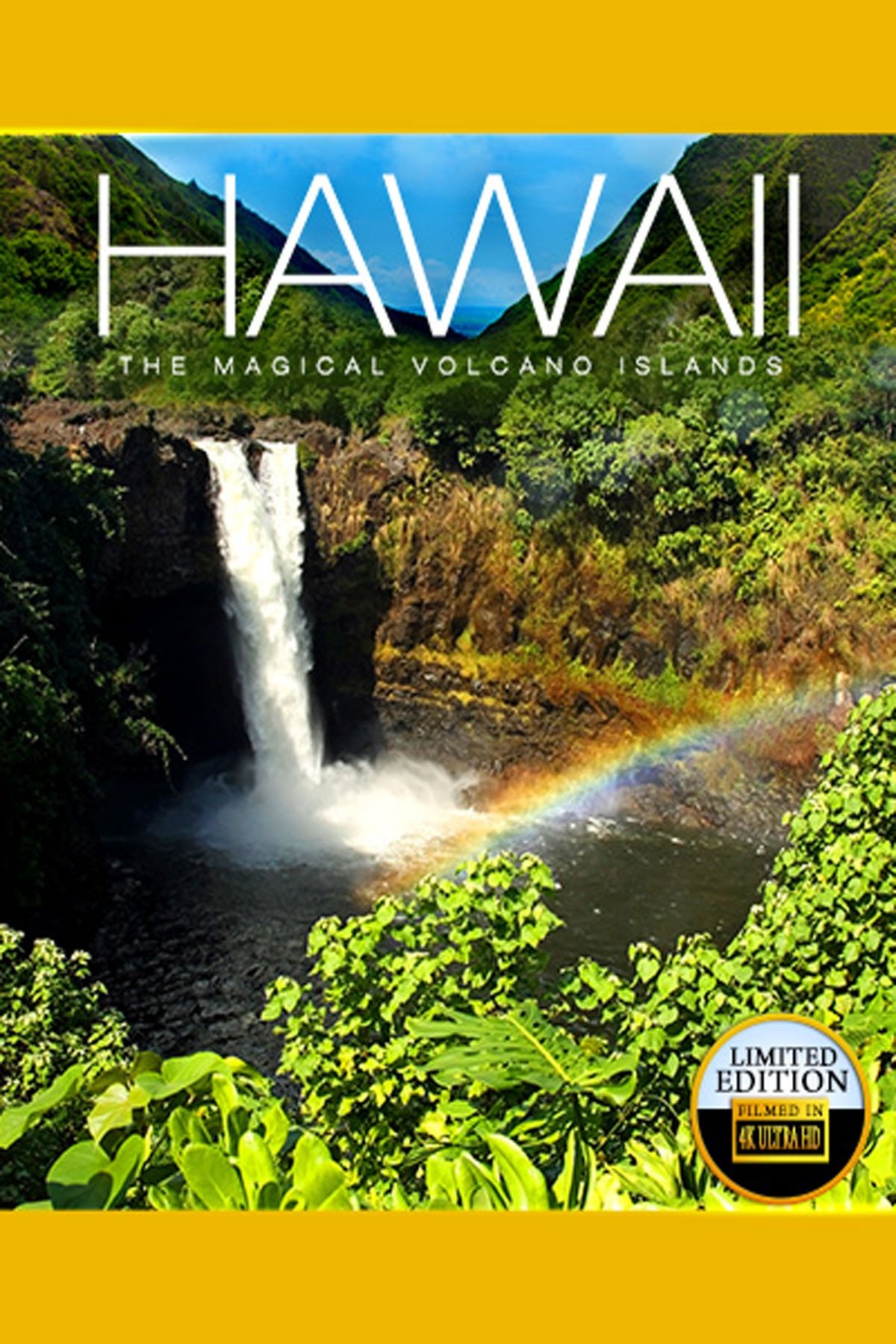
Hawaii - an exotic tropical world far out in the Pacific, characterized by volcanoes that are still active and frightening to this day. Settled in the prehistoric times by Polynesian sailors, who by simple means captured the enormous expanse of the Pacific. Home to the wave of waves, which has developed from a cultic action to a popular sport and has an enormous cultural significance to this day. This film shows the whole impressive beauty of this exotic world in breathtaking aerial photographs and detailed close-ups. The camera flies over glowing lava fields and through lush green 38 gorges.
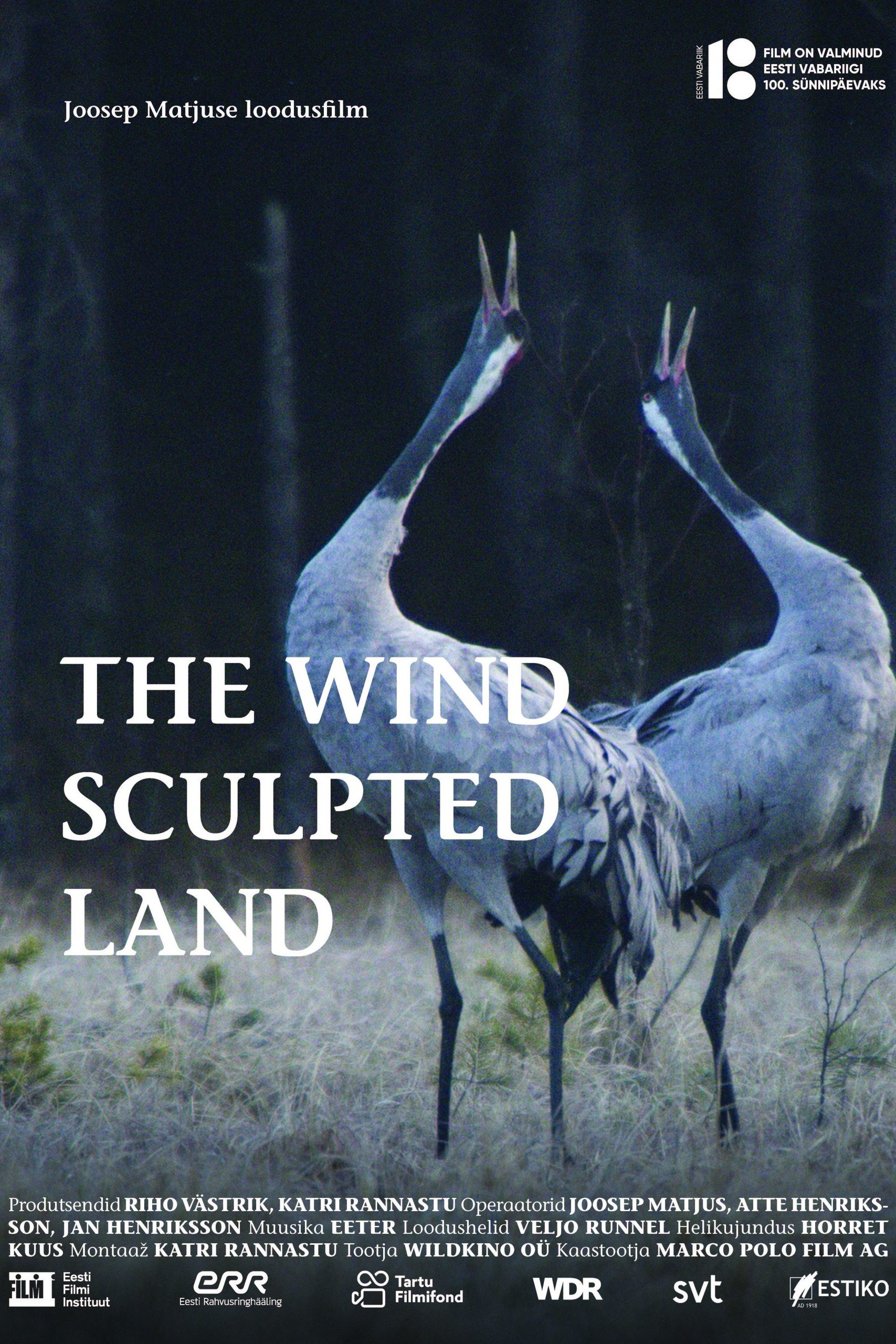
The Wind Sculpted Land is a film about Estonian nature. The nature of this Northern country might not seem anything special at a first glance, but digging deeper one can find true gems. Flooded meadows, coastline, bogs altogether with wild animals and flocks of migrating birds are actually small worlds on their own. Even more, the very same nature has held and sculpted the character of the people living here.
A short wildlife documentary about dormouse.
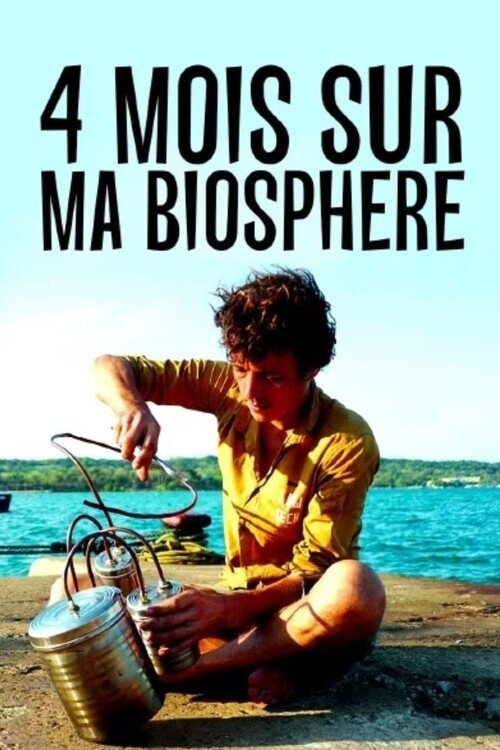
After traveling the globe to highlight low-tech, Corentin de Chatelperron has set himself a new challenge: to live independently, alone for four months, on a bamboo raft floating in Phang Nga Bay, Thailand. On his 70 square meter platform, the engineer, passionate about ecology and system D, puts into practice what he has learned in order to feed himself and produce his own energy.
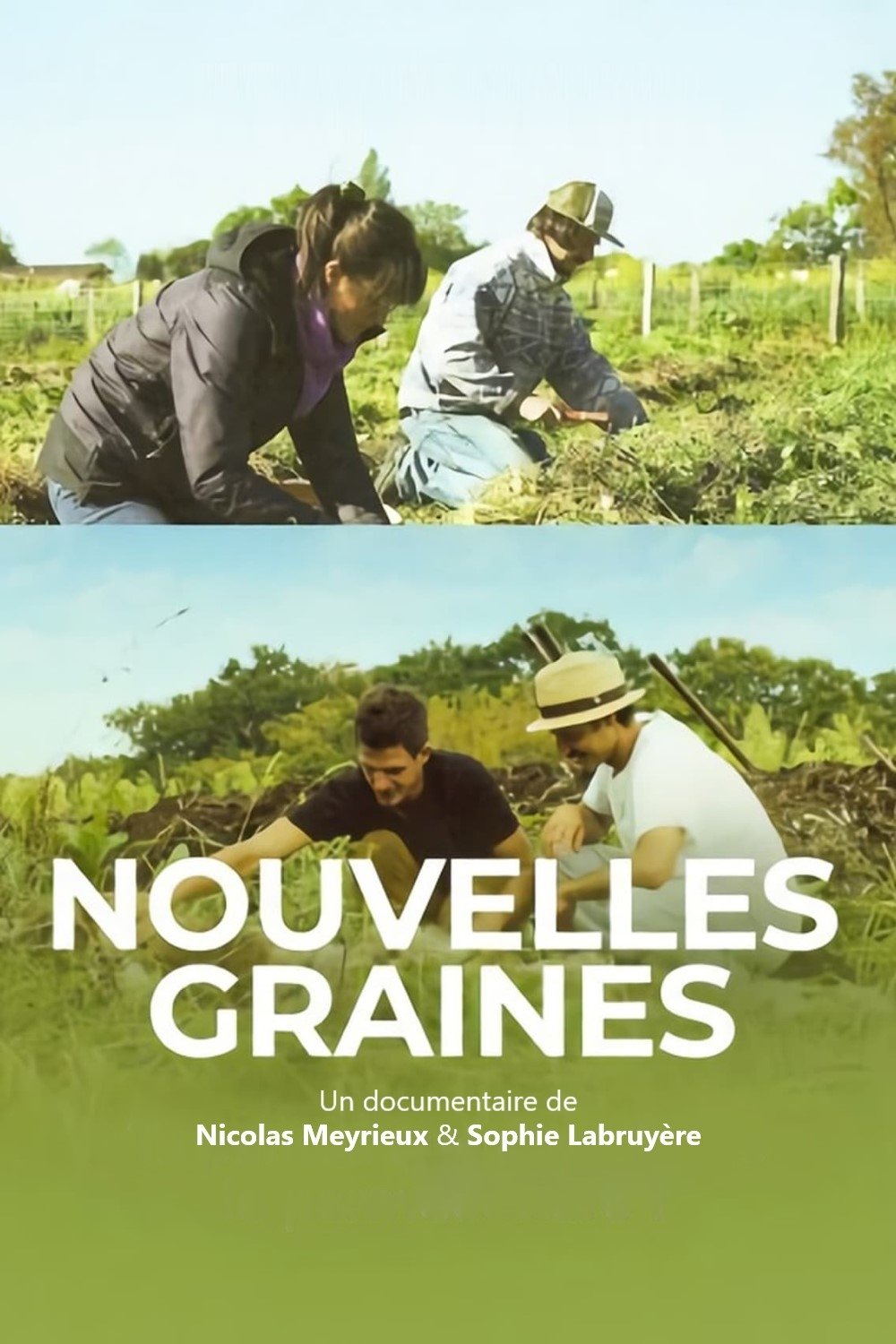
For 5 years, Nicolas made videos and shows about the environment. He left Paris to settle in the Landes and met Zoé and Anthony. This young farming couple, recently settled on 7 hectares of almost dead land, is building a farm with impeccable ethics in accordance with the rules of nature. Inspired by their experience, Nicolas decides to change his life, becomes an intern for his friends and takes his farming diploma. But on the field, reality catches up with them and redraws the projects of each of them.
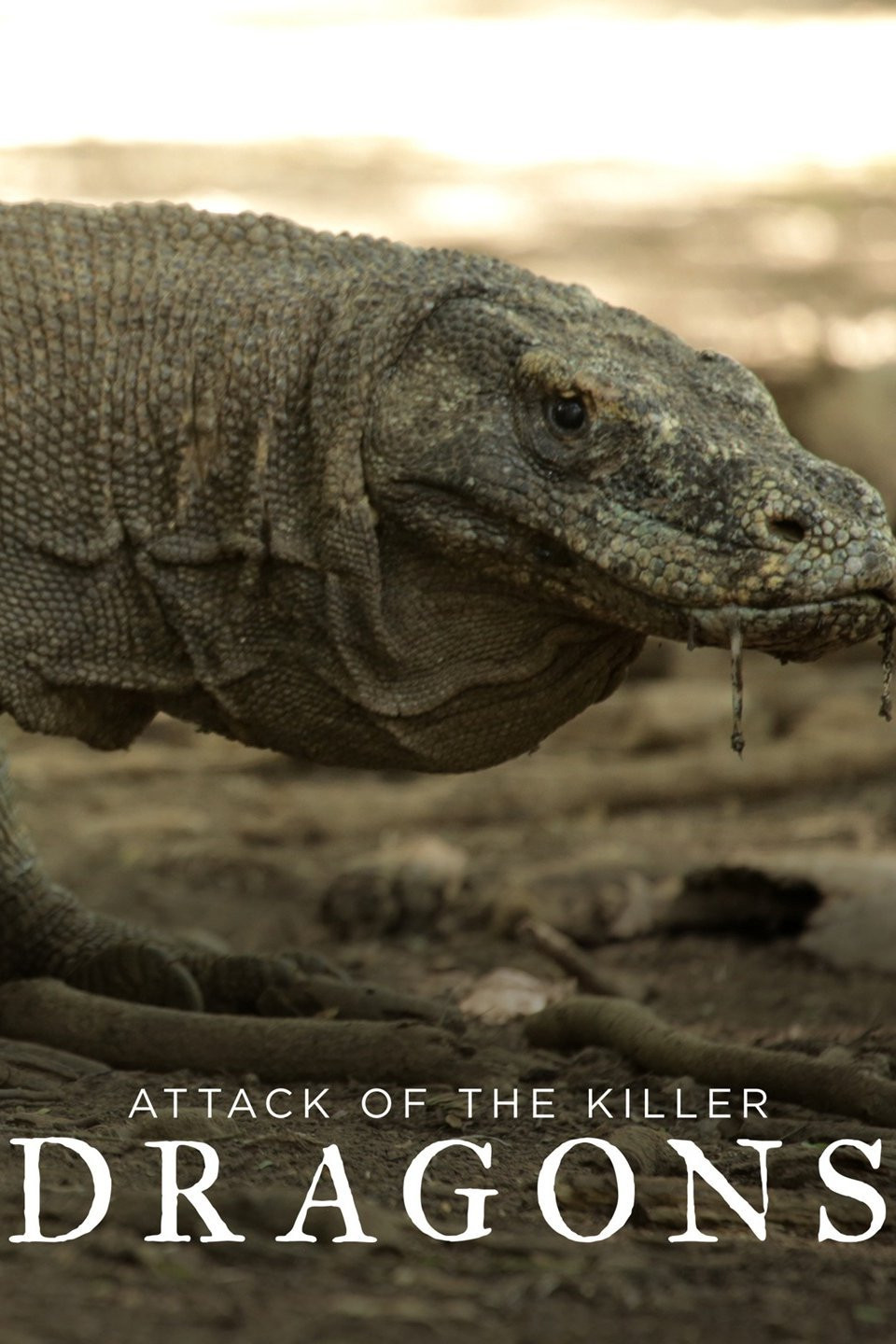
Tales of dangerous lizards endangering human lives; five divers are cast adrift and wash ashore on an island overrun with killer Komodo dragons in Indonesia; vicious Nile monitors are on the rise in the United States.
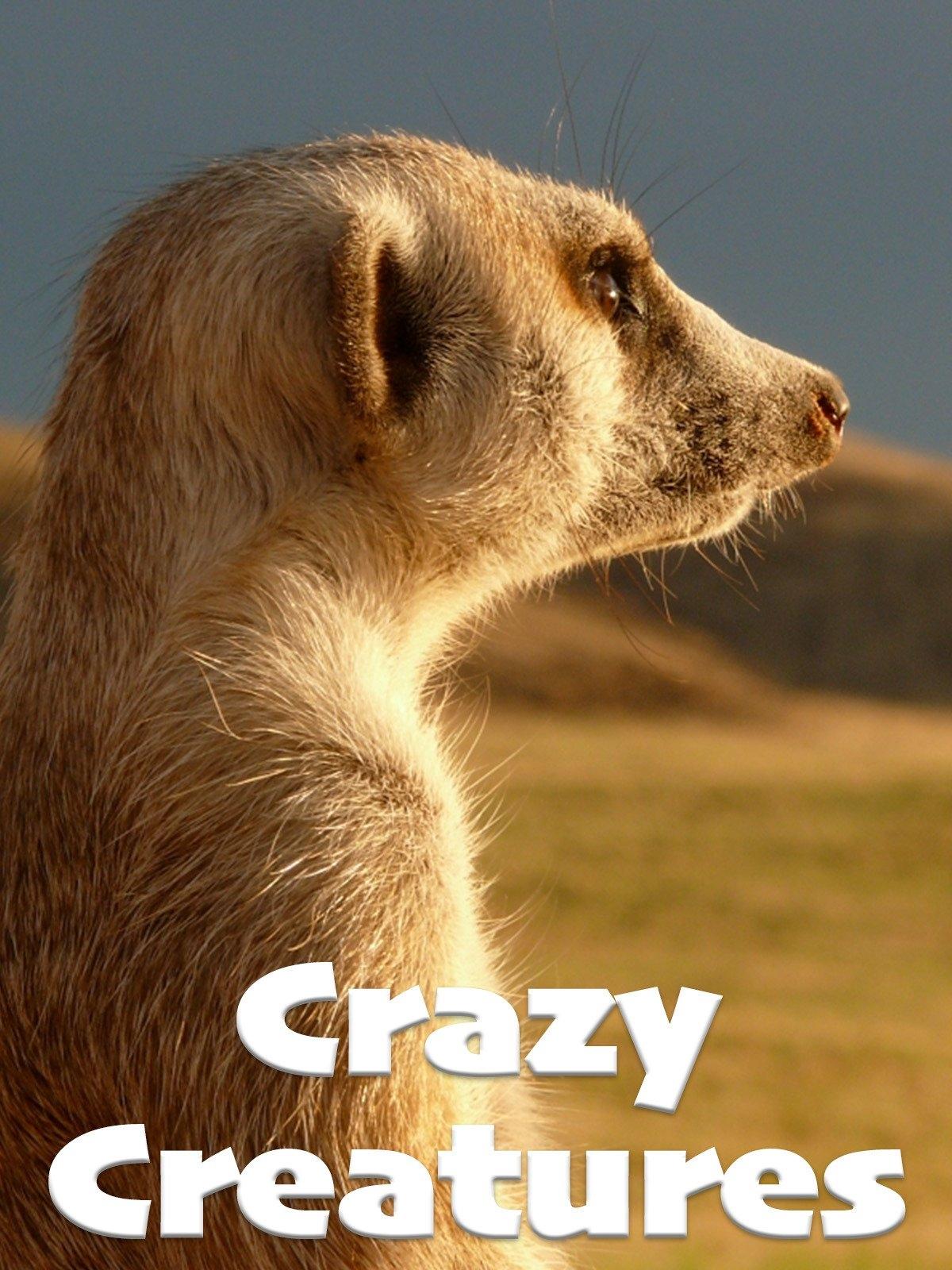
Animals shock us with the most bizarre appearances - some even look like they've been dressing up. But the weird and wonderful shapes and colours of nature are vital to the animals' lives. Sometimes they're disguised to help blend in, other times they are designed to stand out and show off. But whether it's a monkey in make-up or a salamander's toxic stripes.
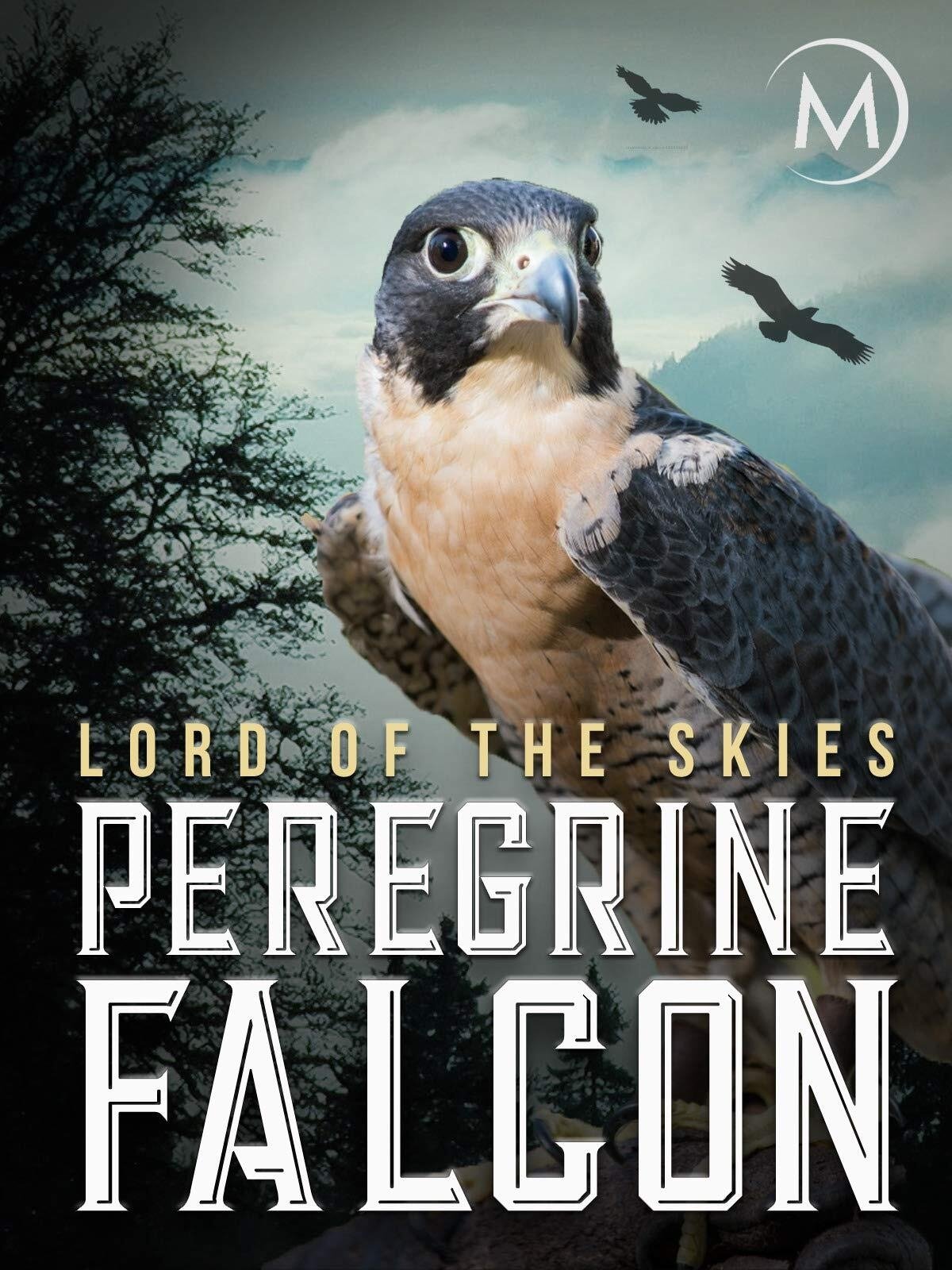
While hunting, the Peregrine Falcon can reach speeds of over 90 miles per hour. During its aerial displays, it holds the all-time speed record of 242 miles per hour. It's not surprising that this powerful bird of prey has conquered the planet and can be found on the five continents. Worshipped, dressed up and trained for prestigious hunts, this powerful and beautiful bird has long fascinated us.
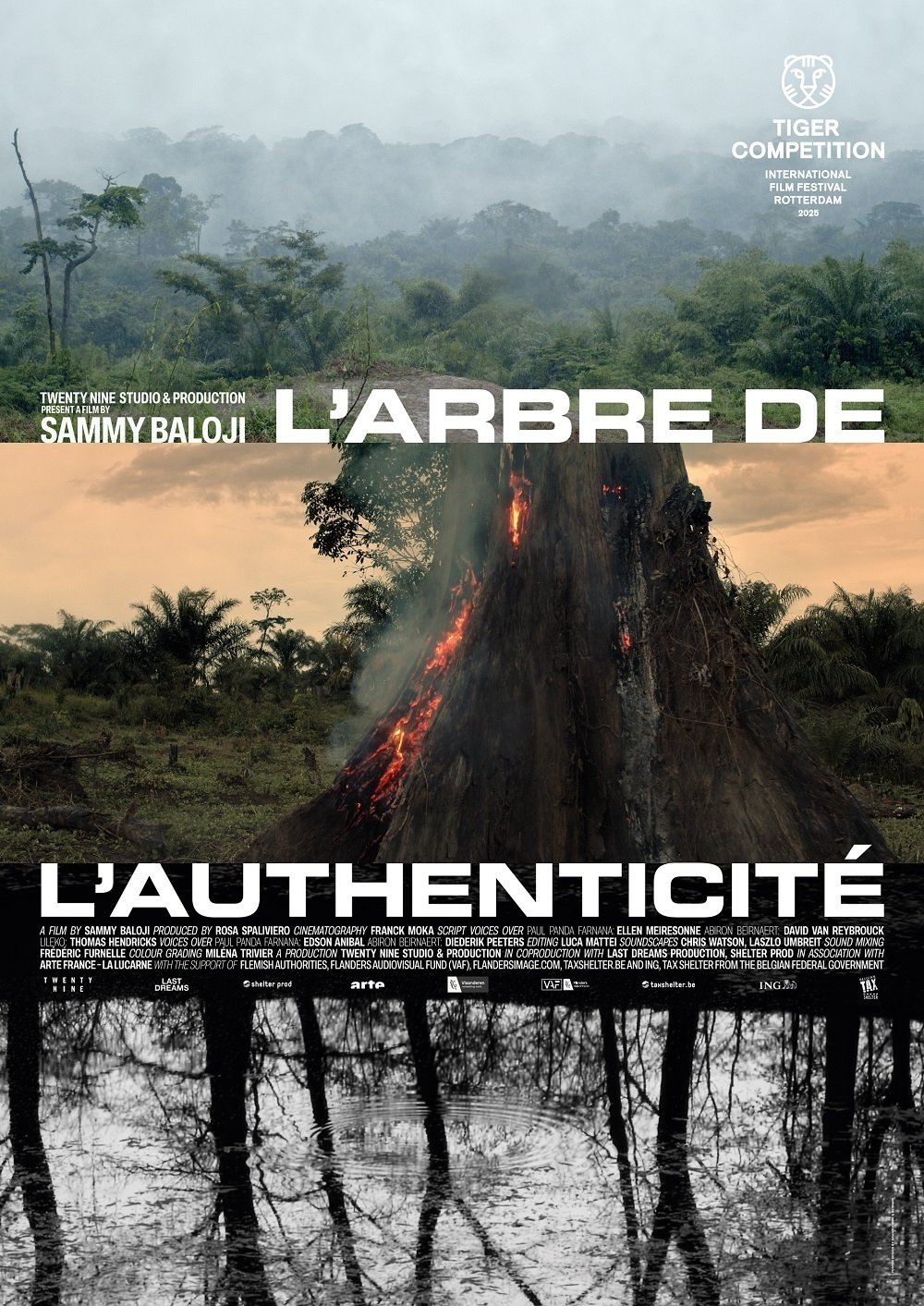
Photographer and visual artist Sammy Baloji’s fascinating film essay explores the Democratic Republic of Congo’s colonial history and its ecological significance. Drawing on research from the 1930s, the film highlights the Congo Basin’s vital role in consuming carbon dioxide and shaping global environmental balance over a century.
Echo is a youngster who can't quite decide if it's time to grow up and take on new responsibilities-or give in to her silly side and just have fun. Dolphin society is tricky, and the coral reef that Echo and his family call home depends on all of its inhabitants to keep it healthy. But Echo has a tough time resisting the many adventures the ocean has to offer.
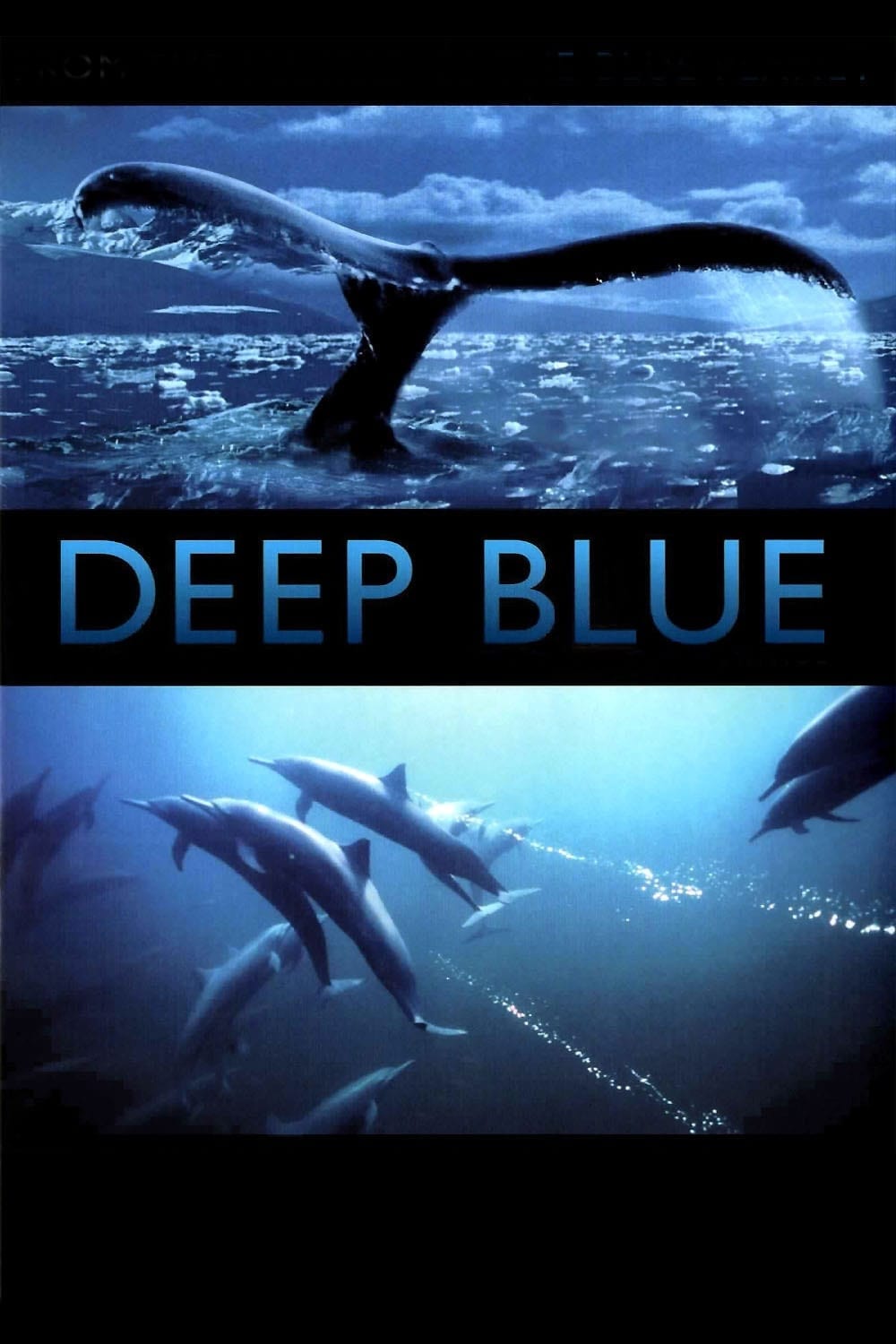
Deep Blue is a major documentary feature film shot by the BBC Natural History Unit. An epic cinematic rollercoaster ride for all ages, Deep Blue uses amazing footage to tell us the story of our oceans and the life they support.
Gibbons are highly intelligent, agile and acrobatic tree-dwelling apes, found in the tropical forests of Asia. Most of the gibbon species are highly endangered and are on the verge of extinction as a result of the destruction of their tropical rain forest habitat as well as being hunted for food.
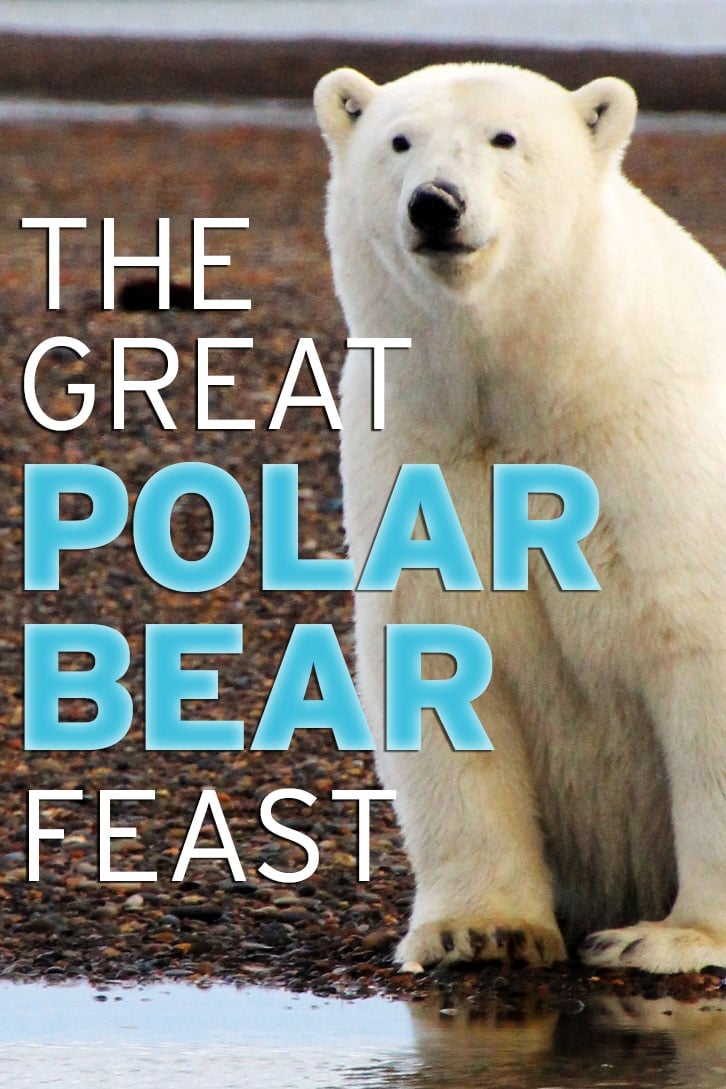
"The Great Polar Bear Feast" is the astonishing story of an annual natural phenomenon that occurs in early September on the north slope of the Arctic. Every year, up to 80 polar bears gather on the frozen shores of Barter Island, near the village of Kaktovik, to feast on the hunter-harvested bowhead whale remains.
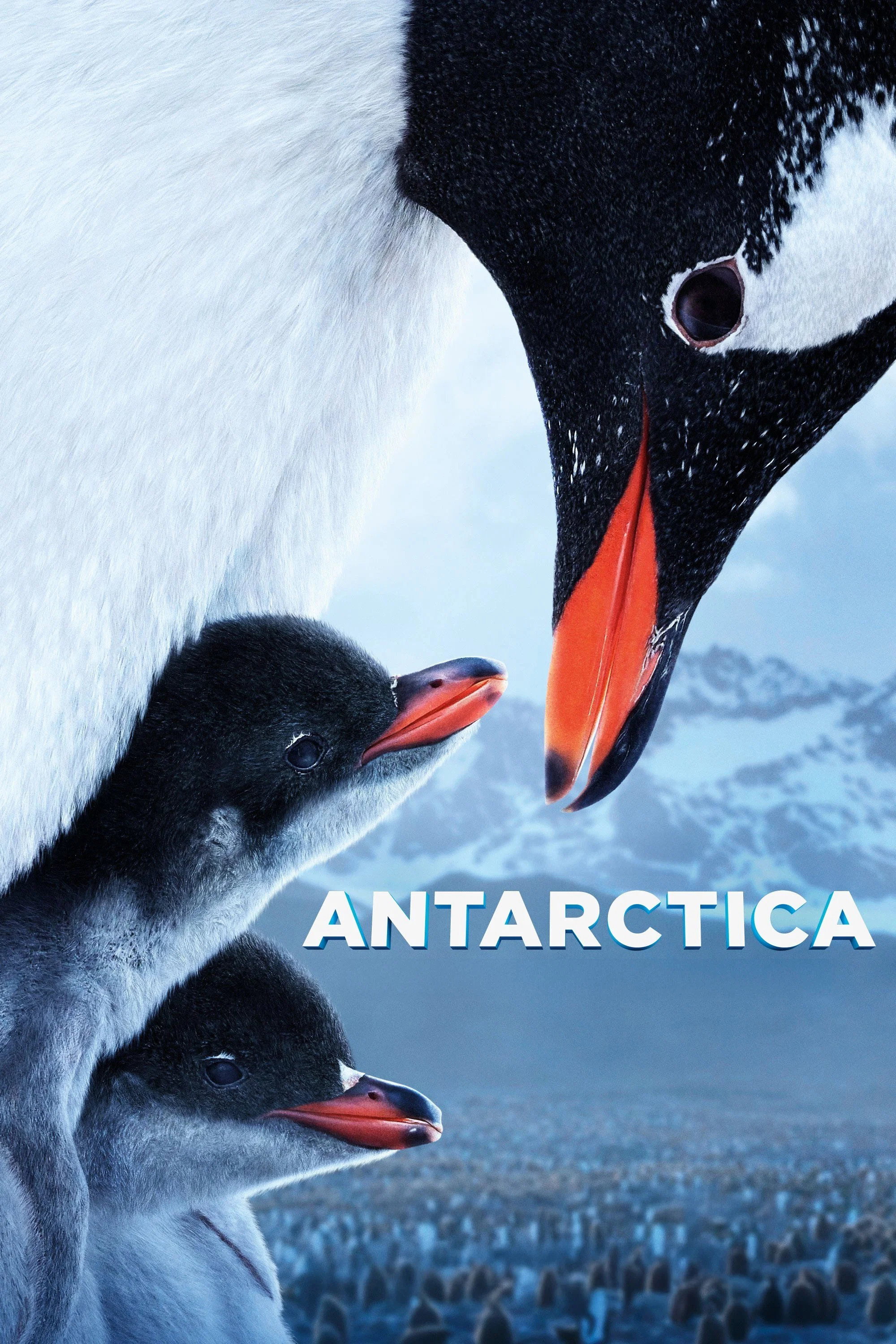
Antarctica is the most extreme continent on our planet—higher, colder, and even drier than any other on Earth, and although it is thousands of miles away, what happens here affects every single one of us.
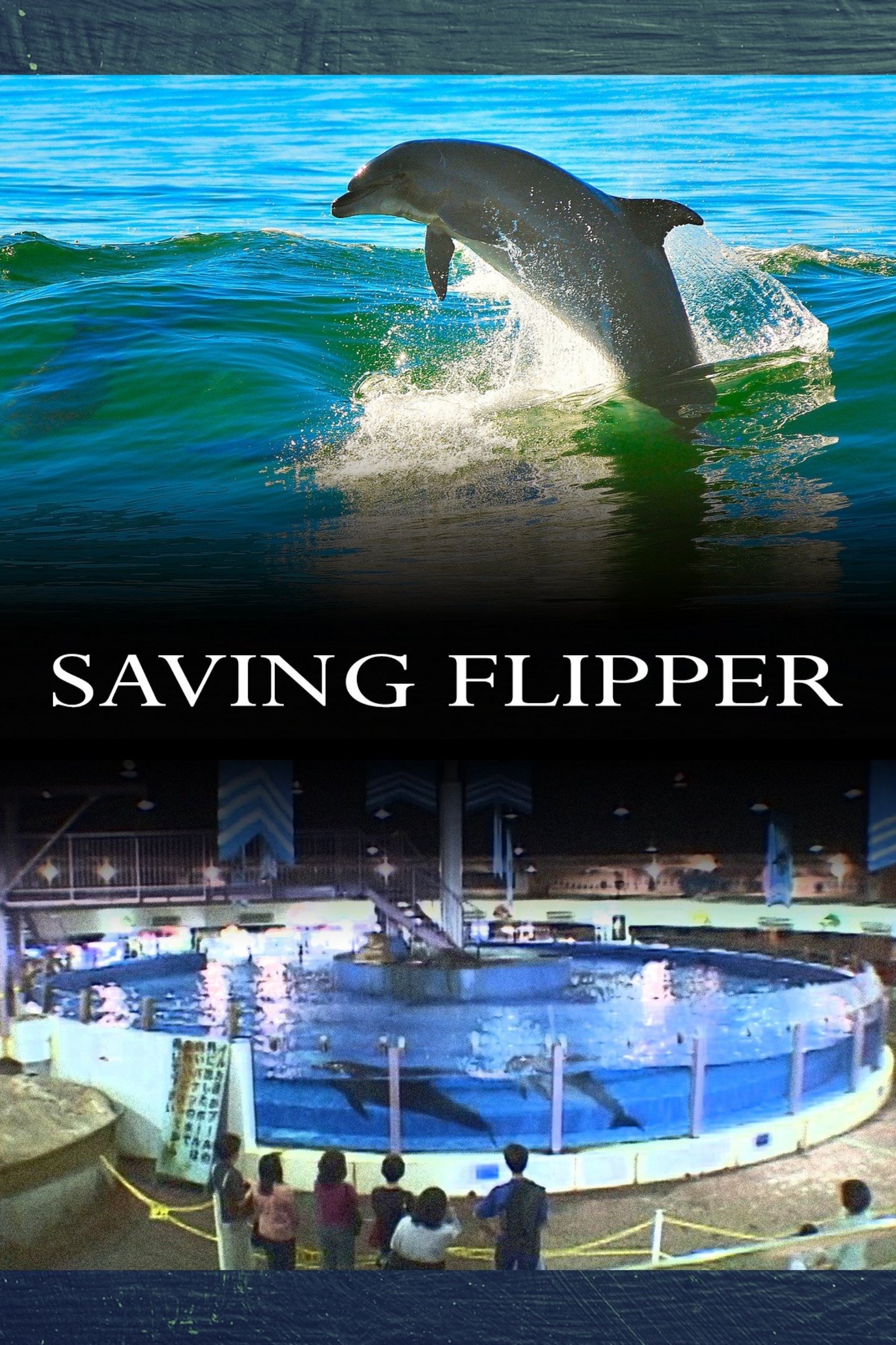
Our love affair with dolphins began with 'Flipper' and ended in a multi-million dollar industry of abuse. From the dazzling sea shows where dolphins are driven to suicide, to an annual dolphin slaughter in a small cove in Japan, 'Saving Flipper' reveals the nightmare behind the dolphin's indelible smile.
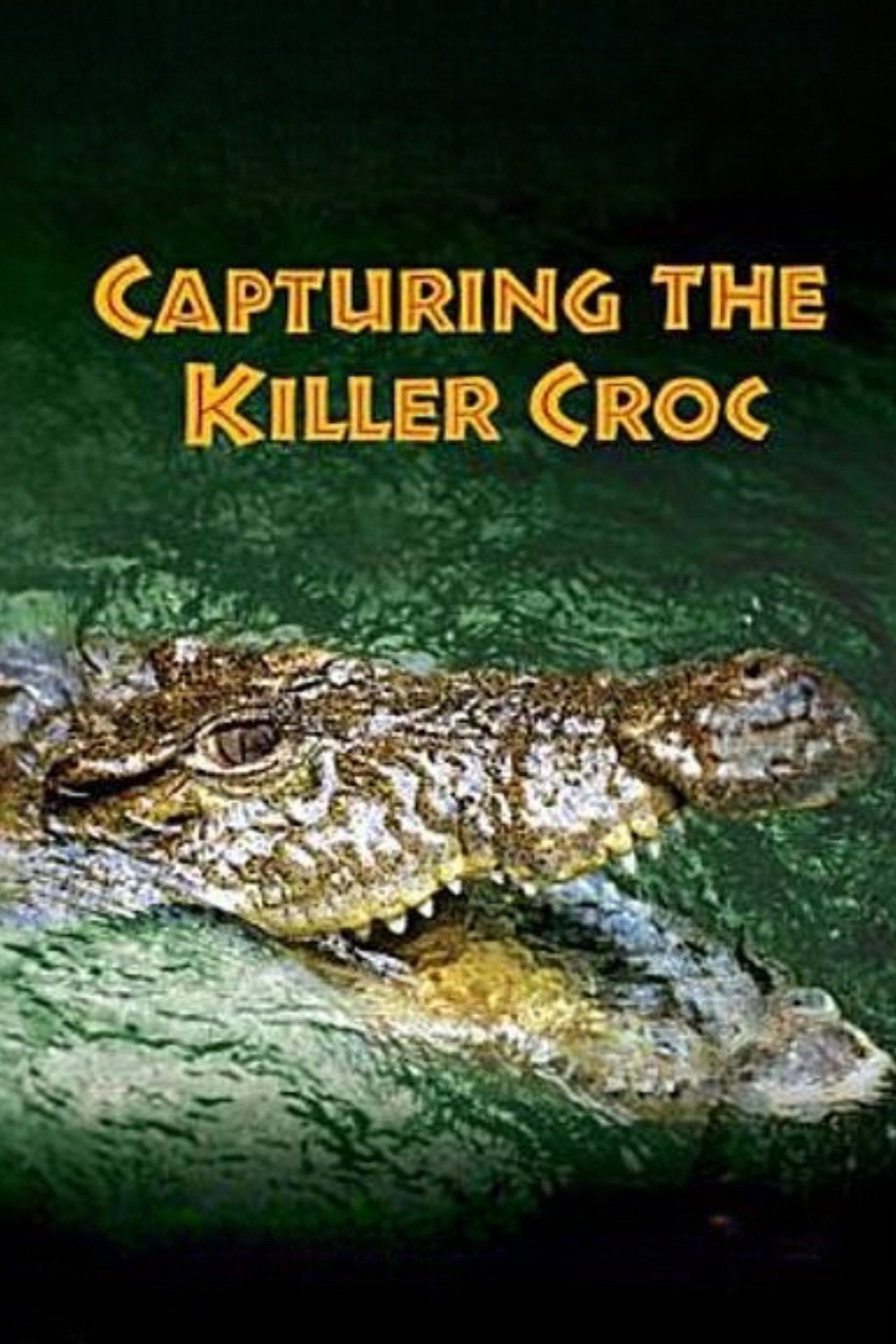
Over a 10-year period, more than 300 people disappeared from the area surrounding Tanzania's Lake Tanganyika. At first, the disappearances were attributed to a serial killer or tribal warfare, but scientists eventually discovered that the culprit was a huge, man-eating crocodile dubbed "Gustave." This fascinating PBS documentary chronicles scientists' efforts to trap Gustave and move him to a nature preserve before he strikes again.
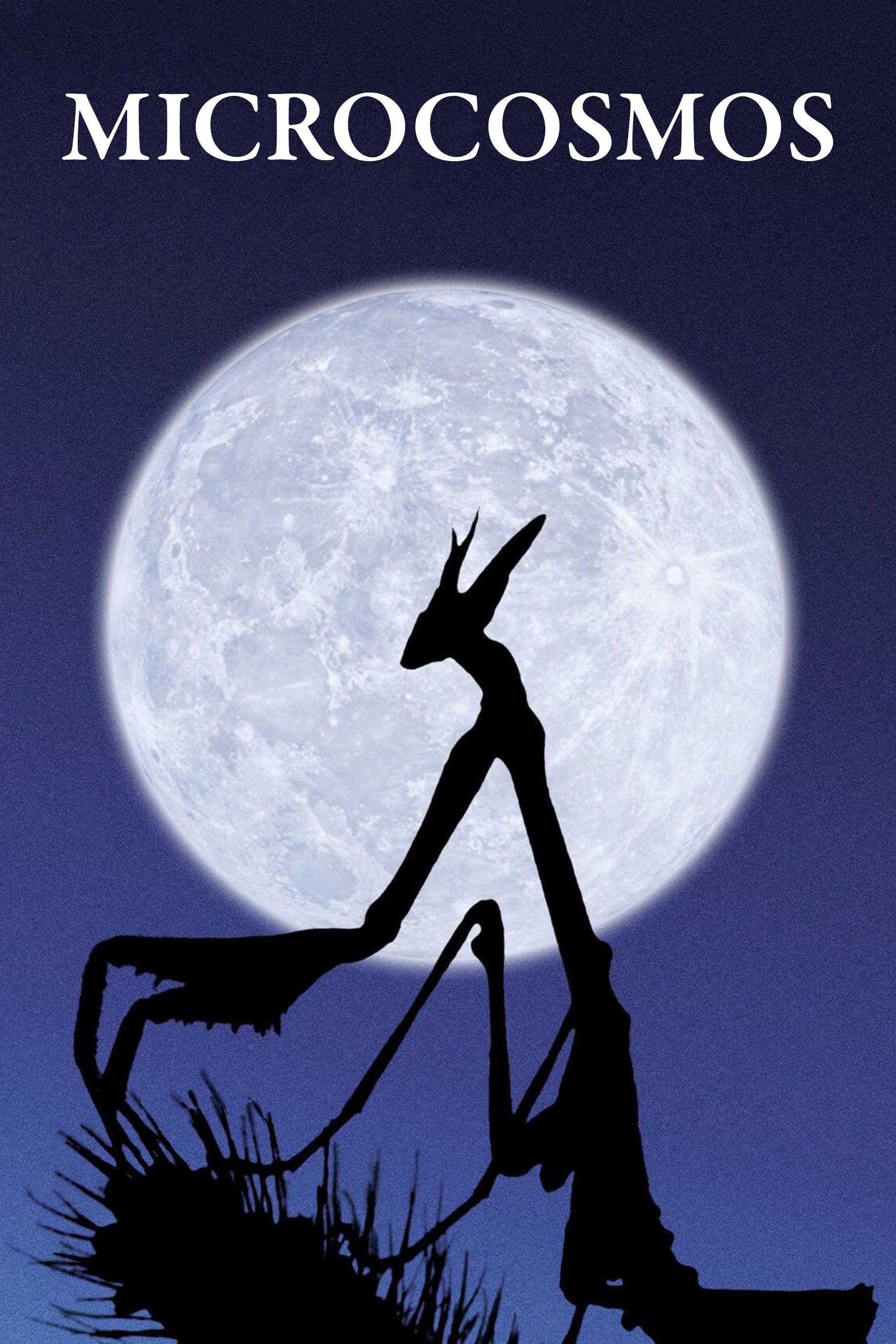
A documentary of insect life in meadows and ponds, using incredible close-ups, slow motion, and time-lapse photography. It includes bees collecting nectar, ladybugs eating mites, snails mating, spiders wrapping their catch, a scarab beetle relentlessly pushing its ball of dung uphill, endless lines of caterpillars, an underwater spider creating an air bubble to live in, and a mosquito hatching.
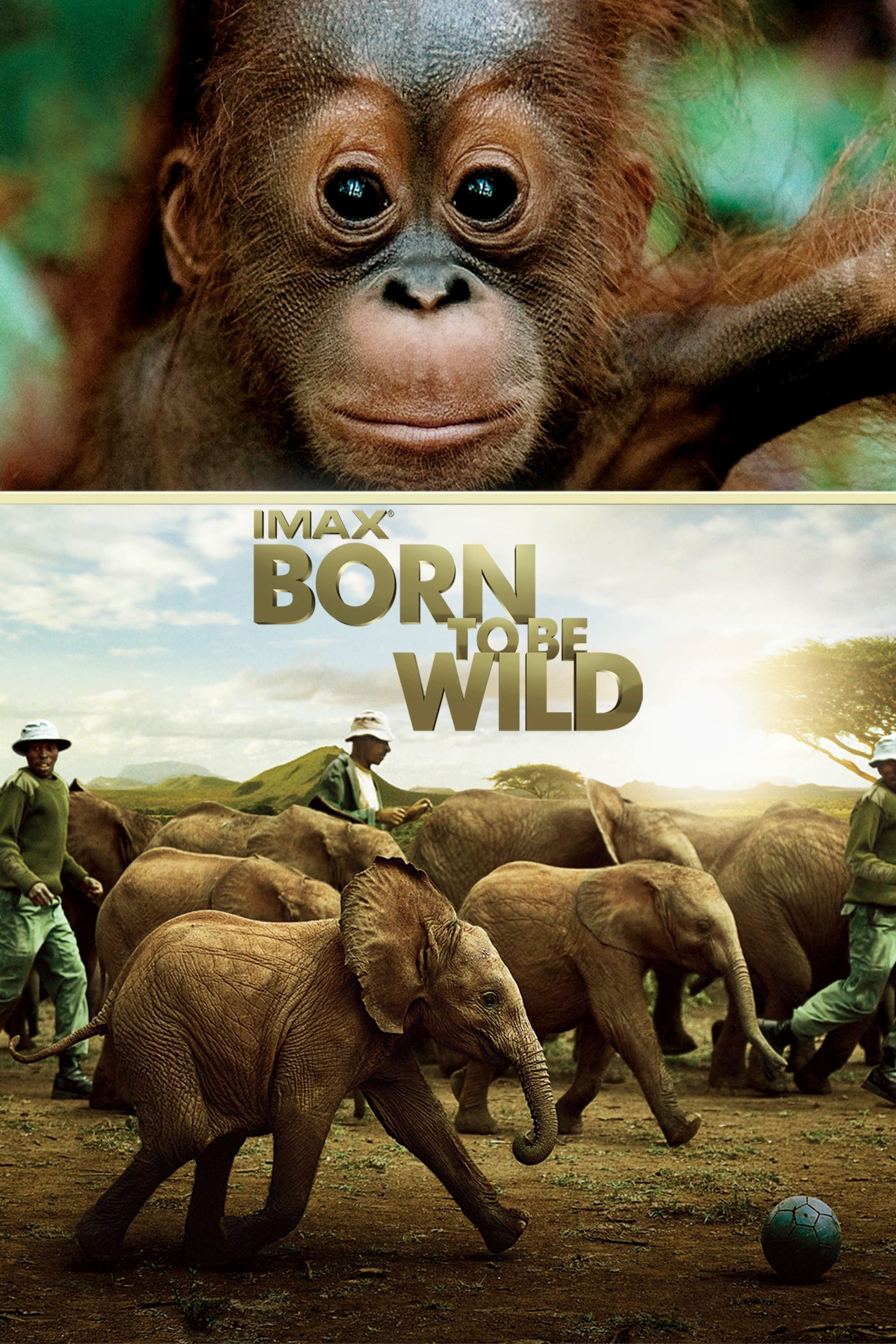
Born to Be Wild observes various orphaned jungle animals and their day-to-day behavioural interactions with the individuals who rescue them and raise them to adulthood. The film unfurls in two separate geographic spheres. Half of it takes place in the rain forests of Borneo, where celebrated primatologist Dr. Birute Galdikas assists baby orangutans; the other half takes place on the arid savannahs of Kenya, where zoologist Dame Daphne Sheldrick works with baby elephant calves.
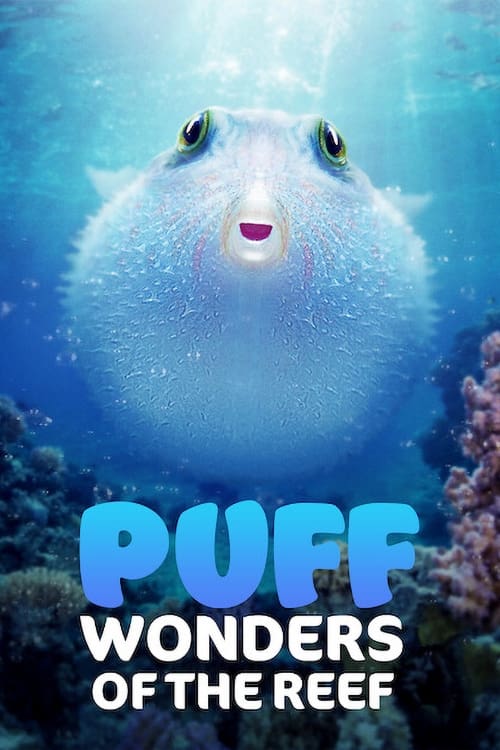
A baby pufferfish travels through a wondrous microworld full of fantastical creatures as he searches for a home on the Great Barrier Reef.
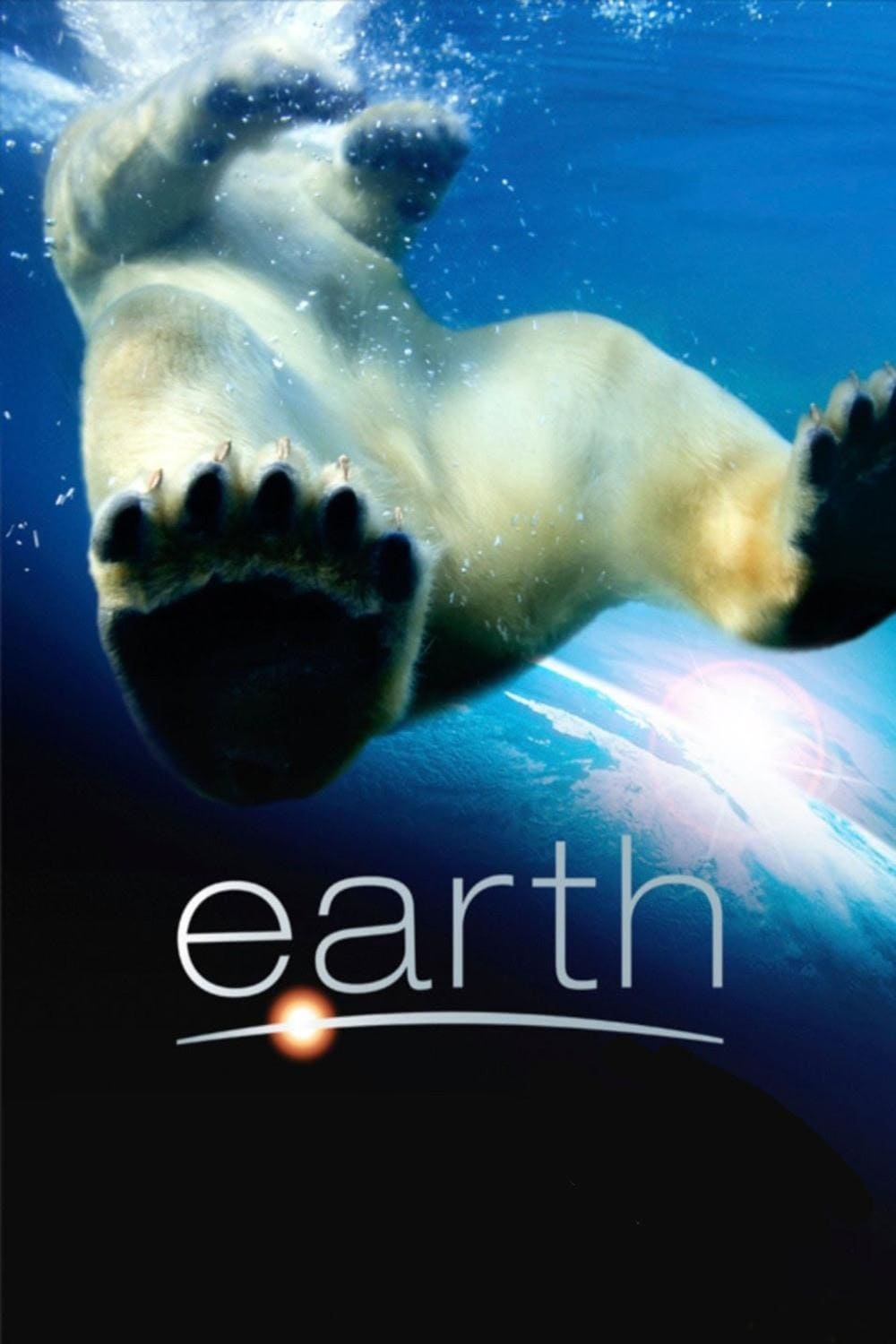
An epic story of adventure, starring some of the most magnificent and courageous creatures alive, awaits you in EARTH. Disneynature brings you a remarkable story of three animal families on a journey across our planet – polar bears, elephants and humpback whales.
Some of the world's most majestic birds display delightfully captivating mating rituals, from flashy dancing to flaunting their colorful feathers.
Atlantis is filmmaker Luc Besson's celebration of the beauty and wonder of the world beneath the sea, expanding upon themes touched on in his film The Big Blue. Combining stunning underwater cinematography and a hypnotic score by Eric Serra, Besson's singular vision defies dialogue or narrative structure to explore ocean life as you've never seen it before. Following the colossal success of The Big Blue, Luc Besson crisscrossed the world's seas and oceans to film the beauty and diversity of marine life: from the giant octopuses of Vancouver to the manta rays of the Pacific (New Caledonia), and the grey sharks of Tahiti. A film with no actors or sets other than the underwater world. A breathtaking view of marine species: sharks, dolphins, manatees, octopuses. An exploration of the seabed in the Bahamas, the Galapagos, Vancouver, and Tahiti.
In the remote and forgotten wilderness of Lake Natron, in northern Tanzania, one of nature's last great mysteries unfolds: the birth, life and death of a million crimson-winged flamingos.
African Cats captures the real-life love, humor and determination of the majestic kings of the savanna. The story features Mara, an endearing lion cub who strives to grow up with her mother’s strength, spirit and wisdom; Sita, a fearless cheetah and single mother of five mischievous newborns; and Fang, a proud leader of the pride who must defend his family from a once banished lion.
A visual montage portrait of our contemporary world dominated by globalized technology and violence.
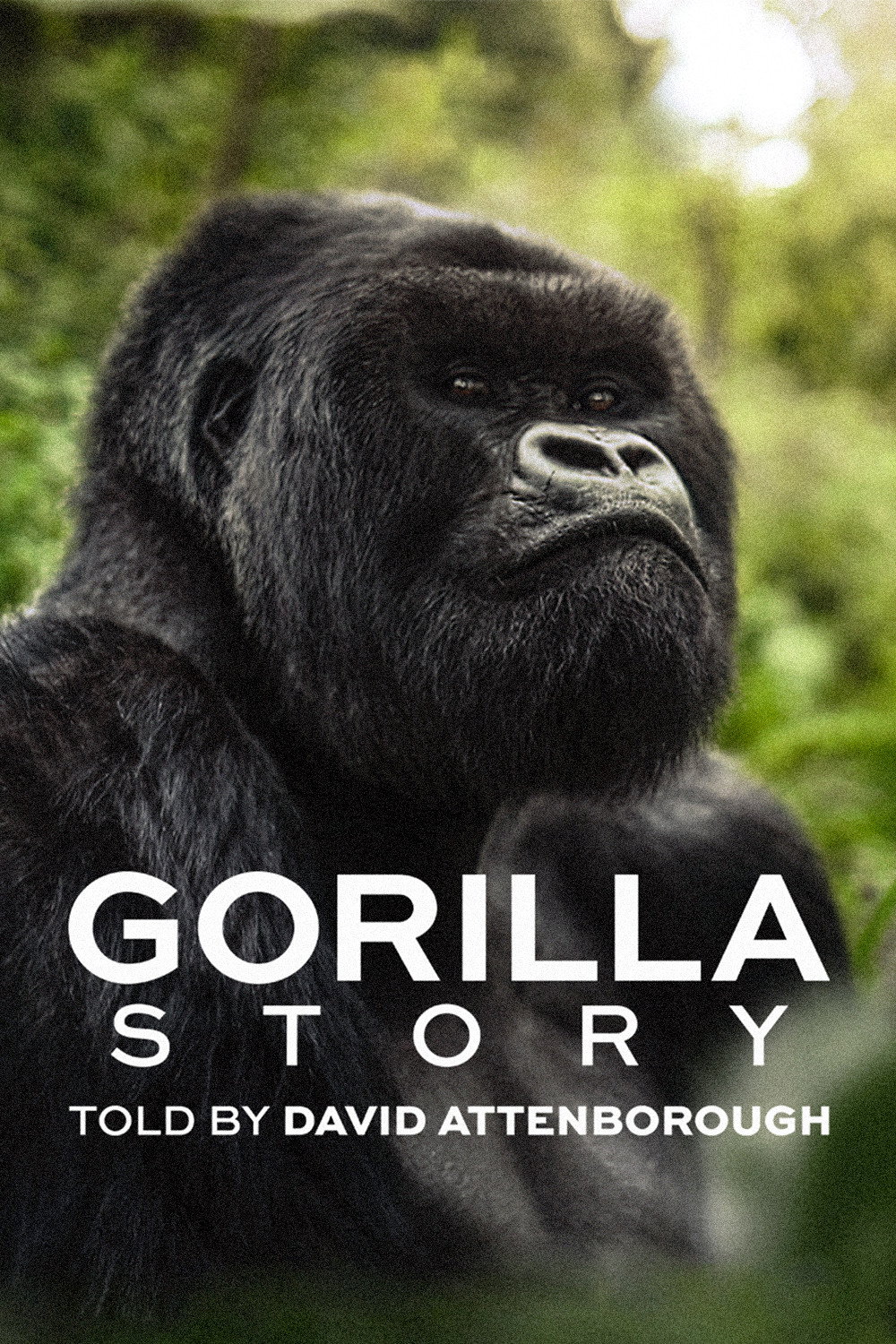
Veteran naturalist Sir David Attenborough tells the story of a remarkable group of gorillas, from his first encounter in the '70s to the present day.
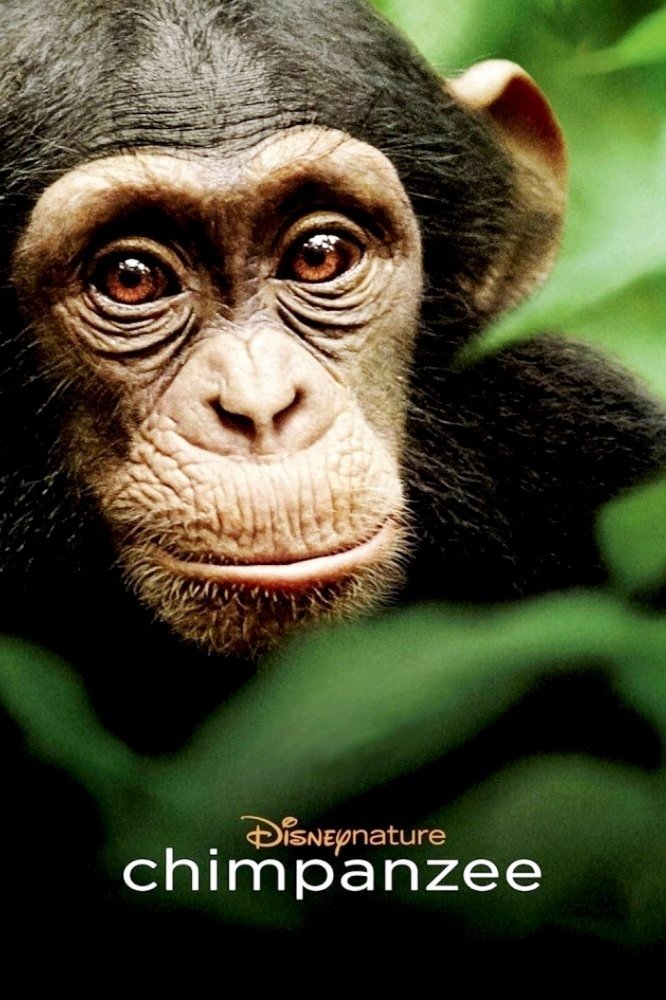
A nature documentary centered on a family of chimps living in the Ivory Coast and Ugandan rain forests. Through Oscar, a little chimpanzee, we discover learning about life in the heart of the African tropical forest and follow his first steps in this world with humor, emotion and anguish. Following a tragedy, he finds himself separated from his mother and left alone to face the hostility of the jungle. Until he is picked up by an older chimpanzee, who will take him under her protection.
A young penguin, driven by his instinct, embarks on his first major trip to an unknown destination.
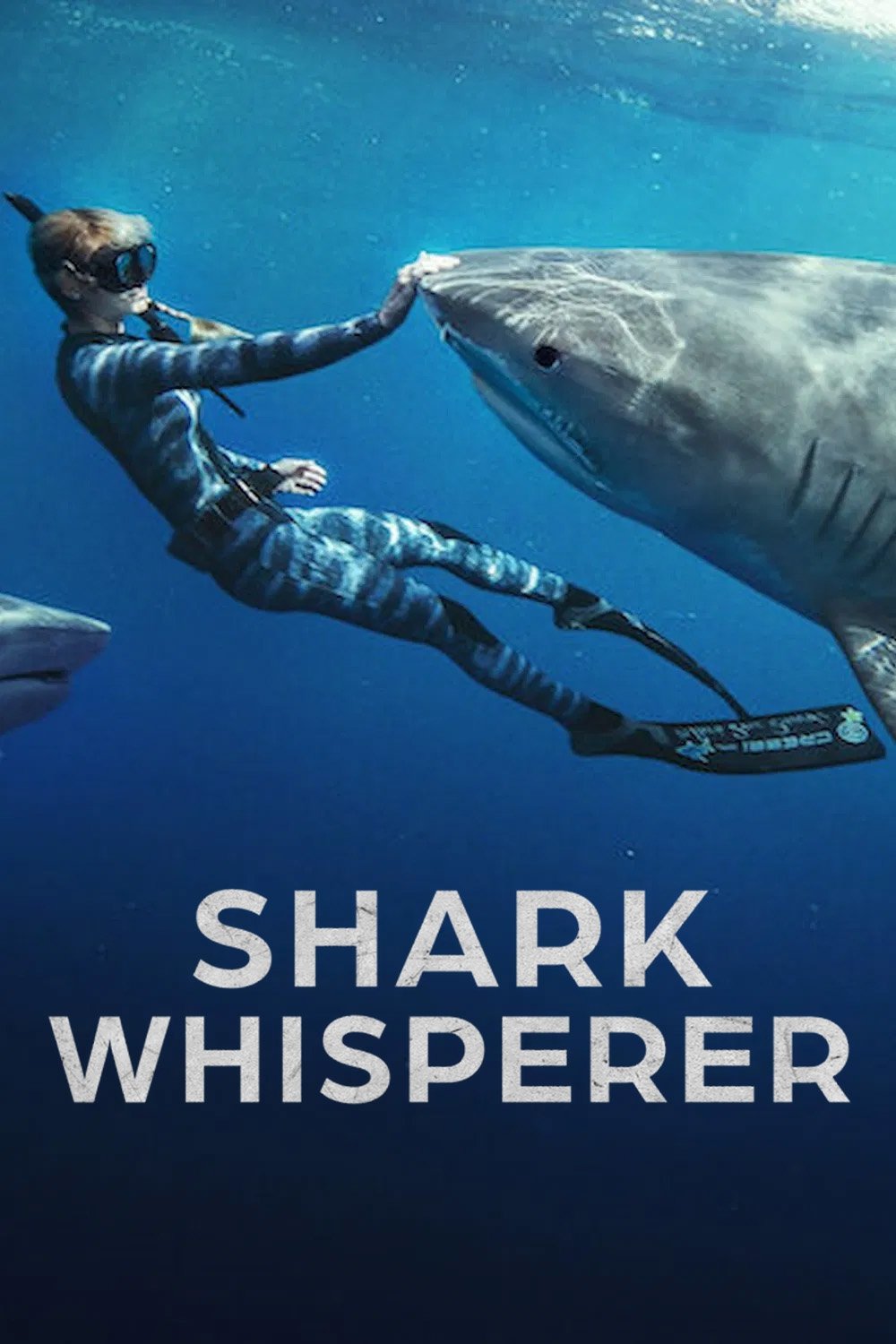
Marine conservationist and social media activist Ocean Ramsey fearlessly swims with sharks in this documentary about her risky mission to protect them.
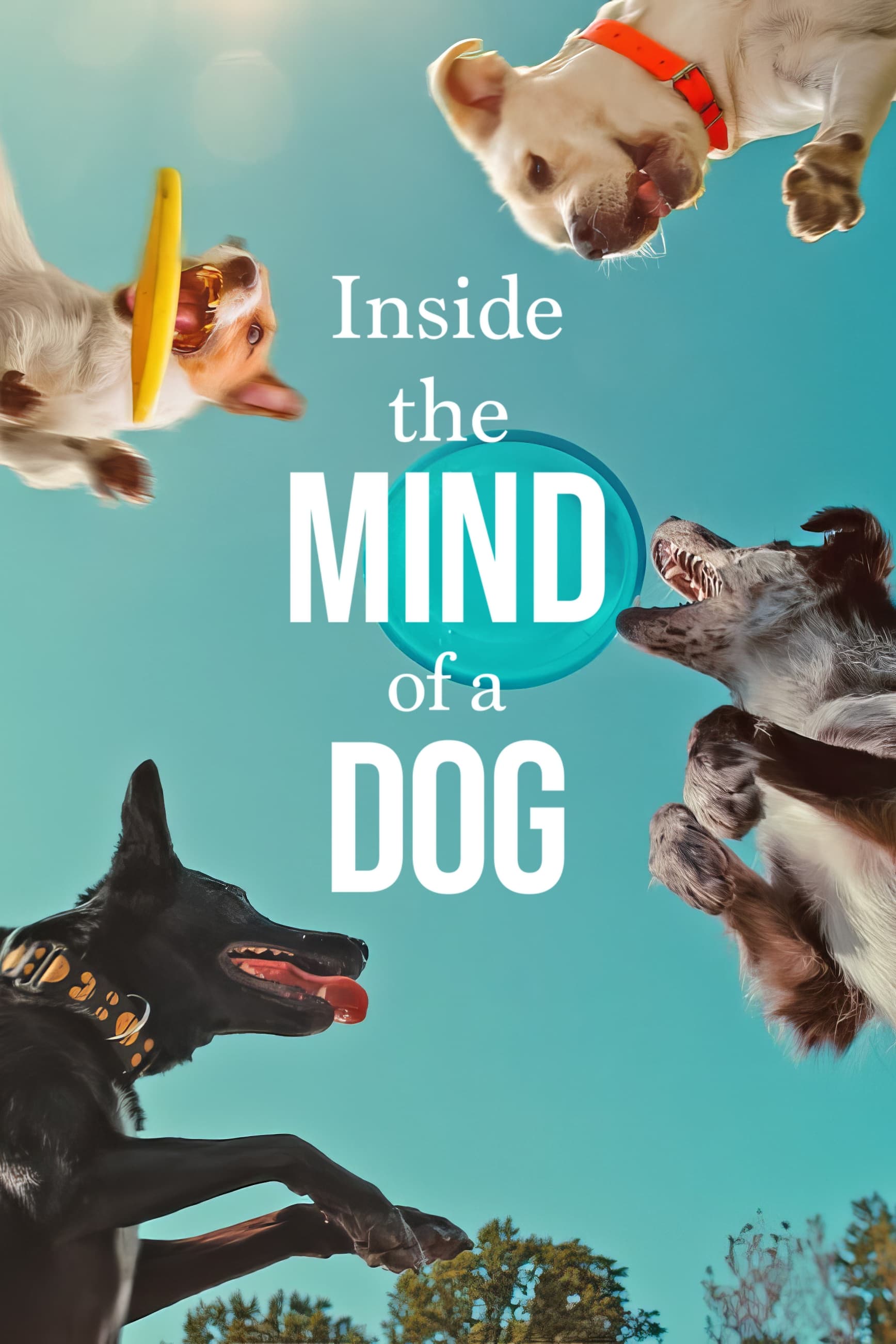
Embark on a delightful journey into the world of dogs in this documentary that reveals scientific and emotional insights about our lovable BFFs.
An exploration of technologically developing nations and the effect the transition to Western-style modernization has had on them.
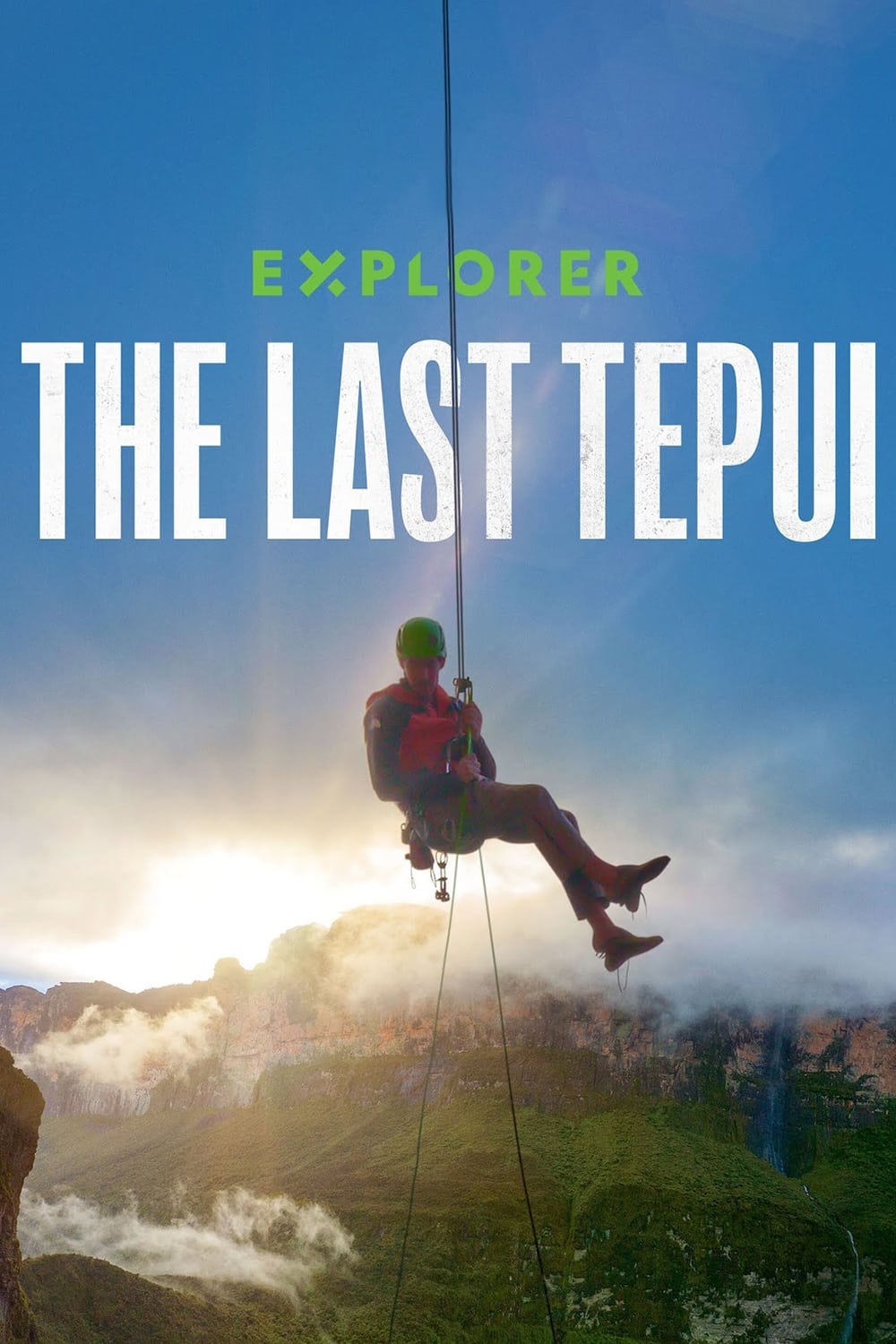
This documentary starring climber Alex Honnold and famous biologist Bruce Means document their expedition to the South American sky islands in search of new species and discoveries. Follows elite climber Alex Honnold and a world-class climbing team led by National Geographic Explorer and climber Mark Synnott on a grueling mission deep in the Amazon jungle as they attempt a first-ascent climb up a 1000 foot sheer cliff.
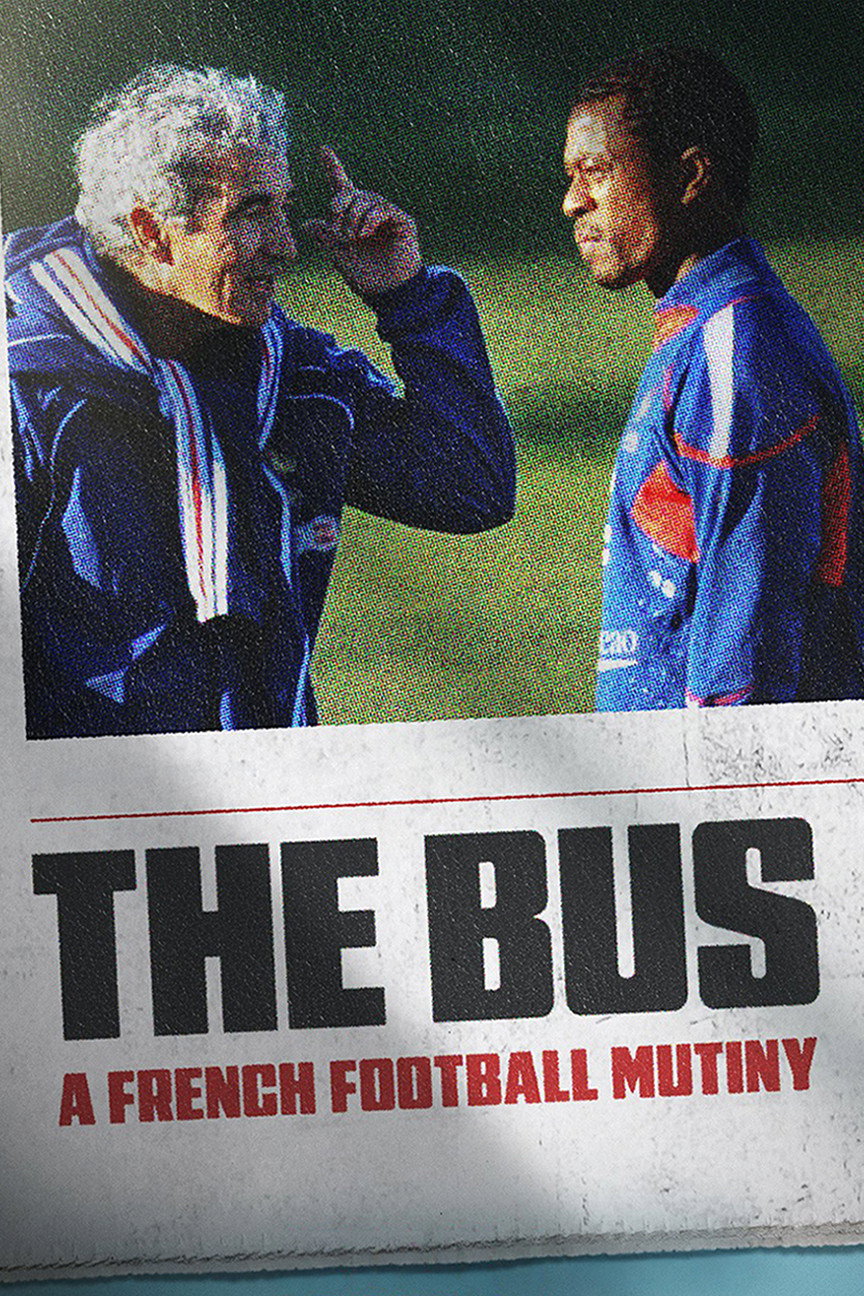
This documentary revisits the French football team's controversial 2010 World Cup and the bus strike that sparked global headlines and national outrage.
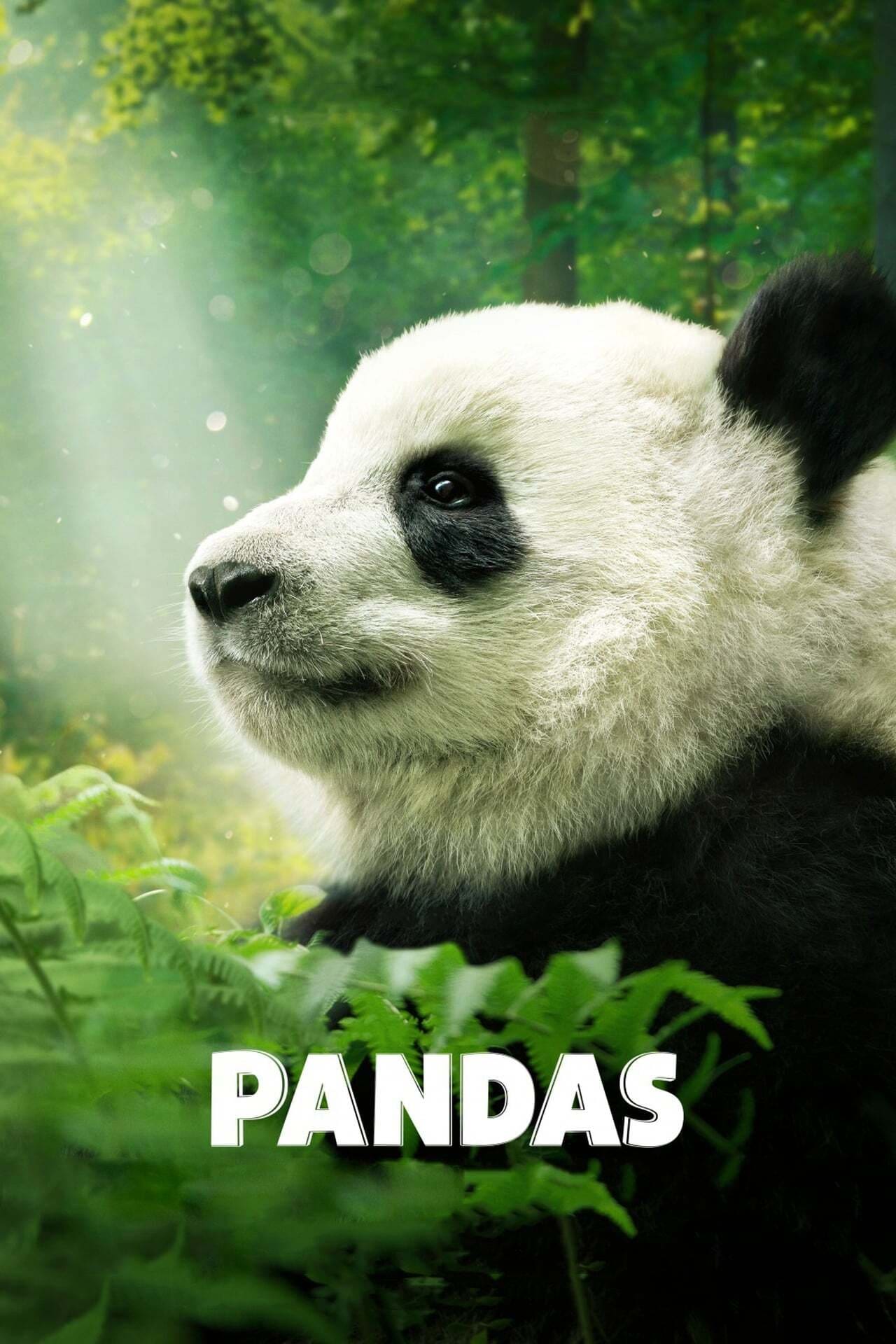
In the mountains of Sichuan, China, a researcher forms a bond with Qian Qian, a panda who is about to experience nature for the first time.