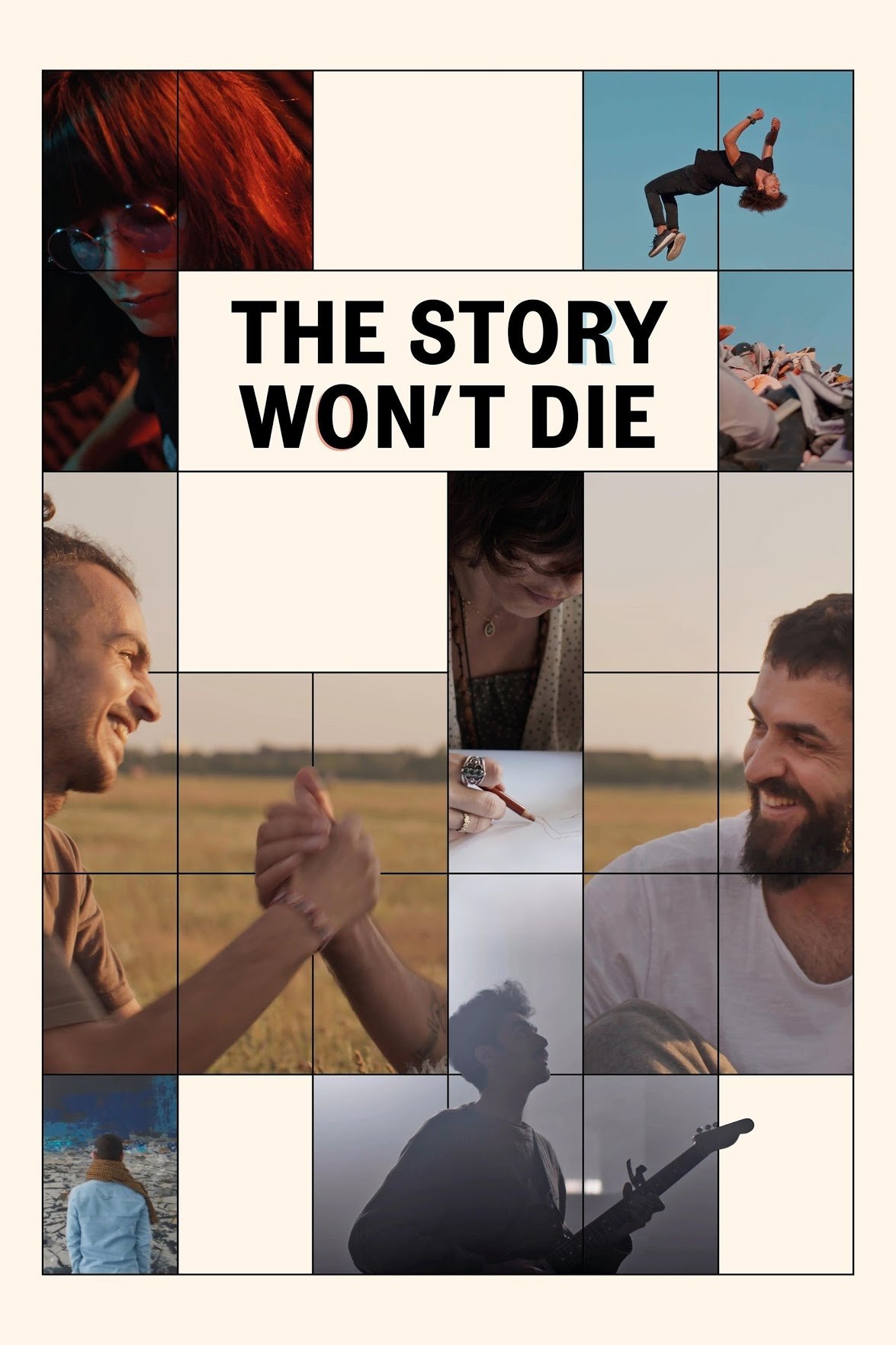
In the vastness of the Iranian desert, young artists strive for freedom, community, and the preservation of their cultural heritage in the ancient caravanserai of Deyr-e Gachin, while facing the harsh conditions of their surroundings.

Social & External
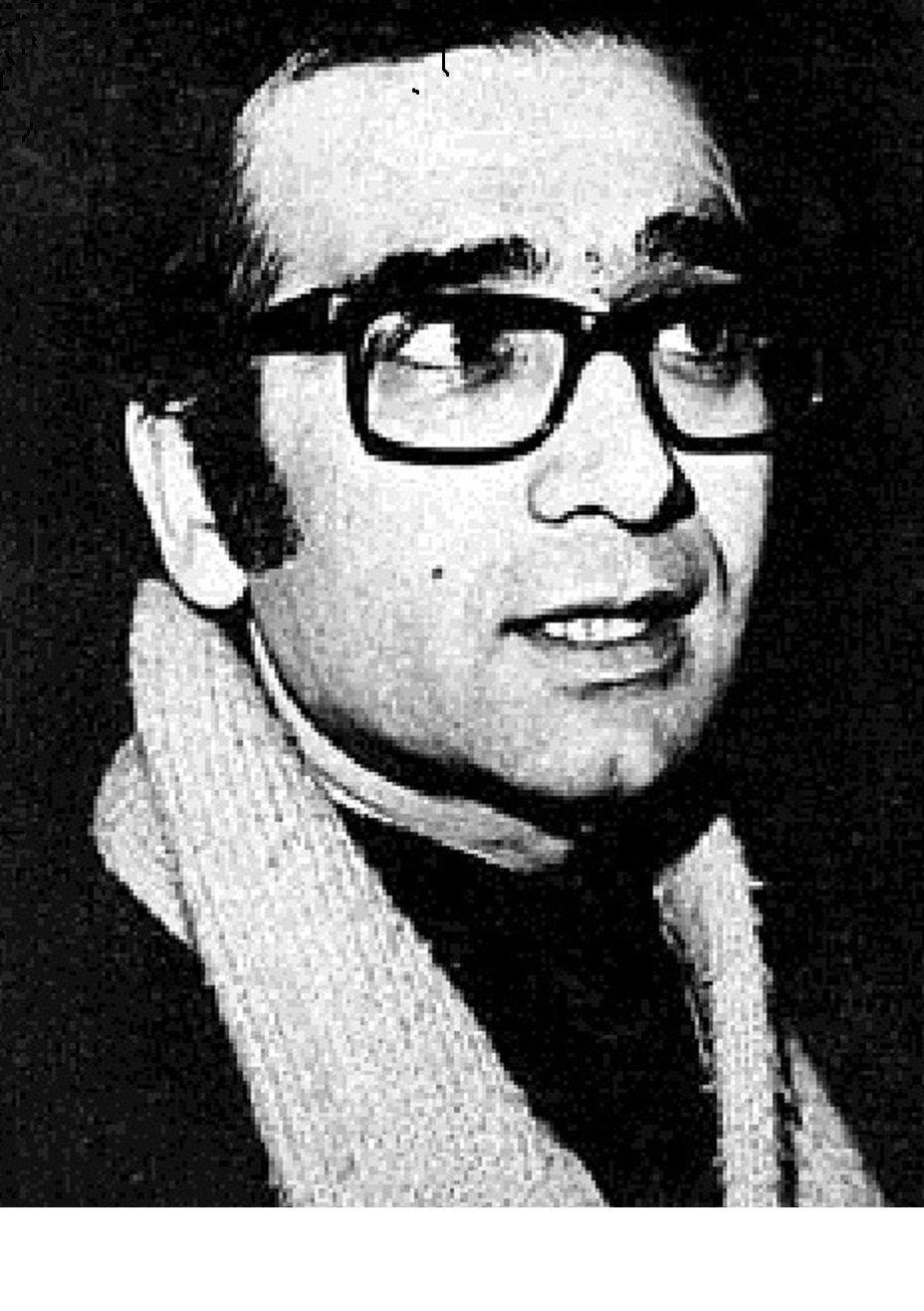
Painter Zdzisław Beksiński, his wife Zofia and their son Tomasz, a well-known radio journalist and translator, were a typical and unconventional family, both at the same time. One of the father’s obsessions was filming himself and his family members. Using archival footage only, shot primarily by Zdzisław, as well many other materials, which have not been presented anywhere so far, the film tells a tragic story of the Beksińskis that has never ceased to fascinate Polish filmmakers.

The documentary begins when the fictionalized drama ends. Sara spent three years volunteering to save refugees on the same journey that made her so famous, and was suddenly arrested in Aug. 2018, accused by Greek authorities of running a criminal enterprise with charges including “international espionage and people smuggling.” If convicted, she faces up to 25 years in prison and the end of her humanitarian career. Shot over three years, the film follows Sara’s fight for justice and journey of self-discovery.
Olivia Martin McGuire (China Love) parallels a grandfather’s journey to safety during the Cultural Revolution with his granddaughter’s fight for freedom in Hong Kong today. Interweaving unflinching testimony of the elder’s exodus from the Chinese mainland, exquisitely animated recreations of the perilous escape to Hong Kong through land and sea, and vivid, evocative archival footage of both mid-20th-century China and the Hong Kong protests today, Freedom Swimmer emerges as a gripping and timely account of the struggle for survival across generations.
Oxana is a woman, a fighter, an artist. As a teenager, her passion for iconography almost inspires her to join a convent, but in the end she decides to devote her talents to the Femen movement. With Anna, Inna and Sasha, she founds the famous feminist group which protests against the regime and which will see her leave her homeland, Ukraine, and travel all over Europe. Driven by a creative zeal and a desire to change the world, Oxana allows us a glimpse into her world and her personality, which is as unassuming, mesmerising and vibrant as her passionate artworks.
Klaus Kinski has perhaps the most ferocious reputation of all screen actors: his volatility was documented to electrifying effect in Werner Herzog’s 1999 portrait My Best Fiend. This documentary provides further fascinating insight into the talent and the tantrums of the great man. Beset by hecklers, Kinski tries to deliver an epic monologue about the life of Christ (with whom he perhaps identifies a little too closely). The performance becomes a stand-off, as Kinski fights for control of the crowd and alters the words to bait his tormentors. Indispensable for Kinski fans, and a riveting introduction for newcomers, this is a unique document, which Variety called ‘a time capsule of societal ideals and personal demons.’
In 2010, the iconic Tote Hotel – last bastion of Melbourne’s vibrant music counterculture – was forced to close by unfair laws. Filmed over 7 years, “Persecution Blues” depicts the struggle of more than 20,000 fans – and the bands who inspire them – to preserve their history and protect their future, and puts the audience on the front line of an epic-scale culture war.
A documentary about the life of wild animals.
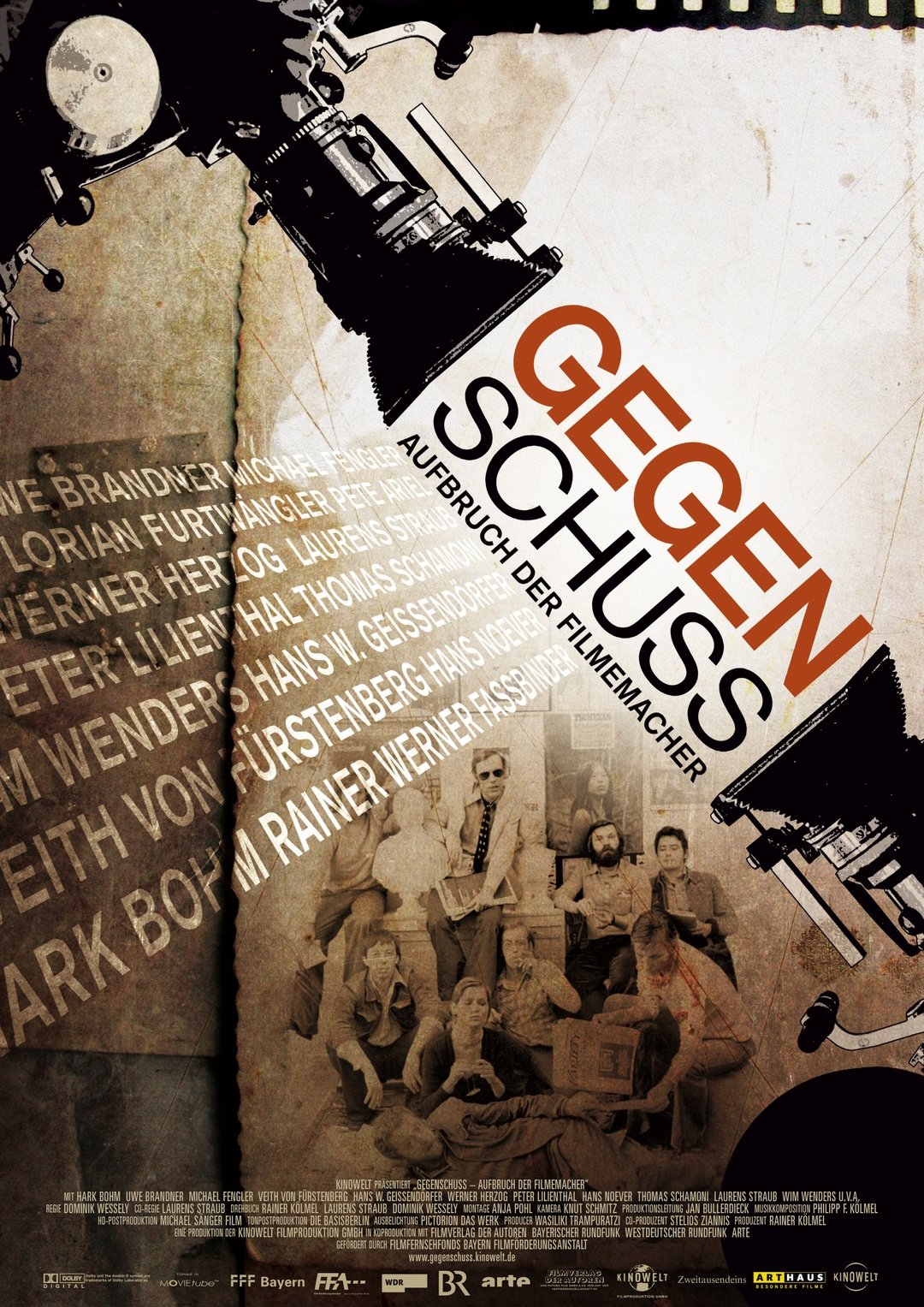
Documentary about filmmakers of the New German Cinema who were members of the legendary Filmverlag für Autoren (Film Publishing House for Authors). Among them are Werner Herzog, Rainer Werner Fassbinder, and Wim Wenders.
An ethnographic documentary following four Ju/’hoansi (!Kung) men during a multi-day giraffe hunt in the Kalahari Desert, filmed during the Smithsonian–Harvard Peabody expedition of 1952–53.
The British architect based in Stockholm looks back on major projects of a long career inspired by European Modernism combined with his personal sensitivity to nature and community. Erskine is especially valued for his vital understanding of social interaction, exemplified in commissions for universities and housing complexes built from Scandinavia to Italy. The architect takes the camera on a tour of his buildings while offering revealing comments and interpretations.
Though both the historical and modern-day persecution of Armenians and other Christians is relatively uncovered in the mainstream media and not on the radar of many average Americans, it is a subject that has gotten far more attention in recent years.
Bob Ross brought joy to millions as the world's most famous art instructor. But a battle for his business empire cast a shadow over his happy trees.
Artin, a young Iranian bodybuilder, and Jahan, a Kurdish man who recently discovered his love for painting, live in Kærshovedgård, a former prison now used as a deportation center.
This film is a portrait of unique cultural space for Spirits, Gods and People. While permanent theatres are commonly built in most cosmopolitan modern cities, Hong Kong preserves a unique theatrical architecture, a Chinese tradition that has lasted more than a century - Bamboo Theatre.
A film about the Tibetan Freedom Concert in San Francisco in 1996.
The cultural roots of coal continue to permeate the rituals of daily life in Appalachia even as its economic power wanes. The journey of a coal miner’s daughter exploring the region’s dreams and myths, untangling the pain and beauty, as her community sits on the brink of massive change.
Live and Let Live is a feature documentary examining our relationship with animals, the history of veganism and the ethical, environmental and health reasons that move people to go vegan.
From the remote Australian desert to the opulence of Buckingham Palace - Namatjira Project is the iconic story of the Namatjira family, tracing their quest for justice.
In 150 years, twice marked by total destruction —a terrible earthquake in 1923 and incendiary bombings in 1945— followed by a spectacular rebirth, Tokyo, the old city of Edo, has become the largest and most futuristic capital in the world in a transformation process fueled by the exceptional resilience of its inhabitants, and nourished by a unique phenomenon of cultural hybridization.