Social & External
self
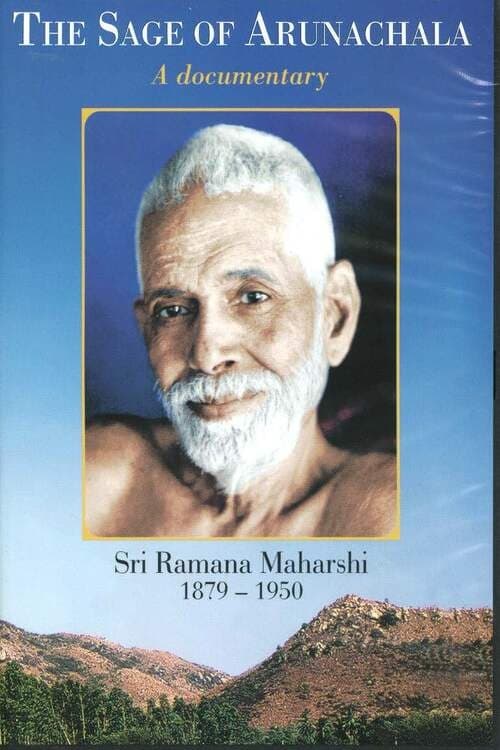
Produced by Krishnaswamy associates (p) Ltd in 1982 Drawn from his home by the power of Arunachala, one of India's traditional holy sites, at the age of sixteen, he challenged death by a penetrating enquiry into the source of his being. He perfectly embodied the ultimate truth of Self-realization, or complete absorption in the Supreme itself, and stayed for the rest of his life as the Sage of Arunachala. Hailed as Bhagavan Sri Ramana Maharshi he revealed the direct path of practice of Self-enquiry and awakened mankind to the immense spiritual power of the holy Arunachala Hill. This video biography was produced and directed by Dr. S. Krishnaswamy, founder of Krishnaswamy Associates P Ltd, Chennai.
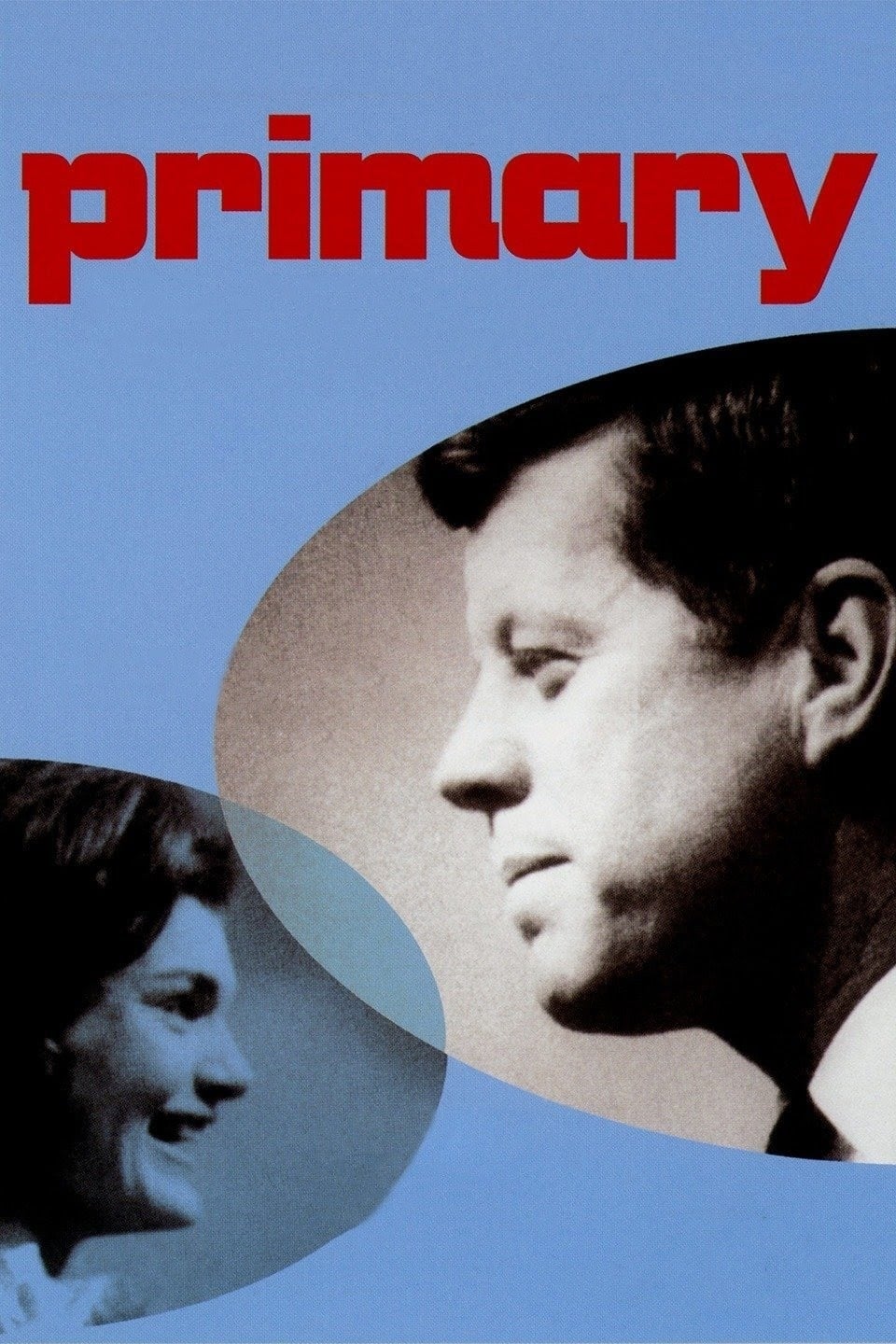
Primary is a documentary film about the primary elections between John F. Kennedy and Hubert Humphrey in 1960. Primary is the first documentary to use light equipment in order to follow their subjects in a more intimate filmmaking style. This unconventional way of filming created a new look for documentary films where the camera’s lens was right in the middle of what ever drama was occurring. Preserved by the Academy Film Archive in partnership with The Film Foundation in 1998.
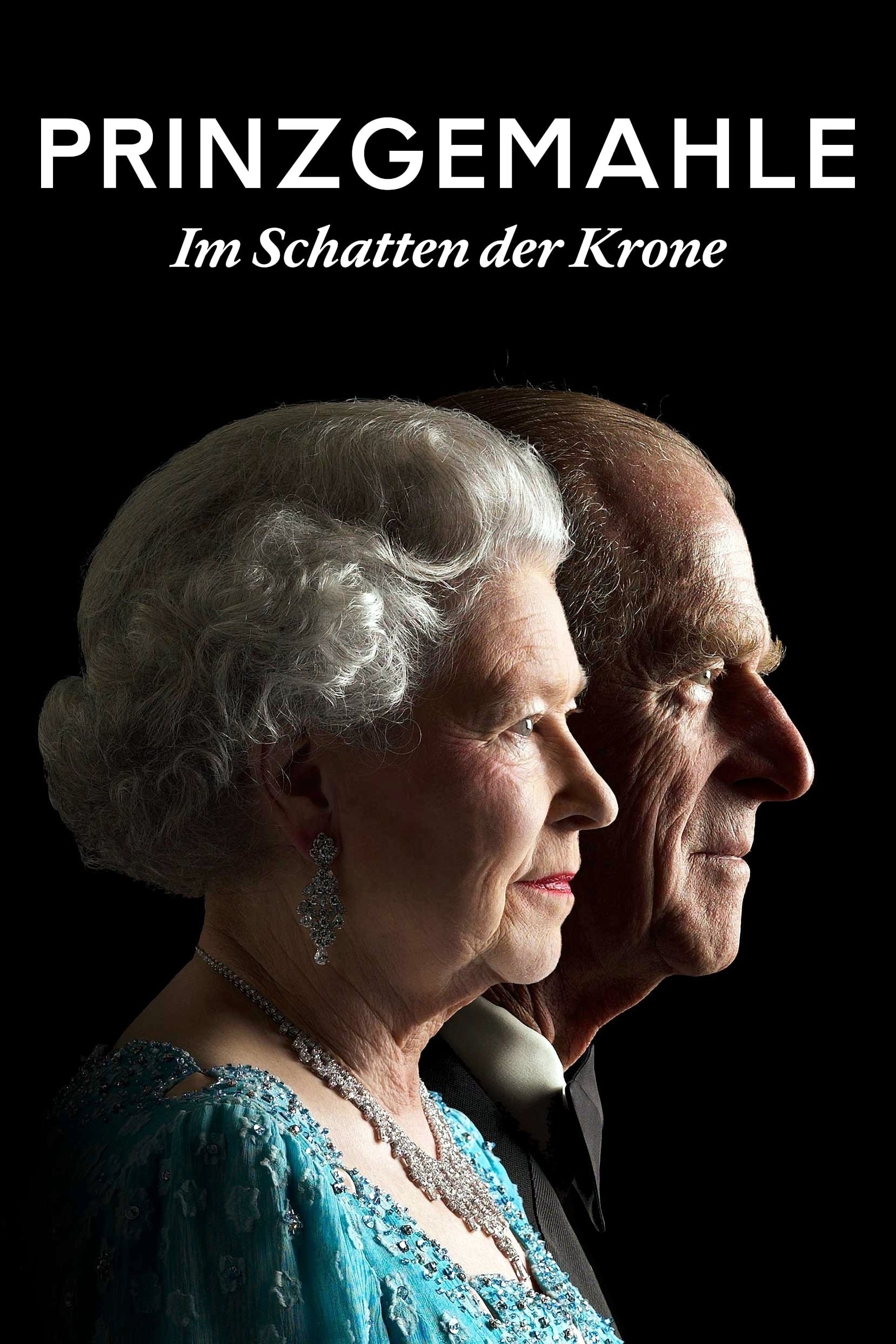
No profession, no say, no freedom of expression. Life as a prince consort is not exactly pleasure taxing. No constitution ascribes any function to the husband of a queen. Nowhere does it say what he must or must not do. A life in the shadow of the crown. Can that go well?
This documentary takes the viewer on a journey along Halsted Street, from the southern tip of Illinois, north through various Chicago neighborhoods, to the end of the road at Broadway in Chicago's Lakeview neighborhood.
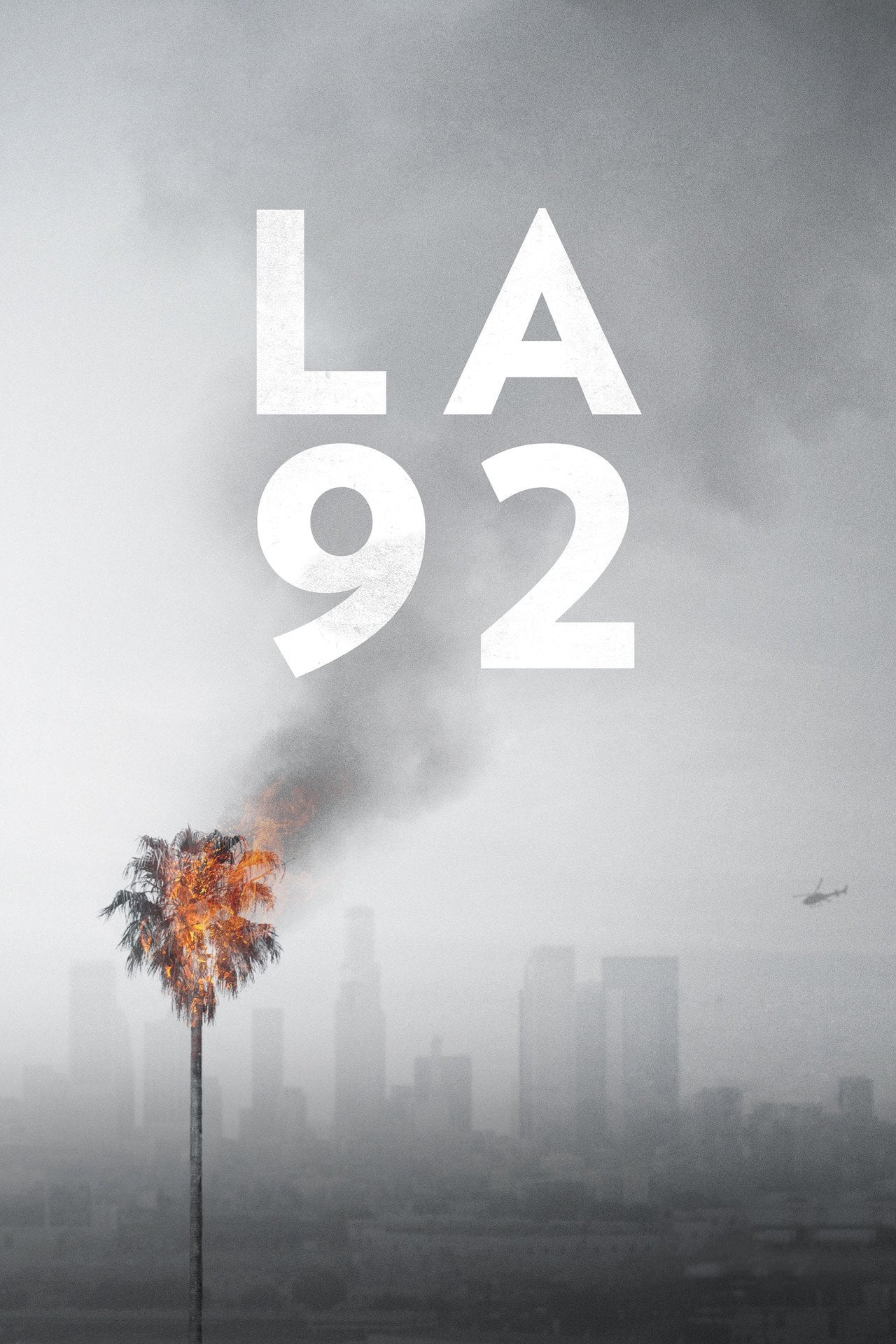
An in-depth look at the culture of Los Angeles in the ten years leading up to the 1992 uprising that erupted after the verdict of police officers cleared of beating Rodney King.
Two children are directed by a cinemaker.
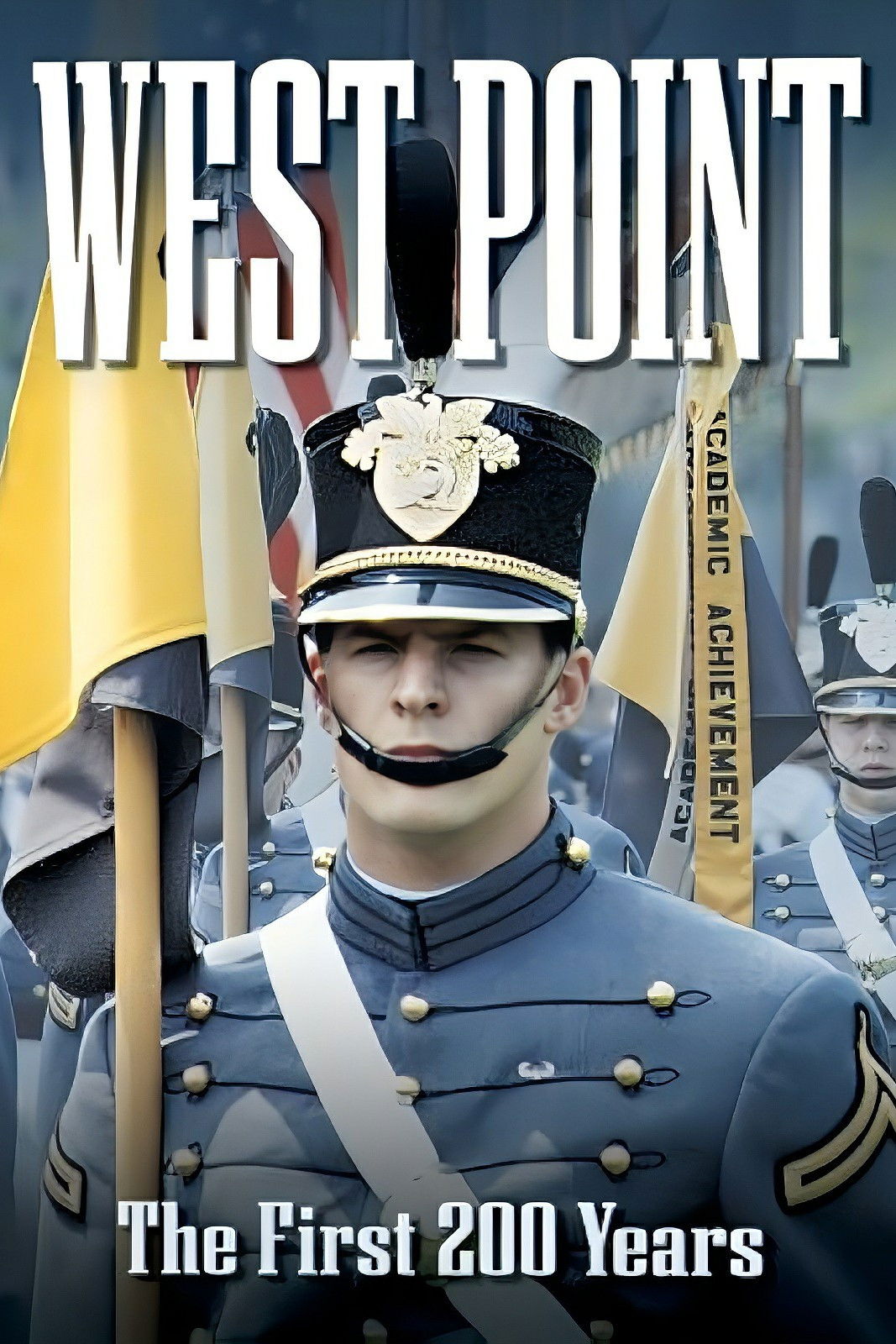
A documentary about the United States Military Academy at West Point that conveys the vibrancy, sense of fraternity and fierce loyalty that mark the West Point experience.
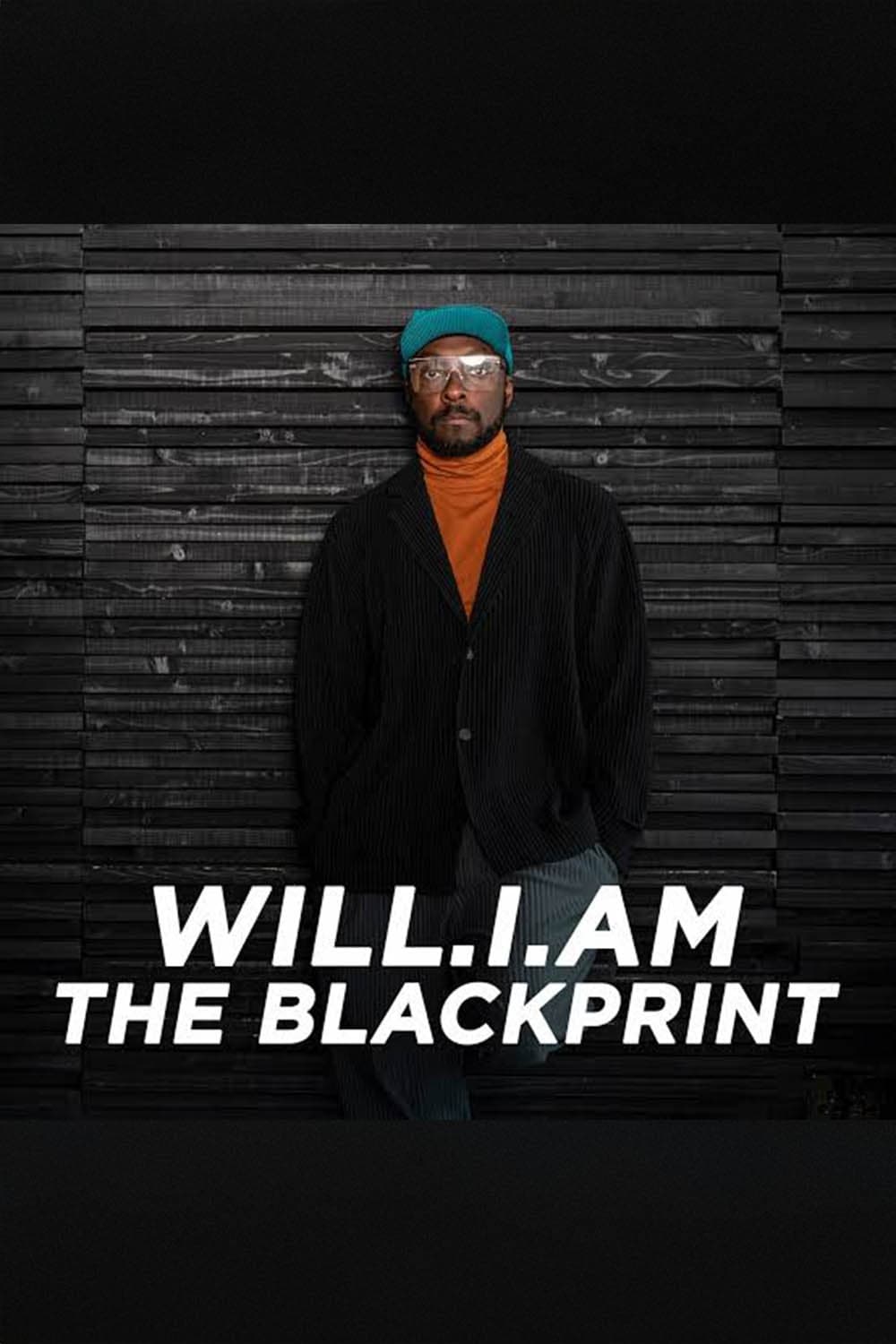
The Blackprint explores what it means to be Black and British. will.i.am traveled the UK to meet civil rights heroes, schoolchildren and technology trailblazers while also exploring issues they face because of their race. A basic look at racial discrimination experienced by young Black men and women but also, where it began with the slave trade in the 1800s.
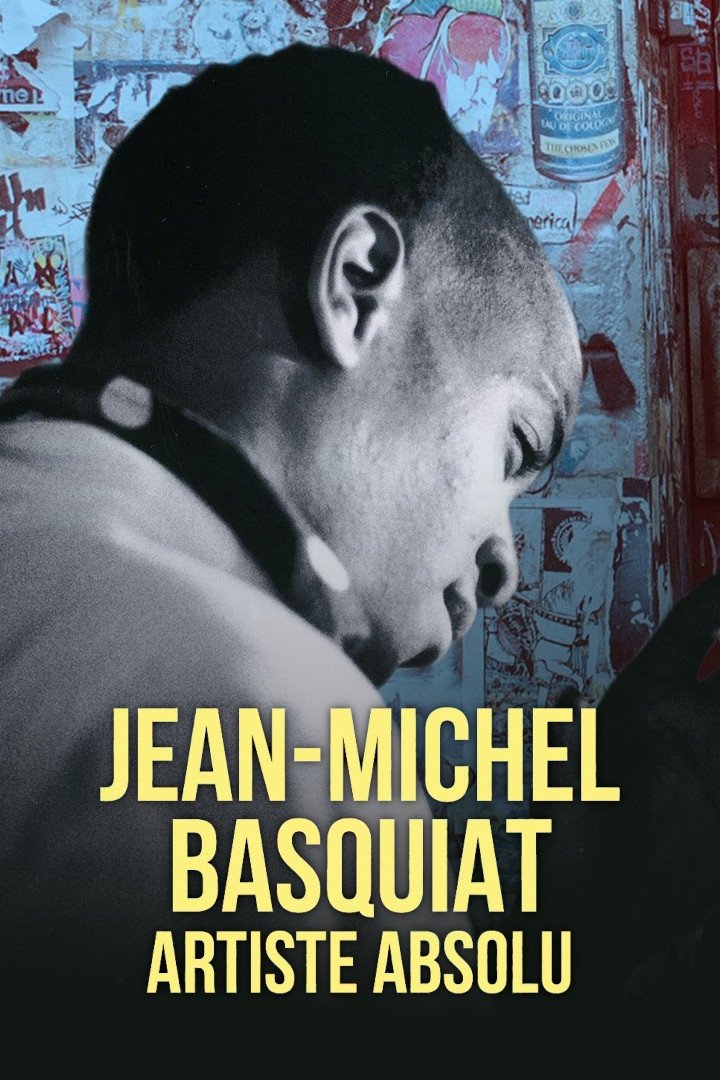
The life and work of New York artist Jean-Michel Basquiat have been marked by a long quest for identity, by his Haitian and Puerto Rican family origins and by a founding trip to Africa. To portray this major painter of the 20th century, who died in 1988 at only 27 years old, is also to evoke the place of black American artists in the conservative and racist America of the Reagan years.
Documentary film exploring the lives of the people at the flashpoint of the LA riots, 25 years after the uprising made national headlines and highlighted the racial divide in America.
A contrast between two kinds of attitudes to gay liberation in Adelaide.
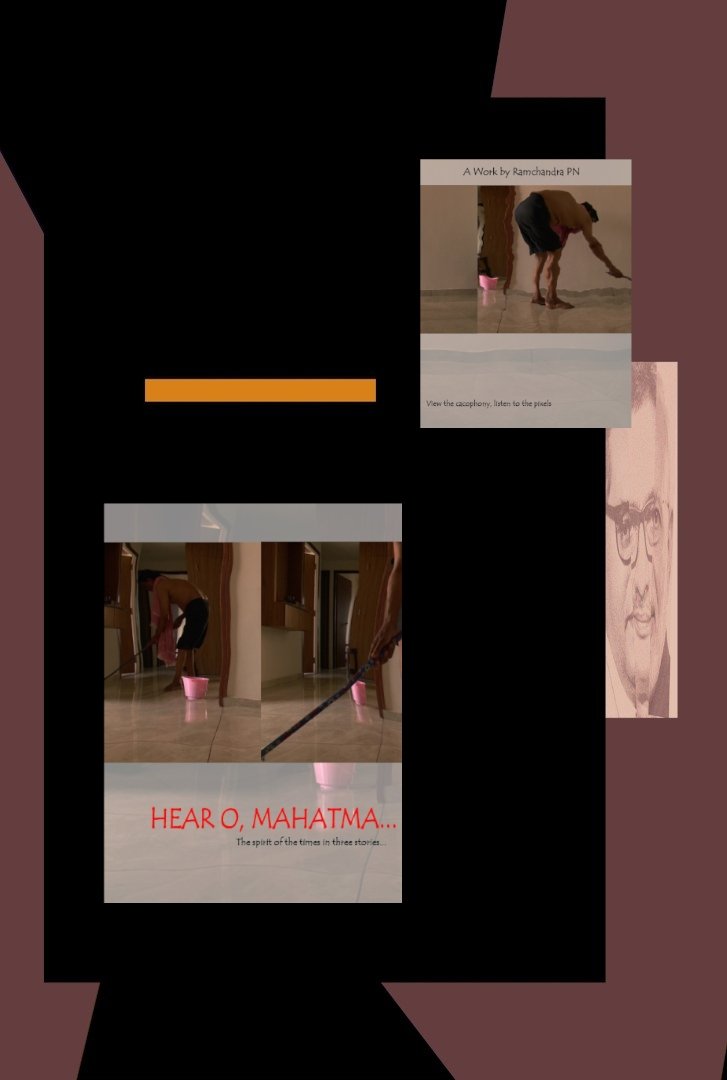
In an open letter to the most influential modern Indian political leader, the Late Mohandas Karamchand Gandhi, the filmmaker sequentially narrates the stories of three distinct individuals - that of a confused filmmaker who flows with time, a dedicated social reformer who guides the stratified masses into social upliftment and a divisive and regressive politician. The juxtaposition of their disfigured trajectories provokes a pertinent question: Did Gandhi ever foresee the dehumanized shape that his legacy has now dangerously morphed into?
An experimental short film that traces the emotional landscape of life after heartbreak. Through intimate narration and cinematography, the film reflects on time, healing, and the rediscovery of self. A quiet yet cinematic portrait of learning to love the stranger within, and rediscovering the beauty of simply being alive.
The history of one of the most famous ships in the world – from construction, maiden voyage and claim on the coveted Blue Riband, to the Second World War and the post-war ‘golden age’. Featuring high quality archive sequences and exclusive interviews. More recent footage of the ship as she is today completes the fascinating story.
Twenty-five years after the verdict in the Rodney King trial sparked several days of protests, violence and looting in Los Angeles, LA 92 immerses viewers in that tumultuous period through stunning and rarely seen archival footage.
Directed by Jacob Miguel, "PUNK ROCK LOTTERY" embarks on a mission to capture the rapid growth of an annual event known as "The Punk Rock Lottery" in Austin, Texas. What sets this film apart is its self-awareness, playfully breaking the fourth wall and transforming into an immersive journey through history and the creative process. The narrative builds its foundation by featuring insights from punk legends and influential figures who helped shape both the film and Austin itself. As the story unfolds, it delves into the heart of the project as Jacob actively participates in the event, offering an inside look at the frenetic pace of life in a band. Through the experiences of over 30 characters, the film uncovers universal truths about creativity, camaraderie, and the struggles inherent in pursuing one's artistic passion.
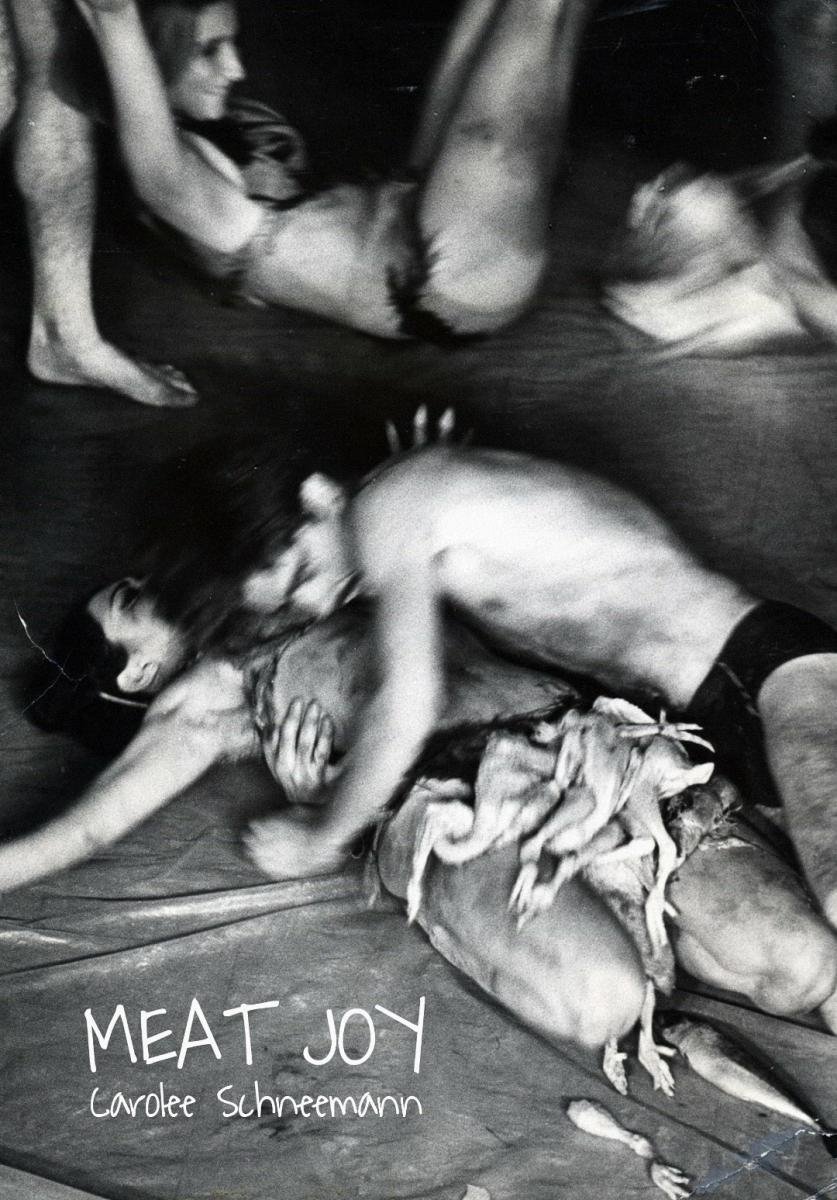
"Meat Joy is an erotic rite — excessive, indulgent, a celebration of flesh as material: raw fish, chicken, sausages, wet paint, transparent plastic, ropes, brushes, paper scrap. Its propulsion is towards the ecstatic — shifting and turning among tenderness, wildness, precision, abandon; qualities that could at any moment be sensual, comic, joyous, repellent. Physical equivalences are enacted as a psychic imagistic stream, in which the layered elements mesh and gain intensity by the energy complement of the audience. The original performances became notorious and introduced a vision of the 'sacred erotic.' This video was converted from original film footage of three 1964 performances of Meat Joy at its first staged performance at the Festival de la Libre Expression, Paris, Dennison Hall, London, and Judson Church, New York City."
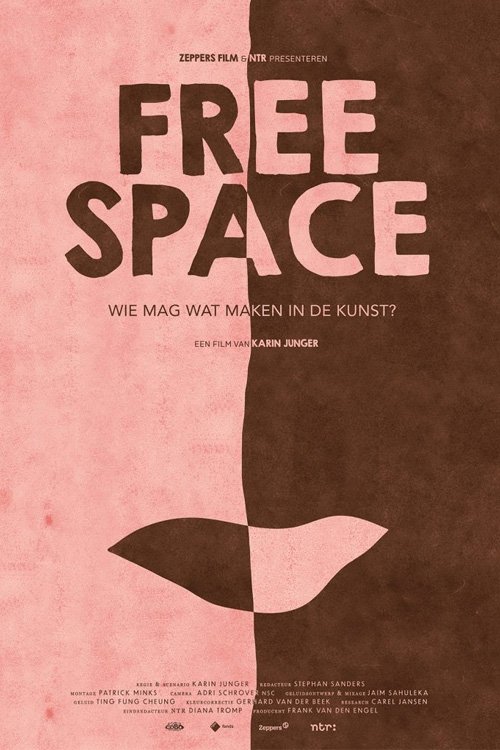
Under pressure from activist groups, art is increasingly being cancelled for ideological reasons, because of 'cultural appropriation' or because of the desire for a 'safe space'. The colour and gender of the artist seem to be all-determining in this. How do you relate to this as an artist? Is this a disturbing development or a sign of emancipation? And what does it mean for freedom of expression? Director Karin Junger investigates this with Anne-Fay Kops, Ted van Lieshout, Angel-Rose Oedit Doebé, Raymi Sambo, Boris van Berkum, Marian Markelo, Stephan Sanders and Thomas Chatterton Williams.
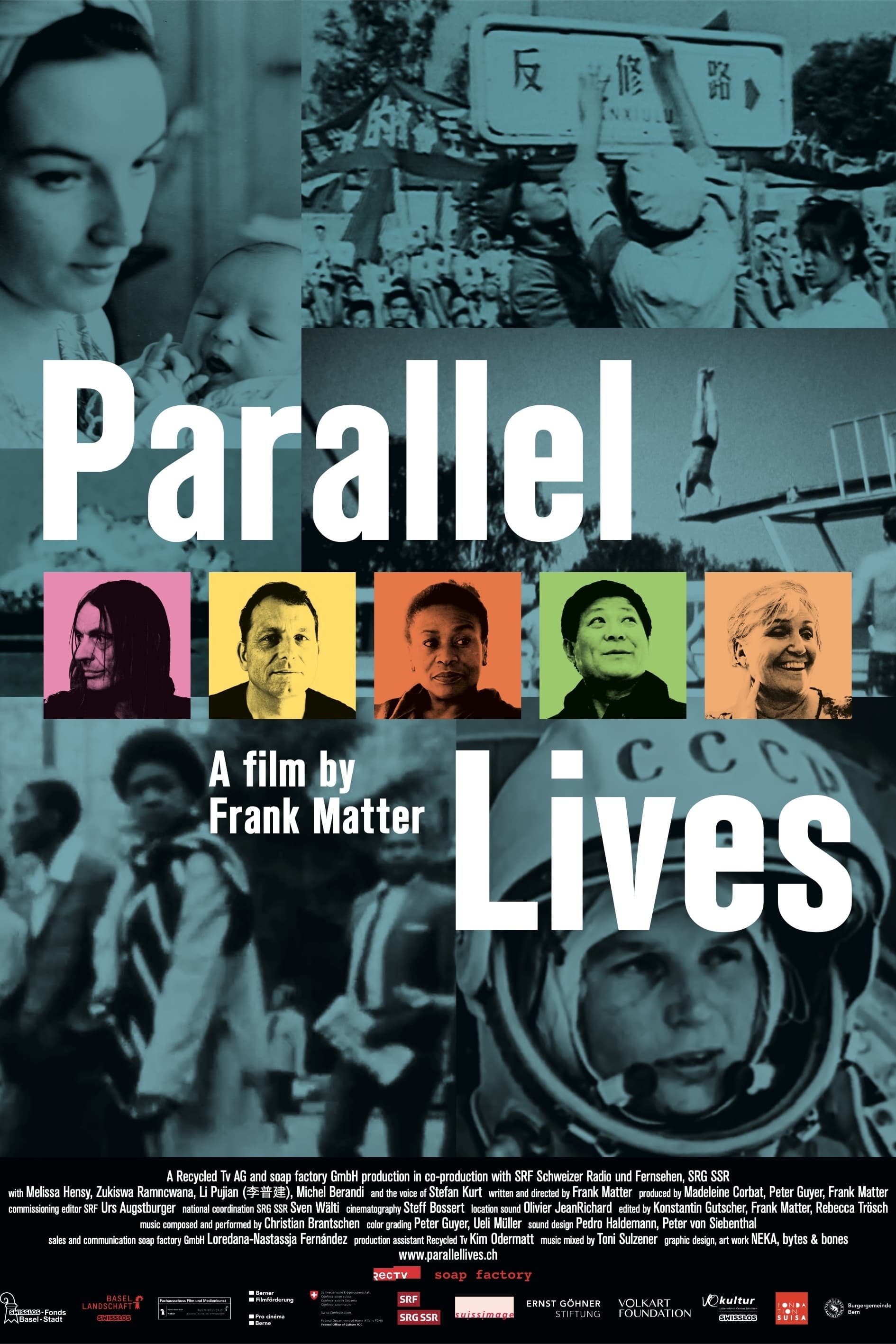
Born June 8, 1964, Frank Matter films four "twins", born the same day as him, but in other latitudes. Interweaving their life stories with rich archival material, the filmmaker links these Parallel Lives with elements from his own biography, to compose a fascinating fresco where intimate trajectories are part of the advent of the global village.
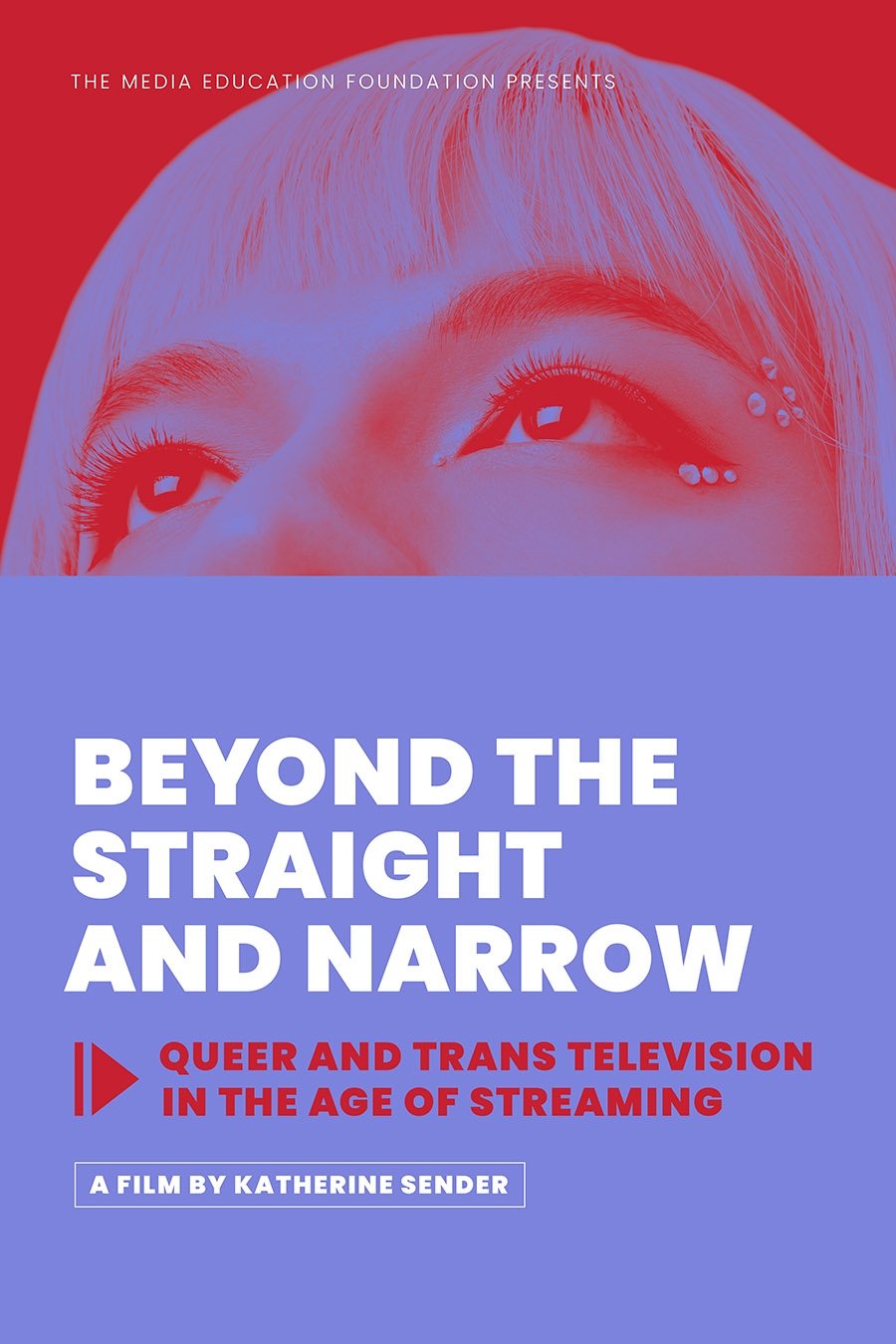
How did the rise of LGBTQ visibility, political progress, and digital technologies in the 2000s come together to offer the abundance of complex queer and transgender representations we see today? Media scholar Katherine Sender shows how LGBTQ visibility and political progress have combined with new digital media technologies and television platforms to produce an increasingly complex range of queer and transgender representations.
An experimental documentary that explores Saudi Arabia's relationship with the U.S. and the role this has played in the war in Afghanistan.
A documentary on the expletive's origin, why it offends some people so deeply, and what can be gained from its use.
Explores the meaning of fame and influence in the digital age through an innovative social experiment. Following three Los Angeles-based people with relatively small followings, the film explores the attempts made to turn them into famous influencers by purchasing fake followers and bots to “engage” with their social media accounts.
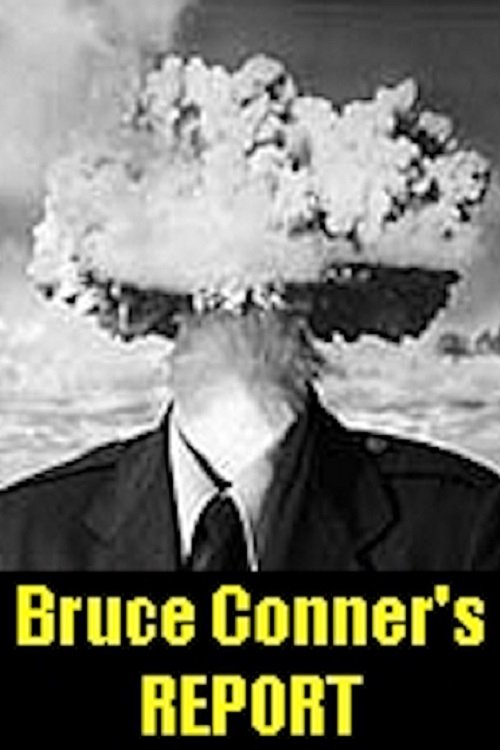
Bruce Conner’s most celebrated film for a reason: it takes historical moments that were replayed over and over on television—chilling repetition of Kennedy assassination coverage—and repurposes them into a meditation on how the media tries to exert authority and apply a sense of order to the anarchic. And though it may sound perverse to say so, the film is also—not incidentally—a thrill to watch. -- The A.V. Club
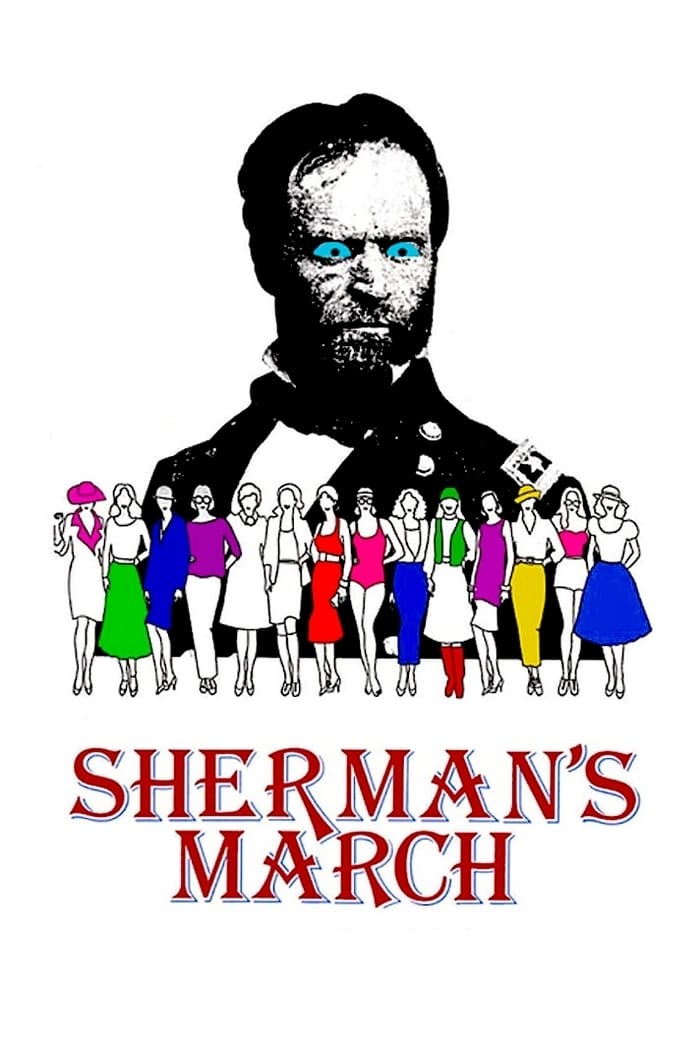
Ross McElwee sets out to make a documentary about the lingering effects of General Sherman's march of destruction through the South during the Civil War, but is continually sidetracked by women who come and go in his life, his recurring dreams of nuclear holocaust, and Burt Reynolds.
When Allied forces liberated the Nazi concentration camps in 1944-45, their terrible discoveries were recorded by army and newsreel cameramen, revealing for the first time the full horror of what had happened. Making use of British, Soviet and American footage, the Ministry of Information’s Sidney Bernstein (later founder of Granada Television) aimed to create a documentary that would provide lasting, undeniable evidence of the Nazis’ unspeakable crimes. He commissioned a wealth of British talent, including editor Stewart McAllister, writer and future cabinet minister Richard Crossman – and, as treatment advisor, his friend Alfred Hitchcock. Yet, despite initial support from the British and US Governments, the film was shelved, and only now, 70 years on, has it been restored and completed by Imperial War Museums under its original title "German Concentration Camps Factual Survey".
Those who knew iconic funnyman John Candy best share his story, in their own words, through never-before-seen archival footage, imagery, and interviews.
A documentary about the life and films of director John Ford.
This revealing documentary honors the legendary Sidney Poitier—iconic actor, filmmaker, and civil rights activist. Featuring interviews with Denzel Washington, Spike Lee, Halle Berry, and more.
Unravel the case of Utah therapist Jodi Hildebrandt, whose child abuse arrest with parenting YouTuber Ruby Franke exposed a twisted tale of manipulation.
Amber Heard and Nicole Kidman discuss their characters Mera and Atlanna.
An in-depth look at the prison system in the United States and how it reveals the nation's history of racial inequality.
A documentary about how a dominant cultural and demographic institution both sustains their traditional activities and adapts to the digital revolution.
A compilation of over 30 years of private home movie footage shot by Lithuanian-American avant-garde director Jonas Mekas, assembled by Mekas "purely by chance", without concern for chronological order.
Through deeply personal interviews with her siblings and an examination of the photographs, letters, and belongings left behind, Mariska assembles a new portrait of her mother Jayne Mansfield, an extraordinary and complex woman.
A documentary on the making of the three Godfather films, with interviews and recollections from the film makers and cast. This feature also includes the original screen tests of some of the actors for "The Godfather" film, and some candid moments on the set of "The Godfather: Part III."
One man's journey to discover the bitter truth about sugar. Damon Gameau embarks on a unique experiment to document the effects of a high sugar diet on a healthy body, consuming only foods that are commonly perceived as 'healthy'. Through this entertaining and informative journey, Damon highlights some of the issues that plague the sugar industry, and where sugar lurks on supermarket shelves.
Alexander McQueen's rags-to-riches story is a modern-day fairy tale, laced with the gothic. Mirroring the savage beauty, boldness and vivacity of his design, this documentary is an intimate revelation of McQueen's own world, both tortured and inspired, which celebrates a radical and mesmerizing genius of profound influence.
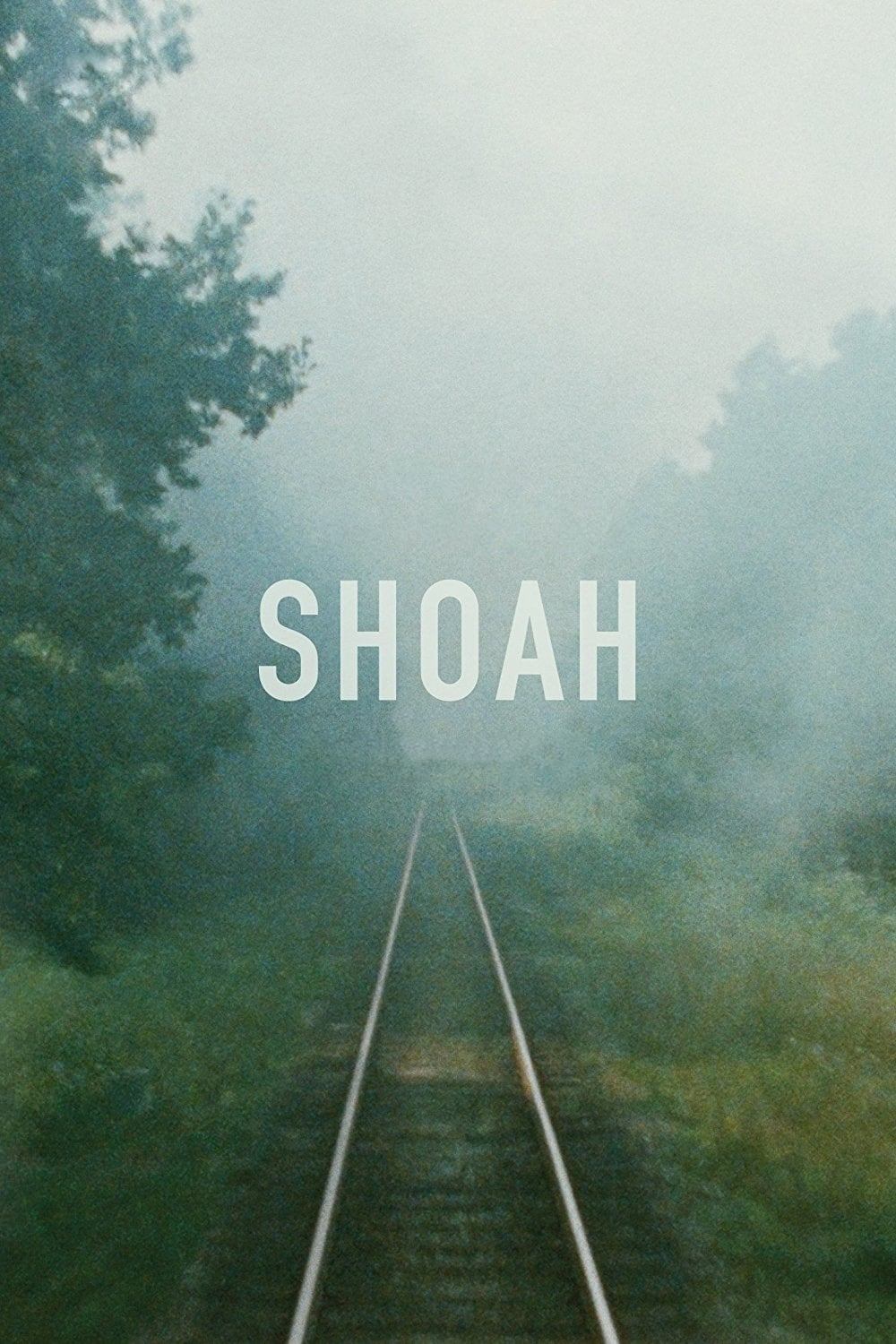
Director Claude Lanzmann spent 11 years on this sprawling documentary about the Holocaust, conducting his own interviews and refusing to use a single frame of archival footage. Dividing Holocaust witnesses into three categories – survivors, bystanders, and perpetrators – Lanzmann presents testimonies from survivors of the Chelmno concentration camp, an Auschwitz escapee, and witnesses of the Warsaw Ghetto Uprising, as well as a chilling report of gas chambers from an SS officer at Treblinka.
Al Pacino's deeply-felt rumination on Shakespeare's significance and relevance to the modern world through interviews and an in-depth analysis of "Richard III."