"A film by Robert C. Van Camp And Andy Lockett"
A documentary covering the planning, construction, and legacy of the Blue Ridge Parkway.
Social & External
Mountain dialect, culture and identity are revealed by the true experts on Southern Appalachian culture--the people whose families have lived there for generations.
Appalachian Journey is one of five films made from footage that Alan Lomax shot between 1978 and 1985 for the PBS American Patchwork series (1991). It offers songs, dances, stories, and religious rituals of the Southern Appalachians. Preachers, singers, fiddlers, banjo pickers, moonshiners, cloggers, and square dancers recount the good times and the hard times of rural life there. Performers include Tommy Jarrell, Janette Carter, Ray and Stanley Hicks, Frank Proffitt Jr., Sheila Kay Adams, Nimrod Workman and Phyllis Boyens, Raymond Fairchild, and others, with a bonus of a few African-Americans from the North Carolina Piedmont.
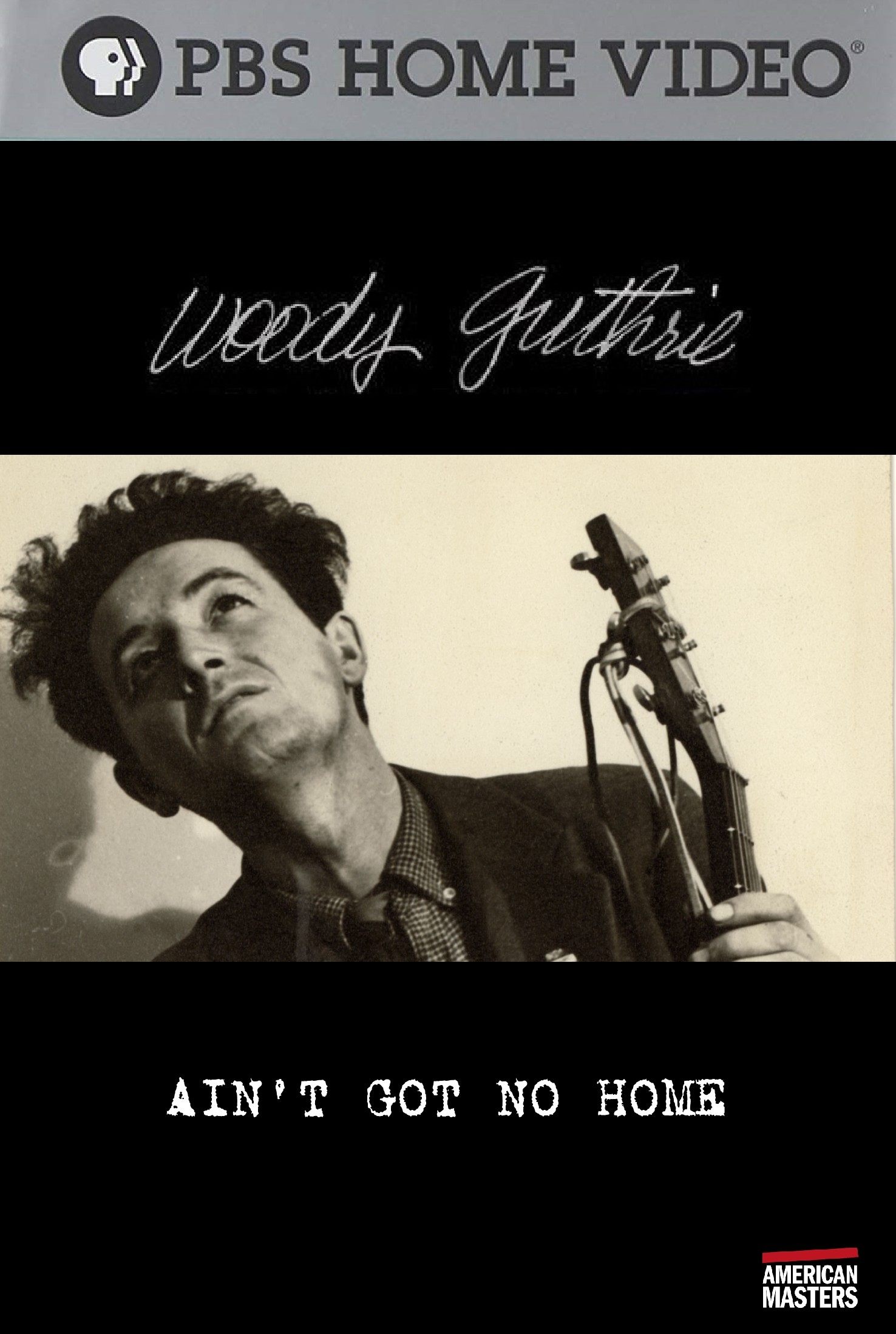
Every American who has listened to the radio knows Guthrie's "This Land Is Your Land." The music of the folk singer/songwriter has been recorded by everyone from the Mormon Tabernacle Choir to U2. Originally blowing out of the Dust Bowl in Depression-era America, he blended vernacular, rural music and populism to give voice to millions of downtrodden citizens. Guthrie's music was politically leftist, uniquely patriotic and always inspirational.
In 1967 Canadian filmmaker Hugh O'Connor came with a crew to eastern Kentucky to make a film showing people from all walks of life in the United States. They finished the day by filming coal miners and their families in rental houses. As the filmmakers were leaving, Hobart Ison, the owner of the property, drove up and fired three shots, killing Hugh O'Connor. Elizabeth Barrett, from Kentucky herself, explores why this happened by trying to understand the people and culture of eastern Kentucky.
In 1915 a young, charismatic Japanese man with a mysterious past entered into the Appalachian culture of Asheville, North Carolina, is suspicioned a spy, targeted by the Klan, but perseveres with a passion for photography and the mountains he adopts, bringing to life Great Smoky Mountains National Park & the Appalachian Trail.
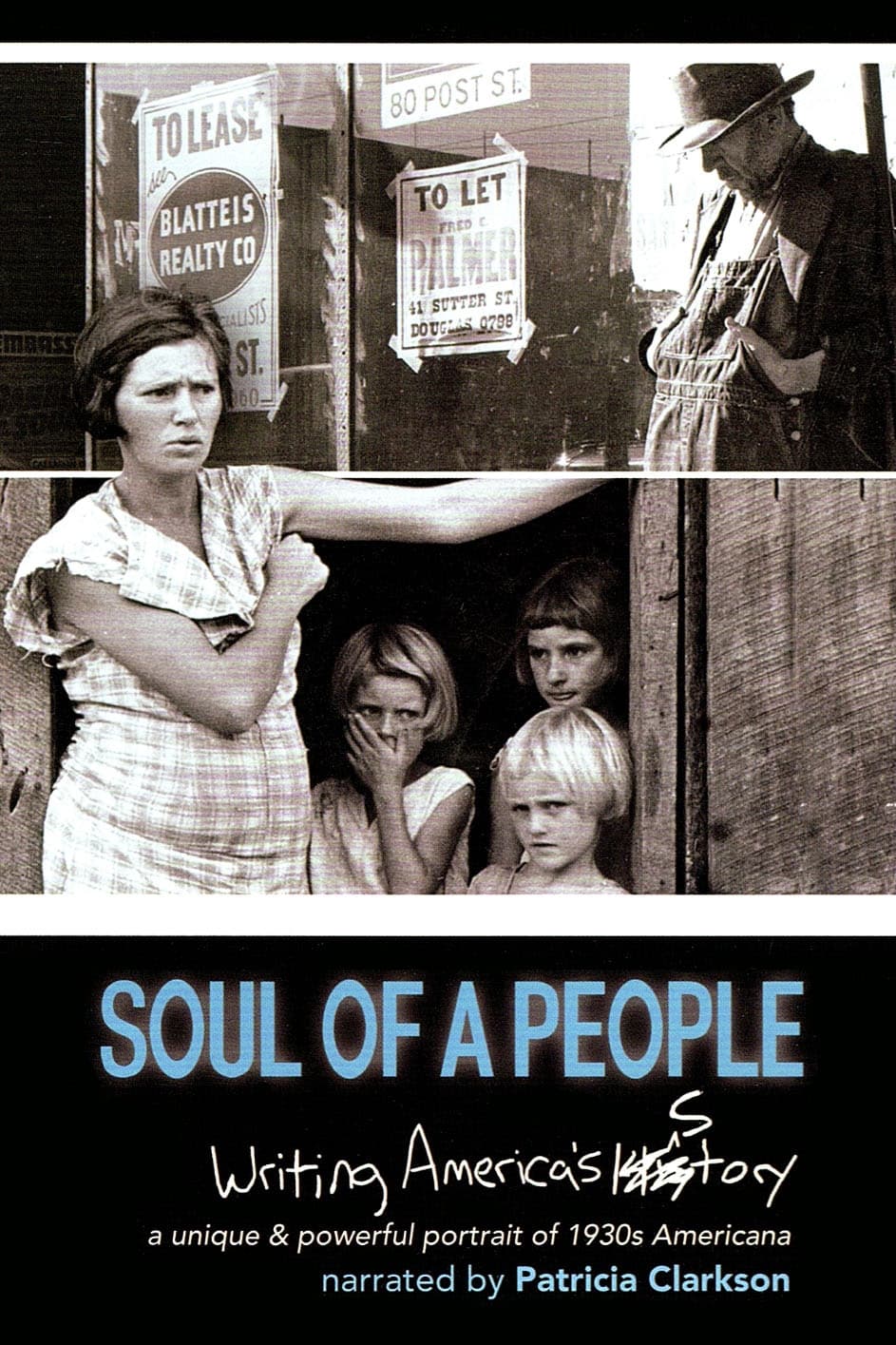
In the grip of the Great Depression, unemployed men and women joined an unlikely WPA program to document America in guidebooks and interviews. With the Federal Writers' Project, the government pitted young, untested talents against the problems of everyday Americans. From that experience, some of America's great writers found their own voices, and discovered the Soul of a People. — Spark Media
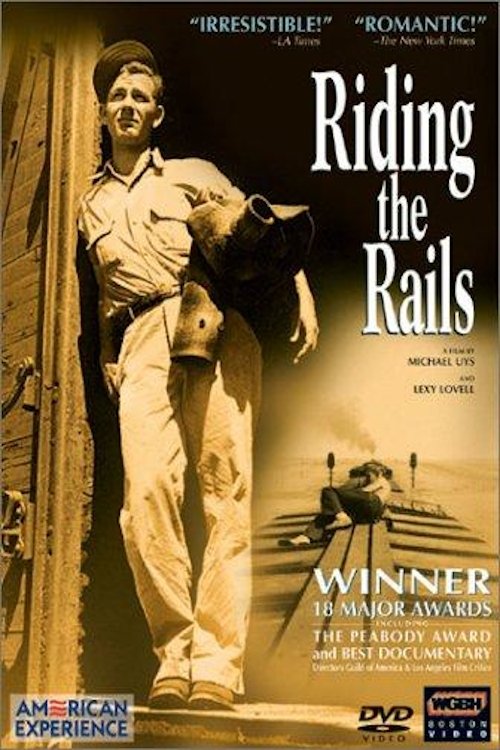
Riding the Rails offers a visionary perspective on the presumed romanticism of the road and cautionary legacy of the Great Depression. The filmmakers relay the experiences and painful recollections of these now-elderly survivors of the rails. Forced to travel more by economic necessity than the spirit of adventure, the film's subjects dispel romantic myths of a hobo existence and its corresponding veneer of freedom. Riding the Rails recounts the hoboes' trade secrets for survival and accounts of dank miseries, loneliness, imprisonment, death, and dispossession. Sixty years later, the filmmakers transport their subjects back to the tracks, where the surging impact of sound and movement resuscitates memories of a shattered adolescence and devastating rite of passage.
Documentary profiling an Appalachian farming family struggling to scrape out a living. Linking education and economic development, The Children Must Learn suggests that better schooling, especially in agricultural techniques, would bring improvement.
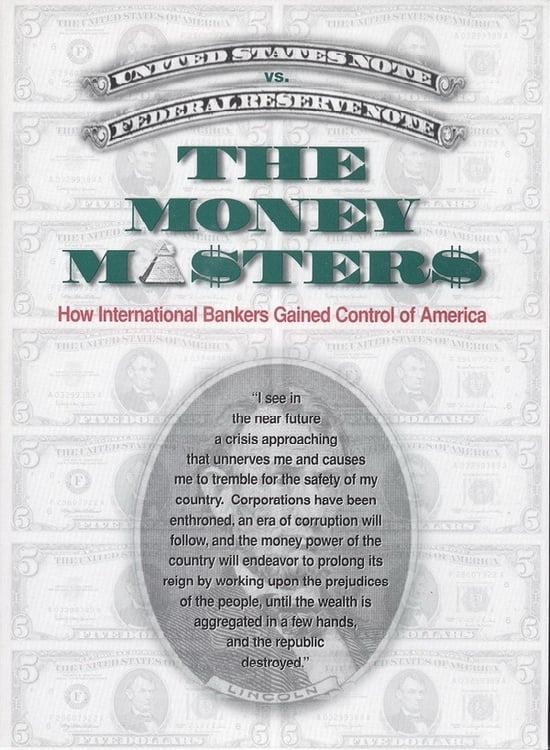
A documentary that traces the origins of the political power structure that rules our nation and the world today. The modern political power structure has its roots in the hidden manipulation and accumulation of gold and other forms of money.
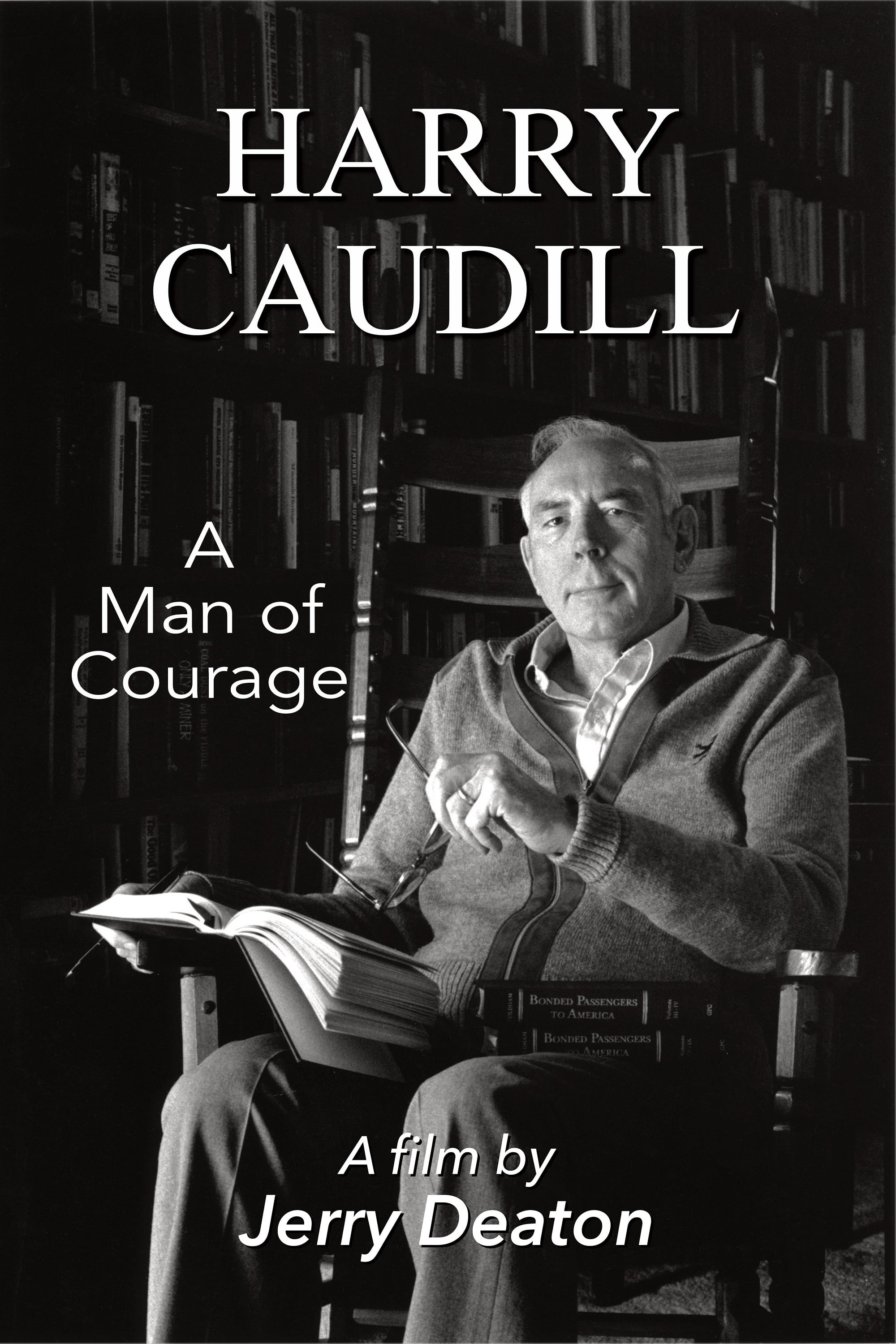
One of the most important Kentuckians of the 20th century, Harry Caudill brought the story of Appalachia to national attention when his book “Night Comes to the Cumberlands” was released in 1963. The nonfiction account of Eastern Kentucky’s coal region, part history and part polemic, eloquently recounted the exploitation of Appalachia’s land and its people by business and government interests, and made Caudill a national spokesperson for his homeland. Harry Caudill spent his life advocating for Eastern Kentucky, with the aim of helping the powerless as well as securing the region’s unmatched natural resources for future generations. His work led to lasting government reforms for Appalachia, and his legacy remains a touchstone for activists today.
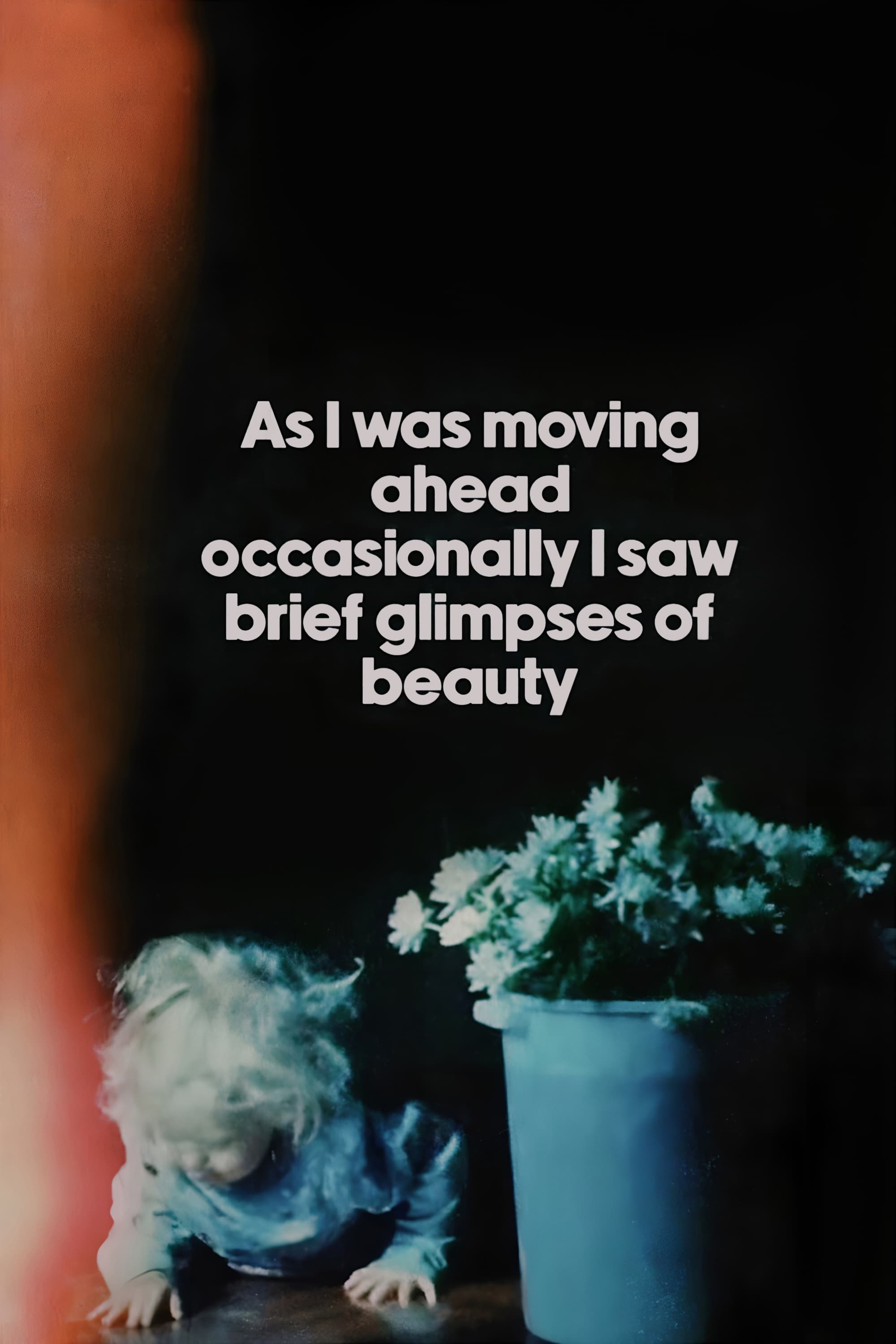
Black and white evokes nostalgia for The Great Depression. Things were so cheap, including lives. We see daredevils (desperate people) compete for money prizes. Baby prepares for WW2. [Originally a 70mm projection-performance, 1982, by Ken and Flo Jacobs. From THRILLS AND CHILLS (Castle Films, c. 1930)].
Follows the 300 year history of the Appalachian people with interviews by scholars, musicians and writers.
Period music, film clips and newsreel footage combined into a visual exploration of the American entertainment industry during the Great Depression.
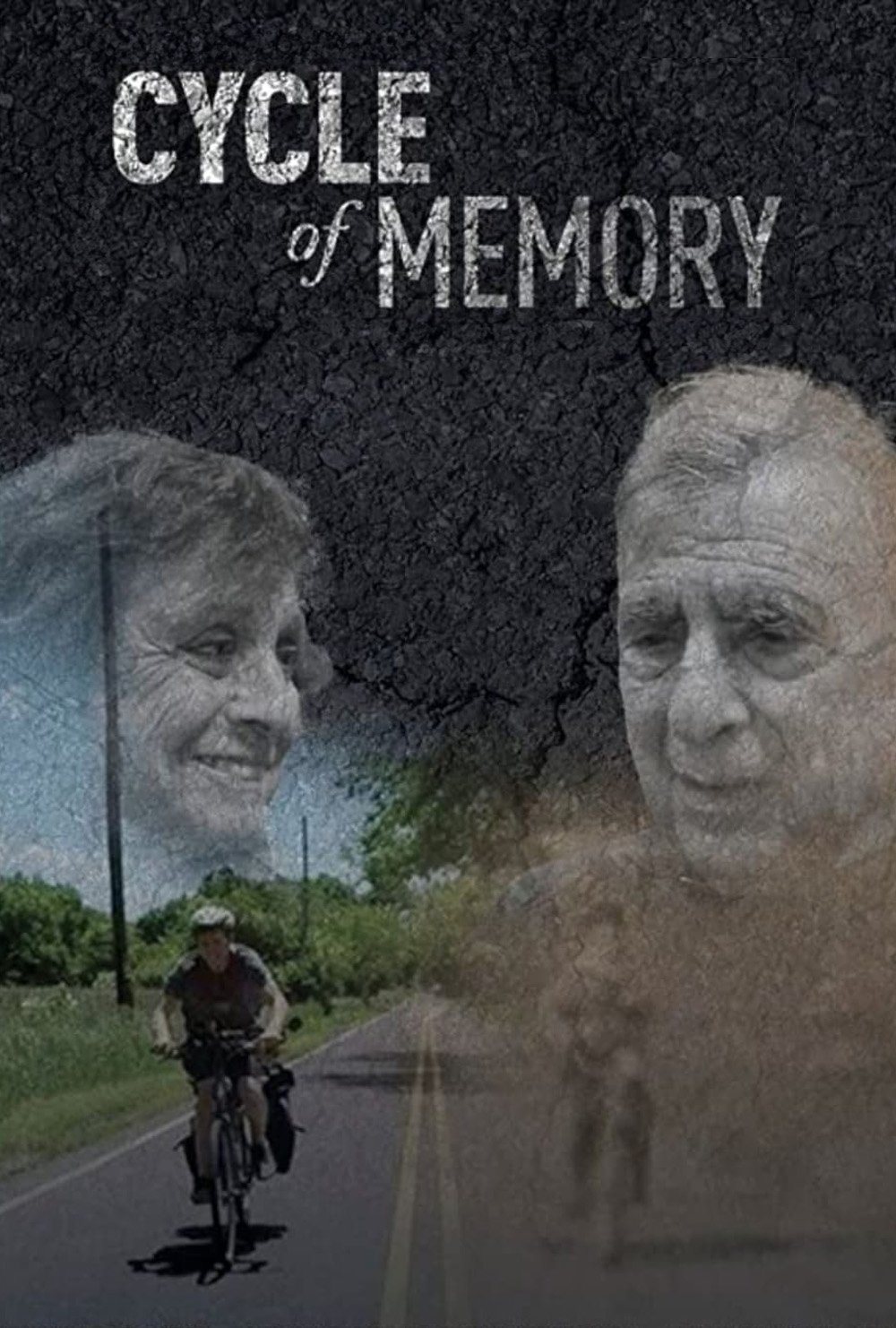
Mel Schwartz escaped the Great Depression on a bicycle adventure he'd remember for the rest of his life... until Mel lost his memory to Alzheimer's. Now over seventy-five years later, his grandchildren set out to recreate his life-changing journey and find those memories before they slip away. Cycle of Memory explores the importance of intergenerational connection, healing painful pasts, and leaving a meaningful time capsule for the future.

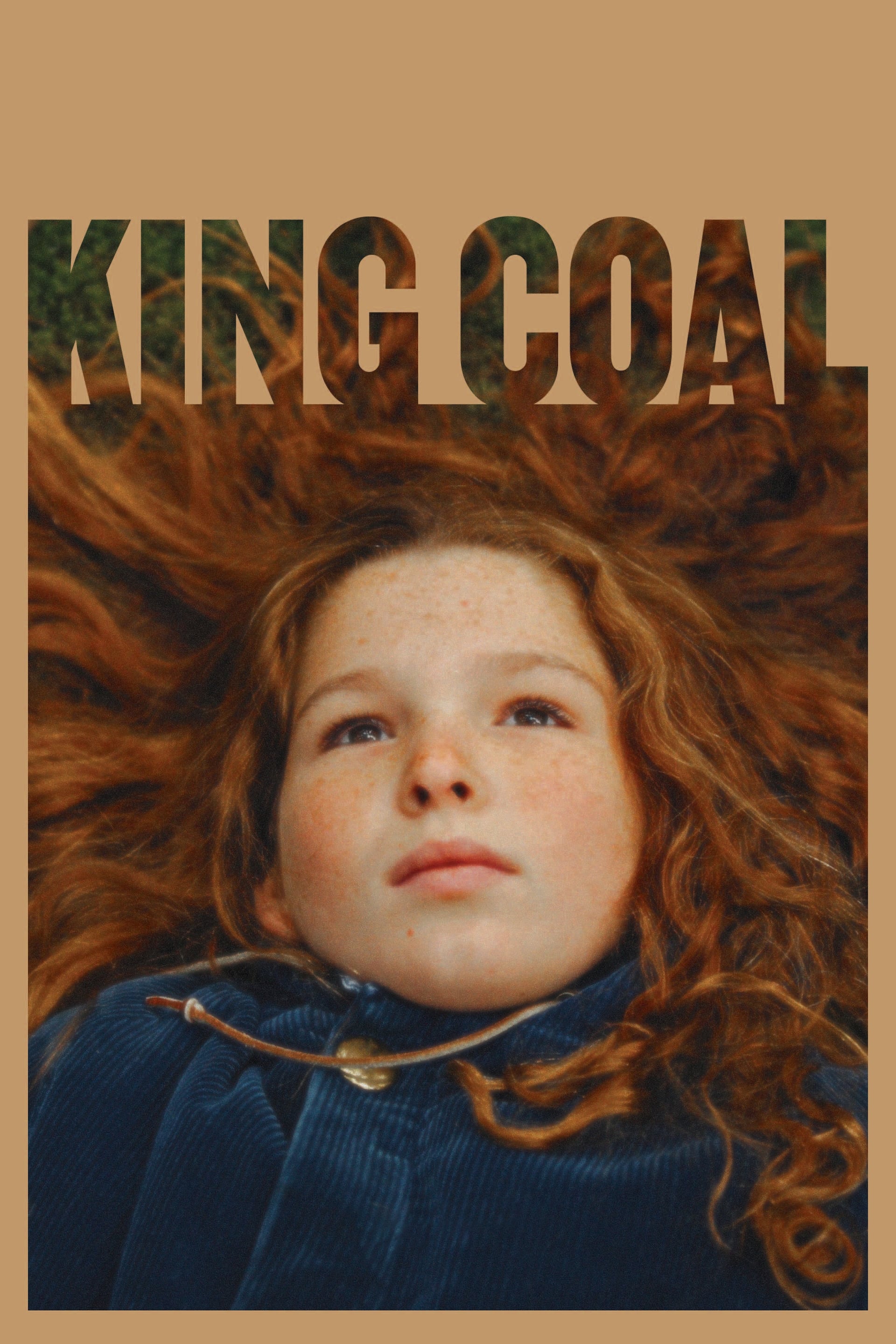
The cultural roots of coal continue to permeate the rituals of daily life in Appalachia even as its economic power wanes. The journey of a coal miner’s daughter exploring the region’s dreams and myths, untangling the pain and beauty, as her community sits on the brink of massive change.
A documentary that examines the cultural stereotype of the people of Appalachia and how that has affected America's relationship with its rural communities.
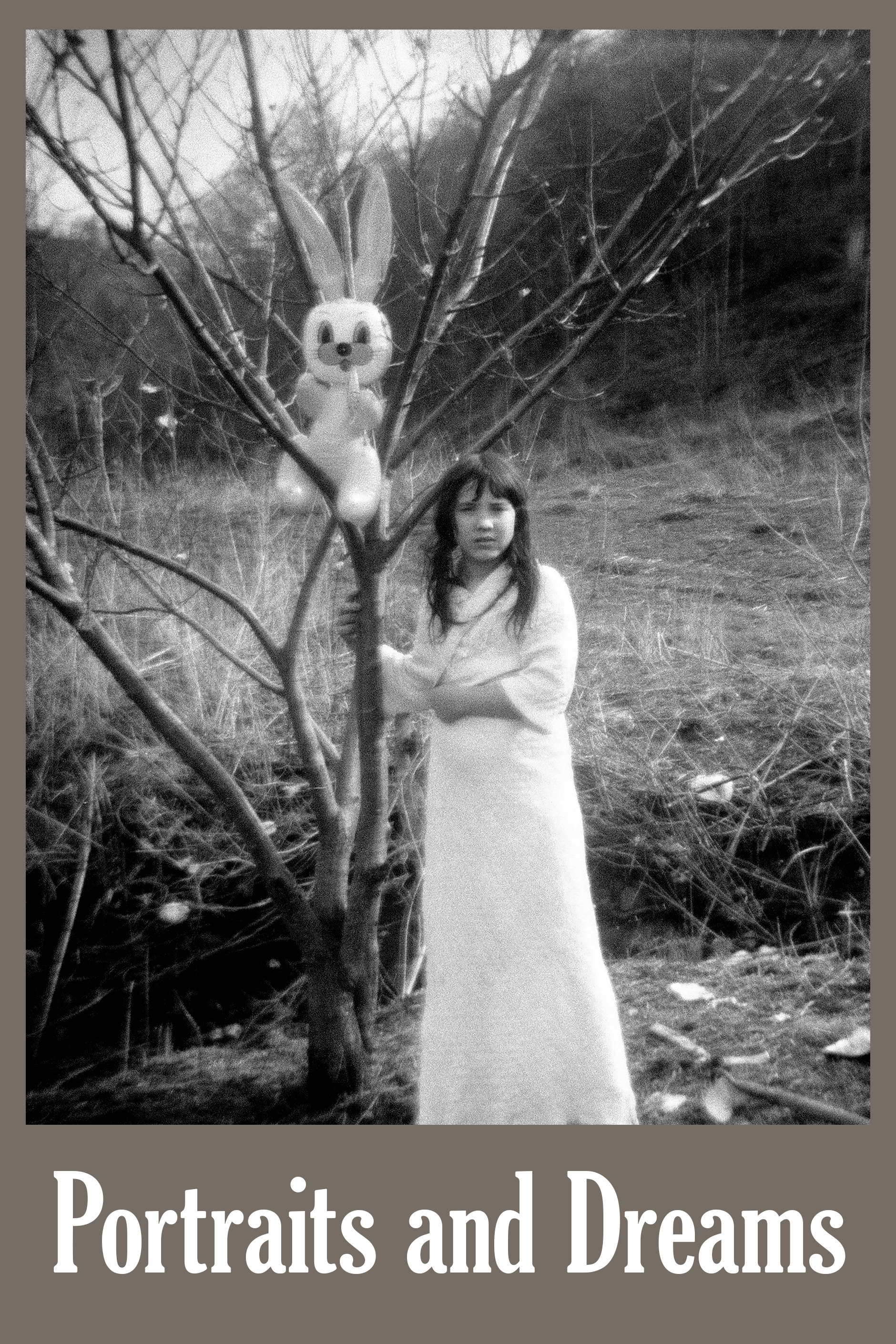
Revisit photographs created by Kentucky school children in the 1970s and the place where their photos were made. Photographer and artist Wendy Ewald, who guided the students in making their visionary photographs, returns to Kentucky and learns how the lives and visions of her former students have changed.
During World War I, African-Americans worked on the railroad near Corbin, Kentucky. When whites returned from the war, there was conflict. Whites sought their former jobs and positions in the community. In 1919, a race riot occurred. Whites put the African-Americans on railroad cars and ran them out of town. In Trouble Behind, members of the Corbin community speak out on the issue. The filmmakers also interview former members of the Corbin, which at the time of filming had only one black family. Some Corbin residents express confusion as to why African-Americans don't move back. Others openly use racial epithets. Some young adults seem troubled by the racism, past and present. Others don't.
Examines the intergenerational impact of addiction by chronicling the love, labor, loss, and uncertainty of one woman’s struggle to live a life of sobriety. Weaving together moments of glee, fulfillment, acceptance, sorrow, and disappointment, this documentary takes an intimate look at the bonds that hold one family together and a disease that threatens to tear them apart.
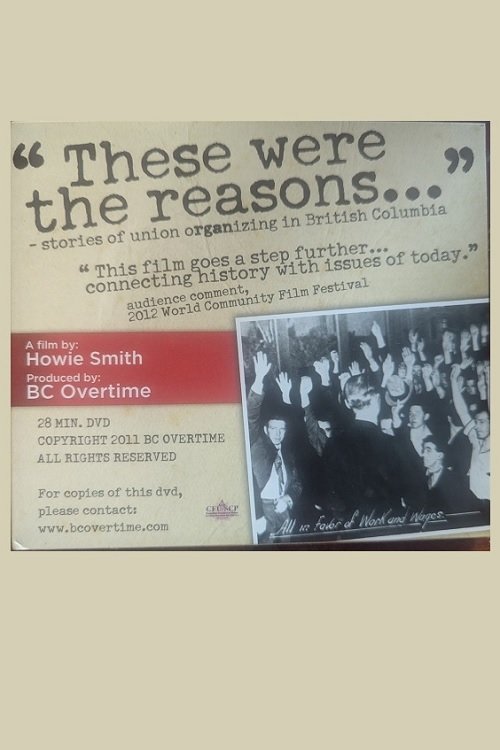
A film documenting work shortages during the Depression of the 1930s and the attempts to deal with the unemployed, in particular young men. The film discusses the establishment of relief camps and projects, where men were paid twenty cents per day; the founding of organizations such as the Co-operative Commonwealth Federation (CCF), Workers' Unity League, and Relief Camp Workers' Union; general unionization and protest of the unemployed, including the On To Ottawa Trek, Regina Riot, sit-in strike from May to June 1938 at the Vancouver Main Post Office, Vancouver Art Gallery and Hotel Georgia, and the resulting Bloody Sunday of June 19.
A compilation of over 30 years of private home movie footage shot by Lithuanian-American avant-garde director Jonas Mekas, assembled by Mekas "purely by chance", without concern for chronological order.
Daniel Craig candidly reflects on his 15 year adventure as James Bond. Including never-before-seen archival footage from Casino Royale to the upcoming 25th film No Time To Die, Craig shares his personal memories in conversation with 007 producers, Michael G Wilson and Barbara Broccoli.
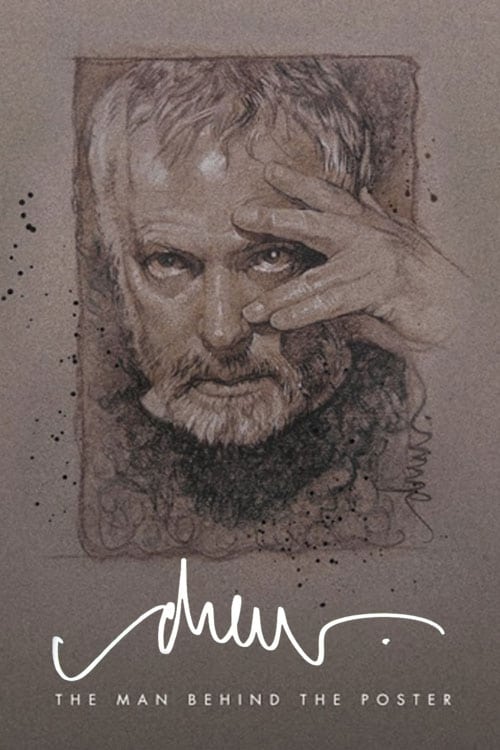
A documentary on legendary movie-poster artist Drew Struzan.
A detailing of the rise to prominence and global sporting superstardom of six supremely talented young Manchester United football players (David Beckham, Nicky Butt, Ryan Giggs, Paul Scholes, Phil and Gary Neville). The film covers the period 1992-1999, culminating in Manchester United's European Cup triumph.
After years in the limelight, Selena Gomez achieves unimaginable stardom. But just as she reaches a new peak, an unexpected turn pulls her into darkness. This uniquely raw and intimate documentary spans her six-year journey into a new light.
Told through performances, TV interviews, home movies, family photographs, private letters and unpublished memoirs, the film reveals the essence of an extraordinary woman who rose from humble beginnings in New York City to become a glamorous international superstar and one of the greatest artists of all time.
From the heights of her modeling fame to her tragic death, this documentary reveals Anna Nicole Smith through the eyes of the people closest to her.
Lyrical and powerfully personal essay film that reflects on the deaths of her husband Lou Reed, her mother, her beloved dog, and such diverse subjects as family memories, surveillance, and Buddhist teachings.
JB Smoove and Martin Starr host a celebration of 20 years of "Spider-Man" movies, from the Sam Raimi trilogy to Marc Webb's movies and the trio from Jon Watts.
The definitive 3½-hour documentary about the troubled creation and enduring legacy of the science fiction classic 'Blade Runner', culled from 80 interviews and hours of never-before-seen outtakes and lost footage.
Ross McElwee sets out to make a documentary about the lingering effects of General Sherman's march of destruction through the South during the Civil War, but is continually sidetracked by women who come and go in his life, his recurring dreams of nuclear holocaust, and Burt Reynolds.
Martin Scorsese, Robert De Niro, Joe Pesci, and Al Pacino in conversation about The Irishman.
Documentary about legendary Paramount producer Robert Evans, based on his famous 1994 autobiography.
The life and career of an actor, artist, and icon. His own journey through his own camera.
A documentary about the making of season five of the acclaimed AMC series Breaking Bad.
A look behind the lens of Christopher Nolan's space epic.
As his life comes to its end, famous Hollywood director Orson Welles puts it all on the line at the chance for renewed success with the film The Other Side of the Wind.
Part documentary, part concert film, part fever dream, this film captures the troubled spirit of America in 1975 and the joyous music that Dylan performed during the fall of that year.
Stars of "The Walking Dead," Andrew Lincoln and Danai Gurira, walk down memory lane and visit iconic locations where pivotal moments between their characters, Rick and Michonne, were filmed.
Director John Dullaghan’s biographical documentary about infamous poet Charles Bukowski, Bukowski: Born Into This, is as much a touching portrait of the author as it is an exposé of his sordid lifestyle. Interspersed between ample vintage footage of Bukowski’s poetry readings are interviews with the poet’s fans including such legendary figures such as Lawrence Ferlinghetti, Joyce Fante (wife of John), Bono, and Harry Dean Stanton. Filmed in grainy black and white by Bukowski’s friend, Taylor Hackford, due to lack of funding, the old films edited into this movie paint Bukowski’s life of boozing and brawling romantically, securing Bukowski’s legendary status.