Social & External
The people behind it
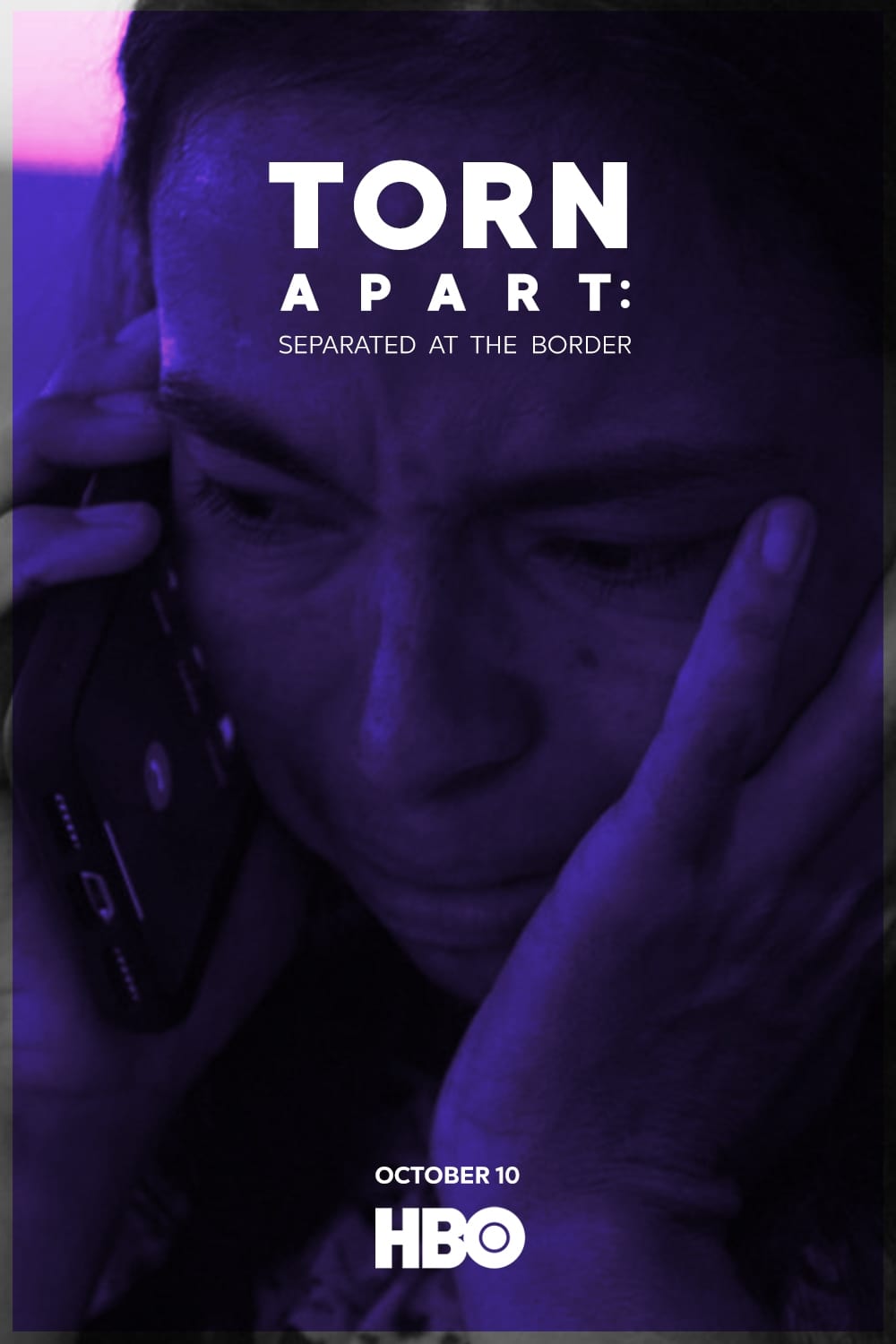
Two mothers who were each separated from their children in the United States for months after fleeing from danger in their homelands to seek asylum work with pro-bono lawyers and volunteers to reunite with their kids who have been placed thousands of miles away from them with little access to communication.
Four men finally break their silence about the sexual abuse they suffered as children. No violins, no monsters—just men standing up to shame and oblivion. The film explores what it costs to speak out, rebuild oneself, and regain control. A cry against collective amnesia and the myth of unbreakable masculinity.
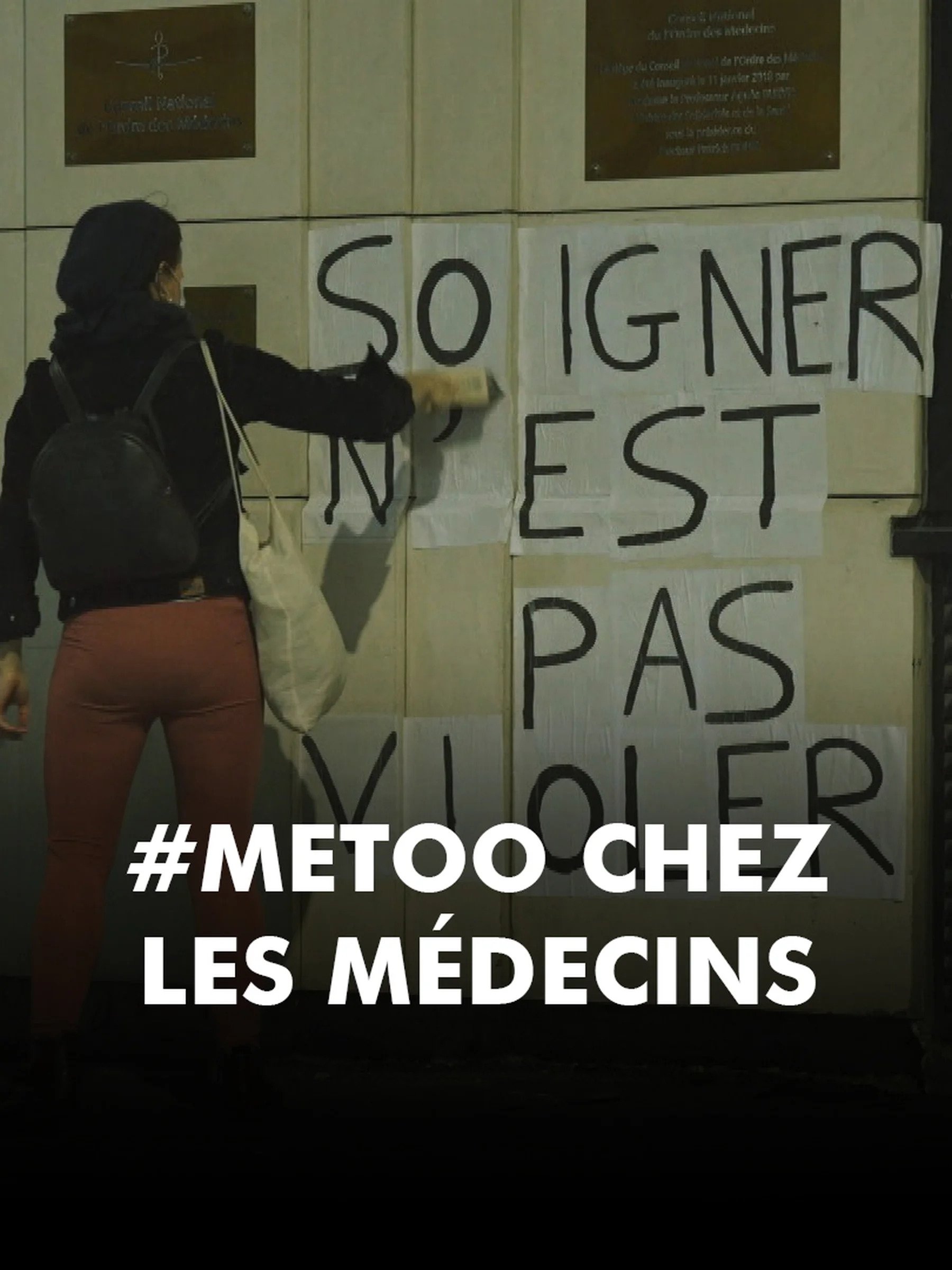
In turn, the medical community has been affected by the post #metoo movement denouncing sexual violence against women. It was about time. Assaults and rapes perpetrated behind closed doors in doctors' offices have gone unpunished for too long. For a victim, reporting them is almost as difficult as recounting incidents of incest. And the medical councils, which are mainly made up of men, have long turned a deaf ear to patients' complaints. When cases are brought before the courts, the justice system also struggles to prosecute these rapists. Recently, practices and names have been made public, complaints are multiplying, and women are daring to speak out. Could this be the end of complacency towards these criminals in white coats?
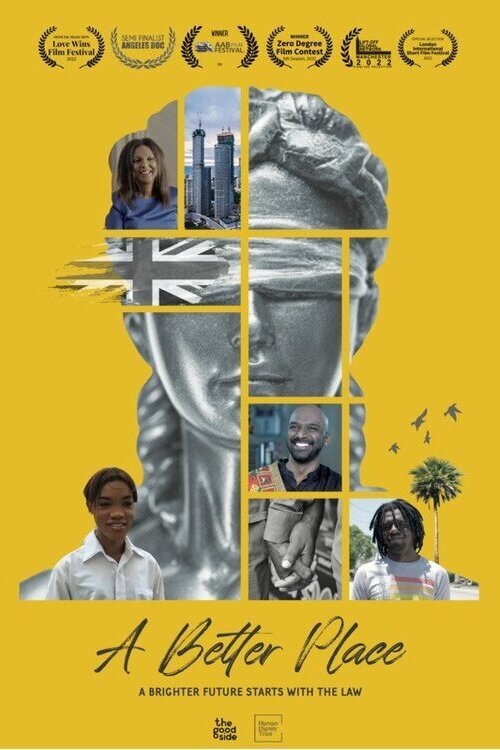
An in depth look at the toxic legacy of British colonial-era laws, which criminalise consensual same-sex love, while at the same time allowing perpetrators of sexual violence to go unpunished. More than 70 countries still criminalise gay sex. In over 30, rape within marriage is still legal. Behind these statistics are the people whose lives are paralysed by these archaic laws.
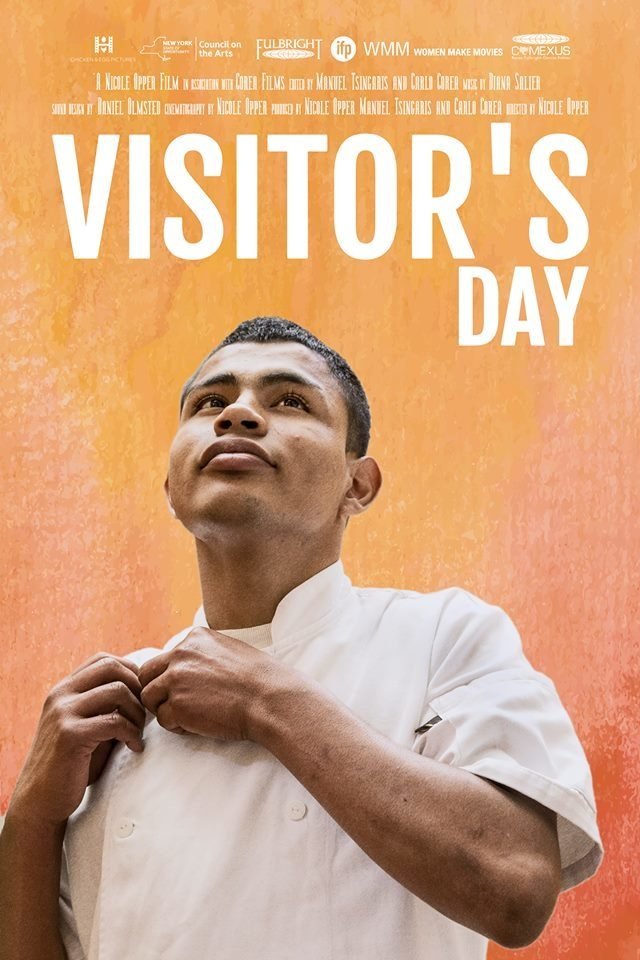
16 year-old Juan Carlos was homeless on the streets of Mexico City for years before landing at IPODERAC, a social enterprise that houses runaway boys and supports them through the production and sale of artisanal cheese. It is here, among goats, cheese and 71 new brothers that Juan Carlos transforms from a victim to a leader, shattering everyone's expectations of him and proving the power of forgiveness.
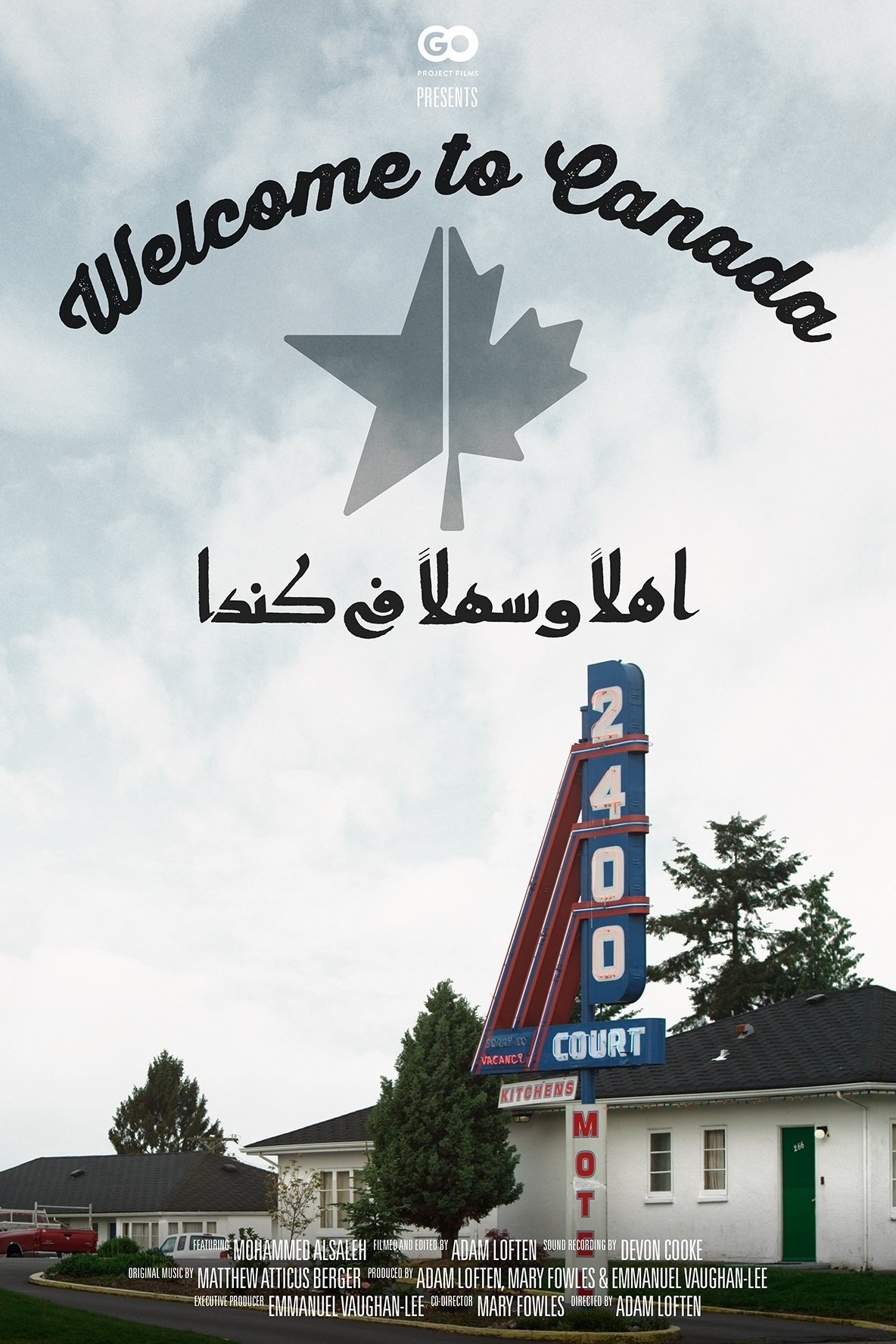
Mohammed Alsaleh, a young Syrian refugee, is rebuilding his life after being granted asylum in Canada. In Vancouver, he counsels and helps resettle newly-arrived Syrian refugee families so that they may find new homes and begin again.
Anthropologist Laura Nader's first field trip to a Zapotec Indian village in Oaxaca, Mexico, in the late 1950s, led her to study problem-solving in the local courts. There, "little injustices" were the meat of everyday courtroom life.
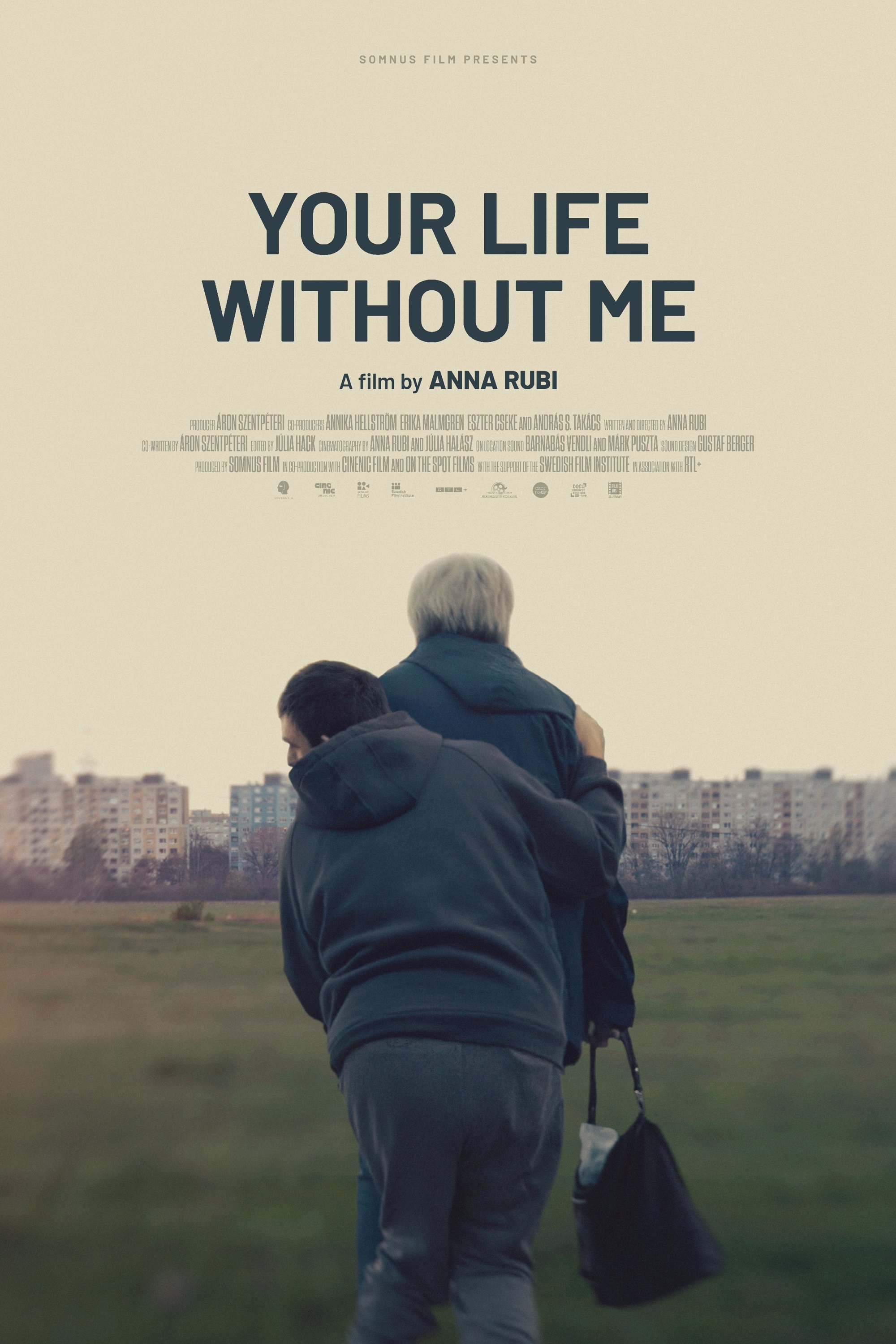
Magdi, a strong-willed, but lonely caregiver faces a daunting reality as she grows older: If she were to pass away, her disabled adult son, Feri would be left to the inhumane conditions of the Hungarian state care system, and would quickly follow her. Determined to secure a future for Feri, Magdi unites with a group of mothers who are in the same situation and they take legal action against the state. “Your Life Without Me” is a story of the strength and sacrifices of these women who find their own voice through the common fight and their community.
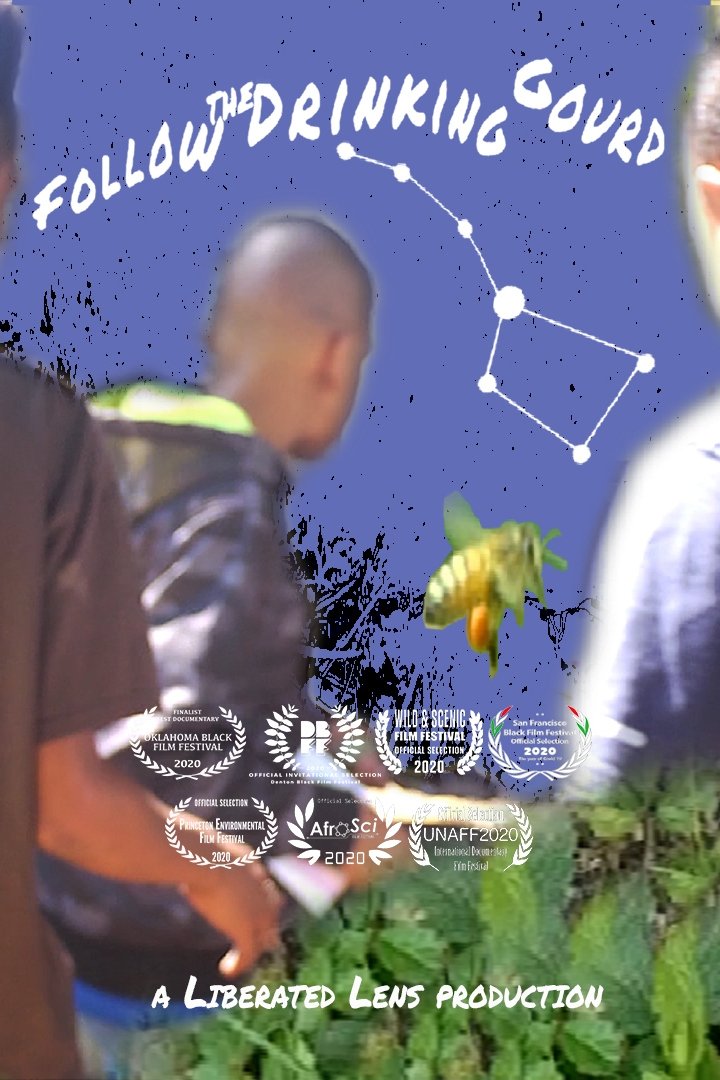
FOLLOW THE DRINKING GOURD is a feature documentary about the Black food justice movement. Family-friendly, funny, and moving, this 60-minute film connects the legacy of slavery, land loss, and climate change to our fight for food security.
“The Making of Justice” is a movie about seven prisoners working on the scenario for a crime film together with Sarah Vanhee. Like the main character in the film they are making up, they are all guilty of murder. To shape the story, they draw on their own experiences, ideas and desires. We, the viewers, can only guess whether they are using fiction as a means of confirming, transcending or transforming their present situation.
Though both the historical and modern-day persecution of Armenians and other Christians is relatively uncovered in the mainstream media and not on the radar of many average Americans, it is a subject that has gotten far more attention in recent years.
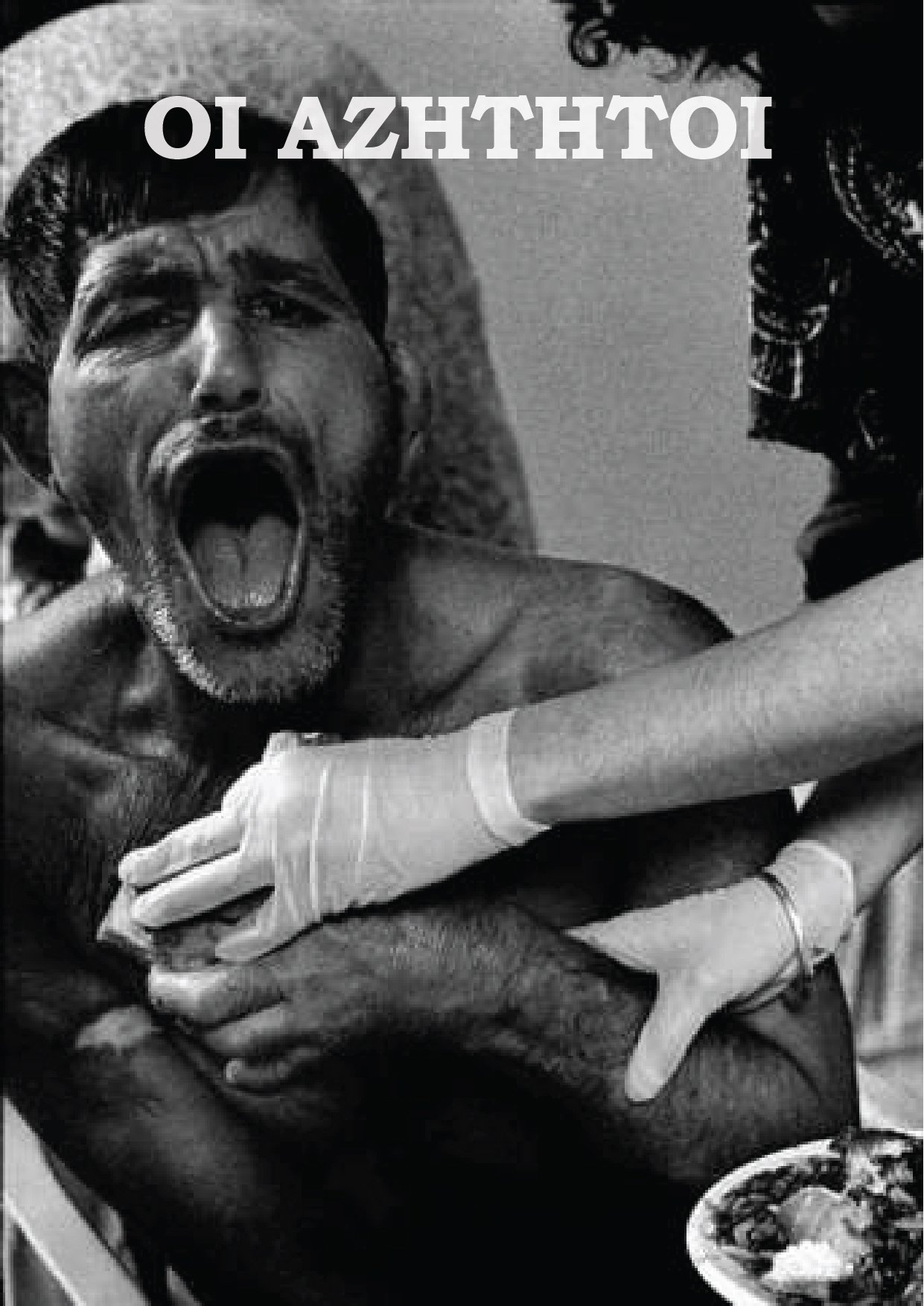
A documentary, divided into "chapters", about the life of the inmates of the asylum on Leros. From the point of view that the mentally ill are victims of social oppression, the film turns a harsh light on the psychiatric system and offers pointed criticism of the policies that produce such inhuman conditions.
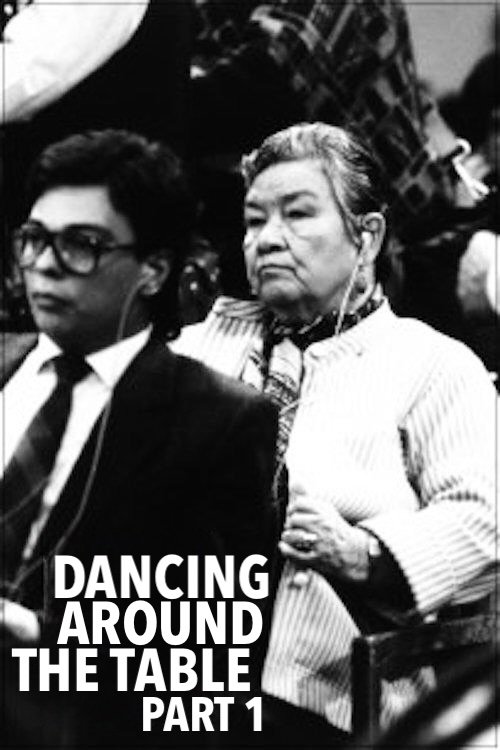
Dancing Around the Table: Part One provides a fascinating look at the crucial role Indigenous people played in shaping the Canadian Constitution. The 1984 Federal Provincial Conference of First Ministers on Aboriginal Constitutional Matters was a tumultuous and antagonistic process that pitted Prime Minister Pierre Elliot Trudeau and the First Ministers—who refused to include Indigenous inherent rights to self-government in the Constitution—against First Nations, Inuit and Métis leaders, who would not back down from this historic opportunity to enshrine Indigenous rights. The conference was Pierre Elliott Trudeau’s last constitutional meeting before he resigned and the process was handed over to his successor, Brian Mulroney.
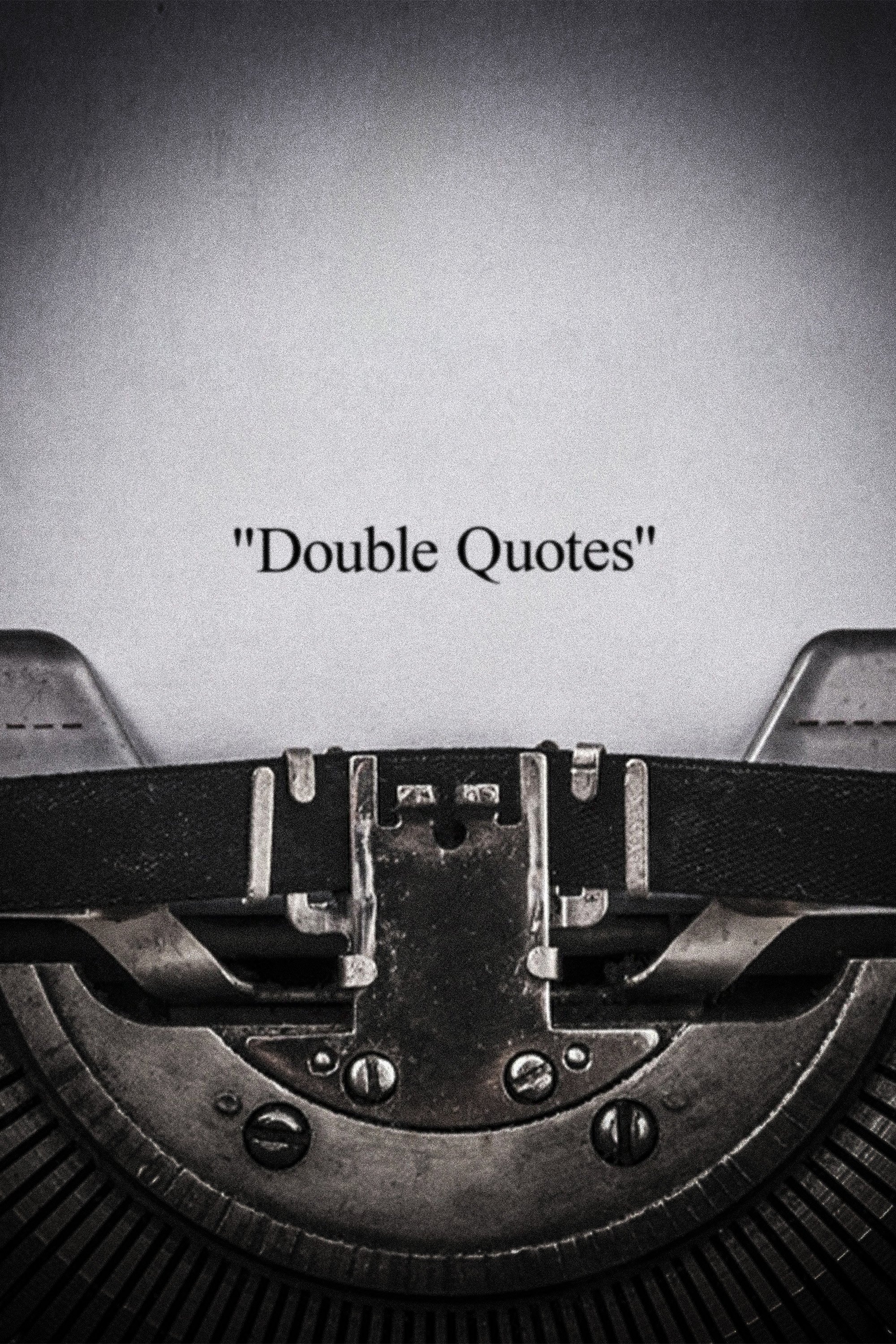
"Double Quotes" delves into a filmmaker's journey of self-discovery as he navigates through the intricacies of India's Constitution, uncovering the absence of a definition for "untouchability" in Article 17. Through encounters with legal experts and introspective reflections, the documentary explores the implications of this omission on societal perceptions and the persistent challenges of caste-based discrimination.
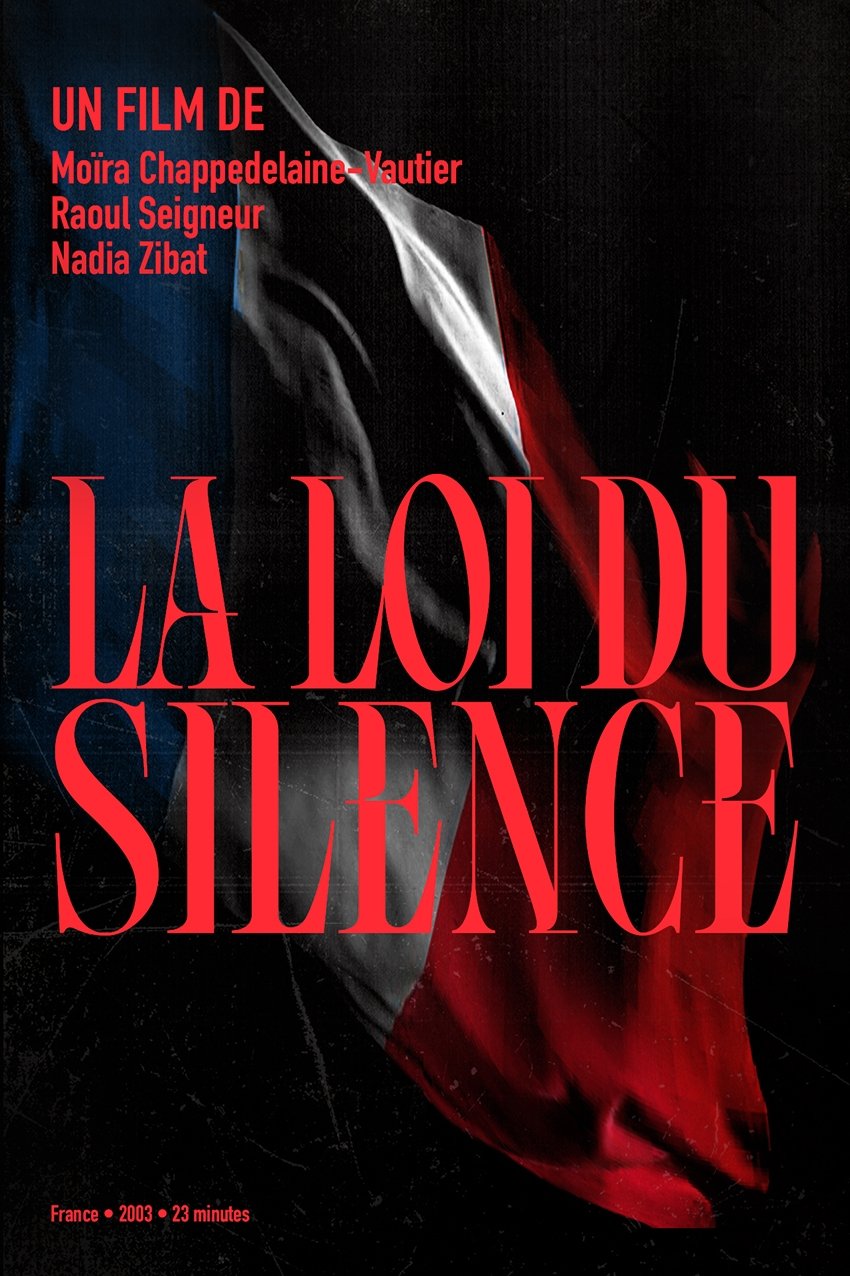
The Law of Silence, a final-year documentary by Moïra Chappedelaine-Vautier at Femis, examines the 1963 Amnesty Law and the consequences it had on studies of the Algerian War. It brings together interviews conducted in 2002 with Henri Alleg, editor of the daily newspaper Alger Républicain from 1951 to 1955, and Pierre Vidal-Naquet, historian and essayist. It also features incredible statements from General Massu and lawyers unraveling the various legal defenses of people like Jean-Marie Le Pen. Not only does Moïra have her father, René Vautier, speak, but she also includes footage he himself filmed forty years earlier. A very interesting report, which notably reminds us that the Amnesty is not a pardon but the erasure of the sentence and also of the crime itself.
The life and career of an actor, artist, and icon. His own journey through his own camera.
An inside look at one of the most anticipated movie sequels ever with James Cameron and cast.
Those who knew iconic funnyman John Candy best share his story, in their own words, through never-before-seen archival footage, imagery, and interviews.
SEDUCED AND ABANDONED combines acting legend Alec Baldwin with director James Toback as they lead us on a troublesome and often hilarious journey of raising financing for their next feature film. Moving from director to financier to star actor, the two players provide us with a unique look behind the curtain at the world's biggest and most glamourous film festival, shining a light on the bitter-sweet relationship filmmakers have with Cannes and the film business. Featuring insights from directors Martin Scorsese, 'Bernando Bertolucci' and Roman Polanski; actors Ryan Gosling and Jessica Chastain and a host of film distribution luminaries.
A purely observational non-fiction film that takes viewers into the ethically murky world of end-of-life decision making in a public hospital.
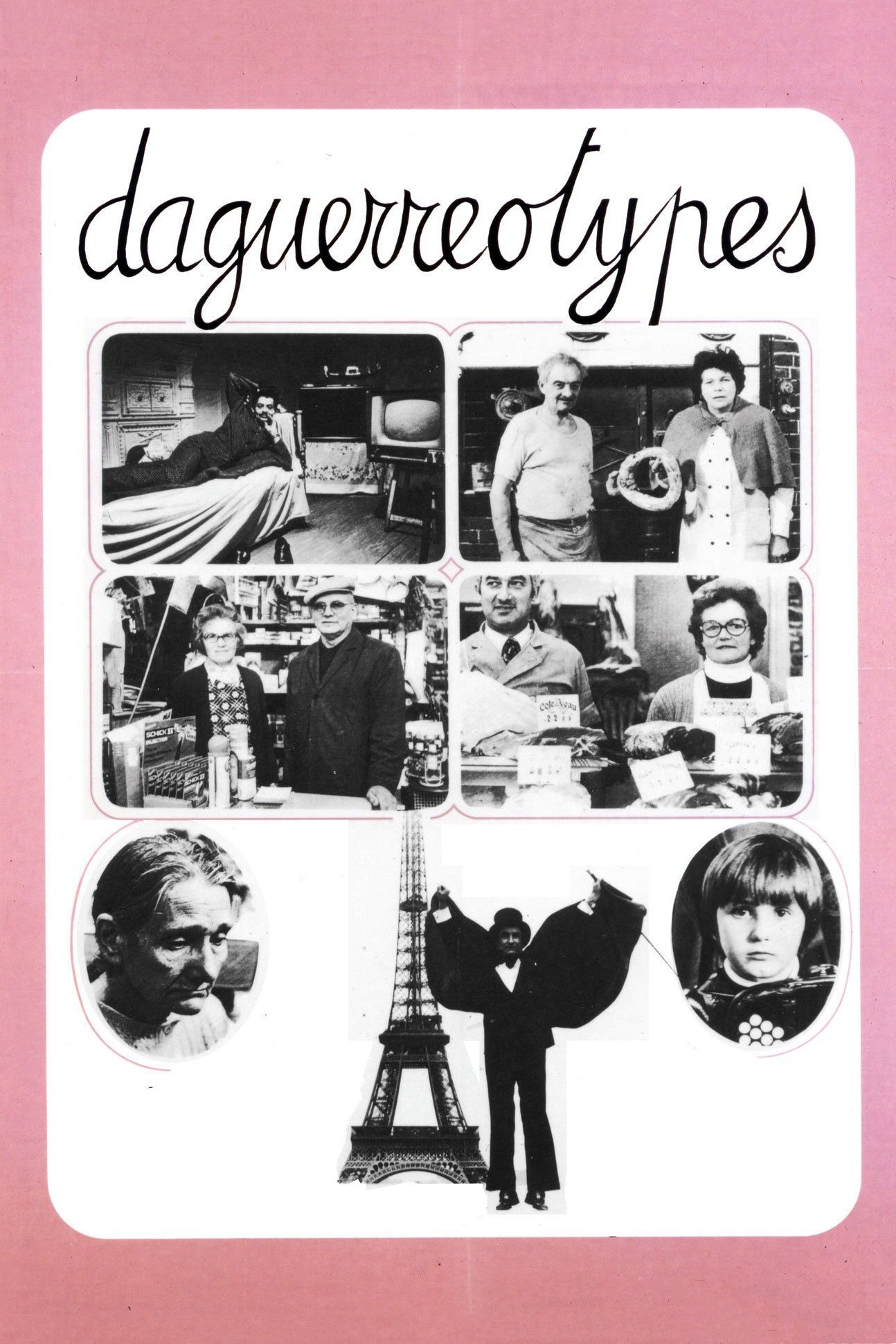
An intimate portrait of the small shops and shopkeepers of the Rue Daguerre in Paris, a picturesque street that has been the filmmaker’s home for more than 50 years.
A feature length documentary about the all-women team at the helm of Pixar's original feature, Turning Red. With unprecedented behind-the-scenes access to Director Domee Shi and her core leadership crew, this story shines a light on the powerful professional and personal journeys that brought this incredibly comical, utterly relatable, and deeply heartfelt story to the screen.
Al Pacino's deeply-felt rumination on Shakespeare's significance and relevance to the modern world through interviews and an in-depth analysis of "Richard III."
The life of Mr. Spock, as well as that of Leonard Nimoy, the actor who played him for almost fifty years, written and directed by his son: Adam.
A documentary about how a dominant cultural and demographic institution both sustains their traditional activities and adapts to the digital revolution.
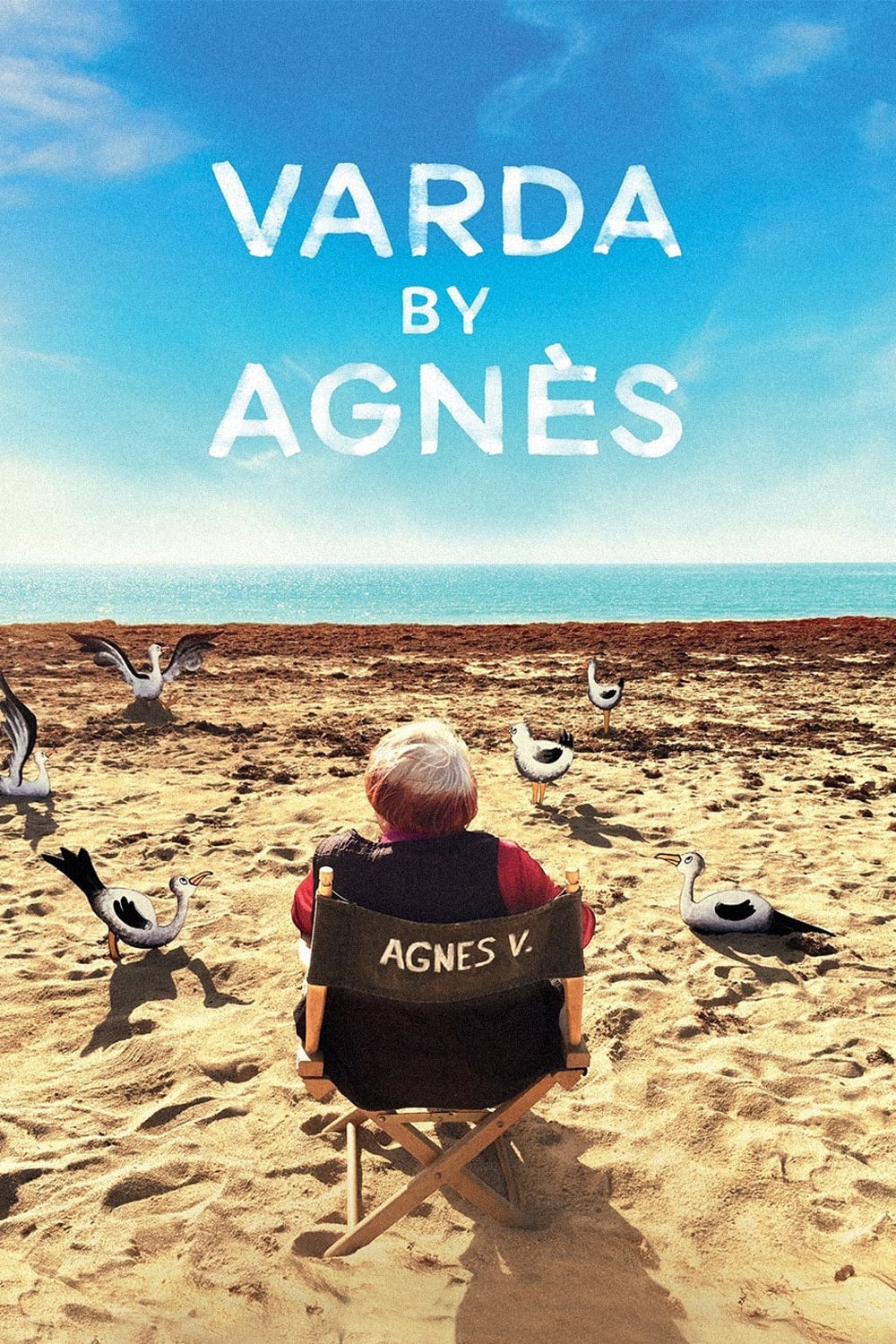
An unpredictable documentary from a fascinating storyteller, Agnès Varda’s last film sheds light on her experience as a director, bringing a personal insight to what she calls "cine-writing," traveling from Rue Daguerre in Paris to Los Angeles and Beijing.
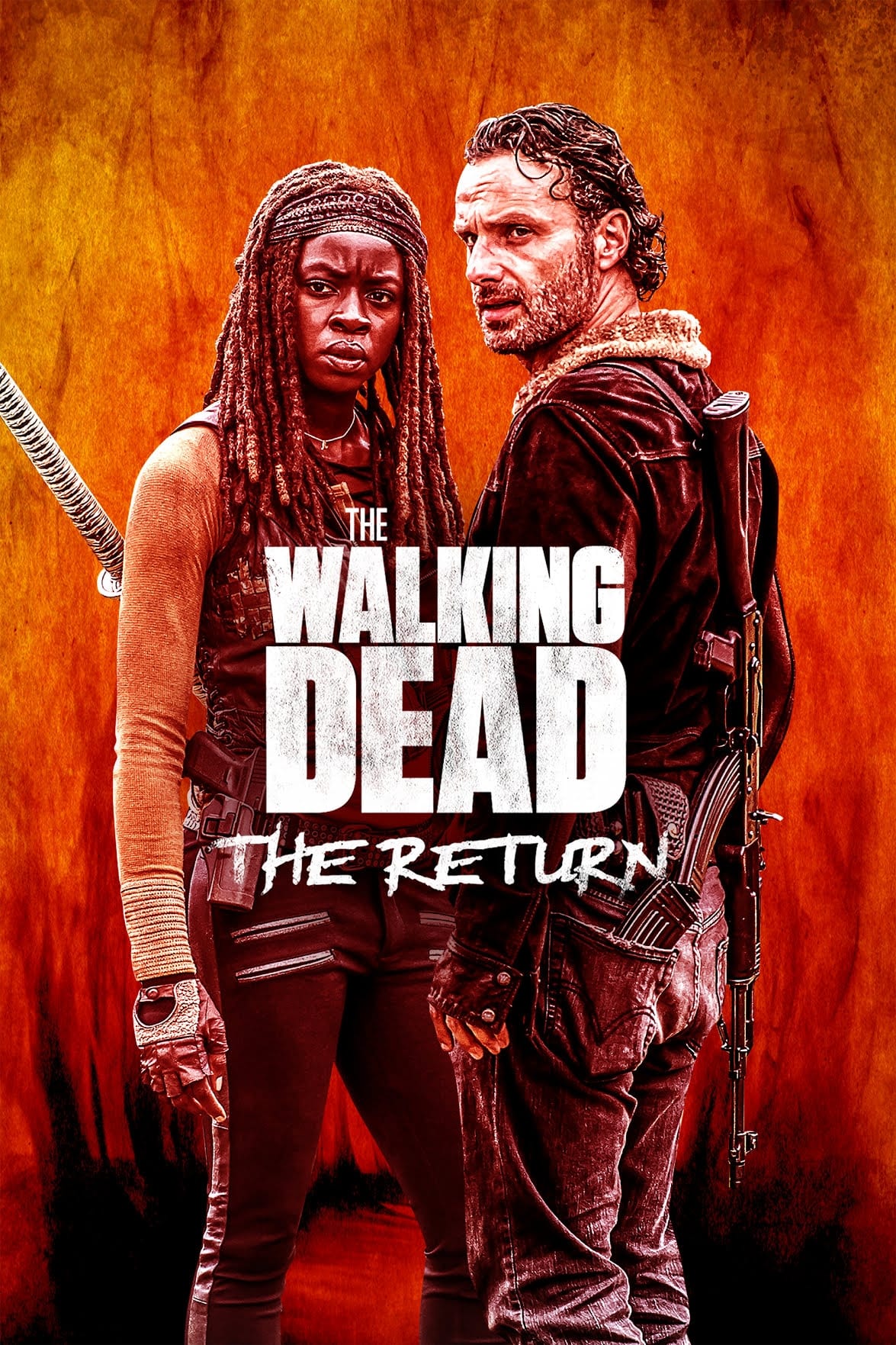
Stars of "The Walking Dead," Andrew Lincoln and Danai Gurira, walk down memory lane and visit iconic locations where pivotal moments between their characters, Rick and Michonne, were filmed.
“Showrunners” is the first ever feature length documentary film to explore the fascinating world of US television showrunners and the creative forces aligned around them. These are the people responsible for creating, writing and overseeing every element of production on one of the United State’s biggest exports – television drama and comedy series. Often described as the most complex job in the entertainment business, a showrunner is the chief writer / producer on a TV series and, in most instances, the show’s creator. Battling daily between art and commerce, showrunners manage every aspect of a TV show’s development and production: creative, financial and logistical.
Using the book 'Fragments', which collects Marilyn Monroe's poems, notes and letters, and with participation from the Arthur Miller and Truman Capote estates who have contributed more material, each of the actresses will embody the legend at various stages in her life.
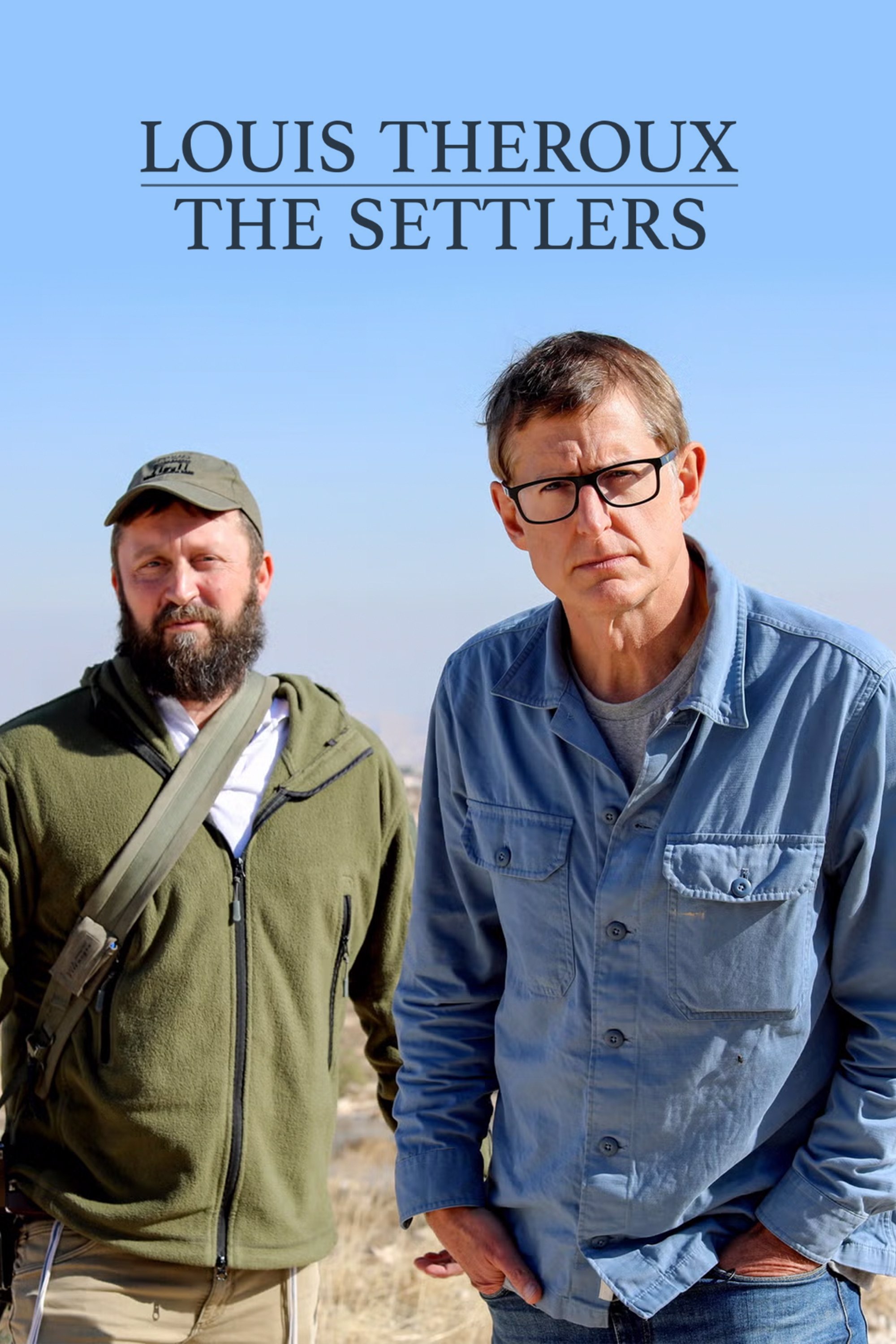
Fourteen years after his first visit, Louis Theroux meets some of the growing community of religious-nationalist Israelis who have settled in the occupied West Bank.
Join the likes of Jeremy Renner, Hailee Steinfeld, Florence Pugh, and Vincent D’Onofrio as they reveal how Marvel Studios’ “Hawkeye” was conceived and created. Witness firsthand what it took to pull off the show’s pulse-pounding action set pieces, and discover how iconic characters from the pages of Marvel Comics such as Kate Bishop were adapted and brought to life for the six-episode series.
Interviews with leading authors, philosophers and scientists, with an in-depth discussion of the Law of Attraction. The audience is shown how they can learn and use 'The Secret' in their everyday lives.
A documentary chronicling Queen and Lambert's incredible journey since they first shared the stage together on "American Idol" in 2009.
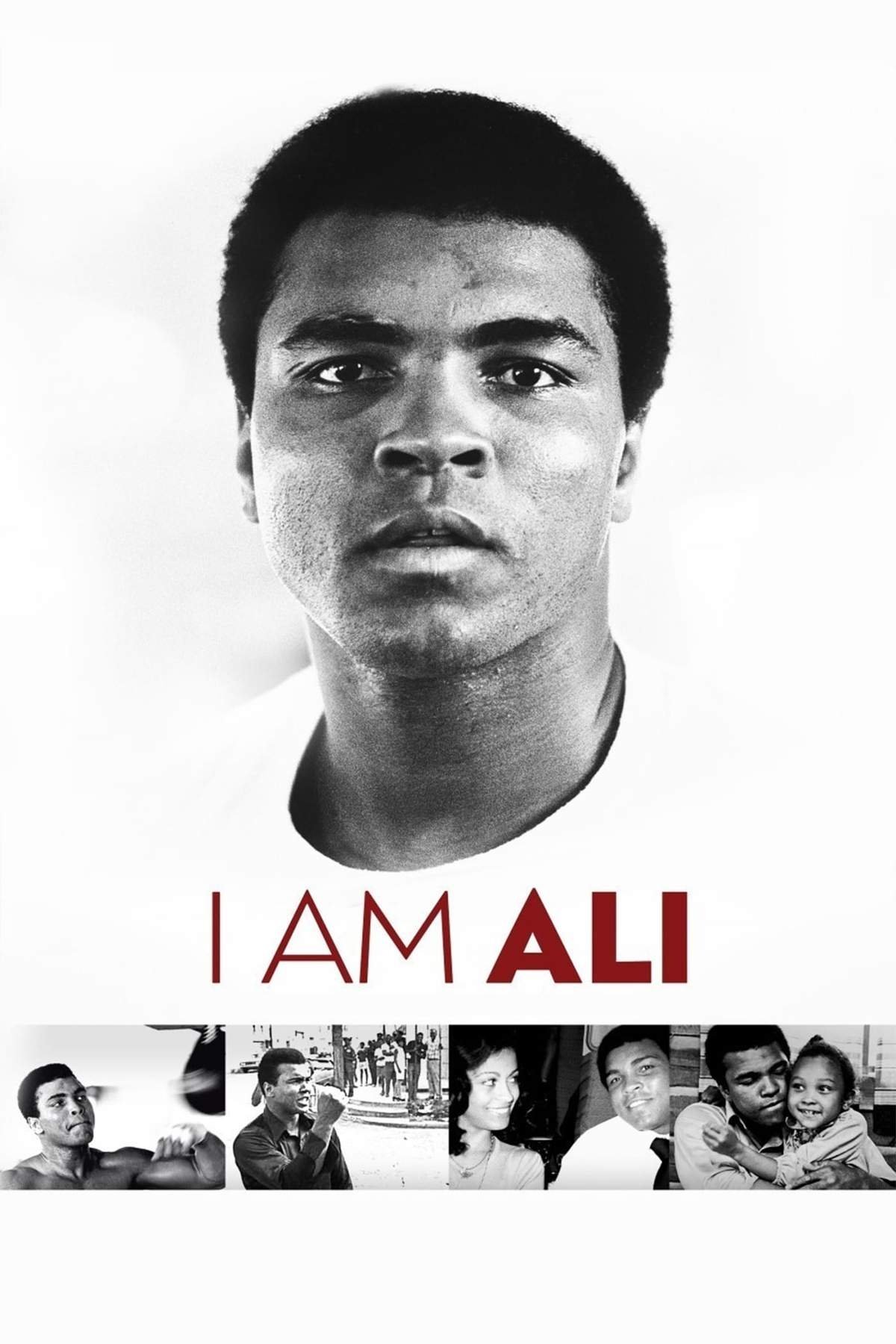
Unprecedented access to Muhammad Ali's personal archive of "audio journals" as well as interviews and testimonials from his inner circle of family and friends are used to tell the legend's life story.
The life of Bambi, a male roe deer, from his birth through childhood, the loss of his mother, the finding of a mate, the lessons he learns from his father, and the experience he gains about the dangers posed by human hunters in the forest.