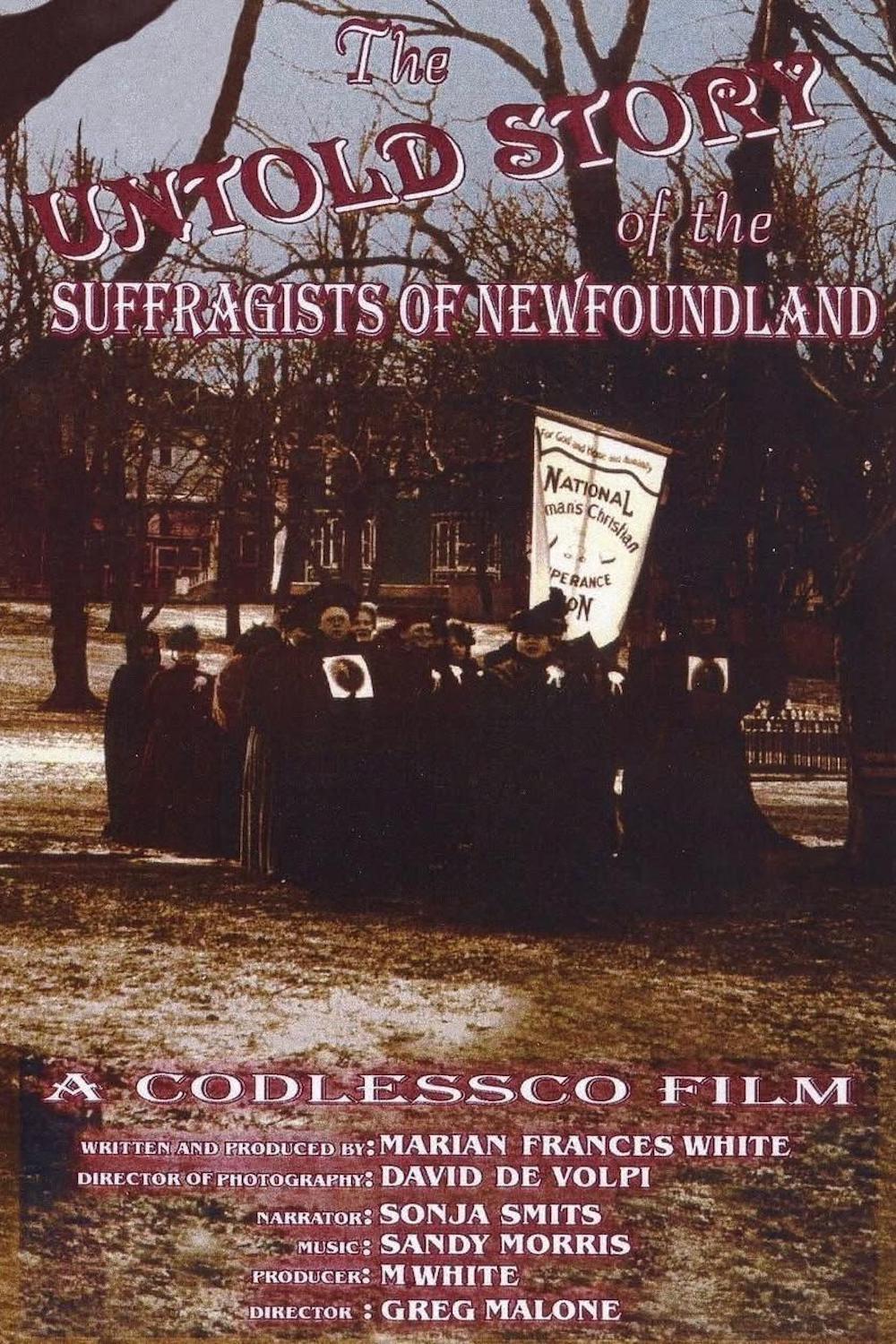
The Untold Story of the Suffragists of Newfoundland (1999) is a docu-drama celebrating the thirty year struggle by the women of Newfoundland to win the right to vote.

Social & External
The people behind it
Sherry White
Maria Williams
Ruth Lawrence
Fannie McNeil
Beni Malone
Hector McNeil
Janis Spence
Armine Nutting Gosling
Janet Planchat
May Kennedy
Michael Chiasson
Mr. Kinsella
Robert Chafe
Moderator
Emily Pittman
Agnes Marion Ayre
Kay Anonsen
Julia Salter Earle
Baptiste Neis
Factory Girl
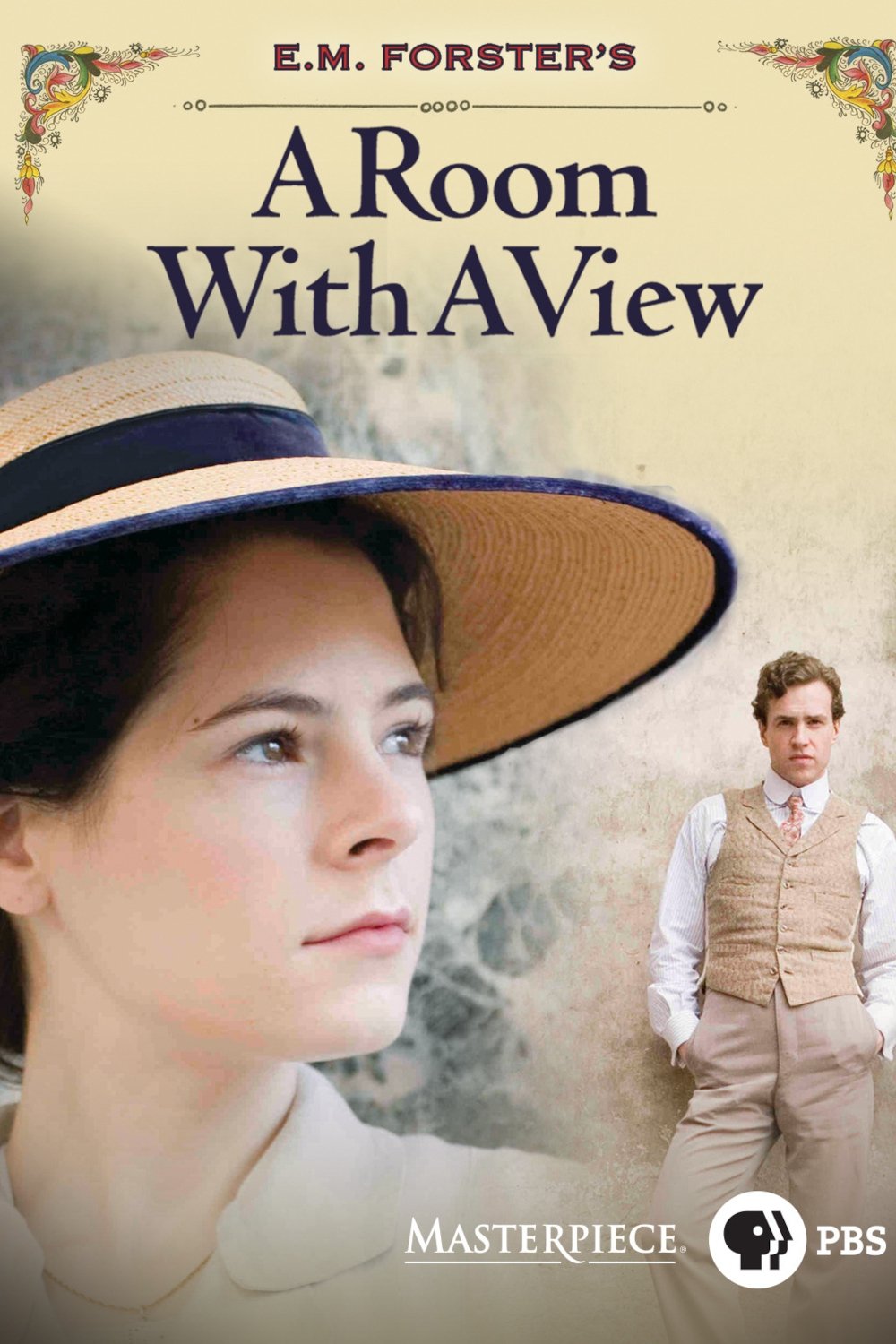
When Lucy Honeychurch and chaperon Charlotte Bartlett find themselves in Florence with rooms without views, fellow guests Mr Emerson and son George step in to remedy the situation. Meeting the Emersons could change Lucy's life forever but, once back in England, how will her experiences in Tuscany affect her marriage plans?
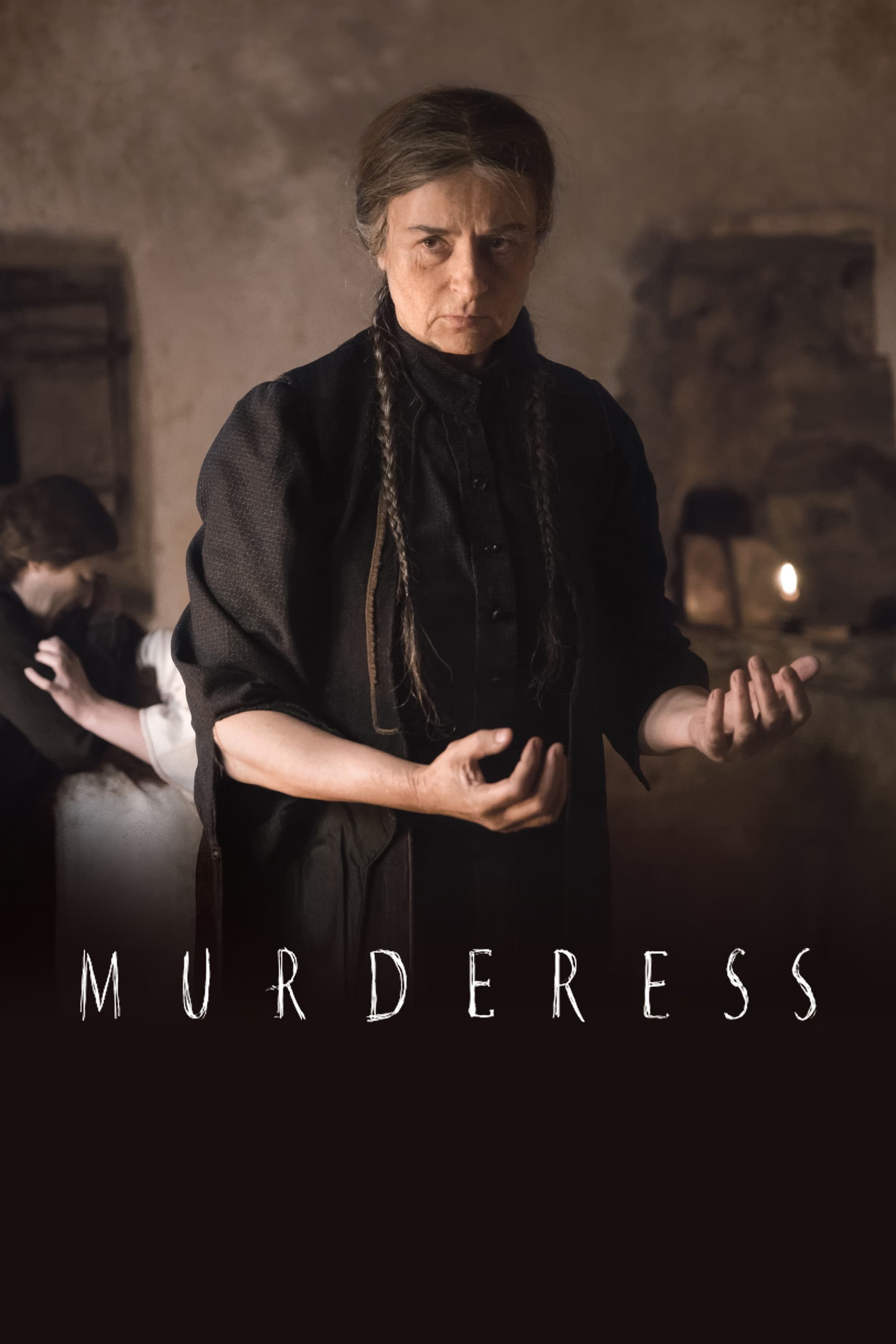
It is the early 20th century on a dystopian Greek island. Hadoula, a widow who lost her husband, loannis Fragkos, at a young age, is a woman who has learned how to survive in a male-dominated and extremely patriarchal society. Hadoula carries a difficult burden within her. Like a baton passed on to her from her mother, and the generations before her, she is meant to accept the belittling and degradation of women. Hadoula reacts. Her personal, internal revolution soon comes forth. The victims of her outburst are the little girls of the island, whom she sets free from the social and economic burden that their existence entails by taking their lives. Her actions will bring her face to face with the law. She leaves her home and escapes to her refuge, nature. But as much as her faith and morals dictate that she did the right thing, her trans-generational trauma follows her everywhere. And the end comes as redemption.

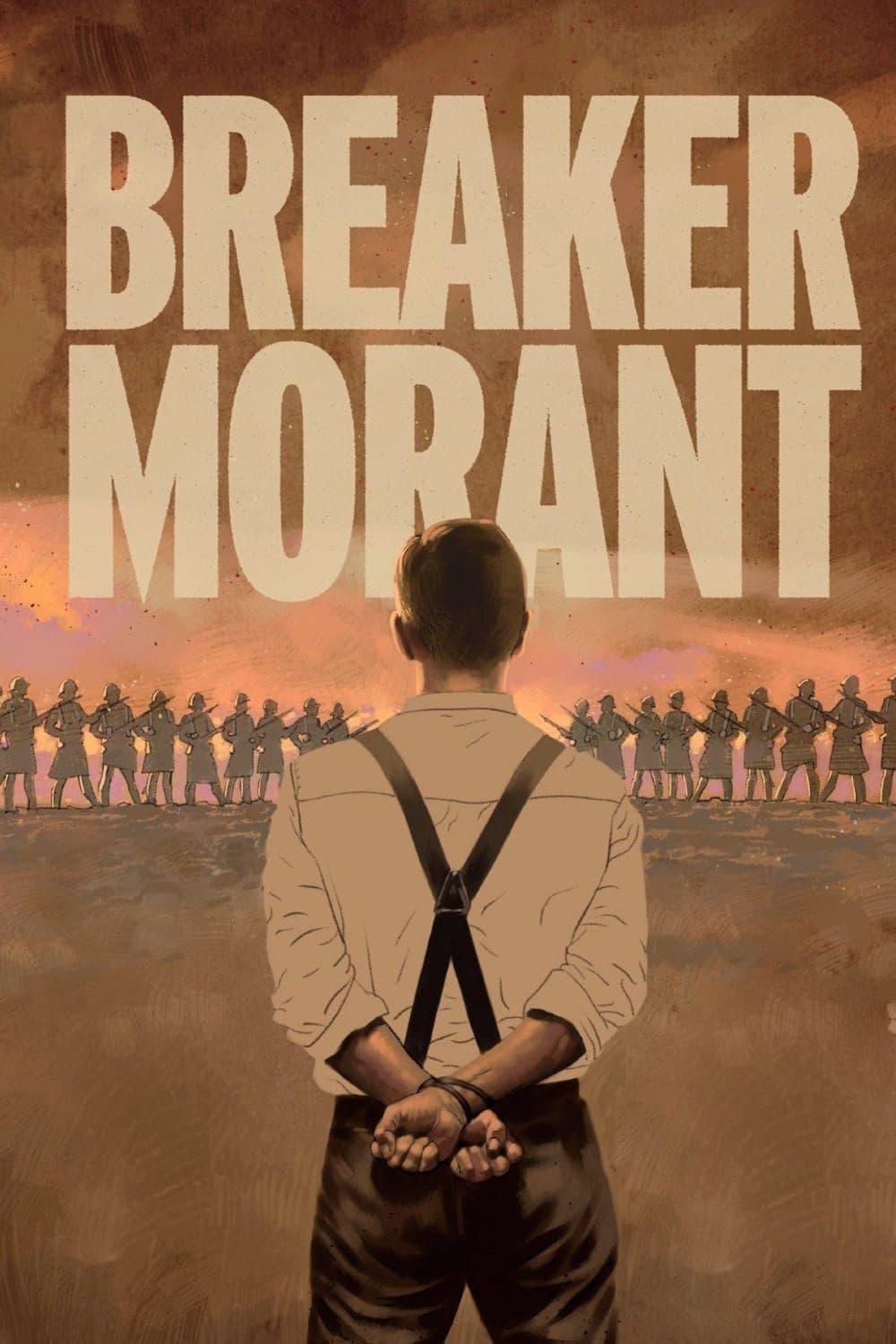
During the Boer War, three Australian lieutenants are on trial for shooting Boer prisoners. Though they acted under orders, they are being used as scapegoats by the General Staff, who hopes to distance themselves from the irregular practices of the war. The trial does not progress as smoothly as expected by the General Staff, as the defence puts up a strong fight in the courtroom.
In 1954 Colombia, Esmeralda Arboleda leads women fighting for suffrage. During a crucial assembly debate, she faces fierce opposition and a personal crisis when her son has an accident, testing her resolve between family and cause.
Guadalupe, a 25-year-old young artist, delves into a disturbing day as the figure of her own shadow stalks her, leading her internal struggle to a final confrontation that leaves indelible marks.
Documentary about terreiro women in Fortaleza who occupy the highest positions in the hierarchy, subverting the patriarchal tradition of religious communities.
Genial shopkeeper Philip has to endure the constant nagging of a shrewish wife while he secretly yearns for a pretty young stenographer. When the henpecking gets to be too much, Philip murders his wife and manages to make her death look like an accident. A ruthless blackmailer and a low-key detective both discover Philip's secret, and he has to decide which of them poses the more dangerous threat.
In early 20th century New York City, an impoverished socialite desperately seeks a suitable husband as she gradually finds herself betrayed by her friends and exiled from high society.
Dorothy is an elderly woman who struggles with loneliness and is suffering the loss of her late partner. Strange and inexplainable happenings begin to follow her around the house, causing her unease. That is until she uncovers the cause and resists her family’s contempt, unveiling a curious and heartwarming relationship.
Liubov, a Russian lady who lives in Mexico City. During the routine of her day, Liubov will recall the experiences she had with death, from childhood to adulthood.
Raise Her Up follows the historian, advocate, and artist creating a statue of Armine Gosling, marking 100 years of womens suffrage in Newfoundland.
A week in the life of the exploited, child newspaper sellers in turn-of-the-century New York. When their publisher, Joseph Pulitzer, tries to squeeze a little more profit out of their labours, they organize a strike, only to be confronted with the Pulitzer's hard-ball tactics.
A young black pianist becomes embroiled in the lives of an upper-class white family set among the racial tensions, infidelity, violence, and other nostalgic events in early 1900s New York City.
In 1909, in an undemocratic Sweden, a bastard child is born and given the name of Hervor. Her mother is unmarried, due to which she is called a "whore' and is driven from her home. Hervor grows up at shelters and orphanages, unwanted, rejected by society. As an adult she spends her life struggling for social justice. In old age she tells us her story. Director Knutte Wester brings his grandmother's memories to life thought hand-painted animated images and has us witness someone being rejected in order to unite others. A story that all too often still repeating itself.
The Executive Empress explores the entrepreneurial lives of several Florida women, who have turned their unique passions into successful businesses.
On the final night of summer, Annie is confronted by a relentless stalker—the embodiment of her deepest childhood fears. When her friends dismiss her concerns, Annie must contend with her anxieties and the unsettling truth.
One single Anne Frank moves us more than the countless others who suffered just as she did but whose faces have remained in the shadows-Primo Levi. The Oscar®-winning Helen Mirren will introduce audiences to Anne Frank's story through the words in her diary. The set will be her room in the secret refuge in Amsterdam, reconstructed in every detail by set designers from the Piccolo Theatre in Milan. Anne Frank this year would have been 90 years old. Anne's story is intertwined with that of five Holocaust survivors, teenage girls just like her, with the same ideals, the same desire to live: Arianna Szörenyi, Sarah Lichtsztejn-Montard, Helga Weiss and sisters Andra and Tatiana Bucci. Their testimonies alternate with those of their children and grandchildren.
The history of cinematic sound, told by legendary sound designers and visionary filmmakers.
Dick Proenneke retired at age 50 in 1967 and decided to build his own cabin in the wilderness at the base of the Aleutian Peninsula, in what is now Lake Clark National Park. Using color footage he shot himself, Proenneke traces how he came to this remote area, selected a homestead site and built his log cabin completely by himself. The documentary covers his first year in-country, showing his day-to-day activities and the passing of the seasons as he sought to scratch out a living alone in the wilderness.
Ten Minutes Older is a 2002 film project consisting of two compilation feature films entitled The Trumpet and The Cello. The project was conceived by the producer Nicolas McClintock as a reflection on the theme of time at the turn of the Millennium. Fifteen celebrated film-makers were invited to create their own vision of what time means in ten minutes of film.
A behind-the-scenes documentary about the Clinton for President campaign, focusing on the adventures of spin doctors James Carville and George Stephanopoulos.
Meet the real-life airmen who inspired Masters of the Air as they share the harrowing and transformative events of the 100th Bomb Group.
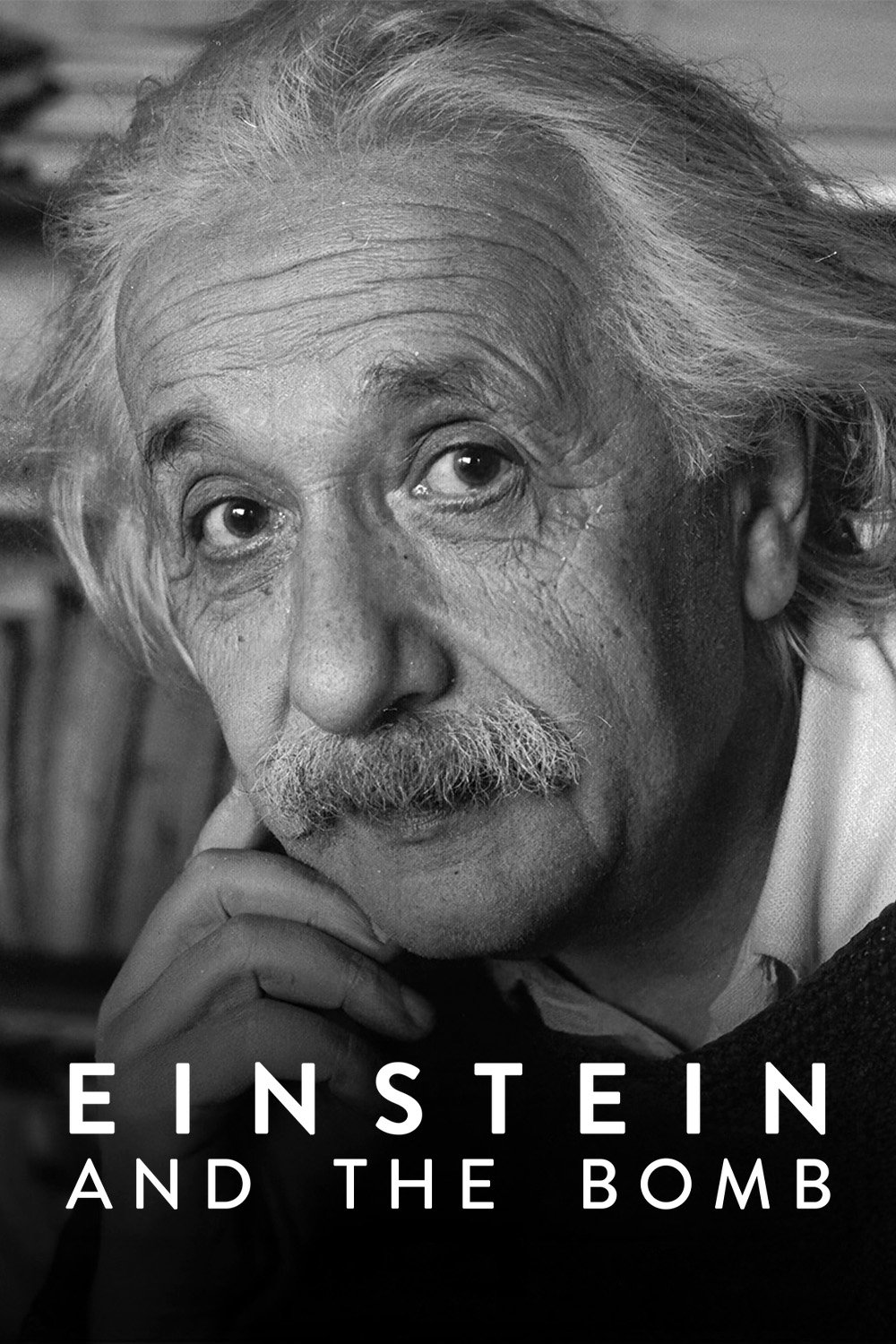
What happened after Einstein fled Nazi Germany? Using archival footage and his own words, this docudrama dives into the mind of a tortured genius.
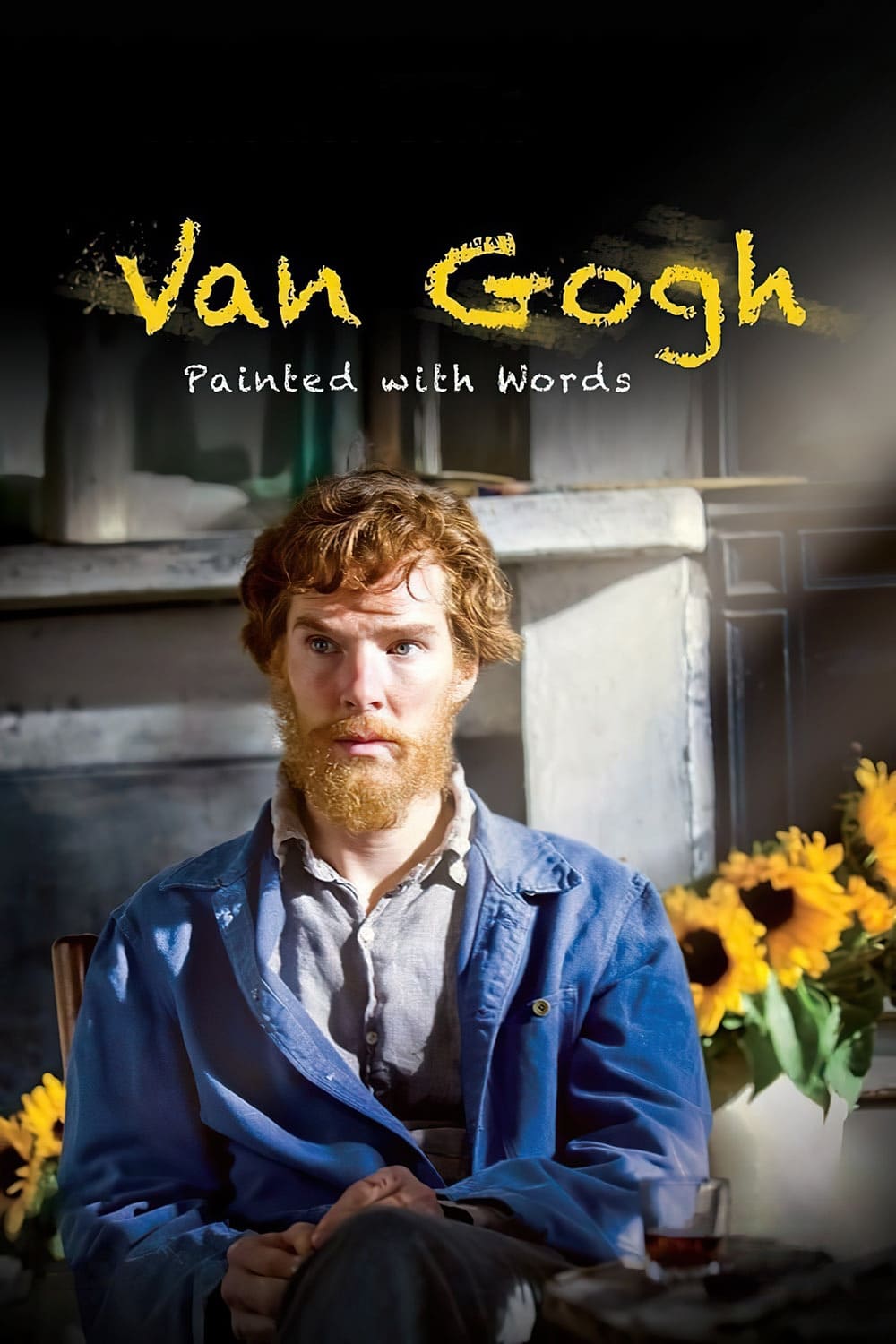
A drama-documentary presented by Alan Yentob, with Benedict Cumberbatch in the lead role. Every word spoken by the actors in this film is sourced from the letters that Van Gogh sent to his younger brother Theo, and of those around him. What emerges is a complex portrait of a sophisticated, civilised and yet tormented man.
“The Soviet Story” is a story of an Allied power, which helped the Nazis to fight Jews and which slaughtered its own people on an industrial scale. Assisted by the West, this power triumphed on May 9th, 1945. Its crimes were made taboo, and the complete story of Europe’s most murderous regime has never been told. Until now...
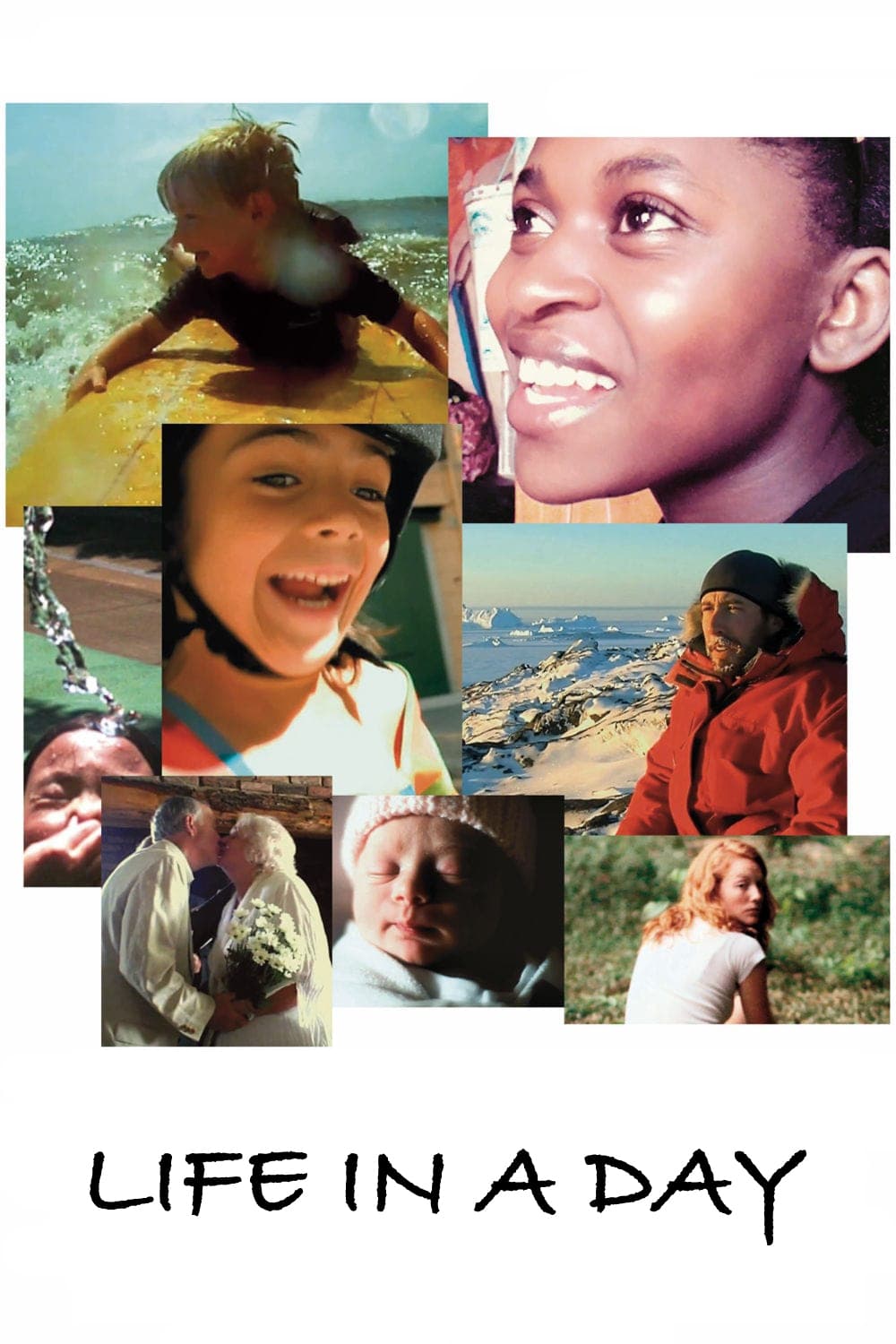
A documentary shot by filmmakers all over the world that serves as a time capsule to show future generations what it was like to be alive on the 24th of July, 2010.
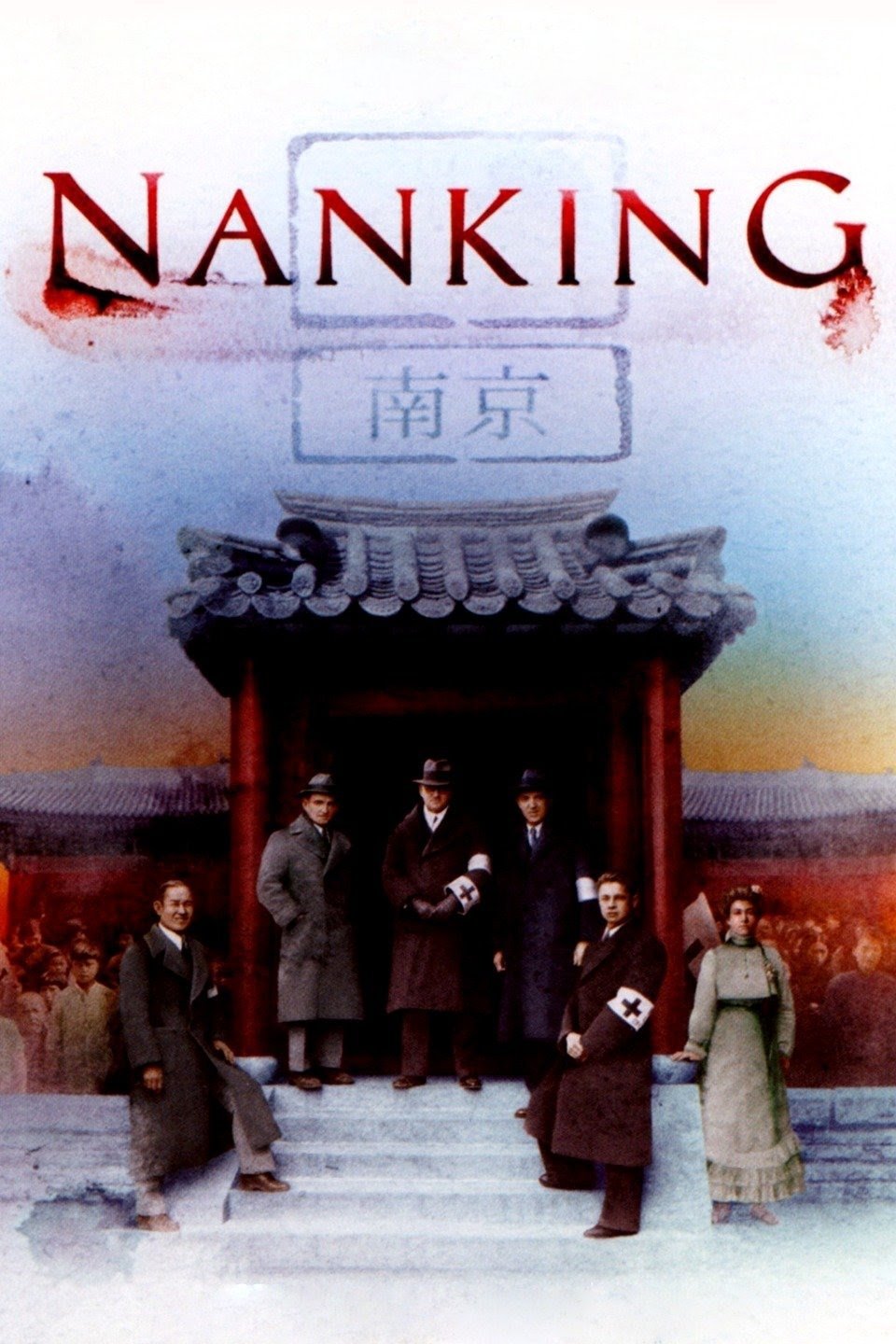
The story of the rape of Nanking, one of the most tragic events in history. In 1937, the invading Japanese army murdered over 200,000 and raped tens of thousands of Chinese. In the midst of this horror, a small group of Western expatriates banded together to save 250,000. Nanking shows the tremendous impact individuals can make on the course of history.
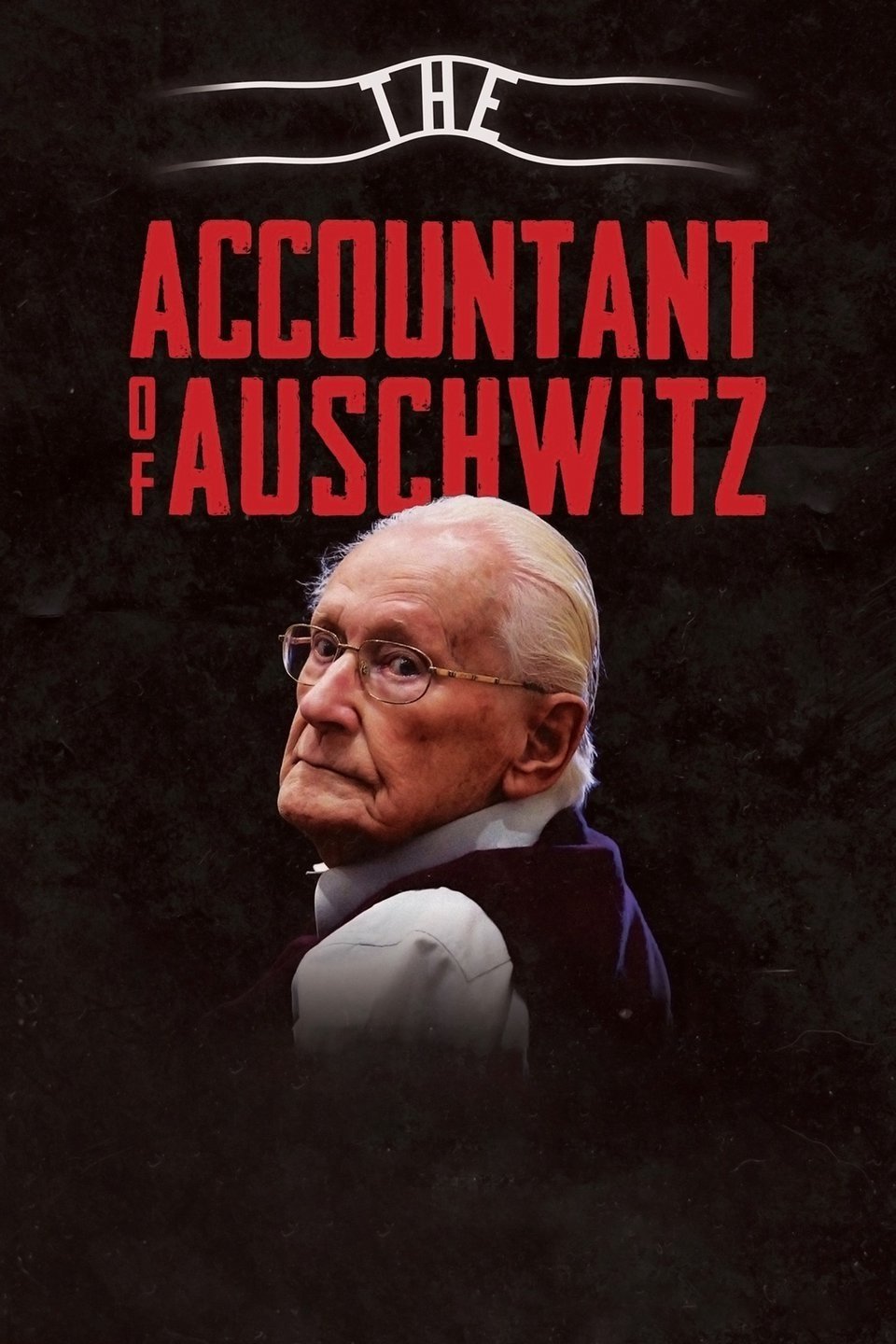
Oskar Gröning, known as the "Accountant of Auschwitz," was charged with the murder of 300,000 Jews. When he took the stand in 2015, at the age of 94, his trial made headlines worldwide.
An unprecedented and intimate look at the life, work and enduring legacy of British actress Audrey Hepburn (1929-1993).
A documentary about the legendary series of nationally televised debates in 1968 between two great public intellectuals, the liberal Gore Vidal and the conservative William F. Buckley Jr. Intended as commentary on the issues of their day, these vitriolic and explosive encounters came to define the modern era of public discourse in the media, marking the big bang moment of our contemporary media landscape when spectacle trumped content and argument replaced substance. Best of Enemies delves into the entangled biographies of these two great thinkers, and luxuriates in the language and the theater of their debates, begging the question, "What has television done to the way we discuss politics in our democracy today?"
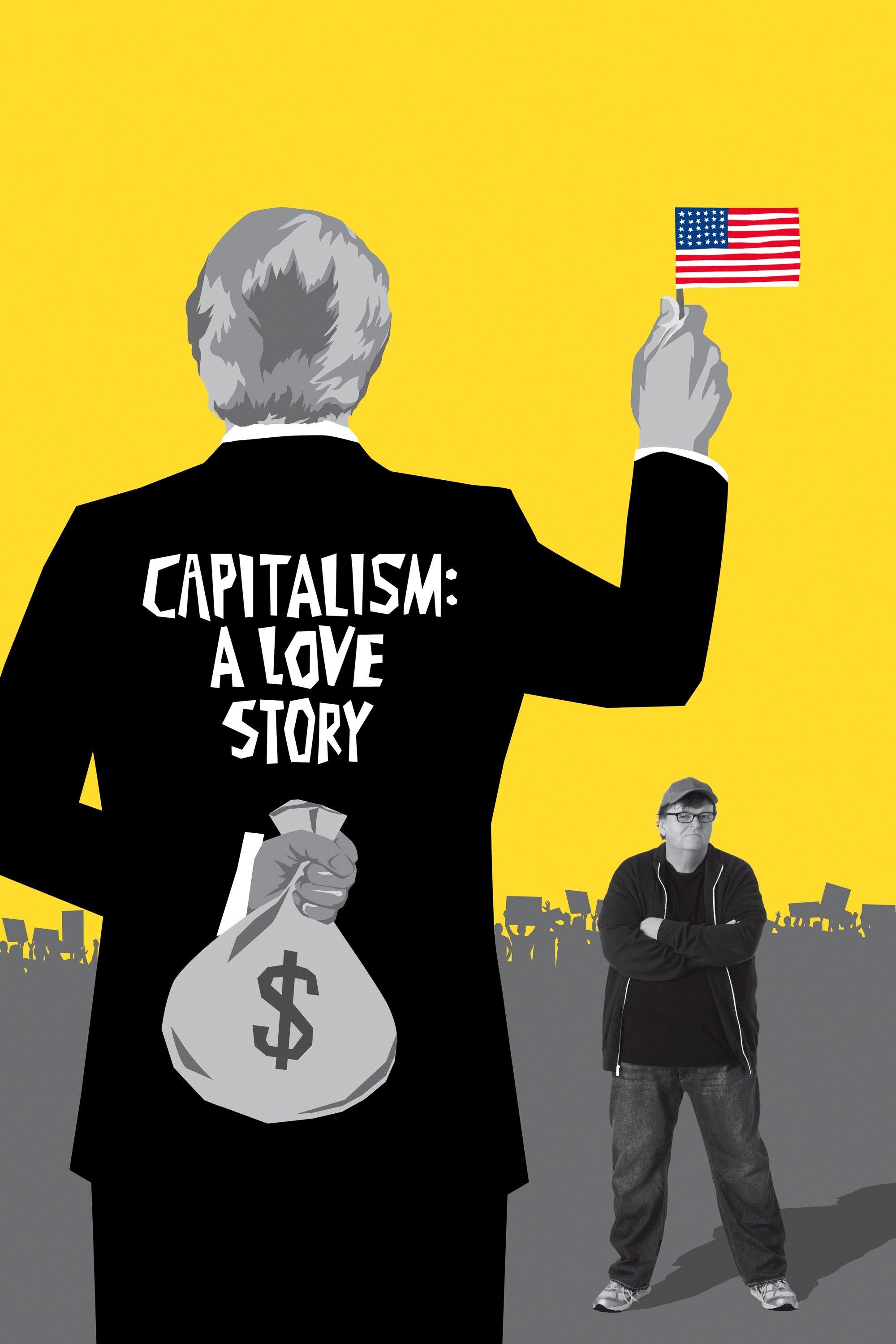
Michael Moore comes home to the issue he's been examining throughout his career: the disastrous impact of corporate dominance on the everyday lives of Americans (and by default, the rest of the world).
An engine fire leaves 4,000 passengers stranded at sea without power and plumbing in this wild documentary about the infamous "poop cruise" of 2013.
In 1936, Victor H. Green (1892-1960) published The Negro Motorist Green Book, a book that was both a travel guide and a survival manual, to help African-Americans navigate safe those regions of the United States where segregation and Jim Crow laws were disgracefully applied.
Documentary about the art of film editing. Clips are shown from many groundbreaking films with innovative editing styles.
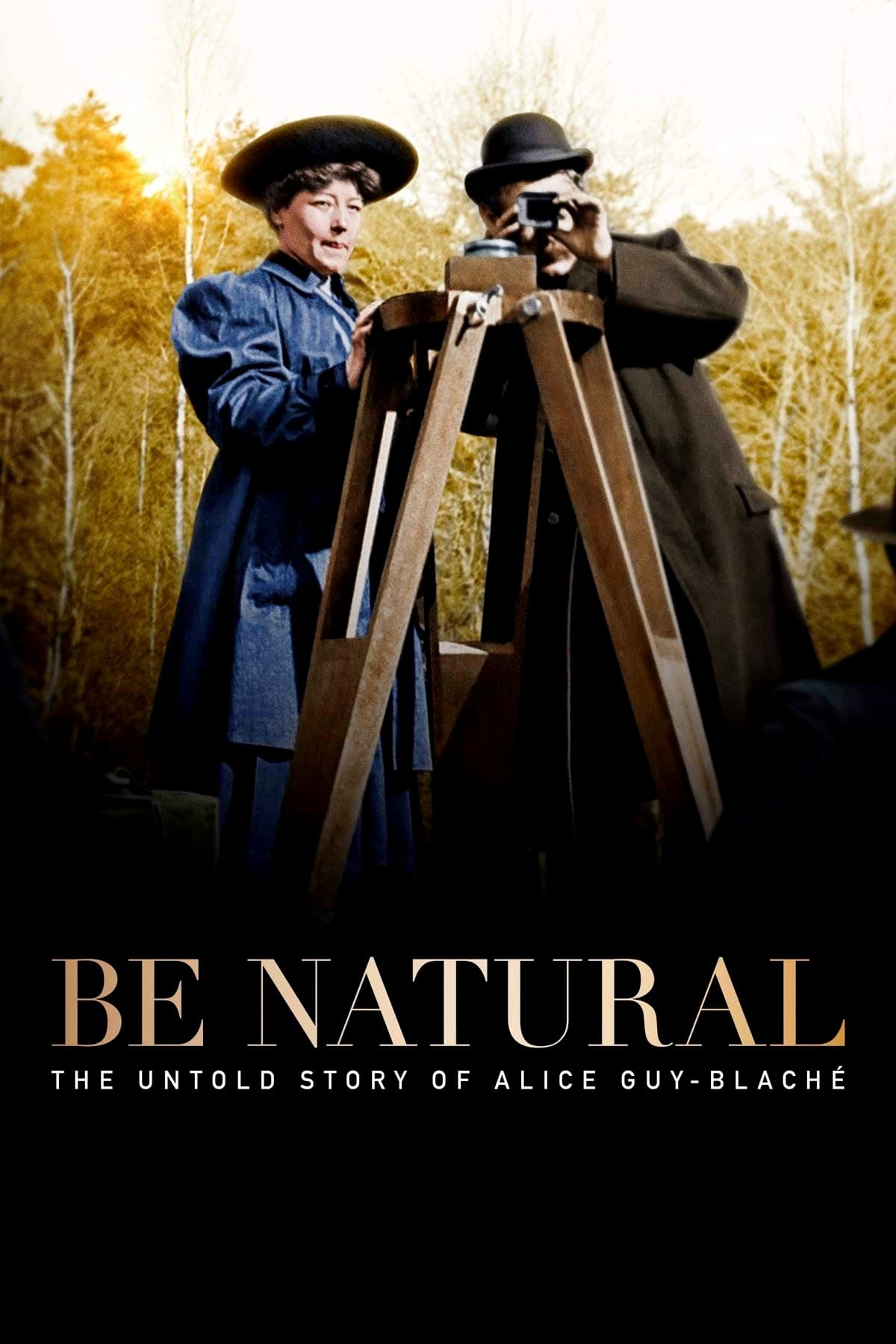
The epic life story of Alice Guy-Blaché (1873–1968), a French screenwriter, director and producer, true pioneer of cinema, the first person who made a narrative fiction film; author of hundreds of movies, but banished from history books. Ignored and forgotten. At last remembered.
A documentary examining possible historical and modern conspiracies surrounding Christianity, the 9/11 terrorist attacks, and the Federal Reserve bank.