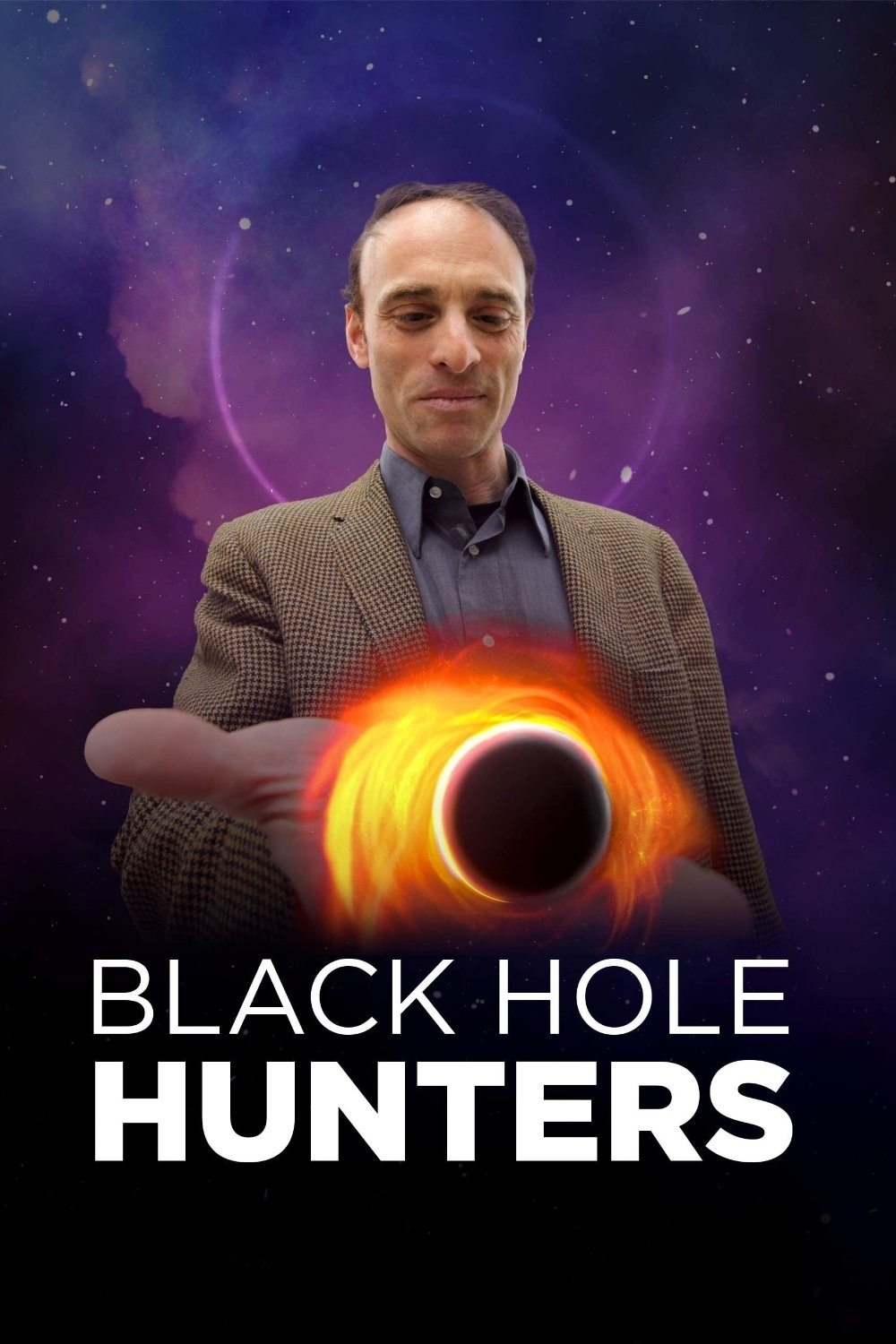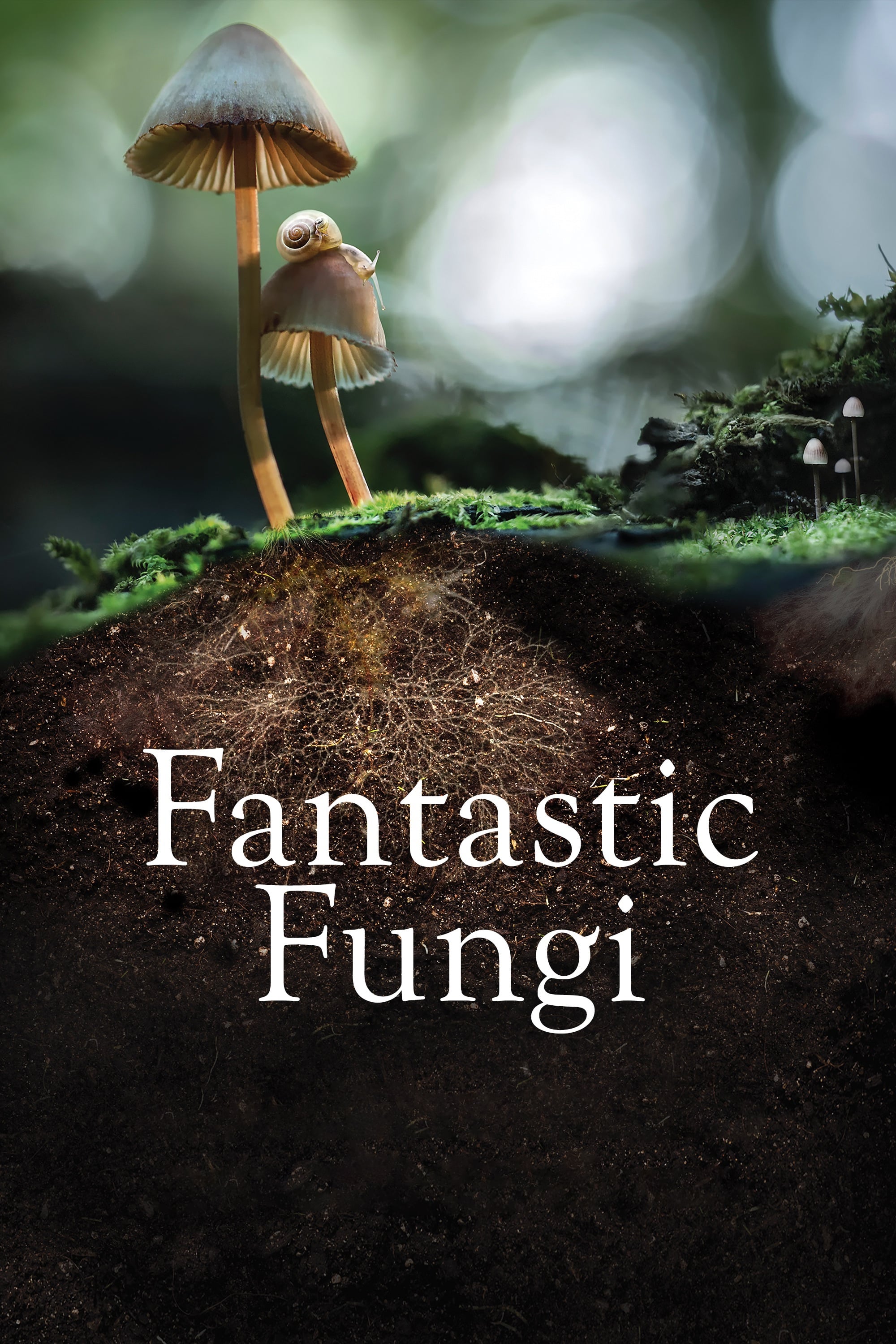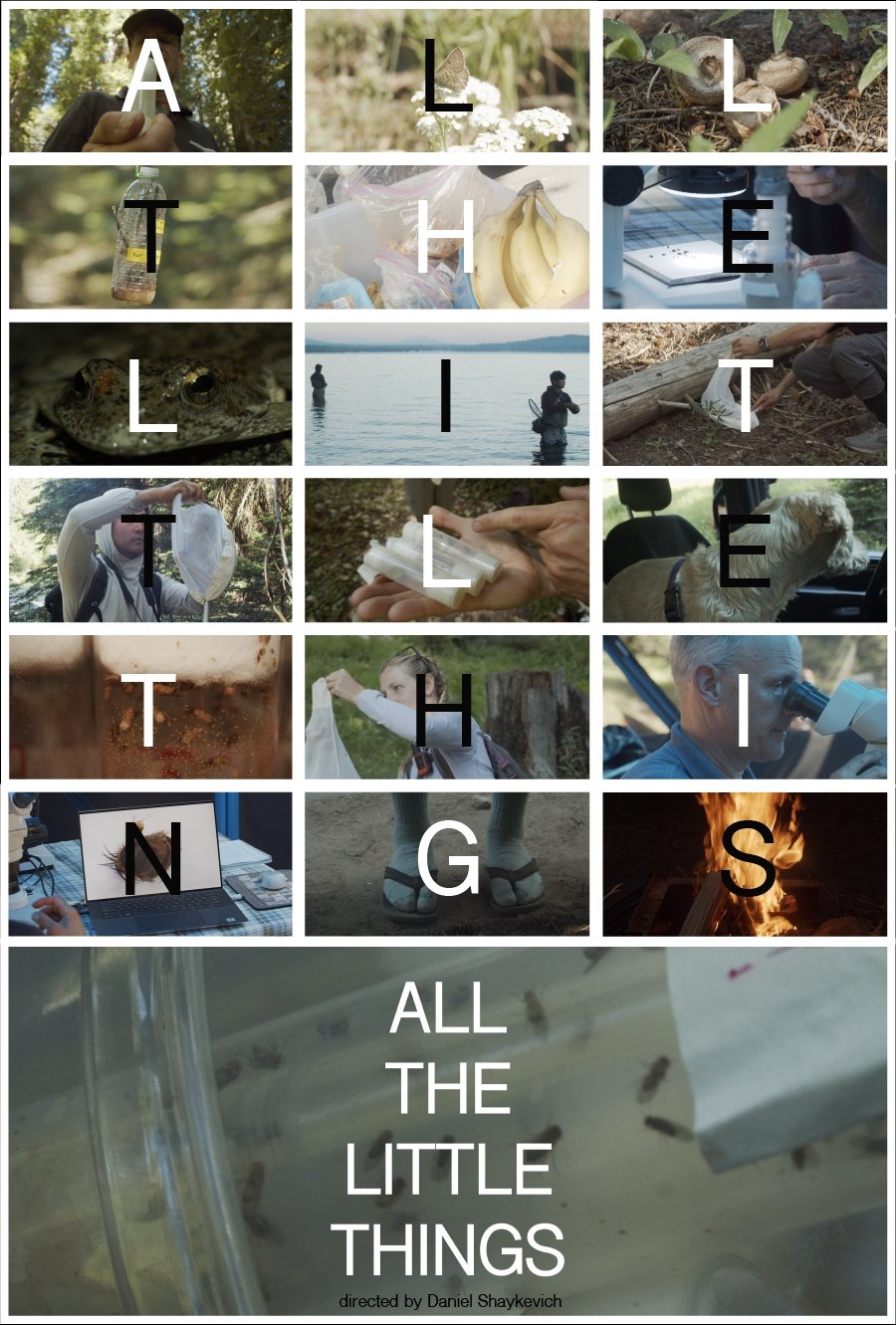
An accomplished molecular biologist moves out of the lab in a quest to make an encyclopedia documenting all the fruit fly species in North America.
Social & External
self
Self
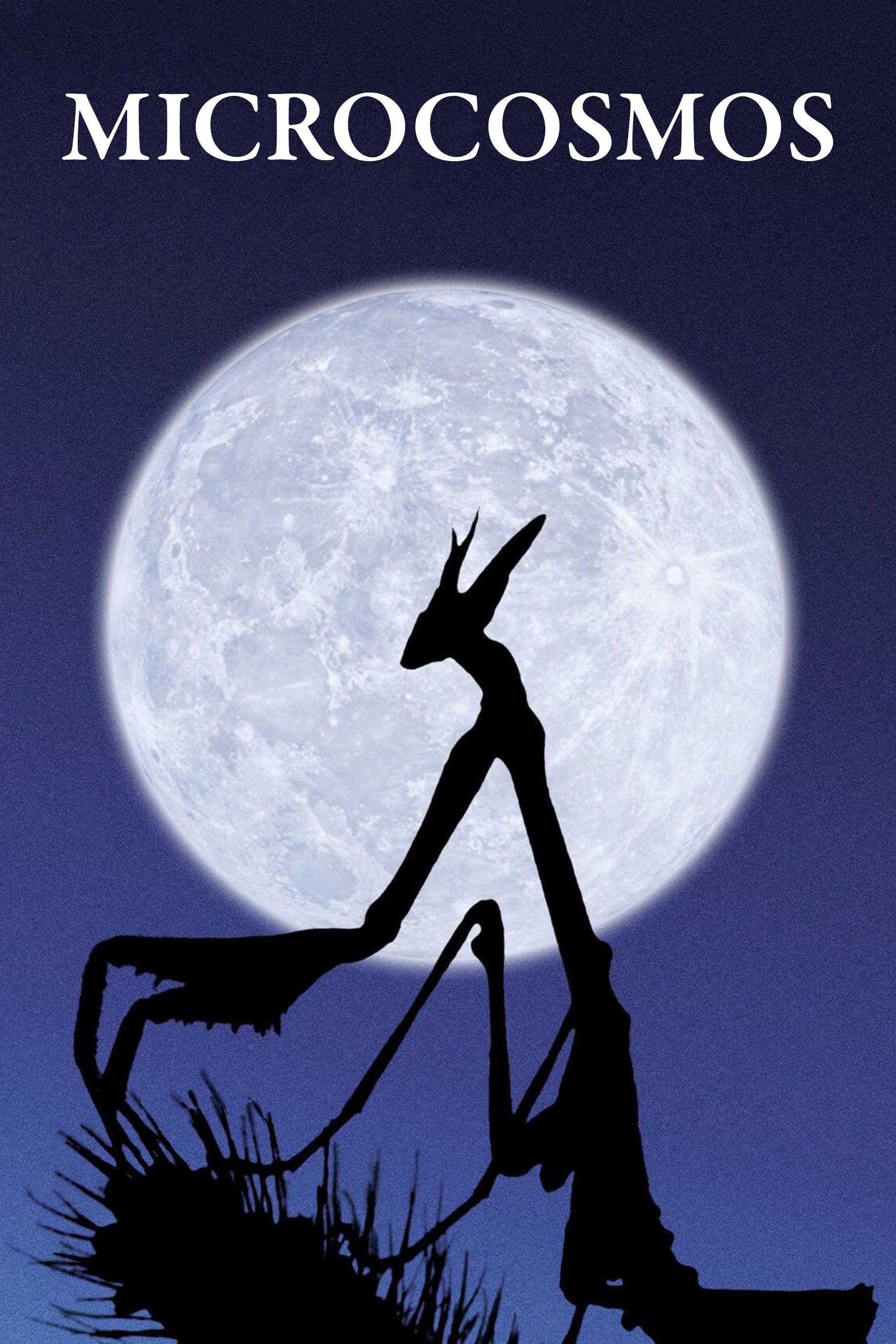
A documentary of insect life in meadows and ponds, using incredible close-ups, slow motion, and time-lapse photography. It includes bees collecting nectar, ladybugs eating mites, snails mating, spiders wrapping their catch, a scarab beetle relentlessly pushing its ball of dung uphill, endless lines of caterpillars, an underwater spider creating an air bubble to live in, and a mosquito hatching.
The female breast has been a motif for as long as there has been art. For centuries, people have been creating works that showcase this intimate and emotionally charged part of the body. Today, female artists are questioning traditional ideals of beauty and countering the male-dominated perspective of the breast with their own.
What forms might life take in the Solar System and beyond? In the Academy's newest original planetarium show, see how a deeper understanding of Earth might help us locate other living worlds, light years away.
The 1977 discovery of RNA splicing by Dr. Phillip A. Sharp, Kentucky farm boy turned Nobel-prize winning scientist, set the stage for a revolution in molecular biology, enabling research into a new class of medicines predicated on recombinant DNA techniques ranging from the development of synthetic insulin and human growth hormone to the COVID-19 vaccine.
The first American space station Skylab is found in pieces scattered in Western Australia. Putting these pieces back together and re-tracing the Skylab program back to its very conception reveals the cornerstone of human space exploration.
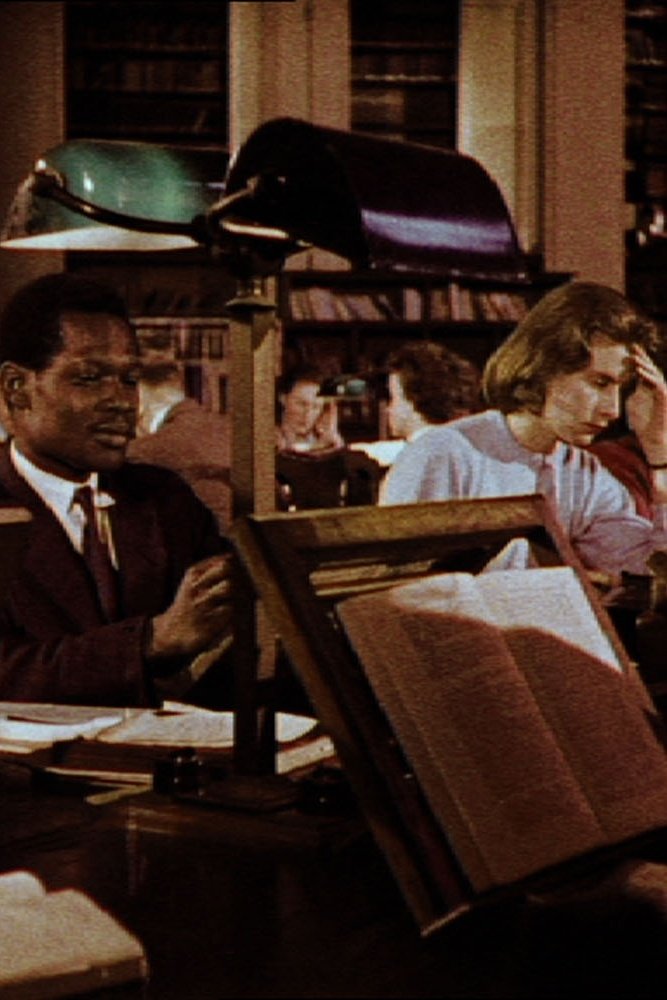
Though commissioned by Trinity College Dublin as a fundraiser for the Berkeley Library and with extensive discussion of the history, architecture and collections of the Old Library, this film also provides a rare insight into student life in Dublin in the 1950s – at work and at play – and lauds the arrival of women and students from many lands.
Are we becoming Plastic People? Our ground-breaking feature documentary investigates our addiction to plastic and the growing threat of microplastics on human health. Almost every bit of plastic ever made ends up ground down into "microplastics". These microscopic particles drift in the air, float in the water and sit in the soil. And now, leading scientists are finding them in our bodies: organs, blood, brain tissue and even the placentas of new mothers. What is the impact of these invisible invaders on our health? Ziya Tong, author and science journalist, makes it personal by visiting leading scientists and undergoing experiments in her home, on her food, and on her body.
Cancer; The Integrative Perspective takes a deep dive into the fast-expanding paradigm of holistic and integrative wellness approaches for preventing and reversing cancer that treats the disease with conventional tools, while also supporting patients’ strength, stamina and quality of life with evidence-based natural therapies. Nathan Crane, a pioneer in natural healing and cancer prevention, brings together world renowned medical experts and cancer survivors to share evidence-based insights into the power that the mind, body and spirit play in cancer care and prevention. The latest research is presented by Dr. Francisco Contreras, Dr. Leigh Erin Connealy, Dr. Francisco Calvo, Dr. Sunil Pai, and Dr. Thomas Lodi.
This instructional film shows the three parts of a lever and demonstrates how various levers help to move things more easily, or move them farther and faster.
Explore the secrets of the universe with Professor Brian Cox in this special event that combines ground-breaking science with the power of the Sydney Symphony Orchestra.
Before the internet. Before social media. Before breaking news. The victims of Thalidomide had to rely on something even more extraordinary to fight their corner: Investigative journalism. This is the story of how Harold Evans fought and won the battle of his and many other lives.
In this two-part Channel 4 series, Professor Richard Dawkins challenges what he describes as 'a process of non-thinking called faith'. He describes his astonishment that, at the start of the 21st century, religious faith is gaining ground in the face of rational, scientific truth. Science, based on scepticism, investigation and evidence, must continuously test its own concepts and claims. Faith, by definition, defies evidence: it is untested and unshakeable, and is therefore in direct contradiction with science. In addition, though religions preach morality, peace and hope, in fact, says Dawkins, they bring intolerance, violence and destruction. The growth of extreme fundamentalism in so many religions across the world not only endangers humanity but, he argues, is in conflict with the trend over thousands of years of history for humanity to progress to become more enlightened and more tolerant.
The film discusses the evolution and potential of using light waves, particularly coherent light, for communication. It highlights the development of lasers at Bell Telephone Laboratories, explaining how they produce a highly controlled and intense beam of light that could revolutionize communication. The film emphasizes the vast possibilities of lasers, including applications in telecommunications, surgery, and exploring the universe, suggesting that this technology represents a significant step in humanity's understanding and use of light.
CERN and the University of California-Santa Barbara are collaborating in the search for the elusive substance that physicists and astronomers believe holds the universe together -- dark matter. Where is this search now in the realm of particle physics and what comes next?
Coming in all shapes and sizes, bacteria are present in every corner of the Earth. Their purposes and types are even more diverse, with only 1% being truly harmful. Dive into the world of Bacteria to experience the latest discoveries and scientific knowledge surrounding these plentiful and necessary microbes.
An intimate portrait of life in Green Bank, West Virginia, home to the world's most sensitive radio telescope and the only U.S. town where Wi-Fi and cell phones are banned. In this radio-quiet community, scientists search for signs of extraterrestrial life while residents share everyday moments of joy and loss. But when government defunding threatens the telescope's future, the town must consider which connections matter most.
On April 18, 1955, the pathologist performing the autopsy on Albert Einstein covertly steals the genius's brain, hoping to uncover the secret of brilliance. His good intentions and scientific ambitions collide with harsh realities as his world crumbles.
A scientist explains how the savagery and efficiency of the insect world could result in their taking over the world.
An illuminating look inside the lives of the Grucci family, whose Long Island-based fireworks business has been lighting up night skies around the world with spectacular displays since the 1800s.