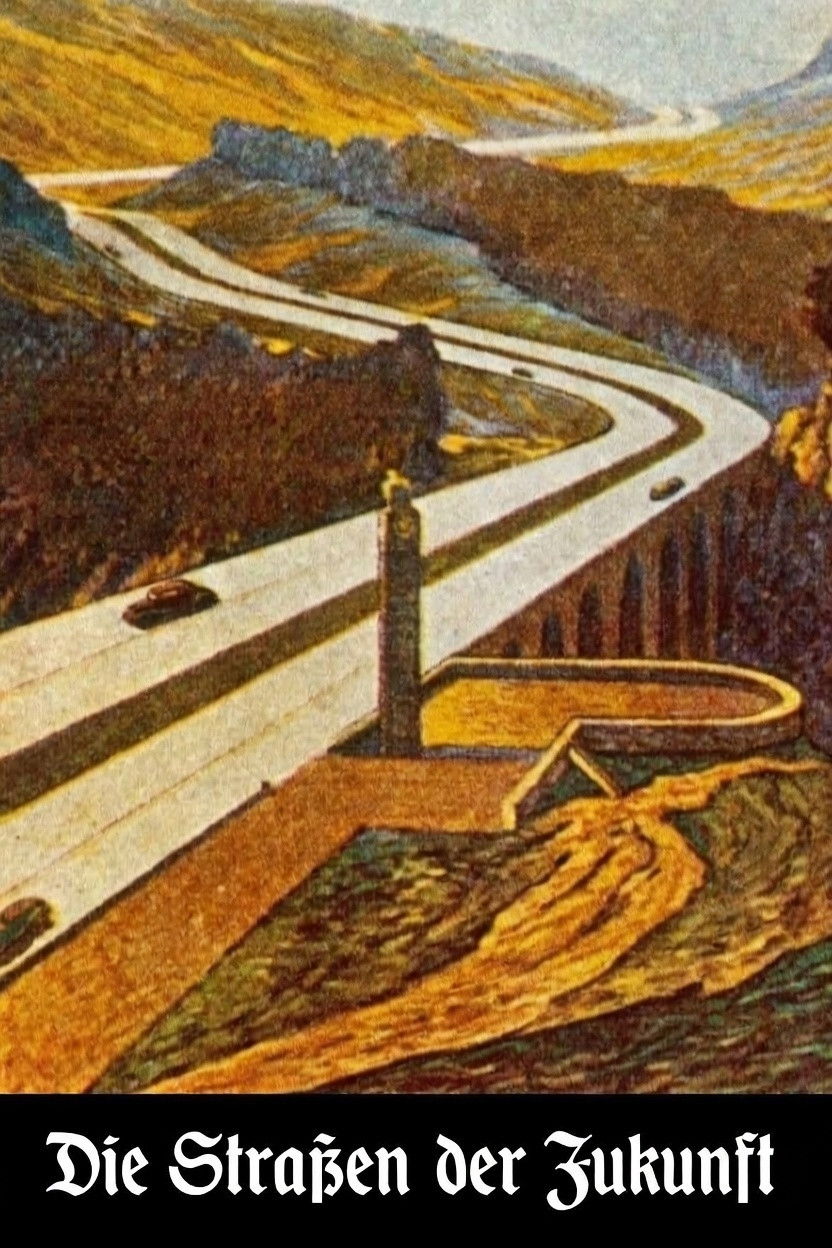
From different perspectives, the viewer sees the appearance of the newly built Reichsautobahnen: Pictures from the lowlands, the Swabian Alb and many other places.
Social & External
The Kabul National Museum, once known as the "face of Afghanistan," was destroyed in 1993. We filmed the most important cultural treasures of the still-intact museum in 1988: ancient Greco-Roman art and antiquitied of Hellenistic civilization, as well as Buddhist sculpture that was said to have mythology--the art of Gandhara, Bamiyan, and Shotorak among them. After the fall of the Democratic Republic of Afghanistan in 1992, some seventy percent of the contents of the museum was destroyed, stolen, or smuggled overseas to Japan and other countries. The movement to return these items is also touched upon. The footage in this video represents that only film documentation of the Kabul Museum ever made.
Hedda Hopper plays hostess at a party for her (grown) son William (DeWolfe Jr.). Hopper, attends the dedication of the Motion Picture Relief Fund's country home and goes to the Mocambo. There is also a sequence dedicated to the Milwaukee, Wisconsin world premiere of the first short in this series attended by more that a few film stars.
After her gender identity was denied in her homeland, Lee Li, a transgender asylum seeker, was forced to leave her country, family, and language to embark on a journey toward belonging, freedom, and self-empowerment.
When internationally renowned Haida carver Robert Davidson was only 22 years old, he carved the first new totem pole on British Columbia’s Haida Gwaii in almost a century. On the 50th anniversary of the pole’s raising, Haida filmmaker Christopher Auchter steps easily through history to revisit that day in August 1969, when the entire village of Old Massett gathered to celebrate the event that would signal the rebirth of the Haida spirit.
Short 1964 black-and-white documentary featurette hosted by Sean Connery and featuring the real-life inspiration for the character of Q, Major Geoffrey Boothroyd with a discussion of the gun weaponry used by James Bond.
In 1928, as the talkies threw the film industry and film language into turmoil, Chaplin decided that his Tramp character would not be heard. City Lights would not be a talking picture, but it would have a soundtrack. Chaplin personally composed a musical score and sound effects for the picture. With Peter Lord, the famous co-creator of Chicken Run and Wallace & Gromit, we see how Chaplin became the king of slapstick comedy and the superstar of the movies.
An ex mobster reflects on love and loss after spending 32 years in prison.
What advantage does space travel bring to mankind? A father and his son search for answers during a walk in the forest.
Underscored by French film legend Delphine Seyrig’s evocative recitation of a Henri Michaux poem, Maureen Fazendeiro’s film is a mysterious, multi-textured portrait of eclipse spectators in Portugal.
One of the major works by South Korean feminist film collective Kaidu Club, this short is a dynamic, idiosyncratic, and mosaic-like portrait of Korean life, culture, and people who dream of a unified North and South.
Tania and Cocteau, a cat that comes from the not too distant future, tell the story of the passage of animals through the world and their relationship with humans.
Short documentary on the Belgian painter Max Selen.
Featuring new, previously unseen footage documenting the bizarre and unsettling things that happened to filmmakers David Farrier and Dylan Reeve as Tickled premiered at film festivals and theaters in 2016. Lawsuits, private investigators, disrupted screenings and surprise appearances are just part of what they encounter along the way. Amidst new threats, the duo begins to answer questions that remained once the credits rolled on Tickled, including whether the disturbing behavior they uncovered will ever come to an end.
During the Feria of Nîmes, a bullfight is filmed from the perspective of the animal, relegating the matador and public to off-screen spectators. A ritual at the frontiers of mysticism, carried by the sacrificial figure of the bull, revealer of our humanity.
Burn victims get to enjoy a family day at the beach thanks to an outing organized by the Association des grands brûlés.
Tehran Is the Capital of Iran (1966-79) documents life in a deprived district in the south of Tehran. The images of destitution in Tehran's poor areas is accompanied by a variety of spoken accounts: the official viewpoint on the district's living conditions, what the inhabitants have to say, and occasional extracts read out of school manuals. The key element in Shirdel's film is the counterpoint effect he creates with image and sound. His impressively powerful portrayal of social unease helps reinforce the impact of his astonishing documentary images and social themes.
Two queer Brazilians go skinny dipping in a lake where they talk about love, sex, colonialism and migration, on a pandemic summer afternoon in Berlin.
Karlon, born in Pedreira dos Húngaros (a slum in the outskirts of Lisbon) and a pioneer of Cape Verdean creole rap, runs away from the housing project to which he had been relocated.
A reframing of the classic tale of Narcissus, the director draws on snippets of conversation with a trusted friend to muse on gender and identity. Just as shimmers are difficult to grasp as knowable entities, so does the concept of a gendered self feel unknowable except through reflection. Is it Narcissus that Echo truly longs for, or simply the Knowing he possesses when gazing upon himself?
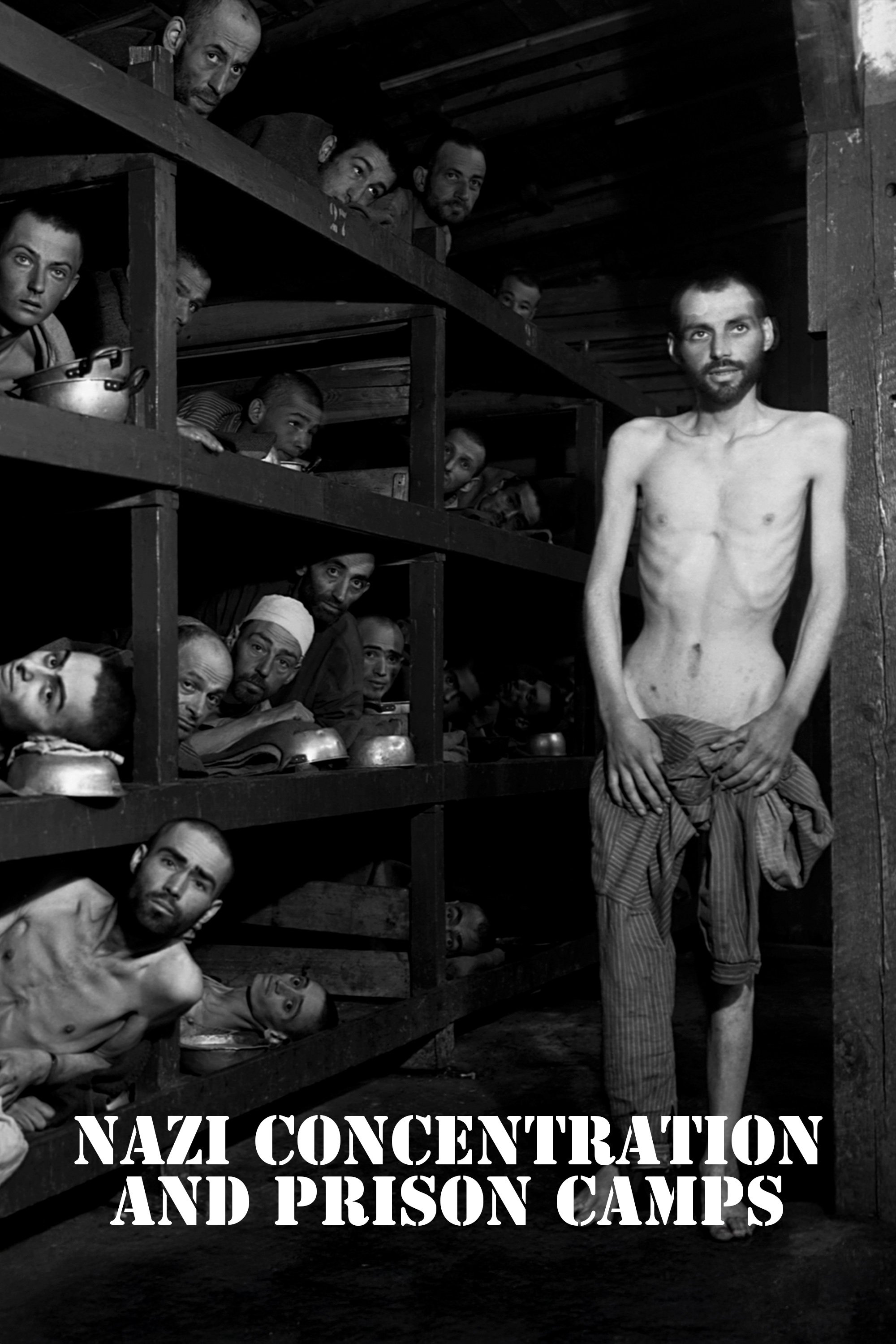
Produced and presented as evidence at the Nuremberg war crimes trial of Hermann Göring and twenty other Nazi leaders, this film consists primarily of dead and surviving prisoners and of facilities used to kill and torture during the World War II.
A documentary on the expletive's origin, why it offends some people so deeply, and what can be gained from its use.
A visual montage portrait of our contemporary world dominated by globalized technology and violence.
When Allied forces liberated the Nazi concentration camps in 1944-45, their terrible discoveries were recorded by army and newsreel cameramen, revealing for the first time the full horror of what had happened. Making use of British, Soviet and American footage, the Ministry of Information’s Sidney Bernstein (later founder of Granada Television) aimed to create a documentary that would provide lasting, undeniable evidence of the Nazis’ unspeakable crimes. He commissioned a wealth of British talent, including editor Stewart McAllister, writer and future cabinet minister Richard Crossman – and, as treatment advisor, his friend Alfred Hitchcock. Yet, despite initial support from the British and US Governments, the film was shelved, and only now, 70 years on, has it been restored and completed by Imperial War Museums under its original title "German Concentration Camps Factual Survey".
A detailing of the rise to prominence and global sporting superstardom of six supremely talented young Manchester United football players (David Beckham, Nicky Butt, Ryan Giggs, Paul Scholes, Phil and Gary Neville). The film covers the period 1992-1999, culminating in Manchester United's European Cup triumph.
Ross McElwee sets out to make a documentary about the lingering effects of General Sherman's march of destruction through the South during the Civil War, but is continually sidetracked by women who come and go in his life, his recurring dreams of nuclear holocaust, and Burt Reynolds.
Daniel Craig candidly reflects on his 15 year adventure as James Bond. Including never-before-seen archival footage from Casino Royale to the upcoming 25th film No Time To Die, Craig shares his personal memories in conversation with 007 producers, Michael G Wilson and Barbara Broccoli.
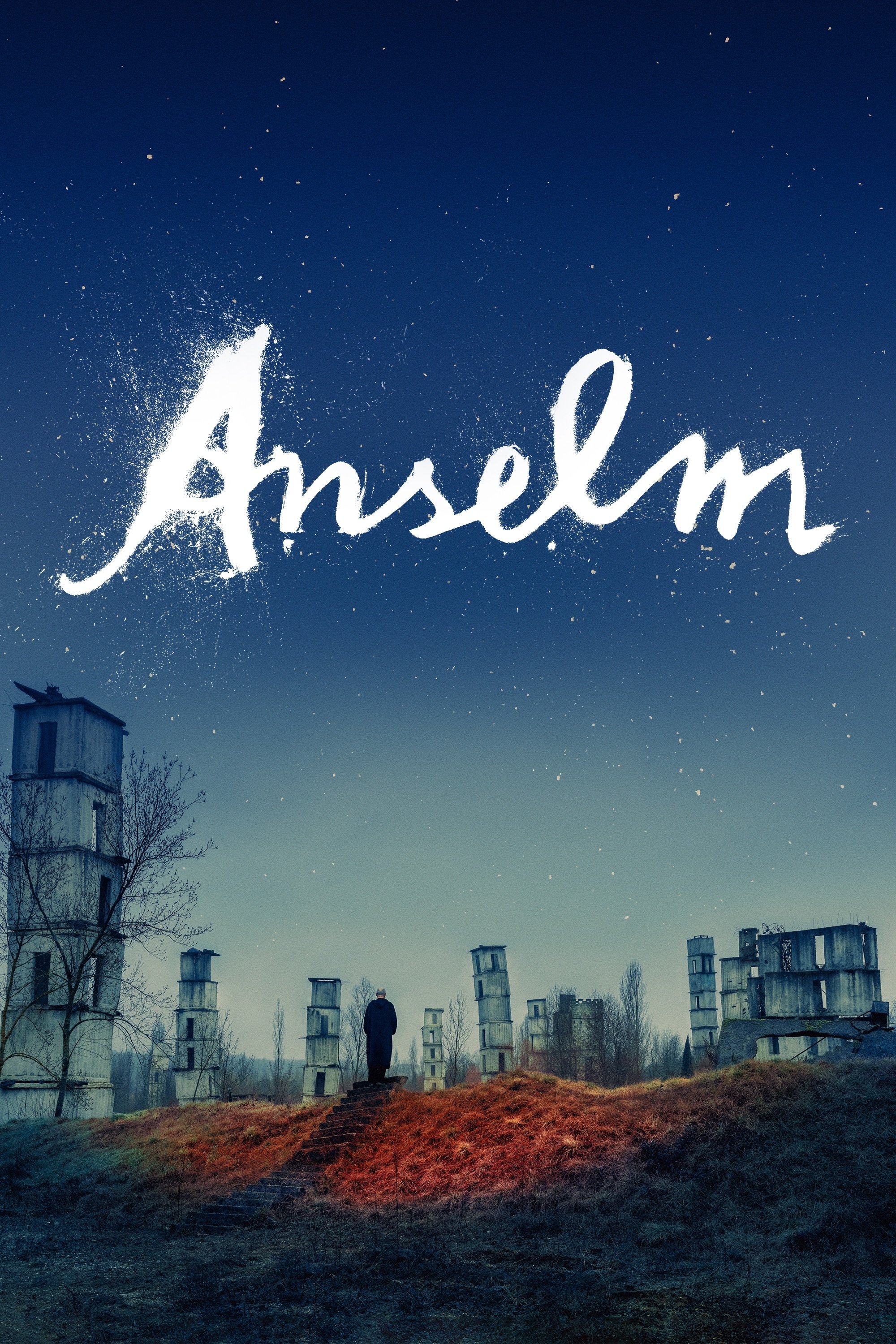
This unique cinematic experience dives deep into an artist’s work and reveals his life path, inspiration, and creative process. It explores his fascination with myth and history. Past and present are interwoven to diffuse the line between film and painting, allowing the audience to be completely immersed in the remarkable world of one of the greatest contemporary artists, Anselm Kiefer. Wim Wenders shot this unique portrait over the course of two years in stunning 3D.
A compilation of over 30 years of private home movie footage shot by Lithuanian-American avant-garde director Jonas Mekas, assembled by Mekas "purely by chance", without concern for chronological order.
Set both in Latin America and the United States, the film explores the historic and current relationship of Washington with countries such as Venezuela, Bolivia and Chile. Pilger says that the film "...tells a universal story... analysing and revealing, through vivid testimony, the story of great power behind its venerable myths. It allows us to understand the true nature of the so-called "war on terror". According to Pilger, the film’s message is that the greed and power of empire is not invincible and that people power is always the "seed beneath the snow".
A documentary focused on plastic pollution in the world's oceans.
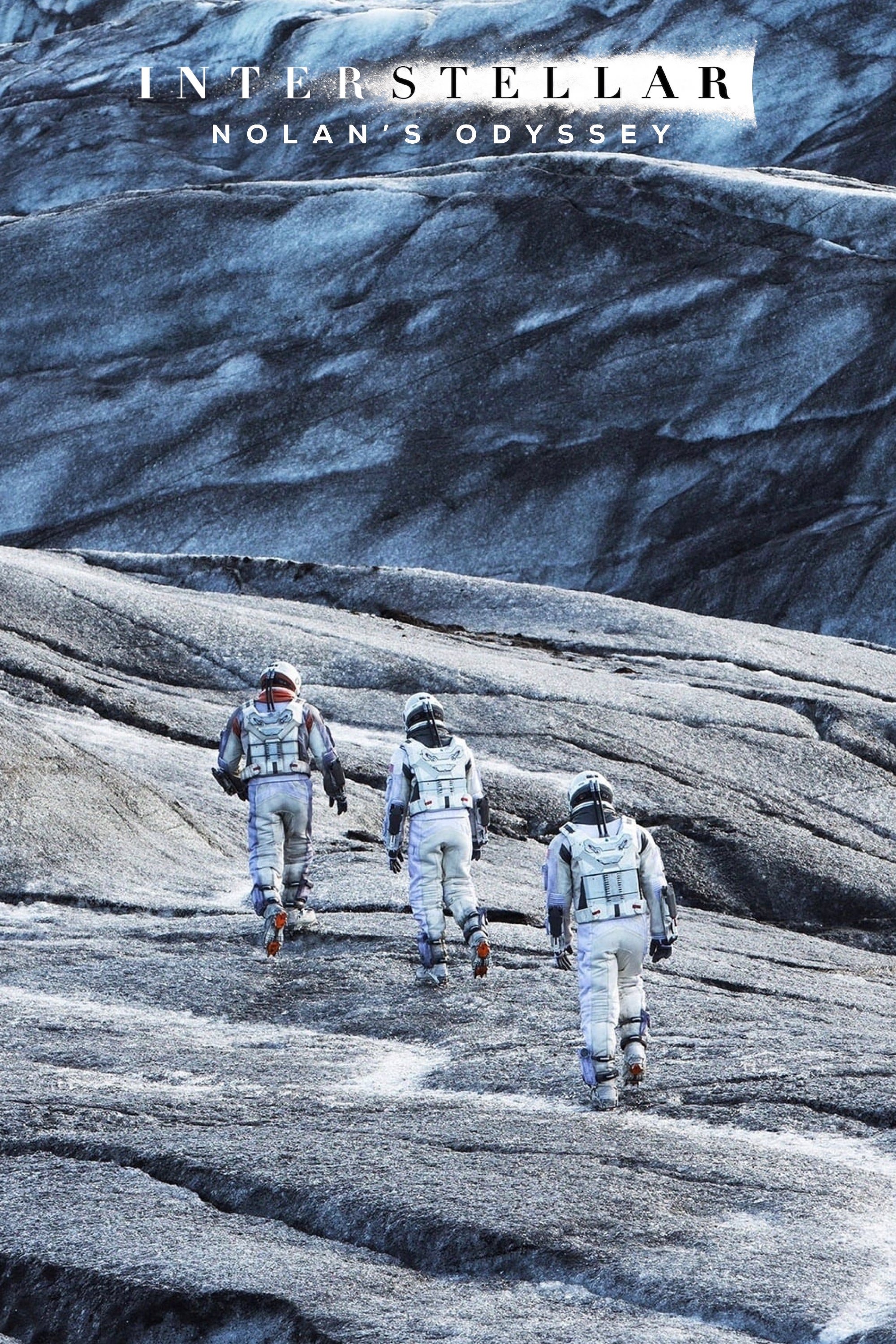
A look behind the lens of Christopher Nolan's space epic.
A celebration of the universe, displaying the whole of time, from its start to its final collapse. This film examines all that occurred to prepare the world that stands before us now: science and spirit, birth and death, the grand cosmos and the minute life systems of our planet.
Prelude to War was the first film of Frank Capra's Why We Fight propaganda film series, commissioned by the Pentagon and George C. Marshall. It was made to convince American troops of the necessity of combating the Axis Powers during World War II. This film examines the differences between democratic and fascist states.
In 1997, Louis Theroux made a documentary about the world of male porn performers in Los Angeles. 15 years later, he returns to find a business struggling with the deluge of free porn on the internet. Louis revisits some of the original programme's contributors as well as meeting the latest crop of porn performers dreaming of porn stardom.
A documentary about the life and films of director John Ford.
A promotional making-of documentary for the film The Matrix (1999) that devotes its time to explaining the digital and practical effects contained in the film. This is very interesting, seeing as how they're giving away the cinematic secrets that they created solely for the this movie, that have now been spoofed and referenced in countless other films.
The making of Matrix Revolutions, The (2003) is briefly touched on here in this documentary. Interviews with various cast and crew members inform us how they were affected by the deaths of Gloria Foster and Aaliyah, and also delve into the making of the visual effects that takes up a lot of screen time. Written by Rhyl Donnelly
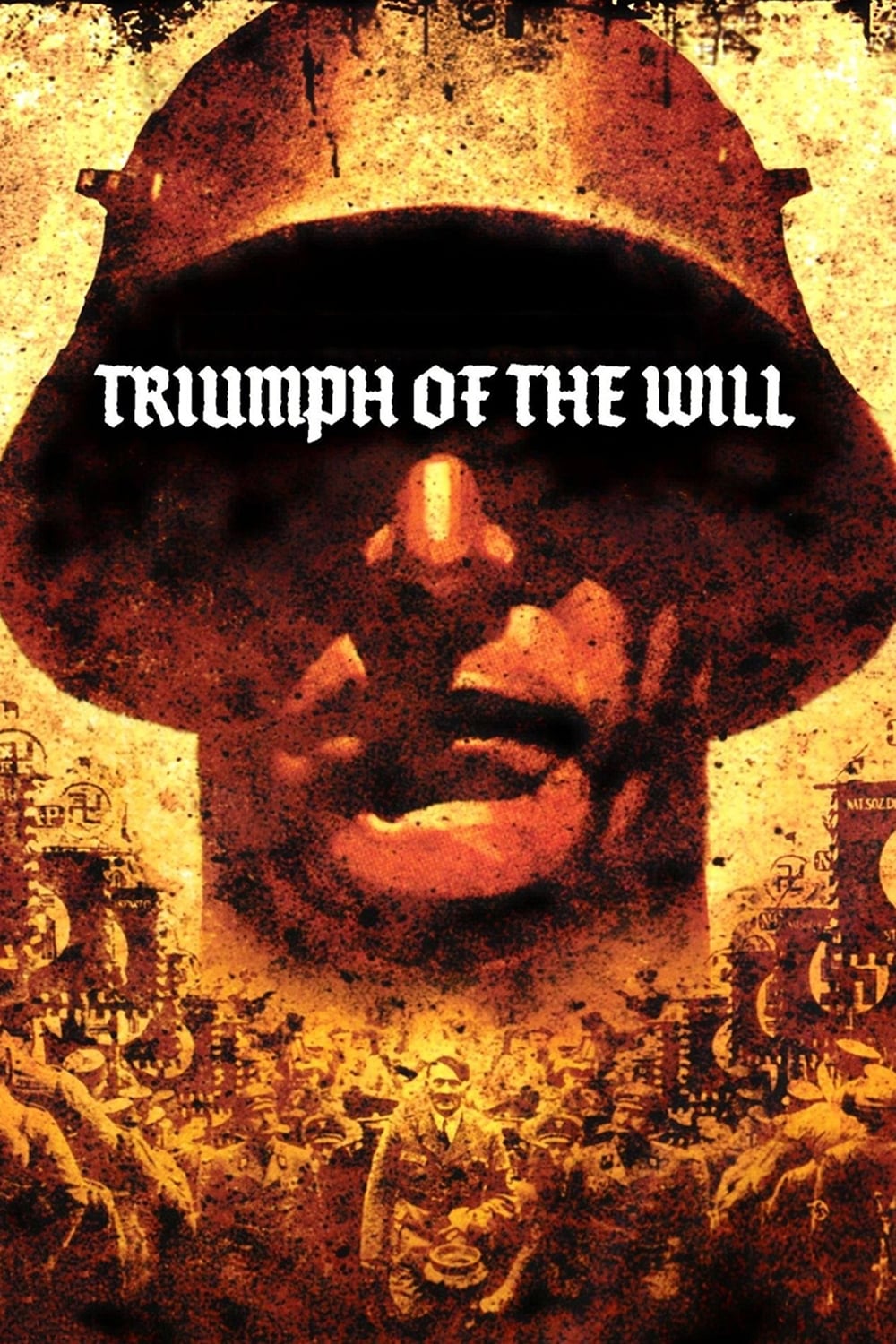
A showcase of German chancellor and Nazi Party leader Adolf Hitler at the 1934 Nuremberg Rally.
A subjective documentary that explores various theories about hidden meanings in Stanley Kubrick's classic film The Shining. Five very different points of view are illuminated through voice over, film clips, animation and dramatic reenactments.