Social & External
The people behind it
Paulo André LagoeiroJannuzzi
Gabriel Barbosa Ribeiro
Gustavo Nunes
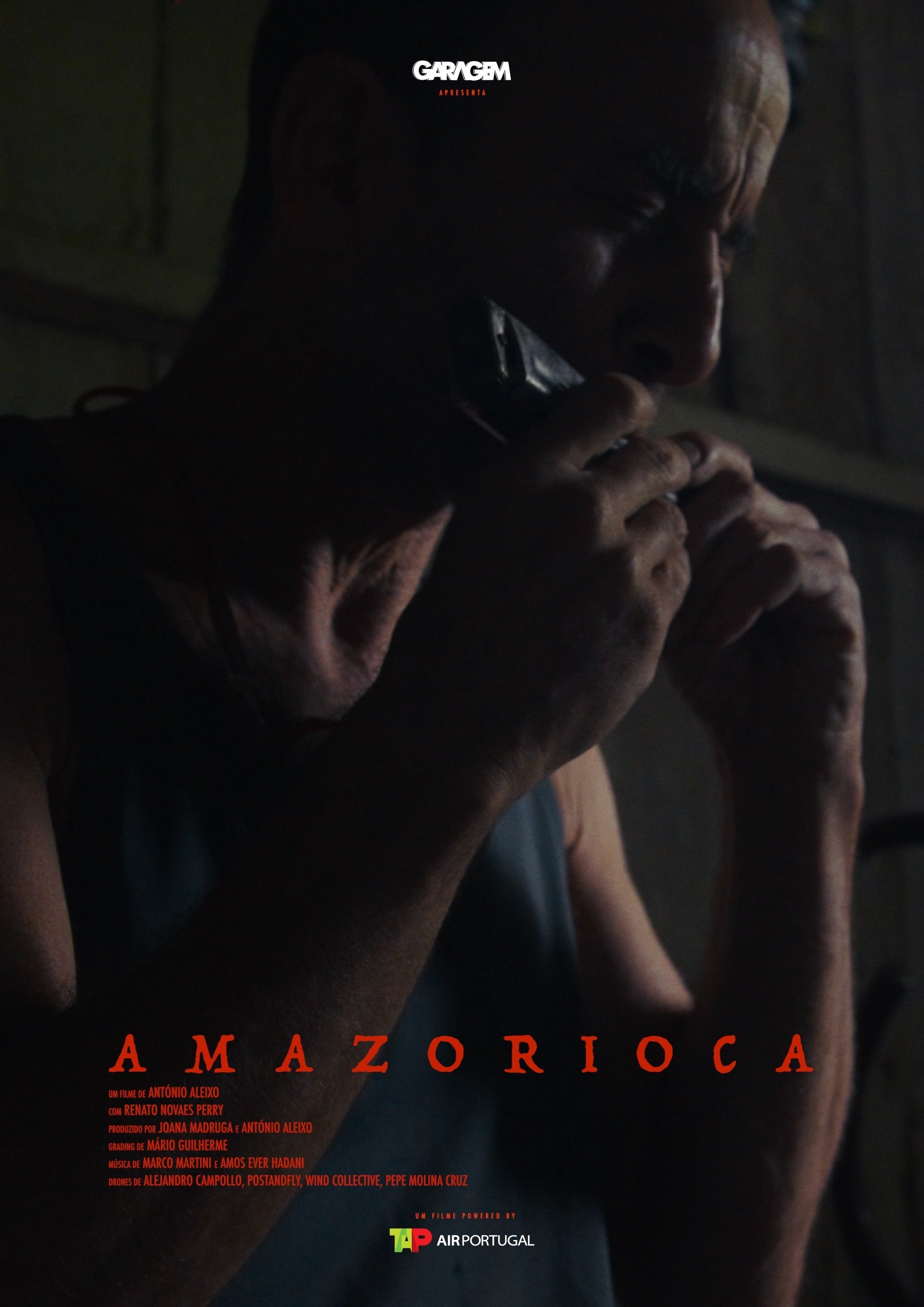
A journey through the Brazilian Amazon, guided by the eyes of Renato, a Carioca turned Amazorioca. A reflection on identity, the legacy of an ancestral territory, and the cost of progress. An ode to the forest and the fragility of what remains.
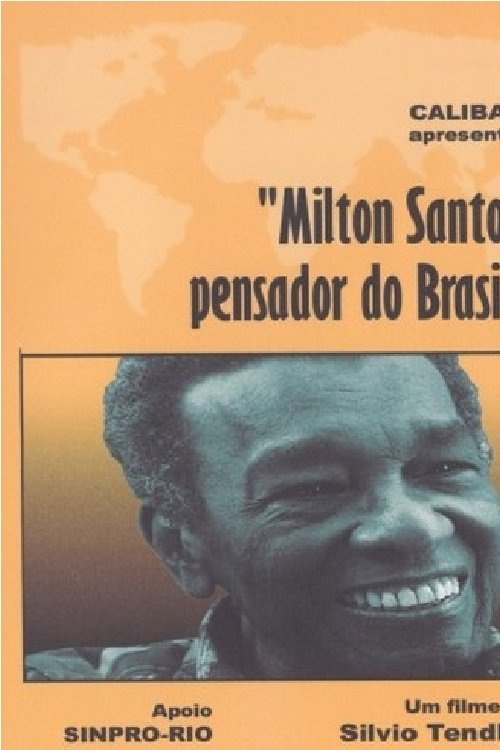
The interview, held on January 4, 2001, was the last given by Professor Milton Santos, who died from cancer on June 24 of the same year. The geographer is gone, but his thoughts remains. Its political and cultural ideals inspire the debate on Brazilian society and the construction of a new world. His statement is a true testimony, a lesson that the world can be better. Based on geography, Milton Santos performs a reading of the contemporary world that reveals the different faces of the phenomenon of globalization. It is in the evidence of contradictions and paradoxes that constitute everyday life that Milton Santos sees the possibilities of building another reality. He innovates when, instead of standing against globalization, proposes and points out ways for another globalization.
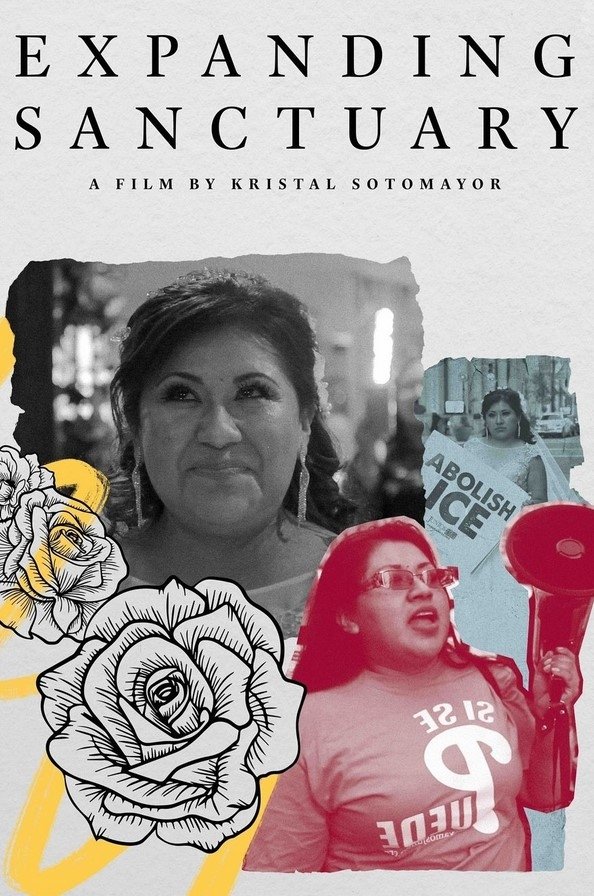
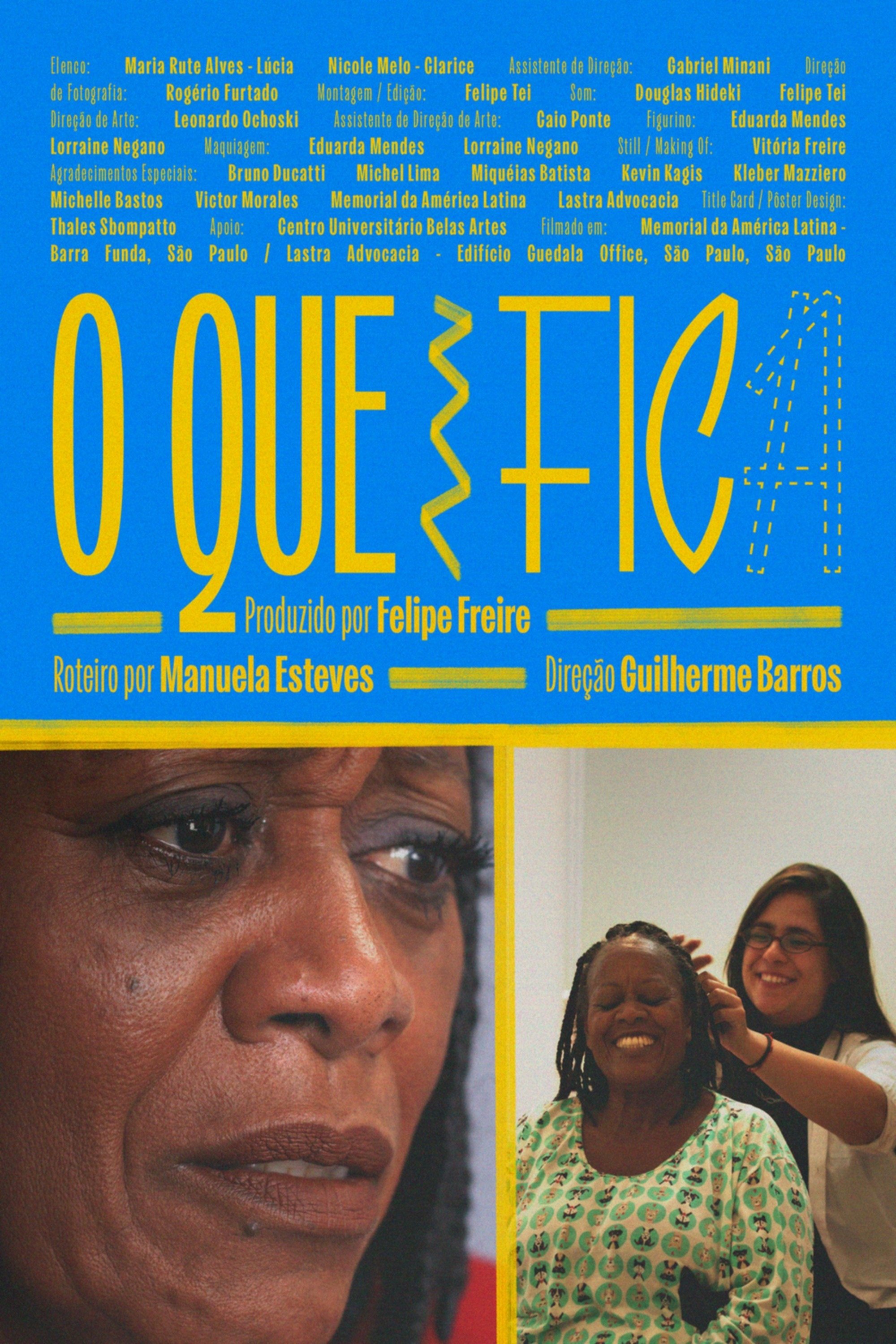
A Latinx immigrant mother makes waves with a historic campaign to end the sharing of the Philadelphia police database with ICE.
Amid the 2019 drought in Brazil’s Northeast, Madalena loses her mother in a tragic event that changes her life. Alone, she joins a rebellion at the Grajaú farm in Canudos, where a community rises against government neglect. A violent State response turns their hope into sorrow. Later, journalist Júlia returns to uncover the truth, hearing from people like Lúcia, a grieving mother. As Júlia investigates, hidden stories emerge: Madalena's forbidden love with rebel João and Pedro's thirst for revenge after losing his father to political violence. Their paths cross in a tale of justice, pain, and redemption. Inspired by Ariano Suassuna, famed for "A Dog’s Will", this short film is a prelude to "A Pena e a Lei", created by 9th-grade students from Escola SESI Cambona, in Maceió, Brazil. It was screened at the SESI Festival of Art and Culture in July 2023, touching audiences with its emotional and socially conscious narrative.
A look into the rising underground vogue scene of Brasília
This film depicts the laborious and isolated existence of Emilia, a working class, urban, Latina housewife in the U.S. Emilia's detached attitude towards her husband and children suggests deep unhappiness and a fatalistic resignation. She vicariously experiences her dreams of romance and adventure through the female protagonist of her favorite soap opera. The film intermixes the fantasy world of the television program with the reality of the Emilia's daily life, exploring the profound sense of dissatisfaction and acute feelings of entrapment experienced by women within society's traditional roles. There is not much difference between Emilia's "real" life and her soap opera life in that the woman is confined in both environments.
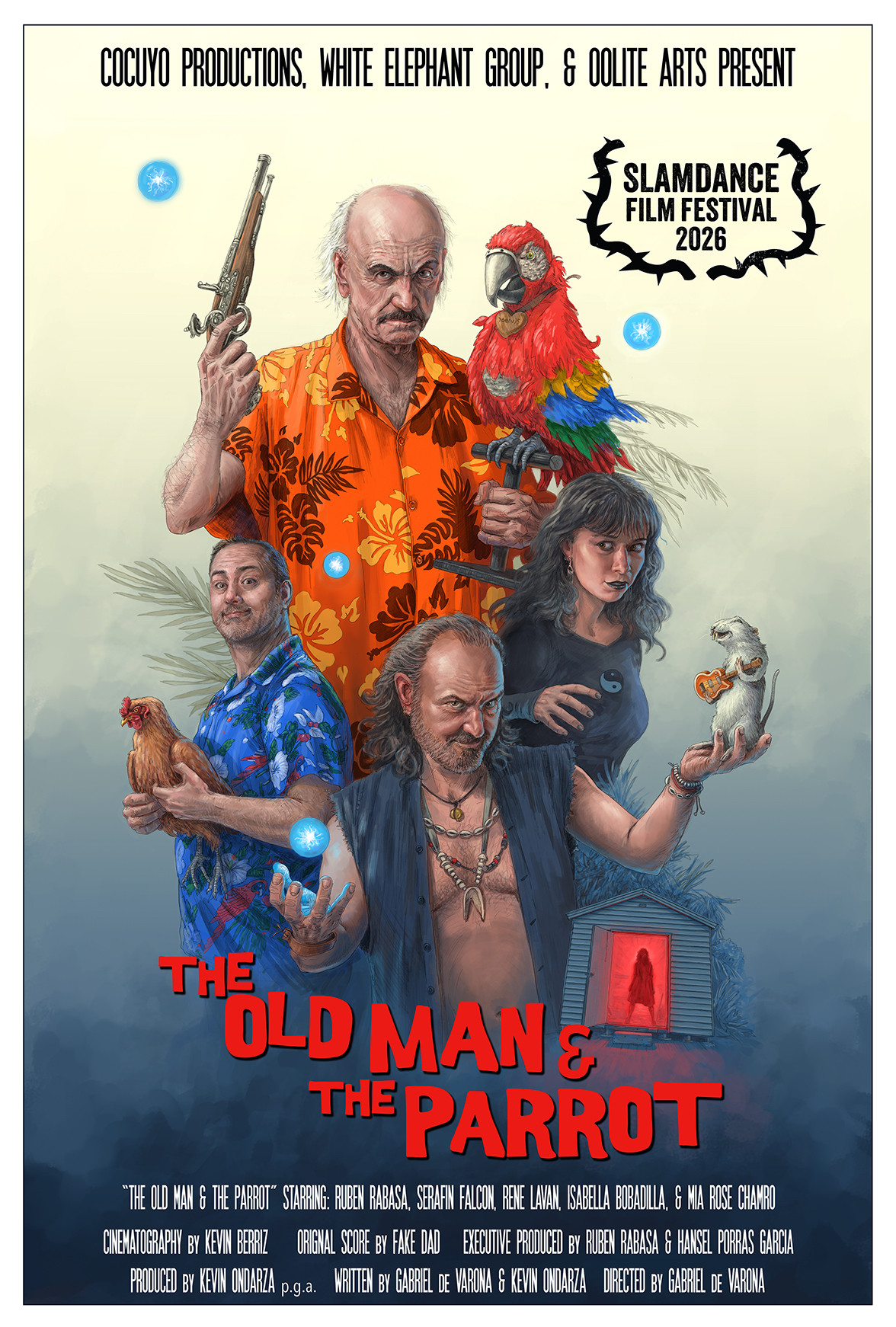
With a taxidermy parrot and pistol in hand, Praxi, breaks into the home of a mute spiritual guru who trapped his lover’s soul inside the parrot years ago. Praxi must convince the guru’s estranged daughter to guide her father in freeing his lover’s soul in this darkly comedic tale of love and the afterlife.
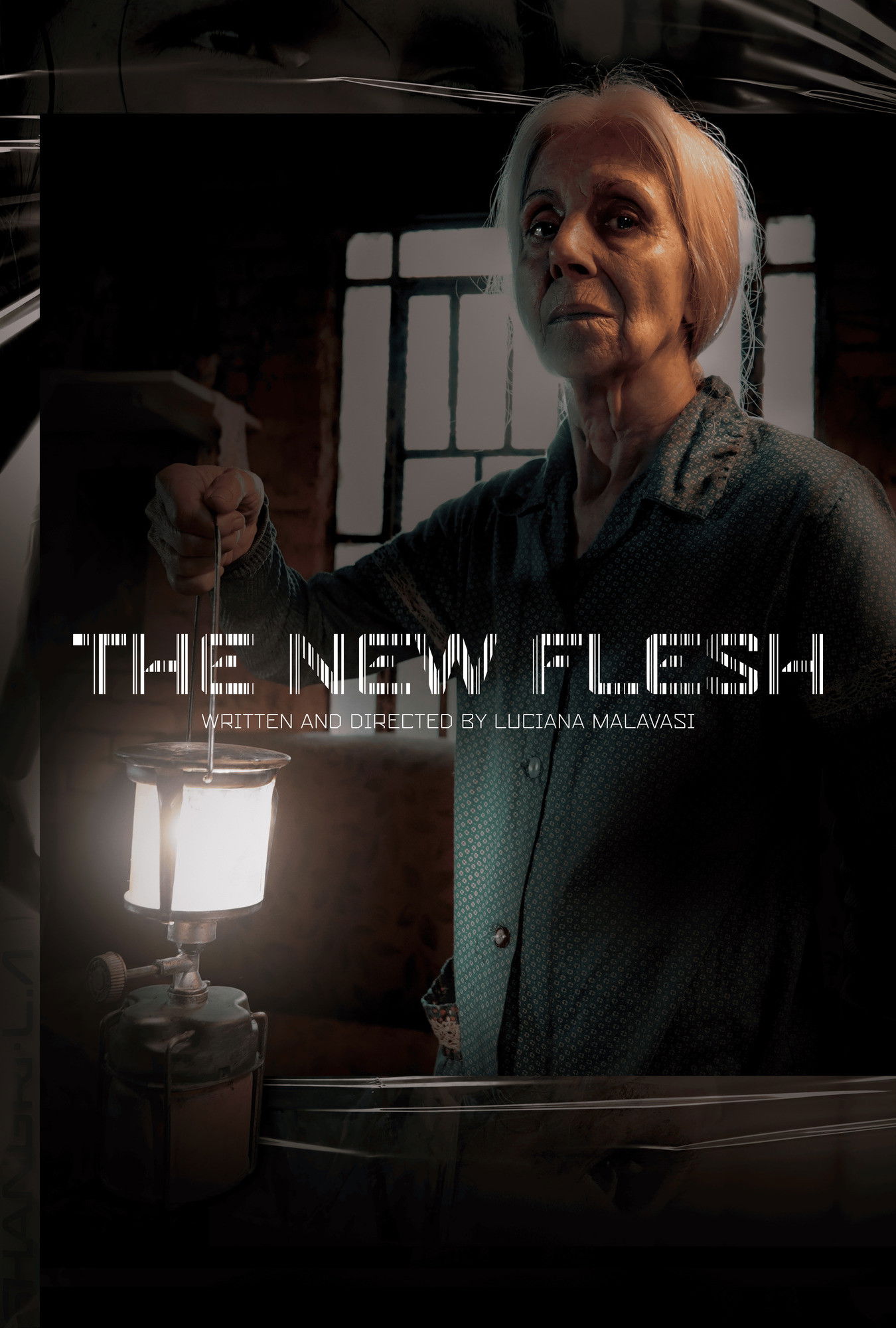
On an isolated farm, a woman finds an injured and frightened woman in her old chicken coop. Moved by an inexplicable instinct, she decides to help her, without imagining that this silent encounter will awaken buried secrets. When tension finally gives way to trust, something dark approaches, bringing a truth that no one could have foreseen.
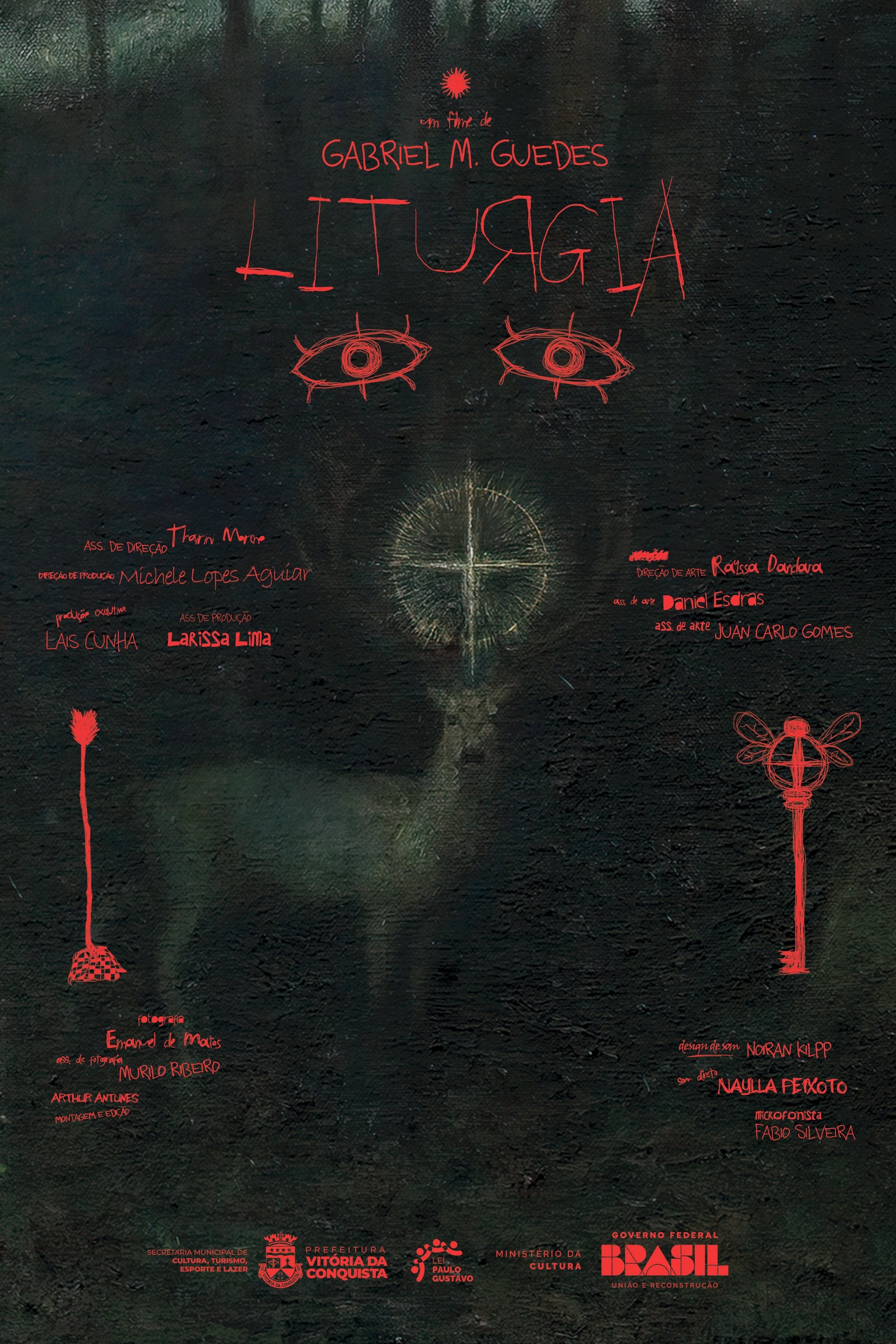
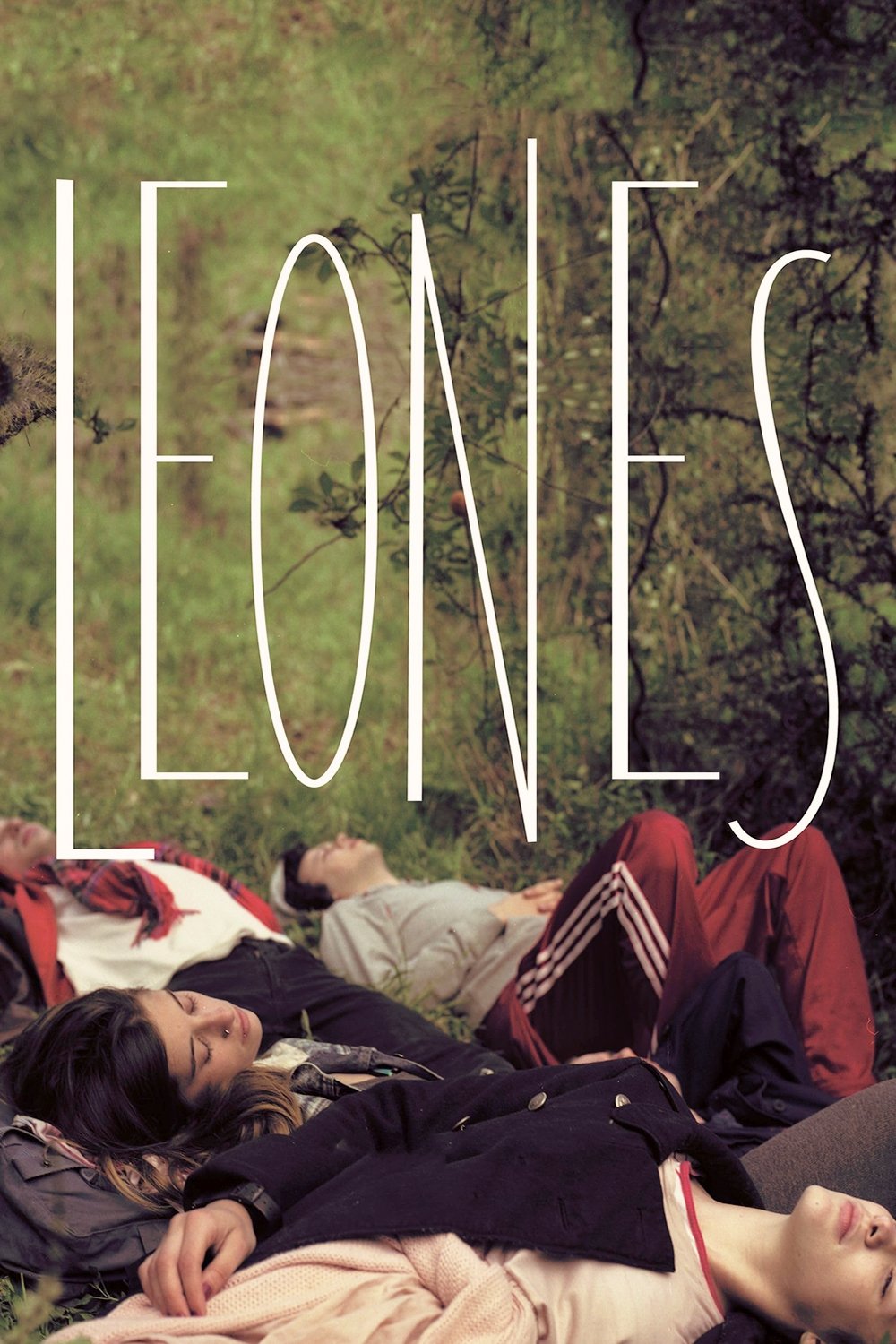
Deep in the forest a group of five friends wander around like a lion herd. Lost in their word games, they play and seduce each other while going back and forth into adulthood territory, in a desperate search to avoid their already written story.
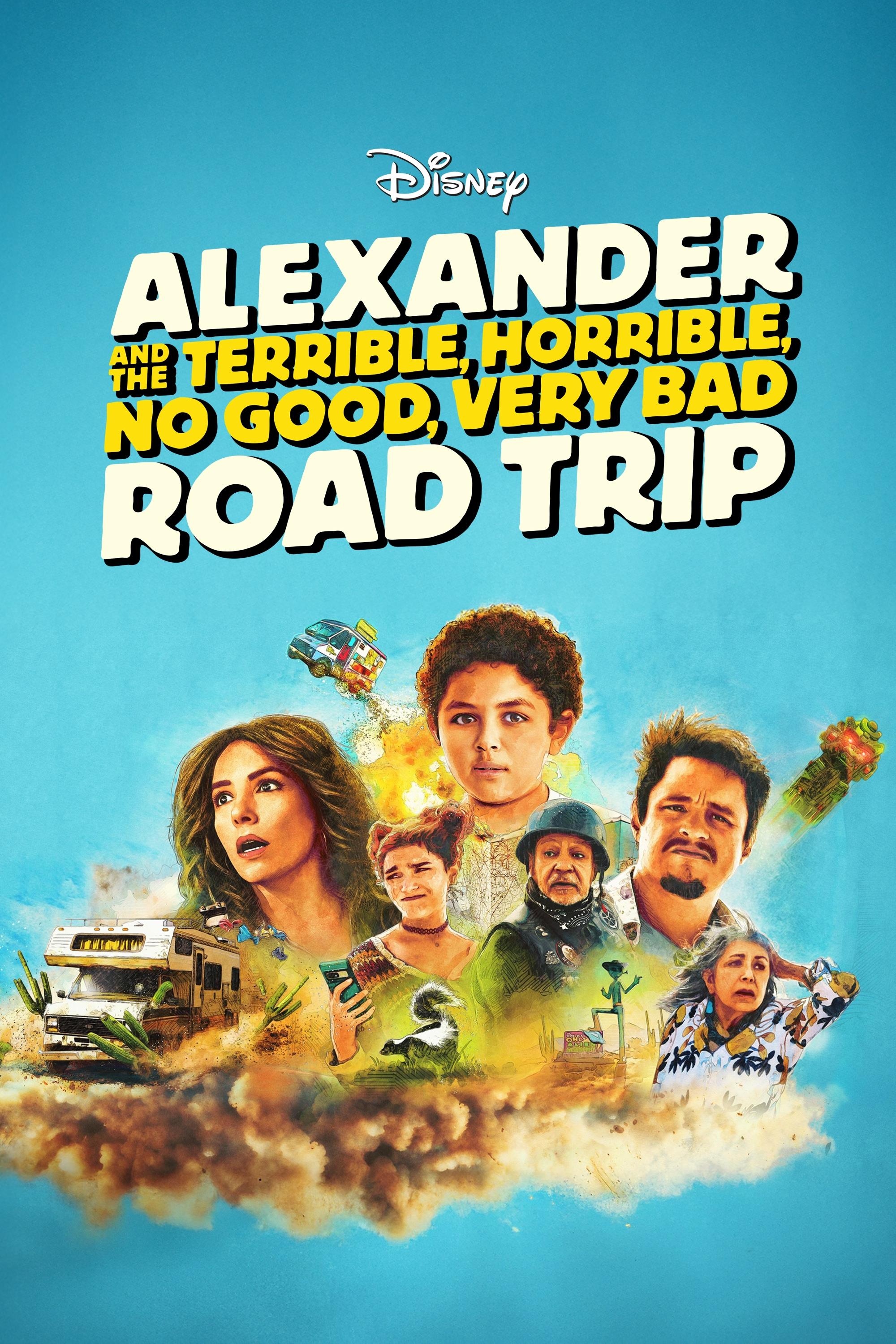
Eleven-year-old Alexander and his family embark on a dream Spring Break vacation to Mexico City only to have all their plans go terribly wrong when they discover a cursed idol.
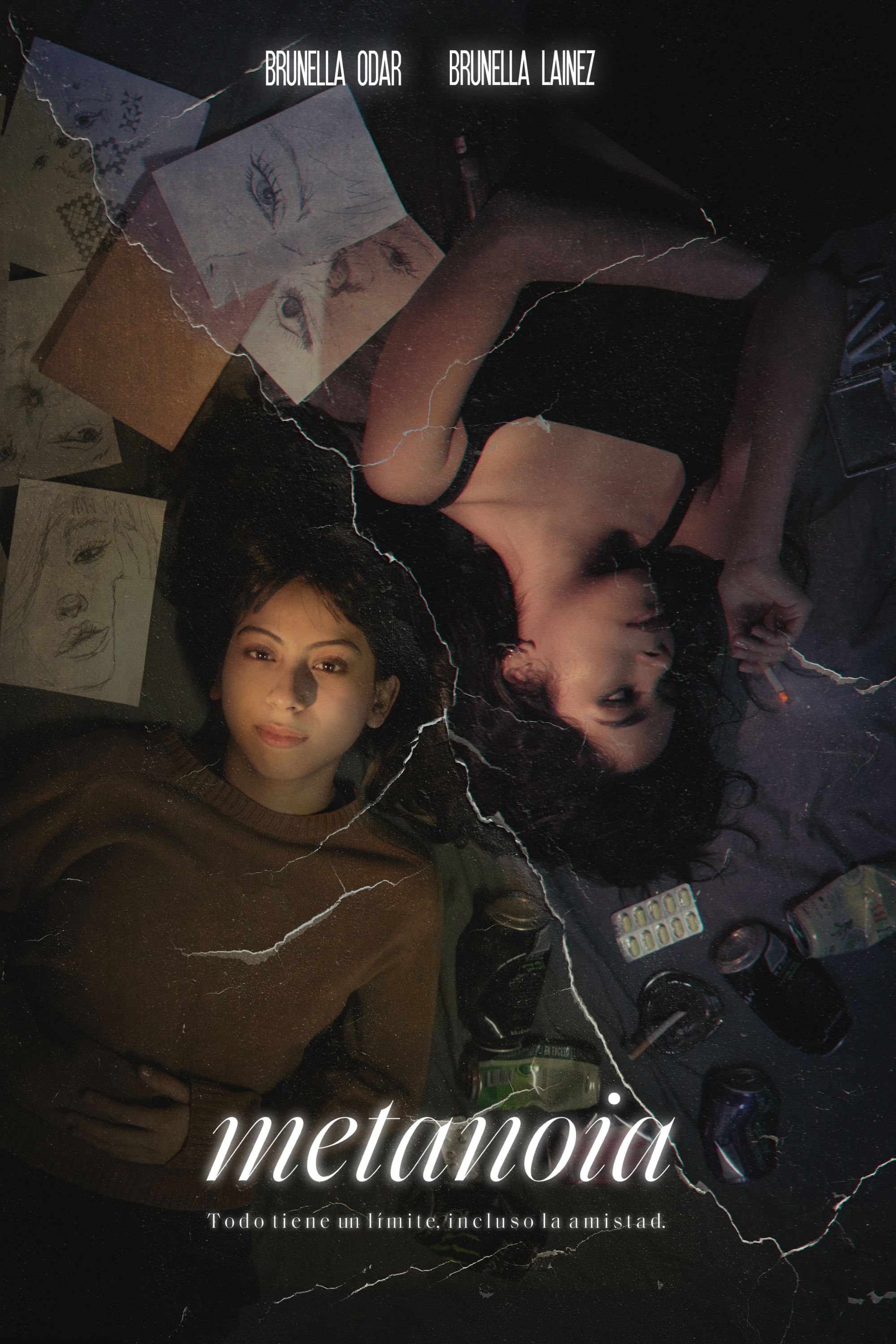
Sofia encounters with an old friend from her childhood, Mar. Both girls become inseparable, until that bond becomes so strong that Mar starts to develop a dependency for Sofia.
In an evangelical house on the outskirts of a Brazilian megalopolis, a young trans man revisits his family after years. Gradually, what could be just a Sunday lunch turns into a suffocating plot of abuse and violence.
The life and career of an actor, artist, and icon. His own journey through his own camera.
A look at the origins, history and conspiracies behind the "Majestic 12", a clandestine group of military and corporate figureheads charged with reverse-engineering extraterrestrial technology.
The life of Mr. Spock, as well as that of Leonard Nimoy, the actor who played him for almost fifty years, written and directed by his son: Adam.
Daniel Craig candidly reflects on his 15 year adventure as James Bond. Including never-before-seen archival footage from Casino Royale to the upcoming 25th film No Time To Die, Craig shares his personal memories in conversation with 007 producers, Michael G Wilson and Barbara Broccoli.
The film follows adventurer Jeff Johnson as he retraces the epic 1968 journey of his heroes Yvon Chouinard and Doug Tompkins to Patagonia.
Through deeply personal interviews with her siblings and an examination of the photographs, letters, and belongings left behind, Mariska assembles a new portrait of her mother Jayne Mansfield, an extraordinary and complex woman.
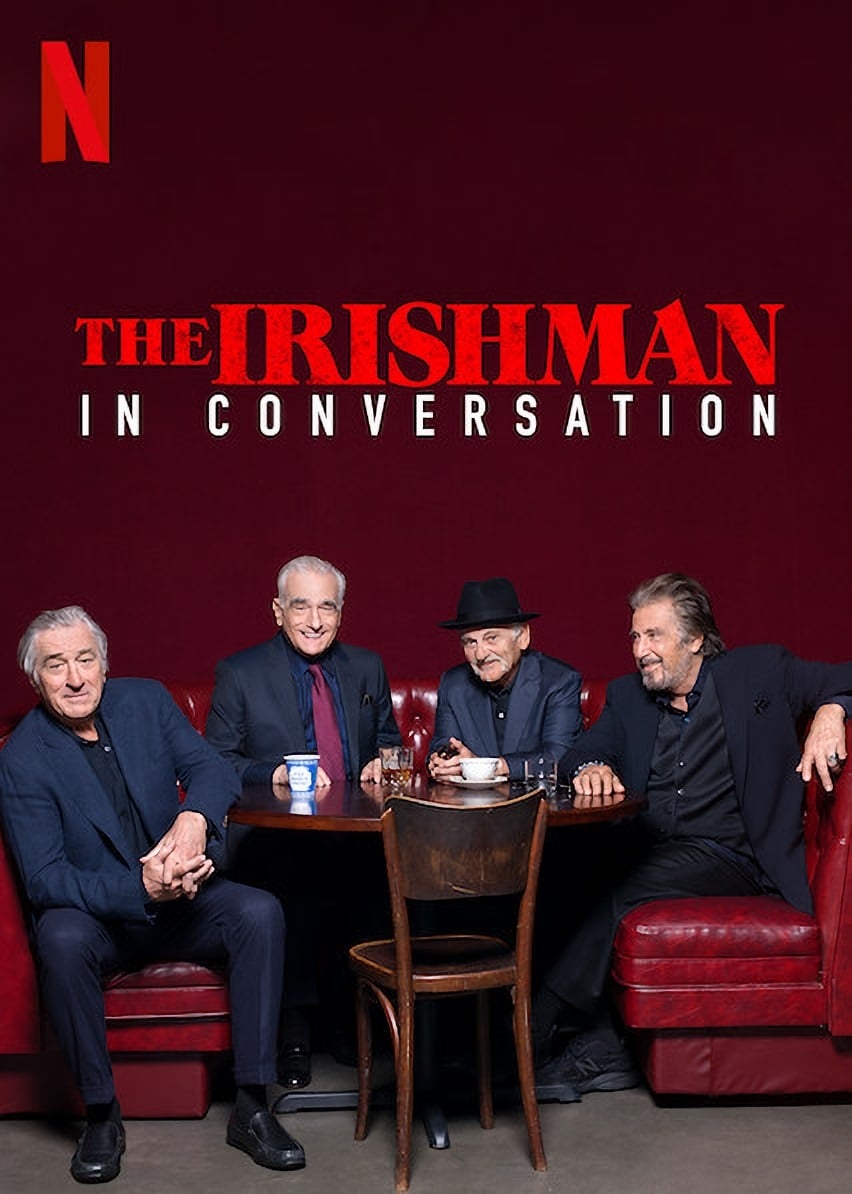
Martin Scorsese, Robert De Niro, Joe Pesci, and Al Pacino in conversation about The Irishman.
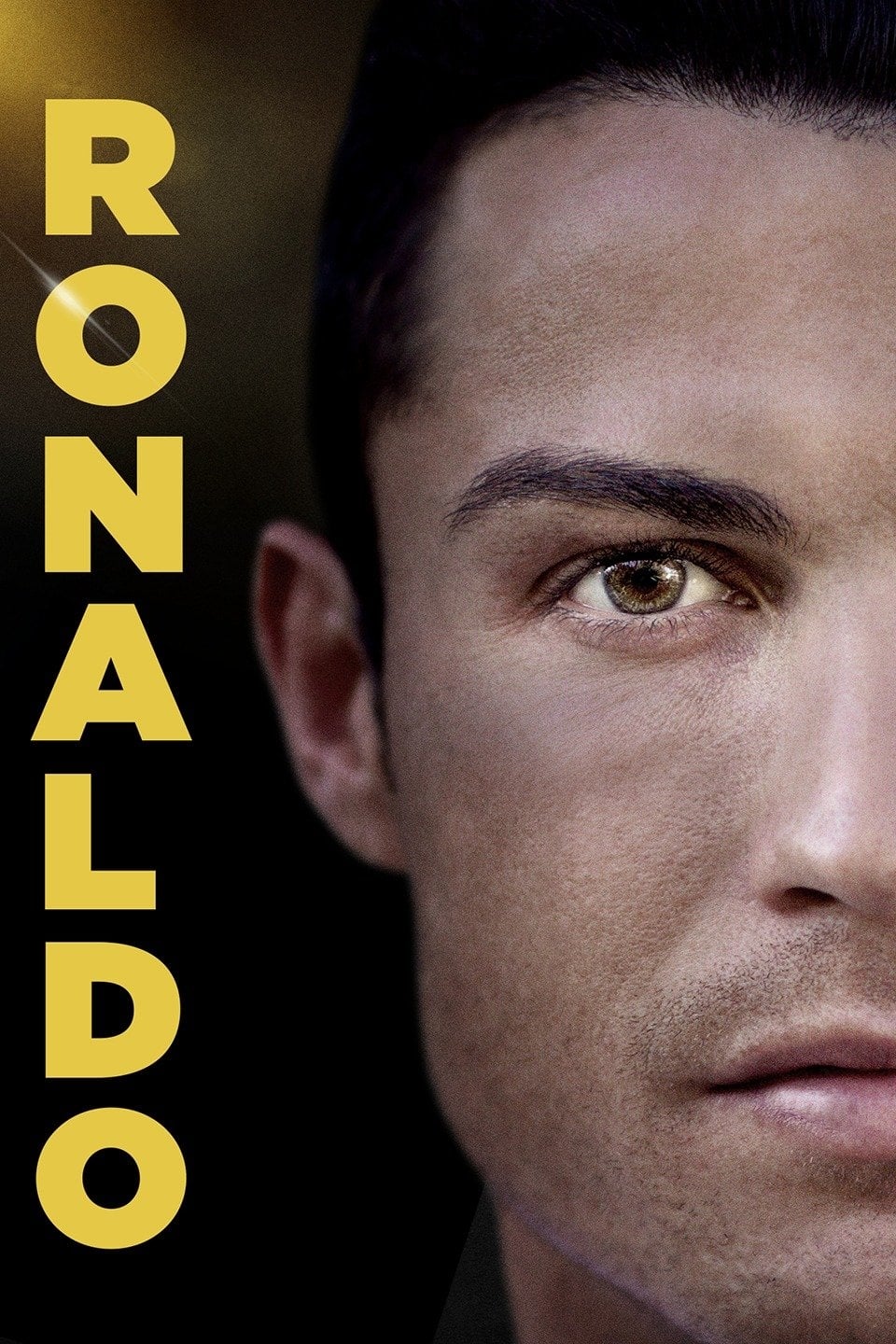
Filmed over 14 months with unprecedented access into the inner circle of the man and the sport, this is the first official and fully authorised film of one of the most celebrated figures in football. For the first time ever, the world gets vividly candid and un-paralleled, behind-closed-doors access to the footballer, father, family-man and friend in this moving & fascinating documentary. Through in-depth conversations, state of the art football footage and never before seen archival footage, the film gives an astonishing insight into the sporting and personal life of triple Ballon D'Or winner Cristiano Ronaldo at the peak of his career. From the makers of ‘Senna’ and ‘Amy’, Ronaldo takes audiences on an intimate and revealing journey of what it’s like to live as an iconic athlete in the eye of the storm.
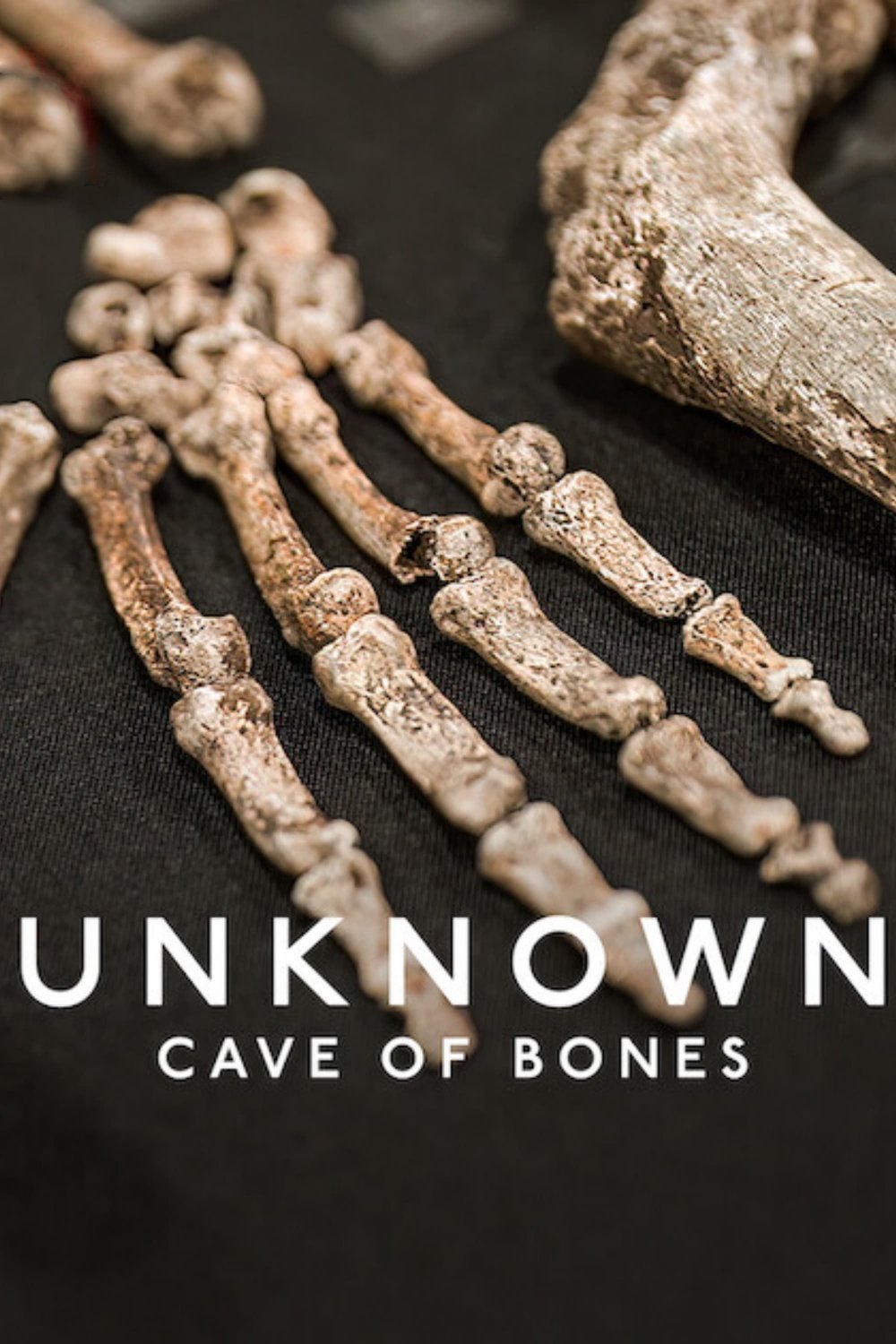
Scientists examine underground clues from over 250,000 years ago that raise questions about our early relatives — and what it truly means to be human.
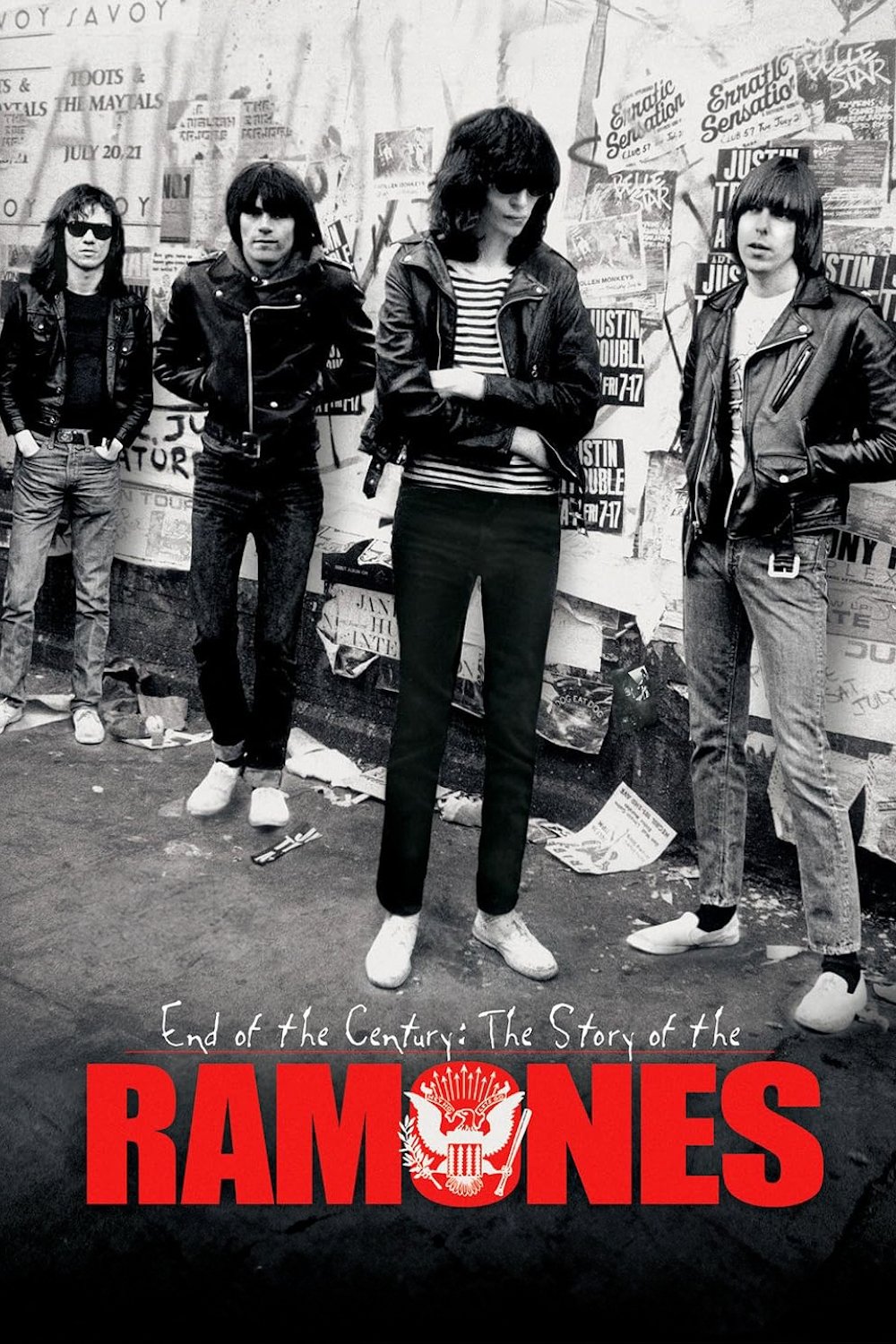
A years-in-the-making documentary on the legendary punk band the Ramones. Through a mixture of archival footage, archival and new interviews with all members of the band's various lineups, and new interviews with a number of their contemporaries, the film traces the peaks and valleys the band experienced over the course of its 20-plus year career before disbanding in 1995.
Al Pacino's deeply-felt rumination on Shakespeare's significance and relevance to the modern world through interviews and an in-depth analysis of "Richard III."
A deliciously scandalous portrait of unsung Hollywood legend Scotty Bowers, whose bestselling memoir chronicled his decades spent as sexual procurer to the stars.
Lupita Nyong'o narrates a documentary about Peanuts and its creator, Charles M. Schulz. Famous fans—including Drew Barrymore, Kevin Smith, and Al Roker—share its influence on them, and a new animated story finds Charlie Brown on a quest.
A visual montage portrait of our contemporary world dominated by globalized technology and violence.
The elite pilots of the Air Force Thunderbirds display exceptional skill, trust and courage during a high-stakes training season.
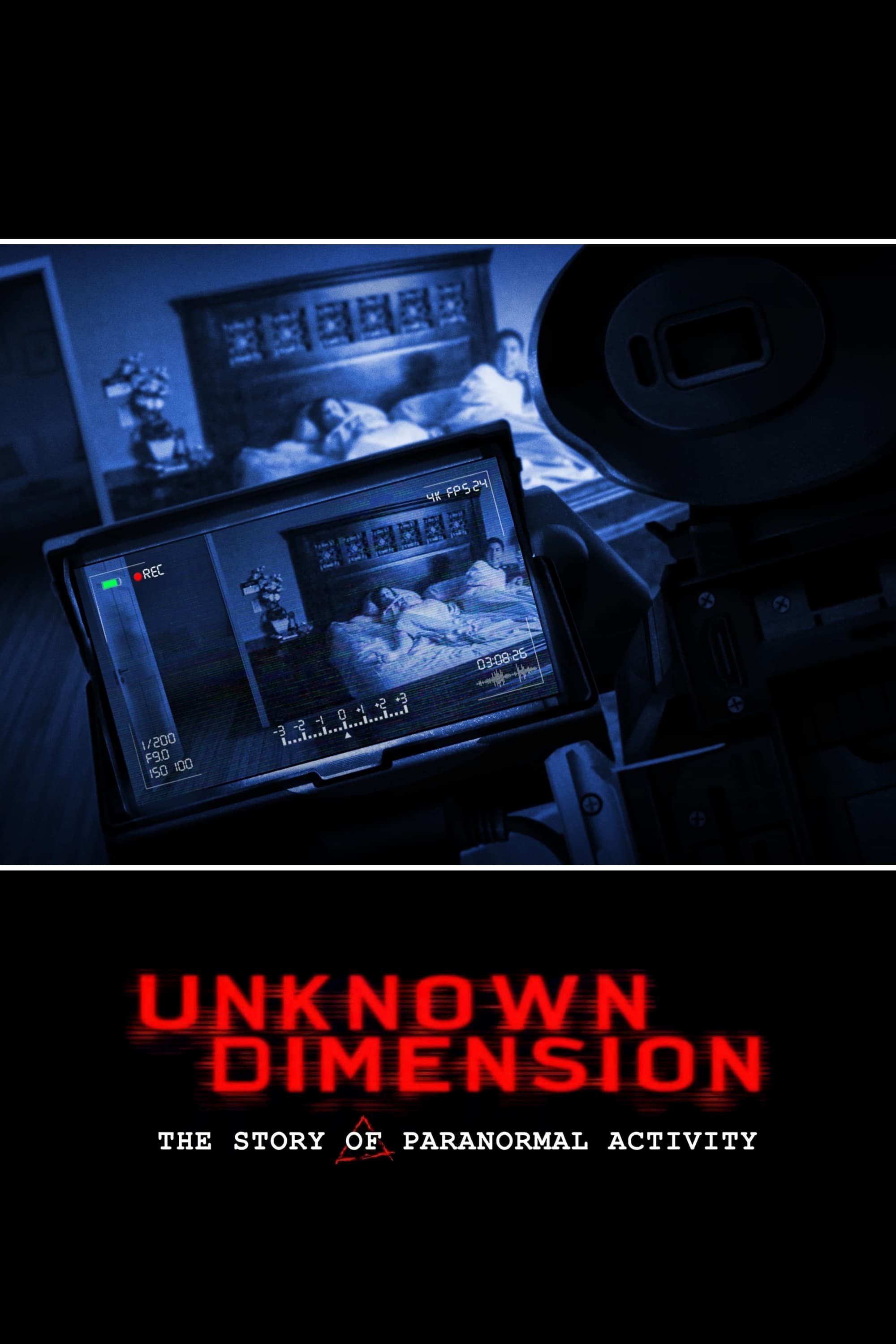
A deep dive into the making of the Paranormal Activity films with first time ever interviews with cast and crew, never-before-seen footage from the movies, and a preview of the seventh installment in the franchise.
A documentary detailing the epic Rogues' Gallery of DC Comics from The Joker and Lex Luthor, Sinestro, Darkseid and more, this documentary will explore the Super Villains of DC Comics.
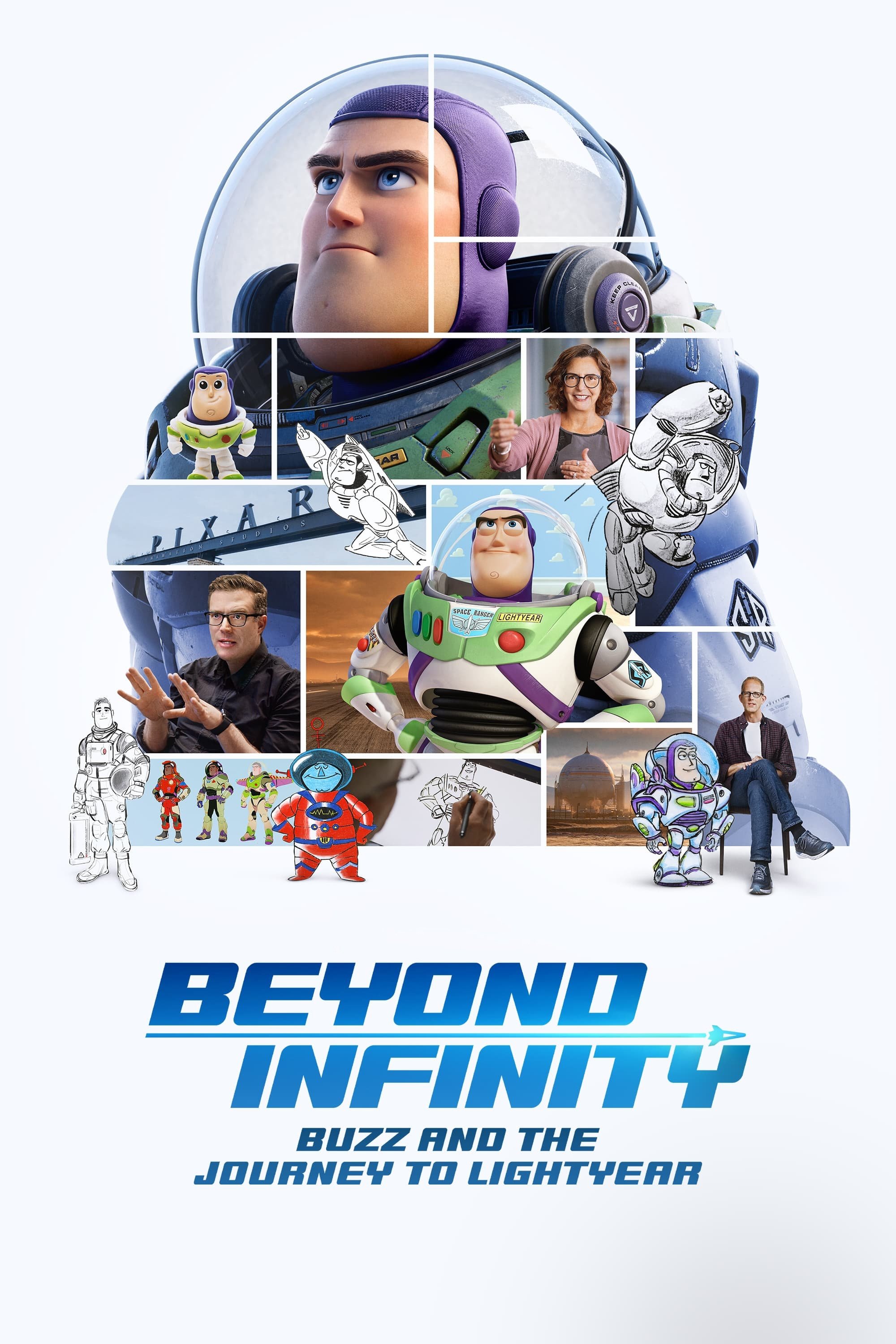
Explore the evolution of Buzz Lightyear from toy to human in the making of Pixar’s Lightyear. Dive into the origin and cultural impact of everyone’s favorite Space Ranger, the art of designing a new “human Buzz,” and the challenges faced by the Lightyear crew along the way.
Join director Clint Eastwood and his creative team, along with Bradley Cooper and Sienna Miller, as they overcome enormous creative and logistic obstacles to make a film that brings the truth of Navy SEAL Chris Kyle's story to the screen.
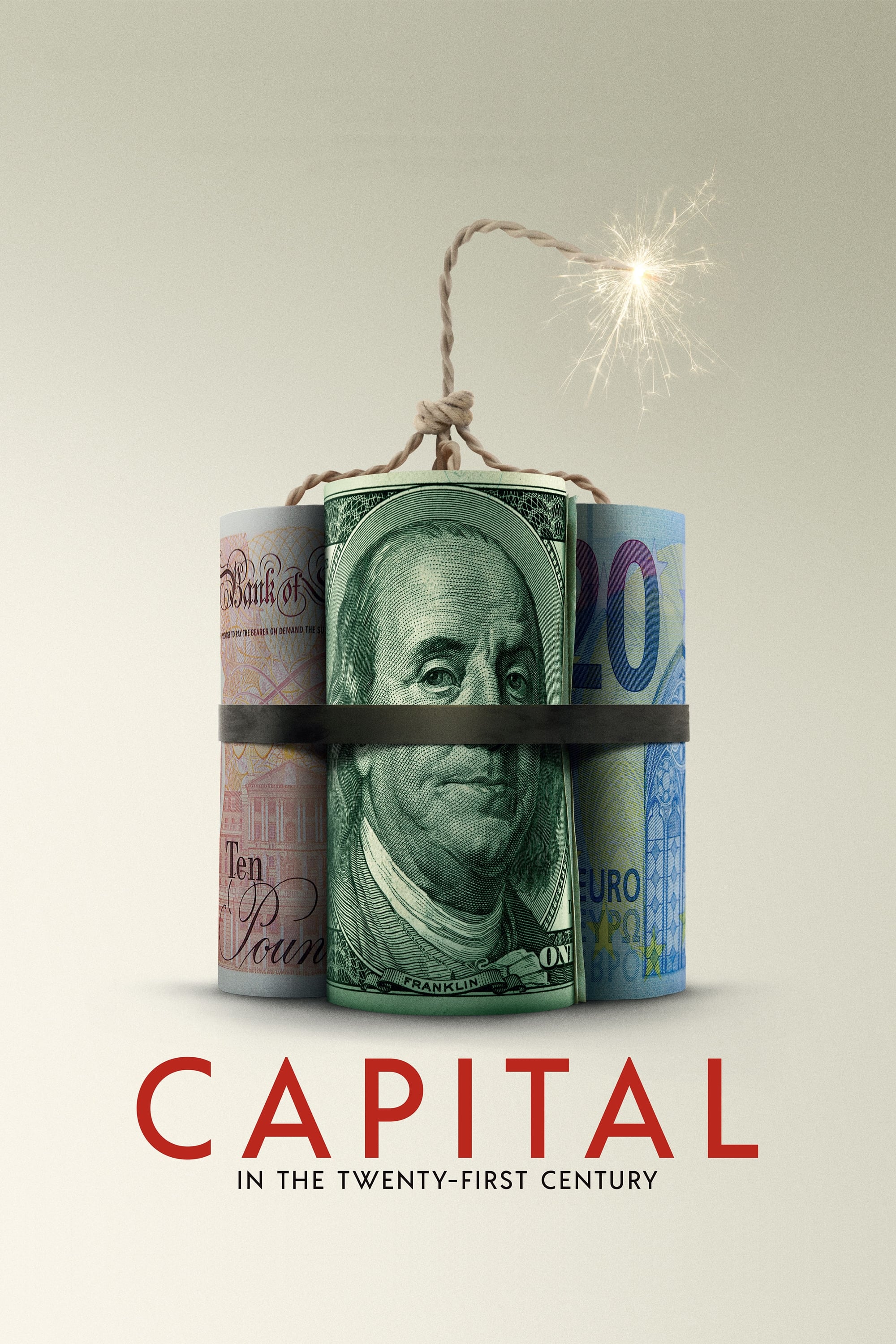
Film adaptation of French economist Thomas Piketty's ground-breaking global bestseller of the same name: an eye-opening journey through wealth and power.